
Testosterone Enanthate (Delatestryl)
On this page
Quick Reference Card
Attribute
Brand Name(s)
- Value
- Delatestryl (US, discontinued brand), Xyosted (US, auto-injector), Testoviron Depot (international)
Attribute
Generic Name
- Value
- Testosterone enanthate
Attribute
Drug Class / Type
- Value
- Testosterone ester, androgen
Attribute
DEA Schedule
- Value
- Schedule III
Attribute
FDA-Approved Indications
- Value
- Testosterone replacement therapy in adult males with primary hypogonadism or hypogonadotropic hypogonadism; delayed puberty (selected males)
Attribute
Common Doses
- Value
- 50-200 mg IM every 1-2 weeks; 50-100 mg SubQ weekly (Xyosted)
Attribute
Route(s) of Administration
- Value
- Intramuscular (IM), Subcutaneous (SubQ via Xyosted auto-injector)
Attribute
Dosing Schedule
- Value
- Weekly to every 2 weeks (IM); weekly (SubQ Xyosted)
Attribute
Carrier Oil
- Value
- Sesame oil
Attribute
Key Monitoring Requirements
- Value
- Hematocrit (threshold >54%), PSA, trough testosterone levels, estradiol (if symptomatic), lipid panel
Attribute
Initial U.S. Approval
- Value
- 1953 (Delatestryl, NDA 009165)
Overview / What Is Testosterone Enanthate?
The Basics
Testosterone enanthate is one of the oldest and most widely used forms of injectable testosterone replacement therapy. First approved by the FDA in 1953 under the brand name Delatestryl, it has been a cornerstone of TRT for over seven decades. Although the Delatestryl brand has been discontinued in the United States, generic testosterone enanthate injection remains widely available and commonly prescribed.
At its core, testosterone enanthate is simply testosterone with a chemical "tail" attached. That tail (called the enanthate ester) acts like a time-release mechanism. When the medication is injected into muscle tissue, the ester slows the release of testosterone into your bloodstream over a period of roughly one to two weeks. Without the ester, injected testosterone would spike and disappear within hours.
Testosterone enanthate is most commonly used to treat men whose bodies do not produce enough testosterone on their own, a condition called hypogonadism. This includes men born with conditions affecting testosterone production, men who have suffered testicular injury or disease, and men with pituitary or hypothalamic disorders that disrupt the hormonal signals telling the testes to produce testosterone.
In 2018, a new formulation of testosterone enanthate gained FDA approval: Xyosted, a subcutaneous auto-injector that allows patients to self-inject smaller weekly doses under the skin of the abdomen rather than into muscle. This represented the first subcutaneous testosterone product approved in the United States.
The Science
Testosterone enanthate (17-beta-heptanoyloxy-4-androsten-3-one; C26H40O3; molecular weight 400.59 g/mol; CAS 315-37-7) is the heptanoic acid ester of testosterone, a long-acting androgen prodrug. Esterification at the C-17 beta-hydroxyl position increases lipophilicity and reduces polarity relative to free testosterone, enabling depot formation upon intramuscular injection in an oil vehicle (sesame oil). The ester is subsequently cleaved by non-specific plasma and tissue esterases to liberate bioactive free testosterone [1][2].
Testosterone enanthate was first approved by the FDA in 1953 (NDA 009165) for the treatment of male hypogonadism. It remains one of the most commonly prescribed injectable testosterone formulations worldwide, particularly outside the United States where testosterone cypionate is less available. The two esters differ by a single carbon in their side chain (enanthate: 7-carbon heptanoic acid; cypionate: 8-carbon cyclopentylpropionate), resulting in near-identical pharmacokinetic profiles and clinical interchangeability in practice [3].
The 2018 approval of Xyosted (NDA 209863) introduced a novel delivery route for testosterone enanthate: subcutaneous injection via a prefilled auto-injector device. Phase III clinical data demonstrated that weekly 75 mg subcutaneous doses achieved steady-state testosterone concentrations with low peak-to-trough variability (mean trough at week 52: 487.2 ng/dL) and a favorable tolerability profile [4].
Medical / Chemical Identity
Generic Name: Testosterone enanthate
Chemical Name: Androst-4-en-3-one, 17-[(1-oxoheptyl)-oxy]-, (17beta)-
Molecular Formula: C26H40O3
Molecular Weight: 400.59 g/mol
CAS Number: 315-37-7
Ester Type: Heptanoic acid (7-carbon chain)
Active Testosterone per 100 mg: Approximately 89 mg
Physical Form: Clear, colorless to pale yellow oily solution
Brand Names by Region:
Region
United States
- Brand Name(s)
- Delatestryl (discontinued brand), generic testosterone enanthate injection, Xyosted (SubQ auto-injector)
Region
Europe
- Brand Name(s)
- Testoviron Depot (Bayer), Cidoteston, Primoteston Depot
Region
International
- Brand Name(s)
- Testoviron, Testosterone Depot, various generic names
Regulatory Identifiers:
Identifier
FDA NDA (Delatestryl)
- Value
- 009165 (approved December 24, 1953)
Identifier
FDA NDA (Xyosted)
- Value
- 209863 (approved October 2018)
Identifier
FDA ANDA (generic)
- Value
- ANDA212659 (example current generic)
Identifier
DEA Schedule
- Value
- Schedule III Controlled Substance
Identifier
UNII
- Value
- 7Z6522T8N9
Formulation Details:
- IM injection (generic): 200 mg/mL in sesame oil with chlorobutanol preservative, 5 mL multi-dose vial
- SubQ auto-injector (Xyosted): 50 mg, 75 mg, or 100 mg per 0.5 mL in sesame oil, preservative-free, single-dose auto-injector
Ester Chemistry:
The enanthate ester consists of a heptanoic acid group attached at the 17-beta hydroxyl position of the testosterone molecule. This ester increases lipophilicity compared to free testosterone, creating a depot effect in the oil vehicle after injection. Compared to testosterone cypionate (cyclopentylpropionate, 8-carbon chain, MW 412.61), enanthate has one fewer carbon in its ester chain, resulting in marginally higher testosterone content per milligram (~89 mg active T per 100 mg enanthate vs. ~88 mg per 100 mg cypionate) and a modestly shorter terminal half-life [3].
Mechanism of Action
The Basics
Testosterone does far more than most people realize. Beyond its well-known role in sexual function, it helps maintain bone density, supports muscle mass and strength, influences mood and cognitive function, regulates energy levels, stimulates red blood cell production, and plays a role in cardiovascular and metabolic health. When testosterone levels drop below what your body needs, the effects can show up across multiple systems at once.
Testosterone enanthate works by replacing the testosterone your body is not producing sufficiently. Once injected, your body's enzymes gradually clip off the enanthate ester tail, releasing free testosterone into your bloodstream. From there, it works just like the testosterone your body makes naturally.
Some of that testosterone gets converted to dihydrotestosterone (DHT), a more potent androgen responsible for some of TRT's effects on hair, skin, and prostate tissue. Some gets converted to estradiol (a form of estrogen), which men also need in appropriate amounts for bone health, brain function, and cardiovascular protection. The balance between testosterone, DHT, and estradiol is part of what your provider monitors during treatment.
One important thing to understand: when you take testosterone from an outside source, your brain detects the higher testosterone levels and dials back its own signals telling your testes to produce more. This is why exogenous testosterone suppresses your body's natural production, and why fertility implications are a critical consideration before starting TRT.
The Science
Following intramuscular or subcutaneous injection, testosterone enanthate undergoes slow first-order absorption from the depot site into systemic circulation. Non-specific esterases in plasma and tissues hydrolyze the ester bond at the C-17 position, liberating free testosterone [1].
Free testosterone exerts biological effects through binding to the intracellular androgen receptor (AR), a member of the nuclear receptor superfamily. The classical genomic pathway involves ligand-AR binding, receptor dimerization, nuclear translocation, and interaction with androgen response elements (AREs) in target gene promoters, modulating transcription over hours to days. Non-genomic signaling through membrane-associated AR activates rapid second messenger cascades (MAPK/ERK, PI3K/Akt) within seconds to minutes [5].
Testosterone undergoes two primary metabolic conversions:
- 5-alpha reductase (types I and II) irreversibly converts testosterone to 5-alpha-dihydrotestosterone (DHT), which has approximately 2-3 times greater AR binding affinity and mediates androgenic effects in skin, hair follicles, and prostate tissue [6].
- Aromatase (CYP19A1), expressed predominantly in adipose tissue, brain, and bone, converts testosterone to 17-beta-estradiol (E2). In men, estradiol is essential for bone mineral density maintenance, epiphyseal plate closure, negative feedback on GnRH/LH secretion, and neuroprotective functions [7].
The HPG axis suppression by exogenous testosterone is mediated through both hypothalamic (reduced GnRH pulse frequency and amplitude) and pituitary (reduced LH and FSH synthesis and secretion) mechanisms. Intratesticular testosterone concentrations, normally maintained at 40-100x serum levels by LH-stimulated Leydig cell production, decline dramatically on exogenous TRT, resulting in impaired Sertoli cell function and spermatogenic arrest [8].
Pathway & System Visualization
Pharmacokinetics / Hormone Physiology
The Basics
Understanding how testosterone enanthate moves through your body helps explain why injection timing and frequency matter for how you feel day to day.
After injection into muscle tissue, testosterone enanthate forms a reservoir (or "depot") in the oil solution. Your body gradually absorbs the drug from this depot over the following days and weeks. Testosterone levels typically peak within about 24-48 hours after injection and then decline over the next 7-14 days.
This rise and fall pattern is why some men notice they feel great for a few days after their injection but start feeling less energetic or more irritable as they approach their next dose. That pattern is normal and is part of how your provider determines the right injection frequency. Many providers and patients find that injecting smaller doses more frequently (for example, half the weekly dose twice a week) produces more stable levels and fewer symptoms related to peaks and troughs.
The subcutaneous route (used by Xyosted) tends to produce flatter testosterone curves with smaller peak-to-trough swings compared to traditional intramuscular injection, which may reduce some fluctuation-related side effects.
About 98% of testosterone in your blood is bound to proteins, mostly sex hormone-binding globulin (SHBG) and albumin. Only about 2% circulates as "free" testosterone, which is the form available to enter cells and produce effects. Your SHBG level significantly influences how much of your total testosterone is actually usable.
The Science
Absorption: Testosterone enanthate in sesame oil injected intramuscularly is absorbed slowly from the lipid phase depot. Peak serum testosterone concentrations (Cmax) are typically reached 36-48 hours post-injection for IM administration. Subcutaneous administration via Xyosted demonstrates similar peak timing with lower peak-to-trough ratios at equivalent weekly doses [2][4].
Distribution: Testosterone in plasma is approximately 98% protein-bound: ~44% to sex hormone-binding globulin (SHBG), ~54% to albumin, with approximately 2% circulating as free testosterone. The SHBG-bound fraction is considered biologically inactive; the albumin-bound and free fractions constitute "bioavailable" testosterone [1].
Metabolism: Primary hepatic metabolism via two major pathways:
- 5-alpha reductase (types I/II): conversion to DHT
- Aromatase (CYP19A1): conversion to estradiol
- Additional glucuronidation and sulfation for renal excretion
Approximately 90% of a dose is excreted in urine as glucuronic and sulfuric acid conjugates; approximately 6% is excreted in feces [1].
Elimination half-life: The terminal half-life of testosterone enanthate is approximately 4.5-7 days following IM injection, though reported values in the literature range from 4 to 9 days depending on study methodology and individual variation [2][3].
PK Comparison Table:
Parameter
Peak timing
- IM Enanthate
- 36-48 hours
- IM Cypionate
- 24-48 hours
- SubQ Enanthate (Xyosted)
- Similar to IM
Parameter
Half-life
- IM Enanthate
- ~4.5-7 days
- IM Cypionate
- ~8 days
- SubQ Enanthate (Xyosted)
- Similar to IM
Parameter
Carrier oil
- IM Enanthate
- Sesame oil
- IM Cypionate
- Cottonseed oil
- SubQ Enanthate (Xyosted)
- Sesame oil
Parameter
Typical dose range
- IM Enanthate
- 100-200 mg q1-2wk
- IM Cypionate
- 100-200 mg q1-2wk
- SubQ Enanthate (Xyosted)
- 50-100 mg weekly
Parameter
Peak-trough ratio
- IM Enanthate
- Moderate-high
- IM Cypionate
- Moderate-high
- SubQ Enanthate (Xyosted)
- Lower (weekly dosing)
Parameter
Steady-state trough (52 wk)
- IM Enanthate
- Dose-dependent
- IM Cypionate
- Dose-dependent
- SubQ Enanthate (Xyosted)
- 487 ng/dL (75 mg/wk)
Xyosted Steady-State Data (Phase III): Mean total T at week 12: 553.3 +/- 127.29 ng/dL. Maximum concentration <1,500 ng/dL achieved by 91.3% of patients. Mean trough at week 52: 487.2 +/- 153.33 ng/dL [4].
Knowing the pharmacokinetics is the foundation. Seeing how your own body responds to your specific ester and injection frequency turns that knowledge into actionable insight. Doserly correlates your dosing schedule with how you feel day to day, helping you and your provider identify whether your current protocol is delivering stable levels or causing peak-and-trough swings.
The app's analytics can surface patterns you might not notice on your own, like whether symptoms correlate with the trough day before your next injection or whether switching from biweekly to twice-weekly dosing smoothed out your energy and mood. Data like this makes protocol adjustments more precise and less guesswork.
Keep multi-step protocols organized from start to finish.
Use Doserly to map compounds, timing, cycle windows, notes, and review points so complex protocols stay readable in one place.
Plan view
Protocol schedule
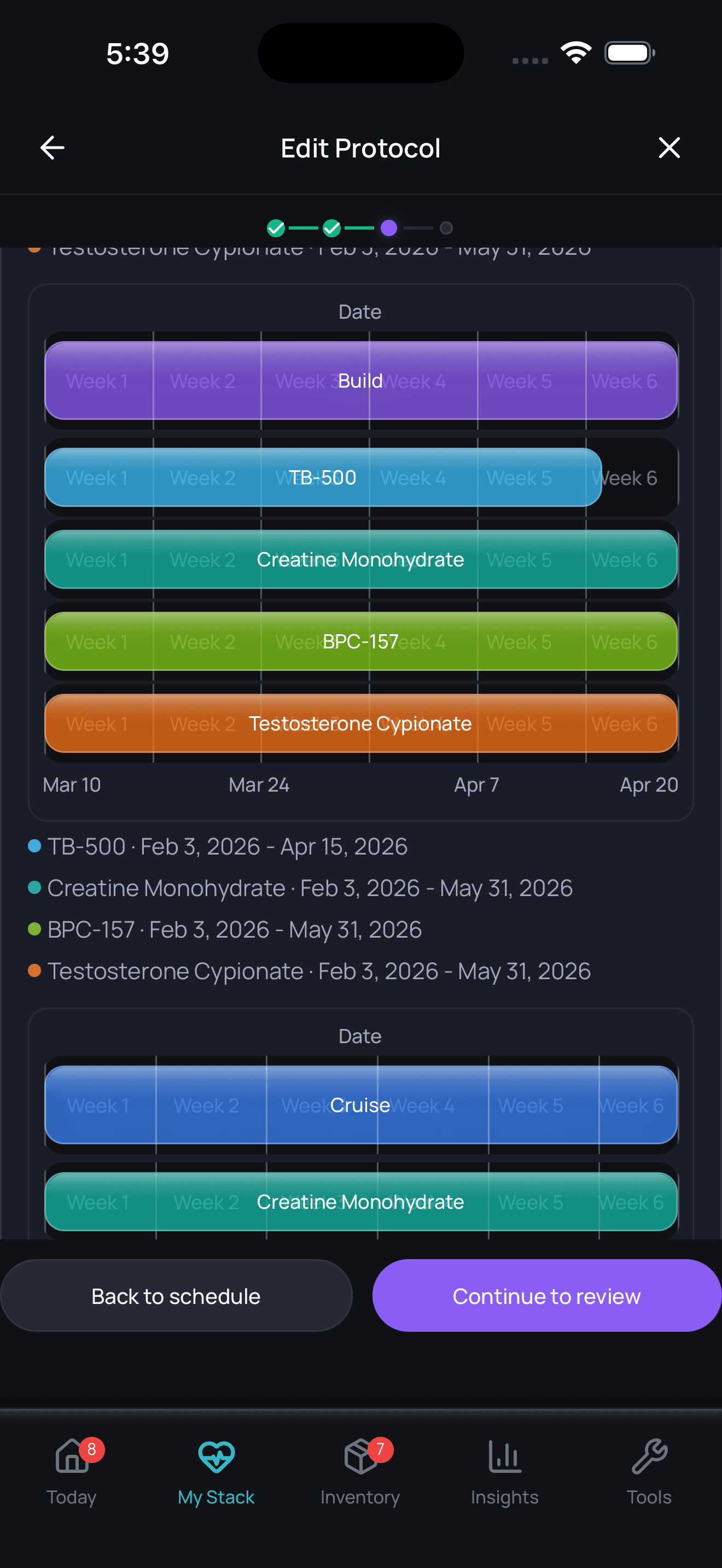
Planning views are organizational and should be aligned with professional guidance.
Research & Clinical Evidence
The Basics
The evidence base for testosterone replacement therapy has grown substantially in recent years, with the TRAVERSE trial providing the most significant cardiovascular safety data to date. While most large studies examine TRT as a class (rather than testing enanthate specifically against other esters), the clinical data supports testosterone enanthate's efficacy for treating hypogonadism when used at appropriate doses under medical supervision.
The key takeaway from the research is that TRT appears effective for improving sexual function, energy, mood, body composition, and bone density in men with confirmed hypogonadism. The cardiovascular safety picture, long a source of concern, has been substantially clarified by the TRAVERSE trial, which found that TRT did not increase major heart events compared to placebo in a high-risk population.
The Science
TRAVERSE Trial (Cardiovascular Safety)
The TRAVERSE trial (n=5,246; men aged 45-80 with hypogonadism and preexisting or high risk for cardiovascular disease) is the largest RCT designed to assess the cardiovascular safety of testosterone therapy. Key findings [9]:
- Primary MACE endpoint (cardiovascular death, nonfatal MI, nonfatal stroke): HR 0.96 (95% CI: 0.78-1.17), meeting prespecified noninferiority margin of 1.20
- MACE events: 7.0% testosterone vs. 7.3% placebo
- Small non-significant reduction in mortality (16 fewer deaths in testosterone group)
- Increased atrial fibrillation: 3.5% vs. 2.4% (statistically significant)
- Increased acute kidney injury: 2.3% vs. 1.5% (P=0.04)
- No increase in prostate cancer or prostate-related events [10]
- Mean follow-up: ~33 months; mean treatment duration: ~22 months
- Limitation: Used transdermal testosterone gel, not injectable formulations
TTrials (Testosterone Trials)
The TTrials comprised seven coordinated placebo-controlled trials in men 65 years and older with testosterone levels <275 ng/dL. Key outcomes [11]:
- Significant improvement in sexual desire, erectile function, and sexual activity
- Modest improvement in walking distance
- Improved bone mineral density at spine and hip
- Mixed results for mood and vitality
- No significant improvement in cognitive function
Endocrine Society Clinical Practice Guideline (2018)
The Endocrine Society recommends testosterone therapy in hypogonadal men to induce and maintain secondary sex characteristics and correct symptoms of testosterone deficiency (Grade 1, Moderate quality evidence). Injectable testosterone esters (cypionate, enanthate) are listed as standard formulation options with dosing of 75-100 mg weekly or 150-200 mg every two weeks [12].
Evidence & Effectiveness Matrix
Category
Sexual Function & Libido
- Evidence Strength
- 8/10
- Reported Effectiveness
- 7/10
- Summary
- TTrials and multiple RCTs demonstrate significant improvement in sexual desire and activity. Community reports consistent libido improvement, more variable ED improvement.
Category
Energy & Vitality
- Evidence Strength
- 7/10
- Reported Effectiveness
- 8/10
- Summary
- Moderate clinical evidence for fatigue reduction. Community reports are strongly positive and consistent across sources and duration.
Category
Mood & Emotional Wellbeing
- Evidence Strength
- 7/10
- Reported Effectiveness
- 7/10
- Summary
- TTrials showed modest mood improvement. Community reports strong positive impact, including depression resolution in severe cases.
Category
Anxiety & Stress Response
- Evidence Strength
- 4/10
- Reported Effectiveness
- 5/10
- Summary
- Limited RCT data on anxiety specifically. Community reports are mixed; protocol-dependent.
Category
Cognitive Function
- Evidence Strength
- 5/10
- Reported Effectiveness
- 6/10
- Summary
- TTrials showed no significant cognitive improvement in older men. Community reports brain fog improvement.
Category
Muscle Mass & Strength
- Evidence Strength
- 8/10
- Reported Effectiveness
- 7/10
- Summary
- Strong RCT evidence for lean mass gains and strength improvement in hypogonadal men.
Category
Body Fat & Composition
- Evidence Strength
- 7/10
- Reported Effectiveness
- 7/10
- Summary
- Consistent reduction in fat mass across studies. Community confirms body recomposition.
Category
Bone Health
- Evidence Strength
- 7/10
- Reported Effectiveness
- N/A
- Summary
- TTrials showed improved BMD at spine and hip. No community data specific to bone outcomes.
Category
Cardiovascular Health
- Evidence Strength
- 6/10
- Reported Effectiveness
- N/A
- Summary
- TRAVERSE demonstrates noninferiority vs placebo for MACE. Increased atrial fibrillation and AKI noted.
Category
Metabolic Health
- Evidence Strength
- 6/10
- Reported Effectiveness
- N/A
- Summary
- Evidence supports improved insulin sensitivity and metabolic markers in hypogonadal men with metabolic syndrome.
Category
Sleep Quality
- Evidence Strength
- 4/10
- Reported Effectiveness
- 5/10
- Summary
- Limited data. May improve subjective sleep quality but OSA monitoring required.
Category
Fertility & Reproductive
- Evidence Strength
- 8/10
- Reported Effectiveness
- 4/10
- Summary
- Strong evidence for spermatogenesis suppression. Community well-aware of trade-off.
Category
Polycythemia & Hematologic
- Evidence Strength
- 8/10
- Reported Effectiveness
- 4/10
- Summary
- Well-documented dose-dependent hematocrit elevation. Most common TEAE in clinical trials.
Category
Prostate Health
- Evidence Strength
- 6/10
- Reported Effectiveness
- N/A
- Summary
- No increase in prostate cancer in TRAVERSE. PSA monitoring standard.
Category
Skin & Hair
- Evidence Strength
- 5/10
- Reported Effectiveness
- 4/10
- Summary
- Known androgenic side effects (acne, hair loss). Dose-dependent.
Category
Gynecomastia & Estrogen
- Evidence Strength
- 6/10
- Reported Effectiveness
- 5/10
- Summary
- Aromatization to E2 is expected. Community divided on AI use.
Category
Fluid Retention & Edema
- Evidence Strength
- 5/10
- Reported Effectiveness
- 5/10
- Summary
- Documented in prescribing information. Community reports route/frequency-dependent.
Category
Overall Quality of Life
- Evidence Strength
- 7/10
- Reported Effectiveness
- 8/10
- Summary
- Clinical measures show improvement. Community reports overwhelmingly positive QoL impact.
Benefits & Therapeutic Effects
The Basics
For men with confirmed testosterone deficiency, testosterone enanthate can meaningfully improve quality of life across several domains. The benefits that tend to show up first are often increased energy and improved libido, typically within the first few weeks to months of treatment. Body composition changes (gaining muscle, losing fat) develop more gradually over months. Bone density improvements take even longer, often measurable only after a year or more of consistent treatment.
It is worth setting realistic expectations: TRT is not a magic pill. It works best when combined with regular exercise, adequate sleep, and a balanced diet. Men with the most severe deficiency tend to see the most dramatic improvement. Men with borderline levels may see more modest benefits. And not every symptom will necessarily resolve with testosterone alone.
The Science
Evidence-supported therapeutic effects of testosterone enanthate in hypogonadal men include:
Sexual Function: Multiple RCTs and the TTrials demonstrate significant improvement in sexual desire, erectile function (particularly in men without primary vascular ED), and sexual activity frequency [11]. Effect size is largest in men with lowest baseline testosterone.
Body Composition: Testosterone consistently increases lean body mass (+1.6 to 3.0 kg) and decreases fat mass (-1.0 to 2.5 kg) over 6-12 months in hypogonadal men. These changes are modest at therapeutic doses compared to supraphysiological doses but are clinically meaningful, particularly in sarcopenic or obese populations [12].
Bone Mineral Density: TTrials data shows significant improvement in volumetric BMD at spine and hip after 12 months. The effect is mediated through both direct androgen receptor activity on osteoblasts and indirect estradiol-mediated effects via aromatization [11].
Mood and Energy: Evidence supports improvement in depressive symptoms and fatigue in hypogonadal men, though effect sizes are modest in clinical trials and more variable than for sexual function [11][12].
Erythropoiesis: Testosterone stimulates erythropoietin production and directly acts on bone marrow progenitors. This is both a therapeutic effect (correction of anemia of hypogonadism) and a safety concern (polycythemia risk) [1].
Risks, Side Effects & Safety
The Basics
Like any medication, testosterone enanthate comes with potential risks and side effects. Understanding these in context is important: most side effects are manageable with monitoring and dose adjustment, and serious adverse events are uncommon at therapeutic doses under proper medical supervision.
The most common side effects include acne, oily skin, injection site reactions (pain, redness, swelling), fluid retention, and mood changes. These tend to be mild and often improve as your body adjusts to treatment or when your provider adjusts the dose or injection frequency.
The side effects that require the most vigilant monitoring are elevated red blood cell counts (polycythemia), which can thicken the blood and increase clot risk, and the suppression of sperm production (discussed in detail in Section 14). Your provider will check your blood counts regularly, typically aiming to keep your hematocrit below 54%.
Regarding heart health, this has been a major area of concern and research. The TRAVERSE trial, the largest study specifically designed to test cardiovascular safety, found that testosterone therapy did not increase the rate of major heart events (heart attack, stroke, cardiovascular death) compared to placebo in men with existing heart disease or heart disease risk factors. However, it did find slightly higher rates of atrial fibrillation and acute kidney injury in the testosterone group. These findings apply to the population studied (men 45-80 with cardiovascular risk) and may not generalize to all men considering TRT.
The Science
Common Side Effects:
- Injection site reactions: pain, erythema, induration (IM > SubQ)
- Acne and oily skin (androgenic, dose-dependent)
- Fluid retention and edema (sodium and water retention)
- Gynecomastia (aromatization to estradiol)
- Mood changes: irritability in some, improvement in others
- Hair loss acceleration (DHT-mediated, in genetically susceptible individuals)
- Testicular atrophy (HPG axis suppression)
Serious Risks (with context):
Cardiovascular Events: The TRAVERSE trial (n=5,246) demonstrated noninferiority of testosterone vs. placebo for the primary composite MACE endpoint (HR 0.96, 95% CI: 0.78-1.17). MACE events occurred in 7.0% of the testosterone group vs. 7.3% of the placebo group over a mean follow-up of approximately 33 months. However, testosterone was associated with increased atrial fibrillation (3.5% vs. 2.4%, approximately 11 additional cases per 1,000 treated patients) and acute kidney injury (2.3% vs. 1.5%, approximately 8 additional cases per 1,000 treated patients) [9]. These data apply to men with preexisting CVD or elevated CV risk; route-specific data for injectable testosterone enanthate specifically is limited.
Polycythemia / Erythrocytosis: Testosterone stimulates erythropoiesis. Hematocrit elevation above 54% is the threshold for clinical intervention (dose reduction, therapeutic phlebotomy, or route change). Incidence is higher with intramuscular injection than with transdermal or subcutaneous administration, likely due to supraphysiological peak concentrations. In the Xyosted 52-week study, increased hematocrit was the most frequent treatment-emergent adverse event [4]. Polycythemia risk is dose-dependent and increases with duration of therapy.
Prostate Effects: The TRAVERSE trial found no increase in prostate cancer or prostate-related adverse events [10]. Current evidence does not support a causal link between TRT at physiological doses and prostate cancer initiation (consistent with the "saturation model" hypothesis). However, PSA monitoring per age-appropriate guidelines is standard practice during TRT. Contraindicated in men with known or suspected prostate carcinoma [1].
Fertility Suppression: Exogenous testosterone suppresses the HPG axis, leading to reduced or absent spermatogenesis. Approximately 40-60% of men achieve azoospermia by 6 months of continuous TRT. This is detailed in Section 14 [8].
Venous Thromboembolism: Postmarketing reports of DVT and PE have been documented with testosterone products, including testosterone enanthate [1]. TRAVERSE found a numerically higher rate of pulmonary embolism in the testosterone group, consistent with prior reports.
Sleep Apnea: Testosterone may exacerbate obstructive sleep apnea, particularly at higher doses. Screening and monitoring for OSA is recommended before and during TRT [12].
Hepatotoxicity: Primarily a concern with 17-alpha-alkylated oral androgens (historical formulations). Modern injectable testosterone esters including enanthate have minimal direct hepatotoxicity. Peliosis hepatis and hepatic neoplasms are associated with prolonged high-dose use of older oral androgens, not with contemporary injectable TRT [1].
Contraindications:
- Known or suspected prostate cancer or breast cancer in men
- Hematocrit >54% at baseline
- Untreated severe obstructive sleep apnea
- Uncontrolled heart failure
- MI or stroke within the last 6 months
- Thrombophilia
- Desire for near-term fertility
- Pregnancy (absolute; causes fetal virilization)
- Hypersensitivity to testosterone or sesame oil
Understanding your personal risk profile is not a one-time calculation; it evolves as your treatment progresses. Doserly helps you see the bigger picture by analyzing side effect patterns over time, showing whether issues are resolving, persisting, or emerging as your body adjusts to testosterone therapy.
The app's analytics can reveal connections between side effects and specific aspects of your protocol, like whether hematocrit creep correlates with a recent dose increase, or whether splitting your weekly dose into two injections reduced estrogen-related symptoms. This kind of insight helps you and your provider make informed adjustments based on your actual experience, not just population-level averages.
Capture changes while they are still fresh.
Log symptoms, energy, sleep, mood, and other observations alongside protocol events so patterns do not live only in memory.
Trend view
Symptom timeline
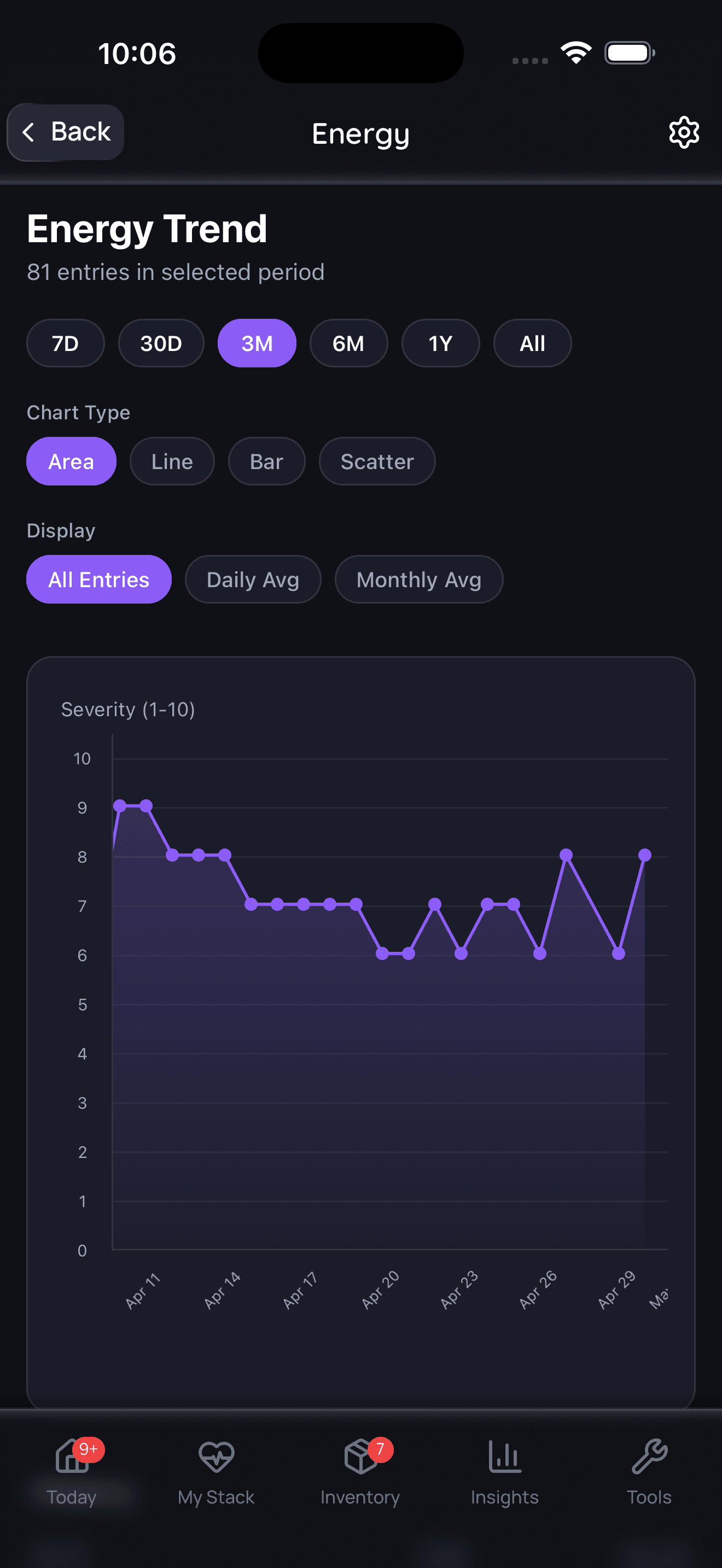
Symptom tracking is informational and should be interpreted with a qualified clinician.
Dosing & Treatment Protocols
The Basics
Testosterone enanthate dosing is individualized based on your testosterone levels, symptoms, and response to treatment. Your provider will typically start with a moderate dose and adjust based on your trough testosterone levels (measured just before your next injection) and how you feel.
The traditional approach described in the prescribing information (50-400 mg every 2-4 weeks) is considered outdated by many modern clinicians and clinical guidelines. Injecting large doses infrequently can produce significant swings between high peaks and low troughs, which many men experience as energy fluctuations, mood swings, and other uncomfortable symptoms. Current practice increasingly favors smaller, more frequent injections (weekly or even twice-weekly) to produce more stable blood levels.
The Science
FDA-Labeled Dosing (Prescribing Information):
- Male hypogonadism (replacement): 50-400 mg IM every 2-4 weeks [1]
- Xyosted (SubQ): Starting dose 75 mg weekly, adjusted to 50 or 100 mg based on trough T at week 6-7 [4]
Endocrine Society Guideline Dosing:
- 75-100 mg IM weekly, or 150-200 mg IM every two weeks [12]
- Target: Raise serum testosterone into the mid-normal range (typically 450-700 ng/dL midpoint)
Dosing Comparison Table:
Protocol
Traditional IM
- Dose
- 200 mg
- Frequency
- Every 2 weeks
- Route
- IM (gluteal)
- PK Profile
- High peaks, low troughs
Protocol
Modern weekly IM
- Dose
- 100-150 mg
- Frequency
- Weekly
- Route
- IM (deltoid/VG)
- PK Profile
- Moderate fluctuation
Protocol
Split-dose IM
- Dose
- 50-80 mg
- Frequency
- Twice weekly
- Route
- IM (deltoid)
- PK Profile
- More stable
Protocol
Xyosted SubQ
- Dose
- 50-100 mg
- Frequency
- Weekly
- Route
- SubQ (abdomen)
- PK Profile
- Stable, lower peaks
Protocol
Micro-dose SubQ
- Dose
- 10-25 mg
- Frequency
- Daily or EOD
- Route
- SubQ (abdomen/thigh)
- PK Profile
- Flattest curve
Titration Approach: Most providers initiate at the lower end of the range and reassess at 4-12 weeks, checking trough testosterone levels and symptom response. Dose adjustments of 25 mg increments are typical. The goal is symptom resolution with testosterone in the therapeutic range, not maximizing the number on a lab report.
Dosing protocols often change over the course of treatment. Starting doses get adjusted, injection frequencies get split, esters get switched. Doserly maintains a complete history of every protocol change, giving you and your provider a clear picture of what has been tried and how each adjustment affected your symptoms and lab values.
The app's adherence analytics show your consistency patterns and can highlight whether missed doses or timing variations correlate with symptom changes. When your provider is considering a dose adjustment based on your trough levels, having this data available makes the conversation more productive and the decision more informed.
Track injection timing, draw notes, and site rotation.
Doserly helps keep syringe-related notes, injection site history, reminders, and reconstitution context together for easier review.
Injection log
Site rotation
Injection logs support record-keeping; follow clinician instructions for administration.
What to Expect (Timeline)
Days 1-7: Possible injection site soreness (IM). Some men report a subtle mood or energy lift, though this is likely partly placebo at this stage. Testosterone levels will peak within 24-48 hours of the first injection.
Weeks 2-4: Libido changes are often the first noticeable effect. Energy improvement may begin. Sleep quality may start to shift. Some men notice increased body heat or night sweats as the body adjusts.
Months 1-3: Sexual function improvements become more consistent. Initial body composition changes may begin (slight increase in lean mass, slight decrease in fat mass). Mood stabilization. Hematocrit begins to rise. Some men experience acne or oily skin.
Months 3-6: Body composition changes become more apparent. Strength improvements in the gym. Mood and energy benefits generally stabilize. Bone density changes beginning at the cellular level. This is when the "honeymoon phase" of dramatic initial improvement may transition to a more stable, sustainable level of benefit.
Months 6-12: Full sexual function benefits realized. Significant body composition changes measurable. Bone density improvements detectable on DEXA scan. Side effect profile generally stabilized.
Ongoing maintenance: Annual review with provider. Dose reassessment based on symptoms and labs. Continued monitoring of hematocrit, PSA (age-appropriate), lipid panel. Re-evaluation of whether TRT remains appropriate and beneficial.
Individual response varies widely. Some men notice dramatic improvement within weeks; others see gradual changes over months. Not all symptoms may resolve with testosterone alone. Dose adjustment during the first 3-6 months is common and expected.
Fertility Preservation & HPG Axis
Exogenous testosterone, including testosterone enanthate, suppresses the hypothalamic-pituitary-gonadal (HPG) axis. This is not a rare or minor side effect. It is a predictable pharmacological consequence that occurs in virtually all men taking exogenous testosterone.
How suppression occurs: Exogenous testosterone provides negative feedback to the hypothalamus and pituitary, reducing secretion of GnRH, LH, and FSH. Without adequate LH stimulation, Leydig cell testosterone production declines. Without adequate FSH (and intratesticular testosterone, which is normally 40-100 times serum levels), Sertoli cell function is impaired and spermatogenesis is suppressed [8].
Timeline of suppression: Sperm count decline typically begins within 2-3 months of starting TRT. Approximately 40-60% of men achieve azoospermia (zero sperm count) by 6 months. The remainder typically show severe oligospermia (<1 million/mL) [8].
Testicular atrophy: Reduced intratesticular testosterone leads to testicular volume loss, which is noticeable to most men on TRT.
Fertility preservation strategies:
- Sperm banking before TRT initiation: Strongly recommended for any man who may want biological children in the future
- HCG co-administration: 250-500 IU subcutaneously 2-3 times weekly alongside TRT to maintain intratesticular testosterone and spermatogenesis. Evidence is supportive but not from large RCTs. Not universally recommended or prescribed.
- Clomiphene citrate / enclomiphene as alternatives: SERMs that stimulate LH/FSH without suppressing spermatogenesis. May be preferred over exogenous testosterone in men who prioritize fertility. Off-label for this use.
- Gonadorelin: GnRH analog used by some clinics to maintain LH/FSH. Limited evidence base.
Recovery after discontinuation: HPG axis recovery is variable and not guaranteed. Timeline ranges from 6-24+ months. Factors affecting recovery include duration of TRT use (longer use correlates with slower recovery), age, pre-TRT hormonal status, and whether HCG was used during treatment. Men with primary hypogonadism (testicular failure) may have limited recovery capacity regardless of TRT duration. Men with secondary hypogonadism (pituitary/hypothalamic dysfunction) generally have better prognosis for recovery [8].
Clinical importance: The Endocrine Society specifically recommends against testosterone therapy in men planning fertility in the near term (Grade 1 recommendation) [12]. Fertility counseling should be part of every TRT initiation conversation for men of reproductive age.
Interactions & Compatibility
Drug-Drug Interactions:
- Anticoagulants (warfarin, DOACs): Testosterone may enhance anticoagulant effect. Close monitoring of INR/PT required when starting or stopping TRT [1].
- Insulin and diabetes medications: Testosterone may improve insulin sensitivity, potentially decreasing blood glucose and insulin requirements. Dose adjustment of antidiabetic medications may be necessary [1].
- Corticosteroids: Additive fluid retention risk, particularly in patients with cardiac, renal, or hepatic disease [1].
- 5-alpha reductase inhibitors (finasteride, dutasteride): Block conversion of testosterone to DHT. May reduce androgenic side effects (hair loss, prostate effects) but also reduce some therapeutic effects. See Estrogen Management on TRT for related discussion.
- Aromatase inhibitors (anastrozole): Common co-prescription (controversial). See Section Section 18.
- Opioids: Chronic opioid use suppresses the HPG axis and may be an underlying cause of low testosterone. See Opioid-Induced Androgen Deficiency.
Supplement Interactions:
- DHEA: Additive androgenic effects. May increase estradiol via aromatization.
- Boron: May increase free testosterone by reducing SHBG. Effect is modest.
- Zinc: Supports testosterone production. Deficiency can contribute to low T.
Lifestyle Factors:
- Alcohol: Suppresses testosterone production and increases aromatization. Moderation recommended.
- Sleep: Critical for natural testosterone production. TRT may worsen OSA in some men.
- Exercise: Resistance training is synergistic with TRT for body composition and strength outcomes.
- Body composition: Weight loss, particularly visceral fat loss, may normalize testosterone levels in some men, potentially reducing or eliminating the need for TRT.
Decision-Making Framework
Deciding whether to start testosterone enanthate (or any form of TRT) involves several considerations beyond just a lab number.
Diagnostic criteria: The Endocrine Society requires two morning total testosterone measurements below the lower limit of normal (typically <264-300 ng/dL, depending on the assay and laboratory) plus signs and symptoms consistent with testosterone deficiency. The AUA uses 300 ng/dL as a threshold. The EAU uses 12.1 nmol/L (approximately 350 ng/dL). It is important to know that a single low reading is not sufficient for diagnosis [12].
When to investigate underlying causes first: Obesity (weight loss alone may normalize testosterone), obstructive sleep apnea (CPAP treatment first), opioid use (tapering if possible), pituitary pathology (MRI if secondary hypogonadism suspected), thyroid dysfunction, and depression should all be evaluated and addressed before committing to lifelong TRT.
FDA-approved vs. off-label use: Testosterone enanthate is FDA-approved only for treating classical hypogonadism (primary or hypogonadotropic). Use for age-related testosterone decline ("low T") is off-label, and the FDA label explicitly states that "safety and efficacy in men with age-related hypogonadism have not been established" [1].
Questions to ask your provider: What is my specific diagnosis? Have reversible causes been ruled out? What formulation and dose are you recommending, and why? What is the monitoring plan? What are the fertility implications? What are the costs, and is it covered by insurance?
Finding a qualified provider: Endocrinologists, urologists with andrology expertise, and men's health specialists are best positioned to manage TRT. Telehealth TRT clinics offer convenience and access but vary significantly in quality and oversight.
Administration & Practical Guide
Intramuscular Injection (IM):
- Common sites: Vastus lateralis (outer thigh), ventrogluteal (hip), deltoid (upper arm)
- Needle gauge: Typically 22-25G, 1-1.5 inch length
- Technique: Draw with larger gauge needle, switch to injection needle, clean site with alcohol, insert needle at 90 degrees, aspirate briefly (debated), inject slowly, withdraw, apply gentle pressure
- Site rotation: Alternate between at least 2-3 sites to prevent tissue damage
- Oil considerations: Sesame oil (used in testosterone enanthate) is thicker than cottonseed oil (used in cypionate), which can make drawing and injecting slightly more difficult. Warming the vial to body temperature reduces viscosity.
Subcutaneous Injection (SubQ) -- Xyosted:
- Site: Abdomen (subcutaneous tissue)
- Device: Prefilled single-dose auto-injector with 27-gauge, 5/8-inch needle
- Technique: Clean site, press device against skin, activate auto-injector, hold for 10 seconds
- Advantages: Minimal pain (>95% reported no injection pain in clinical trials), self-administered, stable PK profile [4]
SubQ Injection (Off-Label, Vial):
- Sites: Abdomen, outer thigh
- Needle: 27-30G, 0.5 inch
- Technique: Similar to insulin injection. Pinch skin fold, insert at 45-90 degrees
- Note: Using generic testosterone enanthate vials for SubQ injection is off-label but increasingly common in clinical practice based on growing evidence
This section provides general educational information. It does not replace pharmacy instructions or prescriber guidance. Always follow the specific instructions provided by your healthcare provider and pharmacist.
Monitoring & Lab Work
Pre-TRT Baseline Labs:
- Total testosterone (two morning draws, fasting)
- Free testosterone (calculated or equilibrium dialysis)
- LH, FSH (distinguish primary vs. secondary hypogonadism)
- Estradiol
- SHBG
- Prolactin (if secondary hypogonadism suspected)
- CBC with hematocrit
- PSA (age-appropriate)
- Lipid panel
- Comprehensive metabolic panel
- DEXA if osteoporosis risk factors present
Initial Follow-Up (4-12 weeks):
- Trough testosterone level (drawn just before next injection for IM; any time for stable SubQ)
- Hematocrit
- Symptom assessment
- Side effect evaluation
- Dose adjustment consideration
Ongoing Monitoring:
- Hematocrit: Every 6-12 months. Threshold >54% triggers intervention (dose reduction, phlebotomy, route change) [12]
- PSA: Per age-appropriate screening guidelines, annually for men >40
- Testosterone levels: Trough levels for injectables
- Estradiol: Only if symptomatic (gynecomastia, significant fluid retention, mood changes). Not routine per guidelines.
- Lipid panel: Annually
- Bone density (DEXA): If osteoporosis was an indication for TRT
- Semen analysis: If fertility is a concern
Annual Review Checklist:
- Symptom reassessment
- Continued indication review
- Risk-benefit discussion
- Dose optimization
- Side effect evaluation
Estrogen Management on TRT
Testosterone aromatizes to estradiol via the aromatase enzyme (CYP19A1), primarily in adipose tissue. This is a normal and physiologically necessary process. Estradiol is important for bone health, cardiovascular protection, brain function, and even libido in men.
When estrogen management matters: Only when clinical symptoms or clearly elevated estradiol levels are present. The Endocrine Society and AUA do not recommend routine aromatase inhibitor (AI) use during TRT [12].
Aromatase inhibitor use: Anastrozole (0.25-0.5 mg 2-3 times weekly) is the most commonly used AI in TRT contexts. It should be considered a tool for specific clinical situations (confirmed gynecomastia, significantly elevated estradiol with symptoms), not a routine co-prescription.
When NOT to use an AI: Most men on TRT do not need an AI. Suppressing estradiol too aggressively causes joint pain, mood disturbance, decreased libido (paradoxically), fatigue, depression, and bone density loss. Low estradiol symptoms can be worse than high estradiol symptoms.
High E2 symptoms: Gynecomastia (breast tissue growth), excessive fluid retention, emotional lability, nipple sensitivity
Low E2 symptoms: Joint pain and stiffness, low libido, dry skin, fatigue, depression, bone density loss
Protocol optimization vs. AI use: Many side effects attributed to "high estrogen" can be mitigated by splitting doses into more frequent injections, which reduces peak testosterone levels and consequently peak estradiol levels. Experienced community members increasingly recommend this approach over AI use.
Stopping TRT / Post-Cycle Considerations
HPG axis recovery: When exogenous testosterone is discontinued, LH and FSH remain suppressed for weeks to months. Endogenous testosterone production may take 6-24+ months to recover, and recovery to pre-TRT levels is not guaranteed.
Factors affecting recovery:
- Duration of TRT use (longer use typically means slower recovery)
- Age at discontinuation
- Pre-TRT hormonal status (was endogenous production already very low?)
- Whether HCG was used during TRT (may preserve testicular function)
- Primary vs. secondary hypogonadism (secondary has better recovery prognosis)
PCT (Post-Cycle Therapy) protocols:
These protocols are adapted from anabolic steroid community practices and are not standardized in clinical guidelines for TRT discontinuation:
- HCG taper: 1000-2000 IU every other day for 2-4 weeks, then taper
- Clomiphene citrate: 25-50 mg daily for 4-8 weeks to stimulate LH/FSH recovery
- Enclomiphene: Newer SERM, may have fewer side effects than clomiphene
- Tamoxifen: 10-20 mg daily for 4-6 weeks (less commonly used for TRT PCT)
Is TRT lifelong? For many men with primary hypogonadism (testicular failure), yes. For secondary hypogonadism where the underlying cause is addressed (weight loss, OSA treatment, opioid cessation), endogenous production may recover. For age-related decline, the decision is individualized.
Realistic expectations: Not everyone recovers fully. Some return to pre-TRT levels, some recover partially, some do not recover meaningfully. This should be discussed frankly before starting TRT.
Special Populations & Situations
Obese Men
Weight loss alone may normalize testosterone. Consider lifestyle intervention first. If TRT is initiated in obese men, higher aromatization may occur due to increased adipose tissue aromatase activity. Metabolic benefits of TRT in obese hypogonadal men are documented.
Men with Sleep Apnea
TRT may exacerbate obstructive sleep apnea. CPAP optimization before and during TRT is recommended. Sleep study recommended before initiation, particularly in obese men.
Men with Prostate Cancer History
Historically an absolute contraindication. Evolving evidence per the saturation model suggests exogenous testosterone may not further stimulate prostate tissue at physiological levels. Active surveillance patients are being studied. Remains controversial. Requires specialized urological consultation.
Cardiovascular Disease History
TRAVERSE provides reassurance for noninferiority regarding MACE. Route consideration: transdermal or SubQ may be preferred for hematocrit management. Hematocrit monitoring is critical in this population.
Type 2 Diabetes
TRT may improve insulin sensitivity, HbA1c, and metabolic parameters in hypogonadal diabetic men. Potential need for diabetes medication dose adjustment.
Adolescents and Young Men
Constitutional delay of puberty vs. true hypogonadism must be distinguished. Growth plate closure risk with exogenous androgens. Fertility implications are especially critical in this age group.
Transgender Men (FTM)
Different dosing goals (masculinizing doses). Voice changes are permanent. Body hair growth develops gradually. Fertility counseling (oocyte preservation) before initiating testosterone is important. Monitoring differs from hypogonadal male protocols.
Older Men (>65)
Age-related testosterone decline vs. true hypogonadism is a key distinction. TRAVERSE and TTrials data primarily from this population. Lower starting doses often appropriate. Increased polycythemia risk. Heightened prostate monitoring.
Regulatory, Insurance & International
United States:
- DEA Schedule III controlled substance
- FDA-approved for classical hypogonadism only (not age-related decline)
- Generic testosterone enanthate IM: widely available, relatively inexpensive ($30-60/month for 200 mg/mL vials at retail pharmacies with coupons)
- Xyosted (branded SubQ auto-injector): significantly more expensive ($300-700/month without insurance; savings cards may reduce copay)
- Insurance coverage: Prior authorization commonly required. Lab documentation of hypogonadism (two low morning testosterone levels) typically needed. Step therapy may require trying a less expensive formulation first.
International Availability:
- United Kingdom: Available as Testoviron Depot (Bayer). NHS access requires confirmed hypogonadism through endocrinologist. Private clinics also available.
- Canada: Available by prescription. Provincial coverage varies.
- Australia: Available as Primoteston Depot. PBS listing for diagnosed hypogonadism.
- Europe: Widely available across EU member states. EAU guidelines followed.
Travel Considerations: Carrying Schedule III controlled substances internationally requires documentation (valid prescription, letter from prescriber, quantity limits). Country-specific laws vary. Research destination country regulations before travel.
Frequently Asked Questions
Q: Is testosterone enanthate the same as testosterone cypionate?
A: They are very similar but not identical. Both are long-acting injectable testosterone esters with comparable pharmacokinetic profiles. Enanthate has a 7-carbon ester chain (half-life approximately 4.5-7 days) while cypionate has an 8-carbon chain (half-life approximately 8 days). Enanthate uses sesame oil as a carrier; cypionate uses cottonseed oil. Many clinicians consider them interchangeable. Individual response may vary, and some men tolerate one carrier oil better than the other.
Q: How long does testosterone enanthate take to work?
A: Initial effects on libido and energy may be noticeable within 2-4 weeks. Body composition changes typically develop over 3-6 months. Full therapeutic effects, including bone density improvement, may take 12 months or longer. Individual response varies significantly.
Q: Can testosterone enanthate cause heart problems?
A: The TRAVERSE trial (the largest RCT on this question, n=5,246) found that testosterone therapy was noninferior to placebo for major cardiovascular events (HR 0.96, 95% CI: 0.78-1.17) in men with hypogonadism and cardiovascular risk. However, increased rates of atrial fibrillation and acute kidney injury were observed. Discuss your individual cardiovascular risk with your provider.
Q: Will testosterone enanthate make me infertile?
A: Exogenous testosterone suppresses spermatogenesis in most men. Approximately 40-60% achieve azoospermia by 6 months. This is usually reversible after discontinuation, but recovery is variable (6-24+ months) and not guaranteed. If future fertility is a consideration, discuss sperm banking and alternative treatments (clomiphene, enclomiphene) with your provider before starting TRT.
Q: What is the difference between Xyosted and generic testosterone enanthate?
A: Both contain testosterone enanthate. Xyosted is a branded subcutaneous auto-injector (50, 75, or 100 mg weekly). Generic testosterone enanthate is an IM injection from a multi-dose vial (200 mg/mL). Xyosted offers convenience and possibly more stable levels but is significantly more expensive.
Q: Do I need to take an estrogen blocker with testosterone enanthate?
A: Most men on TRT do not need an aromatase inhibitor. Clinical guidelines do not recommend routine AI use. Estrogen management should be symptom-based, not number-based. If you experience signs of elevated estrogen (gynecomastia, significant fluid retention), discuss management options with your provider. Splitting your dose into more frequent injections may resolve many estrogen-related symptoms.
Q: How often should I inject testosterone enanthate?
A: The prescribing information allows for injection every 2-4 weeks, but modern practice increasingly favors weekly or twice-weekly injection for more stable levels and fewer side effects. Your provider will determine the best schedule based on your individual response. The Xyosted auto-injector is designed for weekly subcutaneous use.
Q: Is testosterone enanthate a steroid?
A: Testosterone is an anabolic-androgenic steroid in the pharmacological sense. However, TRT at physiological replacement doses is fundamentally different from supraphysiological steroid abuse. TRT aims to restore testosterone to the normal range, not to exceed it. The distinction matters medically, legally, and practically.
Q: Can I stop taking testosterone enanthate once I start?
A: Yes, but recovery of natural testosterone production is variable and not guaranteed. Men with primary hypogonadism may have limited recovery capacity. Men whose hypogonadism had reversible causes (obesity, sleep apnea, opioids) may recover endogenous production if those causes are addressed. Discuss the implications of discontinuation with your provider before stopping.
Q: Does testosterone enanthate cause hair loss?
A: Testosterone is converted to DHT, which can accelerate male pattern baldness in genetically susceptible individuals. This is a dose-dependent effect. Not all men on TRT experience significant hair loss. 5-alpha reductase inhibitors (finasteride, dutasteride) can mitigate this but have their own side effect profile. Discuss the trade-offs with your provider.
Myth vs. Fact
Myth: TRT causes heart attacks.
Fact: The TRAVERSE trial (n=5,246, the largest RCT specifically designed to assess cardiovascular safety of TRT) found that testosterone therapy was noninferior to placebo for major adverse cardiovascular events (HR 0.96, 95% CI: 0.78-1.17). Earlier observational studies raised concerns, but the controlled TRAVERSE data does not support a causal link between TRT and increased heart attack or stroke risk at therapeutic doses in men with hypogonadism and cardiovascular risk factors [9].
Myth: TRT causes prostate cancer.
Fact: Current evidence does not support a causal link between TRT at physiological doses and prostate cancer initiation. The saturation model hypothesis suggests that androgen receptors in prostate tissue become fully saturated at relatively low testosterone concentrations, and further increases do not stimulate additional growth. TRAVERSE found no increase in prostate cancer or prostate-related events [10]. However, TRT is contraindicated in men with known or suspected prostate cancer, and PSA monitoring remains standard practice.
Myth: TRT is just steroids.
Fact: Testosterone is an anabolic-androgenic steroid. But TRT at replacement doses (restoring testosterone to the normal range of approximately 300-1000 ng/dL) is fundamentally different from supraphysiological steroid use (doses 2-10x the normal range). The distinction is like the difference between insulin for diabetes and insulin abuse. TRT is a legitimate medical treatment for a diagnosed hormonal deficiency.
Myth: Once you start TRT, you can never stop.
Fact: This is nuanced, not absolute. Men can discontinue TRT, but recovery of natural testosterone production is variable. Men with primary hypogonadism (testicular failure) may not recover because the underlying problem persists. Men with secondary hypogonadism or reversible causes may recover endogenous production, especially with SERM support. Recovery timelines range from 6-24+ months and are influenced by duration of use, age, and pre-TRT hormonal status [8].
Myth: TRT will make you permanently infertile.
Fact: TRT suppresses spermatogenesis, and approximately 40-60% of men achieve azoospermia by 6 months. However, this is usually reversible after discontinuation, with most men recovering spermatogenesis within 6-24 months. Recovery is not guaranteed in all cases. Sperm banking before TRT is recommended for men who may want biological children [8].
Myth: All men over 40 need TRT.
Fact: Age-related testosterone decline is a natural process. Low testosterone numbers alone do not indicate a need for treatment. The Endocrine Society requires both confirmed low levels (on at least two morning measurements) AND symptoms of deficiency before recommending TRT. Many men with low-normal testosterone are asymptomatic and do not benefit from treatment. Lifestyle factors (weight management, sleep optimization, exercise) should be addressed first [12].
Myth: Higher testosterone doses are always better.
Fact: Therapeutic dosing aims for the normal physiological range. Supraphysiological levels increase side effects (polycythemia, acne, hair loss, gynecomastia, cardiovascular strain) without proportionally increasing benefits. The dose-response curve for benefit flattens while the dose-response curve for side effects steepens above the therapeutic range.
Myth: Testosterone enanthate and cypionate are completely different drugs.
Fact: They differ by a single carbon in their ester chain and use different carrier oils (sesame vs. cottonseed). Their pharmacokinetic profiles are very similar, and many clinicians consider them clinically interchangeable. Some individuals may tolerate one carrier oil better than the other, and there may be minor differences in peak and trough dynamics, but the therapeutic effects are equivalent [3].
Sources & References
Clinical Guidelines:
- DailyMed. Testosterone Enanthate Injection, USP - Prescribing Information. National Library of Medicine. Updated July 2025. https://dailymed.nlm.nih.gov/dailymed/drugInfo.cfm?setid=82a98132-9d5f-40a5-8c4f-f52f2a5de60e
- DailyMed. Xyosted (testosterone enanthate) Injection - Full Prescribing Information. Updated July 2025. https://dailymed.nlm.nih.gov/dailymed/drugInfo.cfm?setid=8a3d204c-be26-49e0-8599-0ac12a272e81
Landmark Trials:
3. Shoskes JJ, Wilson MK, Spinner ML. Pharmacology of testosterone replacement therapy preparations. Transl Androl Urol. 2016;5(6):834-843. doi:10.21037/tau.2016.07.10
4. Kaminetsky JC, et al. A 52-Week Study of Dose Adjusted Subcutaneous Testosterone Enanthate in Oil Self-Administered via Disposable Auto-Injector. J Urol. 2019;202(2):320-328. PMID: 30296416
Pharmacology:
5. Testosterone androgen receptor signaling. Standard pharmacology reference.
6. 5-alpha reductase pathways. Standard pharmacology reference.
7. Aromatase and estradiol in men. Standard endocrinology reference.
8. HPG axis suppression and spermatogenesis. See: Liu PY, et al. Determinants of the rate and extent of spermatogenic suppression during hormonal male contraception. J Clin Endocrinol Metab. 2006;91(9):3534-3541.
Cardiovascular Safety:
9. Lincoff AM, Bhasin S, Flevaris P, et al. Cardiovascular Safety of Testosterone-Replacement Therapy. N Engl J Med. 2023;389:107-117. doi:10.1056/NEJMoa2215025
10. Bhasin S, Travison TG, Pencina KM, et al. Prostate Safety Events During Testosterone Replacement Therapy in Men with Hypogonadism: A Randomized Clinical Trial. JAMA Netw Open. 2023;6:e2348692.
Clinical Evidence:
11. Snyder PJ, et al. Effects of Testosterone Treatment in Older Men (TTrials). N Engl J Med. 2016;374:611-624.
12. Bhasin S, Brito JP, Cunningham GR, et al. Testosterone Therapy in Men with Hypogonadism: An Endocrine Society Clinical Practice Guideline. J Clin Endocrinol Metab. 2018;103(5):1715-1744. doi:10.1210/jc.2018-00229
Regulatory:
13. FDA Clinical Review, NDA 209863 (Xyosted). September 2018.
14. FDA Summary Review, NDA 209863 (Xyosted). March 2019.
Related Guides & Cross-Links
Same Category (Injectable Testosterone)
- Testosterone Cypionate (Depo-Testosterone)
- Testosterone Undecanoate Injectable (Aveed / Nebido)
- Testosterone Propionate
- Testosterone Cypionate Auto-Injector (Azmiro)
- Testosterone Enanthate Auto-Injector (Xyosted)
- Sustanon 250
Related Treatment Options
Ancillary Medications
- Human Chorionic Gonadotropin (HCG)
- Clomiphene Citrate (Clomid)
- Enclomiphene Citrate
- Anastrozole (Arimidex)
Conditions
Related Topics
- Fertility Preservation on TRT
- Estrogen Management on TRT
- Stopping TRT & Post-Cycle Recovery
- The TRAVERSE Trial Explained
- TRT Myths vs Facts
- Natural Testosterone Optimization