
Intranasal Testosterone (Natesto)
On this page
Quick Reference Card
Attribute
Brand Name(s)
- Value
- Natesto (US, Canada)
Attribute
Generic Name
- Value
- Testosterone nasal gel
Attribute
Drug Class / Type
- Value
- Androgen, intranasal testosterone gel
Attribute
DEA Schedule
- Value
- Schedule III (CIII)
Attribute
FDA-Approved Indications
- Value
- Testosterone replacement therapy in adult males with conditions associated with deficiency or absence of endogenous testosterone (primary or hypogonadotropic hypogonadism)
Attribute
Common Dose
- Value
- 11 mg (2 pump actuations, 1 per nostril) three times daily
Attribute
Total Daily Dose
- Value
- 33 mg testosterone
Attribute
Route of Administration
- Value
- Intranasal
Attribute
Dosing Schedule
- Value
- Three times daily (morning, afternoon, evening; 6-8 hours apart)
Attribute
Testosterone per Actuation
- Value
- 5.5 mg
Attribute
Key Monitoring Requirements
- Value
- Serum testosterone (1 month after starting, then periodically), hematocrit, PSA, nasal symptoms
Attribute
FDA Approval Date
- Value
- May 28, 2014
Attribute
NDA Number
- Value
- 205488
Attribute
Manufacturer
- Value
- Acerus Pharmaceuticals Corporation (Toronto, Canada)
Attribute
Unique Considerations
- Value
- First intranasal TRT product; potential HPG axis and fertility preservation; no secondary transfer risk; not for use with most nasal medications; TID dosing required
Overview / What Is Intranasal Testosterone (Natesto)?
The Basics
Natesto is a prescription nasal gel that delivers testosterone through the lining of your nose. If you have been diagnosed with hypogonadism (meaning your body does not produce enough testosterone on its own), Natesto offers a way to replace testosterone that is fundamentally different from injections, patches, or skin gels.
Rather than maintaining a steady, elevated level of testosterone throughout the day and night, Natesto works in pulses. You apply a small amount of gel inside each nostril three times a day, and each dose produces a rapid rise in testosterone that peaks within about 45 minutes and fades over the next several hours. This pattern of brief peaks followed by troughs is closer to how your body naturally produces testosterone than any other TRT formulation currently available.
This pulsatile delivery has important implications. Because your testosterone levels drop between doses, your body's hormonal control system (the HPG axis) is not completely shut down the way it typically is with injections or continuous-delivery gels. Early clinical research suggests that Natesto may preserve fertility in a majority of men, which is a significant departure from other forms of TRT that routinely suppress sperm production. For men who want the symptom relief of testosterone therapy without completely sacrificing their ability to father children, this makes Natesto a uniquely appealing option.
Natesto was approved by the FDA on May 28, 2014, making it the first and currently only intranasal testosterone product available in the United States. It was originally developed by Trimel BioPharma and is currently marketed by Acerus Pharmaceuticals. Like all testosterone products, Natesto is a Schedule III controlled substance and is approved specifically for men with confirmed hypogonadism, not for age-related testosterone decline.
The Science
Natesto (NDA 205488) is a 4.5% testosterone nasal gel formulated as a bio-adhesive matrix containing testosterone (C19H28O2, MW 288.4 g/mol) in a vehicle of castor oil, oleoyl polyoxylglycerides, and colloidal silicon dioxide. The bio-adhesive properties ensure the gel adheres to the nasal mucosa without dripping, allowing consistent transmucosal absorption [1].
The intranasal route leverages the highly vascularized nasal mucosa for rapid systemic absorption, bypassing hepatic first-pass metabolism. This distinguishes Natesto from oral testosterone formulations that require lymphatic absorption (e.g., testosterone undecanoate in Jatenzo, Kyzatrex, Tlando) and avoids the hepatotoxicity historically associated with 17-alpha-alkylated oral androgens [2].
Natesto was developed by Trimel BioPharma SRL and approved through a single pivotal Phase 3 study (TBS-1-2011-03) enrolling 306 hypogonadal men. The NDA was submitted in April 2013, with FDA approval on May 28, 2014. A significant label revision in July 2025 updated venous thromboembolism and blood pressure warnings while removing the prior cardiovascular risk warning section, aligning with the broader FDA reassessment of testosterone product labeling following the TRAVERSE trial [1][3].
The pharmacokinetic profile of Natesto is unique among TRT formulations. TID dosing produces a pulsatile serum testosterone pattern with Cmax of approximately 800-900 ng/dL at 40-60 minutes post-dose, declining to trough concentrations of 200-300 ng/dL by 6-8 hours. This rapid cycling permits partial recovery of hypothalamic GnRH pulsatility between doses, potentially preserving downstream gonadotropin secretion (LH, FSH) and intratesticular testosterone concentrations required for spermatogenesis [4][5].
Medical / Chemical Identity
Property
Generic Name
- Detail
- Testosterone (nasal gel formulation)
Property
Brand Name(s)
- Detail
- Natesto (US, Canada)
Property
Chemical Name
- Detail
- 17-beta-hydroxyandrost-4-en-3-one
Property
Empirical Formula
- Detail
- C19H28O2
Property
Molecular Weight
- Detail
- 288.4 g/mol
Property
CAS Number
- Detail
- 58-22-0
Property
Drug Class
- Detail
- Androgen; intranasal testosterone (non-esterified)
Property
Active Moiety
- Detail
- Testosterone (no ester; delivered as free testosterone)
Property
Formulation Type
- Detail
- Bio-adhesive nasal gel (4.5% testosterone)
Property
DEA Schedule
- Detail
- Schedule III (CIII)
Property
FDA Approval Date
- Detail
- May 28, 2014
Property
NDA Number
- Detail
- 205488
Property
Original Applicant
- Detail
- Trimel BioPharma SRL
Property
Current Marketer
- Detail
- Acerus Pharmaceuticals Corporation (Toronto, ON, Canada)
Property
Manufacturer
- Detail
- Haupt Pharma Amareg GmbH (Regensburg, Bavaria, Germany)
Property
NDC Code
- Detail
- 42667-5511-1
Inactive Ingredients
Castor oil, oleoyl polyoxylglycerides, and colloidal silicon dioxide.
Formulation Notes
Unlike injectable testosterone esters (cypionate, enanthate, undecanoate), Natesto delivers unesterified (free) testosterone directly through the nasal mucosa. There is no ester hydrolysis step required. The bio-adhesive gel matrix ensures the formulation adheres to the nasal epithelium without running or dripping, enabling consistent absorption across the richly vascularized nasal mucosa [1].
Product Form
Natesto is supplied as a metered-dose pump dispenser containing 11 grams of slightly yellow gel. Each pump actuation delivers 0.122 g of gel containing 5.5 mg of testosterone. The dispenser is capable of 60 metered actuations. The product should be stored at 68-77 degrees F (20-25 degrees C).
How It Works / Mechanism of Action
The Basics
Testosterone is the primary male sex hormone, and it does far more than most people realize. It helps maintain bone density, builds and preserves muscle tissue, supports red blood cell production, influences mood and cognitive function, and plays a critical role in sexual function and libido.
Natesto delivers testosterone through the thin, blood-vessel-rich tissue inside your nose. When you apply the gel to your nostrils, testosterone passes through the nasal lining directly into your bloodstream within minutes. There is no needle, no injection site, and no risk of transferring testosterone to a partner or child through skin contact.
What makes Natesto different from other forms of TRT is how quickly it works and how quickly it fades. Each dose peaks in your blood within about 45 minutes and drops back down within 5 to 6 hours. This means your body experiences something like a natural testosterone pulse rather than the continuous high levels you get from an injection or daily gel. Because your testosterone drops between doses, your brain's hormonal control center (the hypothalamus and pituitary gland) does not receive the constant "shut down" signal that other forms of TRT send. For many men, this means their body continues to produce some testosterone on its own and, importantly, continues to make FSH and LH, the hormones that drive sperm production.
Once the testosterone from Natesto reaches your bloodstream, it works the same way that naturally produced testosterone does. Some of it gets converted to dihydrotestosterone (DHT) by the enzyme 5-alpha reductase. Some gets converted to estradiol by the enzyme aromatase. Both of these conversions are normal parts of testosterone metabolism. However, because Natesto's testosterone peaks are brief and do not sustain supraphysiological levels for extended periods, the degree of aromatization to estradiol may be lower than with injectable formulations, which is consistent with community reports of lower estradiol levels on Natesto compared to injections.
The Science
Natesto delivers unesterified testosterone via transmucosal nasal absorption. The nasal epithelium provides a large surface area (~150 cm2) with extensive vascularization from branches of the sphenopalatine artery and the anterior ethmoidal artery, enabling rapid systemic absorption without hepatic first-pass metabolism [1][6].
Following nasal application, testosterone is absorbed across the nasal mucosa and enters the systemic circulation directly. Free testosterone exerts biological effects through binding to the intracellular androgen receptor (AR), a member of the nuclear receptor superfamily. The classical genomic pathway involves ligand-AR binding, receptor dimerization, nuclear translocation, and interaction with androgen response elements (AREs) in target gene promoters, modulating gene transcription over hours to days. Non-genomic signaling through membrane-associated AR activates rapid second messenger cascades (MAPK/ERK, PI3K/Akt) within seconds to minutes [7].
Testosterone undergoes two primary metabolic conversions. Type I and Type II 5-alpha reductase irreversibly reduce testosterone to 5-alpha-dihydrotestosterone (DHT), which has approximately 2-3 times greater AR binding affinity and mediates androgenic effects in skin, hair follicles, and prostate tissue. CYP19A1 (aromatase), expressed predominantly in adipose tissue, brain, and bone, converts testosterone to 17-beta-estradiol (E2), which is essential for bone mineral density maintenance, epiphyseal plate closure, neuroprotective functions, and negative feedback on GnRH/LH secretion [7][8].
The HPG axis preservation mechanism of Natesto is hypothesized to result from its pulsatile pharmacokinetic profile. With TID dosing, serum testosterone rises sharply post-dose but returns to near-baseline levels within 6-8 hours, allowing partial recovery of hypothalamic GnRH pulse generator activity between doses. This intermittent rather than continuous negative feedback signal permits ongoing LH and FSH secretion in a majority of patients, maintaining intratesticular testosterone concentrations at levels sufficient to support spermatogenesis [4][5][9].
In a Phase IV clinical trial, 81.8% and 72.7% of men on Natesto maintained FSH and LH within the normal range at 6 months, respectively. Total motile sperm count remained above 5 million in 93.9% of subjects at 6 months, compared to near-universal spermatogenic suppression seen with conventional TRT formulations [5].
Pathway & System Visualization
Pharmacokinetics / Hormone Physiology
The Basics
Natesto has a pharmacokinetic profile unlike any other TRT product. Think of it as a series of short bursts rather than a steady infusion. Each time you apply the gel, testosterone is rapidly absorbed through the nasal lining and reaches its peak level in your blood within about 40 to 60 minutes. Over the next several hours, your body processes and clears it, so that by the time your next dose is due (6 to 8 hours later), your testosterone level has dropped significantly.
This pattern of rapid rise and fall is actually one of Natesto's key advantages. Your body naturally produces testosterone in pulses throughout the day, with the highest levels in the morning and gradually declining levels through the afternoon and evening. While Natesto's pattern is not identical to this natural rhythm, it is much closer to it than the sustained high levels produced by an injection of testosterone cypionate (which keeps levels elevated for days) or a daily testosterone gel (which maintains fairly constant levels around the clock).
One practical implication is that when you get your blood tested on Natesto, the timing matters enormously. A blood draw taken 1 hour after your dose will show a peak reading (potentially 800-900 ng/dL or higher), while a draw at 6 hours post-dose might show only 200-300 ng/dL. Your provider should draw trough levels to assess whether you need a dose adjustment, or they should be aware of the timing if they draw at a different point. Many providers unfamiliar with Natesto may see a low trough value and incorrectly conclude the product is not working.
The Science
Absorption: Following intranasal application of 11 mg testosterone TID, steady-state pharmacokinetics are achieved within 24 hours. Testosterone is absorbed across the nasal mucosa via passive diffusion driven by the concentration gradient between the gel matrix and the subepithelial capillary network. The bio-adhesive formulation ensures prolonged contact time with the mucosa. Mean Tmax is approximately 40-60 minutes post-dose. Bioavailability is estimated at 5-8% relative to intravenous administration, which is sufficient given the rapid and direct systemic access [1][6].
Distribution: Following absorption, circulating testosterone distributes normally: approximately 40% bound to sex hormone-binding globulin (SHBG), approximately 54% loosely bound to albumin, and approximately 2% circulating as unbound (free) testosterone [1].
Metabolism: Testosterone from Natesto is metabolized identically to endogenous testosterone. Primary pathways include 5-alpha reduction to DHT and aromatization to estradiol via CYP19A1. Secondary metabolism produces various 17-keto steroids through hepatic enzymatic activity. Approximately 90% of metabolites are excreted renally as glucuronic and sulfuric acid conjugates; approximately 6% via fecal excretion [1].
Pharmacokinetic Parameters (Phase 3, 11 mg TID, Day 90):
Parameter
Cavg (24-hour average)
- Value
- ~421 ng/dL
Parameter
Cmax (peak)
- Value
- ~797 ng/dL
Parameter
Tmax (time to peak)
- Value
- 40-60 minutes
Parameter
Trough (6-8 hrs post-dose)
- Value
- ~200-300 ng/dL
Parameter
Patients achieving Cavg 300-1050 ng/dL
- Value
- 74%
Parameter
Patients with Cmax >1500 ng/dL
- Value
- 5.6%
Parameter
Patients with Cmax >1800 ng/dL
- Value
- 1.6%
Effect of Allergic Rhinitis: A dedicated Phase 1 study using an allergy challenge chamber confirmed that allergic rhinitis does not affect the rate or extent of absorption from Natesto (no difference in Tmax, Cmax, or AUC between asymptomatic, symptomatic-untreated, and symptomatic-treated conditions). However, endogenous pre-dose testosterone was 21-25% lower when AR patients were symptomatic, attributed to the allergic/inflammatory response itself [10].
Comparison to Other TRT Routes:
Route
Intranasal (Natesto)
- Tmax
- 40-60 min
- Duration of Action
- ~6-8 hours
- Peak-Trough Ratio
- High (3-4:1)
- HPG Axis Impact
- Partial preservation
Route
IM Cypionate (weekly)
- Tmax
- 24-48 hrs
- Duration of Action
- 7-10 days
- Peak-Trough Ratio
- Moderate (2-3:1)
- HPG Axis Impact
- Full suppression
Route
IM Enanthate (weekly)
- Tmax
- 24-48 hrs
- Duration of Action
- 7-10 days
- Peak-Trough Ratio
- Moderate (2-3:1)
- HPG Axis Impact
- Full suppression
Route
Transdermal gel (daily)
- Tmax
- 2-8 hrs
- Duration of Action
- ~24 hours
- Peak-Trough Ratio
- Low (1.5-2:1)
- HPG Axis Impact
- Full suppression
Route
IM Undecanoate (Aveed)
- Tmax
- 7 days
- Duration of Action
- 10-14 weeks
- Peak-Trough Ratio
- Low-Moderate
- HPG Axis Impact
- Full suppression
Route
Oral TU (Jatenzo/Kyzatrex)
- Tmax
- 3-5 hrs
- Duration of Action
- ~12 hours
- Peak-Trough Ratio
- Moderate (2-3:1)
- HPG Axis Impact
- Full suppression
Understanding how your specific testosterone formulation is absorbed and metabolized helps you have more productive conversations with your prescriber about dosing timing and lab work scheduling. Doserly lets you log every Natesto application with precise timestamps, building a clear record of your dosing pattern over time.
Whether you're applying Natesto three times daily on a fixed schedule or adjusting timing around your daily activities, the app tracks your schedule and flags when your next dose is due. When your provider asks about your dosing consistency, you'll have a precise answer instead of a best guess.
See where a dose, cycle, or change fits in time.
Doserly gives each protocol a timeline so dose changes, pauses, restarts, and observations are easier to compare later.
Timeline
Cycle history
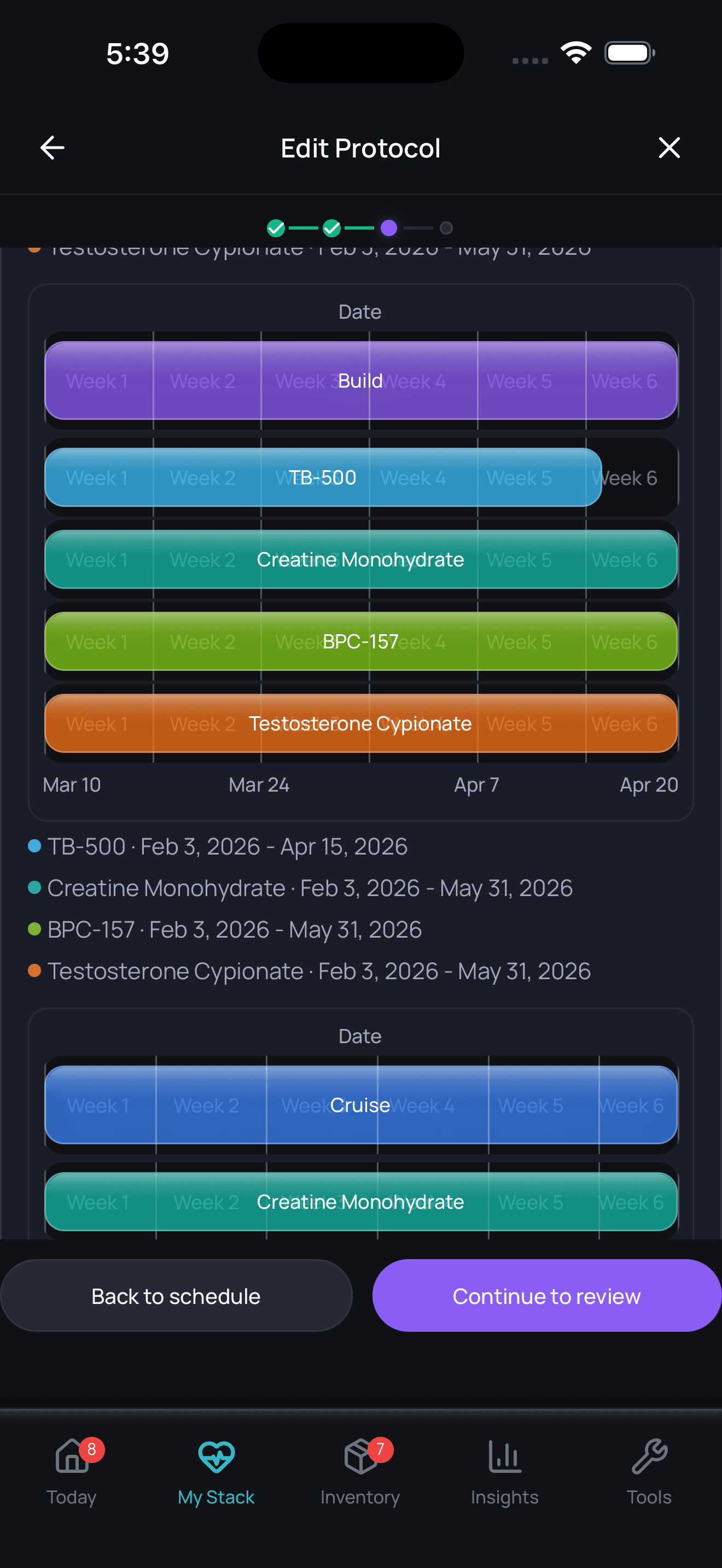
Timeline tracking helps with recall; it is not a treatment recommendation.
Research & Clinical Evidence
The Basics
The clinical evidence for Natesto comes from one pivotal Phase 3 trial and several Phase 4 studies conducted primarily at the University of Miami. While the total body of evidence is smaller than what exists for injectable testosterone (which has decades of data), the findings are promising, particularly in two areas: testosterone normalization and fertility preservation.
In the Phase 3 study of 306 men with hypogonadism, 74% achieved average testosterone levels within the normal range (300-1050 ng/dL) after 90 days of Natesto use. This is comparable to other TRT formulations, though the study used pharmacokinetic endpoints (blood levels) rather than symptom improvement as the primary measure.
The most exciting research involves Natesto's effect on fertility. In a Phase 4 trial by Dr. Ranjith Ramasamy's group at the University of Miami, 60 hypogonadal men used Natesto for 6 months. Over 90% reached normal testosterone levels, and, critically, FSH and LH (the hormones your brain sends to your testes to produce sperm) remained in the normal range for most men. Total motile sperm count stayed above 5 million in nearly 94% of men at 6 months. This is a dramatic contrast to injectable TRT, where 40-60% of men become azoospermic (zero sperm) within 6 months.
A separate study compared intratesticular testosterone (using 17-hydroxyprogesterone as a surrogate marker) across three TRT formulations. Natesto showed the smallest decline in this marker (33.3% decrease) compared to testosterone cypionate injections (65.3% decrease) and testosterone pellets (44% decrease). This supports the hypothesis that Natesto's pulsatile delivery preserves testicular function better than long-acting formulations.
On the safety front, a cross-sectional comparison found that zero out of 30 men on Natesto developed polycythemia (hematocrit above 54%), compared to 10% of men on injectable testosterone cypionate. One-third of men on injections had hematocrit above 50% at some point, while none of the Natesto users did.
Regarding cardiovascular safety: the TRAVERSE trial, the largest cardiovascular outcome study of TRT, used testosterone gel (not Natesto specifically) and found no significant increase in major cardiovascular events compared to placebo (hazard ratio 0.96, 95% CI: 0.78-1.17). While TRAVERSE does not provide direct data on intranasal testosterone, its findings inform the overall cardiovascular safety landscape of TRT, and Natesto's lower hematocrit profile could theoretically confer a cardiovascular advantage.
The Science
Phase 3 Pivotal Trial (TBS-1-2011-03)
The single pivotal Phase 3 study enrolled 306 hypogonadal men (serum testosterone <300 ng/dL on two morning measurements). Subjects received Natesto 11 mg TID for 90 days, with safety extension periods of 90 and 180 additional days. Primary efficacy was based on pharmacokinetic endpoints [1][6].
At Day 90: 74% achieved Cavg within 300-1050 ng/dL. Mean Cavg was 421 ng/dL. Mean Cmax was 797 ng/dL. Proportion with Cmax >1500 ng/dL was 5.6%. No Cmax values exceeded 2500 ng/dL. These results met the FDA's acceptance criteria for testosterone replacement products [1].
Fertility Preservation (Ramasamy et al., 2020; PMID: 32294396)
This Phase IV trial at the University of Miami enrolled 60 men aged 18-55 with symptomatic hypogonadism. Key findings at 6 months: 90.9% (31/34) achieved testosterone >300 ng/dL. FSH remained normal in 81.8%. LH remained normal in 72.7%. Total motile sperm count (TMSC) remained >5 million in 93.9%. Statistically significant improvements in IIEF sexual desire and overall satisfaction domains [5].
Intratesticular Testosterone Preservation (Diaz et al., 2023; PMID: 35791295)
Two randomized clinical trials compared 17-hydroxyprogesterone (17-OHP), a surrogate for intratesticular testosterone (ITT), across delivery methods. At 4 months: Natesto showed 33.3% decrease in 17-OHP from baseline, compared to 65.3% with IM testosterone cypionate and 44% with subcutaneous pellets (p=0.005). This supports the hypothesis that Natesto's pulsatile delivery preserves intratesticular testosterone better than long-acting formulations [9].
Polycythemia Comparison (Patel et al., 2021; PMID: 32744998)
Cross-sectional analysis of 60 men (30 Natesto, 30 IM testosterone cypionate). Polycythemia (Hct ≥54%): 0% with Natesto vs 10% with TC. Hct ≥50%: 0% with Natesto vs 33.3% with TC. Multivariable regression: TC use increased Hct by 3.24% (95% CI: 0.74-5.73%, p=0.012) compared to Natesto [11].
TRAVERSE Trial (Lincoff et al., 2023; PMID: 37334136)
The TRAVERSE trial (n=5,246) was a randomized, double-blind, placebo-controlled, non-inferiority trial in men aged 45-80 with hypogonadism and preexisting or high risk for cardiovascular disease. Using 1.62% testosterone gel (not Natesto), the primary composite endpoint of MACE (cardiovascular death, nonfatal MI, nonfatal stroke) showed non-inferiority: HR 0.96 (95% CI: 0.78-1.17) over a mean 33-month follow-up. While TRAVERSE used a different formulation, its findings establish the cardiovascular safety framework within which all TRT products, including Natesto, are evaluated [12].
Evidence & Effectiveness Matrix
Category
Sexual Function & Libido
- Evidence Strength
- 6/10
- Reported Effectiveness
- 7/10
- Summary
- Phase 4 data shows significant IIEF improvement. Community reports consistent libido improvement, some report better than on injections.
Category
Energy & Vitality
- Evidence Strength
- 5/10
- Reported Effectiveness
- 6/10
- Summary
- Limited Natesto-specific data. Community reports modest energy gains. MY-T study showed energy symptoms predictive of improvement.
Category
Mood & Emotional Wellbeing
- Evidence Strength
- 4/10
- Reported Effectiveness
- 6/10
- Summary
- Phase 3 PANAS scores showed improvement. Limited community mood data. Pulsatile delivery may reduce mood cycling vs injections.
Category
Anxiety & Stress Response
- Evidence Strength
- 3/10
- Reported Effectiveness
- N/A
- Summary
- Insufficient Natesto-specific data. Community data not yet collected for this category.
Category
Cognitive Function
- Evidence Strength
- 3/10
- Reported Effectiveness
- 5/10
- Summary
- No Natesto-specific cognitive studies. Sparse community reports of improved focus.
Category
Muscle Mass & Strength
- Evidence Strength
- 4/10
- Reported Effectiveness
- 4/10
- Summary
- Phase 3 showed lean body mass improvements. Lower sustained T levels may produce less anabolic effect than injections.
Category
Body Fat & Composition
- Evidence Strength
- 4/10
- Reported Effectiveness
- N/A
- Summary
- Limited data. Phase 3 showed some body composition improvement. Community data not yet collected.
Category
Bone Health
- Evidence Strength
- 3/10
- Reported Effectiveness
- N/A
- Summary
- No Natesto-specific bone density studies. Theoretical benefit from testosterone normalization.
Category
Cardiovascular Health
- Evidence Strength
- 5/10
- Reported Effectiveness
- 5/10
- Summary
- TRAVERSE (gel) showed non-inferiority. Natesto's lower polycythemia risk is theoretically advantageous. No direct CV outcome data.
Category
Metabolic Health
- Evidence Strength
- 3/10
- Reported Effectiveness
- N/A
- Summary
- No Natesto-specific metabolic studies. Theoretical benefit via testosterone normalization.
Category
Sleep Quality
- Evidence Strength
- 2/10
- Reported Effectiveness
- N/A
- Summary
- No Natesto-specific sleep data. Standard TRT sleep apnea warnings apply.
Category
Fertility & Reproductive
- Evidence Strength
- 8/10
- Reported Effectiveness
- 8/10
- Summary
- Strong Phase IV data: 93.9% maintained TMSC >5M at 6 months. Key differentiator from other TRT. Community confirms (pregnancy reported on Natesto).
Category
Polycythemia & Hematologic
- Evidence Strength
- 8/10
- Reported Effectiveness
- 9/10
- Summary
- 0% polycythemia vs 10% with TC in comparative study. Community strongly confirms: primary reason users switch to Natesto.
Category
Prostate Health
- Evidence Strength
- 4/10
- Reported Effectiveness
- 6/10
- Summary
- PSA increased was most common AE (4.6%) but mostly within normal. Limited community data.
Category
Skin & Hair
- Evidence Strength
- 3/10
- Reported Effectiveness
- 5/10
- Summary
- Nasal-specific AEs (scabbing, dryness) well documented. Systemic androgenic effects (acne, hair) less discussed.
Category
Gynecomastia & Estrogen
- Evidence Strength
- 5/10
- Reported Effectiveness
- 7/10
- Summary
- Community reports consistently lower E2 on Natesto vs injections. Pulsatile delivery may reduce aromatization.
Category
Fluid Retention & Edema
- Evidence Strength
- 3/10
- Reported Effectiveness
- N/A
- Summary
- Standard testosterone warnings apply. No Natesto-specific edema data.
Category
Overall Quality of Life
- Evidence Strength
- 5/10
- Reported Effectiveness
- 6/10
- Summary
- Patient satisfaction studies show 67% preference over topical TRT. TID dosing burden and cost are limiting factors.
Categories scored: 14 with evidence data, 12 with community data
Categories with community data: 12
Categories not scored (insufficient data): Anxiety & Stress Response, Body Fat & Composition, Bone Health, Metabolic Health, Sleep Quality, Fluid Retention & Edema (community data not collected)
Benefits & Therapeutic Effects
The Basics
Natesto shares the general benefits of testosterone replacement therapy while offering several advantages specific to its unique delivery method.
The core benefits of TRT apply regardless of formulation. Men with confirmed hypogonadism who achieve adequate testosterone levels typically experience improvements in sexual function and libido, energy and reduced fatigue, mood stability, body composition (increased lean mass, reduced fat mass), and bone mineral density. These benefits develop gradually over weeks to months.
Natesto's specific advantages relate to its pulsatile delivery pattern and intranasal route. The most clinically significant is the potential to preserve fertility, which sets it apart from virtually every other TRT formulation. For men of reproductive age who need testosterone therapy but also want to maintain the ability to father children, Natesto represents a genuine clinical alternative to the traditional choice between treating hypogonadism and preserving fertility.
The second major advantage is the substantially lower risk of polycythemia. Because Natesto does not produce the sustained supraphysiological testosterone peaks that drive excessive red blood cell production, men on Natesto appear much less likely to develop elevated hematocrit levels. For men who have already experienced polycythemia on injectable TRT, this can be a compelling reason to switch.
Other practical advantages include zero secondary transfer risk (the gel is applied inside the nose, so there is no chance of transferring testosterone to a partner or child through skin contact), lower estradiol levels compared to injectable TRT (potentially reducing estrogen-related side effects), and no injection-related discomfort.
The Science
The therapeutic effects of Natesto are mediated through normalization of serum testosterone concentrations in hypogonadal men. The Phase 3 study demonstrated that 74% of subjects achieved Cavg within the eugonadal range (300-1050 ng/dL) at 90 days [1].
The MY-T study (Lee et al., 2019) demonstrated that symptom-based titration was effective: 77% of patients achieved normal testosterone levels when physicians based titration decisions on symptom assessment rather than strict lab targets. Sexual function and energy-related symptoms were the most predictive indicators of treatment response [13].
Patient satisfaction data from a comparative study (Lee et al., 2019) showed that patients switching from topical TRT to Natesto reported +20% improvement in effectiveness scores, +30% improvement in convenience scores, and +3% improvement in global satisfaction. Overall, 67.2% agreed or strongly agreed that they preferred Natesto over their previous topical TRT, and 59% sought a prescription to continue Natesto therapy [14].
Risks, Side Effects & Safety
The Basics
Like all testosterone products, Natesto carries risks that should be understood before starting treatment. However, its risk profile differs from injectable and transdermal TRT in several important ways.
The most common side effects of Natesto are related to the nasal delivery route. In the Phase 3 trial, PSA increase was the most frequently reported adverse event (4.6%), followed by headache (3.9%), runny nose (3.6%), nosebleeds (3.3%), and nasal discomfort (3.3%). Upper respiratory infections, sinus infections, and nasal scabbing were also reported. These nasal side effects are unique to Natesto and do not occur with other TRT formulations.
On the serious risk side, Natesto carries the same class-wide warnings as all testosterone products, but with notable differences in degree.
Polycythemia (elevated red blood cell count) is one of the most common safety concerns with TRT in general. However, Natesto appears to have a markedly lower polycythemia risk than injectable testosterone. In a comparative study, none of the 30 men on Natesto developed hematocrit above 50%, while 33.3% of men on testosterone cypionate injections did. The threshold for clinical concern is a hematocrit above 54%, which triggers consideration of dose reduction, route change, or therapeutic phlebotomy. While hematocrit monitoring remains important on Natesto, the risk appears substantially reduced compared to injections.
Regarding cardiovascular risk: the TRAVERSE trial (which used testosterone gel, not Natesto) found no significant increase in major adverse cardiovascular events (heart attack, stroke, cardiovascular death) compared to placebo in men aged 45-80 with cardiovascular risk factors. The hazard ratio was 0.96 (95% CI: 0.78-1.17), meaning the risk was statistically similar between testosterone and placebo. However, TRAVERSE did note higher rates of atrial fibrillation, pulmonary embolism, and acute kidney injury in the testosterone group. These findings represent the best available cardiovascular safety data for TRT broadly, though no Natesto-specific cardiovascular outcome trial has been conducted.
Fertility suppression is the most significant concern with conventional TRT, but Natesto's unique risk profile in this area is one of its key advantages. While most TRT formulations suppress sperm production in the majority of men (40-60% reach azoospermia by 6 months), clinical data suggests Natesto preserves semen parameters in over 90% of men at 6 months. This is not the same as saying Natesto has zero fertility impact; some degree of gonadotropin suppression occurs in a minority of users. Men planning to conceive should still discuss fertility preservation strategies with their provider.
The Science
Common Adverse Events (Phase 3, n=306, up to 360 days):
Adverse Event
PSA increased
- Incidence
- 4.6%
Adverse Event
Headache
- Incidence
- 3.9%
Adverse Event
Rhinorrhea
- Incidence
- 3.6%
Adverse Event
Epistaxis
- Incidence
- 3.3%
Adverse Event
Nasal discomfort
- Incidence
- 3.3%
Adverse Event
Nasopharyngitis
- Incidence
- 3.3%
Adverse Event
Upper respiratory infection
- Incidence
- 3.3%
Adverse Event
Sinusitis
- Incidence
- 2.6%
Adverse Event
Bronchitis
- Incidence
- 2.6%
Adverse Event
Nasal scab
- Incidence
- 2.3%
Polycythemia and Hematologic Risk:
Natesto's pulsatile pharmacokinetics avoid the sustained supraphysiological testosterone peaks that drive erythropoiesis via hypoxia-inducible factor (HIF) pathways. In a cross-sectional analysis (n=60), polycythemia (Hct ≥54%) occurred in 0% (0/30) of Natesto users vs 10% (3/30) of testosterone cypionate users. Hematocrit ≥50% occurred in 0% of Natesto users vs 33.3% (10/30) of TC users. On multivariable analysis, TC use increased hematocrit by 3.24% (95% CI: 0.74-5.73%, p=0.012) compared to Natesto [11].
Standard monitoring remains recommended: check hematocrit prior to initiating treatment, at 3-6 months, then annually. The threshold for intervention (dose reduction, route change, or therapeutic phlebotomy) is hematocrit >54% [1][3].
Cardiovascular Risk:
The TRAVERSE trial (n=5,246; men aged 45-80 with hypogonadism and cardiovascular risk factors) established non-inferiority of testosterone gel for the composite MACE endpoint (cardiovascular death, nonfatal MI, nonfatal stroke): HR 0.96 (95% CI: 0.78-1.17) over 33 months. Secondary analyses noted increased incidence of atrial fibrillation, PE, and AKI [12]. There are no Natesto-specific cardiovascular outcome data, but the July 2025 FDA label update removed the prior cardiovascular risk warning section, reflecting the evolving evidence landscape [1].
Venous Thromboembolism:
Post-marketing reports of VTE (DVT and PE) have been reported with testosterone replacement products as a class. The July 2025 Natesto label update added a specific VTE warning [1].
Contraindications:
- Known or suspected prostate carcinoma
- Breast carcinoma in males
- Women who are or may become pregnant
- Not recommended for patients with chronic nasal conditions or alterations in nasal anatomy
Nasal Safety:
Long-term nasal safety data (beyond 1 year) are limited. Regular monitoring for nasal symptoms is recommended. Patients should report persistent rhinorrhea, epistaxis, nasal pain, or changes in smell to their provider [1].
Being informed about potential risks is important. Being able to track and document any side effects you actually experience is what turns awareness into safety. Doserly lets you log side effects as they happen, with timestamps and severity ratings, so nothing falls through the cracks between appointments.
If you're noticing nasal irritation, congestion, mood changes, or any other shift, having a documented timeline helps your provider distinguish between expected adjustment effects and signals that warrant a protocol change. The app also tracks your hematocrit and PSA values over time, alerting you when levels approach thresholds that need attention.
Keep side effects, flags, and follow-up notes visible.
Doserly helps you document safety observations, side effects, medication changes, and follow-up questions so important context is not scattered.
Safety log
Flags and notes
Safety notes are not emergency guidance; seek medical help when appropriate.
Dosing & Treatment Protocols
The Basics
Natesto has a straightforward dosing regimen, though the three-times-daily schedule is more frequent than most other TRT formulations. The recommended dose is 11 mg of testosterone (one pump actuation in each nostril) applied three times a day: morning, afternoon, and evening, spaced 6 to 8 hours apart. This delivers a total daily dose of 33 mg of testosterone.
Your provider may start you at a lower dose. The MY-T study demonstrated that some patients respond well to twice-daily dosing (22 mg/day), with the option to increase to three times daily if symptoms are not adequately managed after 90 days. This symptom-based titration approach was effective for 77% of patients.
Blood work timing is critical with Natesto. Your provider should check serum testosterone levels starting at one month after initiation. If total testosterone consistently exceeds 1050 ng/dL, Natesto should be discontinued. If levels consistently fall below 300 ng/dL, an alternative treatment should be considered. Because of the rapid peak-and-trough pattern, the timing of your blood draw relative to your last dose dramatically affects the result. Your provider should be aware of this.
The Science
Standard Protocol:
Parameter
Starting dose
- Value
- 11 mg TID (33 mg/day)
Parameter
Alternative starting dose
- Value
- 11 mg BID (22 mg/day), titrate to TID at Day 90 if needed
Parameter
Maximum dose
- Value
- 11 mg TID (33 mg/day)
Parameter
Dosing interval
- Value
- 6-8 hours apart
Parameter
Dose adjustment basis
- Value
- Serum total testosterone + symptom response
Parameter
Upper T limit for continuation
- Value
- 1050 ng/dL (consistent Cavg)
Parameter
Lower T limit for switch
- Value
- 300 ng/dL (consistent levels)
Dose monitoring schedule per prescribing information:
- Confirm hypogonadism with two morning testosterone measurements below normal before starting
- Check total testosterone at 1 month, then periodically
- Monitor hematocrit at baseline, 3-6 months, then annually
- Monitor PSA per age-appropriate screening guidelines
- Assess nasal symptoms at each visit
Getting the dosing right often takes time and fine-tuning with your provider. Keeping an accurate record of what you're applying, when, and any adjustments, makes that process smoother. Doserly tracks your Natesto doses alongside everything else in your health stack, so your full protocol is always in one place.
Never wonder whether you applied your afternoon dose or when your last application was. The app logs every dose with a timestamp and sends reminders when your next one is due, helping you maintain the consistency that makes Natesto therapy most effective and keeps your levels balanced throughout the day.
Build reminders around the routine, not just the compound.
Doserly can keep timing, skipped doses, and schedule changes organized so the plan you read about becomes easier to follow and review.
Today view
Upcoming reminders

Reminder tracking supports consistency; it does not select a protocol for you.
What to Expect (Timeline)
Days 1-7: You may notice a quick energy or mood lift shortly after each application. This is partly the rapid testosterone peak and partly a placebo response. Nasal side effects (slight irritation, congestion, or a taste in the back of your throat) are common initially. Some users report aggressive libido improvement within the first few days, but this often moderates.
Weeks 2-4: Libido changes are typically the first consistent effect. Energy improvements may become noticeable between doses, though the peak-trough pattern means effects are not constant. Your body is adjusting to the pulsatile delivery pattern. Nasal side effects typically stabilize or improve.
Months 1-3: Sexual function improvements become more consistent. Energy levels stabilize. Body composition changes may begin (these are slower with Natesto than with injections due to lower sustained testosterone levels). Your first lab check should confirm whether the dose is appropriate. Hematocrit should be checked.
Months 3-6: If fertility preservation is a goal, semen analysis at this point can confirm sperm parameters are maintained. Body composition changes become more apparent. Mood and cognitive benefits, if present, are typically established. PSA should be monitored.
Months 6-12: Full treatment benefits are established. Some men develop a routine with the TID dosing; others find the compliance burden increases over time. Annual hematocrit, PSA, and testosterone monitoring should continue.
Ongoing maintenance: Annual review with your provider to reassess symptoms, continued indication for TRT, and risk-benefit balance. Nasal health should be monitored, as long-term nasal safety data beyond 1 year are limited.
Individual response varies widely. Not all symptoms resolve with TRT alone, and dose adjustment is common during the first few months. Setting realistic expectations with your provider is important.
Fertility Preservation & HPG Axis
Exogenous testosterone, in most formulations, suppresses the hypothalamic-pituitary-gonadal (HPG) axis via negative feedback on GnRH pulse frequency. This leads to reduced LH and FSH secretion, declining intratesticular testosterone concentrations, Sertoli cell dysfunction, and suppression of spermatogenesis. Approximately 40-60% of men on conventional TRT (injections, gels, patches, pellets) achieve azoospermia by 6 months, with most of the remainder showing severe oligospermia [5][7].
Natesto represents a potential paradigm shift in this area. Its short-acting, pulsatile pharmacokinetics allow partial HPG axis recovery between doses. Clinical trial data demonstrates:
- FSH preservation: 81.8% of men maintained normal FSH at 6 months [5]
- LH preservation: 72.7% maintained normal LH at 6 months [5]
- Semen preservation: 93.9% maintained total motile sperm count >5 million at 6 months [5]
- Intratesticular testosterone: 17-OHP (ITT surrogate) declined only 33.3% with Natesto vs 65.3% with IM testosterone cypionate (p=0.005) [9]
These findings are clinically meaningful but come with important caveats. The data are from a single research group (University of Miami). The longest follow-up is 6 months. A minority of men (approximately 18-27%) do experience gonadotropin suppression below normal, meaning fertility preservation is not guaranteed for all users. Formal recommendations from the Endocrine Society and AUA do not yet specifically endorse Natesto as a fertility-preserving TRT option.
For men of reproductive age considering TRT, the following fertility preservation strategies should be discussed with a healthcare provider:
- Natesto as primary TRT if symptom relief and fertility preservation are both goals
- HCG co-administration (250-500 IU 2-3x weekly) if using longer-acting formulations
- Clomiphene or enclomiphene as alternatives to exogenous testosterone for men prioritizing fertility
- Sperm banking before initiating any form of TRT, including Natesto, as a precautionary measure
- Semen analysis monitoring at 3-6 month intervals while on Natesto to confirm preservation
Recovery after discontinuation of Natesto is expected to be faster than after discontinuation of long-acting TRT formulations, given that HPG axis suppression is less complete. However, formal recovery timeline data specific to Natesto discontinuation are not yet available.
Interactions & Compatibility
Drug-Drug Interactions:
- Insulin and diabetes medications: Testosterone may improve insulin sensitivity and decrease blood glucose, potentially requiring dose reduction of diabetes medications [1]
- Oral anticoagulants (warfarin, DOACs): Testosterone may enhance anticoagulant effect. Frequent monitoring of INR and PT is recommended [1]
- Corticosteroids: Concurrent use may enhance sodium and water retention (additive edema risk) [1]
- Nasally administered medications: Natesto is NOT recommended for concurrent use with nasally administered drugs other than sympathomimetic decongestants. If decongestants (e.g., oxymetazoline) are used, a minimum 30-minute gap between products is required [1]
- Epinephrine intranasal: May alter nasal mucosa for up to 2 weeks, potentially affecting Natesto absorption
- Aromatase inhibitors (anastrozole): Less commonly co-prescribed with Natesto than with injectable TRT, given Natesto's tendency toward lower estradiol levels
Supplement Interactions:
- DHEA: Additive androgenic effects; may elevate DHT more than expected
- Boron: May increase free testosterone by reducing SHBG
- Zinc: Supports endogenous testosterone production
- Saw palmetto: 5-alpha reductase inhibition, may affect DHT conversion
Lifestyle Factors:
- Alcohol: Suppresses testosterone production and increases aromatization
- Sleep: Critical for testosterone production; Natesto may worsen obstructive sleep apnea in susceptible individuals
- Exercise: Resistance training synergistic with testosterone normalization
- Body composition: Weight loss may normalize testosterone in obese men, potentially reducing need for TRT
Cross-Links:
- Testosterone Cypionate (injectable alternative)
- Testosterone Enanthate (injectable alternative)
- Testosterone Gel (AndroGel) (transdermal alternative)
- HCG (fertility preservation adjunct)
- Clomiphene (fertility-preserving alternative)
- Enclomiphene (fertility-preserving alternative)
- Anastrozole (estrogen management)
- Fertility Preservation on TRT (comprehensive fertility guide)
Decision-Making Framework
When Natesto may be particularly appropriate:
- Men with confirmed hypogonadism who want to preserve fertility potential
- Men who have experienced polycythemia or elevated hematocrit on injectable TRT
- Men concerned about secondary transfer risk to partners or children (no skin-to-skin transfer risk)
- Men who prefer to avoid injections but have not responded well to transdermal gels
- Men who value a delivery method that more closely mimics natural testosterone physiology
When Natesto may not be the best choice:
- Men who need the highest possible sustained testosterone levels (Natesto's average levels tend to be lower than injectable TRT)
- Men unable to comply with three-times-daily dosing
- Men with chronic nasal conditions (polyps, deviated septum, chronic sinusitis, frequent rhinitis)
- Men using other intranasal medications (except sympathomimetic decongestants)
- Men for whom cost is a primary concern (Natesto is significantly more expensive than generic injectable testosterone)
- Men with a history of nasal surgery or significant anatomical abnormalities
Diagnostic criteria for TRT initiation remain the same regardless of formulation: the Endocrine Society requires two morning total testosterone measurements below the lower limit of normal (typically <264-300 ng/dL, varying by lab and assay) plus symptoms. The AUA uses 300 ng/dL as their threshold. Natesto, like all TRT products, is FDA-approved only for confirmed hypogonadism, not age-related testosterone decline.
Questions to ask your provider about Natesto:
- Is my hypogonadism diagnosis confirmed per current guidelines?
- Am I a candidate for a formulation that may preserve fertility?
- What is the expected cost with my insurance plan?
- How should I time my blood work relative to my doses?
- What nasal side effects should I watch for?
- How long should I trial Natesto before deciding if it works for me?
Administration & Practical Guide
Preparation:
- If using for the first time, prime the pump by holding the dispenser over a sink, turning it upside down, and slowly pressing the pump 10 times
- Blow your nose gently before each application
- Have clean, dry tissues available
Application technique:
- Remove the cap from the Natesto pump
- Place the tip of the pump just inside one nostril
- Apply the gel to the lateral (outer) wall of the nostril, not the septum. This is a key technique that experienced users emphasize: applying to the outer wall reduces dripping and irritation
- Press the pump once to dispense 5.5 mg of gel
- Repeat in the other nostril
- After both nostrils are done, press on the nostrils at a point just below the bridge of the nose and lightly massage for 30 seconds
- Do not sniff, sniffle, or blow your nose for at least 1 hour after application
- Wipe the pump tip with a clean tissue
Dosing schedule:
- Morning (e.g., 6-8 AM)
- Afternoon (e.g., 12-2 PM)
- Evening (e.g., 6-8 PM)
- Space doses 6-8 hours apart
Practical tips from clinical and community experience:
- Carry the pump dispenser with you; it is small and discreet
- The pump looks similar to a nasal allergy spray to others
- If you experience nasal dryness or scabbing, saline nasal spray (not nasal steroid spray) between doses may help
- If you develop a severe cold or rhinitis, temporarily discontinue until symptoms resolve, then restart at your previous dose
- Do not use nasally administered medications within 30 minutes of Natesto (decongestants are the exception)
What NOT to do:
- Do not apply to any other body part
- Do not get the gel in your eyes
- Do not use if you have active sinus infection
- Do not share your Natesto with others
- Women and children should not use or handle the product
Monitoring & Lab Work
Pre-TRT Baseline Labs:
- Total testosterone (two morning draws, fasting preferred)
- Free testosterone (calculated or equilibrium dialysis)
- LH and FSH (establishes primary vs secondary hypogonadism and provides baseline for monitoring HPG axis preservation on Natesto)
- Estradiol
- SHBG
- CBC with hematocrit (baseline for polycythemia monitoring)
- PSA (age-appropriate)
- Lipid panel
- Comprehensive metabolic panel
- Semen analysis (if fertility preservation is a goal)
Initial Follow-Up (1-3 months):
- Serum total testosterone (note timing relative to last dose; trough levels at 6-8 hours post-dose provide the best baseline comparison)
- Hematocrit
- Symptom assessment (qADAM or clinical interview)
- Nasal symptom assessment
- Consider dose adjustment (BID to TID if symptoms inadequate)
Ongoing Monitoring Schedule:
- Hematocrit: Every 6-12 months. Threshold >54% for intervention. Note: Natesto has markedly lower polycythemia risk than injectables, but monitoring remains standard of care.
- PSA: Per age-appropriate screening guidelines, annually for men over 40
- Testosterone levels: Periodically; document timing relative to last dose
- LH and FSH: If fertility preservation is a goal, monitor every 3-6 months to confirm HPG axis function is maintained
- Semen analysis: If fertility is a priority, at 3 and 6 months after initiation
- Estradiol: Only if symptomatic (gynecomastia, fluid retention, mood); may be lower on Natesto than expected
- Lipid panel: Annually
- Nasal examination: At each visit for the first year; report persistent rhinorrhea, epistaxis, nasal pain, or changes in smell
Annual Review Checklist:
- Symptom reassessment and continued indication
- Risk-benefit discussion
- Dose optimization
- Nasal health assessment (long-term data beyond 1 year are limited)
- Fertility status update (if relevant)
Estrogen Management on TRT
Testosterone is converted to estradiol by the aromatase enzyme (CYP19A1), primarily in adipose tissue, brain, and bone. This conversion is a normal and necessary physiological process; men need estradiol for bone health, cardiovascular function, brain function, and libido.
Natesto presents a somewhat different estrogen landscape compared to injectable TRT. Community reports and the pharmacologic rationale both suggest that estradiol levels tend to be lower on Natesto than on injectable testosterone. This is likely because Natesto's brief testosterone peaks do not sustain the supraphysiological concentrations that drive high rates of aromatization. Users switching from injections frequently report estradiol dropping from the 40-60+ pg/mL range to 10-20 pg/mL on Natesto.
While lower estradiol may reduce estrogen-related side effects (gynecomastia, excessive fluid retention, emotional lability), very low estradiol carries its own risks: joint pain, decreased libido (paradoxically), dry skin, fatigue, depression, and bone density loss. Men on Natesto who report symptoms consistent with low estradiol should have their E2 levels checked.
Aromatase inhibitor (AI) use is less commonly needed with Natesto than with injectable TRT. The Endocrine Society and AUA guidelines do not recommend routine AI use during TRT of any formulation; estradiol management should be symptom-driven, not based on targeting a specific lab number. Given Natesto's tendency toward lower E2, adding an AI could push estradiol to harmfully low levels.
Stopping TRT / Post-Cycle Considerations
One of Natesto's theoretical advantages is easier discontinuation compared to other TRT formulations. Because Natesto does not fully suppress the HPG axis in most users, recovery of endogenous testosterone production after discontinuation may be faster and more complete than after discontinuing long-acting TRT.
However, formal discontinuation data specific to Natesto are limited. General principles apply:
- Expect symptom return: Fatigue, low libido, mood changes will likely return within days of stopping, given Natesto's short duration of action.
- HPG axis recovery: For users whose LH and FSH remained in the normal range on Natesto, endogenous testosterone production should resume relatively quickly (days to weeks rather than the months typically required after injectable TRT).
- Post-cycle therapy (PCT): Formal PCT protocols (HCG, clomiphene, tamoxifen) were developed for recovery from anabolic steroid use and are sometimes used after TRT discontinuation. These may be less necessary after Natesto than after long-acting formulations, but individual assessment is needed.
- Primary vs secondary hypogonadism: Men with primary hypogonadism (testicular failure) will not recover endogenous production regardless of which TRT formulation they discontinue. Men with secondary hypogonadism have better recovery potential.
- Is TRT lifelong? For many men with classical hypogonadism, yes. For those whose hypogonadism has reversible underlying causes (obesity, opioid use, sleep apnea), addressing those causes may eventually eliminate the need for any form of TRT.
Special Populations & Situations
Obese Men
Obesity increases aromatase activity, potentially converting more testosterone to estradiol. Weight loss alone may normalize testosterone in some obese men. If Natesto is initiated, the lower aromatization profile may be advantageous, though data specific to Natesto in obese men are limited.
Men with Sleep Apnea
TRT may exacerbate obstructive sleep apnea. Standard recommendations apply: CPAP optimization before and during TRT, and monitoring for worsening symptoms. No Natesto-specific sleep apnea data are available, but the same cautions apply as with any testosterone formulation.
Men with Prostate Cancer History
Natesto carries the same contraindication as all testosterone products: it is contraindicated in men with known or suspected prostate carcinoma. Evolving evidence on the saturation model suggests that exogenous testosterone at physiological levels may not further stimulate prostate growth, but this remains an active area of research requiring specialized urological consultation.
Cardiovascular Disease History
The TRAVERSE trial provides non-inferiority data for TRT (using gel) in men with cardiovascular risk factors. Natesto's lower polycythemia risk may offer a theoretical advantage in this population, though no direct comparative cardiovascular outcome data exist. Hematocrit monitoring remains critical.
Men with Nasal Conditions
Natesto has not been evaluated in patients with chronic nasal conditions or alterations in nasal anatomy and is not recommended for these patients. Conditions that may preclude Natesto use include: nasal polyps, deviated septum, chronic sinusitis, history of nasal surgery, and Sjogren's syndrome.
Men Concerned About Fertility
Natesto is the only TRT formulation with clinical trial data supporting fertility preservation. It should be considered as a first-line option for hypogonadal men of reproductive age who wish to maintain spermatogenesis while receiving testosterone therapy. However, sperm banking before initiation is still recommended as a precaution.
Older Men (>65)
Of the 306 patients in the Phase 3 trial, 60 were 65+ and 9 were 75+. The FDA notes that there are insufficient long-term safety data in geriatric patients using Natesto to assess cardiovascular disease and prostate cancer risks. Geriatric patients may also be at increased risk for BPH worsening on any androgen therapy.
Regulatory, Insurance & International
United States (FDA/DEA):
- NDA 205488, approved May 28, 2014
- Schedule III controlled substance
- No REMS requirement (unlike Aveed)
- No boxed warning
- FDA-approved for primary and hypogonadotropic hypogonadism only (not age-related decline)
- July 2025 label update: added VTE warning, updated BP warning, removed cardiovascular risk warning section
- Marketed by Acerus Pharmaceuticals Corporation
Insurance and Cost:
- Natesto is significantly more expensive than generic injectable testosterone ($20-50/month for testosterone cypionate vials vs $600-1,900+/month for Natesto without insurance)
- Insurance coverage varies widely; many plans have removed Natesto from formularies
- Acerus offers a patient savings program that can reduce out-of-pocket costs substantially with eligible insurance
- GoodRx and similar discount programs may reduce cost to $184-279 periodically
- Prior authorization is commonly required
- Cost is the single most cited reason for discontinuation in community reports
Canada:
- Available through Acerus Pharmaceuticals (Canadian company)
- Availability has been intermittent; was temporarily removed from the Canadian market for a reformulation approval process
International Availability:
- Limited international availability outside the United States and Canada
- Not widely available in UK, EU, or Australia
Travel Considerations:
- As a Schedule III controlled substance, carrying Natesto across international borders requires proper documentation (prescription, letter from prescriber)
- The metered-dose pump format is generally TSA-compliant for carry-on luggage
Frequently Asked Questions
Q: Does Natesto really not shut down your natural testosterone production?
A: Clinical data suggests that Natesto preserves HPG axis function in a majority of men, with 72-82% maintaining normal LH and FSH levels at 6 months. However, "no shutdown" is an oversimplification. A minority of users (18-27%) do experience some gonadotropin suppression. The degree of HPG axis preservation is substantially better than with other TRT formulations but is not absolute.
Q: How does Natesto compare to testosterone injections for symptom relief?
A: Natesto achieves average testosterone levels comparable to other TRT formulations (~421 ng/dL Cavg in the Phase 3 study). However, the pulsatile delivery means your levels fluctuate more throughout the day than on injections. Some men report symptom relief equal to injections; others find the peak-trough pattern produces inconsistent symptom control. Individual response varies.
Q: Can I have children while on Natesto?
A: Clinical data shows that 93.9% of men maintained total motile sperm count above 5 million at 6 months on Natesto, and at least one community member confirmed conceiving while on Natesto. However, data beyond 6 months are limited, and fertility preservation is not guaranteed. Discuss with a reproductive specialist if fertility is a priority.
Q: Why is Natesto so expensive?
A: Natesto is a branded product with no generic equivalent. The intranasal delivery technology and formulation are patent-protected. Without insurance, costs can range from $600 to $1,900+ per month. With insurance and the manufacturer's savings program, costs may be significantly lower.
Q: Is the three-times-a-day dosing really manageable?
A: This is subjective. Many users develop a routine (morning, midday, evening) and find it manageable. Others find the frequency burdensome, particularly when traveling or with unpredictable schedules. It is the most commonly cited reason for discontinuation.
Q: Will Natesto affect my sense of smell?
A: Some patients report parosmia (distorted smell) and nasal discomfort. Long-term nasal safety data beyond 1 year are limited, and regular monitoring for nasal symptoms is recommended.
Q: Can I use Natesto with Flonase or other nasal sprays?
A: Natesto is not recommended for concurrent use with most nasally administered drugs. Sympathomimetic decongestants (like oxymetazoline) are an exception, but should be separated by at least 30 minutes. Nasal steroid sprays (Flonase, Nasacort) may affect absorption and are not recommended for concurrent use.
Q: Is Natesto a steroid?
A: Natesto contains testosterone, which is technically an anabolic-androgenic steroid. However, at the prescribed therapeutic dose (33 mg/day), it replaces what your body should naturally produce. This is fundamentally different from the supraphysiological doses used in performance enhancement. Natesto is a Schedule III controlled substance prescribed by physicians for diagnosed medical conditions.
Q: Should I start TRT with Natesto?
A: Whether TRT is appropriate for you depends on your individual hormonal status, symptoms, risk factors, and treatment goals. This is a decision that should be made collaboratively with a qualified healthcare provider after proper diagnostic workup. Natesto may be particularly worth discussing if fertility preservation, polycythemia risk, or transfer risk are concerns.
Q: What happens when I stop taking Natesto?
A: Because Natesto does not fully suppress the HPG axis in most users, endogenous testosterone production may resume relatively quickly after discontinuation (days to weeks rather than months). Symptoms of low testosterone will likely return within days. Individual recovery depends on the underlying cause of hypogonadism and duration of use.
Myth vs. Fact
Myth: Natesto doesn't work as well as injections because the dose is too low.
Fact: Natesto delivers 33 mg of testosterone daily, and the Phase 3 study showed 74% of men achieving average levels within the normal range (300-1050 ng/dL). The delivery method is different, but the clinical outcome (testosterone normalization) is comparable. Some men do achieve lower sustained levels than on injections, but this does not necessarily mean less symptom relief [1].
Myth: TRT always causes infertility.
Fact: Most TRT formulations do suppress spermatogenesis significantly, with 40-60% of men becoming azoospermic within 6 months. However, Natesto's pulsatile delivery pattern preserves sperm production in approximately 94% of men at 6 months according to clinical trial data. This makes Natesto a potential option for men who need both testosterone therapy and fertility preservation, though long-term data are still limited [5].
Myth: TRT causes heart attacks.
Fact: The TRAVERSE trial (n=5,246), the first large-scale randomized trial designed to assess cardiovascular safety of TRT, found no significant increase in major adverse cardiovascular events (HR 0.96, 95% CI: 0.78-1.17) compared to placebo in men with cardiovascular risk factors over 33 months. Earlier concerns from observational studies likely reflected confounding factors rather than a true causal relationship. However, TRAVERSE did note higher rates of atrial fibrillation and pulmonary embolism with testosterone, warranting continued monitoring [12].
Myth: TRT causes prostate cancer.
Fact: Current evidence does not support a causal link between TRT at physiological levels and prostate cancer initiation. The androgen saturation model suggests that the androgen receptor becomes saturated at relatively low testosterone concentrations, and further increases do not further stimulate prostate growth. PSA monitoring remains standard practice during TRT, and active prostate cancer is a contraindication [1].
Myth: Once you start TRT you can never stop.
Fact: The answer depends on the underlying cause of hypogonadism. Men with primary hypogonadism (testicular failure) will likely need lifelong treatment. Men with secondary hypogonadism may recover endogenous production, especially if underlying causes (obesity, opioid use, sleep apnea) are addressed. Natesto may offer an easier path to discontinuation than other formulations because it does not fully suppress the HPG axis in most users.
Myth: Nasal testosterone will damage your nose.
Fact: In the Phase 3 trial, nasal side effects (rhinorrhea 3.6%, epistaxis 3.3%, nasal discomfort 3.3%, nasal scabbing 2.3%) were generally mild. However, long-term nasal safety data beyond 1 year are limited, and regular monitoring for nasal symptoms is recommended. Men with chronic nasal conditions should not use Natesto [1].
Myth: All testosterone formulations are interchangeable.
Fact: Different formulations have meaningfully different pharmacokinetic profiles, side effect profiles, fertility implications, and practical considerations. Natesto's pulsatile delivery pattern, fertility preservation potential, and lower polycythemia risk make it pharmacologically distinct from injectable, transdermal, oral, and pellet formulations.
Myth: Higher testosterone doses are always better.
Fact: Therapeutic testosterone replacement aims for the normal physiological range (typically 300-1050 ng/dL by most lab standards). Higher doses increase the risk of polycythemia, cardiovascular events, sleep apnea exacerbation, and other adverse effects without proportionally greater symptom improvement. The goal is symptom resolution at the lowest effective dose.
Sources & References
Clinical Guidelines
[1] Natesto (testosterone) nasal gel prescribing information. Acerus Pharmaceuticals Corporation. DailyMed, NLM/NIH. Revised July 2025. https://dailymed.nlm.nih.gov/dailymed/drugInfo.cfm?setid=dea6bed1-eaca-11e3-ac10-0800200c9a66
[2] Bhasin S, Brito JP, Cunningham GR, et al. Testosterone therapy in men with hypogonadism: an Endocrine Society clinical practice guideline. J Clin Endocrinol Metab. 2018;103(5):1715-1744. doi:10.1210/jc.2018-00229
[3] FDA Drug Approval Package, Natesto (testosterone) Nasal Gel, NDA 205488. U.S. Food and Drug Administration. Approved May 28, 2014. https://www.accessdata.fda.gov/drugsatfda_docs/nda/2014/205488Orig1s000TOC.cfm
Key Clinical Studies
[4] Gronski MA, et al. Efficacy of Nasal Testosterone Gel (Natesto) Stratified by Baseline Endogenous Testosterone Levels. Can Urol Assoc J. 2019;13(10):E103-E110. PMID: 31428719
[5] Ramasamy R, et al. Effect of Natesto on Reproductive Hormones, Semen Parameters and Hypogonadal Symptoms: A Single Center, Open Label, Single Arm Trial. J Urol. 2020;204(3):557-563. PMID: 32294396
[6] Rogol AD, et al. Phase 1 pharmacokinetics and phase 3 efficacy of testosterone nasal gel in subjects with seasonal allergies. Can Urol Assoc J. 2018;12(7):E349-E356
[7] Testosterone. StatPearls. National Library of Medicine. https://www.ncbi.nlm.nih.gov/books/NBK526128/
[8] Mulhall JP, Trost LW, Brannigan RE, et al. Evaluation and management of testosterone deficiency: AUA Guideline. J Urol. 2018;200(2):423-432. doi:10.1016/j.juro.2018.03.115
[9] Diaz P, et al. Comparison of Intratesticular Testosterone between Men Receiving Nasal, Intramuscular, and Subcutaneous Pellet Testosterone Therapy. World J Mens Health. 2023;41(1):182-190. PMID: 35791295
[10] Rogol AD, et al. Phase 1 pharmacokinetics and phase 3 efficacy of testosterone nasal gel in subjects with seasonal allergies. Can Urol Assoc J. 2018;12(7):E349-E356
[11] Patel AS, et al. A cross-sectional comparison of secondary polycythemia in testosterone-deficient men treated with nasal testosterone gel vs. intramuscular testosterone cypionate. Can Urol Assoc J. 2021;15(10):E546-E551. PMID: 32744998
Landmark Trials
[12] Lincoff AM, Bhasin S, Fleg JL, et al. Cardiovascular Safety of Testosterone-Replacement Therapy. N Engl J Med. 2023;389(2):107-117. doi:10.1056/NEJMoa2215025 (TRAVERSE Trial)
Patient Satisfaction Studies
[13] Lee J, et al. MY-T study: Symptom-based titration decisions when using testosterone nasal gel, Natesto. Can Urol Assoc J. 2019;13(12):E398-E404. PMID: 31364978
[14] Lee J, et al. Patient satisfaction and preference comparing topical and nasal testosterone therapy. Can Urol Assoc J. 2019;13(11):E367-E373. PMID: 30817284
Government/Institutional Sources
[15] FDA Safety Communication: FDA cautions about using testosterone products for low testosterone due to aging. U.S. Food and Drug Administration. March 2015.
[16] Masterson T, et al. Natesto Effects on Reproductive Hormones and Semen Parameters: Results from an Ongoing Single-center, Investigator-initiated Phase IV Clinical Trial. Eur Urol Focus. 2018;4(4):540-545. PMID: 30177402
Related Guides & Cross-Links
Same Category (Other Delivery Methods)
Related Treatment Options (Injectable)
- Testosterone Cypionate (Depo-Testosterone)
- Testosterone Enanthate (Delatestryl)
- Testosterone Cypionate Auto-Injector (Azmiro)
- Testosterone Enanthate Auto-Injector (Xyosted)
Related Treatment Options (Transdermal)
Related Treatment Options (Oral)
Fertility Preservation
Estrogen Management
Treatment Overviews
Educational
- The TRAVERSE Trial Explained
- TRT Myths vs Facts
- Low Testosterone Master Guide
- Stopping TRT & Post-Cycle Recovery