
In this guide
What is Vilon?
Vilon is a lab-made peptide, a chain of just two amino acids, lysine and glutamic acid, that people take hoping to support their immune system, recover from illness or injury, or slow aging. It is usually sold as vials of powder for injection, and less often as capsules.
It comes from a Russian research program led by Vladimir Khavinson, whose group calls very short peptides bioregulators and links each one to an organ. Vilon is their thymus peptide: the thymus is a gland in the chest where T cells, a kind of white blood cell, mature. The group's 1997 review says the new dipeptide “was synthesized and termed Vilon”, and its founding patent, filed in 1994, claims Lys-Glu as an agent that modulates immunity. [1], [2] Chemically it is L-lysyl-L-glutamic acid, written Lys-Glu or KE, with the formula C11H21N3O5 and a molecular weight of about 275.3. [3], [4]
Later papers from the group say KE was designed from the amino-acid makeup of Thymalin, an older extract of calf thymus, and then detected in Thymalin, but only as a trace: about 0.025 mg per gram. A 10 mg Thymalin injection therefore holds roughly 0.25 mcg of KE. [5], [6] In 2020 the program's founder wrote that Vilon had been submitted to Russia's Ministry of Health for registration as a drug; we found no sign that it was registered. [6], [7]
Several products are easily confused with it. Thymalin is the calf-thymus extract that contains only traces of KE. Thymogen is a different two-amino-acid peptide (Glu-Trp) from the same program, and Crystagen is a three-amino-acid one (Glu-Asp-Pro). Vladonix is a capsule of natural thymus extract, not KE. [1], [8] Normoftal, a Russian eye supplement, contains lysine and glutamic acid joined in a different way (an isopeptide), yet some databases and one seller file it under Vilon. [9], [10], [11], [12] Thymulin and thymosin alpha-1 are longer thymus peptides with their own research.
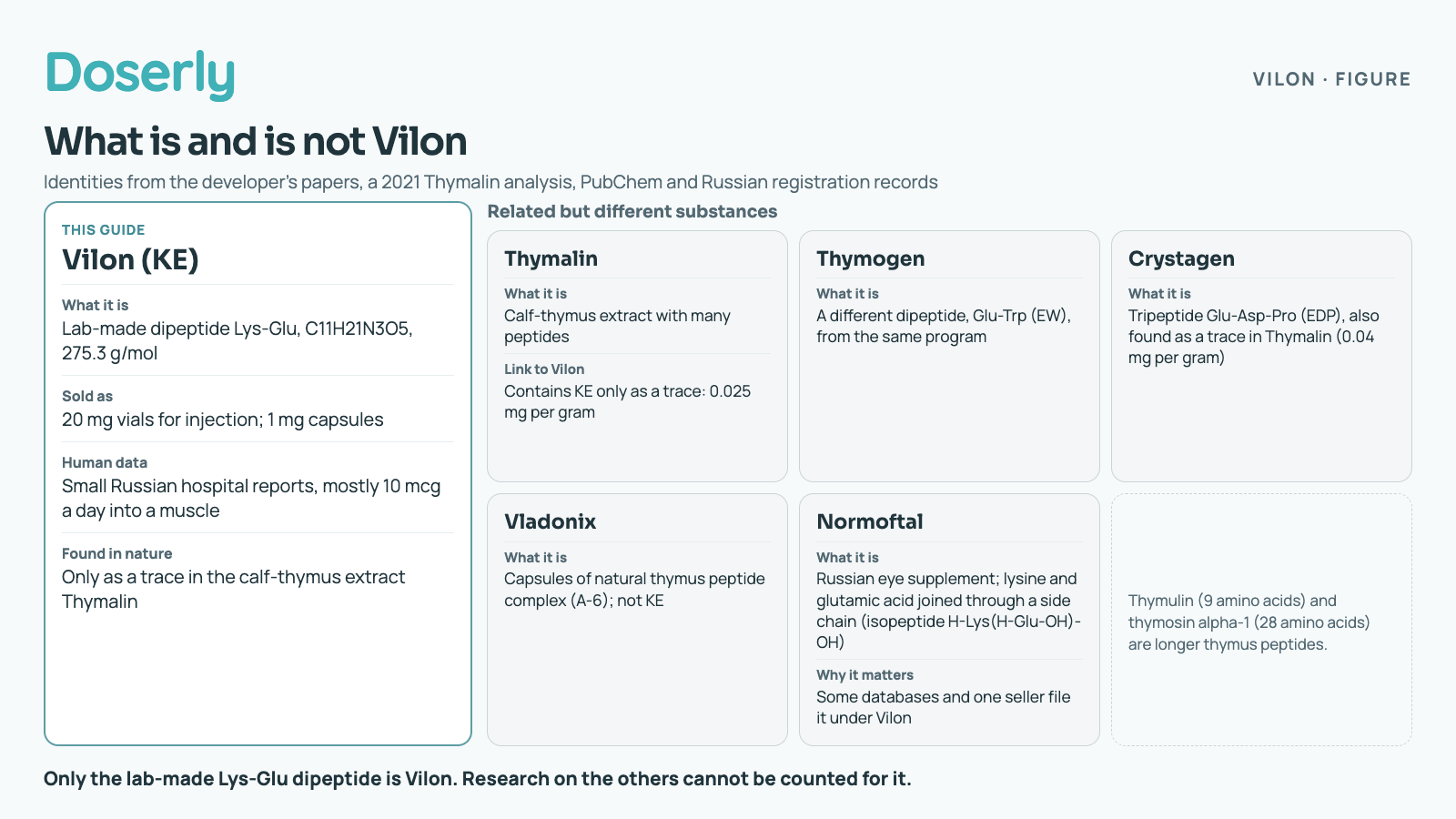
What is and is not Vilon
Identities from the developer's papers, a 2021 Thymalin analysis, PubChem and Russian registration records
- Vilon (KE) · this guide
- What it is: Lab-made dipeptide Lys-Glu, C11H21N3O5, 275.3 g/molSold as: 20 mg vials for injection; 1 mg capsulesHuman data: Small Russian hospital reports, mostly 10 mcg a day into a muscleFound in nature: Only as a trace in the calf-thymus extract Thymalin
Related but different substances
- Thymalin
- What it is: Calf-thymus extract with many peptidesLink to Vilon: Contains KE only as a trace: 0.025 mg per gram
- Thymogen
- What it is: A different dipeptide, Glu-Trp (EW), from the same program
- Crystagen
- What it is: Tripeptide Glu-Asp-Pro (EDP), also found as a trace in Thymalin (0.04 mg per gram)
- Vladonix
- What it is: Capsules of natural thymus peptide complex (A-6); not KE
- Normoftal
- What it is: Russian eye supplement; lysine and glutamic acid joined through a side chain (isopeptide H-Lys(H-Glu-OH)-OH)Why it matters: Some databases and one seller file it under Vilon
Thymulin (9 amino acids) and thymosin alpha-1 (28 amino acids) are longer thymus peptides.
Only the lab-made Lys-Glu dipeptide is Vilon. Research on the others cannot be counted for it.
Typical Vilon Protocols
| Example | Amount each time | Frequency | Total per day | Duration |
|---|---|---|---|---|
| Low | 333–667 mcg, after a first-cycle ramp that starts at 67 mcg | Once daily for 5 days in a row, then about 23 days off | 333–667 mcg on injection days | One 5-day pulse every 4 weeks, for 2–4 cycles (8–16 weeks) Protocol website [13]; the same template is copied on at least five other pages [16], [17], [18], [19], [20] |
| Mid | 1–2 mg (1,000–2,000 mcg) | Once daily | 1–2 mg | About 10 days, repeated twice a year Protocol website [14]; 2 mg a day for about 10 days also appears on a protocol page and two sellers' instructions [21], [22], [23] |
| High | 5–10 mg | Once daily | 5–10 mg | 5–12 days, repeated every 3–6 months Blog protocol [15]; similar pages claim a hospital or clinical-study basis, but no study used more than 1 mg a day [24], [20], [25] |
The most common pattern in the reviewed sources is 1–2 mg once a day by subcutaneous injection for about 10 days, repeated once or twice a year. Protocol websites, sellers' vial instructions and members of community education groups describe it most often. [14], [21], [22], [26] One protocol page allows up to 20 days, and some community members run it for 30. [21]
- Titration Changing the amount in steps
- Short-course pages use one fixed amount. The copied pulse template starts at 67 mcg and adds about 67 mcg a day through the first cycle, but those steps are simply one more syringe unit a day from a 20 mg vial mixed with 3 mL (see units), not a tested ramp. One blog page offers tiers to choose between (67–200 mcg, 200–500 mcg or 5–10 mg). In public forums, a few people start at about 100 mcg and work up to 1–3 mg. [13], [20], [27]
- Breaks and cycles
- Short courses are followed by a long break: sources describe repeating every 3–6 months, or once or twice a year. The pulse template instead repeats a 5-day pulse every 4 weeks for 2–4 months, and one copy of it repeats the pulses every 3–6 months. The labeled capsules describe a 30-day course with 4–6 months off. None of these gaps has been tested. [14], [15], [13], [19], [28]
Read the units: mcg means micrograms, and 1 mg equals 1,000 mcg. A 20 mg vial holds 20,000 mcg, so the vial size is a stock, not a dose. Each amount here is for one injection, and each schedule gives one injection a day, so the amount and the daily total are the same number. How mcg converts to syringe units.
Before you compare any of these numbers, four cautions. First, every row is far above what people received in the published human reports, which mostly used 10 mcg a day into a muscle; the highest was 1 mg a day in one cancer series. The popular 1–2 mg and 5–10 mg amounts have never been tested in a study. [30], [25] Second, in mice bred to develop breast cancer, Vilon led to more tumors, so a cancer history, active cancer or chemotherapy means talking to your doctor first (see the cancer question). [31], [32] Third, Vilon is promoted as an immune modulator but has never been tested in autoimmune disease, after an organ transplant or with immune-suppressing medicines; do not change prescribed treatment on your own. Fourth, the only children studied received 10 mcg a day during a hospital stay, and nothing supports the website amounts for anyone under 18. [33]
Each row is a complete schedule from one source, so its amount and duration belong together. Low, mid and high are alternatives, not steps to move through. These schedules come from protocol websites rather than clinical trials; the cited references give the full details.
What doses did the studies in people use?
| Example | Amount each time | Frequency | Total per day | Duration |
|---|---|---|---|---|
| Most hospital reports | 10 mcg | Once daily | 10 mcg | 5–10 days (6 days in open fractures, 8–10 days in Graves' disease) Six small series from one medical academy, in adults and children [30], [36], [33], [37], [38], [39] |
| Older adults with gum disease | 100 mcg | Once daily | 100 mcg | 5 days 54 people aged 60–89 [34] |
| Patent examples | 1 mcg | Once daily | 1 mcg | 5–10 days Salivary-gland disease and slow-healing wounds; inventor data [35] |
| Inoperable cancer during radiotherapy | 1 mg (1,000 mcg) | Once daily | 1 mg | 10 days, 10 days off, then 10 more days (20 mg in total) 30 people, most of them older adults [25] |
These are the only amounts given to people by intramuscular injection in a published report. Each came from a hospital team adding Vilon to usual treatment, and none compared different amounts or looked for the best dose. The inventors' repair patent claims a range of 0.01–100 mcg per kg of body weight a day for 10–40 days (0.7–7,000 mcg for a 70 kg adult); that is a boundary drawn in a patent, not a tested dose. [35] The only dosing website close to the study amounts describes 5–10 mcg into a muscle daily for about 10 days. [40]
What about capsules?
| Product | Amount each time | Frequency | Total per day | Duration |
|---|---|---|---|---|
| 1 mg Lys-Glu capsule (US supplement) | 1 capsule (1 mg) | Once daily, in the morning | 1 mg | Not stated; the seller's affiliated site describes short courses with 4–6 months off Seller label and affiliated site [29], [41] |
| Blend capsule (French food supplement) | 1 capsule (KE amount not stated; also lysine, glutamine and vitamin D) | Once daily, in the morning | Not stated | 30 days, repeated after 4–6 months Reseller page [28] |
Many pages give 10–20 mg a day by mouth. We found no Vilon capsule labeled with that much; the figure matches extract capsules such as Vladonix, which is a different product. [42], [43], [8] Whether any swallowed KE reaches the blood intact has never been measured (see routes).
In community education groups, the usual practice is 1–2 mg a day by subcutaneous injection for 10–30 days. One educator called 2 mg a day for 30 days the most common Vilon dosing, and another applied 1–2 mg a day to bioregulators in general, on the grounds that no Vilon-specific protocol exists. Others describe 1 mg a day for 40 days, 100–500 mcg a day, or a 10-day course once or twice a year. None cited a Vilon dosing study. A few members used a whole 20 mg vial within about a week, finishing with one large injection, which no source supports.
Where protocols differ: products, units and a 100,000-fold spread ↓
Where these numbers come from
The subcutaneous rows each come from one source that publishes a complete schedule: PeptideDosages for the low row (a first-cycle ramp from 67 mcg, then 333–667 mcg a day for 5 days in each 4-week cycle, for 2–4 cycles), CalcMyPeptide for the mid row (a short course of about 10 days at 1–2 mg, repeated twice a year) and a Jay Campbell blog post for the high row (5–10 mg for 5–12 days, repeated every 3–6 months). [13], [14], [15]
The pulse template appears word for word or nearly so on Dosage Peptide (the earliest dated copy, November 2025), PeptideDosage.org, Dosed, Peptides.ID and SeekPeptides, so it counts as one source copied several times. PeptideDosages says the monthly pulse is borrowed from Epitalon protocols. [16], [17], [18], [19], [20], [13]
The 1–2 mg short course is cross-checked by Peptide Doser (2 mg once daily for a course of 10–20 days, then a pause), a Russian-language seller (2 mg a day for 10 days, one vial per course) and a prefilled-pen seller (20 units, or 2 mg, a day for 10 days). The Peptide Catalog describes the same 10–20-day convention but declines to endorse any amount. [21], [22], [23], [26]
The 5–10 mg tier also appears on Peptides.wiki (10 mg a day for 10 days, called “the standard dose” in hospitals), Peptide Database, PeptidesExplorer, AllOfPeptides and SeekPeptides. No hospital report or study used it: the highest dose in the published reports is 1 mg a day. [24], [43], [44], [45], [20], [25]
The intramuscular table lists the doses in the published human reports; the capsule table uses the two products whose labels we could read. Thirty dosing pages were compared and grouped into eight families by where their numbers seem to come from; 19 more were excluded or could not be opened.
Excluded from the typical comparison: 0.1–1 mcg a day from a page that claims a randomized trial we could not find; 10–20 mg a day by mouth, because no Vilon capsule with that content could be found; 200–500 mcg a day from a page whose course length contradicts itself; animal per-kg doses presented as human protocols; and a page with side-effect rates and a half-life that trace to no study. [46], [42], [43], [47], [48], [49]
What is Vilon commonly used for?
People look into Vilon for three broad reasons: to support the immune system (during cold and flu season, after COVID-19 or during a long illness), to recover from surgery, infection or injury, and as part of an anti-aging routine alongside other peptides such as Epitalon. In public forums it often comes up in long COVID and chronic fatigue discussions, usually combined with a VIP nasal spray. [50], [51], [52]
The developers describe Vilon as an immunomodulator, meaning a substance that adjusts immune activity, and as a “geroprotector”, a substance meant to slow aging. [1], [11] The sections below describe what was measured; they do not show that Vilon treats or prevents any condition.
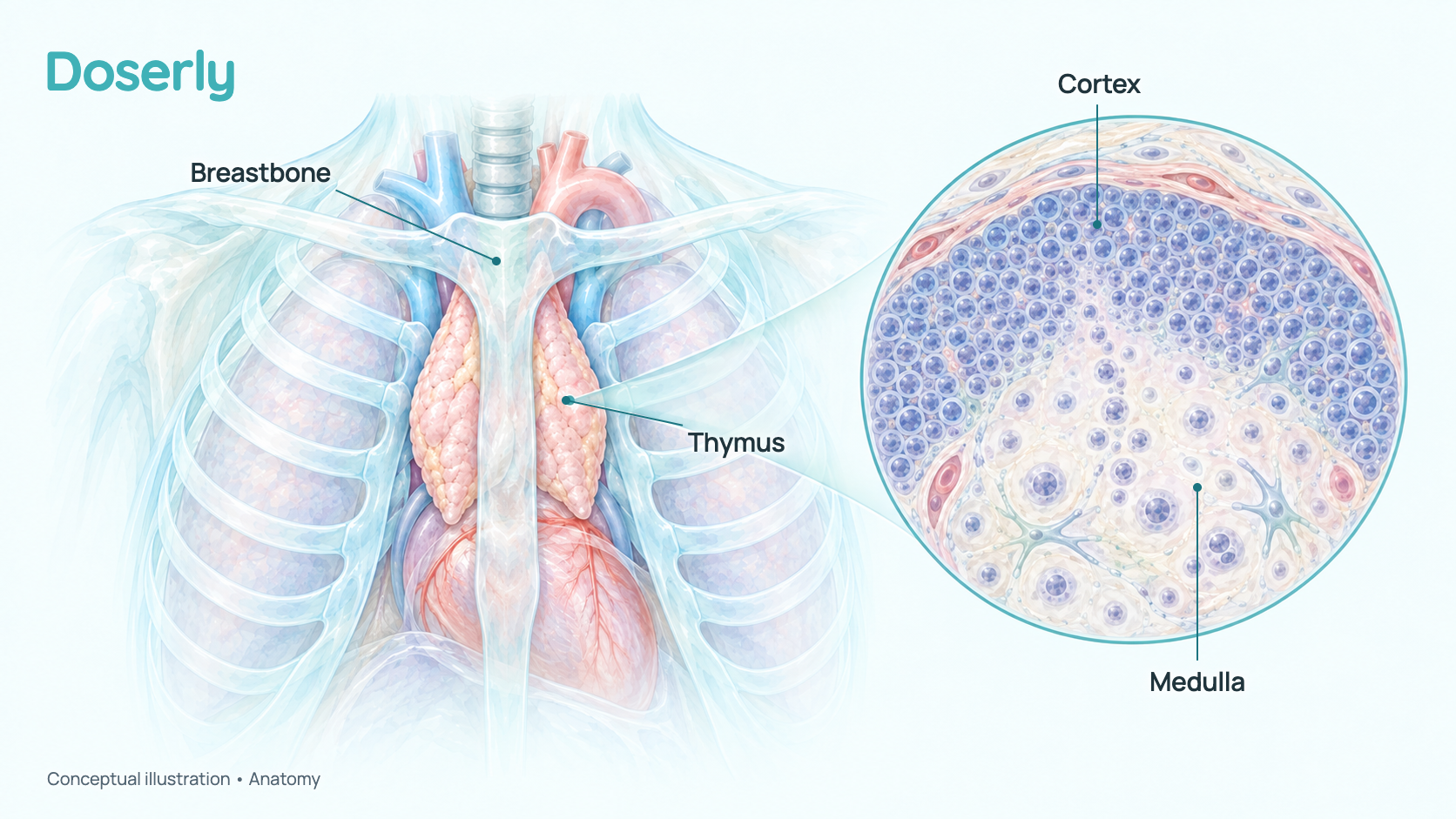
Immune support and frequent infections
In small Russian hospital reports, adding 10 mcg a day into a muscle to usual care moved blood immune markers, such as the balance between two kinds of T cells (CD4 and CD8), toward normal. None counted infections in the months afterwards or assigned patients to treatment by chance. [30], [36], [33] See what these reports can and cannot show.
The only public forum user who tracked immune blood tests saw no change in their lymphocytes two months after a 20-day course. [27] In community education groups, one member likewise saw no change on immune blood tests after two courses, and an educator who runs one group said they prefer thymosin alpha-1, which has been through placebo-controlled trials, for seasonal immune support (see the comparison).
Recovery after surgery, infection or injury
The hospital reports describe shorter hospital stays and clean wound healing after open fractures, and the inventors' patent describes faster wound healing, with Vilon given into a muscle as an immune add-on alongside surgery and antibiotics. [36], [39], [35] No study has tested it for tendons, ligaments, muscles or joints.
Online, Vilon is sometimes called “better than BPC-157” for healing, and one public forum user who reacted badly to BPC-157 described a subtle benefit without the reaction. [53], [54] In community education groups, its reputation as an injury healer grew mostly from one person's shoulder story, retold many times; that person was also taking other medicines and peptides, and their account of the dose changed between tellings.
Healthy aging and lifespan
The anti-aging claims rest on mouse studies and cells in a dish. Two short reports from 2000 said Vilon lengthened the lives of female mice and reduced their tumors, but the fuller 2001 report of the same design credits the survival gain to Epitalon, the other peptide tested, not to Vilon. [55], [56] In white blood cells taken from people aged 75–88 and treated in the laboratory, Vilon loosened tightly packed chromatin (DNA and its packaging proteins), which the developers read as reversing an aging pattern. [57] No study has measured an aging outcome in people who took it. See how it might work.
Thyroid, diabetes, gum disease and other conditions in the reports
The same hospital reports also added Vilon to usual treatment in Graves' disease (an overactive thyroid), type 1 diabetes, gum disease in older adults and children with stomach inflammation, and described faster recovery or better blood tests in each. [38], [58], [34], [37] Each is a single small report without random assignment; the full table with numbers is in the human research section.
Long COVID and chronic fatigue
This use traces to one public forum post from 2022, in which a person with long COVID and chronic fatigue described a remission on Vilon plus VIP nasal spray while taking many other treatments. They later had a long relapse during which it did not help, and estimated that the combination had helped about a quarter of the people who tried it, not durably. [50] Others describe improvement on capsules combining Vilon with Thymogen, or on nasal sprays, always with other treatments at the same time. [51], [59] No study has tested Vilon in long COVID or chronic fatigue. See the VIP guide.
Other uses you may come across
Some pages describe Vilon as an anti-cancer peptide, a “stem cell” activator, or a treatment for eye disease or gum disease. The eye and dental uses come from patents in which Vilon was injected next to the eye or into the tissue around a tooth root. [60], [61] The cancer picture is mixed and includes a clearly unfavorable mouse result (see the cancer question). We found no data for “stem cell activation”.
Where do Vilon protocols differ?
The recurring 1–2 mg a day is easy to summarize. The disagreements start when pages mix up products, units, routes or the source of their numbers. Here is what varies and why it matters.
Which Vilon is the number for?
Check this first. Lab-made KE is sold as 20 mg vials (sometimes 10 mg) and as prefilled pens. Capsules come as a 1 mg Lys-Glu supplement and as a blend whose KE content is not stated. Thymalin, Vladonix and Normoftal are different substances, and their amounts cannot be compared with Vilon amounts. [21], [23], [29], [28], [8], [10] Some blends name an “immune peptide” rather than Vilon: one public poster's gut blend lists “Immune Peptide A2”, which the poster took to be Vilon, while another commenter could not find Vilon on the label. [62]
Micrograms, milligrams and a 100,000-fold spread
Published daily amounts for injection run from 0.1 mcg to 10 mg, a 100,000-fold spread, and capsule pages add 10–20 mg a day. [46], [24], [42] Even the research contains unit errors: a patent for eye inflammation gives 5 mg in its claim and 5.0 mcg in its description, and a 2023 review records the mouse lifespan dose as 0.1 mg when the original says 0.1 mcg. [63], [64], [56] The figure below puts the human, website and community numbers on one scale.
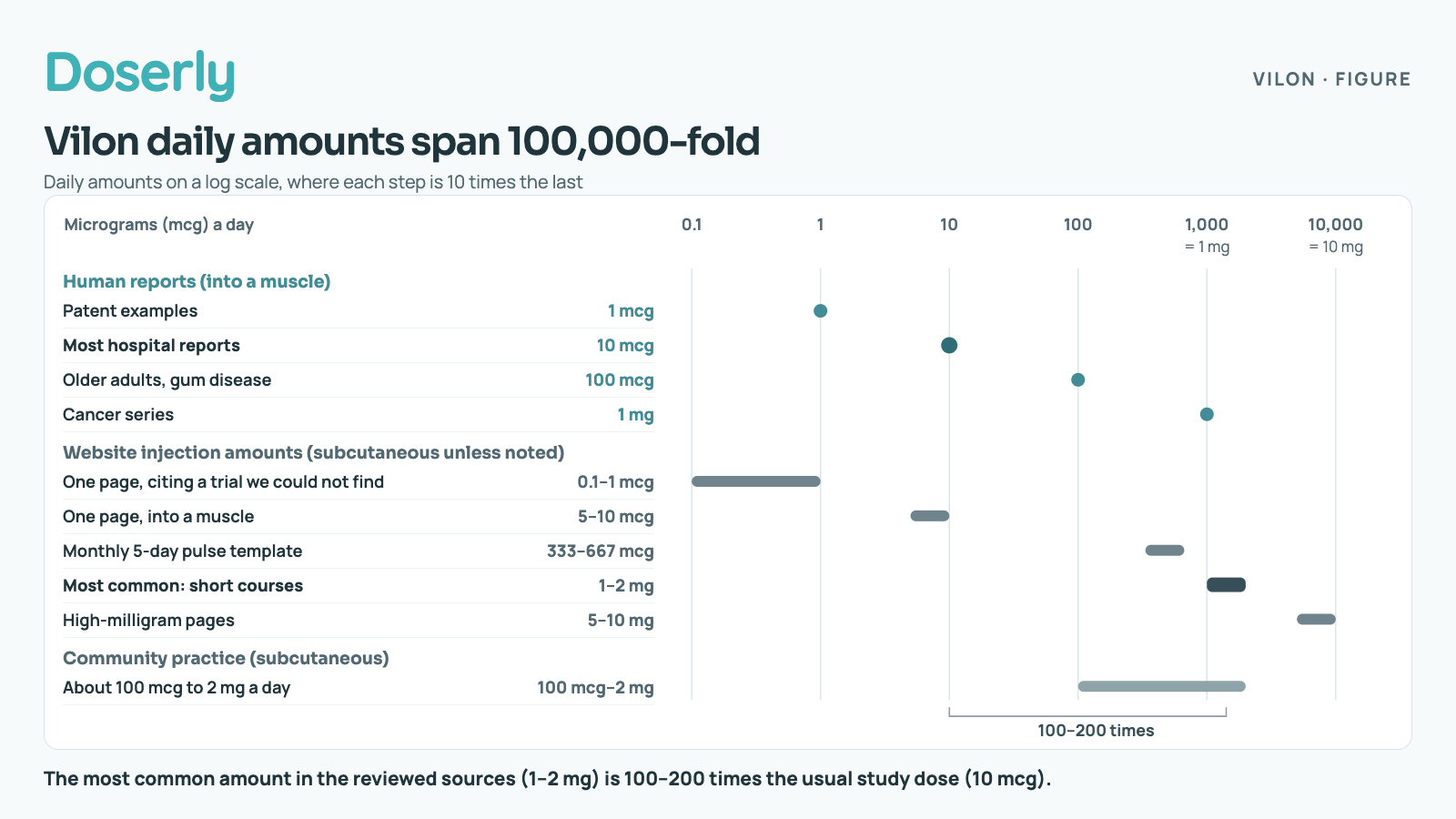
Vilon daily amounts span 100,000-fold
Daily amounts on a log scale, where each step is 10 times the last. Axis in micrograms (mcg) a day; 1,000 mcg = 1 mg.
Human reports (into a muscle)
- Patent examples
- 1 mcg a day
- Most hospital reports
- 10 mcg a day
- Older adults, gum disease
- 100 mcg a day
- Cancer series
- 1 mg a day
Website injection amounts (subcutaneous unless noted)
- One page, citing a trial we could not find
- 0.1–1 mcg a day
- One page, into a muscle
- 5–10 mcg a day
- Monthly 5-day pulse template
- 333–667 mcg a day
- Most common: short courses
- 1–2 mg a day
- High-milligram pages
- 5–10 mg a day
Community practice (subcutaneous)
- About 100 mcg to 2 mg a day
- 100 mcg–2 mg a day
The most common amount in the reviewed sources (1–2 mg) is 100–200 times the usual study dose (10 mcg).
Where did the 67 mcg steps come from?
The most copied web schedule climbs 67, 133, 200, 267 and 333 mcg over the first five days. Those numbers are not from a study: a 20 mg vial mixed with 3 mL of water holds about 66.7 mcg in each unit of an insulin syringe, so each step is simply one more unit. [13], [19] The same arithmetic shows up in a course from one community education group, copied from these pages.
Is the number for one day or the whole course?
Most pages mean a daily amount, but not all. One page gives “1 to 10 mg total per course”, and one public poster ran “10 mg vilon” in a five-day cycle without saying whether that was per day. [44], [65] In community education groups, one educator's figure of 2–5 mg per course is read by members as either a daily or a total amount. A 10-day course at 2 mg a day is 20 mg in total; 2 mg spread over the same 10 days is 200 mcg a day. That is a tenfold difference.
Did the Russian studies really use “huge doses”?
No. A common argument for taking a whole vial quickly is that Russian clinicians used large amounts. Every journal report with a clear dose used 1–100 mcg a day, except one series that used 1 mg a day for two 10-day courses in people with inoperable cancer. [30], [34], [25] Websites that say 10 mg is “the standard dose” in hospitals give no source. [24] The high milligram-per-kilogram amounts in the inventors' animal safety tests show what did not harm mice and rats; they are not human doses. [35]
Into a muscle or under the fat?
The hospital reports and patents gave Vilon into a muscle, and one diabetes study gave it into a vein. Most websites and nearly all community users inject it subcutaneously (into the fatty layer under the skin), and a few people make nasal sprays from the vials. [30], [58], [14], [50] No study has compared routes. How routes compare.
How many days, and how often is a course repeated?
Study courses mostly lasted 5–10 days and were given once; the cancer series gave two 10-day courses 10 days apart. [30], [25] Web courses range from 5-day monthly pulses through about 10 days (the most common) to 20–30 days, and repeats range from monthly to once or twice a year. [13], [14], [21] In community education groups, members describe 10–30-day courses, 20-day courses stacked with other bioregulators, an 8-week course and one 40-day course. Nothing shows that a longer or more frequent course works better.
Do sources start low and step up?
A few do. Apart from the syringe-unit ramp above, one public forum user started at 100 mcg, moved to 1 mg and then 3 mg, and settled at 1–2 mg; another started at 250 mcg for a few weeks and then took 500 mcg. [27], [53] Most short-course pages and sellers use one fixed amount from day one. [21], [22]
How do micrograms convert to syringe units?
Injection pages often give amounts as “units” on an insulin syringe. A U-100 syringe holds 100 units per millilitre, so units measure volume, not an amount of Vilon. How much peptide each unit holds depends on how much water was added to the vial (reconstitution).
For example, a 20 mg vial mixed with 2 mL of water holds 10 mg per mL, so each unit holds 100 mcg and 2 mg is 20 units. The same vial mixed with 3 mL holds about 6.67 mg per mL, so each unit holds about 66.7 mcg and 2 mg is about 30 units. That second mix is where the 67 mcg steps come from. Doserly's reconstitution calculator works this out for any vial and shows each step. [21], [13]
Source-by-source comparison
Unit key: 1 milligram (mg) = 1,000 micrograms (mcg). A 20 mg vial mixed with 2 mL gives 100 mcg per syringe unit; mixed with 3 mL, about 66.7 mcg per unit.
Pulse template (one family)
PeptideDosages, Dosage Peptide, PeptideDosage.org, Dosed and Peptides.ID give a first-cycle ramp from 67 mcg (1 unit) to 333 mcg (5 units), then 333–667 mcg once daily for 5 days in each 4-week cycle, from a 20 mg vial with 3 mL. PeptideDosages runs 2–4 cycles; Peptides.ID repeats the 5-day pulses every 3–6 months and says Vilon is approved in Russia, which we could not confirm. PeptideDosage.org's FAQ adds 100–500 mcg a day for 10–20 days and capsules at 1–10 mg a day. [13], [16], [17], [18], [19]
Short courses at 1–2 mg
CalcMyPeptide: about 10 days at 1–2 mg, repeated twice a year. Peptide Doser: 2 mg once daily for 10–20 days, then a pause. A Russian-language seller: 2 mg a day for 10 days, one vial per course. A pen seller: 20 units (2 mg) a day, one pen per 10 days. The Peptide Catalog: small daily injections for 10–20 days, once or twice a year, with no endorsed amount. [14], [21], [22], [23], [26]
Microgram schedules
SeekPeptides: 67–200 mcg for 5 days, or 200–500 mcg for 5–10 days (it also lists 5–10 mg). Peptide Initiative: 200–500 mcg once daily for 5–10 days (500 mcg for 10–12 days), though its summary box says “12+ weeks”. PeptideDeck: 5–10 mcg into a muscle daily for about 10 days, the only page close to the hospital reports. PeptideAssistant: 10 mcg every other day for 10–20 days. StackBuilder: 0.1–1 mcg a day, citing a human randomized trial we could not find. [20], [47], [40], [66], [46]
High milligram schedules
Jay Campbell: 5–10 mg for 5–12 days every 3–6 months. Peptides.wiki: 10 mg a day for 10 days, or 5 mg for maintenance. Peptide Database: 10 mg injectable. PeptidesExplorer: 1–10 mg per course. AllOfPeptides: 5 mg a day. [15], [24], [43], [44], [45]
Capsule claims
Peptibase and Peptide Database: 10–20 mg a day by mouth. PeptideAssistant: 1–2 capsules (10–20 mg) a day for 10–30 days. None names a Vilon capsule labeled with that content; the labeled US capsule is 1 mg. [42], [43], [66], [29]
Errors found
MyPeptideMatch lists side-effect percentages, an intravenous half-life of 1.2 hours and primate heart tests that trace to no study. MyPeptidePal and PeptideDosage.org misstate the mouse lifespan dose. Guide to Peptide and a copying seller call Vilon the shortest peptide known to have biological activity, which is not true (other active dipeptides exist, including Thymogen). AllOfPeptides gives bioavailability percentages that no study measured. SeekPeptides cites a 150-patient diabetes study with a 9-unit insulin reduction; the matching 2007 paper's abstract gives no such numbers, and we could not verify them. [49], [48], [17], [67], [68], [45], [20]
What happens when you stop Vilon?
No study has followed people after stopping. The hospital reports measured immune markers at the end of a 5–10-day course or at discharge. The gum disease series is the one exception: about half of the treated patients were judged still in remission 3 months later, while patients on usual care had relapsed. [34] Nothing is known about withdrawal or rebound effects.
Public forum accounts are few:
- The person behind the original long COVID post described a later relapse during which the combination no longer worked. [50]
- The same person paused Vilon during an experimental parasite (helminth) therapy because their immune reaction grew stronger, then restarted it. [50]
- Someone who took a course about a year earlier still felt it “definitely had an effect”, while noting it might be placebo. [69]
In community education groups, short courses with months off are the norm by design. The more careful educators suggest repeating blood tests 4–6 weeks after a course and stopping after two courses that change nothing. That is educator advice, not a tested rule. The end of a course is a sensible time to review how you feel and any results with a clinician.
Do injected, oral and nasal Vilon behave the same way?
No one has measured this for any route. An intramuscular injection is absorbed from muscle, which usually has a rich blood supply; a subcutaneous injection is absorbed from the fatty layer under the skin; an intravenous injection goes straight into a vein. The studies in people used the first and, in one diabetes study, the third. Everyday use relies on the second, and nobody has measured blood levels after any of them.
Bioavailability is how much of a dose reaches the blood in the form being measured. For Vilon it is unknown for every route. One website's figures of 95% for injection and 10% for capsules trace to no study. [45]
How long does Vilon last in the body?
Nobody knows. No study has measured its half-life, its blood levels or how fast it is broken down, in people or animals. Pharmacokinetics, the study of how the body absorbs and clears a substance, has not been done for Vilon. [70], [71] A figure of 1.2 hours on one website traces to no study, and the “about 20 minutes” repeated in community education groups has no source either. [49] A developer review says KE is broken down in solutions and partly in tissue samples, but the original experiment behind that statement could not be found. [9]
Does oral Vilon work?
There is no measurement in people. In rats, a month of Vilon by mouth changed digestive enzyme activity and sugar absorption in the gut, which shows it can act on the gut lining; it does not show that intact KE reaches the blood. [72], [73] A computer model from the developer group ranked KE in the middle to low range for fitting the gut's peptide transporters and unfavorable for another one. [71] The labeled US capsule holds 1 mg in an enteric coating meant to pass the stomach; its affiliated site itself says no published study reports how much is absorbed. [29], [74]
What about nasal sprays?
People make nasal sprays from injection vials, sometimes together with VIP, and others buy ready-made sprays online. [50], [75], [76] The only intranasal research is in rats, where it changed an immune signal in part of the brain two hours later. [77], [78] No one has measured what a nasal spray delivers in people, and homemade sprays are not sterile products.
Should it be injected near an injury?
No source describes that for Vilon. The fracture and wound patients received it as an ordinary injection into a muscle, not at the injury. Local injections appear only in patents: next to the eye for eye disease and into the tissue around a tooth root for dental inflammation. [39], [35], [60], [61]
What about VIP/Vilon sprays, Thymogen capsules and other stacks?
Vilon is rarely taken alone. Combinations people search for include:
- VIP and Vilon nasal spray for long COVID and chronic fatigue, from the 2022 forum post described above. [50] VIP guide.
- Vilon with Epitalon, often in the same syringe, as an anti-aging course; one person got a headache when adding Epitalon, and another developed lumps where they injected the pair. [50], [79]
- Vilon with Thymogen in capsules sold as an immune blend (reportedly 250 mcg of each per capsule), or as separate injections. [51]
- Vilon with thymosin alpha-1 or Crystagen as a “thymus stack”. [52], [27]
- Gut blends that list an immune peptide beside BPC-157 and KPV. [62]
None of these combinations has been studied. In community education groups, members also mix Vilon with other bioregulators in one pen or syringe, which no compatibility data support, and educators disagree about running two thymus peptides at once. A stack makes any benefit or reaction impossible to attribute.
How should Vilon be stored, and how long does it last?
There is no stability study for any Vilon product. What exists are seller and website instructions:
- Powder, before mixing. Pages say to keep the freeze-dried (lyophilized) powder frozen at −20 °C (−4 °F), and one says −80 °C for long-term storage. [13], [19]
- After mixing. Once the powder is mixed with liquid, pages say to refrigerate it at 2–8 °C (36–46 °F). Their “use within” advice ranges from following the product's instructions to 28 days, and one warns that freezing does not necessarily extend stability. None cites a stability test. [21], [13], [26]
- Prefilled pens. A pen seller sells a pre-mixed “stabilized” solution and says to keep it at 2–8 °C, with no stability data. [23]
- Capsules. Sellers say to keep them cool and dry, away from heat and humidity. [41]
A developer review says KE breaks down in solution, which is one more reason not to assume a mixed vial keeps for weeks. [9] Health Canada warns that unauthorized peptide drugs may be improperly made or stored, and cold storage cannot tell you what is in a vial (see product quality). [80]
What do we actually know about Vilon in people?
More than for most bioregulators, but it is weak evidence. About a dozen small reports describe Vilon given to people, almost all by one medical academy in Chita, Russia, between 2005 and 2014, plus examples in the inventors' patents. In every report Vilon was added to usual hospital treatment, and more than 200 people received it across the journal reports. None was a properly randomized trial (assigning people to treatment by chance), none described collecting side effects, and ClinicalTrials.gov has no Vilon study. [30], [25], [70]
Some evidence-review websites, and an earlier version of this guide, said the human evidence was mainly cells in a dish. The hospital reports do exist and can be read in Russian; they are simply small and hard to interpret. [81]
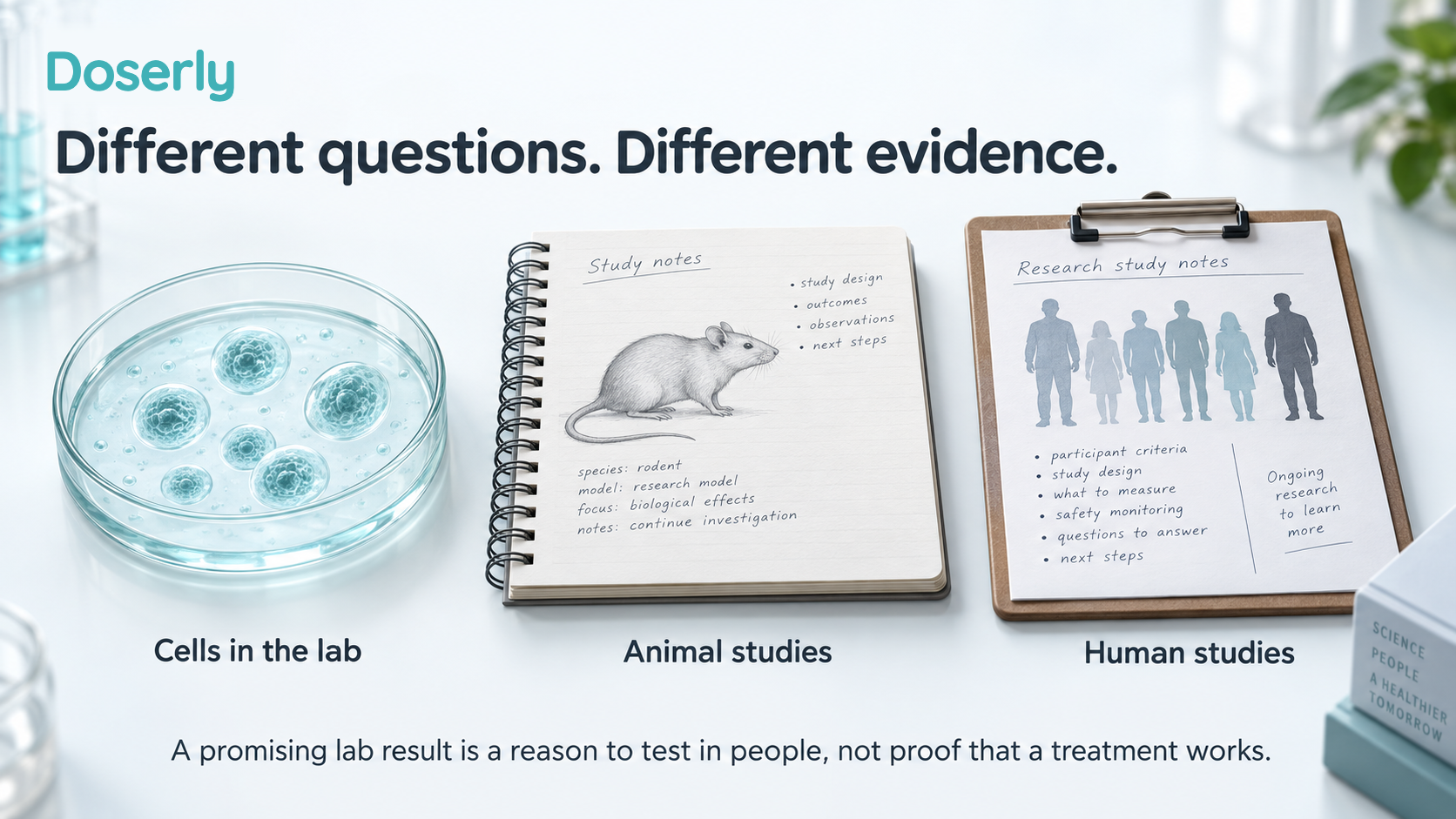
What did the hospital reports find?
| Report | What was reported | What it cannot establish |
|---|---|---|
| Complicated appendicitis, 2008 | 62 people after surgery; 40 received 10 mcg into a muscle daily for 5 or 10 days (others received the thymus extract Thymalin or a pineal extract), compared with usual care. Immune blood markers shifted in the same way as with Thymalin, and hospital stays were shorter. | Whether Vilon caused the change: groups were not assigned by chance, and the outcomes were mostly blood markers. [30] |
| Chronic anal abscess (paraproctitis), 2008 | 45 adults aged 26–42; 15 received 10 mcg daily for 5 or 10 days. White cell counts moved toward normal and hospital stays were about 19 days versus 29.2 on usual care. | The same limits, with 10–15 people per group. [36] |
| Children with stomach inflammation, 2006 and 2008 | Children aged 7–17 received 10 mcg into a muscle daily for 10 days with usual treatment: 12 of 35 children with H. pylori infection in one report and 15 of 72 in another. Pain settled in 3.8 versus 8.3 days and indigestion in 2.2 versus 6.8 days; inflammation markers normalized. | Whether it is safe or useful in children; the same title also appeared in a 2004 issue, so the data may overlap. [37], [33] |
| Graves' disease, 2007 | 15 of 37 patients received 10 mcg daily for 8–10 days with their thyroid medicine. Normal thyroid function returned in 6.4 versus 9.0 days. | A fair comparison: the Vilon group started out more severely ill, and thyroid antibodies did not improve. [38] |
| Open fractures, 2008 | 90 people aged 15–46 with open fractures of the long bones; the 30 at highest risk of infection received 10 mcg daily for 6 days from day 3. Wounds healed cleanly in 25 of 30, and stays were shorter than in patients whose wounds became infected. | Whether Vilon prevented infection: groups were set by a risk score, not by chance. [39] |
| Gum disease in older adults, 2014 | 448 people aged 60–89 with chronic periodontitis; 54 also received 100 mcg daily for 5 days. About half were judged in remission at 3 months, while patients on usual care had returned to baseline. | Why these 54 were chosen is not explained, and remission was judged by the treating clinicians. [34] |
| Type 1 diabetes, 2006–2007 | Hospital patients aged 15–73: 96 received Vilon into a vein daily for 8–10 days, compared with 37 on usual care and 55 on Epitalon (blood tests used subgroups of about 10). Clotting markers improved, and the average insulin dose at discharge was 39 units with Vilon versus 44 units with usual care. | The amount per injection: it is printed only as a concentration (10 mcg per mL). The main source is a dissertation summary. [58], [82], [83] |
| Inoperable cancer during radiotherapy, 2008 | 30 people with stage III–IV cancers (24 of them older adults) received 1 mg into a muscle daily for 10 days, twice, 10 days apart; 12 similar patients received salt water as a placebo. Tumors shrank by 30–80% during radiotherapy; 90% were alive at 2 years and 14 of 30 had died at 3 years. | Any effect on the cancer: radiotherapy shrinks tumors by itself, the control group's results are barely reported, and 9 treated patients who knew what they received were pooled with the rest. [25] |
| Older adults with bowel cancer, 2005 | Vilon added to surgery and other treatment; the authors describe a “preliminary” improvement in 2-year survival. | Anything more: only the abstract is available, with no numbers or dose. [84] |
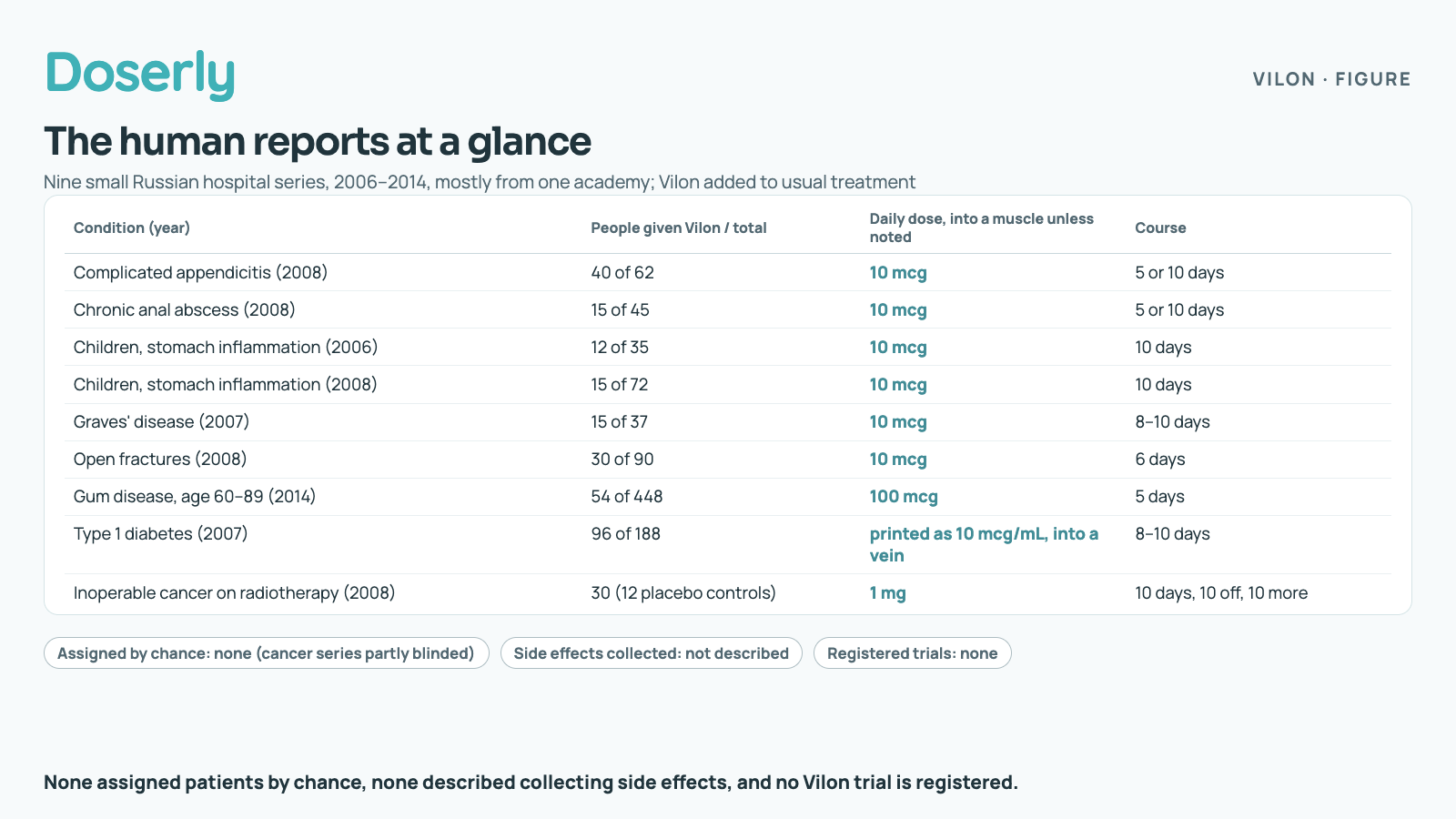
The human reports at a glance
Nine small Russian hospital series, 2006–2014, mostly from one academy; Vilon added to usual treatment
- Complicated appendicitis (2008)
- Given Vilon / total: 40 of 62Daily dose: 10 mcg, into a muscleCourse: 5 or 10 days
- Chronic anal abscess (2008)
- Given Vilon / total: 15 of 45Daily dose: 10 mcg, into a muscleCourse: 5 or 10 days
- Children, stomach inflammation (2006)
- Given Vilon / total: 12 of 35Daily dose: 10 mcg, into a muscleCourse: 10 days
- Children, stomach inflammation (2008)
- Given Vilon / total: 15 of 72Daily dose: 10 mcg, into a muscleCourse: 10 days
- Graves' disease (2007)
- Given Vilon / total: 15 of 37Daily dose: 10 mcg, into a muscleCourse: 8–10 days
- Open fractures (2008)
- Given Vilon / total: 30 of 90Daily dose: 10 mcg, into a muscleCourse: 6 days
- Gum disease, age 60–89 (2014)
- Given Vilon / total: 54 of 448Daily dose: 100 mcg, into a muscleCourse: 5 days
- Type 1 diabetes (2007)
- Given Vilon / total: 96 of 188Daily dose: printed as 10 mcg/mL, into a veinCourse: 8–10 days
- Inoperable cancer on radiotherapy (2008)
- Given Vilon / total: 30 (12 placebo controls)Daily dose: 1 mg, into a muscleCourse: 10 days, 10 off, 10 more
Assigned by chance: none (cancer series partly blinded) · Side effects collected: not described · Registered trials: none
None assigned patients by chance, none described collecting side effects, and no Vilon trial is registered.
What did the patent examples report?
The inventors' 1998 repair patent describes 30 people with salivary-gland inflammation or stones given 1 mcg into a muscle daily for 5 days, and 34 people with slow-healing wounds or deep soft-tissue infections of the face and jaw given 1 mcg daily for 10 days, plus 9 with slow-healing wounds after cancer surgery (dose not stated). It reports faster healing in narrative form, without statistics. [35] A 2001 eye patent describes injections of 10 mcg next to the eye (parabulbar) daily for 10 days in 39 people with new blood vessels growing into the cornea and 34 with a similar problem at the back of the eye, with less vessel growth than in small comparison groups. [60] Patents are written to claim an invention, not to test it, so these examples are weaker than the journal reports.
Why are these reports so hard to judge?
- No random assignment. Doctors chose who received Vilon, and in some reports the groups differed at the start.
- Added to other treatment. Everyone also had usual care, such as surgery, antibiotics, thyroid medicine, insulin, dental treatment or radiotherapy, and many of these conditions improve on their own.
- One network. Almost all come from one academy working with the developers, and no independent team has repeated them.
- Blood markers more than outcomes. Most measured immune cells and signaling proteins rather than infections, complications or survival.
- No side-effect collection. Authors state that Vilon has no side effects, but none describes looking for them.
None of this means the reports are false. It means they cannot show that Vilon caused the improvements, or that it is safe.
Were there other studies in people?
Not with Vilon given to people. Several papers used white blood cells from very old volunteers, but the cells were treated in the laboratory; the volunteers never received it. [57], [85] A 2021 randomized trial in severe COVID-19 tested Thymalin, the extract, not Vilon. [86] Developer reviews list Vilon among “clinically studied” bioregulators, but the reports above are the only ones we could trace. [87] The only ClinicalTrials.gov result for “vilon” is an unrelated breast-cancer pathology study. [70]
What did these reports measure?
- Immune cell counts (an immunogram): T cells overall (CD3), helper and cytotoxic T cells (CD4 and CD8), natural killer cells (CD16), B cells (CD22) and antibodies. [30]
- Cytokines: signaling proteins such as TNF-alpha and interleukins that rise with inflammation. [33]
- Clotting tests in diabetes, thyroid hormones in Graves' disease and insulin dose at discharge. [58], [38]
- Clinical milestones: days in hospital, days to pain relief, clean wound healing and survival. [36], [39]
What the reports did not measure is what matters most for everyday use: infections or illness over the following months, side effects, and effects of repeated courses or of the milligram amounts sold today.
How might Vilon work?
The developers' idea is that very short peptides act as signals that switch particular genes on or off, and that Vilon's target is the immune system, especially the thymus. The experiments below test pieces of that idea. They are preclinical (cells in a dish, mice, rats, flies and computer models), and nearly all come from the developer's network.
Does it act on thymus and immune cells?
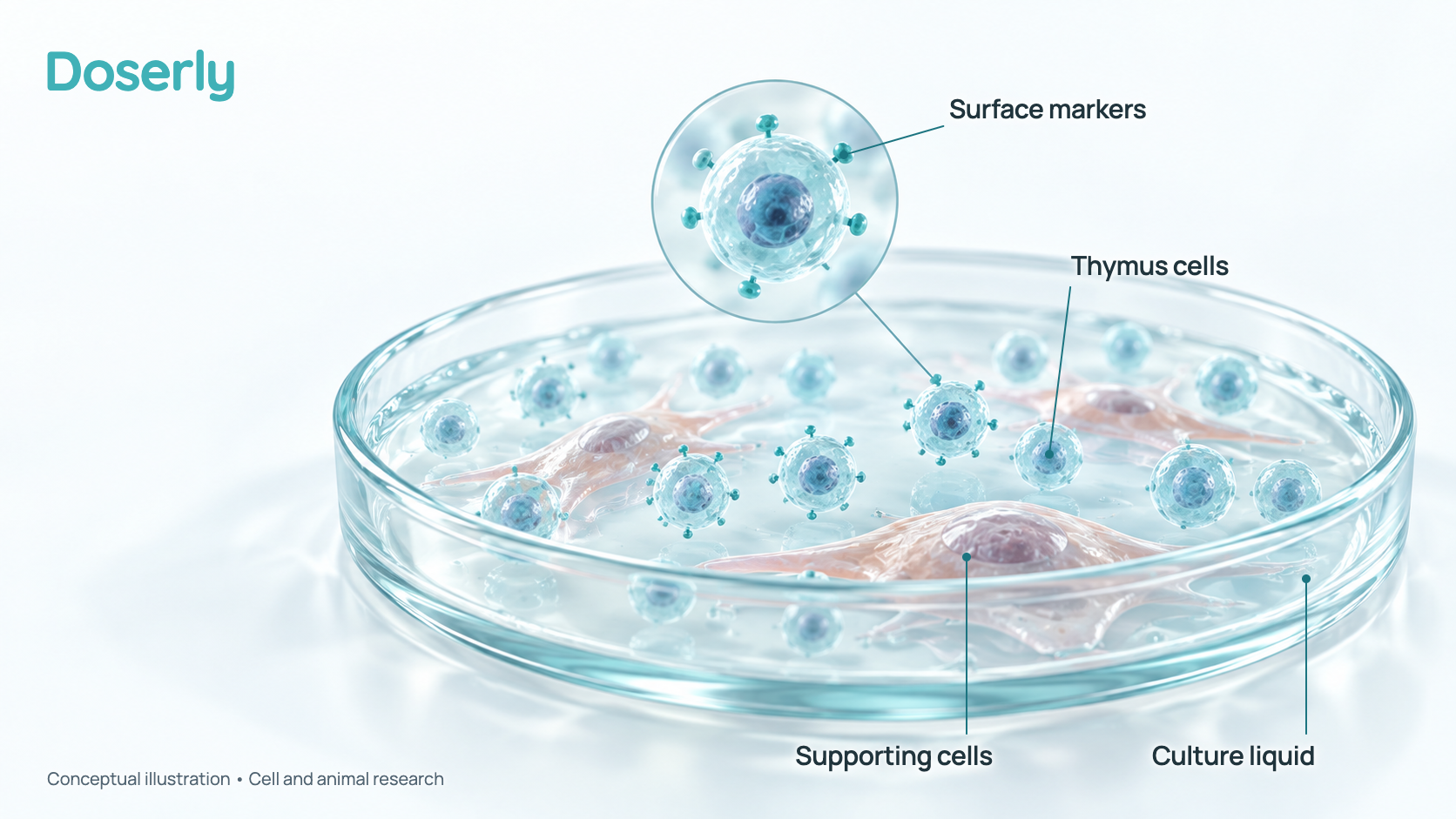
In laboratory cultures it does, in several ways. In human and rat thymus cells, Vilon raised CD5, a marker of maturing T cells; a closely related test peptide had the stronger effect on helper and cytotoxic T cells. [88] In mouse spleen cells it switched on the gene for interleukin-2, a signal that makes T cells multiply, and in mouse thymus cells it boosted their response to a growth stimulus more than two other short peptides. [89], [90], [91] In human thymus cells grown with supporting cells it had a direct growth-stimulating effect. [92] None of this shows a stronger immune system in a living person.
Does it calm inflammation or stir it up?
It depends on the conditions. When human blood immune cells from four donors were first provoked with a bacterial toxin, Vilon, like Thymalin and Thymogen's peptide, lowered three inflammation signals (IL-1 beta, IL-6 and TNF-alpha) by 1.4–6.0 times. [93] A 2022 study in a line of human immune cells found the same direction for TNF and IL-6. [94] But a separate team at the same Chita academy, with no developer co-authors, tested unprovoked blood cells and found that Vilon raised TNF-alpha by 51% and lowered a natural anti-inflammatory signal by 22%. [95] So the claim that it “normalizes” immunity, lowering what is high and raising what is low, is an interpretation, not something measured in people.
What does it do to chromatin?
In white blood cells from people aged 75–88, grown in the laboratory, Vilon loosened some tightly packed chromatin and reactivated genes that make ribosomes (the cell's protein factories); it did not loosen the permanently packed regions near the center of chromosomes. [57], [85], [96] In other cell studies it raised the activity of SIRT1, a gene linked to aging research, in early-stage (“young”) stem-cell cultures, doubled FOXO1 in only one of two stem-cell aging models, and lowered inflammation signals in aging skin cells. [97], [98], [99]
Does it bind DNA?
That is the proposed mechanism, but it rests on computer models, and they disagree. Different papers from the same group name five different preferred DNA sequences for KE (GCAG, AGAT, TCGA, GCGC and GCGG). [100], [101], [102], [93], [97] In mouse hearts, Vilon changed the activity of 36 of about 15,000 genes measured by more than twofold. [103] No experiment has shown KE reaching DNA inside a living person's cells.
Is it an antioxidant?
Not directly. In laboratory tests it had no direct antioxidant activity, and the developers' 1997 review says it did not change the antioxidant response of thymus cells. [104], [1] In fruit flies it lowered harmful oxygen molecules in the cell's power stations (mitochondria) but raised them in the rest of the cell. [105]
Does it make mice live longer?
This is unresolved. Two short 2000 reports said that Vilon injections starting at 6 months of age lengthened the lives of female mice and reduced their tumors. [55], [106] The fuller 2001 report of the same design (0.1 mcg for 5 days each month) credits the survival gain to Epitalon only; for Vilon it reports more physical activity and fewer lung tumors. [56] In fruit flies, lifespan gains depended heavily on the fly strain. [107] No lifespan claim applies to people.
What happened in rats?
Mostly positive abstracts from the developer group, often without the dose stated: better recovery of the thymus and gut after radiation, changes in gut enzymes and sugar absorption after a month by mouth, a weak effect on liver regeneration, lower levels of a scarring signal (TGF-beta 1) in kidney failure after 2 months, and more resistance to stress. [108], [109], [72], [110], [111], [112] In old male rats, 50 mcg per rat improved sexual behavior and lowered the hormone prolactin. [113]
What about extremely small amounts?
Some papers report effects on tissue pieces at concentrations as low as 10⁻¹³ molar, and one proposes that peptides act through the structure of water at even lower amounts. These findings cannot be turned into doses and have not been confirmed independently. [114], [115]
What are the risks and unanswered questions?
Is Vilon safe?
Its safety in people has not been established. None of the hospital reports described how side effects were looked for, and courses lasted 5–20 days. The authors' statements that Vilon has no side effects are assertions, not measurements. [25], [36]
The inventors' animal tests found no deaths among 66 mice, 55 of them given single injections of 1–5 mg per kg into a muscle, and no damage in rats given daily injections for 90 days or six months at up to 3 mg per kg. [35], [60] These were the inventors' own tests, briefly reported in patents. The more important safety questions come from the cancer studies below.
Could Vilon affect cancer?
This is the clearest safety signal. In a 2002 study in mice bred to develop breast cancer driven by the HER2 gene (HER2), 1 mcg of Vilon injected for 5 days each month from 2 months of age “produced significant negative effects when compared to the control group”: breast cancers appeared more often, sooner and in greater numbers than in mice given salt water. [31] In the Russian report of the same experiment, 95% of the Vilon mice had two or more tumors, compared with 75% of controls. [116] The same developer group published this result, which makes it more credible, not less. A third write-up of the experiment mentions only the Epitalon result. [117]
Other models point the other way. In rats and mice exposed to cancer-causing chemicals, fewer animals developed bladder or bowel tumors with Vilon (for example 14.3% versus 60% of mice in one bowel model), and in rats with transplanted tumors it increased the death of tumor cells. [118], [119], [120] The human cancer series was not designed to test cancer risk (see above). [25]
So neither “Vilon feeds cancer” nor “Vilon prevents cancer” is established. The direction depended on the model, and the one model of HER2-driven breast cancer went the wrong way. Anyone with active cancer, a history of cancer (especially HER2-positive breast cancer) or a strong family history should discuss it with their oncologist before using it.
Could it interfere with chemotherapy?
Possibly. In mice with lung cancer, Vilon on its own lengthened survival, but giving it at the same time as the chemotherapy drug cyclophosphamide shortened survival; the authors advised not giving the two together. In tissue pieces in a dish, Vilon also cancelled cyclophosphamide's effect on lymph tissue. [32] This is one abstract without group sizes, but it is the only direct interaction finding, and it concerns people who are among the most likely to try immune peptides. Anyone on chemotherapy should not add Vilon without their oncology team.
Could it make autoimmune disease worse?
Nobody knows. Vilon has never been tested in autoimmune disease, and in unprovoked blood cells it raised an inflammation signal. [95] In the Graves' disease report, thyroid antibodies did not improve. [38] In public forums, a person with lupus describes using it alongside many other compounds. [121] In community education groups, people with Hashimoto's thyroiditis and psoriatic arthritis describe using it, and questions about flares often go unanswered. The more careful educators advise against starting any thymus peptide during a flare, and treat myasthenia gravis as the clearest reason to avoid thymus compounds. They also point out that immune-supporting products may work against immune-suppressing treatment, so the prescriber needs to know.
What problems have actually been reported?
A handful, none formally:
- Severe dizziness within two days of adding Vilon, in someone also taking semaglutide and other peptides. [122]
- Two red lumps at injection sites after injecting Vilon with Epitalon. [79]
- A headache when Epitalon was added, a heart-rate rise of about 10 beats a minute just after dosing, and broken sleep in the first weeks of a VIP and Vilon combination. [50]
- Brain fog and ringing in the ears at 1–3 mg a day, in a person using four thymus peptides. [27]
In community education groups, one member had insomnia after 0.5 mg at bedtime, which settled when they switched to 100 mcg in the morning, and another described an 8-week course without problems. Few people tracked anything, so the silence says little about safety. We found no published case report of harm.
Could product quality change the risk?
Yes. Research vials are sold without the testing required for medicines. One public reviewer's Vilon vial tested below its label content. [123] In community education groups, members noted that the usual testing labs do not test bioregulators, that most Vilon came from one overseas supplier until shipping was suspended in September 2026, and that vials were passed on to family and coworkers. Health Canada warns that unauthorized peptide drugs may contain too much, too little or none of the active ingredient, may contain unlisted ingredients or contaminants, and may be poorly labeled or improperly made or stored. [80]
Is Vilon legal? Is it FDA-approved?
Checked September 24–26, 2026. Rules differ by country and change quickly. A “research use only” label does not make a product legal to sell or safe to use.
United States. Vilon is not an FDA-approved medicine: a search of FDA's approved-drug database found no entry. [124] It is not among the substances nominated for pharmacy compounding (list updated May 14, 2026), not on FDA's list of compounding substances that may pose significant safety risks, and not named in eight FDA warning letters to peptide sellers from February 2025 to August 2026. None of these is a ruling on whether selling it is legal. [125], [126], [127] It does not appear in federal regulations or the Federal Register. [128] US sellers offer it as “research use only” vials and as a dietary-supplement capsule. [29]
Canada. Health Canada named “Vilon (Lys-Glu)” among unauthorized injectable peptide drugs seized from a Calgary clinic (April 1, 2025) and “Vilon” among those seized from and sold by an online seller (August 1, 2025). Injectable peptides are regulated as prescription drugs in Canada, and none of the seized products was authorized. [129], [130]
Australia. The Therapeutic Goods Administration's (TGA's) April 2026 guidance on unapproved peptides does not name Vilon. It says such products “have not been evaluated for safety, quality or effectiveness by the TGA”. We did not find an Australian approval, but the Australian register itself was not searched. [131]
United Kingdom and Europe. A search of UK government sites, which include the medicines regulator (MHRA), found no record for Vilon. [132] A French brand sells capsules listing “Peptide KE (VILON)” as a food supplement, which is not a medicine approval. [28]
Russia. Vilon's founder wrote in 2020 that it had been submitted for registration as a drug. We found no Vilon medicine in two Russian drug directories; the state register could not be searched. A 2011 dental patent states that Russia's Pharmacological Committee permitted Vilon as an immunomodulator but gives no registration number, and some websites say Vilon is approved or sold in Russian pharmacies; we could not confirm any of these claims. [6], [7], [61], [19]
Is Vilon banned in sport? Does it show up on a drug test?
Vilon is not named on the World Anti-Doping Agency's 2026 list or on the 2027 list that takes effect on January 1, 2027. Category S0 bans at all times any substance “with no current approval by any governmental regulatory health authority for human therapeutic use”, and the 2027 list adds “peptides” to its examples. WADA has not ruled on Vilon specifically, so tested athletes should assume S0 can apply. [133], [134] None of the sources reviewed describes a test that detects Vilon.
Who should be especially cautious?
These groups have no safety data. That is a reason for caution, not proof of harm.
- Anyone with active cancer, a history of cancer or a strong family history, especially of HER2-positive breast cancer, and anyone on chemotherapy. [31], [32]
- Anyone with an autoimmune disease, myasthenia gravis or a thymus tumor, and anyone who has had an organ transplant or takes immune-suppressing medicines. Changes belong with the prescriber.
- Children and teenagers. The only children studied received 10 mcg a day in hospital. [33] In community education groups, it has been suggested for a teenager's knee injury without any caution.
- Anyone who is pregnant or breastfeeding. Never studied.
- Anyone taking several peptides at once, because a reaction cannot be traced to one product. [27]
- Competitive athletes. See the anti-doping section above. [133]
Has Vilon been tested alongside other medicines?
Only in the sense that the hospital patients also received surgery, antibiotics, thyroid medicine, insulin or radiotherapy, and no interactions were reported, though none was looked for systematically. [38], [58], [25] The one tested interaction, with cyclophosphamide in mice, was harmful when both were given at the same time. [32] Nothing is known about combining Vilon with immune-suppressing medicines, biologic drugs, vaccines, GLP-1 weight-loss medicines or other peptides. Bring a complete list of everything you take to a pharmacist or doctor. Health Canada notes that unauthorized injectable drugs can interact with other medications. [129]
What should be monitored while using Vilon?
No regulator has written a monitoring plan for Vilon, and the vials are sold with no approved label. What exists is a record of what the hospital reports measured, plus general guidance. It can help you prepare questions for a clinician; it is not a personal testing plan.
What did the hospital reports check?
The reports measured immune blood counts, inflammation signals, and condition-specific tests such as clotting, insulin dose and thyroid hormones (see the list). In the cancer series, white cell, lymphocyte and helper T-cell counts fell over the first month, during radiotherapy, which shows why a single blood test taken during other treatment is hard to read. [25]
Which measures matter, and why?
| Why it matters | What studies measured or guidance says | Tracking category |
|---|---|---|
| Whether anything changed in the immune system | Blood counts with lymphocytes and T-cell groups in the hospital reports; no change in the one public lab-tracked account [30], [27] | Immune System |
| Inflammation | In laboratory cells, cytokines went down in provoked cells and TNF-alpha up in unprovoked cells [93], [95] | Pain & Inflammation |
| Cancer caution | Unfavorable breast-tumor result in HER2 mice; routine cancer screening and any new lump belong with a doctor [31] | Other (cancer screening) |
| Thyroid, for anyone with thyroid disease | Thyroid hormones and antibodies in the Graves' disease report [38] | Hormonal & Reproductive |
| Sleep and energy | Bedtime insomnia and morning energy in personal accounts from community education groups | Sleep; Energy & Vitality |
| Injection problems | Lumps at injection sites in one account; Health Canada warns of infection and allergic reactions [79], [130] | Tolerability |
In community education groups, the more careful educators suggest a full blood count with a white-cell breakdown (differential) and a sensitive CRP test for inflammation before a course and again 4–6 weeks after it, and stopping after two measured courses that change nothing. They list reasons to stop and see a doctor: a new lump or a changing mole, an injection-site reaction that is still spreading after 48 hours, new joint swelling, rash, mouth ulcers or hair loss, swollen glands, night sweats or weight loss that persist, and unusually frequent infections. That is educator advice, not a tested plan.
Health Canada advises anyone who has used an unauthorized injectable peptide and has health concerns to consult a healthcare professional. [130]
What do people in public communities report?
Public accounts are scattered across Reddit threads about long COVID, chronic fatigue, mold illness, lupus and general “biohacking”, plus one peptide review forum. Most mention Vilon as one item in a long list, and very few give an amount, a diagnosis or a test result. [50], [121], [27]
What do the positive reports look like?
- A person with long COVID improved over two months on capsules containing 250 mcg of Vilon and 250 mcg of Thymogen, taken once or twice a day, and could not tell which one helped; they later added thymosin alpha-1. [51]
- Someone with mold-related illness took 250 mcg a day for a few weeks, then 500 mcg, alongside thymosin alpha-1 and KPV: “Is it life changing? I wouldn't say that, but the subtle positive is nice”. [53]
- A person with chronic fatigue said it gave them as much energy as MOTS-c, while taking many other bioregulators, and noted the mouse breast-cancer result as its one worry. [135]
- One user said it “helps me sleep”; months later they could not recall the timing or amount. [136]
- A person with lupus whose platelet count rose over two years credited a group of peptides that included Vilon, alongside hydroxychloroquine and hormone therapy, and wrote: “Can I prove it? No.” [121]
In community education groups, benefit stories were about energy, a feeling of wellbeing after a course, fewer seasonal infections or an injury that improved. The most repeated one, a shoulder injury said to be almost healed after one vial, came from a single person who retold it in about seven threads while also taking other medicines and peptides, and whose dose changed between tellings. A few stack-level wins in serious conditions, such as a lower tumor marker after a 20-day course of three bioregulators, involved several products at once and conditions that fluctuate on their own.
Does everyone notice a difference?
No. The most careful public account came from a person with low lymphocyte counts after COVID-19 who took Vilon at 1–3 mg a day for 20 days with three other thymus peptides, measured their immune cells before and two months after, and found the course “didn't produce any significant effect on my lymphocites”. [27] Others in the same long COVID and mold-illness threads reported no effect after trying several peptides in a row. [50], [53]
In community education groups, four people described no effect, including one member whose immune blood panel did not change across two courses. Educators say that no noticeable change is the most likely outcome for this class of peptides. Some argue that the benefits appear only over years of repeated courses; that is a belief, not a finding, and it makes it hard to ever decide that a course did not work.
What about unwanted effects?
Dizziness, lumps at injection sites, headache, a faster heart rate, broken sleep, brain fog and ringing in the ears, each from one person and usually while taking other products. See the risks. [122], [79], [50], [27] The more worrying pattern is not a side effect but a decision: people with a cancer history, autoimmune disease or, in one case, a teenager, trying Vilon with no one raising the cancer and immune questions.
What do community education groups teach?
Educators are more skeptical than the members. One lead educator describes the evidence for bioregulators as very thin, another rates Vilon's evidence as early, single-group and mostly cell culture, and a third prefers thymosin alpha-1 for immune support because far more people have used it. One group's immune program leaves Vilon out and lists it only as an optional add-on elsewhere. Their dose advice conflicts, sometimes within the same group: one course page teaches the 67 mcg syringe-unit ramp, while that group's educator calls 2 mg a day for 30 days the most common dosing.
Some lessons also claim that bioregulators have no contraindications, which the mouse cancer and chemotherapy results do not support. [31], [32] Some carry affiliate codes or sell lab panels, so enthusiastic lessons are not independent evidence. The most useful shared advice is practical: measure before and after, run short courses with months off, add one new product at a time, and stop if something feels wrong.
How can you judge a recovery story?
Ask: What was the starting problem, and was it diagnosed? Which product, how much and by which route? What else started or stopped at the same time: other peptides, a new medicine, rest, physical therapy, the end of an infection? Was anything measured before and after, such as a blood count? What happened months later?
These selected discussions are not a survey of all users, a response rate or a substitute for controlled studies. Immune symptoms, fatigue and injuries change over weeks by themselves, and people are more likely to post when something seems to work.
How does Vilon compare with Thymalin, Crystagen and thymosin alpha-1?
Vilon is one of several thymus-related peptides, and people often confuse or combine them. Thymalin is the calf-thymus extract that contains traces of Vilon's peptide, Crystagen is a sister peptide from the same program, and thymosin alpha-1 is the most studied thymus peptide. The table compares what each one is and how much has been tested in people.
| Compound | What it is | How it is taken | How often | Human evidence | Approval status |
|---|---|---|---|---|---|
| Vilon (this guide) | Two amino acids (Lys-Glu, KE), lab-made, from a Russian research program [1] | Injection: into a muscle in the studies, mostly subcutaneous in practice; 1 mg capsules [30], [14], [29] | Websites: 1–2 mg once daily for about 10 days; studies: mostly 10 mcg daily for 5–10 days [14], [30] | About a dozen small hospital reports, mostly from one academy, without random assignment [30], [25] | Not approved anywhere found; named in Health Canada seizure advisories [130] |
| Thymalin (no Doserly guide) | An extract of calf thymus containing many peptides, with KE only as a trace [5] | Injection into a muscle [86] | 10 mg once daily for 10 days in a 2021 trial [86] | A small randomized, placebo-controlled, single-blind trial in 80 adults with severe COVID-19, from the same network [86] | Registered medicine in Russia; not FDA-approved [86], [124] |
| Crystagen | Three amino acids (Glu-Asp-Pro) from the same program, also promoted for the thymus [137] | Capsules by mouth; vials by subcutaneous injection, according to protocol websites [138], [139] | Capsules 1–2 times a day for a month, repeated after 3–6 months [138] | Two small reports on immune blood tests without a placebo [137], [140] | Supplement in Russia; not an approved medicine [138] |
| Thymosin alpha-1 | A lab-made copy of a 28-amino-acid peptide first purified from calf thymus [141] | Subcutaneous injection [142] | 1.6 mg twice a week for 6–12 months in hepatitis B (label) [142] | Many trials: a Cochrane review of 10 hepatitis B trials was “not sure” it helps, and a 1,106-person sepsis trial found no fewer deaths [143], [144] | Prescription medicine in Singapore; not FDA-approved [142], [141] |
The real differences are in how much has been tested. Thymosin alpha-1 is a licensed medicine in some countries and has been through placebo-controlled trials, with mixed results. Thymalin has one small randomized trial from the developer's network. Vilon has more hospital reports than Crystagen, but none of them assigned patients by chance, and none tested the milligram amounts sold today. No study has compared Vilon with any of them. People also stack Vilon with Epitalon and with Thymogen (Glu-Trp), a sister dipeptide with no Doserly guide; those combinations are untested too.
Common questions about Vilon
Is Vilon the same as Thymalin, Thymogen or Vladonix?
No. Vilon is one lab-made two-amino-acid peptide (Lys-Glu). Thymalin is an extract of calf thymus that contains Vilon's peptide only as a trace, about 0.025 mg per gram; Thymogen is a different dipeptide (Glu-Trp); and Vladonix is a capsule of natural thymus extract. Research on one cannot be counted for another. [5], [1], [8] See what Vilon is.
Does Vilon boost the immune system?
It has not been shown in people. Small hospital reports found shifts in immune blood markers when 10 mcg a day was added to usual care, but none counted infections afterwards or assigned patients by chance. In cells, it lowered inflammation signals in one setting and raised TNF-alpha in another, and the one public account with before-and-after blood tests found no change. [30], [95], [27] See the human research.
Can Vilon heal injuries? Is it better than BPC-157?
There is no evidence for either. No study has tested Vilon for tendons, ligaments, muscles or joints. The hospital reports used it as an immune add-on after surgery and in open fractures, and the patent describes faster wound healing without statistics. The “better than BPC-157” reputation comes from personal stories, one of them retold many times. [39], [35], [53] See common uses.
Is Vilon a pill or an injection?
Usually an injection. It is sold mainly as 20 mg vials of powder to mix with sterile water, and also as prefilled pens and capsules. One US capsule is labeled 1 mg, but nobody has measured how much swallowed Vilon reaches the blood, and capsule doses of 10–20 mg printed online match no labeled Vilon product. [21], [23], [29], [74] See the capsule table.
How long does Vilon take to work?
There is no reliable answer. The hospital reports measured results at the end of 5–10-day courses, alongside other treatment. Public accounts describe changes over weeks to months, usually while taking other products, and community education groups describe no noticeable change as the most likely outcome. [30], [51], [53] See what people report.
Does Vilon cause cancer or fight it?
Neither is established. In mice bred to develop HER2-driven breast cancer, Vilon led to more tumors, sooner. In other rodent cancer models, fewer animals developed tumors. Given at the same time as the chemotherapy drug cyclophosphamide, it shortened survival in mice. There are no human data either way. [31], [119], [32] See the cancer question.
Is Vilon approved in Russia?
We found no registration. Its founder wrote in 2020 that Vilon had been submitted to Russia's Ministry of Health for registration as a drug, and two Russian drug directories list no Vilon medicine; the state register could not be searched. A 2011 dental patent says Russia's Pharmacological Committee permitted it, but gives no registration number. The Russian supplement Normoftal is a different molecule. [6], [7], [61], [10] See legal status.
Is it legal to buy Vilon?
It depends on the country. It is not an approved medicine in the United States, and Health Canada lists it among seized unauthorized injectable peptides. Injectable peptides are prescription drugs in Canada. A “research use only” label does not make a product legal or safe. [124], [130] See the dated legal-status summary.
Glossary
Plain explanations of the route, dosing and research terms used in this guide. Underlined terms in the text link here.
- Adverse event
- A harmful or unwanted medical event reported after someone used a treatment. A report alone does not prove the treatment caused it.
- Amino acid
- A small chemical building block. Chains of amino acids make up peptides and proteins. Vilon is made of two: lysine and glutamic acid.
- Animal study
- Research in animals such as rats or mice. It shows what a substance does in a living body, but results in people can differ.
- Bioavailability
- How much of a dose reaches the bloodstream in a usable form. It depends heavily on the route. For Vilon it has not been measured by any route.
- Bioregulator
- The name a Russian research group uses for very short peptides it believes act on particular tissues. It is a marketing and research label, not a regulatory category.
- Blinded
- A study design in which participants, and often researchers, do not know who got the treatment and who got the comparison, so expectations cannot sway the results.
- Cell study (in vitro)
- Research on cells grown in a dish. It gives early clues about biology, but it is far from proof of benefit in people.
- Chromatin
- DNA wound around packaging proteins inside the cell nucleus. Tightly packed chromatin keeps genes switched off; loosened chromatin lets them be read.
- Compounding
- A pharmacy making a medicine for an individual patient from raw ingredients. In the US, pharmacies may only compound with bulk ingredients on FDA's allowed lists; Vilon is not on them.
- Controlled trial
- A study that compares people who receive a treatment with a similar group who do not, often receiving a placebo instead. Randomly assigning people to each group makes the comparison fairer.
- Course and cycle
- A course is the period of repeated use, such as 10 days. A cycle is a course plus a planned break before any further use.
- Cytokine
- A small signaling protein that immune cells use to talk to each other. TNF-alpha, IL-1 beta, IL-2 and IL-6 are cytokines; some drive inflammation and others calm it.
- Daily total
- All the amounts given in one day, added together. For example, 1 mg twice daily is a 2 mg daily total.
- Dose (amount each time)
- The amount given on one occasion. A protocol lists both the dose and how often it is given.
- Enteric-coated capsule
- A capsule with a coating designed to survive stomach acid and open in the intestine. It does not by itself show that a peptide is absorbed.
- Half-life
- The time it takes for the measured level of a substance in the blood to fall by half. It is not the same as how long an effect lasts. Vilon's has not been measured.
- HER2
- A gene and protein that drive the growth of some breast cancers, called HER2-positive. Mice bred to carry an active form of the gene develop breast tumors as they age.
- Immunomodulator
- A substance said to adjust immune activity, raising or lowering it. For Vilon the term comes from its developers and from cell studies, not from trials in people.
- Intramuscular (IM)
- Injected into a muscle. The hospital reports gave Vilon this way.
- Intranasal
- Sprayed or dropped into the nose. Vilon has been given this way only in rat studies and in homemade sprays.
- Intravenous (IV)
- Injected directly into a vein. One diabetes study gave Vilon this way.
- Investigational
- Still being studied and not approved by a regulator, such as the FDA, to treat any condition.
- Isopeptide
- Two amino acids joined through a side chain instead of the usual backbone link. Normoftal's lysine–glutamic acid peptide is joined this way, so it is a different molecule from Vilon even though it has the same atoms.
- Lymphocyte
- A type of white blood cell that includes T cells, B cells and natural killer cells. Lymphocyte counts are part of a full blood count with differential.
- Freeze-dried (lyophilized)
- Dried by freezing and removing the water, leaving a powder. Vilon vials are sold this way and mixed with liquid before injection.
- mcg and mg
- Micrograms and milligrams. 1 mg equals 1,000 mcg. Vilon amounts range from 1 mcg in studies to 10 mg on some websites, so check which unit a page means.
- Oral
- Taken by mouth, as a capsule, tablet or liquid.
- Parabulbar injection
- An injection into the tissue around the eyeball, used in eye patents for Vilon. It is a local treatment, not a way of dosing the whole body.
- Peptide
- A short chain of amino acids. Vilon is a chain of two, called a dipeptide.
- Pharmacokinetics
- How the body absorbs, moves, breaks down and removes a substance. For Vilon, no data exist in any species.
- Placebo
- A dummy treatment with no active ingredient, used as a comparison in studies. Only the Vilon cancer series used one (salt water).
- Preclinical research
- Studies done before research in people: cell studies, tissue cultures, computer models and animal studies.
- Randomized
- Assigned to treatment or comparison by chance, so the groups start out alike. None of the Vilon hospital reports did this.
- Reconstitution
- Mixing a freeze-dried powder with a liquid so it can be measured and injected. The amount of liquid sets how much peptide each unit holds.
- Research use only
- A label on products sold for laboratory research. It does not mean a product is approved, tested for human use or legal to sell as a medicine.
- Subcutaneous (SC)
- Injected into the fatty layer just under the skin. This is the route most people who use Vilon describe.
- Syringe units
- Markings on an insulin syringe that measure volume. On a U-100 syringe, 100 units equal 1 mL. The amount of drug per unit depends on the vial's concentration.
- T cell
- A white blood cell that matures in the thymus and directs or carries out immune attacks. Helper T cells carry the CD4 marker and cytotoxic T cells carry CD8.
- Thymus
- A gland in the upper chest, behind the breastbone, where T cells mature. It is largest in childhood and shrinks with age.
- Titration
- Adjusting a dose in steps, usually starting lower and increasing if needed.
- WADA
- The World Anti-Doping Agency, which publishes the list of substances banned in sport.
Explore more of the research
Go deeper into the experiments behind the claims.
Across this guide, the citations include 48 original scientific papers on Vilon: 27 animal studies (mice, rats and fruit flies), 16 cell and tissue studies, three computer-modelling papers, one laboratory mechanism paper and one chemical analysis. The patents, dissertation summary and hospital reports are counted separately. Paper counts are not counts of independent research teams: nearly all come from one research network.
Mice, rats and flies: lifespan and tumors · 11 papers and a review
Does it lengthen mouse lifespan?
Model: Female mice given 0.1 mcg by subcutaneous injection for 5 days each month from 6 months of age until natural death.
Finding: Two short 2000 reports claim a longer life and fewer tumors; the fuller 2001 report credits the survival gain to Epitalon only and reports more activity and fewer lung tumors with Vilon.
Limit: Abstracts only; a 2023 review records the dose as 0.1 mg, a thousandfold unit error.
What happened in mice bred to develop breast cancer?
Model: Female HER2 (HER-2/neu) mice given 1 mcg for 5 days each month from 2 months of age, compared with salt water and Epitalon.
Finding: More breast cancers, earlier, and more tumors per mouse with Vilon (95% had two or more tumors versus 75% of controls); Epitalon reduced them.
Limit: One experiment, reported three times; the third report omits the Vilon result.
Did it prevent chemically caused tumors?
Model: Rats given a bladder carcinogen; mice given a bowel carcinogen (10 mcg per kg).
Finding: Bladder tumors in 56% versus 75.5% of controls; bowel tumors in 14.3% versus 60%.
Limit: Abstracts; the bladder result appears in two papers.
What happened with transplanted tumors and chemotherapy?
Model: Rats with a transplanted sarcoma (0.5 mcg injections); mice with Lewis lung carcinoma, with or without cyclophosphamide.
Finding: More tumor-cell death in the sarcoma; longer survival with Vilon alone but shorter survival when given at the same time as cyclophosphamide.
Limit: Abstracts without group sizes or full schedules.
What about fruit flies?
Model: Several inbred fly strains.
Finding: Median lifespan rose in some strains but not others.
Limit: The strain mattered more than the peptide.
Rats: gut, liver, kidney, stress and radiation · 10 papers
Does it act on the gut when swallowed?
Model: Young and older rats given Vilon by mouth for about a month.
Finding: Digestive enzyme activity and sugar absorption in the small intestine changed, most in older rats.
Limit: Abstracts; shows an effect on the gut lining, not absorption into the blood.
Does it protect against radiation?
Model: Irradiated rats.
Finding: Faster recovery of the thymus and gut lining, fewer dying lymphocytes, and partial protection of the thymus and spleen.
Limit: Developer-group abstracts; doses often not stated.
What about the liver and kidneys?
Model: Rats with scarred livers (1.7 mcg per kg daily for 5 days); rats with chronic kidney failure (subcutaneous injections).
Finding: A “weak” regenerative effect in the liver; lower TGF-beta 1 and less leaky small blood vessels in the kidney model at 2 months.
Limit: Abstracts only.
Does it change stress responses?
Model: Rats under emotional or immobilization stress; 10 mcg into a muscle daily for 10 days in one study.
Finding: More resistance to stress and less shrinking of the thymus; immune differences appeared only by day 9.
Limit: Small studies from two groups.
Cells, chromatin and computer models · 17 cell papers, 3 modelling papers, a review and a chemical analysis
Does it help thymus cells mature?
Model: Human and rat thymus cells in culture; mouse thymus and spleen cells.
Finding: More cells carrying the maturity marker CD5; the interleukin-2 gene switched on in spleen cells; a stronger growth response in thymus cells; a direct growth effect in human thymus cells.
Limit: A related analogue had the stronger T-cell effect in the 2013 study.
Does it lower or raise inflammation signals?
Model: Human blood immune cells from four donors provoked with a bacterial toxin; a human immune cell line; unprovoked donor blood cells in a separate study.
Finding: IL-1 beta, IL-6 and TNF-alpha fell 1.4–6.0-fold in provoked cells, and TNF and IL-6 fell in the cell line; in unprovoked cells TNF-alpha rose by 51%.
Limit: Opposite directions in different conditions; no measurements in people.
Does it loosen chromatin in old people's cells?
Model: White blood cells from people aged 75–88 grown in the laboratory.
Finding: Loosening of some tightly packed chromatin and reactivation of ribosome genes, but not of permanently packed regions.
Limit: Abstracts; the donors did not receive the peptide.
Does it change aging genes in stem cells and skin cells?
Model: Human mesenchymal stem cells and skin fibroblasts in aging culture models.
Finding: SIRT1 up and PARP1 and PARP2 down; FOXO1 doubled in one of two models; IL-1, NF-kB and TGF-beta down in fibroblasts.
Limit: Abstracts; results differ between models.
Is it an antioxidant?
Model: Laboratory tests and fruit flies.
Finding: No direct antioxidant activity; in flies, fewer oxygen radicals in mitochondria but more in the rest of the cell.
Limit: Contradicts the “antioxidant” label on some pages.
Where would it bind DNA?
Model: Computer docking of KE to DNA sequences.
Finding: Each paper names a different preferred sequence; across the group's papers there are five.
Limit: Predictions, not experiments; they do not agree with each other.
Could gut transporters carry it?
Model: Computer models of the transporters LAT1, LAT2, PEPT1 and PEPT2 with 26 short peptides.
Finding: KE ranked in the middle to low range for three transporters and unfavorably for PEPT2.
Limit: A prediction; no absorption was measured.
Is it really in Thymalin?
Model: Chemical analysis (liquid chromatography with mass spectrometry) of the calf-thymus extract Thymalin.
Finding: Lys-Glu was present at 0.025 mg per gram, a minor component.
Limit: Shows the peptide is in the extract; it says nothing about what Vilon does on its own.
How this guide was researched
This guide is built from a thorough review of the sources cited throughout it: published scientific studies, Russian hospital reports, patents, a dissertation summary, trial-registry searches, regulatory documents, product pages and published protocol descriptions. We also reviewed public online forums and community education groups where people describe their own experiences with Vilon.
The guide cites 148 sources, including 61 original scientific papers and hospital reports. Each type of source answers a different question. Studies show what researchers measured. Protocol descriptions show how Vilon is typically used. Personal accounts show what individual people experienced. Every numbered citation links to its entry below, labeled by source type.
How this guide was made
Research and drafting were AI-assisted. Every cited source was checked against the original, and the guide was reviewed and edited by Doserly before publication. It has not had an independent clinical review, and Doserly does not currently have medical reviewers. Doserly makes a medication and health-tracking app and runs Doserly Academy, both of which are promoted in this guide. Read our editorial policy for how guides are researched, updated and corrected.
This guide is for educational purposes. It summarizes what the reviewed sources report so the research is easier to understand; it is not medical advice. For a deeper dive, or to check any point for yourself, go straight to the cited sources.
Explore the sources
These are the documents cited in this guide. Studies, hospital reports, patents, product pages, website advice and personal accounts answer different questions. A source being listed does not mean every statement on its page is endorsed.
Showing 148 sources
- 01
Natural and synthetic thymic peptides as therapeutics for immune dysfunction ↗
Review
Original abstract reviewed. Developer review: describes Vilon as a newly synthesized immunomodulating dipeptide and Thymogen as Glu-Trp; the synthetic dipeptides did not change thymus cells’ antioxidant response.
- 02
Средство, обладающее иммуномодулирующей активностью (Agent with immunomodulating activity; RU2080120C1) ↗
Patent (founding)
Full text reviewed (Russian original). Claims L-lysyl-L-glutamic acid as an immunomodulating agent, with cell and animal examples; the Russian patent office lists it as in the public domain.
- 03
PubChem Compound Summary for CID 7010502, Lysylglutamic acid ↗
Chemical database
Record reviewed: C11H21N3O5, molecular weight 275.30; synonyms include Vilon, Lys-Glu and KE, and also names that belong to the isopeptide (AB-17, Normophthal).
- 04
GSRS substance record H34V7IM5ML: LYSYLGLUTAMIC ACID ↗
Substance database
Record reviewed: lists the name VILON, CAS 45234-02-4. A substance record is not an approval.
- 05
Идентификация коротких пептидов: оптимизация таргетных терапевтических свойств тималина (Identification of short peptides in Thymalin) ↗
Chemical analysis
Full text reviewed (Russian original). Liquid chromatography with mass spectrometry found KE in Thymalin at 0.025 mg per gram (Glu-Asp-Pro 0.04 mg per gram), described as minor components; the paper says KE was designed from Thymalin’s amino-acid analysis and then detected in it.
- 06
Лекарственные пептидные препараты: прошлое, настоящее, будущее (Peptide medicines: past, present and future) ↗
Review (developer)
Full text reviewed (Russian original). States that KE was detected in Thymalin and named Vilon, and that “after the necessary preclinical studies Vilon was submitted to the Ministry of Health for registration as a drug”; no registration is reported.
- 07
Russian drug directory searches for “вилон” (Vidal and RLS) and the state register (GRLS) ↗
Register search
No Vilon medicine in Vidal or RLS; the state register requires a captcha and could not be searched.
- 08
Vladonix® 60 capsules: for the immune system ↗
Product page (different product)
Page checked 24 Sep 2026: natural thymus peptide complex A-6, “Not a medicinal product”; 2 capsules once a day before meals for 1–3 months. Not KE.
- 09
Transport of Biologically Active Ultrashort Peptides Using POT and LAT Carriers ↗
Review (developer)
Full text reviewed. Lists Vilon (KE) and Normoftal (H-Lys(H-Glu-OH)-OH, a retina-protecting agent) as separate molecules; states that KE is hydrolyzed in solutions and partly in tissue samples, citing a general review rather than an original experiment.
- 10
Нормофтал (Normoftal) capsules 0.2 g: dietary supplement description ↗
Supplement description (different molecule)
Record reviewed (Russian): “peptide complex AKS-G (lysine, glutamic acid)” 100 mcg per capsule, 1–2 capsules 1–2 times a day for a month; a supplement, not a medicine. Developer papers identify Normoftal as the isopeptide H-Lys(H-Glu-OH)-OH.
- 11
MeSH supplementary concept: lysylglutamic acid ↗
Indexing database
Record reviewed: “a geroprotective agent”; entry terms include Vilon and Lys-Glu, but also AB-17, normophthal and H-Lys(H-Glu-OH)-OH, which belong to the isopeptide.
- 12
Vilon Research Article ↗
Seller research page
Page checked 24 Sep 2026. Treats Normoftal as the same sequence as Vilon, which the developer literature contradicts; gives no dose.
- 13
Vilon Dosage Chart: 20 mg Vial Protocol ↗
Protocol source
Page checked 24 Sep 2026; source of the low row: 67 mcg (1 unit) on day 1, rising about 67 mcg a day in the first cycle, then 333–667 mcg (5–10 units) once daily for 5 consecutive days in each 4-week cycle, for 2–4 cycles, from a 20 mg vial with 3 mL. Powder frozen at −20 °C; mixed vials refrigerated at 2–8 °C, following product use-by instructions, and “do not assume freezing extends stability”. Says the monthly pulse is borrowed from Epitalon protocols.
- 14
Vilon Dosing Guide: Half-Life, Reconstitution & Protocol ↗
Protocol source
Page checked 24 Sep 2026; source of the mid row: “short course on the order of 10 days at 1–2 mg subcutaneous”, a 10-day course repeated twice a year. Warns that capsule counts cannot be converted into vial milligrams.
- 15
Vilon Peptide: Anti-Aging, Immune System Support & Recovery ↗
Protocol source
Page checked 24 Sep 2026; source of the high row: “5-10 mg subcutaneously for 5-12 days, repeated every 3-6 months”. Correctly gives the mouse lifespan dose as 0.1 mcg.
- 16
Vilon Peptide 20mg Dosage Chart & Protocol ↗
Protocol source
Page checked 24 Sep 2026: 67–670 mcg once daily for 5 consecutive days per 4-week cycle, repeated monthly; the earliest dated copy of the pulse template.
- 17
Vilon Dosage Chart, Schedule & Reconstitution Protocol ↗
Protocol source
Page checked 24 Sep 2026: copies the 67–670 mcg pulse; its FAQ adds 100–500 mcg a day for 10–20 days and capsules at 1–10 mg a day, and it misstates the mouse lifespan dose.
- 18
Vilon (20mg Vial) Dosage Protocol ↗
Protocol source
Page checked 24 Sep 2026: a verbatim copy of the pulse table (67–670 mcg for 5 days per cycle, 8–16 weeks).
- 19
Vilon Research, Dosing & Protocols ↗
Protocol source
Page checked 24 Sep 2026: the pulse ramp (67, 200 and 333 mcg on days 1, 3 and 5) with pulses repeated every 3–6 months; says to freeze powder at −20 °C or below (−80 °C long term); claims Vilon is approved in Russia, which we could not confirm.
- 20
Vilon peptide benefits: the complete guide to this thymus bioregulator ↗
Protocol source
Page checked 24 Sep 2026: three tiers, 67–200 mcg for 5 days, 200–500 mcg for 5–10 days and a “clinical research protocol” of 5–10 mg for 5–12 days; cites a 150-patient diabetes study with a 9-unit insulin reduction whose numbers we could not verify (the 2007 paper’s abstract gives none).
- 21
Vilon (20 mg Vial) Dosage Protocol ↗
Protocol source
Page checked 24 Sep 2026: 2 mg once daily for a short course (commonly 10–20 days), then a pause; a 20 mg vial with 2 mL gives 10 mg per mL; mixed vials refrigerated at 2–8 °C.
- 22
Vilon 20 мг: дипептид Хавинсона (Vilon 20 mg: Khavinson dipeptide) ↗
Seller instructions
Page checked 24 Sep 2026 (Russian): 2 mg a day for 10 days, then a break; one vial per course.
- 23
Vilon 20mg Pen ↗
Seller instructions
Page checked 24 Sep 2026: a pre-mixed 20 mg/2 mL “stabilized” pen, 20 units (2 mg) a day, one pen per 10 days; store at 2–8 °C. No stability data.
- 24
Vilon Dosing ↗
Protocol source
Page checked 24 Sep 2026: 10 mg a day for 10 days (“in hospital settings, 10mg is the standard dose”, without a source), 5 mg for maintenance, 20 mg a day in capsules.
- 25
Применение вилона в лечении онкопатологии у пожилых больных с неоперабельными формами рака (Vilon in older patients with inoperable cancer) ↗
Human report
Full text reviewed (Russian original).
Result detail: 30 people (24 older adults) with inoperable stage III–IV cancers during radiotherapy (some also chemotherapy) received Vilon 1 mg into a muscle once daily for 10 days, twice, with a 10-day gap (20 mg in total); 12 similar patients received salt-water placebo. Described as double-blind except for 9 open-label Vilon patients, who were pooled with the treated group. Tumors shrank 30–80% during radiotherapy; 2-year survival 90%; 14 of 30 had died at 3 years; white cells, lymphocytes and CD4 cells fell in the first month. Limitation: Effects cannot be separated from radiotherapy; the control group’s outcomes are barely reported; no side-effect collection described.
- 26
Vilon Dosage Chart: KE Dipeptide Course Protocol (2026) ↗
Protocol source
Page checked 24 Sep 2026: declines to give a validated figure; describes small daily injections as a 10–20-day course repeated once or twice a year; mixed vials at 2–8 °C, used within 28 days.
- 27
ANYBODY RESEARCH VILON?? ↗
Community account
Threads read: low lymphocytes after COVID-19; started at 0.1 mg, rose to 1 then 3 mg, settled at 1–2 mg; a 20-day course at 1–3 mg with Thymogen, thymulin and Crystagen; immune panel before and 2 months after showed no significant lymphocyte change; brain fog and ringing in the ears.
- 28
Пептидный комплекс ВИЛОН® в капсулах для иммунной системы (VILON peptide complex capsules; NANOPEP) ↗
Product page
Page checked 24 Sep 2026: lists “Peptide KE (VILON®), L-Lysine, Glutamine and Vitamin D” without the KE amount; 1 capsule each morning for 30 days, repeated after 4–6 months.
- 29
vilON 1 mg, 60 capsules ↗
Product page
Page checked 24 Sep 2026: 1 mg of a “short-chain amino acid complex (L-lysine, L-glutamic acid)”, described as the dipeptide complex, per enteric-coated HPMC capsule; 60 capsules; morning use.
- 30
Сравнительное действие тималина, эпиталамина и вилона на состояние иммунитета у больных с осложненным течением острого аппендицита (Comparative effects of Thymalin, Epithalamin and Vilon on immunity in complicated acute appendicitis) ↗
Human report
Full text reviewed (Russian original).
Result detail: 62 people after surgery for complicated appendicitis; 40 received Vilon 10 mcg into a muscle once daily for 5 days (30) or 10 days (10) on top of usual treatment; others received Thymalin or Epithalamin; usual-care and healthy comparison groups. Immune markers shifted as with Thymalin (IgA up, CD4/CD8 balance normalized, TNF-alpha down most with Vilon), and hospital stays were shorter. Limitation: Not randomized, allocation and blinding not described, no side-effect collection described.
- 31
Inhibitory effect of the peptide epitalon on the development of spontaneous mammary tumors in HER-2/neu transgenic mice ↗
Animal study
Original abstract reviewed.
Result detail: Female HER-2/neu transgenic mice given 1 mcg by subcutaneous injection for 5 consecutive days each month from 2 months of age. Vilon “produced significant negative effects when compared to the control group”: more breast cancers, a shorter time to the first tumor and more tumors per mouse (p < 0.05). Epitalon, tested in the same study, reduced them.
- 32
[Combined effect of vilon and cyclophosphane on tumor transplants and lymphoid tissue explants in mice and rats of various age] ↗
Animal study
Original abstract reviewed. Mice with Lewis lung carcinoma: Vilon alone increased survival, but given at the same time as cyclophosphamide it decreased survival; in tissue pieces it cancelled cyclophosphamide’s effect. Group sizes not stated.
- 33
Иммунные нарушения и обоснование их коррекции при хроническом гастродуодените у детей (Immune disorders and their correction in children with chronic gastroduodenitis) ↗
Human report
Full text reviewed (Russian original).
Result detail: 72 children aged 7–17 with chronic gastroduodenitis in four groups (usual care, Ventramin, Thymalin, Vilon 10 mcg a day into a muscle for 10 days) plus 30 healthy children. Cytokines and immune markers moved toward normal. Limitation: Children given an unregistered peptide; small groups; blood markers only.
- 34
Лечение хронического генерализованного пародонтита с применением Вилона у больных пожилого и старческого возраста (Vilon in chronic generalized periodontitis in older adults) ↗
Human report
Full text reviewed (Russian original).
Result detail: 448 people aged 60–89 with chronic generalized periodontitis; 54 also received Vilon 100 mcg into a muscle for 5 days. At 3 months about half of the Vilon group were judged in remission, while usual-care groups had returned to baseline. Limitation: Not randomized; why these 54 were chosen is not explained.
- 35
Use of a dipeptide for stimulating repair processes (EP1089753B1) ↗
Patent (human examples and animal data)
Full text reviewed.
Result detail: Human examples: 30 people with salivary-gland inflammation or stones given 1 mcg into a muscle daily for 5 days; 34 with slow-healing wounds or deep soft-tissue infections of the face and jaw given 1 mcg daily for 10 days, and 9 after cancer surgery (dose not stated); faster healing described without statistics or side-effect collection. Claims 0.01–100 mcg per kg at least once daily for 10–40 days. Toxicity: 66 mice (55 given single doses of 1–5 mg per kg into a muscle, 11 salt-water controls), no deaths over 14 days; rats dosed daily for 90 days and 6 months at up to 3 mg per kg with no pathology reported. Inventor data, not peer reviewed.
- 36
Биорегулирующая терапия хронического парапроктита (Bioregulating therapy of chronic paraproctitis) ↗
Human report
Full text reviewed (Russian original).
Result detail: 45 adults aged 26–42 with chronic paraproctitis: usual care (10), Thymalin (10), Epithalamin (10) or Vilon 10 mcg for 5 or 10 days (15). White cell and lymphocyte counts moved toward normal; hospital stay about 19 days with Vilon versus 29.2 days with usual care. Limitation: Small, non-randomized groups; the authors assert that allergy is practically excluded for a dipeptide, which was not measured.
- 37
Патогенетическое обоснование применения пептидных биорегуляторов у детей с хроническим гастродуоденитом (Rationale for peptide bioregulators in children with chronic gastroduodenitis) ↗
Human report
Full text reviewed (Russian original).
Result detail: 35 children aged 9–16 with H. pylori gastroduodenitis: 12 received Vilon 10 mcg into a muscle once daily for 10 days with standard triple therapy, 23 triple therapy alone. Pain resolved in 3.8 versus 8.3 days and indigestion in 2.2 versus 6.8 days. Limitation: Not randomized; the same title also appears in a 2004 issue.
- 38
Опыт клинического применения тимомиметика вилона в лечении диффузного токсического зоба (Clinical experience with the thymomimetic Vilon in diffuse toxic goiter) ↗
Human report
Full text reviewed (Russian original).
Result detail: 37 people with Graves’ disease: 15 received Vilon 10 mcg into a muscle once daily for 8–10 days with thyroid-blocking medicine, 22 the medicine alone. Normal thyroid function in 6.4 ± 1.27 versus 9.0 ± 2.0 days; T3 and T4 normalized. Limitation: Not randomized; the Vilon group started with more severe disease; thyroid antibodies did not improve.
- 39
Патогенетическое обоснование использования вилона в профилактике послеоперационных гнойных осложнений при открытых переломах конечностей (Vilon for preventing post-operative wound infection in open limb fractures) ↗
Human report
Full text reviewed (Russian original).
Result detail: 90 people aged 15–46 with open long-bone fractures; the 30 at highest risk received Vilon 10 mcg into a muscle once daily for 6 days from day 3. Wounds healed by primary intention in 25 of 30 (83.3%); hospital stays were 18.7 days versus 30.2 in patients who developed wound infections. Limitation: Groups set by a risk index, not randomized; no blinding.
- 40
Vilon Peptide: Benefits, Dosage, Side Effects & Research Guide (2026) ↗
Protocol source
Page checked 24 Sep 2026: “intramuscular doses of roughly 5 to 10 mcg, usually daily for about 10 days”, the only page close to the hospital reports.
- 41
How to Use ↗
Protocol source
Page checked 24 Sep 2026: an oral protocol built around the 1 mg enteric capsule, taken in the morning; says Khavinson-style courses are often followed by 4–6 months off and that “no human dose-response trial establishes the expected time course”; store capsules cool and dry.
- 42
Vilon: What the Research Actually Shows (2026) ↗
Protocol source
Page checked 24 Sep 2026: 10–20 mg a day by mouth or under the tongue, labelled both as community practice and as “observed in studies”.
- 43
Vilon Overview, Dosing & Safety ↗
Protocol source
Page checked 24 Sep 2026: 10–20 mg a day in capsules or 10 mg injectable for 10–20 days.
- 44
Vilon Peptide: Benefits, Research, and Dosage ↗
Protocol source
Page checked 24 Sep 2026: “roughly 1 to 10 mg total per course, often around 5 mg”, over 10-day cycles.
- 45
Vilon: Research, Studies & Clinical Trials ↗
Protocol source
Page checked 24 Sep 2026: 5 mg a day by subcutaneous injection; bioavailability of 95% (injection) and 10% (oral) with no source.
- 46
Vilon Protocol: Complete Cycling & Dosing Guide ↗
Protocol source
Page checked 24 Sep 2026: 0.1–1 mcg once daily for 10–30 days, 6–8 cycles a year, justified by a “human RCT” that we could not find.
- 47
Vilon Injection Dosage & Protocol ↗
Protocol source
Page checked 24 Sep 2026: 200–500 mcg once daily by subcutaneous injection for 5–10 days, or 500 mcg for 10–12 days, repeated 2–3 times a year or every 3–6 months, while its summary box gives a cycle of “12+ weeks”.
- 48
Vilon Peptide: Complete Guide to Uses, Dosing & Research ↗
Protocol source
Page checked 24 Sep 2026: gives 10 mcg per kg from animal studies and says no human dose exists; misstates the mouse lifespan dose.
- 49
Vilon Peptide Side Effects: Overview ↗
Protocol source
Page checked 24 Sep 2026: side-effect percentages, a 1.2-hour intravenous half-life and primate heart data that trace to no study.
- 50
Great results with VIP/Vilon combo for ME/CFS/LongCovid ↗
Community accounts
Thread read in full: started at 1 mg a day, then 250–500 mcg, later 250 mcg twice daily as a homemade nasal spray with VIP, among many other treatments; describes remission, then a long relapse, and later estimates benefit in about a quarter of people who tried it, not durable. Reports a headache when Epitalon was added, a heart-rate rise after dosing and a pause during helminth therapy. Replies include people who noticed no effect.
- 51
Bioregulator experience? ↗
Community account
Threads read: improved over about 2 months on capsules said to contain 250 mcg Vilon and 250 mcg Thymogen, 1–2 a day; could not separate the two; later added thymosin alpha-1.
- 52
Are Bioregulators Worth It In 2026? ↗
Community account
Threads read: a coach describes 200–400 mcg with thymosin alpha-1 for immune support; promotional context.
- 53
Peptides for CIRS: Holtorf ↗
Community accounts
Thread read: 250 mcg for a few weeks, then 500 mcg, with thymosin alpha-1 and KPV; no mast-cell reaction, unlike with BPC-157; a “subtle positive”. Another reply reports no effect from many treatments.
- 54
Lesser Known, But Amazing Peptides ↗
Community account
Thread read: says Vilon “produced a significantly smoother recovery experience”; no amount or diagnosis.
- 55
Effect of vilon on biological age and lifespan in mice ↗
Animal study
Original abstract reviewed. Short report: Vilon from 6 months of age prolonged life and reduced spontaneous tumors in female mice, with “no unfavourable effects on animal development”.
- 56
Effect of synthetic thymic and pineal peptides on biomarkers of ageing, survival and spontaneous tumour incidence in female CBA mice ↗
Animal study
Original abstract reviewed.
Result detail: 0.1 mcg per mouse for 5 consecutive days each month from 6 months of age until natural death. The abstract reports a survival gain for Epitalon only; with Lys-Glu, physical activity rose and spontaneous lung adenomas fell. Limitation: Abstract only (full text paywalled); the 2000 short reports of the same design claimed a longer life with Vilon.
- 57
Bioregulator Vilon-induced reactivation of chromatin in cultured lymphocytes from old people ↗
Cell study
Original abstract reviewed. White blood cells from donors aged 75–88, treated in the laboratory: progressive loosening of facultative heterochromatin with age.
- 58
Влияние вилона и эпиталона на системы иммунитета, гемостаза и уровень инсулина в крови в условиях гипергликемии (Effects of Vilon and Epitalon on immunity, clotting and blood insulin in hyperglycemia; dissertation summary) ↗
Human report (dissertation summary)
Full text reviewed (Russian original).
Result detail: 280 hospital patients aged 15–73 with type 1 diabetes; in the clinical comparison 96 received Vilon, 55 Epitalon and 37 usual care, the peptide given into a vein once daily for 8–10 days (blood tests in subgroups of about 10). Clotting indices improved; average insulin dose at discharge 39 units with Vilon (45 on admission) versus 44 with usual care (42 on admission) and 40 with Epitalon. Limitation: The amount is printed only as a concentration (10 mcg per mL) with no volume; a summary, not a peer-reviewed paper.
- 59
I am doing much better!! ↗
Community account
Thread read: VIP and Vilon nasal spray among many treatments; improvement that cannot be attributed to one of them.
- 60
Dipeptide inhibiting angiogenesis in ophthalmopathology (WO2002062371A1) ↗
Patent (human examples and animal data)
Full text reviewed.
Result detail: 10 mcg injected next to the eye (parabulbar) once daily for 10 days in 39 people with corneal new vessels (71 eyes; 16 controls) and 34 with chorioretinal disease (67 eyes; 12 controls), with less vessel growth described. 64 rats given 1 mcg to 1 mg per kg into a muscle daily for 6 months, no pathology reported. Inventor data.
- 61
Способ лечения острого периодонтита (Method of treating acute periodontitis; RU2472465C1) ↗
Patent (method claim)
Full text reviewed (Russian original). A 1% Vilon solution pushed into the tissue around a tooth root through the root canal (1.0 mL in the summary; 0.1–0.2 mL, or 1–2 mg, in the worked method and two patient examples), then added to the root filling; a local dental use. States that Vilon is permitted by Russia’s Pharmacological Committee as an immunomodulator, without a registration number.
- 62
Conclusion: My Experience with the Peptide Stack Gut Feeling ↗
Community account
Threads read: a gut blend with 500 mcg BPC-157, 250 mcg KPV and 250 mcg “Immune Peptide A2”, which the poster took to be Vilon; a commenter could not find Vilon on the label.
- 63
Способ лечения туберкулезных увеитов (Method of treating tuberculous uveitis; RU2290191C2) ↗
Patent (method claim)
Full text reviewed (Russian original). Parabulbar Vilon every other day for 10 procedures; the claim says 5 mg and the description says 5.0 mcg, a thousandfold conflict.
- 64
Sex differences in pharmacological interventions and their effects on lifespan and healthspan outcomes: a systematic review ↗
Systematic review
Full text reviewed. Tabulates the 2000 Vilon mouse reports as a significant lifespan gain in females and records the dose as “0.1 mg”, a thousand times the 0.1 mcg in the original abstract.
- 65
Thymosin Alpha 1: Full Breakdown ↗
Community account
Thread read: “10 mg vilon” with Epitalon and thymosin alpha-1 in a five-day cycle during a household flu; per day or total not stated.
- 66
Vilon: Dosage, Benefits & Side Effects (2026 Guide) ↗
Protocol source
Page checked 24 Sep 2026: capsules 10–20 mg a day for 10–30 days; injection 10 mcg every other day for 10–20 days.
- 67
Vilon: Guide to Peptide ↗
Profile page
Page checked 24 Sep 2026: calls Vilon the shortest peptide known to have biological activity, which is not true.
- 68
Vilon 20mg Peptide: Thymus & Immune System Research Compound ↗
Seller page
Page checked 24 Sep 2026: copies another site’s text word for word, including the “shortest peptide” claim.
- 69
Peptides for CIRS ↗
Community account
Thread read: felt that a Vilon course a year earlier “definitely had an effect”, taken with many other peptides and a cancer drug; “Don’t know if it’s placebo”.
- 70
ClinicalTrials.gov searches for vilon, Lys-Glu, lysylglutamic acid, KE dipeptide, Khavinson, thymalin and thymogen ↗
Registry search
Searched through the registry’s data service: no Vilon study. The one “vilon” hit (NCT02580799) is an unrelated breast-cancer pathology study, and the “Lys-Glu” hits are imaging agents.
- 71
Feasibility of Transport of 26 Biologically Active Ultrashort Peptides via LAT and PEPT Family Transporters ↗
Computer modelling
Full text reviewed. Computer models of 26 short peptides and the transporters LAT1, LAT2, PEPT1 and PEPT2: KE ranked mid to low for three and unfavorable for PEPT2.
- 72
Effect of the dipeptide vilon on activity of digestive enzyme in rats of various ages ↗
Animal study
Original abstract reviewed. Rats aged 3 and 11 months given Vilon by mouth: digestive enzyme activity changed along the gut.
- 73
Effect of Vilon and Epithalon on glucose and glycine absorption in various regions of small intestine in aged rats ↗
Animal study
Original abstract reviewed. Aged rats given Vilon by mouth for 1 month: better glucose and glycine transport in the small intestine.
- 74
Oral vs Injectable ↗
Seller-affiliated article
Page checked 24 Sep 2026: “We did not recover a published human study reporting the percentage of intact Lys-Glu absorbed after oral Vilon.”
- 75
Science.Bio was my main source for Semax… ↗
Community account
Threads read: liked Vesugen and Vilon nasal sprays bought online; describes mild euphoria.
- 76
Help Vilon ↗
Community account
Thread read: Vilon and Epitalon nasal spray; feels “a bit more woken up and refreshed” while acutely ill.
- 77
Interleukin-2 concentration in hypothalamic structures of rats receiving peptides during mild stress ↗
Animal study
Original abstract reviewed. Rats given Vilon into a muscle or into the nose: interleukin-2 changes in parts of the hypothalamus 2 hours later.
- 78
[Parallel analysis of c-Fos protein and interleukin-2 expression in hypothalamic cells under different influence] ↗
Animal study
Original abstract reviewed. Rats given Vilon into the nose: c-Fos and interleukin-2 changes in hypothalamic cells.
- 79
Epitalon ↗
Community account
Thread read: two red lumps at injection sites after injecting Epitalon and Vilon; unclear which caused them.
- 80
Think twice before injecting peptides bought online: unauthorized products can seriously harm you ↗
Regulator
Saved copy reviewed: unauthorized drugs may contain too much, too little or none of the active ingredient, contain unlisted ingredients or contaminants, be poorly labeled, or be improperly manufactured or stored. General warning; Vilon not named.
- 81
Vilon: Research Summary ↗
Evidence summary
Page checked 24 Sep 2026. Grades the evidence as preclinical and theoretical and highlights the HER-2/neu signal; mentions “small Russian reports” only in passing, calls the only human-tissue data laboratory cell experiments, and says no human efficacy or safety studies exist in the English-language literature.
- 82
[Effect of thymomimetic vilon on blood coagulation system and fibrinolisis in diabetes mellitus type 1 patients of different age] ↗
Human report
Original abstract reviewed. Type 1 diabetes: Vilon reduced or abolished markers of abnormal clotting, less so in older patients with severe disease. Dose and group sizes are not in the abstract.
- 83
[Effect of vilon on the immunity status and coagulation hemostasis in patients of different age with diabetes mellitus] ↗
Human report
Original abstract reviewed. Older people with type 1 diabetes: clotting markers improved and “in most cases” insulin need fell. No numbers in the abstract.
- 84
[Application of peptide bioregulator in complex treatment of elderly cancer patients] ↗
Human report
Original abstract reviewed. Older people with bowel cancer: the authors suggest better 2-year survival (“preliminary results”); no numbers, dose or design in the abstract.
- 85
Anti-aging peptide bioregulators induce reactivation of chromatin ↗
Cell study
Original abstract reviewed. Old donors’ white blood cells: Epitalon, Livagen and Vilon reactivated chromatin; Vilon did not loosen the structural heterochromatin near centromeres.
- 86
Peptide Drug Thymalin Regulates Immune Status in Severe COVID-19 Older Patients ↗
Human trial (Thymalin)
Full text reviewed (comparison section): randomized, single-blind; Thymalin 10 mg intramuscularly daily for 10 days (36 patients) versus saline placebo (44), with standard treatment.
- 87
[Peptide bioregulators: the new class of geroprotectors. Message 2. Clinical studies results] ↗
Review
Original abstract reviewed. Developer review of clinical studies; lists Vilon among clinically studied bioregulators without trial details in the abstract.
- 88
Immunomodulating effects of Vilon and its analogue in the culture of human and animal thymus cells ↗
Cell study
Original abstract reviewed. Human and rat thymus cell cultures: Vilon and an analogue (coded AB-O and R-1) both increased CD5; R-1 had the stronger helper and cytotoxic T-cell effect.
- 89
Effect of peptide Lys-Glu on interleukin-2 gene expression in lymphocytes ↗
Cell study
Original abstract reviewed. Mouse spleen lymphocytes: Lys-Glu increased interleukin-2 gene expression.
- 90
In vitro effect of short peptides on expression of interleukin-2 gene in splenocytes ↗
Cell study
Original abstract reviewed. Mouse spleen cells: Vilon and Epitalon were the most potent activators of interleukin-2 messenger RNA.
- 91
Effects of short peptides on thymocyte blast transformation and signal transduction along the sphingomyelin pathway ↗
Cell study
Original abstract reviewed. Mouse thymus cells: Vilon had the strongest growth-boosting (comitogenic) effect of three short peptides.
- 92
Expression of argyrophilic proteins in the nucleolar organizer regions of human thymocytes and thymic epitheliocytes under conditions of coculturing with vilon and epithalon peptides ↗
Cell study
Original abstract reviewed. Human thymus cells grown with supporting epithelial cells: a direct growth-stimulating effect of Vilon.
- 93
The Influence of KE and EW Dipeptides in the Composition of the Thymalin Drug on Gene Expression and Protein Synthesis Involved in the Pathogenesis of COVID-19 ↗
Cell study
Full text reviewed. Blood immune cells from four donors, provoked with a bacterial toxin: Thymalin and the KE and EW dipeptides lowered IL-1 beta, IL-6 and TNF-alpha by 1.4–6.0 times; computer docking proposes a DNA target.
- 94
Peptides Regulating Proliferative Activity and Inflammatory Pathways in the Monocyte/Macrophage THP-1 Cell Line ↗
Cell study
Full text reviewed. Differentiated human THP-1 immune cells: all five peptides tested, including Vilon, inhibited toxin-induced TNF and IL-6.
- 95
Влияние природных и синтетических пептидов на продукцию цитокинов клетками периферической крови (Natural and synthetic peptides and cytokine production by blood cells) ↗
Cell study
Full text reviewed (Russian original). A separate team at the Chita academy, with no developer co-authors: in unprovoked donor blood cells, Vilon raised TNF-alpha by 51.16% (p = 0.045) and lowered interleukin-1 receptor antagonist by about 22%.
- 96
Effects of short peptides on lymphocyte chromatin in senile subjects ↗
Cell study
Original abstract reviewed. Old donors’ white blood cells: short peptides activated ribosome genes and loosened densely packed chromatin.
- 97
[KE peptide regulates SIRT1, PARP1, PARP2 gene expression and protein synthesis in human mesenchymal stem cells aging.] ↗
Cell study
Original abstract reviewed. Stem-cell aging models: SIRT1 gene and protein rose 6- and 8.2-fold in “young” cultures; PARP1 and PARP2 fell in aging cultures.
- 98
Gene expression in human mesenchymal stem cell aging cultures: modulation by short peptides ↗
Cell study
Original abstract reviewed. Stem-cell aging models: FOXO1 about doubled in one of two models only.
- 99
Comparison of the Effects of KE and AED Peptides on Functional Activity of Human Skin Fibroblasts during Their Replicative Aging ↗
Cell study
Original abstract reviewed. Aging human skin fibroblasts: KE lowered IL-1, NF-kB and TGF-beta and raised sirtuin-6.
- 100
Short cell-penetrating peptides: a model of interactions with gene promoter sites ↗
Computer modelling
Original abstract reviewed. Computer model of Lys-Glu binding the DNA sequence GCAG in gene promoters.
- 101
Short Peptides Regulate Gene Expression ↗
Computer modelling
Original abstract reviewed. Developer review of docking results: KE placed on the DNA sequence AGAT.
- 102
Peptide Regulation of Gene Expression: A Systematic Review ↗
Review (developer)
Full text reviewed. Reports KE as the best free-end dipeptide for binding the DNA sequence TCGA in docking; other papers from the group name GCAG, AGAT, GCGC and GCGG.
- 103
Studies of the effects of Vilon and Epithalon on gene expression in mouse heart using DNA-microarray technology ↗
Animal study
Original abstract reviewed. Mouse hearts: Vilon changed the expression of 36 of 15,247 gene clones by more than twofold (Epitalon 98).
- 104
[Biological activity of regulatory peptides in model experiments in vitro] ↗
Cell study
Original abstract reviewed. Model systems: the short peptides tested, including Vilon, had no direct antioxidant activity.
- 105
Effects of peptides on generation of reactive oxygen species in subcellular fractions of Drosophila melanogaster ↗
Animal study
Original abstract reviewed. Fruit flies: Vilon lowered reactive oxygen generation in mitochondria but raised it in the rest of the cell.
- 106
A synthetic dipeptide vilon (L-Lys-L-Glu) inhibits growth of spontaneous tumors and increases life span of mice ↗
Animal study
Title record only; no abstract is available. Short report (no abstract in PubMed); the title reports tumor inhibition and longer life in mice.
- 107
Влияние пептидов на антиоксидантный статус и параметры кривых выживания селектируемых инбредных линий Drosophila melanogaster (Peptides, antioxidant status and survival curves in inbred fruit-fly lines) ↗
Animal study (fruit flies)
Full text reviewed (Russian original). Median lifespan rose in some fly lines only; genotype and its interaction with conditions contributed strongly.
- 108
Immunohistochemical and morphometric analysis of effects of vilon and epithalon on functional morphology of radiosensitive organs ↗
Animal study
Original abstract reviewed. Irradiated rats: Vilon stimulated recovery of the thymus and of stem cells in the gut lining.
- 109
[The effect of vilon on the thymus and spleen in a radiation model of premature aging] ↗
Animal study
Original abstract reviewed. Rat radiation model of premature aging: partial protection of the thymus and spleen.
- 110
[Effect of "vilon" on cirrhotically changed rat liver. Liver regeneration, and status of glycogen-forming function of hepatocytes] ↗
Animal study
Original abstract reviewed. Rats with scarred (cirrhotic) livers, 1.7 mcg per kg for 5 days: a “weak” regenerative effect.
- 111
Effect of peptide Vilon on the content of transforming growth factor-beta and permeability of microvessels during experimental chronic renal failure ↗
Animal study
Original abstract reviewed. Rats with chronic kidney failure: subcutaneous Vilon lowered blood TGF-beta 1 and small-vessel leakiness at 2 months.
- 112
[Effect of dipeptide vilon on emotional stress resistance in rats] ↗
Animal study
Original abstract reviewed. Rats: injections into the belly cavity raised resistance to emotional stress.
- 113
[Effect of vilon on neuroendocrine status and sexual function of old male rats] ↗
Animal study
Original abstract reviewed. Old male rats: 50 mcg per rat activated sexual function and lowered prolactin.
- 114
[Characteristics of effect of ultralow doses of vilon in organotypic culture of spleens from rats of various ages] ↗
Animal study
Original abstract reviewed. Rat spleen tissue pieces: effects reported at 10⁻⁹ to 10⁻¹³ molar.
- 115
[The study of the role of the water medium in the mechanism of action of peptides in low and ultra low doses] ↗
Laboratory study
Original abstract reviewed. Proposes that peptides act through the structure of water at 10⁻¹⁷ to 10⁻¹⁵ molar; a hypothesis.
- 116
[Effect of Epitalon and Vilon treatment on mammary carcinogenesis in transgenic erbB-2/NEU mice] ↗
Animal study
Original abstract reviewed. Russian report of the HER-2/neu experiment: two or more tumors per mouse in 75% of controls, 95% on Vilon and 56% on Epitalon.
- 117
Epithalon inhibits tumor growth and expression of HER-2/neu oncogene in breast tumors in transgenic mice characterized by accelerated aging ↗
Animal study
Original abstract reviewed. Third report of the HER-2/neu experiment; its abstract gives only the Epitalon result.
- 118
Inhibitory effect of peptide vilon on the development of induced rat urinary bladder tumors in rats ↗
Animal study
Original abstract reviewed. Rats given a bladder carcinogen: tumors in 56% of Vilon-treated rats versus 75.5% of controls.
- 119
[The effect of vilon (Lys-Glu) on 1.2-dimethylhydrazine-induced neoplasia] ↗
Animal study
Original abstract reviewed. Mice given a bowel carcinogen: at 10 mcg per kg, tumors in 14.3% versus 60% of controls.
- 120
[The study of peptide effect in the mechanisms of angiogenesis and forming of microenvironment of the tumors in old rats] ↗
Animal study
Original abstract reviewed. Rats with transplanted sarcoma: 0.5 mcg injections increased tumor-cell death (apoptosis).
- 121
I feel like I’ve been a guinea pig since the… ↗
Community account
Threads read: lupus with low platelets; cycles of many peptides including Vilon alongside hydroxychloroquine and hormone therapy; platelets rose; “Can I prove it? No.”
- 122
Dizziness x2 days is really bad ↗
Community account
Thread read: severe dizziness within 2 days of adding Vilon, while taking semaglutide and other peptides; no follow-up.
- 123
Genesis Peptides User Review ↗
Community account (product quality)
Thread read: a Vilon vial whose test result was out of spec to its label; the seller replaced the shortfall.
- 124
Drugs@FDA search (openFDA): vilon, lysylglutamic acid and thymalin ↗
Regulator search
No approved product under any searched brand, generic or ingredient name.
- 125
Bulk Drug Substances Nominated for Use in Compounding Under Section 503A of the FD&C Act (Categories 1–3) ↗
Regulator
Document searched 24 Sep 2026: Vilon, Lys-Glu and lysylglutamic acid are not listed. Absence is not a legality ruling.
- 126
Certain Bulk Drug Substances for Use in Compounding that May Present Significant Safety Risks ↗
Regulator
Checked 24 Sep 2026: Vilon not named.
- 127
FDA warning letters to peptide sellers, February 2025 to August 2026 (eight letters) ↗
Regulator
Eight letters to peptide sellers were searched; none names Vilon.
- 128
eCFR and Federal Register searches for “vilon” ↗
Regulator search
No results in the Code of Federal Regulations or the Federal Register.
- 129
Unauthorized injectable peptide drugs seized from Optimum Wellness Centre in Calgary, Alberta may pose serious health risks ↗
Regulator
Checked 24 Sep 2026: lists “Vilon (Lys-Glu)” among seized unauthorized injectable peptide drugs; most injectable peptides are regulated as prescription drugs in Canada; they could cause infection, allergic reactions and interactions with other medications.
- 130
Unauthorized injectable peptide drugs seized and sold by Canada Peptide may pose serious health risks ↗
Regulator
Checked 24 Sep 2026: lists Vilon among seized unauthorized injectable peptide drugs; injectable peptides are regulated as prescription drugs in Canada; advises consulting a healthcare professional after use if you have health concerns.
- 131
Understanding your responsibilities when importing, compounding and supplying unapproved peptide products ↗
Regulator
Archived copy reviewed: unapproved peptide products are goods not included in the Australian register and “have not been evaluated for safety, quality or effectiveness by the TGA”. Vilon not named.
- 132
GOV.UK search: vilon and lysylglutamic acid ↗
Regulator search
No record for Vilon (the only two results for “vilon” were unrelated documents); none for lysylglutamic acid.
- 133
World Anti-Doping Code International Standard: Prohibited List 2026 ↗
Sport rules
Document reviewed: Vilon not named; category S0 (non-approved substances) quoted.
- 134
World Anti-Doping Code International Standard: Prohibited List 2027 ↗
Sport rules
Document reviewed: Vilon not named; S0 examples now include “peptides”.
- 135
Vilon vs. other peptides ↗
Community account
Thread read: more energy with chronic fatigue while taking many bioregulators; notes the mouse breast-cancer result.
- 136
Testagen or Vilon Protocol ↗
Community account
Thread read: “Vilon helps me sleep”; the planned 5 mg course was not confirmed and the timing could not be recalled later.
- 137
Peptide substance revealing an immunogeroprotective effect, pharmaceutical composition on its base and the method of its application (US8057810B2) ↗
Patent (human series and animal data)
Full text reviewed (US grant and WO publication).
Result detail: Claims H-Glu-Asp-Pro-OH (C14H21N3O8, 359.33 without counter-ion; acetate salt) at 0.01–100 mcg/kg at least once daily. Examples: rat thymus and spleen tissue, mouse macrophages, a human thymus epithelial cell line, lymphocytes from 95 people aged 75–88, irradiated rats (0.5 mcg per rat daily for 10 days), toxicity in male mice, rats and guinea pigs, and 38 older adults versus 32 controls given 10 mcg or 5 mg intramuscularly daily for 10 days (82% versus 56%). Inventor data, not peer reviewed; no allocation method; per-dose group sizes not given.
- 138
Свидетельство о государственной регистрации RU.77.99.88.003.R.002096.08.25: БАД «КРИСТАГЕН®» (state registration certificate for the dietary supplement Crystagen) ↗
Supplement registration
Scanned certificate reviewed (Russian); read from a seller-hosted copy, not the live register.
Result detail: Tablets (0.215 g and 0.08 g) and capsules (0.215 g) registered as a dietary supplement; adults 1–2 tablets or capsules 1–2 times daily with meals for one month, repeated after 3–6 months; contraindications: individual intolerance, pregnancy, breastfeeding, tendency to bowel disorders (tablets); shelf life 3 years; store dry, protected from light, at 2–25 °C.
- 139
Crystagen Dosing Guide: Half-Life, Reconstitution & Protocol ↗
Protocol source
Page checked; describes about 1–2 mg a day for about 10 days for vials and warns not to convert capsule counts into vial milligrams.
- 140
Отчет о результатах клинического изучения биологически активной добавки к пище Кристаген (Report on the clinical study of the dietary supplement Crystagen) ↗
Human report
Full scanned report reviewed page by page (Russian).
Limitation: Unpublished and manufacturer-linked; 40 adults on 1–3 capsules (0.1 mg each) 2–3 times daily for 15–20 days versus 30 on usual care; no random assignment or blinding described; one “before treatment” column for both groups; its CD8 table values are identical to the patent’s.
- 141
FDA Evaluation of Thymosin Alpha-1 (Ta1)-Related Bulk Drug Substances for Inclusion on the 503A Bulks List (Pharmacy Compounding Advisory Committee briefing) ↗
Regulator (thymosin alpha-1)
Official document reviewed for the Doserly thymosin alpha-1 guide (comparison section).
- 142
ZADAXIN INJECTION [SIN07483P]: National Drug Formulary (Singapore) ↗
Official label (thymosin alpha-1)
Official document reviewed for the Doserly thymosin alpha-1 guide (comparison section): 1.6 mg subcutaneously twice a week.
- 143
Thymosin-ɑ1 for people with chronic hepatitis B ↗
Systematic review (thymosin alpha-1)
Original abstract reviewed (comparison section): 10 trials, 1,349 adults; very low certainty; authors “not sure” of any effect.
- 144
The efficacy and safety of thymosin α1 for sepsis (TESTS): multicentre, double blinded, randomised, placebo controlled, phase 3 trial ↗
Human trial (thymosin alpha-1)
Full text reviewed for the Doserly thymosin alpha-1 guide (comparison section): 1,106 people; 28-day deaths 23.4% versus 24.1%.
- 145
Effect of vilon and epithalon on activity of enzymes in epithelial and subepithelial layers in small intestine of old rats ↗
Animal study
Original abstract reviewed. Aged rats given Vilon by mouth for 1 month: higher activity of membrane enzymes in the small intestine.
- 146
Peptide bioregulators inhibit apoptosis ↗
Animal study
Original abstract reviewed. Irradiated rats: fewer dying lymphocytes with Vilon.
- 147
Влияние вилона на иммунный ответ при остром иммобилизационном стрессе у крыс (Vilon and the immune response to acute immobilization stress in rats) ↗
Animal study
Full text reviewed (Russian original). 10 mcg into a muscle once daily for 10 days; significant differences only on day 9.
- 148
EPIGENETIC MODIFICATION UNDER THE INFLUENCE OF PEPTIDE BIOREGULATORS ON THE "OLD" CHROMATIN ↗
Cell study
Original abstract reviewed. Old donors’ white blood cells: four peptides including Vilon selectively packed and loosened chromosome regions.
No matching sources
Try a different term or show the full list.
Updates and corrections
Updated September 26, 2026. This is a full rewrite of Doserly's Vilon guide. The previous version said the human evidence was mainly cells in a dish; this version adds the Russian hospital reports (mostly 10 mcg a day into a muscle, and 1 mg a day in one cancer series), the inventors' patent examples and toxicity tests, and the finding that the peptide is only a trace component of Thymalin. It corrects the citation for the breast-cancer mouse result, adds the chemotherapy timing result, explains the Normoftal and Vladonix mix-ups, separates the two capsule products the old dose table merged, and drops the “smallest bioactive peptide” and “antioxidant” labels. It also adds website protocols with their sources, dated legal status, storage, monitoring, stopping, a comparison table and a searchable source list. The date describes this revision, not a fresh check of every source.
Found an error or a relevant study we missed? Report a correction with the guide title, the specific passage and a supporting source if available. Please leave out personal health records. See our editorial policy for how we handle attribution, evidence limits and corrections.