
BPC-157: Complete Research Guide
On this page
Quick Reference Card
Attribute
Also Known As
- Detail
- Body Protection Compound-157, Pentadecapeptide BPC 157, Bepecin, PL-14736, PL-10, PLD-116, Stable Gastric Pentadecapeptide
Attribute
Administration
- Detail
- Subcutaneous injection (primary); intramuscular injection (near injury sites); oral (primarily for gastrointestinal applications)
Attribute
Research Status
- Detail
- Research Compound — No FDA Approval. Prohibited by WADA (S0: Non-Approved Substances, 2022). Phase II clinical trials for ulcerative colitis completed. Phase I oral safety trial completed (NCT02637284).
Attribute
Typical Dose Range
- Detail
- 200-500 mcg/day subcutaneous; 500 mcg-2 mg/day oral. Commonly reported: 250-500 mcg/day injectable.
Attribute
Half-Life
- Detail
- Plasma: ~15-30 minutes (rapid clearance). Biological activity estimated at 2-4 hours (downstream signaling effects persist beyond plasma presence).
Attribute
Cycle Length
- Detail
- 4-12 weeks (most common); some protocols extend to 16 weeks. Rest period: 4+ weeks between cycles.
Attribute
Storage
- Detail
- Lyophilized: -20°C long-term, 2-8°C short-term. Reconstituted: 2-8°C, use within 28 days. Protect from light.
Overview / What Is BPC-157?
The Basics
BPC-157 is a 15-amino-acid peptide that was originally isolated from a protective protein found naturally in human stomach juice. The name stands for "Body Protection Compound," and the 157 designates its specific sequence within the larger parent protein. It is one of the most widely researched peptides in preclinical science, with hundreds of published studies exploring its effects on tissue repair, gut health, and organ protection.
The core idea behind BPC-157 is straightforward. When tissue anywhere in your body is damaged, whether a torn tendon, an irritated gut lining, or a muscle injury, your body needs to grow new blood vessels to bring nutrients and repair cells to the site. BPC-157 amplifies this process. It acts like a repair signal that tells your body to accelerate the healing work it is already doing, directing blood vessel growth toward the injury, recruiting the cells that lay down new tissue, and calming the inflammation that can interfere with repair.
What makes BPC-157 unusual among peptides is its stability in stomach acid. Most peptides are destroyed by gastric juice within minutes, but BPC-157 survives it, which is consistent with its origin as a gastric protein fragment. This stability allows for oral administration, particularly for gastrointestinal applications, in addition to the injectable route.
The peptide has generated intense interest for injuries that are traditionally slow to heal: tendons, ligaments, and gut lining issues. Community reports, combined with extensive animal research, have made it one of the most discussed compounds in the peptide space. However, it is important to note that the vast majority of evidence comes from animal models, primarily rats. Published human clinical data remains limited to early-phase safety trials and a small number of case reports. Two human clinical trials have been registered, and a pilot IV safety study found the compound well-tolerated, but large-scale controlled human efficacy studies have not been completed [1][2][3].
The Science
BPC-157 (Body Protection Compound-157) is a synthetic pentadecapeptide with the amino acid sequence Gly-Glu-Pro-Pro-Pro-Gly-Lys-Pro-Ala-Asp-Asp-Ala-Gly-Leu-Val (GEPPPGKPADDAGLV), derived from a larger endogenous protein (BPC) found in human gastric juice [1]. The peptide demonstrates exceptional stability in gastric acid, a property unique among biologically active peptides of this size, which enables oral bioavailability for gastrointestinal applications [1].
BPC-157 has been the subject of over 100 peer-reviewed publications, predominantly in preclinical models. Research spans gastrointestinal protection, musculoskeletal repair, neuroprotection, and cardiovascular effects. The compound has progressed to Phase II clinical trials for inflammatory bowel disease (ulcerative colitis), and a Phase I oral safety and pharmacokinetics study has been completed (ClinicalTrials.gov: NCT02637284) [2][3]. A preclinical safety evaluation across mice, rats, rabbits, and dogs identified no minimum toxic or lethal dose, no genetic toxicity, and no embryo-fetal toxicity [4].
Despite the volume of preclinical data, human efficacy data remains sparse. The limited clinical evidence precludes definitive conclusions about therapeutic applications in humans. WADA prohibited BPC-157 in 2022 under category S0 (Non-Approved Substances), reflecting its use in athletic contexts for injury recovery [5].
Molecular Identity
Attribute
Common Names
- Detail
- BPC-157, Body Protection Compound-157, Bepecin, PL-14736, PL-10, PLD-116, Stable Gastric Pentadecapeptide
Attribute
Amino Acid Sequence
- Detail
- Gly-Glu-Pro-Pro-Pro-Gly-Lys-Pro-Ala-Asp-Asp-Ala-Gly-Leu-Val
Attribute
Single-Letter Code
- Detail
- GEPPPGKPADDAGLV
Attribute
Molecular Formula
- Detail
- C62H98N16O22
Attribute
Molecular Weight
- Detail
- 1,419.53 Da
Attribute
CAS Number
- Detail
- 137525-51-0
Attribute
PubChem CID
- Detail
- 9941957
Attribute
FDA UNII
- Detail
- 8ED8NXK95P
Attribute
Chain Length
- Detail
- 15 amino acids (pentadecapeptide)
Attribute
Structural Type
- Detail
- Linear peptide
Attribute
Source
- Detail
- Synthetic; derived from a naturally occurring protein fragment in human gastric juice
Attribute
Stability
- Detail
- Exceptionally stable in human gastric juice (>24 hours); resistant to hydrolysis and enzymatic degradation
Attribute
Appearance
- Detail
- White to off-white lyophilized powder
Attribute
Solubility
- Detail
- Water-soluble
Attribute
Common Forms
- Detail
- Free base and trifluoroacetate salt
Mechanism of Action
The Basics
BPC-157 works like a repair coordinator for your body. When tissue is damaged, whether from a torn tendon, a gut lining irritation, or a muscle strain, your body needs to grow new blood vessels toward the injury to deliver nutrients and healing cells. BPC-157 amplifies this natural process by turning up the signals that drive blood vessel growth toward damaged areas.
Think of it as a construction foreman at an injury site. It recruits the builder cells (fibroblasts) that lay down new tissue, tells them to move faster toward the damage, and helps them survive harsh conditions that might otherwise kill them. At the same time, it calms the inflammation that can slow down the repair work, acting as both an accelerator and a protector.
One reason BPC-157 appears to work across so many different tissue types, from gut lining to tendons to nerves, is that the underlying mechanism is the same everywhere: enhanced blood vessel growth and cell protection. The body uses these same repair pathways regardless of where the damage occurs.
BPC-157 also appears to interact with the nitric oxide system, which is involved in blood flow regulation, and with dopamine and serotonin pathways in the brain. This broader activity may explain why some users report effects beyond physical healing, including changes in mood, cognition, and even tolerance to other substances. These neurological effects are less well understood and appear to vary considerably between individuals.
The Science
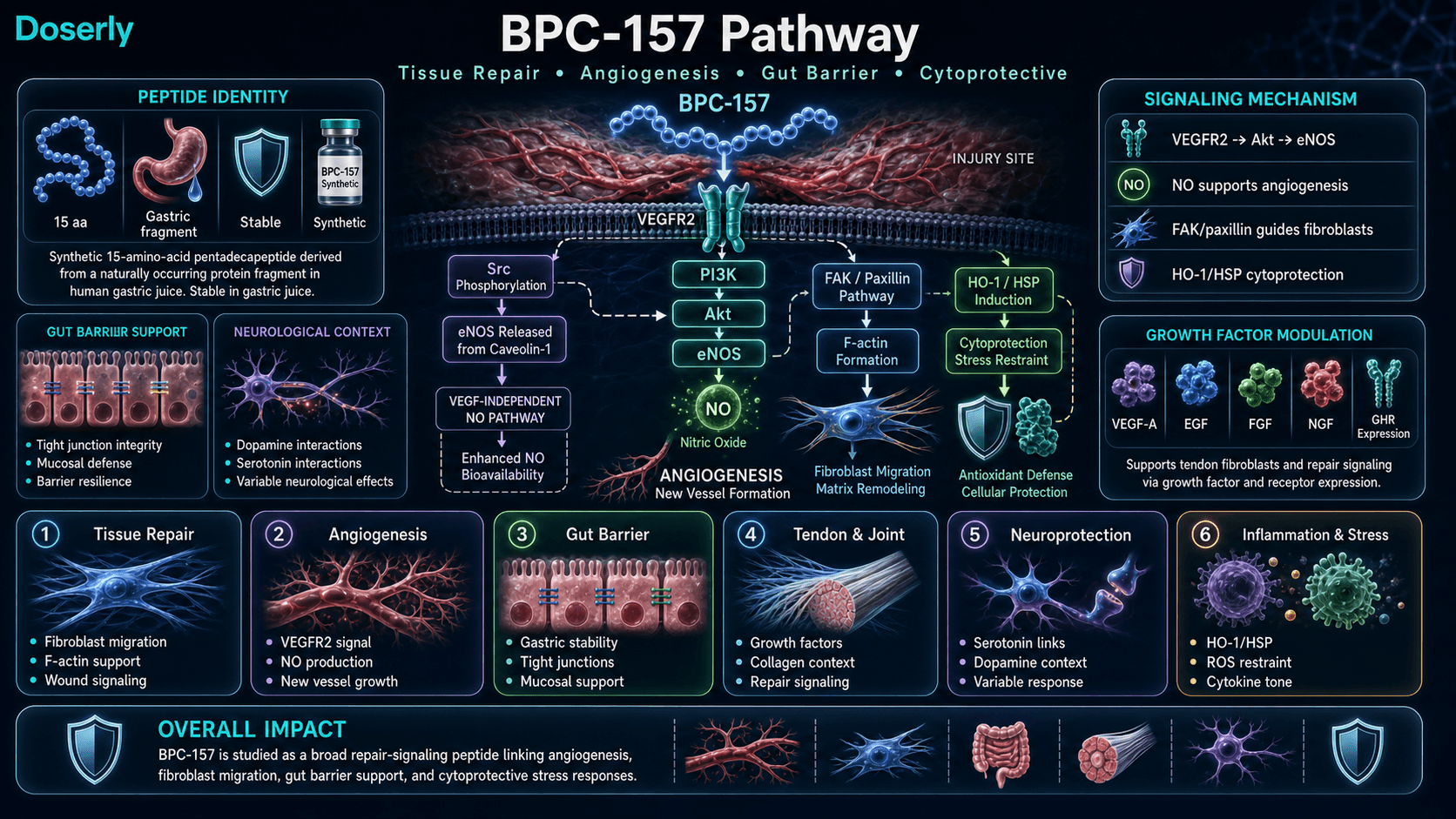
BPC-157's regenerative effects operate through multiple interconnected pathways [6][7][8]:
VEGF/VEGFR2-Akt-eNOS signaling: The primary mechanism involves upregulation of vascular endothelial growth factor receptor 2 (VEGFR2) expression at both mRNA and protein levels in endothelial cells. BPC-157 promotes VEGFR2 internalization and triggers downstream PI3K-Akt signaling, activating endothelial nitric oxide synthase (eNOS) and increasing nitric oxide (NO) production, driving vasodilation and angiogenesis [6][7].
VEGF-independent NO pathway: BPC-157 uniquely activates a VEGF-independent nitric oxide pathway via Src kinase phosphorylation, releasing eNOS from inhibitory caveolin-1 binding (reducing eNOS/caveolin-1 complex by approximately 50%) [7].
FBXO22-BACH1 axis: Recent research (2026) has identified an additional angiogenic mechanism through FBXO22-dependent stabilization of BACH1, contributing to BPC-157's pro-angiogenic effects [8].
FAK-paxillin pathway: BPC-157 increases phosphorylation of focal adhesion kinase (FAK) and paxillin, facilitating fibroblast migration toward damaged tissue. F-actin formation in fibroblasts is stimulated, enhancing cell structure, motility, and wound colonization [9][10].
Growth factor modulation: The peptide upregulates expression of multiple growth factors including VEGF-A, EGF, FGF, and NGF, while also enhancing growth hormone receptor expression in tendon fibroblasts, which may accelerate tendon-specific repair [11].
Nitric oxide system modulation: BPC-157 modulates the NO system bidirectionally, upregulating NO in depleted states while providing protective effects against NO overproduction. This dual modulation underlies its observed effects across multiple tissue types and pathological conditions [12].
Cytoprotective effects: The peptide induces heme oxygenase-1 (HO-1) and heat shock proteins, providing protection against oxidative stress. It neutralizes certain oxidative stress markers including malondialdehyde (MDA) and reduces reactive oxygen species production [12][13].
Neurotransmitter interactions: BPC-157 modulates dopaminergic and serotonergic systems, potentially through dopamine D2 receptor interactions. Autoradiographic studies have demonstrated regional effects on serotonin synthesis in rat brain [14]. This activity may underlie both the reported mood-modulating effects and the anhedonia risk observed in some community reports.
Pathway Visualization Image
Pharmacokinetics
The Basics
BPC-157 has a short plasma half-life, with the intact peptide cleared from the bloodstream within roughly 15 to 30 minutes. This sounds brief, but it is somewhat misleading. The peptide works by triggering biological cascades (blood vessel growth signals, cell migration pathways, growth factor upregulation) that persist well beyond the peptide's own presence in the blood. The downstream effects are estimated to last 2 to 4 hours or longer, which is why most protocols use once or twice daily dosing despite the rapid clearance of the peptide itself.
When injected subcutaneously, BPC-157 is rapidly absorbed and distributed systemically. Interestingly, the peptide appears to preferentially accumulate at sites of tissue damage through mechanisms that are not yet fully understood. This targeting behavior may explain why local injection near an injury site is often discussed as more effective than injection at a distant site for localized conditions.
Oral administration is viable for BPC-157, which is unusual for peptides. Its exceptional stability in gastric acid (surviving over 24 hours in stomach juice) allows it to survive the digestive environment. Oral bioavailability is sufficient for gastrointestinal effects, where the peptide contacts the gut lining directly. For systemic effects beyond the GI tract, subcutaneous injection provides more reliable distribution.
The practical takeaway is that the short plasma half-life does not mean the peptide stops working quickly. Once the signaling cascades are initiated, the biological machinery continues operating on its own timeline.
The Science
Pharmacokinetic characterization of BPC-157 remains incomplete, with most data derived from preclinical models:
Plasma half-life: Estimates range from approximately 10-30 minutes for plasma elimination of the intact peptide, consistent with rapid enzymatic degradation [4][15]. A 2022 pharmacokinetic study in rats and dogs measured intramuscular bioavailability at 14-19% (rats) and 45-51% (dogs), with plasma half-life under 30 minutes in both species [15].
Metabolic profiling: Stable isotope labeling studies characterized the in vitro metabolic profile of BPC-157, identifying degradation pathways relevant to anti-doping detection. Metabolic activity markers suggest biological effects persisting beyond plasma clearance, with estimated activity duration of 2-4 hours [16].
Biodistribution: The peptide exhibits preferential accumulation at sites of tissue damage through mechanisms not yet characterized. Subcutaneous administration provides rapid systemic distribution. Gastric stability (>24 hours in human gastric juice) is unique among bioactive peptides of this size and enables oral bioavailability for GI-tract-targeted applications [1][4].
Onset and duration: Cytoprotective effects are observed within minutes of administration. Growth factor upregulation and tissue repair signaling cascades initiate within 2-6 hours. Peak tissue repair effects occur at 24-72 hours with sustained dosing [7].
Steady state: With regular dosing, steady-state concentrations are estimated at approximately 2.3 hours, reflecting the balance between rapid clearance and downstream biological effect persistence.
Research & Clinical Evidence
BPC-157 and Wound Healing
The Basics
Wound healing is the area where BPC-157 has the deepest research base. Animal studies have demonstrated accelerated healing across a wide range of wound types: skin cuts, burns, surgical incisions, gut ulcers, and even abnormal connections between organs (fistulas). The peptide appears to work by growing blood vessels toward the wound faster, laying down collagen (the structural protein that gives tissue its strength) earlier than normal, and organizing that collagen in a way that produces stronger, more flexible tissue rather than stiff scar tissue.
In burn models, mice treated with BPC-157 cream showed complete skin restoration, including preserved hair follicles and sweat glands, stronger and more elastic skin, and dramatically reduced inflammation compared to untreated controls. Perhaps most notably, the peptide was able to counteract corticosteroid-impaired healing, meaning wounds that had been slowed by steroid treatment still healed when BPC-157 was applied [17][18].
The Science
BPC-157 has demonstrated wound healing effects across multiple tissue types in preclinical models. The peptide accelerates granulation tissue formation by 3-4 days compared to untreated controls, with collagen deposition occurring earlier and in better-organized fiber patterns than standard growth factors such as PDGF-BB [17].
In a burn wound model, topical BPC-157 cream produced complete re-epithelialization with preserved follicular structures, improved tensile strength (measured by tensiometry), enhanced elasticity, reduced transepidermal water loss, and increased capillary density [18]. The peptide also counteracted corticosteroid-impaired wound healing in burned mice, restoring healing capacity even in the presence of prednisone [18].
Klicek et al. demonstrated that BPC-157 promotes colocutaneous fistula healing via NO-system modulation in rat models [19]. Comprehensive review by Sikiric et al. (2018) catalogues BPC-157's effects across gastrointestinal tract healing, comparing favorably to standard angiogenic growth factors [20].
BPC-157 and Tendon/Ligament Healing
The Basics
Tendons and ligaments are notoriously slow to heal because they have poor blood supply. When these tissues tear, the body struggles to deliver enough repair cells and nutrients to the injury site. BPC-157 addresses this directly by promoting blood vessel growth into the injured area and accelerating the migration of fibroblasts, the cells responsible for building new connective tissue.
In rat studies, BPC-157 restored movement, strength, and microscopic tissue structure in completely severed Achilles tendons. The peptide made fibroblasts move faster toward the injury and survive better in stressful conditions, essentially getting more builder cells to the construction site and keeping them alive longer. Research suggests that the effects on tendon healing may exceed those of standard growth factors like bFGF, EGF, and VGF [9][10][11].
The Science
Chang et al. (2010, 2014) demonstrated that BPC-157 promotes tendon fibroblast outgrowth, migration, and survival in a dose-dependent manner. In vitro, the peptide increased fibroblast spreading and migration velocity via FAK-paxillin signaling pathway activation. Under oxidative stress conditions (hydrogen peroxide exposure), BPC-157 significantly improved cell survival [9][11].
In vivo, BPC-157 at 10 mcg/kg administered intraperitoneally showed significant improvement in Achilles tendon tensile strength at day 14 compared to control (p < 0.01) [10]. The peptide upregulated growth hormone receptor expression in tendon fibroblasts, potentially amplifying endogenous growth factor signaling at the repair site [11].
Gwyer et al. (2019) reviewed BPC-157's role in musculoskeletal soft tissue healing, confirming accelerated tendon-to-bone healing and improved biomechanical properties across multiple injury models [21]. A 2025 systematic review in HSS Journal assessed the emerging clinical evidence for BPC-157 in orthopedic sports medicine applications [22].
BPC-157 and Gastrointestinal Health
The Basics
Given that BPC-157 comes from a stomach protein, its effects on the gut are perhaps the most intuitive. The peptide protects the gut lining from damage caused by NSAIDs (like ibuprofen), alcohol, and other insults that break down the mucosal barrier. It also promotes healing of existing damage, including ulcers and inflammatory bowel conditions.
Community reports consistently describe improvements in digestive issues: reduced bloating, resolved acid reflux, improved IBS symptoms, and healing of "leaky gut." Oral BPC-157 is specifically discussed as the preferred route for gut applications, as the peptide contacts the gut lining directly. Phase II clinical trials evaluated BPC-157 for ulcerative colitis and reported no significant side effects [2].
The Science
BPC-157's gastroprotective properties are among the best-characterized in its research portfolio. Sikiric et al. (2011) provided a comprehensive review of the peptide's effects across gastrointestinal conditions, demonstrating accelerated healing of gastric and intestinal ulcers, protection against NSAID-induced GI damage, and cytoprotection via NO system interaction [1].
Wang et al. (2019) demonstrated the cytoprotective mechanism of BPC-157 in gastrointestinal tract and cultured enteric neurons and glial cells, suggesting a direct protective role in the enteric nervous system [23].
The peptide maintains gut barrier integrity through tight junction protein stabilization and modulates inflammatory cytokine release via NF-kappaB pathway interactions. Its stability in gastric acid allows oral delivery to achieve direct mucosal contact [1][4].
BPC-157 and Neuroprotection
The Basics
BPC-157 has shown protective effects on nerve cells in animal models. Research suggests it may help with spinal cord injury recovery, peripheral nerve regeneration, and protection against damage from neurotoxic substances. Animal studies have also shown anxiolytic (anxiety-reducing) effects, though community reports present a more complicated picture, with some users reporting anxiety improvement and others reporting anxiety worsening.
The peptide interacts with the brain's dopamine and serotonin systems, which may explain why some people experience mood changes (positive or negative) during use. This is an area where individual variability appears to be particularly high, and the mechanisms are not yet well understood [14][24].
The Science
BPC-157 has demonstrated neuroprotective effects across multiple experimental paradigms. Spinal cord injury studies in rats showed significant functional recovery, reduced tissue damage, and improved neurological outcomes with 10 mcg/kg intraperitoneal administration daily for 30 days [25].
Sikiric et al. (2001) demonstrated anxiolytic effects in rats using shock probe/burying tests and light/dark tests [24]. Tohyama et al. (2004) showed that BPC-157 influences regional serotonin synthesis in the rat brain via alpha-methyl-L-tryptophan autoradiographic measurements, suggesting modulation of serotonergic neurotransmission [14].
A 2022 review in Neural Regeneration Research provided a comprehensive assessment of BPC-157's neuroprotective effects and CNS repair mechanisms [26]. However, clinical translation of these findings remains speculative, and the community reports suggest significant individual variability in neurological and mood-related responses.
BPC-157 and Cardiovascular Health
The Basics
Animal research has explored BPC-157's potential protective effects on the heart. In rat models, the peptide reversed heart failure caused by the chemotherapy drug doxorubicin and counteracted dangerous heart rhythm changes (QTc prolongation) caused by several psychiatric medications. The peptide also promotes blood vessel repair and growth, which could theoretically benefit cardiovascular health broadly [27][28].
These findings are from animal studies only, and no human cardiovascular data exists for BPC-157.
The Science
Lovric-Bencic et al. (2004) demonstrated that BPC-157 reversed doxorubicin-induced congestive heart failure and normalized elevated big endothelin-1 plasma concentrations in rat and mouse models [27]. Strinic et al. (2017) showed that BPC-157 counteracted QTc prolongation induced by haloperidol, fluphenazine, clozapine, olanzapine, quetiapine, sulpiride, and metoclopramide in rats, suggesting potential cardioprotective applications against drug-induced arrhythmias [28].
Seiwerth et al. (2014) reviewed BPC-157's effects on blood vessel formation and vascular healing across multiple injury models, demonstrating promotion of angiogenesis in ischemic conditions and accelerated vessel healing after trauma [29].
BPC-157 and Bone Healing
The Basics
Early research in rabbits showed that BPC-157 accelerated the healing of bone defects, producing results comparable to bone marrow transplantation and autologous bone grafts. This finding is based on limited animal data but points to the peptide's broad tissue repair capabilities extending beyond soft tissue [30].
The Science
Sebecic et al. (1999) demonstrated osteogenic effects in a rabbit segmental bone defect model, finding that BPC-157 accelerated bone healing with efficacy similar to bone marrow and autologous cortical bone implants [30]. The proposed mechanism involves the peptide's effects on collagen deposition, angiogenesis at the fracture site, and growth factor upregulation, though the specific osteogenic pathways have not been fully characterized.
BPC-157 and Drug Side Effect Mitigation
The Basics
One of the more intriguing research areas for BPC-157 is its apparent ability to counteract the side effects of certain medications while leaving the intended therapeutic effects intact. Research in rats has shown it can protect against gastrointestinal damage from NSAIDs, reverse dangerous heart rhythm changes caused by psychiatric medications, and prevent certain neurological side effects of antipsychotic drugs [1][28][31].
If these findings translate to humans, the clinical implications would be significant, as medication side effects are a leading reason patients discontinue effective treatments for conditions like schizophrenia, depression, and chronic pain.
The Science
BPC-157 has demonstrated protective effects against adverse reactions from multiple drug classes in preclinical models. Drmic et al. (2017) showed the peptide counteracted celecoxib-induced gastrointestinal, liver, and brain lesions in rats, with effects modulated by L-arginine and L-NAME [32]. Jelovac et al. (1999) demonstrated attenuation of neuroleptic-induced catalepsy and gastric ulcers [31]. Strinic et al. (2017) showed protection against QTc prolongation caused by six different antipsychotic medications [28].
Biomarker Evidence Matrix
The table below scores BPC-157 across relevant biomarker categories based on two dimensions: Evidence Strength (quality and volume of research data) and Reported Effectiveness (community-reported outcomes from the Sentiment Analysis).
Category
Recovery & Healing
- Evidence Strength
- 7/10
- Reported Effectiveness
- 8/10
- Summary
- Extensive preclinical data across tendon, ligament, muscle, bone, and skin wound models. Multiple animal studies with consistent positive results. Community consensus strongly favors BPC-157 for injury recovery, though ~60-70% of positive reports involve TB-500 co-administration.
Category
Joint Health
- Evidence Strength
- 6/10
- Reported Effectiveness
- 7/10
- Summary
- Animal tendon/ligament studies with strong results. Community reports high success for soft tissue joint issues. However, a minority reports BPC-157 causing joint pain, and the compound does not appear effective for structural/cartilage issues like osteoarthritis.
Category
Gut Health
- Evidence Strength
- 7/10
- Reported Effectiveness
- 7/10
- Summary
- Among the best-characterized benefits with comprehensive preclinical data. Phase II IBD trials completed. Community reports of ulcerative colitis improvement, IBS relief, and leaky gut healing are consistent and specific. Oral route preferred for GI applications.
Category
Inflammation
- Evidence Strength
- 7/10
- Reported Effectiveness
- 6/10
- Summary
- Strong preclinical anti-inflammatory evidence via cytokine modulation and NO system interaction. Community reports are generally positive but a subset reports BPC-157 triggering inflammatory or immune responses, particularly in those with autoimmune conditions or MCAS.
Category
Pain Management
- Evidence Strength
- 5/10
- Reported Effectiveness
- 6/10
- Summary
- Limited direct analgesic studies. Pain relief appears secondary to tissue repair and anti-inflammatory effects. Community reports are positive for inflammation-driven pain but poor for structural/compression pain (disc herniations).
Category
Digestive Comfort
- Evidence Strength
- 4/10
- Reported Effectiveness
- 6/10
- Summary
- Preclinical gastroprotective data supports this indirectly. Community reports notable bloating reduction and reflux improvement, though some users report BPC-157 causing heartburn or GI disturbance.
Category
Skin Health
- Evidence Strength
- 5/10
- Reported Effectiveness
- 6/10
- Summary
- Burn wound healing study showed strong topical results. Community reports skin quality improvements, though nearly all involve concurrent GHK-Cu, making attribution difficult.
Category
Mood & Wellbeing
- Evidence Strength
- 4/10
- Reported Effectiveness
- 5/10
- Summary
- Animal studies show anxiolytic effects and serotonin synthesis modulation. Community experience is genuinely mixed: some report improved wellbeing, others report depression and anhedonia. Individual variability is high.
Category
Focus & Mental Clarity
- Evidence Strength
- 3/10
- Reported Effectiveness
- 5/10
- Summary
- Limited preclinical data on cognitive effects. Community reports an initial cognitive boost in some users, but the same dopaminergic mechanisms may cause blunting over time. Insufficient evidence for reliable scoring.
Category
Side Effect Burden
- Evidence Strength
- 8/10
- Reported Effectiveness
- 5/10
- Summary
- Preclinical safety evaluation found no minimum toxic dose across multiple species. Phase I/II trials showed good tolerability. However, community reports reveal a significant minority with serious adverse reactions (anhedonia, anxiety, ER visits), resulting in a mixed tolerability signal.
Category
Sleep Quality
- Evidence Strength
- 2/10
- Reported Effectiveness
- 5/10
- Summary
- No direct preclinical sleep data. Community reports are mixed, with some tracking improved deep sleep and others experiencing disruption and vivid dreams.
Category
Energy Levels
- Evidence Strength
- 2/10
- Reported Effectiveness
- 5/10
- Summary
- No direct preclinical energy data. Community reports are mixed, with some describing increased energy and others reporting fatigue, possibly in a biphasic pattern.
Category
Emotional Aliveness
- Evidence Strength
- 3/10
- Reported Effectiveness
- 3/10
- Summary
- Preclinical dopaminergic modulation data provides mechanistic plausibility. Community reports identify anhedonia as the single most discussed negative effect, with an organized group of approximately 70 users reporting persistent emotional blunting.
Category
Anxiety
- Evidence Strength
- 4/10
- Reported Effectiveness
- 3/10
- Summary
- Preclinical anxiolytic effects in animal models. Community experience runs counter, with more reports of BPC-157 causing or worsening anxiety than relieving it, including multiple ER visits.
Category
Physical Performance
- Evidence Strength
- 3/10
- Reported Effectiveness
- 5/10
- Summary
- No direct performance enhancement data. Community gains appear secondary to injury resolution and return to training rather than direct ergogenic effects. Heavily confounded by multi-compound protocols.
Category
Nausea & GI Tolerance
- Evidence Strength
- 4/10
- Reported Effectiveness
- 4/10
- Summary
- Clinical trials showed good GI tolerability. Community reports occasional nausea, gas, and heartburn, particularly with oral administration. Mixed signal on GI side effects.
Category
Cravings & Impulse Control
- Evidence Strength
- 3/10
- Reported Effectiveness
- 5/10
- Summary
- Limited preclinical data on reward pathways. Community reports substance tolerance resets (caffeine, psilocybin, benzodiazepines), stimulant blunting, and complex interactions with reward/tolerance systems. Direction of effect unclear.
Category
Bone Health
- Evidence Strength
- 4/10
- Reported Effectiveness
- N/A
- Summary
- Single rabbit study showing osteogenic effects comparable to bone marrow grafts. No community experiential data sufficient for scoring.
Category
Immune Function
- Evidence Strength
- 4/10
- Reported Effectiveness
- N/A
- Summary
- Preclinical data on cytokine modulation and immune regulation. Discussed mechanistically in communities but insufficient experiential reports for scoring.
Category
Heart Health
- Evidence Strength
- 5/10
- Reported Effectiveness
- N/A
- Summary
- Animal studies showing cardioprotective effects against drug-induced toxicity. No human data. No community experiential data.
Category
Blood Pressure
- Evidence Strength
- 4/10
- Reported Effectiveness
- N/A
- Summary
- Animal studies suggest blood pressure normalization via NO pathway modulation. One community source notes BPC-157 can cause blood pressure changes. Insufficient experiential data for scoring.
Category
Longevity & Neuroprotection
- Evidence Strength
- 4/10
- Reported Effectiveness
- N/A
- Summary
- Preclinical neuroprotective data in multiple neurotoxicity models. Discussed in research contexts but insufficient community lived experience for scoring.
Categories scored: 17 (from sentiment analysis)
Categories with community data: 17
Categories not scored (insufficient community data): Fat Loss, Muscle Growth, Weight Management, Appetite & Satiety, Food Noise, Memory & Cognition, Stress Tolerance, Motivation & Drive, Emotional Regulation, Libido, Sexual Function, Hair Health, Heart Rate & Palpitations, Hormonal Symptoms, Temperature Regulation, Fluid Retention, Body Image, Social Connection, Treatment Adherence, Withdrawal Symptoms, Daily Functioning, Other
Benefits & Potential Effects
The Basics
BPC-157's benefit profile is unusually broad for a peptide, spanning tissue repair, gut health, organ protection, and potentially neuroprotective effects. The most well-supported benefits, based on the combination of research volume and community reports, include:
Tissue repair and injury recovery is BPC-157's primary application and strongest claim. The peptide accelerates healing in tendons, ligaments, muscles, bones, and skin. Community reports consistently describe faster recovery from injuries that would normally take months, including tendon tears, ligament sprains, post-surgical healing, and chronic joint issues. Research in animals supports these reports with measurable improvements in healing speed, tissue strength, and functional recovery.
Gut healing and protection is the second major benefit category and arguably the one where BPC-157's individual contribution is most clearly attributable. Users report improvements in ulcerative colitis, IBS, leaky gut, acid reflux, and bloating. Oral administration is preferred for gut applications, as the peptide contacts the intestinal lining directly.
Anti-inflammatory effects are consistently reported, though the mechanism is nuanced. BPC-157 does not suppress the immune system broadly like steroids do. Instead, it modulates specific inflammatory pathways, calming excessive inflammation while preserving the body's ability to mount an appropriate immune response.
Organ protection has been demonstrated in animal studies for the stomach, liver, kidneys, and heart. The peptide appears to protect these organs from toxic damage caused by medications, alcohol, and other insults.
It is worth setting expectations clearly. While the preclinical evidence is extensive, human clinical data remains limited. Most community reports involve multi-compound protocols (particularly BPC-157 combined with TB-500), making it difficult to isolate BPC-157's individual contribution to the outcomes reported.
The Science
The demonstrated and proposed benefits of BPC-157, organized by evidence quality:
Strong preclinical evidence (multiple studies, consistent results):
- Accelerated healing of tendons, ligaments, muscles, and skin wounds via VEGFR2-Akt-eNOS angiogenic cascade and FAK-paxillin fibroblast migration [6][7][9][10][17]
- Gastroprotection and mucosal healing via cytoprotective mechanisms, tight junction stabilization, and NO system modulation [1][23]
- Anti-inflammatory activity through cytokine modulation and NF-kappaB pathway interaction [1][12]
- Counteraction of NSAID, alcohol, and drug-induced organ damage in gastric, hepatic, renal, and cardiac tissues [1][28][32][33]
Moderate preclinical evidence (limited studies, positive results):
- Osteogenic effects comparable to bone marrow grafts in rabbit bone defect models [30]
- Neuroprotection against neurotoxic agents and ischemic injury, with functional recovery in spinal cord injury models [25][26]
- Cardioprotective effects against doxorubicin-induced heart failure and drug-induced QTc prolongation [27][28]
- Anxiolytic effects demonstrated in standard behavioral tests in rats [24]
Limited/emerging evidence:
- Anti-tumor properties (theoretical concern given VEGF pathway upregulation; research is neutral to weakly positive) [7]
- Modulation of dopaminergic and serotonergic neurotransmission with effects on regional serotonin synthesis [14]
- Potential role in cancer cachexia [34]
Side Effects & Safety Considerations
The Basics
BPC-157's safety profile presents a genuine split. Preclinical safety testing found no minimum toxic dose across mice, rats, rabbits, and dogs, and early human studies reported good tolerability. Many users report zero side effects across weeks of use. However, a significant and well-documented minority experiences adverse reactions that deserve serious attention.
Most commonly reported side effects:
- Mild injection site reactions (redness, swelling, itching), which typically resolve within minutes
- Mild gastrointestinal discomfort, particularly with oral administration during the first few days
- Slight changes in blood pressure
- Headache (infrequent)
- Dizziness (rare)
- Nausea
- Hot flashes
- Fatigue
The anhedonia signal: The most significant safety concern emerging from community data is the risk of anhedonia, a blunting of emotional experience and reduced ability to feel pleasure. An organized group of approximately 70 users across Reddit communities reports overlapping symptoms of depersonalization/derealization (DP/DR), emotional flatness, and blunted stimulant response attributed to BPC-157 use. The proposed mechanism involves dopaminergic downregulation. Users with a history of cannabis use, kratom use, ADHD, or mast cell activation syndrome (MCAS) may be at elevated risk. While many users experience no mood effects, the consistency of this signal across independent reports and platforms warrants awareness.
Anxiety: Community reports contain more accounts of BPC-157 causing or worsening anxiety than relieving it, including multiple cases requiring emergency medical attention. Proposed mechanisms include histamine liberation and disruption of dopaminergic/serotonergic balance.
Cancer/angiogenesis concern: Because BPC-157 promotes blood vessel growth (angiogenesis), there is a theoretical concern about its use in individuals with active or undetected malignancies. Tumors require blood vessel growth to sustain themselves, and any pro-angiogenic compound could theoretically accelerate this process. Multiple sources and community discussions flag this as a consideration for chronic use, and screening before beginning a protocol is widely recommended.
Contraindications commonly cited:
- Avoid during pregnancy and breastfeeding (insufficient safety data)
- Caution with active malignancy or cancer history (theoretical concern due to angiogenic properties)
- Caution with autoimmune conditions or MCAS (reports of immune activation)
- Not recommended for children
- Consult healthcare provider if on blood thinners (angiogenesis effects)
- WADA prohibited: not suitable for competitive athletes
Stop indicators: Persistent injection site reactions or signs of infection; unusual swelling or rash; severe headaches or dizziness; allergic reactions; persistent or worsening digestive issues; new-onset anxiety, depression, or emotional blunting; heart rhythm changes.
The Science
A comprehensive preclinical safety evaluation found BPC-157 well-tolerated across mice, rats, rabbits, and dogs, with no minimum toxic or lethal dose identified, no genetic toxicity, no embryo-fetal toxicity, no anaphylactic reactions, and no local toxicity [4].
Lee and Burgess (2025) conducted a pilot safety study of intravenous BPC-157 infusion in humans, finding it generally well-tolerated [2]. A Phase I oral safety and pharmacokinetics trial (NCT02637284) has been completed [3]. Phase II clinical trials for ulcerative colitis reported no significant adverse events [3].
The side effect profile from clinical contexts stands in contrast to community reports of neuropsychiatric adverse effects. The discrepancy may reflect differences in duration of use (clinical trials are shorter), individual genetic variability in dopaminergic sensitivity, concurrent compound use (many community users combine BPC-157 with other peptides), and product quality uncertainty (BPC-157 is commonly counterfeited, and some adverse reactions may reflect impure product) [5].
The cancer/angiogenesis concern is mechanistically grounded: BPC-157's primary mechanism (VEGFR2 upregulation) drives blood vessel growth, and VEGF pathway activation is a known driver of tumor vascularization. However, the relationship is not straightforward. Some evidence suggests BPC-157 may have context-dependent effects on tumor biology, and no direct evidence links BPC-157 use to cancer development in preclinical or clinical studies [7].
The side effects and contraindications above give you a map of what to watch for. Doserly turns that map into a daily practice. Log the specific biomarkers and symptoms associated with this compound's known risk profile, and the app builds a timeline of how your body is responding across your cycle.
Trending in the wrong direction on a key marker? Noticing a pattern that started two weeks into your protocol? Doserly connects the dots between your protocol timeline and your logged data, making it easier to spot emerging issues early and have informed, data-backed conversations with your healthcare provider about what's working and what needs attention.
Connect protocol changes to labs and health markers.
Doserly can keep lab results, biomarkers, symptoms, and dose history close together so follow-up conversations have better context.
Insights
Labs and trends
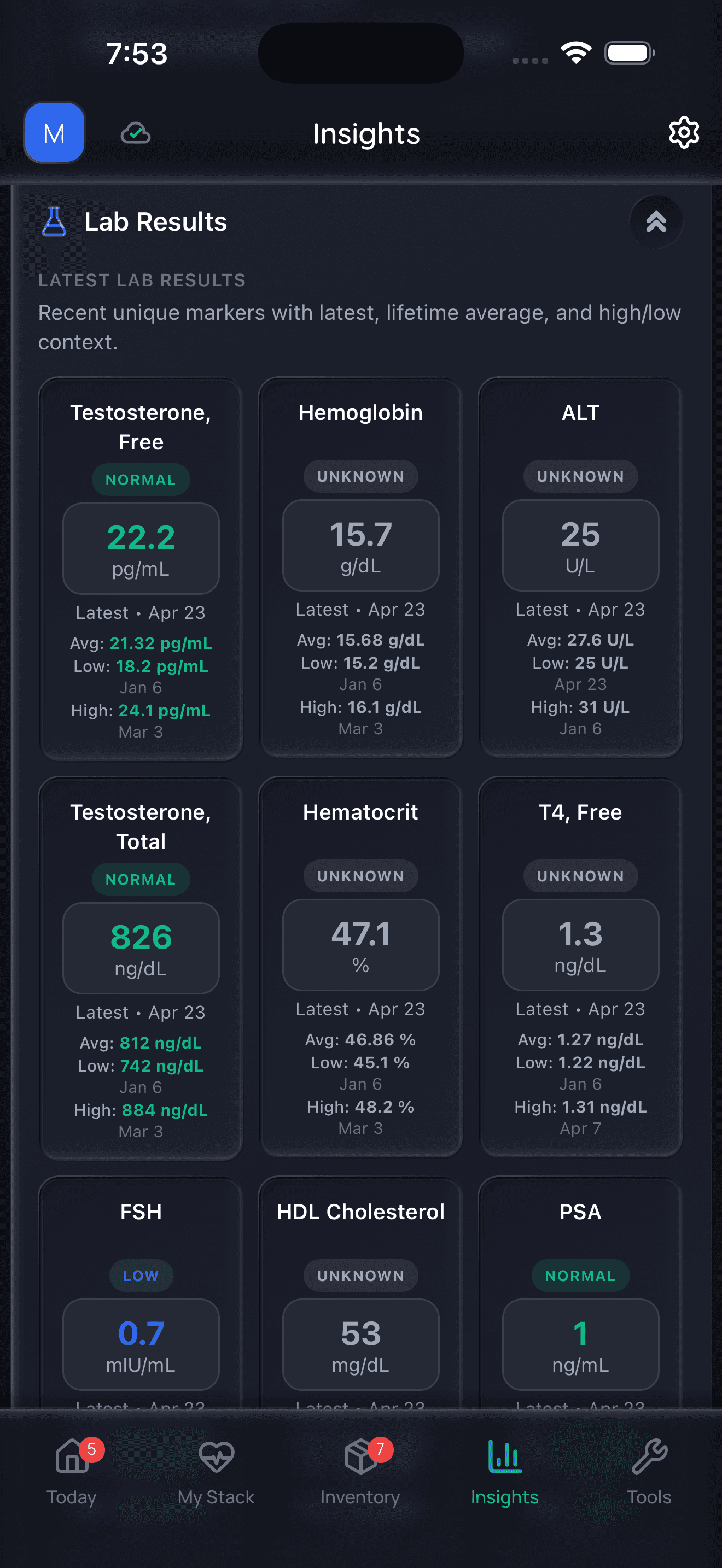
Doserly organizes data; it does not diagnose or interpret labs for you.
Dosing Protocols
The Basics
Dosing information reported across sources shows broad agreement on the general approach, with some variation in specifics. All commonly reported doses are based on community and practitioner experience rather than established clinical dosing guidelines, as no standardized human dosing protocol exists for subcutaneous BPC-157.
Injectable (subcutaneous) protocols represent the most commonly discussed route:
Commonly cited ranges fall between 200 and 500 mcg per day for standard use, with some protocols reporting up to 1,000 mcg per day for serious injuries. Many practitioners describe a graduated approach: starting at a lower dose (200-250 mcg) for the first 1-2 weeks and increasing to 400-500 mcg if well tolerated.
Dosing frequency is typically once or twice daily. Twice-daily protocols often involve splitting the total daily dose (e.g., 250 mcg morning and 250 mcg evening) and are more commonly associated with localized injury treatment, where injection near the injury site is preferred.
Cycle length ranges from 4 to 12 weeks in most reports, with some extending to 16 weeks. Rest periods of 4 or more weeks between cycles are generally recommended, though some sources note that no loading phase or tapering is typically used.
Oral protocols are discussed primarily for gastrointestinal applications:
Commonly cited oral doses range from 500 mcg to 2 mg per day, taken on an empty stomach 30 minutes before meals. Higher oral doses are used because oral bioavailability, while notable for a peptide, is lower than injectable bioavailability.
Key considerations reported across sources:
- Administer on an empty stomach for optimal absorption
- For localized injuries, inject as close to the injury site as possible
- Rotate injection sites to prevent irritation
- Most sources suggest BPC-157 is not for long-term continuous use; a 30-day maximum per cycle is noted by some practitioners
The Science
No standardized human dosing protocol exists for BPC-157 via any route of administration. Preclinical studies predominantly used intraperitoneal dosing at 10 mcg/kg in rat models, which is not directly translatable to human subcutaneous dosing using standard allometric scaling [9][10].
Clinical trials evaluated oral BPC-157 in a Phase I safety and pharmacokinetics study (NCT02637284), but published dose-response data from this trial is not yet publicly available [3]. Phase II trials for ulcerative colitis evaluated the compound orally, with specific dosing details limited in published literature [3].
Community-derived subcutaneous protocols (200-500 mcg/day) lack clinical trial equivalence. The pharmacological rationale for these doses rests on assumptions about relative bioavailability between subcutaneous and oral routes, which have not been formally quantified in human studies. The wide dose range reflects the absence of established dose-response data and the empirical nature of current protocols.
A 2022 pharmacokinetic study measuring intramuscular bioavailability at 14-19% in rats and 45-51% in dogs provides some framework for understanding route-dependent exposure differences, but direct translation to human subcutaneous dosing remains speculative [15].
Consistency is the difference between a protocol that delivers results and one that wastes time and money. Doserly was built for exactly this: keeping you on track with the precision your protocol demands.
The built-in calculators handle the math you shouldn't be doing in your head. The reconstitution calculator tells you exactly how much bacteriostatic water to add for your target concentration. The dose calculator converts between units, milligrams, and syringe markings so you draw the right amount every time. The injection site heat map tracks where you've administered and when, helping you rotate sites systematically to reduce tissue damage, scarring, and absorption inconsistencies from overusing the same area. Pair that with smart reminders tuned to your protocol's timing requirements, and you build the kind of daily consistency that separates optimized protocols from haphazard ones.
Track injection timing, draw notes, and site rotation.
Doserly helps keep syringe-related notes, injection site history, reminders, and reconstitution context together for easier review.
Injection log
Site rotation
Injection logs support record-keeping; follow clinician instructions for administration.
What to Expect
Based on community reports and preclinical timelines, here is what practitioners commonly describe when using BPC-157 for tissue repair (the most reported application). Individual responses vary significantly.
Week 1-2: Most users report reduced inflammation and pain at the injection site or injury area within the first few days to two weeks. Some notice nothing initially. For gut applications with oral BPC-157, improved digestive comfort and reduced GI irritation are commonly described within the first week. Some users report an initial cognitive boost, described as feeling "sharper," during this phase. A small number of users experience immediate adverse reactions (nausea, anxiety, fatigue); if these are severe, most practitioners suggest discontinuation.
Week 2-4: This is when the healing signal typically becomes noticeable. Users report improved range of motion, reduced stiffness, and measurable progress on injuries that were previously stagnant. For gut healing, enhanced gastric protection and reduced bloating are commonly described. This is also the window where some users begin to notice mood changes (positive or negative), as the dopaminergic effects accumulate.
Week 4-8: Maximum benefits for tissue healing are commonly reported during this period. Users describe resolution of injuries that had been chronic for months or years, including tendon tears, ligament sprains, and post-surgical adhesions. Oral users report broader systemic improvements. For some users, the initial cognitive benefits plateau or reverse during this period, with emerging fatigue or emotional blunting.
Week 8-12+: Extended protocols are discussed for particularly stubborn injuries. Community reports suggest continued but diminishing incremental gains beyond week 8. Many practitioners recommend reassessing at the 8-week mark to determine whether continued use is warranted.
Setting expectations: The most dramatic community reports ("resolved a 10-year injury in 3 weeks") typically involve BPC-157 stacked with TB-500 and sometimes other peptides. Users taking BPC-157 alone generally report more gradual, incremental improvements. Response appears to be highly individual, and a meaningful percentage of users report no noticeable benefit.
The week-by-week expectations above are drawn from research and community reports, but your experience will be uniquely yours. Doserly's biomarker tracking transforms those general timelines into personal data points you can actually see and measure.
Log the specific markers relevant to this compound, whether that's pain levels, energy, sleep quality, body composition, recovery time, or mood, and watch your own trend lines emerge over weeks and months. Did your key markers start shifting in week three, like the research suggests? Is your experience tracking with what the community reports, or diverging? Over time, this creates something more valuable than any guide: an evidence-based picture of how your body responds to this specific compound, at your specific dose, within your specific health context.
See where a dose, cycle, or change fits in time.
Doserly gives each protocol a timeline so dose changes, pauses, restarts, and observations are easier to compare later.
Timeline
Cycle history
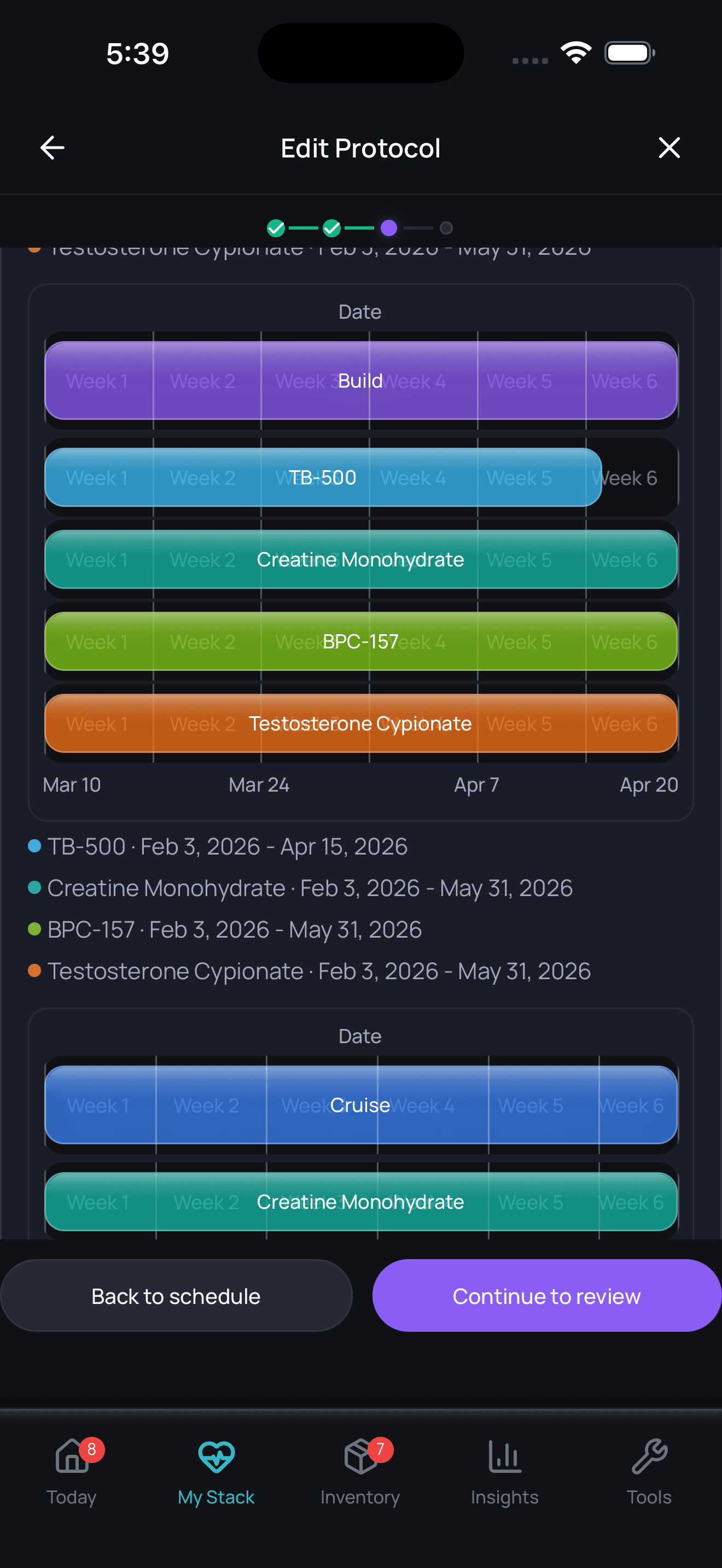
Timeline tracking helps with recall; it is not a treatment recommendation.
Interaction Compatibility
Good With (Synergistic Compounds)
- TB-500 — The most commonly combined peptide with BPC-157. TB-500 (thymosin beta-4) promotes cell migration and tissue repair through a different mechanism (actin regulation vs. BPC-157's angiogenesis focus). Community reports frequently describe this combination as producing stronger healing outcomes than either compound alone. Often referred to as the "Wolverine stack."
- GHK-Cu — Copper peptide that promotes wound healing, collagen synthesis, and skin remodeling through distinct mechanisms. Frequently stacked with BPC-157 in multi-compound healing protocols. Different receptor targets with no known negative interactions.
- Ipamorelin — Growth hormone secretagogue. BPC-157 upregulates growth hormone receptor expression in tendon fibroblasts, potentially amplifying the benefits of exogenous GH secretion stimulated by ipamorelin.
- CJC-1295 — GHRH analog that promotes sustained GH release. BPC-157's GH receptor upregulation may enhance tissue repair response to CJC-1295-stimulated GH pulses. Commonly combined in healing-focused protocols.
- GHRP-6 — GH secretagogue compatible with BPC-157. No known negative interactions; different receptor targets.
- Melanotan II — No known interactions; different receptor targets (melanocortin system vs. VEGF/NO pathways).
- AOD-9604 — Different mechanisms; sometimes combined in regenerative protocols. No known negative interactions.
- KPV — Anti-inflammatory peptide sometimes combined with BPC-157 for gut healing protocols. Complementary anti-inflammatory mechanisms.
- LL-37 — Antimicrobial peptide sometimes stacked in healing protocols. Different mechanisms with no known negative interactions.
Not Good With (Caution or Contraindication)
- Active malignancies or cancer history — BPC-157's pro-angiogenic mechanism (VEGFR2 upregulation, VEGF pathway activation) could theoretically support tumor vascularization. While no direct evidence links BPC-157 to cancer promotion, the mechanistic concern is legitimate for individuals with active or recently treated cancers. Screen for malignancies before beginning any protocol and consult with an oncologist if cancer history is present.
- Blood thinners/anticoagulants — BPC-157's effects on blood vessel formation and platelet function may interact with anticoagulant therapy. Consult a healthcare provider before combining.
- SSRIs and psychiatric medications — Community reports note potential mood interactions when combining BPC-157 with SSRIs. The peptide's serotonergic and dopaminergic activity may interact unpredictably with psychotropic medications.
Administration Guide
BPC-157 is administered via subcutaneous injection (most common for systemic/localized effects) or orally (primarily for gastrointestinal applications). Practitioners report the following general practices:
Materials typically required:
- Insulin syringes (U-100, 29-31 gauge, 0.5-1 mL)
- Alcohol swabs
- Bacteriostatic water (for reconstitution)
- Peptide vial (commonly available in 5 mg and 10 mg sizes)
- Sharps disposal container
- Sterile work surface
Recommended reconstitution solution: Bacteriostatic water is the standard reconstitution solution for BPC-157. Add the bacteriostatic water slowly down the vial wall (not directly onto the lyophilized powder) and gently swirl until dissolved. Never shake the vial.
Timing considerations: Most practitioners report administering BPC-157 on an empty stomach for optimal absorption. Morning administration is commonly cited. For gut healing applications, oral administration before meals leverages direct gastric mucosal contact. BPC-157 is uniquely stable in gastric acid, making oral delivery viable for GI-targeted effects.
For localized injury treatment, subcutaneous injection near the injury site is commonly discussed as more effective than distant-site injection. The peptide's apparent preferential accumulation at sites of tissue damage supports this approach.
Post-administration care: Monitor for mild injection site reactions (redness, slight swelling), which typically resolve within minutes. No specific blood work monitoring is universally required for BPC-157. However, given the peptide's effects on multiple biological pathways, monitoring general health markers and discussing any protocol with a healthcare provider is prudent. Watch for emerging mood changes, anxiety, or emotional blunting, and discontinue if these become concerning.
Supplies & Planning
The following materials are generally associated with BPC-157 protocols:
Peptide vials: BPC-157 is commonly available in 5 mg and 10 mg vial sizes. The appropriate vial size depends on the target dose and intended cycle length, as each reconstituted vial has a limited use window (typically 28 days refrigerated).
Reconstitution solution: Bacteriostatic water, typically in 10 mL bottles. Common reconstitution volumes are 2-3 mL per vial. The volume added determines the concentration and the number of units per tick mark on the syringe. Consult the reconstitution calculator for exact volumes based on your vial size and target dose.
Syringes: U-100 insulin syringes (29-31 gauge) for subcutaneous injection. For doses under 10 units, consider using 30-unit or 50-unit insulin syringes for better measurement accuracy. One syringe per injection; never reuse syringes.
Alcohol swabs: For cleaning the vial stopper and injection site before each administration. Plan for two swabs per injection (one for vial, one for skin).
Sharps container: For safe disposal of used syringes and needles per WHO guidelines.
Storage equipment: A dedicated section of a refrigerator for reconstituted vials. Lyophilized vials can be stored frozen (-20°C) for long-term storage.
Consult with a healthcare provider for specific quantities and protocol planning.
Storage & Handling
Lyophilized (powder) form:
- Store at -20°C (-4°F) in dry, dark conditions for long-term storage (stable for 1+ year)
- Short-term storage at 2-8°C (35.6-46.4°F) is acceptable for weeks to months
- Room temperature is acceptable for short periods (days to weeks) if dry and protected from light, but not recommended for extended storage
- Keep in sealed packaging with desiccant to minimize moisture exposure
- Allow vials to reach room temperature (10-30 minutes) before opening to prevent condensation, which can degrade the powder
Reconstituted (liquid) form:
- Refrigerate immediately at 2-8°C (35.6-46.4°F) after reconstitution
- Use within 28 days for optimal potency when reconstituted with bacteriostatic water (0.9% benzyl alcohol)
- Do NOT freeze reconstituted solutions (freezing denatures peptides)
- Avoid repeated freeze-thaw cycles (can reduce potency by 25%+ per cycle)
- If long-term storage beyond 28 days is needed, prepare aliquots in sterile single-use vials, freeze at -20°C, and thaw each aliquot only once
Quality indicators:
- Good: White, fluffy "cake" appearance filling most of the vial bottom
- Good: Crystal clear solution after reconstitution with no visible particles
- Acceptable: Small clumps that dissolve completely with gentle swirling (minor compaction from shipping)
- Bad: Collapsed, melted, or powder stuck to vial sides (heat exposure)
- Bad: Persistent cloudiness, particles, or precipitates after mixing (degraded or contaminated)
Handling best practices:
- Label reconstitution date on all vials
- Swab vial stopper with alcohol before each draw; use a new sterile syringe for each injection
- Inspect reconstituted solution for clarity before each use (should be colorless and clear)
- Wrap vials in foil or store in opaque containers to protect from UV light, which accelerates degradation
- Avoid storing in the refrigerator door (temperature fluctuations)
Lifestyle Factors
Lifestyle practices that may complement BPC-157 protocols, based on preclinical evidence and practitioner guidance:
Nutrition: Follow a high-protein, nutrient-dense diet to supply the amino acids necessary for tissue repair. Collagen, glycine, and vitamin C are frequently discussed as supporting connective tissue regeneration. Adequate caloric intake is important during healing, as caloric restriction can impair the repair processes BPC-157 is intended to support.
Physical activity: Maintain appropriate physical activity, focusing on mobility work and physical therapy for targeted injuries. Movement promotes proper tissue remodeling by guiding the alignment of newly formed collagen fibers. Avoid overloading healing tissue, as BPC-157 accelerates repair but does not make tissue injury-proof during the recovery window. Balance activity with rest to allow tissue adaptation without re-injury.
Sleep: Prioritize 7-9 hours of quality sleep. Growth factor release peaks during deep sleep, and these growth factors work synergistically with BPC-157's pro-repair signaling. Poor sleep quality may blunt the healing response.
Hydration: Maintain adequate hydration to support systemic circulation, ensuring the peptide and essential nutrients are delivered efficiently to injury sites.
Stress management: Chronic stress elevates cortisol, which impairs wound healing and tissue repair. Stress management practices may enhance the body's response to BPC-157 by reducing cortisol-mediated healing suppression.
Monitoring: Track healing progress systematically rather than relying on subjective impressions. Measure range of motion, pain levels, functional capacity, and any mood or sleep changes. This data becomes valuable for assessing whether the protocol is working and for informing conversations with healthcare providers.
Regulatory Status & Research Classification
United States (FDA): Not approved for any therapeutic use. BPC-157 is classified as a research compound. Phase I oral safety and pharmacokinetics trial completed (ClinicalTrials.gov: NCT02637284). Phase II trials for ulcerative colitis conducted but not leading to approval. No IND application for broader therapeutic use has been publicly disclosed.
Canada (Health Canada): Not approved. No DIN or NPN designation. Available only as a research compound.
United Kingdom (MHRA): Not approved for therapeutic use. Available as a research compound.
Australia (TGA): Not approved. No scheduling status publicly documented for BPC-157 specifically.
European Union (EMA): No marketing authorization. Available as a research compound.
WADA Status: Prohibited under category S0 (Non-Approved Substances) since 2022. No Therapeutic Use Exemption (TUE) available for competitive athletes. WADA anti-doping detection methods have been characterized using stable isotope labeling techniques to identify BPC-157 metabolites in biological samples [16].
Active clinical trials: Two human clinical trials registered: NCT04512612 and NCT05765006. Phase I safety trial (NCT02637284) completed. Details of results from these trials remain limited in public literature.
Regulatory disclaimer: Regulatory status changes frequently. Always verify the current legal status of any compound in your specific country or jurisdiction before making any decisions.
FAQ
What is BPC-157, and what is it used for?
BPC-157 is a 15-amino-acid synthetic peptide derived from a protective protein found in human gastric juice. It is primarily discussed in research and community contexts for tissue repair (tendons, ligaments, muscles), gut healing, and anti-inflammatory effects. It is a research compound with no FDA approval for therapeutic use.
How long does it take for BPC-157 to work?
Based on community reports, many users describe reduced inflammation and initial pain relief within 1-2 weeks. More substantial healing effects are commonly reported in the 2-4 week range, with maximum benefits typically occurring at 4-8 weeks. Individual responses vary significantly, and some users report no noticeable effects.
Can BPC-157 be taken orally?
Yes, BPC-157 is one of the few peptides stable enough to survive gastric acid, making oral administration viable. Oral administration is particularly discussed for gastrointestinal applications, where the peptide contacts the gut lining directly. For systemic effects beyond the GI tract, subcutaneous injection is generally considered more effective due to higher systemic bioavailability.
What are the most commonly reported side effects?
Based on available research and community reports, the most common side effects include mild injection site reactions, occasional nausea, and headache. More concerning but less common effects reported in communities include anxiety, mood changes, and anhedonia (emotional blunting). A significant community discussion exists around dopaminergic effects that may cause emotional flatness in a subset of users.
Is BPC-157 safe?
Preclinical safety evaluation found no minimum toxic dose across multiple animal species, and early human studies report good tolerability. However, "safe" is context-dependent. Community reports reveal that while most users tolerate BPC-157 well, a non-trivial minority experiences adverse reactions. Long-term human safety data does not exist. The compound is a research compound with no FDA approval, and any use should involve consultation with a qualified healthcare provider.
Can BPC-157 be used with TB-500?
BPC-157 and TB-500 are the most commonly combined peptides in healing protocols, often referred to as the "Wolverine stack." They operate through different mechanisms (BPC-157 promotes angiogenesis; TB-500 promotes cell migration via actin regulation) and are considered complementary. Most community reports of dramatic healing outcomes involve this combination, though this makes it difficult to attribute results to either compound individually.
Is BPC-157 banned in sports?
Yes. WADA prohibited BPC-157 in 2022 under category S0 (Non-Approved Substances). No Therapeutic Use Exemption is available. Competitive athletes should not use BPC-157.
Does BPC-157 affect mood?
Community reports are mixed. Some users report improved wellbeing, reduced anxiety, and enhanced cognitive clarity. Others report depression, anhedonia, anxiety, and emotional blunting. Animal studies show anxiolytic effects and modulation of serotonin synthesis. The mood effects appear to be highly individual and may depend on pre-existing neurological factors, duration of use, and concurrent substances.
Should BPC-157 be injected near the injury site?
For localized injuries, community and practitioner consensus generally favors subcutaneous injection near the injury site to maximize local peptide concentration. However, BPC-157 appears to preferentially accumulate at sites of tissue damage regardless of injection location, suggesting systemic administration may also be effective. For gut applications, oral administration is preferred.
What are the concerns about BPC-157 and cancer?
BPC-157 promotes blood vessel growth (angiogenesis) through the VEGF pathway. Since tumors also require angiogenesis to grow, there is a theoretical concern that BPC-157 could support tumor vascularization in individuals with active or undetected malignancies. No direct evidence links BPC-157 to cancer development, but the mechanistic concern is legitimate. Screening for malignancies before beginning a protocol is widely recommended across community and practitioner discussions.
Sources & References
Clinical Trials and Human Studies
- Sikiric P, Seiwerth S, Rucman R, et al. "Stable gastric pentadecapeptide BPC 157: Novel therapy in gastrointestinal tract." Current Pharmaceutical Design, 2011. DOI: 10.2174/138161211796197205
- Lee E, Burgess K. "Safety of Intravenous Infusion of BPC157 in Humans: A Pilot Study." Alternative Therapies in Health and Medicine, 2025. PMID: 40131143
- Lee E, Walker C, Ayadi B. "Effect of BPC-157 on Symptoms in Patients with Interstitial Cystitis: A Pilot Study." Alternative Therapies in Health and Medicine, 2024. PMID: 39325560
Preclinical Safety
- "Preclinical safety evaluation of body protective compound-157, a potential drug for treating various wounds." Regulatory Toxicology and Pharmacology, 2020. DOI: 10.1016/j.yrtph.2020.104665
Regulatory and Anti-Doping
- Vasireddi N, Hahamyan H, Salata MJ. "Emerging Use of BPC-157 in Orthopaedic Sports Medicine: A Systematic Review." HSS Journal, 2025. PMID: 40756949
Mechanism of Action
- Hsieh MJ, Liu HT, Wang CN. "Therapeutic potential of pro-angiogenic BPC157 is associated with VEGFR2 activation and up-regulation." Journal of Molecular Medicine, 2017. DOI: 10.1007/s00109-016-1488-y. PMID: 27847966
- Seiwerth S, Sikiric P, Grabarevic Z, et al. "BPC 157 and blood vessels." Journal of Physiology and Pharmacology, 2014.
- Zhang J, Liu M, Ou H. "BPC157 drives angiogenesis through FBXO22-dependent stabilization of BACH1." Cell Communication and Signaling, 2026. PMID: 41606641
- Chang CH, Tsai WC, Lin MS, Hsu YH, Pang JHS. "The promoting effect of pentadecapeptide BPC 157 on tendon healing involves tendon outgrowth, cell survival, and cell migration." Journal of Applied Physiology, 2010. DOI: 10.1152/japplphysiol.00724.2010
- Staresinic M, et al. "Achilles tendon healing study." Journal of Orthopaedic Research, 2003. DOI: 10.1016/S0736-0266(03)00110-4
- Chang CH, Tsai WC, Lin MS, et al. "Pentadecapeptide BPC 157 enhances the growth hormone receptor expression in tendon fibroblasts." Molecules, 2014. DOI: 10.3390/molecules191119066
Cytoprotective and Anti-inflammatory
- Grabarevic Z, et al. "The influence of BPC 157 on nitric oxide agonist and antagonist induced lesions in broiler chicks." Journal of Physiology (Paris), 1997. PMID: 9483465
- Skrlec K, et al. "Engineering recombinant Lactococcus lactis as a delivery vehicle for BPC-157 peptide with antioxidant activities." Applied Microbiology and Biotechnology, 2018.
Neuroprotection and Neurotransmitter Effects
- Tohyama Y, Sikiric P, Diksic M. "Effects of pentadecapeptide BPC157 on regional serotonin synthesis in the rat brain: alpha-methyl-L-tryptophan autoradiographic measurements." Life Sciences, 2004. PMID: 15531385
Pharmacokinetics
- "Pharmacokinetics Study." Frontiers in Pharmacology, 2022. DOI: 10.3389/fphar.2022.1026182
- Tian T, Jing J, Li Y. "Stable Isotope Labeling-Based Nontargeted Strategy for Characterization of the In Vitro Metabolic Profile of a Novel Doping BPC-157 in Doping Control by UHPLC-HRMS." Molecules, 2023. PMID: 37959764
Wound Healing
- "Stable Gastric Pentadecapeptide BPC 157 and Wound Healing." Frontiers in Pharmacology, 2021. DOI: 10.3389/fphar.2021.627533
- Sikiric P, et al. "Pentadecapeptide BPC 157 cream improves burn-wound healing." Burns, 2003. PMID: 11718984
- Klicek R, et al. "BPC-157 promotes colocutaneous fistula healing via NO-system modulation." Journal of Pharmacological Sciences, 2022.
- Seiwerth S, et al. "BPC 157 and Standard Angiogenic Growth Factors. Gastrointestinal Tract Healing, Lessons from Tendon, Ligament, Muscle and Bone Healing." Current Pharmaceutical Design, 2018.
Musculoskeletal
- Gwyer D, Wragg NM, Wilson SL. "Gastric pentadecapeptide body protection compound BPC 157 and its role in accelerating musculoskeletal soft tissue healing." Cell and Tissue Research, 2019. DOI: 10.1007/s00441-019-03016-8. PMID: 30915550
- Vasireddi N, Hahamyan H, Salata MJ. "Emerging Use of BPC-157 in Orthopaedic Sports Medicine: A Systematic Review." HSS Journal, 2025. PMID: 40756949
Gastrointestinal
- Wang XY, Qu M, Duan R. "Cytoprotective Mechanism of the Novel Gastric Peptide BPC157 in Gastrointestinal Tract and Cultured Enteric Neurons and Glial Cells." Neuroscience Bulletin, 2019. PMID: 30116973
Neuroprotection
- Sikiric P, et al. "Anxiolytic effects of BPC-157 in rats." European Journal of Pharmacology, 2001.
- "BPC-157 and Spinal Cord Injury Recovery." Journal of Orthopaedic Surgery and Research, 2019. DOI: 10.1186/s13018-019-1242-6
- "CNS Review: Neuroprotective effects and CNS repair mechanisms." Neural Regeneration Research, 2022. DOI: 10.4103/1673-5374.320969
Cardiovascular
- Lovric-Bencic M, Sikiric P, Hanzevacki JS. "Doxorubicine-congestive heart failure-increased big endothelin-1 plasma concentration: reversal by amlodipine, losartan, and gastric pentadecapeptide BPC157 in rat and mouse." Journal of Pharmacological Sciences, 2004. PMID: 15153646
- Strinic D, et al. "BPC 157 counteracts QTc prolongation induced by haloperidol, fluphenazine, clozapine, olanzapine, quetiapine, sulpiride, and metoclopramide in rats." Life Sciences, 2017.
Vascular
- Seiwerth S, Sikiric P, Grabarevic Z, et al. "BPC 157 and blood vessels." Journal of Physiology and Pharmacology, 2014.
Bone Healing
- Sebecic B, et al. "Osteogenic effect of BPC-157 in segmental bone defects in rabbits." Journal of Bone and Mineral Research, 1999.
Drug Side Effect Mitigation
- Jelovac N, et al. "Pentadecapeptide BPC 157 attenuates disturbances induced by neuroleptics: the effect on catalepsy and gastric ulcers in mice and rats." European Journal of Pharmacology, 1999.
- Drmic D, et al. "Celecoxib-induced gastrointestinal, liver and brain lesions in rats, counteraction by BPC 157 or L-arginine, aggravation by L-NAME." World Journal of Gastroenterology, 2017.
- Demirtas H, Ozer A, Yildirim AK. "Protective Effects of BPC 157 on Liver, Kidney, and Lung Distant Organ Damage in Rats with Experimental Lower-Extremity Ischemia-Reperfusion Injury." Medicina (Kaunas), 2025. PMID: 40005408
Reviews and Meta-Analyses
- Kang EA, et al. "BPC-157 as a potential agent for cancer cachexia." Inflammopharmacology, 2024. DOI: 10.1007/s10787-024-01499-8
- Whitehouse M. "Concerning BPC-157, a natural pentadecapeptide, that acts as a cytoprotectant." Inflammopharmacology, 2025. PMID: 40759852
- McGuire FP, Martinez R, Lenz A. "Regeneration or Risk? A Narrative Review of BPC-157 for Musculoskeletal Healing." Current Reviews in Musculoskeletal Medicine, 2025. PMID: 40789979
- "Multifunctionality and Medical Application of BPC-157." Pharmaceuticals, 2025. DOI: 10.3390/ph18020185
Related Peptide Guides
- TB-500 — Complementary healing peptide, most commonly stacked with BPC-157 ("Wolverine stack")
- BPC-157 + TB-500 — Pre-formulated blend of both healing peptides
- BPC-157 + TB-500 10mg Blend — Higher-concentration blend
- GHK-Cu — Copper peptide for wound healing and skin remodeling
- KPV — Anti-inflammatory peptide for gut healing
- LL-37 — Antimicrobial peptide used in healing protocols
- Ipamorelin — Growth hormone secretagogue (BPC-157 upregulates GH receptors)
- CJC-1295 — GHRH analog for sustained GH release
- GHRP-6 — GH secretagogue compatible with BPC-157
- AOD-9604 — Regenerative peptide sometimes combined in protocols
- Wolverine Blend — Multi-peptide healing blend
- Melanotan II — Compatible (different receptor targets)
- Thymosin Alpha-1 — Immune-modulating peptide
Need the reconstitution math for BPC-157: Complete Research Guide?
Open the calculator with BPC-157: Complete Research Guide prefilled to estimate concentration, draw volume, and related measurement math from the reconstitution details you already have.