
Deer Antler Velvet: The Complete Supplement Guide
On this page
Quick Reference Card
Attribute
Common Name
- Detail
- Deer Antler Velvet
Attribute
Other Names / Aliases
- Detail
- Velvet antler, elk velvet antler (EVA), Lu Rong (鹿茸, Chinese), Cervi parvum cornu (Korean pharmacopoeia), pilose antler, pantocrine
Attribute
Category
- Detail
- Specialty (Animal-Derived Supplement)
Attribute
Primary Forms & Variants
- Detail
- Whole antler powder (crushed/ground), liquid extract (sublingual spray), capsules, tablets; sourced from sika deer (Cervus nippon), red deer (Cervus elaphus), or elk (Cervus canadensis). New Zealand sources are commonly considered higher quality.
Attribute
Typical Dose Range
- Detail
- 500-2,000 mg daily (no established optimal dose); most supplements provide 500 mg per serving
Attribute
RDA / AI / UL
- Detail
- No established RDA, AI, or UL. Not a recognized nutrient with government-set intake levels.
Attribute
Common Delivery Forms
- Detail
- Capsules, powder, sublingual spray, liquid extract, tablets
Attribute
Best Taken With / Without Food
- Detail
- No established guidance. Most supplement labels suggest taking with water. Some practitioners recommend taking on an empty stomach for spray forms.
Attribute
Key Cofactors
- Detail
- None established. Sometimes stacked with collagen or joint-support compounds in combination products.
Attribute
Storage Notes
- Detail
- Store in a cool, dry place away from direct sunlight. Liquid extracts may require refrigeration after opening. Shelf life varies by product and form.
Overview
The Basics
Deer antler velvet is the soft, fuzzy covering that grows on the antlers of deer and elk before they harden into bone. Every year, male deer grow a new set of antlers at an extraordinary rate, sometimes adding over two centimeters per day. This rapid regeneration is what first caught the attention of traditional medicine practitioners thousands of years ago. In East Asian medical traditions, particularly in China and Korea, deer antler velvet has been used for over 2,000 years as a general tonic believed to strengthen the body, boost energy, and promote healing.
In the Western supplement market, deer antler velvet gained mainstream attention around 2012-2013, when NFL linebacker Ray Lewis was rumored to have used it to speed recovery from an injury before the Super Bowl. That controversy put the supplement in headlines and on the shelves of supplement shops across North America. The appeal centers on one particular compound found in growing antler tissue: insulin-like growth factor 1 (IGF-1), a hormone involved in muscle growth and tissue repair.
Here is the reality check: while the traditional reputation is impressive and the preclinical science shows some interesting properties, the human clinical evidence for deer antler velvet is consistently disappointing. Multiple randomized controlled trials have failed to show that it boosts hormones, enhances athletic performance, or improves sexual function in meaningful ways. The supplement appears safe for most people, but the gap between marketing claims and clinical evidence is one of the widest in the supplement industry [1][2][3].
The Science
Deer antler velvet (DAV) is derived from the cartilaginous tissue and epidermis of growing antlers from cervid species, primarily sika deer (Cervus nippon Temminck), red deer (Cervus elaphus Linnaeus), and elk (Cervus canadensis Erxleben), harvested before ossification [1][4]. The antler is the only mammalian organ capable of full regeneration, with growth rates reaching approximately 2.75 cm/day and mineral apposition rates exceeding those of any other mammalian skeletal tissue [5].
In traditional Chinese medicine (TCM), deer antler velvet (Lu Rong, 鹿茸) has been documented in the Shen Nong Ben Cao Jing dating approximately 2,000 years, where it was classified as a yang-tonifying medicine believed to warm the viscera, activate physiological functions, strengthen bones and muscles, and promote blood flow [4][6]. In Korean traditional medicine, it is classified as Cervi parvum cornu and remains widely used in pediatric practice for promoting growth and development in children [7].
The modern scientific interest in DAV centers on its content of growth factors, particularly insulin-like growth factor 1 (IGF-1), along with other bioactive constituents including polypeptides, amino acids, collagen, chondroitin sulfate, glucosamine sulfate, prostaglandins, and phospholipids [4][8]. However, a 2012 systematic review by Gilbey and Perezgonzalez identified only 7 RCTs meeting inclusion criteria, examining conditions including rheumatoid arthritis (2 trials), osteoarthritis (1 trial), sexual function (1 trial), and sporting performance (3 trials). Five of the seven RCTs found no effect, and the two reporting some positive effects were described as unconvincing [3].
Chemical & Nutritional Identity
Property
Common Names
- Value
- Deer antler velvet, velvet antler, elk velvet antler
Property
Scientific Source
- Value
- Cervus nippon, Cervus elaphus, Cervus canadensis (Family: Cervidae)
Property
Category
- Value
- Animal-derived supplement (not a single chemical compound)
Property
CAS Number
- Value
- Not applicable (complex biological material)
Property
PubChem CID
- Value
- Not applicable
Property
RDA / AI / UL
- Value
- None established
Chemical Composition
Deer antler velvet is a complex biological material, not a single compound. Its composition varies depending on the deer species, the section of antler harvested (tip, middle, or base), and processing methods.
Component
Ash
- Approximate Content
- 46-50%
- Notes
- Primarily calcium and phosphorus
Component
Amino acids
- Approximate Content
- 44-49%
- Notes
- Rich in glycine, proline, hydroxyproline
Component
Calcium
- Approximate Content
- 19-27%
- Notes
- Varies by antler section
Component
Phosphorus
- Approximate Content
- 9-13%
- Notes
- Varies by antler section
Component
Collagen
- Approximate Content
- Major component
- Notes
- Primarily types I and II
Component
Chondroitin sulfate
- Approximate Content
- Present
- Notes
- Concentration varies
Component
Glucosamine sulfate
- Approximate Content
- Present
- Notes
- Concentration varies
Component
IGF-1
- Approximate Content
- Trace amounts
- Notes
- Naturally occurring; highly variable
Component
Prostaglandins
- Approximate Content
- Present
- Notes
- Including PGE2
Component
Phospholipids
- Approximate Content
- Present
- Notes
- Including sphingomyelin
Component
Gangliosides
- Approximate Content
- Present
- Notes
- Neurological relevance (preclinical)
Growth Factors Detected
Several growth factors have been detected in deer antler velvet tissue, including IGF-1, IGF-2, epidermal growth factor (EGF), transforming growth factor beta (TGF-beta), and bone morphogenetic proteins (BMPs) [4][8]. However, the concentrations are extremely low in commercially available supplements, and oral bioavailability of protein-based growth factors is a fundamental challenge [9].
Antler Section Differences
The antler tip (youngest tissue) contains higher concentrations of growth factors and amino acids, while the base (more ossified) is richer in minerals. Most commercial supplements use a combination of sections, though premium products may specify tip-only material [8].
Mechanism of Action
The Basics
The theory behind deer antler velvet is straightforward: because deer antlers grow incredibly fast, the tissue must be packed with growth-promoting substances. The idea is that consuming this tissue delivers those growth factors to the human body, where they could theoretically stimulate muscle growth, tissue repair, and general vitality.
The key substance in question is IGF-1 (insulin-like growth factor 1), a hormone that your body already produces naturally. IGF-1 tells cells to grow and repair themselves. In pharmaceutical form, injectable IGF-1 does have measurable effects on muscle and tissue. The problem is that deer antler velvet contains only tiny amounts of IGF-1, and protein hormones like IGF-1 are typically destroyed by stomach acid and digestive enzymes when taken orally. This is why injectable IGF-1 exists as a prescription medication, and why scientists at institutions like Johns Hopkins have stated there is no accepted way to deliver IGF-1 by mouth [9].
Beyond IGF-1, deer antler velvet also contains collagen, chondroitin sulfate, and glucosamine, which are compounds with their own established roles in joint and connective tissue health. Some researchers believe these may be the actual active components, rather than the growth factors that get most of the marketing attention [4].
The Science
The putative mechanisms of action for DAV are multifactorial, reflecting its complex biological composition rather than a single pharmacological target.
Growth factor pathway: DAV contains detectable levels of IGF-1, IGF-2, EGF, TGF-beta, and BMPs [4][8]. In vitro and animal studies have demonstrated that deer antler polypeptides (DAPs) modulate multiple signaling cascades, including EGF/EGFR, MAPK/ERK, NF-kB, Wnt/beta-catenin, PI3K/Akt, AMPK/SIRT1, and TGF-beta/Smad pathways [5]. However, these pathways were activated using direct tissue application or injectable preparations, not oral supplementation.
Oral bioavailability challenge: The fundamental pharmacological limitation of orally administered IGF-1 is peptide degradation in the gastrointestinal tract. IGF-1 is a 70-amino-acid polypeptide that is susceptible to proteolytic cleavage by pepsin and pancreatic enzymes. A 2018 double-blind study (N=28) found no statistically significant difference (p=0.094) in circulating IGF-1 levels between deer antler velvet supplementation and placebo groups after 7 days of sublingual capsular administration [10].
Connective tissue components: DAV is rich in collagen (types I and II), chondroitin sulfate, and glucosamine sulfate, which are individually marketed as joint health supplements. These compounds have established (though debated) evidence for osteoarthritis management independent of DAV [4].
Anti-inflammatory and immunomodulatory pathways: Preclinical studies have demonstrated that DAPs can suppress NF-kB-mediated inflammatory signaling, reduce MMP-13 expression in chondrocytes, and modulate immune cell activity [5][11]. A 2025 study demonstrated that antler stem cell-derived exosomes ameliorate osteoarthritis in animal models via miR-140/MMP13 axis-mediated dual modulation of inflammation and cartilage regeneration [11].
Bone regeneration pathway: Animal studies suggest DAPs promote osteoblast proliferation and differentiation through Wnt/beta-catenin and BMP signaling [4][5]. This aligns with the biological observation that antler tissue represents the fastest-growing bone structure in the animal kingdom.
Absorption & Bioavailability
The Basics
This is where the biggest challenge with deer antler velvet lies. The supplement's most marketed ingredient, IGF-1, is a protein hormone, and protein hormones do not survive the trip through your digestive system intact. Your stomach acid and digestive enzymes break proteins down into individual amino acids and small peptide fragments, which is exactly what they are designed to do with every protein you eat.
This means that even if a deer antler velvet capsule contains IGF-1, very little (if any) of it reaches your bloodstream in its active form. A study at the University of Nevada, Las Vegas confirmed this: after 7 days of supplementation, there was no significant difference in blood IGF-1 levels between the supplement group and the placebo group [10].
Sublingual sprays were developed as an attempt to bypass the digestive system by absorbing IGF-1 through the tissues under the tongue. However, IGF-1 is a relatively large molecule (7,649 daltons), and sublingual absorption is most effective for small, lipophilic molecules. The evidence does not support meaningful sublingual absorption of IGF-1 from deer antler velvet products [9].
The other components of deer antler velvet, such as amino acids, collagen peptides, chondroitin, and glucosamine, follow normal digestive absorption pathways similar to dietary protein and are likely absorbed to some degree, though no studies have specifically measured the bioavailability of these components from DAV preparations.
The Science
IGF-1 oral bioavailability: The oral bioavailability of intact IGF-1 from DAV supplements is considered negligible. IGF-1 is a 7,649-dalton polypeptide consisting of 70 amino acids in a single chain with three intramolecular disulfide bonds. Proteolytic degradation begins in the stomach (pepsin, pH 1.5-3.5) and continues in the small intestine (trypsin, chymotrypsin), yielding inactive peptide fragments and free amino acids [9].
A quantitative analysis illustrates the scale problem: commercially available DAV sprays contain approximately 50-84 nanograms of IGF-1 per dose. Therapeutic IGF-1 (mecasermin, given by injection) is administered at doses of 20-120 micrograms per kilogram of body weight, representing a difference of several orders of magnitude even before accounting for oral degradation [9][12].
Commercial DAV products can contain either trace naturally occurring deer IGF-1 or undeclared human recombinant IGF-1, and the distinction matters more than the marketing language. The best direct product-analysis data found human recombinant IGF-1 in four of six tested supplements, while only one product contained low levels of natural deer IGF-1 [16]. The practical takeaway is not that oral DAV is a reliable IGF-1 delivery system, but that label claims about IGF-1 content are not trustworthy enough to treat as evidence of predictable exposure or effect [9][16].
Protein/peptide absorption: The collagen, amino acid, and glycosaminoglycan (chondroitin, glucosamine) components of DAV are expected to follow standard protein and polysaccharide digestive pathways. Collagen is hydrolyzed to peptides and amino acids with an estimated bioavailability of 90%+ for small collagen peptides. Chondroitin sulfate has reported oral bioavailability of 10-20%, and glucosamine approximately 26% [4].
No pharmacokinetic studies: No published pharmacokinetic studies have characterized the absorption, distribution, metabolism, or excretion of DAV as a whole supplement in humans.
Research & Clinical Evidence
Deer Antler Velvet and Athletic Performance
The Basics
The most common reason people reach for deer antler velvet is to improve athletic performance, build muscle, or speed up recovery. Unfortunately, the clinical evidence does not support these uses. Three randomized controlled trials testing deer antler velvet for exercise performance have all come up short. In one of the most cited studies, 38 active men were given either a deer antler velvet extract (300 mg/day), a deer antler velvet powder (1,500 mg/day), or a placebo while following a strength and endurance training program. Neither the extract nor the powder provided any advantage over the placebo [12].
The NIH Office of Dietary Supplements summarizes the evidence bluntly: there is no evidence for improving aerobic or anaerobic performance, muscular strength, or endurance with deer antler velvet supplementation [1].
The Science
Three RCTs enrolling a total of 95 young and middle-aged men and 21 young females assessed DAV for ergogenic effects [1][3][12]:
- Sleivert et al. (2003): Randomized 38 active men (ages 19-24) to 300 mg/day DAV extract, 1,500 mg/day DAV powder, or placebo for 10 weeks with concurrent strength and endurance training. No significant ergogenic effects on aerobic power, erythropoiesis, muscular strength, or endurance characteristics compared with placebo [12].
- Two additional RCTs: Similarly found no significant improvements in aerobic or anaerobic performance metrics [1][3].
One study noted highly variable increases in power output in the supplement group, but this finding was not replicated and is attributed to inter-individual variability rather than a treatment effect [2].
Deer Antler Velvet and Hormones (Testosterone, IGF-1)
The Basics
Despite being marketed as a natural testosterone or growth hormone booster, deer antler velvet has consistently failed to raise hormone levels in human studies. Three studies with a combined 108 participants found no effect on circulating testosterone levels [2]. A separate study found no significant increase in IGF-1 levels after supplementation [10]. Your body's hormone production is regulated by complex feedback systems that are not easily altered by consuming ground-up antler tissue.
The Science
All human trials investigating hormonal effects of DAV supplementation have returned null results:
- Testosterone: Three studies (N=108 total) demonstrated no significant increase in circulating testosterone following DAV supplementation [2].
- IGF-1: Marmillo (2018) conducted a double-blind study (N=28) measuring IGF-1 levels after 7 days of sublingual capsular DAV. No statistically significant difference (p=0.094) was observed between supplement and placebo groups. No significant correlation was found between fat-free mass index and IGF-1 levels, or between dairy consumption and IGF-1 levels [10].
Deer Antler Velvet and Arthritis
The Basics
Arthritis is perhaps the area where deer antler velvet has the most interesting, if still limited, evidence. The systematic review found that osteoarthritis was the only condition where findings showed "some promise," though even this was described as unconvincing. A larger trial in 168 patients with rheumatoid arthritis found no benefit at all. The joint-health potential may relate more to the collagen, chondroitin, and glucosamine content of antler tissue than to the growth factors [3][13].
The Science
- Osteoarthritis: One RCT showed some positive trends for DAV in osteoarthritis management, described as having "some promise" in the systematic review, though not reaching statistical significance thresholds for clinical recommendation [3].
- Rheumatoid arthritis: Allen et al. (2008) conducted a 6-month randomized, triple-blind, placebo-controlled trial (N=168) of elk velvet antler in patients with stage 2-3 RA. No significant differences were found between groups on any measures, including joint pain, swelling, patient/physician global assessment, functional ability, quality of life, or C-reactive protein levels [13].
- Preclinical promise: Animal studies and in vitro work demonstrate more encouraging results. Deer antler polypeptides have shown chondroprotective effects in osteoarthritis models, and a 2025 study demonstrated that antler stem cell-derived exosomes ameliorate OA via miR-140/MMP13 axis modulation [5][11]. Synthetic deer antler peptides (TSKYR, TSK, YR) stimulate proliferation of human chondrocytes and osteoblasts in vitro [14].
Deer Antler Velvet and Sexual Function
The Basics
Traditional medicine has long associated deer antler velvet with improved sexual vitality, but the single clinical trial that tested this claim did not find a meaningful effect. In a double-blind, placebo-controlled study, deer velvet did not significantly improve sexual function in men or satisfaction in their partners [15].
The Science
Conaglen et al. (2003) conducted a double-blind, placebo-controlled study examining the effect of deer velvet on sexual function in men and their partners. No significant improvements were observed in any measure of sexual function [15]. This null result is noteworthy given that sexual enhancement remains one of the primary marketing claims for DAV products.
Preclinical Research Areas
Several areas show preclinical promise but lack human clinical data:
- Bone regeneration and fracture healing: Animal studies suggest DAPs promote osteoblast differentiation and bone formation [4][5]
- Skin regeneration: Preliminary evidence for improved skin healing rates [2]
- Anti-inflammatory effects: DAPs suppress NF-kB signaling and reduce inflammatory markers in cell and animal models [5][8]
- Immunomodulatory effects: Multiple preclinical studies demonstrate immune system modulation [4][6]
- Neuroprotective effects: Animal studies suggest protective effects against neurodegeneration [5][8]
- Anti-addictive properties: Preliminary preclinical evidence [2]
Evidence & Effectiveness Matrix
Category
Physical Performance
- Evidence Strength
- 3/10
- Community-Reported Effectiveness
- 4/10
- Summary
- Three RCTs found no significant ergogenic effects. Community reports are mixed, with some users claiming performance benefits during training but no controlled evidence supports this.
Category
Muscle Growth
- Evidence Strength
- 2/10
- Community-Reported Effectiveness
- 4/10
- Summary
- No human clinical evidence supporting muscle growth from DAV. Community reports of body composition changes are confounded by concurrent exercise programs.
Category
Libido
- Evidence Strength
- 3/10
- Community-Reported Effectiveness
- 6/10
- Summary
- One RCT found no effect on sexual function. Community reports are more positive, with multiple users reporting improved libido, though this contradicts clinical evidence and likely reflects placebo response.
Category
Joint Health
- Evidence Strength
- 4/10
- Community-Reported Effectiveness
- N/A
- Summary
- One RCT showed some promise for osteoarthritis (unconvincing). Preclinical evidence is stronger. No community data specific to joint outcomes.
Category
Recovery & Healing
- Evidence Strength
- 3/10
- Community-Reported Effectiveness
- 5/10
- Summary
- No human RCTs on recovery. Preclinical evidence for bone/tissue regeneration. Isolated community reports of recovery benefits.
Category
Energy Levels
- Evidence Strength
- 2/10
- Community-Reported Effectiveness
- 5/10
- Summary
- No clinical evidence for energy enhancement. Some community users report energy boosts.
Category
Bone Health
- Evidence Strength
- 4/10
- Community-Reported Effectiveness
- N/A
- Summary
- Preclinical evidence for osteoblast promotion is moderate. No human clinical trials. Community data not yet collected.
Category
Immune Function
- Evidence Strength
- 3/10
- Community-Reported Effectiveness
- N/A
- Summary
- Multiple preclinical studies show immunomodulatory effects. No human trials. Community data not yet collected.
Category
Mood & Wellbeing
- Evidence Strength
- 1/10
- Community-Reported Effectiveness
- 5/10
- Summary
- No clinical evidence. Mixed community reports, including one concerning report of aggression.
Category
Skin Health
- Evidence Strength
- 3/10
- Community-Reported Effectiveness
- 4/10
- Summary
- Preliminary preclinical evidence for skin regeneration. One community user mentions skin benefits.
Category
Inflammation
- Evidence Strength
- 4/10
- Community-Reported Effectiveness
- N/A
- Summary
- Preclinical evidence for anti-inflammatory effects is moderate to good. No human trials specifically evaluating inflammation. Community data not yet collected.
Category
Side Effect Burden
- Evidence Strength
- 6/10
- Community-Reported Effectiveness
- 7/10
- Summary
- Clinical trials report good tolerability with no significant adverse events. Community consensus is that the supplement is well-tolerated. Main concern is product adulteration rather than inherent toxicity.
Category
Hormonal Symptoms
- Evidence Strength
- 3/10
- Community-Reported Effectiveness
- N/A
- Summary
- All human studies show DAV does not alter circulating testosterone or IGF-1 levels. Community data not yet collected for hormonal markers specifically.
Categories not scored (insufficient data): Fat Loss, Weight Management, Appetite & Satiety, Food Noise, Sleep Quality, Focus & Mental Clarity, Memory & Cognition, Anxiety, Stress Tolerance, Motivation & Drive, Emotional Aliveness, Emotional Regulation, Sexual Function, Pain Management, Gut Health, Digestive Comfort, Nausea & GI Tolerance, Heart Health, Blood Pressure, Heart Rate & Palpitations, Temperature Regulation, Fluid Retention, Body Image, Hair Health, Longevity & Neuroprotection, Cravings & Impulse Control, Social Connection, Treatment Adherence, Withdrawal Symptoms, Daily Functioning
Benefits & Potential Effects
The Basics
Being straightforward: the proven benefits of deer antler velvet in humans are limited. The marketing often outpaces the science by a wide margin. That said, there are some areas where the supplement shows preliminary interest, even if the evidence is not yet strong enough to make confident claims.
The most established benefit may be in joint health, where the collagen, chondroitin, and glucosamine content of antler tissue could contribute to cartilage and connective tissue support. This is not unique to deer antler velvet, as these same compounds are available as standalone supplements with more targeted research behind them.
Some users report improved energy, faster recovery from exercise, and enhanced libido. While these reports are common in online communities, they are not supported by controlled clinical trials. The placebo effect is powerful, and the expectation of benefit after purchasing a premium-priced supplement can itself produce noticeable subjective improvements.
Where the science is most interesting is in preclinical research on bone regeneration, anti-inflammatory effects, and tissue repair. These findings have not yet translated to proven human benefits, but they represent legitimate areas of ongoing investigation [2][3][4].
The Science
Established in human trials (limited):
Possible benefit pending further research:
- Osteoarthritis symptom management: One RCT showed trends toward improvement, described as having "some promise" in systematic review [3]
Preclinical evidence only (not established in humans):
- Bone regeneration and osteoblast promotion via Wnt/beta-catenin and BMP signaling pathways [4][5]
- Anti-inflammatory activity through NF-kB suppression and MMP-13 inhibition [5][11]
- Immunomodulatory effects including immune cell activity modulation [4][6]
- Skin regeneration support [2]
- Antioxidant activity of deer antler peptides [8]
- Neuroprotective effects in animal models of neurodegeneration [5][8]
- Anti-fatigue effects in animal models [4][6]
- Cartilage regeneration via antler stem cell-derived exosomes (animal model, 2025) [11]
Reading about potential benefits gives you a framework. Seeing whether those benefits are showing up in your own body turns knowledge into confidence. Doserly lets you track the specific health markers relevant to this supplement, building a personal dataset that captures what's actually changing week over week.
The app's AI analytics go further than simple logging. By correlating your supplement intake with the biomarkers and health outcomes you're tracking, Doserly surfaces patterns you might miss on your own, like whether a dose adjustment three weeks ago corresponds to the improvement you're noticing now. When it's time to evaluate whether a supplement is earning its place in your stack, you have your own data to guide the decision.
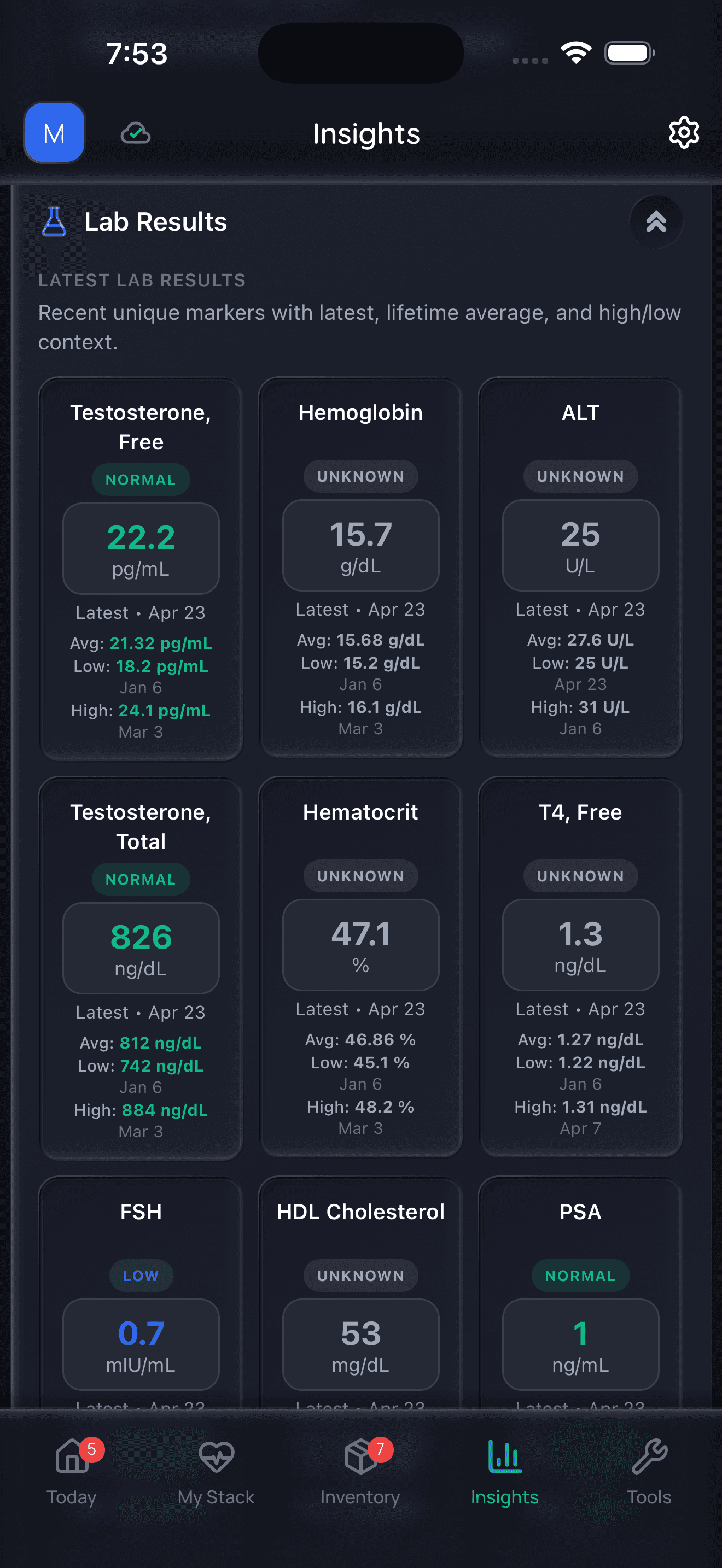
Connect protocol changes to labs and health markers.
Doserly can keep lab results, biomarkers, symptoms, and dose history close together so follow-up conversations have better context.
Insights
Labs and trends
Doserly organizes data; it does not diagnose or interpret labs for you.
Side Effects & Safety
The Basics
The good news about deer antler velvet is that it appears to be quite safe for most people. Clinical trials have consistently reported no significant side effects, and a 12-week safety study in children found no serious adverse reactions [7]. The supplement has a long history of use in traditional medicine spanning thousands of years, which, while not a guarantee of safety, does suggest that acute toxicity is unlikely at traditional doses.
The more nuanced concern is not about deer antler velvet itself, but about what else might be in the products. A study testing six commercially available deer antler velvet supplements found that four of them were adulterated with human recombinant IGF-1, a pharmaceutical protein that should not be present in a "natural" supplement [16]. This adulteration raises the possibility that some users experiencing strong effects may be unknowingly consuming a pharmaceutical-grade growth factor, with its own set of potential risks including hypoglycemia, headache, edema, and joint pain.
Individuals with hormone-sensitive conditions (such as prostate cancer, breast cancer, or endometriosis) are generally advised to avoid deer antler velvet due to the theoretical presence of growth factors and trace hormones [1]. Pregnant and breastfeeding women should also avoid it, as safety data in these populations does not exist.
The Science
Clinical trial safety data:
- Sleivert et al. (2003): No side effects reported in participants taking DAV supplements during a 10-week trial [12]
- Allen et al. (2008): No significant adverse events in a 6-month RA trial (N=168) [13]
- Kim et al. (2024): 12-week RCT in children (DAE 1,586 mg/day) found no serious adverse drug reactions. Adverse events were categorized as gastrointestinal and skin-related symptoms with no significant difference between DAE and placebo groups [7]
- Zhang et al. (2000): Toxicological evaluation of New Zealand deer velvet powder in rats showed no significant toxicity [17]
Adulteration concerns:
Cox and Eichner (2013) used UPLC/MS/MS analysis to test six commercially available DAV supplements. Human recombinant IGF-1 was confirmed in four products. Only one product contained naturally occurring deer IGF-1 at low levels [16]. This finding suggests widespread adulteration in the DAV supplement market and means consumers may be exposed to pharmaceutical proteins not listed on the label.
Theoretical risks from IGF-1 exposure:
Prescription IGF-1 (mecasermin) carries reported side effects including hypoglycemia, headache, edema, joint pain, and potential associations with increased cancer risk due to proliferative signaling [1]. Whether trace amounts in DAV products present meaningful risk is unknown.
Populations at risk:
- Hormone-sensitive conditions (prostate cancer, breast cancer, endometriosis)
- Pregnant or breastfeeding women (no safety data)
- Children (one safety study exists showing tolerability, but long-term data absent)
- Athletes subject to anti-doping testing (IGF-1 is a prohibited substance)
Knowing the possible side effects is the first step. Catching them early in your own experience is what keeps a supplement routine safe. Doserly lets you log any symptoms as they arise, tagging them with severity, timing relative to your dose, and whether they resolve on their own or persist.
The app's interaction checker cross-references everything in your stack, supplements and medications alike, flagging known interactions before they become a problem. It also monitors your total intake against established upper limits, alerting you if your combined sources of a nutrient are approaching thresholds where risk increases. Think of it as a safety net that works quietly in the background while you focus on the benefits.
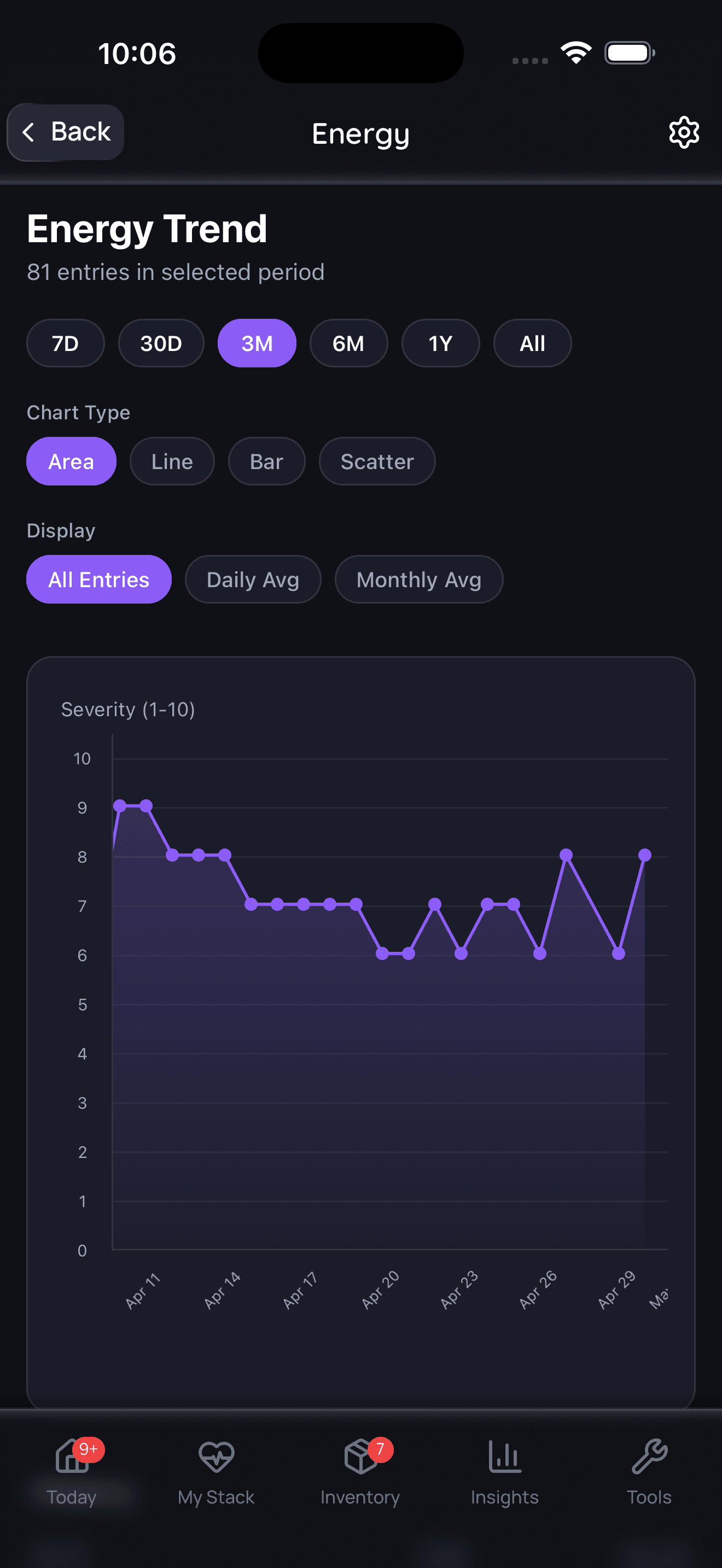
Capture changes while they are still fresh.
Log symptoms, energy, sleep, mood, and other observations alongside protocol events so patterns do not live only in memory.
Trend view
Symptom timeline
Symptom tracking is informational and should be interpreted with a qualified clinician.
Dosing & Usage Protocols
The Basics
There is no established "correct" dose for deer antler velvet, and this is one of the supplement's most significant limitations. Without strong human clinical evidence showing that any dose works for a given purpose, dosing guidance is based largely on traditional practice and what supplement manufacturers choose to put in their products.
Most commercially available supplements provide 500 mg per capsule or serving, which appears to be an industry convention rather than a scientifically determined effective dose. Traditional use sources suggest higher amounts in the range of 1,000 to 2,000 mg daily. The clinical trials that have been conducted used doses ranging from 300 mg/day (as an extract) to 1,500 mg/day (as a powder), and none showed significant benefits at either dose [2][12].
The form of the supplement also matters. Capsules and powders deliver the ground antler tissue through normal digestion. Sublingual sprays were developed to try to bypass the digestive system, but the evidence does not support that this delivery route meaningfully improves absorption of the growth factor components.
Because there is no established effective dose, anyone choosing to use deer antler velvet should be aware that dosing is largely guesswork. This is a supplement where the phrase "consult a healthcare provider" carries extra weight, because there simply is not enough evidence to guide individual dosing decisions.
The Science
The dose ranges seen in the market should be treated as convention rather than evidence-based optimization. Traditional and manufacturer guidance commonly lands around 1,000-2,000 mg daily, many retail products provide 500 mg per serving, and human trials have tested doses from 300 mg/day extract to 1,500 mg/day powder without demonstrating significant benefits [2][7][12]. The most defensible interpretation is that no clinically validated optimal dose exists, so higher labeled amounts should not be assumed to overcome the weak efficacy signal.
Clinical trial dosing:
- Sleivert et al. (2003): 300 mg/day extract or 1,500 mg/day powder for 10 weeks [12]
- Allen et al. (2008): Elk velvet antler, dose not widely specified, for 6 months [13]
- Kim et al. (2024): 1,586 mg/day DAE in children for 12 weeks [7]
No dose-response relationship established: No studies have conducted dose-ranging or dose-escalation trials for DAV, so whether higher doses produce different outcomes is unknown.
Form considerations:
- Powder/capsules: Standard oral delivery. Protein components undergo normal proteolytic digestion.
- Sublingual spray: Marketed as bypassing first-pass metabolism, but IGF-1 (molecular weight 7,649 Da) exceeds the typical molecular weight cutoff for effective sublingual absorption (~500-1,000 Da for most compounds).
- Liquid extract: Alcohol or water-based extracts. Bioavailability data not available.
Getting the dose right matters more than most people realize. Too little may be ineffective, too much wastes money or introduces risk, and inconsistency undermines both. Doserly tracks every dose you take, across every form, giving you a clear record of what you're actually consuming versus what you planned.
The app helps you compare RDA recommendations against therapeutic ranges discussed in the research, so you can see exactly where your intake falls. If you switch forms, say from a standard capsule to a liposomal liquid, Doserly adjusts your tracking to account for different bioavailabilities. Pair that with smart reminders that keep your timing consistent, and the precision that makes a real difference in outcomes becomes effortless.
Track injection timing, draw notes, and site rotation.
Doserly helps keep syringe-related notes, injection site history, reminders, and reconstitution context together for easier review.
Injection log
Site rotation
Injection logs support record-keeping; follow clinician instructions for administration.
What to Expect (Timeline)
There is limited clinical data on what to expect from deer antler velvet supplementation because the human trials have largely failed to demonstrate measurable effects. However, based on community reports and the general pharmacology of the supplement's components, the following timeline represents what some users describe. It is important to note that these reported experiences may reflect placebo response, concurrent lifestyle changes, or exposure to adulterated products rather than genuine effects of deer antler velvet.
Weeks 1-2: Some users report subtle changes in energy levels or general wellbeing during the first two weeks. These early reports should be interpreted cautiously, as they align with typical placebo response timelines.
Weeks 3-4: Users who report positive effects often describe this as the period where changes become more noticeable, particularly in exercise recovery and libido. Again, no controlled trial has confirmed these timelines.
Weeks 5-8+: Long-term users who believe the supplement is working describe sustained effects at this stage. Some practitioners of traditional medicine recommend cycling (e.g., 60 days on, 30 days off) rather than continuous use, though this is based on traditional practice rather than clinical evidence.
Important context: Given that clinical trials lasting up to 6 months have not demonstrated significant effects over placebo, the reported timelines above most likely represent subjective experience rather than pharmacological activity. Anyone who does not notice changes after 4-8 weeks has no scientific basis for expecting that continued use will produce different results.
Interactions & Compatibility
Synergistic (May Work Well With)
- Glucosamine: Both present in antler tissue; glucosamine is independently studied for joint health
- Chondroitin Sulfate: Also naturally present in DAV; chondroitin and glucosamine are commonly combined for osteoarthritis support
- Collagen: DAV contains collagen types I and II; supplemental collagen may complement the connective tissue support profile
- Vitamin D3: Supports calcium absorption and bone metabolism; theoretically complementary to DAV's bone health claims
- Calcium: DAV is rich in calcium; additional calcium may support the bone health pathway
Caution / Avoid
- Blood thinners (Warfarin, Aspirin, Heparin): Theoretical risk of interaction; DAV contains prostaglandins that could affect platelet function. Consult a healthcare provider.
- Insulin and diabetes medications: Prescription IGF-1 can cause hypoglycemia. If DAV products contain undeclared IGF-1, there is a theoretical risk of blood sugar interactions.
- Hormone therapies (testosterone replacement, estrogen therapy): DAV may contain trace amounts of hormones. Combining with hormone therapy could theoretically alter hormonal balance.
- Other IGF-1-containing supplements: Avoid stacking with products that also claim to boost IGF-1, to minimize unknown cumulative exposure.
- Colostrum: Also contains IGF-1 and growth factors; stacking could increase total growth factor exposure beyond intended levels
How to Take / Administration Guide
Most deer antler velvet supplements are available as capsules, powders, sublingual sprays, or liquid extracts. There is no established best form, and the choice often comes down to personal preference and product availability.
Capsules and tablets: The most common form. Typically taken with water, 1-2 capsules daily depending on the product's milligram content. Some labels suggest taking on an empty stomach; others recommend taking with food. No evidence favors either approach.
Powder: Can be mixed into smoothies, beverages, or food. Allows for more flexible dosing. May have a strong, gamey taste.
Sublingual spray: Sprayed under the tongue and held for 20-30 seconds before swallowing. Marketed as having superior absorption, though the evidence does not support this claim for the growth factor components.
Liquid extract: Alcohol or water-based tincture. Dosing varies by concentration. Some users prefer this form for its perceived faster onset, though no pharmacokinetic data supports this.
Timing: No established optimal timing. Some users take it in the morning for energy, others before workouts for performance. Traditional Chinese medicine practitioners may recommend specific timing based on meridian theory, but this lacks clinical validation.
Cycling: Some users and traditional practitioners recommend cycling deer antler velvet (e.g., 60 days on, 30 days off, or 8 weeks on, 4 weeks off). The rationale for cycling is not established by clinical evidence, but the practice is common in the user community.
Choosing a Quality Product
Product quality is an especially significant concern for deer antler velvet, given the documented adulteration issues in the market. A 2013 study found human recombinant IGF-1 in four out of six tested products, meaning the majority of products tested contained undeclared pharmaceutical proteins [16].
What to look for:
- Geographic origin: New Zealand is widely regarded as having the highest quality deer farming standards, with strict regulations on animal welfare and velvet harvesting. New Zealand velvet is harvested under veterinary supervision with anesthesia. Products specifying New Zealand origin are generally considered premium.
- Species identification: Products should specify whether the velvet comes from red deer, sika deer, or elk. Each species has a slightly different composition.
- Processing method: Freeze-dried or low-temperature processing preserves more bioactive compounds than high-heat processing. Look for products that specify their processing method.
- Third-party testing: Given the adulteration concerns, third-party testing for purity and the absence of undeclared pharmaceutical proteins is particularly important for this supplement.
- Antler section: Premium products may specify that they use tip-section antler, which contains higher concentrations of growth factors and amino acids.
Red flags:
- Products making explicit claims about boosting IGF-1, testosterone, or growth hormone levels (these claims are not supported by clinical evidence)
- Extremely low-priced products (quality velvet from regulated sources is expensive to produce)
- Products that do not disclose the species, origin country, or processing method
- Proprietary blends that do not disclose the actual amount of deer antler velvet per serving
Third-party certifications: NSF International, USP Verified, and Informed Sport certifications are valuable but rare for deer antler velvet products. Informed Sport certification would be particularly relevant for athletes, as it tests for prohibited substances including IGF-1.
Storage & Handling
- Capsules and tablets: Store in a cool, dry place at room temperature, away from direct sunlight and moisture. Keep the container tightly sealed. Typical shelf life is 2-3 years when properly stored.
- Powder: Similar storage to capsules. May be more susceptible to moisture absorption. Consider using a desiccant packet in the container.
- Liquid extract / sublingual spray: Refrigerate after opening. Alcohol-based extracts may have a longer shelf life than water-based preparations. Check product labeling for specific instructions.
- Travel considerations: Capsules and tablets travel well. Liquid forms should be kept cool and may be subject to TSA liquid restrictions for air travel.
- Signs of degradation: Discoloration, unusual odor, clumping of powder, or changes in liquid consistency may indicate product degradation. Discard if observed.
Lifestyle & Supporting Factors
Because the clinical evidence for deer antler velvet's primary marketed benefits (performance, hormones, recovery) is lacking, lifestyle factors become especially relevant for anyone using this supplement. The benefits that users report may be more attributable to the lifestyle practices they adopt alongside supplementation than to the supplement itself.
Exercise: Regular resistance training and cardiovascular exercise are the most evidence-based approaches to the outcomes deer antler velvet is marketed for (muscle growth, performance, recovery). Anyone taking DAV for these purposes should prioritize a well-designed training program.
Nutrition: A protein-rich diet supporting muscle protein synthesis is more impactful for recovery and growth than any single supplement. Adequate dietary calcium and vitamin D intake supports bone health, complementing DAV's mineral content.
Sleep: Growth hormone and IGF-1 are naturally released during deep sleep. Optimizing sleep quality and duration (7-9 hours for most adults) naturally supports the same pathways that DAV claims to influence.
Hydration: Adequate water intake supports joint lubrication and connective tissue health, which may complement any potential joint-health benefits of DAV's chondroitin and glucosamine content.
Lab monitoring: There are no specific biomarkers to monitor for deer antler velvet use. However, individuals using it for joint health may wish to track inflammatory markers (CRP, ESR) with their healthcare provider. Those concerned about hormonal effects could monitor testosterone, IGF-1, and other relevant hormone panels.
Regulatory Status & Standards
United States (FDA)
Deer antler velvet is legally sold as a dietary supplement under DSHEA. It is not evaluated by the FDA for efficacy in treating, curing, or preventing any disease. The FDA has not approved any specific health claims for deer antler velvet. The FDA has issued warning letters to companies making unsupported therapeutic claims about their DAV products.
Canada (Health Canada)
Deer antler velvet may be available as a Natural Health Product (NHP) depending on the specific claims made. Products require a Natural Product Number (NPN) for legal sale.
European Union (EFSA)
Deer antler velvet does not hold authorized health claims under EFSA regulations. Availability varies by member state.
Australia (TGA)
Classification varies depending on the specific product formulation and claims made. Some products may be listed as complementary medicines.
Athlete & Sports Regulatory Status
WADA: Deer antler velvet itself is not explicitly listed on the WADA Prohibited List. However, IGF-1 is classified as a prohibited substance under Section S2 (Peptide Hormones, Growth Factors, Related Substances, and Mimetics), prohibited at all times (in-competition and out-of-competition). Because DAV products may contain IGF-1 (naturally occurring or as an adulterant), WADA advises athletes to exercise extreme caution. In early 2013, after the Ray Lewis controversy, WADA initially indicated DAV products were prohibited, then revised its position to state that deer antler velvet is not specifically prohibited but that products containing IGF-1 could cause a positive test.
USADA: Has warned athletes about the potential for positive test results from DAV products containing IGF-1. The USADA Drug Reference Line can provide current guidance.
NCAA: IGF-1 is on the NCAA banned substance list. Athletes using DAV products risk a positive test. The NCAA requires supplements provided by athletic departments to carry NSF Certified for Sport or Informed Sport certification.
Professional leagues: The NFL, NBA, MLB, NHL, and MLS each maintain their own substance policies. While deer antler velvet itself is not specifically banned in most leagues, IGF-1 is prohibited. Athletes in professional sports are advised to consult team medical staff before using DAV products.
GlobalDRO: Athletes can check the current status of supplements at GlobalDRO.com across multiple jurisdictions (US, UK, Canada, Australia, Japan, Switzerland, New Zealand).
Third-party certification programs: Informed Sport (sport.wetestyoutrust.com), NSF Certified for Sport (nsfsport.com), Cologne List (koelnerliste.com), and BSCG (bscg.org) test products for prohibited substances. Certified DAV products would provide greater assurance, though few DAV products currently carry these certifications.
Regulatory status and prohibited substance classifications change frequently. Athletes should always verify the current status of any supplement with their sport's governing body, their national anti-doping agency, and a qualified sports medicine professional before use. Third-party certification (Informed Sport, NSF Certified for Sport) reduces but does not eliminate the risk of contamination with prohibited substances.
FAQ / Frequently Asked Questions
Does deer antler velvet actually increase IGF-1 levels?
Based on available clinical evidence, no. A double-blind study found no statistically significant increase in IGF-1 levels after supplementation with deer antler velvet compared to placebo. While deer antler tissue does contain trace amounts of IGF-1, the amounts in commercial supplements are orders of magnitude below therapeutic levels, and protein hormones are largely destroyed during normal digestion [10].
Is deer antler velvet a steroid?
No. Deer antler velvet is not a steroid. It is an animal-derived biological product containing a complex mixture of proteins, peptides, minerals, and other compounds. While trace amounts of hormones such as testosterone, estrone, and estradiol have been detected in antler tissue, the concentrations are extremely low and are not expected to have steroid-like pharmacological effects at typical supplement doses.
Why was deer antler velvet banned in sports?
Deer antler velvet itself is not banned. However, IGF-1, which may be present in some products (either naturally or as an adulterant), is classified as a prohibited substance by WADA and other anti-doping organizations. The controversy arose in 2012-2013 when NFL player Ray Lewis was rumored to have used deer antler velvet spray to accelerate injury recovery.
Can deer antler velvet help with joint pain?
There is limited evidence suggesting possible benefit for osteoarthritis, though the only RCT evaluating this was described as showing "some promise" without reaching convincing conclusions. The collagen, chondroitin sulfate, and glucosamine naturally present in antler tissue are individually studied for joint health. Standalone supplements of these compounds have more targeted research supporting their use [3].
Is deer antler velvet safe?
Clinical trials have generally found deer antler velvet to be well-tolerated with no significant adverse effects, including a 12-week safety study in children [7]. The primary safety concern is product adulteration rather than inherent toxicity. A study found human IGF-1 in four of six tested products [16]. Individuals with hormone-sensitive conditions, pregnant or breastfeeding women, and athletes subject to drug testing should exercise particular caution.
Does deer antler velvet boost testosterone?
No. Three clinical studies with a combined 108 participants found no effect of deer antler velvet supplementation on circulating testosterone levels [2].
What is the best form of deer antler velvet?
No head-to-head studies have compared forms (capsule, powder, spray, liquid extract). Sublingual sprays were designed to bypass digestion, but the evidence does not support meaningful sublingual absorption of the growth factor components. The choice of form is largely a matter of personal preference.
How much deer antler velvet should I take?
There is no established optimal dose. Commercial supplements typically provide 500 mg per serving, while traditional use sources suggest 1,000-2,000 mg daily. Clinical trials used doses ranging from 300 mg to 1,500 mg daily without demonstrating significant benefits at any dose level. A healthcare provider can help determine whether supplementation is appropriate for your individual situation.
Is New Zealand deer antler velvet better?
New Zealand has stringent regulations governing deer farming, velvet harvesting (performed under veterinary supervision with anesthesia), and product quality standards. Community consensus and industry experts generally consider New Zealand-sourced velvet to be among the highest quality available, though no clinical trials have compared products by geographic origin.
Can I take deer antler velvet with other supplements?
Deer antler velvet is generally considered compatible with most common supplements. However, caution is advised when combining with blood thinners, diabetes medications, hormone therapies, or other IGF-1-containing supplements such as colostrum. Consult a healthcare provider about potential interactions with your specific supplement stack and any medications you take.
Myth vs. Fact
Myth: Deer antler velvet is a natural growth hormone booster.
Fact: Multiple clinical studies have found that deer antler velvet does not significantly increase levels of IGF-1, testosterone, or growth hormone in humans. While the antler tissue does contain trace amounts of growth factors, these are present at concentrations far too low to influence systemic hormone levels, and protein hormones are degraded during oral digestion [2][10].
Myth: Deer antler velvet spray is more effective because it bypasses digestion.
Fact: Sublingual sprays were designed to deliver IGF-1 directly into the bloodstream through the tissues under the tongue. However, IGF-1 is a large polypeptide (7,649 Da) that exceeds the molecular weight range typically amenable to sublingual absorption. No clinical evidence demonstrates that spray forms produce different blood levels of IGF-1 or superior outcomes compared to capsules or powders [9][10].
Myth: Deer antler velvet is banned in professional sports.
Fact: Deer antler velvet itself is not specifically banned by WADA or most professional sports leagues. However, IGF-1 is a prohibited substance, and because some deer antler velvet products may contain IGF-1 (particularly as an adulterant), athletes are advised to exercise extreme caution. WADA clarified this position in 2013 after initial confusion during the Ray Lewis controversy.
Myth: Deer antler velvet contains significant amounts of IGF-1.
Fact: The amounts of IGF-1 in deer antler velvet supplements are extremely small. A typical dose contains approximately 50-84 nanograms of IGF-1, while therapeutic injectable IGF-1 is administered at doses measured in micrograms per kilogram of body weight. To match even a low therapeutic dose, a person would need to consume thousands of bottles per day [9].
Myth: Deer antler velvet has been proven effective for athletic performance.
Fact: Three randomized controlled trials found no significant improvement in aerobic or anaerobic performance, muscular strength, or endurance with deer antler velvet supplementation. The NIH Office of Dietary Supplements explicitly states that the research does not support taking deer antler velvet for exercise or athletic performance enhancement [1][12].
Myth: All deer antler velvet supplements contain only natural ingredients.
Fact: A laboratory analysis found that four of six commercially available deer antler velvet supplements were adulterated with human recombinant IGF-1, a pharmaceutical protein. Only one product contained naturally occurring deer IGF-1 at low levels. This means some products marketed as "all natural" contain undeclared pharmaceutical ingredients [16].
Myth: Because deer antler velvet has been used in traditional medicine for 2,000 years, it must be effective.
Fact: A long history of traditional use indicates that a substance is likely safe at traditional doses, but it does not prove efficacy for specific modern health claims. Many traditional remedies have not been validated in controlled clinical trials. In the case of deer antler velvet, the systematic review of all available RCTs found that claims do not appear to be based on rigorous research from human trials [3].
Sources & References
Systematic Reviews & Meta-Analyses
- NIH Office of Dietary Supplements. Dietary Supplements for Exercise and Athletic Performance: Fact Sheet for Health Professionals. National Institutes of Health. Available at: https://ods.od.nih.gov/factsheets/ExerciseAndAthleticPerformance-HealthProfessional/
- Examine.com Editors. Velvet Antler: Benefits, Dosage, and Side Effects. Based on cited primary studies. Last updated August 2025.
- Gilbey A, Perezgonzalez JD. Health benefits of deer and elk velvet antler supplements: a systematic review of randomised controlled studies. New Zealand Medical Journal. 2012;125(1367):80-86. PMID: 23321886
Clinical Trials & Primary Research
- Chen D, et al. Deer antler base as a traditional Chinese medicine: A review of its traditional uses, chemistry and pharmacology. Journal of Ethnopharmacology. 2013;145(2):403-415.
- Sun H, Xiao D, Liu W, et al. Well-known polypeptides of deer antler velvet with key actives: modern pharmacological advances. Naunyn-Schmiedeberg's Archives of Pharmacology. 2024;397:15-31.
- Orassaya A, Sadvokassova D, Berdigaliyev A, et al. Deer antler extract: Pharmacology, rehabilitation and sports medicine applications. Pharmacological Research - Modern Chinese Medicine. 2024;10:100316.
- Kim SM, Lee JY, Chang GT, et al. Safety of deer antler extract in children: A 12-week randomized controlled clinical trial. Medicine (Baltimore). 2024;103(18):e37970.
- Health Effects of Peptides Extracted from Deer Antler. Nutrients. 2022. PMC9572057.
- Salvatori R. Commentary on oral IGF-1 delivery. Cited in media reports, Johns Hopkins University.
- Marmillo NA. Changes in IGF-1 Levels Post Deer Antler Velvet Supplementation. UNLV Theses, Dissertations, Professional Papers, and Capstones. 2018;3285.
- Deer antler ASCs exosomes ameliorate osteoarthritis via miR-140/MMP13 axis-mediated dual modulation of inflammation and cartilage regeneration. npj Regenerative Medicine. 2025.
- Sleivert G, Burke V, Palmer C, Walmsley A, Gerrard D, Haines S, Littlejohn R. The effects of deer antler velvet extract or powder supplementation on aerobic power, erythropoiesis, and muscular strength and endurance characteristics. International Journal of Sport Nutrition and Exercise Metabolism. 2003;13(3):251-267.
- Allen M, et al. A randomized clinical trial of elk velvet antler in rheumatoid arthritis. Biological Research for Nursing. 2008;9(3):254-261. PMID: 18077778
- Chen HP, et al. The Therapeutic Potential of Intra-Articular Injection of Synthetic Deer Antler Peptides in a Rat Model of Knee Osteoarthritis. International Journal of Molecular Sciences. 2024;25(11):6041.
- Conaglen HM, Suttie JM, Conaglen JV. Effect of deer velvet on sexual function in men and their partners: a double-blind, placebo-controlled study. Archives of Sexual Behavior. 2003;32(3):271-278.
Safety & Adulteration Studies
- Cox HD, Eichner D. Detection of human insulin-like growth factor-1 in deer antler velvet supplements. Rapid Communications in Mass Spectrometry. 2013;27(19):2170-2178. PMID: 23996390
- Zhang H, Wanwimolruk S, Coville PF, et al. Toxicological evaluation of New Zealand deer velvet powder. Part I: acute and subchronic oral toxicity studies in rats. Food and Chemical Toxicology. 2000;38:985-990.