
Beta-Glucans: The Complete Supplement Guide
On this page
Quick Reference Card
Attribute
Common Name
- Detail
- Beta-Glucans
Attribute
Other Names / Aliases
- Detail
- Beta-glucan, 1,3-beta-D-glucan, 1,3/1,6-beta-glucan, oat beta-glucan, yeast beta-glucan, barley beta-glucan, beta-D-glucan
Attribute
Category
- Detail
- Fiber / Polysaccharide (biological response modifier)
Attribute
Primary Forms & Variants
- Detail
- Cereal beta-glucans (oat, barley; 1,3/1,4 linkages; cholesterol/blood sugar focus), Yeast beta-glucans (Saccharomyces cerevisiae; 1,3/1,6 linkages; immune focus), Mushroom beta-glucans (shiitake/maitake/reishi; 1,3/1,6 linkages; immune/cancer adjuvant focus)
Attribute
Typical Dose Range
- Detail
- Cereal: 3-10 g/day; Yeast: 250-500 mg/day; Mushroom: 250-1,000 mg/day
Attribute
RDA / AI / UL
- Detail
- No established RDA, AI, or UL (not an essential nutrient; FDA recommends 3 g/day oat beta-glucan for cholesterol claim)
Attribute
Common Delivery Forms
- Detail
- Powder (loose or in capsules), capsules, tablets, whole food sources (oats, barley, mushrooms)
Attribute
Best Taken With / Without Food
- Detail
- Cereal beta-glucans best taken with meals (part of food). Yeast/mushroom capsules can be taken with or without food.
Attribute
Key Cofactors
- Detail
- Vitamin C (may synergize with immune-modulating effects), healthy gut microbiome (fermentation of cereal beta-glucans to SCFAs)
Attribute
Storage Notes
- Detail
- Store in a cool, dry place. Powder forms are hygroscopic; keep sealed to avoid moisture absorption. No refrigeration required.
Overview
The Basics
Beta-glucans are a family of natural fibers found in the cell walls of oats, barley, mushrooms, yeast, and algae. They have been used in traditional medicine for centuries, particularly through mushroom-based remedies in Asian cultures, and have gained mainstream recognition over the past several decades for their effects on cholesterol, blood sugar, and immune function.
What makes beta-glucans unusual among fibers is that they are not one thing. The beta-glucans in your morning oatmeal work very differently from the beta-glucans extracted from baker's yeast or shiitake mushrooms. The structural differences between these types determine whether they primarily affect your cholesterol, your blood sugar, or your immune system. Understanding which type does what is the key to making sense of the research and choosing the right form for your goals.
Cereal beta-glucans (from oats and barley) have the strongest evidence for cardiovascular benefits, particularly cholesterol reduction. The FDA recognized oat beta-glucan as the first cholesterol-reducing food ingredient in 1997, and the European Food Safety Authority has also authorized specific health claims. Yeast and mushroom beta-glucans, meanwhile, interact with the immune system in ways that may help the body fight infections and, in some clinical settings, have been used alongside cancer treatments [1][2][3].
The Science
Beta-glucans are polysaccharides composed of D-glucose monomers linked by beta-type glycosidic bonds. They are classified as soluble dietary fiber and are not digested by human gastrointestinal enzymes due to the beta configuration of their glycosidic linkages [1][2].
The biological diversity of beta-glucans stems from their distinct structural characteristics across sources:
- Cereal beta-glucans (oats, barley): Mixed beta-(1,3)/(1,4) linkages, linear and unbranched. Found in endospermic and aleuronic cell walls.
- Yeast beta-glucans (Saccharomyces cerevisiae): Beta-(1,3) backbone with beta-(1,6) side branches. Approximately 85% 1,3 linkages.
- Fungal/mushroom beta-glucans: Beta-(1,3) backbone with beta-(1,6) branching. More complex branching patterns than yeast. Well-characterized examples include lentinan (from Lentinula edodes/shiitake), schizophyllan (from Schizophyllum commune), and pleuran (from Pleurotus ostreatus/oyster mushroom) [1][2][4].
- Bacterial beta-glucans: Curdlan represents the simplest structure with unbranched beta-(1,3) linkages only (from Agrobacterium) [2].
The therapeutic potential of beta-glucans was first investigated in the 1940s when Pillemer and colleagues identified Zymosan, a crude yeast cell wall extract, as an immune stimulator during complement system research [1]. Since then, over 200 clinical trials have been completed or initiated. Two beta-glucan isolates, lentinan and schizophyllan, were licensed as drugs in Japan in 1980 for use as immune-adjuvant therapy in cancer treatment [1][3].
Chemical & Nutritional Identity
Property
Chemical Class
- Value
- Polysaccharide (glucose polymer)
Property
Monomer Unit
- Value
- D-glucose
Property
Bond Type
- Value
- Beta-glycosidic linkages
Property
Molecular Weight
- Value
- Variable (10-2,000+ kDa depending on source and processing)
Property
Solubility
- Value
- Soluble in water (forms viscous gel, especially cereal forms)
Property
CAS Number
- Value
- 9041-22-9 (generic beta-glucan)
Property
PubChem CID
- Value
- 439262 (1,3-beta-D-glucan)
Property
Category
- Value
- Soluble dietary fiber / Biological response modifier
Structural Comparison by Source
Source
Oats / Barley
- Linkage Pattern
- Beta-(1,3)/(1,4)
- Branching
- None (linear)
- Primary Bioactivity
- Cholesterol, blood sugar
Source
Yeast (S. cerevisiae)
- Linkage Pattern
- Beta-(1,3)/(1,6)
- Branching
- Moderate
- Primary Bioactivity
- Immune modulation
Source
Mushrooms
- Linkage Pattern
- Beta-(1,3)/(1,6)
- Branching
- High (complex)
- Primary Bioactivity
- Immune modulation, cancer adjuvant
Source
Bacteria (Curdlan)
- Linkage Pattern
- Beta-(1,3) only
- Branching
- None
- Primary Bioactivity
- Research/food industry
Higher molecular weight beta-glucans appear to be more effective than lower weight molecules, particularly for cereal-derived forms and their viscosity-dependent metabolic effects [1].
Mechanism of Action
The Basics
Beta-glucans work through two fundamentally different mechanisms depending on their source, which is why understanding the type you are taking matters so much.
Cereal beta-glucans from oats and barley work as a special kind of fiber. When they reach your gut, they dissolve in water and form a thick, gel-like substance. This gel slows down digestion in several useful ways: it makes cholesterol and bile acids stick to it so they get carried out of your body instead of being reabsorbed, and it slows the absorption of sugar from your food so your blood sugar rises more gradually after meals. Your gut bacteria also ferment these fibers, producing short-chain fatty acids that nourish the cells lining your intestine and may influence your metabolism and immune function [1][2].
Yeast and mushroom beta-glucans work in a completely different way. Your immune system has evolved to recognize the specific shape of these beta-glucans because harmful bacteria and fungi also have them on their surfaces. When you take yeast or mushroom beta-glucans, your immune cells detect them through specialized sensors (particularly one called Dectin-1) and respond as if a potential invader has been spotted. This "priming" of the immune system makes it more alert and responsive, potentially helping you fight off infections more effectively [1][2][4].
The Science
Metabolic/GI Mechanisms (Cereal Beta-Glucans):
Cereal beta-glucans exert their metabolic effects primarily through viscosity-dependent mechanisms in the gastrointestinal tract. Upon hydration, they form a viscous gel matrix that:
- Slows gastric emptying and delays glucose absorption across the intestinal mucosa, attenuating postprandial glycemic and insulinemic responses [1][2]
- Binds bile acids within the intestinal lumen, increasing fecal bile acid excretion. This triggers hepatic upregulation of LDL receptor expression and de novo bile acid synthesis from cholesterol, effectively reducing circulating LDL cholesterol [1][5]
- Functions as a prebiotic substrate, undergoing fermentation by colonic microbiota to produce short-chain fatty acids (SCFAs) including butyrate, propionate, and acetate. Butyrate serves as the primary energy source for colonocytes, while propionate has been implicated in the inhibition of hepatic cholesterol synthesis [1][2]
Immunomodulatory Mechanisms (Yeast/Mushroom Beta-Glucans):
Fungal and yeast beta-glucans are classified as biological response modifiers (BRMs). Their immunomodulatory activity requires a beta-1,3 backbone as the essential structural element, with the degree and profile of activity related to molecular weight, branching pattern, sidechain length, and three-dimensional conformation [1][2].
Key receptor interactions include:
- Dectin-1 (C-type lectin receptor): The primary pattern recognition receptor for beta-glucans, expressed on macrophages, dendritic cells, and neutrophils. Binding triggers Syk kinase signaling cascade, leading to NF-kappaB activation [1][2][4]
- Complement receptor 3 (CR3/CD11b/CD18): Facilitates neutrophil-mediated cytotoxicity against opsonized targets [3]
- Toll-like receptors (TLR2, TLR4, TLR6): May cooperate with Dectin-1 for enhanced immune signaling [1][2]
Downstream effects include enhanced phagocytosis, oxidative burst, cytokine production (TNF-alpha, IL-1beta, IL-6, IL-8, IL-12), and augmented natural killer (NK) cell activity [1][2][3].
A particularly notable mechanism is "trained immunity," whereby beta-glucans can epigenetically reprogram innate immune cells (monocytes/macrophages) to produce an enhanced response to subsequent challenges. This represents a form of innate immune memory distinct from adaptive immunity [1].
Absorption & Bioavailability
The Basics
Beta-glucans are not absorbed into your bloodstream the way vitamins or minerals are. Instead, cereal beta-glucans work locally in your gut, forming that characteristic gel that slows digestion and traps cholesterol. They pass through your digestive system largely intact, which is actually how they do their job.
Yeast and mushroom beta-glucans interact with your immune system through a different route. They reach the small intestine intact (since your stomach acid does not break them down), where they are captured by specialized immune cells in the gut wall. These immune cells then carry the beta-glucan signals throughout your body, activating the broader immune response [2][4].
The molecular weight and structure of beta-glucans significantly affect how well they work. For cereal beta-glucans, higher molecular weight means more viscosity in the gut, which means better cholesterol-lowering and blood sugar effects. Processing methods that break down the molecular structure (like excessive grinding or certain cooking methods) can reduce effectiveness. For immune-active beta-glucans, the branching pattern and three-dimensional shape determine how strongly they bind to immune cell receptors [1][2].
The Science
Cereal beta-glucans resist gastric digestion due to their beta-glycosidic configuration. Upon reaching the small intestine, they hydrate and form a viscous solution that increases luminal viscosity, which is the primary determinant of their metabolic effects. The viscosity is proportional to molecular weight and concentration; higher molecular weight beta-glucans (>100 kDa) produce greater viscosity and more pronounced cholesterol-lowering effects than lower molecular weight fractions [1][5].
Fungal and yeast beta-glucans are captured by gut-associated lymphoid tissue (GALT) immune cells and/or epithelial cells in the small intestine. Specifically, M cells overlying Peyer's patches and intestinal macrophages internalize particulate beta-glucans via Dectin-1 receptor-mediated endocytosis. Following internalization, fragments are transported to lymph nodes and bone marrow, where they prime systemic innate immune responses [2][4].
The immunopotentiation activity of beta-D-glucans is linked to their molecular weight and triple helical conformation, which can vary greatly between batches and manufacturers [3]. This structural variability represents a significant challenge for standardization and may explain discrepant results across clinical trials using nominally similar beta-glucan preparations.
Managing absorption timing across multiple supplements gets complicated fast. Some need to be taken with food, others on an empty stomach. Some compete for the same absorption pathways, others enhance each other. Doserly organizes all of this into a single schedule that accounts for the interactions between everything in your stack.
Instead of juggling mental notes about which supplements to separate and which to pair, the app handles the coordination for you. It flags timing conflicts, suggests optimal windows based on the forms you're using, and builds a daily routine that gives each supplement its best chance of being absorbed effectively. One place for all the details that are easy to forget.
Track injection timing, draw notes, and site rotation.
Doserly helps keep syringe-related notes, injection site history, reminders, and reconstitution context together for easier review.
Injection log
Site rotation
Injection logs support record-keeping; follow clinician instructions for administration.
Research & Clinical Evidence
The Basics
Beta-glucans have been studied more extensively than most dietary supplements, with over 200 clinical trials completed or in progress. The strongest evidence supports two distinct applications: cereal beta-glucans for cardiovascular health and yeast beta-glucans for immune support.
For cholesterol, the evidence is strong enough that both the FDA and EFSA have authorized specific health claims for oat beta-glucan. Multiple studies consistently show that consuming at least 3 grams per day of oat beta-glucan can meaningfully reduce LDL cholesterol levels. The blood sugar evidence is also solid, with cereal beta-glucans demonstrating clear effects on slowing glucose absorption after meals [1][5].
For immune support, yeast beta-glucans (particularly at 250 mg/day) have shown promise in reducing the frequency, duration, and severity of upper respiratory infections in several populations including children, adults, and athletes. However, it is worth noting that much of this research has been funded by industry, which warrants a cautious interpretation [6][7].
The cancer-related evidence is more complex. In Japan, injectable beta-glucan preparations (lentinan and schizophyllan) have been licensed drugs since 1980 for use alongside chemotherapy. Clinical trials and meta-analyses have shown survival benefits when these are added to standard cancer treatment. Whether oral beta-glucan supplements provide the same benefits remains unclear, with only limited research available [3][8].
The Science
Cholesterol Reduction (Strong Evidence):
The FDA authorized a health claim for oat beta-glucan in 1997, requiring a minimum intake of 3 g/day for cholesterol reduction. EFSA has similarly authorized claims. A large body of clinical trial evidence supports the efficacy of oat and barley beta-glucans in reducing total and LDL cholesterol. The mechanism involves increased fecal bile acid excretion and subsequent hepatic upregulation of LDL receptor expression [1][5].
Postprandial Glycemia (Strong Evidence):
EFSA has authorized a health claim that consumption of beta-glucans from oats or barley contributes to reduction of the blood glucose rise after a meal, at a minimum dose of 4 g beta-glucans per 30 g available carbohydrates. Multiple RCTs confirm dose-dependent attenuation of postprandial glucose and insulin responses [1][5].
Upper Respiratory Tract Infections (Moderate Evidence):
Yeast beta-glucan (notably Wellmune, a branded beta-1,3/1,6-glucan from S. cerevisiae at 250 mg/day) has been evaluated in multiple RCTs across various populations. Studies report reduced incidence, duration, and severity of URTIs in children, adults, elderly individuals, and athletes prone to exercise-induced immunosuppression [6][7]. A key limitation is that most of these studies have been industry-funded, introducing potential bias.
Cancer Adjuvant Therapy (Moderate Evidence for Injectable; Limited for Oral):
Lentinan (1,3-beta-D-glucan from shiitake) combined with chemotherapy has improved survival in hepatocellular and gastric cancers, and quality of life in esophageal carcinoma and non-small cell lung cancer patients [3][8]. Meta-analyses suggest benefits of adjuvant lentinan in advanced or gastric cancers [8]. Oral formulations of lentinan showed improvements in quality of life in some cancer patients, but evidence is less robust [3].
Wound Healing (Preliminary Evidence):
Topical application of 2-3% yeast beta-glucan cream has shown potential for promoting healing of chronic wounds (venous ulcers, diabetic ulcers), but only a few clinical trials have examined this, with only one being randomized and controlled [6].
Cognitive Function (Preliminary Evidence):
A 2022 animal study comparing mushroom, curdlan, and oat beta-glucans found all three enhanced temporal order recognition memory, synaptic protein levels, and inhibited microgliosis in the prefrontal cortex and hippocampus [9]. Human evidence is preliminary.
Evidence & Effectiveness Matrix
The matrix below combines clinical evidence strength with community-reported effectiveness to provide a balanced view of beta-glucans' profile across health domains.
Category
Heart Health
- Evidence Strength
- 9/10
- Community-Reported Effectiveness
- 6/10
- Confidence
- High
Category
Immune Function
- Evidence Strength
- 6/10
- Community-Reported Effectiveness
- 6/10
- Confidence
- Medium
Category
Gut Health
- Evidence Strength
- 5/10
- Community-Reported Effectiveness
- 5/10
- Confidence
- Medium
Category
Inflammation
- Evidence Strength
- 4/10
- Community-Reported Effectiveness
- 4/10
- Confidence
- Low
Category
Skin Health
- Evidence Strength
- 3/10
- Community-Reported Effectiveness
- 7/10
- Confidence
- Low
Category
Weight Management
- Evidence Strength
- 3/10
- Community-Reported Effectiveness
- 3/10
- Confidence
- Low
Category
Energy Levels
- Evidence Strength
- 2/10
- Community-Reported Effectiveness
- 3/10
- Confidence
- Low
Category
Joint Health
- Evidence Strength
- 2/10
- Community-Reported Effectiveness
- 3/10
- Confidence
- Low
Category
Nausea & GI Tolerance
- Evidence Strength
- 5/10
- Community-Reported Effectiveness
- 5/10
- Confidence
- Low
Category
Side Effect Burden
- Evidence Strength
- 7/10
- Community-Reported Effectiveness
- 5/10
- Confidence
- Medium
Evidence Strength reflects the quality and volume of clinical trial data. Community-Reported Effectiveness reflects scored sentiment from community discussions. Confidence reflects the reliability of the combined assessment.
Key Observations:
- Heart health has the strongest evidence, driven by FDA- and EFSA-authorized health claims for oat beta-glucan and cholesterol reduction
- Immune function scores reflect a moderate evidence base, tempered by industry funding concerns in the yeast beta-glucan URTI studies
- Community data for beta-glucans is thinner than for most major supplements because the term covers structurally distinct compounds with different applications
- Skin health community scores exceed evidence scores due to strong positive sentiment for topical beta-glucan in skincare communities; oral supplementation evidence for skin is limited
- Community data not yet collected for: Sleep Quality, Focus & Mental Clarity, Mood & Wellbeing, Anxiety, Stress Tolerance, Libido, Physical Performance, and many other categories
Benefits
The Basics
Beta-glucans offer a genuinely unusual benefit profile because the type you choose determines what it does. This is not a supplement where "more is better" or where all forms are interchangeable.
If your goal is cardiovascular health, cereal beta-glucans from oats or barley are the clear choice. They can help lower LDL cholesterol and moderate blood sugar spikes after meals. These benefits are well-established, with regulatory agencies in both the United States and Europe endorsing specific health claims.
If your goal is immune support, yeast or mushroom beta-glucans are the relevant forms. They may help reduce the frequency and severity of colds and upper respiratory infections, and some evidence suggests they can support wound healing when applied topically. For individuals undergoing cancer treatment, injectable beta-glucan preparations have shown promise as adjuvants to chemotherapy in clinical settings, though this is a medical application distinct from over-the-counter supplementation [1][2][3].
Some people also use beta-glucans as a prebiotic fiber to support gut health. Cereal beta-glucans feed beneficial gut bacteria, which produce short-chain fatty acids that nourish the intestinal lining and may have broader metabolic benefits [1][2].
The Science
Cardiovascular Benefits (Cereal Beta-Glucans):
Oat and barley beta-glucans at doses of 3 g/day or more demonstrate consistent reductions in total and LDL cholesterol across multiple RCTs and meta-analyses. The FDA authorized the first food-based cholesterol reduction health claim for oat beta-glucan in 1997, and EFSA has authorized parallel claims. The primary mechanism involves viscosity-dependent binding of bile acids, promoting fecal excretion and triggering compensatory hepatic LDL receptor upregulation [1][5].
EFSA has also authorized a claim for postprandial glycemic response reduction with 4 g beta-glucans per 30 g available carbohydrates from oats or barley [5].
Immune Enhancement (Yeast/Mushroom Beta-Glucans):
Yeast beta-1,3/1,6-glucans activate innate immune responses via Dectin-1 receptor engagement, enhancing macrophage phagocytosis, NK cell activity, and cytokine production. Clinical evidence supports reduced URTI incidence and duration at 250 mg/day of yeast beta-glucan, though industry funding is prevalent in this literature [1][2][6][7].
Mushroom-derived beta-glucans (lentinan, schizophyllan) have demonstrated anti-tumor activity as biological response modifiers when used as adjuvants to chemotherapy, with licensed drug status in Japan since 1980 [1][3][8].
Prebiotic/Gut Health (Cereal Beta-Glucans):
Fermentation of cereal beta-glucans by colonic microbiota produces SCFAs that provide energy for colonocytes, modulate local immune function, and may influence systemic lipid metabolism via propionate-mediated inhibition of hepatic cholesterol synthesis [1][2].
When you're taking multiple supplements, it's hard to know which one is doing the heavy lifting. The benefits described above may overlap with effects from other items in your stack, lifestyle changes, or seasonal variation. Doserly helps you untangle that by keeping everything in one place, with timestamps, doses, and outcomes logged together.
Over time, this builds something more valuable than any product review: your personal evidence record. You can see exactly when you started this supplement, what else was in your routine at the time, and how your tracked health markers responded. That clarity makes the difference between guessing and knowing, whether you're talking to a healthcare provider or simply deciding if it's worth reordering.
Connect protocol changes to labs and health markers.
Doserly can keep lab results, biomarkers, symptoms, and dose history close together so follow-up conversations have better context.
Insights
Labs and trends
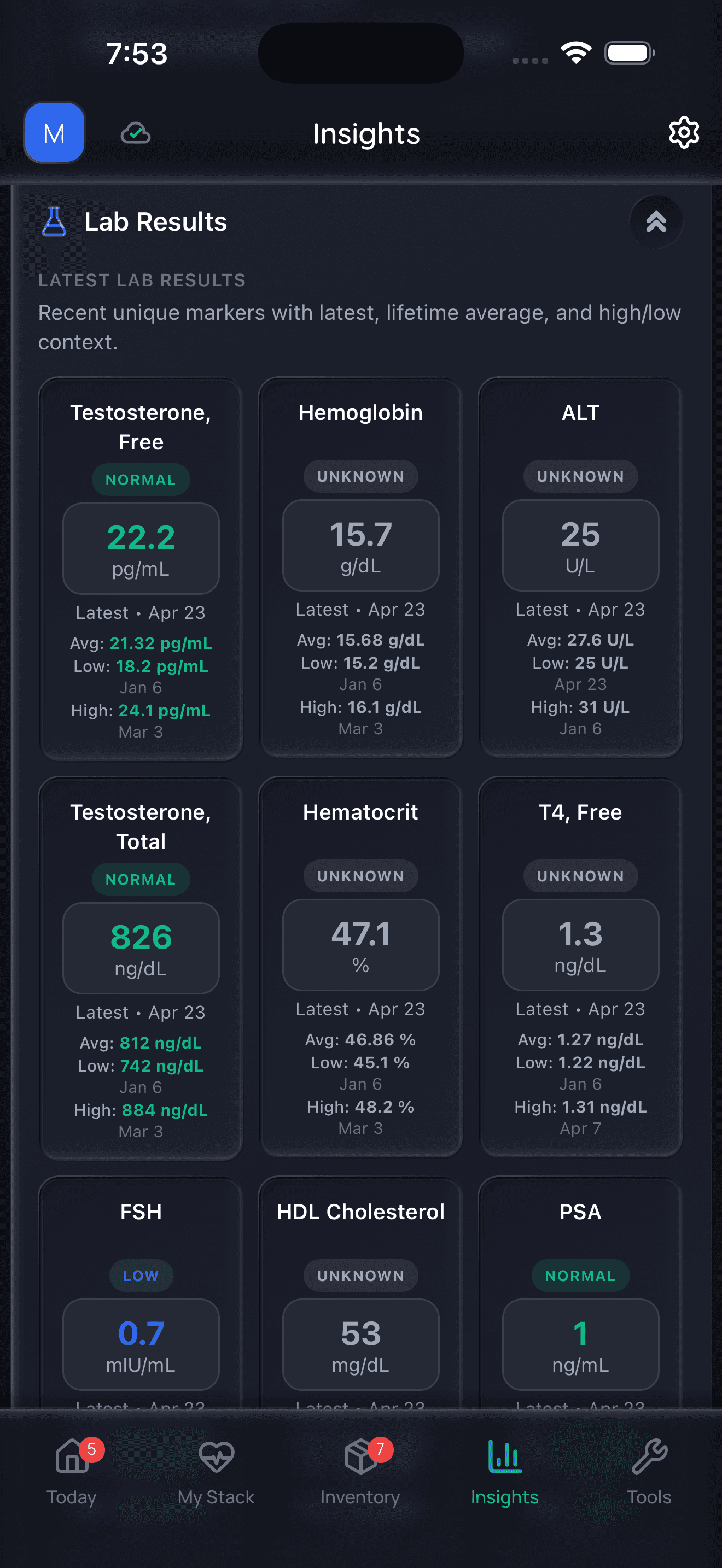
Doserly organizes data; it does not diagnose or interpret labs for you.
Side Effects & Safety
The Basics
Beta-glucans are generally considered safe, which is consistent with their long history as a component of common foods like oats and mushrooms. The most commonly reported side effect is mild gas or bloating, particularly when starting cereal beta-glucan supplementation or increasing fiber intake rapidly. This typically resolves as your digestive system adjusts.
For yeast and mushroom beta-glucans, the safety profile is also generally favorable, though there are some important considerations. Because these forms stimulate the immune system, individuals with autoimmune conditions should exercise particular caution. Animal research has shown that beta-glucan can trigger inflammatory responses in genetically susceptible models, and while this has not been definitively confirmed in humans, it represents a theoretical concern worth discussing with a healthcare provider [1][2].
Individuals taking immunosuppressant medications should consult their healthcare provider before supplementing with yeast or mushroom beta-glucans, as the immune-stimulating effects could potentially counteract immunosuppressive therapy. Similarly, those on blood pressure or blood sugar medications should be aware of potential additive effects [1][2].
One specific adverse reaction worth noting is shiitake dermatitis, a skin rash that can occur after consuming raw or undercooked shiitake mushrooms. This reaction is caused by lentinan (the beta-glucan in shiitake) and typically presents as whiplike, linear wheals that resolve within days to weeks [3].
The Science
General Safety:
Clinical studies report no serious adverse effects for cereal beta-glucan intake up to 10 g/day for 12 weeks. Reported adverse effects are limited to mild gastrointestinal symptoms, primarily flatulence, which is expected with increased soluble fiber consumption [5][7].
Immunostimulation Concerns:
The immune-stimulating properties of yeast and mushroom beta-glucans raise theoretical concerns for individuals with autoimmune conditions. Preclinical data from SKG mice demonstrated that systemic beta-glucan (curdlan) injection triggered spondylarthritis, enthesitis, sacroiliac joint arthritis, dactylitis, and Crohn's disease-like ileitis via T cell- and IL-23-dependent mechanisms [10]. While this involved systemic injection rather than oral administration, and used a genetically susceptible mouse model, it highlights the potential for immune-active beta-glucans to exacerbate autoimmune pathology in predisposed individuals.
Shiitake Dermatitis:
Lentinan-related dermatitis presents as flagellate erythema following consumption of raw or undercooked shiitake mushrooms. The reaction is dose-dependent and related to lentinan content. Cooking denatures lentinan sufficiently to prevent this reaction in most cases [3].
Drug Interactions:
In vitro evidence suggests lentinan may enhance the activity of zidovudine (AZT) in hematopoietic cell lines, though clinical relevance is undetermined [3]. The theoretical potential for immunomodulatory beta-glucans to interact with immunosuppressive drugs (cyclosporine, tacrolimus, corticosteroids) warrants caution, though formal interaction studies are limited.
Dosing & Usage Protocols
The Basics
The appropriate dose of beta-glucans depends entirely on what type you are taking and what you are hoping to achieve. This is one of the most important distinctions in the beta-glucan category, because cereal and yeast/mushroom forms require very different amounts.
For cholesterol support, sources consistently cite a minimum of 3 grams per day of oat or barley beta-glucan. This can come from supplements or from food: roughly 75 grams of whole grain oats, 55 grams of oat bran, or 45 grams of barley provides this amount. For blood sugar management after meals, a similar amount (about 3 grams of oat beta-glucan per 30 grams of carbohydrates consumed) is commonly referenced [5][6].
For immune support, yeast beta-glucans are typically used at 250 mg per day, with research suggesting at least 4 weeks of consistent use. Some sources reference higher doses of 500 to 1,000 mg per day for more targeted immune support, though the incremental benefit of higher doses is not well established [6][7].
For mushroom beta-glucans, commonly reported supplemental doses range from 250 to 1,000 mg per day, though standardization varies significantly between products. The beta-glucan content of mushroom supplements can range from less than 10% to over 50% by weight depending on the extract, making label reading essential [1][2].
The Science
Cereal Beta-Glucan Dosing:
The FDA health claim requires a minimum of 3 g/day of oat beta-glucan for cholesterol reduction, achievable from approximately 40 g oat bran or 60 g oatmeal [1][5]. EFSA requires 3 g/day for cholesterol claims and specifies 4 g beta-glucans per 30 g available carbohydrates for postprandial glycemia claims [5]. Studies investigating blood lipid effects have used doses ranging from 3 to 10 g/day for 4 to 12 weeks [5][7].
Yeast Beta-Glucan Dosing:
Wellmune (beta-1,3/1,6-glucan from S. cerevisiae) has been studied at 250 mg/day for URTI reduction across multiple RCTs with treatment durations of 4 to 16 weeks [6][7]. This dose has demonstrated efficacy in children, adults, elderly populations, and athletes.
Mushroom Beta-Glucan Dosing:
Clinical studies of lentinan as a cancer adjuvant have used parenteral doses ranging from 1 to 4 mg administered intravenously or intraperitoneally. Oral formulations of superfine dispersed lentinan have been studied in cancer patients but with less robust evidence [3][8]. For general supplementation, standardized mushroom extracts typically provide 250 to 1,000 mg of total beta-glucans per day.
When your stack includes several supplements, each with its own dose, form, and timing requirements, the logistics alone can derail consistency. Doserly consolidates all of it into one protocol view, so every dose across your entire routine is accounted for without spreadsheets or guesswork.
The app also tracks cumulative intake for nutrients that appear in multiple products. If your multivitamin, standalone supplement, and fortified protein shake all contain the same nutrient, Doserly adds them up and shows you the total alongside recommended and upper limits. Managing a thoughtful supplement protocol shouldn't require a degree in nutrition science. The app handles the complexity so you can focus on staying consistent.
Build reminders around the routine, not just the compound.
Doserly can keep timing, skipped doses, and schedule changes organized so the plan you read about becomes easier to follow and review.
Today view
Upcoming reminders

Reminder tracking supports consistency; it does not select a protocol for you.
What to Expect (Timeline)
Weeks 1-2:
Most people will not notice dramatic changes in the first two weeks. If taking cereal beta-glucans, mild GI adjustment (slight bloating or gas) may occur as your digestive system adapts to increased soluble fiber. This typically subsides. Blood sugar effects after meals may be noticeable relatively quickly if beta-glucans are consumed with carbohydrate-containing meals.
Weeks 3-4:
For yeast beta-glucan users targeting immune support, some studies suggest that a minimum of 4 weeks of consistent use at 250 mg/day is needed before immune-priming effects become measurable. You may begin to notice fewer or milder cold symptoms during this period, though this is difficult to attribute without controlled conditions.
Weeks 5-8:
Cholesterol changes from cereal beta-glucans typically become detectable in blood work after 4 to 8 weeks of consistent intake at 3+ g/day. This is a good timeframe for follow-up lipid panels if cholesterol management is your primary goal.
Weeks 8-12+:
Cholesterol reductions tend to stabilize and be maintained with ongoing use. Immune benefits from yeast/mushroom beta-glucans may continue to build, though long-term studies beyond 16 weeks are limited. The prebiotic effects on gut microbiome composition may take several months to fully develop.
Important Note:
Beta-glucans work through gradual physiological changes, not acute effects. There is no "loading phase," and most benefits require consistent daily use rather than occasional supplementation.
Interactions & Compatibility
Synergistic
- Vitamin C: May complement the immune-modulating effects of yeast/mushroom beta-glucans. Some supplement formulations combine beta-glucan with vitamin C for immune support.
- Fish Oil (EPA/DHA): Complementary cardiovascular benefits. Oat beta-glucan addresses cholesterol while omega-3s target triglycerides and inflammation via different pathways.
- Vitamin D3: Supports immune function through different mechanisms than beta-glucans. Combined use may provide more comprehensive immune support.
- Probiotics: Beta-glucans serve as prebiotic substrate for beneficial bacteria. Combining cereal beta-glucans with probiotics may enhance both prebiotic and probiotic effects on gut health.
- Zinc: Complementary immune support. Zinc supports immune cell function while beta-glucans prime innate immune recognition.
- Vitamin K2: When using oat beta-glucan for cardiovascular health, vitamin K2 provides complementary vascular support through different calcium metabolism pathways.
Caution / Avoid
- Immunosuppressant medications (cyclosporine, tacrolimus, corticosteroids, biologics): Yeast and mushroom beta-glucans stimulate immune function, which could theoretically counteract immunosuppressive therapy. Consult a healthcare provider before combining.
- Blood sugar medications (metformin, insulin, sulfonylureas): Cereal beta-glucans may have additive blood sugar-lowering effects. Monitor blood glucose closely and discuss with a healthcare provider.
- Cholesterol medications (statins): While not contraindicated, oat beta-glucan and statins both reduce LDL cholesterol through overlapping pathways (hepatic LDL receptor upregulation). Combined use may produce additive effects that warrant monitoring.
- Anticoagulants/antiplatelets: Some preliminary research suggests certain mushroom beta-glucans may have mild antiplatelet effects. Exercise caution if taking warfarin, aspirin, or clopidogrel.
- Iron: High-fiber supplements including cereal beta-glucans may reduce iron absorption if taken simultaneously. Separate by 2+ hours.
How to Take / Administration Guide
Cereal Beta-Glucans (for cholesterol/blood sugar):
Most effectively consumed as part of a meal. Oat beta-glucan supplements typically come as powder that can be mixed into foods, beverages, smoothies, or taken as capsules. Taking with meals is preferred since the viscous gel needs to interact with food in the gut. If using whole food sources, a bowl of oatmeal (60 g dry oats) or oat bran (40 g) provides approximately 3 g of beta-glucan. Building up gradually from lower doses minimizes GI discomfort.
Yeast Beta-Glucans (for immune support):
Typically taken as capsules, 250 mg once daily. Can be taken with or without food. Consistent daily use is more important than timing. Some sources suggest taking on an empty stomach may enhance immune cell interaction, though clinical evidence for timing effects is limited.
Mushroom Beta-Glucans:
Available as capsules, powders, or liquid extracts. Dosing depends on the specific product and its beta-glucan content (which varies widely). Follow manufacturer guidelines, noting the stated beta-glucan percentage. Can be taken with or without food.
Cycling:
There is no established need for cycling cereal beta-glucans. For yeast and mushroom forms that stimulate the immune system, some practitioners suggest periodic breaks (e.g., 5 days on, 2 days off, or monthly breaks), though this is based on theoretical considerations about chronic immune stimulation rather than clinical evidence.
Choosing a Quality Product
For Cereal Beta-Glucans:
- Look for products specifying oat or barley beta-glucan content in grams per serving
- Molecular weight information is a positive quality indicator (higher molecular weight generally means better viscosity and efficacy)
- Whole food sources (oat bran, whole oats) are effective and often more economical than supplements
- GMP certification provides basic manufacturing quality assurance
For Yeast Beta-Glucans:
- Look for products specifying beta-1,3/1,6-D-glucan linkage type
- Purity percentage matters: higher purity (85%+) indicates a more refined extract
- Products derived from Saccharomyces cerevisiae (baker's yeast) have the strongest clinical evidence
- Third-party testing (USP, NSF, ConsumerLab) provides independent quality verification
- Avoid proprietary blends that do not disclose the exact beta-glucan content
For Mushroom Beta-Glucans:
- Standardized beta-glucan content (30%+ is common for quality extracts; 50%+ is available)
- Fruiting body extracts generally have higher beta-glucan content than mycelium-on-grain products
- Be cautious of products with very high claimed beta-glucan content, as this may indicate testing methodology differences or adulteration with cheaper starch-based glucans
- Products that specify the mushroom species and extraction method provide greater transparency
- USDA Organic certification is available for some mushroom beta-glucan products
Red Flags:
- Claims of being a "cure" for cancer or any disease
- Beta-glucan products that do not specify the source (oat, yeast, mushroom)
- Proprietary blends hiding actual beta-glucan content
- Products marketing immune benefits but using cereal (not yeast/mushroom) beta-glucans
- Unrealistically high beta-glucan percentages without third-party verification
Storage & Handling
Beta-glucan supplements should be stored in a cool, dry place away from direct sunlight and moisture. Powder forms are particularly hygroscopic (they absorb moisture from the air), so containers should be kept tightly sealed after each use.
No refrigeration is required for most beta-glucan supplements. Capsules and tablets are generally stable at room temperature for the duration of their stated shelf life.
For whole food sources: dry oats and oat bran should be stored in airtight containers in a cool, dry pantry. Dried mushrooms should be kept in sealed containers away from moisture. Fresh mushrooms should be refrigerated and consumed within a week.
Lifestyle & Supporting Factors
Diet:
A diet rich in diverse fiber sources complements beta-glucan supplementation. Key food sources of beta-glucans include oats, barley, shiitake mushrooms, maitake mushrooms, reishi mushrooms, oyster mushrooms, and lion's mane mushrooms. Consuming beta-glucan-rich foods alongside other dietary fibers (from vegetables, legumes, and whole grains) provides broader prebiotic diversity for gut health.
Exercise:
Regular moderate exercise supports immune function and may synergize with the immune-priming effects of yeast/mushroom beta-glucans. Interestingly, athletes who engage in intense training may be particularly good candidates for yeast beta-glucan supplementation, as heavy exercise can temporarily suppress immune function, and several studies have shown reduced URTI incidence in athletes supplementing with yeast beta-glucans.
Hydration:
Adequate water intake is important when increasing soluble fiber consumption, including cereal beta-glucans. Soluble fiber absorbs water as it forms its characteristic gel, and insufficient hydration may lead to GI discomfort or constipation.
Monitoring:
For cholesterol management: baseline and follow-up lipid panels (at 8-12 weeks) help quantify the impact of oat beta-glucan supplementation. For immune support: tracking frequency and duration of respiratory infections can help assess whether yeast/mushroom beta-glucan supplementation is providing measurable benefit.
Regulatory Status & Standards
United States (FDA):
Beta-glucans from oats and barley are regulated as dietary supplements under DSHEA. The FDA authorized a health claim in 1997 that soluble fiber from oat products, as part of a diet low in saturated fat and cholesterol, may reduce the risk of heart disease, with a minimum of 3 g/day of oat beta-glucan required. Beta-glucan supplements (yeast, mushroom) are regulated as dietary supplements. Injectable forms (lentinan, schizophyllan) are not approved as drugs in the United States.
Canada (Health Canada):
Beta-glucan-containing products may be sold as Natural Health Products (NHPs) with appropriate NPN numbers. Health claims for oat beta-glucan and cholesterol reduction are permitted under specific conditions.
European Union (EFSA):
EFSA has authorized several health claims for oat and barley beta-glucans: (1) beta-glucans contribute to the maintenance of normal blood cholesterol levels at 3 g/day, and (2) consumption of beta-glucans from oats or barley contributes to the reduction of the blood glucose rise after a meal at 4 g per 30 g available carbohydrates. EFSA has rejected several proposed health claims for yeast beta-glucans related to immune function, primarily due to insufficient characterization of the food/constituent rather than evidence of inefficacy.
Japan:
Lentinan (from shiitake) and schizophyllan are licensed as prescription drugs for use as immune-adjuvant therapy in cancer treatment since 1980. This represents the most advanced regulatory status for beta-glucan preparations globally.
Australia (TGA):
Beta-glucan supplements are available as complementary medicines. Listed medicines status applies to products meeting TGA requirements.
Athlete & Sports Regulatory Status:
Beta-glucans (oat, yeast, and mushroom forms) are not listed on the current WADA Prohibited List. They are not classified as prohibited substances by any major national anti-doping agency (USADA, UKAD, Sport Integrity Canada, Sport Integrity Australia, NADA Germany). No professional sports league (NFL, NBA, MLB, NHL, NCAA) prohibits beta-glucan supplementation.
Athletes may verify current status via GlobalDRO. Products certified through Informed Sport, NSF Certified for Sport, or Cologne List provide additional assurance against contamination with prohibited substances.
Regulatory status and prohibited substance classifications change frequently. Athletes should always verify the current status of any supplement with their sport's governing body, their national anti-doping agency, and a qualified sports medicine professional before use. Third-party certification (Informed Sport, NSF Certified for Sport) reduces but does not eliminate the risk of contamination with prohibited substances.
Frequently Asked Questions
What is the difference between oat beta-glucan and yeast beta-glucan?
They are structurally different compounds with different biological effects. Oat beta-glucans have beta-1,3/1,4 linkages and primarily affect cholesterol and blood sugar through gel formation in the gut. Yeast beta-glucans have beta-1,3/1,6 linkages and primarily affect immune function by activating innate immune cells. Choosing between them depends entirely on your health goals.
How much oat beta-glucan do I need for cholesterol reduction?
Based on available data, the commonly cited minimum is 3 grams per day, which is the threshold used by both the FDA and EFSA for authorized health claims. This can be obtained from approximately 60 grams of oatmeal, 40 grams of oat bran, or a supplement providing 3+ grams of oat beta-glucan.
Are mushroom beta-glucans the same as mushroom supplements?
Not necessarily. Mushroom supplements vary widely in composition. Some contain primarily beta-glucans, while others contain a complex mix of compounds including triterpenes, polysaccharides, and other bioactives. The beta-glucan content of mushroom supplements ranges from less than 10% to over 50%, depending on the species, the part used (fruiting body vs. mycelium), and the extraction method. Look for products that disclose their beta-glucan percentage.
Can I take beta-glucans if I have an autoimmune condition?
This is a question best discussed with a healthcare provider. Yeast and mushroom beta-glucans stimulate the immune system, which raises theoretical concerns for individuals with autoimmune conditions. Animal research has shown that beta-glucan can trigger inflammatory responses in genetically susceptible models. Cereal beta-glucans (from oats/barley) do not have significant immune-stimulating effects and are generally considered safe for individuals with autoimmune conditions.
Do beta-glucans interact with medications?
Cereal beta-glucans may have additive effects with cholesterol-lowering or blood sugar-lowering medications. Yeast and mushroom beta-glucans may theoretically counteract immunosuppressant drugs. Healthcare providers should be informed if you are taking any medications and considering beta-glucan supplementation.
Can I get enough beta-glucans from food alone?
For cholesterol benefits, yes. A serving of oatmeal or oat bran daily can provide the 3 grams needed. For immune-modulating effects from yeast beta-glucans, supplementation is typically needed as dietary sources do not provide concentrated amounts of the specific beta-1,3/1,6 form. Mushroom consumption provides beta-glucans but in variable and generally lower concentrations than standardized supplements.
Are beta-glucans safe for children?
Oat-based beta-glucans are considered safe for children as part of normal dietary fiber intake. Yeast beta-glucan supplements have been studied in children at 250 mg/day for URTI reduction with no reported safety concerns, though pediatric supplementation should be discussed with a healthcare provider.
How long does it take for beta-glucans to lower cholesterol?
Based on available clinical data, cholesterol changes from oat beta-glucan supplementation typically become measurable on blood work after 4 to 8 weeks of consistent intake at 3+ grams per day.
Is the molecular weight of beta-glucan important?
For cereal beta-glucans, yes. Higher molecular weight produces greater viscosity in the gut, which is directly related to cholesterol-lowering and blood sugar effects. Processing that reduces molecular weight (excessive grinding, certain cooking methods) may reduce efficacy. For yeast and mushroom beta-glucans, the three-dimensional conformation and branching pattern appear more important than molecular weight alone.
Do beta-glucans cause weight loss?
Available clinical evidence does not support beta-glucans as a standalone weight loss supplement. While animal studies have suggested metabolic benefits, human trials using 3 to 10 g/day of cereal beta-glucans for 4 to 12 weeks have not found significant weight loss effects beyond what occurs with caloric restriction alone. Beta-glucans may contribute to satiety as a fiber, but they are not a weight loss intervention.
Myth vs. Fact
Myth: All beta-glucans are the same, regardless of the source.
Fact: This is one of the most important misconceptions about beta-glucans. Oat beta-glucans (1,3/1,4 linkages) work primarily through viscous gel formation in the gut for cholesterol and blood sugar benefits. Yeast and mushroom beta-glucans (1,3/1,6 linkages) work through immune receptor activation. Using the wrong type for your goal is like buying the wrong tool for the job [1][2].
Myth: Beta-glucans from oatmeal can boost your immune system.
Fact: While oat beta-glucans are fermented by gut bacteria and produce short-chain fatty acids that may have indirect immune effects, they do not activate the Dectin-1 immune receptor pathway the way yeast and mushroom beta-glucans do. If immune support is your goal, cereal beta-glucans are not the appropriate form [1][2][4].
Myth: Beta-glucan supplements are just as effective as the injectable forms used in cancer treatment.
Fact: The beta-glucan preparations licensed as cancer adjuvant drugs in Japan (lentinan, schizophyllan) are administered parenterally (by injection) and are pharmaceutical-grade products. Oral beta-glucan supplements have a fundamentally different pharmacokinetic profile, and the cancer-adjuvant evidence for oral forms is limited and much less robust [3][8].
Myth: Higher doses of yeast beta-glucan always produce better immune results.
Fact: Most clinical evidence for URTI reduction comes from studies using 250 mg/day of yeast beta-glucan. Higher doses (500-1,000 mg/day) are commonly sold but have not been shown in controlled studies to produce proportionally better results. More is not necessarily better with immune modulators [6][7].
Myth: Beta-glucans are dangerous for people with autoimmune conditions.
Fact: The situation is nuanced. Cereal beta-glucans do not have significant immune-stimulating effects and are generally safe for everyone. Yeast and mushroom beta-glucans do stimulate the immune system, which raises theoretical concerns for autoimmune conditions based on animal research. However, definitive human evidence of harm is lacking. The prudent approach is to discuss yeast/mushroom beta-glucan use with a healthcare provider if you have an autoimmune condition [1][10].
Myth: You can get your daily beta-glucan dose from any mushroom supplement.
Fact: Beta-glucan content varies enormously between mushroom supplements. Products made from mycelium grown on grain may contain mostly starch with very little actual beta-glucan. Fruiting body extracts standardized to beta-glucan percentage are more reliable. Some products claiming high beta-glucan content may be measuring total glucans (including alpha-glucans from starch) rather than the bioactive beta-glucans [1][2].
Myth: Beta-glucans can replace cholesterol-lowering medications.
Fact: While oat beta-glucan at 3+ g/day can reduce LDL cholesterol, the magnitude of reduction is modest compared to statin therapy. For individuals with significantly elevated cholesterol or established cardiovascular disease, beta-glucans may be a useful complementary intervention but are unlikely to replace pharmaceutical treatment. Always discuss medication decisions with a healthcare provider [1][5].
Sources & References
Government/Institutional Sources
[1] Murphy EJ, Rezoagli E, Major I, Rowan NJ, Laffey JG. Beta-Glucan Metabolic and Immunomodulatory Properties and Potential for Clinical Application. J Fungi (Basel). 2020 Dec 10;6(4):356. doi: 10.3390/jof6040356. PMCID: PMC7770584.
[2] Cerletti C, Esposito S, Iacoviello L. Edible Mushrooms and Beta-Glucans: Impact on Human Health. Nutrients. 2021 Jun 25;13(7):2195. doi: 10.3390/nu13072195. PMCID: PMC8308413.
[3] Memorial Sloan Kettering Cancer Center. Lentinan: Purported Benefits, Side Effects & More. https://www.mskcc.org/cancer-care/integrative-medicine/herbs/lentinan. Accessed March 2026.
Regulatory Sources
[4] Goodridge HS, Wolf AJ, Underhill DM. Beta-glucan recognition by the innate immune system. Immunol Rev. 2009;230(1):38-50. doi: 10.1111/j.1600-065X.2009.00793.x.
[5] U.S. Food and Drug Administration. Health Claims: Soluble Fiber from Certain Foods and Risk of Coronary Heart Disease. 21 CFR 101.81. Federal Register, 1997.
Clinical Trials & RCTs
[6] Auinger A, Riede L, Bothe G, Busch R, Gruenwald J. Yeast (1,3)-(1,6)-beta-glucan helps to maintain the body's defence against pathogens: a double-blind, randomized, placebo-controlled, multicentric study in healthy subjects. Eur J Nutr. 2013;52(8):1913-1918. doi: 10.1007/s00394-013-0492-z.
[7] Talbott S, Talbott J. Effect of BETA 1, 3/1, 6 GLUCAN on Upper Respiratory Tract Infection Symptoms and Mood State in Marathon Athletes. J Sports Sci Med. 2009;8(4):509-515.
Systematic Reviews & Meta-Analyses
[8] Oba K, Kobayashi M, Matsui T, Kodera Y, Sakamoto J. Individual patient based meta-analysis of lentinan for unresectable/recurrent gastric cancer. Anticancer Res. 2009 Jul;29(7):2739-2745.
Observational Studies
[9] Shi H, Yu Y, Lin D, et al. Three Different Types of Beta-Glucans Enhance Cognition: The Role of the Gut-Brain Axis. Front Nutr. 2022;9:848930. doi: 10.3389/fnut.2022.848930.
[10] Ruutu S, Thomas G, Geros-de Ziripa R, et al. beta-glucan triggers spondylarthritis and Crohn's disease-like ileitis in SKG mice. Arthritis Rheum. 2012;64(7):2211-2222. doi: 10.1002/art.34423.
Related Supplement Guides
Same Category
- Fish Oil (EPA/DHA) (fatty acid supplement for cardiovascular support)
- Lecithin (lipid supplement)
Common Stacks / Pairings
- Vitamin C (immune support pairing with yeast/mushroom beta-glucans)
- Vitamin D3 (complementary immune support)
- Zinc (immune support pairing)
- Probiotics (prebiotic/probiotic synergy with cereal beta-glucans)
Related Health Goal
- Reishi Mushroom (mushroom-derived immune support, contains beta-glucans)
- Lions Mane Mushroom (mushroom-derived cognitive support, contains beta-glucans)
- Turkey Tail Mushroom (mushroom-derived immune support, contains beta-glucans)
- Chaga Mushroom (mushroom-derived supplement, contains beta-glucans)
- Maitake Root (immune-modulating herbal)
- NAC (antioxidant, immune support)