
Royal Jelly: The Complete Supplement Guide
On this page
Quick Reference Card
Attribute
Common Name
- Detail
- Royal Jelly
Attribute
Other Names / Aliases
- Detail
- Royal Bee Jelly, Honey Bee Milk, Bee Saliva, Gelée Royale, RJ, Queen Bee Food, Apilak
Attribute
Category
- Detail
- Bee Product (Functional Food / Dietary Supplement)
Attribute
Primary Forms & Variants
- Detail
- Fresh (raw, refrigerated), lyophilized (freeze-dried) powder, capsules/softgels (often standardized to 10-HDA content), liquid extracts, honey-blended preparations
Attribute
Typical Dose Range
- Detail
- 150-3,000 mg/day of fresh royal jelly equivalent, depending on the form and study context
Attribute
RDA / AI / UL
- Detail
- No established RDA, AI, or UL (not an essential nutrient; no regulatory body has set intake guidelines)
Attribute
Common Delivery Forms
- Detail
- Softgel capsule, hard capsule (lyophilized powder), fresh paste (sublingual/oral), honey-blended oral, topical ointment
Attribute
Best Taken With / Without Food
- Detail
- Commonly taken on an empty stomach for sublingual absorption (fresh form). Capsules may be taken with or without food.
Attribute
Key Cofactors
- Detail
- None established. Sometimes combined with other bee products (propolis, bee pollen) in combination supplements.
Attribute
Storage Notes
- Detail
- Fresh royal jelly requires refrigeration (2-5C) and has a limited shelf life. Lyophilized and encapsulated forms are stable at room temperature in cool, dry conditions. Protect from heat, light, and moisture.
Overview
The Basics
Royal jelly is a thick, milky-white substance produced by worker honeybees. It is secreted from glands in the heads of young nurse bees and serves as the exclusive food for queen bee larvae and the adult queen throughout her entire life. This dietary distinction is striking: worker bees and queens start as genetically identical larvae, but queen bees, fed exclusively on royal jelly, grow 40-60% larger and live up to 5 years compared to the 6-week lifespan of workers [1][2].
This dramatic biological difference has fueled centuries of interest in royal jelly as a health supplement. The logic, while appealing, is a simplification. What makes a queen bee is not a "superfood" effect but rather a complex interplay of gene expression driven by specific proteins and fatty acids in royal jelly, particularly the protein royalactin and the fatty acid 10-hydroxy-2-decenoic acid (10-HDA) [3]. Whether these compounds produce meaningful health benefits in humans is a separate question, and one that research is still answering.
Royal jelly has been used in traditional medicine across Asia and Europe for centuries. In Traditional Chinese Medicine, it is classified as a tonic to strengthen the body's vital energy. In Japan, it is one of the most popular health foods, with an estimated annual market exceeding $2 billion. In Western countries, it occupies a smaller niche, used primarily as a general wellness supplement and increasingly studied for potential benefits in menopausal symptoms, cholesterol management, skin health, and wound healing [1][2][4].
The supplement comes in several forms. Fresh royal jelly is a perishable product with a sour, slightly acidic taste that many find challenging. Freeze-dried (lyophilized) forms offer better shelf stability and are the most common format in capsules and tablets. Quality varies considerably between products, and 10-HDA content is the primary marker used to assess authenticity and potency [5].
The Science
Royal jelly (RJ) is a complex biological secretion produced by the hypopharyngeal and mandibular glands of nurse worker bees (Apis mellifera), typically between days 5 and 15 of their adult life [1][2]. The substance serves as the sole determinant of caste differentiation in honeybee colonies: larvae fed royal jelly beyond the initial 3-day larval period develop into queens rather than workers, a phenomenon mediated by the protein royalactin and epigenetic modifications including inhibition of DNMT3 [3][6].
Fresh royal jelly is approximately 60-70% water, 12-15% proteins (dry weight), 10-16% sugars (glucose, fructose, sucrose), and 3-6% lipids [1][2]. The protein fraction is dominated by the Major Royal Jelly Proteins (MRJPs 1-9), with MRJP1 (also known as apalbumin-1) comprising approximately 50% of total protein content. Other notable proteins include the antimicrobial peptides royalisin, apidaecin, defensin-1, and jelleins [2][7].
The lipid fraction is uniquely characterized by medium-chain hydroxyl fatty acids and dicarboxylic acids not found elsewhere in nature. The most abundant and pharmacologically significant of these is 10-hydroxy-trans-2-decenoic acid (10-HDA), which constitutes approximately 70% of the total fatty acid content and serves as the international standard marker for RJ quality and authenticity [5][8]. Related fatty acids include 10-hydroxydecanoic acid (10-HDAA) and 3,10-dihydroxydecanoic acid.
Additional constituents include B-complex vitamins (particularly pantothenic acid/B5 at concentrations substantially higher than most natural food sources), trace minerals (potassium, calcium, sodium, zinc, iron, copper, manganese), hormones (testosterone, progesterone, estradiol in trace amounts), the neurotransmitter acetylcholine, flavonoids, and polyphenols [1][2][9].
Chemical & Nutritional Identity
Property
Primary Bioactive Compound
- Value
- 10-Hydroxy-trans-2-decenoic acid (10-HDA)
Property
Molecular Formula (10-HDA)
- Value
- C10H18O3
Property
Molecular Weight (10-HDA)
- Value
- 186.25 g/mol
Property
CAS Number (Royal Jelly)
- Value
- 8031-67-2
Property
PubChem CID (10-HDA)
- Value
- 5312740
Property
Category
- Value
- Bee Product (complex biological secretion)
Property
pH
- Value
- 3.4-4.5 (slightly acidic)
Property
Part Used
- Value
- Hypopharyngeal and mandibular gland secretion of nurse worker bees
Property
Active Compound Classes
- Value
- Medium-chain hydroxyl fatty acids, major royal jelly proteins (MRJPs), antimicrobial peptides, B-vitamins
Key Active Compounds
Compound
10-HDA (Queen Bee Acid)
- Typical Content
- ~70% of total fatty acids; 1.4-6% of fresh RJ
- Notable Activity
- Anti-inflammatory (NF-kB suppression), immunomodulatory, estrogenic, antidiabetic, neuroprotective, antimicrobial, HDAC inhibition
Compound
10-HDAA
- Typical Content
- ~15-20% of total fatty acids
- Notable Activity
- Immunoregulatory, estrogenic, anti-inflammatory (emerging research)
Compound
MRJP1 (Royalactin/Apalbumin-1)
- Typical Content
- ~50% of total protein
- Notable Activity
- Caste differentiation, cell proliferation, EGF receptor activation
Compound
Royalisin
- Typical Content
- Trace
- Notable Activity
- Antimicrobial (gram-positive bacteria)
Compound
Defensin-1
- Typical Content
- Trace
- Notable Activity
- Wound healing, antimicrobial
Compound
Apidaecin
- Typical Content
- Trace
- Notable Activity
- Antimicrobial (gram-negative bacteria)
Compound
Jelleins (I-IV)
- Typical Content
- Trace
- Notable Activity
- Antimicrobial
Compound
Acetylcholine
- Typical Content
- Variable
- Notable Activity
- Neurotransmitter activity
Compound
Pantothenic Acid (Vitamin B5)
- Typical Content
- High relative to other natural sources
- Notable Activity
- Coenzyme A synthesis, energy metabolism
Nutritional Profile (per 1g fresh Royal Jelly, approximate)
Nutrient
Energy
- Amount
- ~6 kJ (1.5 kcal)
Nutrient
Protein
- Amount
- 120-150 mg
Nutrient
Carbohydrates
- Amount
- 100-160 mg
Nutrient
Lipids
- Amount
- 30-60 mg
Nutrient
Water
- Amount
- 600-700 mg
Mechanism of Action
The Basics
Royal jelly works through several overlapping pathways in the body, which is part of what makes it an interesting but complicated supplement to evaluate. It does not have a single, well-defined mechanism like many vitamins or minerals. Instead, it contains multiple bioactive compounds that each contribute different effects.
The most studied pathway involves inflammation. The key fatty acid in royal jelly, 10-HDA, acts as a brake on the body's inflammatory signaling system. It helps suppress the activation of NF-kB, a master switch that triggers inflammation throughout the body. When NF-kB is overactive, it drives chronic inflammation linked to heart disease, diabetes, and aging. By keeping this switch in check, royal jelly may help reduce systemic inflammation [10][11].
Royal jelly also has mild estrogenic activity. Some of its fatty acids can interact with estrogen receptors in the body, though their binding strength is much weaker than actual estrogen. This weak estrogenic effect is believed to be the mechanism behind the improvements in menopausal symptoms seen in clinical studies. It is also the reason people with hormone-sensitive conditions are cautioned against using it [12][13].
On the brain side, royal jelly appears to support the production of neurotrophic factors, which are proteins that help nerve cells grow, survive, and communicate. It has been shown to increase levels of BDNF (brain-derived neurotrophic factor) and to stimulate GABA activity, which may contribute to the calming and mood-supporting effects some users report [14][15].
Finally, royal jelly has demonstrated antioxidant effects, helping to neutralize free radicals that damage cells over time. Its proteins and peptides can boost the activity of the body's own antioxidant enzymes, including superoxide dismutase (SOD), catalase, and glutathione peroxidase [2][11].
The Science
The pharmacological activity of royal jelly is multifactorial, attributed to several compound classes acting through distinct molecular pathways:
NF-kB Pathway Modulation: 10-HDA and related fatty acids inhibit NF-kB activation in multiple cell types, suppressing the transcription of pro-inflammatory cytokines including TNF-alpha, IL-6, and IL-1beta. This occurs through interference with IkB kinase (IKK) activity and subsequent prevention of IkBalpha phosphorylation and degradation. RJ simultaneously activates the Nrf2/ARE pathway, upregulating antioxidant response element-dependent genes including HO-1, NQO1, and GCLC. The competitive binding of Nrf2 and NF-kB for the transcriptional coactivator CBP creates a reciprocal regulatory mechanism [10][11][16].
Estrogenic Activity: Several fatty acids isolated from royal jelly, including 10-HDA, 10-HDAA, and trans-2-decenoic acid, exhibit weak estrogenic activity through interaction with estrogen receptor alpha (ERalpha) and estrogen receptor beta (ERbeta). Their binding affinity is substantially weaker than that of diethylstilbestrol or 17beta-estradiol. Notably, some RJ fatty acids also inhibit binding of estradiol to ERbeta, suggesting a complex modulatory rather than purely agonistic interaction [12][13][17].
Neuroprotective Mechanisms: RJ modulates neurotransmission through stimulation of GABAergic activity, which in turn facilitates serotonin and dopamine synthesis. 10-HDA has been shown to facilitate mRNA expression of glial cell-derived neurotrophic factor (GDNF) and to promote neuritogenesis in PC12 cells. In clinical settings, 12 weeks of RJ supplementation (1000 mg/day) significantly increased serum BDNF levels in ischemic stroke patients (adjusted mean difference 0.36, 95% CI 0.05-0.67) [14][15][18].
Cholesterol and Lipid Metabolism: Multiple mechanisms have been proposed for the lipid-lowering effects of RJ. Phytosterols present in RJ, predominantly beta-sitosterol, may decrease intestinal cholesterol reabsorption and increase biliary excretion. Additionally, RJ may suppress hepatic cholesterol synthesis through HMG-CoA reductase modulation. In human studies, these mechanisms translated to significant HDL-C increases and LDL-C decreases [19][20].
Immunomodulatory Effects: MRJPs suppress production of IL-4, IL-2, and IFN-gamma, modulating T-cell immune responses. Anti-inflammatory effects in colitis models were mediated by CD3-, CD5-, CD8-, and CD45-positive T-cell immune responses. RJ has demonstrated both immunostimulatory and immunomodulatory properties depending on context, suggesting bidirectional immune regulation [2][21].
Anti-Senescence and Longevity Pathways: RJ and its components suppress cellular senescence through upregulation of SOD1 and downregulation of mTOR and CTNNBL1. RJ modulates IIS (insulin/insulin-like growth factor-1 signaling) and targets of rapamycin pathways. 10-HDA acts as an HDAC inhibitor (specifically HDAC3), influencing epigenetic gene regulation. Royalactin activates the EGF receptor signaling pathway, which is implicated in the queen bee longevity phenotype [3][6][16].
Bone Metabolism: 10-HDA inhibits osteoclast differentiation and function by suppressing NF-kB signaling via interaction with the free fatty acid receptor 4 (FFAR4). RJ upregulates osteoblast markers including Runx2, Osterix, osteocalcin, and ALP, contributing to increased bone formation and mineralization with decreased bone resorption [22].
Absorption & Bioavailability
The Basics
One of the challenges with royal jelly as a supplement is that its absorption characteristics are not well studied in humans. Unlike many vitamins and minerals where absorption rates have been precisely measured, royal jelly is a complex mixture of hundreds of compounds, and each component has its own absorption profile.
What is known is that the key bioactive compound, 10-HDA, is absorbed through the gastrointestinal tract and metabolized via omega-oxidation into sebacic acid, which is then further broken down into acetyl-CoA for energy production [8]. Fresh royal jelly taken sublingually (under the tongue) is traditionally believed to offer faster absorption, though this has not been rigorously compared to capsule forms in clinical studies.
The form of royal jelly matters for practical purposes. Fresh royal jelly contains the full spectrum of bioactive compounds but degrades rapidly without refrigeration. Lyophilized (freeze-dried) royal jelly is more concentrated (roughly 3:1 concentration ratio compared to fresh) and more shelf-stable, but the freeze-drying process may affect some heat-sensitive compounds. Most clinical studies have used either fresh or lyophilized royal jelly in capsule form [2][5].
Standardization to 10-HDA content provides a rough measure of potency. The Chinese Pharmacopoeia requires a minimum of 1.4% 10-HDA in fresh royal jelly and 3.5% in lyophilized form [5]. However, 10-HDA is only one of many bioactive compounds, and standardizing to it alone does not guarantee the presence or activity of the full range of beneficial constituents.
The Science
The pharmacokinetics of royal jelly in humans remain incompletely characterized. No comprehensive human pharmacokinetic study has established absorption rates, peak plasma concentrations, distribution, or elimination kinetics for the whole product or its major bioactive constituents [8].
10-HDA Metabolism: The primary bioactive fatty acid, 10-HDA, undergoes omega-oxidation to produce sebacic acid (decanedioic acid), which enters beta-oxidation pathways to yield acetyl-CoA [8]. The metabolic fate of 10-HDAA follows a similar pathway. However, the oral bioavailability of 10-HDA, its peak plasma concentration (Cmax), time to peak (Tmax), and elimination half-life (t1/2) in humans have not been established in published literature.
Fresh vs. Lyophilized Forms: Lyophilization produces a concentrate with approximately 3:1 ratio to fresh RJ by weight. Standard conversion: 1 mg lyophilized RJ is equivalent to approximately 3-3.3 mg fresh RJ. This concentration ratio applies to non-volatile components; water-soluble vitamins and the neurotransmitter acetylcholine may be partially lost during processing [2][5].
Quality Markers: 10-HDA content serves as the international quality marker. Standards vary by jurisdiction: the Chinese Pharmacopoeia specifies a minimum of 1.4% 10-HDA in fresh RJ and 3.5% in lyophilized RJ. ISO 12824:2016 provides additional quality parameters including moisture content, sugar composition, and free acidity [5].
Research & Clinical Evidence
The Basics
The research picture for royal jelly is characterized by a recurring pattern: promising preclinical results that have not yet translated into strong clinical evidence. There are areas where human studies show real signals, particularly for menopausal symptoms and cholesterol, but the overall evidence base is limited by small study sizes and inconsistent methodologies.
The strongest clinical evidence exists for menopausal symptom relief. A 2025 meta-analysis pooling 6 randomized controlled trials with 471 postmenopausal women found that royal jelly supplementation significantly improved menopausal symptoms compared to placebo [23]. The effect size was moderate and statistically robust, and the studies showed no significant heterogeneity, meaning results were consistent across trials. This is the closest thing to a solid evidence base that royal jelly currently has.
For cholesterol and lipid management, several small studies have shown improvements. In postmenopausal women, 150 mg of royal jelly daily for three months significantly increased HDL cholesterol by 7.7% and decreased LDL cholesterol by 4.1% [20]. However, the studies are small and mostly lack placebo controls.
For blood sugar management, the picture is more mixed. While individual studies have reported improvements in fasting blood glucose and HbA1c in diabetic patients, a meta-analysis concluded that royal jelly does not significantly improve glycemic markers overall. A subgroup analysis did find a significant reduction in fasting blood glucose in studies lasting 8 weeks or longer and in studies of people who were already ill [24][25].
For cognitive function, one notable trial found that 1000 mg/day of royal jelly for 12 weeks significantly improved cognitive function and increased BDNF levels in post-stroke patients [18]. However, this is a single study in a specific patient population.
The Science
Menopausal Symptoms:
A systematic review and meta-analysis (2025, 6 RCTs, n=471 postmenopausal women) reported that RJ supplementation significantly improved postmenopausal symptoms compared to placebo (standardized mean difference = 0.73; 95% CI 0.50-0.96; P < 0.00001; I2 = 0%, indicating no heterogeneity). Evidence quality was rated as moderate [23]. Individual RCTs used doses ranging from 800 mg to 3000 mg/day of fresh RJ equivalent, with intervention durations of 8 to 24 weeks. An earlier RCT by Asama et al. (2018) demonstrated efficacy at 800 mg/day for relieving anxiety, backache, and low back pain in Japanese postmenopausal women [26].
Lipid Profile:
In a prospective study of 36 postmenopausal women, 150 mg/day RJ for 3 months produced significant improvements: HDL-C increased from 60.2 to 64.7 mg/dL (7.7% increase, p = 0.0003), LDL-C decreased from 143.9 to 136.2 mg/dL (4.1% decrease, p = 0.011), and total cholesterol decreased from 224.4 to 216.1 mg/dL (3.09% decrease, p = 0.018). The RJ used was particularly rich in medium-chain fatty acids, comprising 63% of dry weight fatty content [20]. An earlier study by Guo et al. (2007) also demonstrated improved lipoprotein metabolism in humans following RJ supplementation [27].
Glycemic Control:
A meta-analysis of 10 RCTs (2023) found that combined estimates for neither plasma liver enzymes nor glycemic indices were statistically significant for the overall population. Subgroup analysis revealed a significant reduction in fasting plasma glucose in trials with duration >= 8 weeks (WMD: -4.28 mg/dL, 95% CI -7.41 to -1.14, p = 0.007) and in non-healthy populations (same values) [24]. A separate systematic review (2019) similarly concluded that RJ supplementation does not improve markers of glycemia overall, though quality of evidence was rated as generally low [25].
Cognitive Function and Neuroprotection:
A triple-blind RCT (n=64 ischemic stroke patients) found that 1000 mg/day RJ for 12 weeks significantly improved cognitive function (adjusted mean difference 4.71, 95% CI 1.75-7.67), increased serum BDNF (adjusted mean difference 0.36, 95% CI 0.05-0.67), and improved stress scores. Fatigue, depression, and anxiety did not reach statistical significance [18]. A combination supplement containing royal jelly (Memo) improved Mini-Mental State Examination scores in patients with mild cognitive impairment [28].
Wound Healing and Mucositis:
Royal jelly, administered orally (swished then swallowed) alongside standard mouthwash therapy, improved oral mucositis symptoms and healing time in patients receiving radiotherapy and chemotherapy [29][30]. A small study also suggested benefit with topical royal jelly ointment in head and neck cancer patients [30]. The wound-healing mechanism has been attributed to the antimicrobial peptide defensin-1 [31].
Bone Metabolism:
A randomized controlled study in postmenopausal women demonstrated that RJ supplementation may help preserve bone mineral density, though the lipid profile study by Lambrinoudaki et al. did not find significant changes in bone turnover markers at 150 mg/day over 3 months [22][20].
Reproductive Health:
Animal studies suggest RJ may improve testosterone levels through accelerated conversion of DHEA-S to testosterone via activation of 3beta-HSD2 and/or 17beta-HSD3. In type 2 diabetic women, improved glucose tolerance and erythropoiesis were linked to this mechanism [32][33]. RJ supplementation also improved premenstrual syndrome symptoms in a randomized, triple-blind, placebo-controlled study [34].
Evidence & Effectiveness Matrix
Category
Hormonal Symptoms
- Evidence Strength
- 7/10
- Reported Effectiveness
- 5/10
- Summary
- Strongest clinical evidence is for menopausal symptom relief (meta-analysis: SMD 0.73, P<0.00001). PMS improvement also demonstrated in RCT. Community reports of hormonal effects are sparse.
Category
Heart Health
- Evidence Strength
- 6/10
- Reported Effectiveness
- N/A
- Summary
- Multiple studies show lipid profile improvements (HDL +7.7%, LDL -4.1% in postmenopausal women). Vasodilatory effects via TRPV4-KCa pathway demonstrated. Community data insufficient.
Category
Mood & Wellbeing
- Evidence Strength
- 4/10
- Reported Effectiveness
- 5/10
- Summary
- Post-stroke study showed stress improvement. Animal data supports anxiolytic effects. Community reports are vague but positive-leaning.
Category
Skin Health
- Evidence Strength
- 4/10
- Reported Effectiveness
- 5/10
- Summary
- Preclinical evidence for procollagen production and wound healing. Limited clinical data. Community reports of improved skin elasticity and clarity.
Category
Energy Levels
- Evidence Strength
- 3/10
- Reported Effectiveness
- 5/10
- Summary
- Antifatigue effects in animal models. Post-stroke fatigue study non-significant. Community reports are mixed (some energized, some feel nothing).
Category
Immune Function
- Evidence Strength
- 4/10
- Reported Effectiveness
- 4/10
- Summary
- Immunomodulatory mechanisms well-characterized in vitro. Clinical translation limited. Community reports minimal.
Category
Focus & Mental Clarity
- Evidence Strength
- 4/10
- Reported Effectiveness
- 4/10
- Summary
- Post-stroke cognitive improvement (single RCT). BDNF increase demonstrated. Community reports are thin and non-specific.
Category
Libido
- Evidence Strength
- 3/10
- Reported Effectiveness
- 6/10
- Summary
- Animal data suggests testosterone increase. No human RCTs on libido specifically. Community reports are the most consistent positive signal.
Category
Bone Health
- Evidence Strength
- 4/10
- Reported Effectiveness
- N/A
- Summary
- 10-HDA inhibits osteoclast differentiation (preclinical). One RCT in postmenopausal women; mixed results. Community data not available.
Category
Recovery & Healing
- Evidence Strength
- 5/10
- Reported Effectiveness
- 4/10
- Summary
- Oral mucositis improvement in RCT. Wound healing mechanism (defensin-1) identified. Community reports limited but positive.
Category
Inflammation
- Evidence Strength
- 5/10
- Reported Effectiveness
- N/A
- Summary
- NF-kB and Nrf2 pathway modulation well-characterized. Animal models show anti-inflammatory effects. No direct clinical inflammation outcome measures.
Category
Side Effect Burden
- Evidence Strength
- 6/10
- Reported Effectiveness
- 5/10
- Summary
- Allergic reactions including anaphylaxis and fatal asthma documented. GI discomfort, facial rash, nausea reported. Community confirms side effect profile.
Category
Anxiety
- Evidence Strength
- 3/10
- Reported Effectiveness
- 4/10
- Summary
- Post-stroke anxiety reduction non-significant. Animal data supports anxiolytic effects. Community reports reference animal studies more than personal experience.
Category
Stress Tolerance
- Evidence Strength
- 4/10
- Reported Effectiveness
- 4/10
- Summary
- Post-stroke stress scores significantly improved. Community reports adaptogen-like effects. Single clinical data point.
Category
Longevity & Neuroprotection
- Evidence Strength
- 4/10
- Reported Effectiveness
- N/A
- Summary
- Anti-senescence mechanisms characterized (HDAC inhibition, mTOR downregulation, Nrf2 activation). Human longevity data not available.
Categories not scored (insufficient data): Fat Loss, Muscle Growth, Weight Management, Appetite & Satiety, Food Noise, Sleep Quality, Memory & Cognition, Motivation & Drive, Emotional Aliveness, Emotional Regulation, Sexual Function, Joint Health, Pain Management, Physical Performance, Gut Health, Digestive Comfort, Nausea & GI Tolerance, Hair Health, Blood Pressure, Heart Rate & Palpitations, Temperature Regulation, Fluid Retention, Body Image, Cravings & Impulse Control, Social Connection, Treatment Adherence, Withdrawal Symptoms, Daily Functioning
Benefits & Potential Effects
The Basics
Royal jelly's potential benefits span several areas, though it is important to recognize that the strength of evidence varies significantly between them. This is not a supplement with one clear, well-proven use. Instead, it shows modest signals across multiple health domains.
The most compelling benefit is for women experiencing menopausal symptoms. Multiple clinical trials have found that royal jelly can reduce the severity of common menopausal complaints, including hot flashes, mood disturbances, backache, and reduced quality of life. The effect is modest rather than dramatic, but it is consistent enough across studies to be considered a genuine signal. For women who cannot or prefer not to use hormone replacement therapy, royal jelly represents one of the nonhormonal alternatives with at least moderate evidence behind it [23][26].
Cholesterol management is another area with positive data. Royal jelly appears to improve the ratio of good (HDL) to bad (LDL) cholesterol, which is a meaningful marker for cardiovascular risk. The effect sizes are moderate, roughly comparable to dietary interventions rather than statin medications, but for people seeking complementary approaches to lipid management, the data is worth knowing about [19][20].
For skin health, wound healing, and general anti-aging, the interest is high but the clinical evidence is still catching up. Preclinical studies show that royal jelly compounds stimulate collagen production and accelerate wound healing, and the estrogenic activity may contribute to improved skin elasticity. These mechanisms are plausible, but large-scale human trials are lacking [2][31].
Some users report increased energy, improved mood, and enhanced libido. These effects are subjectively reported and difficult to measure in clinical settings. The presence of acetylcholine, B-vitamins, and compounds that may influence testosterone production provides a theoretical basis, but expectations should be calibrated to the limited evidence [14][32].
The Science
Well-Supported Benefits (Moderate to Strong Clinical Evidence):
- Menopausal Symptom Relief: Meta-analysis-level evidence (SMD = 0.73, P < 0.00001, I2 = 0%) supports efficacy for overall menopausal symptom reduction. Proposed mechanism: weak estrogenic activity of 10-HDA and 10-HDAA acting as selective estrogen receptor modulators [23][12][13].
- Lipid Profile Improvement: Multiple clinical studies demonstrate HDL-C elevation and LDL-C/total cholesterol reduction. Proposed mechanisms include phytosterol-mediated cholesterol reabsorption inhibition, hepatic cholesterol synthesis suppression, and medium-chain fatty acid-mediated lipoprotein metabolism modulation [19][20][27].
- Oral Mucositis in Cancer Patients: RCT evidence supports RJ as adjunctive therapy for radiotherapy/chemotherapy-induced oral mucositis, reducing symptom severity and healing time [29][30].
Emerging Benefits (Limited Clinical Evidence, Strong Preclinical):
- Neuroprotection and Cognitive Support: Single RCT showing cognitive improvement and BDNF increase in stroke patients. Preclinical evidence for GDNF facilitation, neuritogenesis, and GABAergic modulation [14][15][18].
- Anti-Inflammatory Effects: Well-characterized NF-kB suppression and Nrf2 activation in vitro and in animal models. Clinical inflammation outcome data limited [10][11][16].
- Anti-Aging and Cellular Senescence Reduction: HDAC3 inhibition by 10-HDA, mTOR pathway modulation, SOD1 upregulation, and epigenetic modifications demonstrated preclinically. Human longevity data not available [3][6][16].
- Bone Density Preservation: 10-HDA inhibits osteoclastogenesis via FFAR4-mediated NF-kB suppression. One RCT in postmenopausal women suggests potential BMD preservation [22].
- Wound Healing: Defensin-1 identified as the primary wound-healing peptide. Topical and oral RJ demonstrated benefits in clinical wound care settings [30][31].
Reading about potential benefits gives you a framework. Seeing whether those benefits are showing up in your own body turns knowledge into confidence. Doserly lets you track the specific health markers relevant to this supplement, building a personal dataset that captures what's actually changing week over week.
The app's AI analytics go further than simple logging. By correlating your supplement intake with the biomarkers and health outcomes you're tracking, Doserly surfaces patterns you might miss on your own, like whether a dose adjustment three weeks ago corresponds to the improvement you're noticing now. When it's time to evaluate whether a supplement is earning its place in your stack, you have your own data to guide the decision.
Connect protocol changes to labs and health markers.
Doserly can keep lab results, biomarkers, symptoms, and dose history close together so follow-up conversations have better context.
Insights
Labs and trends
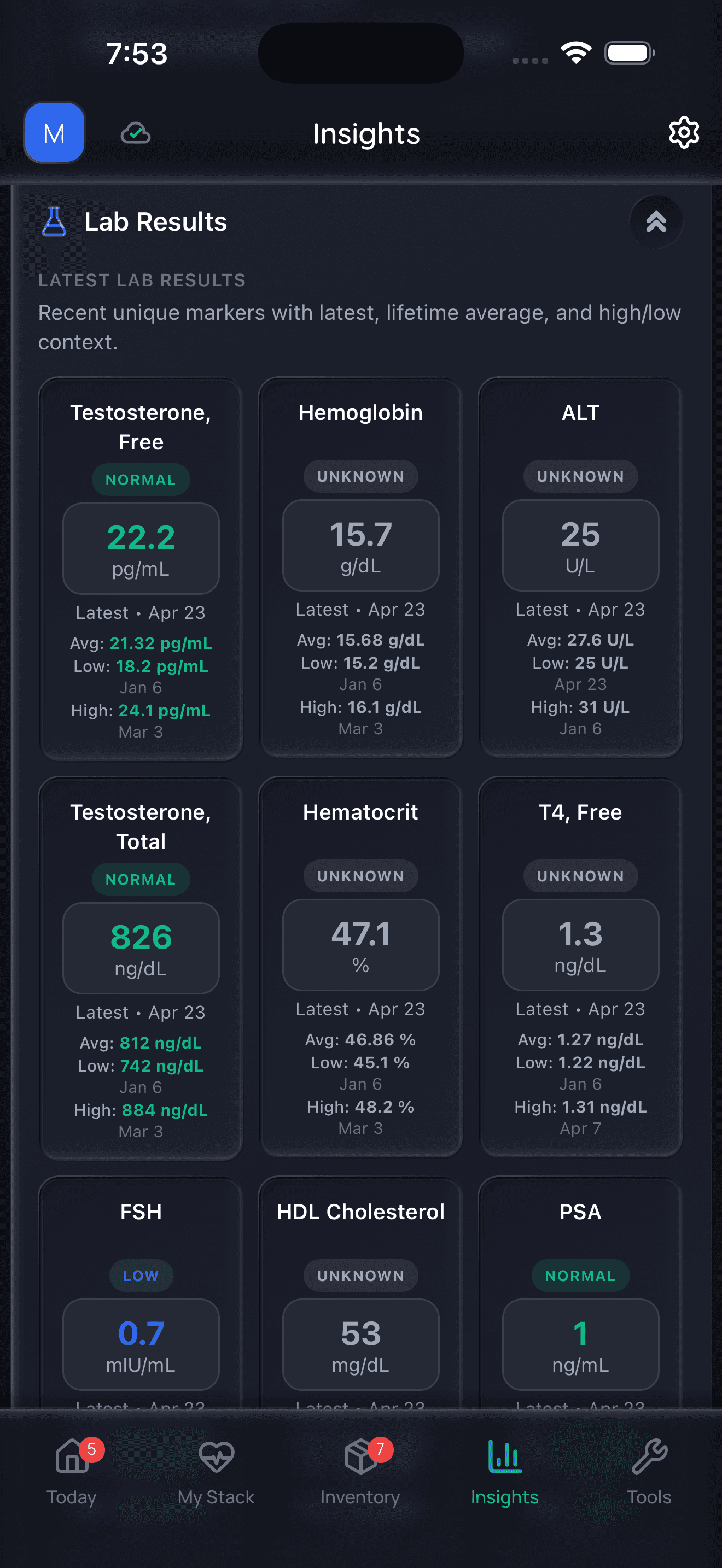
Doserly organizes data; it does not diagnose or interpret labs for you.
Side Effects & Safety
The Basics
Royal jelly carries a safety consideration that sets it apart from most supplements: the risk of allergic reactions, including severe ones. Because it is a bee product, anyone with known allergies to bee stings, bee pollen, propolis, or honey should avoid royal jelly entirely. Cases of life-threatening anaphylaxis and even fatal asthma attacks have been reported in the medical literature [35][36][37].
For people without bee allergies, royal jelly is generally well tolerated at the doses used in clinical studies (150-3,000 mg/day). Commonly reported side effects are mild and include gastrointestinal discomfort, facial rash, and anecdotal reports of weight gain [38]. Some community members report nausea, skin breakouts, and agitation, particularly at higher doses.
A case report documented hemorrhagic colitis (bloody diarrhea) associated with royal jelly intake, though causation was not definitively established [39]. The estrogenic activity of royal jelly means it should be avoided by individuals with estrogen receptor-positive breast cancer or other hormone-sensitive conditions [12][13]. Prostate cancer patients should also exercise caution, as animal studies suggest royal jelly may increase testosterone levels [33].
Royal jelly may interact with blood-thinning medications. A case report documented elevated INR and subsequent bleeding in a patient taking warfarin, where royal jelly was identified as the only new variable [40]. In laboratory settings, royal jelly increased prothrombin time and fibrinolytic activity in rats [19].
The most important practical safety measure is to start with a small dose and monitor for any allergic symptoms. Reactions can occur even in people who do not have a known bee allergy, as the allergen profile of royal jelly (particularly Major Royal Jelly Protein 3) differs from bee venom allergens [41].
The Science
Allergic Reactions:
Multiple case reports document severe allergic responses including anaphylaxis [35][41], bronchospasm and asthma (including one fatal case) [36][37], and contact dermatitis. Major Royal Jelly Protein 3 (MRJP3) has been identified as the primary allergen, capable of inducing anaphylaxis and exhibiting cross-reactivity with honeycomb allergens [41]. The allergenic risk extends to atopic individuals who may not have previously experienced bee product sensitivity.
Gastrointestinal Effects:
Hemorrhagic colitis has been documented in a case report associated with royal jelly intake [39]. Anecdotal reports include GI discomfort, nausea, and diarrhea at higher doses [38]. Paradoxically, preclinical studies have demonstrated protective effects of RJ in experimentally induced colitis models [21].
Estrogenic Concerns:
Fatty acids in RJ (10-HDA, 10-HDAA, trans-2-decenoic acid) modulate estrogen receptor function. While affinity is weaker than diethylstilbestrol, the clinical relevance in hormone-sensitive conditions warrants caution. Women with ER-positive breast cancer are advised to avoid RJ [12][13]. Animal studies showing testosterone level increases further complicate the hormonal profile for cancer patients [33].
Drug Interactions:
- Warfarin: Case report of elevated INR and bleeding; increased prothrombin time and fibrinolytic activity demonstrated in animal studies [40][19].
- Temozolomide: In vitro studies suggest RJ may increase cytotoxic activity; clinical relevance undetermined [42].
- CYP450 interactions: Not systematically studied for RJ as a whole product.
Populations Requiring Caution:
- Known bee product allergy (absolute contraindication)
- Estrogen receptor-positive cancers
- Prostate cancer
- Patients on anticoagulant therapy
- Pregnant and lactating women (insufficient safety data)
- Asthma patients (increased bronchospasm risk)
Knowing the possible side effects is the first step. Catching them early in your own experience is what keeps a supplement routine safe. Doserly lets you log any symptoms as they arise, tagging them with severity, timing relative to your dose, and whether they resolve on their own or persist.
The app's interaction checker cross-references everything in your stack, supplements and medications alike, flagging known interactions before they become a problem. It also monitors your total intake against established upper limits, alerting you if your combined sources of a nutrient are approaching thresholds where risk increases. Think of it as a safety net that works quietly in the background while you focus on the benefits.
Capture changes while they are still fresh.
Log symptoms, energy, sleep, mood, and other observations alongside protocol events so patterns do not live only in memory.
Trend view
Symptom timeline
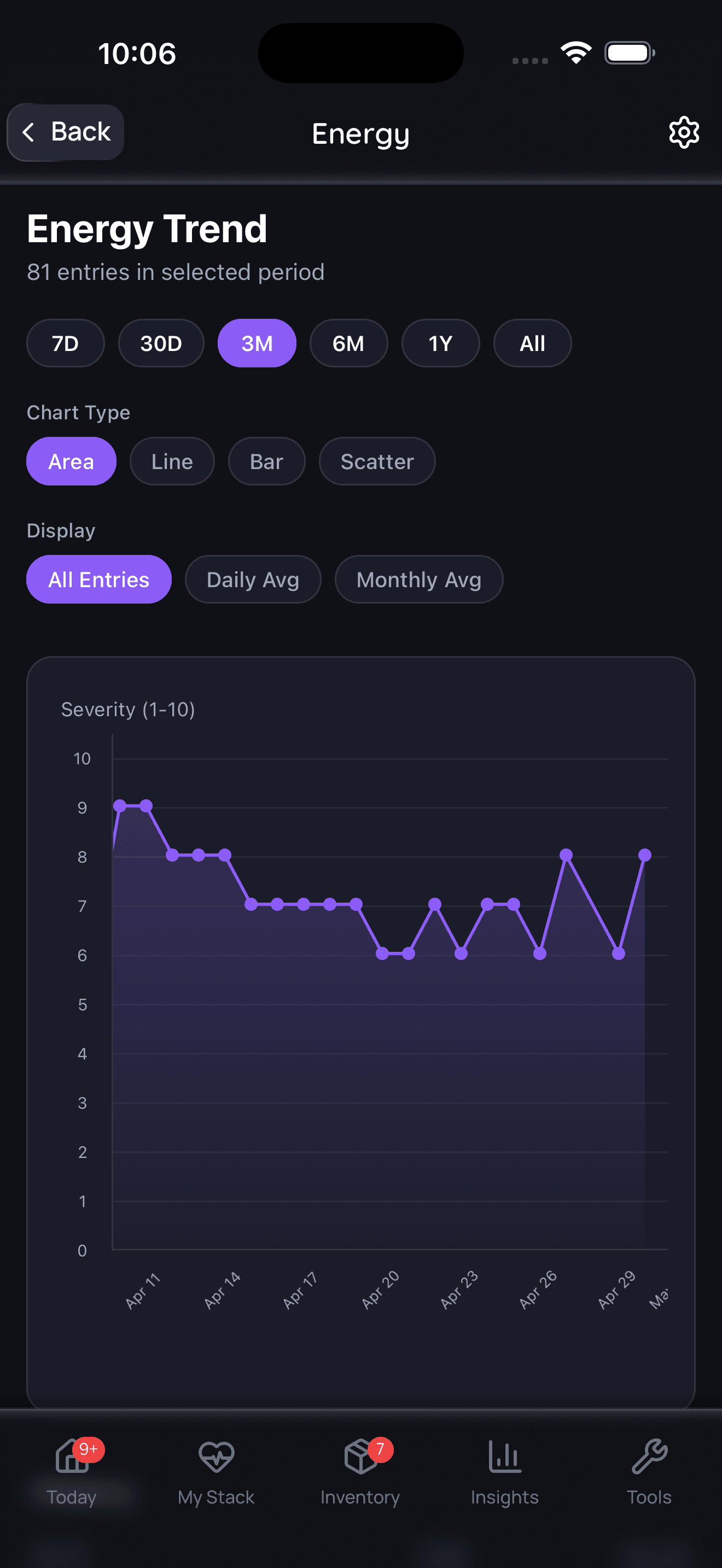
Symptom tracking is informational and should be interpreted with a qualified clinician.
Dosing & Usage Protocols
The Basics
Dosing for royal jelly is complicated by the lack of standardized guidelines from any regulatory body. No RDA, AI, or UL has been established. What exists is a range of doses used across clinical studies, and these vary considerably depending on whether the study used fresh or lyophilized royal jelly and what condition was being investigated.
For general wellness and menopausal symptom support, the most commonly studied dose range is 500 to 1,000 mg of fresh royal jelly per day, or the lyophilized equivalent (roughly 150-330 mg of freeze-dried royal jelly). Some studies have used higher doses up to 3,000 mg of fresh royal jelly per day for extended periods without significant adverse effects [23][26][38].
A key practical consideration is understanding the conversion between fresh and lyophilized forms. Because fresh royal jelly is approximately 60-70% water, 1,000 mg of fresh royal jelly contains roughly 300-330 mg of dry matter. When a product label says "equivalent to 1,000 mg fresh royal jelly," it typically contains about 300-330 mg of lyophilized powder. This conversion matters because otherwise you might under- or over-dose depending on which form you are using [5].
Most clinical studies have administered royal jelly once or twice daily, typically with breakfast or on an empty stomach. Fresh royal jelly is traditionally taken sublingually (under the tongue) and held for 30-60 seconds before swallowing. Capsule forms are taken like any other oral supplement.
For cholesterol management, even lower doses have shown effects. The lipid profile study in postmenopausal women used just 150 mg/day of royal jelly (likely lyophilized form) for 3 months with significant results [20].
The Science
Dose Ranges by Indication (from clinical literature):
Indication
General wellness
- Dose (Fresh RJ Equivalent)
- 500-1,000 mg/day
- Duration
- Ongoing
- Evidence Level
- Low (healthy volunteer study)
Indication
Menopausal symptoms
- Dose (Fresh RJ Equivalent)
- 800-1,000 mg/day
- Duration
- 8-24 weeks
- Evidence Level
- Moderate (meta-analysis)
Indication
Lipid management
- Dose (Fresh RJ Equivalent)
- 150 mg/day (lyophilized) to 3,000 mg/day (fresh)
- Duration
- 4-12 weeks
- Evidence Level
- Low-moderate (small studies)
Indication
Glycemic control
- Dose (Fresh RJ Equivalent)
- 1,000-3,000 mg/day
- Duration
- 8+ weeks
- Evidence Level
- Low (subgroup benefits only)
Indication
Post-stroke recovery
- Dose (Fresh RJ Equivalent)
- 1,000 mg/day
- Duration
- 12 weeks
- Evidence Level
- Low (single RCT)
Indication
PMS
- Dose (Fresh RJ Equivalent)
- Not specified
- Duration
- Not specified
- Evidence Level
- Low (single RCT)
Indication
Oral mucositis (adjunctive)
- Dose (Fresh RJ Equivalent)
- Topical oral application + swallow
- Duration
- During treatment
- Evidence Level
- Low (small studies)
10-HDA Standardization:
Products standardized to 10-HDA content provide more reliable dosing. A product containing 6% 10-HDA at 500 mg would deliver 30 mg 10-HDA, while a product at 1.4% would deliver only 7 mg at the same weight. This variability underscores the importance of checking standardization rather than relying on total weight alone [5][8].
Conversion Table:
Form
Fresh (raw) royal jelly
- Typical Dose
- 500-3,000 mg
- Fresh RJ Equivalent
- 500-3,000 mg
Form
Lyophilized (freeze-dried) capsule
- Typical Dose
- 150-1,000 mg
- Fresh RJ Equivalent
- 450-3,000 mg
Form
Standardized extract (6% 10-HDA)
- Typical Dose
- 300-500 mg
- Fresh RJ Equivalent
- Variable
Form
Honey-blended (typically 3-5% RJ)
- Typical Dose
- 10-20 g of honey blend
- Fresh RJ Equivalent
- 300-1,000 mg
Getting the dose right matters more than most people realize. Too little may be ineffective, too much wastes money or introduces risk, and inconsistency undermines both. Doserly tracks every dose you take, across every form, giving you a clear record of what you're actually consuming versus what you planned.
The app helps you compare RDA recommendations against therapeutic ranges discussed in the research, so you can see exactly where your intake falls. If you switch forms, say from a standard capsule to a liposomal liquid, Doserly adjusts your tracking to account for different bioavailabilities. Pair that with smart reminders that keep your timing consistent, and the precision that makes a real difference in outcomes becomes effortless.
Track injection timing, draw notes, and site rotation.
Doserly helps keep syringe-related notes, injection site history, reminders, and reconstitution context together for easier review.
Injection log
Site rotation
Injection logs support record-keeping; follow clinician instructions for administration.
What to Expect (Timeline)
Weeks 1-2:
Most users will not notice dramatic changes. Those taking fresh royal jelly may notice the strong sour taste and need to adjust their tolerance. Some users report mild gastrointestinal effects during this period as the body adjusts. Any allergic sensitivity would typically manifest within the first few doses, so this is the critical monitoring window for adverse reactions. A small number of users report increased energy or improved mood within the first week, though this may reflect placebo response or individual sensitivity.
Weeks 3-4:
If the supplement is going to produce noticeable subjective effects such as improved energy, mood, or skin quality, most users who respond begin to notice them in this timeframe. Skin improvements (increased elasticity, reduced dryness) may become apparent for topical or oral users. No measurable changes in cholesterol or blood glucose should be expected at this point.
Weeks 5-8:
This is the minimum duration used in most positive clinical studies. Lipid profile changes (improved HDL/LDL ratio) may begin to manifest by the end of this period based on clinical data. Menopausal symptom improvements have been observed as early as 8 weeks in clinical trials. Fasting blood glucose reductions in diabetic populations were significant in studies lasting 8+ weeks.
Weeks 8-12:
The timeframe at which most clinical benefits have been measured. Post-stroke cognitive improvements were demonstrated at 12 weeks. Menopausal symptom meta-analysis included studies of 8-24 weeks. Lipid changes should be measurable via blood work.
3-6 months:
The longest clinical study in healthy volunteers (Morita et al., 2012) used 3,000 mg/day for 6 months. Extended use for menopausal symptom management and cardiovascular risk marker improvement falls within this range. Bone density effects, if any, would require longer-term assessment.
Important caveat: Community reports suggest a strongly polarized response pattern. Some users report noticeable effects while others feel nothing despite extended use. Product quality and authenticity may account for some of this variability.
Interactions & Compatibility
Synergistic
- Propolis (if available in registry): Fellow bee product with complementary antimicrobial and anti-inflammatory properties. Often combined in bee product formulations. Both contain flavonoids with overlapping but distinct bioactive profiles.
- Vitamin D3: RJ's bone-protective effects via osteoclast inhibition may complement Vitamin D3's role in calcium absorption and bone metabolism.
- Calcium: Complementary bone health support. RJ upregulates osteoblast markers while calcium provides the structural mineral.
- Vitamin C: Antioxidant synergy. Both contribute to collagen synthesis and wound healing through different mechanisms.
- Fish Oil (EPA/DHA): Complementary anti-inflammatory and cardiovascular effects. Both modulate NF-kB pathway through different fatty acid mechanisms.
- Vitamin E: Antioxidant synergy for skin health. RJ's procollagen stimulation combined with Vitamin E's membrane protection.
Caution / Avoid
- Warfarin and other anticoagulants: Case report of elevated INR and bleeding. RJ increased prothrombin time and fibrinolytic activity in animal studies. Monitor INR closely if combining [40].
- Temozolomide: In vitro studies suggest RJ may increase cytotoxic activity. Clinical relevance unknown. Discuss with oncologist [42].
- Hormone replacement therapy (HRT): RJ has estrogenic activity. Combining with HRT may produce additive estrogenic effects. Medical supervision recommended.
- Other estrogenic supplements (Shatavari, Black Cohosh if in registry): Potential additive estrogenic effects. Use caution in combination.
- Antidiabetic medications: RJ may lower blood glucose in some populations. Monitor blood sugar if combining with insulin or oral hypoglycemics to avoid hypoglycemia.
- Other bee products (bee pollen, bee venom): Cross-reactivity risk for allergic reactions. MRJP3 cross-reacts with honeycomb allergens [41].
How to Take / Administration Guide
Fresh (Raw) Royal Jelly:
Most practitioners and traditional use protocols recommend taking fresh royal jelly sublingually. Place the desired amount (typically 300-1,000 mg) under the tongue, hold for 30-60 seconds, then swallow. This is traditionally believed to improve absorption, though clinical evidence specifically comparing sublingual to oral routes is lacking. Fresh royal jelly has a sour, slightly acidic taste that many people find unpleasant. Mixing with a small amount of honey can mask the taste but adds sugar. Take on an empty stomach in the morning.
Lyophilized (Freeze-Dried) Capsules:
The most practical form for daily use. Capsules containing 300-1,000 mg of lyophilized royal jelly (equivalent to 900-3,000 mg of fresh RJ) are taken orally with water. Most clinical studies administered capsules once or twice daily. Taking with breakfast is common practice, though some studies used empty-stomach administration.
Honey-Blended Preparations:
Products that mix royal jelly into raw honey (typically 3-5% RJ by weight) offer a more palatable option. However, dosing precision is lower since the RJ concentration is diluted, and the honey adds significant sugar content.
Timing Considerations:
No definitive evidence favors morning over evening administration. Most clinical protocols used morning dosing. If GI sensitivity occurs, taking with food may improve tolerance.
Cycling:
No clinical evidence supports or contradicts cycling royal jelly. The 6-month healthy volunteer study used continuous daily administration without reported issues [38]. Cycling is a matter of personal preference rather than evidence-based practice.
Starting Protocol:
Given the allergy risk, it is prudent to start with a low dose (250-500 mg fresh equivalent) for the first 3-5 days and monitor for any allergic symptoms (skin rash, itching, swelling, breathing difficulty, GI distress) before increasing to the target dose.
Choosing a Quality Product
Royal jelly quality is a significant concern in the supplement market. Product authenticity and potency vary more than for most supplements, making quality verification especially important.
10-HDA Content (Primary Quality Marker):
10-HDA is the internationally recognized marker for royal jelly quality and authenticity. Look for products that specify their 10-HDA content on the label. Fresh royal jelly should contain a minimum of 1.4% 10-HDA (Chinese Pharmacopoeia standard), and lyophilized forms should contain a minimum of 3.5%. Higher 10-HDA content (5-6%) indicates a higher-quality product [5].
Third-Party Testing:
No USP monograph exists specifically for royal jelly. However, products with third-party testing from independent labs for potency, purity, and contaminant screening are preferable. ISO 12824:2016 provides quality parameters for royal jelly, though few supplement brands cite this standard.
Form Considerations:
- Fresh royal jelly provides the most complete profile but requires refrigeration and has limited shelf life. Verify that the product was harvested, processed, and shipped under cold-chain conditions.
- Lyophilized powder is more practical and shelf-stable. Ensure the conversion ratio is stated (e.g., "500 mg lyophilized, equivalent to 1,500 mg fresh").
- Softgels may contain royal jelly in soybean oil or beeswax base. Check for allergens.
Sourcing Concerns:
The majority of commercial royal jelly is sourced from China, which produces approximately 60-70% of the world's supply. Chinese production is well-established but has faced scrutiny over pesticide residues and adulteration. Products sourced from Europe (particularly France, Spain, and Greece), New Zealand, or Australia may offer more traceable supply chains but at higher cost.
Red Flags:
- No 10-HDA content specified on the label
- Proprietary blends that hide the actual amount of royal jelly
- Products claiming "1,000 mg royal jelly" that actually contain concentrate at much lower equivalency
- "Royal jelly" products marketed primarily for sexual enhancement (FDA has flagged these for hidden drug ingredients)
- Unrealistic health claims on packaging (FDA has issued warning letters for unsubstantiated claims)
Adulteration Risk:
Royal jelly adulteration is a documented problem. Cornstarch, glucose syrup, and egg white have been used as diluents. The FDA's 2026 warning letter to CC Pollen Company highlighted CGMP violations including failure to establish finished product specifications for identity, purity, strength, and composition of Royal Jelly capsules.
Storage & Handling
Fresh Royal Jelly:
Requires refrigeration at 2-5 degrees C (35-41 degrees F). Shelf life is approximately 3-6 months when properly refrigerated. For longer storage, fresh royal jelly can be frozen at -18 degrees C or below, extending shelf life to 1-2 years. Avoid repeated freeze-thaw cycles. Keep tightly sealed to prevent moisture absorption and oxidation. Do not expose to direct sunlight.
Lyophilized (Freeze-Dried) Forms:
Stable at room temperature when stored in a cool, dry place. Keep below 25 degrees C (77 degrees F). Protect from moisture (the hygroscopic nature of lyophilized RJ makes it susceptible to caking and degradation when exposed to humidity). Shelf life is typically 2-3 years when properly stored.
Capsules and Softgels:
Follow manufacturer's storage instructions. Generally stable at room temperature. Keep container tightly closed. Softgels containing soybean oil base may become rancid if exposed to excessive heat.
General Guidelines:
Keep all forms out of reach of children. Do not use past the expiration date. Discard any product that has changed color, developed an unusual odor, or shows signs of degradation.
Lifestyle & Supporting Factors
Dietary Considerations:
Royal jelly is not a dietary nutrient and cannot be obtained through food other than as a direct supplement. It is produced exclusively by honeybees and has no plant-based or synthetic equivalent. A balanced diet rich in B-vitamins (particularly pantothenic acid), antioxidants, and omega-3 fatty acids may complement the effects of royal jelly supplementation through overlapping mechanisms.
Exercise:
No specific exercise interactions have been studied for royal jelly. The anti-fatigue and potential testosterone-supporting effects suggested by preclinical data might theoretically complement an exercise program, but clinical evidence is lacking.
Sleep:
Royal jelly has not been specifically studied for sleep effects. Its GABAergic activity and stress-reducing properties (observed in post-stroke patients) might indirectly support sleep quality, but this remains speculative.
Hydration:
No specific hydration requirements are associated with royal jelly supplementation. General adequate hydration supports overall supplement absorption.
Monitoring:
For individuals taking royal jelly for cholesterol management, periodic lipid panel testing (every 3-6 months) can help assess whether the supplement is producing measurable effects. For those using it for menopausal symptoms, tracking symptom severity over time can provide objective feedback on efficacy.
Signs That Royal Jelly May Not Be Appropriate:
- Any allergic symptoms after starting supplementation (discontinue immediately)
- No noticeable benefit after 8-12 weeks of consistent use at adequate doses
- GI discomfort that does not resolve within the first 1-2 weeks
Regulatory Status & Standards
United States (FDA):
Royal jelly is marketed as a dietary supplement under DSHEA. No FDA-approved health claims exist. The FDA has issued warning letters to companies making unsubstantiated therapeutic claims for royal jelly products. In January 2026, the FDA issued a warning letter to CC Pollen Company for CGMP violations in the manufacture of Royal Jelly capsules, including failure to establish finished product specifications for identity, purity, and composition. The FDA has also flagged multiple "Royal Honey" and similar products marketed for sexual enhancement that contained hidden drug ingredients (sildenafil, tadalafil).
European Union (EFSA):
Royal jelly does not have approved health claims under the EU Nutrition and Health Claims Regulation (EC) No. 1924/2006. It is sold as a food supplement. EFSA has not established an Acceptable Daily Intake or Upper Level for royal jelly.
Canada (Health Canada):
Royal jelly is available as a Natural Health Product (NHP). Products require a Natural Product Number (NPN) for legal sale.
Australia (TGA):
Royal jelly is listed in the Australian Register of Therapeutic Goods as a complementary medicine ingredient.
Japan:
Royal jelly is one of the most popular functional health foods, with an established market exceeding $2 billion annually. It is regulated as a health food, not a pharmaceutical.
ISO Standards:
ISO 12824:2016 establishes specifications for royal jelly quality including 10-HDA content, moisture, acidity, protein, sugar composition, and other parameters.
Athlete & Sports Regulatory Status:
- WADA: Royal jelly is not included on the WADA Prohibited List. However, contamination risk exists with some products.
- Informed Sport / NSF Certified for Sport: No widely available royal jelly products carry these certifications, meaning athletes cannot rely on batch-tested safety assurance.
- GlobalDRO: Athletes should verify current status at GlobalDRO.com.
Regulatory status and prohibited substance classifications change frequently. Athletes should always verify the current status of any supplement with their sport's governing body, their national anti-doping agency, and a qualified sports medicine professional before use. Third-party certification (Informed Sport, NSF Certified for Sport) reduces but does not eliminate the risk of contamination with prohibited substances.
Frequently Asked Questions
What is royal jelly?
Royal jelly is a thick, milky substance produced by worker honeybees to feed queen bee larvae and the adult queen. It is a complex mixture of proteins, fatty acids, vitamins (particularly B-vitamins), minerals, and unique bioactive compounds including 10-hydroxy-2-decenoic acid (10-HDA). It is consumed as a dietary supplement for various health purposes.
Is royal jelly safe to take?
For most people without bee product allergies, royal jelly is generally well tolerated at doses used in clinical studies (150-3,000 mg/day). However, it carries a risk of allergic reactions, including severe anaphylaxis, particularly in individuals with bee sting or bee product allergies. Cases of fatal asthma have been reported. Starting with a small dose and monitoring for reactions is commonly recommended. Consulting a healthcare provider before starting is advisable.
Can I take royal jelly if I'm allergic to bees?
Based on available evidence, royal jelly is contraindicated for individuals with known allergies to bee stings, bee pollen, propolis, or honey. Cross-reactivity between royal jelly allergens and other bee product allergens has been documented. This is a hard contraindication.
Does royal jelly help with menopause?
A 2025 meta-analysis of 6 randomized controlled trials found that royal jelly supplementation significantly improved menopausal symptoms compared to placebo. Doses used in studies ranged from 800 to 3,000 mg/day. The effect was consistent across studies, though the overall evidence quality was rated as moderate. It may represent a nonhormonal option worth discussing with a healthcare provider.
Can royal jelly lower cholesterol?
Several clinical studies have reported improvements in lipid profiles with royal jelly supplementation, including increased HDL cholesterol and decreased LDL cholesterol. One study in postmenopausal women found significant improvements at just 150 mg/day over 3 months. However, studies are generally small and more research is needed to confirm these effects.
Does royal jelly help with diabetes?
The evidence is mixed. While individual studies have reported improvements in fasting blood glucose and HbA1c in diabetic patients, meta-analyses have concluded that royal jelly does not significantly improve glycemic markers in the general population. Some benefit may exist for longer-duration supplementation (8+ weeks) in individuals who already have diabetes.
How should I take royal jelly?
Royal jelly is available in fresh (refrigerated), lyophilized (freeze-dried capsules), and honey-blended forms. Fresh royal jelly is traditionally taken sublingually (under the tongue). Capsules are taken orally, typically once or twice daily. Commonly reported dose ranges are 500-1,000 mg/day of fresh equivalent. When comparing products, check whether the stated dose refers to fresh or lyophilized form.
What is 10-HDA and why does it matter?
10-Hydroxy-2-decenoic acid (10-HDA) is the primary bioactive fatty acid unique to royal jelly, making up about 70% of its fatty acid content. It is used as the standard quality marker internationally. Products with higher 10-HDA content are generally considered more potent. Look for at least 1.4% 10-HDA in fresh products or 3.5% in lyophilized forms.
Can I take royal jelly while on blood thinners?
Based on a case report of elevated INR and bleeding in a patient on warfarin who was taking royal jelly, caution is warranted. Royal jelly may enhance anticoagulant effects. Individuals on warfarin or other blood thinners should consult their healthcare provider before using royal jelly and may need more frequent INR monitoring.
Is royal jelly the same as bee pollen or propolis?
No. Royal jelly, bee pollen, and propolis are distinct bee products with different compositions and properties. Royal jelly is a glandular secretion fed to queen larvae. Bee pollen is collected plant pollen compressed by bees. Propolis is a resinous substance bees make from tree buds to seal their hives. Each has different bioactive profiles, though they share some anti-inflammatory and antioxidant properties.
Can royal jelly cause skin breakouts?
Some community members report skin breakouts after starting royal jelly. The estrogenic activity of royal jelly could theoretically influence hormonal acne. Paradoxically, other users report improved skin quality. Individual responses appear to vary. If breakouts occur, they may resolve after the initial adjustment period or may indicate the supplement is not appropriate for you.
How long does it take for royal jelly to work?
Based on clinical study timelines, measurable effects on cholesterol and menopausal symptoms typically require at least 8-12 weeks of consistent supplementation. Subjective effects like energy and mood changes are reported by some users within 2-4 weeks. Some users report no noticeable effects regardless of duration, which may reflect product quality variability or individual non-response.
Myth vs. Fact
Myth: Royal jelly is a miracle superfood that can cure everything from cancer to aging.
Fact: Royal jelly has demonstrated pharmacological activity in multiple areas (anti-inflammatory, antioxidant, estrogenic, neuroprotective), but clinical evidence for most health claims is limited to small studies. The strongest human evidence exists for menopausal symptom relief and cholesterol management. Claims about curing cancer, reversing aging, or treating serious diseases are not supported by current clinical evidence [23][24][25].
Myth: Royal jelly works the same way in humans as it does in bees (turning workers into queens).
Fact: The caste-differentiating effect in bees is driven by specific epigenetic mechanisms (DNMT3 inhibition, EGF receptor activation via royalactin) that operate during larval development. While some of these compounds are biologically active in human cells, the dramatic transformation seen in bees does not translate to comparable effects in humans. The biological context is fundamentally different [3][6].
Myth: All royal jelly supplements are the same.
Fact: Product quality varies enormously. Adulteration with cornstarch, glucose syrup, and egg white is documented. The 10-HDA content (the primary quality marker) can range from less than 1% to over 6% depending on the product. Fresh, lyophilized, and capsule forms have different stability profiles and bioactive compound retention. The FDA has taken enforcement action against companies with quality control failures [5].
Myth: Royal jelly is safe for everyone because it's natural.
Fact: Royal jelly carries a documented risk of severe allergic reactions including anaphylaxis and fatal asthma attacks, even in individuals who have not previously had bee product allergies. It should be avoided entirely by people with bee allergies and used with caution by those with hormone-sensitive conditions or on blood-thinning medications [35][36][37][40].
Myth: More royal jelly means better results.
Fact: Clinical studies have shown benefits across a wide dose range (150-3,000 mg/day), and the lipid profile study that found significant cholesterol improvements used only 150 mg/day. Higher doses have not been shown to produce proportionally better results, and may increase the risk of side effects. The optimal dose likely depends on the specific health goal and individual response [20][23][38].
Myth: Royal jelly can replace hormone replacement therapy for menopause.
Fact: While royal jelly has shown significant improvement in menopausal symptoms in clinical trials, its estrogenic activity is much weaker than pharmaceutical HRT. It may be a complementary option for women with mild to moderate symptoms or those who cannot use HRT, but it should not be considered a direct replacement for medically prescribed hormone therapy. The decision should be made in consultation with a healthcare provider [23][12].
Myth: Royal jelly boosts the immune system and prevents illness.
Fact: Royal jelly has immunomodulatory properties, meaning it can both stimulate and regulate immune responses depending on context. This is different from simply "boosting" the immune system. The clinical evidence for illness prevention in humans is insufficient. In the CFS/ME community, experienced users and clinicians generally consider it ineffective for these conditions [2][21].
Sources & References
Systematic Reviews & Meta-Analyses
[23] Royal jelly for management of postmenopausal symptoms: a systematic review and meta-analysis. PMID: 41401249. (2025, 6 RCTs, n=471)
[24] Bahari H, et al. The effect of Royal jelly on liver enzymes and glycemic indices: A systematic review and meta-analysis of randomized clinical trials. PMID: 37619715. Complement Ther Med. 2023.
[25] Mahboobi S, Jafarnejad S, Eftekhari MH. Royal jelly does not improve markers of glycemia: A systematic review and meta-analysis of Randomized Clinical Trials. Complement Ther Med. 2019;44:235-241. PMID: not specified.
Reviews
[1] Collazo N, Carpena M, Nunez-Estevez B, et al. Health Promoting Properties of Bee Royal Jelly: Food of the Queens. Nutrients. 2021;13(2):543. doi: 10.3390/nu13020543.
[2] Jazvinscak Jembrek M, et al. Royal Jelly: Biological Action and Health Benefits. Int J Mol Sci. 2024;25(11):6023. doi: 10.3390/ijms25116023. PMID: 38892209.
[3] Ahmad S, Campos MG, Fratini F, et al. New Insights into the Biological and Pharmaceutical Properties of Royal Jelly. Int J Mol Sci. 2020;21(2):382. doi: 10.3390/ijms21020382.
[7] Maghsoudlou A, Mahoonak AS, Mohebodini H, Toldra F. Royal jelly: chemistry, storage and bioactivities. J Apicult Sci. 2019;63(1):17-40. doi: 10.2478/jas-2019-0007.
[9] Royal jelly a promising therapeutic intervention and functional food supplement: A systematic review. PMID: 39296128. (2024)
[11] Zhi D, He X, Xue Y, et al. Royal jelly acid: preparation, metabolism and therapeutic potential. Front Pharmacol. 2025;16:1561351. doi: 10.3389/fphar.2025.1561351.
[16] Angelini G, et al. Behind the Therapeutic Effects of Royal Jelly: Recent Advances in 10-HDAA. Molecules. 2025;30(13):2694.
Clinical Trials & Human Studies
[18] Karimi E, et al. Effects of the royal jelly consumption on post-stroke complications in patients with ischemic stroke: results of a randomized controlled trial. PMID: 38260068. (2024, n=64)
[20] Lambrinoudaki I, et al. Greek-origin royal jelly improves the lipid profile of postmenopausal women. PMID: 27227757. (2014, n=36)
[22] Matsushita H, Shimizu S, Morita N, et al. Effects of royal jelly on bone metabolism in postmenopausal women: a randomized, controlled study. Climacteric. 2021;24(2):164-170.
[26] Asama T, et al. Royal jelly supplementation (800 mg/day) for menopausal symptoms in Japanese postmenopausal women. (2018)
[27] Guo H, Saiga A, Sato M, et al. Royal jelly supplementation improves lipoprotein metabolism in humans. J Nutr Sci Vitaminol. 2007;53(4):345-348.
[28] Yakoot M, Salem A, Helmy S. Effect of Memo(R), a natural formula combination, on Mini-Mental State Examination scores in patients with mild cognitive impairment. Clin Interv Aging. 2013;8:975-981.
[29] Erdem O, Gungormus Z. The effect of royal jelly on oral mucositis in patients undergoing radiotherapy and chemotherapy. Holist Nurs Pract. 2014;28(4):242-246.
[30] Yamauchi K, et al. The effect of topical application of royal jelly on chemoradiotherapy-induced mucositis. Int J Otolaryngol. 2014;2014:974967.
[32] Morita H, Ikeda T, Kajita K, et al. Effect of royal jelly ingestion for six months on healthy volunteers. Nutr J. 2012;11:77.
[33] Yang A, Zhou M, Zhang L, et al. Influence of royal jelly on the reproductive function of puberty male rats. Food Chem Toxicol. 2012;50(6):1834-40.
[34] Taavoni S, et al. Effect of Royal Jelly on premenstrual syndrome among Iranian medical sciences students: a randomized, triple-blind, placebo-controlled study. Complement Ther Med. 2014;22(4):601-606.
[38] Morita H, Ikeda T, Kajita K, et al. Effect of royal jelly ingestion for six months on healthy volunteers. Nutr J. 2012;11:77.
Preclinical & Mechanistic Studies
[5] ISO 12824:2016 Royal jelly specifications; Chinese Pharmacopoeia royal jelly quality standards.
[6] Spannhoff A, et al. Histone deacetylase inhibitor activity in royal jelly might facilitate caste switching in bees. EMBO Rep. 2011.
[8] 10-HDA metabolism via omega-oxidation pathway. [Reviewed in Zhi et al., 2025]
[10] NF-kB and Nrf2 pathway modulation by royal jelly. [Reviewed in Jazvinscak Jembrek et al., 2024]
[12] Moutsatsou P, et al. Fatty acids derived from royal jelly are modulators of estrogen receptor functions. PLoS One. 2010;5(12):e15594.
[13] Mishima S, et al. Royal jelly has estrogenic effects in vitro and in vivo. J Ethnopharmacol. 2005;101(1-3):215-220.
[14] Royal jelly neuroprotective mechanisms via GABA stimulation, serotonin/dopamine synthesis. [Reviewed in systematic review, PMID: 39296128]
[15] GDNF mRNA expression facilitation by 10-HDA. [Reviewed in Nootropics literature]
[17] Suzuki KM, et al. Estrogenic activities of Fatty acids and a sterol isolated from royal jelly. Evid Based Complement Alternat Med. 2008;5(3):295-302.
[19] Vittek J. Effect of royal jelly on serum lipids in experimental animals and humans with atherosclerosis. Experientia. 1995;51(9-10):927-935.
[21] Karaca T, et al. Protective effect of royal jelly in TNBS-induced colitis in rats. Iran J Basic Med Sci. 2015;18(4):370-379.
[31] Defensin-1 identified as primary wound-healing peptide in royal jelly. [Referenced in r/science thread; Fujiwara et al.]
Safety & Adverse Event Reports
[35] Katayama M, Aoki M, Kawana S. Case of anaphylaxis caused by ingestion of royal jelly. J Dermatol. 2008;35(4):222-4.
[36] Thien FC, Leung R, Plomley R, et al. Royal jelly-induced asthma. Med J Aust. 1993;159(9):639.
[37] Bullock RJ, Rohan A, Straatmans JA. Fatal royal jelly-induced asthma. Med J Aust. 1994;160(1):44.
[39] Yonei Y, et al. Case report: haemorrhagic colitis associated with royal jelly intake. J Gastroenterol Hepatol. 1997;12(7):495-9.
[40] Lee NJ, Fermo JD. Warfarin and royal jelly interaction. Pharmacotherapy. 2006;26(4):583-6.
[41] Li JD, Cui L, Xu YY, et al. A Case of Anaphylaxis Caused by Major Royal Jelly Protein 3 of Royal Jelly and Its Cross-Reactivity with Honeycomb. J Asthma Allergy. 2021;14:1555-1557.
[42] Borawska MH, et al. The interaction of bee products with temozolomide in human diffuse astrocytoma, glioblastoma multiforme and astroglia cell lines. Nutr Cancer. 2014;66(7):1247-1256.
Regulatory
[4] FDA Warning Letter CMS #714784, CC Pollen Company, January 2026.
Related Supplement Guides
Same Category (Bee Products)
- (No other bee product supplements currently in the registry as standalone guides)
Common Stacks / Pairings
- Vitamin D3 (bone health synergy, immune support)
- Fish Oil (EPA/DHA) (anti-inflammatory, cardiovascular support)
- Vitamin C (antioxidant synergy, collagen support)
- Vitamin E (antioxidant synergy, skin health)
- Calcium (bone health support)
Related Health Goal
- Ashwagandha (adaptogenic, stress/anxiety, hormonal support)
- Maca Root (hormonal support, menopausal symptoms, energy)
- Evening Primrose Oil (hormonal balance, skin health)
- Boron (bone health, hormonal support)
- Shatavari (women's health, hormonal support)
- NAC (antioxidant support)