
Cordyceps: The Complete Supplement Guide
On this page
Quick Reference Card
Attribute
Common Name
- Detail
- Cordyceps
Attribute
Other Names / Aliases
- Detail
- Caterpillar fungus, Dong chong xia cao, Yarsha gumba, Semitake, Hsia ts'ao tung ch'ung, Chinese caterpillar fungus, Vegetable caterpillar, Aweto, Zombie fungus
Attribute
Category
- Detail
- Functional Mushroom (Adaptogen)
Attribute
Primary Forms & Variants
- Detail
- Cordyceps sinensis (Ophiocordyceps sinensis; wild, extremely expensive; Cs-4 fermented mycelium is the common commercial substitute); Cordyceps militaris (cultivated fruiting body; higher cordycepin content; more affordable and widely available)
Attribute
Typical Dose Range
- Detail
- 1,000 to 3,000 mg/day of extract or dried powder; up to 4,000 mg/day in some clinical protocols
Attribute
RDA / AI / UL
- Detail
- No RDA, AI, or UL established. Cordyceps is not classified as an essential nutrient.
Attribute
Common Delivery Forms
- Detail
- Capsules, tablets, powders, liquid extracts (tinctures), dried whole mushroom, tea
Attribute
Best Taken With / Without Food
- Detail
- Can be taken with or without food; some users report better tolerance with food
Attribute
Key Cofactors
- Detail
- No established cofactors; commonly stacked with other functional mushrooms (Lion's Mane, Reishi) or taken before exercise
Attribute
Storage Notes
- Detail
- Store in a cool, dry place away from light and moisture. Tinctures at room temperature. Powders and capsules should be sealed tightly to prevent moisture absorption.
Overview
The Basics
Cordyceps is one of the most unusual supplements on the market. In nature, it is a parasitic fungus that infects insect larvae, consuming the host from within before sprouting a fruiting body from the remains. This striking life cycle, combined with centuries of use in traditional Chinese medicine, has made cordyceps one of the most celebrated medicinal mushrooms in the world.
The wild form, Cordyceps sinensis (now formally renamed Ophiocordyceps sinensis), grows at high altitudes in the Tibetan Plateau and Himalayan regions. It has been used for centuries as a tonic for fatigue, sexual dysfunction, respiratory issues, and general vitality. Wild cordyceps is extraordinarily rare and expensive, with prices exceeding $20,000 per kilogram, placing it among the most costly natural substances on Earth.
The good news for consumers is that two commercially practical alternatives exist. Cs-4, a fermented mycelium product derived from a specific strain of C. sinensis, has been the most widely studied form in clinical trials. Cordyceps militaris, a related species that can be cultivated on grain or liquid substrates, produces a fruiting body with high levels of the key bioactive compound cordycepin and is increasingly the species of choice in modern supplements [1][2].
Most of the research interest in cordyceps centers on three areas: exercise performance and oxygen utilization, immune system modulation, and kidney protection. While the traditional reputation of cordyceps spans an impressively broad range of health claims, the clinical evidence base in humans remains relatively small, and many of the most dramatic findings come from animal or cell studies that have not yet been confirmed in human trials [3].
The Science
Cordyceps refers to a genus within the phylum Ascomycota, sub-phylum Ascomycotina, and class Clavicipataceae. The two species of primary commercial and research interest are Ophiocordyceps sinensis (Berk.) G.H. Sung, J.M. Sung, Hywel-Jones & Spatafora (formerly Cordyceps sinensis; reclassified in 2007) and Cordyceps militaris (L.) Fr. [1].
O. sinensis is an entomopathogenic fungus that parasitizes larvae of the ghost moth (Hepialus armoricanus Oberthuer) in the alpine meadows of the Tibetan Plateau at elevations of 3,000 to 5,000 meters. The life cycle involves spore germination on the host larva, internal mycelial colonization, mummification of the larval body, and eventual emergence of a club-shaped stroma (fruiting body) from the head of the deceased larva [2].
Due to the scarcity and cost of wild O. sinensis, most commercial products utilize one of two approaches: (1) Cs-4, a standardized fermentation product of Paecilomyces hepiali (an anamorph of O. sinensis) grown in liquid culture, which has been the basis for most clinical trials; and (2) cultivated C. militaris fruiting bodies, which share many bioactive compounds with O. sinensis and can be produced sustainably on artificial substrates [1][3].
A 2017 systematic review across multiple databases identified the core pharmacological properties attributed to Cordyceps species as including immunomodulatory, anti-inflammatory, antioxidant, anti-fibrotic, anti-arteriosclerosis, anti-hypertensive, anti-thrombotic, antidiabetic, hypoglycemic, and anti-aging activities [2]. The FDA designates cordyceps as Generally Regarded As Safe (GRAS) [4].
Chemical & Nutritional Identity
Property
Chemical Name
- Value
- Not applicable (complex fungal extract)
Property
Botanical/Taxonomic Name
- Value
- Ophiocordyceps sinensis (syn. Cordyceps sinensis); Cordyceps militaris
Property
Family
- Value
- Ophiocordycipitaceae (O. sinensis); Cordycipitaceae (C. militaris)
Property
Primary Active Compounds
- Value
- Cordycepin (3'-deoxyadenosine), adenosine, cordycepic acid (D-mannitol), ergosterol, polysaccharides (beta-glucans), nucleosides
Property
CAS Number
- Value
- Not applicable (complex extract)
Property
Category
- Value
- Functional Mushroom, Adaptogen, Medicinal Fungus
Property
Established Daily Values
- Value
- No RDA, AI, or UL established by IOM or EFSA
Key active compounds and their roles:
- Cordycepin (3'-deoxyadenosine): The signature bioactive compound of Cordyceps, structurally analogous to adenosine. Exhibits anti-inflammatory, antiplatelet, antitumor, and immunomodulatory properties. Isolation dates back to 1950, first discovered in C. militaris. C. militaris typically contains substantially higher cordycepin levels than Cs-4 preparations [1].
- Adenosine: Naturally occurring nucleoside involved in energy transfer (ATP) and cellular signaling. Present at approximately 0.14% in Cs-4 preparations [5].
- Polysaccharides (beta-glucans): Complex carbohydrates responsible for much of the immunomodulatory and antioxidant activity. Multiple distinct fractions identified (F2, F3, CS-PS, CMP, CPS1) with varying ratios of mannose, galactose, glucose, and rhamnose [1].
- Cordycepic acid (D-mannitol): Sugar alcohol found in both species; traditionally considered a quality marker [1].
- Ergosterol and ergosterol palmitate: Sterol compounds with potential anti-inflammatory and antitumor properties [1].
- Bioactive peptides: Including Cordymin and other peptide fragments with immunostimulatory and antitumor activities [1].
Species differences:
- Cs-4 (fermented C. sinensis mycelium): Contains adenosine, mannitol, polysaccharides, 18 amino acids, trace minerals (zinc, potassium, manganese, phosphorus, selenium), vitamins B1, B2, and E. Most clinically studied form [5].
- C. militaris (cultivated fruiting body): Typically higher in cordycepin and beta-glucans compared to Cs-4. More affordable and increasingly the species of choice for modern supplements [2].
Mechanism of Action
The Basics
Cordyceps works through several interconnected pathways, but its most talked-about effect is how it helps your body use oxygen more efficiently. When you exercise, your cells need to produce energy (in the form of ATP) as quickly as possible. Cordycepin, the key active compound in cordyceps, is structurally similar to adenosine, one of the building blocks of ATP. This structural similarity allows cordycepin to interact with the adenosine receptor system, which influences how your cells produce and use energy [1].
Think of it this way: if your energy production system is a factory, cordyceps does not add more raw materials or speed up the conveyor belt like a stimulant would. Instead, it appears to make the factory run more efficiently, so you get more output from the same input. This is why many users describe the effect as "clean energy" rather than a stimulant buzz.
Beyond energy production, cordyceps also modulates the immune system in an interesting way. Rather than simply boosting immune activity (which can be problematic for people with autoimmune conditions), it appears to act as an immunomodulator, helping to balance the immune response up or down depending on the situation. It stimulates natural killer cells and T helper cells while also showing anti-inflammatory properties that can help calm overactive immune responses [3].
The antioxidant effects of cordyceps come primarily from its polysaccharide content. These complex sugars help neutralize free radicals and increase the activity of your body's own antioxidant enzymes (like superoxide dismutase and catalase), which may contribute to the anti-aging properties traditionally attributed to cordyceps [1].
The Science
Cordyceps exerts its biological effects through multiple pharmacological mechanisms:
Cellular Energy Metabolism:
Cordycepin (3'-deoxyadenosine) functions as a nucleoside analogue of adenosine, enabling interaction with adenosine receptors (A1, A2a, A2b, A3) that regulate cellular energy metabolism. In animal models, cordycepin upregulates the steroidogenic acute regulatory (StAR) protein and interacts with the adenosine receptor system, with A2a receptor upregulation (3-7 fold increase) and A3 receptor involvement demonstrated in murine studies [1]. The compound enhances ATP production efficiency, which underlies the observed improvements in exercise capacity and reduced fatigue [6].
Immunomodulation:
Laboratory studies demonstrate that cordyceps stimulates T helper cells, prolongs lymphocyte survival, enhances TNF-alpha and IL-1 production, and increases activity of natural killer (NK) cells [3]. A randomized controlled trial (Ontawong et al., 2024) found that a C. militaris beverage significantly increased NK cell activity in healthy male volunteers at 4 weeks (p=0.049) and in female volunteers at 8 weeks (p=0.023), while significantly reducing IL-1beta levels (p=0.047) [7]. Enhanced proliferation of erythroid progenitor cells in murine bone marrow has also been demonstrated [3].
Antioxidant Defense:
Polysaccharides from both C. sinensis and C. militaris enhance enzymatic antioxidant defenses, including increased superoxide dismutase (SOD), catalase, and glutathione peroxidase activity. In D-galactose-induced accelerated aging models, cordyceps supplementation reduced oxidative stress markers through polysaccharide-mediated mechanisms [1].
Anti-inflammatory Pathways:
Cordycepin inhibits collagen-induced platelet aggregation by lowering calcium ion and thromboxane A2 activities [3]. Anti-inflammatory activity extends to inhibition of NF-kB signaling and reduction of pro-inflammatory cytokine production [2].
Renal Protection:
Cordyceps has demonstrated renal protective effects through anti-inflammatory and immunomodulatory mechanisms, with clinical evidence supporting reduced immune cell infiltration of transplanted organs when used alongside standard immunosuppressive therapy [3][8].
Absorption & Bioavailability
The Basics
Cordyceps supplements contain a complex mixture of bioactive compounds, each with its own absorption characteristics. The two most important categories are the water-soluble compounds (like cordycepin, adenosine, and some polysaccharides) and the compounds that may benefit from fat-soluble environments (like ergosterol).
Cordycepin, the key bioactive, has an important quirk: when taken orally, it is rapidly broken down by an enzyme called adenosine deaminase, which gives it a very short half-life in the bloodstream. However, C. militaris fruiting body extracts naturally contain pentostatin, a compound that inhibits adenosine deaminase and extends cordycepin's effective half-life to a useful duration. This is one reason why whole mushroom extracts (particularly hot water extracts) may work better than isolated cordycepin supplements [1].
The form of cordyceps you choose matters. Hot water extraction pulls out polysaccharides and water-soluble compounds effectively. Dual extraction (hot water plus alcohol) captures a broader range of compounds including less water-soluble triterpenes. The extraction ratio (such as 10:1 or 20:1) indicates concentration, with higher ratios meaning more mushroom material was used per unit of final product.
The Science
The pharmacokinetics of cordyceps bioactives present several challenges for supplementation:
Cordycepin bioavailability: Cordycepin demonstrates poor oral bioavailability as a standalone compound due to rapid deamination by adenosine deaminase (ADA) in the gastrointestinal tract and liver. In murine studies, 40 mg/kg bodyweight of isolated cordycepin administered orally failed to increase testosterone, whereas the same dose administered intraperitoneally produced significant effects [1]. This suggests first-pass metabolism substantially limits systemic exposure to oral cordycepin.
However, naturally occurring pentostatin in C. militaris hot water extracts serves as an endogenous ADA inhibitor, extending cordycepin's functional half-life and improving bioavailability. This provides a pharmacological rationale for preferring whole mushroom extracts over isolated cordycepin [1].
Polysaccharide absorption: Beta-glucan polysaccharides are absorbed through M cells and Peyer's patches in the intestinal epithelium, triggering immune modulation through pattern recognition receptor (Dectin-1) activation on macrophages and dendritic cells [2]. The immunostimulatory effect of polysaccharides appears equally potent between mycelium and fruiting body preparations [1].
Understanding how your body absorbs a supplement is only useful if you can act on it. Doserly lets you log exactly when you take each form, whether it's a capsule with a meal, a sublingual tablet on an empty stomach, or a liquid taken with a cofactor, so you can see how timing and form choices affect your results over time.
The app also tracks cofactor pairings that influence absorption. If a supplement works better alongside vitamin C, fat, or black pepper extract, Doserly reminds you to take them together and logs both. Over weeks, your personal data reveals whether those pairing strategies are translating into measurable differences in the biomarkers you're tracking.
Turn symptom and safety notes into a clearer timeline.
Doserly helps you log doses, symptoms, and safety observations side by side so patterns are easier to discuss with a qualified clinician.
Pattern view
Logs and observations

Pattern visibility is informational and should be reviewed with a clinician.
Research & Clinical Evidence
The Basics
The clinical evidence for cordyceps is modest but growing. Most of the human research has focused on two areas: exercise performance and kidney health.
For exercise performance, the picture is encouraging but not definitive. Several clinical trials in older adults have shown that cordyceps supplementation (typically Cs-4 at 1 to 3 grams per day for 6 to 12 weeks) can improve markers of aerobic capacity, including ventilatory threshold and oxygen utilization. A 2025 meta-analysis pooling data from multiple randomized controlled trials found statistically significant improvements in endurance performance, ventilatory threshold, and peak oxygen consumption (VO2peak) with low heterogeneity, suggesting the benefits are real and reproducible [9].
However, the results are not universal. One well-designed study in trained male cyclists found no improvement in endurance performance with 3 grams per day of Cs-4 for 5 weeks, suggesting that the benefits may be more pronounced in sedentary or aging populations than in already-fit athletes [10].
For kidney health, cordyceps has shown promise as a supportive therapy for renal transplant patients, with two clinical trials showing reduced urinary protein levels and lower rates of organ toxicity when added to standard immunosuppressive treatment [3][8]. A Cochrane review, however, found the overall evidence insufficient to make definitive conclusions about kidney transplant outcomes [11].
Research on immune function received a boost from a 2024 randomized controlled trial that demonstrated significant increases in natural killer cell activity in healthy adults taking a C. militaris beverage for 4 to 8 weeks [7].
The Science
Exercise Performance:
A systematic review and meta-analysis (Shu et al., 2025) of 14 RCTs (n=528) found that C. sinensis supplementation significantly improved endurance performance (p=0.05), ventilatory threshold (p=0.03), and VO2peak (p=0.04) with low heterogeneity across studies. The practical recommendation was supplementation at 2 to 3 grams per day for 6 to 12 weeks [9].
A double-blind, placebo-controlled trial in healthy elderly subjects (n=20, age 50-75) using Cs-4 at approximately 1 g/day for 12 weeks showed metabolic threshold increase of 10.5% and ventilatory threshold increase of 8.5%, though VO2max changes were not statistically significant [5].
An earlier RCT (Yi et al., 2004) in 37 healthy elderly subjects using Cs-4 at 3 g/day for 6 weeks demonstrated significant increases in both VO2max (1.88 to 2.00 L/min, P=0.050) and ventilatory threshold (1.15 to 1.30 L/min, P=0.012) [12].
A narrative review of C. militaris supplementation (2026) identified 5 intervention studies (n=321, age 16-35) with daily doses of 1 to 12 g for 1 to 16 weeks. Some studies reported improvements in performance and recovery parameters, but findings were inconsistent due to small sample sizes, heterogeneous protocols, and lack of standardized preparations [13].
Conversely, Parcell et al. (2004) found no improvement in endurance exercise performance in 22 trained male cyclists receiving Cs-4 at 3 g/day for 5 weeks, suggesting a ceiling effect in already-fit populations [10].
Renal Protection:
Two human trials with C. sinensis at 1 g thrice daily alongside standard immunosuppressants in renal transplant patients showed reduced urinary proteins, reduced rates of chronic allograft nephropathies, and lower organ toxicity (7.53% vs 18.35%) [3][8]. A Cochrane systematic review (Hong et al., 2015) concluded that evidence remains insufficient to establish cordyceps as adjuvant treatment for renal transplant recipients [11].
A 2024 RCT (n=240) found that Bailing capsule (fermented C. sinensis, 2 g three times daily for 48 weeks) significantly reduced frequency of acute exacerbation of chronic bronchitis (P=0.035), with no significant difference in adverse event rates between treatment and placebo groups [14].
Immune Function:
A 2024 RCT (Ontawong et al.) in healthy volunteers found that a C. militaris beverage containing 2.85 mg cordycepin significantly increased NK cell activity in men (p=0.049 at 4 weeks) and women (p=0.023 at 8 weeks), with significant reduction in IL-1beta levels and no changes in blood sugar, lipid, or safety indices [7].
Hormonal Effects:
In vitro and animal studies demonstrate complex testosterone modulation by cordyceps. In unstimulated cells, cordyceps extract increases testosterone secretion with an optimal concentration of 3 mg/mL; concentrations above 10 mg/mL suppress testosterone. Cordyceps Militaris at 1% and 5% of diet increased circulating testosterone in rats, with increases in sperm content (53%, 37%) and motility (31%, 19%) [1]. Whether these effects translate to humans at supplement doses remains unestablished [3].
Evidence & Effectiveness Matrix
Category
Physical Performance
- Evidence Strength
- 7/10
- Reported Effectiveness
- 7/10
- Summary
- Meta-analysis supports improved endurance and aerobic capacity in older adults; mixed results in trained athletes. Community consistently reports improved stamina and exercise tolerance.
Category
Energy Levels
- Evidence Strength
- 5/10
- Reported Effectiveness
- 7/10
- Summary
- Limited direct clinical evidence for subjective energy; improvements may be secondary to better oxygen utilization. Community strongly reports "clean energy" improvements.
Category
Immune Function
- Evidence Strength
- 6/10
- Reported Effectiveness
- 6/10
- Summary
- One RCT showed increased NK cell activity in healthy adults. Traditional use and preclinical evidence support immunomodulation. Community reports reduced illness frequency.
Category
Focus & Mental Clarity
- Evidence Strength
- 3/10
- Reported Effectiveness
- 6/10
- Summary
- No direct human clinical trials on cognitive endpoints. Community reports improved focus and reduced brain fog alongside energy improvements.
Category
Anxiety
- Evidence Strength
- 3/10
- Reported Effectiveness
- 6/10
- Summary
- No clinical trials specifically targeting anxiety. Animal stress models show reduced stress markers. Community reports range from dramatic anxiety reduction to no effect.
Category
Mood & Wellbeing
- Evidence Strength
- 3/10
- Reported Effectiveness
- 6/10
- Summary
- No direct clinical evidence for mood. Community reports of improved mood likely secondary to energy and fatigue improvements.
Category
Stress Tolerance
- Evidence Strength
- 4/10
- Reported Effectiveness
- 5/10
- Summary
- Animal studies show normalization of biochemical stress markers. Classified as adaptogen in traditional use. Mixed community reports.
Category
Recovery & Healing
- Evidence Strength
- 4/10
- Reported Effectiveness
- 5/10
- Summary
- Some clinical evidence for post-exercise recovery markers. Community reports faster recovery between training sessions.
Category
Libido
- Evidence Strength
- 4/10
- Reported Effectiveness
- 5/10
- Summary
- Traditional use as sexual tonic. Animal studies show testosterone modulation. Limited and mixed community reports.
Category
Joint Health
- Evidence Strength
- 3/10
- Reported Effectiveness
- 5/10
- Summary
- Preclinical anti-inflammatory evidence. Limited community reports specific to joint health.
Category
Side Effect Burden
- Evidence Strength
- 7/10
- Reported Effectiveness
- 7/10
- Summary
- Multiple clinical trials report minimal adverse events. FDA designates GRAS. Community confirms high tolerability.
Categories scored: 11
Categories with community data: 12
Categories not scored (insufficient data): Fat Loss, Muscle Growth, Weight Management, Appetite & Satiety, Food Noise, Sleep Quality, Memory & Cognition, Emotional Aliveness, Emotional Regulation, Sexual Function, Inflammation, Pain Management, Gut Health, Digestive Comfort, Nausea & GI Tolerance, Skin Health, Hair Health, Heart Health, Blood Pressure, Heart Rate & Palpitations, Hormonal Symptoms, Temperature Regulation, Fluid Retention, Body Image, Bone Health, Longevity & Neuroprotection, Cravings & Impulse Control, Social Connection, Treatment Adherence, Withdrawal Symptoms, Daily Functioning, Motivation & Drive
Benefits & Potential Effects
The Basics
The benefits most commonly associated with cordyceps fall into a few key areas, though it is important to recognize that the strength of evidence varies considerably between them.
The most well-supported benefit is improved exercise performance and endurance. Clinical trials have consistently shown that cordyceps supplementation can help the body use oxygen more efficiently during exercise, which translates to longer time to exhaustion and improved aerobic capacity. This effect appears most pronounced in older or sedentary individuals who have more room for improvement, rather than in already highly trained athletes [5][9].
Immune system support is another area with growing clinical backing. Cordyceps appears to work as an immunomodulator rather than a simple immune booster, meaning it can help calibrate immune responses rather than just amplifying them. This distinction is clinically important because simple immune boosting can be problematic for people with autoimmune conditions [3][7].
Kidney protection has been demonstrated in clinical settings, particularly in renal transplant patients where cordyceps supplementation alongside standard immunosuppressive therapy has been associated with reduced organ toxicity and improved outcomes. However, systematic reviews have noted that the evidence base remains too small for definitive conclusions [8][11].
Other reported benefits include respiratory improvement (supported by a 2024 chronic bronchitis trial), antioxidant activity (well-documented in preclinical studies), and traditional use for fatigue, sexual function, and general vitality. These latter claims have not been rigorously evaluated in human clinical trials [2][14].
The Science
Aerobic Capacity Enhancement:
Pooled data from multiple RCTs indicate C. sinensis supplementation at 2 to 3 g/day for 6 to 12 weeks produces statistically significant improvements in ventilatory threshold (p=0.03) and VO2peak (p=0.04) [9]. Individual trials have shown metabolic threshold improvements of 10.5% (Chen et al., 2010) and VO2max increases from 1.88 to 2.00 L/min (Yi et al., 2004) [5][12].
Immunomodulatory Effects:
Cordyceps enhances both innate and adaptive immunity. Demonstrated effects include stimulation of T helper cells, prolonged lymphocyte survival, enhanced TNF-alpha and IL-1 production, increased NK cell activity, and enhanced proliferation of erythroid progenitor cells [3][7]. The immunomodulatory rather than purely immunostimulatory nature of these effects is evidenced by the concurrent anti-inflammatory activity observed in multiple studies [2].
Renal Protection:
Clinical evidence supports reduced urinary protein excretion, decreased rates of chronic allograft nephropathies, and lower organ toxicity (7.53% vs 18.35%) when cordyceps (1 g thrice daily) is added to standard immunosuppressive therapy in renal transplant patients [3][8].
Respiratory Function:
A large RCT (n=240) demonstrated that fermented C. sinensis (2 g three times daily for 48 weeks) significantly reduced acute exacerbation frequency in chronic bronchitis patients (P=0.035) [14].
Antioxidant Activity:
Both species demonstrate enhancement of enzymatic antioxidant defenses including SOD, catalase, and glutathione peroxidase, with polysaccharide fractions identified as the primary mediators [1][2].
Reading about potential benefits gives you a framework. Seeing whether those benefits are showing up in your own body turns knowledge into confidence. Doserly lets you track the specific health markers relevant to this supplement, building a personal dataset that captures what's actually changing week over week.
The app's AI analytics go further than simple logging. By correlating your supplement intake with the biomarkers and health outcomes you're tracking, Doserly surfaces patterns you might miss on your own, like whether a dose adjustment three weeks ago corresponds to the improvement you're noticing now. When it's time to evaluate whether a supplement is earning its place in your stack, you have your own data to guide the decision.
Capture changes while they are still fresh.
Log symptoms, energy, sleep, mood, and other observations alongside protocol events so patterns do not live only in memory.
Trend view
Symptom timeline
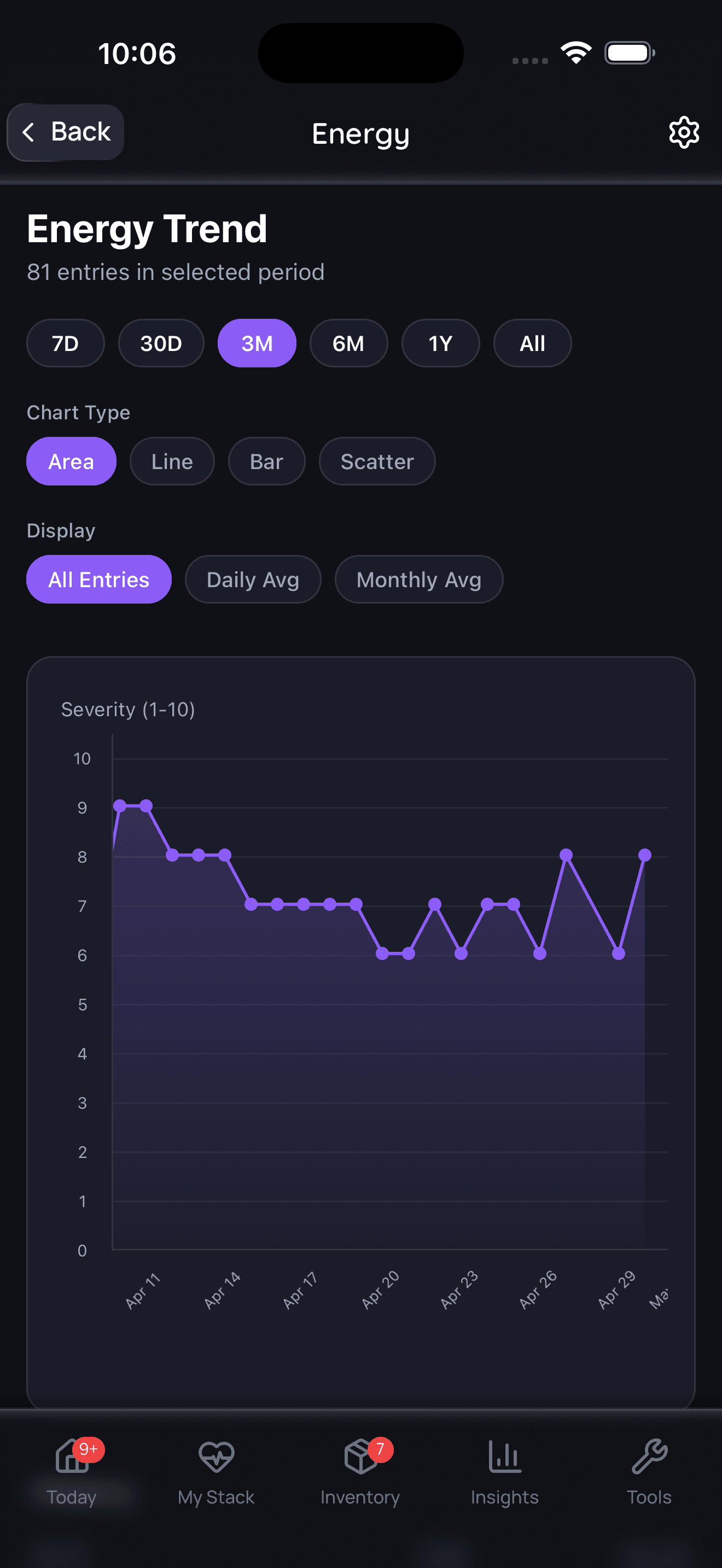
Symptom tracking is informational and should be interpreted with a qualified clinician.
Side Effects & Safety
The Basics
Cordyceps has a strong safety profile. Across multiple clinical trials lasting from 5 weeks to 48 weeks, no major adverse events have been reported, and the FDA designates cordyceps as Generally Regarded As Safe (GRAS) [4].
The most commonly reported side effects are mild and infrequent: occasional gastrointestinal discomfort, diarrhea, dry mouth, and in rare cases, headache. Community reports mention occasional tingling sensations and, in isolated cases, increased anxiety or emotional numbing with sustained daily use.
There are two important safety considerations. First, cordycepin inhibits platelet aggregation, which means cordyceps may increase bleeding risk. One case report documented excessive bleeding following a dental procedure in a person using cordyceps daily as a tonic [15]. People taking blood thinners (warfarin, aspirin, or other anticoagulants) or preparing for surgery should exercise caution and discuss cordyceps use with their healthcare provider.
Second, laboratory studies suggest cordyceps may have blood sugar-lowering effects, which could amplify the action of diabetes medications. While the clinical significance of this interaction has not been established in human studies, those taking insulin or other hypoglycemic medications should monitor blood sugar carefully if using cordyceps [3].
People with myelogenous type cancers should avoid cordyceps due to its demonstrated ability to promote proliferation of erythroid progenitor cells in animal studies [3].
Regarding hepatotoxicity, an NIH LiverTox assessment found cordyceps extracts are unlikely to cause clinically apparent liver injury (Likelihood Score: E), with only one isolated case report of hepatoportal sclerosis in an elderly woman on long-term use [4].
One additional note: wild cordyceps may contain trace levels of arsenic as a naturally occurring contaminant. This is generally not a concern with cultivated C. militaris products [4].
The Science
Hepatic Safety:
In multiple short- and long-term clinical trials, adverse side effects were described as uncommon and minimal with no mention of hepatotoxicity or ALT elevations. The NIH LiverTox database assigns cordyceps a Likelihood Score of E (unlikely cause of clinically apparent liver injury) [4].
Hematological Effects:
Cordycepin inhibits collagen-induced platelet aggregation by lowering calcium ion and thromboxane A2 activities [3][15]. This antiplatelet mechanism is the basis for the bleeding risk warning. Enhanced proliferation of erythroid progenitor cells has been demonstrated in murine bone marrow, which constitutes a theoretical concern for myelogenous cancers [3].
Hypoglycemic Potential:
Preclinical studies demonstrate antidiabetic effects including antioxidant-mediated protection of pancreatic beta-cells, enhanced insulin secretion, improved insulin sensitivity, and inhibition of carbohydrate-digesting enzymes [2][3]. A clinical trial (Ontawong et al., 2024) found no changes in blood sugar indices in healthy volunteers, suggesting the hypoglycemic effect may be more relevant in diabetic populations [7].
Toxicity Data:
When taken appropriately, cordyceps is not thought to be toxic. Overdose has not been reported. The chronic bronchitis RCT (48 weeks of use) found comparable adverse event rates between treatment and placebo groups (29.6% vs 30.4%) [14].
Dosing & Usage Protocols
The Basics
Dosing recommendations for cordyceps vary based on the species, form, and intended purpose. Across clinical trials, the most commonly studied doses range from 1 to 3 grams per day of dried extract or powder, with some protocols using up to 4 grams daily.
For general wellness and energy support, many practitioners and product manufacturers suggest starting with 1,000 to 1,500 mg per day. For exercise performance support, the clinical evidence suggests 2 to 3 grams per day as the range most likely to produce measurable improvements in aerobic capacity [9][12].
For kidney health applications, the clinical dose has been 1 gram three times daily (3 grams per day total) [8]. For chronic respiratory conditions, one large trial used 2 grams three times daily (6 grams per day total) for 48 weeks [14].
There is no established loading phase for cordyceps. Most clinical trials allowed 6 to 12 weeks of consistent use before measuring outcomes, so patience is warranted. Some users report noticeable effects within the first week, while others may require a month or more.
No Tolerable Upper Intake Level (UL) has been established. Clinical trials using up to 6 grams per day for 48 weeks reported no increase in adverse events compared to placebo [14].
The Science
Dose-Response Relationship:
The current evidence suggests a dose range of 1 to 3 g/day of Cs-4 or equivalent C. militaris extract is most likely to produce measurable effects on exercise performance. The meta-analysis by Shu et al. (2025) identified 2 to 3 g/day for 6 to 12 weeks as the practical recommendation based on pooled data from RCTs demonstrating significant improvements in endurance, ventilatory threshold, and VO2peak [9].
Duration Considerations:
In the Chen et al. (2010) trial, 12 weeks of supplementation was required to demonstrate significant changes in metabolic and ventilatory thresholds [5]. In the Yi et al. (2004) trial, significant VO2max improvement was achieved in 6 weeks at 3 g/day [12]. This suggests a minimum of 6 weeks of consistent use may be needed for aerobic capacity benefits.
Form-Specific Dosing:
For C. militaris preparations with quantified cordycepin content, the immune function RCT (Ontawong et al., 2024) demonstrated significant NK cell activity increases with a beverage containing 2.85 mg of cordycepin daily [7]. This represents a substantially lower cordycepin dose than found in typical extract supplements, suggesting the immunomodulatory benefits may be achievable at lower overall doses than the exercise performance benefits.
What to Expect (Timeline)
Weeks 1-2: Some users report noticeable increases in subjective energy and exercise tolerance within the first few days to first week. Community reports describe "clean energy" effects, improved breathing, and enhanced mental clarity. Others may not notice significant changes during this initial period. Acute exercise tolerance improvements (time to exhaustion, perceived exertion) may be detectable within the first 1 to 2 weeks based on some study protocols using acute supplementation.
Weeks 3-4: Immune function markers may begin to shift. The Ontawong et al. (2024) RCT found significant NK cell activity increases in men at the 4-week mark. If cordyceps is working for you, the exercise performance benefits should become more consistent by this point. Some users report that initial strong effects stabilize into a more subtle, steady-state benefit.
Weeks 5-8: This is the minimum window most clinical trials indicate for measuring aerobic capacity improvements. The Yi et al. (2004) trial found significant VO2max improvement at 6 weeks. Benefits in endurance, ventilatory threshold, and oxygen utilization should become clearly measurable through exercise testing or personal performance tracking.
Weeks 8-12: The Chen et al. (2010) trial demonstrated metabolic threshold improvements of 10.5% at the 12-week mark. Immune function benefits continue to build, with the Ontawong et al. trial showing increased NK cell activity in women at 8 weeks. This represents the period where the full range of cordyceps benefits is most likely to be established.
3+ Months: Long-term supplementation appears safe based on the 48-week chronic bronchitis trial, which found sustained respiratory benefits with no increase in adverse events over placebo. Some traditional use protocols recommend cycling (such as 5 days on, 2 days off) for long-term use, though this approach lacks formal clinical validation.
Timelines in the research give you a general idea of when to expect results, but your body has its own schedule. Doserly tracks your progress against those benchmarks, letting you see whether your experience aligns with typical response curves or whether something in your protocol might need adjusting.
By logging biomarkers and subjective outcomes alongside your supplement intake, you build a personal timeline that shows exactly when changes started appearing and how they've progressed. The app's trend analysis highlights inflection points, weeks where things shifted for better or worse, so you have concrete data when deciding whether to continue, adjust your dose, or try a different form.
Keep sensitive protocol records in a purpose-built app.
Doserly is designed for private health tracking with structured records, offline-ready workflows, and exportable history when you need it.
Privacy
Health records
Privacy controls help you manage records; keep clinical records where required.
Interactions & Compatibility
SYNERGISTIC
- Reishi (Ganoderma lucidum): Commonly stacked mushroom combination. Reishi complements cordyceps by adding calming, sleep-supportive, and immune-modulating properties that balance the energizing effects of cordyceps.
- Lion's Mane (Hericium erinaceus): Popular mushroom stack for cognitive enhancement. Lion's Mane targets nerve growth factor (NGF) and cognitive function, while cordyceps contributes energy and exercise performance support.
- Rhodiola Rosea: Fellow adaptogen that may complement cordyceps for stress management and endurance. Community reports suggest the combination enhances respiratory function and stamina.
- Ashwagandha: Adaptogen combination for stress reduction and vitality. Ashwagandha provides anxiety and cortisol modulation while cordyceps contributes energy and endurance support.
- Vitamin D3: General health stack. No known interaction; commonly taken together as part of a comprehensive supplement regimen.
- Magnesium: No known interaction. Magnesium supports energy production (ATP requires Mg2+), muscle function, and sleep, complementing the energy and performance effects of cordyceps.
CAUTION / AVOID
- Anticoagulants / Antiplatelets (Warfarin, Aspirin, Clopidogrel): Cordycepin inhibits platelet aggregation. Concurrent use may increase bleeding risk. One case report of excessive post-dental extraction bleeding linked to daily cordyceps use [15]. Healthcare provider consultation essential.
- Insulin / Hypoglycemic Medications: Preclinical evidence of additive hypoglycemic effects. Monitor blood glucose closely if combining cordyceps with diabetes medications [3].
- Immunosuppressant Medications: While clinical trials have used cordyceps alongside cyclosporine in transplant patients with positive outcomes, the immunomodulatory effects of cordyceps could theoretically interact with immunosuppressive therapy. Use only under medical supervision [3][8].
- Caffeine: Some community protocols recommend avoiding concurrent use, though no clinical evidence specifically documents an adverse interaction. Users who are sensitive to stimulants may experience overstimulation.
How to Take / Administration Guide
Recommended forms:
- C. militaris fruiting body extract (hot water or dual extract): Generally preferred for higher cordycepin content and standardized beta-glucan levels. Look for products specifying beta-glucan content and cordycepin levels on the label.
- Cs-4 (fermented C. sinensis mycelium): The most clinically studied form. Standardized preparations contain verified levels of adenosine, polysaccharides, and amino acids.
- Powdered whole mushroom: Least concentrated form. Larger doses needed for equivalent bioactive content.
- Tinctures/liquid extracts: Convenient but variable in concentration. Absorption may be faster than capsules.
Timing considerations:
- Most users take cordyceps in the morning or early afternoon, as some report mild stimulating effects that could interfere with sleep if taken late in the day.
- For exercise performance, taking cordyceps 30 to 60 minutes before training is a common protocol reported in the community, though clinical trials used once or twice daily dosing without specific exercise timing.
- The chronic bronchitis trial used three-times-daily dosing (with meals), suggesting divided doses may be appropriate for sustained effects throughout the day [14].
Stacking guidance:
- Cordyceps is frequently combined with other functional mushrooms (Lion's Mane, Reishi, Turkey Tail). Many commercial products offer mushroom blends.
- Some practitioners recommend separating cordyceps from calcium-channel blocking medications by 2 or more hours, though this is based on theoretical considerations rather than clinical evidence.
- Community protocols sometimes suggest 5 days on, 2 days off cycling for long-term use, though no clinical evidence validates this approach.
Choosing a Quality Product
Third-party certifications to look for:
- USP Verified, NSF Certified for Sport, or ConsumerLab Approved seals indicate independent verification of contents and purity.
- GMP (Good Manufacturing Practice) certification is a minimum standard.
- Organic certification (USDA Organic) indicates growing conditions but does not verify bioactive content.
Key quality markers:
- Species identification: Label should clearly state Cordyceps militaris or Cordyceps sinensis (Cs-4). "Cordyceps" without species identification is a red flag.
- Fruiting body vs. mycelium-on-grain: For C. militaris, fruiting body extracts typically contain higher levels of cordycepin and beta-glucans than mycelium-on-grain products. Mycelium-on-grain products contain significant starch filler from the growing substrate.
- Beta-glucan content: Quality extracts will specify beta-glucan percentage. Look for products with verified beta-glucan levels (typically 25% or higher for extract products).
- Cordycepin content: Higher-quality C. militaris products specify cordycepin levels. This is the primary bioactive for non-polysaccharide benefits.
- Extraction method: Hot water extraction captures polysaccharides; dual extraction (water + alcohol) captures a broader compound profile. Both methods are valid, depending on desired outcomes.
Red flags:
- Products labeled simply "Cordyceps" or "mushroom blend" without species or extraction information
- Mycelium-on-grain products marketed at fruiting body prices
- Products claiming to contain wild C. sinensis at budget prices (wild cordyceps costs >$20,000/kg; products claiming wild at $20-$30/bottle are almost certainly not genuine)
- Proprietary blends hiding individual mushroom doses in a blend
- No Certificate of Analysis (COA) available upon request
- Claims of curing diseases or guaranteed results
Storage & Handling
Store cordyceps capsules, tablets, and powders in a cool, dry place away from direct sunlight and moisture. Most shelf-stable products maintain potency for 2 to 3 years when stored properly. Once opened, ensure containers are sealed tightly after each use to prevent moisture absorption, which can degrade polysaccharides and promote mold growth.
Liquid extracts (tinctures) should be stored at room temperature. Refrigeration is not typically necessary but may extend shelf life after opening.
Fresh cordyceps mushrooms (if available) should be refrigerated and used within 1 to 2 weeks, or dried for longer-term storage.
Do not expose powdered cordyceps to excessive heat or humidity, as these conditions can degrade cordycepin and other heat-sensitive bioactives. If you live in a humid climate, consider storing supplements in an airtight container with a desiccant packet.
Lifestyle & Supporting Factors
Diet: No specific dietary requirements for cordyceps supplementation. However, some bioactive compounds (particularly ergosterol and other lipid-soluble compounds) may absorb better when taken with a meal containing dietary fat. Maintaining adequate iron intake is important, as cordyceps' proposed mechanism for exercise performance enhancement involves improved oxygen utilization, which depends on adequate hemoglobin levels.
Exercise: Cordyceps supplementation appears most beneficial when combined with regular aerobic exercise. The clinical evidence base is primarily in the context of exercise performance testing. Sedentary individuals beginning an exercise program may see the most pronounced improvements from cordyceps supplementation, based on the pattern of clinical trial results showing greater benefits in elderly/sedentary populations than trained athletes [5][9].
Sleep: There is limited evidence that cordyceps directly affects sleep. Some users report mild stimulating effects, which is why morning or early afternoon dosing is generally recommended. Combining with Reishi in the evening is a common community strategy for balancing the energizing effects of cordyceps with Reishi's calming properties.
Hydration: Adequate hydration supports overall health and exercise performance. No specific hydration interactions with cordyceps have been documented.
Monitoring: Given the traditional and preclinical evidence for effects on blood sugar, testosterone, immune function, and platelet aggregation, periodic blood work (comprehensive metabolic panel, CBC with differential) may be informative for long-term users, particularly those with pre-existing conditions in these areas.
Regulatory Status & Standards
United States (FDA): Cordyceps is regulated as a dietary supplement under DSHEA. The FDA designates cordyceps as Generally Regarded As Safe (GRAS). No New Dietary Ingredient (NDI) notification is required for Cordyceps sinensis or militaris, as both have a history of use predating DSHEA (1994). Products must comply with current Good Manufacturing Practice (cGMP) requirements for dietary supplements.
Canada (Health Canada): Cordyceps is available as a Natural Health Product (NHP). Some cordyceps products have received Natural Product Numbers (NPNs) for specific health claims including antioxidant support and immune function.
European Union (EFSA): Cordyceps is not classified as a Novel Food and is available as a food supplement in most EU member states. No authorized health claims have been approved by EFSA for cordyceps specifically.
Australia (TGA): Cordyceps is available as a complementary medicine. Listed products must comply with TGA requirements for complementary medicines.
Athlete & Sports Regulatory Status:
- WADA: Cordyceps does not appear on the World Anti-Doping Agency Prohibited List. It is not classified as a prohibited substance either in-competition or out-of-competition.
- National Anti-Doping Agencies: No major national anti-doping organizations (USADA, UKAD, Sport Integrity Canada, Sport Integrity Australia) have issued specific guidance restricting cordyceps use.
- Professional Sports Leagues: Cordyceps is not banned by the NFL, NBA, MLB, NHL, MLS, or NCAA. However, athletes should be aware that supplement contamination remains a risk regardless of the supplement's legal status.
- NCAA: Cordyceps is not on the NCAA banned substance list. NCAA student-athletes should still ensure their specific product is NSF Certified for Sport or Informed Sport certified to minimize contamination risk.
- Athlete Certification Programs: NSF Certified for Sport and Informed Sport certified cordyceps products are available on the market. Athletes competing in tested sports should prioritize products carrying these certifications.
- GlobalDRO: Athletes can verify the status of cordyceps products at GlobalDRO.com across multiple countries (US, UK, Canada, Australia, Japan, Switzerland, New Zealand).
Regulatory status and prohibited substance classifications change frequently. Athletes should always verify the current status of any supplement with their sport's governing body, their national anti-doping agency, and a qualified sports medicine professional before use. Third-party certification (Informed Sport, NSF Certified for Sport) reduces but does not eliminate the risk of contamination with prohibited substances.
Frequently Asked Questions
What is the difference between Cordyceps sinensis and Cordyceps militaris?
Cordyceps sinensis (now formally Ophiocordyceps sinensis) is a wild parasitic fungus found at high altitudes in the Himalayas and Tibetan Plateau. It is extremely rare and expensive. Most "C. sinensis" supplements are actually Cs-4, a fermented mycelium product grown in laboratory conditions. Cordyceps militaris is a different species that can be cultivated sustainably, typically contains higher levels of cordycepin (the key bioactive), and is considerably more affordable. Both species share many pharmacological properties and bioactive compounds [1][2].
Does cordyceps actually improve exercise performance?
Based on available research, cordyceps supplementation (particularly Cs-4 at 2-3 g/day for 6-12 weeks) has shown statistically significant improvements in endurance performance, ventilatory threshold, and peak oxygen consumption in pooled analyses of randomized controlled trials. The effects appear more pronounced in older or less-trained individuals. Results in highly trained athletes have been mixed, with at least one study showing no benefit [9][10].
Is cordyceps safe to take long-term?
Clinical trials lasting up to 48 weeks have shown no increase in adverse events compared to placebo. The FDA designates cordyceps as GRAS. However, long-term safety data beyond one year is limited. Users taking anticoagulant or antidiabetic medications should consult with a healthcare provider before long-term use [4][14].
Can cordyceps increase testosterone?
Animal studies demonstrate that cordyceps can modulate testosterone production in a complex, concentration-dependent manner, with moderate doses increasing testosterone and very high doses potentially suppressing it. Whether these effects occur at supplement doses in humans has not been established in clinical trials [1][3].
Should I take Cordyceps militaris fruiting body or Cs-4 mycelium?
Both have demonstrated benefits in different contexts. Cs-4 has more clinical trial data supporting exercise performance and kidney protection. C. militaris fruiting body typically contains higher cordycepin and beta-glucan levels. For most supplementation purposes, high-quality extracts of either species with verified bioactive content are reasonable choices. Community feedback suggests that quality of extraction matters more than species alone.
Can I take cordyceps with other mushroom supplements?
Cordyceps is commonly combined with other functional mushrooms such as Lion's Mane, Reishi, and Turkey Tail. No adverse interactions between these mushrooms have been documented. Many commercial products offer mushroom blend formulations. The main consideration is that stacking makes it difficult to attribute specific effects to individual mushrooms.
Is cordyceps really a zombie fungus?
The pop culture association with "The Last of Us" is based on real biology, but the fungi in the Cordyceps genus that infect insects cannot infect humans. Cordyceps supplements are safe for human consumption and have been used in traditional medicine for centuries [1].
When is the best time to take cordyceps?
Most users take cordyceps in the morning or early afternoon, as some people experience mild stimulating effects. For exercise performance, some community protocols suggest taking it 30-60 minutes before training. There is no single clinically validated "best time," and individual responses vary.
Does cordyceps interact with medications?
Cordyceps may interact with anticoagulant/antiplatelet medications (increased bleeding risk) and antidiabetic medications (additive blood sugar lowering). It may also interact with immunosuppressive therapy. Anyone taking prescription medications should consult with a healthcare provider before adding cordyceps [3][15].
How do I know if my cordyceps supplement is high quality?
Look for products that clearly identify the species (C. militaris or Cs-4), specify beta-glucan and/or cordycepin content, use fruiting body extract (for C. militaris) rather than mycelium-on-grain, and offer a Certificate of Analysis (COA). Third-party certifications (USP, NSF, ConsumerLab) provide additional quality assurance.
Myth vs. Fact
Myth: Cordyceps gives you an energy boost like caffeine.
Fact: Cordyceps does not work as a central nervous system stimulant like caffeine. Instead, available research suggests it may improve how efficiently your body uses oxygen and produces ATP at the cellular level. Users consistently describe the effect as "clean energy" or improved stamina rather than a stimulant buzz. The mechanism involves enhanced aerobic metabolism rather than neurotransmitter stimulation [1][5].
Myth: Wild cordyceps is always superior to cultivated forms.
Fact: Wild Cordyceps sinensis is extremely rare, costs more than $20,000 per kilogram, and is virtually impossible to verify in supplement form. Cultivated C. militaris fruiting body extracts typically contain higher measured levels of cordycepin than wild or Cs-4 preparations and are produced under controlled, verifiable conditions. The clinical trial evidence base includes both Cs-4 and C. militaris preparations, and both have demonstrated benefits [1][2].
Myth: Cordyceps will dramatically increase testosterone levels.
Fact: While animal studies show that cordyceps can modulate testosterone production, the effect is complex and concentration-dependent. At moderate doses, testosterone increased in rodent studies; at higher doses, it could actually suppress testosterone. No human clinical trials have confirmed testosterone-boosting effects at supplement doses. Traditional claims about cordyceps as a sexual tonic predate modern endocrinology [1][3].
Myth: All cordyceps supplements are the same.
Fact: There is enormous variation in cordyceps products. The species (C. sinensis vs. C. militaris), preparation type (Cs-4 fermented mycelium vs. fruiting body extract vs. mycelium-on-grain), extraction method (hot water vs. dual extraction), and standardization for bioactive content all significantly affect what you are actually consuming. Mycelium-on-grain products may contain substantial starch filler from the growing substrate, while high-quality extracts specify cordycepin and beta-glucan content.
Myth: Cordyceps will turn you into a zombie.
Fact: The parasitic fungi in the Cordyceps genus that infect insects (famously depicted in "The Last of Us") are highly specialized to specific insect hosts. They cannot infect humans. Cordyceps has been consumed safely in traditional medicine for centuries, and modern clinical trials confirm its safety in human subjects. The insect-parasitizing behavior is a fascinating example of parasite evolution but has no relevance to human supplement use [1][4].
Myth: You can feel cordyceps working immediately.
Fact: While some users report acute effects (particularly before exercise), the clinical evidence indicates that most measurable benefits, such as improvements in aerobic capacity and immune function markers, require 4 to 12 weeks of consistent supplementation to develop. Studies showing significant exercise performance improvements generally ran for 6 to 12 weeks [5][9][12].
Myth: Cordyceps boosts the immune system, so it is good for everyone.
Fact: Cordyceps is more accurately described as an immunomodulator than an immune booster. It can both stimulate and regulate immune responses. People with autoimmune conditions should exercise caution, as the immunostimulatory effects (increased NK cell activity, enhanced T helper cell response) could theoretically exacerbate autoimmune processes. Consultation with a healthcare provider is important for individuals with autoimmune conditions [3][7].
Sources & References
Clinical Trials & RCTs
[5] Chen S, Li Z, Krochmal R, et al. Effect of Cs-4 (Cordyceps sinensis) on exercise performance in healthy older subjects: a double-blind, placebo-controlled trial. J Altern Complement Med. 2010;16(5):585-590. PMID: 20804368.
[7] Ontawong A, Pengnet S, Thim-Uam A, et al. A randomized controlled clinical trial examining the effects of Cordyceps militaris beverage on the immune response in healthy adults. Sci Rep. 2024;14:7994. doi:10.1038/s41598-024-58742-z.
[10] Parcell AC, Smith JM, Schulthies SS, et al. Cordyceps sinensis (CordyMax Cs-4) supplementation does not improve endurance exercise performance. Int J Sport Nutr Exerc Metab. 2004;14(2):236-242. PMID: 15118196.
[12] Yi X, Xi-zhen H, Jia-shi Z. Randomized double-blind placebo-controlled clinical trial and assessment of fermentation product of Cordyceps sinensis (Cs-4) in enhancing aerobic capacity and respiratory function of the healthy elderly volunteers. Chin J Integr Med. 2004;10:187-192.
[14] Shu X, Xu D, Qu Y, et al. Efficacy and safety of Cordyceps sinensis (Hirsutella sinensis, Cs-C-Q80) in chronic bronchitis. Front Pharmacol. 2024;15:1428216. doi:10.3389/fphar.2024.1428216.
Systematic Reviews & Meta-Analyses
[9] Shu MY, Zhang XC, Zuo L, et al. Effects of fungal supplementation on endurance, immune function, and hematological profiles in adult athletes: a systematic review and meta-analysis. Front Nutr. 2025;12:1670416. doi:10.3389/fnut.2025.1670416.
[11] Hong T, Zhang M, Fan J. Cordyceps sinensis (a traditional Chinese medicine) for kidney transplant recipients. Cochrane Database Syst Rev. 2015;(10):CD009698.
[13] Current Evidence of Ergogenic and Post-Exercise Recovery Effects of Dietary Supplementation with Cordyceps militaris in Humans: A Narrative Review. Nutrients. 2026;18(5):781. doi:10.3390/nu18050781.
Comprehensive Reviews
[1] Research Breakdown on Cordyceps. Last Updated: August 28, 2025. doi: (internal research synthesis from peer-reviewed literature including Zhu JS et al., J Altern Complement Med 1998;4:289-303 and 4:429-457).
[2] Das G, Shin HS, Leyva-Gomez G, et al. Cordyceps spp.: A Review on Its Immune-Stimulatory and Other Biological Potentials. Front Pharmacol. 2021;11:602364. doi:10.3389/fphar.2020.602364.
[6] Dewi L, Khemtong C. Ergogenic Aid by Cordyceps: Does It Work? Curr Nutr Rep. 2025;14:97. doi:10.1007/s13668-025-00690-9.
Government/Institutional Sources
[3] Memorial Sloan Kettering Cancer Center. Cordyceps. About Herbs database. Last updated: February 10, 2022.
[4] LiverTox: Clinical and Research Information on Drug-Induced Liver Injury. Cordyceps. National Institute of Diabetes and Digestive and Kidney Diseases. Last updated: June 16, 2025.
Renal Transplant Studies
[8] Li Y, Xue WJ, Tian PX, et al. Clinical application of Cordyceps sinensis on immunosuppressive therapy in renal transplantation. Transplant Proc. 2009;41(5):1565-1569. | Ding C, Tian PX, Xue W, et al. Efficacy of Cordyceps sinensis in long term treatment of renal transplant patients. Front Biosci (Elite Ed). 2011;3:301-307. | Zhang Z, Wang X, Zhang Y, Ye G. Effect of Cordyceps sinensis on Renal Function of Patients with Chronic Allograft Nephropathy. Urol Int. 2011;86(3):298-301.
Case Reports
[15] Hatton MN, Desai K, Le D, et al. Excessive postextraction bleeding associated with Cordyceps sinensis: A case report and review of select traditional medicines. Oral Surg Oral Med Oral Pathol Oral Radiol. 2018;126(6):494-500.
Related Supplement Guides
Same Category (Functional Mushrooms):
Common Stacks / Pairings:
Related Health Goal (Energy & Performance):