
Cranberry Extract: The Complete Supplement Guide
On this page
Quick Reference Card
Attribute
Common Name
- Detail
- Cranberry Extract
Attribute
Other Names / Aliases
- Detail
- Vaccinium macrocarpon, American Cranberry, Mossberry, Sassamanash, Bounceberry, Large Cranberry, Bearberry (archaic)
Attribute
Category
- Detail
- Herbal Extract (Berry / Fruit Extract)
Attribute
Primary Forms & Variants
- Detail
- Standardized extract (concentrated PAC content, typically 25-50% proanthocyanidins); whole fruit powder (Pacran); dried cranberry powder; cranberry juice concentrate; liquid tincture
Attribute
Typical Dose Range
- Detail
- Extract: 120-1,600 mg/day; whole fruit powder: 500-1,500 mg/day; juice: 240-480 mL (8-16 oz)/day; target PAC intake: 36+ mg/day
Attribute
RDA / AI / UL
- Detail
- No RDA, AI, or UL established. Not an essential nutrient. FDA qualified health claim (2020) specifies 500 mg/day with >=25% PACs.
Attribute
Common Delivery Forms
- Detail
- Capsules, tablets, soft gels, powder, juice, liquid concentrate
Attribute
Best Taken With / Without Food
- Detail
- Can be taken with or without food. Taking with meals may reduce GI discomfort at higher doses.
Attribute
Key Cofactors
- Detail
- Vitamin C (may enhance urinary acidification); D-mannose (commonly combined for UTI prevention); probiotics (complementary urinary tract support)
Attribute
Storage Notes
- Detail
- Store in a cool, dry place away from direct sunlight and moisture. Keep tightly sealed. Juice should be refrigerated after opening.
Overview
The Basics
Cranberry is one of the most recognizable berry supplements in the world, and its connection to urinary tract health has deep roots in both traditional use and modern research. The plant, Vaccinium macrocarpon, is a low-growing evergreen shrub native to the bogs and wetlands of North America, where it has been used by Indigenous peoples for centuries as food, dye, and medicine [1][2].
Most people encounter cranberry as a juice or dried berry, but the supplement form, typically a concentrated extract in capsule or tablet form, has become the dominant way people use cranberry for health purposes. The reason is simple: you would need to drink impractical volumes of cranberry juice to match the active compound levels found in a standardized extract. And the sugar content of commercial cranberry juice cocktails works against many of the health goals people are pursuing [2].
The active compounds driving most of the research interest are A-type proanthocyanidins, commonly called PACs. These are a specific class of polyphenol found in cranberries that appear to prevent certain bacteria from attaching to the walls of the urinary tract. This anti-adhesion mechanism is what sets cranberry apart from most other berry or fruit supplements, and it explains why the research focus has been so heavily concentrated on urinary tract infections [3][4].
The evidence picture is genuinely mixed, though it has gotten stronger in recent years. A 2023 Cochrane review of 50 clinical trials involving nearly 9,000 people found moderate evidence that cranberry products reduce UTI risk in certain populations, particularly women with recurrent UTIs and children [5]. However, cranberry did not show meaningful benefit for elderly institutionalized adults, pregnant women, or people with bladder emptying problems. The story of cranberry is not "does it work" but "for whom, at what dose, and in which form."
The Science
Vaccinium macrocarpon Aiton (American cranberry) is a member of the Ericaceae family, native to acidic bogs and wetlands of northeastern North America. The genus Vaccinium also includes blueberry (V. corymbosum) and lingonberry (V. vitis-idaea), though cranberry possesses a distinct phytochemical profile dominated by A-type proanthocyanidins (PACs) rather than the B-type linkages found in most other polyphenol-rich fruits [1][6].
The berry and its concentrated extracts contain a complex matrix of bioactive compounds:
- A-type proanthocyanidins (PACs): Oligomeric and polymeric flavan-3-ols with at least one A-type interflavan bond. These are the primary bioactive compounds of clinical interest [3][6]
- Anthocyanins: Cyanidin, peonidin, and malvidin glycosides contributing antioxidant activity [6]
- Flavonols: Quercetin and myricetin glycosides [6]
- Organic acids: Citric, malic, quinic, and benzoic acids (the latter contributing to urinary hippuric acid excretion) [1]
- Ursolic acid and oleanolic acid: Pentacyclic triterpenoids with anti-inflammatory properties [6]
- Phenolic acids: Hydroxycinnamic acids including caffeic, coumaric, and ferulic acids [6]
The distinction between A-type and B-type PACs is pharmacologically significant. A-type PACs possess a unique doubly-linked structure (C2-O-C7 ether bond in addition to the standard C4-C8 or C4-C6 bond) that confers the anti-adhesion properties against uropathogenic E. coli. This structural feature is uncommon in the plant kingdom, making cranberry one of the few commercially available dietary sources of A-type PACs [3][6].
Cranberry's entry into evidence-based supplementation was accelerated by the FDA's 2020 issuance of a qualified health claim allowing manufacturers to state that "limited" evidence supports daily consumption of cranberry dietary supplements (>=500 mg with >=25% PACs) for reducing the risk of recurrent UTIs in healthy women [7].
Chemical & Nutritional Identity
Property
Scientific Name
- Value
- Vaccinium macrocarpon Aiton
Property
Botanical Family
- Value
- Ericaceae (Heath family)
Property
Common Synonyms
- Value
- American Cranberry, Large Cranberry, Oxycoccus macrocarpus
Property
Category
- Value
- Berry fruit extract / Herbal supplement
Property
Key Bioactive Compounds
- Value
- A-type proanthocyanidins (PACs), anthocyanins (cyanidin, peonidin, malvidin glycosides), quercetin, myricetin, ursolic acid, organic acids (citric, malic, quinic, benzoic)
Property
PubChem CID (Proanthocyanidin A2)
- Value
- 159159
Property
RDA / AI / UL
- Value
- Not established (not an essential nutrient)
Property
PAC Standardization Target
- Value
- >=36 mg PACs/day for UTI prevention (based on clinical evidence)
Property
Quantification Method
- Value
- BL-DMAC (4-dimethylaminocinnamaldehyde) is the accepted standard for PAC measurement
Common supplement forms and their characteristics:
- Standardized extract (PAC-rich): Concentrated to contain 25-50% proanthocyanidins. The most clinically relevant form for UTI prevention. Products like Ellura (36 mg PACs per capsule) use soluble PAC fractions that may have superior urinary anti-adhesion activity compared to whole fruit preparations [3][8].
- Whole cranberry fruit powder (e.g., Pacran): Contains the full spectrum of cranberry compounds including fiber, organic acids, and PACs. A 2025 multicenter RCT found this form reduced culture-confirmed UTIs (10.8% vs. 25.8% placebo) [9].
- Dried cranberry powder: Less concentrated than standardized extracts. Typical doses of 500-1,500 mg/day. PAC content varies widely by product and processing.
- Cranberry juice concentrate: Liquid form, often standardized to phenolic compound content. Higher bioavailability may be offset by sugar content and compliance challenges.
- Cranberry juice (beverage): Requires 240-480 mL/day for potential benefit. Commercial cocktails are high in added sugar. Pure unsweetened cranberry juice is extremely tart.
Mechanism of Action
The Basics
Cranberry's primary claim to fame is deceptively simple: it makes it harder for certain bacteria to stick to the walls of your urinary tract. Instead of killing bacteria (like an antibiotic would), cranberry's active compounds essentially make the surfaces of your bladder and urethra slippery to the specific type of E. coli that causes most UTIs [3][4].
Think of it like coating a surface with non-stick spray. The bacteria are still present in your urinary environment, but they cannot grab hold and establish an infection. When bacteria cannot attach, they get flushed out naturally when you urinate. This is why cranberry is discussed as a prevention strategy rather than a treatment. Once bacteria have already attached and established an infection, the anti-adhesion mechanism is too late to help [4][10].
The compounds responsible for this effect are A-type proanthocyanidins, or PACs. These are a specific type of plant polyphenol that cranberry produces in unusually high concentrations. Most other berries and fruits contain B-type PACs, which do not demonstrate the same anti-adhesion properties. This structural difference is why cranberry has a unique position among berry supplements for urinary tract health [3][6].
There is also emerging evidence that cranberry works through anti-inflammatory pathways, not just anti-adhesion. Some researchers now suggest that the reduction in UTI symptoms observed in clinical trials may involve cranberry dampening the inflammatory response in the urinary tract, which could explain why some studies show reduced symptoms even when bacterial cultures do not confirm fewer actual infections [10].
The Science
The primary mechanism of Vaccinium macrocarpon relevant to UTI prevention involves the anti-adhesion activity of A-type proanthocyanidins (PACs) against uropathogenic Escherichia coli (UPEC). UPEC strains express P-fimbriae (pyelonephritis-associated pili) and type 1 fimbriae that mediate adherence to uroepithelial glycolipid receptors. A-type PACs interfere with this adhesion by binding to bacterial surface adhesins and altering fimbrial conformation, preventing initial colonization of the urothelium [3][4][11].
In vitro bioassay studies demonstrate that urine collected from individuals who consumed cranberry products containing >=36 mg PACs exhibits significant anti-adhesion activity against P-fimbriated E. coli. This urinary bioactivity peaks 4-6 hours post-ingestion and diminishes within 24 hours, supporting the rationale for daily dosing [8][11].
Additional characterized mechanisms include:
- Anti-inflammatory activity: Cranberry polyphenols inhibit cyclooxygenase (COX-1 and COX-2) activity and suppress proinflammatory cytokine production (IL-6, IL-8, TNF-alpha). This may explain symptom reduction independent of bacterial adhesion effects [6][10]
- H. pylori anti-adhesion: A-type PACs similarly inhibit adhesion of Helicobacter pylori to gastric mucosa. Clinical trials demonstrate cranberry supplementation achieving H. pylori suppression rates of 14.3% vs. 1.5% placebo, though without statistical significance in meta-analysis (RR 1.27, not significant) [12][13]
- Oral bacterial anti-adhesion: PACs prevent P. gingivalis biofilm formation through inhibition of bacterial and host-derived proteolytic enzymes, regulation of host inflammatory response, and inhibition of osteoclast differentiation [14]
- Antioxidant activity: Cranberry phenolics demonstrate radical scavenging capacity, with plasma antioxidant capacity increasing by up to 121% after consumption of 2-3 servings/day in metabolic syndrome subjects [15]
- Prebiotic-like effects: A 2024 study found cranberry extract increased Bifidobacterium abundance and boosted short-chain fatty acid production (particularly butyrate), supporting gut barrier integrity [16]
- Anticancer activity (preclinical only): In vitro studies show cranberry extracts induce cell cycle arrest, apoptosis, and ROS generation in various cancer cell lines. No human clinical trials have been conducted [2]
The pharmacological distinction between A-type and B-type PACs is critical to understanding cranberry's unique bioactivity. The A-type interflavan bond (C2-O-C7 ether linkage) creates a more rigid molecular structure that appears essential for anti-adhesion activity. B-type PACs found in grape seed, cocoa, and most other polyphenol-rich foods do not demonstrate comparable urinary anti-adhesion effects [3][6].
Absorption & Bioavailability
The Basics
One of the most important things to understand about cranberry supplements is that the form you choose and how much PAC it actually contains matter enormously. Not all cranberry products deliver the same level of active compounds to your body, and the difference between an effective product and an ineffective one often comes down to the type and amount of proanthocyanidins it contains [8].
The active PACs from cranberry are absorbed in the digestive tract and then filtered through the kidneys into the urine, which is where they need to end up to prevent bacteria from adhering to the bladder wall. Research shows that urinary anti-adhesion activity peaks about 4-6 hours after taking a cranberry supplement and fades within 24 hours. This is why consistent daily dosing is considered important for ongoing protection [8][11].
Not all PACs are created equal when it comes to absorption and effectiveness. Studies have found that soluble PACs (from the juice fraction of cranberry) may have superior anti-adhesion activity compared to insoluble PACs (from the pulp and skin). This means a concentrated extract standardized for soluble PACs could be more effective milligram-for-milligram than a whole fruit powder, even though the powder contains more total PAC content on paper [8].
Cranberry also contains significant amounts of oxalate, a compound that can contribute to kidney stone formation. One study found that urinary oxalate levels increased by an average of 43.4% in volunteers taking cranberry tablets. This is an important bioavailability consideration for individuals with a history of calcium oxalate kidney stones [17].
The Science
The pharmacokinetics of cranberry PACs involve gastrointestinal absorption, hepatic metabolism, renal excretion, and urinary bioactivity. The clinically relevant endpoint is not plasma PAC concentration but urinary anti-adhesion activity, which serves as a functional biomarker of effective dosing [8][11].
Key pharmacokinetic parameters:
- Absorption: A-type PACs are absorbed in the upper GI tract, with oligomeric forms (dimers and trimers) showing higher bioavailability than larger polymeric PACs [6][8]
- Urinary anti-adhesion onset: Detected in urine 4-6 hours post-ingestion [8][11]
- Duration of urinary bioactivity: Approximately 12-24 hours, supporting once or twice daily dosing [8]
- Soluble vs. insoluble PACs: A crossover study found that cranberry products with soluble (juice-derived) PACs produced greater urinary anti-adhesion activity than equivalent PAC doses from insoluble (pulp-derived) sources, suggesting that PAC solubility profile affects functional bioavailability [8]
- Metabolites: PACs are extensively metabolized by colonic microbiota, producing phenolic acid metabolites (including hippuric acid, phenylacetic acid, and valerolactones) that may contribute to systemic antioxidant and anti-inflammatory effects [6]
Cranberry's oxalate content is a significant pharmacological consideration. Cranberry juice and concentrated tablets significantly increase urinary oxalate excretion (mean increase 43.4% in one study), which could promote calcium oxalate nephrolithiasis in susceptible individuals. However, cranberry simultaneously increases urinary citrate (a stone inhibitor) and hippuric acid, creating a complex net effect on stone risk. The balance of evidence suggests caution in individuals with a history of calcium oxalate stones, but the USP safety review concluded the overall stone risk is not definitive [17][18].
Research & Clinical Evidence
The Basics
Cranberry extract has been studied more extensively than most herbal supplements, particularly for urinary tract infections. The most comprehensive evaluation is a 2023 Cochrane review that pooled data from 50 clinical trials involving nearly 9,000 people. The headline finding is that cranberry products reduced UTI risk by about 30% overall, but the benefit was not universal [5].
The people who benefit most clearly from cranberry supplementation are women who get recurrent UTIs and children. For these groups, the evidence is moderately strong. For elderly adults in care facilities, pregnant women, and people with neurogenic bladder problems, cranberry does not appear to help [5].
An important finding that emerged from a 2024 meta-analysis is that the dose matters. Studies using cranberry products with at least 36 mg of PACs per day showed an 18% reduction in UTI risk, while studies using lower PAC doses showed no benefit. This suggests that many of the negative studies in the literature may have used products with insufficient active compound content [4].
Beyond UTI prevention, the evidence for cranberry in other areas is much thinner. There is preliminary research on cardiovascular benefits (modest effects on blood pressure and LDL particle size), H. pylori suppression, oral health, antioxidant activity, and gut microbiome effects, but none of these areas has the depth of evidence that exists for UTI prevention [12][15][19].
The Science
Urinary Tract Infection Prevention
The 2023 Cochrane systematic review (Williams et al.) analyzed 50 RCTs with 8,857 participants. Overall risk reduction: RR 0.70, 95% CI 0.58-0.84 (moderate certainty, GRADE methodology) [5].
Population-specific findings:
- Women with recurrent UTIs (8 studies, n=1,555): RR 0.74, 95% CI 0.55-0.99
- Children (5 studies, n=504): RR 0.46, 95% CI 0.32-0.68
- Post-intervention susceptibility (6 studies, n=1,434): RR 0.47, 95% CI 0.37-0.61
- Elderly institutionalized (3 studies, n=1,489): RR 0.93, 95% CI 0.67-1.30 (no benefit)
- Pregnant women (3 studies, n=765): RR 1.06, 95% CI 0.75-1.50 (no benefit)
- Bladder emptying issues (3 studies, n=464): RR 0.97, 95% CI 0.78-1.19 (no benefit) [5]
Cranberry showed comparable effectiveness to antibiotics (RR 1.03, 95% CI 0.80-1.33) and superior effectiveness to probiotics (RR 0.39, 95% CI 0.27-0.56) for UTI prevention [5].
The 2024 PAC-dose meta-analysis (10 RCTs, n=2,438) established the 36 mg PAC/day threshold: below this, no significant reduction (p=0.39); at or above 36 mg, 18% risk reduction (RR 0.82, 95% CI 0.69-0.98, p=0.03). Optimal treatment duration: 12-24 weeks (RR 0.75, 95% CI 0.61-0.91, p=0.004) [4].
A 2025 multicenter RCT (AJCN) using standardized whole cranberry fruit powder found culture-confirmed UTI rates of 10.8% in the cranberry group vs. 25.8% in placebo over 6 months [9].
Cardiovascular Effects
A systematic review and meta-analysis (Pourmasoumi et al., 2019) found cranberry administration significantly reduced systolic blood pressure and BMI, but showed no significant effects on total cholesterol, LDL-C, HDL-C, fasting glucose, or fasting insulin [19].
A randomized crossover trial (Richter et al., 2021, n=40) found no effect on central systolic BP (primary endpoint) but reported modest reduction in 24-h diastolic ambulatory BP (~2 mm Hg, p=0.05), increased large LDL particles (+29.5 nmol/L, p=0.02), and increased LDL particle size (+0.073 nm, p=0.001). Baseline inflammatory status (CRP) moderated treatment effects [20].
H. pylori
Cranberry showed suppression rates of 14.3% vs. 1.5% placebo in one RCT. However, a systematic review and meta-analysis found the overall effect was not statistically significant (eradication increased by factor of 1.27, p>0.05). Cranberry may serve as an adjunct to standard triple therapy rather than a standalone H. pylori treatment [12][13].
Antioxidant and Metabolic Effects
In women with metabolic syndrome, low-calorie cranberry juice increased plasma antioxidant capacity from 1.5 to 2.2 umol/L (p<0.05) and decreased oxidized LDL [15].
Evidence & Effectiveness Matrix
Category
Immune Function
- Evidence Strength
- 8/10
- Reported Effectiveness
- 6/10
- Summary
- Strong meta-analytic evidence for UTI prevention (50 RCTs, n=8,857) in specific populations. Community reports moderate positive sentiment with significant product-quality dependence.
Category
Gut Health
- Evidence Strength
- 3/10
- Reported Effectiveness
- 4/10
- Summary
- Emerging evidence for prebiotic effects (increased Bifidobacterium, butyrate production). Community reports are sparse and mixed.
Category
Digestive Comfort
- Evidence Strength
- 2/10
- Reported Effectiveness
- 4/10
- Summary
- No clinical evidence for digestive benefits; GI effects discussed primarily as side effects. Community reports split between no issues and mild discomfort.
Category
Nausea & GI Tolerance
- Evidence Strength
- 5/10
- Reported Effectiveness
- 5/10
- Summary
- Cochrane review found minimal difference in GI side effects vs. placebo (RR 1.33). Community reports generally acceptable tolerability with capsules; juice form causes more GI complaints.
Category
Inflammation
- Evidence Strength
- 4/10
- Reported Effectiveness
- 4/10
- Summary
- In vitro COX inhibition and cytokine suppression. Limited clinical evidence for systemic anti-inflammatory effects. Sparse community reports.
Category
Heart Health
- Evidence Strength
- 4/10
- Reported Effectiveness
- 3/10
- Summary
- One meta-analysis suggests modest BP reduction; RCT showed effects on LDL particle characteristics but not primary endpoints. Essentially no community discussion of cardiovascular use.
Category
Skin Health
- Evidence Strength
- 1/10
- Reported Effectiveness
- 3/10
- Summary
- No clinical evidence for direct skin benefits from cranberry supplementation. Minimal community discussion.
Category
Side Effect Burden
- Evidence Strength
- 6/10
- Reported Effectiveness
- 7/10
- Summary
- Clinical trials show cranberry supplements are well tolerated with minimal difference vs. placebo. Community confirms generally low side effect burden.
Category
Treatment Adherence
- Evidence Strength
- 4/10
- Reported Effectiveness
- 6/10
- Summary
- Capsule form widely reported as convenient for daily use. Better compliance than juice-based regimens.
Category
Energy Levels
- Evidence Strength
- 1/10
- Reported Effectiveness
- 3/10
- Summary
- No clinical evidence for energy effects. No meaningful community signal.
Categories scored: 10
Categories with community data: 10
Categories not scored (insufficient data): Fat Loss, Muscle Growth, Weight Management, Appetite & Satiety, Food Noise, Sleep Quality, Focus & Mental Clarity, Memory & Cognition, Mood & Wellbeing, Anxiety, Stress Tolerance, Motivation & Drive, Emotional Aliveness, Emotional Regulation, Libido, Sexual Function, Joint Health, Pain Management, Recovery & Healing, Physical Performance, Hair Health, Blood Pressure, Heart Rate & Palpitations, Hormonal Symptoms, Temperature Regulation, Fluid Retention, Body Image, Bone Health, Longevity & Neuroprotection, Cravings & Impulse Control, Social Connection, Withdrawal Symptoms, Daily Functioning
Benefits & Potential Effects
The Basics
Cranberry extract is primarily used for one specific purpose: preventing urinary tract infections, particularly in women who experience them repeatedly. This is its strongest and best-supported benefit, and it is the reason most people reach for a cranberry supplement [5].
For women who deal with recurrent UTIs, the data is genuinely encouraging. The most recent Cochrane review found about a 26% reduction in UTI risk when cranberry products were used consistently. For children, the benefit was even more pronounced, with roughly a 54% risk reduction. These are meaningful numbers, especially when the alternative is repeated rounds of antibiotics with their own downsides [5].
Beyond UTI prevention, cranberry extract shows early promise in several other areas, though the evidence is much less mature:
- Gut health: Preliminary research suggests cranberry compounds may act as prebiotics, feeding beneficial gut bacteria and increasing production of butyrate, a short-chain fatty acid important for gut lining health [16]
- H. pylori suppression: Cranberry may help suppress the stomach bacterium associated with ulcers and gastric cancer, though the evidence is not yet statistically significant in meta-analyses [12][13]
- Oral health: PACs appear to inhibit the formation of dental biofilms, potentially reducing the risk of gum disease and cavities [14]
- Antioxidant support: Cranberry is among the highest-ranked fruits for antioxidant capacity, and supplementation has been shown to increase plasma antioxidant levels [15]
- Cardiovascular markers: Some studies show modest improvements in blood pressure, LDL particle size, and arterial stiffness, though results are inconsistent [19][20]
It is worth noting what cranberry is not well-suited for. It is not a treatment for active UTIs (only prevention), it does not appear to benefit elderly institutionalized adults or pregnant women for UTI prevention, and the cardiovascular and metabolic benefits, while plausible, are not yet strong enough to recommend cranberry specifically for those purposes [5].
The Science
Urinary Tract Infection Prevention (Strong Evidence)
The anti-adhesion mechanism of A-type PACs against uropathogenic E. coli is the best-characterized benefit. The 2023 Cochrane meta-analysis demonstrated an overall RR of 0.70 (95% CI 0.58-0.84) across 26 studies (n=6,211) with moderate certainty evidence. The effect was most pronounced in children (RR 0.46) and post-intervention populations (RR 0.47), with moderate benefit in women with recurrent UTIs (RR 0.74) [5].
Cranberry demonstrated non-inferiority to prophylactic antibiotics (RR 1.03, 95% CI 0.80-1.33), suggesting it may be a viable non-antibiotic alternative for UTI prevention in appropriate populations [5].
Antioxidant and Anti-inflammatory Activity (Moderate Evidence)
Cranberry polyphenols demonstrate dose-dependent antioxidant activity in human studies. In women with metabolic syndrome, cranberry juice supplementation increased plasma antioxidant capacity by up to 121% and decreased oxidized LDL (p<0.05) [15]. In vitro, cranberry extracts inhibit COX-1/COX-2 activity and suppress production of IL-6, IL-8, and TNF-alpha [6].
Cardiovascular Effects (Emerging Evidence)
Meta-analytic data suggests modest systolic BP reduction and BMI improvement [19]. Mechanistic support includes increased LDL particle size (a favorable shift, p=0.001), increased large LDL particles (p=0.02), and reduced arterial stiffness (pulse wave velocity) in coronary artery disease patients [20]. However, primary cardiovascular endpoints (central systolic BP, total cholesterol, HDL-C) were not significantly affected in the most rigorous RCT [20].
Gut Microbiome Effects (Preliminary Evidence)
A 2024 study demonstrated that cranberry extract supplementation increased Bifidobacterium abundance and elevated short-chain fatty acid production, particularly butyrate. These prebiotic-like effects may support gut barrier integrity and have downstream implications for systemic inflammation and immune function [16].
Reading about potential benefits gives you a framework. Seeing whether those benefits are showing up in your own body turns knowledge into confidence. Doserly lets you track the specific health markers relevant to this supplement, building a personal dataset that captures what's actually changing week over week.
The app's AI analytics go further than simple logging. By correlating your supplement intake with the biomarkers and health outcomes you're tracking, Doserly surfaces patterns you might miss on your own, like whether a dose adjustment three weeks ago corresponds to the improvement you're noticing now. When it's time to evaluate whether a supplement is earning its place in your stack, you have your own data to guide the decision.
Keep sensitive protocol records in a purpose-built app.
Doserly is designed for private health tracking with structured records, offline-ready workflows, and exportable history when you need it.
Privacy
Health records
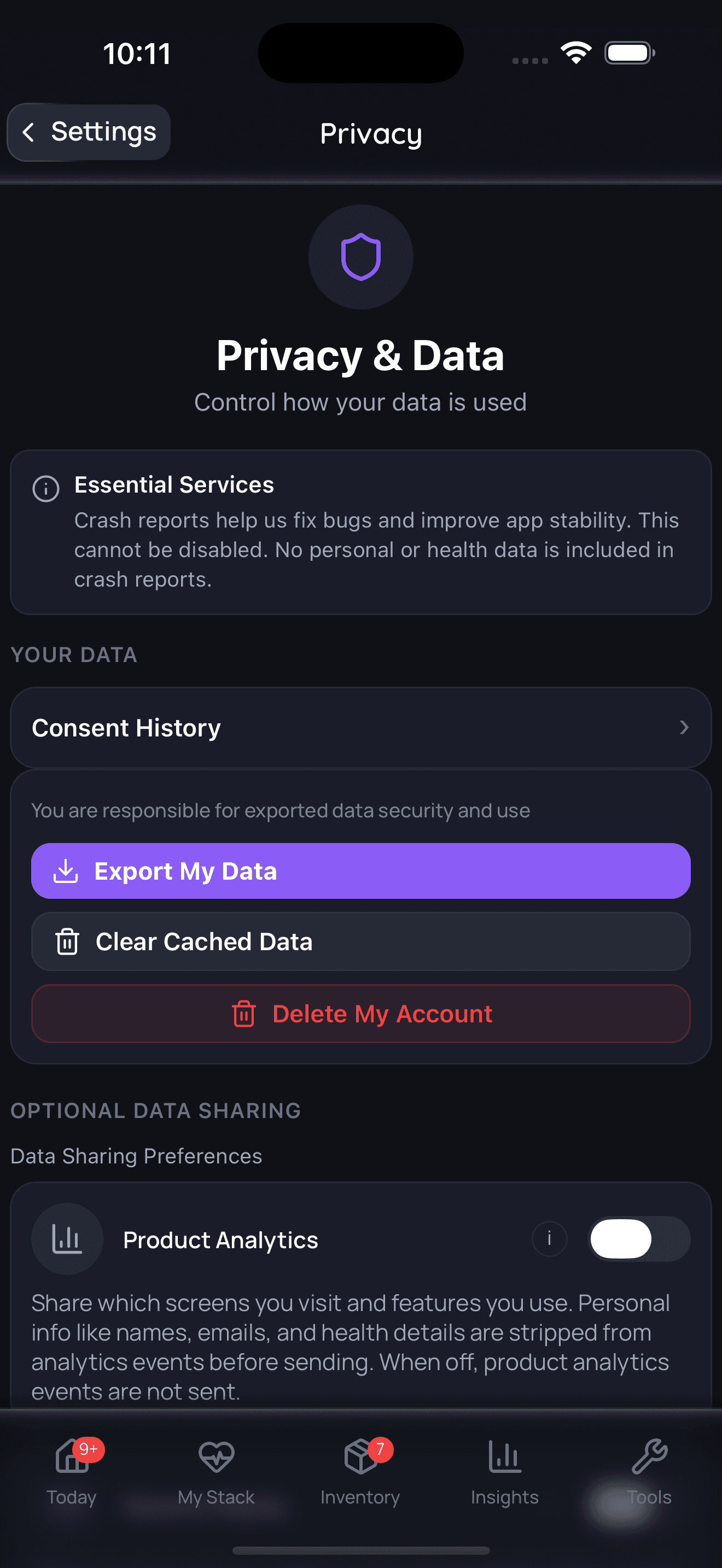
Privacy controls help you manage records; keep clinical records where required.
Side Effects & Safety
The Basics
Cranberry supplements are generally considered safe and well tolerated. The 2023 Cochrane review, which looked at side effects across thousands of participants, found that gastrointestinal complaints (stomach discomfort, nausea, diarrhea) occurred at roughly similar rates between cranberry and placebo groups [5]. Most people taking standard supplement doses do not experience notable side effects.
That said, there are some real safety considerations worth knowing about:
Gastrointestinal effects. At very high doses (particularly with cranberry juice, above 3-4 cups per day), stomach upset and diarrhea become more common. Concentrated supplements in capsule form are generally better tolerated than large volumes of juice [2][5].
Kidney stones. This is the most important safety consideration for certain people. Cranberry contains significant amounts of oxalate, and one study found that cranberry tablets increased urinary oxalate levels by about 43%. For anyone with a personal or family history of calcium oxalate kidney stones, cranberry supplements should be discussed with a healthcare provider before use [17][18].
Warfarin (blood thinner) interaction. There have been concerning case reports linking cranberry use with increased bleeding risk in patients taking warfarin, including two deaths in elderly patients. However, controlled studies suggest that moderate cranberry intake (up to about 16 oz of juice per day or standard supplement doses) does not significantly alter warfarin metabolism. The interaction risk appears to increase with excessive intake or in patients with serious underlying illnesses taking multiple medications [2][17].
Salicylate sensitivity. Cranberry contains small amounts of salicylic acid. Individuals with aspirin allergies or salicylate sensitivity should exercise caution [17].
The Science
Gastrointestinal Adverse Events
The Cochrane review (2023) found a slight trend toward more GI side effects with cranberry (RR 1.33, 95% CI 1.00-1.77, 10 studies, n=2,166, moderate certainty), but the clinical significance is marginal. The upper confidence interval barely crosses 1.0, and most individual studies reported no significant difference [5].
Nephrolith Risk
Cranberry juice and supplements contain oxalic acid. A controlled study demonstrated that cranberry concentrate tablets significantly increased urinary oxalate excretion (mean increase 43.4%), a risk factor for calcium oxalate stone formation. Conversely, cranberry also increases urinary citrate (an inhibitor of stone formation) and hippuric acid, creating an ambiguous net effect. The USP safety review concluded that "cranberry ingredients are not known to be associated with serious risks to human health when consumed properly," but recommended caution in individuals with stone history [17][18].
Drug Interactions
Warfarin: The interaction mechanism is hypothesized to involve CYP2C9 inhibition affecting S-warfarin metabolism. Controlled pharmacokinetic studies with moderate cranberry intake (240-480 mL juice) did not demonstrate clinically significant INR changes. However, case reports of serious bleeding, including fatalities, have been documented in elderly patients with comorbidities consuming cranberry products alongside warfarin. The USP concluded the interaction risk is dose-dependent and clinically relevant primarily at excessive intakes (>1 L/day juice or >3,000 mg/day extract) or in patients with hepatic impairment [2][17].
Tacrolimus: Documented case of subtherapeutic serum levels during concurrent cranberry extract use, with levels normalizing after cranberry discontinuation [2].
CYP450 enzymes: In vitro evidence suggests potential inhibition of CYP2C9 and CYP3A4, though in vivo studies with midazolam (CYP3A4 probe substrate) produced conflicting results [2][17].
UGT substrates: Theoretical increased risk of side effects through glucuronidation inhibition [2].
Knowing the possible side effects is the first step. Catching them early in your own experience is what keeps a supplement routine safe. Doserly lets you log any symptoms as they arise, tagging them with severity, timing relative to your dose, and whether they resolve on their own or persist.
The app's interaction checker cross-references everything in your stack, supplements and medications alike, flagging known interactions before they become a problem. It also monitors your total intake against established upper limits, alerting you if your combined sources of a nutrient are approaching thresholds where risk increases. Think of it as a safety net that works quietly in the background while you focus on the benefits.
Keep side effects, flags, and follow-up notes visible.
Doserly helps you document safety observations, side effects, medication changes, and follow-up questions so important context is not scattered.
Safety log
Flags and notes
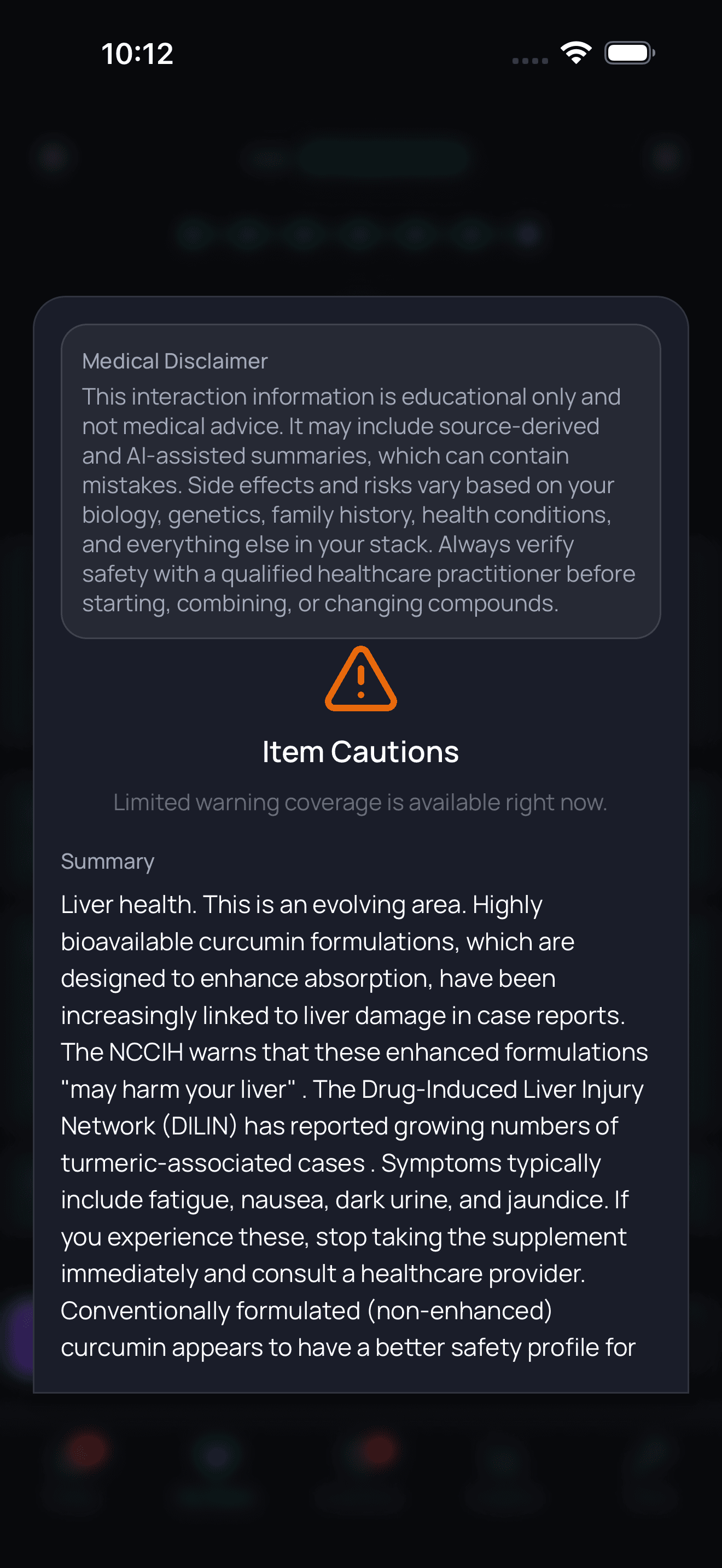
Safety notes are not emergency guidance; seek medical help when appropriate.
Dosing & Usage Protocols
The Basics
Finding the right dose of cranberry extract is less about a single magic number and more about making sure you are getting enough of the active compound, proanthocyanidins (PACs), in a form that actually delivers them to where they are needed [4][8].
The most consistent finding across the research is that you need at least 36 mg of PACs per day for meaningful UTI prevention benefit. Below that threshold, studies generally show no significant effect. This number comes from a 2024 meta-analysis that specifically examined the dose-response relationship across 10 clinical trials [4].
In practical terms, this translates to different amounts depending on the product form:
- Standardized PAC extract: Look for products delivering 36+ mg PACs per dose. Some clinical-grade products (such as those used in research) are standardized to deliver exactly this amount per capsule.
- Whole cranberry fruit powder: Commonly dosed at 500-1,500 mg/day. PAC content varies, so checking the label for actual PAC content is important.
- Cranberry juice: 240-480 mL (8-16 oz) daily of unsweetened or low-sugar juice. The sugar content of commercial cranberry cocktails makes this form less practical for daily supplementation.
The FDA's 2020 qualified health claim specified 500 mg/day of cranberry supplement containing at least 25% proanthocyanidins [7]. Research also suggests that duration matters: the most significant UTI prevention benefit was observed with consistent use over 12-24 weeks [4].
The Science
Evidence-based dosing parameters derived from clinical trials:
Parameter
Minimum effective PAC dose
- Value
- >=36 mg/day
- Source
- PAC meta-analysis (2024) [4]
Parameter
FDA qualified health claim dose
- Value
- 500 mg/day (>=25% PACs)
- Source
- FDA (2020) [7]
Parameter
Whole fruit powder (effective dose)
- Value
- 500-1,500 mg/day
- Source
- Multiple RCTs [9]
Parameter
Cranberry juice
- Value
- 240-480 mL/day
- Source
- Clinical trials [5]
Parameter
Optimal treatment duration
- Value
- 12-24 weeks continuous
- Source
- PAC meta-analysis (2024) [4]
Parameter
Urinary bioactivity onset
- Value
- 4-6 hours post-dose
- Source
- Pharmacokinetic studies [8]
Parameter
Urinary bioactivity duration
- Value
- ~24 hours
- Source
- Pharmacokinetic studies [8]
Duration-response data: The PAC meta-analysis found significant UTI risk reduction only with 12-24 weeks of continuous use (RR 0.75, 95% CI 0.61-0.91, p=0.004). Shorter durations (<12 weeks) and longer durations (24-48 weeks) did not reach statistical significance, suggesting a therapeutic window for establishing protective effects [4].
Gender-specific findings: The UTI prevention benefit reached statistical significance in female-only study populations (RR 0.84, 95% CI 0.71-0.98, p=0.02) but not in mixed-gender populations (p=0.12) [4].
PAC quantification note: The BL-DMAC (4-dimethylaminocinnamaldehyde) method is the accepted standard for measuring PAC content in cranberry products. Older quantification methods may yield different values, contributing to inconsistency in product labeling and study comparisons [8].
Getting the dose right matters more than most people realize. Too little may be ineffective, too much wastes money or introduces risk, and inconsistency undermines both. Doserly tracks every dose you take, across every form, giving you a clear record of what you're actually consuming versus what you planned.
The app helps you compare RDA recommendations against therapeutic ranges discussed in the research, so you can see exactly where your intake falls. If you switch forms, say from a standard capsule to a liposomal liquid, Doserly adjusts your tracking to account for different bioavailabilities. Pair that with smart reminders that keep your timing consistent, and the precision that makes a real difference in outcomes becomes effortless.
Build reminders around the routine, not just the compound.
Doserly can keep timing, skipped doses, and schedule changes organized so the plan you read about becomes easier to follow and review.
Today view
Upcoming reminders

Reminder tracking supports consistency; it does not select a protocol for you.
What to Expect (Timeline)
Weeks 1-2: Most people experience no noticeable effects during the first two weeks of cranberry supplementation. There are no acute energy or mood changes to expect. If you are taking cranberry for UTI prevention, the anti-adhesion compounds are beginning to accumulate in your urinary tract, but protective effects are not yet clinically established at this early stage. Some individuals may notice mild GI adjustment if taking higher doses, particularly with juice forms [8].
Weeks 3-6: Urinary anti-adhesion bioactivity should be well established with consistent daily dosing. Depending on your baseline UTI frequency, you may begin to notice a reduction in UTI symptoms or episodes. However, clinical trials measure benefit over longer periods, so a few weeks without a UTI does not yet confirm the supplement is working. Any initial GI sensitivity typically resolves by this point [4][5].
Weeks 6-12: This is the period where meaningful clinical data begins to accumulate. The PAC meta-analysis identified 12-24 weeks as the optimal treatment duration for demonstrating UTI prevention benefit. If you are tracking UTI frequency, you should begin to have enough personal data to assess whether cranberry is making a difference for you [4].
Months 3-6: The clearest signal window. The Cochrane review and recent RCTs measured outcomes over 6-month periods. If cranberry extract is going to provide UTI prevention benefit for you, consistent use over 3-6 months should make the pattern visible in your own health tracking. The 2025 multicenter RCT found a clear separation between cranberry and placebo groups over this timeframe (10.8% vs. 25.8% UTI incidence) [5][9].
Beyond 6 months: Long-term maintenance use is common among individuals who find cranberry effective. There is no established duration limit from a safety perspective for standard supplement doses. However, the PAC meta-analysis noted that studies extending beyond 24 weeks did not show additional statistical significance, suggesting that the maximum benefit may plateau rather than continue to increase over time [4][17].
Interactions & Compatibility
Synergistic
- D-Mannose: The most commonly combined supplement with cranberry for UTI prevention. D-mannose works through a complementary mechanism, binding to type 1 fimbriae on E. coli (while cranberry PACs target P-fimbriae), providing broader anti-adhesion coverage. A pilot study found the combination may also enhance uropathogen antibiotic sensitivity [21].
- Vitamin C: May enhance cranberry's UTI-preventive effects through urinary acidification, creating an environment less favorable to bacterial growth. Often recommended alongside cranberry in urinary health protocols.
- Probiotics (Lactobacillus strains): Probiotic strains such as L. rhamnosus GR-1 and L. reuteri RC-14 are commonly used alongside cranberry for comprehensive urinary and vaginal flora support. The Cochrane review found cranberry superior to probiotics alone for UTI prevention (RR 0.39) [5].
- Quercetin: Shares anti-inflammatory and antioxidant properties. May complement cranberry's polyphenol activity for individuals seeking broad antioxidant support.
Caution / Avoid
- Warfarin (Coumadin): Case reports of increased bleeding risk and fatal hemorrhage. While controlled studies suggest moderate intake is likely safe, anyone on warfarin should consult their prescribing physician before taking cranberry supplements. The interaction risk increases with high doses (>3,000 mg/day extract or >1 L/day juice) [2][17].
- Tacrolimus: Documented case of subtherapeutic serum levels during concurrent cranberry use. Transplant patients on tacrolimus should avoid cranberry supplements or use only under medical supervision [2].
- CYP2C9-metabolized medications: Cranberry may inhibit CYP2C9, potentially increasing serum levels of drugs metabolized through this pathway (including warfarin, celecoxib, fluvastatin, glipizide). Clinical significance varies [2][17].
- CYP3A4 substrates: In vitro inhibition documented, though in vivo significance is unclear. Caution with narrow-therapeutic-index drugs metabolized by CYP3A4 [2].
- Iron: Theoretical concern that cranberry's organic acid content could affect iron absorption, though clinical data is lacking. Separate timing may be prudent.
How to Take / Administration Guide
Recommended forms for UTI prevention: Standardized PAC-rich extracts (36+ mg PACs per serving) in capsule or tablet form are the most practical option for consistent daily supplementation. Whole cranberry fruit powders (Pacran and similar) have demonstrated efficacy in recent RCTs. Cranberry juice can be effective but requires 8-16 oz daily of low-sugar/unsweetened varieties, which many people find impractical [4][8][9].
Timing considerations: Cranberry supplements can be taken at any time of day. Urinary anti-adhesion activity peaks 4-6 hours post-dose and lasts approximately 24 hours, so once-daily dosing appears sufficient for most people. Taking with food may reduce any GI discomfort, though most users tolerate cranberry supplements on an empty stomach [8].
Stacking guidance: The most common and well-supported combination is cranberry plus D-mannose for UTI prevention. These target different bacterial adhesion mechanisms and can be taken simultaneously. If combining with probiotics for urinary/vaginal health, no specific timing separation is needed [21].
Form considerations:
- Capsules/tablets: most convenient for daily compliance, most consistent PAC delivery
- Powders: can be mixed with water or smoothies; taste is tart/bitter
- Juice: effective but high-sugar versions are counterproductive; unsweetened juice is very tart
- Soft gels: some contain cranberry oil rather than extract; verify PAC content
Cycling guidance: There is no established need to cycle cranberry supplements. Continuous daily use is the protocol used in clinical trials showing benefit. The 12-24 week optimal duration window refers to the minimum time to assess effectiveness, not a maximum use period [4][5].
Important note for kidney stone risk: Individuals with a history of calcium oxalate kidney stones should consult a healthcare provider before using cranberry supplements, as urinary oxalate levels may increase [17].
Choosing a Quality Product
Cranberry supplement quality is a major issue in this category, and product selection may matter more for cranberry than for many other supplements. Research has found that many commercial cranberry products do not contain the PAC levels claimed on their labels, and some contain no detectable PACs at all [8].
What to look for:
- PAC content on the label: The most important quality indicator. Products should specify proanthocyanidin content (not just "cranberry extract" milligrams). Target: at least 36 mg PACs per daily serving [4].
- BL-DMAC quantification: The gold standard method for measuring PAC content. Products that reference BL-DMAC testing on their labels or certificates of analysis are more likely to contain accurate PAC amounts [8].
- Third-party testing: USP Verified, NSF Certified, or ConsumerLab approved products have been independently verified for identity, potency, and purity.
- Soluble PAC fraction: Research suggests that PACs from the juice fraction (soluble) may have superior anti-adhesion activity compared to insoluble PACs from the pulp [8].
- Standardized extract vs. whole berry powder: Both have shown efficacy in clinical trials, but standardized extracts provide more predictable PAC dosing.
Red flags:
- Products listing only total "cranberry" milligrams without specifying PAC content
- Proprietary blends that hide individual component doses
- Cranberry juice "cocktails" or "drinks" with high sugar content marketed as supplements
- Products using older PAC quantification methods (not BL-DMAC), which may overstate PAC content
- Extremely low-priced products (quality cranberry extract with verified PAC content has real manufacturing cost)
Third-party certifications:
- USP Verified: Identity, strength, purity, and performance testing
- NSF Certified for Sport: Relevant for athletes, screens for banned substances
- ConsumerLab Approved: Independent testing with detailed product comparisons
- Informed Sport: Batch testing for WADA-banned substances
Storage & Handling
Cranberry extract supplements should be stored in a cool, dry place away from direct sunlight and excessive moisture. Heat and humidity can degrade the polyphenolic compounds, including the PACs, reducing potency over time.
Capsules and tablets should be kept in their original sealed containers. Avoid transferring to pill organizers for extended periods, as exposure to air and moisture accelerates degradation.
Liquid cranberry extracts and juice should be refrigerated after opening and consumed within the timeframe specified on the label (typically 7-14 days for opened juice, longer for concentrated extracts with preservatives).
Cranberry supplements are generally stable at room temperature with a shelf life of 18-24 months when properly stored. Check expiration dates, as PAC potency may decline over time even with proper storage.
Lifestyle & Supporting Factors
Hydration: Adequate water intake is one of the most important lifestyle factors for UTI prevention. Cranberry's anti-adhesion mechanism works in the urinary tract, and staying well-hydrated ensures regular urination, which physically flushes bacteria from the bladder. Most clinical trials included hydration guidance alongside cranberry supplementation [5].
Diet: Cranberries are part of a broader category of polyphenol-rich foods. A diet rich in fruits, vegetables, and other plant-based foods provides complementary antioxidant support. Dietary cranberries (unsweetened) can supplement capsule intake. Conversely, diets high in sugar may promote UTI-causing bacteria [6].
Bathroom habits: For UTI prevention, urinating regularly and not delaying urination supports the mechanical flushing effect that complements cranberry's anti-adhesion mechanism. Post-intercourse urination is commonly recommended alongside cranberry for women prone to UTIs.
Signs that may indicate benefit from cranberry supplementation: Recurrent UTIs (two or more in 6 months, or three or more in 12 months), history of antibiotic-resistant UTIs, desire to reduce antibiotic use for UTI prevention, post-menopausal urinary tract changes.
Signs of deficiency: Not applicable. Cranberry is not an essential nutrient, so there is no deficiency state. However, individuals with recurrent UTIs who are not consuming cranberry may benefit from adding it to their protocol.
Exercise and physical activity: No specific interaction between cranberry supplementation and exercise. Athletes should note that cranberry supplements are not prohibited by WADA and are available in NSF Certified for Sport formulations.
Regulatory Status & Standards
United States (FDA)
- Regulated as a dietary supplement under DSHEA
- GRAS (Generally Recognized as Safe) status for food use
- Qualified Health Claim (2020): FDA allows the statement that "limited" evidence supports daily consumption of cranberry dietary supplements (500 mg/day with >=25% proanthocyanidins) for reducing the risk of recurrent UTIs in healthy women [7]
- USP monograph available for cranberry dietary supplement ingredients
Canada (Health Canada)
- Available as a Natural Health Product (NHP)
- Licensed products carry NPN (Natural Product Number)
- Approved monograph for cranberry for urinary tract health
European Union (EFSA)
- No approved health claims specifically for cranberry
- Available as a food supplement under EU food supplement regulations
- European Pharmacopoeia includes quality standards for cranberry-derived ingredients
Australia (TGA)
- Available as a complementary medicine
- Listed Medicines database includes cranberry products
Athlete & Sports Regulatory Status
- WADA: Cranberry extract is NOT on the WADA Prohibited List. It is permitted at all times, both in-competition and out-of-competition.
- National Anti-Doping Agencies: No major NADOs (USADA, UKAD, Sport Integrity Canada, Sport Integrity Australia) have issued specific guidance or alerts about cranberry supplements.
- Professional Sports Leagues: No known league-specific restrictions on cranberry supplementation (NFL, NBA, MLB, NHL, MLS, NCAA).
- NCAA: Cranberry is not on the NCAA banned substance list. However, NCAA recommends that athletes only use supplements with NSF Certified for Sport or Informed Sport certification.
- Athlete Certification Programs: Cranberry supplements are available with Informed Sport, NSF Certified for Sport, and other athlete-oriented certifications.
- GlobalDRO: Athletes can verify cranberry supplement status at GlobalDRO.com.
Regulatory status and prohibited substance classifications change frequently. Athletes should always verify the current status of any supplement with their sport's governing body, their national anti-doping agency, and a qualified sports medicine professional before use. Third-party certification (Informed Sport, NSF Certified for Sport) reduces but does not eliminate the risk of contamination with prohibited substances.
Frequently Asked Questions
Does cranberry actually prevent UTIs?
Based on the most current meta-analytic evidence, cranberry products containing at least 36 mg of proanthocyanidins per day have shown a statistically significant reduction in UTI risk (approximately 18-30% reduction depending on the population studied). The evidence is strongest for women with recurrent UTIs and children. However, cranberry does not appear to benefit elderly institutionalized adults, pregnant women, or people with neurogenic bladder conditions [4][5].
Can cranberry treat an active UTI?
Available evidence does not support the use of cranberry for treating active UTIs. Cranberry's mechanism of action is preventive (anti-adhesion), not antimicrobial. Once bacteria have established an infection, cranberry cannot eliminate them. Active UTIs require medical evaluation and typically antibiotic treatment.
Is cranberry juice or cranberry pills better?
The evidence is mixed on form superiority. Some systematic reviews have found cranberry juice slightly more effective, while standardized extract capsules provide more consistent PAC dosing and better compliance. The most important factor is PAC content rather than delivery form. Capsules typically offer the advantage of controlled PAC dosing without the sugar content of juice [4][5][8].
How much PAC (proanthocyanidin) should I look for?
Research suggests a minimum of 36 mg PACs per day for UTI prevention benefit. The FDA's qualified health claim specifies 500 mg of cranberry supplement with at least 25% PACs (equivalent to 125+ mg PACs). Products should list PAC content specifically, ideally measured by the BL-DMAC method [4][7][8].
How long does it take for cranberry supplements to work?
Urinary anti-adhesion activity begins within 4-6 hours of ingestion. However, clinical benefit for UTI prevention is typically assessed over 12-24 weeks of consistent daily use. Most clinical trials measure outcomes over 6-month periods. Short-term use (less than 12 weeks) has not shown statistically significant UTI prevention in meta-analyses [4][8].
Can cranberry cause kidney stones?
Cranberry contains oxalate, and supplementation has been shown to increase urinary oxalate levels by approximately 43% in one study. This could theoretically increase the risk of calcium oxalate kidney stones in susceptible individuals. However, cranberry also increases urinary citrate (a stone inhibitor), creating a complex net effect. Individuals with a history of kidney stones should discuss cranberry use with their healthcare provider [17][18].
Is it safe to take cranberry with warfarin (blood thinners)?
This should be discussed with a prescribing physician. While controlled studies suggest moderate cranberry intake (standard supplement doses or 8-16 oz juice daily) does not significantly alter warfarin metabolism, there are case reports of serious bleeding events. The risk appears to increase with very high doses or in patients with significant comorbidities. Healthcare provider monitoring is recommended [2][17].
Can men take cranberry supplements?
There is no safety concern with men taking cranberry. However, most clinical evidence for UTI prevention is in female populations. The PAC meta-analysis found that mixed-gender study populations did not show statistically significant UTI prevention benefit, while female-only populations did. Men with recurrent UTIs should discuss cranberry use with their urologist [4][5].
What is the difference between A-type and B-type PACs?
A-type proanthocyanidins have a unique double-linked molecular structure (including a C2-O-C7 ether bond) that gives them the anti-adhesion properties against E. coli. Most other fruits, including grapes, cocoa, and blueberries, contain B-type PACs, which do not demonstrate the same urinary anti-adhesion activity. This structural difference is why cranberry is specifically associated with UTI prevention rather than other polyphenol-rich foods [3][6].
Can I take cranberry and D-mannose together?
These two supplements target different bacterial adhesion mechanisms (cranberry PACs target P-fimbriae; D-mannose targets type 1 fimbriae) and are commonly used together. A pilot study suggested the combination may also enhance antibiotic sensitivity of uropathogens. They can be taken simultaneously without timing concerns [21].
Myth vs. Fact
Myth: Cranberry juice can cure a UTI.
Fact: Cranberry works through a preventive mechanism, not a curative one. Its A-type proanthocyanidins prevent bacteria from adhering to the bladder wall, but they cannot eliminate bacteria that have already established an infection. Active UTIs require medical evaluation and typically antibiotic treatment. Clinical trials consistently study cranberry for prevention, not treatment [4][5].
Myth: All cranberry supplements are equally effective.
Fact: Product quality varies enormously. Research has found that many commercial cranberry products do not contain the PAC levels claimed on their labels, and some contain no detectable proanthocyanidins at all. The effectiveness of cranberry supplementation depends heavily on the actual PAC content (minimum 36 mg/day) and the quantification method used (BL-DMAC is the gold standard). Two "500 mg cranberry" products can deliver vastly different amounts of active compounds [4][8].
Myth: Cranberry juice cocktail is as good as supplements for UTI prevention.
Fact: Commercial cranberry juice cocktails typically contain 25-30% cranberry juice diluted with water and sweetened with significant amounts of sugar. The sugar content may actually promote bacterial growth, working against the UTI-preventive goal. Pure unsweetened cranberry juice or standardized extract supplements deliver active compounds more efficiently and without the metabolic downsides of added sugar [8].
Myth: Cranberry works for everyone with UTIs.
Fact: The largest systematic review (50 trials, 8,857 participants) found that cranberry benefits specific populations: women with recurrent UTIs (26% risk reduction), children (54% risk reduction), and post-intervention patients. However, it showed no significant benefit for elderly institutionalized adults, pregnant women, or individuals with neurogenic bladder conditions [5].
Myth: Cranberry is dangerous for anyone on blood thinners.
Fact: The cranberry-warfarin interaction concern is real but often overstated for moderate intake. Controlled pharmacokinetic studies with standard cranberry supplement doses or moderate juice intake (8-16 oz/day) have not demonstrated clinically significant INR changes. The concerning case reports involved elderly patients with serious comorbidities, often taking multiple medications and consuming very large amounts of cranberry. That said, anyone on warfarin should inform their healthcare provider about cranberry use and have INR monitored [2][17].
Myth: Cranberry is just a folk remedy with no real science behind it.
Fact: Cranberry is one of the most extensively studied herbal supplements. The 2023 Cochrane review analyzed 50 randomized controlled trials involving nearly 9,000 participants. The FDA issued a qualified health claim in 2020 based on the available evidence. The mechanism of action (A-type PAC anti-adhesion against E. coli P-fimbriae) has been characterized at the molecular level. While the evidence is imperfect and benefits are population-specific, dismissing cranberry as mere folklore ignores a substantial body of clinical research [3][4][5][7].
Myth: Higher doses of cranberry are always better.
Fact: There is a minimum effective dose threshold (approximately 36 mg PACs/day), but more is not necessarily better. Studies using very high doses did not show proportionally greater benefit, and excessive intake (particularly juice) increases the risk of GI side effects and kidney stone formation from oxalate exposure. The optimal approach is consistent daily dosing at or above the effective threshold, not mega-dosing [4][5][17].
Sources & References
Systematic Reviews & Meta-Analyses
[1] National Center for Complementary and Integrative Health (NCCIH). "Cranberry." NIH. https://www.nccih.nih.gov/health/cranberry
[4] Lu H, et al. "Preventive effect of cranberries with high dose of proanthocyanidins on urinary tract infections: a meta-analysis and systematic review." Frontiers in Nutrition. 2024. PMC11635990.
[5] Williams G, et al. "Cranberries for preventing urinary tract infections." Cochrane Database of Systematic Reviews. 2023. PMC10108827. (50 RCTs, n=8,857)
[13] Systematic review and meta-analysis: "The effect of cranberry supplementation on Helicobacter pylori eradication in H. pylori positive subjects." British Journal of Nutrition. Cambridge University Press.
[19] Pourmasoumi M, et al. "The effects of cranberry on cardiovascular metabolic risk factors: A systematic review and meta-analysis." Clinical Nutrition. 2019;39(3):774-788. PubMed: 31023488.
Clinical Trials & RCTs
[9] "Whole cranberry fruit powder supplement reduces the incidence of culture-confirmed urinary tract infections in females with a history of recurrent urinary tract infection: A 6-month multicenter, randomized, double-blind, placebo-controlled trial." American Journal of Clinical Nutrition. 2025.
[10] Maki KC, et al. Cranberry juice consumption and urinary tract infections: randomized, double-blinded, placebo-controlled trial. American Journal of Clinical Nutrition.
[12] Zhang L, et al. "Suppression of Helicobacter pylori infection by daily cranberry intake: A double-blind, randomized, placebo-controlled trial." PMC8246812.
[15] Basu A, et al. "Low-calorie cranberry juice decreases lipid oxidation and increases plasma antioxidant capacity in women with metabolic syndrome." Nutrition Research. 2011;31(3):190-196. PMC3075541.
[20] Richter CK, et al. "Effects of Cranberry Juice Supplementation on Cardiovascular Disease Risk Factors in Adults with Elevated Blood Pressure: A Randomized Controlled Trial." PMC8398037.
[21] Terlizzi ME, et al. "Combination of cranberry extract and D-mannose: possible enhancer of uropathogen sensitivity to antibiotics in acute therapy of urinary tract infections." PMC7465228.
Mechanistic & Pharmacological Studies
[3] Howell AB. "Bioactive compounds in cranberries and their role in prevention of urinary tract infections." Molecular Nutrition & Food Research. (A-type PAC anti-adhesion mechanism)
[6] Blumberg JB, et al. "Cranberries and their bioactive constituents in human health." Advances in Nutrition.
[8] Howell AB, et al. "Differences in Urinary Bacterial Anti-Adhesion Activity after Intake of Cranberry Dietary Supplements with Soluble versus Insoluble Proanthocyanidins." Journal of Dietary Supplements. 2021. DOI: 10.1080/19390211.2021.1908480.
[11] Howell AB. "Cranberry proanthocyanidins and the maintenance of urinary tract health." Critical Reviews in Food Science and Nutrition.
[14] La VD, et al. "Exploring the role of cranberry polyphenols in periodontitis." PMC4033875.
[16] Cranberry extract prebiotic effects on Bifidobacterium and short-chain fatty acid production. 2024 study.
Government & Institutional Sources
[2] Memorial Sloan Kettering Cancer Center. "Cranberry." About Herbs Database. https://www.mskcc.org/cancer-care/integrative-medicine/herbs/cranberry
[7] U.S. Food and Drug Administration. Qualified Health Claim for Cranberry Products and Urinary Tract Infections. 2020.
[17] Asgary S, et al. "Safety of Cranberry: Evaluation of Evidence of Kidney Stone Formation and Botanical Drug-Interactions." Planta Medica. 2021. PubMed: 34015833.
[18] Terris MK, et al. "Dietary supplementation with cranberry concentrate tablets may increase the risk of nephrolithiasis." Urology. 2001;57(1):26-29. PubMed: 11164137.
Related Supplement Guides
Same Category (Berry / Fruit Extracts)
Common Stacks / Pairings
Related Health Goal (Urinary/Immune Health)
- Garlic (antimicrobial properties)
- Oregano Oil (antimicrobial properties)
- Zinc (immune support)
- Turmeric/Curcumin (anti-inflammatory)