
Grape Seed Extract: The Complete Supplement Guide
On this page
Quick Reference Card
Attribute
Common Name
- Detail
- Grape Seed Extract
Attribute
Other Names / Aliases
- Detail
- GSE, Grape Seed Proanthocyanidin Extract (GSPE), OPC (Oligomeric Proanthocyanidin Complex), Vitis vinifera seed extract, Muskat
Attribute
Category
- Detail
- Herbal / Botanical (Polyphenol, Flavonoid)
Attribute
Primary Forms & Variants
- Detail
- Standardized extract (50-95% OPCs), grape seed oil (lipid-based, different compound profile), whole grape seed powder (unstandardized)
Attribute
Typical Dose Range
- Detail
- 100-600 mg/day standardized extract; doses up to 2,100 mg/day studied in clinical trials
Attribute
RDA / AI / UL
- Detail
- No established RDA, AI, or UL (not an essential nutrient)
Attribute
Common Delivery Forms
- Detail
- Capsule, tablet, liquid extract, powder
Attribute
Best Taken With / Without Food
- Detail
- Can be taken with or without food. Taking with food may reduce GI discomfort in sensitive individuals.
Attribute
Key Cofactors
- Detail
- Vitamin C (complementary antioxidant activity); often stacked with other polyphenols (resveratrol, quercetin, green tea extract)
Attribute
Storage Notes
- Detail
- Store in a cool, dry place away from heat, light, and moisture. Proanthocyanidins are relatively stable but can degrade with prolonged heat exposure.
Overview
The Basics
Grape seed extract is derived from the small seeds found inside wine grapes (Vitis vinifera), a byproduct of the winemaking industry that would otherwise go to waste. These seeds are rich in a family of antioxidant compounds called proanthocyanidins, sometimes referred to as OPCs (oligomeric proanthocyanidin complexes). Proanthocyanidins are found widely in nature, appearing in fruits, vegetables, chocolate, and tea, but grape seeds contain unusually high concentrations of them [1][2].
The primary appeal of grape seed extract centers on cardiovascular support. People take it hoping to improve blood pressure, cholesterol levels, and overall vascular health. The research picture is moderate and somewhat mixed: several meta-analyses (large studies that combine the results of many clinical trials) have found small but statistically significant improvements in diastolic blood pressure, LDL cholesterol, and triglycerides, though not all markers improve consistently across every study [3][4][5].
Grape seed extract is also valued for its exceptionally strong antioxidant activity. Laboratory research suggests that the proanthocyanidins in grape seeds may have an antioxidant capacity approximately 50 times greater than that of vitamins C and E [6]. Whether this potency in the laboratory translates proportionally to benefits in the human body is a separate question, since absorption and metabolism significantly modify what actually reaches tissues.
One important distinction: grape seed extract should not be confused with grapefruit seed extract, which shares the same "GSE" abbreviation but comes from an entirely different plant with different biological effects [7].
The Science
Vitis vinifera L. (common grape vine, family Vitaceae) produces seeds as a byproduct of vinification. These seeds contain high concentrations of polyphenolic compounds, predominantly proanthocyanidins (condensed tannins), which exist as monomeric (catechin and epicatechin), dimeric, trimeric, and polymeric structures linked primarily by B-type bonds (C-C linkages) [6][8].
The clinical evidence base for grape seed extract has expanded substantially in recent years, with multiple systematic reviews and meta-analyses evaluating cardiovascular endpoints. A 2020 systematic review and meta-analysis of randomized controlled trials found that GSE supplementation significantly reduced fasting plasma glucose (WMD: -2.01 mg/dL), total cholesterol (WMD: -6.03 mg/dL), LDL cholesterol (WMD: -4.97 mg/dL), triglycerides (WMD: -6.55 mg/dL), and C-reactive protein (WMD: -0.81 mg/L) [5]. A separate 2020 dose-response meta-analysis of 11 studies (536 participants) confirmed significant reductions in LDL-cholesterol (-0.17 mmol/L) and triglycerides (-0.11 mmol/L), but not in total cholesterol or HDL-cholesterol [4].
For blood pressure, a 2022 meta-analysis of 19 studies (1,080 participants) found that GSE reduced diastolic blood pressure but not systolic blood pressure, with results varying by dose, duration, and participant characteristics [3]. A 2016 meta-analysis of 16 RCTs concluded that GSE exerted a beneficial impact on blood pressure, particularly in younger or obese subjects and patients with metabolic disorders [9].
The NCCIH acknowledges that "there are some well-controlled studies" for blood pressure and cholesterol but notes that evidence for other conditions remains limited [10]. MSKCC summarizes that "meta-analyses suggest GSE may lower systolic blood pressure and heart rate, but are mixed on whether it improves lipid, glucose, and inflammatory markers" [7].
Chemical & Nutritional Identity
Property
Chemical Name
- Value
- Vitis vinifera L. seed extract
Property
Plant Family
- Value
- Vitaceae
Property
Active Compounds
- Value
- Proanthocyanidins (oligomeric and polymeric), catechin, epicatechin, gallic acid, phenolic acids, flavonoids
Property
Key Bioactive
- Value
- Oligomeric proanthocyanidins (OPCs)
Property
CAS Number
- Value
- 84929-27-1 (grape seed extract)
Property
PubChem CID
- Value
- Various (monomeric units: catechin CID 9064, epicatechin CID 72276)
Property
Category
- Value
- Herbal supplement (polyphenol/flavonoid)
Property
Plant Part Used
- Value
- Seed
Property
Standardization
- Value
- Typically standardized to 50-95% proanthocyanidins (OPCs); some products standardized to total polyphenol content
Common Supplement Forms
Form
Standardized Extract (OPC-rich)
- Key Compounds
- Oligomeric proanthocyanidins (dimers, trimers, tetramers)
- Standardization
- 50-95% OPCs
- Notes
- Most studied form; higher OPC content correlates with higher bioactivity
Form
Grape Seed Powder (whole)
- Key Compounds
- All grape seed constituents including fiber
- Standardization
- Unstandardized
- Notes
- Lower OPC concentration; includes insoluble fiber
Form
Grape Seed Oil
- Key Compounds
- Polyunsaturated fatty acids (linoleic acid), vitamin E, small amounts of phenolics
- Standardization
- N/A
- Notes
- Different compound profile; primarily a lipid, not an OPC source
Form
Combination Products
- Key Compounds
- OPCs plus other polyphenols (resveratrol, quercetin, pine bark)
- Standardization
- Varies
- Notes
- Multi-ingredient formulations; dosing for individual components may be subtherapeutic
Mechanism of Action
The Basics
Grape seed extract works through several interconnected pathways, most of which stem from the antioxidant and anti-inflammatory properties of its proanthocyanidin compounds.
The most fundamental mechanism is antioxidant activity. Proanthocyanidins neutralize reactive oxygen species (free radicals) that can damage cells, proteins, and DNA. This free radical scavenging ability is notably powerful; laboratory tests suggest proanthocyanidins are roughly 50 times more effective than vitamins C and E at quenching certain types of free radicals [6][8]. In practical terms, this translates to reduced oxidative stress, which is believed to contribute to aging, cardiovascular disease, and many chronic conditions.
For cardiovascular effects, grape seed extract appears to work through at least three pathways. First, it promotes the relaxation of blood vessel walls by stimulating nitric oxide and hydrogen sulfide production, two signaling molecules that dilate blood vessels and help lower blood pressure [9][11]. Second, it may help protect LDL cholesterol particles from oxidative modification, a process that contributes to arterial plaque formation [5]. Third, it has anti-inflammatory effects, reducing levels of C-reactive protein and other inflammatory markers [5].
Grape seed extract also has documented antiplatelet activity, meaning it can interfere with how blood cells clump together to form clots. While this is part of its cardiovascular protective profile, it is also the mechanism behind its most clinically significant interaction concern (increased bleeding risk when combined with blood thinners) [12][13].
The Science
The pharmacological activity of grape seed proanthocyanidins involves multiple molecular targets:
Antioxidant Mechanisms: OPCs act as direct free radical scavengers with potency exceeding vitamins C and E and beta-carotene [6][8]. They reduce malondialdehyde (a marker of lipid peroxidation) and increase total antioxidant capacity [5]. The Nrf2 pathway is activated by 5-(3',4'-dihydroxyphenyl)-gamma-valerolactone (VL), a key colonic metabolite of proanthocyanidins, leading to upregulation of endogenous antioxidant enzyme systems [14].
Vascular Function: GSE promotes vasodilation through stimulation of endothelial nitric oxide synthase (eNOS) and enhanced nitric oxide production [9][11]. A randomized, double-blind, placebo-controlled study demonstrated that 8 weeks of GSPE supplementation improved flow-mediated dilation (a measure of endothelial function) and blood pressure in prehypertensive subjects [11].
Anti-inflammatory Pathways: GSE supplementation significantly reduces circulating CRP (WMD: -0.81 mg/L, 95% CI: -1.25 to -0.38) in meta-analysis of RCTs [5]. Proanthocyanidins inhibit cyclooxygenase (COX) enzymes and reduce pro-inflammatory cytokines.
Lipid Metabolism: Proposed mechanisms include inhibition of HMG-CoA reductase (the same target as statin medications), reduced oxidative modification of LDL cholesterol, inhibition of pancreatic lipase and cholesterol esterase, inhibition of cholesterol micellisation and bile acid binding, and inhibition of the Niemann-Pick C1-like 1 (NPC1L1) cholesterol transporter [4].
Antiplatelet Activity: GSE inhibits platelet aggregation by inhibiting protein tyrosine phosphatase, which is the mechanistic basis for the anticoagulant interaction concern [12]. In vitro, grape seed polyphenol-rich extracts demonstrate significant anticoagulant effects [13].
Cardioprotective Effects: GSPE has protective effects against doxorubicin-induced cardiotoxicity and other drug-induced organ toxicities, likely through modulation of anti-apoptotic genes, DNA damage repair pathways, lipid peroxidation, and intracellular calcium homeostasis [7][15].
Anticancer Mechanisms (Preclinical): GSE upregulates p21 through redox-mediated activation of ERK1/2, leading to cell cycle arrest in colon carcinoma cells [16]. Synergistic effects with doxorubicin against breast carcinoma cells have been demonstrated in vitro [17]. Clinical translation of these findings remains limited.
Absorption & Bioavailability
The Basics
The absorption story of grape seed extract is more complex than it first appears. The proanthocyanidins that make GSE valuable come in different sizes, and size dramatically affects how well the body can absorb them.
Smaller proanthocyanidins (monomers like catechin and epicatechin, and dimers) are absorbed relatively well through passive diffusion in the small intestine. Absorption peaks approximately 2 hours after oral intake [8]. However, the larger oligomeric and polymeric proanthocyanidins, which make up the bulk of most grape seed extracts, are poorly absorbed in the small intestine. The bioavailability of dimeric proanthocyanidins is roughly 100 times lower than that of monomeric forms [8][14].
This does not mean the larger proanthocyanidins are inactive. Much of their biological effect may come from what happens in the colon, where gut bacteria break them down into smaller phenolic acid metabolites. The most important of these metabolites is 5-(3',4'-dihydroxyphenyl)-gamma-valerolactone (VL), which is well absorbed from the colon and appears to be a primary mediator of the health benefits attributed to proanthocyanidins [14].
This means that gut microbiome health may influence how well grape seed extract works for a given individual, since the microbiome determines how efficiently proanthocyanidins are metabolized into their active forms.
Unlike many fat-soluble supplements, OPCs are water-soluble and do not require fat co-administration for absorption. They can be taken with or without food, though taking with food may reduce the occasional GI discomfort some people experience.
The Science
Monomeric flavan-3-ols (catechin, epicatechin): Absorbed via passive diffusion in the small intestine. Moderate oral bioavailability. Peak plasma concentrations reached approximately 2 hours post-ingestion [8].
Dimeric proanthocyanidins: Partially absorbed but with bioavailability approximately 100 times lower than monomeric forms [8][14].
Oligomeric/polymeric proanthocyanidins: Poorly absorbed in the small intestine. Transit to the colon where they undergo extensive microbial catabolism [14]. Major colonic metabolite: 5-(3',4'-dihydroxyphenyl)-gamma-valerolactone (VL), which activates the Nrf2 antioxidant pathway [14]. Supplementation with grape seed polyphenols produces consistent increases in urinary excretion of 3-hydroxyphenylpropionic acid (3-HPP, P < 0.001), a major phenolic acid breakdown product [18].
In vitro bioaccessibility: Seed polyphenolic extracts showed a bioaccessibility index at the intestinal phase between 11% for (+)-epicatechin gallate to 130% for procyanidin A2, with total phenolic content decreasing significantly after simulated gastrointestinal digestion [19].
Standardization relevance: Extracts with higher OPC content (oligomeric forms) may offer better bio-accessibility rates compared to those dominated by polymeric proanthocyanidins (PPCs), as OPCs pass through cell membranes more easily [8].
Managing absorption timing across multiple supplements gets complicated fast. Some need to be taken with food, others on an empty stomach. Some compete for the same absorption pathways, others enhance each other. Doserly organizes all of this into a single schedule that accounts for the interactions between everything in your stack.
Instead of juggling mental notes about which supplements to separate and which to pair, the app handles the coordination for you. It flags timing conflicts, suggests optimal windows based on the forms you're using, and builds a daily routine that gives each supplement its best chance of being absorbed effectively. One place for all the details that are easy to forget.
Track injection timing, draw notes, and site rotation.
Doserly helps keep syringe-related notes, injection site history, reminders, and reconstitution context together for easier review.
Injection log
Site rotation
Injection logs support record-keeping; follow clinician instructions for administration.
Research & Clinical Evidence
Cardiovascular Risk Factors
The Basics
Cardiovascular health is where grape seed extract has been studied most extensively, and the evidence is more substantial than for many herbal supplements. Multiple large meta-analyses have consistently found that GSE supplementation produces small but statistically significant improvements in several heart health markers, including LDL cholesterol, triglycerides, blood pressure, and markers of inflammation and oxidative stress [3][4][5].
The key qualifier is that these effects are modest in absolute terms. For example, the reduction in LDL cholesterol is approximately -0.17 mmol/L (about 5-7 mg/dL), and triglyceride reductions are around -0.11 mmol/L (about 6-10 mg/dL) [4]. These are statistically significant but considerably smaller than what prescription medications achieve. This positions grape seed extract as a potential complementary approach rather than a replacement for medication in people with clinical cardiovascular conditions.
The Science
Lipid profiles: A 2020 dose-response meta-analysis (11 RCTs, 536 participants) found GSE significantly decreased LDL-cholesterol (-0.17 mmol/L; 95% CI: -0.34, -0.01) and triglycerides (-0.11 mmol/L; 95% CI: -0.18, -0.05), but not total cholesterol or HDL-cholesterol [4]. Significant reductions in TC and HDL were observed in subgroup analyses of studies with less than 10 weeks of intervention and dosages below 300 mg/day [4].
A separate 2020 meta-analysis (systematic review of RCTs) found significant reductions in total cholesterol (WMD: -6.03 mg/dL), LDL cholesterol (WMD: -4.97 mg/dL), and triglycerides (WMD: -6.55 mg/dL) [5].
Inflammatory markers: GSE significantly reduced CRP (WMD: -0.81 mg/L; 95% CI: -1.25, -0.38) in meta-analysis [5].
Glycemic control: Significant reduction in fasting plasma glucose (WMD: -2.01 mg/dL; 95% CI: -3.14, -0.86) but no effect on HbA1c [5].
Blood Pressure
The Basics
Blood pressure modulation is one of grape seed extract's most studied endpoints, though the results are more mixed than for lipid markers. The overall picture suggests a modest beneficial effect, particularly for diastolic blood pressure and in younger, obese, or metabolically compromised populations.
A 2022 meta-analysis of 19 studies found that GSE reduced diastolic blood pressure but not systolic blood pressure, with the differences possibly related to dose, duration, and participant characteristics [3]. A 2016 meta-analysis of 16 RCTs concluded that the blood pressure-lowering effect was more obvious in younger or obese subjects and in patients with metabolic disorders [9].
One small but well-designed study found that GSE supplementation not only improved blood pressure but also positively modulated perceived stress, suggesting possible additional psychological benefits [11].
The Science
A 2022 systematic review and meta-analysis (Foshati et al., 19 studies, 1,080 participants) evaluated GSE supplementation on flow-mediated dilation, blood pressure, and heart rate with duration- and dose-response analysis. GSE reduced diastolic blood pressure but did not significantly affect systolic blood pressure [3].
A 2021 randomized, double-blind, placebo-controlled study (Schon et al.) on pre-hypertensive subjects found that standardized GSE (rich in oligomeric proanthocyanidins) modulated endothelial functionality and blood pressure, with additional positive effects on mood related to stress perception [11].
Diabetic Retinopathy
A 2019 study (Moon et al.) found that GSPE may provide adjunctive benefit in patients with non-proliferative diabetic retinopathy, reducing hard exudates [20].
Wound Healing
Preclinical studies demonstrate that topical application of grape seed proanthocyanidins accelerated wound contraction and closure, attributed to their redox-active properties [21]. However, human evidence for wound healing remains very limited, and the NCCIH notes there is insufficient evidence to evaluate this application [10].
Cancer Research
Preclinical evidence suggests potential anticancer mechanisms including cell cycle arrest, synergistic effects with chemotherapy agents, and potential association with decreased risk of hematologic malignancies in observational data [7][16][17][22]. Clinical evidence for cancer prevention or treatment in humans is not established.
Evidence & Effectiveness Matrix
Category
Heart Health
- Evidence Strength
- 7/10
- Reported Effectiveness
- 6/10
- Summary
- Multiple meta-analyses demonstrate modest but significant improvements in LDL, triglycerides, and CRP. Effects are smaller than pharmaceuticals but consistent.
Category
Blood Pressure
- Evidence Strength
- 6/10
- Reported Effectiveness
- 5/10
- Summary
- Diastolic BP reduction is fairly consistent. Systolic BP findings are mixed. Effects more pronounced in younger, obese, or metabolically compromised individuals.
Category
Inflammation
- Evidence Strength
- 6/10
- Reported Effectiveness
- 5/10
- Summary
- Significant CRP reduction in meta-analysis. Anti-inflammatory mechanisms well characterized in preclinical models.
Category
Skin Health
- Evidence Strength
- 3/10
- Reported Effectiveness
- 6/10
- Summary
- Limited clinical evidence but moderate community reports of improved skin quality (acne reduction, complexion, elasticity). Plausible via antioxidant mechanisms.
Category
Energy Levels
- Evidence Strength
- 2/10
- Reported Effectiveness
- 5/10
- Summary
- No dedicated clinical research. Some community reports, possibly secondary to improved circulation.
Category
Immune Function
- Evidence Strength
- 3/10
- Reported Effectiveness
- 4/10
- Summary
- Preclinical evidence of immunomodulatory effects. Very limited human evidence. Sparse community reports.
Category
Libido
- Evidence Strength
- 2/10
- Reported Effectiveness
- 4/10
- Summary
- No direct clinical evidence. Scattered community reports linked to improved blood flow. Plausible mechanism but unproven.
Category
Sleep Quality
- Evidence Strength
- 1/10
- Reported Effectiveness
- 3/10
- Summary
- No clinical evidence. Mixed community reports (including one report of insomnia).
Category
Joint Health
- Evidence Strength
- 2/10
- Reported Effectiveness
- 4/10
- Summary
- Limited evidence. Anti-inflammatory mechanism plausible for joint support.
Category
Side Effect Burden
- Evidence Strength
- 7/10
- Reported Effectiveness
- 8/10
- Summary
- Excellent tolerability profile. Well tolerated for up to 11 months in human studies. Minimal side effects reported both in clinical trials and community.
Benefits & Potential Effects
The Basics
Grape seed extract's benefits center primarily on cardiovascular health and antioxidant support, where the evidence is most robust. For people with mildly elevated cardiovascular risk factors, GSE supplementation may provide a modest, complementary boost alongside dietary improvements and, when appropriate, medical treatment.
The most consistently supported benefits include:
- LDL cholesterol and triglyceride support: Small but statistically significant reductions observed across multiple meta-analyses
- Blood pressure support: Modest reductions, particularly in diastolic blood pressure, with more pronounced effects in people with pre-existing metabolic concerns
- Anti-inflammatory effects: Reduced C-reactive protein levels, a key marker of systemic inflammation
- Antioxidant support: Potent free radical scavenging activity, reduced markers of oxidative stress (malondialdehyde), and increased total antioxidant capacity
- Vascular function: Improved flow-mediated dilation and endothelial function in prehypertensive individuals
Beyond cardiovascular effects, grape seed extract has emerging but less well-established potential for skin health (via antioxidant protection against UV and oxidative damage), glycemic control (modest fasting glucose reductions), and diabetic retinopathy support. These secondary benefits have fewer clinical trials behind them and should be considered preliminary.
The Science
The cardiovascular benefit profile is supported by the most robust evidence base. Meta-analysis of RCTs demonstrated significant improvements in LDL-cholesterol (-0.17 mmol/L), triglycerides (-0.11 mmol/L), fasting plasma glucose (-2.01 mg/dL), CRP (-0.81 mg/L), and total antioxidant capacity [4][5]. The clinical effect sizes, while consistently statistically significant, are modest relative to pharmaceutical interventions.
Vascular endothelial function improvements have been demonstrated in randomized controlled trials using grape seed proanthocyanidin extract in prehypertensive subjects, with measurable improvements in flow-mediated dilation [11].
The NCCIH concludes that while some well-controlled studies exist for blood cholesterol and blood pressure, "not much is known about grape seed extract's effects on other conditions" [10].
When you're taking multiple supplements, it's hard to know which one is doing the heavy lifting. The benefits described above may overlap with effects from other items in your stack, lifestyle changes, or seasonal variation. Doserly helps you untangle that by keeping everything in one place, with timestamps, doses, and outcomes logged together.
Over time, this builds something more valuable than any product review: your personal evidence record. You can see exactly when you started this supplement, what else was in your routine at the time, and how your tracked health markers responded. That clarity makes the difference between guessing and knowing, whether you're talking to a healthcare provider or simply deciding if it's worth reordering.
Connect protocol changes to labs and health markers.
Doserly can keep lab results, biomarkers, symptoms, and dose history close together so follow-up conversations have better context.
Insights
Labs and trends
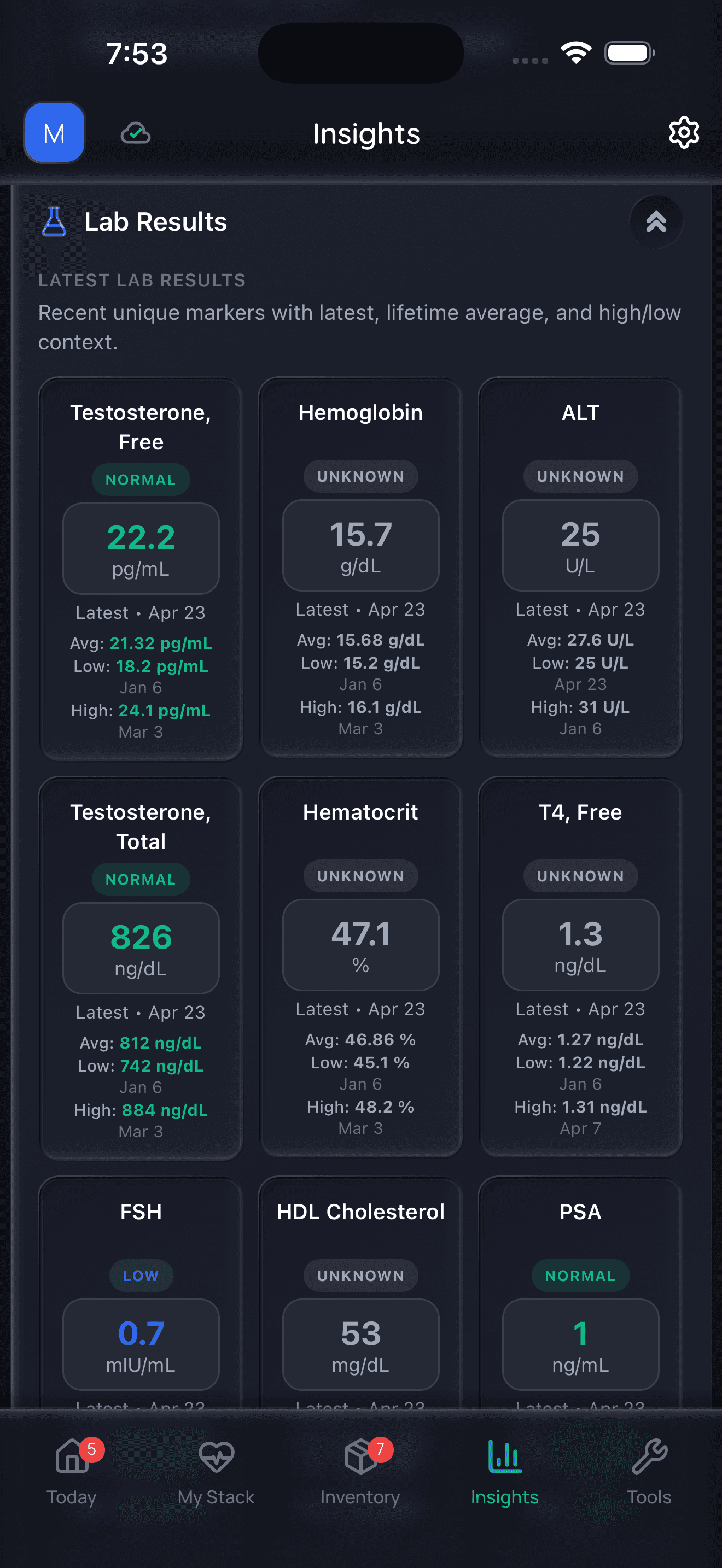
Doserly organizes data; it does not diagnose or interpret labs for you.
Side Effects & Safety
The Basics
Grape seed extract has an excellent safety profile and is generally very well tolerated. It has been tested safely in human studies lasting up to 11 months, and the NCCIH describes it as "generally well tolerated when taken orally or used topically" [10].
The most commonly reported side effects are mild and infrequent:
- Gastrointestinal discomfort: Occasional nausea, stomach upset, or diarrhea, typically mild and often preventable by taking with food
- Headache and dizziness: Reported rarely
- Allergic reactions: Rare cases of skin rash, itching, or swelling in individuals with grape allergies
The side effect that warrants the most clinical attention is grape seed extract's antiplatelet activity. In laboratory studies, grape seed extracts inhibit platelet aggregation, which means they can theoretically increase bleeding risk [12][13]. This is particularly important for:
- People taking anticoagulant or antiplatelet medications (warfarin, aspirin, clopidogrel)
- Anyone scheduled for surgery (consider discontinuing GSE at least 2 weeks before)
- People with existing bleeding disorders
The NCCIH specifically notes that grape seed extract is "possibly unsafe if you have a bleeding disorder or are going to have surgery or if you take anticoagulants (blood thinners), such as warfarin or aspirin" [10].
Little is known about the safety of grape seed extract during pregnancy or breastfeeding, and use during these periods is generally not recommended due to insufficient safety data [10].
The Science
Adverse reactions: Gastrointestinal upset is the primary reported adverse reaction in clinical studies [7]. Subchronic 3-month oral toxicity studies of grape seed and grape skin extracts demonstrated a favorable safety profile [23].
Antiplatelet activity: In vitro, grape seed extracts inhibit platelet aggregation by inhibiting protein tyrosine phosphatase [12]. Polyphenol-rich extracts from grape seeds demonstrate significant anticoagulant effects in laboratory assays [13].
CYP450 interactions (in vitro): GSE inhibits CYP3A4 and may affect intracellular concentrations of drugs metabolized by this enzyme. Clinical relevance has not been established [7][24]. GSE also modulates UGT enzymes and may increase side effects of drugs metabolized by them, though clinical significance is undetermined [7].
Pregnancy and lactation: Insufficient safety data. The NCCIH states that "little is known about whether it's safe to use grape seed extract during pregnancy or while breastfeeding" [10].
Long-term safety: Safely tested for up to 11 months in human studies [10]. No serious adverse events reported in clinical trial databases at standard supplemental doses.
Managing side effect risks across a multi-supplement stack can feel overwhelming, especially when interactions between supplements, medications, and foods add layers of complexity. Doserly brings all of that into a single safety view so nothing falls through the cracks.
Rather than researching every possible interaction yourself, the app checks your full stack automatically and flags supplement-drug and supplement-supplement interactions that warrant attention. If you do experience something unexpected, logging it takes seconds, and over time the app helps you spot patterns: whether symptoms correlate with specific doses, timing, or combinations. One place for the safety picture that matters most when your stack grows beyond a few bottles.
Capture changes while they are still fresh.
Log symptoms, energy, sleep, mood, and other observations alongside protocol events so patterns do not live only in memory.
Trend view
Symptom timeline
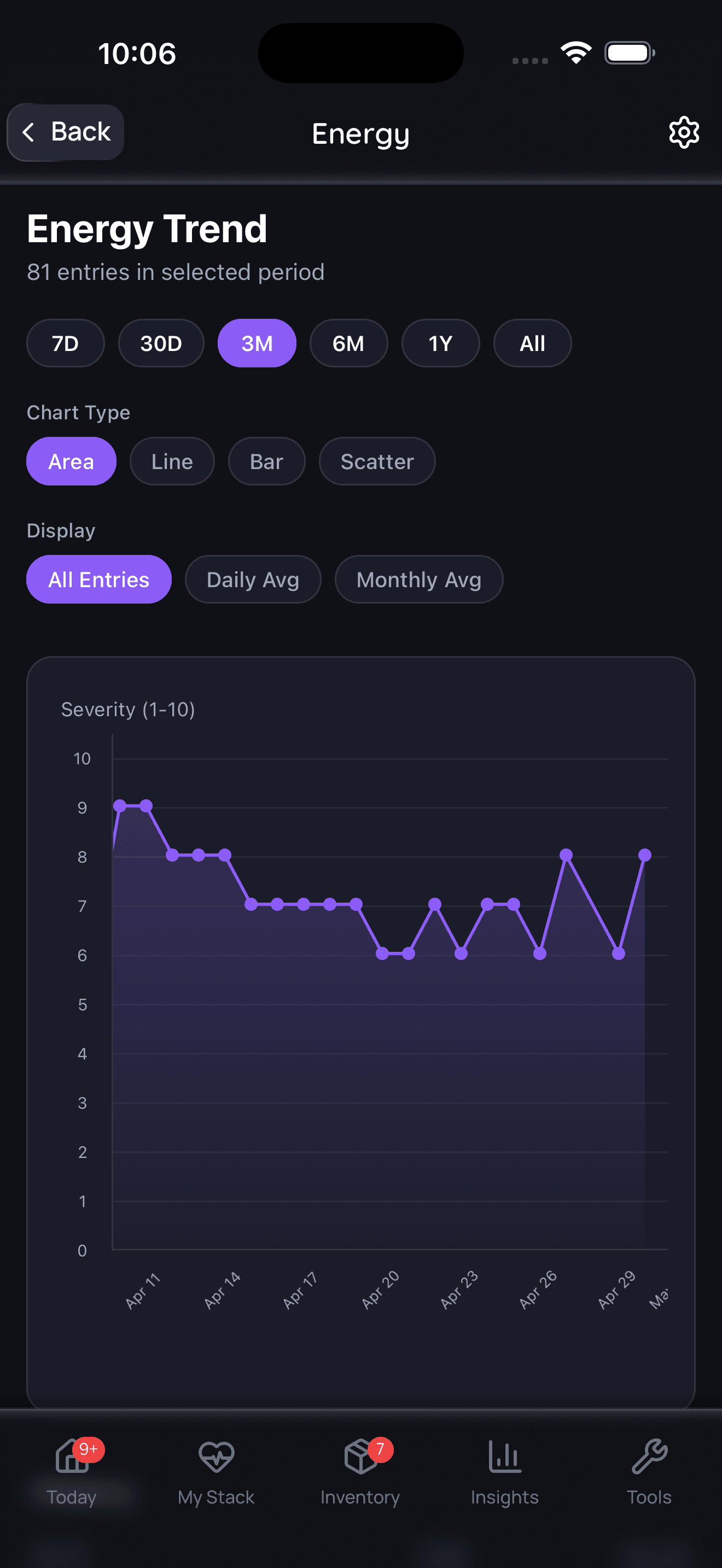
Symptom tracking is informational and should be interpreted with a qualified clinician.
Dosing & Usage Protocols
The Basics
Grape seed extract dosing is relatively straightforward compared to some supplements, though the wide range of doses studied in clinical trials (100-2,100 mg/day) can make choosing the right amount feel uncertain.
The most commonly used and studied dose range is 150-300 mg/day of standardized extract (standardized to 50-95% proanthocyanidins/OPCs). This range appears in the majority of clinical trials demonstrating cardiovascular benefits and represents a reasonable starting point for most people.
Higher doses up to 600 mg/day have been used in studies specifically targeting blood pressure and circulation improvements, and some users report more noticeable effects at this level. Doses above 600 mg/day have been studied but offer diminishing returns and may increase the risk of GI side effects [25].
The duration of supplementation matters. Most clinical trials showing significant effects used treatment periods of 8 weeks or longer, with some studies extending to 12 weeks or more [3][4][5]. Benefits may take several weeks to become measurable in clinical markers.
The Science
Dose ranges from clinical evidence:
- General antioxidant support: 100-200 mg/day
- Cardiovascular risk factor modulation: 150-300 mg/day (most studied range)
- Blood pressure effects: 300-600 mg/day (higher doses may show more consistent effects in meta-analysis subgroup analyses) [3][9]
- Upper range studied: Up to 2,100 mg/day in some trials [25]
Duration parameters:
- Minimum effective duration: approximately 8 weeks for measurable cardiovascular marker changes [3][4]
- Lipid effects: Some meta-analysis subgroups found significant effects with less than 10 weeks of supplementation at doses below 300 mg/day [4]
- Long-term safety: Established for up to 11 months of continuous use [10]
Standardization: Look for products standardized to a defined percentage of proanthocyanidins (OPCs). Common standardization levels are 50%, 80%, or 95% OPCs. Higher OPC percentages provide more of the bioactive compounds per milligram of extract.
What to Expect (Timeline)
Weeks 1-2: During the initial period, most users report no dramatic changes. Some individuals may experience mild GI discomfort (nausea, stomach upset) as the body adjusts, particularly at higher doses or on an empty stomach. Antioxidant activity begins immediately at the cellular level, but subjective effects are unlikely to be noticeable this early.
Weeks 3-4: Subtle improvements in circulation may begin for some individuals. People who are sensitive to blood flow changes may notice slight improvements in skin appearance or reduced feelings of "heavy legs." Blood pressure-sensitive individuals checking their readings regularly may begin to notice small, gradual changes in diastolic readings.
Weeks 5-8: This is typically when measurable effects begin to appear in clinical markers. Meta-analyses suggest 8 weeks as a threshold for significant blood pressure reductions [3]. Some lipid panel changes may begin to emerge, though the full effect on cholesterol and triglycerides may require longer supplementation.
Weeks 8-12: By this point, individuals who are going to respond to GSE supplementation generally have detectable improvements in cardiovascular markers. Blood pressure, lipid panels, and inflammatory markers (if tested) may show measurable changes. Skin health improvements reported by community users typically become noticeable in this timeframe as well.
3 months and beyond: Sustained supplementation continues to provide antioxidant and anti-inflammatory support. Effects tend to be maintained with continued use. There is no established need for cycling, and GSE has been safely used continuously for up to 11 months in clinical studies [10].
Interactions & Compatibility
Synergistic
- Vitamin C: Complementary antioxidant mechanisms. Vitamin C works in aqueous environments while proanthocyanidins operate in both aqueous and lipid compartments. Commonly stacked for broad-spectrum antioxidant support.
- Resveratrol: Fellow grape-derived polyphenol with complementary cardiovascular and anti-aging mechanisms. Commonly combined in grape-based antioxidant formulations.
- Quercetin: Synergistic anti-inflammatory and antioxidant effects. Both are flavonoid-class compounds with complementary molecular targets.
- Pine Bark Extract (Pycnogenol): Closely related OPC profile. Pine bark and grape seed extracts contain similar proanthocyanidin compounds and are sometimes used interchangeably, though their exact compound ratios differ.
- CoQ10: Complementary cardiovascular support. CoQ10 supports mitochondrial energy production while GSE addresses vascular function and oxidative stress.
- Green Tea Extract: Fellow polyphenol with catechin content. Complementary antioxidant and metabolic effects.
- Fish Oil: Complementary cardiovascular benefits. Note: both GSE and fish oil may have antiplatelet properties, so combined use adds to theoretical bleeding risk.
- Turmeric/Curcumin: Complementary anti-inflammatory pathways. Both reduce CRP and inflammatory markers through different mechanisms.
Caution / Avoid
- Anticoagulants / Antiplatelets (warfarin, aspirin, clopidogrel): GSE has in vitro antiplatelet activity and may increase bleeding risk when combined with these medications [7][12][13]. Medical supervision required.
- CYP3A4 substrate drugs: In vitro, GSE inhibits CYP3A4, which could theoretically affect drug levels for medications metabolized by this enzyme (e.g., certain statins, calcium channel blockers, immunosuppressants) [7][24]. Clinical relevance has not been established but warrants caution.
- UGT substrate drugs: GSE modulates UGT enzymes in vitro, potentially increasing side effects of drugs metabolized by them [7]. Clinical significance undetermined.
- Ginkgo Biloba: Both have antiplatelet effects. Combined use may increase bleeding risk.
- Vitamin E: High-dose vitamin E combined with GSE may increase bleeding risk due to additive antiplatelet effects.
- Pre-surgical period: Discontinue GSE at least 2 weeks before scheduled surgery due to antiplatelet activity [10].
How to Take / Administration Guide
Recommended forms: Standardized grape seed extract capsules or tablets, with a defined OPC percentage (50-95%), are the most practical and well-studied delivery forms. Products standardized to higher OPC percentages (80-95%) deliver more bioactive compounds per dose.
Timing considerations: GSE can be taken at any time of day. Since OPCs are water-soluble, fat co-administration is not required for absorption. Taking with food may reduce occasional GI discomfort in sensitive individuals. Consistency in timing supports steady tissue levels.
Dose splitting: The daily dose can be taken as a single administration or split into two doses (morning and evening). Clinical trials have used both single and divided dosing protocols without a clear advantage for either approach.
Stacking guidance: GSE is commonly taken alongside vitamin C, resveratrol, or other polyphenol antioxidants as part of an antioxidant or cardiovascular support stack. When stacking multiple supplements with potential antiplatelet effects (GSE + fish oil + vitamin E + ginkgo, for example), users should be aware of cumulative bleeding risk.
Cycling guidance: There is no established need for cycling grape seed extract. It has been used continuously for up to 11 months in clinical studies without evidence of tolerance or diminishing effects [10]. Some practitioners recommend periodic breaks (e.g., 1-2 weeks off every 8-12 weeks), though this is based on general supplement hygiene rather than GSE-specific evidence.
Form considerations: Grape seed oil is a different product with a different compound profile (primarily fatty acids, very low OPCs) and should not be used as a substitute for standardized GSE when cardiovascular or antioxidant effects are desired.
Choosing a Quality Product
Third-party certifications: Look for USP Verified, NSF Certified for Sport, or GMP-certified products. These certifications verify that the product contains what the label claims and is free from contaminants.
Standardization matters: The most important label criterion for GSE is the OPC/proanthocyanidin standardization percentage. Look for products standardized to a defined percentage:
- 50% OPCs: Entry-level standardization
- 80-95% OPCs: Higher potency, more consistent with clinical trial materials
- "Total polyphenols" standardization: Less specific than OPC standardization; may include compounds with lower bioactivity
Active form considerations:
- OPC-rich standardized extract: Preferred for cardiovascular and antioxidant benefits. OPCs (oligomeric forms) have better bioavailability than polymeric proanthocyanidins.
- Whole grape seed powder: Lower OPC concentration, but contains fiber and a broader range of grape seed constituents. Less studied for specific health endpoints.
- Grape seed oil: Primarily a lipid source rich in linoleic acid and vitamin E. Not an equivalent source of proanthocyanidins.
Red flags:
- Products with no standardization information on the label
- Proprietary blends that hide individual ingredient amounts
- Extremely high dose claims without supporting evidence
- Products labeled as "grape seed" that are actually grapefruit seed extract (entirely different product)
- Very low prices relative to standardization level claimed (may indicate lower-quality extract)
Contamination concerns: As with all herbal supplements, quality can vary. If growing or storage conditions are not adequately controlled, grape seeds may contain pesticide residues or mycotoxins. Third-party tested products help mitigate this risk.
Storage & Handling
Grape seed extract supplements should be stored in a cool, dry place away from direct sunlight and excessive heat. Proanthocyanidins are relatively stable compounds but can degrade with prolonged exposure to high temperatures and moisture.
Keep containers tightly sealed after each use. Liquid extracts may be more susceptible to degradation than capsule or tablet forms and should be refrigerated after opening if recommended by the manufacturer.
Check expiration dates before use. While proanthocyanidins are fairly stable, potency may decrease over time, particularly in products that have been improperly stored.
Keep all supplements out of reach of children.
Lifestyle & Supporting Factors
Dietary sources: Proanthocyanidins are naturally present in many foods, including red wine, dark chocolate, berries (blueberries, cranberries), apples, cinnamon, and tea. People typically consume 460-1,000 mg/day of proanthocyanidins from combined dietary sources [7]. Supplementation adds a concentrated, standardized dose on top of dietary intake.
Complementary dietary factors: A diet rich in fruits, vegetables, and other polyphenol-containing foods provides the broader antioxidant context in which GSE supplementation is most likely to contribute meaningfully. Mediterranean dietary patterns, which include grape products and other polyphenol-rich foods, are associated with lower cardiovascular disease rates in epidemiological studies.
Gut microbiome health: Since a significant portion of proanthocyanidin bioactivity depends on colonic microbial metabolism (converting OPCs to the active metabolite VL), maintaining a diverse and healthy gut microbiome may enhance GSE's effectiveness. Dietary fiber, fermented foods, and probiotics support microbial diversity.
Exercise: Regular physical activity independently improves cardiovascular markers (blood pressure, lipid profiles, inflammatory markers) and may have additive effects with GSE supplementation. The antioxidant properties of GSE may also support post-exercise recovery by reducing exercise-induced oxidative stress.
Monitoring: For individuals taking GSE for cardiovascular support, periodic monitoring of blood pressure (home monitoring) and lipid panels provides objective feedback. Because GSE's effects are modest, subjective assessment alone may not capture clinically meaningful changes.
Signs that may indicate benefit from GSE supplementation:
- Mildly elevated blood pressure (prehypertension)
- Borderline or mildly elevated LDL cholesterol or triglycerides
- Elevated CRP or other markers of systemic inflammation
- Interest in broad-spectrum antioxidant support
- Desire for cardiovascular support alongside dietary and lifestyle measures
Hydration: Adequate water intake supports general cardiovascular function and supplement tolerance.
Regulatory Status & Standards
United States (FDA)
Grape seed extract is classified as a dietary supplement under DSHEA. It is not evaluated by the FDA for efficacy in preventing, treating, or curing any disease. Grape seed extract supplements must comply with FDA Good Manufacturing Practice (GMP) regulations for dietary supplements (21 CFR Part 111). Some grape seed compounds have GRAS (Generally Recognized as Safe) status as food ingredients.
Canada (Health Canada)
Grape seed extract is recognized under the Natural Health Products framework. Products require a Natural Product Number (NPN) before marketing. Health Canada monographs support claims related to antioxidant activity.
European Union (EFSA)
EFSA has evaluated health claims for grape seed extract and grape-derived polyphenols. Authorized health claims are limited. Grape seed extract is generally permitted for sale as a food supplement across EU member states.
Australia (TGA)
Grape seed extract is available as a complementary medicine (listed medicine) under the TGA framework.
Athletes & Sports
WADA Status: Grape seed extract is not on the WADA Prohibited List and is permitted in sport. It does not contain any substances that are banned or restricted under current anti-doping regulations.
Certification programs: Athletes seeking additional assurance can look for products certified by Informed Sport, NSF Certified for Sport, Cologne List, or BSCG. These programs batch-test products for over 250 banned substances.
GlobalDRO: Grape seed extract is not listed as a prohibited substance on GlobalDRO databases for any jurisdiction.
League-specific policies: No major professional sports leagues (NFL, NBA, MLB, NHL, NCAA) prohibit grape seed extract. Standard advice applies: athletes should use third-party certified products to minimize contamination risk from unregulated supplement manufacturing.
FAQ
Is grape seed extract the same as pycnogenol or pine bark extract?
No, though they are closely related. Both grape seed extract and pine bark extract (Pycnogenol) contain oligomeric proanthocyanidins (OPCs) as their primary active compounds, and they share similar biological activities. However, they come from different plant sources (grape seeds vs. maritime pine bark) and have different exact compound profiles and ratios. Some studies suggest comparable effects; they are sometimes used interchangeably in antioxidant stacks.
Can I get enough proanthocyanidins from red wine instead?
Red wine does contain proanthocyanidins and other polyphenols, but the amount per glass is significantly lower and less standardized than what a supplement provides. To match the OPC content of a typical 300 mg grape seed extract supplement, you would need to consume amounts of wine that pose their own health risks. Grape seed extract provides the antioxidant compounds without the alcohol.
How long should I take grape seed extract before expecting results?
Most clinical trials demonstrating significant cardiovascular benefits used supplementation periods of at least 8 weeks. Antioxidant activity begins immediately at the cellular level, but measurable improvements in blood pressure, cholesterol, or inflammatory markers typically require 2-3 months of consistent use.
Does grape seed extract affect estrogen levels?
There is limited and inconclusive evidence regarding grape seed extract and estrogen metabolism. Some preliminary research has explored aromatase inhibition, but this has not been consistently demonstrated in human studies at standard supplemental doses. If you have an estrogen-sensitive condition, consult a healthcare provider before supplementing.
Can I take grape seed extract with blood pressure medication?
Because grape seed extract may modestly lower blood pressure, there is a theoretical risk of additive hypotensive effects when combined with blood pressure medications. This does not mean the combination is necessarily unsafe, but it should be discussed with a healthcare provider, and blood pressure should be monitored more closely.
Is grape seed extract safe for people with grape allergies?
People with known allergies to grapes should avoid grape seed extract, as allergic reactions (skin rash, itching, swelling) have been reported in sensitive individuals. If you are unsure about your sensitivity, consult an allergist before supplementing.
What is the difference between grape seed extract and grapefruit seed extract?
Despite sharing the "GSE" abbreviation, these are completely different products. Grape seed extract comes from Vitis vinifera (wine grape) seeds and is rich in proanthocyanidins. Grapefruit seed extract comes from Citrus paradisi and is marketed primarily as an antimicrobial agent. They have different biological effects and should not be confused.
Does grape seed extract interact with chemotherapy drugs?
Preclinical studies suggest potential synergistic effects between grape seed proanthocyanidins and certain chemotherapy agents (including doxorubicin), as well as protective effects against drug-induced cardiotoxicity. However, GSE also inhibits CYP3A4 in vitro, which could theoretically alter chemotherapy drug metabolism. Cancer patients should always consult their oncology team before taking any supplements during treatment.
Is grape seed oil a good substitute for grape seed extract capsules?
No. Grape seed oil is a lipid-based product rich in polyunsaturated fatty acids and vitamin E, but it contains very low levels of proanthocyanidins. If your goal is antioxidant support or cardiovascular benefits from OPCs, a standardized grape seed extract (capsule or tablet) is the appropriate choice.
Myth vs. Fact
Myth: Grape seed extract is a cure for high blood pressure.
Fact: Multiple meta-analyses show grape seed extract can produce modest reductions in blood pressure, particularly diastolic BP. However, the reductions are small (typically 1-5 mmHg) and insufficient to replace blood pressure medications. GSE is best positioned as a complementary approach alongside lifestyle changes and, when appropriate, prescribed medication [3][9].
Myth: Grape seed extract's antioxidant power means it prevents cancer.
Fact: While preclinical (laboratory and animal) studies have identified several mechanisms by which grape seed compounds may affect cancer cell growth, clinical evidence for cancer prevention in humans is not established. Observational data suggesting reduced risk of hematologic malignancies are preliminary and cannot establish causation [7][16][22].
Myth: All grape seed products are the same.
Fact: There are significant differences between grape seed extract (standardized to OPCs), whole grape seed powder, and grape seed oil. Each contains a different profile of active compounds. Grape seed oil, in particular, is primarily a lipid source and does not provide the proanthocyanidins associated with cardiovascular benefits. Standardization level (50% vs. 95% OPCs) also significantly affects potency.
Myth: Grape seed extract and grapefruit seed extract are interchangeable.
Fact: Despite both being abbreviated "GSE," these are completely different products from different plants with different biological effects. Grape seed extract (Vitis vinifera) is rich in proanthocyanidins; grapefruit seed extract (Citrus paradisi) is marketed for antimicrobial properties. Confusing the two can lead to unexpected effects [7].
Myth: The stronger the antioxidant, the better it is for you.
Fact: While grape seed proanthocyanidins do have exceptional antioxidant potency in laboratory assays (approximately 50x the scavenging capacity of vitamins C and E), this does not directly translate to 50 times the health benefit. Bioavailability, metabolism by gut bacteria, tissue distribution, and the body's existing antioxidant systems all modify the relationship between in vitro potency and in vivo effects [6][8][14].
Myth: Grape seed extract has no side effects.
Fact: GSE is exceptionally well tolerated, but "no side effects" is an overstatement. Mild GI discomfort can occur, and the antiplatelet activity documented in laboratory studies is a genuine concern for people on blood thinners or facing surgery. Rare allergic reactions have also been reported [7][10][12].
Myth: You need to take very high doses for grape seed extract to work.
Fact: The most commonly studied and effective dose range is 150-300 mg/day of standardized extract. Meta-analyses have found significant effects even at doses below 300 mg/day [4]. Higher doses (600+ mg/day) may offer marginal additional benefit but also increase the risk of side effects and cost [25].
Sources & References
Systematic Reviews & Meta-Analyses
- Sochorova L, Prusova B, Cebova M, et al. Health effects of grape seed and skin extracts and their influence on biochemical markers. Molecules. 2020;25(22):5311.
- Mancini M, Cerny MEV, Cardoso NS, et al. Grape seed components as protectors of inflammation, DNA damage, and cancer. Current Nutrition Reports. 2023;12:141-150.
- Foshati S, Nouripour F, Sadeghi E, et al. The effect of grape (Vitis vinifera) seed extract supplementation on flow-mediated dilation, blood pressure, and heart rate: a systematic review and meta-analysis of controlled trials with duration- and dose-response analysis. Pharmacological Research. 2022;175:105905.
- Anjom-Shoae J, Milajerdi A, Larijani B, et al. Effects of grape seed extract on dyslipidaemia: a systematic review and dose-response meta-analysis of randomised controlled trials. British Journal of Nutrition. 2020;124(2):121-134.
- Asbaghi O, Nazarian B, Reiner Z, et al. The effects of grape seed extract on glycemic control, serum lipoproteins, inflammation, and body weight: A systematic review and meta-analysis of randomized controlled trials. Phytother Res. 2020;34(2):239-253.
Clinical Trials & RCTs
- Gupta M, Dey S, Marbaniang D, et al. Grape seed extract: having a potential health benefits. Journal of Food Science and Technology. 2020;57(4):1205-1215.
- Memorial Sloan Kettering Cancer Center. Grape Seed. About Herbs database. Last updated February 10, 2022.
- Oligomeric Proanthocyanidins: An Updated Review of Their Natural Sources, Synthesis, and Potentials. Molecules. 2023.
- Zhang H, Liu S, Li L, et al. The impact of grape seed extract treatment on blood pressure changes: A meta-analysis of 16 randomized controlled trials. Medicine. 2016;95(33):e4247.
- National Center for Complementary and Integrative Health. Grape Seed Extract. Last updated February 2025.
- Schon C, Allegrini P, Engelhart-Jentzsch K, et al. Grape Seed Extract Positively Modulates Blood Pressure and Perceived Stress: A Randomized, Double-Blind, Placebo-Controlled Study. Nutrients. 2021;13(2):654.
- Jin JW, Inoue O, Suzuki-Inoue K, et al. Grape seed extracts inhibit platelet aggregation by inhibiting protein tyrosine phosphatase. Clin Appl Thromb Hemost. 2014;20(3):278-284.
- Bijak M, Bobrowski M, Borowiecka M, et al. Anticoagulant effect of polyphenols-rich extracts from black chokeberry and grape seeds. Fitoterapia. 2011;82(6):811-817.
Pharmacokinetic & Mechanistic Studies
- Baron G, et al. Unraveling the parahormetic mechanism underlying the health-protecting effects of grapeseed procyanidins. Food and Chemical Toxicology. 2024.
- Ozkan G, Ulusoy S, Alkanat M, et al. Antiapoptotic and antioxidant effects of GSPE in preventing cyclosporine A-induced cardiotoxicity. Ren Fail. 2012;34(4):460-466.
- Kaur M, Tyagi A, Singh RP, et al. Grape seed extract upregulates p21 (Cip1) through redox-mediated activation of ERK1/2 and posttranscriptional regulation leading to cell cycle arrest in colon carcinoma HT29 cells. Mol Carcinog. 2011;50(7):553-562.
- Sharma G, Tyagi AK, Singh RP, Chan DC, Agarwal R. Synergistic anti-cancer effects of grape seed extract and conventional cytotoxic agent doxorubicin against human breast carcinoma cells. Breast Cancer Res Treat. 2004;85:1-12.
- Ward NC, et al. Supplementation with grape seed polyphenols results in increased urinary excretion of 3-hydroxyphenylpropionic acid, an important metabolite of proanthocyanidins in humans. J Agric Food Chem. 2004;52(17):5545-5549.
- Alonso RM, et al. Bioaccessibility and Antioxidant Capacity of Grape Seed and Grape Skin Phenolic Compounds After Simulated In Vitro Gastrointestinal Digestion. Plant Foods for Human Nutrition. 2024.
Observational & Other Studies
- Moon SW, Shin YU, Cho H, et al. Effect of grape seed proanthocyanidin extract on hard exudates in patients with non-proliferative diabetic retinopathy. Medicine. 2019;98(21):e15515.
- Khanna S, Venojarvi M, Roy S, et al. Dermal wound healing properties of redox-active grape seed proanthocyanidins. Free Radic Biol Med. 2002;33:1089-1096.
- Walter RB, Brasky TM, Milano F, White E. Vitamin, mineral, and specialty supplements and risk of hematologic malignancies in the prospective VITamins And Lifestyle (VITAL) study. Cancer Epidemiol Biomarkers Prev. 2011;20(10):2298-2308.
- Yamakoshi J, Saito M, Kataoka S, Kikuchi M. Safety evaluation of proanthocyanidin-rich extract from grape seeds. Food Chem Toxicol. 2002;40:599-607.
- Etheridge AS, Black SR, Patel PR, So J, Mathews JM. An in vitro evaluation of cytochrome P450 inhibition and P-glycoprotein interaction with goldenseal, Ginkgo biloba, grape seed, milk thistle, and ginseng extracts and their constituents. Planta Med. 2007;73(8):731-741.
- Feringa HH, Laskey DA, Dickson JE, Coleman CI. The effect of grape seed extract on cardiovascular risk markers: a meta-analysis of randomized controlled trials. J Am Diet Assoc. 2011;111(8):1173-1181.
Government & Institutional Sources
- Garcia-Manriquez N, Lozano C, Munoz A, et al. Anticaries properties of natural berries: systematic literature review. Nutrition Reviews. 2024;82(3):302-317.
- Odai T, Terauchi M, Kato K, Hirose A, Miyasaka N. Effects of Grape Seed Proanthocyanidin Extract on Vascular Endothelial Function in Participants with Prehypertension. Nutrients. 2019;11(12):2844.
Related Supplement Guides
Same Category (Herbal / Botanical Polyphenols)
- Pine Bark Extract (Pycnogenol) - Closely related OPC profile from maritime pine bark
- Resveratrol - Fellow grape-derived polyphenol with cardiovascular and longevity focus
- Green Tea Extract (EGCG) - Catechin-based polyphenol with overlapping antioxidant mechanisms
- Quercetin - Flavonoid with complementary anti-inflammatory effects
- Turmeric/Curcumin - Anti-inflammatory botanical with complementary cardiovascular support
Common Stacks / Pairings
- Vitamin C - Complementary antioxidant commonly paired with OPCs
- Vitamin E - Fat-soluble antioxidant (note: caution with high doses due to additive antiplatelet effects)
- CoQ10 - Mitochondrial antioxidant for cardiovascular support stacks
- Fish Oil - Complementary cardiovascular benefits (note: additive antiplatelet activity)
Related Health Goals
- Ginkgo Biloba - Circulatory support (caution: additive bleeding risk)
- Boswellia Serrata - Anti-inflammatory botanical