
NR (Nicotinamide Riboside): The Complete Supplement Guide
On this page
Quick Reference Card
Attribute
Common Name
- Detail
- Nicotinamide Riboside (NR)
Attribute
Other Names / Aliases
- Detail
- NR, nicotinamide beta-riboside, SRT647, NIAGEN (branded form), nicotinamide riboside chloride (NR Cl)
Attribute
Category
- Detail
- NAD+ Precursor, Vitamin B3 derivative (water-soluble)
Attribute
Primary Forms & Variants
- Detail
- Nicotinamide riboside chloride (NR Cl, sold as NIAGEN; the only commercially available patented form with clinical data); reduced NR (NRH, dihydronicotinamide riboside; experimental, limited human data)
Attribute
Typical Dose Range
- Detail
- 250-1000 mg/day (most supplement products: 250-300 mg; most clinical trials: 300-1000 mg; some studies up to 2000-3000 mg/day)
Attribute
RDA / AI / UL
- Detail
- No NR-specific RDA, AI, or UL established. NR is classified under the vitamin B3 family but is not included in the IOM niacin DRI calculations. The niacin UL of 35 mg/day (based on flushing from nicotinic acid) does not directly apply to NR, as NR does not cause flushing
Attribute
Common Delivery Forms
- Detail
- Capsule, tablet
Attribute
Best Taken With / Without Food
- Detail
- Can be taken with or without food. Many users report better tolerability with food. Morning dosing is widely recommended to avoid potential sleep disruption
Attribute
Key Cofactors
- Detail
- Trimethylglycine (TMG/betaine, to support methylation pathways), B-complex vitamins (particularly B2, B6, folate, B12 for methylation support), magnesium (ATP-dependent conversion steps)
Attribute
Storage Notes
- Detail
- Store at room temperature in a tightly closed container, away from heat, moisture, and direct light. No refrigeration required
Overview
The Basics
Nicotinamide riboside, commonly called NR, is a form of vitamin B3 that your body uses to produce a molecule called NAD+ (nicotinamide adenine dinucleotide). NAD+ is sometimes described as the cellular currency of energy and repair: it's required by more than 400 enzymes in your body, making it one of the most important molecules for keeping your cells functioning properly [1][2].
What makes NR interesting compared to other forms of vitamin B3 (like niacin or niacinamide) is that it enters the NAD+ production system through its own dedicated pathway. It also does not cause the uncomfortable skin flushing that limits how much niacin people can comfortably take [3]. This combination of a unique metabolic route and the absence of flushing has generated considerable interest in NR as a supplement, particularly among people interested in healthy aging.
The connection to aging is straightforward: NAD+ levels decline as you get older. Research in animals consistently shows that restoring NAD+ levels can improve markers of metabolic health, cardiovascular function, and cellular repair [4]. The hope driving NR supplementation is that the same benefits might translate to humans. The reality, however, is more nuanced. While NR reliably increases NAD+ levels in human blood and tissues, the downstream health benefits seen so convincingly in animal models have been harder to confirm in clinical trials [5].
NR occurs naturally in trace amounts in cow's milk, yeast, and beer, though in quantities far too small to meaningfully boost NAD+ levels [6]. As a supplement, it is primarily available as nicotinamide riboside chloride, sold under the trade name NIAGEN, which is patented and manufactured by ChromaDex. NR holds Generally Recognized as Safe (GRAS) status from the FDA for food use and is approved as a New Dietary Ingredient for supplement use in the United States [3].
The Science
Nicotinamide riboside (NR; 1-(beta-D-ribofuranosyl)nicotinamide; CAS 1341-23-7) is an endogenous NAD+ precursor and a pyridine nucleoside form of vitamin B3. It was identified as a vitamin in organisms from yeast to humans by Brenner and colleagues in a landmark 2004 publication demonstrating that NR promotes NAD+ biosynthesis through a dedicated kinase pathway distinct from those used by nicotinic acid (NA) or nicotinamide (NAM) [7].
NR is converted to nicotinamide mononucleotide (NMN) by the nicotinamide riboside kinases NRK1 and NRK2, with NMN subsequently adenylated to NAD+ by nicotinamide mononucleotide adenylyltransferases (NMNAT1, NMNAT2, NMNAT3) [7][8]. This NRK-dependent pathway is functionally independent from the NAMPT-dependent salvage pathway used by NAM and the Preiss-Handler pathway used by NA, conferring potential advantages under conditions where these alternative pathways are compromised, such as metabolic stress, inflammation, and aging [2][8].
NAD+ is a central metabolic cofactor and signaling molecule. Beyond its classical role as an electron carrier in oxidative phosphorylation and glycolysis, NAD+ serves as a consumed substrate for three major classes of enzymes: sirtuins (SIRT1-7, NAD+-dependent deacetylases regulating metabolism, stress responses, and chromatin), poly(ADP-ribose) polymerases (PARPs, involved in DNA repair), and cyclic ADP-ribose synthases (CD38/CD157, regulating calcium signaling) [1][2]. Age-related NAD+ decline has been attributed to increased CD38 expression, elevated PARP activation secondary to accumulated DNA damage, decreased NAMPT expression, and chronic inflammation-driven NAD+ consumption [4][9].
A 2023 critical review of 25 published human NR supplementation studies concluded that while oral NR consistently demonstrates biochemical target engagement (elevating blood and tissue NAD+ metabolites), clinically relevant functional effects have been limited, with "an unfortunate tendency in the literature to exaggerate the importance and robustness of reported effects" [5]. A 2026 PRISMA-guided systematic review of 113 studies (33 human, 80 rodent) reinforced this assessment: rodent data frequently shows metabolic, mitochondrial, and anti-inflammatory improvements, while human results on functional, vascular, and healthspan outcomes remain "heterogeneous and often null or endpoint-specific" [10].
Chemical & Nutritional Identity
Property
Chemical Name
- Value
- 1-(beta-D-ribofuranosyl)nicotinamide; 3-carbamoyl-1-beta-D-ribofuranosylpyridinium
Property
Synonyms
- Value
- NR, nicotinamide riboside, nicotinamide beta-riboside, SRT647
Property
Molecular Formula
- Value
- C11H15N2O5+ (cation)
Property
Molecular Weight
- Value
- 255.25 g/mol (free base); 290.70 g/mol (chloride salt)
Property
CAS Number
- Value
- 1341-23-7 (free base)
Property
PubChem CID
- Value
- 439924
Property
Category
- Value
- NAD+ precursor; pyridine nucleoside; vitamin B3 derivative
Property
Active Form
- Value
- NAD+ (nicotinamide adenine dinucleotide), produced via NRK1/NRK2-mediated phosphorylation to NMN, then adenylation by NMNAT
Property
Commercial Form
- Value
- Nicotinamide riboside chloride (NIAGEN, patented by ChromaDex)
Property
Natural Occurrence
- Value
- Trace amounts in cow's milk, yeast, beer, and certain other foods
Property
RDA
- Value
- No NR-specific RDA. Niacin (vitamin B3 class) RDA: 16 mg NE (males), 14 mg NE (females). NR is not currently included in niacin RDA calculations
Property
AI
- Value
- Not established for NR
Property
UL
- Value
- No NR-specific UL. The niacin UL of 35 mg/day (based on nicotinic acid flushing) does not directly apply to NR
NR is structurally distinct from the other B3 vitamers. Nicotinic acid is pyridine-3-carboxylic acid; nicotinamide (niacinamide) is the amide form; NR is nicotinamide attached to a ribose sugar. This structural difference is biologically significant because it determines which enzymatic pathway is used for NAD+ synthesis and which side-effect profile applies [1][3]. NR does not activate the GPR109A receptor that mediates nicotinic acid flushing, nor does it inhibit sirtuins at high doses as nicotinamide does [3][8].
Mechanism of Action
The Basics
To understand what NR does, you first need to understand NAD+, the molecule it helps your body produce. NAD+ is required by more than 400 enzymes in your body and is involved in everything from converting food into energy to repairing damaged DNA. It is not an exaggeration to say that without NAD+, your cells cannot function.
Your body makes NAD+ through several different routes, and NR feeds into one of them. When you take NR as a supplement, it enters your cells through specialized transporters and gets converted in two steps: first into a molecule called NMN, then into NAD+ itself. The enzymes that perform this conversion (called NRK1 and NRK2) are particularly interesting because their activity increases when your body is under metabolic stress, which is exactly when you need NAD+ the most [7][8].
NAD+ is not just an energy molecule. It also activates a family of proteins called sirtuins, which act like cellular maintenance workers. Sirtuins regulate how your genes are expressed, help repair DNA damage, manage inflammation, and coordinate your metabolism. Another group of NAD+-consuming enzymes called PARPs are dedicated to DNA repair. A third group, the CD38 enzymes, uses NAD+ for calcium signaling. All of these processes consume NAD+, meaning your body is constantly both making and using it [1][2].
The central problem NR supplementation aims to address is that NAD+ levels decline with age. This decline appears to result from a combination of factors: increased activity of NAD+-consuming enzymes (particularly CD38), more DNA damage requiring PARP activation, decreased activity of the enzymes that recycle NAD+, and chronic low-grade inflammation [4][9]. The theory is that supplementing with NR can help counteract this decline by providing raw material for NAD+ production.
The Science
NR enters cells via equilibrative nucleoside transporters (ENTs), a family of membrane proteins that facilitate the passage of nucleosides across cell membranes [8]. Once intracellular, NR is phosphorylated by nicotinamide riboside kinase 1 (NRK1) or NRK2 to generate NMN. NRK1 is constitutively expressed in most tissues, while NRK2 expression is induced by metabolic stress, including conditions of energetic deficit and axonal degeneration [7][8].
NMN is subsequently adenylated to NAD+ by the nicotinamide mononucleotide adenylyltransferases (NMNAT1 in the nucleus, NMNAT2 in the cytoplasm and Golgi, NMNAT3 in the mitochondria) [2]. This two-step conversion (NR to NMN to NAD+) constitutes the NRK-dependent salvage pathway, which operates independently of NAMPT (the rate-limiting enzyme in the NAM-to-NMN-to-NAD+ salvage pathway) and NAPRT (used in the Preiss-Handler pathway from nicotinic acid) [7][8].
NAD+ functions as a consumed substrate for three major enzyme families:
Sirtuins (SIRT1-7): NAD+-dependent protein deacylases that regulate metabolic homeostasis, mitochondrial biogenesis, circadian rhythms, DNA repair, and inflammatory responses. SIRT1 and SIRT3 are particularly implicated in the beneficial effects of caloric restriction [2][9].
Poly(ADP-ribose) polymerases (PARPs): PARP1 and PARP2 consume NAD+ during DNA damage repair. PARP activation increases with age as DNA damage accumulates, contributing to NAD+ depletion. PARP1 hyperactivation under severe genotoxic stress can reduce NAD+ to levels incompatible with cell survival [2].
CD38/CD157: Ectoenzymes that cleave NAD+ to generate cyclic ADP-ribose and nicotinamide. CD38 expression increases with age and is considered a major driver of age-related NAD+ decline. CD38 also degrades NMN and, to a lesser extent, NR in the extracellular space [9].
An important consideration in NR pharmacology is that a significant fraction of orally administered NR undergoes degradation to NAM by purine nucleoside phosphorylase (PNP) in the gut and liver, and gut microbiota convert NR to nicotinic acid riboside (NAR) [5][8]. Despite this degradation, isotope-tracing studies have demonstrated that intact NR does reach peripheral tissues and contributes to NAD+ synthesis through the NRK pathway, as evidenced by the substantially compromised NAD+ response to NR in NRK1-knockout mice [8].
Absorption & Bioavailability
The Basics
When you take NR by mouth, your body absorbs it through the small intestine. One of NR's advantages is that it gets into your cells through transporters that are already set up to handle nucleosides (the building blocks of DNA and RNA). This means your body has existing infrastructure for absorbing it, though the process is not perfectly efficient [8].
A significant portion of the NR you swallow gets broken down before it reaches your cells. Enzymes in your gut and liver convert some of it into simpler forms of vitamin B3 (mainly nicotinamide), and your gut bacteria convert some into a related compound called nicotinic acid riboside. This degradation does not mean NR is useless, but it does mean that not all of an oral dose arrives at its target as intact NR [5][8].
The dose you take affects how much NAD+ your body produces in a clearly dose-dependent pattern. In a controlled clinical trial, daily doses of 100, 300, and 1000 mg increased whole blood NAD+ levels by approximately 22%, 51%, and 142% respectively within two weeks, and these elevations were maintained for the duration of the 8-week study [3]. This dose-response relationship has been consistently observed across multiple trials.
One important practical note: NR's effects on NAD+ levels do not persist after you stop taking it. When supplementation ends, NAD+ levels return to baseline. This means NR is not a one-time intervention but requires ongoing use to maintain elevated NAD+ [5].
The Science
NR absorption occurs in the small intestine, where it is taken up by enterocytes via equilibrative nucleoside transporters (ENTs). The pharmacokinetics of oral NR chloride (NIAGEN) have been characterized in multiple human studies [3][11][12].
In a pivotal 8-week RCT of 140 healthy overweight adults, 100, 300, and 1000 mg/day NR produced dose-dependent increases in whole blood NAD+ of 22%, 51%, and 142%, respectively [3]. These increases were detectable within 2 weeks of initiation and were maintained throughout the study duration. A crossover trial in healthy middle-aged and older adults confirmed that 1000 mg/day NR (500 mg twice daily) for 6 weeks significantly elevated PBMC NAD+ levels compared to placebo [12].
A phase I safety trial in Parkinson's disease patients demonstrated that 3000 mg/day NR for 4 weeks produced up to a 5-fold increase in blood NAD+ levels without moderate or severe adverse events [13]. A long-COVID trial using 2000 mg/day achieved 2.6- to 3.1-fold increases in NAD+ levels within 5 weeks, with elevations maintained at 20 weeks [14].
Tissue distribution of NR-derived NAD+ extends beyond blood. The NADPARK trial demonstrated that 1000 mg/day NR for 30 days significantly augmented cerebral NAD+ levels in Parkinson's disease patients [15]. Skeletal muscle NAD+ elevation has been confirmed with 1000 mg/day NR for 3 weeks in older adults [16].
Factors affecting NR bioavailability include gut microbiome composition (which influences the extent of NR-to-NAR conversion), concurrent food intake (generally does not significantly affect absorption but may improve tolerability), and inter-individual variation in ENT expression and NRK1/NRK2 activity [5][8].
Managing absorption timing across multiple supplements gets complicated fast. Some need to be taken with food, others on an empty stomach. Some compete for the same absorption pathways, others enhance each other. Doserly organizes all of this into a single schedule that accounts for the interactions between everything in your stack.
Instead of juggling mental notes about which supplements to separate and which to pair, the app handles the coordination for you. It flags timing conflicts, suggests optimal windows based on the forms you're using, and builds a daily routine that gives each supplement its best chance of being absorbed effectively. One place for all the details that are easy to forget.
Build reminders around the routine, not just the compound.
Doserly can keep timing, skipped doses, and schedule changes organized so the plan you read about becomes easier to follow and review.
Today view
Upcoming reminders

Reminder tracking supports consistency; it does not select a protocol for you.
Research & Clinical Evidence
The Basics
The research on NR tells two different stories depending on whether you are looking at animal studies or human trials, and being honest about this gap is important for making informed decisions.
In animals, particularly mice and rats, NR supplementation has produced consistently impressive results. It has improved cardiovascular function, protected against metabolic syndrome, enhanced mitochondrial function, supported neurological health, and even extended lifespan in some models of premature aging [4][9]. These findings are what initially generated excitement about NR as a supplement.
In humans, the picture is considerably more modest. Across more than 25 published clinical studies, NR has consistently demonstrated one thing very well: it reliably raises NAD+ levels in blood and tissues. That biochemical effect is not in question [5][10]. What remains unclear is whether raising NAD+ actually translates into measurable health improvements in humans. A comprehensive critical review of all published human NR trials concluded that NR has "displayed few clinically relevant effects" and noted a tendency in the literature to overstate the significance of the results that have been observed [5].
Areas where NR shows the most promise include reducing inflammatory markers (with several trials showing modest anti-inflammatory effects), potential cardiovascular benefits (preliminary data suggesting reductions in blood pressure and arterial stiffness in older adults), and neurological applications (early-stage trials in Parkinson's disease showing NAD+ augmentation in the brain) [5][12][15].
The Science
Cardiovascular Health: A crossover RCT in healthy middle-aged and older adults (n=24) found that 1000 mg/day NR for 6 weeks produced a non-significant trend toward reduced systolic blood pressure (SBP; approximately -8 mmHg in the subset with elevated baseline SBP of 120-139 mmHg) and reduced carotid-femoral pulse wave velocity (CFPWV, a measure of arterial stiffness) [12]. These findings motivated a larger NIH-funded RCT (R01 AG061514) assessing 3-month NR supplementation for SBP and CFPWV in adults with elevated baseline blood pressure [17]. However, a subsequent study found that NR "did not reduce blood pressure" in its primary analysis [18].
Neurodegenerative Disease: The NADPARK trial (double-blind RCT, n=30) demonstrated that 1000 mg/day NR for 30 days significantly augmented cerebral NAD+ levels in Parkinson's disease patients, with trends toward clinical improvement [15]. The NR-SAFE phase I trial subsequently established that 3000 mg/day NR was safe in PD patients over 4 weeks, with potential clinical symptomatic improvement [13]. Phase II trials are planned to evaluate efficacy.
Cognitive Function and Long-COVID: A 24-week DBPC trial of 2000 mg/day NR in 58 long-COVID participants found that NR increased NAD+ levels 2.6- to 3.1-fold but did not significantly improve cognitive function, fatigue, sleep quality, or mood compared to placebo. Exploratory within-group analyses suggested potential benefits after 10+ weeks of NR supplementation [14].
Metabolic Health: A meta-analysis of 40 studies (n=14,750) examining NAD+ precursors collectively found significant reductions in triglycerides, total cholesterol, and LDL, with increased HDL. However, subgroup analysis showed that these lipid effects were driven primarily by nicotinic acid, with NR individually showing no significant effect on lipid metabolism [19]. Two RCTs in obese men found no significant effect of 2000 mg/day NR on insulin sensitivity, body composition, or endocrine pancreatic function [20][21].
Inflammation: NR has shown some of its most consistent signals in reducing inflammatory markers. Several trials have reported trends toward decreased pro-inflammatory cytokine production from peripheral blood mononuclear cells (PBMCs), and preclinical data strongly support anti-inflammatory effects [5][12][17].
Evidence & Effectiveness Matrix
Category
Energy Levels
- Evidence Strength
- 4/10
- Reported Effectiveness
- 6/10
- Summary
- Preclinical evidence supports improved mitochondrial energy metabolism. Human trials have not demonstrated significant subjective energy improvements vs placebo. Community reports of energy increases are common but may reflect placebo and honeymoon effects
Category
Focus & Mental Clarity
- Evidence Strength
- 3/10
- Reported Effectiveness
- 6/10
- Summary
- One RCT in mild cognitive impairment showed no significant benefit. Long-COVID trial showed no cognitive improvement vs placebo. Community reports of brain fog reduction are positive but not supported by controlled data
Category
Sleep Quality
- Evidence Strength
- 3/10
- Reported Effectiveness
- 4/10
- Summary
- Limited clinical data on sleep outcomes. Long-COVID trial found no sleep improvement vs placebo. Community reports are mixed, with some users reporting sleep disruption at higher doses
Category
Mood & Wellbeing
- Evidence Strength
- 2/10
- Reported Effectiveness
- 5/10
- Summary
- No clinical evidence supporting mood benefits. Community reports are mixed, with both positive (improved mood) and negative (emotional instability) observations
Category
Longevity & Neuroprotection
- Evidence Strength
- 5/10
- Reported Effectiveness
- 4/10
- Summary
- Strong preclinical evidence for neuroprotection and longevity in animal models. Human data limited to NADPARK trial showing cerebral NAD+ augmentation in PD. No human longevity data. Community is appropriately skeptical
Category
Inflammation
- Evidence Strength
- 5/10
- Reported Effectiveness
- —
- Summary
- Multiple trials show trends toward reduced inflammatory markers. Preclinical data strongly supports anti-inflammatory mechanisms. One of NR's more consistent signals in human research
Category
Heart Health
- Evidence Strength
- 4/10
- Reported Effectiveness
- —
- Summary
- Preliminary evidence from one crossover trial suggested potential for BP and arterial stiffness reduction. Subsequent trial did not replicate BP findings. Ongoing larger trials
Category
Physical Performance
- Evidence Strength
- 3/10
- Reported Effectiveness
- 5/10
- Summary
- One trial found NR did not improve aerobic exercise capacity. Community reports of better workouts are inconsistent. Exercise recovery may be more relevant than acute performance
Category
Skin Health
- Evidence Strength
- 2/10
- Reported Effectiveness
- 5/10
- Summary
- Very limited clinical data. NAD+ is involved in skin cell repair pathways. A few community reports of skin improvement and eczema resolution, but volume is too low for confidence
Category
Immune Function
- Evidence Strength
- 3/10
- Reported Effectiveness
- 5/10
- Summary
- Theoretical basis through NAD+-dependent immune regulation and anti-inflammatory effects. Long-COVID trial did not demonstrate significant immune-related improvements. Scattered community reports of fewer infections
Category
Side Effect Burden
- Evidence Strength
- 7/10
- Reported Effectiveness
- 6/10
- Summary
- Extensive clinical safety data up to 3000 mg/day. No serious adverse events attributed to NR across all published trials. No flushing. Generally well tolerated
Categories not scored (insufficient data): Fat Loss, Muscle Growth, Weight Management, Appetite & Satiety, Food Noise, Memory & Cognition, Anxiety, Stress Tolerance, Motivation & Drive, Emotional Aliveness, Emotional Regulation, Libido, Sexual Function, Joint Health, Pain Management, Recovery & Healing, Gut Health, Digestive Comfort, Nausea & GI Tolerance, Hair Health, Blood Pressure, Heart Rate & Palpitations, Hormonal Symptoms, Temperature Regulation, Fluid Retention, Body Image, Bone Health, Cravings & Impulse Control, Social Connection, Treatment Adherence, Withdrawal Symptoms, Daily Functioning
Benefits & Potential Effects
The Basics
The benefits of NR supplementation exist on a spectrum from well-established to highly speculative, and it is worth being clear about where each benefit falls.
The best-established benefit is also the most fundamental: NR reliably increases your body's NAD+ levels. In every human trial that has measured this, oral NR raised NAD+ in a dose-dependent manner, and these elevations were maintained for as long as supplementation continued [3][5][10]. Whether you view this as a "benefit" depends on whether you consider elevated NAD+ inherently valuable or whether you need to see downstream functional improvements first.
The most promising area, based on the available evidence, is NR's potential anti-inflammatory effects. Several human trials have observed reductions in markers of inflammation, and the preclinical data supporting anti-inflammatory mechanisms is strong [5][12]. Chronic, low-grade inflammation is implicated in many age-related conditions, so if NR does have a meaningful anti-inflammatory effect in humans, the downstream implications could be significant.
Potential cardiovascular benefits have generated early interest. One trial found a preliminary signal for blood pressure and arterial stiffness reduction in older adults, though this was based on a small sample and subsequent work has not fully confirmed it [12][18].
Neurological applications, particularly in Parkinson's disease, represent an active and well-funded area of research. NR has been shown to increase NAD+ levels in the brain, and larger efficacy trials are underway [13][15].
It bears repeating that the gap between animal data and human outcomes remains substantial. Many of the most exciting NR findings (metabolic syndrome reversal, cardiovascular protection, neurodegeneration prevention, lifespan extension) come from rodent studies and have not yet been replicated in humans [5][10].
The Science
NAD+ Elevation (well-established): Oral NR supplementation dose-dependently increases whole blood NAD+ by 22-142% (100-1000 mg/day) within 2 weeks, with elevations sustained during chronic supplementation and reverting to baseline upon cessation [3]. Tissue-specific NAD+ augmentation has been demonstrated in PBMCs, skeletal muscle, and brain [12][15][16].
Anti-inflammatory Activity (emerging): NIH-funded trials are evaluating NR's effects on PBMC inflammatory cytokine production. Preliminary data suggest NR tends to decrease pro-inflammatory cytokine release, and metabolomics analyses are examining changes in molecular pathways associated with inflammation [17]. This represents one of NR's more consistent signals across preclinical and clinical data.
Cardiovascular (preliminary): Preclinical evidence demonstrates that NAD+ precursor supplementation prevents arterial stiffening and hypertension in aged mice [17]. Initial human data from Martens et al. showed trends toward SBP reduction and arterial compliance improvement [12]. A larger RCT (NCT03821623) is evaluating 3-month NR supplementation for these endpoints.
Neurological (early-stage): The NADPARK trial established proof of concept that oral NR augments cerebral NAD+ in PD [15]. NR-SAFE extended the safe dose range to 3000 mg/day in PD patients [13]. Mechanistically, NAD+ supports neuronal survival through SIRT1/SIRT3-mediated mitochondrial protection and PARP1-mediated DNA repair, pathways compromised in neurodegenerative disease [9].
Reproductive (preliminary): Preclinical studies in mice demonstrate that NR supplementation during the postpartum period enhances maternal health and adult offspring outcomes including hippocampal neurogenesis and body composition [3]. Limited anecdotal human data from fertility communities suggests potential interest in NR for egg quality, though no controlled human trials have been published for this indication.
Side Effects & Safety
The Basics
NR has one of the cleanest safety profiles of any supplement that has been studied in controlled clinical trials. Across dozens of studies testing doses from 100 mg to 3000 mg per day, no serious adverse events have been attributed to NR supplementation [3][5][13].
The most notable safety advantage of NR over other forms of vitamin B3 is the absence of flushing. Nicotinic acid (niacin) commonly causes uncomfortable skin flushing, redness, and tingling at doses above 30-50 mg. NR does not activate the receptor responsible for this effect, so flushing is not a concern even at high doses [1][3].
The side effects that users and trial participants do report are generally mild. These include occasional gastrointestinal discomfort (nausea, bloating), sleep disruption (particularly when taken later in the day or at higher doses), and vivid dreams [5][13]. A minority of users in community forums report emotional instability or irritability during NR use, though this has not been systematically studied in clinical trials.
At the highest dose tested in humans (3000 mg/day for 4 weeks), researchers observed a slight initial rise in serum homocysteine levels. However, the integrity of the methyl donor pool remained intact, and homocysteine levels did not reach clinically concerning ranges [13]. Some practitioners recommend supplementing with trimethylglycine (TMG) alongside NR to support methylation capacity, though the necessity of this has not been established in controlled studies.
One observation worth noting: the long-COVID trial using 2000 mg/day NR had a notably high dropout rate of 51.4% at 20 weeks in the NR group compared to 14.3% in the placebo group [14]. The reasons for dropout were not clearly attributed to NR tolerability issues, and may reflect the study population and design, but this disparity merits attention.
The Science
Clinical Safety Data: An 8-week RCT of 140 healthy overweight adults demonstrated no significant differences in adverse events between NR (100, 300, or 1000 mg/day) and placebo groups [3]. NR did not elevate LDL cholesterol, dysregulate 1-carbon metabolism, or cause flushing at any dose tested. A 6-week crossover trial of 1000 mg/day in middle-aged and older adults reported excellent adherence (>95%) with no serious adverse events and 14 total treatment-emergent AEs, distributed between treatment and placebo periods [12].
High-Dose Safety: The NR-SAFE phase I trial (3000 mg/day for 4 weeks in PD patients) met all prespecified safety outcomes with no moderate or severe adverse events [13]. While NR recipients exhibited a slight initial rise in serum homocysteine, the methyl donor pool (methionine, S-adenosylmethionine) remained intact. No hepatotoxicity, nephrotoxicity, or hematological abnormalities were observed.
Preclinical Toxicology: In a 90-day rat toxicology study, the no observed adverse effect level (NOAEL) was 300 mg/kg/day and the lowest observed adverse effect level (LOAEL) was 1000 mg/kg/day (approximately 9700 mg/day human equivalent for a 60 kg adult). At 3000 mg/kg/day (approximately 29 g/day human equivalent), adverse effects included nephropathy and centrilobular hepatocellular hypertrophy [3][13].
Regulatory Safety Status: NIAGEN has received GRAS status from the FDA for food use and is the subject of two accepted New Dietary Ingredient Notifications [3]. Favorable safety reviews have been issued by multiple international regulatory agencies.
Contraindications and Cautions: No formal contraindications have been established for NR. There are no published human safety data on NR use during pregnancy or lactation. Individuals taking medications metabolized through NAD+-dependent pathways should consult a healthcare provider.
Dosing & Usage Protocols
The Basics
There is no officially established recommended dose for NR. Unlike conventional vitamins with defined RDAs, NR supplementation exists primarily in a research context where doses have varied considerably across clinical trials.
Most commercial NR products provide 250-300 mg per capsule, which is a commonly used daily dose for general wellness. Clinical trials have typically used 300-1000 mg per day, with some studies using 2000-3000 mg per day. The dose-response relationship for NAD+ elevation is well-characterized: 100 mg raises blood NAD+ by about 22%, 300 mg by about 51%, and 1000 mg by about 142% [3].
What the data does not yet tell us is whether higher NAD+ levels automatically mean greater health benefits. A person raising their NAD+ by 50% with 300 mg per day may or may not see different outcomes than someone raising it by 140% with 1000 mg per day. Most practitioners and supplement companies suggest 250-500 mg per day as a reasonable starting point for general use, with the option to increase based on individual response and goals.
The Science
The following dose ranges have been tested in published human RCTs:
Dose
100 mg/day
- NAD+ Response
- +22% whole blood NAD+
- Duration Tested
- 8 weeks
- Population
- Healthy overweight adults [3]
Dose
300 mg/day
- NAD+ Response
- +51% whole blood NAD+
- Duration Tested
- 8 weeks
- Population
- Healthy overweight adults [3]
Dose
500 mg twice daily (1000 mg/day)
- NAD+ Response
- Significant PBMC NAD+ elevation
- Duration Tested
- 6 weeks
- Population
- Healthy middle-aged/older adults [12]
Dose
1000 mg/day
- NAD+ Response
- +142% whole blood NAD+; cerebral NAD+ augmentation
- Duration Tested
- 8 weeks / 30 days
- Population
- Healthy overweight adults / PD patients [3][15]
Dose
1000 mg twice daily (2000 mg/day)
- NAD+ Response
- Not specified; no effect on insulin sensitivity or body composition
- Duration Tested
- 12 weeks
- Population
- Obese men [20]
Dose
1500 mg twice daily (3000 mg/day)
- NAD+ Response
- Up to 5-fold blood NAD+ increase
- Duration Tested
- 4 weeks
- Population
- PD patients [13]
Dose
2000 mg/day
- NAD+ Response
- 2.6-3.1-fold NAD+ increase
- Duration Tested
- 24 weeks
- Population
- Long-COVID patients [14]
NAD+ elevation occurs within 2 weeks of initiation at all doses tested and is maintained during continued supplementation [3]. Upon cessation, NAD+ levels return to baseline, indicating that chronic supplementation is necessary to maintain elevated levels [5].
No tolerable upper intake level (UL) has been established for NR. The FDA GRAS determination and accepted NDI notifications support the safety of NR at doses used in commercial products (typically 300 mg/day). The NR-SAFE data support safety up to 3000 mg/day for 4-week periods [13].
When your stack includes several supplements, each with its own dose, form, and timing requirements, the logistics alone can derail consistency. Doserly consolidates all of it into one protocol view, so every dose across your entire routine is accounted for without spreadsheets or guesswork.
The app also tracks cumulative intake for nutrients that appear in multiple products. If your multivitamin, standalone supplement, and fortified protein shake all contain the same nutrient, Doserly adds them up and shows you the total alongside recommended and upper limits. Managing a thoughtful supplement protocol shouldn't require a degree in nutrition science. The app handles the complexity so you can focus on staying consistent.
Track injection timing, draw notes, and site rotation.
Doserly helps keep syringe-related notes, injection site history, reminders, and reconstitution context together for easier review.
Injection log
Site rotation
Injection logs support record-keeping; follow clinician instructions for administration.
What to Expect (Timeline)
Weeks 1-2: NAD+ levels begin to rise detectably within the first 2 weeks at all doses tested. Some users report an initial subjective boost in energy and mental clarity during this period, though this may partly reflect a placebo or novelty response. Sleep disruption (difficulty falling asleep, vivid dreams) may occur, particularly at higher doses or with evening dosing. Adjusting to morning dosing typically resolves sleep-related effects.
Weeks 3-4: NAD+ levels stabilize at their new elevated baseline. Users who experienced an initial "honeymoon" surge in energy often report that the intensity of the effect moderates, settling into a more subtle, steady state. This moderation is commonly discussed in user communities and does not necessarily indicate that the supplement has stopped working; rather, the subjective experience normalizes even as NAD+ levels remain elevated.
Weeks 5-8: By this point, any ongoing effects are likely to be subtle and incremental. Clinical trial data suggests that metabolic and inflammatory markers may begin shifting during this window. The NIAGEN long-term safety trial confirmed that NAD+ elevation is sustained through 8 weeks of continuous supplementation [3].
Months 3-6: Longer-term supplementation data is available from some trials. The long-COVID trial observed sustained NAD+ elevation through 20 weeks, with exploratory analyses suggesting potential improvements in fatigue and depressive symptoms emerging after 10+ weeks of use [14]. Benefits related to inflammation reduction, if they occur, are more likely to be noticeable over this longer timeframe.
After discontinuation: NAD+ levels return to pre-supplementation baseline once NR is stopped. Users have not reported significant withdrawal effects or rebound symptoms. This reversibility underscores that NR provides ongoing support rather than a permanent change.
One of the hardest parts of any supplement routine is knowing whether it's working when results unfold gradually over weeks or months. Without a record, it's easy to abandon something too early or keep taking something that isn't delivering. Doserly solves that by giving you a visual timeline of your entire supplementation history mapped against the outcomes you care about.
When everything is in one view, you can compare how different supplements in your stack are performing over the same period. You can see whether adding this supplement coincided with the improvement you've noticed, or whether the timing points to something else entirely. That kind of clarity turns patience into a strategy rather than a gamble.
Connect protocol changes to labs and health markers.
Doserly can keep lab results, biomarkers, symptoms, and dose history close together so follow-up conversations have better context.
Insights
Labs and trends
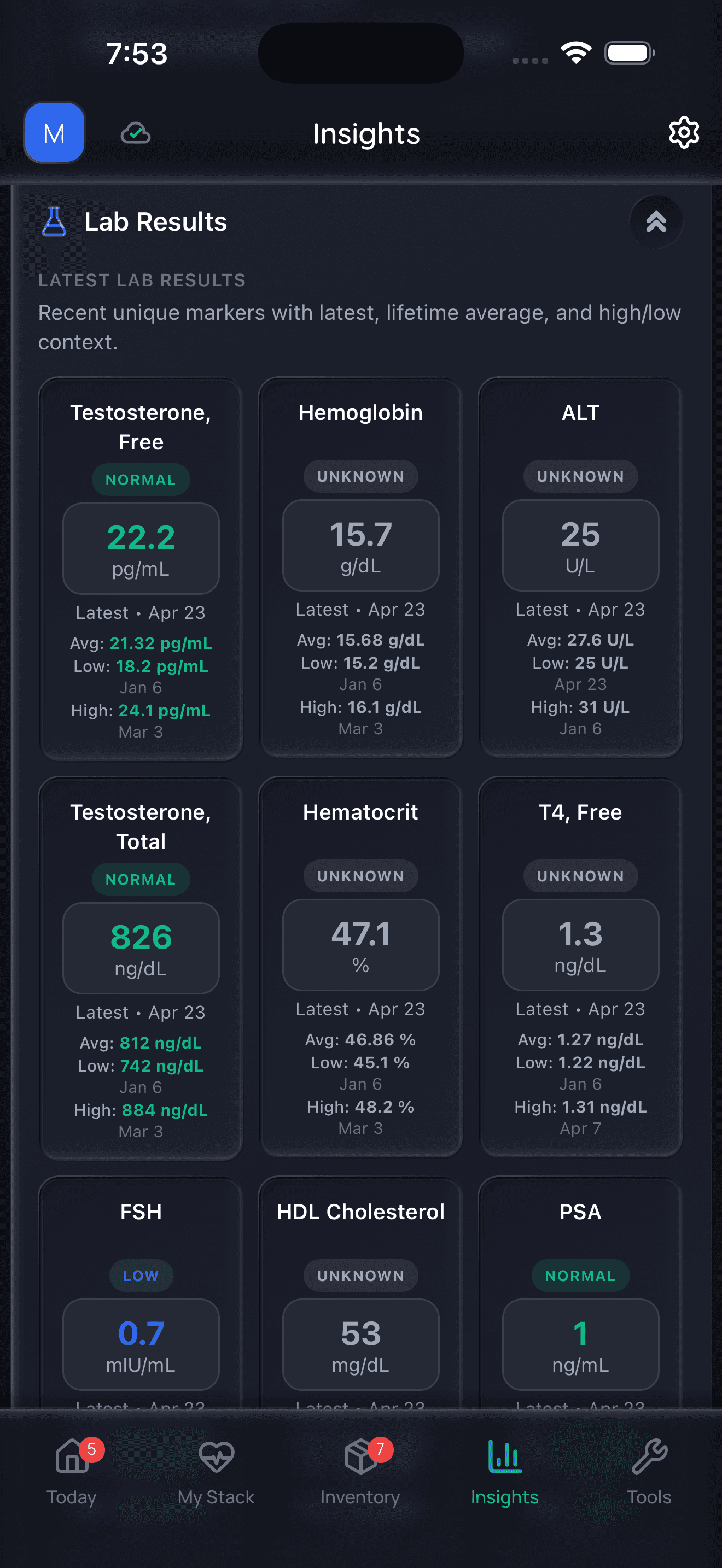
Doserly organizes data; it does not diagnose or interpret labs for you.
Interactions & Compatibility
Synergistic
- Trimethylglycine (TMG) — NR supplementation increases nicotinamide methylation, which consumes methyl donors. TMG (betaine) provides methyl groups that may support this increased demand. While the NR-SAFE trial found that methyl donor pool integrity was maintained at 3000 mg/day NR, some practitioners recommend prophylactic TMG supplementation (500-1000 mg) alongside NR, particularly at higher doses [13]
- Vitamin B12 — Methylcobalamin supports methylation cycling, potentially complementing the methylation demands of NR metabolism
- Vitamin B9 (Folate) — 5-MTHF participates in one-carbon metabolism and methyl donor recycling, relevant to NR's methylation impact
- Resveratrol — Commonly stacked with NR based on the hypothesis that NR provides the NAD+ substrate and resveratrol activates SIRT1. However, the clinical evidence for this combination is limited, and one prominent NR researcher has described the resveratrol hypothesis as lacking strong support [22]
- CoQ10 (Ubiquinol) — Both support mitochondrial function through complementary mechanisms. CoQ10 operates in the electron transport chain while NR supports NAD+ availability for oxidative metabolism
- Vitamin D3 — NAD+-dependent enzymes are involved in vitamin D metabolism, and some practitioners include both in longevity-oriented stacks
- Magnesium — Required for ATP-dependent enzymatic steps in NAD+ biosynthesis. Magnesium deficiency could theoretically limit the efficiency of NR conversion
Caution / Avoid
- High-dose nicotinamide (niacinamide) — At high doses, nicotinamide inhibits sirtuins, which would work against one of the proposed mechanisms by which NR-derived NAD+ provides benefits [3][8]
- Immunosuppressant medications — NAD+ plays roles in immune regulation. Theoretical concern that boosting NAD+ could modulate immune activity. No specific interactions documented but worth discussing with a healthcare provider
- Chemotherapy agents — Some cancer treatments rely on NAD+ depletion as part of their mechanism. Supplementing with NAD+ precursors during active chemotherapy could theoretically reduce treatment efficacy. This is a theoretical concern without established clinical evidence, but oncologists should be consulted [5]
- Alcohol — Chronic alcohol use depletes NAD+ and disrupts B vitamin metabolism. While NR might theoretically help replenish NAD+ in this context, alcohol also impairs the enzymes needed to convert NR to NAD+
How to Take / Administration Guide
NR is typically taken as a capsule, with most commercial products providing 250-300 mg per capsule in the form of nicotinamide riboside chloride.
Timing: Morning dosing is widely recommended by both practitioners and user communities. Some users report sleep disruption when taking NR later in the day, and the potential for vivid dreams appears more pronounced with evening dosing. Taking NR with breakfast or early in the day is the most common approach.
With or without food: NR can be taken with or without food. Absorption does not appear to require food, though some users report better gastrointestinal tolerance when taken with a meal.
Dose titration: Those new to NR may consider starting with a single capsule (250-300 mg) and observing the response for 1-2 weeks before considering any dose adjustment. Some clinical trials have used divided dosing (e.g., 500 mg twice daily rather than 1000 mg once daily), though it is unclear whether split dosing offers advantages over a single daily dose.
Stacking considerations: NR is frequently combined with TMG (trimethylglycine) to support methylation pathways, and with B-complex vitamins for general B vitamin balance. Users taking NR alongside resveratrol or pterostilbene should be aware that pterostilbene (not NR) has been independently associated with sleep disruption in some community reports and with modest LDL cholesterol elevation in one clinical trial [23].
Cycling: No clinical evidence supports the need for cycling NR. NAD+ levels return to baseline upon cessation, and no tolerance, dependence, or withdrawal effects have been documented.
Sublingual use: Some users dissolve NR in water or take it sublingually, reporting enhanced effects. This has not been studied in controlled trials. One user community member noted that sublingual NR delivered "most of positives and least of negatives" compared to higher oral doses.
Choosing a Quality Product
The dominant product landscape: Unlike most supplements where dozens of manufacturers compete with generic forms, the NR market is heavily shaped by a single patent holder. ChromaDex holds key patents on nicotinamide riboside and sells it under the NIAGEN brand name. Most NR supplements on the market are either Tru Niagen (ChromaDex's direct consumer brand) or products from other supplement companies that license NIAGEN as an ingredient. Products containing "nicotinamide riboside" that do not license from ChromaDex may use different manufacturing processes with potentially different purity profiles.
Third-party certifications: Look for products that carry independent quality certifications such as NSF International, USP Verified, or ConsumerLab approval. Products using licensed NIAGEN typically note this on the label.
What to watch for:
- Products listing "nicotinamide riboside" without specifying the chloride salt form or source should be approached with caution
- Proprietary blends that combine NR with other ingredients without disclosing individual doses make it difficult to know how much NR you are actually getting
- Products making aggressive anti-aging claims beyond what current evidence supports are a red flag for marketing overreach
- Combination products (NR + resveratrol + pterostilbene) may complicate the assessment of individual effects and have been associated with LDL cholesterol elevation in one trial [23]
Active vs. cheap forms: Nicotinamide riboside chloride (as NIAGEN) is the only form with published human clinical trial data supporting its safety and bioavailability. There is no "cheap" generic equivalent with comparable evidence. Reduced NR (NRH, dihydronicotinamide riboside) is an experimental form under investigation but lacks human safety and efficacy data.
Cost consideration: NR supplements are among the more expensive single-ingredient supplements on the market, typically ranging from $40-60 for a month's supply at standard doses. The premium price reflects patent protection, the ChromaDex manufacturing monopoly, and the cost of the clinical research program that supports the ingredient.
Storage & Handling
NR chloride is stable under standard storage conditions. Store at room temperature (59-77F / 15-25C) in a tightly sealed container, protected from moisture, heat, and direct light. No refrigeration is required.
Avoid exposure to high humidity, as NR chloride is hygroscopic and can absorb moisture. Do not leave the container open longer than necessary. Keep the desiccant packet (if included) in the container.
Shelf life is typically 18-24 months when stored properly, though specific expiration dates vary by manufacturer. Discard any product that appears discolored, clumped, or that has exceeded its expiration date.
Lifestyle & Supporting Factors
Dietary sources of NAD+ precursors: While NR occurs naturally in trace amounts in cow's milk, yeast, and beer, the quantities are too small to meaningfully impact NAD+ levels [6]. Other dietary NAD+ precursors include tryptophan (found in turkey, chicken, fish, eggs) and niacin-rich foods (poultry, beef, fish, legumes, enriched grains). A balanced diet provides baseline NAD+ precursor support.
Exercise: Physical activity influences NAD+ metabolism. Exercise activates AMPK and increases NAMPT expression, both of which support endogenous NAD+ biosynthesis [9]. Regular exercise may complement NR supplementation by enhancing the body's own NAD+ production pathways. Conversely, NR may support exercise recovery by providing additional NAD+ substrate for post-exercise cellular repair processes.
Sleep: Quality sleep supports circadian regulation of NAD+-dependent enzymes, particularly the sirtuins involved in metabolic homeostasis [2]. Taking NR early in the day may help avoid any potential sleep disruption while supporting daytime NAD+ availability.
Alcohol: Alcohol consumption depletes NAD+ through increased activity of alcohol dehydrogenase and aldehyde dehydrogenase, both NAD+-dependent enzymes. Chronic alcohol use also impairs B vitamin absorption and metabolism. Reducing alcohol intake may support the effectiveness of NR supplementation by reducing NAD+ consumption.
Caloric restriction and fasting: Caloric restriction increases NAD+ levels and sirtuin activity in animal models, and NR is sometimes described as a "caloric restriction mimetic" because it activates similar pathways [12]. Some users combine intermittent fasting with NR supplementation, though the additive effects of this combination have not been studied in humans.
Signs that may indicate low NAD+ status: Persistent fatigue unresponsive to adequate sleep, exercise intolerance or prolonged recovery time, cognitive sluggishness, and age-related decline in physical and mental function. These symptoms are nonspecific and can have many causes, but they align with the physiological consequences of low NAD+ availability.
Regulatory Status & Standards
United States (FDA):
- NR (as NIAGEN nicotinamide riboside chloride) has Generally Recognized as Safe (GRAS) status for food use [3]
- Two New Dietary Ingredient Notifications have been accepted by the FDA for NR use in dietary supplements [3]
- NR is legally marketed as a dietary supplement in the United States
- NR's status is notably more secure than that of NMN, which the FDA ruled in November 2022 may not be legally marketed as a dietary supplement because NMN has been authorized for investigation as a new drug [1]
Canada (Health Canada):
- NR has received favorable safety reviews from Health Canada
European Union (EFSA):
- NR is authorized for use in some EU member states. Regulatory status varies by country. Check local regulations.
Australia (TGA):
- Regulatory status should be verified with the TGA for the most current classification
Active Clinical Trials:
- Multiple registered trials on ClinicalTrials.gov evaluating NR for Parkinson's disease (phase II), cardiovascular function, peripheral artery disease, and other conditions. Key trials: NCT05344404 (NR-SAFE), NCT03821623 (NR for blood pressure/arterial stiffness), NCT05500170 (NR for cognition and sleep)
Athlete & Sports Regulatory Status:
- WADA: NR is not on the WADA Prohibited List. NAD+ precursors are not classified as prohibited substances
- National anti-doping agencies (USADA, UKAD, others): No specific guidance or alerts regarding NR supplementation
- Professional sports leagues: No known league-specific restrictions on NR
- NCAA: NR is not on the NCAA banned substance list
- Third-party testing: NR products with Informed Sport or NSF Certified for Sport certification may be available. Athletes should verify current certification status for any specific product
- GlobalDRO: Athletes can check NR status at GlobalDRO.com for US, UK, Canada, Australia, Japan, Switzerland, and New Zealand
Regulatory status and prohibited substance classifications change frequently. Athletes should always verify the current status of any supplement with their sport's governing body, their national anti-doping agency, and a qualified sports medicine professional before use. Third-party certification (Informed Sport, NSF Certified for Sport) reduces but does not eliminate the risk of contamination with prohibited substances.
Frequently Asked Questions
Is NR the same as niacin (vitamin B3)?
NR is a form of vitamin B3, but it is structurally and functionally distinct from nicotinic acid (niacin) and nicotinamide (niacinamide). NR contains a ribose sugar attached to nicotinamide and enters the NAD+ production pathway through its own dedicated enzymes (NRK1/NRK2). Unlike nicotinic acid, NR does not cause skin flushing. Unlike nicotinamide, NR does not inhibit sirtuins at high doses [1][3][8].
Is NR better than NMN?
This is one of the most debated questions in the NAD+ supplement space. NR and NMN both serve as NAD+ precursors, but they enter the cell and the NAD+ synthesis pathway differently. A key point of contention is whether NMN must be converted to NR (by the enzyme CD73) before it can enter cells, or whether NMN has its own cellular uptake mechanism. Evidence exists on both sides of this debate [5][8]. From a regulatory perspective, NR has a clear advantage in the US market: it is legally sold as a dietary supplement, while the FDA has excluded NMN from the supplement category.
What dose of NR should I take?
No officially recommended dose has been established. Based on published clinical trial data, commonly studied doses range from 250 to 1000 mg per day for general wellness applications. Higher doses (2000-3000 mg/day) have been used in disease-specific research contexts. Most commercial products provide 250-300 mg per serving. A healthcare provider can help determine an appropriate dose based on individual health status and goals [3][13].
Does NR really slow aging?
NR addresses one mechanism associated with aging (NAD+ decline), but the claim that it "slows aging" in humans is not supported by current evidence. Animal studies have shown mixed results on lifespan extension: some mouse models show modest lifespan increases, while others show no extension. There are no human studies demonstrating lifespan extension from NR supplementation. Improvements in healthspan markers (metabolic function, cardiovascular health, cognitive function) are under investigation but remain unproven [5][10].
Will NR keep me awake at night?
Some users report difficulty falling asleep and vivid dreams when taking NR, particularly at higher doses or later in the day. Morning dosing appears to minimize this effect for most people. Sleep disruption has not been systematically studied as an endpoint in NR clinical trials, so the prevalence of this effect in the general population is unknown [5].
Does NR affect methylation or homocysteine levels?
At the highest dose tested (3000 mg/day for 4 weeks), a slight initial rise in serum homocysteine was observed, but methyl donor pool integrity was maintained [13]. At standard supplement doses (250-1000 mg/day), published trials have not reported clinically significant effects on homocysteine or methylation markers [3]. Some practitioners recommend concurrent TMG supplementation as a precautionary measure.
Should I take NR with TMG (trimethylglycine)?
The rationale for combining NR with TMG is that NR metabolism increases demand for methyl groups. TMG donates methyl groups in the remethylation of homocysteine. While this mechanism is biologically plausible, the clinical necessity of TMG co-supplementation with NR at standard doses has not been established in controlled trials [13].
What is the difference between Tru Niagen and other NR products?
Tru Niagen is ChromaDex's direct-to-consumer brand using NIAGEN nicotinamide riboside chloride, the form tested in clinical trials. Other NR products may also use licensed NIAGEN ingredient or may use independently sourced NR with different manufacturing processes and potentially different purity profiles. Products that specify "nicotinamide riboside chloride" or display the NIAGEN logo are using the clinically studied form.
Can NR increase cancer risk?
This is a concern that circulates in some online communities. NAD+ is required by all cells, including cancer cells, which has raised theoretical questions about whether boosting NAD+ could fuel cancer growth. Currently, there is no clinical evidence that NR supplementation increases cancer risk in humans. However, this concern has not been definitively ruled out in long-term studies, and individuals with active malignancies should discuss NAD+ supplementation with their oncologist [5].
Does NR need to be cycled?
There is no clinical evidence supporting the need to cycle NR. NAD+ levels return to baseline when supplementation stops, and no tolerance, dependence, or diminishing returns have been documented in studies lasting up to 24 weeks. The "honeymoon effect" (initial subjective energy boost that diminishes) reported by some users does not appear to reflect tolerance at a biochemical level, as NAD+ elevation remains stable during continuous use [3][5].
Myth vs. Fact
Myth: NR will reverse aging and extend your lifespan.
Fact: While NAD+ decline is associated with aging, and NR reliably restores NAD+ levels, no human study has demonstrated that NR supplementation extends lifespan. Animal data is mixed: some rodent studies show modest lifespan extension, while others show no effect. NR may support healthspan (quality of aging) through metabolic and inflammatory pathways, but the "anti-aging" marketing around NR substantially outpaces the current evidence [5][10].
Myth: All NAD+ supplements are equivalent.
Fact: NAD+ precursors (NR, NMN, nicotinic acid, nicotinamide) each enter different metabolic pathways, have different side-effect profiles, and have different regulatory statuses. Taking NAD+ directly as a supplement is particularly questionable, as NAD+ is poorly absorbed orally and must be broken down into precursors before cells can use it. NR and NMN are converted to NAD+ through distinct enzymatic pathways with different tissue specificity and regulation [1][5][8].
Myth: Higher doses of NR always produce better results.
Fact: NR shows a clear dose-response for NAD+ elevation (more NR = higher NAD+), but it has not been established that higher NAD+ levels translate to proportionally greater health benefits. The trial using the highest chronic dose (2000 mg/day for 24 weeks) did not show significant functional improvements vs placebo [14]. The optimal dose for clinically meaningful outcomes remains unknown [5].
Myth: NR makes nicotinamide (niacinamide) and niacin obsolete.
Fact: Each form of vitamin B3 has distinct properties. Nicotinic acid remains the most effective B3 vitamer for lowering blood lipids. Nicotinamide is inexpensive, widely available, and effective at preventing pellagra. NR's advantages (dedicated NRK pathway, no flushing, no sirtuin inhibition) are real but situational, and NR is substantially more expensive than the other forms [1][3].
Myth: NR is entirely degraded in the gut and never reaches cells as intact NR.
Fact: While a significant fraction of oral NR is converted to nicotinamide (NAM) and nicotinic acid riboside (NAR) before reaching target tissues, isotope-tracing studies and NRK1-knockout mouse experiments have demonstrated that some intact NR does reach tissues and contribute to NAD+ synthesis through the NRK pathway. The therapeutic effect of oral NR likely reflects contributions from both intact NR and its degradation products [5][8].
Myth: NR causes the same flushing as niacin.
Fact: NR does not cause flushing. The flushing response to nicotinic acid is mediated by activation of the GPR109A (HCA2) receptor in skin cells. NR does not activate this receptor, so flushing does not occur even at doses of 3000 mg/day [1][3][13].
Myth: You need to take NR with resveratrol for it to work.
Fact: The concept of pairing NR (NAD+ substrate) with resveratrol (SIRT1 activator) is based on a theoretical framework, but the clinical evidence supporting resveratrol as a meaningful SIRT1 activator in humans is limited. One prominent NR researcher has described the resveratrol synergy hypothesis as lacking strong clinical support. NR can be taken alone, and most of its clinical trial data has been generated without resveratrol co-supplementation [5][22].
Sources & References
Systematic Reviews & Meta-Analyses
[5] Brenner C. "What is really known about the effects of nicotinamide riboside supplementation in humans." Sci Adv. 2023. PMID: 37478182. Critical review of 25 published human NR studies.
[10] Gallagher C, et al. "NAD+ supplementation for anti-aging and wellness: A PRISMA-guided systematic review of preclinical and clinical evidence." 2026. PMID: 41655607. Review of 113 studies (33 human, 80 rodent).
[19] Zhang H, et al. "Effects of NAD+ precursor supplementation on glucose and lipid metabolism in human body." Meta-analysis. 2022. PMID: 35303905. 40 articles, n=14,750.
Clinical Trials & RCTs
[3] Conze D, Brenner C, Kruger CL. "Safety and Metabolism of Long-term Administration of NIAGEN (Nicotinamide Riboside Chloride) in a Randomized, Double-Blind, Placebo-controlled Clinical Trial of Healthy Overweight Adults." Sci Rep. 2019;9:9772. PMID: 31278280. 8-week dose-response trial, n=140.
[11] Trammell SAJ, et al. "Nicotinamide riboside is uniquely and orally bioavailable in mice and humans." Nat Commun. 2016;7:12948. First human PK study of NR.
[12] Martens CR, et al. "Chronic nicotinamide riboside supplementation is well-tolerated and elevates NAD+ in healthy middle-aged and older adults." Nat Commun. 2018;9:1286. 6-week crossover trial, n=24.
[13] Berven H, et al. "NR-SAFE: a randomized, double-blind safety trial of high dose nicotinamide riboside in Parkinson's disease." Nat Commun. 2023;14:7793. Phase I, 3000 mg/day NR, n=20. NCT05344404.
[14] Long-COVID NR trial. "Effects of nicotinamide riboside on NAD+ levels, cognition, and symptom recovery in long-COVID." 2026. PMID: 41357333. 24-week DBPC, 2000 mg/day, n=58.
[15] Brakedal B, et al. "The NADPARK study: A randomized phase I trial of nicotinamide riboside supplementation in Parkinson's disease." Cell Metab. 2022;34:396-407. 1000 mg/day NR, 30 days, n=30.
[16] Elhassan YS, et al. "Nicotinamide riboside augments the aged human skeletal muscle NAD+ metabolome and induces transcriptomic and anti-inflammatory signatures." Cell Rep. 2019;28:1717-1728. 1000 mg/day, 3 weeks.
[20] Dollerup OL, et al. "A randomized placebo-controlled clinical trial of nicotinamide riboside in obese men: Safety, insulin-sensitivity, and lipid-mobilizing effects." Am J Clin Nutr. 2018;108:343-353.
[21] Dollerup OL, et al. "Effects of nicotinamide riboside on endocrine pancreatic function and incretin hormones in nondiabetic men with obesity." J Clin Endocrinol Metab. 2019;104:5703-5714.
Government/Institutional Sources
[1] National Institutes of Health, Office of Dietary Supplements. "Niacin: Fact Sheet for Health Professionals." Updated November 18, 2022. https://ods.od.nih.gov/factsheets/Niacin-HealthProfessional/
[17] NIH ODS Grant Abstract. "Nicotinamide riboside supplementation for treating elevated systolic blood pressure and arterial stiffness in middle-aged and older adults." Grant 5R01AG061514-02.
Foundational Research
[2] Lautrup S, Sinclair DA, Mattson MP, Fang EF. "NAD+ in brain aging and neurodegenerative disorders." Cell Metab. 2019;30:630-655. PMID: 31577933.
[4] Rajman L, Chwalek K, Sinclair DA. "Therapeutic potential of NAD-boosting molecules: the in vivo evidence." Cell Metab. 2018;27:529-547.
[6] Trammell SAJ, et al. "Nicotinamide Riboside Is a Major NAD+ Precursor Vitamin in Cow Milk." J Nutr. 2016;146:957-963.
[7] Bieganowski P, Brenner C. "Discoveries of nicotinamide riboside as a nutrient and conserved NRK genes establish a Preiss-Handler independent route to NAD+ in fungi and humans." Cell. 2004;117:495-502.
[8] Ratajczak J, et al. "NRK1 controls nicotinamide mononucleotide and nicotinamide riboside metabolism in mammalian cells." Nat Commun. 2016;7:13103.
[9] Camacho-Pereira J, et al. "CD38 dictates age-related NAD decline and mitochondrial dysfunction through an SIRT3-dependent mechanism." Cell Metab. 2016;23:1127-1139.
Other References
[18] Examine.com Research Feed. "Nicotinamide riboside did not reduce blood pressure." Study summary, 2025. (Primary source: referenced in Examine summary)
[22] Brenner C. Commentary on resveratrol and NR synergy. Referenced in Rhonda Patrick podcast discussion, 2026.
[23] Dellinger RW, et al. "Repeat dose NRPT (nicotinamide riboside and pterostilbene) increases NAD+ levels in humans safely and sustainably." NPJ Aging Mech Dis. 2017;3:17. Noted LDL elevation with NR+pterostilbene combination.
Related Supplement Guides
Same Category (B Vitamins / NAD+ Precursors)
- Vitamin B3 (Niacin, Niacinamide) — Parent B3 vitamin; nicotinic acid and nicotinamide are alternative NAD+ precursors with different pathways, side effects, and clinical applications
- NMN (Nicotinamide Mononucleotide) — The other major NAD+ precursor supplement; converted from NR by NRK1/NRK2; NMN and NR are frequently compared in the longevity community
- Vitamin B1 (Thiamine) — Fellow B vitamin; thiamine pyrophosphate and NAD+ are both essential cofactors in the citric acid cycle
- Vitamin B2 (Riboflavin) — FAD (derived from riboflavin) works alongside NAD+ in oxidative phosphorylation
- B-Complex — Complete B vitamin formulation; NR is sometimes taken alongside a B-complex for general B vitamin balance
Common Stacks / Pairings
- Resveratrol — Frequently paired with NR based on the NAD+ substrate + SIRT1 activator hypothesis
- CoQ10 — Complementary mitochondrial support; CoQ10 in the electron transport chain, NR supporting NAD+ availability
- Magnesium — Supports ATP-dependent enzymatic steps; commonly included in longevity stacks
Related Health Goal (Longevity / Mitochondrial Support)
- Alpha-GPC — Cholinergic nootropic sometimes included in cognitive longevity stacks
- Vitamin D3 — Involved in NAD+-dependent metabolic pathways; commonly included in general wellness protocols
- Selenium — Antioxidant mineral supporting mitochondrial health