
Phosphorus: The Complete Supplement Guide
On this page
Quick Reference Card
Attribute
Common Name
- Detail
- Phosphorus
Attribute
Other Names / Aliases
- Detail
- Phosphate, Phosphorus (P), Orthophosphate (PO4 3-)
Attribute
Category
- Detail
- Major Mineral
Attribute
Primary Forms & Variants
- Detail
- Dipotassium phosphate, Disodium phosphate, Calcium phosphate (used as calcium supplement), Phosphatidylcholine, Phosphatidylserine (phospholipid forms)
Attribute
Typical Dose Range
- Detail
- RDA: 700 mg/day for adults; most diets provide 1,200-1,600 mg/day naturally
Attribute
RDA / AI / UL
- Detail
- RDA: 700 mg/day (adults 19+); AI: 100 mg (infants 0-6 mo), 275 mg (7-12 mo); UL: 4,000 mg/day (adults 19-70), 3,000 mg/day (71+)
Attribute
Common Delivery Forms
- Detail
- Tablet, powder, liquid (phosphate salts); capsule (phospholipids); food additive
Attribute
Best Taken With / Without Food
- Detail
- With food to reduce GI irritation. Phosphate salts can cause nausea on empty stomach.
Attribute
Key Cofactors
- Detail
- Calcium (critical Ca:P ratio for bone health), Vitamin D (regulates phosphorus absorption and excretion), Parathyroid hormone (PTH, regulates blood levels)
Attribute
Storage Notes
- Detail
- Store phosphate supplements in a cool, dry place. Phosphate salts are generally stable at room temperature. Protect from moisture.
Overview
The Basics
Phosphorus is the second most abundant mineral in your body, right after calcium. It is present in every cell, with about 85% concentrated in your bones and teeth. The remaining 15% is distributed throughout your blood and soft tissues, where it plays roles in dozens of essential processes [1][2].
Your body uses phosphorus for far more than building bones. It is a critical component of DNA and RNA, the molecules that carry your genetic information. It forms the backbone of ATP, the molecule your cells use as fuel for virtually every energy-requiring process. It is a key part of cell membranes (as phospholipids), and it helps maintain the acid-base balance of your blood. When proteins and enzymes need to be "switched on," they are phosphorylated, meaning a phosphate group is attached to them [1][2].
Despite its importance, phosphorus is one mineral that most people in developed countries do not need to worry about getting enough of. The average American adult consumes roughly 1,200 to 1,600 mg of phosphorus per day from food, which is well above the recommended 700 mg/day. Phosphorus is naturally found in meat, dairy, eggs, nuts, legumes, and grains. On top of that, phosphate additives in processed foods contribute an estimated 300 to 1,000 mg more per day [1][3]. As a result, phosphorus deficiency is extremely rare in people eating a normal diet. The greater concern, in fact, is getting too much, particularly from processed food additives.
The Science
Phosphorus (P), atomic number 15, exists in biological systems exclusively as phosphate (PO4 3-). It constitutes approximately 1% to 1.4% of fat-free body mass in humans, with approximately 85% deposited in hydroxyapatite (Ca10(PO4)6(OH)2) within bone and dental enamel [1][2].
The physiological roles of phosphorus extend across multiple domains of cellular biochemistry. As a structural component, phosphate esters form the sugar-phosphate backbone of nucleic acids (DNA and RNA) and constitute the hydrophilic head groups of phospholipids that compose cell membranes. As an energy currency, phosphorus is the central element in the high-energy phosphoanhydride bonds of adenosine triphosphate (ATP) and creatine phosphate. Phosphorylation and dephosphorylation reactions regulate the activity of numerous enzymes, hormones, and intracellular signaling cascades. Additionally, phosphorus participates in acid-base buffering through the HPO4 2-/H2PO4- system and, as 2,3-diphosphoglycerate (2,3-DPG), regulates hemoglobin oxygen affinity in erythrocytes [1][2].
Phosphorus homeostasis is regulated by the interplay of parathyroid hormone (PTH), the active form of vitamin D (1,25-dihydroxyvitamin D; calcitriol), and fibroblast growth factor-23 (FGF-23). The kidneys, bones, and intestines serve as the primary effector organs. Normal serum phosphate concentration in adults ranges from 2.5 to 4.5 mg/dL (0.81 to 1.45 mmol/L) [1][3][4].
Chemical & Nutritional Identity
Property
Chemical Name
- Value
- Phosphorus
Property
Symbol
- Value
- P
Property
Atomic Number
- Value
- 15
Property
Atomic Weight
- Value
- 30.974 g/mol
Property
CAS Number
- Value
- 7723-14-0 (elemental white phosphorus)
Property
PubChem CID
- Value
- 5462309 (phosphorus)
Property
Category
- Value
- Essential major mineral
Property
RDA (Adults 19+)
- Value
- 700 mg/day
Property
EAR (Adults)
- Value
- 580 mg/day
Property
UL (Adults 19-70)
- Value
- 4,000 mg/day
Property
UL (Adults 71+)
- Value
- 3,000 mg/day
Property
UL (Pregnancy)
- Value
- 3,500 mg/day
Property
FDA Daily Value
- Value
- 1,250 mg
Property
Normal Serum Range
- Value
- 2.5-4.5 mg/dL (0.81-1.45 mmol/L)
The RDA values established by the IOM Food and Nutrition Board are consistent across major regulatory bodies [2][3]. Children and adolescents have higher requirements (1,250 mg/day for ages 9-18) to support rapid skeletal growth. Pregnancy and lactation requirements for adults 19+ remain at 700 mg/day, the same as non-pregnant adults, because the body's homeostatic mechanisms adapt absorption and excretion accordingly [2].
Common supplement forms and their characteristics:
- Dipotassium phosphate (K2HPO4): Contains both potassium and phosphorus; good bioavailability (~70%)
- Disodium phosphate (Na2HPO4): Contains sodium and phosphorus; approximately 70% bioavailability
- Calcium phosphate (Ca3(PO4)2): Primarily sold as a calcium supplement; provides phosphorus as a secondary nutrient
- Phosphatidylcholine: Phospholipid form found in lecithin; phosphorus content is relatively low
- Phosphatidylserine: Phospholipid form; marketed primarily for cognitive function rather than phosphorus content
Mechanism of Action
The Basics
Phosphorus works in your body in several interconnected ways. Its most obvious role is structural: together with calcium, it forms hydroxyapatite, the mineral that gives bones and teeth their hardness and rigidity. Without adequate phosphorus, bones would become soft and prone to fracture [1][2].
But phosphorus does much more than build bones. Every time a cell needs energy, it relies on ATP, a molecule built around phosphorus. When ATP breaks down, it releases the energy stored in its phosphorus-containing bonds. This is how your muscles contract, your nerves fire, your organs function, and your cells divide. Think of phosphorus as the currency of cellular energy. Without it, cells cannot perform their most basic functions [1][2].
Phosphorus also serves as a molecular "switch." When a phosphate group is attached to a protein or enzyme (a process called phosphorylation), it changes the shape and activity of that molecule. This switching mechanism is how your body turns thousands of cellular processes on and off, from releasing insulin to activating immune cells.
Finally, phosphorus helps regulate the oxygen delivery to your tissues. The molecule 2,3-DPG, which contains phosphorus, binds to hemoglobin in red blood cells and modulates how readily it releases oxygen. This is one reason why severe phosphorus deficiency can cause profound fatigue and weakness [2].
The Science
Phosphorus participates in biological processes through several distinct mechanisms:
Structural role in hydroxyapatite: Approximately 85% of body phosphorus is deposited as hydroxyapatite (Ca10(PO4)6(OH)2) in the mineralized matrix of bone and dental enamel. Bone serves as a phosphorus reservoir, with PTH-mediated bone resorption releasing phosphate into the circulation when serum levels decline [1][2].
Energy metabolism: The high-energy phosphoanhydride bonds in ATP (ΔG° = -30.5 kJ/mol per bond hydrolyzed) are the primary energy currency for cellular work. Creatine phosphate serves as a rapid-access phosphoryl donor for ATP regeneration in muscle and brain tissue. Essentially all kinase reactions, oxidative phosphorylation, and substrate-level phosphorylation depend on phosphorus [1].
Signal transduction: Protein phosphorylation by kinases and dephosphorylation by phosphatases constitute the most widespread post-translational modification in eukaryotic cells. The human kinome comprises over 500 protein kinases that regulate cell growth, differentiation, metabolism, and apoptosis [2].
Nucleic acid structure: The sugar-phosphate backbone of DNA and RNA consists of alternating pentose sugars and phosphodiester bonds, making phosphorus indispensable for genetic information storage and transmission [1].
Acid-base buffering: The phosphate buffer system (HPO4 2-/H2PO4-, pKa = 6.8) is particularly important in intracellular buffering and renal acid excretion [2].
Oxygen delivery: 2,3-Diphosphoglycerate (2,3-DPG) allosterically modulates hemoglobin oxygen affinity. Increased 2,3-DPG shifts the oxygen-hemoglobin dissociation curve rightward, facilitating oxygen release to tissues. Hypophosphatemia reduces 2,3-DPG synthesis, potentially impairing tissue oxygenation [2].
Absorption & Bioavailability
The Basics
Phosphorus is absorbed primarily in the small intestine, and absorption happens through two routes: passive diffusion (which accounts for most absorption) and active transport (which is stimulated by vitamin D). For most people eating a varied diet, the body absorbs 40% to 70% of the phosphorus in food [1][2].
The form of phosphorus matters significantly for how well it is absorbed. Phosphorus from animal foods (meat, dairy, eggs) is more bioavailable than phosphorus from plant foods because much of the phosphorus in plants is bound in a molecule called phytic acid (phytate). Human intestines lack the enzyme phytase, which is needed to break down phytate and release the phosphorus it contains. As a result, only about 50% of phosphorus from plant seeds, beans, cereals, and nuts is available for absorption [1][2][4]. One exception is leavened bread: yeast contains phytase and can break down some of the phytate during the fermentation process, making the phosphorus more available.
Phosphate additives in processed foods, such as phosphoric acid in cola drinks and sodium polyphosphate in deli meats, have a bioavailability of approximately 70%, which is relatively high [1]. This is one reason why the total phosphorus intake from processed food diets may be higher than food composition databases suggest.
Calcium can interfere with phosphorus absorption. At very high calcium intakes (around 2,500 mg/day), calcium can bind 610 to 1,050 mg of phosphorus in the gut, preventing its absorption [1]. This interaction is generally only significant at calcium intakes well above typical dietary levels.
The Science
Phosphorus absorption in the small intestine occurs via two distinct mechanisms. Passive paracellular diffusion is concentration-dependent and accounts for the majority of phosphorus absorption under normal dietary conditions. Active transcellular transport is mediated by the sodium-dependent phosphate cotransporter NaPi-IIb (SLC34A2) in the brush border membrane of enterocytes and is upregulated by 1,25-dihydroxyvitamin D [1][2][4].
Overall bioavailability by source:
- Natural food phosphorus (animal-derived): 55-70% absorption [1]
- Natural food phosphorus (plant-derived): 40-55% absorption; reduced to approximately 50% bioavailability due to phytate binding [1][4]
- Phosphate salt additives (inorganic): approximately 70% absorption [1]
- Phosphate salt supplements: approximately 70% [1]
- Human breast milk phosphorus: 85-90% bioavailability in infants [2]
- Soy-based formula phosphorus: approximately 59% bioavailability in infants [2]
Renal handling of phosphorus involves filtration at the glomerulus (approximately 90% of plasma phosphate is ultrafilterable) followed by reabsorption of approximately 80-90% in the proximal tubule, primarily via NaPi-IIa (SLC34A1) and NaPi-IIc (SLC34A3) cotransporters. PTH inhibits proximal tubular phosphate reabsorption by promoting internalization of NaPi-IIa, increasing urinary phosphate excretion. FGF-23, secreted by osteocytes in response to elevated phosphorus intake, also reduces NaPi-IIa expression and inhibits 1,25-dihydroxyvitamin D synthesis, thereby reducing both renal reabsorption and intestinal absorption of phosphorus [2][4].
Managing absorption timing across multiple supplements gets complicated fast. Some need to be taken with food, others on an empty stomach. Some compete for the same absorption pathways, others enhance each other. Doserly organizes all of this into a single schedule that accounts for the interactions between everything in your stack.
Instead of juggling mental notes about which supplements to separate and which to pair, the app handles the coordination for you. It flags timing conflicts, suggests optimal windows based on the forms you're using, and builds a daily routine that gives each supplement its best chance of being absorbed effectively. One place for all the details that are easy to forget.
Build reminders around the routine, not just the compound.
Doserly can keep timing, skipped doses, and schedule changes organized so the plan you read about becomes easier to follow and review.
Today view
Upcoming reminders

Reminder tracking supports consistency; it does not select a protocol for you.
Research & Clinical Evidence
Chronic Kidney Disease (CKD)
The Basics
The most extensively studied clinical context for phosphorus is chronic kidney disease. When the kidneys lose function, they can no longer efficiently excrete excess phosphorus, causing blood levels to rise. This condition, called hyperphosphatemia, is common in advanced CKD and can lead to a cascade of problems including abnormal bone metabolism, calcification of blood vessels and soft tissues, and increased risk of cardiovascular events and death [1][3].
For people with CKD, managing phosphorus intake becomes critically important. Clinical guidelines generally recommend limiting dietary phosphorus, particularly from processed foods with phosphate additives, which are absorbed more efficiently than phosphorus from whole foods. Phosphate binders (medications taken with meals that prevent phosphorus absorption) are frequently prescribed for patients with more advanced kidney disease [1][3].
The Science
CKD affects 5-10% of the global population. As glomerular filtration rate (GFR) declines, phosphate excretion becomes progressively impaired. A meta-analysis of nine cohort studies in 199,289 patients with end-stage renal disease demonstrated that patients on dialysis with the highest serum phosphate levels (>5.2-7.5 mg/dL, depending on the study) had a 39% greater risk of all-cause mortality compared to those with normal phosphate levels [1]. A separate meta-analysis of 13 prospective cohort studies in over 90,000 CKD patients found an 18% increase in all-cause mortality per 1 mg/dL increase in serum phosphorus above 3.5 mg/dL [4].
The KDIGO Clinical Practice Guideline recommends that patients with stage 3-5 CKD limit dietary phosphorus intake either alone or in combination with phosphate-binder therapy [1]. However, the guideline acknowledges that evidence demonstrating improved patient-centered outcomes from phosphate-lowering treatments is limited.
Cardiovascular Disease
The Basics
Even in people without kidney disease, higher blood phosphorus levels appear to be associated with greater cardiovascular risk. Several large population studies have found that serum phosphorus levels in the upper portion of the normal range (above about 3.5 mg/dL) are linked to a higher risk of heart disease, heart failure, and cardiovascular death [1][3][4].
This does not necessarily mean that dietary phosphorus directly causes heart disease. The relationship may be confounded by other dietary patterns. People who consume large amounts of phosphorus often eat more processed foods, which are associated with cardiovascular risk for multiple reasons. However, there are plausible biological mechanisms: high phosphorus can promote calcification of blood vessel walls, impair endothelial function, and stimulate harmful hormonal changes [3][4].
The Science
A meta-analysis of four prospective cohort studies (13,515 participants, follow-up 6-29 years) demonstrated a 36% higher risk of cardiovascular mortality in those with the highest serum phosphate concentrations compared to the lowest [1]. In NHANES III data (13,165 adults, median follow-up 14.3 years), each 1 mg/dL increase in serum phosphate above 3.5 mg/dL was associated with a 35% increase in all-cause mortality and a 45% increase in cardiovascular mortality [1].
In a prospective cohort study of 4,005 healthy young adults followed for over 15 years, higher serum phosphorus within the normal range was associated with left ventricular hypertrophy. In 3,088 middle-aged healthy participants followed for over 17 years, serum phosphorus in the top quartile of the normal range was associated with a two-fold higher risk of heart failure compared to the lowest quartile (>=3.5 mg/dL vs. <2.9 mg/dL) [4].
Vascular calcification from calcium-phosphate deposition has been proposed as a key mediating mechanism. In vitro studies show that hyperphosphatemic conditions induce osteochondrogenic differentiation of vascular smooth muscle cells (VSMCs), leading to mineralization of the extracellular matrix. Vascular calcification has been associated with at least a three-fold increase in cardiovascular event risk, rising to six-fold in individuals with kidney insufficiency [4].
Bone Health and the Calcium-to-Phosphorus Ratio
The Basics
The relationship between phosphorus and bone health is more nuanced than most people expect. While phosphorus is essential for building bones, the ratio of calcium to phosphorus in the diet may matter more than the absolute amount of phosphorus consumed. When phosphorus intake is high relative to calcium, the body produces more parathyroid hormone (PTH), which can stimulate bone breakdown to release calcium into the blood [1][4].
In practice, the concern is not that people eat too much phosphorus-rich whole food, but rather that many people consume excessive phosphorus from processed food additives while not getting enough calcium. Substituting cola and snack foods for milk and other calcium-rich foods represents a real risk to bone health, not because phosphorus is inherently harmful, but because the calcium-to-phosphorus ratio becomes unbalanced [4].
The Science
In a cross-sectional study of 147 premenopausal women with adequate calcium intakes, participants with lower calcium-to-phosphorus (Ca:P) intake ratios (<=0.5) had significantly higher serum PTH levels and urinary calcium excretion than those with higher Ca:P ratios (>0.5) [4]. A controlled trial in 10 young women found no adverse effects of a phosphorus-rich diet (3,000 mg/day) on bone-related hormones and biochemical markers of bone resorption when calcium intakes were maintained at nearly 2,000 mg/day (Ca:P = 0.66) [4].
A cross-sectional study of 2,344 Brazilian adults showed an association between higher phosphorus intakes and increased fracture risk, but the population had calcium, magnesium, and vitamin D intakes below the RDA while phosphorus intakes were near the RDA [4]. The evidence suggests that maintaining adequate calcium intake (at least a Ca:P ratio above 0.5) is the critical factor, rather than restricting phosphorus per se.
Evidence & Effectiveness Matrix
Category
Bone Health
- Evidence Strength
- 7/10
- Community-Reported Effectiveness
- 4/10 (Low confidence)
- Summary
- Phosphorus is essential for bone mineralization as a component of hydroxyapatite. The Ca:P ratio matters more than absolute phosphorus intake. Clinical evidence supports maintaining balanced Ca:P rather than supplementing phosphorus.
Category
Heart Health
- Evidence Strength
- 6/10
- Community-Reported Effectiveness
- Community data not yet collected
- Summary
- Strong epidemiological association between high serum phosphorus and cardiovascular risk. However, this concerns excess phosphorus, not supplementation. Evidence is observational.
Category
Energy Levels
- Evidence Strength
- 4/10
- Community-Reported Effectiveness
- 4/10 (Low confidence)
- Summary
- Phosphorus is essential for ATP synthesis. Deficiency causes fatigue and weakness. However, deficiency is extremely rare. One community report of improvement after correcting deficiency.
Category
Nausea & GI Tolerance
- Evidence Strength
- 5/10
- Community-Reported Effectiveness
- 3/10 (Low confidence)
- Summary
- Phosphate salt supplements commonly cause GI side effects including nausea, diarrhea, and abdominal discomfort. Consistent community reports of poor GI tolerance.
Category
Side Effect Burden
- Evidence Strength
- 5/10
- Community-Reported Effectiveness
- Community data not yet collected
- Summary
- Well-characterized safety profile with defined ULs. Primary risk is excess, not deficiency. CKD patients are at particular risk.
Categories not scored due to insufficient data: Fat Loss, Muscle Growth, Weight Management, Appetite & Satiety, Food Noise, Sleep Quality, Focus & Mental Clarity, Memory & Cognition, Mood & Wellbeing, Anxiety, Stress Tolerance, Motivation & Drive, Emotional Aliveness, Emotional Regulation, Libido, Sexual Function, Joint Health, Inflammation, Pain Management, Recovery & Healing, Physical Performance, Gut Health, Digestive Comfort, Skin Health, Hair Health, Blood Pressure, Heart Rate & Palpitations, Hormonal Symptoms, Temperature Regulation, Fluid Retention, Body Image, Immune Function, Longevity & Neuroprotection, Cravings & Impulse Control, Social Connection, Treatment Adherence, Withdrawal Symptoms, Daily Functioning
Benefits & Potential Effects
The Basics
Phosphorus is essential for life, and its benefits are inseparable from its fundamental biological roles. However, it is important to understand that for most people, the benefits of phosphorus come from eating a normal diet, not from supplementation. The situations where phosphorus supplementation provides a clear benefit are narrow and specific.
For individuals with diagnosed phosphorus deficiency (which is rare and usually caused by a medical condition rather than diet), supplementation can improve bone strength, reduce muscle weakness, restore energy levels, and correct anemia [1][2]. In preterm infants, phosphorus supplementation (along with calcium) supports bone mineralization and reduces the risk of osteopenia of prematurity [1]. For people with genetic phosphate-wasting disorders such as X-linked hypophosphatemic rickets, phosphorus supplementation is a cornerstone of treatment [1].
Sodium phosphate has been studied as an ergogenic aid for athletes, with some evidence suggesting it may improve exercise performance by increasing 2,3-DPG levels and thereby enhancing oxygen delivery to working muscles. However, this application is specialized and the evidence base is limited [2].
For the general population eating a standard diet, phosphorus supplementation offers no established benefits. The nutrient is abundant in food, and the body's homeostatic mechanisms tightly regulate blood levels regardless of intake within a wide range.
The Science
Bone mineralization: Phosphorus is an obligate component of hydroxyapatite. Phosphorus deficiency results in rickets (children) and osteomalacia (adults) due to impaired mineralization. Supplementation reverses these conditions when deficiency is the cause [1][2].
Energy metabolism: All cellular energy transduction depends on phosphorylated intermediates (ATP, GTP, creatine phosphate). Severe hypophosphatemia (<1.0 mg/dL) impairs cellular energy production, manifesting as skeletal muscle weakness, respiratory failure, and cardiac dysfunction [1][2].
Ergogenic potential: Sodium phosphate loading (1,000 mg four times daily for 3-6 days) has been investigated for effects on exercise performance. The proposed mechanism involves increased erythrocyte 2,3-DPG, shifting the oxyhemoglobin dissociation curve rightward and enhancing oxygen unloading to working muscle. Results have been mixed, with some studies showing improved VO2max (3-8% increase) and time-trial performance, while others show no effect [2].
Refeeding syndrome prevention: Prophylactic phosphorus administration in malnourished patients beginning nutritional support prevents refeeding hypophosphatemia, a potentially life-threatening condition characterized by the rapid intracellular shift of phosphorus during anabolic recovery [1].
Side Effects & Safety
The Basics
The safety profile of phosphorus is unusual compared to most supplemented minerals. For the general population, the concern is not deficiency but rather the potential consequences of chronic excess intake, particularly from phosphate additives in processed foods.
Phosphorus deficiency symptoms are severe but extremely uncommon. They include loss of appetite, anemia, muscle weakness, bone pain, numbness in the extremities, confusion, and in severe cases, respiratory failure. These effects are typically seen only in near-total starvation, refeeding syndrome, or rare genetic disorders of phosphate metabolism [1][2].
Excess phosphorus is a more relevant concern. High phosphorus intake, particularly when calcium intake is low, can elevate parathyroid hormone levels and potentially increase bone resorption. More concerning is the association between high serum phosphorus and cardiovascular risk, including vascular calcification, even in people with normal kidney function [1][3][4]. The UL for phosphorus is 4,000 mg/day for adults aged 19-70, and 3,000 mg/day for those aged 71 and older [2].
For people with chronic kidney disease, phosphorus management is critical because impaired kidneys cannot excrete excess phosphorus. Hyperphosphatemia in CKD can lead to mineral bone disorder, vascular calcification, and substantially increased mortality risk [1][3].
Phosphate supplement side effects (when supplements are used) include nausea, vomiting, diarrhea, and abdominal discomfort. Very high acute doses of sodium phosphate (as found in some laxative preparations) have been associated with hyperphosphatemia, hypocalcemia, and, in extreme cases, renal failure and death. The FDA has issued warnings about sodium phosphate laxatives after reports of serious adverse events [1].
The Science
Deficiency symptoms (hypophosphatemia): Serum phosphate <2.5 mg/dL. Moderate hypophosphatemia (1.0-2.5 mg/dL): anorexia, muscle weakness, bone pain, paresthesias. Severe hypophosphatemia (<1.0 mg/dL): rhabdomyolysis, hemolytic anemia, respiratory failure, cardiac dysfunction, seizures, coma. Most cases are caused by intracellular phosphate shifts (refeeding, respiratory alkalosis), impaired intestinal absorption, or increased renal excretion (hyperparathyroidism, Fanconi syndrome, X-linked hypophosphatemia) rather than dietary insufficiency [1][2].
Excess intake risk: An analysis of NHANES III data found that high phosphorus intakes (>=1,000 mg/day) were associated with increased all-cause and cardiovascular mortality [1]. The LPI reports that intakes more than twice the RDA (>1,400 mg/day) were significantly associated with increased all-cause mortality risk [4]. These thresholds are below the UL and within the range commonly consumed by American adults.
Acute toxicity: Two doses of 6,600 mg sodium phosphate taken in one day (as a bowel preparation) have caused severe hyperphosphatemia, hypocalcemia, and acute kidney injury. The FDA warning on sodium phosphate laxatives followed 13 reported deaths from overdose [1].
CKD-specific risks: Loss of renal phosphate excretory capacity leads to hyperphosphatemia, secondary hyperparathyroidism, impaired vitamin D activation, and CKD mineral bone disorder (CKD-MBD). Vascular calcification from calcium-phosphate deposition increases cardiovascular mortality risk by 3-6 fold in CKD populations [1][3][4].
Managing side effect risks across a multi-supplement stack can feel overwhelming, especially when interactions between supplements, medications, and foods add layers of complexity. Doserly brings all of that into a single safety view so nothing falls through the cracks.
Rather than researching every possible interaction yourself, the app checks your full stack automatically and flags supplement-drug and supplement-supplement interactions that warrant attention. If you do experience something unexpected, logging it takes seconds, and over time the app helps you spot patterns: whether symptoms correlate with specific doses, timing, or combinations. One place for the safety picture that matters most when your stack grows beyond a few bottles.
Connect protocol changes to labs and health markers.
Doserly can keep lab results, biomarkers, symptoms, and dose history close together so follow-up conversations have better context.
Insights
Labs and trends
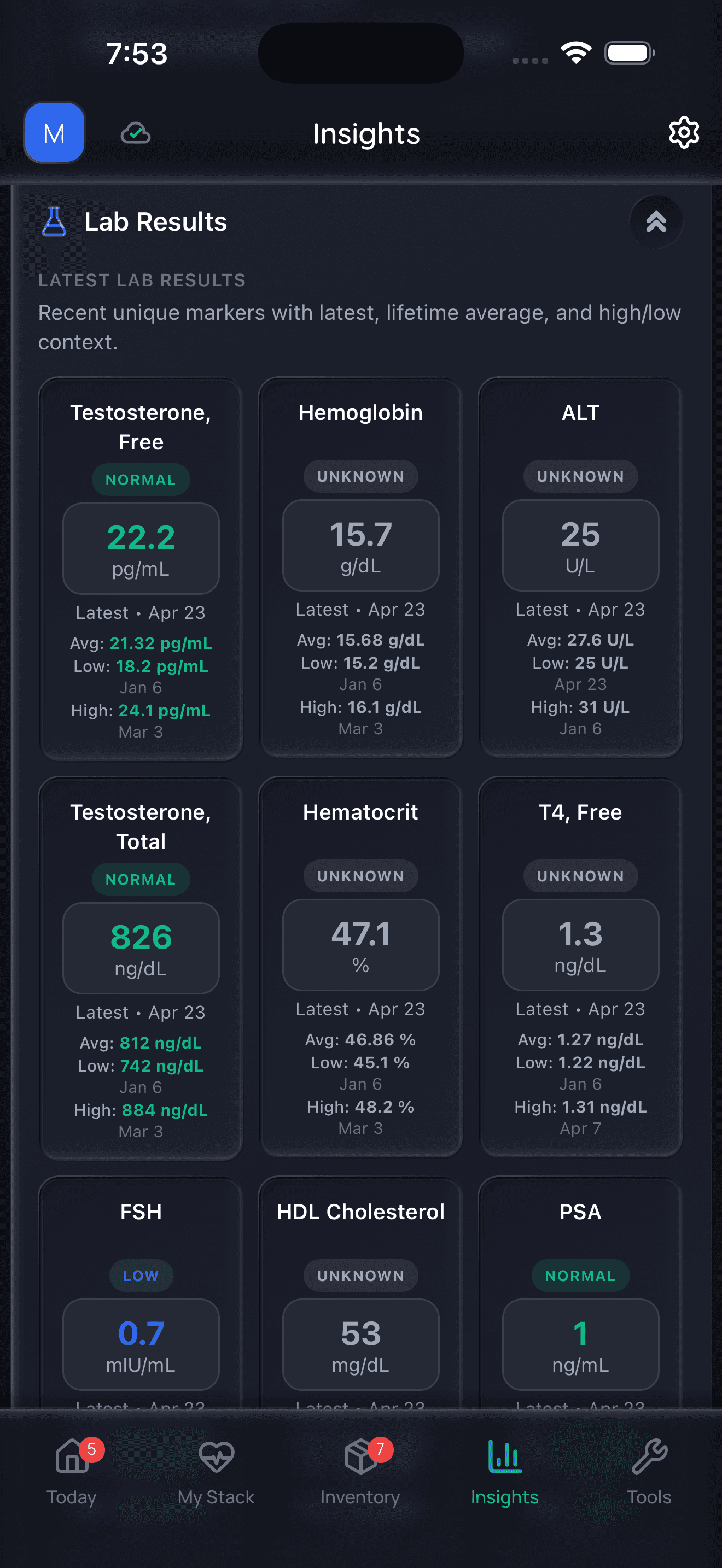
Doserly organizes data; it does not diagnose or interpret labs for you.
Dosing & Usage Protocols
The Basics
Phosphorus dosing is fundamentally different from most supplements because the primary challenge for most people is avoiding excess rather than ensuring adequacy. The RDA of 700 mg/day for adults is easily met through a normal diet, with the average American consuming 1,200 to 1,600 mg/day without supplementation [1][2][3].
For the rare situations where phosphorus supplementation is medically indicated (diagnosed hypophosphatemia, refeeding syndrome, genetic phosphate-wasting disorders), dosing is determined by a healthcare provider based on blood levels and underlying cause. Over-the-counter phosphorus supplements typically provide 10% or less of the Daily Value (1,250 mg), and standalone phosphorus supplements are uncommon [1].
Phosphate salt supplements come in several forms. Dipotassium phosphate and disodium phosphate are the most common. The bioavailability of these forms is approximately 70%. Some users report better tolerance with dipotassium phosphate compared to sodium-based forms, though individual experience varies. Calcium phosphate is more commonly sold as a calcium supplement and provides phosphorus as a secondary nutrient [1][4].
For athletes exploring sodium phosphate loading (a niche application), study protocols have typically used 1,000 mg of sodium phosphate four times daily for 3-6 days before competition. This is a specialized protocol that should be discussed with a sports medicine professional [2].
The Science
RDA by life stage:
Life Stage
Adults 19+
- RDA (mg/day)
- 700
Life Stage
Children 9-18 years
- RDA (mg/day)
- 1,250
Life Stage
Children 4-8 years
- RDA (mg/day)
- 500
Life Stage
Children 1-3 years
- RDA (mg/day)
- 460
Life Stage
Infants 7-12 months (AI)
- RDA (mg/day)
- 275
Life Stage
Infants 0-6 months (AI)
- RDA (mg/day)
- 100
Life Stage
Pregnancy 19+
- RDA (mg/day)
- 700
Life Stage
Pregnancy <=18
- RDA (mg/day)
- 1,250
Life Stage
Lactation 19+
- RDA (mg/day)
- 700
Life Stage
Lactation <=18
- RDA (mg/day)
- 1,250
UL by life stage:
Life Stage
Adults 19-70
- UL (mg/day)
- 4,000
Life Stage
Adults 71+
- UL (mg/day)
- 3,000
Life Stage
Children 9-18
- UL (mg/day)
- 4,000
Life Stage
Children 4-8
- UL (mg/day)
- 3,000
Life Stage
Children 1-3
- UL (mg/day)
- 3,000
Life Stage
Pregnancy 14-50
- UL (mg/day)
- 3,500
Life Stage
Lactation 14-50
- UL (mg/day)
- 4,000
Population intake data (NHANES):
- Adult males: mean 1,596 mg/day from food; 1,744 mg/day from food and supplements [1]
- Adult females: mean 1,189 mg/day from food; 1,301 mg/day from food and supplements [1]
- Phosphate food additives contribute an estimated 300-1,000 mg/day above database values [1][3]
- True intakes may be underestimated by >20% due to unlisted phosphate additives [3][4]
When your stack includes several supplements, each with its own dose, form, and timing requirements, the logistics alone can derail consistency. Doserly consolidates all of it into one protocol view, so every dose across your entire routine is accounted for without spreadsheets or guesswork.
The app also tracks cumulative intake for nutrients that appear in multiple products. If your multivitamin, standalone supplement, and fortified protein shake all contain the same nutrient, Doserly adds them up and shows you the total alongside recommended and upper limits. Managing a thoughtful supplement protocol shouldn't require a degree in nutrition science. The app handles the complexity so you can focus on staying consistent.
Turn symptom and safety notes into a clearer timeline.
Doserly helps you log doses, symptoms, and safety observations side by side so patterns are easier to discuss with a qualified clinician.
Pattern view
Logs and observations
Pattern visibility is informational and should be reviewed with a clinician.
What to Expect (Timeline)
Phosphorus supplementation timelines differ from most supplements because supplementation is almost exclusively used to correct a diagnosed deficiency or treat a specific medical condition.
Week 1-2: For individuals with moderate hypophosphatemia beginning supplementation under medical supervision, serum phosphate levels typically begin to normalize within days to 1-2 weeks. GI side effects (nausea, abdominal discomfort) from phosphate salts, if they occur, usually appear immediately upon starting supplementation.
Weeks 2-4: Symptoms of mild to moderate deficiency, such as fatigue, muscle weakness, and appetite loss, generally improve as serum levels stabilize. Bone pain may take longer to resolve.
Months 1-3: In cases of phosphorus depletion from chronic conditions (refeeding syndrome recovery, genetic phosphate-wasting disorders), full restoration of tissue phosphorus stores and resolution of skeletal effects (osteomalacia) requires sustained supplementation over weeks to months.
Ongoing: For people with genetic phosphate-wasting disorders (e.g., X-linked hypophosphatemic rickets), phosphorus supplementation is a lifelong requirement, typically in combination with active vitamin D analogs.
For healthy individuals: No timeline is applicable because supplementation is not indicated. Dietary phosphorus intake is already abundant, and the body tightly regulates serum levels through renal excretion.
Interactions & Compatibility
Synergistic
- Calcium: Phosphorus and calcium together form hydroxyapatite, the mineral matrix of bone. Adequate intake of both is necessary for skeletal health. A balanced Ca:P ratio (at least 0.5, ideally near 1.0) supports optimal bone metabolism.
- Vitamin D3: Active vitamin D (1,25-dihydroxyvitamin D) stimulates intestinal absorption of both phosphorus and calcium. Vitamin D deficiency impairs phosphorus utilization and can contribute to hypophosphatemia.
- Vitamin D2: Similarly supports phosphorus absorption through the same vitamin D pathway as D3.
Caution / Avoid
- Calcium (high doses): Very high calcium supplementation (>2,500 mg/day) can bind phosphorus in the intestine and reduce its absorption by 610-1,050 mg. This is clinically relevant primarily in individuals taking large doses of calcium supplements.
- Iron: Community reports suggest iron supplementation may deplete phosphate levels in some individuals. The mechanism is not well characterized but may involve competition for absorption or effects on phosphate metabolism.
- Magnesium: Aluminum-containing antacids, sometimes taken with magnesium, can form insoluble aluminum phosphate in the gut, reducing phosphorus absorption.
- Aluminum-containing antacids (Maalox HRF, Rulox): Bind phosphorus in the intestines; chronic use for 3+ months can cause hypophosphatemia.
- Calcium carbonate antacids (Rolaids, Tums, Maalox): Decrease intestinal absorption of dietary phosphorus.
- Potassium supplements or potassium-sparing diuretics: When combined with phosphorus supplements (particularly dipotassium phosphate), may increase risk of hyperkalemia.
- Sodium phosphate laxatives: Can cause dangerous hyperphosphatemia, especially in individuals with kidney or heart disease. FDA warning issued.
- High-dose active vitamin D analogs: Excessively high doses of 1,25-dihydroxyvitamin D may cause hyperphosphatemia.
How to Take / Administration Guide
Phosphorus supplementation is rarely needed for healthy individuals eating a varied diet. For the small number of people who do require supplementation (under medical supervision), the following practical considerations apply.
Recommended forms: Dipotassium phosphate and disodium phosphate are the most commonly prescribed forms for correcting hypophosphatemia, with bioavailability of approximately 70%. Community reports suggest dipotassium phosphate may be better tolerated than sodium-based forms for some individuals. Calcium phosphate is used primarily as a calcium supplement and provides phosphorus as a secondary benefit.
Timing considerations: Phosphate supplements are generally better tolerated when taken with food to reduce GI side effects. Spreading doses throughout the day (rather than taking a single large dose) may improve tolerance and absorption.
What to separate: Avoid taking phosphorus supplements at the same time as aluminum-containing antacids or high-dose calcium supplements, as these can bind phosphorus and reduce absorption. Space them at least 2 hours apart.
Food-first approach: For most people concerned about phosphorus intake, dietary sources are preferable to supplements. Dairy products, meat, poultry, fish, eggs, nuts, and legumes are all rich sources. A single cup of yogurt provides about 245 mg of phosphorus, roughly 35% of the adult RDA.
Cycling guidance: Phosphorus supplementation does not require cycling. For individuals with chronic conditions requiring supplementation, continuous daily use is typically recommended as directed by a healthcare provider.
Choosing a Quality Product
Because phosphorus supplementation is uncommon and typically medically supervised, the standalone phosphorus supplement market is limited. Most phosphorus is consumed through food or as a minor component of multivitamin/mineral formulations.
Third-party certifications: As with any supplement, products bearing USP Verified, NSF Certified for Sport, or ConsumerLab approved seals have undergone independent testing for identity, purity, and potency. These certifications are especially relevant when purchasing phosphate salts from less established brands.
Active vs. cheap forms: The form of phosphorus in supplements is less variable than for some other minerals. Dipotassium phosphate and disodium phosphate are the standard forms, both with similar bioavailability (~70%). Phosphatidylcholine and phosphatidylserine are phospholipid forms marketed for cognitive benefits rather than as phosphorus sources; their phosphorus content is relatively low.
Red flags:
- Products marketed with claims about "boosting energy" or "supercharging metabolism" through phosphorus are misleading. Phosphorus supplementation benefits only those who are deficient.
- Avoid sodium phosphate preparations labeled as laxatives for use as supplements, as these can contain dangerously high doses.
- Be cautious of food-grade phosphate salts (sold for food manufacturing or as fertilizer) being marketed as supplements without proper quality testing.
Elemental phosphorus content: When comparing products, check the elemental phosphorus content per serving, not just the weight of the phosphate salt compound. Different forms deliver different amounts of elemental phosphorus.
Storage & Handling
Phosphate salt supplements are generally stable at room temperature. Store in a cool, dry place away from direct sunlight and moisture. Keep containers tightly sealed, as some phosphate salts can absorb moisture from the air.
Liquid phosphorus supplements (such as phosphatidylcholine or phosphatidylserine preparations) should be stored according to label instructions, which may include refrigeration after opening.
No special handling precautions are required for standard phosphorus supplement forms beyond those common to all dietary supplements: keep out of reach of children, do not use past the expiration date, and avoid contamination of the product.
Lifestyle & Supporting Factors
Dietary sources: The most effective way to ensure adequate phosphorus intake is through a varied diet. Rich sources include dairy products (yogurt, milk, cheese), meat and poultry, fish, eggs, nuts, legumes, and whole grains. A diet that provides sufficient protein and calcium will almost always provide sufficient phosphorus [1][3].
Processed food consideration: Phosphate additives (phosphoric acid, sodium phosphate, sodium polyphosphate) in processed foods contribute significantly to total phosphorus intake. For most healthy individuals, this is not a concern. For individuals with CKD or those monitoring phosphorus intake, reading ingredient labels for terms containing "phos" can help identify hidden phosphorus sources [1][3].
Calcium-to-phosphorus ratio: Maintaining a balanced Ca:P ratio (ideally at or above 0.5) supports bone health. This is particularly important for individuals who consume large amounts of processed food (high in phosphate additives) but little dairy or other calcium-rich foods [4].
Vitamin D status: Adequate vitamin D is necessary for proper phosphorus metabolism. Vitamin D deficiency impairs both phosphorus absorption and kidney-mediated phosphorus regulation. Individuals with unexplained hypophosphatemia should have their vitamin D status assessed [1][2].
Kidney function: Individuals with any degree of kidney impairment should discuss phosphorus intake with their healthcare provider. Even moderate CKD can impair phosphorus excretion, and dietary modification is often recommended before pharmacological intervention [1][3].
Exercise: Physical activity supports bone health but does not specifically alter phosphorus requirements in healthy individuals. Sodium phosphate loading has been explored as an ergogenic aid for endurance athletes, but this is a specialized application [2].
Regulatory Status & Standards
United States (FDA): Phosphorus is classified as a dietary supplement ingredient under DSHEA. It has Generally Recognized as Safe (GRAS) status as a food additive (various phosphate salts). The FDA Daily Value for phosphorus is 1,250 mg. The FDA does not require food labels to list phosphorus content unless phosphorus has been added to the food, which some researchers argue understates consumer exposure to phosphorus from additives [1][3].
Canada (Health Canada): Phosphorus supplements are available as Natural Health Products (NHPs). Health Canada monographs establish recommended dose ranges consistent with the IOM RDA.
European Union (EFSA): EFSA has published a Scientific Opinion on Dietary Reference Values for phosphorus (EFSA Journal 2015;13:4185). Phosphate salts are authorized food additives (E338-E343, E450-E452) with established acceptable daily intakes.
Australia (TGA): Phosphorus is listed as a permitted ingredient in complementary medicines. Regulatory frameworks are consistent with international norms.
Athlete & Sports Regulatory Status:
- WADA: Phosphorus is not on the World Anti-Doping Agency Prohibited List. Sodium phosphate loading is permitted for athletic use.
- National Anti-Doping Agencies (USADA, UKAD, Sport Integrity Canada, Sport Integrity Australia, NADA Germany): No specific restrictions on phosphorus supplementation. No alerts or special guidance issued.
- Professional Sports Leagues (NFL, NBA, MLB, NHL, NCAA): No league-specific restrictions on phosphorus supplementation.
- Athlete Certification Programs: Phosphorus supplements with Informed Sport, NSF Certified for Sport, or Cologne List certification are available for athletes concerned about contamination risk.
- GlobalDRO: Athletes can verify the status of phosphorus-containing products at GlobalDRO.com for US, UK, Canada, Australia, Japan, Switzerland, and New Zealand.
Regulatory status and prohibited substance classifications change frequently. Athletes should always verify the current status of any supplement with their sport's governing body, their national anti-doping agency, and a qualified sports medicine professional before use. Third-party certification (Informed Sport, NSF Certified for Sport) reduces but does not eliminate the risk of contamination with prohibited substances.
Frequently Asked Questions
Do I need a phosphorus supplement?
Most likely not. Phosphorus is abundant in a typical Western diet, with average intakes well above the RDA of 700 mg/day. Supplementation is generally only indicated for individuals with diagnosed hypophosphatemia, specific genetic disorders, or medical conditions that impair phosphorus absorption or increase losses. A healthcare provider can determine if supplementation is appropriate based on blood work.
What foods are highest in phosphorus?
Dairy products, meat, poultry, fish, eggs, nuts, legumes, and whole grains are naturally rich in phosphorus. Processed foods with phosphate additives (look for ingredients containing "phos") also contribute substantially. A single cup of yogurt, a 3-ounce serving of salmon, or a cup of milk each provides roughly 200-300 mg of phosphorus.
Is too much phosphorus dangerous?
For healthy individuals with normal kidney function, the UL of 4,000 mg/day provides a reasonable safety margin. However, some research suggests that chronic intakes above 1,000-1,400 mg/day may be associated with increased cardiovascular risk, even in healthy populations. For people with kidney disease, excess phosphorus is a serious and well-documented risk factor for cardiovascular events and mortality.
What is the calcium-to-phosphorus ratio, and why does it matter?
The Ca:P ratio describes the balance between calcium and phosphorus intake. A ratio below 0.5 (meaning you consume more than twice as much phosphorus as calcium) has been associated with elevated PTH levels and increased urinary calcium excretion, which may negatively affect bone health over time. Maintaining adequate calcium intake alongside phosphorus is more important than reducing phosphorus.
Can phosphorus supplements cause stomach problems?
Yes. Phosphate salt supplements (particularly sodium phosphate and dicalcium phosphate) commonly cause GI side effects including nausea, abdominal discomfort, and diarrhea. Taking supplements with food and splitting doses throughout the day may reduce these effects. Some individuals report better tolerance with dipotassium phosphate.
Does phosphorus affect kidney health?
In people with healthy kidneys, normal dietary phosphorus intake is efficiently excreted and does not harm kidney function. In people with existing kidney disease, excess phosphorus cannot be properly excreted and can accelerate disease progression. CKD patients should follow their healthcare team's guidance on phosphorus restriction.
Is phosphorus the same as phosphate?
In biological contexts, essentially yes. Phosphorus in the body exists bound to oxygen as phosphate (PO4 3-). When you see "phosphorus" on a supplement label or in dietary guidelines, it refers to the amount of the element phosphorus, which is always present as phosphate in biological systems.
Does cooking affect phosphorus content in food?
Cooking methods that involve water (boiling, steaming) can leach some phosphorus from food, though the effect is modest. Baking and roasting preserve phosphorus content better. The effect is generally not large enough to significantly alter daily intake.
Should athletes take phosphorus supplements?
Sodium phosphate loading (1,000 mg four times daily for 3-6 days) has shown mixed results for improving endurance performance in research settings. It is not on any prohibited substance list. Athletes considering this protocol should consult a sports medicine professional and ensure their overall mineral balance remains appropriate.
Can vegans or vegetarians get enough phosphorus?
Yes. While plant-based phosphorus from phytate-containing foods (grains, legumes, nuts) is less bioavailable than animal-sourced phosphorus (approximately 50% vs. 55-70%), the total phosphorus in a varied plant-based diet typically exceeds the RDA. Leavened bread, tofu, lentils, and nuts are good plant sources.
Myth vs. Fact
Myth: Phosphorus supplements will give you more energy.
Fact: While phosphorus is essential for ATP (cellular energy) production, supplementing phosphorus when you are not deficient does not increase energy levels. Your body maintains tight control over phosphorus homeostasis, and energy production is not limited by phosphorus availability in individuals consuming a normal diet. Phosphorus deficiency severe enough to impair energy production is extremely rare outside of medical conditions [1][2].
Myth: You need to supplement phosphorus because modern soils are depleted.
Fact: Phosphorus is abundantly present in the food supply. Average American adults consume 1,200-1,600 mg/day from food, well above the RDA of 700 mg/day. Additionally, phosphate food additives contribute an estimated 300-1,000 mg/day. Far from being depleted, phosphorus intake in Western diets is consistently above recommended levels [1][3].
Myth: Cola drinks are bad for your bones because of phosphorus.
Fact: The concern about cola and bone health is more nuanced than "phosphorus is bad." Cola drinks contain phosphoric acid, which adds a modest amount of phosphorus. The real bone health risk is that cola consumption often displaces calcium-rich beverages like milk. It is the disrupted calcium-to-phosphorus ratio and the reduction in calcium intake, rather than phosphorus itself, that poses the risk [4].
Myth: High-phosphorus diets cause kidney damage in healthy people.
Fact: In healthy individuals with normal kidney function, the kidneys efficiently excrete excess dietary phosphorus. There is no convincing evidence that high phosphorus intake causes kidney disease in people with healthy kidneys. The association between high phosphorus and kidney-related risks applies primarily to individuals who already have impaired kidney function [1][3].
Myth: All forms of phosphorus supplements are equally well tolerated.
Fact: GI tolerance varies significantly between forms. Sodium phosphate preparations are among the least tolerable, with FDA warnings associated with high-dose laxative formulations. Dicalcium phosphate can cause GI distress in some users. Community reports suggest dipotassium phosphate may be better tolerated, though data is limited [1].
Myth: Organic food has less phosphorus than processed food.
Fact: Organic whole foods contain similar phosphorus levels to conventional whole foods. The difference is that highly processed foods (organic or not) often contain phosphate additives that significantly increase total phosphorus content. The processing method, not the organic status, determines additive phosphorus content [1][3].
Myth: You should limit phosphorus in your diet to protect your heart.
Fact: For healthy individuals, deliberately restricting phosphorus is unnecessary and could be counterproductive if it leads to an overly restrictive diet. The cardiovascular risk associated with high phosphorus is most clearly established in CKD populations and at serum levels above the normal range. Eating a balanced diet with adequate calcium and limiting processed food additives is a more evidence-based approach than phosphorus restriction for cardiovascular health [1][4].
Sources & References
Government / Institutional Sources
[1] National Institutes of Health, Office of Dietary Supplements. "Phosphorus: Fact Sheet for Health Professionals." Updated May 4, 2023. https://ods.od.nih.gov/factsheets/Phosphorus-HealthProfessional/
[2] Institute of Medicine, Food and Nutrition Board. Dietary Reference Intakes for Calcium, Phosphorus, Magnesium, Vitamin D, and Fluoride. Washington, DC: National Academies Press; 1997.
[3] MedlinePlus Medical Encyclopedia. "Phosphorus in diet." Updated January 21, 2025. https://medlineplus.gov/ency/article/002424.htm
Independent Research Platforms
[4] Linus Pauling Institute, Oregon State University. "Phosphorus." Micronutrient Information Center. Updated June 2014. https://lpi.oregonstate.edu/mic/minerals/phosphorus
Systematic Reviews & Meta-Analyses
[5] Hou Y, Li X, Sun L, Qu Z, Jiang L, Du Y. "Phosphorus and mortality risk in end-stage renal disease: A meta-analysis." Clin Chim Acta. 2017;474:108-113. PubMed.
[6] Bai W, Li J, Liu J. "Serum phosphorus, cardiovascular and all-cause mortality in the general population: A meta-analysis." Clin Chim Acta. 2016;461:76-82. PubMed.
[7] Palmer SC, Hayen A, Macaskill P, et al. "Serum levels of phosphorus, parathyroid hormone, and calcium and risks of death and cardiovascular disease in individuals with chronic kidney disease: a systematic review and meta-analysis." JAMA. 2011;305(11):1119-1127. PubMed.
Observational Studies
[8] Chang AR, Lazo M, Appel LJ, et al. "High dietary phosphorus intake is associated with all-cause mortality: results from NHANES III." Am J Clin Nutr. 2014;99(2):320-327. PubMed.
[9] Lopez FL, Agarwal SK, Grams ME, et al. "Relation of serum phosphorus levels to the incidence of atrial fibrillation." Am J Cardiol. 2013;111(6):857-862. PubMed.
[10] Chang AR, Grams ME. "Serum phosphorus and mortality in the Third National Health and Nutrition Examination Survey (NHANES III)." Am J Kidney Dis. 2014;64(4):567-573. PubMed.
[11] Dhingra R, Sullivan LM, Fox CS, et al. "Relations of serum phosphorus and calcium levels to the incidence of cardiovascular disease in the community." Arch Intern Med. 2007;167(9):879-885. PubMed.
[12] Foley RN, Collins AJ, Herzog CA, Ishani A, Kalra PA. "Serum phosphate and left ventricular hypertrophy in young adults." Kidney Blood Press Res. 2009;32(1):37-44. PubMed.
Clinical & Regulatory
[13] EFSA Panel on Dietetic Products, Nutrition and Allergies. "Scientific Opinion on Dietary Reference Values for phosphorus." EFSA Journal 2015;13(7):4185.
[14] KDIGO 2017 Clinical Practice Guideline Update for the Diagnosis, Evaluation, Prevention, and Treatment of Chronic Kidney Disease-Mineral and Bone Disorder (CKD-MBD). Kidney Int Suppl. 2017;7(1):1-59. PubMed.
[15] Kemi VE, Karkkainen MU, Rita HJ, et al. "Low calcium:phosphorus ratio in habitual diets affects serum parathyroid hormone concentration and calcium metabolism in healthy women with adequate calcium intake." Br J Nutr. 2010;103(4):561-568. PubMed.
[16] Calvo MS, Uribarri J. "Public health impact of dietary phosphorus excess on bone and cardiovascular health in the general population." Am J Clin Nutr. 2013;98(1):6-15. PubMed.
Related Supplement Guides
Same Category (Major Minerals)
Common Stacks / Pairings
Related Health Goal
- Iron (interactions with phosphorus metabolism)
- Zinc (mineral absorption competition)
- Creatine Monohydrate (contains phosphocreatine for energy)
- B-Complex (phosphorus works with B vitamins)