
Sodium/Electrolyte Formulas: The Complete Supplement Guide
On this page
Quick Reference Card
Attribute
Common Name
- Detail
- Sodium/Electrolyte Formulas
Attribute
Other Names / Aliases
- Detail
- Electrolyte supplements, electrolyte powders, electrolyte tablets, oral rehydration salts (ORS), hydration mix, electrolyte replacement
Attribute
Category
- Detail
- Major Mineral / Electrolyte Complex
Attribute
Primary Forms & Variants
- Detail
- Electrolyte powder packets (most common; mix with water); effervescent tablets (drop in water); capsules/salt tablets; ready-to-drink beverages; oral rehydration solutions (ORS, higher sodium for clinical dehydration). Key electrolytes: sodium chloride (NaCl), potassium chloride (KCl), magnesium citrate/glycinate, calcium, chloride. Some formulas include glucose or citric acid to enhance absorption via sodium-glucose cotransport
Attribute
Typical Dose Range
- Detail
- Highly context-dependent. General hydration: 200-500 mg sodium per serving. Athletic/heavy sweat: 500-1,500 mg sodium per serving. Clinical ORS: ~1,725 mg sodium/L (75 mmol/L per WHO guidelines). Daily sodium AI for adults: 1,500 mg
Attribute
RDA / AI / UL
- Detail
- Sodium AI: 1,500 mg/day (adults 14+). CDRR: reduce if above 2,300 mg/day. No formal UL established (2019 DRI). Potassium AI: 2,600 mg/day (women), 3,400 mg/day (men). Magnesium RDA: 310-420 mg/day (adults). Chloride AI parallels sodium on mEq basis
Attribute
Common Delivery Forms
- Detail
- Powder packet (mix with water), effervescent tablet, capsule, ready-to-drink liquid, salt stick/chew
Attribute
Best Taken With / Without Food
- Detail
- Can be taken with or without food. Taking with a small amount of carbohydrate may enhance sodium and water absorption via the sodium-glucose cotransporter (SGLT1). During exercise, most practitioners recommend consuming with fluid at regular intervals rather than in bolus doses
Attribute
Key Cofactors
- Detail
- Glucose/dextrose (enhances intestinal sodium absorption via SGLT1 cotransporter), vitamin D (supports calcium absorption within electrolyte formulas), vitamin C (sometimes added to formulas)
Attribute
Storage Notes
- Detail
- Store powder and tablets in a cool, dry place. Effervescent tablets are moisture-sensitive; keep sealed until use. Mixed solutions should be consumed within 24 hours and refrigerated if stored
Overview
The Basics
Electrolytes are minerals that carry an electrical charge when dissolved in water. The main electrolytes in your body include sodium, potassium, magnesium, calcium, chloride, phosphate, and bicarbonate. Together, they regulate fluid balance, nerve signaling, muscle contraction, and heart rhythm. Without the right balance of these minerals, your body simply cannot function properly [1][2].
Sodium is the primary electrolyte lost through sweat, which is why it features prominently in most electrolyte supplement formulas. Your body uses sodium to control how much water stays in your blood and tissues, to transmit nerve signals, and to help muscles contract. Potassium works as sodium's intracellular counterpart, keeping fluid balanced inside your cells and supporting a steady heartbeat [1][3].
Most people in developed countries get plenty of sodium from their diet (often more than they need). The average American consumes roughly 3,400 mg of sodium per day, well above the 1,500 mg Adequate Intake and the 2,300 mg Chronic Disease Risk Reduction threshold [4]. Electrolyte supplements therefore serve a specific rather than universal purpose: they are most relevant for people who lose significant electrolytes through heavy sweating, restrictive diets (particularly ketogenic diets), illness-related dehydration, or medical conditions like POTS (Postural Orthostatic Tachycardia Syndrome) [2][5].
The electrolyte supplement market has expanded dramatically in recent years, with dozens of brands offering powder packets, tablets, and ready-to-drink options. Understanding who actually needs supplementation, which formulas match different situations, and how much is enough versus too much can help separate the genuine utility of these products from the considerable marketing noise that surrounds them.
The Science
Electrolytes are ions that dissociate in aqueous solution, carrying electrical charges that are essential for maintaining electrochemical gradients across cell membranes. The primary electrolytes in human physiology are sodium (Na+), potassium (K+), chloride (Cl-), magnesium (Mg2+), calcium (Ca2+), phosphate (PO4 3-), and bicarbonate (HCO3-) [1][2].
Sodium is the predominant extracellular cation, present at concentrations of 135-145 mmol/L in plasma, and serves as the primary determinant of extracellular fluid volume and osmolality. The sodium-potassium ATPase (Na+/K+ ATPase) pump maintains the electrochemical gradient by actively transporting 3 Na+ ions out of the cell for every 2 K+ ions transported in, consuming approximately 20-25% of basal metabolic energy expenditure [1][3].
Potassium is the principal intracellular cation at approximately 145 mEq/L, compared to 3.6-5.5 mmol/L in plasma. This 30:1 concentration gradient across the cell membrane is critical for maintaining resting membrane potential and enabling action potential generation in excitable tissues (neurons, skeletal muscle, cardiac myocytes) [2].
Sodium homeostasis is regulated primarily through renal mechanisms under the control of the renin-angiotensin-aldosterone system (RAAS). Aldosterone promotes sodium reabsorption and potassium secretion in the distal convoluted tubule and collecting duct. Under conditions of sodium depletion, aldosterone levels increase, enabling the kidney to reduce urinary sodium excretion to near zero [3][4]. Conversely, excess sodium intake suppresses aldosterone, promoting natriuresis. This regulatory capacity means that healthy individuals can maintain sodium balance across a wide range of dietary intakes.
The 2019 Dietary Reference Intakes from the National Academies established an Adequate Intake (AI) for sodium at 1,500 mg/day for adults aged 14 and older, and introduced a Chronic Disease Risk Reduction Intake (CDRR) of 2,300 mg/day, replacing the previous Tolerable Upper Intake Level [4]. The potassium AI was set at 3,400 mg/day for adult males and 2,600 mg/day for adult females [4].
Chemical & Nutritional Identity
Property
Primary Components
- Value
- Sodium chloride (NaCl), potassium chloride (KCl), magnesium salts (citrate, glycinate, oxide), calcium salts (carbonate, citrate), chloride
Property
Sodium Chloride
- Value
- MW: 58.44 g/mol; CAS: 7647-14-5; 39.3% sodium by weight
Property
Potassium Chloride
- Value
- MW: 74.55 g/mol; CAS: 7447-40-7; 52.4% potassium by weight
Property
Sodium (Na+)
- Value
- Atomic weight: 22.99; predominant extracellular cation
Property
Potassium (K+)
- Value
- Atomic weight: 39.10; predominant intracellular cation
Property
Chloride (Cl-)
- Value
- Atomic weight: 35.45; predominant extracellular anion
Property
Magnesium (Mg2+)
- Value
- Atomic weight: 24.31; intracellular cation; cofactor for 300+ enzymes
Property
Sodium AI (2019 DRI)
- Value
- Adults 14+: 1,500 mg/day
Property
Sodium CDRR (2019 DRI)
- Value
- Adults 14+: reduce intake if above 2,300 mg/day
Property
Potassium AI (2019 DRI)
- Value
- Men 19+: 3,400 mg/day; Women 19+: 2,600 mg/day
Property
Minimum Sodium Requirement
- Value
- ~115 mg/day (5 mEq/day) under maximal adaptation; safe minimum ~500 mg/day
Property
Serum Sodium Normal Range
- Value
- 135-145 mmol/L
Property
Serum Potassium Normal Range
- Value
- 3.6-5.5 mmol/L
Electrolyte formulas are combination products rather than single-compound supplements. The specific mineral forms used affect both absorption and tolerability. Sodium chloride is the most common and bioavailable sodium source. Potassium chloride provides both potassium and chloride but can cause GI irritation at higher doses, which is why the FDA has historically limited individual dosage units of potassium supplements to 99 mg. Magnesium citrate offers higher bioavailability than magnesium oxide but may have osmotic laxative effects at higher doses [2][6].
Many electrolyte formulas include glucose or dextrose because the sodium-glucose cotransporter (SGLT1) in the intestinal epithelium enhances sodium and water absorption. The WHO Oral Rehydration Solution formula leverages this mechanism with a specific glucose-to-sodium ratio optimized for treating dehydration [7].
Mechanism of Action
The Basics
Think of electrolytes as your body's electrical system. Just as a house needs properly wired circuits to keep the lights on and appliances running, your body needs electrolytes to send signals between your brain and muscles, keep your heart beating in rhythm, and move water to where it needs to be [1].
Sodium's most important job is regulating how much water your body holds. It acts like a sponge for water in the spaces between your cells and in your bloodstream. When you consume sodium, water follows it, which is why salty foods make you thirsty and why electrolyte drinks help you retain more fluid than plain water. This is also why people with high blood pressure are often advised to reduce sodium: less sodium means less water retention, which means lower blood volume and lower pressure on your arteries [3][4].
The sodium-potassium pump is one of the most fundamental processes in your body. It sits in the membrane of virtually every cell and constantly shuffles sodium out and potassium in. This creates an electrical charge across the cell membrane, like a tiny battery. When a nerve fires or a muscle contracts, ions rush across the membrane, discharging that battery to create the signal. Then the pump recharges it. This process accounts for roughly a quarter of all the energy your body uses at rest [1][2].
The Science
The Na+/K+ ATPase is a P-type ATPase that hydrolyzes one molecule of ATP to transport 3 Na+ ions extracellularly and 2 K+ ions intracellularly per cycle. This electrogenic transport generates a net outward positive current, contributing to the resting membrane potential of approximately -70 mV in most cells [1][3]. The resulting electrochemical gradient is essential for:
- Action potential generation: Voltage-gated Na+ channels open in response to membrane depolarization, allowing rapid Na+ influx that propagates electrical signals along neurons and muscle fibers. Repolarization occurs via K+ efflux through voltage-gated K+ channels [2].
- Secondary active transport: The sodium gradient powers numerous cotransporters and exchangers, including the Na+/glucose cotransporter (SGLT1, SLC5A1) in the intestinal brush border, the Na+/H+ exchanger (NHE) for acid-base regulation, and the Na+/Ca2+ exchanger (NCX) in cardiac myocytes [7].
- Osmotic regulation: Sodium is the primary osmotically active solute in extracellular fluid. Changes in plasma sodium concentration directly affect plasma osmolality, which is sensed by osmoreceptors in the hypothalamus. Increased osmolality triggers vasopressin (ADH) release from the posterior pituitary, promoting water reabsorption in the renal collecting duct [3].
- Cardiac electrophysiology: The cardiac action potential depends on sequential activation of Na+, Ca2+, and K+ channels. Electrolyte imbalances, particularly in K+ and Mg2+, can alter action potential duration and predispose to arrhythmias. Hypokalemia prolongs the QT interval and increases vulnerability to torsades de pointes [2][8].
Aldosterone, synthesized in the zona glomerulosa of the adrenal cortex, is the primary hormonal regulator of sodium balance. It upregulates epithelial sodium channel (ENaC) expression and Na+/K+ ATPase activity in the distal nephron, promoting sodium reabsorption and potassium secretion. Aldosterone secretion is stimulated by angiotensin II (via the renin-angiotensin system), hyperkalemia, and ACTH [3].
Absorption & Bioavailability
The Basics
Most dietary sodium is absorbed quickly and efficiently in the small intestine, with over 95% of ingested sodium being absorbed. This is why sodium from food, salt, or supplements reaches your bloodstream relatively fast, and why many people report feeling the effects of electrolyte supplementation within 15 to 30 minutes [3].
One of the most interesting aspects of electrolyte absorption involves a partnership between sodium and glucose. Your intestinal cells have a specialized transporter (called SGLT1) that moves sodium into the cell alongside glucose, and water follows both of them. This is the scientific basis for oral rehydration therapy, which has saved millions of lives from dehydration caused by cholera and other diarrheal diseases. It is also why many electrolyte formulas include a small amount of sugar: the glucose helps your body absorb sodium and water more efficiently than either one alone [7].
The form of the electrolyte salt matters less for sodium than for some other minerals. Sodium chloride, sodium citrate, and sodium bicarbonate are all well absorbed. For potassium, absorption is also excellent (about 85-90%), though potassium chloride can irritate the GI tract at higher doses. Magnesium absorption varies more by form: organic salts like magnesium citrate and glycinate are absorbed significantly better than inorganic forms like magnesium oxide [6].
The Science
Sodium absorption in the small intestine occurs through multiple mechanisms [3][7]:
- Sodium-glucose cotransport (SGLT1/SLC5A1): Electrogenic transport of Na+ coupled with glucose in a 1:1 or 2:1 stoichiometry. This mechanism is the pharmacological basis of oral rehydration therapy. Each molecule of glucose transported carries 1-2 sodium ions and approximately 210 water molecules [7].
- Sodium-amino acid cotransport: Multiple amino acid-Na+ cotransporters exist in the intestinal epithelium, some with sodium stoichiometry comparable to or exceeding SGLT1. This mechanism explains why amino acid-based ORS formulations show comparable or superior rehydration to glucose-based formulations in some studies [9].
- Na+/H+ exchange (NHE3): Electroneutral exchange of Na+ for H+ in the proximal small intestine, driven by the Na+ gradient. This is the quantitatively dominant mechanism for basal sodium absorption [3].
- Paracellular absorption: Passive sodium movement through tight junctions, driven by concentration gradients and solvent drag.
Beverage sodium concentration significantly influences post-exercise fluid retention. A 2022 randomized crossover trial demonstrated that a 60 mmol/L sodium beverage maintained superior plasma sodium concentration and plasma volume compared to a standard 21 mmol/L sports drink during prolonged exercise in heat [10]. Multiple studies confirm that sodium concentrations of 40-100 mmol/L optimize post-exercise rehydration, with sodium concentration being a stronger predictor of fluid retention than beverage volume alone [9][11].
Understanding how your body absorbs a supplement is only useful if you can act on it. Doserly lets you log exactly when you take each form, whether it's a capsule with a meal, a sublingual tablet on an empty stomach, or a liquid taken with a cofactor, so you can see how timing and form choices affect your results over time.
The app also tracks cofactor pairings that influence absorption. If a supplement works better alongside vitamin C, fat, or black pepper extract, Doserly reminds you to take them together and logs both. Over weeks, your personal data reveals whether those pairing strategies are translating into measurable differences in the biomarkers you're tracking.
Track injection timing, draw notes, and site rotation.
Doserly helps keep syringe-related notes, injection site history, reminders, and reconstitution context together for easier review.
Injection log
Site rotation
Injection logs support record-keeping; follow clinician instructions for administration.
Research & Clinical Evidence
Exercise Performance and Rehydration
The Basics
The strongest evidence for electrolyte supplementation comes from exercise and sports science. When you exercise, you lose both water and sodium through sweat. Replacing water without replacing sodium can actually make things worse by diluting the sodium already in your blood, a condition called exercise-associated hyponatremia (EAH) that can be dangerous in extreme cases [5][12].
Research consistently shows that beverages containing sodium help you retain more of the fluid you drink compared to plain water. This effect is most pronounced during and after prolonged exercise (longer than 60 minutes) or exercise in hot conditions. For shorter, moderate-intensity sessions in comfortable temperatures, most people can rely on water and their regular diet for electrolyte replenishment [5][10].
A 2025 comprehensive review of sodium intake for athletes concluded that while sodium-containing beverages clearly help with hydration during and after exercise, there is currently no evidence that athletes need more dietary sodium on a day-to-day basis than non-athletes. The kidneys and sweat glands adapt to regulate sodium balance across a wide range of intakes [5].
The Science
A randomized, double-blind crossover trial in endurance-trained female cyclists demonstrated that sodium hyperhydration (7.5 g/L NaCl consumed in 30 mL/kg fat-free mass of fluid, 2 hours pre-exercise) improved 200 kJ time trial performance by 1.55 minutes (p = 0.001) compared to placebo, with a greater improvement during the luteal phase of the menstrual cycle (1.85 min, p = 0.005) [13].
Post-exercise rehydration studies consistently demonstrate that higher-sodium beverages (40-100 mmol/L) produce superior fluid retention compared to low-sodium beverages (5-20 mmol/L) or plain water. Fan et al. (2020) found that an ORS containing 60 mmol/L sodium resulted in 30% fluid retention compared to -4% for water following exercise-induced dehydration [9]. The higher sodium concentration suppressed urine output and maintained plasma volume more effectively.
A 2024 ACSM study reported that combined high-sodium and high-potassium beverages produced superior rehydration compared to high sodium alone, high potassium alone, or plain water. The combined electrolyte beverage maintained higher plasma osmolality and lower free water clearance, suggesting synergistic effects of sodium and potassium on fluid retention [14].
Oral Rehydration Therapy
The Basics
Oral rehydration therapy is one of the most significant medical advances of the 20th century. The discovery that glucose enhances sodium and water absorption in the gut, even when the gut is damaged by infection, transformed the treatment of dehydration from diarrheal diseases. The WHO estimates that oral rehydration solutions have saved tens of millions of lives since their introduction in the 1970s [7].
The same science that makes ORS effective for treating cholera also explains why electrolyte supplements with some sugar may be more hydrating than those without. The glucose-sodium partnership in the gut is a real and well-documented physiological mechanism, not a marketing invention [7].
The Science
The WHO reduced-osmolarity ORS (245 mOsm/L) contains 75 mmol/L sodium, 75 mmol/L glucose, 20 mmol/L potassium, 65 mmol/L chloride, and 10 mmol/L citrate. Clinical trials demonstrated that this reduced-osmolarity formulation decreased stool output by 20% and reduced the need for intravenous therapy by 33% compared to the previous standard ORS formulation [7].
The sodium-glucose cotransporter (SGLT1) continues to function even when the intestinal mucosa is damaged by enterotoxins, explaining the efficacy of ORS in secretory diarrhea. The coupled transport of sodium, glucose, and water through SGLT1 bypasses the impaired sodium absorption pathways that are targeted by enterotoxins [7].
Blood Pressure and Cardiovascular Risk
The Basics
The relationship between sodium and blood pressure is one of the most studied topics in nutrition. For many people, high sodium intake contributes to elevated blood pressure, and reducing sodium intake can help bring it down. However, the effect is not uniform: some people are "salt-sensitive" and see significant blood pressure changes with sodium intake, while others are relatively "salt-resistant" [4][15].
It is important to understand that the blood pressure concern applies primarily to excess sodium from dietary sources (processed foods, restaurant meals), not to the targeted use of electrolyte supplements during exercise or for specific medical needs. Context matters enormously when interpreting sodium research.
The Science
The 2019 National Academies DRI report introduced the Chronic Disease Risk Reduction Intake (CDRR) for sodium at 2,300 mg/day based on consistent evidence linking sodium intakes above this level to increased cardiovascular disease risk, hypertension risk, and elevated systolic and diastolic blood pressure [4]. The DASH-Sodium trial demonstrated dose-dependent blood pressure reductions with sodium restriction, with the largest effects observed in combination with the DASH dietary pattern [15].
Salt sensitivity of blood pressure is estimated to affect 25-50% of normotensive individuals and 50-75% of hypertensive individuals. Genetic polymorphisms in genes encoding components of the RAAS, renal sodium transporters, and endothelial nitric oxide synthase contribute to interindividual variation in sodium sensitivity [15].
Evidence & Effectiveness Matrix
Category
Physical Performance
- Evidence Strength
- 8/10
- Reported Effectiveness
- 7/10
- Summary
- Strong RCT evidence supports improved endurance performance and rehydration with sodium-containing beverages during/after prolonged exercise. Community reports consistently positive among athletes.
Category
Energy Levels
- Evidence Strength
- 5/10
- Reported Effectiveness
- 7/10
- Summary
- Limited controlled evidence for energy effects specifically from electrolytes in well-nourished individuals. Strong community reports, but primarily from electrolyte-depleted populations (keto, POTS).
Category
Focus & Mental Clarity
- Evidence Strength
- 4/10
- Reported Effectiveness
- 7/10
- Summary
- Mechanistically plausible via hydration-mediated cerebral perfusion. Strong community reports in keto/POTS populations. Limited RCT evidence for cognitive effects of electrolyte supplementation specifically.
Category
Recovery & Healing
- Evidence Strength
- 7/10
- Reported Effectiveness
- 6/10
- Summary
- Good evidence that electrolyte beverages accelerate post-exercise rehydration and recovery versus plain water.
Category
Sleep Quality
- Evidence Strength
- 3/10
- Reported Effectiveness
- 6/10
- Summary
- Minimal controlled evidence for electrolyte-specific sleep effects. Community reports positive but likely confounded by magnesium content in formulas.
Category
Heart Health
- Evidence Strength
- 6/10
- Reported Effectiveness
- 5/10
- Summary
- Complex relationship. Adequate potassium/magnesium intake supports cardiovascular health. Excess sodium may increase cardiovascular risk in susceptible individuals.
Category
Blood Pressure
- Evidence Strength
- 7/10
- Reported Effectiveness
- 5/10
- Summary
- Strong evidence for sodium-blood pressure relationship. Direction depends on context: beneficial for hypotension (POTS), potentially harmful for hypertension.
Category
Heart Rate & Palpitations
- Evidence Strength
- 4/10
- Reported Effectiveness
- 6/10
- Summary
- Electrolyte correction can resolve arrhythmias and palpitations caused by imbalance. Strong keto/POTS community reports.
Category
Mood & Wellbeing
- Evidence Strength
- 3/10
- Reported Effectiveness
- 6/10
- Summary
- Limited evidence. Community reports positive but vague. Likely mediated by hydration improvement.
Category
Digestive Comfort
- Evidence Strength
- 3/10
- Reported Effectiveness
- 4/10
- Summary
- Mixed reports. Some improvement from hydration; GI side effects common with high-dose sodium or magnesium-containing formulas.
Category
Nausea & GI Tolerance
- Evidence Strength
- 4/10
- Reported Effectiveness
- 4/10
- Summary
- GI distress is the most commonly reported side effect. Dose-dependent and form-dependent.
Category
Side Effect Burden
- Evidence Strength
- 5/10
- Reported Effectiveness
- 5/10
- Summary
- Moderate side effect profile. GI issues and taste complaints are common. Generally well-tolerated at appropriate doses.
Categories not scored (insufficient data): Fat Loss, Muscle Growth, Weight Management, Appetite & Satiety, Food Noise, Memory & Cognition, Anxiety, Stress Tolerance, Motivation & Drive, Emotional Aliveness, Emotional Regulation, Libido, Sexual Function, Joint Health, Inflammation, Pain Management, Gut Health, Skin Health, Hair Health, Hormonal Symptoms, Temperature Regulation, Fluid Retention, Body Image, Immune Function, Bone Health, Longevity & Neuroprotection, Cravings & Impulse Control, Social Connection, Withdrawal Symptoms, Treatment Adherence, Daily Functioning
Benefits & Potential Effects
The Basics
The benefits of electrolyte supplementation depend almost entirely on whether you actually need additional electrolytes. For someone who is genuinely depleted, whether from heavy exercise, a restrictive diet, illness, or a medical condition, the effects can be rapid and noticeable: improved energy, clearer thinking, fewer muscle cramps, and better exercise performance. For someone who is already adequately hydrated and eating a varied diet, the benefits are likely minimal [2][5].
The groups most likely to benefit from electrolyte supplementation include endurance athletes and heavy sweaters, people following ketogenic or very low-carbohydrate diets (which increase sodium excretion), individuals recovering from illness involving vomiting or diarrhea, people with POTS or other autonomic disorders, and those who work in hot environments. For the average person eating a standard Western diet, sodium intake from food typically exceeds requirements without supplementation [4][5].
The Science
Evidence-based benefits of electrolyte supplementation include [5][9][10][13]:
- Enhanced post-exercise rehydration: Sodium-containing beverages produce superior fluid retention compared to plain water, with optimal effects at 40-100 mmol/L sodium concentration
- Improved exercise performance in heat: Pre-exercise sodium loading (hyperhydration) increases plasma volume and improves endurance performance
- Prevention of exercise-associated hyponatremia (EAH): Appropriate sodium intake during prolonged exercise prevents dangerous dilutional hyponatremia
- Correction of electrolyte-mediated symptoms: Muscle cramps, fatigue, headaches, and palpitations associated with electrolyte depletion resolve with repletion
- Support for ketogenic diets: Ketosis increases renal sodium excretion; supplementation prevents "keto flu" symptoms
Side Effects & Safety
The Basics
For most healthy people, electrolyte supplements at standard doses are well tolerated. The most common complaints are gastrointestinal: nausea, stomach discomfort, diarrhea, and bloating, particularly with higher-dose sodium products or those containing magnesium. Most of these can be managed by taking smaller doses, diluting the product further, or consuming with food [2][6].
The more serious concern with electrolyte supplementation is overconsumption, particularly of sodium. People with high blood pressure, heart failure, kidney disease, or liver disease may need to limit sodium intake and should consult a healthcare provider before using electrolyte supplements. For potassium, supplemental doses are generally capped at 99 mg per unit by the FDA due to the risk of hyperkalemia, particularly in people with impaired kidney function [2][4].
The Science
Hypernatremia (serum Na+ > 145 mmol/L) from oral supplementation is rare in individuals with normal renal function and access to water, as the kidneys can excrete substantial sodium loads. However, sustained excessive sodium intake is associated with increased cardiovascular disease risk, particularly in salt-sensitive individuals [4][15].
Hyponatremia (serum Na+ < 135 mmol/L) represents the opposite risk and can occur from excessive water intake without adequate sodium replacement (exercise-associated hyponatremia). Severe hyponatremia (< 125 mmol/L) can cause cerebral edema, seizures, coma, and death. This risk is most relevant during prolonged endurance events when athletes consume large volumes of hypotonic fluid [2][12].
Potassium toxicity (hyperkalemia, serum K+ > 5.5 mmol/L) can cause life-threatening cardiac arrhythmias. Risk is elevated in individuals with impaired renal function, those taking potassium-sparing diuretics, ACE inhibitors, or angiotensin receptor blockers, and in elderly patients with age-related renal decline [2][8].
Dosing & Usage Protocols
The Basics
There is no single correct dose of electrolytes because the right amount depends entirely on your situation. A desk worker on a normal diet has very different needs than a marathon runner in summer heat. This makes electrolyte dosing more of a contextual judgment call than a fixed prescription [4][5].
For general hydration support, most commonly reported approaches involve 200-500 mg of sodium per serving in a standard electrolyte powder or tablet, consumed once or twice daily as needed. For exercise, commonly cited ranges suggest 300-700 mg of sodium per hour during prolonged activities (over 60 minutes) or intense sweating, though individual sweat rates and sodium concentrations vary enormously [5].
People on ketogenic diets commonly report needing 3,000-5,000 mg of sodium daily (from food and supplements combined) to prevent the headaches, fatigue, and brain fog known as "keto flu." This increased need occurs because carbohydrate restriction reduces insulin levels, which in turn increases renal sodium excretion [5].
For POTS patients, sodium intake recommendations from specialists often range from 3,000 to 10,000 mg daily, well above general population guidelines. This is a medically supervised intervention specific to their condition and should not be generalized.
The Science
Evidence-based dosing considerations from the research literature [4][5][9][10]:
Context
General adult AI
- Commonly Cited Sodium Range
- 1,500 mg/day total
- Notes
- From all sources. Most people exceed this from diet alone
Context
Exercise (moderate, <60 min)
- Commonly Cited Sodium Range
- No supplementation needed
- Notes
- Regular diet and water sufficient
Context
Exercise (prolonged, >60 min)
- Commonly Cited Sodium Range
- 300-700 mg/hour
- Notes
- Varies by sweat rate (0.3-2.4 L/hr) and sweat sodium concentration (10-90 mmol/L)
Context
Post-exercise rehydration
- Commonly Cited Sodium Range
- 40-100 mmol/L (920-2,300 mg/L) in beverage
- Notes
- Consume 125-150% of fluid lost
Context
Pre-exercise hyperhydration
- Commonly Cited Sodium Range
- 3-5 g sodium in 20-30 mL/kg fluid
- Notes
- 2-3 hours before exercise in heat
Context
Ketogenic diet
- Commonly Cited Sodium Range
- 3,000-5,000 mg/day total
- Notes
- Increased renal sodium excretion
Context
WHO ORS (clinical dehydration)
- Commonly Cited Sodium Range
- 75 mmol/L (1,725 mg/L) sodium
- Notes
- With 75 mmol/L glucose
Context
CDRR threshold
- Commonly Cited Sodium Range
- <2,300 mg/day
- Notes
- Population-level CVD risk reduction
Potassium: AI of 2,600-3,400 mg/day from all sources. Supplemental potassium typically 99-200 mg per dose. Most electrolyte formulas provide 200-500 mg potassium per serving.
Magnesium: RDA of 310-420 mg/day. Electrolyte formulas typically provide 30-100 mg per serving. Higher doses may cause osmotic diarrhea.
Getting the dose right matters more than most people realize. Too little may be ineffective, too much wastes money or introduces risk, and inconsistency undermines both. Doserly tracks every dose you take, across every form, giving you a clear record of what you're actually consuming versus what you planned.
The app helps you compare RDA recommendations against therapeutic ranges discussed in the research, so you can see exactly where your intake falls. If you switch forms, say from a standard capsule to a liposomal liquid, Doserly adjusts your tracking to account for different bioavailabilities. Pair that with smart reminders that keep your timing consistent, and the precision that makes a real difference in outcomes becomes effortless.
Turn symptom and safety notes into a clearer timeline.
Doserly helps you log doses, symptoms, and safety observations side by side so patterns are easier to discuss with a qualified clinician.
Pattern view
Logs and observations

Pattern visibility is informational and should be reviewed with a clinician.
What to Expect (Timeline)
Week 1-2: If you are genuinely electrolyte-depleted (from keto transition, heavy exercise, illness, or restrictive diet), you may notice rapid effects within 15-60 minutes of supplementation: reduced headache, improved energy, fewer muscle cramps, and clearer thinking. If you are already adequately nourished, effects may be subtle or absent.
Week 3-4: With consistent use in appropriate populations (athletes, keto dieters, POTS patients), users commonly report stabilized energy levels throughout the day, improved exercise performance and recovery, and fewer episodes of dehydration symptoms. Sleep quality improvements have been anecdotally reported, though this may be attributable to magnesium content.
Month 2-3: Ongoing benefits for those with genuine electrolyte needs tend to plateau at a maintenance level. The body's homeostatic mechanisms (primarily renal aldosterone response) adapt to consistent intake. For athletes, performance benefits should be evaluated relative to training conditions rather than as a cumulative effect over time.
Long-term considerations: Electrolyte supplementation is generally not intended as a lifelong daily supplement for healthy individuals on varied diets. It is best used as a targeted tool for specific situations: during and after intense exercise, during dietary transitions, during illness, and for managing specific medical conditions.
Interactions & Compatibility
SYNERGISTIC
- Potassium: Sodium and potassium work together in the Na+/K+ ATPase pump. Combined high-sodium and high-potassium beverages show superior rehydration compared to either alone [14]. Most electrolyte formulas include both.
- Magnesium: Magnesium supports potassium homeostasis and cardiac electrical stability. Hypomagnesemia can cause refractory hypokalemia. Many electrolyte formulas include magnesium [2][6].
- Calcium: Calcium plays a role in muscle contraction and cardiac conduction. Included in many electrolyte formulas, though typically at lower doses.
- Vitamin D3: Vitamin D enhances intestinal calcium absorption, which may complement electrolyte formulas containing calcium.
- Creatine Monohydrate: Creatine increases intracellular water retention. Combined with electrolytes, it may support hydration during exercise. Some sports nutrition protocols pair both.
- Glucose/Dextrose: Enhances sodium and water absorption via SGLT1 cotransporter. The basis for oral rehydration therapy [7].
CAUTION / AVOID
- ACE inhibitors and ARBs: These medications reduce aldosterone-mediated potassium excretion, increasing the risk of hyperkalemia when combined with potassium-containing electrolyte supplements. Consult a healthcare provider before use [2].
- Potassium-sparing diuretics (spironolactone, amiloride, triamterene): Same hyperkalemia risk as above. Electrolyte supplements containing potassium should be used with caution [2].
- Loop diuretics and thiazide diuretics: These cause electrolyte losses (sodium, potassium, magnesium). While electrolyte supplementation might seem logical, dosing must be coordinated with the prescribing physician to avoid overcorrection.
- Lithium Orotate: Sodium intake affects renal lithium clearance. Increased sodium increases lithium excretion, potentially reducing therapeutic levels; decreased sodium decreases lithium excretion, potentially causing toxicity.
- Iron: High-dose sodium bicarbonate may reduce iron absorption by altering gastric pH. Separate administration by 2+ hours.
- Cardiac glycosides (digoxin): Hypokalemia or hypomagnesemia from any cause increases sensitivity to digoxin toxicity.
How to Take / Administration Guide
Recommended forms: Powder packets mixed with water are the most popular format and allow dose adjustment. Effervescent tablets offer convenience but may have limited mineral content per tablet. Capsules/salt tablets provide precise dosing without taste issues. Ready-to-drink beverages are convenient but often contain added sugars and are more expensive per serving.
Timing considerations: During exercise, most sports nutrition practitioners recommend sipping electrolyte-containing fluids at regular intervals (every 15-20 minutes) rather than consuming large boluses. Post-exercise, consume an electrolyte beverage equivalent to 125-150% of fluid lost within 2-4 hours. For general daily use, morning intake may be preferable to avoid nighttime urination.
Mixing guidance: Follow product-specific instructions. Over-concentrating electrolyte powders (using less water than directed) increases osmolality and may delay gastric emptying and cause GI distress. Under-concentrating reduces the sodium-driven fluid retention benefit. For DIY formulas, the WHO ORS ratio (75 mmol/L sodium with 75 mmol/L glucose) provides a well-validated reference.
Cycling guidance: Electrolyte supplementation does not require cycling. It is used as needed based on activity level, diet, environment, and symptoms. No tolerance development has been documented.
Cost-effectiveness note: The raw ingredients in most commercial electrolyte formulas (sodium chloride, potassium chloride, magnesium citrate) are inexpensive. DIY recipes using food-grade mineral salts can reduce costs substantially. Some brands publish their formulas openly.
Choosing a Quality Product
Third-party certifications: For athletes concerned about banned substance contamination, look for NSF Certified for Sport, Informed Sport, or Cologne List certification. These programs test for prohibited substances beyond what appears on the label.
Key quality indicators:
- Clear labeling of elemental mineral content (sodium, potassium, magnesium in mg, not just compound weight)
- Minimal artificial additives, fillers, or proprietary blends that obscure actual electrolyte content
- Appropriate sodium content for intended use: 200-500 mg for general hydration, 500-1,500 mg for athletic/heavy sweat applications
- Presence of multiple electrolytes (not just sodium), ideally including potassium and magnesium
- If glucose is included, a reasonable amount (2-6% solution) rather than excessive added sugars
Red flags:
- Products with very low electrolyte content relative to price (some "hydration" drops contain negligible amounts)
- Proprietary blends that do not disclose individual mineral amounts
- Excessive added sugars (above 8-10 g per serving without clear hydration rationale)
- Unsupported claims about "optimal ratios" or "cellular hydration" without citing evidence
- Products containing stimulants or other active ingredients not disclosed prominently
Forms comparison:
- Sodium chloride: Inexpensive, well-absorbed, provides both sodium and chloride
- Sodium citrate: Mild alkalinizing effect, may be better tolerated by some individuals
- Sodium bicarbonate: Buffering capacity; used for exercise performance at high doses (300 mg/kg body weight)
- Potassium chloride: Well-absorbed but can cause GI irritation at higher doses
- Potassium citrate: May be better tolerated than potassium chloride
- Magnesium citrate: Good bioavailability but osmotic laxative effect at higher doses
- Magnesium glycinate: Good bioavailability with better GI tolerance
Storage & Handling
Electrolyte powders should be stored in a cool, dry place away from moisture. Most powder formulas are stable at room temperature for extended periods when kept sealed. Effervescent tablets are particularly moisture-sensitive and should remain in their original blister packaging or sealed tube until use.
Mixed electrolyte solutions should be consumed within 24 hours. If stored, refrigerate and discard if any cloudiness, off-odor, or color change develops. Do not leave mixed solutions in direct sunlight or high heat.
Capsules and tablets are generally shelf-stable for 2-3 years when stored properly. Check expiration dates, as mineral salts can absorb moisture over time, affecting dissolution and potency.
Lifestyle & Supporting Factors
Diet: The single biggest influence on electrolyte status is overall dietary pattern. The typical Western diet provides excess sodium (primarily from processed foods) and insufficient potassium. Emphasizing whole foods, fruits, vegetables, legumes, nuts, and seeds naturally improves the sodium-to-potassium ratio. People on ketogenic, carnivore, or other restrictive diets may need to consciously supplement sodium and potassium.
Exercise: Training intensity, duration, and environmental conditions determine electrolyte loss through sweat. Sweat sodium concentration ranges from 230 to 2,070 mg/L (10-90 mmol/L), with an average around 920-1,380 mg/L. Individual sweat rates range from 0.3 to 2.4 L/hour. Knowing your personal sweat rate and sodium losses helps calibrate supplementation.
Hydration: Adequate fluid intake is the foundation of electrolyte balance. The AI for total water intake (from all beverages and foods) is approximately 3.7 L/day for men and 2.7 L/day for women. Monitoring urine color (pale yellow indicates adequate hydration) is a practical self-check.
Sleep: Dehydration can impair sleep quality, and overnight fasting plus insensible water loss can result in mild dehydration upon waking. Some individuals report improved sleep with evening electrolyte intake, though evidence for this is primarily anecdotal.
Monitoring: For individuals with medical conditions affecting electrolyte balance (kidney disease, heart failure, adrenal disorders), regular serum electrolyte panels are recommended. Healthy individuals using electrolyte supplements for exercise generally do not require blood monitoring.
The lifestyle factors above, nutrition, exercise, sleep, stress, are not just nice-to-haves alongside a supplement routine. They're the foundation that determines whether a supplement can do its job effectively. Doserly lets you track these inputs alongside every supplement in your stack, building a complete picture of what your body is receiving and how it's responding.
With AI-powered health analytics, the app surfaces correlations that are nearly impossible to spot on your own. You might discover that your supplement delivers noticeably better results during weeks when your sleep is consistent, or that exercise timing amplifies the benefits you're tracking. That kind of insight transforms general lifestyle advice into specific, actionable intelligence tailored to your body.
Capture changes while they are still fresh.
Log symptoms, energy, sleep, mood, and other observations alongside protocol events so patterns do not live only in memory.
Trend view
Symptom timeline
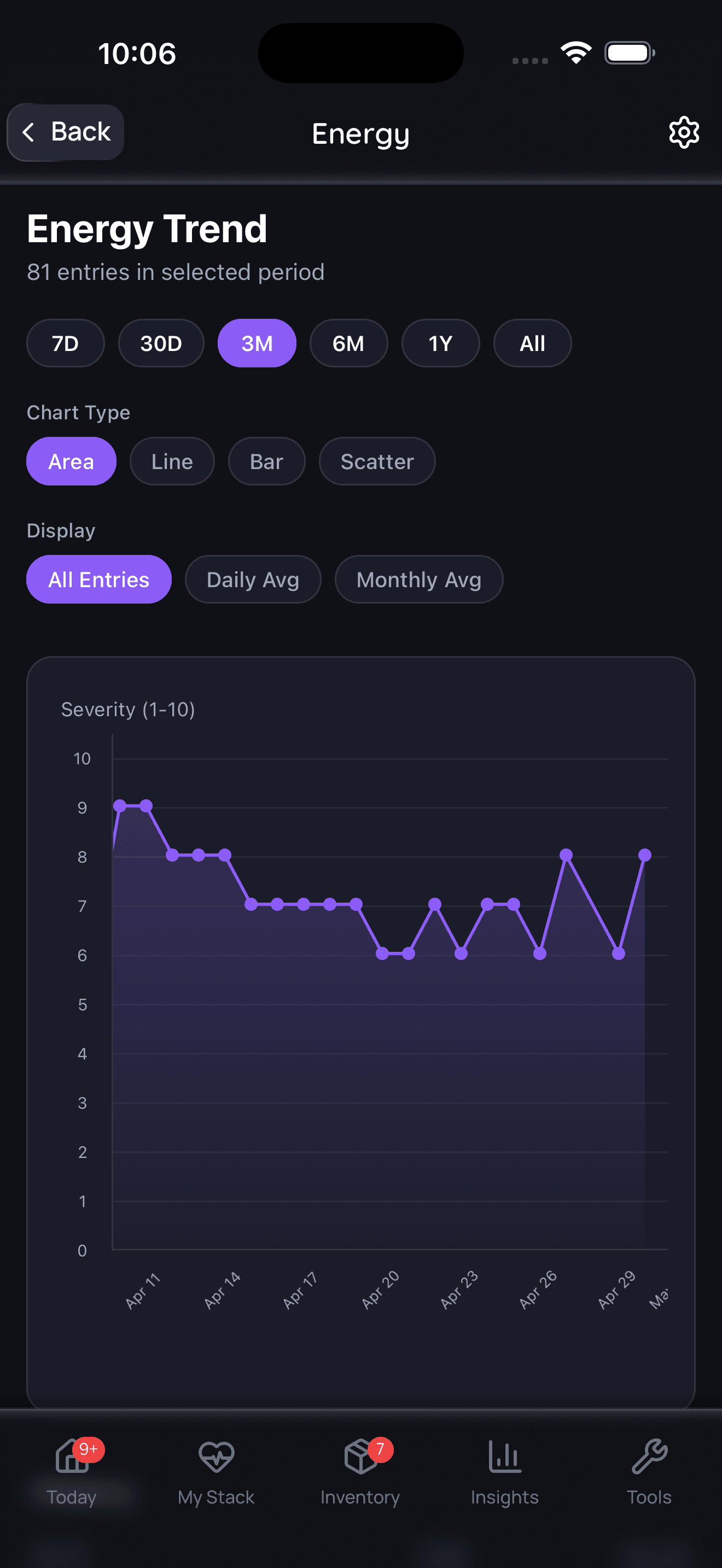
Symptom tracking is informational and should be interpreted with a qualified clinician.
Regulatory Status & Standards
United States (FDA): Electrolyte formulas containing sodium, potassium, magnesium, and calcium are regulated as dietary supplements under DSHEA when sold for general health maintenance. Sodium chloride, potassium chloride, and magnesium citrate have GRAS (Generally Recognized As Safe) status. The FDA limits potassium supplement dosage units to 99 mg due to GI irritation risk and potential for hyperkalemia. No specific FDA limits apply to sodium content in dietary supplements. Some products may be classified as conventional foods or medical foods depending on labeling and claims.
Canada (Health Canada): Electrolyte replacement products are regulated as Natural Health Products (NHPs) with specific monograph requirements for electrolyte content and permitted claims.
European Union (EFSA): Sodium and potassium have authorized health claims. Sodium contributes to normal muscle function. Potassium contributes to normal muscle function, normal functioning of the nervous system, and maintenance of normal blood pressure. Maximum levels for sodium in food supplements are set by individual member states.
Australia (TGA): Electrolyte formulas are generally classified as Listed Medicines on the ARTG when making general health maintenance claims.
Athlete & Sports Regulatory Status:
- WADA: Sodium and standard electrolyte minerals are NOT on the WADA Prohibited List. They are permitted in-competition and out-of-competition. No anti-doping concerns for standard electrolyte formulas.
- National Anti-Doping Agencies: USADA, UKAD, Sport Integrity Canada, Sport Integrity Australia, and NADA Germany have not issued specific restrictions or alerts regarding standard electrolyte supplements.
- Professional Sports Leagues: No restrictions on standard electrolyte supplements across NFL, NBA, MLB, NHL, MLS, or NCAA. NCAA athletic departments are required to provide only NSF Certified for Sport or Informed Sport certified supplements.
- Athlete Certification Programs: Informed Sport, NSF Certified for Sport, Cologne List, and BSCG all certify electrolyte products. Athletes should verify that their specific product is batch-tested, as some electrolyte formulas include additional active ingredients that may contain prohibited substances.
- GlobalDRO: Athletes can verify the status of specific electrolyte products at GlobalDRO.com across US, UK, Canada, Australia, Japan, Switzerland, and New Zealand jurisdictions.
Regulatory status and prohibited substance classifications change frequently. Athletes should always verify the current status of any supplement with their sport's governing body, their national anti-doping agency, and a qualified sports medicine professional before use. Third-party certification (Informed Sport, NSF Certified for Sport) reduces but does not eliminate the risk of contamination with prohibited substances.
Frequently Asked Questions
Do I need electrolyte supplements if I eat a normal diet?
Based on available data, most people consuming a varied diet get adequate electrolytes from food alone. The average American diet provides sodium well above the Adequate Intake of 1,500 mg/day. Electrolyte supplementation is most beneficial for specific situations: heavy exercise, restrictive diets, illness-related dehydration, or medical conditions. A healthcare professional can help determine individual needs.
How much sodium do I lose when I sweat?
Sweat sodium concentration varies significantly between individuals, ranging from about 230 to 2,070 mg per liter. The average is approximately 920-1,380 mg/L. Combined with individual sweat rates of 0.3 to 2.4 L/hour, total sodium losses during exercise can range from less than 300 mg per hour to over 3,000 mg per hour in extreme cases. Sweat testing services can quantify individual losses.
Are electrolyte supplements safe for people with high blood pressure?
People with hypertension should exercise caution with high-sodium electrolyte supplements and consult their healthcare provider before use. The 2019 DRI report recommends reducing sodium intake if above 2,300 mg/day for cardiovascular risk reduction. Lower-sodium electrolyte options (focusing on potassium and magnesium) may be more appropriate for this population.
What is the difference between sports drinks and oral rehydration solutions (ORS)?
Sports drinks typically contain 20-30 mmol/L sodium with 4-8% carbohydrate, optimized for palatability during exercise. ORS contains approximately 75 mmol/L sodium with lower carbohydrate, optimized for maximum absorption during clinical dehydration (diarrhea, vomiting). ORS is "saltier" and designed to replace greater sodium losses.
Why do electrolyte supplements contain sugar?
Glucose enhances sodium and water absorption through the SGLT1 cotransporter in the intestine. This is the basis of oral rehydration therapy. A small amount of glucose (2-6% solution) can improve hydration effectiveness. However, excessive sugar provides unnecessary calories and is not needed for the absorption benefit.
Can I make my own electrolyte supplement?
Yes. DIY electrolyte formulas using food-grade sodium chloride, potassium chloride (sold as "lite salt"), and magnesium citrate powder can replicate commercial products at significantly lower cost. The WHO ORS formula provides a well-validated recipe. Accuracy of measurement and understanding of appropriate doses is important.
Do electrolytes help with hangovers?
Alcohol promotes diuresis (increased urination) and can lead to mild dehydration and electrolyte depletion. Electrolyte supplementation alongside adequate water intake may help address the dehydration component of hangover symptoms, though evidence from controlled studies is limited.
Can I take too many electrolytes?
Yes. Excessive sodium intake can contribute to fluid retention, elevated blood pressure, and cardiovascular risk. Excessive potassium can cause hyperkalemia, particularly dangerous for those with impaired kidney function. Following product guidelines and adjusting based on activity level and dietary intake is important.
Why do some electrolyte products cause stomach upset?
GI distress from electrolyte supplements is typically caused by high osmolality (over-concentrated solutions), magnesium's osmotic laxative effect, or potassium chloride's direct GI irritation. Diluting the product further, taking with food, or switching to a lower-dose or different-form product often resolves the issue.
How quickly do electrolytes work?
When genuinely depleted, many people report feeling improvement within 15-30 minutes of consuming electrolytes. This rapid onset is consistent with the fast absorption of sodium and water in the small intestine. For those not deficient, effects may be subtle or absent.
Myth vs. Fact
Myth: "Water doesn't hydrate you" without electrolytes.
Fact: Water absolutely hydrates you. For most daily situations, plain water is perfectly adequate for maintaining hydration. Electrolyte supplementation enhances fluid retention during and after heavy sweating or exercise, but the claim that water alone "doesn't hydrate" is a marketing oversimplification. The body's kidneys efficiently regulate water and sodium balance under normal conditions [4][5].
Myth: Everyone needs daily electrolyte supplements for optimal health.
Fact: Most people consuming a varied diet get sufficient electrolytes from food. The average American already consumes roughly 3,400 mg of sodium daily, well above the 1,500 mg Adequate Intake. Daily electrolyte supplementation is specifically beneficial for those with elevated needs: heavy exercisers, keto dieters, POTS patients, or people in hot climates [4][5].
Myth: More sodium is always better for hydration.
Fact: There is no evidence that replacing 100% of sweat sodium losses is necessary or beneficial. The body compensates through aldosterone-mediated sodium conservation, and excessive sodium intake can cause GI distress and may contribute to elevated blood pressure. The relationship between sodium and water matters more than sodium in isolation [5].
Myth: Electrolyte supplements with proprietary "optimal ratios" are superior to basic mineral salts.
Fact: The fundamental electrolytes in virtually all commercial products are the same: sodium chloride, potassium chloride, and magnesium salts. The WHO ORS formula, developed through decades of clinical research, remains one of the most effective rehydration formulations. Marketing claims about proprietary "optimal ratios" are rarely supported by independent comparative studies [7].
Myth: Himalayan pink salt is nutritionally superior to table salt for electrolytes.
Fact: Himalayan pink salt is approximately 98% sodium chloride, the same as table salt. It contains trace amounts of other minerals (iron gives it the pink color), but the quantities are nutritionally insignificant. Per gram, it provides essentially the same sodium as table salt.
Myth: You need electrolytes for every workout.
Fact: For moderate-intensity exercise lasting less than 60 minutes in comfortable temperatures, water and a normal diet provide adequate hydration for most people. Electrolyte supplementation becomes more relevant for prolonged exercise (>60 minutes), high-intensity efforts, hot/humid conditions, or for individuals who are heavy sweaters [5].
Myth: Electrolyte deficiency always shows up on blood tests.
Fact: Serum electrolyte levels are tightly regulated by homeostatic mechanisms. The body will sacrifice tissue stores to maintain serum levels within the normal range. Mild electrolyte insufficiency can cause symptoms (fatigue, cramps, brain fog) while blood tests appear normal. Serum magnesium, for example, reflects only about 1% of total body magnesium [2][6].
Sources & References
Government & Institutional Sources
[1] Shrimanker I, Bhattarai S. Electrolytes. StatPearls [Internet]. Updated 2023 Jul 24. Treasure Island (FL): StatPearls Publishing. PMID: 31082167. https://www.ncbi.nlm.nih.gov/books/NBK541123/
[2] National Research Council. Recommended Dietary Allowances: 10th Edition. Chapter 11: Water and Electrolytes. Washington (DC): National Academies Press; 1989. https://www.ncbi.nlm.nih.gov/books/NBK234935/
[3] Palmer LG, Schnermann J. Integrated control of Na transport along the nephron. Clin J Am Soc Nephrol. 2015;10(4):676-87. PMID: 25098598
[4] National Academies of Sciences, Engineering, and Medicine. 2019. Dietary Reference Intakes for Sodium and Potassium. Washington, DC: The National Academies Press. doi: 10.17226/25353
Clinical Trials & Research
[5] Baker LB, et al. Sodium intake for athletes before, during and after exercise: review and recommendations. Performance Nutrition. 2025. doi: 10.1186/s44410-025-00011-9
[6] Jahnen-Dechent W, Ketteler M. Magnesium basics. Clin Kidney J. 2012;5(Suppl 1):i3-i14. PMID: 26069819
[7] World Health Organization. Oral Rehydration Salts: Production of the New ORS. WHO/FCH/CAH/06.1. 2006. https://www.who.int/publications
[8] Hoppe LK, et al. Association of Abnormal Serum Potassium Levels with Arrhythmias and Cardiovascular Mortality: a Systematic Review and Meta-Analysis. Cardiovasc Drugs Ther. 2018;32(2):197-212. PMID: 29679302
[9] Fan PW, Burns SF, Lee JKW. Efficacy of Ingesting an Oral Rehydration Solution after Exercise on Fluid Balance and Endurance Performance. Nutrients. 2020;12(12):3826. PMC7765193
[10] Rehrer NJ, et al. A randomized, cross-over trial assessing effects of beverage sodium concentration on plasma sodium concentration and plasma volume during prolonged exercise in the heat. Eur J Appl Physiol. 2022. doi: 10.1007/s00421-022-05025-y
[11] Shirreffs SM, Taylor AJ, Leiper JB, Maughan RJ. Post-exercise rehydration in man: effects of volume consumed and drink sodium content. Med Sci Sports Exerc. 1996;28(10):1260-1271
[12] Hew-Butler T, et al. Statement of the Third International Exercise-Associated Hyponatremia Consensus Development Conference. Clin J Sport Med. 2015;25(4):303-320. PMID: 26102445
[13] Convit L, et al. Sodium Hyperhydration Improves Performance in Female Cyclists Exercising in the Heat Across the Menstrual Cycle. Int J Sport Nutr Exerc Metab. 2025;35(3):269. PMID: 39591960
[14] Boro TL, et al. A Combination of High Sodium and Potassium Leads to Better Rehydration. Med Sci Sports Exerc. 2024;56(10S):648-649. doi: 10.1249/01.mss.0001093624.91567.dd
[15] Sacks FM, et al. Effects on blood pressure of reduced dietary sodium and the Dietary Approaches to Stop Hypertension (DASH) diet. N Engl J Med. 2001;344(1):3-10. PMID: 11136953