
Reishi Mushroom: The Complete Supplement Guide
On this page
Quick Reference Card
Attribute
Common Name
- Detail
- Reishi Mushroom
Attribute
Other Names / Aliases
- Detail
- Lingzhi, Ling Zhi, Lin Zi, Reishi, Youngzhi, Linh Chi, Mushroom of Immortality, Divine Mushroom, Mannentake, Ganoderma lucidum, Ganoderma lingzhi
Attribute
Category
- Detail
- Medicinal Mushroom (Adaptogen, Immunomodulator)
Attribute
Primary Forms & Variants
- Detail
- Fruiting body extract (hot water or dual extraction, standardized to polysaccharides/beta-glucans and triterpenoids); Spore powder (sporoderm-broken for bioavailability); Mycelium on grain (lower bioactive content); Whole dried mushroom (for decoction/tea)
Attribute
Typical Dose Range
- Detail
- 500 mg to 5,200 mg/day of extract (depending on concentration); 1.44g to 5.2g/day for basic dried extract
Attribute
RDA / AI / UL
- Detail
- No RDA, AI, or UL established. Reishi is not classified as an essential nutrient.
Attribute
Common Delivery Forms
- Detail
- Capsules, tablets, powder, tinctures (liquid extract), dried slices (for tea/decoction), mushroom coffee blends
Attribute
Best Taken With / Without Food
- Detail
- Can be taken with or without food; some practitioners suggest taking with food to reduce potential GI discomfort
Attribute
Key Cofactors
- Detail
- No established cofactors; often combined with other medicinal mushrooms (Lion's Mane, Cordyceps, Turkey Tail, Chaga) or vitamin C to support immune function
Attribute
Storage Notes
- Detail
- Store extracts and capsules in a cool, dry place away from direct light and moisture. Dried mushroom slices should be kept in airtight containers. Tinctures should be stored at room temperature.
Overview
The Basics
Reishi mushroom is one of the most revered natural substances in traditional Asian medicine. For more than 2,000 years, practitioners in China, Japan, and Korea have used this large, reddish-brown mushroom for health maintenance, vitality, and longevity. Its Chinese name, lingzhi, roughly translates to "spiritual potency," and it has long been called the "Mushroom of Immortality" in traditional texts.
In the wild, reishi grows at the base of deciduous trees or on tree stumps, but because wild specimens are exceptionally rare, virtually all commercial reishi today is cultivated on logs, sawdust, or wood chips. The mushroom has a distinctive woody texture and a markedly bitter taste, which is one reason it is typically consumed as an extract or in capsule form rather than eaten whole.
The primary interest in reishi centers on its ability to modulate the immune system. Think of it as an immune system calibrator rather than a simple booster: when your immune response is underperforming, reishi appears to help ramp it up; when it is overreacting (as in certain autoimmune or allergic conditions), it may help dial it back. This bidirectional action is relatively unusual among natural compounds and is the foundation of most reishi research [1].
Beyond immune function, reishi has attracted attention for potential anti-cancer properties, stress reduction, sleep support, and metabolic effects. While preclinical research is extensive and promising, the clinical evidence in humans remains limited, with most randomized controlled trials being small and short in duration [2][3].
The Science
Reishi mushroom (Ganoderma lucidum (Curtis) P. Karst., synonym Ganoderma lingzhi Sheng H. Wu, Y. Cao & Y.C. Dai) is a polypore basidiomycete fungus in the family Ganodermataceae. More than 300 bioactive compounds have been isolated from G. lucidum, with the two most pharmacologically significant classes being polysaccharides (particularly beta-D-glucans) and triterpenoids (ganoderic acids and related compounds) [4][5].
The species has a complex taxonomic history. Recent molecular phylogenetic analyses have revealed that what was historically referred to as "Ganoderma lucidum" across different geographic regions may represent multiple distinct species. G. lingzhi is now considered the correct name for the East Asian species most commonly used in traditional medicine, while G. lucidum sensu stricto may be limited to European specimens [6]. For practical purposes, most commercial products and published research use "G. lucidum" broadly.
A 2023 systematic review synthesizing literature from 2010 to 2022 confirmed that the therapeutic properties of G. lucidum are primarily attributed to its prebiotic and immunomodulatory functions, with the polysaccharide and triterpenoid fractions accounting for the majority of observed bioactivities [5]. A 2025 GRADE-assessed meta-analysis of 17 RCTs (971 participants) found that G. lucidum supplementation (200 to 11,200 mg/day for 1 to 24 weeks) significantly reduced BMI, serum creatinine, glutathione peroxidase, and heart rate, but did not significantly affect body fat, waist circumference, weight, or diastolic blood pressure. The overall quality of evidence was rated "very low" across all outcomes [7].
Chemical & Nutritional Identity
Property
Botanical/Scientific Name
- Value
- Ganoderma lucidum (Curtis) P. Karst. (syn. Ganoderma lingzhi)
Property
Family
- Value
- Ganodermataceae
Property
Primary Active Compound Classes
- Value
- Polysaccharides (beta-D-glucans), triterpenoids (ganoderic acids), sterols, proteins, peptides
Property
Ganoderic Acid A CAS Number
- Value
- 81907-62-2
Property
Ganoderic Acid A Molecular Formula
- Value
- C30H44O7
Property
Beta-Glucan CAS Number
- Value
- 9012-72-0
Property
Category
- Value
- Medicinal Mushroom, Adaptogen, Immunomodulator
Property
Established Daily Values
- Value
- No RDA, AI, or UL established by IOM or EFSA
Key active compound classes and their roles:
- Polysaccharides (beta-D-glucans): Water-soluble fraction. Demonstrated antitumor and immunostimulating activities in vitro and in vivo. Modulate innate and adaptive immune responses by activating macrophages, dendritic cells, NK cells, and T lymphocytes [8][9].
- Triterpenoids (ganoderic acids): Ethanol-soluble fraction. More than 130 ganoderic acids and related triterpenoids have been identified. They contribute anti-inflammatory, hepatoprotective, antihypertensive, and anti-tumor invasion properties. Responsible for the characteristic bitter taste of reishi [4][10].
- Sterols (ergosterol): Pro-vitamin D2 precursor. Present in fruiting bodies, though bioavailable amounts in processed extracts are typically small [4].
- Proteins and peptides (LZ-8, LZ-9): Immunomodulatory proteins that may help regulate allergic responses and autoimmune activity [4].
- Nucleosides (adenosine, inosine, uridine): May contribute to the sedative and cardiovascular effects attributed to reishi. Adenosine is a known neuromodulator involved in sleep regulation [4].
- Trace elements: Contains zinc, copper, iodine, selenium, and iron in varying amounts depending on growing substrate and conditions [4].
Mechanism of Action
The Basics
Reishi works primarily by communicating with your immune system. The beta-glucans in reishi are recognized by specific receptors on your immune cells, essentially alerting them that a complex biological substance is present. Your immune system responds by becoming more active and better coordinated, producing more defensive cells and improving their ability to identify threats.
What makes reishi unusual is that this immune communication goes both ways. If your immune system is sluggish, reishi appears to help wake it up. If it is overreacting, the compounds in reishi may help calm it down. This "thermostat" effect is why reishi is classified as an immunomodulator rather than simply an immune booster [1].
Beyond the immune system, reishi's triterpenoid compounds (the ones responsible for its bitter taste) appear to have anti-inflammatory properties. They may help reduce the chemical signals that promote chronic inflammation, which is relevant because persistent low-grade inflammation is increasingly recognized as a contributor to many chronic health conditions [10].
The sedative and sleep-promoting effects that many users report may be related to reishi's adenosine content. Adenosine is a naturally occurring molecule in your brain that builds up during waking hours and promotes sleepiness. Reishi also appears to influence the hypothalamic-pituitary-adrenal (HPA) axis, which governs your body's stress response, potentially contributing to the calming effects many people experience [11].
The Science
The immunomodulatory mechanisms of G. lucidum are mediated primarily through its polysaccharide fraction acting on pattern recognition receptors (PRRs) on innate immune cells. Beta-glucans bind to Dectin-1, complement receptor 3 (CR3), and Toll-like receptors (TLR-2, TLR-4) on macrophages and dendritic cells, triggering downstream NF-kB and MAPK signaling cascades that upregulate cytokine production (TNF-alpha, IL-1beta, IL-6, IL-12) and enhance phagocytic activity [8][9].
Regarding adaptive immunity, G. lucidum polysaccharides have been shown to increase expression of major histocompatibility complex (MHC) class I and costimulatory molecules (CD80, CD86) on antigen-presenting cells, improving T-cell activation [12]. In cancer research contexts, reishi induces natural killer (NK) cell cytotoxicity via activation of natural cytotoxic receptors (NKG2D/NCR) and MAPK signaling pathways, resulting in exocytosis of perforin and granulysin [13]. A randomized controlled trial in 157 healthy adults demonstrated significant increases in CD3, CD4, and CD8 lymphocytes and NK cells after 12 weeks of beta-glucan supplementation derived from G. lucidum [14].
The triterpenoid fraction operates through distinct mechanisms. Ganoderic acids inhibit tumor invasion by reducing matrix metalloproteinase (MMP-2, MMP-9) expression [10]. They also limit tumor metastasis by reducing cancer cell attachment to endothelial cells via modulation of serum amyloid A [15]. In ovarian cancer cell lines, reishi induced G2/M phase cell cycle arrest, activated caspase 3 to induce apoptosis, increased p53 expression, and inhibited Akt signaling [16].
Additional demonstrated mechanisms include:
- Inhibition of CYP2E1, CYP1A2, and CYP3A enzymes in vitro (clinical significance uncertain) [17]
- Voltage-dependent blockade of inflammatory signaling through NF-kB modulation [8]
- Antioxidant activity through free radical scavenging and upregulation of endogenous antioxidant enzymes [5]
Absorption & Bioavailability
The Basics
How much benefit you get from reishi depends significantly on the form you choose and how it has been processed. The mushroom's cell walls are made of chitin, the same tough material found in insect exoskeletons. Your digestive system cannot break down chitin efficiently, which means consuming raw or unprocessed reishi mushroom delivers very little of the active compounds to your body.
This is why extraction matters so much. Hot water extraction dissolves the polysaccharides (beta-glucans) from within the chitin cell walls. Alcohol (ethanol) extraction pulls out the triterpenoids, which are not water-soluble. A "dual extraction" uses both methods to capture the full range of bioactive compounds. Products that skip extraction and simply grind up mushroom material (including mycelium grown on grain) tend to have much lower levels of bioavailable active compounds [18].
Reishi spore powder presents an additional bioavailability challenge. The spores are encased in an extremely hard shell (sporoderm) that resists digestion. "Sporoderm-broken" or "cracked" spore products use mechanical or cryogenic processing to fracture this shell, dramatically improving access to the concentrated bioactive compounds inside [19].
The Science
The bioavailability of G. lucidum bioactive compounds is governed by several factors. The chitin-based cell wall of fungal tissue is resistant to human digestive enzymes, necessitating extraction for adequate bioactive release. Hot water extraction (typically at 80 to 100 degrees C for 2 to 12 hours) efficiently solubilizes beta-glucans and water-soluble polysaccharides. Ethanol extraction (typically 70 to 95% ethanol) recovers triterpenoids and other lipophilic compounds [18].
Mycelium-on-grain products warrant particular scrutiny. When G. lucidum mycelium is grown on a grain substrate (commonly rice or oats), the final product contains a significant proportion of undigested grain starch. Independent analyses have shown that some mycelium-on-grain products contain 60 to 70% grain material with correspondingly reduced concentrations of beta-glucans and negligible triterpenoid content compared to fruiting body extracts [18].
Sporoderm-broken spore powder has demonstrated enhanced bioavailability in pharmacological studies. The sporoderm (outer wall) of G. lucidum spores is composed primarily of chitin and chitosan. Cryogenic milling and other wall-disruption techniques increase the surface area available for digestion and have been associated with improved immunological activity in both animal models and preliminary human studies [19].
Pharmacokinetic data for specific reishi compounds in humans are limited. Ganoderic acid A has demonstrated oral bioavailability in animal models, with hepatic first-pass metabolism reducing systemic availability. Polysaccharide fractions are thought to exert much of their immunomodulatory activity through gut-associated lymphoid tissue (GALT) interactions rather than systemic absorption, which may partially explain why oral dosing remains effective despite limited systemic bioavailability of intact polysaccharide molecules [5].
Research & Clinical Evidence
The Basics
The research on reishi spans thousands of laboratory and animal studies and a growing but still modest number of human clinical trials. The strongest evidence supports reishi as an immune modulator, with more preliminary evidence for anti-cancer support, metabolic effects, and general wellness.
For immune function, a well-designed trial in 157 healthy adults showed that reishi beta-glucan supplementation for 12 weeks significantly increased several types of immune cells, including T cells and NK cells [14]. This aligns with the traditional use of reishi as an immune-supporting herb and represents one of the stronger pieces of clinical evidence available.
For cancer support, a Cochrane systematic review (the gold standard of evidence summaries) analyzed five randomized trials totaling 373 patients. It found that patients who took reishi alongside conventional chemotherapy or radiotherapy were more likely to respond to treatment, and several studies showed improved quality of life. However, the review concluded that evidence was insufficient to recommend reishi as a standalone cancer treatment [2].
For cardiovascular and metabolic health, the picture is less encouraging. Another Cochrane review examined reishi for cardiovascular risk factors and found no improvement in fasting blood glucose, HbA1c, blood pressure, or triglycerides [3]. A larger 2025 meta-analysis of 17 trials did find modest reductions in BMI and some other markers, but rated the overall quality of evidence as "very low" [7].
The Science
Immune Modulation
The most robust clinical evidence supports the immunomodulatory effects of G. lucidum. Chen et al. (2023) conducted a randomized, placebo-controlled trial in 157 healthy volunteers receiving beta-glucan derived from G. lucidum for 12 weeks. Treated participants demonstrated statistically significant increases in CD3+, CD4+, and CD8+ T lymphocytes and NK cells, with no serious adverse events [14]. Gao et al. (2003) reported enhanced immune function parameters in advanced-stage cancer patients receiving a polysaccharide extract [20].
Oncological Applications
The Cochrane systematic review by Jin et al. (2016) remains the most authoritative synthesis of clinical evidence. Meta-analysis of five RCTs (373 participants) found that patients receiving G. lucidum as an adjunct to chemotherapy/radiotherapy had a higher response rate (RR 1.50; 95% CI 0.90 to 2.51, P = 0.02) compared to conventional treatment alone. CD3, CD4, and CD8 levels were significantly increased, and NK cell activity was marginally elevated. Quality of life improved in four studies. Minimal side effects were observed with no major toxicity [2].
A 2019 meta-analysis of 23 RCTs (4,246 cancer patients) examining both Coriolus versicolor and G. lucidum found significant associations with improved 5-year survival (HR: 0.71; 95% CI: 0.55, 0.93) and tumor response (RR: 1.30; 95% CI: 1.09, 1.55) when used as adjunctive therapy [21].
Cardiovascular and Metabolic Effects
The Cochrane review by Klupp et al. (2015) found no evidence supporting G. lucidum for cardiovascular risk factor treatment, based on three RCTs comparing 1.4 to 3 g/day of G. lucidum to placebo over 12 to 16 weeks [3]. However, a more recent GRADE-assessed meta-analysis (Jafari et al., 2025) incorporating 17 RCTs found statistically significant reductions in BMI and several biomarkers, though the overall evidence quality was rated "very low" [7]. A separate 2024 meta-analysis of 13 studies found significant reductions in serum ALT and total cholesterol [22]. The totality of evidence suggests potential modest metabolic effects that require confirmation in larger, better-designed trials.
Lower Urinary Tract Symptoms
Two placebo-controlled trials in men with lower urinary tract symptoms showed modest improvements with an ethanol extract of G. lucidum at 6 mg/day, though results were mixed across outcome measures [23][24].
Neurasthenia and Fatigue
A randomized, placebo-controlled trial of 132 patients with neurasthenia (a condition characterized by fatigue and weakness) found that a polysaccharide extract of G. lucidum (1,800 mg three times daily for 8 weeks) significantly improved wellness and fatigue scores compared to placebo [25].
Evidence & Effectiveness Matrix
Category
Immune Function
- Evidence Strength
- 7/10
- Reported Effectiveness
- 7/10
- Summary
- Strongest evidence base. Multiple RCTs demonstrate immunomodulatory effects including increased T cells and NK cells. Community widely reports reduced illness frequency.
Category
Anxiety
- Evidence Strength
- 3/10
- Reported Effectiveness
- 7/10
- Summary
- Limited clinical evidence for anxiolytic effects specifically, but community reports are consistently positive. Adaptogenic and adenosine-mediated mechanisms plausible but not well-studied in RCTs for anxiety endpoints.
Category
Sleep Quality
- Evidence Strength
- 3/10
- Reported Effectiveness
- 7/10
- Summary
- No dedicated sleep RCTs. Mechanism (adenosine content, cortisol modulation) is plausible. Community reports are strongly positive for sleep onset and quality. Traditional use supports sedative properties.
Category
Mood & Wellbeing
- Evidence Strength
- 3/10
- Reported Effectiveness
- 6/10
- Summary
- Neurasthenia trial showed improved wellness scores. Community reports positive mood effects, typically alongside anxiety reduction.
Category
Stress Tolerance
- Evidence Strength
- 3/10
- Reported Effectiveness
- 6/10
- Summary
- Classified as an adaptogen in traditional medicine. One RCT supports fatigue/wellness improvements. Community reports moderate stress tolerance benefits.
Category
Energy Levels
- Evidence Strength
- 2/10
- Reported Effectiveness
- 5/10
- Summary
- Fatigue reduction noted in neurasthenia trial. Community reports mixed; reishi is not stimulating. "Stable energy" rather than energy boost.
Category
Inflammation
- Evidence Strength
- 5/10
- Reported Effectiveness
- 5/10
- Summary
- Strong preclinical evidence for anti-inflammatory mechanisms (NF-kB modulation, COX-2 inhibition). Limited clinical data. Sparse but positive community reports, particularly for joint inflammation.
Category
Focus & Mental Clarity
- Evidence Strength
- 2/10
- Reported Effectiveness
- 5/10
- Summary
- No clinical evidence for cognitive endpoints. Community reports mixed and heavily confounded by co-supplementation with Lion's Mane.
Category
Side Effect Burden
- Evidence Strength
- 6/10
- Reported Effectiveness
- 7/10
- Summary
- Multiple RCTs confirm good tolerability. Community consistently reports low side effect burden. Hepatotoxicity extremely rare.
Category
Nausea & GI Tolerance
- Evidence Strength
- 5/10
- Reported Effectiveness
- 4/10
- Summary
- Mild GI effects (nausea, diarrhea, constipation) reported in some RCTs. Community reports occasional GI sensitivity at higher doses.
Category
Treatment Adherence
- Evidence Strength
- 3/10
- Reported Effectiveness
- 6/10
- Summary
- Available in multiple convenient forms. Community shows long-term users. Bitter taste of tea form noted as a barrier by some.
Category
Daily Functioning
- Evidence Strength
- 2/10
- Reported Effectiveness
- 6/10
- Summary
- Neurasthenia trial showed improved wellness. Community reports improved daily functioning through anxiety reduction and sleep improvement.
Categories scored: 12
Categories with community data: 12
Categories not scored (insufficient data): Fat Loss, Muscle Growth, Weight Management, Appetite & Satiety, Food Noise, Memory & Cognition, Motivation & Drive, Emotional Aliveness, Emotional Regulation, Libido, Sexual Function, Joint Health, Pain Management, Recovery & Healing, Physical Performance, Gut Health, Digestive Comfort, Skin Health, Hair Health, Heart Health, Blood Pressure, Heart Rate & Palpitations, Hormonal Symptoms, Temperature Regulation, Fluid Retention, Body Image, Bone Health, Longevity & Neuroprotection, Cravings & Impulse Control, Social Connection, Withdrawal Symptoms
Benefits & Potential Effects
The Basics
Reishi's potential benefits span several areas, though the strength of evidence varies considerably. The most well-supported benefit is immune modulation. Clinical trials have shown that reishi supplementation can increase the number and activity of key immune cells, including T cells and natural killer cells. For people interested in supporting their immune system's baseline function, this is the area where reishi has the most scientific backing [14][20].
Many people turn to reishi for its calming properties. While dedicated clinical trials on anxiety and sleep are limited, the traditional use of reishi as a calming agent spans millennia, and the presence of adenosine (a natural sleep-promoting compound) in reishi provides a plausible biological basis. Anecdotal and community reports consistently highlight anxiety reduction and improved sleep quality as the most noticeable subjective benefits.
In the cancer research context, reishi has shown promise as an adjunctive therapy, meaning it may enhance the effectiveness of conventional treatments rather than replacing them. The Cochrane review found that patients taking reishi alongside chemotherapy or radiotherapy had better treatment responses and quality of life, though evidence is not sufficient to recommend it as a standalone treatment [2].
Reishi may also have modest effects on metabolic markers. Some research suggests potential benefits for cholesterol levels and liver enzymes, though findings are inconsistent across studies and the overall evidence quality is low [7][22].
The Science
Immunomodulation and Host Defense
The immunomodulatory effects of G. lucidum represent the most extensively documented benefit across both preclinical and clinical literature. Beta-glucan polysaccharides activate innate immune cells through PRR-mediated signaling, enhancing phagocytic capacity, cytokine production, and antigen presentation [8][9]. A 12-week RCT (n=157) demonstrated statistically significant increases in CD3+, CD4+, CD8+ T cells and NK cells [14]. The bidirectional immunomodulatory capacity (immune enhancement in immunocompromised states, immune regulation in hyperactive states) distinguishes G. lucidum from simple immunostimulants [1].
Adjunctive Oncological Support
Meta-analytic evidence supports the use of G. lucidum as an adjunct to conventional cancer therapy. The pooled analysis from Jin et al. (2016) demonstrated enhanced tumor response rates and improved quality of life metrics [2]. Zhong et al. (2019) reported improved 5-year survival rates when G. lucidum-related products were combined with conventional cancer treatment [21]. Mechanisms include NK cell activation via NKG2D/NCR pathways [13], enhanced MHC class I expression [12], and direct cytotoxic effects on cancer cell lines through cell cycle arrest and apoptosis induction [16].
Hepatoprotective and Metabolic Effects
Preclinical evidence strongly supports hepatoprotective activity through antioxidant mechanisms and modulation of hepatic inflammatory pathways [5]. Clinical evidence for metabolic effects remains inconsistent. While the 2025 meta-analysis found significant BMI reductions [7] and a 2024 analysis identified ALT and total cholesterol reductions [22], the Cochrane cardiovascular review found no significant effects on primary metabolic endpoints [3].
Neuroprotective and Anxiolytic Potential
Animal studies suggest neuroprotective effects through antioxidant and anti-inflammatory mechanisms. A pilot RCT in Alzheimer's disease patients (n=42, 6 weeks) did not demonstrate significant cognitive improvements [26]. However, a neurasthenia trial (n=132, 8 weeks) showed significant improvements in wellness and fatigue scores [25], suggesting potential for fatigue-related conditions.
When you're taking multiple supplements, it's hard to know which one is doing the heavy lifting. The benefits described above may overlap with effects from other items in your stack, lifestyle changes, or seasonal variation. Doserly helps you untangle that by keeping everything in one place, with timestamps, doses, and outcomes logged together.
Over time, this builds something more valuable than any product review: your personal evidence record. You can see exactly when you started this supplement, what else was in your routine at the time, and how your tracked health markers responded. That clarity makes the difference between guessing and knowing, whether you're talking to a healthcare provider or simply deciding if it's worth reordering.
Connect protocol changes to labs and health markers.
Doserly can keep lab results, biomarkers, symptoms, and dose history close together so follow-up conversations have better context.
Insights
Labs and trends
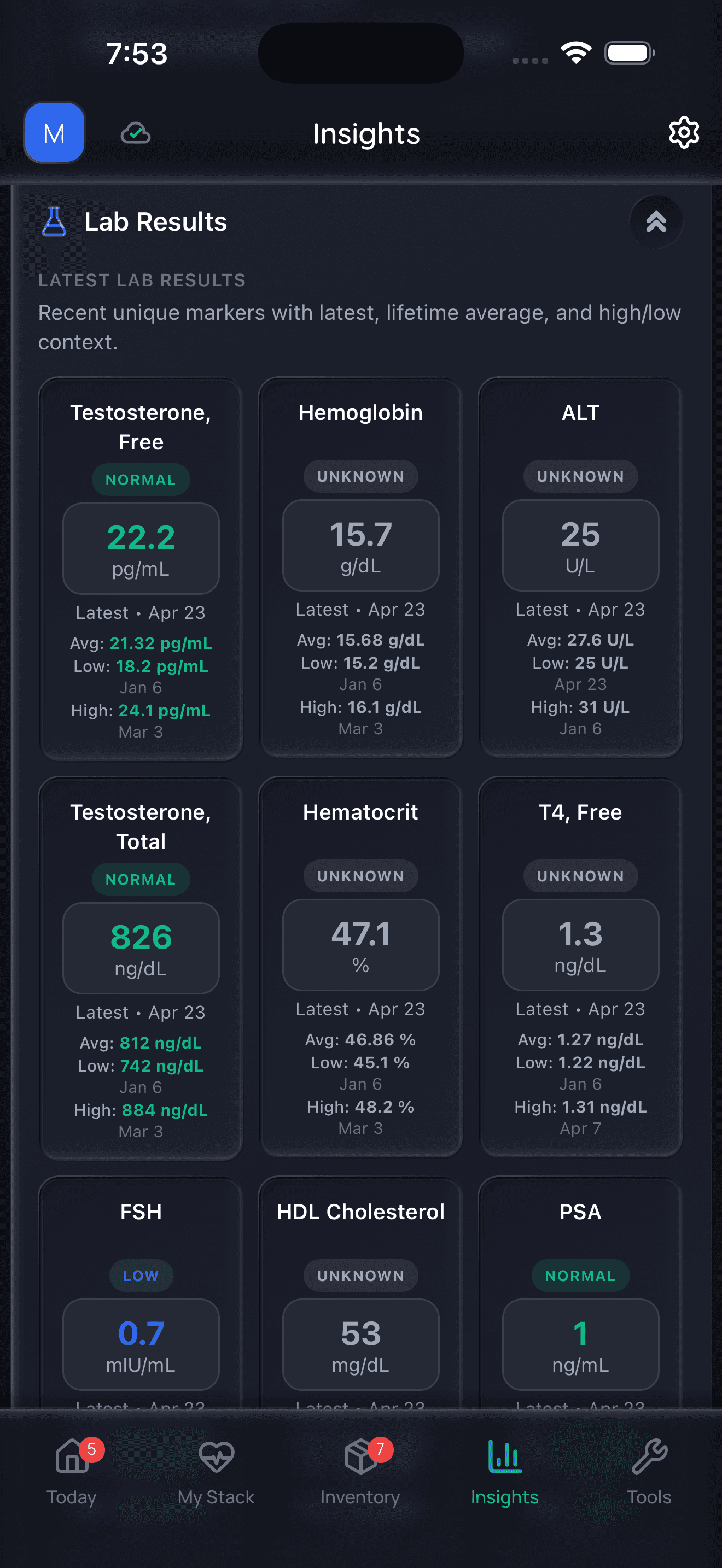
Doserly organizes data; it does not diagnose or interpret labs for you.
Side Effects & Safety
The Basics
Reishi is generally well-tolerated by most people, and clinical trials have consistently reported few significant side effects. The most common complaints are mild gastrointestinal issues: nausea, diarrhea, or constipation, particularly at higher doses or when first starting supplementation.
Some people experience insomnia, which may seem contradictory given that reishi is commonly used as a sleep aid. This appears to be dose-dependent and individual, and may be more common with certain extract types or higher doses.
The most important safety consideration is the rare risk of liver injury. While multiple controlled clinical trials have found no evidence of liver damage during reishi supplementation, there have been isolated case reports of liver injury associated with reishi products. The NIH LiverTox database rates reishi as a "possible rare cause of clinically apparent liver injury" with the lowest likelihood score (D), meaning the connection is possible but poorly established [27]. One fatal case has been reported (involving a powdered form), but attribution in most case reports is weak, with other causes not adequately excluded.
If you are taking blood thinners (such as warfarin), immunosuppressant medications, or are undergoing cancer treatment, it is important to discuss reishi supplementation with your healthcare provider. Reishi may affect blood clotting, immune function, and certain tumor markers [28].
The Science
General Tolerability
Multiple randomized, placebo-controlled trials have established a favorable safety profile for short-term G. lucidum supplementation:
- 18 healthy adults, 1.44 g/day for 28 days: no change in ALT, AST, or other safety biomarkers [29]
- 132 patients with neurasthenia, 5,400 mg/day polysaccharide extract for 8 weeks: "not associated with hematologic, liver, renal or biochemical toxicity" [25]
- 16 volunteers, 4 g/day for 10 days: "no adverse effects of clinical importance" [30]
- 84 adults with metabolic syndrome, 3 g/day for 16 weeks: side effects mild and comparable to placebo [31]
- 157 healthy adults, beta-glucan extract for 12 weeks: no serious adverse events, no ALT/AST changes [14]
Hepatotoxicity
The NIH LiverTox assessment classifies G. lucidum hepatotoxicity with a likelihood score of D (possible rare cause) [27]. In the extensive worldwide use of reishi products, clinically apparent liver injury is extremely rare. Published case reports number fewer than 10, many with inadequate exclusion of alternative causes. Latency to onset is typically 1 to 2 months. Liver injury, when reported, is hepatocellular and self-limiting, with recovery within 1 to 3 months after discontinuation. No reports of chronic liver injury have been published. A 2024 toxicological assessment found no acute toxicity, subchronic toxicity, or genotoxic potential in reishi powder at doses up to 2,000 mg/kg body weight/day in rats (NOAEL) [32].
Drug and Supplement Interactions
- Anticoagulants/antiplatelets: G. lucidum may prolong INR, PT, and APTT, potentially increasing bleeding risk [28]
- Immunosuppressants: Reishi's immunoenhancing effects may counteract immunosuppressive therapy [28]
- CYP substrates: In vitro inhibition of CYP2E1, CYP1A2, and CYP3A has been demonstrated, though clinical relevance is uncertain [17]
- Tumor marker interference: Reishi spore powder has been documented to elevate the serum tumor marker CA72-4, which could interfere with cancer monitoring [33]
Adverse Events in Case Reports
- Hypereosinophilia with hepatic nodules (61-year-old post-cancer surgery, resolved after discontinuation) [34]
- Pseudoparasitosis due to structural similarity between reishi spores and parasitic ova in stool examination [28]
- Nausea and insomnia reported as the most common subjective adverse effects [3]
Managing side effect risks across a multi-supplement stack can feel overwhelming, especially when interactions between supplements, medications, and foods add layers of complexity. Doserly brings all of that into a single safety view so nothing falls through the cracks.
Rather than researching every possible interaction yourself, the app checks your full stack automatically and flags supplement-drug and supplement-supplement interactions that warrant attention. If you do experience something unexpected, logging it takes seconds, and over time the app helps you spot patterns: whether symptoms correlate with specific doses, timing, or combinations. One place for the safety picture that matters most when your stack grows beyond a few bottles.
Capture changes while they are still fresh.
Log symptoms, energy, sleep, mood, and other observations alongside protocol events so patterns do not live only in memory.
Trend view
Symptom timeline
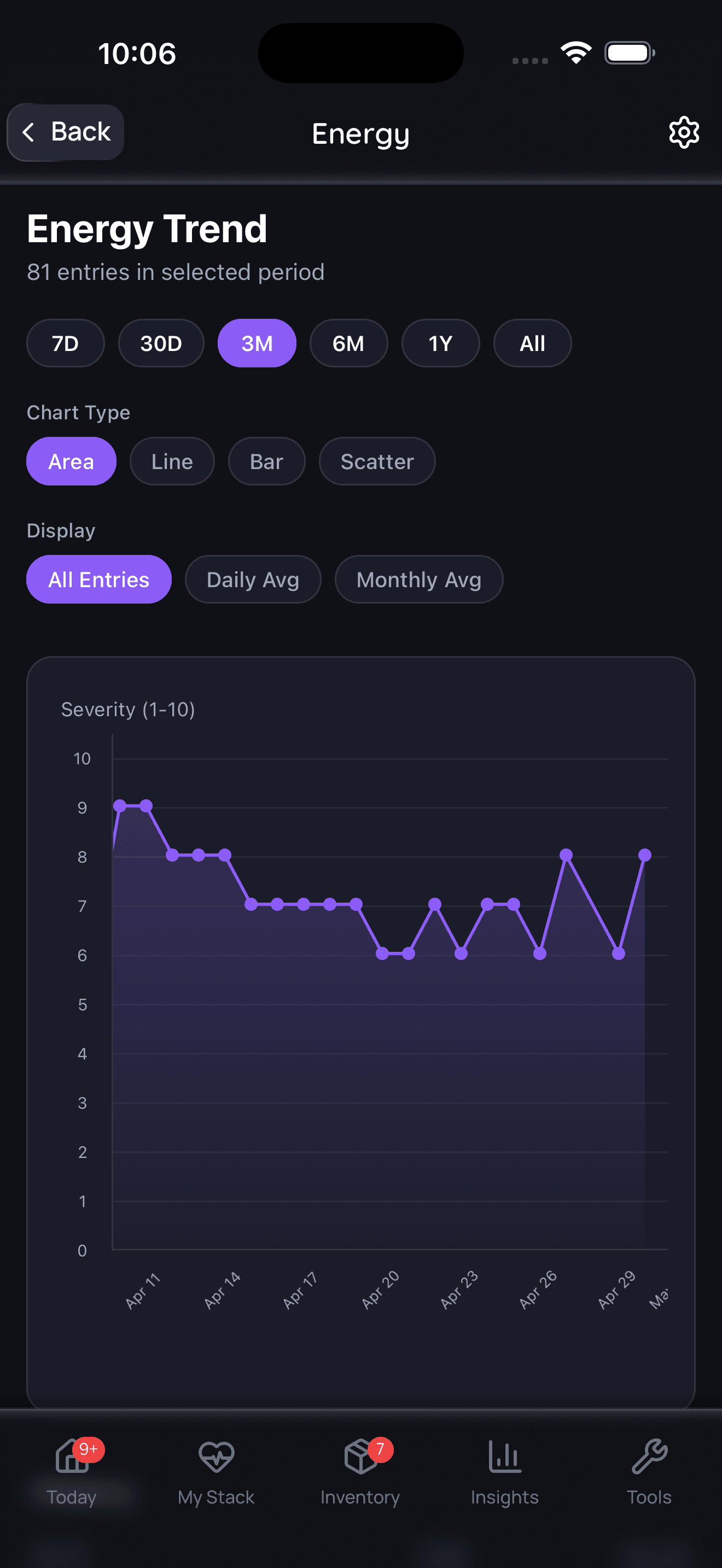
Symptom tracking is informational and should be interpreted with a qualified clinician.
Dosing & Usage Protocols
The Basics
Reishi dosing is complicated by the fact that products vary enormously in their concentration and composition. A "500 mg capsule" of one product may deliver very different amounts of active compounds compared to another, depending on whether it contains crude mushroom powder, a hot water extract, a dual extract, or spore powder.
The most commonly cited range for a basic dried mushroom extract is 1.44 to 5.2 grams per day. Many practitioners divide this into two or three doses throughout the day. The NIH LiverTox database notes a general range of 500 mg to 3 grams daily [27]. Clinical trials have used doses ranging from 200 mg to over 11,000 mg per day, reflecting the diversity of preparations studied [7].
For concentrated, standardized extracts (which specify beta-glucan or triterpenoid content), lower doses are typically sufficient because the active compounds are more concentrated. For basic dried mushroom powder, higher doses are needed because you are essentially consuming dehydrated mushroom material that is roughly 10 times more concentrated than the whole mushroom itself.
The ethanolic extract (containing primarily triterpenoids) has been used in clinical trials at much lower doses, as little as 6 mg per day, in studies of urinary tract symptoms [23][24].
The Science
Dosing recommendations from published clinical trials vary substantially by preparation type:
Preparation
Basic dried extract (mushroom powder)
- Dose Range
- 1.44 to 5.2 g/day
- Duration
- 4 to 16 weeks
- Clinical Context
- General wellness, immune support [29][31]
Preparation
Polysaccharide extract
- Dose Range
- 1,800 mg TID (5,400 mg/day)
- Duration
- 8 weeks
- Clinical Context
- Neurasthenia, fatigue [25]
Preparation
Beta-glucan extract
- Dose Range
- Not standardized
- Duration
- 12 weeks
- Clinical Context
- Immune modulation [14]
Preparation
Ethanolic extract (triterpenoid-enriched)
- Dose Range
- 6 mg/day
- Duration
- 8 to 12 weeks
- Clinical Context
- Lower urinary tract symptoms [23][24]
Preparation
Combined G. lucidum (various)
- Dose Range
- 200 to 11,200 mg/day
- Duration
- 1 to 24 weeks
- Clinical Context
- Various metabolic endpoints [7]
No dose-response relationship has been established in meta-analytic data. The 2025 GRADE meta-analysis noted that subgroup analysis by dose (above or below 1,400 mg/day) and by participant age (above or below 50 years) yielded different effect patterns, but sample sizes were insufficient for definitive dose-response conclusions [7].
What to Expect (Timeline)
Weeks 1 to 2: Most users report subtle effects during the initial period. Those sensitive to reishi's calming properties may notice mild relaxation or improved sleep onset within the first few days to a week. Some people experience mild gastrointestinal adjustment (nausea, loose stools) that typically resolves within 3 to 5 days. Others report no noticeable effects during this period. Community reports suggest that effects are more noticeable if you start with a quality extracted product rather than crude mushroom powder.
Weeks 3 to 4: Sleep improvements and anxiety reduction, if they are going to occur, typically become more apparent during this window. Some users describe a growing sense of calm and emotional stability. Energy may feel more consistent throughout the day, though this is subtle rather than dramatic. Immune-related benefits are not typically noticeable subjectively at this point, as immune modulation operates below the level of conscious awareness.
Weeks 5 to 8: This is when many users report feeling the cumulative effects of consistent supplementation. The most commonly described experience is a general sense of "stabilization," feeling more resilient to daily stressors, sleeping more consistently, and experiencing fewer episodes of anxiety or mood instability. Some users note improvements they only recognize in retrospect or when they stop taking reishi temporarily.
Weeks 8 to 12 and beyond: The clinical trial data operates primarily in this timeframe. Immune modulation parameters (T cells, NK cells) showed significant changes after 12 weeks in the largest RCT [14]. Metabolic effects, where observed, also required 12 to 16 weeks of consistent supplementation [3][7]. Long-term community users (6 months and beyond) frequently report reduced illness frequency as the most tangible outcome.
Important caveats: Many people report no noticeable subjective effects from reishi, even with quality products. This does not necessarily mean the supplement is inactive; immunomodulatory effects in particular operate without producing detectable sensations. As one community member noted, "I still cannot pinpoint what Reishi does for me, it just feels like it stabilizes everything. I do know for a fact that it does work though, since I've not taken a paracetamol in like 8 months."
One of the hardest parts of any supplement routine is knowing whether it's working when results unfold gradually over weeks or months. Without a record, it's easy to abandon something too early or keep taking something that isn't delivering. Doserly solves that by giving you a visual timeline of your entire supplementation history mapped against the outcomes you care about.
When everything is in one view, you can compare how different supplements in your stack are performing over the same period. You can see whether adding this supplement coincided with the improvement you've noticed, or whether the timing points to something else entirely. That kind of clarity turns patience into a strategy rather than a gamble.
Keep sensitive protocol records in a purpose-built app.
Doserly is designed for private health tracking with structured records, offline-ready workflows, and exportable history when you need it.
Privacy
Health records
Privacy controls help you manage records; keep clinical records where required.
Interactions & Compatibility
Synergistic
- Lion's Mane: Commonly stacked for combined immune support and cognitive benefits. Lion's Mane provides nerve growth factor support while reishi contributes immunomodulation. One of the most popular mushroom combinations in supplement communities.
- Turkey Tail: Both contain beta-glucans with immunomodulatory properties. Combined use may provide broader immune system support through complementary polysaccharide profiles.
- Cordyceps: Frequently combined with reishi. Cordyceps may support energy and endurance while reishi contributes calming and immune-modulating effects, creating a balanced adaptogenic profile.
- Vitamin C: May support immune function synergistically. Vitamin C also acts as an antioxidant that may complement reishi's antioxidant properties.
- Vitamin D3: Both support immune function through different mechanisms. Vitamin D modulates adaptive immunity while reishi primarily activates innate immune responses.
- Ashwagandha: Fellow adaptogen. Combined use may provide complementary stress-management support through different mechanisms (ashwagandha acting primarily through HPA axis modulation, reishi through immunomodulation and adenosine).
- Magnesium: May complement reishi's sleep-supporting effects through NMDA receptor modulation and muscle relaxation.
Caution / Avoid
- Anticoagulant and antiplatelet medications (warfarin, heparin, aspirin, clopidogrel): Reishi may increase bleeding risk by prolonging clotting times (INR, PT, APTT). Concurrent use requires medical supervision [28].
- Immunosuppressant medications (cyclosporine, tacrolimus, mycophenolate): Reishi's immunoenhancing effects may counteract immunosuppressive therapy. This is particularly relevant for organ transplant recipients [28].
- Chemotherapeutic agents: Complex interaction potential. Reishi may enhance some treatment responses but its antioxidant capacity could theoretically interfere with therapies that rely on oxidative mechanisms. Always consult oncology team before combining [28].
- CYP-metabolized drugs: In vitro inhibition of CYP2E1, CYP1A2, and CYP3A has been demonstrated, which could theoretically alter the metabolism of drugs processed by these enzymes. Clinical significance is unknown but warrants awareness [17].
- Iron: No known direct interaction, but high-dose polysaccharides from any source could theoretically affect mineral absorption. Timing separation (2 hours) may be prudent.
How to Take / Administration Guide
Recommended forms: Dual-extracted fruiting body products (using both hot water and ethanol extraction) are generally considered to deliver the broadest range of bioactive compounds. Products standardized to beta-glucan content (commonly 30% or higher) and triterpenoid content provide more predictable dosing. Sporoderm-broken spore powder is an alternative with concentrated bioactives, though it may be more expensive.
Timing considerations: Reishi can be taken at any time of day. Many users prefer taking it in the evening or before bed due to its calming and potentially sleep-promoting effects. If used primarily for immune support, morning dosing is also common. Splitting the daily dose across two or three administrations may improve tolerability, particularly at higher doses.
Food pairing: Reishi can be taken with or without food. Taking with food may reduce gastrointestinal discomfort for those who experience nausea or stomach upset. The bitter taste of some preparations is masked when taken in capsule form or mixed into coffee or tea.
Traditional preparation: Dried reishi slices can be prepared as a decoction by simmering in water for 2 to 4 hours on low heat. This traditional method extracts water-soluble polysaccharides. Some practitioners add the decoction to soups or teas. The resulting liquid is notably bitter.
Stacking guidance: Reishi is frequently combined with other medicinal mushrooms. When stacking, it is reasonable to take all mushroom supplements together. If combining with calming supplements (magnesium, L-theanine), be aware that the sedative effects may be additive. If taking immunosuppressant medications, do not add reishi without medical guidance.
Cycling guidance: There is no established consensus on whether reishi requires cycling. Most clinical trials have used continuous daily dosing for 8 to 16 weeks without reported tolerance effects. Some practitioners recommend periodic breaks (for example, 5 days on, 2 days off, or one week off every 8 to 12 weeks) based on general adaptogen cycling principles, though no clinical evidence specifically supports this practice for reishi.
Choosing a Quality Product
Third-party certifications: Look for products that have been independently tested. USP Verified, NSF Certified for Sport, and ConsumerLab CL Seal of Approval all verify identity, purity, and potency. GMP (Good Manufacturing Practices) certification ensures consistent manufacturing standards.
Fruiting body vs. mycelium: Fruiting body extracts generally contain significantly higher concentrations of beta-glucans and triterpenoids compared to mycelium-on-grain products. Check the supplement facts label: if the product lists "mycelial biomass" or "mycelium" with a grain substrate listed among the ingredients, it likely contains substantial grain filler. Quality products will specify "fruiting body" and disclose beta-glucan content.
Beta-glucan content: Reputable products disclose their beta-glucan percentage, typically ranging from 15% to over 50% for concentrated extracts. Products that do not disclose beta-glucan or polysaccharide content make it difficult to assess potency.
Extraction method: Hot water extraction is the minimum standard for polysaccharide extraction. Dual extraction (hot water plus ethanol) captures both water-soluble polysaccharides and fat-soluble triterpenoids, providing the most complete bioactive profile.
Red flags: Be cautious of products that make therapeutic or disease-treatment claims (illegal under DSHEA for supplements), products that list proprietary blends without disclosing individual ingredient amounts, products that do not specify whether they use fruiting body or mycelium, and products priced dramatically below market average (which may indicate fillers or inadequate extraction).
Spore products: If choosing a spore product, verify that it specifies "sporoderm-broken" or "wall-broken" spores, as intact spores have very poor bioavailability due to the resistant sporoderm shell [19].
Storage & Handling
Reishi extracts and capsules should be stored in a cool, dry place (below 25 degrees C or 77 degrees F) away from direct sunlight and moisture. Most capsule and tablet forms have a shelf life of 18 to 24 months when properly stored. Powder forms may be more susceptible to moisture absorption and should be kept in airtight containers.
Dried reishi slices for tea preparation should be stored in airtight containers in a cool, dark location. They can maintain potency for 1 to 2 years when properly stored. Tinctures (alcohol extracts) are generally stable at room temperature and may have a longer shelf life due to the preservative properties of the alcohol base.
Avoid storing any reishi product in humid environments such as bathrooms. If a powder or capsule product develops an unusual odor, visible moisture, or clumping, it should be discarded.
Lifestyle & Supporting Factors
Dietary considerations: While reishi is not a food source or essential nutrient, dietary habits can influence the context in which supplementation occurs. A diet rich in diverse fruits, vegetables, whole grains, and fermented foods supports the gut microbiome, which may enhance the immunomodulatory effects of reishi's beta-glucans acting through gut-associated lymphoid tissue. Including other dietary sources of beta-glucans (oats, barley, other mushrooms) may complement reishi supplementation.
Sleep hygiene: For those using reishi partly for its calming and sleep-supporting properties, the effects are likely to be most noticeable when combined with consistent sleep hygiene practices: maintaining regular sleep and wake times, limiting screen exposure before bed, and keeping the sleep environment cool and dark.
Stress management: As an adaptogen, reishi is most relevant in the context of a broader stress management approach. Regular physical activity, mindfulness or relaxation practices, and adequate social connection all support stress resilience and may work synergistically with reishi's calming properties.
Exercise: Regular moderate exercise supports immune function and may complement reishi's immunomodulatory effects. There is no specific guidance on timing exercise relative to reishi supplementation.
Signs that may indicate interest in immune support supplementation: Frequent minor illnesses, slow recovery from infections, chronic fatigue without clear cause, and high-stress lifestyle with poor recovery may all indicate that immune support is a relevant health goal. These are general observations, not diagnostic criteria, and should be discussed with a healthcare professional.
Monitoring: Because reishi may affect liver enzymes in rare cases, individuals planning long-term supplementation may wish to include liver function tests (ALT, AST) in their routine health monitoring. This is a precautionary recommendation given the extremely low incidence of hepatotoxicity.
Regulatory Status & Standards
United States (FDA): Reishi mushroom products are regulated as dietary supplements under DSHEA (1994). They are not evaluated by the FDA for efficacy in treating, curing, or preventing any disease. Reishi has not received GRAS (Generally Recognized as Safe) designation from the FDA for use as a food additive, though it is widely sold as a supplement. No NDI (New Dietary Ingredient) notifications specific to reishi have resulted in FDA objections that would restrict its sale.
Canada (Health Canada): Reishi is recognized in the Natural Health Products (NHP) framework. Several reishi products have received Natural Product Numbers (NPNs), indicating that Health Canada has assessed evidence for their safety and efficacy for specific health claims, typically related to immune support.
European Union (EFSA): EFSA has not authorized specific health claims for G. lucidum under the EU Nutrition and Health Claims Regulation. Reishi products are available as food supplements in the EU but cannot carry approved health claims. Some EU member states regulate mushroom supplements under national complementary medicine frameworks.
Australia (TGA): Reishi is listed in the Australian Register of Therapeutic Goods (ARTG) as a complementary medicine ingredient. Listed medicines containing reishi may make low-level health claims related to traditional use.
Athlete & Sports Regulatory Status
WADA: Reishi mushroom (Ganoderma lucidum) does not appear on the current WADA Prohibited List. It is not classified as a prohibited substance in or out of competition.
National Anti-Doping Agencies: No major NADOs (USADA, UKAD, Sport Integrity Canada, Sport Integrity Australia) have issued specific guidance or alerts about reishi mushroom supplementation.
Professional Sports Leagues: No known league-specific restrictions on reishi mushroom supplementation (NFL, NBA, MLB, NHL, MLS, NCAA).
NCAA: Reishi is not on the NCAA banned substance list. However, as with all supplements, the NCAA recommends that supplements provided by athletic departments carry NSF Certified for Sport or Informed Sport certification to minimize contamination risk.
Athlete Certification Programs: Certified reishi products are available through Informed Sport (sport.wetestyoutrust.com) and NSF Certified for Sport (nsfsport.com). Athletes should verify specific product certifications before use. GlobalDRO (globaldro.com) can be used to check medication/supplement status.
Regulatory status and prohibited substance classifications change frequently. Athletes should always verify the current status of any supplement with their sport's governing body, their national anti-doping agency, and a qualified sports medicine professional before use. Third-party certification (Informed Sport, NSF Certified for Sport) reduces but does not eliminate the risk of contamination with prohibited substances.
Frequently Asked Questions
Is reishi mushroom safe to take every day?
Based on available clinical trial data, daily reishi supplementation for periods of up to 12 to 16 weeks has been well-tolerated in studies involving healthy adults and individuals with various health conditions. Common side effects, when reported, are mild and typically involve gastrointestinal discomfort. Long-term safety data (beyond 4 months of continuous use) is limited. Individuals with liver conditions or those taking medications that affect liver function or blood clotting should consult a healthcare professional before daily use.
How long does it take for reishi to work?
The timeline depends on what outcomes you are tracking. Some users report subtle calming effects within the first 1 to 2 weeks, particularly for sleep and anxiety. However, many of reishi's effects, especially on immune function, develop gradually over 8 to 12 weeks of consistent use. The largest RCT demonstrating immune cell increases used a 12-week protocol. Some users report no noticeable subjective effects, which does not necessarily indicate lack of biological activity.
Does reishi mushroom help with anxiety?
While reishi has a long history of traditional use as a calming agent and contains adenosine (a known neuromodulator), there are no large-scale clinical trials specifically evaluating reishi for anxiety disorders. Anecdotal and community reports consistently describe calming effects. The evidence is best characterized as preliminary but consistent in direction. Anyone with clinical anxiety should work with a healthcare professional rather than relying on supplementation alone.
Can I take reishi while on medication?
Reishi has documented interactions with anticoagulants (may increase bleeding risk), immunosuppressants (may counteract their effects), and may theoretically affect drugs metabolized by CYP2E1, CYP1A2, or CYP3A enzymes. Additionally, reishi spore powder may elevate the tumor marker CA72-4, potentially interfering with cancer monitoring. Always consult with a healthcare provider before combining reishi with any medication.
What is the difference between fruiting body and mycelium reishi products?
Fruiting body products are made from the mature mushroom structure and typically contain higher concentrations of beta-glucans and triterpenoids. Mycelium-on-grain products are made from the mushroom's root-like growth phase cultivated on a grain substrate, which means the final product may contain 60 to 70% grain material with correspondingly lower bioactive compound concentrations. Most clinical research and traditional use has focused on the fruiting body. Dual-extracted fruiting body products generally offer the most comprehensive bioactive profile.
Is reishi safe for people with cancer?
Reishi has been studied as an adjunctive therapy alongside conventional cancer treatments, with some evidence suggesting improved treatment response and quality of life. However, reishi spore powder has been shown to elevate the tumor marker CA72-4, which could interfere with cancer monitoring. Reishi also has antioxidant properties that could theoretically interact with certain chemotherapy regimens. Anyone with cancer should discuss reishi use with their oncology team before starting supplementation.
Can reishi cause liver damage?
Liver injury from reishi is extremely rare. The NIH LiverTox database rates it with the lowest likelihood score (D, "possible rare cause"). Multiple controlled clinical trials have found no evidence of liver damage during supplementation. Fewer than 10 case reports exist in the global literature, many with weak attribution. When liver injury has been reported, it has been hepatocellular and self-limiting, resolving within 1 to 3 months after discontinuation. No chronic liver injury has been described.
What dose of reishi should I take?
Available sources report a wide range of dosing depending on the product form. Commonly cited ranges include 500 mg to 3 g/day for concentrated extracts and 1.44 to 5.2 g/day for basic dried mushroom powder. Clinical trials have used doses from 200 mg to over 11,000 mg/day. The variability reflects differences in extract concentration, standardization, and therapeutic targets. Starting with the lower end of the range for your specific product form and adjusting based on response and tolerability is a common approach described in the literature. A healthcare provider can offer personalized guidance.
Does reishi affect sleep?
Community reports and traditional use consistently associate reishi with improved sleep quality and faster sleep onset. Reishi contains adenosine, a neuromodulator involved in sleep regulation. However, paradoxically, insomnia has also been reported as a side effect in some clinical trials. The sleep-related effects may be dose-dependent and individual. Many users take reishi specifically before bed for its calming properties.
Is reishi mushroom the same as a psychedelic mushroom?
No. Reishi (Ganoderma lucidum) is a non-psychoactive medicinal mushroom. It contains no psilocybin, psilocin, or any other psychoactive compounds. The effects of reishi are subtle and physiological (immune modulation, mild calming), not psychoactive or hallucinogenic.
Myth vs. Fact
Myth: Reishi is a "cure-all" that treats cancer, diabetes, and virtually every disease.
Fact: While reishi has demonstrated immunomodulatory properties and preliminary evidence supports its use as an adjunct to cancer therapy, no clinical evidence supports its use as a standalone treatment for cancer, diabetes, or any other disease. The Cochrane review on cancer found it could enhance treatment response when used alongside conventional therapy but did not justify first-line use [2]. The Cochrane review on cardiovascular risk factors found no significant effects on key metabolic endpoints [3]. Reishi is a supportive supplement, not a medical treatment.
Myth: All reishi supplements are essentially the same.
Fact: Reishi products vary enormously in their composition and bioactive content. Fruiting body extracts typically contain significantly more beta-glucans and triterpenoids than mycelium-on-grain products, which may contain 60 to 70% grain substrate. Extraction method matters: hot water extraction captures polysaccharides, ethanol extraction captures triterpenoids, and dual extraction captures both. Spore products require wall-breaking processing for adequate bioavailability. The form and processing of a reishi product may matter more than the dose listed on the label [18].
Myth: Reishi mushroom is completely safe with no risks.
Fact: While reishi is generally well-tolerated, it is not without risks. Rare cases of liver injury have been reported, including one fatal case [27]. Reishi can increase bleeding risk in people taking anticoagulants, may counteract immunosuppressive therapy, and can elevate the tumor marker CA72-4, potentially interfering with cancer monitoring [28][33]. As with any supplement, it should be discussed with a healthcare provider, especially for individuals on medications or with underlying health conditions.
Myth: Reishi supplements will make you feel dramatically different right away.
Fact: Most users describe reishi's effects as subtle and gradual. Unlike stimulant supplements that produce noticeable energy changes, reishi's primary mechanisms (immune modulation, adaptogenic stress response) operate below the level of conscious awareness for many people. Some users report calming effects within days, but many note that they only appreciate the effects after weeks of consistent use or when they stop taking it temporarily [25].
Myth: Higher doses of reishi are always better.
Fact: Clinical trials have not established a clear dose-response relationship for reishi. The 2025 GRADE meta-analysis found that lower doses (below 1,400 mg/day) sometimes showed different effect patterns than higher doses, but the data was insufficient for definitive conclusions [7]. Higher doses are associated with increased risk of gastrointestinal side effects. More importantly, the concentration and quality of the extract matters more than the raw weight of the dose.
Myth: Reishi has been "proven" to prevent COVID-19 and other viral infections.
Fact: While reishi has demonstrated immunomodulatory properties in clinical studies, no clinical trial has evaluated reishi specifically for the prevention or treatment of COVID-19 or other specific viral infections. Claims that reishi prevents viral illness are not supported by direct clinical evidence. General immune modulation does not equate to specific antiviral protection [14].
Myth: Reishi mushroom can replace prescription anxiety or sleep medications.
Fact: Reishi contains adenosine and may have calming properties, but it has not been evaluated in clinical trials as a treatment for diagnosed anxiety disorders or insomnia. While some community members report using reishi as part of a tapering strategy from benzodiazepines, this should never be attempted without medical supervision. Prescription medication changes should always be managed by a healthcare professional.
Sources & References
Systematic Reviews & Meta-Analyses
[1] Wachtel-Galor S, Yuen J, Buswell JA, Benzie IFF. Ganoderma lucidum (Lingzhi or Reishi): A Medicinal Mushroom. In: Benzie IFF, Wachtel-Galor S, editors. Herbal Medicine: Biomolecular and Clinical Aspects. 2nd edition. CRC Press/Taylor & Francis; 2011.
[2] Jin X, Ruiz Beguerie J, Sze DM, Chan GCF. Ganoderma lucidum (Reishi mushroom) for cancer treatment. Cochrane Database Syst Rev. 2016;4:CD007731. doi:10.1002/14651858.CD007731.pub2
[3] Klupp NL, Chang D, Hawke F, et al. Ganoderma lucidum mushroom for the treatment of cardiovascular risk factors. Cochrane Database Syst Rev. 2015;2:CD007259. doi:10.1002/14651858.CD007259.pub2
[5] Devi KSP, Maiti TK. Therapeutic potential and nutritional significance of Ganoderma lucidum: a comprehensive review from 2010 to 2022. Food Funct. 2023;14(4):1849-1872. doi:10.1039/d2fo02439j. PMID: 36734035.
[7] Jafari A, Mardani H, Mirzaei Fashtali Z, et al. The Nutritional Significance of Ganoderma lucidum on Human Health: A GRADE-Assessed Systematic Review and Meta-Analysis of Clinical Trials. Food Sci Nutr. 2025;13(6). PMC12160064.
[21] Zhong L, Yan P, Lam WC, Yao L, Bian Z. Coriolus Versicolor and Ganoderma Lucidum Related Natural Products as an Adjunct Therapy for Cancers: A Systematic Review and Meta-Analysis of Randomized Controlled Trials. Front Pharmacol. 2019;10:703. doi:10.3389/fphar.2019.00703
[22] Alvianto S, Widjanarko ND, Lionardi SK, Arifin ES. Unveiling the Metabolic Effects of Ganoderma lucidum in Humans: A Systematic Review and Meta-Analysis. Trad Integr Med. 2024;9(3):318-338. doi:10.18502/tim.v9i3.16536
Clinical Trials & RCTs
[14] Chen SN, Nan FH, Liu MW, et al. Evaluation of immune modulation by β-1,3; 1,6 D-glucan derived from Ganoderma lucidum in healthy adult volunteers: a randomized controlled trial. Foods. 2023;12(3):659. doi:10.3390/foods12030659. PMC9914031.
[20] Gao Y, Zhou S, Jiang W, et al. Effects of Ganopoly (a Ganoderma lucidum polysaccharide extract) on the immune functions in advanced-stage cancer patients. Immunol Invest. 2003;32(3):201-215. PMID: 12916709.
[23] Noguchi M, Kakuma T, Tomiyasu K, et al. Effect of an extract of Ganoderma lucidum in men with lower urinary tract symptoms: a double-blind, placebo-controlled randomized and dose-ranging study. Asian J Androl. 2008;10(4):651-658. PMID: 18097503.
[24] Noguchi M, Kakuma T, Tomiyasu K, et al. Randomized clinical trial of an ethanol extract of Ganoderma lucidum in men with lower urinary tract symptoms. Asian J Androl. 2008;10(5):777-785. PMID: 18097505.
[25] Tang W, Gao Y, Chen G, et al. A randomized, double-blind and placebo-controlled study of a Ganoderma lucidum polysaccharide extract in neurasthenia. J Med Food. 2005;8(1):53-58. PMID: 15857210.
[26] Wang GH, Wang LH, Wang C, Qin LH. Spore powder of Ganoderma lucidum for the treatment of Alzheimer disease: A pilot study. Medicine (Baltimore). 2018;97(19):e0636. PMC5959386.
[29] Wachtel-Galor S, Tomlinson B, Benzie IF. Ganoderma lucidum ("Lingzhi"), a Chinese medicinal mushroom: biomarker responses in a controlled human supplementation study. Br J Nutr. 2004;91(2):263-269. PMID: 14756912.
[30] Wicks SM, Tong R, Wang CZ, et al. Safety and tolerability of Ganoderma lucidum in healthy subjects: a double-blind randomized placebo-controlled trial. Am J Chin Med. 2007;35(3):407-414. PMID: 17597499.
[31] Klupp NL, Kiat H, Bensoussan A, et al. A double-blind, randomised, placebo-controlled trial of Ganoderma lucidum for the treatment of cardiovascular risk factors of metabolic syndrome. Sci Rep. 2016;6:29540. PMC4980683.
Preclinical & Mechanistic Studies
[4] Ahmad R, Riaz M, Khan A, et al. Ganoderma lucidum (Reishi) an edible mushroom; a comprehensive and critical review of its nutritional, cosmeceutical, mycochemical, pharmacological, clinical, and toxicological properties. Phytother Res. 2021;35(11):6030-6062. PMID: 34411377.
[6] Wu SH, Dai YC, Hattori T, et al. Species clarification for the medicinally valuable 'lingzhi' mushroom (Ganoderma lucidum). Bot Stud. 2012;53:437-446.
[8] Chen HS, Tsai YF, Lin S, et al. Studies on the immuno-modulating and anti-tumor activities of Ganoderma lucidum (Reishi) polysaccharides. Bioorg Med Chem. 2004;12(21):5595-5601.
[9] Wang SY, Hsu ML, Hsu HC, et al. The anti-tumor effect of Ganoderma lucidum is mediated by cytokines released from activated macrophages and T lymphocytes. Int J Cancer. 1997;70(6):699-705.
[10] Chen NH, Liu JW, Zhong JJ. Ganoderic Acid Me inhibits tumor invasion through down-regulating matrix metalloproteinases 2/9 gene expression. J Pharmacol Sci. 2008;108(2):212-216.
[11] Cui XY, Cui SY, Zhang J, et al. Extract of Ganoderma lucidum prolongs sleep time in rats. J Ethnopharmacol. 2012;139(3):796-800.
[12] Sun LX, Lin ZB, Duan XS, et al. Enhanced MHC class I and costimulatory molecules on B16F10 cells by Ganoderma lucidum polysaccharides. J Drug Target. 2012;20(7):582-592.
[13] Chang CJ, Chen YY, Lu CC, et al. Ganoderma lucidum stimulates NK cell cytotoxicity by inducing NKG2D/NCR activation and secretion of perforin and granulysin. Innate Immun. 2014;20(3):301-311.
[15] Li YB, Wang R, Wu HL, et al. Serum amyloid A mediates the inhibitory effect of Ganoderma lucidum polysaccharides on tumor cell adhesion to endothelial cells. Oncol Rep. 2008;20(3):549-556.
[16] Zhao S, Ye G, Fu G, Cheng JX, Yang BB, Peng C. Ganoderma lucidum exerts anti-tumor effects on ovarian cancer cells and enhances their sensitivity to cisplatin. Int J Oncol. 2011;38(5):1319-1327.
[17] Wang X, Zhao X, Li D, et al. Effects of Ganoderma lucidum polysaccharide on CYP2E1, CYP1A2 and CYP3A activities in BCG-immune hepatic injury in rats. Biol Pharm Bull. 2007;30(9):1702-1706.
[18] Chilton J. Realities of Mushroom Nutrition: Common Issues with Mushroom Supplement Products. Nammex Inc., 2015.
[19] PMC10545004. Pharmacological Activities and Safety of Ganoderma lucidum Spores: A Systematic Review. Nutrients. 2023;15(19):4195.
Government & Safety Sources
[27] LiverTox: Clinical and Research Information on Drug-Induced Liver Injury. Bethesda (MD): National Institute of Diabetes and Digestive and Kidney Diseases; 2012-. Lingzhi, Reishi. Updated October 5, 2024. NBK609014.
[28] Memorial Sloan Kettering Cancer Center. Reishi Mushroom. About Herbs database. Updated February 9, 2023.
[32] PMC11558339. A toxicological assessment of Ganoderma lucidum and Cordyceps militaris powders. Toxicol Rep. 2024.
[33] Yan B, Meng X, Shi J, et al. Ganoderma lucidum spore induced CA72-4 elevation in gastrointestinal cancer: a five-case report. Integr Cancer Ther. 2014;13(2):161-166.
[34] Kogure T, Koiwai A, Fukushi D, et al. Hypereosinophilia with Hepatic Nodule Formation Caused by Ganoderma lucidum. Intern Med. 2021;60(24):3897-3903. PMC8758446.
Related Supplement Guides
Same Category (Medicinal Mushrooms)
Common Stacks / Pairings
- Ashwagandha — Fellow adaptogen, commonly stacked for comprehensive stress management
- Magnesium — Complementary calming and sleep support
- Vitamin C — Immune function synergy
- Vitamin D3 — Complementary immune modulation
Related Health Goal
- L-Theanine — Calming, sleep support
- Rhodiola Rosea — Adaptogenic stress support
- NAC — Antioxidant and immune support
- Holy Basil — Adaptogen, stress management