
Semax: Complete Research Guide
On this page
Quick Reference Card
Attribute
Also Known As
- Detail
- ACTH(4-10)-PGP, Semax 0.1%, Pro-Gly-Pro-ACTH, NA-Semax-Amidate (modified form), Adamax (designer analogue)
Attribute
Administration
- Detail
- Intranasal spray (primary clinical route), subcutaneous injection
Attribute
Research Status
- Detail
- Registered pharmaceutical in Russia since 1994 for stroke recovery, cognitive disorders, and optic nerve conditions. Not FDA-approved. Multiple Russian human clinical trials including a stroke meta-analysis. No Western-format RCTs.
Attribute
Typical Dose Range
- Detail
- 200-600 mcg subcutaneous once daily; 400-900 mcg intranasal daily split across 2-3 administrations; clinical stroke doses up to 12-18 mg/day intranasal
Attribute
Half-Life
- Detail
- 2-4 hours (plasma); functional effects may persist 20-24 hours via downstream gene expression changes
Attribute
Cycle Length
- Detail
- 10-14 days on, 2-3 days off (standard); 2-4 weeks on, 2-4 weeks off (extended); maximum 4 cycles per year per some clinical references
Attribute
Storage
- Detail
- Lyophilized: -20°C long-term; Reconstituted: 2-8°C, protected from light, use within 30 days
Overview / What Is Semax?
The Basics
Semax is a synthetic peptide developed in Russia during the 1980s and 1990s from a fragment of ACTH, a naturally occurring stress hormone. The key insight behind its design was that a small portion of ACTH (amino acids 4 through 10) affects the brain without triggering the hormonal stress response the full molecule produces. Researchers then added a stabilizing molecular tail to prevent the body from breaking it down too quickly.
The result is a compound that strengthens the brain's capacity to grow, repair, and adapt. Its primary effect is boosting BDNF, the protein your brain uses to build new connections, maintain existing ones, and recover from damage. This is the same pathway that exercise activates, which is why Semax is sometimes described as "exercise for the brain in a vial."
Semax has been an approved pharmaceutical in Russia since 1994, primarily for stroke recovery, cognitive decline after illness, and optic nerve conditions. Among biohackers and nootropic enthusiasts, it is used for focus, mental clarity, working memory, and sustained cognitive performance during demanding periods. Users consistently describe the experience not as stimulation, but as clarity: less mental noise, easier task initiation, and the ability to sustain quality work for longer without the crash that comes with stimulants.
The critical limitation to acknowledge is that virtually all clinical data comes from Russian-language literature. No Western randomized controlled trials exist for cognitive enhancement in healthy adults. This gap reflects pharmaceutical economics (Semax cannot be patented, so no company will fund the trials required for Western regulatory approval) rather than a scientific problem. The mechanistic evidence is robust, the safety record across decades of clinical use is clean, and the regulatory absence is geographic, not evidentiary.
The Science
Semax (Met-Glu-His-Phe-Pro-Gly-Pro) is a synthetic heptapeptide analogue of the adrenocorticotropic hormone fragment ACTH(4-10), extended with a C-terminal Pro-Gly-Pro tripeptide sequence that confers resistance to enzymatic degradation by aminopeptidases and carboxypeptidases [1][2].
The peptide was developed at the Institute of Molecular Genetics of the Russian Academy of Sciences in collaboration with the Zakusov Research Institute of Pharmacology. It was designed to retain the neurotropic properties of the ACTH(4-10) fragment while eliminating the steroidogenic (adrenal cortisol-stimulating) activity of the parent hormone [1].
Semax received pharmaceutical registration in Russia in 1994 as a 0.1% intranasal solution for the treatment of ischemic stroke, dyscirculatory encephalopathy, optic nerve atrophy, and cognitive disorders. Subsequent formulations include a 1% solution for acute stroke intervention [3][4]. It has accumulated over three decades of clinical use across neurology, ophthalmology, paediatric neurodevelopment, and addiction medicine in post-Soviet medical systems.
Two enhanced variants are commercially available: N-Acetyl Semax Amidate (which adds N-terminal acetylation and C-terminal amidation for improved bioavailability and extended duration) and Adamax (incorporating additional proprietary modifications for greater potency). Neither variant has undergone formal clinical evaluation, though both employ standard pharmaceutical stabilization techniques applied to the same active molecule [5].
Molecular Identity
Attribute
Common Names
- Detail
- Semax, ACTH(4-10)-PGP, Pro-Gly-Pro-ACTH(4-10)
Attribute
Amino Acid Sequence
- Detail
- H-Met-Glu-His-Phe-Pro-Gly-Pro-OH (MEHFPGP)
Attribute
Molecular Formula
- Detail
- C₃₇H₅₁N₉O₁₀S (some sources report C₃₉H₅₃N₉O₁₁S depending on salt form)
Attribute
Molecular Weight
- Detail
- 813.86 Da (free base); 854.99 Da (alternate calculation)
Attribute
CAS Number
- Detail
- 80714-61-0
Attribute
PubChem CID
- Detail
- 122178
Attribute
Structural Type
- Detail
- Linear heptapeptide with free N-terminal amino group and C-terminal carboxylic acid
Attribute
Parent Fragment
- Detail
- ACTH(4-10) (Met-Glu-His-Phe-Arg-Trp-Gly), modified with Pro-Gly-Pro C-terminal extension
Attribute
Appearance
- Detail
- White lyophilized powder
Attribute
Solubility
- Detail
- Soluble in sterile water and bacteriostatic water
Attribute
Functional Class
- Detail
- Nootropic peptide; neuroprotective agent; neurotrophic modulator
Attribute
Target Systems
- Detail
- BDNF/TrkB pathway, melanocortin receptors (MC3R, MC4R), dopaminergic/serotonergic systems, enkephalinase
Mechanism of Action
The Basics
Your brain's ability to learn, remember, and recover depends on keeping its growth signals strong. Think of BDNF (brain-derived neurotrophic factor) as fertilizer for brain cells. It helps existing connections between neurons work more efficiently, supports the growth of new connection points, and protects brain cells from damage caused by stress, poor blood flow, or inflammation.
Semax turns up the volume on this growth signal. Research shows it can increase BDNF levels by 300-800% in the hippocampus and cortex, the brain regions responsible for memory, learning, and executive function [6][7]. This is why the effects take days rather than minutes to appear. Semax is not flooding your receptors with a feel-good chemical that wears off in hours. It is changing which proteins your brain cells produce, and that kind of change takes time to build and time to manifest as noticeable improvement.
Beyond BDNF, Semax also fine-tunes the brain's chemical messaging systems. It improves how dopamine and serotonin circuits handle their signals, which translates to easier task initiation, better sustained attention, and more stable mood [8]. The analogy is useful: stimulants like Adderall are like redlining your engine to go faster. Semax is like upgrading the engine so it produces more power at normal RPMs.
Semax also protects the brain's own stress-buffering molecules (enkephalins) from being broken down too quickly [9], reduces neuroinflammation [10], and buffers the cortisol stress response without suppressing it at baseline [11]. The net result is a brain that functions better under load, recovers faster from demanding periods, and maintains its infrastructure more effectively over time.
The Science
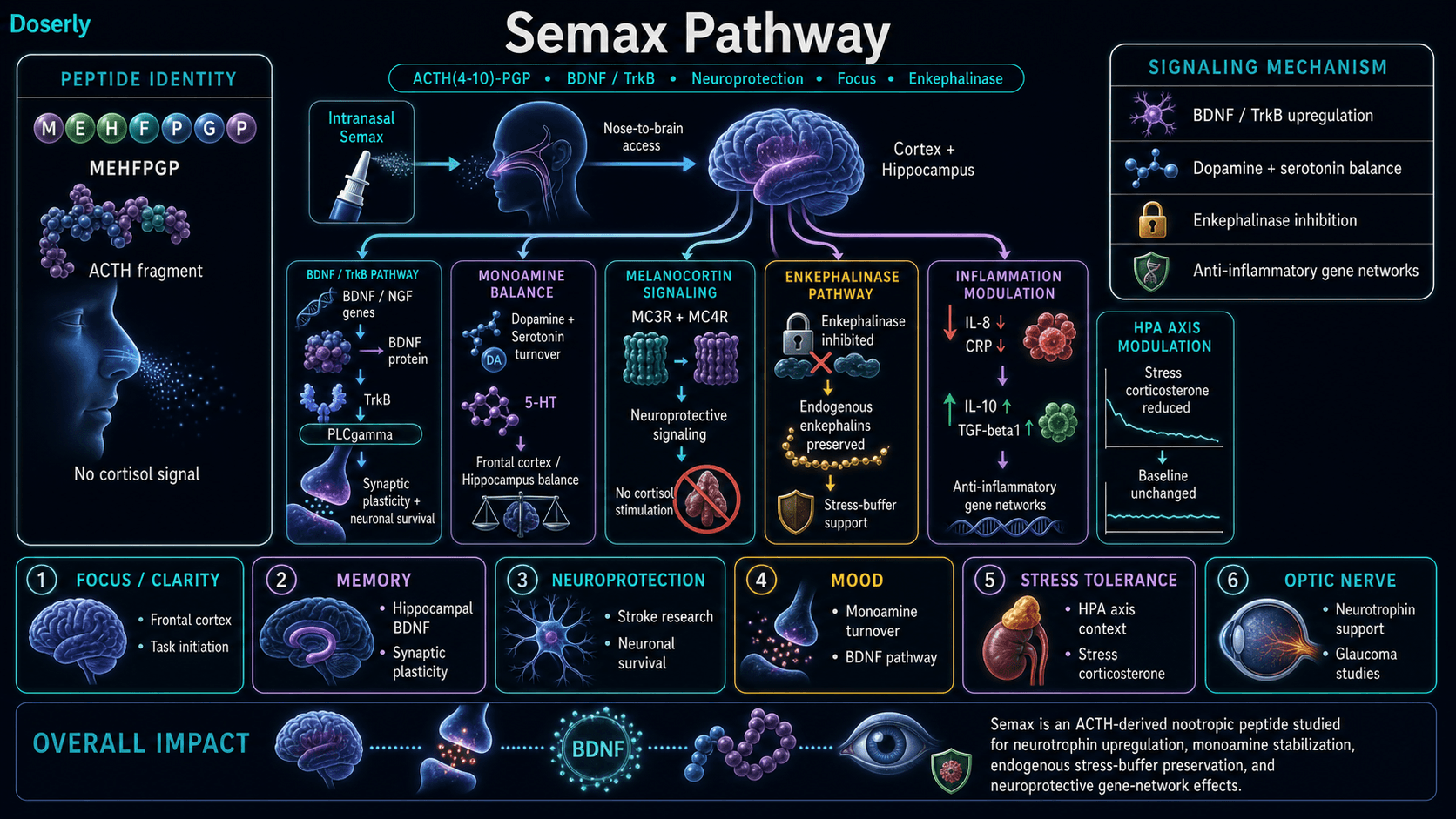
Semax operates through multiple convergent neurobiological pathways:
Neurotrophic upregulation. The primary mechanism involves potent upregulation of brain-derived neurotrophic factor (BDNF) and its receptor TrkB in hippocampal and cortical neurons. A single intranasal administration produces measurable changes in BDNF and NGF gene expression within 20 minutes, with BDNF protein levels increasing 300-800% in target regions [6][7]. This drives synaptic potentiation, dendritic spine formation, and enhanced neuronal survival through TrkB-PLCgamma signaling cascades [1].
Monoaminergic modulation. Semax increases dopamine and serotonin turnover in the frontal cortex and hippocampus without producing the stereotyped behavioral patterns characteristic of classical stimulants and without cardiovascular activation [8]. One study demonstrated a 25% increase in a serotonin metabolite within 2 hours of administration, rising to 180% within 4 hours in the striatum.
Melanocortin receptor activity. As an ACTH-derived fragment, Semax interacts with melanocortin receptors MC3R and MC4R in the brain, contributing to neuroprotective and neuromodulatory effects without peripheral steroidogenic activity [12].
Enkephalinase inhibition. Semax inhibits the enzyme responsible for degrading endogenous enkephalins (IC50 approximately 10 microM in vitro), extending the activity of the brain's endogenous pain-modulating and stress-buffering peptides [9].
Anti-inflammatory transcriptomic effects. Genome-wide transcriptional analysis in ischemic brain tissue demonstrates that Semax reduces pro-inflammatory markers (IL-8, CRP) while elevating anti-inflammatory cytokines (IL-10, TGF-beta1), coordinating changes across immune, vascular, and inflammatory gene networks simultaneously [10].
HPA axis modulation. Under stress conditions, Semax reduces elevated corticosterone by approximately 29-34% and prevents adrenal hypertrophy in chronic stress models, while leaving baseline cortisol levels unchanged in non-stressed states [11].
Pathway Visualization Image
Pharmacokinetics
The Basics
Semax works fast to get into the brain but does not stay in the blood for very long. When administered intranasally, it bypasses the blood-brain barrier by traveling along the olfactory and trigeminal nerve pathways, reaching the brain within 5-15 minutes. The peptide itself is cleared from the blood within 2-3 hours, but its effects last much longer because the downstream changes it triggers (gene expression, protein production) continue operating well after the molecule is gone.
This is why many users report that morning dosing provides cognitive benefits throughout the entire workday, even though the peptide's blood levels have dropped to negligible levels by afternoon. The molecular messenger has delivered its instructions, and the brain continues executing them.
For unmodified Semax, the short plasma half-life means effects peak and fade within a few hours, which is why Russian clinical protocols use multiple daily intranasal doses. The modified forms (N-Acetyl Semax Amidate and Adamax) last longer because their protective chemical modifications slow enzymatic breakdown, extending the effective window to 4-8 hours and 6-12 hours respectively.
The Science
Absorption. Intranasal administration provides rapid CNS distribution via olfactory and trigeminal nerve pathways, achieving peak brain concentrations (Tmax) within 5-15 minutes. Subcutaneous injection offers an alternative route with potentially more sustained systemic absorption [2][13].
Distribution. Preferential accumulation occurs in the hippocampus and cortex, consistent with the distribution of target receptors and the regions showing the greatest BDNF response [7].
Metabolism. Semax is degraded by peptidases with a plasma half-life of approximately 2-3 hours. However, pharmacodynamic effects substantially outlast plasma levels due to sustained gene expression changes, with neurotrophin cascade induction persisting for hours after clearance [12].
Steady state. With regular daily dosing, theoretical steady-state concentrations would be reached at approximately 13.5 hours based on first-order elimination kinetics. In practice, the compound's mechanism of action (transcriptional modulation rather than receptor occupancy) means the concept of steady state is less clinically relevant than the cumulative effect of repeated dosing cycles on gene expression profiles [12].
Variant pharmacokinetics. N-Acetyl Semax Amidate incorporates N-terminal acetylation (aminopeptidase protection) and C-terminal amidation (carboxypeptidase protection), extending effective duration to 4-8 hours. Adamax adds further proprietary modifications with user-reported duration of 6-12 hours, though formal pharmacokinetic studies have not been conducted on either variant [5].
The half-life and clearance data above tells you how long the compound stays active, but what does that mean for your daily schedule? Doserly's pharmacokinetic tools let you plug in your dose and frequency to see a projected concentration timeline, helping you understand when you're at peak levels and when the compound has largely cleared.
This becomes especially useful when titrating. If you're increasing your dose gradually, the estimator shows how each step changes your projected peak and trough levels, giving you and your healthcare provider concrete data to discuss at check-ins rather than relying on subjective feel alone.
See how each compound fits into the whole protocol.
Doserly organizes compounds, supplements, peptides, medications, and hormone protocols together so overlapping routines are easier to understand.
Stack view
Connected protocol
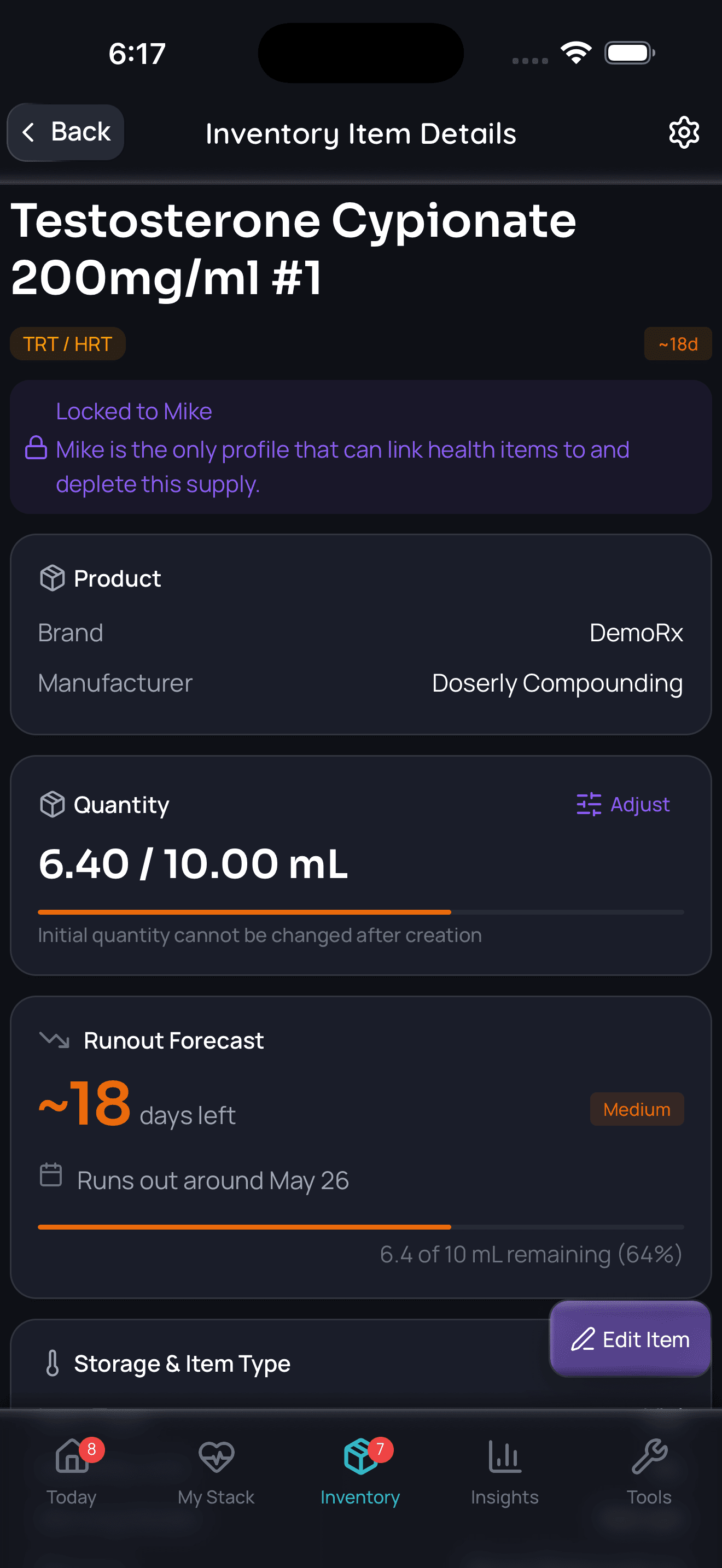
Stack views improve organization; they do not determine compatibility.
Research & Clinical Evidence
Stroke and Cerebrovascular Disease
The Basics
Stroke recovery is where Semax has its strongest evidence base. When blood flow to the brain is interrupted, the initial damage is only part of the problem. A secondary wave of inflammation and cell death extends the damage over the following days. Semax appears to limit this secondary damage while simultaneously boosting the brain's repair signals.
In Russian clinical practice, Semax has been used as part of acute stroke treatment protocols since the 1990s. The results from these studies are consistent: patients who received Semax alongside standard care recovered faster and more completely than those who received standard care alone.
A long-term study following 120 patients with chronic reduced blood flow to the brain found that those treated with repeated Semax courses continued improving for three years, while untreated patients plateaued at 18 months [14]. For patients with a history of stroke, the improvement was twofold greater at one year and threefold greater at three years compared to controls.
The Science
A meta-analysis of Russian clinical trials evaluating Semax (12-18 mg/day intranasal) in acute ischemic stroke demonstrated more rapid improvement in neurological deficit scores over the first 10-14 days compared to standard care, with functional advantages persisting to day 21. Greatest benefit was observed with early administration and completion of the full 10-day treatment course [3].
A 110-patient study confirmed that Semax raised plasma BDNF levels regardless of when rehabilitation began, and that higher BDNF levels correlated with faster functional recovery [4]. In a case series of 69 acute stroke patients, 83% showed symptom regression by mid-first week, with cognitive improvement beginning 4-7 days earlier than controls.
Transcriptomic analysis of Semax's effects during cerebral ischemia revealed coordinated regulation of 24 genes related to vascular function, including smooth muscle cell migration, erythropoiesis, and angiogenesis [10].
Cognitive Enhancement
The Basics
For people without neurological disease who use Semax for cognitive performance, the evidence comes from a combination of clinical studies in patients with cognitive impairment, a strong mechanistic rationale, and consistent user reports. Russian clinical studies have demonstrated improved attention, working memory, and mental flexibility in patients with chronic reduced blood flow to the brain, supported by changes in brain activity patterns (EEG) consistent with established cognitive-enhancing compounds [15].
Users commonly report that the experience is not a dramatic "smart pill" effect. It is more like removing friction. Tasks that normally trigger procrastination become easier to start. Complex information that would usually require multiple reads to absorb seems to click more readily. The afternoon fog that degrades the second half of the workday lifts or arrives much later.
The Science
In human EEG studies, Semax administration significantly reduced delta brainwave activity and increased the relative power of alpha and beta frequencies during cognitive tasks, a pattern consistent with enhanced cortical arousal and attentional processing [15]. Functional MRI data demonstrates that Semax increases activity in the default mode network, which plays a role in environmental monitoring, social cognition, and the ability to shift from resting states to focused engagement [16].
A study of ACTH(4-10), the parent fragment from which Semax is derived, demonstrated protection of learning and memory function in mouse models of epilepsy. Even at low doses, ACTH prevented learning and memory dysfunction in the setting of seizures, suggesting that Semax may have nootropic properties extending beyond cognitive restoration to active cognitive enhancement [17].
Depression and Mood
The Basics
Research in animal models suggests that Semax's ability to boost BDNF levels may parallel one of the mechanisms by which antidepressant medications work. Current antidepressants (SSRIs) often take weeks to produce meaningful improvement. One emerging theory is that their actual therapeutic effect comes not from the immediate serotonin changes, but from the gradual BDNF increase that follows, which promotes new brain cell growth in regions affected by depression [18].
If this theory is correct, compounds that directly boost BDNF, like Semax, could potentially accelerate or augment the antidepressant response. Community reports are consistent with this hypothesis: users frequently describe improved mood and reduced depressive symptoms, though these reports are typically secondary to the cognitive benefits they originally sought.
The Science
Research in animal depression models demonstrates that BDNF elevation in the hippocampus is associated with antidepressant-like behavioral changes. The lag time observed with SSRI antidepressants may reflect the time required for these medications to indirectly increase BDNF levels and stimulate neurogenesis, a process that Semax accelerates directly [18]. However, no controlled clinical trials have evaluated Semax specifically as an antidepressant in human populations. Clinical experience from Russian addiction medicine settings, where Semax has been used to support cognitive recovery during alcohol withdrawal, suggests benefits for mood and cognitive function without dependency risk [19].
Optic Nerve Protection
The Basics
Semax has been studied and used clinically in Russia for optic nerve conditions, including glaucoma-related optic nerve damage. The rationale is straightforward: the same neuroprotective mechanisms that benefit brain neurons also apply to the neurons in the optic nerve. Users in this setting receive intranasal Semax as part of a comprehensive treatment protocol.
The Science
Controlled data in glaucoma patients demonstrated structural and functional optic nerve protection with Semax 0.1% over a 12-month follow-up period [20]. These findings are consistent with the peptide's broader neuroprotective profile and its effects on neurotrophin expression in neural tissue.
Biomarker Evidence Matrix
Category
Focus & Mental Clarity
- Evidence Strength
- 7/10
- Reported Effectiveness
- 8/10
- Summary
- Strong mechanistic basis (dopamine/serotonin modulation, BDNF) supported by Russian clinical studies and high-volume consistent community reports of improved focus and reduced brain fog.
Category
Memory & Cognition
- Evidence Strength
- 7/10
- Reported Effectiveness
- 7/10
- Summary
- Human clinical data in cognitive impairment populations, EEG changes consistent with enhanced cognition, and moderate community reports of improved memory and information retention.
Category
Mood & Wellbeing
- Evidence Strength
- 5/10
- Reported Effectiveness
- 7/10
- Summary
- Animal data supports BDNF-mediated antidepressant potential. Community reports frequently describe improved mood as secondary benefit. No human antidepressant trials.
Category
Motivation & Drive
- Evidence Strength
- 5/10
- Reported Effectiveness
- 7/10
- Summary
- Mechanistic basis in dopaminergic modulation. Strong community reports of easier task initiation and reduced procrastination. No specific clinical trials targeting motivation.
Category
Stress Tolerance
- Evidence Strength
- 6/10
- Reported Effectiveness
- 6/10
- Summary
- Animal studies show 29-34% cortisol reduction under stress without baseline suppression. Community reports of improved performance under pressure, though often confounded by Selank co-use.
Category
Energy Levels
- Evidence Strength
- 4/10
- Reported Effectiveness
- 6/10
- Summary
- Mildly activating profile observed clinically. Individual community reports of resolved chronic fatigue, but Semax is not primarily an energy compound.
Category
Anxiety
- Evidence Strength
- 5/10
- Reported Effectiveness
- 5/10
- Summary
- Mixed community reports: some experience anxiety reduction, others report increased agitation at higher doses. Standard practice is to pair with Selank for anxiety management.
Category
Emotional Regulation
- Evidence Strength
- 4/10
- Reported Effectiveness
- 5/10
- Summary
- Dose-dependent: moderate doses associated with smoother affect; higher doses and comedown periods associated with irritability and "grumpiness."
Category
Longevity & Neuroprotection
- Evidence Strength
- 8/10
- Reported Effectiveness
- 7/10
- Summary
- Strongest evidence base: stroke meta-analysis, 3-year follow-up study, 110-patient BDNF study. Multiple clinical trials with consistent neuroprotective outcomes.
Category
Sleep Quality
- Evidence Strength
- 3/10
- Reported Effectiveness
- 4/10
- Summary
- No clinical evidence for sleep improvement. Community reports indicate sleep disruption when dosing occurs too late in the day. Timing-dependent rather than inherent to the compound.
Category
Hair Health
- Evidence Strength
- 2/10
- Reported Effectiveness
- 3/10
- Summary
- No clinical documentation of hair loss. Community reports of hair thinning attributed to elevated BDNF, but these are confounded and clinically unconfirmed.
Category
Side Effect Burden
- Evidence Strength
- 7/10
- Reported Effectiveness
- 7/10
- Summary
- Clean safety profile across decades of Russian clinical use. No documented serious adverse events. Most common side effects (irritability, sleep disruption, nasal irritation) are dose-dependent and manageable.
Benefits & Potential Effects
The Basics
The benefits of Semax cluster around cognitive performance and brain health. It is not a general-purpose wellness peptide, and it is not particularly relevant for physical performance, body composition, or metabolic goals. Where it excels is in the domain of thinking, learning, and mental resilience.
Focus and mental clarity is the most consistently reported benefit. Users describe it as turning down the background noise in their heads, making it easier to engage with demanding work, and sustaining attention without the forced, jittery quality of stimulants. The experience is less about gaining a superpower and more about removing the friction that was getting in the way.
Working memory improvements are reported by users who struggle with holding multiple pieces of information in mind simultaneously, losing their train of thought mid-sentence, or forgetting what they walked into a room for. Russian clinical data supports improved performance on formal cognitive tests in patients with reduced cerebral blood flow [4].
Cognitive stamina is another consistent report: the ability to maintain quality thinking for longer before the inevitable afternoon fade sets in. The typical pattern of sharp morning performance degrading into low-value busywork by 3 PM either disappears or shifts later in the day.
Neuroprotection remains the strongest evidence category. Semax was originally designed for stroke recovery, and the clinical data supporting its protective effects on brain tissue is the most robust of any nootropic peptide in the Russian pharmacopeia [3][4][14].
Mood improvement is frequently reported as a secondary benefit. Users who try Semax for focus often discover that their overall mood and sense of wellbeing improve alongside the cognitive changes.
It is important to note that individual variation is high. Non-responders exist. Some people complete a full course of Semax and notice nothing meaningful. If a proper protocol (10-14 days, adequate dosing, morning timing) produces no noticeable benefit, Semax may simply not be the right tool.
The Science
The benefits profile of Semax derives from its multi-target pharmacology. BDNF upregulation (300-800% in hippocampal and cortical tissue) drives synaptic potentiation and dendritic spine formation, providing the structural basis for improved learning and memory [6][7]. Enhanced dopamine and serotonin turnover in the prefrontal cortex supports executive function, attention, and mood regulation without the depletion pattern characteristic of stimulant compounds [8].
A published research hypothesis proposed Semax as a potential ADHD treatment based on its effects in the same dopamine and prefrontal circuits involved in attention regulation, combined with the BDNF signaling deficits observed in ADHD populations [21]. While no clinical trial has been conducted, Russian paediatric clinical practice includes Semax among neuroprotective agents used for attention-related conditions.
The neuroprotective benefits are the most extensively documented, with a meta-analysis of stroke trials [3], a 110-patient BDNF correlation study [4], a 3-year longitudinal follow-up [14], and controlled optic neuropathy data [20] collectively establishing Semax as one of the most clinically validated neuroprotective peptides.
Side Effects & Safety Considerations
The Basics
Across decades of Russian clinical use, Semax has maintained a clean safety profile. No immune suppression, no allergic reactions, and no embryotoxic or mutagenic signals have been documented in formal safety testing. The side effects that do occur are generally mild, dose-dependent, and manageable with protocol adjustments.
Sleep disruption is the most commonly encountered issue, and it is almost entirely preventable. Semax is mildly activating, and dosing after early afternoon can interfere with falling asleep. The universal community recommendation is to complete all dosing before 1-2 PM.
Irritability and grumpiness at higher doses or during the comedown period is a real pattern that multiple users report. This is not typically severe, but it is consistent enough that the standard community practice of pairing Semax with Selank developed partly as a response. If irritability occurs, reducing the dose is the first step before adding another compound.
Nasal irritation or dryness affects roughly 7% of intranasal users. Alternating nostrils, using oily formulations, or switching to subcutaneous injection are common solutions.
Headache or head pressure occurs occasionally, particularly at doses above 600 mcg per day. Reducing the dose and ensuring adequate hydration typically resolves this.
The hair loss question comes up frequently in online discussions. No clinical study has documented Semax-induced hair loss. The concern appears to be community-amplified, with reports confounded by concurrent use of other nootropics, stress, and general lifestyle factors. It remains anecdotally reported but clinically unconfirmed [5].
Contraindications based on Russian prescribing guidelines include pregnancy and breastfeeding (no safety data), active psychosis or mania, known hypersensitivity to ACTH-derived peptides, and seizure disorders (theoretical concern of lowered seizure threshold at high doses) [12].
The Science
Formal safety testing of Semax has revealed no significant adverse events attributable to the compound across multiple clinical populations, including acute stroke patients receiving high-dose protocols (12-18 mg/day intranasal for 10 days) [3]. No significant elevations in cortisol or other adverse endocrine effects have been reported in clinical studies, consistent with the compound's design to eliminate the steroidogenic activity of its parent ACTH molecule [2][8].
At baseline (non-stressed conditions), Semax does not alter cortisol levels, leaving the resting HPA axis undisturbed [11]. The absence of dependency and withdrawal signals has been confirmed in clinical work with chronic alcoholism patients, where Semax supported cognitive recovery without creating a new dependency pattern [19].
Dosing Protocols
The Basics
Semax dosing follows a straightforward principle: start low, find the minimum effective dose, and take regular breaks. This is not a compound where more is better. Most users settle into 300-400 mcg per day as their working range.
The most important practical rules are: dose in the morning, cycle on and off, and resist the temptation to chase effects by increasing the dose beyond what produces clear benefit.
Commonly reported subcutaneous dosing ranges across sources span 200-800 mcg per day, with most sources citing 300-500 mcg as the range where most users find their effective dose. Starting doses are typically 200-300 mcg for the first 3-5 days to assess individual response before any upward adjustment.
For intranasal administration, total daily doses tend to be higher (400-1000 mcg) because absorption is less complete compared to injection. Russian clinical protocols use the intranasal route almost exclusively, with standard formulations delivering approximately 50 mcg per drop.
Cycling is essential and not optional. The standard pattern is 10-14 days on, followed by 2-3 days off. This cycling protocol is built into Russian clinical practice because decades of use have confirmed that intermittent courses outperform continuous dosing. Without breaks, the brain compensates by reducing the sensitivity of its BDNF receptors, making the same dose progressively less effective.
The Science
Dose-response relationships for Semax have been characterized primarily in Russian clinical populations. For cognitive enhancement, the most commonly studied intranasal dose range is 400-900 mcg/day divided across multiple administrations [2][3]. Subcutaneous delivery offers an alternative route with potentially more sustained systemic absorption and simpler once-daily dosing [13].
The rationale for cycling is grounded in receptor pharmacology. Persistent activation of TrkB receptors by elevated BDNF levels triggers compensatory downregulation of receptor sensitivity, progressively reducing the magnitude of the neurotropic response [5]. Off-periods of 2-3 days permit receptor resensitization, restoring full response amplitude upon resumption. This is an effectiveness concern rather than a safety concern: no withdrawal symptoms or rebound effects have been documented during off-periods.
The dosing protocols above involve numbers that matter: specific microgram amounts, reconstitution ratios, and timing windows. Getting any of these wrong compounds across every subsequent dose from that vial.
Doserly's dose and reconstitution calculators eliminate the guesswork. Enter your vial size, peptide amount, and target dose, and get the exact bacteriostatic water volume, units per tick mark, and doses per vial. The injection site tracker maps your administration history as a visual heat map across your body, flagging areas that need rest and suggesting rotation patterns. Combined with dose reminders that include compound name, amount, and route, every aspect of your daily protocol is handled with the precision it requires.
Track injection timing, draw notes, and site rotation.
Doserly helps keep syringe-related notes, injection site history, reminders, and reconstitution context together for easier review.
Injection log
Site rotation
Injection logs support record-keeping; follow clinician instructions for administration.
What to Expect
Semax's effects build gradually because it works through gene expression changes rather than immediate receptor activation. Here is what the available literature and community reports suggest as a general timeline. Individual responses vary considerably.
Days 1-3: Assessment period. Most users notice subtle effects within the first 1-3 days. These are often described as a slight lift in mental clarity, easier task initiation, or a feeling that the background noise in the head has quieted down. Some users notice nothing at all in this window. The effects at this stage are mild enough that they can be missed if expectations are calibrated to the immediate onset of stimulants.
Days 3-7: Effects consolidate. By mid-first week, the effects become more noticeable for responders. Focus duration extends, procrastination decreases, and information processing feels smoother. Users who stack Semax with Selank typically notice the complementary calming effect becoming more distinct in this period. One study of stroke patients observed cognitive improvement beginning 4-7 days earlier than controls [3].
Days 7-14: Peak of the cycle. This is the period where effects are most pronounced. Working memory is clearest, cognitive stamina is highest, and the compound feels most effective. Community reports consistently describe this as the productive peak of each cycle. Brain fog, if it was present at baseline, has typically resolved by this point.
Days 14+: Off-period and reassessment. After 10-14 days of continuous use, the standard protocol calls for 2-3 days off. During the off-period, some users notice a mild return of baseline cognitive patterns. This is expected and serves as a useful comparison point. If the difference between "on" and "off" is not meaningful, the compound may not be providing significant benefit and continued use should be reconsidered.
Subsequent cycles. Most protocols involve 2-4 cycles before taking a longer break of 1-2 weeks. Users who have been running Semax for months or years report that the benefits remain consistent across cycles when proper off-periods are observed, with no progressive tolerance buildup.
Timelines are useful benchmarks, but they mean more when you're tracking your own progress against them. Doserly lets you log daily observations alongside your protocol data, creating a personal timeline that runs parallel to the general expectations above.
When you reach the 4-week or 8-week assessment points, you'll have more than a feeling to work with. You'll have a documented record of how each week progressed, what changed, and when. This makes protocol decisions concrete: whether to extend a cycle, adjust a dose, or try a different approach, the data is there to support the conversation with your healthcare provider rather than relying on recall.
See where a dose, cycle, or change fits in time.
Doserly gives each protocol a timeline so dose changes, pauses, restarts, and observations are easier to compare later.
Timeline
Cycle history
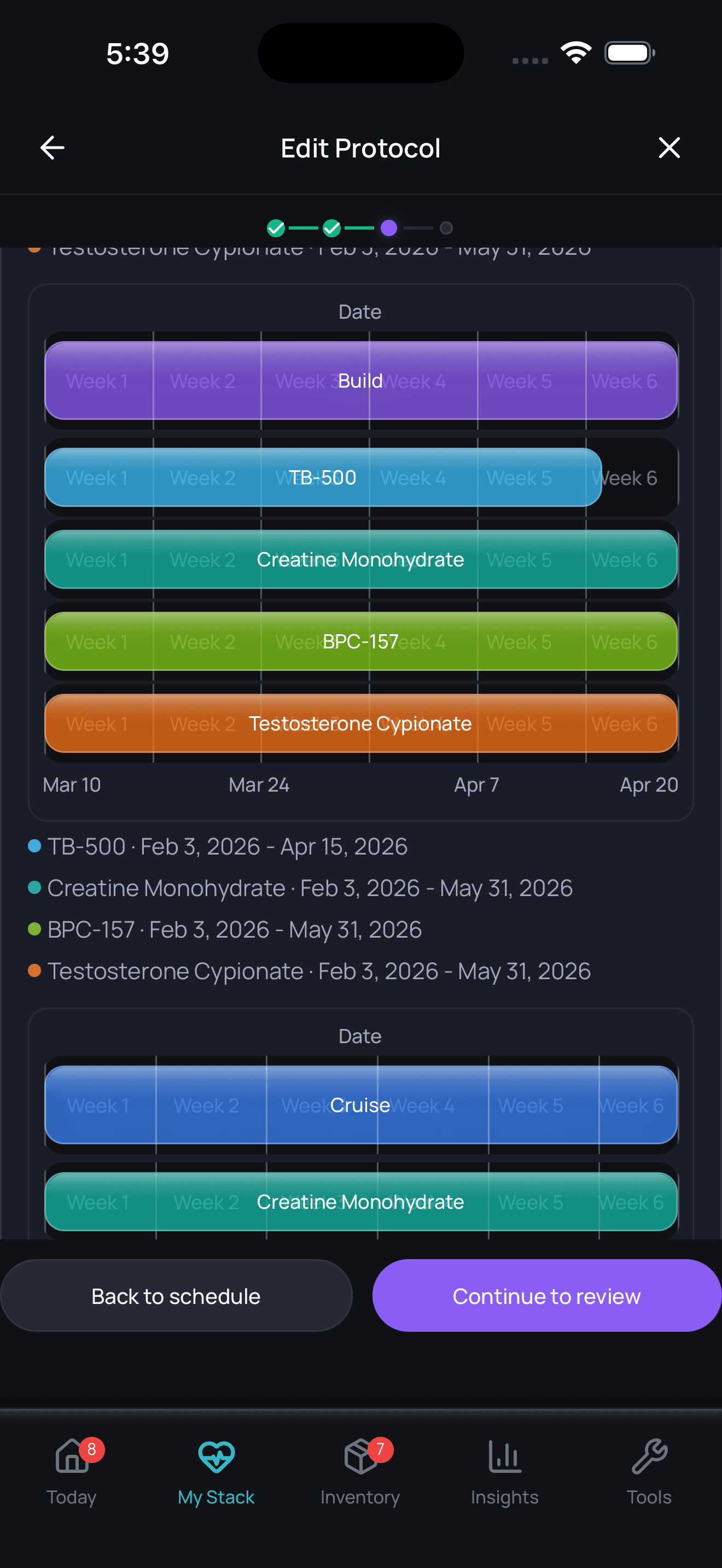
Timeline tracking helps with recall; it is not a treatment recommendation.
Interaction Compatibility
Commonly Combined With
- Selank — The most established pairing. Selank's GABAergic anxiolytic mechanism complements Semax's activating profile, offsetting potential irritability and anxiety while preserving cognitive enhancement. Community consensus and Russian clinical practice both support this combination as the standard nootropic stack.
- Pinealon — A neuroprotective bioregulator peptide from the same Russian research tradition. Used for foundational neuroprotection alongside Semax's cognitive enhancement.
- Dihexa — Synergistic neurogenesis and synaptic plasticity. Some users report enhanced learning capacity when combined, though clinical data on the combination does not exist.
- NAD+ — Cellular energy support that complements cognitive recovery protocols.
- MOTS-C — Mitochondrial peptide for metabolic and brain energy support.
Use Caution With
- Stimulants (amphetamines, methylphenidate) — Community reports suggest Semax may amplify the autonomic (heart rate, anxiety) effects of stimulants more than the cognitive benefits. Use requires careful monitoring and clinician supervision.
- Multiple psychoactive substances — Interaction data is limited. Complex nootropic stacks make it difficult to attribute effects or side effects to individual compounds.
- Other BDNF-elevating compounds — Theoretical concern about excessive BDNF signaling, though no clinical evidence of harm from combinations.
Contraindicated
- Pregnancy and breastfeeding (no safety data)
- Active psychosis or mania
- Known hypersensitivity to ACTH-derived peptides
- Seizure disorders (may lower threshold at high doses, per Russian prescribing references)
Administration Guide
Materials required: Insulin syringes (U-100, 30-gauge or finer for subcutaneous injection), alcohol swabs, bacteriostatic water for reconstitution, and a sharps disposal container. For intranasal administration, a nasal spray bottle calibrated for peptide delivery.
Recommended reconstitution solution: Bacteriostatic water is the standard reconstitution solution for Semax. A common approach for 10 mg vials uses 3.0 mL of bacteriostatic water, yielding approximately 3.33 mg/mL, which allows convenient measurement on U-100 insulin syringes (1 unit = approximately 33.3 mcg).
Timing considerations: Morning administration is strongly recommended. Semax is mildly activating and dosing after early afternoon can disrupt sleep onset. Community experience and Russian clinical protocols both emphasize morning timing. If a second dose is used, it should be taken before 1-2 PM. Semax's breakdown products retain partial activity for 20-24 hours, so morning dosing provides coverage across the full workday.
Post-administration care: Monitor for injection site redness or itching (transient and normal). For intranasal use, minor nasal irritation is reported by approximately 7% of users. No specific post-administration restrictions apply. Document dose, time, and any observations for protocol tracking.
Supplies & Planning
Supplies typically associated with Semax protocols include:
- Peptide vials: Available in 5 mg and 10 mg lyophilized vial sizes from research peptide suppliers
- Bacteriostatic water: Standard reconstitution solution; 10 mL bottles. Approximately 3.0 mL per vial for 10 mg vials
- Insulin syringes: U-100 insulin syringes for subcutaneous injection. One per day for daily protocols
- Alcohol swabs: Two per day (one for vial stopper, one for injection site). Standard 100-count boxes
- Sharps container: For proper disposal of used syringes
- Storage supplies: Aluminum foil or opaque container for light protection of reconstituted vials
Consult the Doserly reconstitution calculator and your healthcare provider for specific quantity planning based on your individual protocol parameters.
Storage & Handling
Lyophilized (unreconstituted) powder:
- Store at -20°C (-4°F) for long-term storage
- Keep in dry, dark conditions with minimal moisture exposure
- Allow vials to reach room temperature before opening to reduce condensation uptake
Reconstituted solution:
- Refrigerate at 2-8°C (35.6-46.4°F)
- Stable for up to 30 days when properly stored
- Protect from light (wrap vials in foil or store in opaque container)
- Avoid freeze-thaw cycles, which degrade peptide integrity
General handling:
- Use sterile technique when drawing from reconstituted vials
- Do not shake vigorously during reconstitution; gently swirl or roll until dissolved
- Discard any reconstituted solution that appears cloudy, discolored, or has particulate matter
Lifestyle Factors
The benefits of Semax are amplified by lifestyle practices that support the same neurobiological pathways the peptide targets. These are not optional additions; they represent the foundation on which the peptide's effects build.
Sleep is non-negotiable. BDNF consolidation, synaptic pruning, and memory consolidation occur primarily during sleep. Using Semax while chronically sleep-deprived undermines the very process the compound is designed to enhance. Prioritize 7-9 hours of quality sleep per night and be especially attentive to sleep hygiene during Semax cycles.
Aerobic exercise is the most potent natural BDNF stimulator known. Research demonstrates that regular cardiovascular exercise elevates BDNF through the same pathways Semax targets. Combining exercise with Semax is complementary, not redundant: the two work through overlapping but non-identical mechanisms.
Nutrition plays a supporting role. Omega-3 fatty acids (particularly DHA) are structural components of neuronal membranes. Antioxidant-rich foods support the cellular environment in which neurotrophins operate. A balanced, nutrient-dense diet creates the substrate for the brain-building processes Semax initiates.
Cognitive demand matters. Semax creates the conditions for enhanced neural connectivity, but those connections strengthen through use. Engaging in challenging cognitive tasks, learning new skills, and pushing the boundaries of what your brain can handle during Semax cycles takes advantage of the enhanced plasticity window.
Stress management through mindfulness, meditation, or other relaxation techniques complements Semax's cortisol-buffering properties. While Semax provides a biochemical buffer against stress, behavioral stress management practices provide the other half of the equation.
Regulatory Status & Research Classification
United States (FDA): Semax is not FDA-approved for any indication. It is available from research chemical suppliers as a research compound. No IND applications or active U.S. clinical trials have been publicly registered on ClinicalTrials.gov as of 2026.
Russia: Registered pharmaceutical since 1994. Available as Semax 0.1% (standard) and Semax 1% (acute stroke) intranasal solutions. Approved indications include ischemic stroke, dyscirculatory encephalopathy, optic nerve atrophy, cognitive disorders, and adaptation to extreme conditions. Available by prescription.
Ukraine: Registered pharmaceutical with similar indications to Russia.
Canada (Health Canada): Not approved. No DIN or NPN assigned. Not classified as a Natural Health Product.
United Kingdom (MHRA): Not approved. Not classified under any existing regulatory framework for human therapeutic use.
Australia (TGA): Not scheduled. Not approved for therapeutic use.
European Union (EMA): No marketing authorization. Not under regulatory review.
WADA status: Semax does not appear on the World Anti-Doping Agency's Prohibited List as of 2026. However, athletes should verify current status before use, as WADA classification is subject to change and enforcement may vary by sport and jurisdiction.
Regulatory status changes frequently. Always verify the current legal status of any compound in your specific country or jurisdiction before making any decisions.
FAQ
What is Semax and how does it work?
Semax is a synthetic heptapeptide derived from a fragment of ACTH, a naturally occurring hormone. Its primary mechanism involves increasing BDNF (brain-derived neurotrophic factor) in the hippocampus and cortex, strengthening neural connections and promoting brain cell survival. It also modulates dopamine and serotonin signaling, reduces neuroinflammation, and buffers the cortisol stress response. It was developed in Russia and has been an approved pharmaceutical there since 1994.
What dose of Semax do people commonly use?
Based on available sources, commonly reported subcutaneous doses range from 200-800 mcg per day, with most sources citing 300-500 mcg as the range where most users find their effective dose. Intranasal doses tend to be higher (400-1000 mcg daily) due to lower absorption. Most practitioners recommend starting at the lower end and titrating up based on individual response. Clinical stroke protocols use dramatically higher doses (up to 12-18 mg/day intranasal) under medical supervision.
How long does it take for Semax to work?
Effects build over days as gene expression changes accumulate. Most users report subtle improvements in focus and clarity within 2-3 days, with full effects developing over 1-2 weeks of consistent use. Some notice improvements in task initiation within the first day; others need a full week. This is not a quick-onset compound.
Does Semax need to be cycled?
Yes. The standard cycling pattern is 10-14 days on, 2-3 days off. Without breaks, BDNF receptors compensate by reducing their sensitivity, making the compound progressively less effective. This is built into Russian clinical protocols. Most users run 2-4 cycles before taking a longer break of 1-2 weeks.
Is Semax a stimulant?
No. Stimulants force immediate neurotransmitter release, creating spikes followed by depletion. Semax gradually changes receptor sensitivity and gene expression. There is no sudden activation, no jitteriness, no tolerance, and no crash. The effects develop over days as the brain builds improved infrastructure.
Can Semax cause hair loss?
This concern is frequently discussed in online communities. No clinical study has documented Semax-induced hair loss across decades of pharmaceutical use in Russia. Community reports of hair thinning exist but are confounded by concurrent use of other compounds, stress, and other factors. The concern remains anecdotally reported but clinically unconfirmed.
What is the difference between Semax, N-Acetyl Semax Amidate, and Adamax?
All three are based on the same active molecule. Regular Semax has a short duration (2-4 hours). N-Acetyl Semax Amidate adds standard protective modifications that extend duration to 4-8 hours and improve bioavailability; it is considered the practical default by most users. Adamax incorporates additional modifications for even greater potency and 6-12 hour duration, but with a more stimulating profile. Only unmodified Semax has been studied in formal clinical trials.
Is Semax safe to use with ADHD medication?
Community reports suggest Semax may amplify the autonomic effects (heart rate, anxiety) of stimulant medications more than the cognitive benefits. This combination should only be considered under the supervision of a clinician who understands the full pharmacological picture. Semax should not be used as a replacement for established ADHD treatments.
Sources & References
Clinical Trials and Human Studies:
[1] Ashmarin IP, Nezavibathko VN, Levitskaya NG, et al. "Design and investigation of an ACTH(4-10) analogue lacking D-amino acids and displaying nootropic and analgesic activity." Neurosci Res Commun. 1995;16:105-112.
[2] Kaplan AYA, Kochetova AG, Nezavibathko VN, et al. "Synthetic ACTH analogue Semax displays nootropic-like activity in humans." Neurosci Res Commun. 1996;19:115-123.
[3] Shmonin AA, et al. "Meta-analysis of Russian stroke trials evaluating Semax." Vestnik Vosstanovitel'noy Meditsiny. 2018;2:81-88.
[4] Gusev EI, Martynov MY, Kostenko EV, et al. "The efficacy of Semax in the treatment of patients at different stages of ischemic stroke." Zh Nevrol Psikhiatr Im S S Korsakova. 2018;118(3 Vyp.2):61-68. PubMed: 29798983.
[5] Magrì A, Tabbì G, Giuffrida A, et al. "Influence of the N-terminus acetylation of Semax, a synthetic analog of ACTH(4-10), on copper(II) and zinc(II) coordination and biological properties." J Inorg Biochem. 2016;164:59-69. See also: Ashmarin IP, et al. (1995) for original variant characterization.
Preclinical and Mechanistic Studies:
[6] Dolotov OV, Karpenko EA, Inozemtseva LS, et al. "Semax effects on BDNF and neurotrophin expression." Neuroscience. 2006. DOI: 10.1016/j.neuroscience.2006.01.048.
[7] Agapova TI, et al. "Effect of Semax on the temporal dynamics of BDNF and NGF gene expression in the rat hippocampus and frontal cortex." Mol Genet Mikrobiol Virusol. 2008;(3):28-32.
[8] Dolotov OV, et al. "Semax increases dopamine and serotonin turnover in frontal cortex and hippocampus." Neurochem Res. 2003;28(5):679-688.
[9] Potaman VN, et al. "Semax inhibits enkephalinase; IC50 approximately 10 microM in vitro." Dokl Biochem Biophys. 2001;379:240-242. PubMed: 11443939.
[10] Medvedeva EV, et al. "The peptide Semax affects the expression of genes related to the immune and vascular systems in rat brain focal ischemia: genome-wide transcriptional analysis." BMC Genomics. 2014;15:228. PMC: 3987924.
[11] Fedorov VN, et al. "Semax reduces stress-induced corticosterone by 29-34%." Meditsinskiy Al'manakh. 2017;1(46):114-120.
[12] Deigin VI, et al. "Development of Peptide Biopharmaceuticals in Russia." Pharmaceutics (MDPI). 2022. Overview of registered Russian peptide drugs including Semax; molecular targets MC3R, MC4R, BDNF pathway.
[13] Manchenko DM, Glazova NY, Levitskaya NG, et al. "The Nootropic and Analgesic Effects of Semax Given via Different Routes." Neurosci Behav Physi. 2012;42:264-270. DOI: 10.1007/s11055-012-9562-6.
[14] Ivanova NE. "Three-year follow-up of 120 patients with chronic cerebrovascular disease treated with Semax." Russian Neurosurgical Research Institute (Polenov). Published via uMEDp.
Cognitive and Neurological Studies:
[15] Kaplan AYA, et al. "Semax alters EEG during cognitive tasks and hyperventilation in humans." Neurosci Res Commun. 1996;19:115-123.
[16] Lebedeva IS, et al. "Effects of Semax on the Default Mode Network of the Brain." Bull Exp Biol Med. 2018;165(5):653-656.
[17] Scantlebury MH, Chun KC, Ma SC, et al. "Adrenocorticotropic Hormone Protects Learning and Memory Function in Epileptic Kcna1-null mice." Neurosci Lett. 2017;645:14-18.
[18] Deltheil T, et al. "Behavioral and serotonergic consequences of decreasing or increasing hippocampus brain-derived neurotrophic factor protein levels in mice." Neuropharmacology. 2008;55(6):1006-1014.
[19] Potupchik T, Lopatina T, Lopatin V. "Semax in chronic alcoholism recovery: cognitive support without dependency." Vrach. 2018;29(11):21-29.
[20] Alekseev VN, et al. "Controlled glaucoma/optic neuropathy data with Semax 0.1% over 12-month follow-up." Glaucoma. 2012. See also: Ioseliani OR, et al. Vestn Oftalmol. 2001;117(3):5-8. PubMed: 11569188.
[21] Ashmarin IP, et al. "Semax as a potential ADHD treatment: hypothesis based on dopamine modulation and BDNF signaling deficits." Med Hypotheses. 2007;68(5):1055-1058. PubMed: 16996699.
Additional References:
[22] Eremin KO, et al. "BDNF/TrkB upregulation by Semax in hippocampal neurons." Brain Res. 2006;1117(1):54-60. PubMed: 16996037.
[23] Sidorova SA, et al. "Post-stroke rehabilitation with Semax and electroneuromyostimulation." Klinicheskaya Farmakologiya. 2012;21(4):106-109.
[24] Volodina MA, Sebentsova EA, Glazova NY, et al. "Correction of long-lasting negative effects of neonatal isolation in white rats using Semax." Acta Naturae. 2012;4(1):86-92. PMID: 22708068; PMCID: PMC3372995.
[25] Gusev EI, Skvortsova VI, Myasoedov NF, et al. "Clinical trial of Semax in acute stroke patients." Zh Nevrologii i Psikhiatrii. 2005. DOI: 10.1097/00001756-200503150-00017.
Related Peptide Guides
- Selank — Complementary anxiolytic peptide; the most established stacking partner for Semax
- Pinealon — Neuroprotective bioregulator peptide from the same Russian research tradition
- Dihexa — Potent cognitive enhancer with synergistic neurogenesis potential
- NAD+ — Cellular energy support that complements cognitive recovery protocols
- MOTS-C — Mitochondrial peptide for metabolic and brain energy support
- DSIP — Delta sleep-inducing peptide; relevant for users managing Semax-related sleep timing concerns
- Epithalon — Longevity peptide; related neuroprotective interest area
- SS-31 — Mitochondrial-targeted peptide; brain energy and resilience
- Methylene Blue — Cognitive enhancement compound with complementary mitochondrial mechanisms
Need the reconstitution math for Semax: Complete Research Guide?
Open the calculator with Semax: Complete Research Guide prefilled to estimate concentration, draw volume, and related measurement math from the reconstitution details you already have.