
Lion's Mane Mushroom: The Complete Supplement Guide
On this page
Quick Reference Card
Attribute
Common Name
- Detail
- Lion's Mane Mushroom
Attribute
Other Names / Aliases
- Detail
- Hericium erinaceus, Yamabushitake, Monkey Head Mushroom, Hou Tou Gu, Satyr's Beard, Hedgehog Fungus, Pom Pom Mushroom, Bearded Hedgehog, Bearded Tooth Mushroom
Attribute
Category
- Detail
- Medicinal Mushroom (Nootropic, Functional Fungus)
Attribute
Primary Forms & Variants
- Detail
- Dried fruiting body powder (whole mushroom, 2-3 g/day); Fruiting body extract (hot water or dual extract, standardized to beta-glucan content); Mycelium powder (liquid-cultured, 1 g/day); Mycelium extract (erinacine-enriched); Capsules, powders, tinctures/liquid extracts
Attribute
Typical Dose Range
- Detail
- Fruiting body powder: 2,000-3,000 mg/day; Fruiting body extract: 500-1,000 mg/day (depending on concentration ratio); Mycelium extract: 1,000-3,000 mg/day; Clinical study range: 1,050-3,000 mg/day
Attribute
RDA / AI / UL
- Detail
- No established RDA, AI, or UL. Not a vitamin or mineral. No formal dietary reference intakes exist for Lion's Mane
Attribute
Common Delivery Forms
- Detail
- Capsule, powder, liquid extract/tincture, mushroom coffee blends, functional food products (bars, beverages)
Attribute
Best Taken With / Without Food
- Detail
- Can be taken with or without food. Some practitioners suggest taking with meals to reduce potential GI discomfort
Attribute
Key Cofactors
- Detail
- Often combined with other medicinal mushrooms (Reishi, Cordyceps, Turkey Tail, Chaga). No specific nutrient cofactors required for absorption
Attribute
Storage Notes
- Detail
- Store in a cool, dry place away from direct sunlight and moisture. Powders and capsules are shelf-stable at room temperature. Liquid extracts may require refrigeration after opening
Overview
The Basics
Lion's Mane is one of the most distinctive-looking mushrooms you will ever encounter. Instead of the typical cap-and-stem shape, it grows as a cascading cluster of long, white spines that hang downward, looking remarkably like a miniature waterfall or, as its name suggests, a lion's flowing mane [1][2].
This mushroom has been a valued food and medicine in East Asia for centuries. In China (where it is called Hou Tou Gu) and Japan (known as Yamabushitake), it has traditionally been used to support digestive health and overall vitality. Buddhist monks reportedly used it to enhance focus and concentration during meditation. As a culinary ingredient, it has a mild seafood-like flavor that some compare to lobster or crab when cooked [1][2][3].
What sets Lion's Mane apart from most supplements is its primary claim to fame: it is one of the only natural compounds shown to stimulate the production of Nerve Growth Factor (NGF) in laboratory studies. NGF is a protein your brain needs to grow, maintain, and repair nerve cells. The idea that a food could help your brain produce more of this critical protein has generated intense interest in the nootropic and longevity communities [4][5].
As a dietary supplement, Lion's Mane is most commonly taken for cognitive support, including memory, focus, and mental clarity. It has also attracted attention for potential mood benefits, nerve repair, and immune modulation. However, while the preclinical science is promising, human clinical data remains limited and results have been modest [6][7][8].
The Science
Hericium erinaceus (Bull.) Pers. is an edible basidiomycete fungus of the family Hericiaceae, belonging to the order Russulales. It is saprophytic and parasitic, growing naturally on dead or dying hardwood trees (particularly beech and oak) in temperate forests across North America, Europe, and Asia [1][2].
The mushroom's pharmacological interest centers on two classes of secondary metabolites unique to the Hericium genus: hericenones (isolated from the fruiting body) and erinacines (isolated from the mycelium). Both compound families are cyathane diterpenoids with demonstrated neurotrophic activity in vitro. Kawagishi et al. first identified erinacines A, B, and C as potent stimulators of NGF synthesis in 1994, with subsequent work characterizing erinacines through K [4][5].
Preclinical studies have demonstrated that both hericenones and erinacines cross the blood-brain barrier [9]. In isolated astrocytes, the ethanolic extract of Lion's Mane increased NGF mRNA expression approximately 5-fold at 100-150 mcg/mL in a concentration-dependent manner, an effect mediated through JNK signaling [10]. In vivo, mice fed 5% dietary Lion's Mane for seven days showed a 1.3-fold increase in hippocampal NGF mRNA [10].
Beyond NGF, Lion's Mane bioactives promote the secretion of Brain-Derived Neurotrophic Factor (BDNF) and enhance myelination, the process of coating nerve fibers with an insulating sheath that improves signal transmission speed [5][11]. Martinez-Marmol et al. (2023) demonstrated that hericerin derivatives activate a pan-neurotrophic pathway in hippocampal neurons, converging on ERK1/2 signaling to enhance spatial memory in mice [12].
The polysaccharide fraction, predominantly beta-glucans comprising approximately 20% of the fruiting body by weight, exhibits separate immunomodulatory activity through macrophage activation, T-cell proliferation, and modulation of NF-kB signaling [10][13]. Total phenolic content is approximately 10.2 mg gallic acid equivalents per gram, providing modest antioxidant capacity (approximately 17.7% of quercetin on a potency basis) [10].
Clinical evidence remains limited. A 2025 PRISMA-compliant systematic review identified five RCTs, three pilot clinical trials, one cohort study, and one case report examining Lion's Mane supplementation in humans [6]. The most consistent finding across human studies is modest improvement in cognitive function, particularly in populations with existing impairment.
Chemical & Nutritional Identity
Property
Scientific Name
- Value
- Hericium erinaceus (Bull.) Pers.
Property
Family
- Value
- Hericiaceae
Property
Order
- Value
- Russulales
Property
Kingdom
- Value
- Fungi
Property
Category
- Value
- Medicinal Mushroom; Nootropic
Property
Primary Bioactive Compounds (Fruiting Body)
- Value
- Hericenones A, C-H (cyathane diterpenoids); Beta-glucan polysaccharides (HEF-P); Ergosterol; Beta-sitosterol
Property
Primary Bioactive Compounds (Mycelium)
- Value
- Erinacines A-K (cyathane diterpenoids); Orcinol derivatives
Property
Polysaccharide Content
- Value
- ~20% of fruiting body dry weight; Structure: xylose (7.8%), ribose (2.7%), glucose (68.4%), arabinose (11.3%), galactose (2.5%), mannose (5.2%)
Property
Total Phenolic Content
- Value
- 10.20 +/- 2.25 mg GAE/g (hot water extract)
Property
Standardization Markers
- Value
- Beta-glucan content (primary); Hericenone content (fruiting body products); Erinacine A content (mycelium products)
Property
RDA / AI / UL
- Value
- None established. Not a vitamin or mineral
Lion's Mane contains bioactive compounds in both its fruiting body (the visible mushroom) and its mycelium (the root-like network that grows through the substrate). The key distinction matters for supplementation:
Fruiting body compounds: Hericenones A and C-H are cyathane diterpenoid compounds found primarily in the fruiting body. These are ethanol-soluble and have demonstrated NGF-stimulating activity in vitro [4][14]. The fruiting body also contains the majority of the beta-glucan polysaccharides, which provide immune-modulating effects [10].
Mycelium compounds: Erinacines A through K are found exclusively in the mycelium. Research indicates that erinacines, particularly erinacine A, may be the most potent NGF-stimulating compounds in Lion's Mane, with activity at 1 mM concentrations greatly exceeding that of adrenaline [4][5][10]. However, heat extraction protocols appear to destroy erinacines, meaning dried mycelium powder may preserve these compounds better than concentrated extracts [15].
Additional compounds include: A sialic-acid binding lectin with antiproliferative properties, sterols (ergosterol, beta-sitosterol), and various aromatic compounds with neuroprotective activity [1][10][14].
Mechanism of Action
The Basics
Lion's Mane works primarily by encouraging your brain to produce more of a protein called Nerve Growth Factor, or NGF. Think of NGF as a maintenance crew for your nervous system. It helps grow new nerve cells, repair damaged ones, and maintain the health of existing neurons. Without enough NGF, nerve cells can deteriorate, and communication between brain cells slows down [4][5].
The mushroom contains two families of compounds that do this work. Hericenones, found in the part of the mushroom you can see (the fruiting body), and erinacines, found in the root-like network underground (the mycelium). Both have been shown to cross the blood-brain barrier, meaning they can actually reach the brain to do their job. This is unusual for natural compounds and is a key reason Lion's Mane has attracted so much attention from researchers [9][10].
Beyond nerve growth, Lion's Mane also appears to help in another way: it promotes myelination, the process of coating nerve fibers with a protective insulating layer. You can think of myelin like the rubber coating on an electrical wire. When myelin is healthy, signals travel faster and more efficiently between brain cells. When it breaks down, communication slows and cognition suffers [11].
Lion's Mane also has a separate set of effects on the immune system. Its polysaccharides (complex carbohydrates, mainly beta-glucans) can activate certain immune cells, potentially helping your body mount a more effective defense against infections. Interestingly, other compounds in the mushroom appear to have anti-inflammatory effects, so it may help the immune system work smarter rather than just harder [10][13].
The Science
The neurotrophic activity of Hericium erinaceus is attributed primarily to two classes of cyathane diterpenoids with distinct tissue distributions:
NGF Pathway: Hericenones (fruiting body) and erinacines (mycelium) stimulate NGF synthesis and secretion from astrocytes. The ethanolic extract increases NGF mRNA expression approximately 5-fold at 100-150 mcg/mL via JNK signaling (p38 MAPK, PKA, PKC, and MEK are not involved). Isolated erinacines A-C stimulate NGF secretion at 1 mM concentrations with potency exceeding adrenaline [4][10].
BDNF Pathway: Lion's Mane has been shown to enhance pro-BDNF and mature BDNF production. Vigna et al. (2019) reported increased circulating pro-BDNF and BDNF levels in overweight/obese subjects supplemented with Lion's Mane, correlating with improvements in mood and sleep [16]. Martinez-Marmol et al. (2023) demonstrated that hericerin derivatives activate a pan-neurotrophic pathway converging on ERK1/2 signaling in central hippocampal neurons, enhancing spatial memory formation [12].
Myelination: In vitro studies demonstrate that Lion's Mane mycelia and small bioactive compounds promote oligodendrocyte maturation and increase myelin basic protein expression, suggesting potential for enhancing nerve signal conduction velocity [11].
Neuroprotection: 3-Hydroxyhericenone and related benzene compounds protect neurons against endoplasmic reticulum stress-induced cell death [10]. Erinacine A-enriched mycelium has shown ameliorative effects in preclinical models of Alzheimer's disease (APPswe/PS1dE9 transgenic mice), ischemic stroke, Parkinson's disease, and depression [17][18].
Glutamatergic modulation: Lion's Mane extracts attenuate neuronal excitability from glutamic acid, suggesting a role in reducing excitotoxicity [10].
Immunomodulation: The polysaccharide HEF-AP Fr II (a beta-glucan) stimulates macrophage activity (TNF-alpha and IL-1-beta release) and increases macrophage and T-cell counts at 1 mg/mL concentrations. Conversely, the chloroform fraction suppresses LPS-induced macrophage activation via inhibition of c-Jun N-terminal kinase and NF-kB nuclear translocation [10][13]. This dual modulation suggests context-dependent immune effects.
Gut-brain axis: Clinical data suggest Lion's Mane increases gut microbiome diversity and the abundance of short-chain fatty acid (SCFA)-producing bacteria, which may contribute to its neurological effects via the gut-brain axis [6][19].
Absorption & Bioavailability
The Basics
How much of Lion's Mane your body actually uses depends heavily on the form you take. This is one supplement where the delivery method makes a real difference.
The challenge is that mushroom cell walls are made of chitin, a tough structural fiber that the human digestive system does not break down efficiently. If you eat raw or unprocessed mushroom powder, a significant portion of the bioactive compounds remain trapped inside those cell walls and pass through your system unused [15][20].
Extraction helps solve this problem. Hot water extraction dissolves the polysaccharides (beta-glucans), while alcohol (ethanol) extraction pulls out the hericenones and erinacines. A "dual extraction" that uses both methods captures the broadest range of compounds. Some products use a 1:1 extraction ratio, which essentially converts the whole mushroom into a more bioavailable dried powder [15].
There is an important trade-off, though. Heat extraction, while improving polysaccharide bioavailability, appears to damage or destroy the erinacines in the mycelium. For products targeting NGF-stimulating compounds from the mycelium, dried (non-extracted) powder may actually preserve more bioactive material than a concentrated extract [15].
Erinacine S, one of the key mycelium compounds, has been studied for its pharmacokinetic properties. Research in animal models shows it is absorbed orally, distributed to tissues, and excreted, confirming that oral supplementation can deliver these compounds to the body [21].
The Science
Bioavailability of Lion's Mane bioactives varies substantially by compound class and preparation method:
Polysaccharides (beta-glucans): Water-soluble; extracted efficiently by hot water processing. The beta-glucan fraction (HEF-P) comprises approximately 20% of fruiting body dry weight. Hot water extraction at 90-100 degrees Celsius for 2-4 hours is the standard commercial method. Beta-glucans are primarily insoluble, meaning concentrated hot water extracts may paradoxically contain fewer bioactive polysaccharides than 1:1 extracts [10][15].
Hericenones: Ethanol-soluble diterpenoids present in the fruiting body. Require alcohol or dual extraction for optimal release from chitin-bound cell matrices. Not efficiently extracted by hot water alone [4][14].
Erinacines: Ethanol-soluble diterpenoids present exclusively in the mycelium. Current evidence suggests that heat-based extraction protocols may degrade erinacine content, making non-extracted dried mycelium powder the preferred delivery method for these compounds. Erinacine A content should be specified on supplement labels as a quality indicator [15].
Erinacine S pharmacokinetics: Hu et al. (2019) characterized the absolute bioavailability, tissue distribution, and excretion of erinacine S from Hericium erinaceus mycelia, confirming oral bioavailability and systemic tissue distribution in animal models [21].
Blood-brain barrier penetration: Both hericenones and erinacines have been demonstrated to cross the blood-brain barrier in preclinical models, which is essential for their CNS neurotrophic effects [9].
Research & Clinical Evidence
The Basics
The research picture for Lion's Mane is encouraging but still incomplete. Most of the exciting findings come from laboratory and animal studies, while human trials are fewer and generally smaller.
Cognitive function is the area with the most human evidence. Several clinical trials have found modest improvements in cognitive test scores, particularly in older adults or those with mild cognitive impairment. The most cited study involved 30 older Japanese adults who took 3 grams of Lion's Mane powder daily for 16 weeks. The group taking Lion's Mane scored significantly better on cognitive tests than the placebo group, but the benefits faded within four weeks of stopping supplementation [7].
Mood and anxiety have also shown promise. A study in menopausal women found that 2 grams daily for four weeks reduced symptoms of depression and anxiety, with particular improvements in concentration and irritability [22]. A separate study in overweight or obese individuals found improvements in mood and sleep disorders alongside increases in BDNF levels [16].
Nerve health is where the preclinical data is strongest but human evidence is thinnest. Animal studies show impressive results for nerve regrowth after injury and protection against neurodegenerative conditions like Alzheimer's and Parkinson's disease. However, these findings have not yet been replicated in large human trials [17][18][23].
It is worth noting that not all studies have found benefits. A four-week supplementation study in healthy young adults found no impact on markers of metabolic flexibility or cognition [24]. A 2025 acute-dose study in healthy younger adults also found no significant overall improvement in cognitive performance or mood from a single dose, though some specific tasks showed modest improvements [25].
The Science
Cognitive Function (Human RCT Data):
Mori et al. (2009) conducted a double-blind, placebo-controlled trial (n=30) in Japanese adults aged 50-80 with mild cognitive impairment. Subjects received 250 mg tablets containing 96% Lion's Mane powder, four tablets three times daily (total 3,000 mg/day) for 16 weeks. The Lion's Mane group showed significantly improved scores on the Revised Hasegawa Dementia Scale at weeks 8, 12, and 16 compared to placebo. Cognitive scores declined toward baseline within 4 weeks of discontinuation [7].
Saitsu et al. (2019) reported cognitive improvements in 31 healthy participants consuming 3.2 g/day of Lion's Mane tablets (80% mycelium/20% fruiting body) for 12 weeks, with improvements in cognitive function tests [8].
Li et al. (2020) conducted a pilot double-blind placebo-controlled study of erinacine A-enriched Hericium erinaceus mycelia (350 mg three times daily) in patients with mild Alzheimer's disease (n=49) over 49 weeks. The treatment group showed improvements in cognitive outcomes and IADL scores, with significant differences in specific cognitive domains [18].
Docherty et al. (2023) investigated acute and chronic effects in healthy young adults (n=41) using 1.8 g/day Lion's Mane for 28 days. Chronic supplementation was associated with reduced subjective stress, though effects on cognition were mixed and inconsistent [25].
Grozier et al. (2022) found that four weeks of supplementation in healthy younger adults did not impact markers of metabolic flexibility or cognition [24].
Mood (Human Data):
Nagano et al. (2010) randomized 30 menopausal women to receive cookies containing 2 g of Lion's Mane powder or placebo for 4 weeks. The Lion's Mane group showed significant reductions in depression and anxiety scores, with specific improvements in "concentration" and "irritability" subscales [22].
Vigna et al. (2019) reported that Lion's Mane supplementation improved mood and sleep disorders in overweight/obese patients (n=77), with increases in circulating pro-BDNF and BDNF levels serving as potential biomarkers [16].
Neuroprotection (Preclinical):
Erinacine A-enriched mycelia ameliorated Alzheimer's-related pathology in APPswe/PS1dE9 transgenic mice [17]. Lion's Mane at 5% of the diet protected rats against beta-amyloid-induced cognitive decline [10][23]. Water extract promoted neuronal regrowth after gluteal nerve crush injury in rats at 10-20 mL/kg daily [10].
Cancer (Preclinical Only):
Both hot water and ethanolic extracts inhibited metastasis of CT-26 colon cancer cells to the lung by 66-69% with 10 mg/kg injections in mice. Erinacine A inhibited invasiveness of gastric cancer cell lines (MKN28, TSGH 9201) and activated caspase pathways in leukemia cells [6][14]. No human cancer studies exist.
Gut Microbiome:
Short-term consumption increased gut microbiome diversity and abundance of SCFA-producing bacteria in a pilot human study [6][19].
Evidence & Effectiveness Matrix
Category
Focus & Mental Clarity
- Evidence Strength
- 6/10
- Reported Effectiveness
- 7/10
- Summary
- Multiple RCTs show modest cognitive improvements, particularly in impaired populations. Strong community reports of brain fog clearing, though confounded by placebo expectation
Category
Memory & Cognition
- Evidence Strength
- 6/10
- Reported Effectiveness
- 6/10
- Summary
- Mori et al. 2009 and Saitsu et al. 2019 show significant improvements in cognitive test scores. Effects appear reversible upon discontinuation
Category
Mood & Wellbeing
- Evidence Strength
- 5/10
- Reported Effectiveness
- 6/10
- Summary
- Nagano et al. 2010 and Vigna et al. 2019 show mood improvements. Limited to specific populations (menopausal women, overweight individuals)
Category
Anxiety
- Evidence Strength
- 4/10
- Reported Effectiveness
- 5/10
- Summary
- Mixed clinical and community data. Some studies show benefit; community reports are polarized with some users experiencing paradoxical anxiety
Category
Longevity & Neuroprotection
- Evidence Strength
- 7/10
- Reported Effectiveness
- 5/10
- Summary
- Strong preclinical evidence for NGF stimulation, myelination, and neuroprotection. No long-term human neuroprotection trials exist
Category
Immune Function
- Evidence Strength
- 5/10
- Reported Effectiveness
- 5/10
- Summary
- Beta-glucan immunomodulation well-characterized in vitro. Limited human immune outcome data
Category
Gut Health
- Evidence Strength
- 4/10
- Reported Effectiveness
- 5/10
- Summary
- One pilot study shows microbiome diversity increase. Traditional use for gastritis. Thin clinical evidence
Category
Stress Tolerance
- Evidence Strength
- 4/10
- Reported Effectiveness
- 5/10
- Summary
- Docherty et al. 2023 found reduced subjective stress. Limited data overall
Category
Sleep Quality
- Evidence Strength
- 3/10
- Reported Effectiveness
- 4/10
- Summary
- Vigna et al. 2019 found sleep improvement in overweight subjects. Not a primary outcome in most studies
Category
Energy Levels
- Evidence Strength
- 2/10
- Reported Effectiveness
- 5/10
- Summary
- Minimal clinical data. Some community reports of sustained energy, often confounded by stacking
Category
Side Effect Burden
- Evidence Strength
- 7/10
- Reported Effectiveness
- 6/10
- Summary
- Toxicology data supports low toxicity (NOAEL 2,000 mg/kg/day in rats). Most users tolerate well. GI discomfort and rare allergic reactions reported
Category
Skin Health
- Evidence Strength
- 3/10
- Reported Effectiveness
- N/A
- Summary
- Wound healing acceleration in animal models (topical application). Community data not yet collected
Category
Heart Health
- Evidence Strength
- 3/10
- Reported Effectiveness
- N/A
- Summary
- Weak ACE inhibition (IC50 580 mcg/mL). Triglyceride reduction in hyperlipidemic mice. No human cardiovascular data
Categories scored: 13
Categories with community data: 12
Categories not scored (insufficient data): Fat Loss, Muscle Growth, Weight Management, Appetite & Satiety, Food Noise, Libido, Sexual Function, Joint Health, Inflammation, Pain Management, Recovery & Healing, Physical Performance, Digestive Comfort, Nausea & GI Tolerance, Hair Health, Blood Pressure, Heart Rate & Palpitations, Hormonal Symptoms, Temperature Regulation, Fluid Retention, Body Image, Bone Health, Cravings & Impulse Control, Social Connection, Treatment Adherence, Withdrawal Symptoms, Daily Functioning, Motivation & Drive, Emotional Aliveness, Emotional Regulation, Other
Benefits & Potential Effects
The Basics
Lion's Mane has built its reputation primarily around brain health, and that is where the most interesting data exists. People turn to it hoping for sharper thinking, better memory, and clearer focus. Some users also report improvements in mood, stress levels, and overall sense of mental wellbeing.
The cognitive benefits appear to be most noticeable in people who are starting from some kind of deficit. Older adults with mild cognitive impairment, people recovering from brain fog after illness, and individuals dealing with age-related memory concerns tend to report the most significant improvements. For young, healthy individuals with strong baseline cognitive function, the effects may be subtler or even undetectable [7][8][24][25].
Mood support is another commonly reported benefit. Research in menopausal women found reductions in feelings of depression and irritability, and a study in overweight individuals found improvements in mood alongside increases in BDNF, a protein linked to emotional regulation [16][22].
Lion's Mane also shows promise for nerve health beyond the brain. Animal studies demonstrate that it can help nerves regrow after physical injury, which has generated interest among people dealing with peripheral neuropathy or nerve damage. However, this area lacks human clinical trials [10][23].
On the immune front, Lion's Mane's beta-glucan content provides immunomodulatory effects similar to other medicinal mushrooms, potentially supporting the body's natural defenses. Traditional use in East Asian medicine includes applications for digestive health, particularly gastritis and stomach ulcers [1][6][13].
The Science
Neurotrophin Induction: The primary mechanism distinguishing Lion's Mane from other nootropics is its demonstrated ability to stimulate endogenous NGF and BDNF production. This is significant because exogenous NGF cannot cross the blood-brain barrier, making compounds that promote in situ synthesis particularly valuable for CNS applications [4][5][9].
Cognitive Enhancement: Across available RCTs (Mori et al. 2009, Saitsu et al. 2019, Li et al. 2020), Lion's Mane supplementation at 1,050-3,000 mg/day for 12-49 weeks has demonstrated statistically significant improvements in standardized cognitive assessments (MMSE, Revised Hasegawa Dementia Scale) in populations with mild cognitive impairment or early Alzheimer's disease. Effect sizes are modest; the combined weighted mean MMSE increase across one RCT and one PCT was 1.17 points in the intervention group [6][7][8][18].
Mood Regulation: Nagano et al. (2010) demonstrated significant reductions in the Center for Epidemiological Studies Depression Scale (CES-D) and the Indefinite Complaints Index in menopausal women (n=30) after 4 weeks of 2 g/day. Vigna et al. (2019) reported mood and sleep improvements correlated with increased circulating BDNF, suggesting a neurotrophin-mediated mechanism [16][22].
Immunomodulation: Beta-glucan polysaccharides activate macrophages via TLR-mediated signaling, enhance TNF-alpha and IL-1-beta release, and increase T-cell proliferation. Anti-inflammatory effects via NF-kB suppression and JNK inhibition have been demonstrated in parallel, suggesting bidirectional immune modulation depending on inflammatory context [10][13].
Anti-tumor Activity (Preclinical): Antiproliferative effects demonstrated in leukemia and gastric cancer cell lines. Anti-metastatic activity (66-69% reduction in lung metastasis from colon cancer cells) observed with 10 mg/kg injections in mice. A sialic-acid binding lectin from Lion's Mane shows antiproliferative and HIV-1 reverse transcriptase inhibitory activity [6][10][14]. No human anti-cancer studies exist, and these findings should not be extrapolated to clinical oncology.
Reading about potential benefits gives you a framework. Seeing whether those benefits are showing up in your own body turns knowledge into confidence. Doserly lets you track the specific health markers relevant to this supplement, building a personal dataset that captures what's actually changing week over week.
The app's AI analytics go further than simple logging. By correlating your supplement intake with the biomarkers and health outcomes you're tracking, Doserly surfaces patterns you might miss on your own, like whether a dose adjustment three weeks ago corresponds to the improvement you're noticing now. When it's time to evaluate whether a supplement is earning its place in your stack, you have your own data to guide the decision.
Keep sensitive protocol records in a purpose-built app.
Doserly is designed for private health tracking with structured records, offline-ready workflows, and exportable history when you need it.
Privacy
Health records

Privacy controls help you manage records; keep clinical records where required.
Side Effects & Safety
The Basics
Lion's Mane has a strong overall safety profile. It has been consumed as food in East Asia for centuries without documented harm, and modern toxicology studies support its safety at supplemental doses [1][26].
The most commonly reported side effects are mild and digestive in nature. Some people experience stomach discomfort, nausea, or loose stools, particularly when starting supplementation or at higher doses. These effects typically resolve on their own or with dose reduction.
Allergic reactions are possible but uncommon. Skin rashes have been reported in clinical studies, and there is one case report of a 63-year-old man who developed acute respiratory failure after four months of daily Lion's Mane supplementation, with the connection rated as "probable." This is an extremely rare event but worth noting for individuals with mushroom sensitivities or respiratory conditions [10][27].
A pattern that has emerged from community reports deserves mention: some users experience paradoxical anxiety, particularly with higher-potency or concentrated extracts. This effect appears to be dose-dependent, with lower doses tending toward calming effects and higher doses sometimes triggering nervousness or restlessness. Researchers have speculated this could be related to increased NGF activity, though the mechanism is not established [community data].
People with autoimmune conditions should exercise caution, as Lion's Mane's immunomodulatory properties could theoretically exacerbate autoimmune responses. Additionally, recent reports from Memorial Sloan Kettering note that Lion's Mane may contain phytoestrogen-like substances that could stimulate growth of certain estrogen-sensitive cancer cells, making it a concern for individuals with hormone-sensitive cancers [27].
Regarding anticoagulant interactions: Hericenone B has demonstrated anti-platelet activity in laboratory studies, so individuals on blood-thinning medications should consult their healthcare provider before supplementing [10].
The Science
Toxicology: A comprehensive OECD-guideline toxicological assessment (Chaudhary et al., 2025) established a No Observed Adverse Effect Level (NOAEL) of 2,000 mg/kg body weight/day for Lion's Mane powder (mycelial biomass and fruiting body) in 90-day repeated dose studies in rats. No acute toxicity, subchronic toxicity, or genotoxicity was observed at any tested dose level [26].
Reported adverse effects from clinical trials: Abdominal discomfort, nausea, and skin rash reported in the Li et al. (2020) Alzheimer's disease pilot study [18][27]. The 2025 systematic review notes that side effects "commonly go unreported" in Lion's Mane trials and lists stomach discomfort, headache, and allergic reactions as the primary documented concerns [6].
Anti-platelet activity: Hericenone B inhibits collagen-induced platelet aggregation via alpha2/beta1 receptor signaling, achieving complete inhibition at 30 mcM (comparable to aspirin at 5 mcM). This effect is specific to hericenone B; hericenones C-E showed no anti-platelet activity. While potent in vitro, clinical relevance at typical oral supplementation doses is uncertain [10].
Immunological concern: Lion's Mane's beta-glucan polysaccharides stimulate immune cell activation. For patients on immunosuppressants, those who have had bone marrow transplants, or those with autoimmune conditions, this immunostimulatory activity could be counterproductive [27].
Phytoestrogen concern: MSKCC reports that Lion's Mane may contain phytoestrogen-like substances capable of stimulating growth of estrogen-receptor-positive breast cancer cells. This is an emerging concern requiring further investigation [27].
Case report: One case of acute respiratory failure in a 63-year-old male after 4 months of daily supplementation. Bronchoalveolar lavage showed high lymphocyte reactivity to Lion's Mane, consistent with hypersensitivity pneumonitis. The causal connection was rated as "probable" [10].
Pregnancy and lactation: No safety data exists for Lion's Mane supplementation during pregnancy or breastfeeding. Most product labels advise against use during these periods.
Dosing & Usage Protocols
The Basics
Getting the dose right with Lion's Mane is complicated by the fact that different products contain very different things. A gram of raw mushroom powder is not equivalent to a gram of concentrated extract, and a product made from mycelium is fundamentally different from one made from fruiting bodies [15][20].
Most human studies have used between 1,050 mg and 3,000 mg per day, typically divided into two or three doses throughout the day. The most commonly cited dosage is 3,000 mg per day (1,000 mg three times daily), which was used in the landmark Mori et al. (2009) cognitive function trial [7].
For fruiting body powder (non-extracted), practitioners commonly suggest 2,000 to 3,000 mg per day. For concentrated extracts (4:1, 8:1, 10:1 ratios), lower doses of 500 to 1,000 mg per day are often suggested, as the concentration process increases the amount of active compounds per gram. For mycelium-based products, particularly those targeting erinacine content, 1,000 to 3,000 mg per day is the range most commonly cited [7][8][15].
There is no established Upper Tolerable Intake Level for Lion's Mane. The toxicology literature demonstrates safety at very high doses in animal studies (NOAEL of 2,000 mg/kg/day in rats), but this does not mean more is necessarily better for humans [26].
The Science
Clinical dosing from RCTs and pilot studies:
Study
Mori et al. 2009
- Daily Dose
- 3,000 mg
- Form
- 96% fruiting body powder
- Duration
- 16 weeks
- Population
- MCI (n=30)
- Outcome
- Significant cognitive improvement
Study
Saitsu et al. 2019
- Daily Dose
- 3,200 mg
- Form
- 80% mycelium / 20% fruiting body
- Duration
- 12 weeks
- Population
- Healthy adults (n=31)
- Outcome
- Cognitive improvement
Study
Nagano et al. 2010
- Daily Dose
- 2,000 mg
- Form
- Fruiting body powder (via cookies)
- Duration
- 4 weeks
- Population
- Menopausal women (n=30)
- Outcome
- Reduced depression and anxiety
Study
Li et al. 2020
- Daily Dose
- 1,050 mg
- Form
- Erinacine A-enriched mycelium
- Duration
- 49 weeks
- Population
- Mild AD (n=49)
- Outcome
- Cognitive improvement
Study
Vigna et al. 2019
- Daily Dose
- 1,500 mg
- Form
- 80% mycelium / 20% fruiting body extract
- Duration
- 8 weeks
- Population
- Overweight/obese (n=77)
- Outcome
- Mood and sleep improvement
Study
Grozier et al. 2022
- Daily Dose
- Not specified
- Form
- Lion's Mane supplement
- Duration
- 4 weeks
- Population
- Healthy young adults
- Outcome
- No effect on cognition or metabolic flexibility
Study
Docherty et al. 2023
- Daily Dose
- 1,800 mg
- Form
- Fruiting body extract
- Duration
- 28 days
- Population
- Healthy young adults (n=41)
- Outcome
- Reduced subjective stress; mixed cognitive effects
Dosing considerations by form:
- Dried fruiting body powder: 2,000-3,000 mg/day, divided into 2-3 doses
- Concentrated fruiting body extract (dual or hot water): 500-1,000 mg/day (adjust based on concentration ratio)
- Mycelium powder (non-extracted, liquid-cultured): 1,000-3,000 mg/day
- Erinacine A-enriched mycelium extract: 1,050 mg/day (per Li et al. 2020)
Timing: No specific meal timing requirements established. Some practitioners suggest dividing doses throughout the day for consistent neurotrophin stimulation. Taking with food may reduce GI discomfort.
Loading/cycling: No loading phase protocols have been studied. Mori et al. (2009) data suggests benefits increase over time with continued use and decline upon discontinuation, supporting continuous rather than cycled supplementation [7].
Getting the dose right matters more than most people realize. Too little may be ineffective, too much wastes money or introduces risk, and inconsistency undermines both. Doserly tracks every dose you take, across every form, giving you a clear record of what you're actually consuming versus what you planned.
The app helps you compare RDA recommendations against therapeutic ranges discussed in the research, so you can see exactly where your intake falls. If you switch forms, say from a standard capsule to a liposomal liquid, Doserly adjusts your tracking to account for different bioavailabilities. Pair that with smart reminders that keep your timing consistent, and the precision that makes a real difference in outcomes becomes effortless.
Turn symptom and safety notes into a clearer timeline.
Doserly helps you log doses, symptoms, and safety observations side by side so patterns are easier to discuss with a qualified clinician.
Pattern view
Logs and observations

Pattern visibility is informational and should be reviewed with a clinician.
What to Expect (Timeline)
Weeks 1-2: Most people do not notice dramatic changes in the first two weeks. Some users report subtle improvements in mental clarity or a mild sense of calm. GI side effects, if they occur, are most likely to appear during this initial period as the body adjusts. The Docherty et al. (2023) acute dose study found no significant single-dose cognitive effects, suggesting that benefits require consistent use over time [25].
Weeks 3-4: This is when the most commonly reported changes begin to emerge. In the Nagano et al. (2010) study, menopausal women showed measurable reductions in depression and anxiety after 4 weeks of 2 g/day. Users who will respond to Lion's Mane for mood or focus typically begin noticing changes in this window [22].
Weeks 5-8: Continued improvement is typical for responders. Vigna et al. (2019) observed mood and sleep improvements alongside increased BDNF levels after 8 weeks. Community reports often describe a gradual "clearing" of brain fog during this period, particularly in users recovering from cognitive deficits [16].
Weeks 8-16: The strongest cognitive improvements in the Mori et al. (2009) trial appeared at weeks 8, 12, and 16, with the degree of improvement increasing progressively over time. This suggests that Lion's Mane's neurotrophic effects, including NGF-stimulated neurogenesis and myelination, may require sustained supplementation to reach full expression [7].
Week 16+: Long-term benefits appear to depend on continued use. In the Mori et al. study, cognitive scores began declining within 4 weeks of stopping supplementation, indicating that Lion's Mane supports ongoing neurological function rather than producing permanent structural changes at the doses studied. The Li et al. (2020) trial extended to 49 weeks, suggesting that longer-term use may be needed for meaningful neuroprotective effects in neurodegenerative conditions [7][18].
Important considerations: Response varies significantly between individuals. Factors include baseline cognitive status (those with impairments tend to see larger effects), product quality and form (fruiting body vs. mycelium, extract vs. powder), dose, and individual biology. Some users report no noticeable effects at any timepoint.
Timelines in the research give you a general idea of when to expect results, but your body has its own schedule. Doserly tracks your progress against those benchmarks, letting you see whether your experience aligns with typical response curves or whether something in your protocol might need adjusting.
By logging biomarkers and subjective outcomes alongside your supplement intake, you build a personal timeline that shows exactly when changes started appearing and how they've progressed. The app's trend analysis highlights inflection points, weeks where things shifted for better or worse, so you have concrete data when deciding whether to continue, adjust your dose, or try a different form.
Capture changes while they are still fresh.
Log symptoms, energy, sleep, mood, and other observations alongside protocol events so patterns do not live only in memory.
Trend view
Symptom timeline
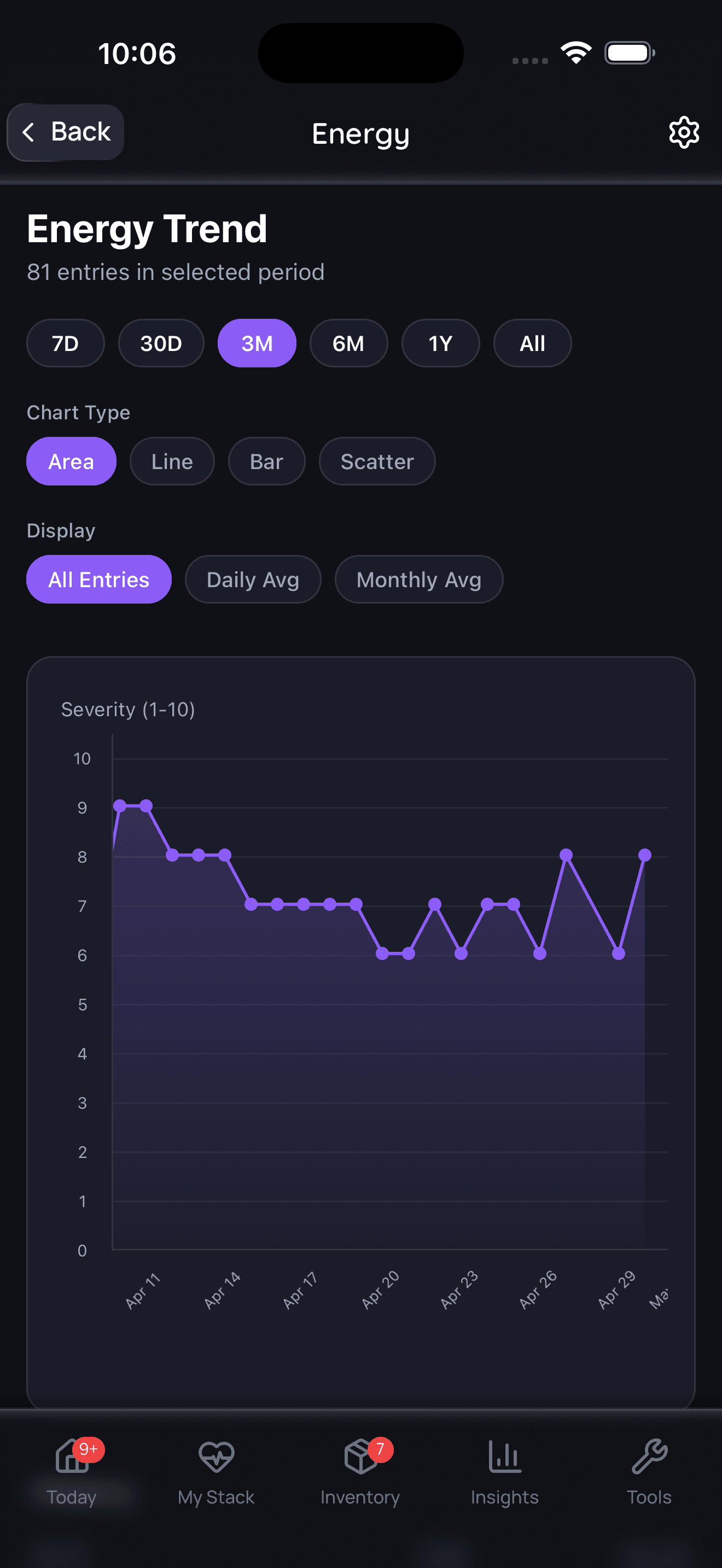
Symptom tracking is informational and should be interpreted with a qualified clinician.
Interactions & Compatibility
SYNERGISTIC
- Reishi Mushroom — Frequently combined in traditional and modern formulations. Reishi provides complementary adaptogenic and immune-modulating effects. Some users report improved sleep when combining Lion's Mane (for cognition) with Reishi (for relaxation).
- Cordyceps — Another medicinal mushroom often stacked with Lion's Mane. Cordyceps is valued for energy and endurance support, while Lion's Mane provides cognitive support, covering different functional domains.
- Chaga — Frequently included in multi-mushroom blends. Chaga provides antioxidant support that may complement Lion's Mane's neuroprotective effects.
- Alpha-GPC — Provides choline, a precursor to acetylcholine. Some nootropic practitioners combine Alpha-GPC with Lion's Mane, reasoning that increased NGF production (from Lion's Mane) paired with increased acetylcholine availability (from Alpha-GPC) may enhance cognitive effects. Limited clinical evidence for the combination.
- Bacopa Monnieri — Another nootropic herb targeting cognitive function through different mechanisms (antioxidant neuroprotection, serotonin modulation). Commonly stacked with Lion's Mane in nootropic protocols.
- Omega-3 Fatty Acids — Essential for brain health and myelin maintenance. Theoretical synergy with Lion's Mane's myelination-promoting effects.
CAUTION / AVOID
- Anticoagulant/antiplatelet medications (Warfarin, Aspirin, Clopidogrel) — Hericenone B demonstrates potent anti-platelet activity in laboratory studies. While clinical relevance at oral supplementation doses is uncertain, concurrent use with blood thinners may theoretically increase bleeding risk. Consult a healthcare provider.
- Immunosuppressant medications — Lion's Mane's beta-glucan polysaccharides stimulate immune cell activation. This could potentially counteract immunosuppressive therapy. Not recommended for post-transplant patients or those on active immunosuppression without medical supervision.
- Antidiabetic medications — Some preclinical data suggests hypoglycemic effects. Monitoring blood glucose is advisable if combining with diabetes medications.
- Hormone-sensitive conditions — MSKCC reports potential phytoestrogenic activity. Individuals with estrogen-receptor-positive cancers or hormone-sensitive conditions should consult their oncologist before use.
How to Take / Administration Guide
Recommended forms and selection:
Practitioners and the research community generally distinguish between three main product types:
- Fruiting body powder/extract — Contains hericenones and beta-glucans. Hot water or dual extraction improves polysaccharide bioavailability. Look for products standardized to beta-glucan content (ideally 25%+ beta-glucans).
- Mycelium powder (liquid-cultured) — Contains erinacines, which may be the most potent NGF-stimulating compounds. Non-extracted dried powder may be preferred, as heat extraction can damage erinacines. Ensure the product specifies erinacine A content.
- Mycelium-on-grain products — These products grow mycelium on a grain substrate (rice, oats). The final product contains a significant proportion of starch from the grain, diluting the mushroom content. Several quality assessments have flagged these products as potentially misleading when labeled as "mushroom" [20].
Timing considerations:
No strict timing requirements exist. Common approaches include:
- Dividing the daily dose into 2-3 servings throughout the day
- Taking with meals if GI discomfort is a concern
- Some users prefer morning and midday dosing to support cognitive function during active hours
Stacking guidance:
Lion's Mane is commonly combined with other medicinal mushrooms (Reishi, Cordyceps, Turkey Tail, Chaga) in multi-mushroom formulas. When stacking, total mushroom intake should be considered. Lion's Mane can also be combined with nootropic compounds such as Alpha-GPC, Bacopa Monnieri, or L-Theanine.
Cycling:
No cycling protocols have been established in clinical research. The Mori et al. (2009) data showing cognitive decline upon discontinuation suggests that continuous use, rather than cycling, may be more appropriate for cognitive goals [7]. Some users choose to cycle (e.g., 8 weeks on, 2 weeks off) based on general nootropic community practice, though this lacks direct evidence for Lion's Mane specifically.
Powder preparation:
Lion's Mane powder has a mild, slightly sweet flavor. It mixes well into coffee, tea, smoothies, or warm beverages. Mushroom coffee blends containing Lion's Mane are widely available, though the amount of Lion's Mane per serving in these products is often far below clinical study doses.
Choosing a Quality Product
Product quality is an especially important consideration for Lion's Mane because the distinction between fruiting body and mycelium products is not merely academic. These are fundamentally different preparations containing different bioactive compounds.
Third-party certifications to look for:
- USP Verified Mark (tests identity, strength, purity, performance)
- NSF Certified for Sport (screens for banned substances; relevant for athletes)
- Independent third-party testing programs (look for seals from recognized testing organizations)
- Organic certification (USDA Organic or equivalent)
- GMP (Good Manufacturing Practice) certification
Key quality indicators:
- Beta-glucan content specified: The primary marker compound for mushroom supplements. Products should list the percentage of beta-glucans (aim for 25%+ for fruiting body extracts).
- Alpha-glucan content: Starch indicator. High alpha-glucan relative to beta-glucan suggests significant grain filler, particularly in mycelium-on-grain products.
- Erinacine A content specified: For mycelium products claiming NGF benefits. If not specified, the product may not contain meaningful levels.
- Certificate of Analysis (COA) available: Reputable brands provide COAs showing beta-glucan, heavy metal, and microbial testing results.
Red flags to avoid:
- Products labeled "mushroom" but made entirely from mycelium-on-grain (may be misleading)
- Proprietary blends that do not disclose individual ingredient amounts
- Products with no third-party testing or no COA available
- Extremely low per-serving doses in multi-mushroom blends (particularly mushroom coffee products)
- Mega-dosing without supporting evidence
Fruiting body vs. mycelium considerations:
There is an ongoing debate in the mushroom supplement community about which form is superior. The current evidence suggests that both contain valuable bioactives, but different ones. A dual approach using both fruiting body extract (for hericenones and beta-glucans) and mycelium powder (for erinacines) may provide the broadest spectrum of benefits [15][20].
Storage & Handling
Lion's Mane supplements should be stored in a cool, dry place away from direct sunlight and moisture. Capsules and powders are generally stable at room temperature.
Specific considerations:
- Powdered extracts are hygroscopic (absorb moisture from the air) and should be kept in tightly sealed containers
- Liquid extracts and tinctures may require refrigeration after opening; check individual product labels
- Dried whole mushroom should be stored in airtight containers to prevent moisture absorption and potential mold growth
- Most products have a shelf life of 2-3 years when stored properly; check expiration dates
- Avoid storing near heat sources (stove, direct sunlight) as heat may degrade certain bioactive compounds, particularly erinacines
Lifestyle & Supporting Factors
Dietary considerations:
Lion's Mane is a food as well as a supplement. Fresh or dried Lion's Mane mushroom can be incorporated into the diet through cooking. When cooked, it has a mild, seafood-like flavor and a meaty texture. However, cooking may reduce the bioavailability of some heat-sensitive compounds (particularly erinacines), so dietary consumption and supplementation serve somewhat different purposes [1][15].
A diet rich in other neuroprotective nutrients may complement Lion's Mane supplementation:
- Omega-3 fatty acids (fatty fish, walnuts, flaxseed) for myelin health and neuroinflammation
- Antioxidant-rich foods (berries, leafy greens, dark chocolate) for oxidative stress reduction
- B vitamins (B6, B12, folate) for neurotransmitter synthesis and methylation
Exercise:
Physical exercise is one of the most well-established ways to increase endogenous BDNF production. Combining regular aerobic exercise with Lion's Mane supplementation could theoretically amplify neurotrophin signaling through complementary pathways.
Sleep:
Quality sleep is essential for neurogenesis and memory consolidation. Lion's Mane's potential effects on cognition and memory may be enhanced when paired with adequate sleep hygiene. Some evidence (Vigna et al. 2019) suggests Lion's Mane may improve sleep quality independently [16].
Cognitive engagement:
Novel learning, social interaction, and cognitively challenging activities stimulate neuroplasticity. If Lion's Mane does increase NGF and BDNF production, pairing supplementation with active cognitive engagement may optimize the brain's ability to form new neural connections.
Stress management:
Chronic stress impairs neurogenesis and accelerates cognitive decline. Stress management practices (meditation, breathwork, nature exposure) may work synergistically with Lion's Mane's reported stress-reducing and neuroprotective properties.
Regulatory Status & Standards
United States (FDA):
Lion's Mane is marketed as a dietary supplement under DSHEA. It is not evaluated by the FDA for efficacy in diagnosing, treating, curing, or preventing any disease. Lion's Mane does not have GRAS (Generally Recognized As Safe) status as a food ingredient from the FDA, though it has been consumed as food for centuries in East Asia without documented safety concerns. No New Dietary Ingredient (NDI) notification has been identified as required for traditional Lion's Mane preparations.
Canada (Health Canada):
Lion's Mane products may be licensed as Natural Health Products (NHPs) with an assigned Natural Product Number (NPN). Health Canada recognizes certain traditional use claims for Hericium erinaceus.
European Union (EFSA):
Lion's Mane does not have novel food authorization in the EU as of the latest available information. Its status may vary by member state. No authorized health claims have been established by EFSA for Lion's Mane.
Australia (TGA):
Lion's Mane may be available as a listed complementary medicine. Regulatory classification depends on the specific claims made and the product formulation.
Active Clinical Trials:
NCT07405632 — "The Impact of Supplementation With Hericium Erinaceus (Lion's Mane) on Cognitive Function" (registered on ClinicalTrials.gov, 2026).
Athlete & Sports Regulatory Status:
Lion's Mane mushroom is NOT on the current WADA Prohibited List. It is not a banned substance in any major professional sports league (NFL, NBA, MLB, NHL, MLS, NCAA). Athletes may use Lion's Mane supplements without risk of anti-doping violations, though the general advisory applies: all supplements carry some risk of contamination with prohibited substances.
Third-party tested Lion's Mane products are available through programs including NSF Certified for Sport and Informed Sport, which test for 280+ WADA-banned substances. Athletes are advised to choose third-party certified products to minimize contamination risk.
GlobalDRO (globaldro.com) can be used to verify the status of Lion's Mane products across the US, UK, Canada, Australia, Japan, Switzerland, and New Zealand.
Regulatory status and prohibited substance classifications change frequently. Athletes should always verify the current status of any supplement with their sport's governing body, their national anti-doping agency, and a qualified sports medicine professional before use. Third-party certification (Informed Sport, NSF Certified for Sport) reduces but does not eliminate the risk of contamination with prohibited substances.
Frequently Asked Questions
Does Lion's Mane actually improve memory and focus?
Based on available clinical evidence, Lion's Mane supplementation has been associated with modest improvements in cognitive function in several small human trials. The most consistent results have been observed in populations with existing cognitive impairment (mild cognitive impairment, early Alzheimer's disease) at doses of 1,050 to 3,000 mg per day over 12 to 49 weeks. Effects in healthy young adults with normal cognitive function have been inconsistent. Anyone considering Lion's Mane for cognitive goals should discuss this with a healthcare professional.
How long does it take for Lion's Mane to work?
Available research suggests that cognitive benefits may begin to emerge after 3 to 4 weeks of consistent use, with more substantial effects appearing after 8 to 16 weeks. Mood-related improvements have been observed as early as 4 weeks. Acute (single-dose) effects have not been demonstrated. Individual response timelines vary.
Should I take fruiting body or mycelium?
This is one of the most debated questions in the mushroom supplement community. The fruiting body contains hericenones and beta-glucan polysaccharides, while the mycelium contains erinacines, which current research suggests may be the most potent NGF-stimulating compounds. Some practitioners suggest a dual approach using both forms to capture the broadest spectrum of bioactive compounds. The key is choosing products with clear specifications and third-party testing.
Is Lion's Mane safe to take every day?
Toxicology data supports a favorable safety profile, with no adverse effects observed in rats at doses up to 2,000 mg/kg body weight per day in 90-day studies. Lion's Mane has been consumed as food in East Asia for centuries. Commonly reported side effects include mild GI discomfort and rare allergic reactions. Continuous daily use appears to be more effective than intermittent use based on the Mori et al. (2009) data showing benefits increase over time and decline upon cessation.
Can Lion's Mane cause anxiety?
This is an emerging concern highlighted by community reports. Some users, particularly those taking higher-potency or concentrated extracts, have reported paradoxical increases in anxiety. This effect appears dose-dependent. If anxiety occurs, practitioners generally suggest reducing the dose or switching to a different form. The mechanism is not established but may be related to NGF stimulation effects.
Does Lion's Mane interact with medications?
Lion's Mane has demonstrated anti-platelet activity (via hericenone B) in laboratory studies, which could theoretically interact with anticoagulant or antiplatelet medications. Its immunomodulatory properties may also interact with immunosuppressant drugs. Individuals taking prescription medications should consult their healthcare provider before supplementing.
What is the difference between mushroom powder and mushroom extract?
Mushroom powder is simply the dried, ground mushroom (or mycelium). An extract involves processing (hot water, alcohol, or both) to concentrate specific compounds and improve bioavailability. Concentrated extracts (4:1, 8:1, 10:1) contain higher amounts of certain compounds per gram but may lose others in the process. A 1:1 extract aims to make the whole mushroom bioavailable without concentration.
Is Lion's Mane safe during pregnancy?
No safety data exists for Lion's Mane supplementation during pregnancy or breastfeeding. Most product labels advise against use during these periods. Individuals who are pregnant, planning to become pregnant, or breastfeeding should consult their healthcare provider.
Can I get benefits from eating Lion's Mane mushroom as food?
Lion's Mane is edible and can be consumed as food. However, raw or simply cooked mushroom may have lower bioavailability of certain compounds compared to extracted supplements, because chitin in mushroom cell walls limits digestion efficiency. Cooking may also degrade heat-sensitive compounds like erinacines. Dietary consumption and supplementation serve somewhat different purposes.
How much beta-glucan should a Lion's Mane supplement contain?
Higher beta-glucan content generally indicates a more potent mushroom extract. For fruiting body extracts, products containing 25% or more beta-glucans by weight are generally considered high quality. Low beta-glucan content, particularly paired with high alpha-glucan (starch) content, may indicate significant grain filler in mycelium-on-grain products. Look for products that specify both beta-glucan and alpha-glucan percentages.
Myth vs. Fact
Myth: Lion's Mane will dramatically improve your brain function within days.
Fact: Clinical research shows that cognitive benefits from Lion's Mane develop gradually over weeks to months of consistent use, not days. Acute (single-dose) studies have not demonstrated significant cognitive improvement. The Mori et al. (2009) trial showed progressive improvement at 8, 12, and 16 weeks. Individual response timelines vary, and some users report no noticeable effects [7][25].
Myth: All Lion's Mane supplements are the same.
Fact: Lion's Mane products vary enormously in composition and potency. A fruiting body extract contains hericenones and beta-glucans; a mycelium product contains erinacines. Mycelium-on-grain products may contain substantial starch filler. Quality assessments have found that some products labeled "mushroom" are actually mycelium-on-grain with minimal mushroom content. The form, extraction method, and specifications matter significantly [15][20].
Myth: Lion's Mane cures Alzheimer's disease.
Fact: While Lion's Mane has shown neuroprotective effects in preclinical models and one small pilot study found improvements in patients with mild Alzheimer's disease, it is not a cure or approved treatment for any neurodegenerative condition. The existing clinical evidence is preliminary and limited to small trials. Larger, longer-duration studies are needed [17][18].
Myth: Higher doses of Lion's Mane are always better.
Fact: More is not necessarily better. Clinical studies have used 1,050 to 3,000 mg per day, and there is no evidence that doses above this range provide additional benefits. Some community reports suggest that higher doses of concentrated extracts may actually cause adverse effects such as anxiety. The minimum effective dose has not been established for any specific outcome [7][8].
Myth: Lion's Mane is only useful for brain health.
Fact: While cognitive effects dominate the discussion, Lion's Mane has demonstrated immunomodulatory, anti-inflammatory, and gut health effects in research. Its beta-glucan polysaccharides activate immune cells, clinical data shows gut microbiome diversity improvement, and preclinical studies show wound healing and anti-cancer properties. It is a multi-system mushroom, not solely a brain supplement [6][10][13].
Myth: Mushroom coffee gives you the same benefits as a Lion's Mane supplement.
Fact: Mushroom coffee blends typically contain a small amount of Lion's Mane per serving, often far below the doses used in clinical studies (1,050-3,000 mg/day). While convenient, the amount of bioactive compounds in a cup of mushroom coffee may not be sufficient to deliver the effects demonstrated in research. Check the per-serving dose on the label [20].
Myth: Lion's Mane has no side effects.
Fact: While generally well-tolerated, Lion's Mane can cause GI discomfort, nausea, allergic reactions, and, in some individuals, paradoxical anxiety. One case report documented acute respiratory failure after 4 months of daily use. It also has potential interactions with anticoagulant medications and immunosuppressants [6][10][26][27].
Sources & References
Systematic Reviews & Meta-Analyses
[1] Friedman M. Chemistry, Nutrition, and Health-Promoting Properties of Hericium erinaceus (Lion's Mane) Mushroom Fruiting Bodies and Mycelia and Their Bioactive Compounds. J Agric Food Chem. 2015;63(32):7108-23. doi:10.1021/acs.jafc.5b02914
[2] Khan MA, Tania M, Liu R, Rahman MM. Hericium erinaceus: an edible mushroom with medicinal values. J Complement Integr Med. 2013;10. doi:10.1515/jcim-2013-0001
[3] Contato AG, Conte-Junior CA. Lion's Mane Mushroom (Hericium erinaceus): A Neuroprotective Fungus with Antioxidant, Anti-Inflammatory, and Antimicrobial Potential — A Narrative Review. Nutrients. 2025;17(8):1307. doi:10.3390/nu17081307
Clinical Trials & RCTs
[4] Kawagishi H, Shimada A, Shirai R, et al. Erinacines A, B and C, strong stimulators of nerve growth factor (NGF)-synthesis, from the mycelia of Hericium erinaceum. Tetrahedron Lett. 1994;35:1569-72. doi:10.1016/S0040-4039(00)76760-8
[5] Zhang CC, Yin X, Cao CY, Wei J, Zhang Q, Gao JM. Chemical constituents from Hericium erinaceus and their ability to stimulate NGF-mediated neurite outgrowth on PC12 cells. Bioorg Med Chem Lett. 2015;25(22):5078-82. doi:10.1016/j.bmcl.2015.10.016
[6] Menon A, Jalal A, Arshad Z, Nawaz FA, Kashyap R. Benefits, side effects, and uses of Hericium erinaceus as a supplement: a systematic review. Front Nutr. 2025. PMID:40959699
[7] Mori K, Inatomi S, Ouchi K, Azumi Y, Tuchida T. Improving effects of the mushroom Yamabushitake (Hericium erinaceus) on mild cognitive impairment: a double-blind placebo-controlled clinical trial. Phytother Res. 2009;23(3):367-72. doi:10.1002/ptr.2634
[8] Saitsu Y, Nishide A, Kikushima K, Shimizu K, Ohnuki K. Improvement of cognitive functions by oral intake of Hericium erinaceus. Biomed Res. 2019;40(4):125-131. doi:10.2220/biomedres.40.125
Preclinical & Mechanistic Studies
[9] Hu JH, Li IC, Lin TW, et al. Absolute Bioavailability, Tissue Distribution, and Excretion of Erinacine S in Hericium erinaceus Mycelia. Molecules. 2019;24(8). doi:10.3390/molecules24081624
[10] Mori K, Obara Y, Hirota M, et al. Nerve growth factor-inducing activity of Hericium erinaceus in 1321N1 human astrocytoma cells. Biol Pharm Bull. 2008;31(9):1727-32. doi:10.1248/bpb.31.1727. See also: Trovato A et al. Redox modulation of cellular stress response and lipoxin A4 expression by Hericium Erinaceus in rat brain. Immun Ageing. 2016;13:23.
[11] Huang HT, Ho CH, Sung HY, et al. Hericium erinaceus mycelium and its small bioactive compounds promote oligodendrocyte maturation with an increase in myelin basic protein. Sci Rep. 2021;11:6551. doi:10.1038/s41598-021-85972-2
[12] Martinez-Marmol R, Chai Y, Conroy JN, et al. Hericerin derivatives activates a pan-neurotrophic pathway in central hippocampal neurons converging to ERK1/2 signaling enhancing spatial memory. J Neurochem. 2023;165(6):791-808. doi:10.1111/jnc.15767
[13] Wang LY, Huang CS, Chen YH, Chen CC, Chen CC, Chuang CH. Anti-Inflammatory Effect of Erinacine C on NO Production Through Down-Regulation of NF-kB and Activation of Nrf2-Mediated HO-1 in BV2 Microglial Cells. Molecules. 2019;24(18). doi:10.3390/molecules24183317
[14] Kim SP, Nam SH, Friedman M. Hericium erinaceus mushroom extracts inhibit metastasis of cancer cells to the lung. J Agric Food Chem. 2013;61(20):4898-904. doi:10.1021/jf400916c
[15] Kawagishi H, Zhuang C. Compounds for dementia from Hericium erinaceum. Drugs Future. 2008;33(2):149-155. See also: Li IC et al. Neurohealth Properties of Hericium erinaceus Mycelia Enriched with Erinacines. Behav Neurol. 2018;2018:5802634.
[16] Vigna L, Morelli F, Agnelli GM, et al. Hericium erinaceus Improves Mood and Sleep Disorders in Patients Affected by Overweight or Obesity: Could Circulating Pro-BDNF and BDNF Be Potential Biomarkers? Evid Based Complement Alternat Med. 2019;2019:7861297. doi:10.1155/2019/7861297
[17] Tsai-Teng T, Chin-Chu C, Li-Ya L, et al. Erinacine A-enriched Hericium erinaceus mycelium ameliorates Alzheimer's disease-related pathologies in APPswe/PS1dE9 transgenic mice. J Biomed Sci. 2016;23(1):49. doi:10.1186/s12929-016-0266-z
[18] Li IC, Chang HH, Lin CH, et al. Prevention of Early Alzheimer's Disease by Erinacine A-Enriched Hericium erinaceus Mycelia Pilot Double-Blind Placebo-Controlled Study. Front Aging Neurosci. 2020;12:155. doi:10.3389/fnagi.2020.00155
[19] Xie XQ, Geng Y, Guan Q, et al. Influence of Short-Term Consumption of Hericium erinaceus on Serum Biochemical Markers and the Changes of the Gut Microbiota. Nutrients. 2021;13(3). doi:10.3390/nu13031008
[20] You H, Abraham EJ, Mulligan J, et al. Label compliance for ingredient verification: Regulations, approaches, and trends for dietary supplement and food testing. J AOAC Int. 2025. See also: Lakshmanan H et al. Haematological, biochemical and histopathological aspects of Hericium erinaceus ingestion in a rodent model. J Ethnopharmacol. 2016;194:1051-1059.
[21] Hu JH, Li IC, Lin TW, et al. Absolute Bioavailability, Tissue Distribution, and Excretion of Erinacine S in Hericium erinaceus Mycelia. Molecules. 2019;24(8). doi:10.3390/molecules24081624
[22] Nagano M, Shimizu K, Kondo R, et al. Reduction of depression and anxiety by 4 weeks Hericium erinaceus intake. Biomed Res. 2010;31(4):231-7. doi:10.2220/biomedres.31.231
[23] Mori K, Obara Y, Moriya T, Inatomi S, Nakahata N. Effects of Hericium erinaceus on amyloid beta(25-35) peptide-induced learning and memory deficits in mice. Biomed Res. 2011;32(1):67-72. doi:10.2220/biomedres.32.67
[24] Grozier CD, Alves VA, Killen LG, Simpson JD, O'Neal EK, Waldman HS. Four Weeks of Hericium erinaceus Supplementation Does Not Impact Markers of Metabolic Flexibility or Cognition. Int J Exerc Sci. 2022;15(2):1366-1380
[25] Docherty S, Doughty FL, Smith EF. The Acute and Chronic Effects of Lion's Mane Mushroom Supplementation on Cognitive Function, Stress and Mood in Young Adults. Nutrients. 2023;15(22). doi:10.3390/nu15224842
Safety & Toxicology
[26] Chaudhary A, Saifi A, Kumar Garg V. A toxicological assessment of Hericium erinaceus (Lion's mane) and Trametes versicolor (Turkey tail) mushroom powders. Front Toxicol. 2025.
[27] Memorial Sloan Kettering Cancer Center. Lion's Mane Mushroom: Purported Benefits, Side Effects & More. Updated June 5, 2024. https://www.mskcc.org/cancer-care/integrative-medicine/herbs/lions-mane-mushroom
Related Supplement Guides
Same Category (Medicinal Mushrooms)
Common Stacks / Pairings
- Alpha-GPC — Acetylcholine support for cognitive stacking
- Bacopa Monnieri — Complementary nootropic (different mechanism)
- L-Theanine — Calming nootropic for focus without overstimulation
- Omega-3 Fatty Acids — Myelin health and neuroinflammation
- Ashwagandha — Adaptogenic stress and anxiety support
Related Health Goal
- Ginkgo Biloba — Cognitive function and cerebral blood flow
- Phosphatidylserine — Cognitive support and cortisol modulation
- Creatine Monohydrate — Cognitive and neuroprotective effects (emerging evidence)
- Vitamin B12 — Nervous system maintenance and myelination
- Vitamin D3 — Neuroprotective effects and mood support