
Chaga Mushroom: The Complete Supplement Guide
On this page
Quick Reference Card
Attribute
Common Name
- Detail
- Chaga Mushroom
Attribute
Other Names / Aliases
- Detail
- Inonotus obliquus, Birch Conk, Clinker Polypore, Cinder Conk, Bai Hua Rang (Chinese), Kabanoanatake (Japanese), Czaga (Polish)
Attribute
Category
- Detail
- Medicinal Mushroom (Functional Fungus, Hymenochaetaceae family)
Attribute
Primary Forms & Variants
- Detail
- Dried mushroom chunks (for tea decoction), powdered extract (hot water or dual-extracted), capsules (standardized to beta-glucans or triterpenes), liquid tincture (alcohol extraction), raw ground powder
Attribute
Typical Dose Range
- Detail
- Up to 3.6 g/day of dried mushroom (Health Canada); extract dosing not established due to lack of human clinical trials
Attribute
RDA / AI / UL
- Detail
- Not established (functional mushroom, not an essential nutrient)
Attribute
Common Delivery Forms
- Detail
- Tea (traditional decoction), capsule, powder, tincture, liquid extract
Attribute
Best Taken With / Without Food
- Detail
- Traditionally consumed as a tea. Extracts can be taken with or without food. Taking with a fat source may improve absorption of alcohol-soluble triterpenoids.
Attribute
Key Cofactors
- Detail
- Vitamin C (enhances absorption of certain polyphenols, but note: combined chaga + high-dose vitamin C has been implicated in one oxalate nephropathy case report); birch tree substrate provides betulinic acid precursors
Attribute
Storage Notes
- Detail
- Store dried chunks and powder in a cool, dry place away from direct sunlight. Tinctures should be kept in dark glass bottles. Shelf life typically 1 to 2 years for properly stored dried material.
Overview
The Basics
Chaga is a dark, hard growth that forms on birch trees in cold climates across Russia, Scandinavia, Canada, and the northern United States. It does not look like a typical mushroom. Rather than a cap and stem, chaga appears as a rough, charcoal-colored mass protruding from the trunk of a living birch tree. That black exterior is actually packed with melanin, the same pigment responsible for skin color in humans, which contributes to chaga's remarkably high antioxidant content [1][2].
In Russian and northern European folk medicine, chaga has been used for centuries as a general health tonic, brewed into a dark, earthy tea. Traditional uses include supporting the immune system, improving stamina, and treating digestive issues. The name "chaga" itself comes from the Russian word for the fungus. In Siberian folk medicine, it was considered one of the most important natural remedies, and its use dates back at least to the 16th century [1][3].
What sets chaga apart from other medicinal mushrooms is its unique growing relationship with birch trees. As it grows, it absorbs compounds from the tree, particularly betulin and betulinic acid from the birch bark. This means wild-harvested chaga has a different chemical profile than cultivated chaga, which is one reason the wild form is generally preferred in traditional practice [4][5].
It is important to understand upfront that while chaga has extensive preclinical research (studies in cells and animals), there is almost no human clinical trial data supporting its use. The enthusiasm around chaga in the supplement community is largely based on traditional use and laboratory findings, not on proven human health outcomes [1][6].
The Science
Inonotus obliquus (Pers.:Fr.) Pilat is a parasitic fungus of the family Hymenochaetaceae that primarily colonizes Betula species (birch trees) in boreal and temperate forests of the Northern Hemisphere. The visible growth, commonly called a "conk" or "sclerotium," comprises both wood from the host tree and mycelium of the invasive fungus, making it a unique biological hybrid rather than a pure fungal fruiting body [1][7].
Over 300 bioactive compounds have been isolated from I. obliquus, organized into several major classes: polysaccharides (primarily beta-glucans), triterpenoids (lanostane-type, including inotodiol, trametenolic acid, betulinic acid, and betulin), polyphenols (including melanin complexes), sterols (ergosterol and its peroxide derivative), organic acids (oxalic, gallic, protocatechuic, p-hydroxybenzoic), and lignin derivatives [1][5][8].
The preclinical evidence base is substantial. In vitro and animal studies have demonstrated antitumor, anti-mutagenic, antiviral, antiplatelet, antidiabetic, antioxidant, analgesic, immunomodulating, anti-inflammatory, anti-allergic, and cognition-enhancing activities [6][7]. However, these findings have not been replicated in controlled human trials, and the single published human study is a case series from Soviet-era research on psoriasis treatment that does not meet modern clinical trial standards [1].
Natural reserves of wild chaga have been significantly depleted in some regions, prompting research into cultivated substitutes. Studies comparing wild and cultivated specimens show differences in triterpenoid content, with wild birch-grown chaga containing higher concentrations of betulinic acid derived from the host tree [5][7].
Chemical & Nutritional Identity
Property
Scientific Name
- Detail
- Inonotus obliquus (Pers.:Fr.) Pilat
Property
Family
- Detail
- Hymenochaetaceae (order Hymenochaetales)
Property
Primary Bioactive Classes
- Detail
- Polysaccharides (beta-glucans), triterpenoids (lanostane-type), polyphenols, melanin, sterols, organic acids
Property
Key Triterpenoids
- Detail
- Inotodiol (most abundant), trametenolic acid, betulinic acid, betulin, lanosterol, 3beta-hydroxy-lanosta-8,24-dien-21-al
Property
Key Polysaccharides
- Detail
- Beta-glucans (1,3- and 1,6-linked), heteropolysaccharides containing glucose, galactose, mannose, xylose
Property
Other Notable Compounds
- Detail
- Melanin complexes, ergosterol peroxide, oxalic acid (up to 14% in some analyses), superoxide dismutase (SOD), gallic acid, protocatechuic acid
Property
CAS Number
- Detail
- N/A (complex biological extract, not a single compound)
Property
Category
- Detail
- Medicinal mushroom (functional fungus)
Property
Part Used
- Detail
- Sclerotium (conk), including both outer black crust (rich in melanin, betulinic acid) and inner golden-brown tissue
Property
RDA / AI / UL
- Detail
- Not established
Property
Standardization
- Detail
- Extracts typically standardized to beta-D-glucan content (20-40%) or total triterpene content (2-5%)
Property
ORAC Value
- Detail
- Among the highest recorded for any natural food source (reported values vary widely by extraction method)
The dark outer layer (the crust) and the inner tissue of the chaga conk have different chemical profiles. The outer crust is particularly rich in melanin and betulinic acid, while the inner tissue contains higher concentrations of polysaccharides. Both layers contribute to the overall bioactivity, which is why whole-conk preparations are generally considered more complete than preparations from one tissue type alone [4][5].
Mechanism of Action
The Basics
Chaga works through several different pathways simultaneously, which is part of what makes it interesting to researchers but also part of what makes its effects difficult to pin down in human studies.
The most discussed mechanism is immune modulation. Chaga's polysaccharides, particularly the beta-glucans, interact with immune cells and help regulate the body's immune response. Think of it like a dimmer switch rather than an on/off button: instead of simply stimulating the immune system, chaga appears to help it respond more appropriately, ramping up when needed and calming down when the response is excessive [6][9].
The antioxidant activity is another major mechanism. Chaga contains melanin, the same type of pigment found in human skin, along with polyphenols and superoxide dismutase (SOD). These compounds help neutralize free radicals, which are unstable molecules that can damage cells over time. The extraordinarily high antioxidant content is one of the most verifiable properties of chaga, even if the downstream health effects of consuming those antioxidants are less clear [1][5].
The anti-inflammatory effects appear to work by reducing the production of inflammatory signaling molecules. This is the mechanism behind the reports from some users who notice improvements in joint comfort, reduced swelling, or fewer headaches when taking chaga regularly [7][10].
The Science
The immunomodulatory effects of I. obliquus are primarily attributed to its polysaccharide fraction. Beta-glucans and heteropolysaccharides modulate immune function through Th1/Th2 cytokine secretion in immune cells and regulation of antigen-specific antibody production [9]. In ovalbumin-sensitized murine models, chaga extracts suppressed antigen-specific IgE production through modulation of Th1/Th2 cytokine balance [11].
Anti-inflammatory activity has been demonstrated through multiple pathways. Methanol extracts of I. obliquus inhibit nitric oxide synthase (iNOS) and cyclooxygenase-2 (COX-2) expression, reducing prostaglandin and nitric oxide production [10]. In animal models of colitis, aqueous chaga extract suppressed tumor necrosis factor alpha (TNF-alpha), iNOS, and interleukin-1beta (IL-1beta), ameliorating dextran sulfate sodium-induced colitis [12].
Antitumor mechanisms are diverse and include: (a) induction of G0/G1 cell cycle arrest in hepatoma HepG2 cells [13]; (b) selective apoptosis in tumor cells via upregulation of Bax and caspase-3 and downregulation of Bcl-2 [14]; (c) inhibition of colorectal cancer through ergosterol peroxide-mediated downregulation of the beta-catenin pathway [15]; (d) suppression of STAT3 activity in oral cancer cells [16]; and (e) autophagy-mediated apoptotic cell death through activation of p38 MAPK and NF-kappaB signaling pathways [16]. Critically, these are exclusively in vitro and animal findings.
Cognition-enhancing effects observed in animal studies involved decreased malondialdehyde and nitrite levels, decreased acetylcholinesterase activity, and restoration of glutathione, superoxide dismutase, and acetylcholine levels in scopolamine-treated mice [17].
Antidiabetic effects are attributed to terpenoids that inhibit alpha-glucosidase activity in vitro [18], and in animal models, polysaccharides modulated oxidative stress in streptozotocin-induced diabetic mice [19].
Absorption & Bioavailability
The Basics
How your body absorbs chaga depends heavily on how the mushroom is prepared. Raw chaga is encased in chitin, a tough structural material that your digestive system cannot efficiently break down. This is why traditional preparation always involves prolonged hot water extraction (simmering for hours) rather than simply eating or briefly steeping the mushroom [1][4].
The compounds in chaga fall into two main groups: water-soluble and alcohol-soluble. The polysaccharides and beta-glucans dissolve in hot water, while the triterpenoids (like inotodiol and betulinic acid) require alcohol extraction. This is why dual-extraction products (using both hot water and alcohol) are considered more complete than single-extraction products. A product made with only hot water extraction will be missing much of the triterpenoid content, while an alcohol-only tincture will lack the polysaccharides [4][5].
One practical concern: the triterpenoids in chaga, including betulinic acid and inotodiol, have notably poor oral bioavailability. Even after extraction, your body absorbs only a fraction of these compounds when taken by mouth. Researchers are exploring liposomal delivery and other formulation strategies to improve this, but currently most standard oral supplements deliver relatively little of these compounds into the bloodstream [20].
The Science
The bioavailability of chaga's bioactive compounds is highly dependent on extraction methodology and formulation. Beta-glucans require hot water extraction (typically 80-100 degrees Celsius for 1-8 hours) to release from the chitin matrix of the fungal cell wall. Without heat-mediated extraction, oral bioavailability of polysaccharides is minimal due to the indigestibility of chitin in the human gastrointestinal tract [1][4].
Triterpenoids, including inotodiol (the most abundant triterpenoid in chaga) and betulinic acid, are poorly water-soluble and require ethanol or other organic solvent extraction. During LC-MS/MS method validation for inotodiol analysis in mouse plasma, oral administration demonstrated low bioavailability [20]. Betulinic acid similarly presents bioavailability challenges following oral administration, with research exploring hyaluronic acid-coated liposomal formulations to enhance absorption [20].
Dual extraction (sequential hot water and ethanol extraction) captures both water-soluble polysaccharides and alcohol-soluble terpenoids, providing a broader spectrum of bioactive compounds. Extract ratios reported by supplement manufacturers range from 1:1 to 10:1, though standardization methods vary and direct potency comparison between products is difficult.
The melanin content in chaga is primarily located in the outer sclerotial crust and is partially soluble in hot water, contributing to the dark color of chaga tea. Melanin's oral bioavailability and downstream antioxidant activity following absorption are not well characterized in human pharmacokinetic studies.
Managing absorption timing across multiple supplements gets complicated fast. Some need to be taken with food, others on an empty stomach. Some compete for the same absorption pathways, others enhance each other. Doserly organizes all of this into a single schedule that accounts for the interactions between everything in your stack.
Instead of juggling mental notes about which supplements to separate and which to pair, the app handles the coordination for you. It flags timing conflicts, suggests optimal windows based on the forms you're using, and builds a daily routine that gives each supplement its best chance of being absorbed effectively. One place for all the details that are easy to forget.
Turn symptom and safety notes into a clearer timeline.
Doserly helps you log doses, symptoms, and safety observations side by side so patterns are easier to discuss with a qualified clinician.
Pattern view
Logs and observations

Pattern visibility is informational and should be reviewed with a clinician.
Research & Clinical Evidence
The Basics
This is where the chaga story requires some honest framing. Chaga has been extensively studied in laboratories and in animal models, and the results are genuinely interesting. The problem is that virtually none of this research has been tested in humans through the kind of rigorous clinical trials that would confirm whether these effects translate to real-world health benefits.
The preclinical evidence covers an impressive range of potential activities: immune modulation, anti-inflammatory effects, antioxidant activity, blood sugar regulation, antiviral properties, and anticancer effects in cell cultures. These findings are encouraging as a starting point for further research, but they are not evidence that taking a chaga supplement will produce these effects in your body [1][6][7].
The single published human study is a Soviet-era case series from the 1970s that examined chaga preparations for psoriasis treatment. While some patients showed improvement, the study did not meet modern standards for clinical evidence (no control group, no blinding, small sample size). As of 2026, no randomized controlled trials evaluating chaga's efficacy for any health outcome have been completed and published [1].
This does not mean chaga is worthless. It means the scientific conversation is still in its early stages, and making strong health claims based on test-tube and animal data alone is premature.
The Science
Immunomodulation: In vitro, chaga polysaccharides stimulate immune cell activity through Th1/Th2 cytokine modulation and regulation of antigen-specific antibody production [9]. In murine models, chaga extract inhibited IgE production and compound 48/80-induced anaphylactic shock [11]. No human immunomodulation trials have been published.
Anti-inflammatory activity: Chaga methanol extract demonstrated significant anti-inflammatory and antinociceptive effects in multiple animal models [10]. Aqueous extract ameliorated DSS-induced colitis in mice by suppressing TNF-alpha, iNOS, and IL-1beta [12]. In one ex vivo human study, chaga extract inhibited oxidative DNA damage in lymphocytes from patients with inflammatory bowel disease [21]. This is the closest to human evidence for anti-inflammatory effects but was conducted on isolated cells, not in a clinical setting.
Antitumor activity: Extensive in vitro evidence demonstrates cytotoxic effects against multiple cancer cell lines including hepatoma (HepG2), colon cancer (HT-29), melanoma (B16-F10), oral cancer, lung adenocarcinoma, and cervical cancer cells [13][14][15][16][22]. Notably, chaga has been shown to induce selective apoptosis in tumor cells without impacting healthy cells [13]. A 2024 study demonstrated that chaga extract suppresses oral cancer cell growth via inhibition of energy metabolism (Warburg effect) [16]. No human cancer trials exist.
Antidiabetic effects: Terpenoids from chaga inhibit alpha-glucosidase in vitro [18]. In streptozotocin-induced diabetic mice, chaga polysaccharides demonstrated antihyperglycemic and antilipidperoxidative effects [19][23]. No human diabetes trials have been published.
Antiviral activity: Aqueous chaga extract prevented herpes simplex virus entry through inhibition of viral-induced membrane fusion in vitro [24]. Antiviral activity against hepatitis C virus was also demonstrated in cell cultures [25]. No human antiviral trials exist.
Antifatigue effects: Oral administration of chaga polysaccharides to mice increased exercise endurance, increased liver and muscle glycogen content, and decreased blood lactic acid and serum urea nitrogen levels [26]. No human exercise performance trials have been published.
Cognition: In scopolamine-treated mice, chaga methanol extract ameliorated cognitive dysfunction and oxidative stress, improving learning and memory performance [17]. No human cognitive trials exist.
Evidence & Effectiveness Matrix
Category
Immune Function
- Evidence Strength
- 4/10
- Reported Effectiveness
- 6/10
- Summary
- Extensive preclinical immune modulation data (Th1/Th2 balance, IgE suppression) but no human trials. Community reports positive immune resilience, mostly in multi-mushroom stacks.
Category
Inflammation
- Evidence Strength
- 4/10
- Reported Effectiveness
- 6/10
- Summary
- Strong animal model data (colitis, pain models) and one ex vivo human cell study (IBD lymphocytes). Users report reduced joint pain and headaches.
Category
Energy Levels
- Evidence Strength
- 3/10
- Reported Effectiveness
- 5/10
- Summary
- Animal antifatigue data (increased endurance in mice). Mixed community reports: some report substantial energy, others fatigue.
Category
Joint Health
- Evidence Strength
- 3/10
- Reported Effectiveness
- 5/10
- Summary
- Anti-inflammatory mechanism supports joint benefit plausibility. Limited but positive community reports.
Category
Skin Health
- Evidence Strength
- 2/10
- Reported Effectiveness
- 5/10
- Summary
- Melanin content is documented; collagen synthesis claims lack clinical evidence. Some positive community reports.
Category
Gut Health
- Evidence Strength
- 3/10
- Reported Effectiveness
- 5/10
- Summary
- Animal colitis model data is promising. Community reports of digestive improvement, though initial GI discomfort also reported.
Category
Sleep Quality
- Evidence Strength
- 2/10
- Reported Effectiveness
- 4/10
- Summary
- No sleep-specific preclinical data. Community reports are contradictory (some improvement, some disruption).
Category
Mood & Wellbeing
- Evidence Strength
- 2/10
- Reported Effectiveness
- 5/10
- Summary
- Animal cognition data exists but no mood-specific research. Limited positive community reports.
Category
Focus & Mental Clarity
- Evidence Strength
- 3/10
- Reported Effectiveness
- 4/10
- Summary
- Animal cognition data (scopolamine model) shows promise. Very limited community signal, often confounded by stacks.
Category
Side Effect Burden
- Evidence Strength
- 4/10
- Reported Effectiveness
- 7/10
- Summary
- Generally well tolerated in community reports. Oxalate nephropathy risk documented in case reports at high doses.
Categories scored: 10
Categories with community data: 10
Categories not scored (insufficient data): Fat Loss, Muscle Growth, Weight Management, Appetite & Satiety, Food Noise, Memory & Cognition, Anxiety, Stress Tolerance, Motivation & Drive, Emotional Aliveness, Emotional Regulation, Libido, Sexual Function, Pain Management, Recovery & Healing, Physical Performance, Digestive Comfort, Nausea & GI Tolerance, Hair Health, Heart Health, Blood Pressure, Heart Rate & Palpitations, Hormonal Symptoms, Temperature Regulation, Fluid Retention, Body Image, Bone Health, Longevity & Neuroprotection, Cravings & Impulse Control, Social Connection, Treatment Adherence, Withdrawal Symptoms, Daily Functioning
Benefits & Potential Effects
The Basics
Chaga's potential benefits span several areas, but it is essential to understand that most of these are based on preclinical research and traditional use rather than confirmed human outcomes.
The most commonly discussed benefit is immune system support. Chaga's beta-glucans are thought to help the immune system respond more effectively, and this is the primary reason most people take it. While the laboratory evidence for immune modulation is consistent, there is no direct proof that taking a chaga supplement will reduce how often you get sick or help you recover faster [6][9].
Anti-inflammatory effects are another major area of interest. People with chronic low-grade inflammation, joint discomfort, or digestive issues are among the most common users. Some users report meaningful improvements in joint comfort and overall inflammatory markers, though these remain anecdotal [7][10][12].
The antioxidant profile of chaga is one of its more verifiable properties. Chaga contains exceptionally high levels of melanin, polyphenols, and superoxide dismutase (SOD), giving it one of the highest ORAC (Oxygen Radical Absorbance Capacity) values among natural substances. Whether consuming these antioxidants in supplement form translates to measurable health benefits in humans remains an open question [1][5].
Blood sugar regulation is an emerging area of interest, with some animal data and anecdotal reports from diabetic users suggesting chaga may help with glucose management [18][19].
The Science
Immunomodulation: Chaga polysaccharides demonstrate immunomodulatory activity through multiple mechanisms: stimulation of Th1/Th2 cytokine secretion, regulation of antigen-specific antibody production, and modulation of IgE response in sensitized models [9][11]. The beta-glucan component activates innate immune pathways via dectin-1 and complement receptor 3 recognition.
Anti-inflammatory: Demonstrated inhibition of iNOS and COX-2 expression, suppression of TNF-alpha, and reduction of IL-1beta in multiple in vitro and animal models [10][12]. Ex vivo, chaga extract inhibited oxidative DNA damage in lymphocytes from IBD patients, suggesting potential relevance to inflammatory conditions in humans [21].
Antioxidant: Chaga's antioxidant capacity derives from melanin complexes, polyphenols (gallic acid, protocatechuic acid), and the enzyme superoxide dismutase (SOD). The 3beta-hydroxy-lanosta-8,24-dien-21-al and inotodiol constituents contribute additional antimutagenic and antioxidative activities [27].
Antidiabetic: Alpha-glucosidase inhibition by chaga terpenoids may slow carbohydrate digestion and post-meal glucose spikes [18]. In animal models, polysaccharide fractions demonstrated dose-dependent antihyperglycemic effects [19][23].
Antitumor: Multiple in vitro mechanisms documented across numerous cancer cell lines, including cell cycle arrest, selective apoptosis induction, beta-catenin pathway suppression, STAT3 inhibition, and Warburg effect disruption [13][14][15][16]. These findings represent early-stage research that has not progressed to clinical application.
When you're taking multiple supplements, it's hard to know which one is doing the heavy lifting. The benefits described above may overlap with effects from other items in your stack, lifestyle changes, or seasonal variation. Doserly helps you untangle that by keeping everything in one place, with timestamps, doses, and outcomes logged together.
Over time, this builds something more valuable than any product review: your personal evidence record. You can see exactly when you started this supplement, what else was in your routine at the time, and how your tracked health markers responded. That clarity makes the difference between guessing and knowing, whether you're talking to a healthcare provider or simply deciding if it's worth reordering.
Capture changes while they are still fresh.
Log symptoms, energy, sleep, mood, and other observations alongside protocol events so patterns do not live only in memory.
Trend view
Symptom timeline
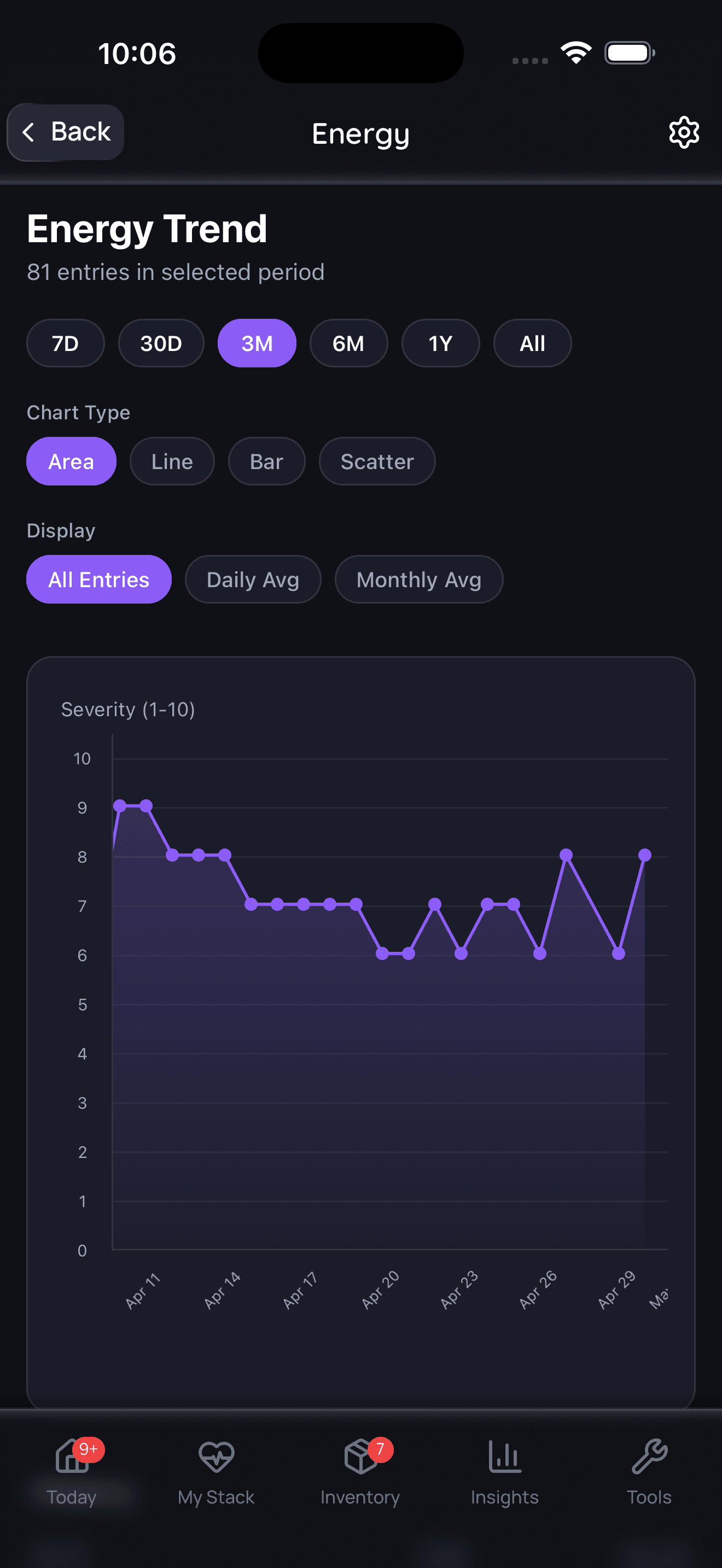
Symptom tracking is informational and should be interpreted with a qualified clinician.
Side Effects & Safety
The Basics
Chaga is generally considered safe when consumed in moderate amounts as a tea or as a supplement at typical doses. Most users report no side effects, and in community discussions, tolerance is rated highly. However, there is one significant safety concern that deserves serious attention: the oxalate content [28][29][30].
Chaga contains high levels of oxalic acid, a compound that can accumulate in the kidneys and form calcium oxalate crystals. Several published case reports document patients who developed severe kidney damage (oxalate nephropathy) after consuming chaga regularly at high doses. In two cases, the kidney damage was irreversible and required permanent dialysis. In a third case, kidney function recovered after dialysis and high-dose steroid treatment [28][29][30].
The key risk factors appear to be: high doses (10+ grams per day), long-term daily use (months to years), pre-existing kidney disease, and concurrent high-dose vitamin C supplementation (which increases oxalate formation). One case report involved a patient taking 10-15 grams of chaga powder daily alongside 500 mg of vitamin C for 3 months [30].
Mild side effects reported by some users include initial stomach discomfort (which tends to resolve), occasional flushing, and in rare cases, symptoms consistent with cortisol modulation (fatigue, difficulty waking).
Anyone considering regular chaga supplementation should be aware of the oxalate risk and discuss it with a healthcare provider, particularly individuals with kidney disease, a history of kidney stones, or those taking other high-oxalate foods or supplements.
The Science
Oxalate nephropathy is the most documented adverse effect of chaga consumption. Three published case reports describe the clinical presentation:
- A 49-year-old man developed end-stage renal disease after long-term consumption for atopic dermatitis. Renal biopsy showed calcium oxalate crystal deposition. Hemodialysis was required but renal function did not recover [28].
- A 72-year-old woman with liver cancer developed oxalate nephropathy after ingesting chaga powder (4-5 teaspoons daily) for 6 months. Renal function did not recover [29].
- A 69-year-old man developed acute kidney injury after consuming 10-15 g of chaga powder daily plus 500 mg vitamin C for 3 months. He presented with nephrotic syndrome. Kidney function recovered after hemodialysis and high-dose intravenous steroids (hydrocortisone 500 mg twice daily) [30].
A 2026 animal study confirmed the mechanism: Wistar rats receiving high-dose chaga (3,844.8 mg/kg body weight, equivalent to oxalate at 549 mg/kg) showed significantly increased apoptotic markers (TUNEL-positive, Bax-positive cells) and decreased anti-apoptotic Bcl-2 expression in renal tissue (P < 0.05) [31].
Additionally, the British Columbia Centre for Disease Control documented 5 illness cases associated with chaga tea consumption since 2014, including reports of hepatitis, renal failure, bradycardic episodes, and syncope [32].
Chaga's high oxalic acid content (reported at up to 14% of dry weight in some analyses) represents a meaningful dietary oxalate load at supplement-level doses. Individuals with hyperoxaluria, calcium oxalate kidney stone history, or chronic kidney disease are at elevated risk.
Managing side effect risks across a multi-supplement stack can feel overwhelming, especially when interactions between supplements, medications, and foods add layers of complexity. Doserly brings all of that into a single safety view so nothing falls through the cracks.
Rather than researching every possible interaction yourself, the app checks your full stack automatically and flags supplement-drug and supplement-supplement interactions that warrant attention. If you do experience something unexpected, logging it takes seconds, and over time the app helps you spot patterns: whether symptoms correlate with specific doses, timing, or combinations. One place for the safety picture that matters most when your stack grows beyond a few bottles.
Connect protocol changes to labs and health markers.
Doserly can keep lab results, biomarkers, symptoms, and dose history close together so follow-up conversations have better context.
Insights
Labs and trends
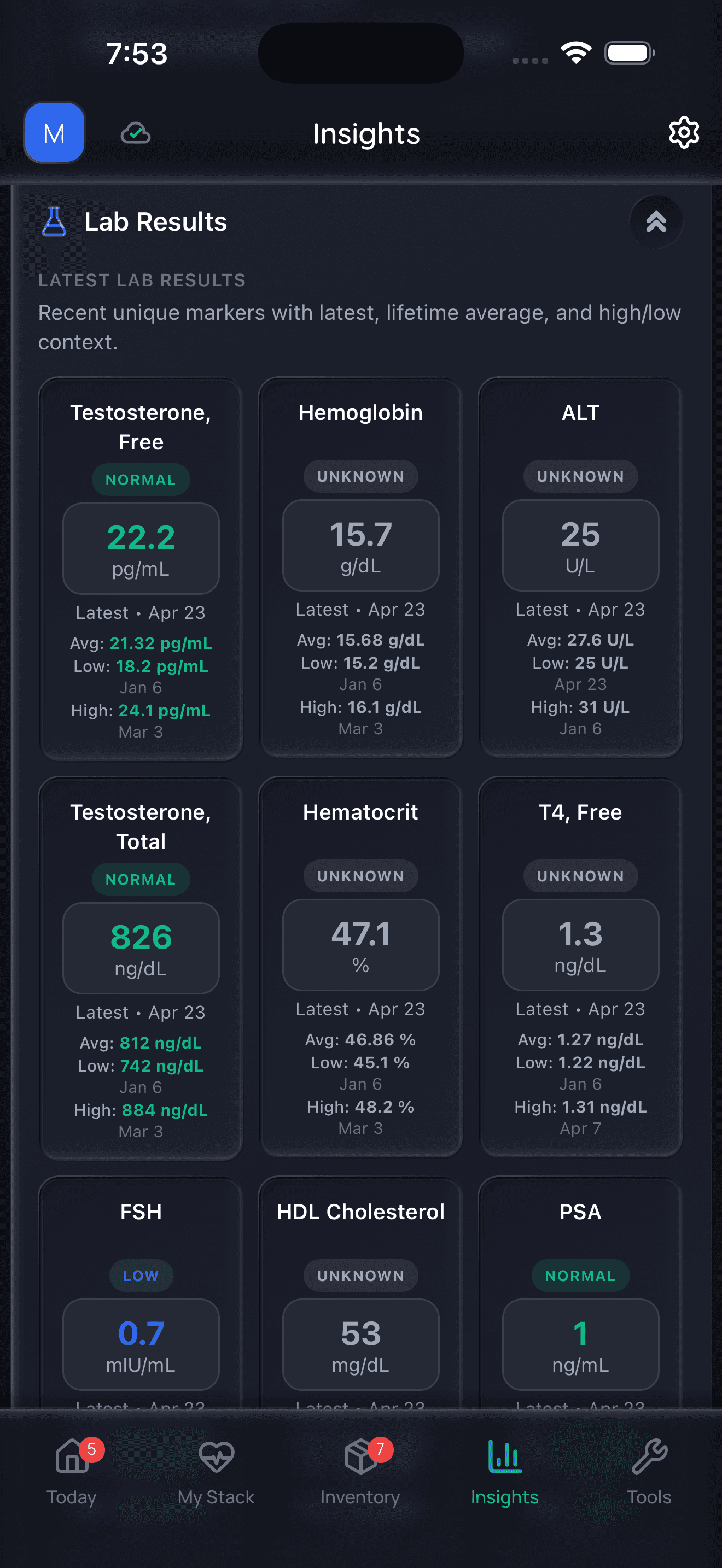
Doserly organizes data; it does not diagnose or interpret labs for you.
Dosing & Usage Protocols
The Basics
Dosing guidance for chaga is unusually limited because there have been no human clinical trials to establish effective doses for any health outcome. What exists are traditional use guidelines and one regulatory dosing limit.
Health Canada, which classifies chaga as a mushroom-category Natural Health Product, sets a maximum daily dose of 3.6 grams of dried mushroom per day [32]. This is one of the few regulatory anchors available.
For standardized extracts (which are more concentrated than raw dried mushroom), there is no established dosing standard. Products on the market vary widely in extract ratios (from 1:1 to 10:1 or higher), beta-glucan standardization levels (20-40%), and triterpene content (2-5%). This makes direct comparison between products difficult, and it means that "500 mg of chaga extract" from one brand may deliver a very different dose of active compounds than the same weight from another brand.
Traditional preparation involves simmering chunks of dried chaga in hot water for 1 to 8 hours to make a decoction (strong tea). This method effectively extracts the water-soluble polysaccharides but does not capture the alcohol-soluble triterpenoids.
Given the documented risk of oxalate nephropathy at high doses (10+ grams per day of raw powder), staying well below the Health Canada limit of 3.6 grams per day, and monitoring kidney function during long-term use, appears prudent based on the available evidence.
The Science
No human dose-response studies have been published for I. obliquus. Dosing guidance is derived from:
- Regulatory limits: Health Canada NHP mushroom monograph permits up to 3.6 g of dried mushroom per day [32].
- Traditional preparation: Decoction of 5-15 g dried chaga chunks simmered in 1-2 liters of water for several hours, consumed throughout the day. This dilute preparation differs substantially from concentrated supplement extracts.
- Animal study extrapolation: In murine antifatigue studies, polysaccharide fractions were administered at doses that, when scaled to human equivalent doses using standard allometric conversion, would approximate 200-500 mg of extracted polysaccharides per day [26]. However, direct mouse-to-human dose extrapolation for complex botanical extracts has significant limitations.
- Case report safety ceiling: Adverse renal events occurred at 10-15 g of raw powder per day [28][29][30], suggesting a substantial safety margin below these levels. However, the oxalate content of individual chaga products varies, making absolute dose thresholds unreliable.
- Supplement market norms: Commercial products commonly recommend 500-1,500 mg of extract per day, typically in 1-2 divided doses. These recommendations are based on manufacturer experience and traditional use rather than clinical validation.
When your stack includes several supplements, each with its own dose, form, and timing requirements, the logistics alone can derail consistency. Doserly consolidates all of it into one protocol view, so every dose across your entire routine is accounted for without spreadsheets or guesswork.
The app also tracks cumulative intake for nutrients that appear in multiple products. If your multivitamin, standalone supplement, and fortified protein shake all contain the same nutrient, Doserly adds them up and shows you the total alongside recommended and upper limits. Managing a thoughtful supplement protocol shouldn't require a degree in nutrition science. The app handles the complexity so you can focus on staying consistent.
Build reminders around the routine, not just the compound.
Doserly can keep timing, skipped doses, and schedule changes organized so the plan you read about becomes easier to follow and review.
Today view
Upcoming reminders
Reminder tracking supports consistency; it does not select a protocol for you.
What to Expect (Timeline)
There is limited clinical data to establish an evidence-based timeline for chaga supplementation. The following is based on community reports and extrapolation from the available preclinical data. Individual experiences vary widely.
Weeks 1-2: Some users report noticing subtle changes in energy and general wellbeing within the first week or two. A few report deeper sleep or reduced mucus congestion. Initial stomach discomfort may occur in sensitive individuals but typically resolves. Some users notice no changes during this period.
Weeks 3-4: Users who respond to chaga often report more consistent effects at this stage, particularly relating to energy levels, digestive comfort, and general sense of wellbeing. Anti-inflammatory benefits (reduced joint stiffness, fewer headaches) may begin to emerge.
Weeks 5-8: If immune-related benefits are going to manifest, this is typically the timeframe community users report noticing patterns such as fewer colds or faster recovery from minor illnesses. Skin improvements (clarity, hydration) have been reported by some users in this window.
8-12+ weeks: Long-term users report the most consistent effects relating to immune resilience and reduced inflammatory symptoms. However, it is important to note that community reports rarely extend beyond a few months, and long-term safety data from controlled studies does not exist. Kidney function monitoring is advisable for anyone using chaga continuously beyond this point.
Important caveat: Because no human clinical trials have established efficacy timelines, these observations represent anecdotal patterns and should not be interpreted as expected or guaranteed outcomes.
Interactions & Compatibility
Synergistic
- Reishi Mushroom — Commonly combined in mushroom blends for complementary immune modulation. Reishi provides additional immune support via different polysaccharide profiles and triterpene compounds.
- Turkey Tail Mushroom — Frequently paired with chaga in immune-focused mushroom stacks. Turkey tail's polysaccharide K (PSK) and polysaccharide-peptide (PSP) complement chaga's beta-glucans.
- Lion's Mane Mushroom — Often combined for a "full spectrum" mushroom stack. Lion's mane provides cognitive support (NGF stimulation) while chaga provides immune and antioxidant support.
- Cordyceps — Paired in performance and vitality stacks. Cordyceps contributes energy and exercise performance benefits while chaga provides antioxidant and immune support.
- Vitamin D3 — Some practitioners suggest combining immune-supportive mushrooms with vitamin D for comprehensive immune system support.
Caution / Avoid
- Anticoagulant/antiplatelet drugs (warfarin, aspirin, clopidogrel): Chaga extract inhibited platelet aggregation in a murine model [33]. It may have synergistic effects with blood-thinning medications, potentially increasing bleeding risk. Clinical significance is unknown but caution is warranted.
- Hypoglycemic agents (insulin, metformin, sulfonylureas): In vitro, chaga had additive effects in lowering blood sugar levels [18]. Concurrent use with diabetes medications could theoretically potentiate hypoglycemia. Blood sugar monitoring is advisable.
- High-dose Vitamin C: One case of oxalate nephropathy involved concurrent use of chaga powder (10-15 g/day) and vitamin C (500 mg/day) [30]. Ascorbic acid can increase endogenous oxalate production, compounding the oxalate load from chaga. This combination at high doses should be approached with caution.
- Other high-oxalate supplements or foods: Individuals consuming chaga regularly should be mindful of cumulative oxalate intake from other sources (spinach, rhubarb, beets, nuts, chocolate, tea).
- Immunosuppressant medications: Given chaga's immunomodulatory properties, concurrent use with immunosuppressants (tacrolimus, cyclosporine, mycophenolate) warrants medical supervision due to potential for interference with intended immunosuppression.
How to Take / Administration Guide
Recommended Forms
The most effective chaga preparations use extraction methods that break down the chitin cell wall and liberate the bioactive compounds:
- Dual-extracted powdered extract (hot water + alcohol extraction) is considered the most complete form, capturing both water-soluble polysaccharides and alcohol-soluble triterpenoids. Look for products standardized to beta-D-glucan content (20%+) and total triterpene content.
- Hot water extract provides polysaccharides and beta-glucans but misses the triterpenoid fraction. Suitable for those primarily interested in immune support.
- Traditional tea/decoction from raw dried chunks requires prolonged simmering (1-8 hours) but provides a gentle, food-like introduction. Can be reused for 2-3 batches before discarding.
- Tinctures (alcohol extraction only) primarily capture triterpenoids but miss the polysaccharide fraction. Generally considered less complete than dual extracts.
Timing Considerations
- Chaga can be taken at any time of day. Some users prefer morning dosing for the subtle energy effects.
- Taking with a small amount of fat (in food or a fat-containing beverage) may enhance absorption of the lipophilic triterpenoid fraction.
- For traditional tea, consumption throughout the morning is common in Russian and Scandinavian practice.
What to Avoid
- Mycelium-on-grain products: These contain substantial amounts of the grain substrate (often rice or oats) and significantly lower concentrations of chaga-specific bioactive compounds compared to fruiting body/sclerotium extracts. This is a widely discussed quality concern in the mushroom supplement community.
- Unextracted raw powder: Simply grinding dried chaga into powder without hot water or alcohol extraction results in very poor bioavailability due to the chitin barrier.
Cycling Guidance
No evidence-based cycling protocols exist for chaga. Given the oxalate accumulation concern with long-term daily use, some practitioners suggest periodic breaks (e.g., 4-6 weeks on, 1-2 weeks off), though this is not validated by research. Kidney function monitoring (basic metabolic panel including creatinine and BUN) is a more evidence-based approach for long-term users.
Choosing a Quality Product
Third-Party Certifications
- USP Verified Mark and NSF International certification provide the strongest quality assurance but are uncommon for mushroom supplements.
- GMP (Good Manufacturing Practice) certification is a minimum standard to look for.
- USDA Organic certification indicates the product meets organic production standards.
- Certificate of Analysis (COA) availability indicates brand transparency; look for companies that publish third-party lab results for beta-glucan content, heavy metals, and contaminants.
Active Compounds to Verify
- Beta-D-glucan content (20-40% or higher): This is the most meaningful standardization marker for immune-supportive properties. Request or verify actual beta-glucan testing rather than total polysaccharide content, as the latter can be inflated by starch from grain substrates.
- Triterpene content (2-5%+): Relevant for anti-inflammatory and potential antitumor activity. Only available in dual-extracted or alcohol-extracted products.
- Melanin content: Difficult to standardize but contributes to antioxidant activity. Dark-colored extracts generally indicate higher melanin content.
Red Flags
- Products labeled as "full spectrum" but made from mycelium grown on grain rather than the actual chaga sclerotium
- No listed beta-glucan content or only "total polysaccharide" content listed (can be inflated by grain starch)
- Claims of specific disease treatment or cure
- Unrealistically low prices for supposed wild-harvested chaga extract
- No COA or third-party testing available
Fruiting Body vs. Mycelium
This is particularly important for chaga. The sclerotium (wild-harvested conk from birch trees) contains the unique compounds that define chaga's bioactivity, including betulinic acid derived from the birch tree substrate. Cultivated mycelium grown on grain substrate lacks birch-derived compounds and has a fundamentally different chemical profile. Products should clearly specify "sclerotium" or "fruiting body" rather than "mycelium" or "mycelial biomass."
Storage & Handling
- Dried chunks: Store in a cool, dry, dark place in an airtight container. Properly stored dried chaga can last 2+ years. Chunks can be reused for tea 2-3 times before discarding.
- Powdered extract (capsules or loose): Store in a cool, dry place away from moisture and direct sunlight. Typical shelf life is 1-2 years from manufacture.
- Tinctures: Store in dark glass bottles at room temperature. Alcohol content provides natural preservation.
- Brewed tea/decoction: Refrigerate after brewing and consume within 3-5 days. Can also be frozen in ice cube trays for convenient later use.
- Moisture sensitivity: Chaga powder is hygroscopic and can clump or degrade in humid environments. Keep containers tightly sealed.
Lifestyle & Supporting Factors
Dietary Considerations
Chaga does not replace any essential dietary nutrient and is not a substitute for a balanced diet. Individuals interested in immune support should first ensure adequate intake of key nutrients known to support immune function, including Vitamin D3, Vitamin C (at standard doses), Zinc, and Selenium.
For those concerned about oxalate intake, monitoring total dietary oxalate from all sources (chaga, spinach, rhubarb, nuts, chocolate, tea) is prudent. Staying well-hydrated and maintaining adequate calcium intake can help reduce oxalate absorption and kidney stone risk.
Signs of Deficiency
As a functional mushroom rather than an essential nutrient, there is no "chaga deficiency." However, individuals with chronically weak immune function, persistent low-grade inflammation, or high oxidative stress burden may be the most reasonable candidates for considering chaga supplementation, in consultation with a healthcare provider.
Lifestyle Factors
- Hydration: Adequate water intake is important when taking any high-oxalate supplement to support kidney function and oxalate clearance.
- Exercise: The preclinical antifatigue data suggests possible synergy with an active lifestyle, though this is unproven in humans.
- Stress management: Chaga's traditional classification as an adaptogen suggests potential complementarity with stress management practices, though the adaptogenic mechanism in humans is not established.
Regulatory Status & Standards
United States (FDA)
Chaga is marketed as a dietary supplement under DSHEA. It is not GRAS (Generally Recognized as Safe) listed as a food additive. The FDA has not evaluated chaga for efficacy in treating, curing, or preventing any disease. Some chaga products have received FDA warning letters for making unapproved drug claims (e.g., cancer treatment claims).
Canada (Health Canada)
Chaga is classified under the Natural Health Products (NHP) framework as a mushroom product. The relevant monograph permits use as a source of fungal polysaccharides with immunomodulating properties. Maximum permitted daily dose is 3.6 g of dried mushroom. Products require NPN (Natural Product Number) registration if health claims are made.
European Union (EFSA)
Chaga is available as a food supplement in most EU member states. It is not classified as a Novel Food in the EU. Specific health claims for chaga have not been authorized by EFSA.
Australia (TGA)
Chaga's regulatory status in Australia varies. It may be available as a complementary medicine but is not widely registered.
Active Clinical Trials
As of 2026, no registered clinical trials evaluating chaga supplementation for any health outcome are listed on ClinicalTrials.gov. This represents a significant gap between commercial availability and clinical validation.
Athlete & Sports Regulatory Status
WADA: Chaga (Inonotus obliquus) does not appear on the current WADA Prohibited List. However, athletes should be aware that supplement contamination with prohibited substances is possible with any product lacking third-party athletic certification.
Athlete Certification Programs: Athletes should look for products certified by Informed Sport (sport.wetestyoutrust.com), NSF Certified for Sport (nsfsport.com), or Cologne List (koelnerliste.com). Availability of certified chaga products is limited compared to more mainstream supplements.
GlobalDRO: Athletes can check the status of chaga products at GlobalDRO.com, though mushroom supplements may not be individually listed.
Regulatory status and prohibited substance classifications change frequently. Athletes should always verify the current status of any supplement with their sport's governing body, their national anti-doping agency, and a qualified sports medicine professional before use. Third-party certification (Informed Sport, NSF Certified for Sport) reduces but does not eliminate the risk of contamination with prohibited substances.
Frequently Asked Questions
Is chaga safe for daily use?
Based on the available evidence, moderate doses (well below 3.6 g/day of dried mushroom or equivalent extract) appear to be tolerated by most people in the short to medium term. However, long-term safety data from clinical trials is absent. The oxalate content of chaga raises concerns about cumulative kidney effects with prolonged daily use. Anyone considering regular chaga supplementation should discuss it with a healthcare provider, particularly if they have kidney disease or a history of kidney stones.
Does chaga actually boost the immune system?
Preclinical evidence (in vitro and animal studies) consistently shows immune-modulating activity through beta-glucan-mediated pathways. However, no human clinical trial has demonstrated that taking chaga supplements reduces infection rates, shortens illness duration, or measurably improves immune markers. The term "immune boost" is scientifically imprecise; the available data suggests immunomodulation (balancing immune responses) rather than simple stimulation.
What is the best form of chaga to take?
Dual-extracted products (hot water + alcohol extraction) from wild-harvested or cultivated sclerotium (not mycelium-on-grain) capture the broadest spectrum of bioactive compounds. Products standardized to beta-D-glucan content provide the most meaningful quality indicator.
Can chaga help with cancer?
Chaga has shown anticancer activity in laboratory cell studies and some animal models, but this research has not progressed to human clinical trials. There is no evidence that chaga supplements prevent, treat, or cure cancer in humans. Making cancer treatment decisions based on in vitro data is not supported by the medical or scientific community.
Is there a difference between wild and cultivated chaga?
Yes. Wild chaga grows on birch trees and absorbs compounds from the host tree, including betulinic acid, which is not present in chaga cultivated on non-birch substrates. Wild-harvested chaga from birch trees has a different and generally broader triterpenoid profile than cultivated forms. However, wild harvesting has contributed to depletion of natural chaga populations in some regions.
Can I take chaga with my diabetes medication?
Chaga has demonstrated blood sugar-lowering effects in animal studies and in vitro. While clinical significance is unknown, concurrent use with hypoglycemic medications could theoretically increase the risk of low blood sugar. Blood glucose monitoring and consultation with a healthcare provider is advisable.
How long does it take for chaga to work?
There is no clinical data establishing an onset timeline. Community reports suggest subtle effects (energy, wellbeing) may be noticed within 1-2 weeks, while immune-related benefits may take 6-8 weeks or longer to become apparent. Many users report that chaga's effects are subtle and work "in the background."
Can chaga damage the kidneys?
Yes, at high doses over extended periods. Multiple case reports document oxalate nephropathy (kidney damage from oxalate crystal accumulation) in individuals consuming 10-15 grams of chaga powder daily for months. Staying within recommended dose ranges and monitoring kidney function during long-term use reduces this risk.
Is chaga tea as effective as chaga extract?
Traditional chaga tea (decoction, simmered for hours) effectively extracts water-soluble polysaccharides and beta-glucans. However, it does not capture the alcohol-soluble triterpenoids (inotodiol, betulinic acid). A properly made dual-extracted supplement captures both compound classes. Brief steeping (as with a tea bag) does not break down the chitin effectively and provides minimal bioactive compound extraction.
Are chaga supplements safe during pregnancy?
Health Canada lists consultation with a healthcare practitioner as a caution for pregnant or breastfeeding individuals. Given the absence of safety data in this population, most sources recommend avoiding chaga supplementation during pregnancy and breastfeeding.
Myth vs. Fact
Myth: Chaga cures cancer.
Fact: Chaga has demonstrated anticancer activity in laboratory cell studies against multiple cancer cell lines including colon, liver, lung, melanoma, cervical, and oral cancer cells [13][14][15][16]. However, in vitro cytotoxicity does not equal clinical efficacy. Many substances kill cancer cells in a petri dish. As of 2026, no human clinical trial has evaluated chaga for cancer prevention or treatment. No oncological organization recommends chaga as a cancer therapy.
Myth: Chaga has no side effects because it is natural.
Fact: Multiple published case reports document severe kidney damage (oxalate nephropathy) in patients consuming high doses of chaga for extended periods [28][29][30]. A 2026 animal study confirmed the mechanism: high oxalate content causes kidney injury through calcium oxalate crystal deposition [31]. "Natural" does not mean "harmless."
Myth: All chaga supplements are the same.
Fact: Product quality varies enormously. Mycelium-on-grain products may contain more grain starch than chaga-specific compounds. Extraction method matters: unextracted raw powder has poor bioavailability due to the chitin barrier; water-only extraction misses triterpenoids; alcohol-only extraction misses polysaccharides. Wild-harvested chaga from birch trees contains betulinic acid that cultivated chaga on non-birch substrates does not.
Myth: Chaga has been clinically proven to boost immunity in humans.
Fact: Preclinical evidence for immune modulation is consistent and reproducible in cell and animal models [6][9][11]. However, no human randomized controlled trial has demonstrated that chaga supplementation improves immune outcomes (reduced infection rate, improved vaccine response, or measurable immune marker changes). The gap between laboratory evidence and clinical proof is significant.
Myth: You can just eat raw chaga for health benefits.
Fact: Chaga's bioactive compounds are locked inside chitin, a tough polysaccharide that resists human digestion. Eating raw or briefly steeped chaga provides minimal absorption of its active constituents. Proper extraction (prolonged hot water extraction, alcohol extraction, or both) is required to liberate the polysaccharides and triterpenoids in a bioavailable form [1][4].
Myth: Chaga is the most powerful antioxidant on earth.
Fact: Chaga does contain exceptionally high levels of antioxidant compounds (melanin, polyphenols, SOD) and has among the highest ORAC values recorded for natural substances. However, ORAC values measure in vitro antioxidant capacity and do not directly translate to in vivo health benefits. The human body's antioxidant system is complex, and consuming high-ORAC foods or supplements does not linearly increase antioxidant protection. The FDA has not established a link between ORAC values and health outcomes.
Myth: Cultivated chaga is just as good as wild chaga.
Fact: Wild chaga (grown on living birch trees) absorbs betulin and betulinic acid from the birch bark, compounds that are absent in chaga cultivated on non-birch substrates [4][5]. The triterpenoid profile of wild birch-grown chaga differs significantly from cultivated alternatives. However, sustainable wild harvesting is a growing concern as natural populations have been depleted in some regions.
Sources & References
Government & Institutional Sources
[1] Szychowski KA, Skora B, Pomianek T, Gminska J. Inonotus obliquus - from folk medicine to clinical use. J Tradit Complement Med. 2021;11(4):328-336.
[6] Memorial Sloan Kettering Cancer Center. Chaga Mushroom - About Herbs. Updated February 2023. https://www.mskcc.org/cancer-care/integrative-medicine/herbs/chaga-mushroom
[32] British Columbia Centre for Disease Control. Risk Assessment of Chaga Mushroom Tea. Environmental Health Services.
Systematic Reviews & Meta-Analyses
[3] Ern PTY, Quan TY, Yee FS, Yin ACA. Therapeutic properties of Inonotus obliquus (Chaga mushroom): A review. Mycology. 2024;15(2):144-161. doi:10.1080/21501203.2023.2260408
[5] Lu Y, Jia Y, Xue Z, Li N, Liu J, Chen H. Recent Developments in Inonotus obliquus (Chaga mushroom) Polysaccharides: Isolation, Structural Characteristics, Biological Activities and Application. Polymers. 2021;13(9):1441. doi:10.3390/polym13091441
[8] Glamoclija J, Ciric A, Nikolic M, et al. Chemical characterization and biological activity of Chaga (Inonotus obliquus), a medicinal "mushroom". J Ethnopharmacol. 2015;162:323-332.
[20] Current Research in Toxicology. Chaga mushroom triterpenoids as adjuncts to minimally invasive cancer therapies: A review. Curr Res Toxicol. 2023;5:100137.
Clinical Evidence & Case Reports
[21] Najafzadeh M, Reynolds PD, Baumgartner A, Jerwood D, Anderson D. Chaga mushroom extract inhibits oxidative DNA damage in lymphocytes of patients with inflammatory bowel disease. Biofactors. 2007;31(3-4):191-200.
[28] Lee S, Lee HY, Park Y, et al. Development of End Stage Renal Disease after Long-Term Ingestion of Chaga Mushroom: Case Report and Review of Literature. J Korean Med Sci. 2020;35(19):e122.
[29] Kikuchi Y, Seta K, Ogawa Y, et al. Chaga mushroom-induced oxalate nephropathy. Clin Nephrol. 2014;81(6):440-444.
[30] Kwon O, Kim Y, Paek JH, et al. Chaga mushroom-induced oxalate nephropathy that clinically manifested as nephrotic syndrome: A case report. Medicine. 2022;101(10):e28997.
Preclinical Studies
[2] Shashkina MY, Shashkin PN, Sergeev AV. Chemical and Medicobiological Properties of Chaga (Review). Pharmaceutical Chemistry Journal. 2006;40(10):560-568.
[4] Safronov G. Betulin and betulinic acid in Chaga mushrooms. Comparative analysis with birch bark. 2022.
[7] Zhong XH, Ren K, Lu SJ, Yang SY, Sun DZ. Progress of research on Inonotus obliquus. Chin J Integr Med. 2009;15(2):156-160.
[9] Ko SK, Jin M, Pyo MY. Inonotus obliquus extracts suppress antigen-specific IgE production through the modulation of Th1/Th2 cytokines in ovalbumin-sensitized mice. J Ethnopharmacol. 2011;137(3):1077-1082.
[10] Park YM, Won JH, Kim YH, et al. In vivo and in vitro anti-inflammatory and anti-nociceptive effects of the methanol extract of Inonotus obliquus. J Ethnopharmacol. 2005;101(1-3):120-128.
[11] Yoon TJ, Lee SJ, Kim EY, et al. Inhibitory effect of chaga mushroom extract on compound 48/80-induced anaphylactic shock and IgE production in mice. Int Immunopharmacol. 2013;15(4):666-670.
[12] Mishra SK, Kang JH, Kim DK, et al. Orally administered aqueous extract of Inonotus obliquus ameliorates acute inflammation in dextran sulfate sodium (DSS)-induced colitis in mice. J Ethnopharmacol. 2012;143(2):524-532.
[13] Youn MJ, Kim JK, Park SY, et al. Chaga mushroom (Inonotus obliquus) induces G0/G1 arrest and apoptosis in human hepatoma HepG2 cells. World J Gastroenterol. 2008;14(4):511-517.
[14] Lee SH, Hwang HS, Yun JW. Antitumor activity of water extract of a mushroom, Inonotus obliquus, against HT-29 human colon cancer cells. Phytother Res. 2009.
[15] Kang JH, Jang JE, Mishra SK, et al. Ergosterol peroxide from Chaga mushroom (Inonotus obliquus) exhibits anti-cancer activity by down-regulation of the beta-catenin pathway in colorectal cancer. J Ethnopharmacol. 2015;173:303-312.
[16] Chaga mushroom extract suppresses oral cancer cell growth via inhibition of energy metabolism. Sci Rep. 2024;14:61125-z.
[17] Giridharan VV, Thandavarayan RA, Konishi T. Amelioration of scopolamine induced cognitive dysfunction and oxidative stress by Inonotus obliquus - a medicinal mushroom. Food Funct. 2011;2(6):320-327.
[18] Ying YM, Zhang LY, Zhang X, et al. Terpenoids with alpha-glucosidase inhibitory activity from the submerged culture of Inonotus obliquus. Phytochemistry. 2014;108:171-176.
[19] Wang J, Hu W, Li L, et al. Antidiabetic activities of polysaccharides separated from Inonotus obliquus via the modulation of oxidative stress in mice with streptozotocin-induced diabetes. PLoS One. 2017;12(6):e0180476.
[22] Caifa Chen, Gao X, Xiang X, et al. Aqueous Extract of Inonotus obliquus (Fr.) Pilat (Hymenochaetaceae) Significantly Inhibits the Growth of Sarcoma 180 by Inducing Apoptosis. Am J Pharmacol Toxicol. 2007;2(1):10-17.
[23] Sun JE, Ao ZH, Lu ZM, et al. Antihyperglycemic and antilipidperoxidative effects of dry matter of culture broth of Inonotus obliquus in submerged culture on normal and alloxan-diabetes mice. J Ethnopharmacol. 2008;118(1):7-13.
[24] Pan HH, Yu XT, Li T, et al. Aqueous extract from a Chaga medicinal mushroom, Inonotus obliquus (higher Basidiomycetes), prevents herpes simplex virus entry through inhibition of viral-induced membrane fusion. Int J Med Mushrooms. 2013;15(1):29-38.
[25] Shibnev VA, Mishin DV, Garaev TM, Finogenova NP, Botikov AG, Deryabin PG. Antiviral activity of Inonotus obliquus fungus extract towards infection caused by hepatitis C virus in cell cultures. Bull Exp Biol Med. 2011.
[26] Yue Z, Xiuhong Z, Shuyan Y, Zhonghua Z. Effect of Inonotus Obliquus Polysaccharides on physical fatigue in mice. J Tradit Chin Med. 2015;35(4):468-472.
[27] Ham SS, Kim SH, Moon SY, et al. Antimutagenic effects of subfractions of Chaga mushroom (Inonotus obliquus) extract. Mutat Res. 2009;672(1):55-59.
[31] Lee S, Cui S, Fang X, et al. Kidney Injury Induced by High-Dose Chaga Mushroom Consumption: Experimental Evidence in a Rat Model. J Korean Med Sci. 2026;41:e37.
[33] Hyun KW, Jeong SC, Lee DH, Park JS, Lee JS. Isolation and characterization of a novel platelet aggregation inhibitory peptide from the medicinal mushroom, Inonotus obliquus. Peptides. 2006;27(6):1173-1178.
Related Supplement Guides
Same Category (Medicinal Mushrooms)
- Reishi Mushroom — Immune modulation, sleep support, adaptogenic
- Lion's Mane Mushroom — Cognitive support, NGF stimulation
- Turkey Tail Mushroom — Immune support, PSK/PSP polysaccharides
- Cordyceps — Energy, exercise performance, vitality
Common Stacks / Pairings
- Vitamin D3 — Combined for comprehensive immune support
- Zinc — Immune function support
- Ashwagandha — Adaptogenic stack for stress and immune resilience
- Vitamin C — Antioxidant pairing (note: avoid high-dose combination due to oxalate concerns)
Related Health Goal
- NAC — Antioxidant and liver support
- L-Glutathione — Antioxidant defense, detoxification
- Selenium — Immune function, antioxidant (selenoprotein cofactor)