
L-Valine: The Complete Supplement Guide
On this page
Quick Reference Card
Attribute
Common Name
- Detail
- L-Valine
Attribute
Other Names / Aliases
- Detail
- Valine, Val, V, 2-Amino-3-methylbutanoic acid, alpha-Aminoisovaleric acid
Attribute
Category
- Detail
- Essential Amino Acid, Branched-Chain Amino Acid (BCAA)
Attribute
Primary Forms & Variants
- Detail
- Free-form L-Valine powder/capsules; BCAA blends (2:1:1 leucine:isoleucine:valine is the most common ratio); EAA (Essential Amino Acid) blends; whole protein sources (whey, casein, egg)
Attribute
Typical Dose Range
- Detail
- Dietary requirement: 20-26 mg/kg/day (WHO). Supplemental standalone: 2-5 g/day. As part of BCAA blend: 5-20 g total BCAAs/day (delivering ~1.25-5 g valine in 2:1:1 ratio)
Attribute
RDA / AI / UL
- Detail
- WHO recommendation: 26 mg/kg/day. IOM/FNB: 24 mg/kg/day (adults); 31 mg/kg/day (pregnant); 35 mg/kg/day (lactating). No established UL.
Attribute
Common Delivery Forms
- Detail
- Powder, capsule, tablet, liquid
Attribute
Best Taken With / Without Food
- Detail
- Can be taken with or without food. Water-soluble. Taking with food may reduce GI discomfort if sensitive.
Attribute
Key Cofactors
- Detail
- Vitamin B6 (pyridoxal-5-phosphate, cofactor for BCAA transamination); leucine and isoleucine (the other two BCAAs, typically taken together)
Attribute
Storage Notes
- Detail
- Store in a cool, dry place at room temperature. Keep container tightly sealed. Protect from moisture.
Overview
The Basics
L-Valine is one of the nine essential amino acids your body needs but cannot produce on its own. It belongs to a special subgroup called branched-chain amino acids (BCAAs), which also includes leucine and isoleucine. These three amino acids are unusual because they are metabolized primarily in your muscles rather than in your liver, making them particularly relevant to exercise and muscle function [1][2].
Of the three BCAAs, valine is the least studied and arguably the least glamorous. Leucine gets the spotlight for its role in triggering muscle protein synthesis, and isoleucine has drawn attention for its effects on glucose uptake. Valine, by comparison, has been something of a supporting player. Its most distinctive documented role involves competing with tryptophan for transport into the brain, which may help modulate the perception of fatigue during prolonged exercise [3][4].
Most people who eat a reasonably balanced diet get more than enough valine from food. Protein-rich foods like meat, poultry, fish, eggs, dairy, legumes, and soy products all supply valine naturally. Standalone valine supplementation is uncommon; the amino acid is far more frequently consumed as part of a BCAA blend or through complete protein supplements like whey [5][6].
The Science
L-Valine (2-amino-3-methylbutanoic acid, C5H11NO2) is an aliphatic, nonpolar, essential amino acid with a branched hydrocarbon side chain. It is one of three proteinogenic branched-chain amino acids (BCAAs), alongside L-leucine and L-isoleucine. The "branched-chain" designation refers to the methyl-branched aliphatic side chain that distinguishes these three amino acids from the other proteinogenic amino acids [1][2].
BCAA catabolism is initiated by two common enzymatic steps. Branched-chain aminotransferase (BCAT, predominantly the BCAT2 isoform in skeletal muscle) catalyzes the reversible transamination of BCAAs with 2-ketoglutarate, producing corresponding branched-chain alpha-keto acids (BCKAs) and glutamate. The rate-limiting second step involves branched-chain alpha-keto acid dehydrogenase (BCKDH), which performs irreversible oxidative decarboxylation of BCKAs to their coenzyme A conjugates [1][7].
A metabolically significant distinction among the BCAAs is their downstream fate. Valine is purely glucogenic: its BCKA (alpha-ketoisovalerate/KIV) is ultimately converted to propionyl-CoA and then succinyl-CoA, entering the TCA cycle and potentially undergoing gluconeogenesis. Leucine is purely ketogenic, producing acetyl-CoA and acetoacetate. Isoleucine is both glucogenic and ketogenic [1][7].
Dietary BCAAs are absorbed in the small intestine via the B0AT1 (SLC6A19) transporter on the apical surface and LAT1 (SLC7A5) on the basolateral surface. Uniquely among amino acids, BCAAs largely bypass hepatic first-pass metabolism due to low hepatic BCAT expression. This allows them to rapidly enter systemic circulation and preferentially partition to skeletal muscle, where BCAT2 is abundantly expressed [1][7].
Chemical & Nutritional Identity
Attribute
Chemical Name
- Detail
- 2-Amino-3-methylbutanoic acid
Attribute
IUPAC Name
- Detail
- (2S)-2-amino-3-methylbutanoic acid
Attribute
Molecular Formula
- Detail
- C5H11NO2
Attribute
Molecular Weight
- Detail
- 117.15 g/mol
Attribute
CAS Number
- Detail
- 72-18-4
Attribute
PubChem CID
- Detail
- 6287
Attribute
Category
- Detail
- Essential Amino Acid, Branched-Chain Amino Acid
Attribute
Melting Point
- Detail
- 298 degrees C (568 degrees F)
Attribute
Solubility
- Detail
- Moderately water-soluble (58.4 g/L at 25 degrees C)
Attribute
Stereochemistry
- Detail
- L-isomer is the biologically active form; D-valine does not occur naturally and has no known biological role
Attribute
pKa values
- Detail
- 2.29 (carboxyl), 9.72 (amino)
Attribute
pI (Isoelectric Point)
- Detail
- 5.96
Daily Value References:
- WHO recommended intake: 26 mg/kg body weight/day [8]
- IOM/FNB recommendation: 24 mg/kg/day for adults [9]
- Pregnant women: 31 mg/kg/day [9]
- Lactating women: 35 mg/kg/day [9]
- No Tolerable Upper Intake Level (UL) has been established due to insufficient data [9]
Supplement Forms:
- Free-form L-Valine (powder or capsules), typically fermentation-derived
- BCAA blends in 2:1:1 (leucine:isoleucine:valine) ratio, the most widely used formulation
- BCAA blends in alternative ratios (4:1:1, 8:1:1, emphasizing leucine)
- Essential Amino Acid (EAA) blends containing all nine essential amino acids
- Complete protein supplements (whey, casein, egg protein) contain naturally occurring valine
Mechanism of Action
The Basics
Think of valine as one of three closely related fuel sources that your muscles can use directly during exercise, without needing to be processed by your liver first. This direct muscle metabolism is what makes the branched-chain amino acids (including valine) relevant to exercise physiology [1][7].
Valine's most distinctive role relates to how your brain perceives fatigue during long exercise sessions. During prolonged exercise, an amino acid called tryptophan crosses into the brain and gets converted into serotonin. Rising serotonin levels are thought to contribute to the feeling of central fatigue, that mental exhaustion that makes you want to stop even when your muscles could keep going. Valine competes with tryptophan for the same transport gateway into the brain. When valine levels in the blood are higher, less tryptophan gets through, potentially reducing serotonin production and the associated feeling of fatigue [3][4].
Another notable aspect of valine is that it's glucogenic, meaning your body can convert it into glucose for energy. This is different from leucine, which your body converts into ketone bodies instead. During prolonged exercise or fasting, this glucogenic property means valine can contribute to maintaining blood sugar levels [1][7].
The Science
The biological activity of L-valine encompasses several pathways:
BCAA Catabolism: Valine catabolism begins with transamination by BCAT2 (branched-chain aminotransferase 2, mitochondrial), which transfers valine's amino group to alpha-ketoglutarate, yielding alpha-ketoisovalerate (KIV) and glutamate. BCKDH then catalyzes the irreversible oxidative decarboxylation of KIV to isobutyryl-CoA. Subsequent beta-oxidation steps convert isobutyryl-CoA through methacrylyl-CoA, beta-hydroxyisobutyryl-CoA, and methylmalonate semialdehyde to propionyl-CoA, and finally to succinyl-CoA, a TCA cycle intermediate [1][7][10].
Large Neutral Amino Acid Transport: Valine, along with other large neutral amino acids (LNAAs) including tryptophan, tyrosine, phenylalanine, and the other BCAAs, competes for transport across the blood-brain barrier via the LAT1 (L-type amino acid transporter 1, SLC7A5) system. Elevated plasma BCAA concentrations reduce the tryptophan:LNAA ratio, limiting tryptophan entry into the CNS and thereby reducing the substrate available for 5-hydroxytryptamine (serotonin) synthesis by tryptophan hydroxylase [3][4].
Mitochondrial Function: In vitro studies in C2C12 myocytes demonstrate that valine upregulates expression of PGC-1alpha and PGC-1beta (peroxisome proliferator-activated receptor gamma coactivator), master regulators of mitochondrial biogenesis. Valine treatment increased activity at complexes I, II, and IV of the electron transport chain, enhanced basal and maximal respiration, and increased spare respiratory capacity. Valine also reduced mitochondrial reactive oxygen species (ROS) production under oxidative stress conditions, with H2O2-induced ROS-positive cells decreasing from 55.6% to 28.8% following valine co-treatment [11].
mTOR and Protein Synthesis: Like other BCAAs, valine activates the mammalian target of rapamycin complex 1 (mTORC1) signaling pathway, which promotes protein synthesis. However, leucine is the most potent mTORC1 activator among the BCAAs; valine's effect on muscle protein synthesis is generally considered weaker than both leucine and isoleucine [2][12].
Insulin Signaling: Valine can stimulate insulin secretion from pancreatic beta cells, contributing to postprandial glucose regulation. However, unlike isoleucine (which independently promotes glucose uptake in skeletal muscle), valine appears to induce a transient state of insulin resistance that occurs more rapidly than with leucine [2][12].
Absorption & Bioavailability
The Basics
L-Valine is absorbed efficiently from the small intestine, and its absorption is straightforward compared to many other supplements. Because it's an amino acid, your body has dedicated transport systems to move it from your gut into your bloodstream. Free-form valine supplements are absorbed relatively quickly since they don't need to be broken down from protein first [1][7].
The form matters less for valine than for many other supplements. Whether you get your valine from meat, a whey protein shake, or a free-form BCAA powder, your body ultimately absorbs the same molecule. The main difference is speed: free-form amino acids reach your blood faster than protein-bound amino acids, which need to be digested first. For most people, this speed difference is not practically meaningful unless you're trying to raise blood levels rapidly before or during exercise [5].
One factor worth noting is that all three BCAAs (and several other amino acids) share the same intestinal and blood-brain barrier transporters. This means taking large amounts of one can compete with the absorption of the others. Extremely high doses of valine alone could theoretically reduce the absorption of leucine, isoleucine, tryptophan, and tyrosine [7][12].
The Science
Intestinal absorption of L-valine occurs primarily in the jejunum via the sodium-dependent B0AT1 (SLC6A19) transporter on the apical brush border membrane. The amino acid is then exported across the basolateral membrane into portal circulation via LAT1 (SLC7A5, in complex with 4F2hc/SLC3A2) [1][7].
A distinguishing feature of BCAA pharmacokinetics is hepatic bypass. Unlike most amino acids, BCAAs are minimally metabolized by the liver due to very low hepatic BCAT1/BCAT2 expression. This results in rapid systemic distribution following oral intake. Plasma BCAA concentrations peak approximately 30-60 minutes after ingestion of free-form supplements and 60-120 minutes after protein-rich meals [1][7].
Tissue distribution favors skeletal muscle, which expresses high levels of BCAT2 and is the primary site of BCAA transamination. The partition coefficient for valine between muscle and plasma is approximately 2:1 under fed conditions. Valine is also taken up by adipose tissue, brain, and kidney, though at lower rates than skeletal muscle [1][7].
The shared transport mechanism via LAT1 creates competitive dynamics among LNAAs. High plasma concentrations of BCAAs can reduce the fractional transport of tryptophan across the blood-brain barrier, which is the mechanistic basis for the central fatigue hypothesis in exercise physiology. Conversely, simultaneous ingestion of all three BCAAs means they compete with each other for both intestinal absorption and cellular uptake [3][4][7].
Research & Clinical Evidence
The Basics
The honest summary of valine research is that it remains one of the least studied essential amino acids when examined on its own. Most research has looked at BCAAs as a group or has focused specifically on leucine. Valine's individual effects are therefore difficult to separate from the broader BCAA context [2][12].
The strongest area of evidence involves exercise fatigue. Animal studies have shown that administering valine before exercise reduces serotonin release in the brain, which supports the idea that valine could help delay the perception of central fatigue during long workouts. The mechanism (competing with tryptophan for brain entry) is well-established, though most of this evidence comes from animal models [3][4].
A newer area of research involves valine's effects on mitochondrial function and aging. Cell studies have shown that valine can protect mitochondria (the energy-producing structures in cells) from oxidative damage and improve their efficiency. Separately, a 2025 mouse study found that restricting dietary valine extended lifespan in male mice by 23%, suggesting that valine has distinct metabolic effects separate from the other BCAAs. This is basic research, however, and translation to human supplementation recommendations is premature [11][13].
For muscle building, the evidence is clear that valine alone is insufficient to drive muscle protein synthesis. All nine essential amino acids must be present for meaningful muscle protein synthesis to occur. BCAA supplements (including valine) have not been shown to outperform complete protein sources for muscle growth [2][12][14].
The Science
Central Fatigue and Serotonin Modulation:
A seminal in vivo microdialysis study in rats demonstrated that pre-exercise administration of L-valine significantly prevented exercise-induced 5-HT release in the ventral hippocampus. During 120 minutes of intensive treadmill running, control animals showed hippocampal 5-HT elevation from baseline to 123.7 +/- 6.4% at exercise cessation and 133.9 +/- 6.4% at 60 minutes recovery. Valine-pretreated animals maintained 5-HT at baseline throughout exercise and recovery. This was accompanied by decreased extracellular tryptophan levels, consistent with competitive inhibition at the LAT1 transporter [4].
Mitochondrial Function:
An in vitro study using C2C12 murine myoblasts (funded by NIA/NIH, P30 AG028718) found that valine treatment (0.1 mM, 24 hours) upregulated PGC-1alpha protein expression and increased mitochondrial biogenesis markers (MFN1, MFN2, Fis1). Functional analyses revealed increased basal respiration, maximum respiratory capacity, and spare respiratory capacity. Under H2O2-induced oxidative stress, valine maintained oxidative phosphorylation and ATP generation that were otherwise depressed. ROS-positive cells were reduced from 55.6% to 28.8% with valine co-treatment [11].
Valine Restriction and Longevity:
A 2025 NIH-funded study examined lifelong valine restriction (Val-R) in C57BL/6J mice. Val-R promoted leanness and improved glycemic control in both sexes. In males, Val-R extended median lifespan by 23% with accompanying downregulation of the PI3K-Akt signaling pathway. Female mice showed improved metabolic health and cognition without lifespan extension. Multi-tissue transcriptomic profiling revealed sex-specific molecular responses, with Val-R having greater molecular impact in female liver, muscle, and brown adipose tissue, but stronger phenotypic trait enrichment in males [13].
Muscle Protein Synthesis:
A systematic review and meta-analysis of BCAA supplementation concluded that BCAAs alone are insufficient for maximal stimulation of muscle protein synthesis (MPS). While leucine activates mTORC1 signaling, sustained MPS requires the full complement of essential amino acids as substrates. Studies directly comparing BCAA supplements to equivalent amounts of complete protein (e.g., whey) have not demonstrated superior anabolic effects from isolated BCAAs [14][15].
Hepatic Encephalopathy:
BCAA-enriched formulas (containing leucine, isoleucine, and valine in specific ratios) have clinical application in managing hepatic encephalopathy associated with liver cirrhosis. In this context, BCAAs are used under medical supervision to normalize the plasma amino acid profile (specifically the Fischer ratio of BCAAs to aromatic amino acids) and reduce ammonia toxicity. This is a clinical application distinct from sports supplementation [1][7].
Evidence & Effectiveness Matrix
Category
Physical Performance
- Evidence Strength
- 4/10
- Reported Effectiveness
- 5/10
- Summary
- Animal data supports central fatigue modulation via tryptophan competition. Human data on isolated valine for performance is lacking; BCAA studies show mixed results [4][14].
Category
Muscle Growth
- Evidence Strength
- 3/10
- Reported Effectiveness
- 4/10
- Summary
- Valine contributes to protein synthesis but is the weakest BCAA stimulator of mTORC1. BCAAs alone do not match complete protein for MPS [2][12][14].
Category
Energy Levels
- Evidence Strength
- 4/10
- Reported Effectiveness
- 5/10
- Summary
- Glucogenic nature provides substrate for glucose production. Central fatigue mechanism has mechanistic support but limited human data [1][4][7].
Category
Recovery & Healing
- Evidence Strength
- 4/10
- Reported Effectiveness
- 5/10
- Summary
- BCAA supplementation around exercise may modestly reduce soreness markers; evidence is mixed and confounded by total protein intake [14][15].
Category
Nausea & GI Tolerance
- Evidence Strength
- 3/10
- Reported Effectiveness
- 4/10
- Summary
- GI discomfort (nausea, bloating, diarrhea) is the most commonly reported side effect, particularly at higher doses or on an empty stomach [16][17].
Categories not scored (insufficient data): Fat Loss, Weight Management, Appetite & Satiety, Food Noise, Sleep Quality, Focus & Mental Clarity, Memory & Cognition, Mood & Wellbeing, Anxiety, Stress Tolerance, Motivation & Drive, Emotional Aliveness, Emotional Regulation, Libido, Sexual Function, Joint Health, Inflammation, Pain Management, Gut Health, Digestive Comfort, Skin Health, Hair Health, Heart Health, Blood Pressure, Heart Rate & Palpitations, Hormonal Symptoms, Fertility, Thyroid Function, Bone Health, Immune Function, Blood Sugar, Cholesterol, Longevity, Kidney Function, Liver Health, Detox & Cleansing, Eye Health, Respiratory Health, Hydration.
Benefits & Potential Effects
The Basics
L-Valine's benefits should be understood in context: this is an essential amino acid that your body needs for basic survival, and most people get enough from their diet without supplementation. The question is whether taking extra valine, beyond what food provides, offers additional benefits. The honest answer is that the evidence for standalone valine supplementation is limited [2][12].
The most plausible benefit involves delaying fatigue during prolonged endurance exercise. If you're exercising intensely for 90 minutes or more, BCAA supplementation (which includes valine) may help reduce the mental fatigue that makes you want to stop. This effect is thought to work through valine's competition with tryptophan for entry into the brain [3][4].
Valine also contributes to muscle protein synthesis, though it plays a supporting role rather than a leading one. Leucine is the primary trigger for the muscle-building signal, and all nine essential amino acids need to be present for the process to work fully. Taking valine alone will not build muscle [2][14].
For people on very low protein diets, vegans with limited protein variety, or those recovering from illness or surgery, ensuring adequate valine intake through diet or supplementation may support maintenance of muscle mass and immune function. A true valine deficiency, while rare, can cause neurological symptoms, reduced immune function, and poor wound healing [5][6].
The Science
Central Fatigue Modulation: The most mechanistically supported benefit unique to valine involves modulation of the free tryptophan:BCAA ratio in plasma. During sustained aerobic exercise, adipose tissue lipolysis increases free fatty acid concentrations, displacing tryptophan from albumin binding sites and increasing free tryptophan availability. Concurrently, muscle BCAA oxidation reduces plasma BCAA concentrations. The resulting increase in the free tryptophan:BCAA ratio drives tryptophan transport across the blood-brain barrier via LAT1, increasing central 5-HT synthesis and contributing to perception of fatigue. Valine supplementation counteracts this by maintaining plasma BCAA levels [3][4].
Nitrogen Balance and Muscle Preservation: As an essential amino acid, valine contributes to overall nitrogen balance. In catabolic states (surgery recovery, burns, prolonged fasting, high-volume training), adequate BCAA availability may attenuate muscle protein breakdown by providing substrate for continued protein synthesis and by suppressing proteolytic pathways including the ubiquitin-proteasome system [1][7].
Mitochondrial Protection (Preclinical): Valine's upregulation of PGC-1alpha/beta expression and improvement of electron transport chain complex activity (I, II, IV) suggests a potential role in supporting mitochondrial biogenesis and function. The demonstrated reduction in mitochondrial ROS under oxidative stress conditions is noteworthy, though these findings require validation in human studies [11].
Immune Support (Theoretical): BCAAs serve as fuel for immune cells and may support proliferation of lymphocytes. This is a shared property of all three BCAAs, and valine-specific immune data is limited [5][6].
When you're taking multiple supplements, it's hard to know which one is doing the heavy lifting. The benefits described above may overlap with effects from other items in your stack, lifestyle changes, or seasonal variation. Doserly helps you untangle that by keeping everything in one place, with timestamps, doses, and outcomes logged together.
Over time, this builds something more valuable than any product review: your personal evidence record. You can see exactly when you started this supplement, what else was in your routine at the time, and how your tracked health markers responded. That clarity makes the difference between guessing and knowing, whether you're talking to a healthcare provider or simply deciding if it's worth reordering.
Capture changes while they are still fresh.
Log symptoms, energy, sleep, mood, and other observations alongside protocol events so patterns do not live only in memory.
Trend view
Symptom timeline
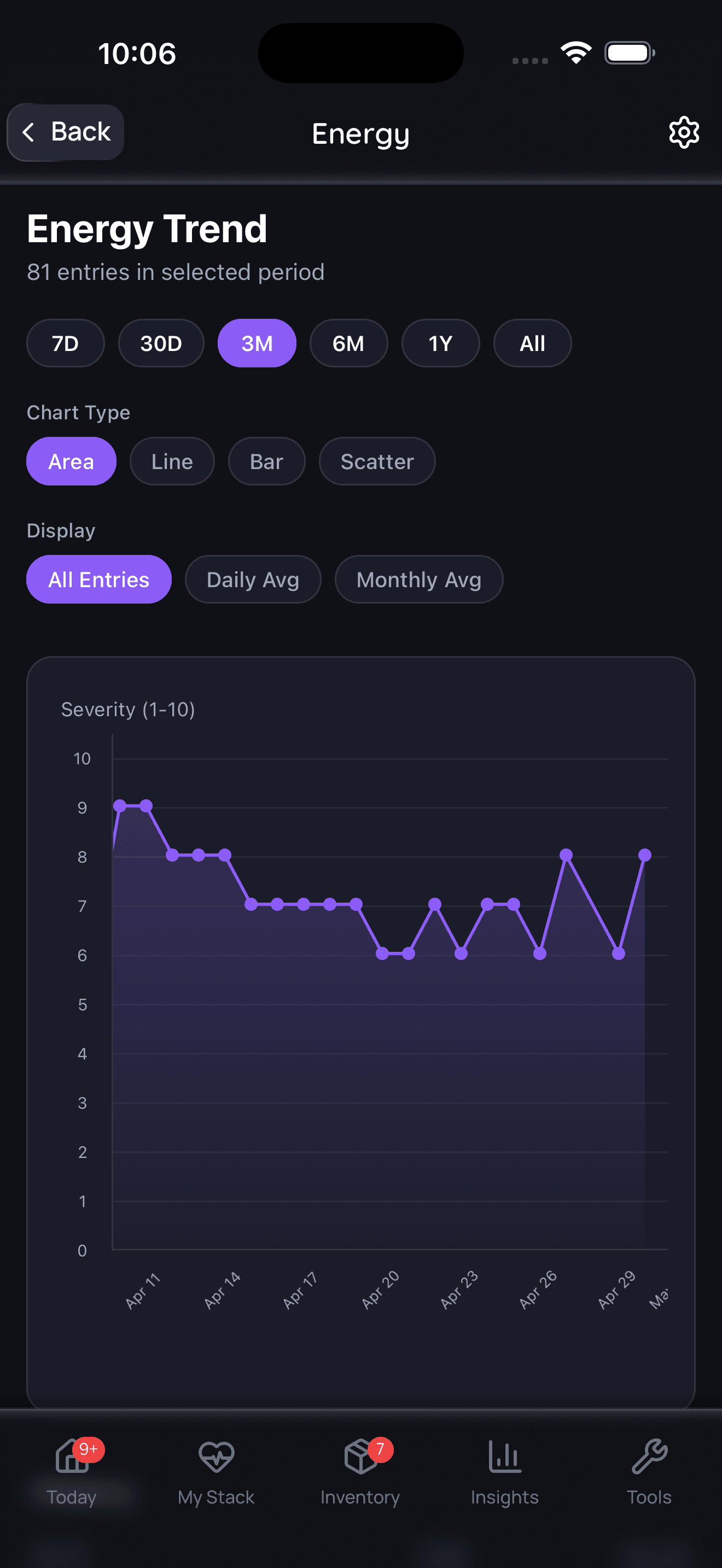
Symptom tracking is informational and should be interpreted with a qualified clinician.
Side Effects & Safety
The Basics
L-Valine is generally well tolerated when consumed as part of a normal diet or in moderate supplemental doses. Most people experience no issues. The side effects that do occur tend to be mild and dose-dependent [16][17].
The most commonly reported complaints from BCAA or valine supplements are gastrointestinal: nausea, bloating, stomach discomfort, and occasionally diarrhea. These are more common when supplements are taken on an empty stomach or at higher doses. Starting with a lower dose and taking it with food usually reduces these effects [16][17].
A more nuanced concern involves amino acid imbalance. Taking large amounts of a single amino acid like valine over time can disrupt the balance of other amino acids your body needs, because many share the same absorption pathways. This is one reason why most experts advise against long-term supplementation with individual amino acids at high doses [16][17].
People who should avoid valine supplementation include those with maple syrup urine disease (a rare genetic disorder where the body cannot break down BCAAs), pregnant or breastfeeding women (due to insufficient safety data for high-dose supplementation), and individuals with advanced kidney or liver disease (unless under medical supervision) [16][17][18].
The Science
Dose-Dependent GI Effects: Gastrointestinal symptoms including nausea, abdominal distension, and diarrhea represent the most frequently reported adverse effects. These are generally mild, transient, and dose-dependent, occurring more often with bolus doses exceeding 5 g or when administered in fasted states [16][17].
Amino Acid Competition: High-dose valine supplementation can alter the plasma ratio of competing LNAAs, potentially reducing tryptophan, tyrosine, and phenylalanine availability. Reduced tryptophan transport may decrease central serotonin synthesis beyond the desired exercise-related effect. Reduced tyrosine availability could theoretically impact catecholamine synthesis. The clinical significance of these effects at typical supplemental doses is unclear [2][3][12].
Insulin Resistance Associations: Observational studies have identified elevated circulating BCAA levels (including valine) as biomarkers for insulin resistance and type 2 diabetes risk. Whether elevated BCAAs are causally involved in insulin resistance or are merely markers of altered protein metabolism remains under investigation. A 2020 study reported that valine and leucine have differential effects on hepatic lipid metabolism, suggesting distinct metabolic consequences for individual BCAAs [13][19].
Levodopa Interaction: BCAAs, including valine, may reduce the absorption and blood-brain barrier transport of levodopa (L-DOPA), a medication used in Parkinson's disease management. This interaction is mediated through competition at the LAT1 transporter [16][17].
Maple Syrup Urine Disease (MSUD): MSUD is an autosomal recessive disorder caused by deficiency of the BCKDH complex, resulting in toxic accumulation of BCAAs and their corresponding BCKAs. BCAA supplementation in affected individuals is contraindicated [10][18].
Upper Intake Level: The Food and Nutrition Board did not establish a UL for valine due to insufficient dose-response data in humans. Combined BCAA supplements at doses up to 20 g/day for periods up to six weeks have been studied without serious adverse effects in healthy adults [8][9][16].
Dosing & Usage Protocols
The Basics
The daily valine requirement for most adults is roughly 24 to 26 mg per kilogram of body weight, according to WHO and IOM estimates. For a 70 kg (154 lb) person, that translates to approximately 1.7 to 1.8 grams per day. Most people easily meet this requirement through normal dietary protein intake without supplementation [8][9].
If supplementation is chosen, the most common approach is to use a BCAA blend rather than standalone valine. The standard 2:1:1 (leucine:isoleucine:valine) ratio is the most widely used and studied formulation. In a typical 6 g BCAA serving, this delivers approximately 3 g leucine, 1.5 g isoleucine, and 1.5 g valine [2][14].
For those using standalone valine, commonly cited supplemental ranges fall between 2 and 5 grams per day, though this is based on general practice rather than clinical dose-finding studies. There is currently insufficient evidence to define an optimal dose of valine supplementation or to identify specific health conditions warranting supplementation [2][12].
Pregnant women have a modestly higher requirement (31 mg/kg/day) and lactating women higher still (35 mg/kg/day), but these needs are typically met through dietary protein and prenatal supplements without additional valine supplementation [9].
The Science
Dietary Reference Values:
Population
Adults
- Valine Requirement
- 24 mg/kg/day
- Source
- IOM/FNB [9]
Population
Adults (WHO)
- Valine Requirement
- 26 mg/kg/day
- Source
- WHO [8]
Population
Pregnant women
- Valine Requirement
- 31 mg/kg/day
- Source
- IOM/FNB [9]
Population
Lactating women
- Valine Requirement
- 35 mg/kg/day
- Source
- IOM/FNB [9]
Population
Athletes (general guidance)
- Valine Requirement
- 20-30 mg/kg/day from total protein
- Source
- Multiple sources [5][6]
Supplemental Protocols (Common Practice, Not Evidence-Based Recommendations):
Context
BCAA blend (general training)
- Protocol
- 5-10 g BCAAs (2:1:1) pre/post workout
- Notes
- Delivers ~1.25-2.5 g valine per serving
Context
BCAA blend (endurance, 90+ min)
- Protocol
- 5-8 g BCAAs per hour during exercise
- Notes
- Often combined with carbohydrates and electrolytes
Context
Standalone L-valine
- Protocol
- 2-5 g/day, divided doses
- Notes
- Insufficient evidence for optimal dosing
Context
Combined BCAA upper range
- Protocol
- Up to 20 g/day total BCAAs
- Notes
- Studied for up to 6 weeks without serious adverse effects
No loading phase is necessary or established for valine supplementation. Clinical dose-response data for isolated valine in healthy humans is lacking [2][12].
When your stack includes several supplements, each with its own dose, form, and timing requirements, the logistics alone can derail consistency. Doserly consolidates all of it into one protocol view, so every dose across your entire routine is accounted for without spreadsheets or guesswork.
The app also tracks cumulative intake for nutrients that appear in multiple products. If your multivitamin, standalone supplement, and fortified protein shake all contain the same nutrient, Doserly adds them up and shows you the total alongside recommended and upper limits. Managing a thoughtful supplement protocol shouldn't require a degree in nutrition science. The app handles the complexity so you can focus on staying consistent.
Track injection timing, draw notes, and site rotation.
Doserly helps keep syringe-related notes, injection site history, reminders, and reconstitution context together for easier review.
Injection log
Site rotation
Injection logs support record-keeping; follow clinician instructions for administration.
What to Expect (Timeline)
L-Valine is an amino acid, and as such, it integrates into the body's metabolic processes rapidly rather than accumulating over weeks like some supplements do. Here is what users of BCAA or valine supplements commonly report:
Week 1-2: Free-form valine supplements reach peak blood levels within 30-60 minutes of ingestion. During exercise, users of BCAA drinks sometimes report a subjective sense of sustained energy or reduced "hitting the wall" feeling, particularly during sessions lasting longer than 90 minutes. GI effects, if any, typically appear and resolve within this period as the body adjusts.
Week 3-4: Users with consistent training regimens may notice reduced perceived fatigue during long endurance sessions. Muscle soreness patterns may shift slightly. Most people who will respond to BCAA supplementation notice effects within this window.
Month 2-3: If no subjective benefit is noted by this point, the supplement is unlikely to be producing a meaningful effect beyond what dietary protein already provides. Many experts and experienced users suggest reassessing whether BCAA supplementation is adding value beyond adequate protein intake.
Ongoing: Unlike minerals or fat-soluble vitamins, valine does not accumulate in the body. Its effects are linked to maintaining adequate plasma levels around periods of exercise or metabolic demand. Benefits, if present, are tied to consistent use rather than long-term tissue loading.
Note that individual responses to amino acid supplementation vary considerably. Factors including baseline protein intake, training volume and type, body composition, and genetic variation in BCAA metabolism can all influence outcomes.
Interactions & Compatibility
Synergistic
- Leucine: The other BCAAs are typically taken together. Leucine is the primary activator of mTORC1 and muscle protein synthesis. Valine complements leucine by competing with tryptophan at the blood-brain barrier.
- Isoleucine: The third BCAA, isoleucine promotes glucose uptake in skeletal muscle and has distinct metabolic effects from valine and leucine.
- Vitamin B6 (Pyridoxal-5-Phosphate) (Vitamin B6): Serves as a cofactor for BCAT, the enzyme responsible for the first step of BCAA catabolism. Adequate B6 status supports efficient BCAA metabolism.
- Complete Protein Sources: Whey, casein, and egg protein contain valine along with all other essential amino acids, providing the full substrate needed for muscle protein synthesis.
- Carbohydrates (During Exercise): Co-ingestion of BCAAs with carbohydrates during prolonged endurance exercise may enhance the anti-fatigue effect by maintaining glycogen stores while BCAAs address the central fatigue component.
Caution / Avoid
- Levodopa (L-DOPA): BCAAs compete with levodopa for transport across the blood-brain barrier via LAT1. Concurrent BCAA supplementation may reduce levodopa efficacy. Individuals with Parkinson's disease taking levodopa should consult their prescriber before using valine or BCAA supplements.
- Tryptophan Supplements (5-HTP): Valine competes with tryptophan for brain transport. Taking valine alongside tryptophan or 5-HTP supplements may partially counteract the serotonergic effects of the tryptophan/5-HTP. Consider timing separation if using both.
- High-Dose Individual Amino Acids: Concurrent supplementation of multiple individual amino acids at high doses may create absorption competition and amino acid imbalances. Prefer balanced formulations or complete protein sources.
- Serotonergic Medications: Given valine's effect on tryptophan transport and central serotonin dynamics, individuals taking SSRIs, SNRIs, or other serotonergic medications should discuss BCAA supplementation with their prescriber.
- Diabetes Medications: Elevated BCAA levels have been associated with insulin resistance in observational studies. Individuals taking insulin or oral diabetes medications should exercise caution and monitor blood glucose if supplementing with BCAAs.
How to Take / Administration Guide
Recommended Forms: L-Valine is most commonly consumed as part of a BCAA blend rather than as a standalone supplement. The 2:1:1 (leucine:isoleucine:valine) ratio is the most widely used formulation. Essential amino acid (EAA) blends, which include all nine essential amino acids, represent a more complete option. Complete protein supplements (whey, casein) naturally contain valine in the context of a full amino acid profile.
Timing Considerations:
- Pre-exercise (15-30 minutes before): May support substrate availability during training
- Intra-workout (during sessions exceeding 60-90 minutes): Often mixed with water and sipped throughout endurance sessions, sometimes combined with carbohydrates and electrolytes
- Post-exercise: Less clear benefit over complete protein sources for recovery
- Between meals: Occasionally used during caloric deficits to maintain BCAA availability; evidence for this approach is limited
Powder Preparation: BCAA and valine powders are typically mixed with 250-500 mL (8-16 oz) of water. BCAAs are known for their bitter taste; flavored formulations are widely available. Powder dissolves best when shaken or blended rather than stirred.
Cycling Guidance: No cycling protocol is necessary or established for valine supplementation. It can be taken daily. Some practitioners suggest periodic reassessment (every 4-8 weeks) of whether supplementation is providing meaningful benefit beyond dietary protein intake.
Stacking Notes: If taking valine as part of a BCAA or EAA blend alongside a complete protein supplement, be aware that you may be consuming more total valine than intended. Calculate cumulative intake from all sources.
Choosing a Quality Product
Third-Party Certifications: Look for products tested by independent laboratories. USP Verified, NSF Certified for Sport, Informed Sport, and BSCG (Banned Substances Control Group) certifications indicate that the product has been tested for identity, purity, potency, and absence of banned substances. For athletes subject to anti-doping testing, NSF Certified for Sport or Informed Sport certification is particularly important.
Form Considerations: For standalone L-valine, fermentation-derived amino acids are generally preferred. Look for products specifying "L-Valine" (the biologically active isomer) rather than "DL-Valine" or racemic mixtures. For BCAA blends, verify the ratio is clearly stated (2:1:1 is standard; higher-leucine ratios like 4:1:1 or 8:1:1 contain proportionally less valine).
Red Flags:
- Proprietary blends that do not disclose individual amino acid amounts
- Products claiming valine alone will build muscle or burn fat
- Extremely high per-serving doses without supporting evidence
- Products making disease treatment or cure claims
- Missing or unverifiable third-party testing claims
Excipient Considerations: Check for common fillers, artificial colors, and sweeteners. Common additives in BCAA powders include sucralose, acesulfame potassium, citric acid, natural and artificial flavors, and anti-caking agents (silicon dioxide). Unflavored versions typically have fewer additives.
Certificate of Analysis (COA): Reputable manufacturers provide COAs upon request or on their website, documenting amino acid purity, heavy metal testing (arsenic, lead, mercury, cadmium), and microbial testing.
Storage & Handling
L-Valine powder and capsules are shelf-stable under normal conditions. Store at room temperature in a cool, dry place away from direct sunlight and excessive heat. Keep the container tightly sealed to prevent moisture absorption, as amino acid powders are hygroscopic and can clump when exposed to humidity.
Properly stored L-valine supplements maintain potency through the manufacturer's stated expiration date. While the amino acid itself does not become harmful after expiration, potency may decrease over time. There are no special refrigeration requirements for standard formulations.
For BCAA powders mixed into workout drinks, prepare immediately before consumption. Do not prepare in advance and store, as dissolved amino acids in liquid are more susceptible to degradation and microbial growth than dry powder.
Lifestyle & Supporting Factors
Dietary Sources: Most people consuming adequate dietary protein (1.2 to 2.0 g protein per kg body weight per day, depending on activity level) will meet their valine requirements without supplementation. Foods particularly rich in valine include beef (2,834 mg per 6 oz steak), chicken breast (approximately 2,100 mg per cup chopped), eggs (384 mg per large egg), soybeans (approximately 988 mg per cup cooked), lentils (887 mg per cup cooked), and oats (1,462 mg per cup dry) [5][6][20].
Exercise Context: Valine supplementation is most commonly discussed in the context of endurance exercise lasting 90 minutes or more, where central fatigue may become a limiting factor. For shorter exercise sessions and resistance training, adequate total protein intake is generally considered more important than BCAA supplementation specifically [2][14].
Protein Intake Priority: Multiple sources and expert commentary emphasize that hitting total daily protein targets is far more important than BCAA supplementation. If dietary protein is adequate (1.6 to 2.2 g/kg/day for most active individuals), isolated BCAA supplementation provides minimal additional benefit for most goals [2][14].
Vegetarian and Vegan Considerations: Plant-based protein sources generally contain less valine per serving than animal sources, but legumes, soy, whole grains, nuts, and seeds can collectively provide adequate valine when total protein intake is sufficient. Vegans with limited dietary variety or those consuming below recommended protein amounts may benefit more from amino acid consideration, though EAA blends are generally preferred over standalone valine [5][6][20].
Hydration: BCAA metabolism produces waste products that are processed by the kidneys. Adequate hydration supports efficient renal clearance, particularly when supplementing with amino acids.
Signs of Valine Deficiency (Rare): Deficiency is uncommon in individuals consuming adequate protein. Symptoms may include neurological disturbances, reduced immune function (leukopenia), low serum albumin (hypoalbuminemia), hair loss, and poor wound healing. These symptoms overlap with general protein deficiency [5][6].
Supplements are one piece of a larger health picture, and tracking them in isolation misses the interactions that matter most. Doserly brings your supplements, nutrition, exercise, sleep, and biomarkers into a single dashboard, so you can see how all the pieces fit together rather than managing them in separate apps and spreadsheets.
When everything lives in one place, the connections become clear. You can see whether weeks with better nutrition and exercise correlate with stronger biomarker trends, whether stress undermines the benefits you're supplementing for, or whether a specific combination of lifestyle inputs and supplements produces your best results. One unified view of your health, with the context that makes every data point meaningful.
Connect protocol changes to labs and health markers.
Doserly can keep lab results, biomarkers, symptoms, and dose history close together so follow-up conversations have better context.
Insights
Labs and trends
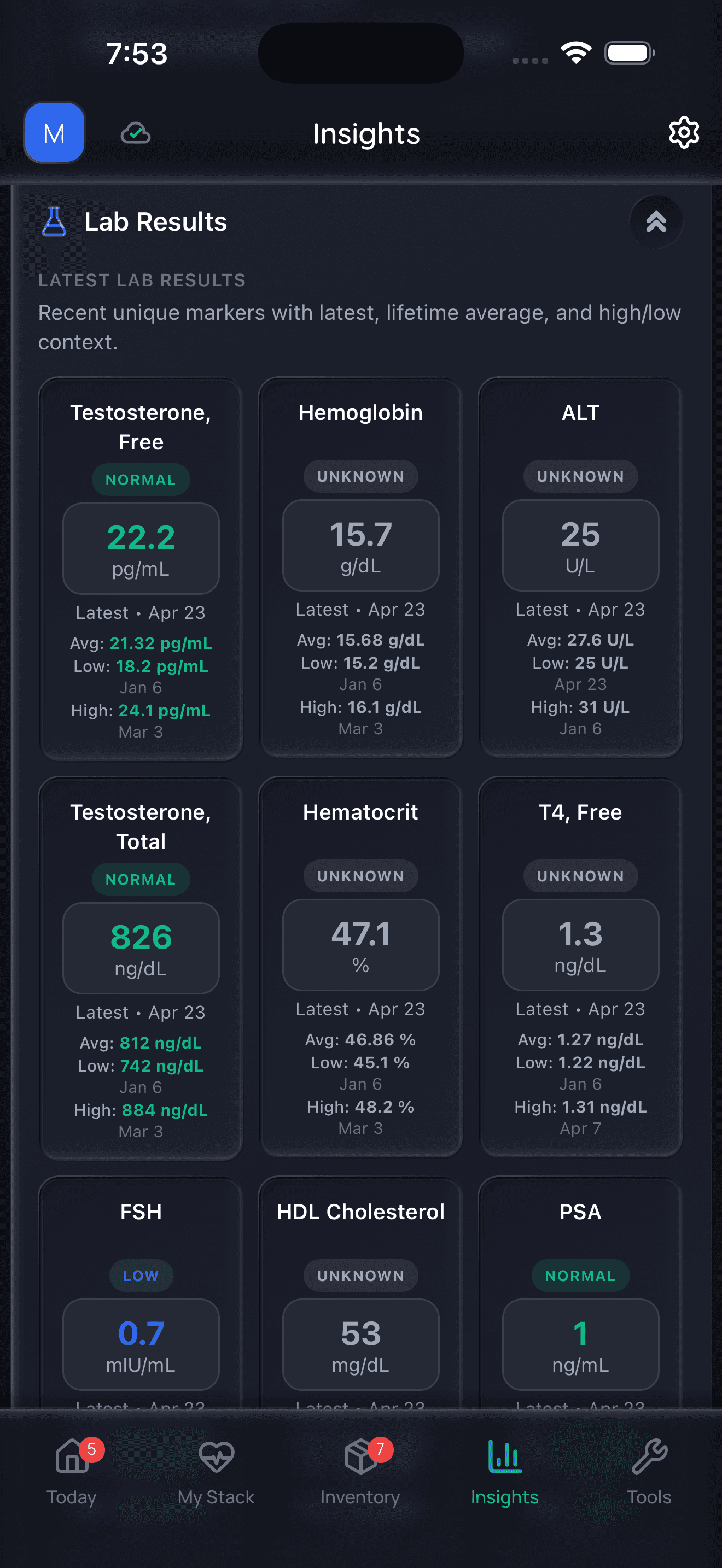
Doserly organizes data; it does not diagnose or interpret labs for you.
Regulatory Status & Standards
United States (FDA): L-Valine, as a naturally occurring amino acid, is classified as a dietary supplement under the Dietary Supplement Health and Education Act (DSHEA) of 1994. It is Generally Recognized as Safe (GRAS) as a food additive (21 CFR 172.320). BCAA supplements are widely available over the counter. The FDA does not evaluate amino acid supplements for efficacy before market entry but does regulate manufacturing under current Good Manufacturing Practice (cGMP) rules.
Canada (Health Canada): BCAAs are regulated as Natural Health Products (NHPs) requiring a Natural Product Number (NPN) for sale. Health Canada monographs cover BCAAs for exercise-related claims.
European Union (EFSA): L-Valine is permitted as a food supplement under Directive 2002/46/EC. EFSA has evaluated BCAAs and has not established a UL for valine. Authorized health claims for amino acids are limited under the EU Nutrition and Health Claims Regulation (EC 1924/2006).
Australia (TGA): BCAAs including L-valine are available as Listed Medicines (AUST L) and Complementary Medicines. Standard permissible indications include support for exercise recovery and muscle function.
Athlete & Sports Regulatory Status:
- WADA (World Anti-Doping Agency): L-Valine and BCAAs are NOT on the WADA Prohibited List. They are permitted at all times, in and out of competition.
- National Anti-Doping Agencies (USADA, UKAD, Sport Integrity Canada, Sport Integrity Australia, NADA Germany): No specific alerts or restrictions on L-valine or BCAA supplements.
- NCAA: BCAAs are not on the NCAA banned substance list. However, NCAA regulations require that supplements provided by athletic departments be NSF Certified for Sport or Informed Sport certified.
- Professional Sports Leagues (NFL, NBA, MLB, NHL, MLS): No restrictions on L-valine or BCAAs.
- Athlete Certification Programs: NSF Certified for Sport and Informed Sport certified BCAA products are available from multiple manufacturers. Athletes should use certified products to minimize contamination risk.
- GlobalDRO: Athletes can verify the status of valine and BCAA products at GlobalDRO.com across multiple jurisdictions (US, UK, Canada, Australia, Japan, Switzerland, New Zealand).
Regulatory status and prohibited substance classifications change frequently. Athletes should always verify the current status of any supplement with their sport's governing body, their national anti-doping agency, and a qualified sports medicine professional before use. Third-party certification (Informed Sport, NSF Certified for Sport) reduces but does not eliminate the risk of contamination with prohibited substances.
Frequently Asked Questions
Is L-valine the same as BCAA?
L-Valine is one of three branched-chain amino acids. BCAAs include leucine, isoleucine, and valine together. When people refer to "BCAAs," they typically mean a supplement containing all three. Taking valine alone is not the same as taking a BCAA supplement.
Do I need to supplement with L-valine if I eat enough protein?
For most people consuming adequate dietary protein (roughly 1.6 to 2.2 g/kg/day for active individuals), additional valine supplementation is generally considered unnecessary. The amino acid is abundant in virtually all protein-rich foods. Multiple clinical nutrition sources note that there are no conditions that specifically increase valine requirements beyond what dietary protein provides.
Can L-valine help me build muscle?
Based on available evidence, valine alone is not sufficient to drive muscle protein synthesis. Muscle building requires all nine essential amino acids as substrates. Valine's effect on mTORC1 activation is weaker than that of leucine. Complete protein sources (whey, meat, eggs, soy) are generally recommended over isolated valine for muscle-building goals.
Is L-valine safe for long-term use?
Valine consumed as part of dietary protein is safe for long-term consumption. For supplemental valine or BCAAs, available data suggest safety at commonly used doses for periods up to six weeks. Long-term safety data for high-dose supplementation are limited. Most experts recommend against prolonged use of single amino acid supplements at high doses due to potential for amino acid imbalance.
When is the best time to take L-valine?
Based on common practice, valine or BCAA supplements are typically taken before or during exercise. For endurance sessions exceeding 90 minutes, intra-workout sipping is a common protocol. Valine is water-soluble and can be taken with or without food. Taking it with food may reduce any gastrointestinal discomfort.
What happens if I take too much valine?
At moderate supplemental doses (2-5 g/day), serious adverse effects are uncommon. Higher doses may cause gastrointestinal discomfort (nausea, bloating, diarrhea). Very high doses over time could theoretically create amino acid imbalances by competing with other amino acids for absorption. The FNB has not established a Tolerable Upper Intake Level due to insufficient data.
Should I take valine alone or as part of a BCAA blend?
The vast majority of research on BCAAs has studied the three amino acids together, not valine in isolation. There is no established benefit unique to standalone valine supplementation. Most practitioners and researchers suggest that if BCAA supplementation is desired, a balanced blend (typically 2:1:1) is more appropriate than isolated valine.
Are BCAAs still worth taking in 2026?
The supplement community and sports nutrition field have shifted considerably on this question. Current consensus among nutrition researchers is that BCAAs offer little benefit beyond adequate dietary protein intake for most people. EAA (essential amino acid) blends, which include all nine essential amino acids, are often preferred over BCAAs. BCAAs may still have a niche role in specific situations: fasted training, very long endurance sessions, caloric deficits, or medical nutrition therapy for liver disease.
Can vegans get enough valine without supplements?
Yes, vegans can meet valine requirements through plant-based protein sources. Soy products, lentils, beans, oats, nuts, seeds, and whole grains all contain valine. The key is consuming adequate total protein from varied sources throughout the day. Vegans consuming below recommended protein amounts may benefit from an EAA blend rather than standalone valine.
Does L-valine affect serotonin or mood?
Valine competes with tryptophan (the precursor to serotonin) for transport into the brain. At typical dietary and supplemental amounts, this effect is primarily relevant during prolonged exercise, where it may reduce central fatigue. The impact on baseline mood or serotonin function at normal doses is not well-characterized. Individuals taking serotonergic medications should discuss BCAA supplementation with their healthcare provider.
Myth vs. Fact
Myth: L-Valine alone will build muscle.
Fact: Muscle protein synthesis requires all nine essential amino acids as substrates. While valine contributes to protein synthesis, it is the weakest mTORC1 activator among the three BCAAs. Studies comparing BCAA supplements to complete protein sources have not shown superior muscle-building effects from BCAAs alone [2][14].
Myth: BCAAs are essential for anyone who works out.
Fact: Multiple systematic reviews conclude that BCAAs provide minimal additional benefit when dietary protein intake is adequate. For most people meeting their protein targets through food and/or whey protein, BCAA supplementation adds cost without meaningful benefit [14][15].
Myth: Higher-ratio BCAA formulas (like 8:1:1 or 10:1:1) are better.
Fact: Higher-leucine ratios deliver less valine and isoleucine per serving. The 2:1:1 ratio is the most widely studied. There is insufficient evidence demonstrating that extreme leucine-dominant ratios produce better outcomes than the standard 2:1:1 ratio [2][14].
Myth: Taking valine before bed will disrupt sleep because it affects serotonin.
Fact: At typical supplemental doses, valine's effect on serotonin dynamics is primarily relevant during exercise-induced changes in tryptophan transport. There is no evidence that standard valine or BCAA supplementation meaningfully disrupts sleep in healthy individuals [4].
Myth: You can get all the valine you need from a single food.
Fact: While protein-rich animal foods like beef and chicken contain high amounts of valine, the amino acid is found across virtually all protein sources. No single food is necessary, and adequate valine can be obtained from diverse dietary patterns including fully plant-based diets [5][6][20].
Myth: Valine supplements are dangerous because elevated BCAAs cause diabetes.
Fact: Observational studies have found elevated circulating BCAAs associated with insulin resistance and type 2 diabetes risk. However, whether BCAAs causally contribute to diabetes or are merely biomarkers of altered metabolism is unresolved. Supplemental valine at moderate doses has not been shown to cause diabetes in healthy individuals [13][19].
Myth: All amino acid supplements are basically the same.
Fact: Each amino acid has distinct biochemical properties and metabolic fates. Valine is purely glucogenic, leucine is purely ketogenic, and isoleucine is both. They compete differently for transporters, activate different signaling pathways, and have different effects on glucose metabolism and insulin sensitivity [1][7].
Sources & References
Government & Institutional Sources
[1] Bo T, Fujii J. "Primary Roles of Branched Chain Amino Acids (BCAAs) and Their Metabolism in Physiology and Metabolic Disorders." Molecules. 2024;29(24). PMID: 39795113. https://pubmed.ncbi.nlm.nih.gov/39795113/
[5] MedlinePlus Medical Encyclopedia. "Amino Acids." National Library of Medicine. Updated January 21, 2025. https://medlineplus.gov/ency/article/002222.htm
[6] NIH Office of Dietary Supplements. "Dietary Supplements for Exercise and Athletic Performance: Fact Sheet for Health Professionals." https://ods.od.nih.gov/factsheets/ExerciseAndAthleticPerformance-HealthProfessional/
[8] World Health Organization. "Protein and Amino Acid Requirements in Human Nutrition." WHO Technical Report Series 935. 2007.
[9] Institute of Medicine, Food and Nutrition Board. "Dietary Reference Intakes for Energy, Carbohydrate, Fiber, Fat, Fatty Acids, Cholesterol, Protein, and Amino Acids (Macronutrients)." National Academies Press. 2005.
[10] MedlinePlus Genetics. "ACAD8 gene: Isobutyryl-CoA dehydrogenase." National Library of Medicine. https://medlineplus.gov/genetics/gene/acad8/
[18] MedlinePlus Genetics. "BCKDHA gene: Maple syrup urine disease." National Library of Medicine. https://medlineplus.gov/genetics/gene/bckdha/
Clinical Studies & Research Papers
[3] Gomez-Merino D, et al. "Evidence that the branched-chain amino acid L-valine prevents exercise-induced release of 5-HT in rat hippocampus." Int J Sports Med. 2001;22(5):317-322. PMID: 11510866. https://pubmed.ncbi.nlm.nih.gov/11510866/
[4] Blomstrand E. "A role for branched-chain amino acids in reducing central fatigue." J Nutr. 2006;136(2):544S-547S. PMID: 16424142.
[7] Harper AE, Miller RH, Block KP. "Branched-chain amino acid metabolism." Annu Rev Nutr. 1984;4:409-454. PMID: 6380539.
[11] "Valine improves mitochondrial function and protects against oxidative stress." J Cachexia Sarcopenia Muscle. 2024;15(1). PMID: 38093456. https://pubmed.ncbi.nlm.nih.gov/38093456/
[13] Green CL, et al. "Lifelong restriction of dietary valine has sex-specific benefits for health and lifespan in mice." bioRxiv/Cell Metabolism. 2025. PMID: 40950235. https://pubmed.ncbi.nlm.nih.gov/40950235/
[19] Bishop CA, Schulze MB, Klaus S, et al. "The branched-chain amino acids valine and leucine have differential effects on hepatic lipid metabolism." FASEB J. 2020;34(7):9727-9739. PMID: 32510694.
Systematic Reviews & Meta-Analyses
[2] Kaspy MS, Hannaian SJ, Bell ZW, Churchward-Venne TA. "The effects of branched-chain amino acids on muscle protein synthesis, muscle protein breakdown and associated molecular signalling responses in humans: An update." Nutr Res Rev. 2023;37:273-286. PMID: 37485694.
[14] Jackman SR, et al. "Branched-Chain Amino Acid Ingestion Stimulates Muscle Myofibrillar Protein Synthesis following Resistance Exercise in Humans." Front Physiol. 2017;8:390. PMID: 28638350.
[15] Fouré A, Bendahan D. "Is Branched-Chain Amino Acids Supplementation an Efficient Nutritional Strategy to Alleviate Skeletal Muscle Damage? A Systematic Review." Nutrients. 2017;9(10):1047. PMID: 28934166.
Safety & Clinical Guidance
[12] Kaspy MS, et al. "The effects of branched-chain amino acids on muscle protein synthesis, muscle protein breakdown and associated molecular signalling responses in humans." Nutr Res Rev. 2023;37:273-286. [Referenced for valine-specific evidence context.]
[16] Holeček M. "Side effects of amino acid supplements." Physiol Res. 2022;71(1):29-45. PMID: 35199552.
[17] Northwestern Medicine Health Encyclopedia. "Valine." Reviewed September 1, 2025.
[20] USDA FoodData Central. Nutrient data for valine content of foods. https://fdc.nal.usda.gov/
Related Supplement Guides
Same Category (Amino Acids / BCAAs)
Common Stacks / Pairings
Related Health Goals
- 5-HTP (serotonin pathway interaction)
- L-Tryptophan
- Creatine
- Beta-Alanine
- L-Glutamine
- L-Carnitine