
L-Isoleucine: The Complete Supplement Guide
On this page
Quick Reference Card
Attribute
Common Name
- Detail
- L-Isoleucine
Attribute
Other Names / Aliases
- Detail
- Isoleucine, Ile, I, 2-amino-3-methylpentanoic acid
Attribute
Category
- Detail
- Essential Amino Acid (Branched-Chain Amino Acid / BCAA)
Attribute
Primary Forms & Variants
- Detail
- L-Isoleucine (free-form powder or capsule); as part of BCAA blends (typically 2:1:1 leucine:isoleucine:valine ratio); as part of Essential Amino Acid (EAA) formulations; within complete protein supplements (whey, casein, soy)
Attribute
Typical Dose Range
- Detail
- RDA: 19 mg/kg/day (~1,330 mg for a 70 kg adult). Supplemental doses in BCAA blends: 1-4 g/day isoleucine. Research-extrapolated standalone dose: 48-72 mg/kg/day (3.3-4.9 g for a 150 lb person).
Attribute
RDA / AI / UL
- Detail
- RDA: 19 mg/kg/day (IOM). No formal UL established for supplemental isoleucine.
Attribute
Common Delivery Forms
- Detail
- Powder (free-form or in BCAA/EAA blends), capsule, tablet, within protein powders
Attribute
Best Taken With / Without Food
- Detail
- Can be taken with or without food. When taken as part of a BCAA or EAA blend for exercise, commonly consumed 15-30 minutes before, during, or immediately after training. Taking with carbohydrates may enhance muscle glucose uptake effects.
Attribute
Key Cofactors
- Detail
- L-Leucine and L-Valine (the other two BCAAs; typically supplemented together); Vitamin B6 (cofactor for BCAA transamination via branched-chain aminotransferase); all other essential amino acids (required for complete muscle protein synthesis)
Attribute
Storage Notes
- Detail
- Store in a cool, dry place away from moisture and direct sunlight. Powder forms are hygroscopic and should be kept sealed. No special refrigeration required.
Overview
The Basics
L-Isoleucine is one of nine essential amino acids your body cannot produce on its own. It belongs to a trio of amino acids called branched-chain amino acids (BCAAs), alongside leucine and valine. These three share a distinctive branched molecular structure and are unique among amino acids because they are metabolized primarily in muscle tissue rather than in the liver [1][2].
Of the three BCAAs, leucine tends to get the spotlight for its role in triggering muscle protein synthesis. Isoleucine plays a different but complementary part. It is the BCAA most closely associated with glucose uptake in muscle cells and energy production during exercise. When your muscles are working hard and glycogen stores start running low, isoleucine can be broken down and used as fuel. It also appears to help muscles pull glucose from the bloodstream, a process that happens through pathways that do not depend entirely on insulin [3][4].
Most people who eat a balanced diet containing adequate protein already consume enough isoleucine. Rich dietary sources include chicken, fish, eggs, dairy products, soy, legumes, and whole grains. Standalone isoleucine supplementation is uncommon; most people encounter it as part of a BCAA blend or an essential amino acid (EAA) formulation, or simply within their protein powder [5][6].
The research picture for isoleucine as a standalone supplement is still developing. While its roles in protein synthesis and glucose metabolism are well established in laboratory studies, clinical evidence supporting isoleucine supplementation above normal dietary intake is limited. Interestingly, emerging animal research has explored whether reducing isoleucine intake might benefit metabolic health, adding an unusual twist to this amino acid's story [7].
The Science
L-Isoleucine (2-amino-3-methylpentanoic acid, C6H13NO2) is an aliphatic, hydrophobic essential amino acid with a molecular weight of 131.17 g/mol. It is classified as both ketogenic and glucogenic, as its catabolism yields both acetyl-CoA (entering the citric acid cycle or ketogenesis) and succinyl-CoA (an anaplerotic substrate for gluconeogenesis) [1][2].
BCAAs constitute approximately 35-40% of the essential amino acids in muscle protein and roughly 14-18% of total amino acids in skeletal muscle tissue. Unlike most amino acids, BCAAs bypass hepatic first-pass metabolism and are catabolized predominantly in skeletal muscle, adipose tissue, and the brain via branched-chain aminotransferase (BCAT) and branched-chain alpha-keto acid dehydrogenase (BCKDH) [1][8].
Isoleucine's metabolic fate is distinctive among the BCAAs. Transamination by BCAT produces alpha-keto-beta-methylvalerate, which is subsequently oxidized by BCKDH. The resulting metabolic intermediates feed into both the tricarboxylic acid (TCA) cycle via succinyl-CoA and ketogenesis via acetyl-CoA. This dual-pathway metabolism positions isoleucine as a versatile fuel source during periods of increased energy demand [2][3].
In glucose metabolism, isoleucine stimulates glucose uptake in skeletal muscle through mechanisms that appear to involve PI3-kinase activation but may operate partially independently of the insulin receptor signaling cascade. Isoleucine also suppresses hepatic gluconeogenesis and promotes whole-body glucose oxidation, producing a net hypoglycemic effect in animal models [3][4].
Chemical & Nutritional Identity
Property
Chemical Name
- Value
- 2-Amino-3-methylpentanoic acid
Property
Common Abbreviation
- Value
- Ile (three-letter), I (single-letter)
Property
Molecular Formula
- Value
- C6H13NO2
Property
Molecular Weight
- Value
- 131.17 g/mol
Property
CAS Number
- Value
- 73-32-5
Property
PubChem CID
- Value
- 6306
Property
Category
- Value
- Essential amino acid, branched-chain amino acid (BCAA)
Property
Metabolic Classification
- Value
- Both ketogenic and glucogenic
Property
Stereochemistry
- Value
- L-isoleucine is the biologically active enantiomer; has two chiral centers (2S,3S configuration). D-alloisoleucine is a diastereomer with no known biological activity.
Property
RDA (IOM)
- Value
- 19 mg/kg/day for adults
Property
No formal UL
- Value
- Not established
Property
EFSA
- Value
- No specific UL set
Property
Typical Dietary Intake
- Value
- 1.3-3.0 g/day from mixed diet (varies with protein intake)
Common Supplement Forms
Form
Free-form L-Isoleucine powder
- Context
- Standalone
- Typical Isoleucine Content
- 100% isoleucine
- Notes
- Rare; bitter taste; used by advanced users
Form
BCAA blend (2:1:1)
- Context
- Exercise supplement
- Typical Isoleucine Content
- ~25% of total BCAAs (e.g., 1.25 g per 5 g serving)
- Notes
- Most common BCAA ratio
Form
BCAA blend (4:1:1)
- Context
- Exercise supplement
- Typical Isoleucine Content
- ~17% of total BCAAs
- Notes
- Higher leucine emphasis
Form
EAA blend
- Context
- Exercise/nutrition supplement
- Typical Isoleucine Content
- ~10-15% of total EAAs
- Notes
- Contains all 9 essential amino acids
Form
Whey protein
- Context
- Complete protein
- Typical Isoleucine Content
- ~5-7% of total protein
- Notes
- Naturally occurring; no isolation needed
Mechanism of Action
The Basics
Isoleucine works in your body through several interconnected pathways. Its most distinctive role, compared to the other BCAAs, involves how your muscles handle blood sugar.
When you eat, your body breaks down protein into individual amino acids, and isoleucine enters your bloodstream. Unlike most amino acids that are processed in the liver first, isoleucine travels directly to your muscles, where it serves as both a building block for muscle proteins and a fuel source. During intense exercise or when muscle glycogen runs low, your muscles can break down isoleucine and use it for energy. Think of it as a backup generator that kicks in when the primary fuel supply gets low [3][4].
The glucose-handling aspect is where isoleucine stands apart. In animal studies, isoleucine helps muscle cells absorb glucose from the blood more efficiently. It also tells the liver to slow down the production of new glucose (a process called gluconeogenesis). The net result is lower blood sugar levels. What makes this particularly interesting is that isoleucine appears to do some of this without relying on insulin, the hormone that normally manages blood sugar. This has made it a subject of interest in metabolic health research, though translating these animal findings to human benefits remains an ongoing challenge [3][4].
Isoleucine also contributes to muscle protein synthesis, though it plays a supporting role here. Leucine is the primary amino acid that flips the switch on the mTOR pathway, which signals your body to build new muscle protein. Isoleucine is needed as a raw building block in that process, but it does not activate the mTOR signal as strongly as leucine does [8][9].
The Science
Isoleucine's primary mechanisms of action span glucose metabolism, protein synthesis substrate provision, and energy metabolism:
Glucose Metabolism: Isoleucine stimulates glucose uptake in skeletal muscle through activation of PI3-kinase and translocation of GLUT4 transporters to the cell membrane. Unlike insulin-stimulated glucose uptake, isoleucine-mediated uptake appears to involve a partially insulin-independent pathway, though the exact downstream signaling intermediates remain under investigation. Concurrently, isoleucine suppresses hepatic gluconeogenesis, reducing de novo glucose production. In rat models, oral administration of 0.3-0.45 g/kg isoleucine produced significant hypoglycemic effects through the combined actions of increased peripheral glucose disposal and reduced hepatic glucose output [3][4].
Protein Synthesis: As a constituent amino acid, isoleucine serves as a substrate for muscle protein synthesis (MPS). However, its anabolic signaling capacity is substantially weaker than that of leucine. Leucine activates the mechanistic target of rapamycin complex 1 (mTORC1) pathway, the central regulator of translation initiation. Isoleucine does not activate mTORC1 to a physiologically significant degree. Optimal MPS requires the presence of all nine essential amino acids; supplementation with BCAAs alone (including isoleucine) fails to maximize MPS rates compared to complete protein or EAA supplementation [8][9][10].
Energy Metabolism: Isoleucine catabolism produces both acetyl-CoA and succinyl-CoA. The succinyl-CoA pathway provides anaplerotic replenishment of TCA cycle intermediates, which may support sustained oxidative metabolism during prolonged exercise. Isoleucine and valine may increase oxaloacetate levels, theoretically enhancing free fatty acid oxidation during glycogen-depleted states [2][11].
Emerging Research (Restriction): Recent animal studies have identified paradoxical metabolic benefits from isoleucine restriction. Reducing dietary isoleucine by approximately two-thirds in aged, Western Diet-fed mice improved glycemic control, reduced adiposity, and extended lifespan (33% in males, 7% in females). The mechanism may involve altered hepatic lipid metabolism and reduced insulin resistance, though the specific signaling pathways are still under investigation. These restriction findings complicate the traditional supplementation narrative and highlight the complexity of amino acid metabolism [7][12].
Absorption & Bioavailability
The Basics
Isoleucine is absorbed efficiently in the small intestine. When you consume it as part of food, your body breaks down the protein first, then absorbs the individual amino acids. When you take free-form isoleucine (as in a BCAA powder), it does not need to be digested first and reaches your bloodstream faster, typically within 15-30 minutes [5][13].
One important factor with BCAA absorption is competition. Leucine, isoleucine, and valine share the same intestinal transport system (called the L-amino acid transporter). This means that when you take all three together, they compete with each other for absorption. Research suggests that high doses of leucine may actually reduce how much isoleucine gets absorbed, and vice versa. This is one reason why the ratio of BCAAs in a supplement matters, and why some researchers have questioned whether adding large amounts of isoleucine and valine alongside leucine might actually limit leucine's effectiveness [9][13].
Once absorbed, isoleucine enters the bloodstream and is taken up directly by muscle tissue. Unlike most amino acids, it largely bypasses the liver on first pass. Blood levels of isoleucine peak about 30-60 minutes after ingestion of a free-form supplement and somewhat later (60-90 minutes) when consumed as part of a whole protein meal [5][13].
The form you choose matters less for isoleucine than for some other supplements, since it is a simple amino acid that is well absorbed in any form. Whether you get it from whey protein, a BCAA capsule, or a standalone powder, your body will use it. The practical difference is mainly speed: free-form is faster, whole protein is slower but provides all the other amino acids your muscles need for complete protein synthesis [5].
The Science
Intestinal absorption of L-isoleucine occurs predominantly in the jejunum via the System L amino acid transporter (LAT1/SLC7A5), a sodium-independent transporter that handles large neutral amino acids including all three BCAAs. This shared transport mechanism creates competitive inhibition among BCAAs at the intestinal epithelium: elevated luminal concentrations of leucine reduce isoleucine and valine uptake rates, and vice versa [9][13].
Bioavailability of free-form L-isoleucine from oral supplementation is high, with estimated absorption rates exceeding 90% under normal gastrointestinal conditions. Peak plasma concentrations occur approximately 30-60 minutes post-ingestion for free-form supplements. When consumed within intact protein (e.g., whey), isoleucine bioavailability is comparable but peak plasma levels are delayed due to the time required for proteolytic digestion [5][13].
Following absorption, isoleucine demonstrates minimal hepatic first-pass extraction. The liver expresses low levels of BCAT (the first enzyme in BCAA catabolism), resulting in the majority of circulating isoleucine being delivered intact to peripheral tissues, particularly skeletal muscle. This unique metabolic routing explains why BCAA plasma levels respond more directly to oral intake than most other amino acids [1][2].
The competitive transport dynamics between BCAAs have practical implications for supplement formulation. Studies by Churchward-Venne et al. demonstrated that adding 5 g leucine plus 3 g each of isoleucine and valine to a suboptimal whey protein dose failed to sustain MPS as effectively as the optimal whole protein dose, potentially due to reduced intracellular leucine availability resulting from transport competition [9].
Understanding how your body absorbs a supplement is only useful if you can act on it. Doserly lets you log exactly when you take each form, whether it's a capsule with a meal, a sublingual tablet on an empty stomach, or a liquid taken with a cofactor, so you can see how timing and form choices affect your results over time.
The app also tracks cofactor pairings that influence absorption. If a supplement works better alongside vitamin C, fat, or black pepper extract, Doserly reminds you to take them together and logs both. Over weeks, your personal data reveals whether those pairing strategies are translating into measurable differences in the biomarkers you're tracking.
Track injection timing, draw notes, and site rotation.
Doserly helps keep syringe-related notes, injection site history, reminders, and reconstitution context together for easier review.
Injection log
Site rotation
Injection logs support record-keeping; follow clinician instructions for administration.
Research & Clinical Evidence
The Basics
The research on isoleucine as a standalone supplement is surprisingly thin. Most of what we know comes from studies on BCAAs as a group or from animal research specifically examining isoleucine's metabolic effects.
For muscle recovery, BCAA supplements containing isoleucine (typically in a 2:1:1 ratio with leucine and valine) have shown modest benefits in reducing delayed-onset muscle soreness (DOMS) after intense exercise. However, systematic reviews indicate that these benefits are inconsistent, and the evidence does not strongly support BCAAs for improving strength, endurance, or body composition when protein intake is already adequate [11][14].
For glucose metabolism, animal research is more compelling. Studies in rats have demonstrated that isoleucine stimulates glucose uptake in muscle and reduces blood sugar levels. These effects appear to operate through mechanisms at least partially independent of insulin, which makes isoleucine theoretically interesting for metabolic health. However, controlled human clinical trials confirming these glucose-handling benefits are largely absent [3][4].
The most provocative recent research has actually investigated the opposite approach: reducing isoleucine intake. Studies in mice have shown that cutting dietary isoleucine by two-thirds led to significant improvements in metabolic health, reduced body fat, improved insulin sensitivity, and even extended lifespan. In humans, epidemiological data shows that people who eat the healthiest diets tend to consume relatively less isoleucine, and elevated circulating isoleucine levels have been associated with increased cardiovascular disease risk [7][12][15].
This creates an interesting paradox: while isoleucine is essential and plays important roles in muscle function and energy metabolism, emerging evidence suggests that the amount consumed beyond basic requirements may matter as much as getting enough.
The Science
Muscle Recovery (BCAA Context): A systematic review of 22 studies examining pure BCAA supplementation in athletes found moderate support for BCAA reducing post-exercise muscle soreness. Daily doses ranged from 1.5 g to 82 g across studies, with the standard 2:1:1 ratio most commonly employed. However, the review found inconsistent evidence for improvements in strength, endurance, and body composition, with several studies assessed as having unclear or high risk of bias. No meta-analysis was performed due to heterogeneity [11][14].
Muscle Protein Synthesis: A biochemical review by de Sousa Santos and Nascimento (2019) concluded that evidence supporting the efficacy of BCAAs alone for muscle hypertrophy in humans is equivocal. While leucine independently stimulates mTORC1-mediated MPS, there is no evidence that isoleucine or valine alone activates an anabolic response. Optimal MPS requires all nine EAAs; BCAA supplementation cannot substitute for complete protein [9][10].
Glucose Metabolism (Animal Data): Yoshizawa (2012) demonstrated that isoleucine stimulates glucose uptake in rat muscle cells and whole-body glucose oxidation while depressing hepatic gluconeogenesis, producing a net hypoglycemic effect at doses of 0.3-0.45 g/kg. The proposed mechanism involves acceleration of glucose catabolism for energy production. These findings have not been replicated in controlled human trials [3][4].
Metabolic Health (Restriction Studies): Green et al. (2024) found that reducing dietary isoleucine protected C57BL/6J and DBA/2J mice from Western Diet-induced weight gain and metabolic dysfunction across both sexes and strains. Isoleucine restriction was negatively associated with adiposity, insulin resistance, and hepatic steatosis. Epidemiological analysis from the Survey of the Health of Wisconsin (SHOW) confirmed a positive correlation between dietary isoleucine intake and BMI in humans [7].
Cardiovascular Risk: A systematic review and meta-analysis found that elevated circulating isoleucine was associated with a 10% higher risk of cardiovascular disease (pooled RR 1.10 [1.03-1.18]; I2=63.5%). Among adults aged 60 years or younger, the association was stronger at 15% (RR 1.15 [1.11-1.19]). Valine and leucine did not show similar associations with CVD incidence [15].
Evidence & Effectiveness Matrix
Category
Muscle Growth
- Evidence Strength
- 4/10
- Reported Effectiveness
- 5/10
- Summary
- Isoleucine is a substrate for MPS but does not independently stimulate anabolic signaling. BCAAs including isoleucine show limited additional benefit when protein intake is adequate.
Category
Recovery & Healing
- Evidence Strength
- 5/10
- Reported Effectiveness
- 5/10
- Summary
- Modest evidence from BCAA studies showing reduced DOMS and muscle damage markers. Effect is inconsistent and likely attributable to leucine rather than isoleucine specifically.
Category
Physical Performance
- Evidence Strength
- 3/10
- Reported Effectiveness
- 4/10
- Summary
- BCAA supplementation has not consistently improved exercise performance. Isoleucine's role as an energy substrate during glycogen depletion is demonstrated in animal models but unconfirmed in humans.
Category
Energy Levels
- Evidence Strength
- 3/10
- Reported Effectiveness
- 4/10
- Summary
- Animal data supports isoleucine's role in glucose-to-energy conversion in muscle. Limited community reports; sparse human data.
Category
Weight Management
- Evidence Strength
- 4/10
- Reported Effectiveness
- 4/10
- Summary
- Paradoxical: animal evidence suggests isoleucine restriction (not supplementation) improves weight management. Epidemiological data links higher isoleucine intake with higher BMI.
Category
Fat Loss
- Evidence Strength
- 3/10
- Reported Effectiveness
- 3/10
- Summary
- Animal data suggests isoleucine promotes both muscle mass and fat mass gain. Restriction studies show reduced adiposity. Community sentiment favors restriction.
Category
Side Effect Burden
- Evidence Strength
- 7/10
- Reported Effectiveness
- 6/10
- Summary
- Generally well tolerated at supplemental doses. No serious adverse effects reported in BCAA/EAA trials. Contraindicated in maple syrup urine disease.
Categories not scored (insufficient data): Sleep Quality, Focus & Mental Clarity, Memory & Cognition, Mood & Wellbeing, Anxiety, Stress Tolerance, Motivation & Drive, Libido, Sexual Function, Joint Health, Inflammation, Pain Management, Gut Health, Digestive Comfort, Nausea & GI Tolerance, Skin Health, Hair Health, Heart Health, Blood Pressure, Hormonal Symptoms, Immune Function, Bone Health, Longevity & Neuroprotection, Appetite & Satiety, Daily Functioning.
Benefits & Potential Effects
The Basics
Isoleucine's benefits are best understood in the context of its role as an essential amino acid that your body absolutely needs, rather than as a supplement with dramatic standalone effects. The benefits fall into several categories, each with different levels of supporting evidence.
As a building block for muscle protein, isoleucine is indispensable. Your muscles cannot build new tissue without it. But you do not need to take it separately if your diet already provides sufficient complete protein. Where supplementation may add value is during specific situations: fasted training, prolonged endurance exercise, or when dietary protein intake is restricted due to dieting or medical conditions [5][8].
The muscle recovery angle has the most support, though even here the evidence is moderate. When isoleucine is taken alongside leucine and valine as BCAAs before or after intense exercise, several studies show a modest reduction in muscle soreness over the following days. Whether this translates to meaningful improvements in how quickly you can train again is less clear [11][14].
The glucose-handling properties are fascinating from a scientific standpoint. Isoleucine appears to help muscles absorb glucose from the blood more efficiently, which could theoretically support sustained energy during exercise and help maintain stable blood sugar. In animal studies, this effect is quite pronounced. In practical human supplementation, the impact is less certain and likely small compared to factors like overall diet quality and exercise habits [3][4].
One benefit that deserves mention is immune support. Rapidly dividing immune cells depend on amino acid availability, and during periods of intense physical training, illness, or recovery from injury, having adequate essential amino acids including isoleucine supports normal immune function [5].
The Science
Substrate for Muscle Protein Synthesis: Isoleucine, along with the other eight EAAs, is required for the translation of mRNA into functional muscle proteins. BCAAs account for approximately 35-40% of EAAs in skeletal muscle protein. While isoleucine does not independently activate the mTORC1 signaling cascade that initiates translation, its absence rate-limits the MPS response. Complete EAA availability produces superior MPS rates compared to BCAA supplementation alone [8][9][10].
Exercise-Induced Muscle Damage Reduction: Multiple clinical studies examining BCAA supplementation (2:1:1 or similar ratios) have demonstrated reductions in serum creatine kinase (CK) and lactate dehydrogenase (LDH) elevation following eccentric exercise, suggesting attenuated muscle fiber disruption. The mechanism may involve reduced exercise-induced protein catabolism through BCAA-mediated suppression of the ubiquitin-proteasome pathway [11][14].
Glucose Disposal: Isoleucine activates glucose uptake in L6 myocytes and isolated rat muscle preparations through PI3-kinase-dependent GLUT4 translocation. The effect is additive with insulin stimulation, suggesting partially distinct signaling mechanisms. Whole-body glucose oxidation rates increase following isoleucine administration, while hepatic glucose output decreases. The extrapolated human dose for this effect is 48-72 mg/kg, which is well above the RDA of 19 mg/kg [3][4].
Immune Cell Function: Essential amino acids, including isoleucine, serve as substrates for proliferating lymphocytes and are required for cytokine production, antibody synthesis, and maintaining gut-associated lymphoid tissue integrity. Isoleucine depletion in cell culture models impairs T-cell proliferation and cytokine responses [5].
Reading about potential benefits gives you a framework. Seeing whether those benefits are showing up in your own body turns knowledge into confidence. Doserly lets you track the specific health markers relevant to this supplement, building a personal dataset that captures what's actually changing week over week.
The app's AI analytics go further than simple logging. By correlating your supplement intake with the biomarkers and health outcomes you're tracking, Doserly surfaces patterns you might miss on your own, like whether a dose adjustment three weeks ago corresponds to the improvement you're noticing now. When it's time to evaluate whether a supplement is earning its place in your stack, you have your own data to guide the decision.
Connect protocol changes to labs and health markers.
Doserly can keep lab results, biomarkers, symptoms, and dose history close together so follow-up conversations have better context.
Insights
Labs and trends
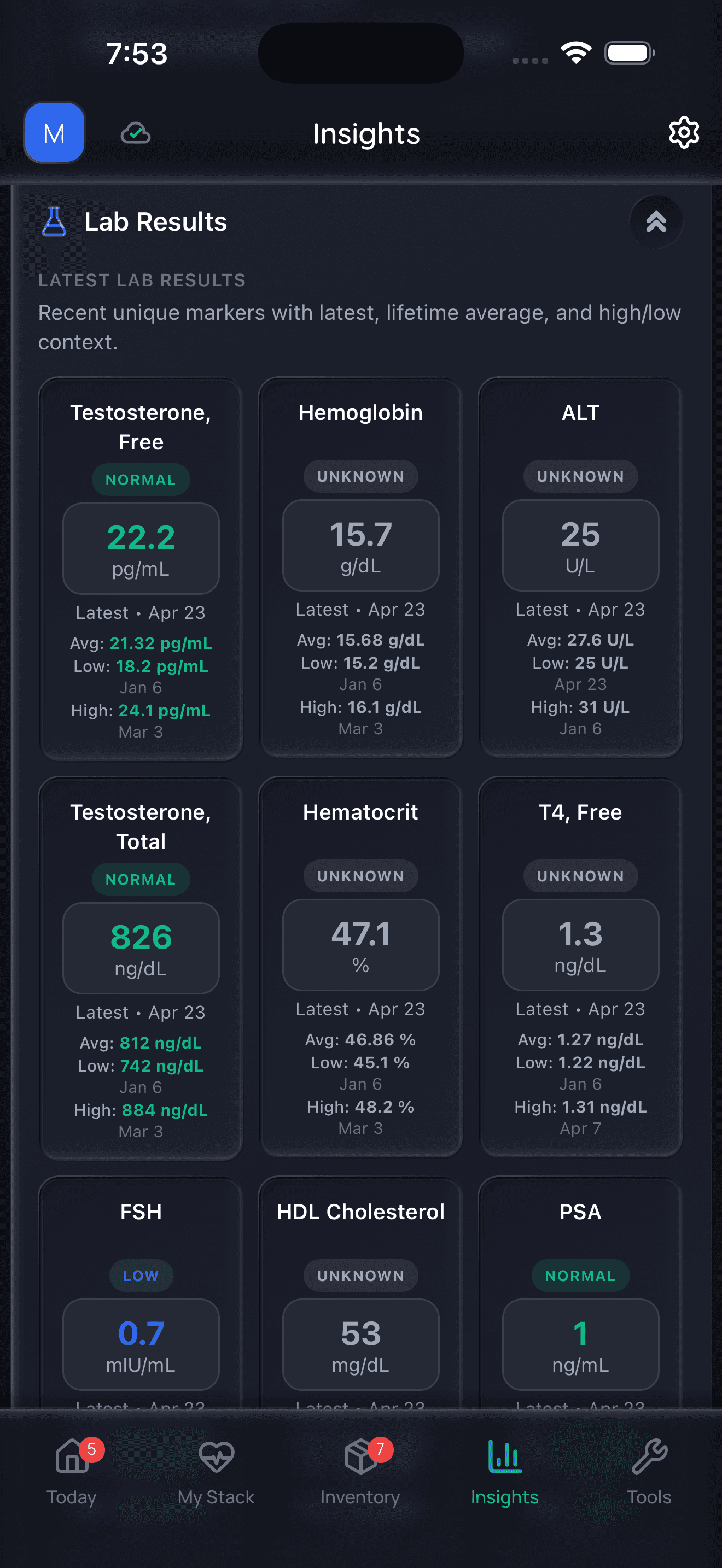
Doserly organizes data; it does not diagnose or interpret labs for you.
Side Effects & Safety
The Basics
Isoleucine has a reassuring safety profile when consumed at normal dietary levels and standard supplemental doses. As an essential amino acid that your body needs every day, it is well tolerated by the vast majority of people [5][6].
At supplemental doses typically found in BCAA or EAA products (1-5 g of isoleucine per day as part of a blend), adverse effects are uncommon. Some people may experience mild gastrointestinal discomfort, particularly when taking free-form amino acid powders on an empty stomach. This is generally not specific to isoleucine and tends to resolve with food or dose adjustment [6][14].
The most important safety concern involves people with inherited metabolic disorders. Maple syrup urine disease (MSUD) is a genetic condition where the body cannot properly break down leucine, isoleucine, and valine. People with MSUD must strictly limit their intake of all three BCAAs, and supplementation would be dangerous. Similarly, beta-ketothiolase deficiency and short/branched chain acyl-CoA dehydrogenase (SBCAD) deficiency specifically impair isoleucine metabolism [16].
For people with kidney or liver disease, higher-than-dietary doses of any amino acid should be discussed with a healthcare provider, as impaired metabolism or excretion could lead to accumulation [5].
Emerging research has raised questions about whether chronically elevated isoleucine intake may have long-term metabolic consequences. Animal studies have linked high isoleucine intake to increased adiposity, insulin resistance, and mitochondrial dysfunction in muscle tissue. Epidemiological data has associated elevated circulating isoleucine with increased cardiovascular disease risk. While these findings are from animal and observational research and have not been confirmed through human supplementation trials, they suggest that "more is not necessarily better" with this amino acid [7][12][15].
The Science
Tolerability at Supplemental Doses: Clinical trials using BCAA supplements containing isoleucine at doses of 1.5-20 g daily (as part of the total BCAA blend) have not reported serious adverse events attributable to isoleucine. Gastrointestinal effects (nausea, bloating) are occasional and dose-dependent, more commonly reported with high-dose free-form amino acid preparations [6][14].
Metabolic Disorders (Absolute Contraindication): Maple syrup urine disease (MSUD), caused by mutations in BCKDHA, BCKDHB, or DBT genes encoding components of the BCKDH complex, results in toxic accumulation of leucine, isoleucine, valine, and their alpha-keto acid derivatives. MSUD affects approximately 1 in 185,000 live births globally (higher in Old Order Mennonite populations: ~1 in 380). Untreated MSUD produces ketoacidosis, neurological damage, and death. BCAA supplementation is absolutely contraindicated [16].
Potential for Metabolic Harm at High Chronic Intake: Liu et al. (2021) demonstrated that isoleucine supplementation (25 g/L in drinking water) in mice on a high-fat diet increased both muscle mass and fat mass while inducing insulin resistance and mitochondrial dysfunction (vacuolation, swelling, cristae fracture) in gastrocnemius and tibialis anterior muscles. The upregulation of adipogenic proteins (PPARg, FAS) alongside myogenic proteins (MyoD, MyoG) suggests isoleucine may promote intramyocellular lipid deposition [12].
Cardiovascular Risk Association: Elevated circulating isoleucine has been independently associated with CVD risk (pooled RR 1.10 per SD increase). This association was stronger in adults under 60 years (RR 1.15). While this does not establish causation from supplementation specifically, it raises the possibility that sustained supraphysiologic isoleucine intake could have cardiovascular implications [15].
Drug Interactions: No significant drug-isoleucine interactions have been documented in clinical literature. Theoretically, isoleucine's glucose-lowering effects in animal models could potentiate the effects of insulin or oral hypoglycemic agents, though this has not been demonstrated in humans [3][4].
Dosing & Usage Protocols
The Basics
Isoleucine dosing depends entirely on why you are considering it and what form you are using. For most people, the answer to "how much isoleucine do I need?" is: whatever amount you get from eating enough protein throughout the day.
The Institute of Medicine sets the RDA at 19 mg per kilogram of body weight per day. For a 70 kg (155 lb) adult, that works out to about 1,330 mg, or roughly 1.3 grams. A diet providing 1.2-2.0 g of protein per kilogram of body weight per day will easily exceed this requirement. A single chicken breast contains approximately 1.5-2 g of isoleucine [5][6].
For those who do choose to supplement, the most common approach is through a BCAA blend. The International Society of Sports Nutrition recommends a 2:1:1 ratio (leucine:isoleucine:valine), and typical pre- or post-workout BCAA doses range from 5-10 g total, which would provide 1.25-2.5 g of isoleucine. Some products use a 4:1:1 ratio that emphasizes leucine more heavily, which means less isoleucine per serving [6][14].
Standalone isoleucine supplementation is unusual. The only research suggesting a specific standalone dose comes from animal studies, where 0.3-0.45 g/kg was effective for glucose metabolism effects. Extrapolated to humans, this would be roughly 48-72 mg/kg, or 3.3-4.9 g for a 150 lb person. These doses have not been validated in human clinical trials [3][4].
There is no established upper tolerable intake level (UL) for isoleucine from the Institute of Medicine or EFSA, partly because toxicity from oral supplementation has not been a documented concern at doses used in available research. That said, the emerging evidence around chronic high intake and metabolic health suggests that supplementing at many times the RDA without a specific reason is not advisable [5][7].
The Science
RDA Basis: The IOM-established RDA of 19 mg/kg/day is based on nitrogen balance studies and the indicator amino acid oxidation (IAAO) method. This value represents the intake sufficient to meet the requirements of 97.5% of healthy adults. Some researchers have suggested the actual requirement may be higher, particularly for individuals engaged in regular resistance training, but no formal revision to the RDA has been proposed [5][6].
BCAA Supplementation Protocols: The most commonly studied BCAA protocols use 5-20 g of total BCAAs daily, divided into pre-, intra-, and/or post-exercise doses. The 2:1:1 ratio (leucine:isoleucine:valine) is standard, providing approximately 2.5 g leucine, 1.25 g isoleucine, and 1.25 g valine per 5 g serving. This ratio approximates the proportion found in human skeletal muscle protein [6][11][14].
Glucose Metabolism Doses (Animal Data Only): Effective doses for glucose-lowering effects in rat models (0.3-0.45 g/kg) translate to approximately 48-72 mg/kg in humans using allometric scaling. For a 68 kg adult, this corresponds to 3.3-4.9 g of isoleucine per day. These doses have not been tested in controlled human trials for glucose metabolism outcomes [3][4].
No UL Established: Neither the IOM nor EFSA has established a Tolerable Upper Intake Level for isoleucine. The absence of a UL reflects insufficient data on adverse effects at high doses rather than evidence of safety at all dose levels. Given emerging data on chronic high isoleucine intake and metabolic outcomes, this represents a data gap rather than a safety assurance [5].
Getting the dose right matters more than most people realize. Too little may be ineffective, too much wastes money or introduces risk, and inconsistency undermines both. Doserly tracks every dose you take, across every form, giving you a clear record of what you're actually consuming versus what you planned.
The app helps you compare RDA recommendations against therapeutic ranges discussed in the research, so you can see exactly where your intake falls. If you switch forms, say from a standard capsule to a liposomal liquid, Doserly adjusts your tracking to account for different bioavailabilities. Pair that with smart reminders that keep your timing consistent, and the precision that makes a real difference in outcomes becomes effortless.
Build reminders around the routine, not just the compound.
Doserly can keep timing, skipped doses, and schedule changes organized so the plan you read about becomes easier to follow and review.
Today view
Upcoming reminders

Reminder tracking supports consistency; it does not select a protocol for you.
What to Expect (Timeline)
Week 1-2: If supplementing with BCAAs or EAAs around exercise, some individuals report reduced muscle soreness within the first few training sessions. Free-form amino acids absorb quickly, so effects on training comfort may be noticeable early. However, any changes in body composition or metabolic markers are unlikely to be perceptible at this stage.
Week 3-4: With consistent supplementation alongside a training program, the modest anti-catabolic effects of BCAAs (including isoleucine) may contribute to slightly better recovery between sessions. Any perceived improvements in exercise endurance or energy during longer workouts would likely emerge during this window, though they may be subtle and difficult to distinguish from training adaptation alone.
Week 5-8: By this point, the primary value of continued isoleucine supplementation (as part of BCAAs or EAAs) is maintenance of amino acid availability for those with suboptimal protein intake. For individuals already meeting protein targets (1.6-2.2 g/kg/day), incremental benefits from added BCAAs are expected to be minimal based on available evidence.
Month 3+: Long-term supplementation with standard BCAA doses has not been associated with progressive or accumulating benefits beyond what is achieved in the first few weeks. If metabolic outcomes (blood glucose handling) are a goal, monitoring relevant biomarkers would be appropriate, though human evidence for isoleucine-specific metabolic benefits at supplemental doses remains limited.
Important context: Many people who start BCAA supplementation and feel better may be experiencing the general benefits of improved amino acid availability rather than an isoleucine-specific effect. Those already consuming adequate protein are unlikely to notice meaningful differences from adding isoleucine or BCAAs to their regimen.
Interactions & Compatibility
SYNERGISTIC
- L-Leucine: The primary BCAA for stimulating muscle protein synthesis. Isoleucine provides complementary substrate and glucose-handling support. Standard supplementation combines both in a 2:1 (leucine:isoleucine) ratio.
- L-Valine: The third BCAA; completes the branched-chain trio. Valine contributes to energy metabolism during exercise and competes with tryptophan for brain uptake, potentially reducing central fatigue.
- BCAAs: The combined supplement form. Most isoleucine supplementation occurs within BCAA blends. Combined supplementation provides all three BCAAs in studied ratios.
- EAAs: Essential amino acid blends include isoleucine alongside all nine EAAs. Evidence suggests EAAs are superior to BCAAs alone for muscle protein synthesis support.
- Vitamin B6: Pyridoxal-5-phosphate (the active form of B6) serves as a cofactor for branched-chain aminotransferase (BCAT), the enzyme catalyzing the first step in BCAA catabolism. Adequate B6 status supports efficient isoleucine metabolism.
- Whey Protein: A complete protein naturally rich in BCAAs including isoleucine (~5-7% by weight). Whey provides all EAAs needed for optimal MPS and is generally considered superior to isolated BCAA supplementation.
- Creatine: While mechanistically distinct, creatine and BCAAs are commonly stacked for exercise performance and recovery support. No known negative interactions.
CAUTION / AVOID
- Competition with other BCAAs: High doses of any individual BCAA (leucine, isoleucine, or valine) can competitively inhibit intestinal and muscle cell uptake of the other two, due to shared transport systems (LAT1/SLC7A5). Supplementing isoleucine alone in large doses while taking leucine separately may reduce the effectiveness of both [9][13].
- Insulin and oral hypoglycemic agents: Based on animal data showing isoleucine's glucose-lowering effects, individuals taking insulin, metformin, sulfonylureas, or other diabetes medications should exercise caution when supplementing with high-dose isoleucine and monitor blood glucose accordingly [3][4].
- L-Tryptophan: BCAAs (including isoleucine) compete with tryptophan for transport across the blood-brain barrier via the Large Neutral Amino Acid Transporter. High-dose BCAA supplementation may reduce brain tryptophan uptake and serotonin synthesis. This competition is the basis for the "central fatigue hypothesis" in exercise science but may be relevant for individuals using tryptophan or 5-HTP for mood or sleep support [5].
- Maple syrup urine disease (MSUD): Absolute contraindication. Individuals with MSUD cannot metabolize isoleucine, leucine, or valine. Supplementation with any BCAA can cause toxic accumulation leading to ketoacidosis and neurological damage [16].
How to Take / Administration Guide
Recommended forms: For most people, the simplest and most cost-effective approach is to obtain isoleucine from dietary protein (whey protein, chicken, fish, eggs, dairy, soy, legumes). For those choosing to supplement, EAA blends generally offer better value than BCAA-only products because they provide the complete set of essential amino acids needed for protein synthesis. Standalone L-isoleucine powder is available but rarely necessary.
Timing considerations: If using a BCAA or EAA supplement for exercise support, common timing protocols include:
- Pre-workout (15-30 min before): May support amino acid availability during training, particularly for fasted exercise
- Intra-workout (during prolonged sessions): May help with energy and reduce muscle breakdown during sessions exceeding 75-90 minutes
- Post-workout (within 30-60 min after): Contributes to recovery, though whole protein sources are generally preferred post-exercise
Stacking guidance: Isoleucine is naturally part of any complete protein. If supplementing BCAAs, take them separately from other amino acid supplements that compete for the same transporter (e.g., standalone tryptophan or tyrosine). When using BCAAs alongside whole protein meals, the protein meal already provides BCAAs, so additional supplementation is redundant unless total protein intake for the day is below target.
Mixing and taste: Free-form L-isoleucine powder has a bitter taste. Most people prefer it in flavored BCAA or EAA blends, capsules, or mixed into strongly flavored beverages. It dissolves reasonably well in water.
Cycling guidance: There is no established need to cycle isoleucine or BCAA supplementation. As an essential amino acid consumed daily through diet, continuous supplementation does not present tolerance or desensitization concerns.
Choosing a Quality Product
Third-party certifications: Look for products tested by USP, NSF International, or Informed Sport (for athletes). These certifications verify identity, purity, and potency. NSF Certified for Sport screening is particularly relevant for competitive athletes, as it tests for 280+ banned substances.
Active vs. cheap forms: For isoleucine, the quality concern is simpler than for many supplements because there is essentially one supplemental form: L-isoleucine (the biologically active enantiomer). Ensure the product specifies "L-Isoleucine" rather than "DL-Isoleucine" or "D-Isoleucine," though the D-form is extremely uncommon in supplements.
Red flags:
- Proprietary blends that hide individual BCAA doses (you cannot verify the ratio)
- BCAA products listing total weight without specifying individual amino acid amounts
- Products making disease-treatment claims (e.g., "cures diabetes" based on the glucose research)
- Extremely cheap amino acid products with no third-party testing, which may have purity concerns
Excipient/filler considerations: Free-form amino acid powders are typically straightforward with few fillers. Capsule and tablet forms may contain standard excipients (magnesium stearate, silicon dioxide, cellulose). Most are free of common allergens, though some are produced from soy fermentation, which could be relevant for individuals with soy allergies.
Supplement-specific quality markers:
- Fermentation-derived L-isoleucine (vs. chemical synthesis or animal-sourced): fermentation is the most common modern production method and is suitable for vegetarian/vegan use
- Certificate of Analysis (COA) availability from the manufacturer
- Stated amino acid purity (typically >99% for pharmaceutical-grade isoleucine)
Storage & Handling
L-Isoleucine powder and capsules should be stored in a cool, dry place at room temperature, away from direct sunlight and moisture. Amino acid powders are hygroscopic (they absorb moisture from the air), so containers should be kept tightly sealed between uses. In humid environments, silica gel desiccant packets can help maintain powder quality.
No refrigeration is required. Shelf life for properly stored L-isoleucine powder is typically 2-3 years from manufacture. Capsule and tablet forms generally have a shelf life indicated on the packaging.
If using a BCAA or EAA powder that includes isoleucine, follow the specific storage instructions for that product, as added flavoring, sweeteners, or other ingredients may have their own stability considerations.
Signs of degradation include clumping, discoloration (yellowing), or off-odors. While degraded amino acid powder is unlikely to be harmful, potency may be reduced.
Lifestyle & Supporting Factors
Dietary sources: Isoleucine is abundant in protein-rich foods. The following foods provide significant amounts per serving: chicken breast (~1.5-2 g per 4 oz serving), salmon (~1.3 g), eggs (~0.3 g per egg), whey protein (~0.5-0.7 g per scoop), soybeans (~1.0 g per cup cooked), lentils (~0.7 g per cup cooked), cottage cheese (~0.7 g per cup). A diet providing 100-120 g of protein from mixed sources will typically supply 4-6 g of isoleucine daily, well above the RDA [5][6].
Signs of deficiency: True isoleucine deficiency is rare in developed countries where protein is readily available. It is most likely to occur in individuals on severely restricted diets, those with eating disorders, or people with malabsorption conditions. Symptoms of broader essential amino acid deficiency include muscle wasting, fatigue, impaired wound healing, decreased immune function, and skin changes. Isolated isoleucine deficiency without broader protein deficiency is essentially undocumented in free-living humans [5].
Exercise: Regular resistance training increases amino acid turnover and may modestly increase requirements beyond the RDA. The International Society of Sports Nutrition recommends that athletes consume 1.4-2.0 g/kg/day of total protein, which provides ample isoleucine. Endurance athletes performing prolonged, glycogen-depleting exercise may derive the most theoretical benefit from BCAA supplementation, as isoleucine can serve as an alternative fuel source [6][14].
Protein distribution: Research suggests that distributing protein intake evenly across 3-4 meals (0.4-0.55 g/kg per meal) optimizes muscle protein synthesis better than loading protein into one or two large meals. Each protein-containing meal provides isoleucine alongside the other EAAs needed for the MPS response [8].
Hydration: Amino acid metabolism generates nitrogenous waste (urea) that requires renal excretion. Adequate hydration supports this process, particularly when supplementing with amino acids above dietary levels.
Regulatory Status & Standards
United States (FDA): L-Isoleucine is classified as a dietary supplement ingredient under the Dietary Supplement Health and Education Act (DSHEA). It has Generally Recognized as Safe (GRAS) status as a direct food additive (21 CFR 172.320). As an amino acid naturally present in food, it does not require New Dietary Ingredient (NDI) notification. No specific health claims are authorized by the FDA for isoleucine supplementation.
Canada (Health Canada): L-Isoleucine is recognized as a natural health product ingredient. It is listed in the Natural Health Products Ingredients Database (NHPID). Products containing isoleucine may carry an NPN (Natural Product Number) when properly licensed.
European Union (EFSA): L-Isoleucine is permitted as a food supplement ingredient in the EU. EFSA has not established a specific Tolerable Upper Intake Level. No authorized health claims specific to isolated isoleucine supplementation have been approved under EU Regulation 1924/2006.
Australia (TGA): L-Isoleucine is listed as a permitted ingredient in the Australian Register of Therapeutic Goods for complementary medicines (listed medicines).
Athlete & Sports Regulatory Status:
- WADA: L-Isoleucine is NOT on the World Anti-Doping Agency Prohibited List. It is a naturally occurring amino acid found in all dietary protein and is permitted at all times, both in-competition and out-of-competition.
- National Anti-Doping Agencies (USADA, UKAD, Sport Integrity Canada, Sport Integrity Australia, NADA Germany): No specific restrictions or alerts have been issued regarding isoleucine supplementation.
- Professional Sports Leagues (NFL, NBA, MLB, NHL, NCAA): Isoleucine is not prohibited by any major professional sports league or the NCAA. However, the NCAA requires that supplements provided by athletic departments carry NSF Certified for Sport or Informed Sport certification.
- Athlete Certification Programs: BCAA products containing isoleucine are widely available in Informed Sport-certified (sport.wetestyoutrust.com), NSF Certified for Sport (nsfsport.com), and Cologne List-certified (koelnerliste.com) formulations.
- GlobalDRO: Athletes can verify the status of isoleucine-containing products at GlobalDRO.com across the US, UK, Canada, Australia, Japan, Switzerland, and New Zealand.
Regulatory status and prohibited substance classifications change frequently. Athletes should always verify the current status of any supplement with their sport's governing body, their national anti-doping agency, and a qualified sports medicine professional before use. Third-party certification (Informed Sport, NSF Certified for Sport) reduces but does not eliminate the risk of contamination with prohibited substances.
Frequently Asked Questions
Q: Is isoleucine the same as leucine?
No. Isoleucine and leucine are two different amino acids, though they are structurally similar (both are branched-chain amino acids) and are often supplemented together. Leucine is the primary activator of muscle protein synthesis via the mTOR pathway, while isoleucine is more closely associated with glucose uptake in muscle. They share the same intestinal transporter and compete for absorption.
Q: Do I need to supplement isoleucine if I eat enough protein?
For most people eating a balanced diet with adequate protein (0.8-2.0 g/kg/day), additional isoleucine supplementation is unlikely to provide meaningful benefits. Foods naturally rich in complete protein (meat, fish, eggs, dairy, soy) already contain abundant isoleucine. BCAA supplementation is most relevant for people who cannot meet protein targets through food alone.
Q: Are BCAAs better than whey protein for muscle recovery?
Available evidence suggests that whole proteins like whey, which contain all nine essential amino acids, are generally superior to isolated BCAAs for muscle protein synthesis and recovery. BCAAs lack the six non-BCAA essential amino acids needed for complete protein synthesis. Most current sports nutrition guidelines recommend whole protein over BCAA supplements when protein intake is adequate.
Q: Can isoleucine help lower blood sugar?
Animal studies have shown that isoleucine promotes glucose uptake in muscle cells and reduces blood glucose levels. However, these effects have been demonstrated primarily in rat models at doses well above normal human dietary intake. Controlled human clinical trials confirming glucose-lowering benefits from isoleucine supplementation are lacking. Individuals with diabetes should not use isoleucine as a substitute for prescribed therapies and should consult their healthcare team before adding any supplement.
Q: Should I restrict isoleucine for weight loss or longevity?
Recent animal research has generated interest in isoleucine restriction for metabolic health benefits. While fascinating, these findings are from mouse models and have not been validated in human interventional trials. Isoleucine is an essential amino acid, and restricting it below dietary requirements could impair muscle maintenance, immune function, and overall health. Dietary decisions based on emerging animal research should be made with caution and ideally under professional guidance.
Q: What is the best BCAA ratio?
The most commonly studied and recommended ratio is 2:1:1 (leucine:isoleucine:valine), which the International Society of Sports Nutrition supports. Some products use higher leucine ratios (4:1:1 or even 8:1:1), but evidence does not consistently show that higher leucine ratios are more effective, and they may reduce isoleucine and valine availability due to absorption competition.
Q: Is isoleucine safe during pregnancy or breastfeeding?
Isoleucine consumed as part of normal dietary protein is safe and necessary during pregnancy and breastfeeding, as it is an essential amino acid required for fetal development. However, supplementation with isolated isoleucine or high-dose BCAAs during pregnancy has not been specifically studied for safety. Pregnant or breastfeeding individuals should consult their healthcare provider before taking any amino acid supplements.
Q: Can isoleucine cause maple syrup urine disease?
No. Maple syrup urine disease (MSUD) is a genetic disorder caused by inherited mutations in the BCKDH enzyme complex. It is not caused by isoleucine supplementation. However, individuals who have MSUD must strictly avoid isoleucine (and leucine and valine) supplementation, as they cannot metabolize these amino acids safely.
Q: What is the difference between BCAAs and EAAs?
BCAAs are three amino acids (leucine, isoleucine, valine), while EAAs include all nine essential amino acids your body cannot make. EAAs provide a more complete amino acid profile for muscle protein synthesis. Current evidence generally favors EAA supplements over BCAA-only supplements for muscle-related goals, though both are inferior to adequate whole protein intake.
Q: How does isoleucine affect cardiovascular health?
Epidemiological studies have found that elevated circulating isoleucine levels are associated with increased cardiovascular disease risk, particularly in adults under 60. However, this association is between blood levels and disease risk, not between supplementation and disease. It may reflect metabolic dysfunction rather than direct causation. Individuals with cardiovascular concerns should discuss amino acid supplementation with their healthcare provider.
Myth vs. Fact
Myth: BCAAs are essential for muscle growth, and you need to supplement them even if you eat enough protein.
Fact: While BCAAs (including isoleucine) are indeed essential amino acids required for muscle protein synthesis, supplementing them on top of adequate dietary protein intake does not provide additional muscle-building benefits. Systematic reviews have found "shockingly little evidence" for BCAA supplementation promoting muscle protein synthesis or lean mass gains when protein intake is sufficient [9][10].
Myth: Isoleucine is the most important BCAA for building muscle.
Fact: Among the three BCAAs, leucine is the primary driver of muscle protein synthesis through mTOR pathway activation. Isoleucine does not independently stimulate significant mTOR activity. Its distinct contribution lies in glucose metabolism and energy production in muscle, not in anabolic signaling [3][8].
Myth: Taking more isoleucine will lower your blood sugar and help with diabetes.
Fact: While animal studies have demonstrated isoleucine's glucose-lowering effects, these were at doses far exceeding normal human intake, and the effects have not been confirmed in human clinical trials. Additionally, chronic high isoleucine intake in animal models has been associated with insulin resistance, the opposite of the desired effect. Isoleucine is not a substitute for diabetes management [3][4][7][12].
Myth: A 4:1:1 or 8:1:1 BCAA ratio is better than the standard 2:1:1.
Fact: Higher leucine ratios have not consistently shown superior results in clinical studies. Moreover, because leucine, isoleucine, and valine compete for the same intestinal transporter, disproportionately high leucine intake may actually reduce isoleucine and valine absorption, potentially limiting the overall effectiveness of the supplement [9][13].
Myth: You need to take BCAAs during fasted cardio to prevent muscle loss.
Fact: The concern about significant muscle catabolism during a single fasted training session is overstated for most recreational exercisers. While BCAAs do have anti-catabolic properties, the magnitude of muscle loss from a fasted workout in a person eating adequate daily protein is minimal. For most people, simply eating a protein-containing meal within a few hours of training is sufficient [8][14].
Myth: Isoleucine restriction diets are a proven longevity strategy for humans.
Fact: While isoleucine restriction has shown remarkable metabolic and lifespan benefits in mouse models, these findings have not been replicated in human trials. Isoleucine is an essential amino acid, and its restriction in free-living humans is extremely difficult since it is present in virtually all protein-containing foods. Extrapolating rodent dietary restriction findings to human dietary recommendations is premature [7].
Myth: All amino acid supplements are the same quality.
Fact: Manufacturing quality varies significantly. Amino acids can be produced through microbial fermentation (generally high purity, suitable for vegetarians), enzymatic extraction from protein, or chemical synthesis. Third-party testing (USP, NSF, Informed Sport) provides verification of identity, purity, and potency. Products without independent testing may contain contaminants or inaccurate dosing.
Sources & References
Government & Institutional Sources
[1] Institute of Medicine. Dietary Reference Intakes for Energy, Carbohydrate, Fiber, Fat, Fatty Acids, Cholesterol, Protein, and Amino Acids. Washington, DC: National Academies Press; 2005.
[2] Harper AE, Miller RH, Block KP. Branched-chain amino acid metabolism. Annu Rev Nutr. 1984;4:409-454. doi:10.1146/annurev.nu.04.070184.002205
Clinical Trials & RCTs
[3] Yoshizawa F. New therapeutic strategy for amino acid medicine: notable functions of branched chain amino acids as biological regulators. J Pharmacol Sci. 2012;118(2):149-155. doi:10.1254/jphs.11R05FM. PMID: 22293293
[4] Nishitani S, Takehana K, Fujitani S, Sonaka I. Branched-chain amino acids improve glucose metabolism in rats with liver cirrhosis. Am J Physiol Gastrointest Liver Physiol. 2005;288(6):G1292-G1300.
Systematic Reviews & Meta-Analyses
[5] World Health Organization. Protein and amino acid requirements in human nutrition. WHO Technical Report Series 935. Geneva: WHO; 2007.
[6] Jäger R, Kerksick CM, Campbell BI, et al. International Society of Sports Nutrition Position Stand: protein and exercise. J Int Soc Sports Nutr. 2017;14:20. doi:10.1186/s12970-017-0177-8
Observational Studies
[7] Green CL, Lamming DW, Fontana L. Molecular mechanisms of dietary restriction promoting health and longevity. Nat Rev Mol Cell Biol. 2022;23(1):56-73. doi:10.1038/s41580-021-00411-4
Preclinical / Animal Studies
[8] Churchward-Venne TA, Breen L, Di Donato DM, et al. Leucine supplementation of a low-protein mixed macronutrient beverage enhances myofibrillar protein synthesis in young men. Am J Clin Nutr. 2014;99(2):276-286. doi:10.3945/ajcn.113.068775
[9] de Sousa Santos C, Nascimento FEL. Isolated branched-chain amino acid intake and muscle protein synthesis in humans: a biochemical review. Einstein (Sao Paulo). 2019;17(3):eRB4898. doi:10.31744/einstein_journal/2019RB4898. PMC6718193
[10] Wolfe RR. Branched-chain amino acids and muscle protein synthesis in humans: myth or reality? J Int Soc Sports Nutr. 2017;14:30. doi:10.1186/s12970-017-0184-9
[11] Fouré A, Bendahan D. Is branched-chain amino acids supplementation an efficient nutritional strategy to alleviate skeletal muscle damage? A systematic review. Nutrients. 2017;9(10):1047. doi:10.3390/nu9101047. PMC9571679
[12] Liu S, et al. Isoleucine increases muscle mass through promoting myogenesis and intramyocellular fat deposition. Food Funct. 2021;12(1):144-153. doi:10.1039/d0fo02427a. PMID: 33289736
[13] Bröer S, Fairweather SJ. Amino acid transport across the mammalian intestine. Compr Physiol. 2019;9(1):343-373. doi:10.1002/cphy.c170041
[14] Hormozi M, Niroomand M, Doustmohammadi N, et al. The effect of oral pure branched-chain amino acid supplementation on exercise performance: a systematic review. Cureus. 2025;17(1):e96017. doi:10.7759/cureus.96017. PMC12674588
[15] Li X, et al. Association of circulating branched-chain amino acids with risk of cardiovascular disease: a systematic review and meta-analysis. Atherosclerosis. 2022;350:90-96. doi:10.1016/j.atherosclerosis.2022.04.031. PMID: 35576716
[16] Strauss KA, Puffenberger EG, Carson VJ. Maple Syrup Urine Disease. In: Adam MP, et al., eds. GeneReviews. Seattle (WA): University of Washington; 2006 [updated 2020].
Related Supplement Guides
Same Category (Essential Amino Acids)
- L-Leucine - The primary BCAA for muscle protein synthesis; typically supplemented alongside isoleucine
- L-Valine - The third BCAA; completes the branched-chain amino acid trio
- BCAAs - The combined supplement form containing all three branched-chain amino acids
- EAAs - Complete essential amino acid formulations; generally preferred over BCAAs for MPS
- L-Tryptophan - Competes with BCAAs for brain uptake via the Large Neutral Amino Acid Transporter
- L-Lysine - Essential amino acid involved in protein synthesis and collagen formation
- L-Histidine - Essential amino acid; precursor to histamine and carnosine
Common Stacks / Pairings
- Whey Protein - Complete protein naturally rich in BCAAs; generally preferred over isolated amino acid supplements
- Creatine - Commonly stacked with BCAAs/EAAs for exercise performance and recovery
- Beta-Alanine - Often combined with BCAAs in pre-workout formulations
- L-Glutamine - Conditionally essential amino acid frequently combined with BCAAs for recovery
- L-Citrulline - Common pre-workout pairing; citrulline may interact with BCAA metabolism
- Vitamin B6 - Cofactor for BCAA transamination; supports efficient isoleucine metabolism
Related Health Goal
- L-Carnitine - Involved in energy metabolism and fat oxidation; complementary metabolic support
- Chromium - Trace mineral involved in glucose metabolism and insulin sensitivity
- Magnesium - Essential mineral involved in protein synthesis and energy metabolism