
Bacopa Monnieri: The Complete Supplement Guide
On this page
Quick Reference Card
Attribute
Common Name
- Detail
- Bacopa Monnieri
Attribute
Other Names / Aliases
- Detail
- Brahmi, Jalabrahmi, Water Hyssop, Herb of Grace, Thyme-Leafed Gratiola, Indian Pennywort, Aindri, Medhya Rasayana
Attribute
Category
- Detail
- Herbal Extract (Nootropic / Adaptogen)
Attribute
Primary Forms & Variants
- Detail
- Standardized extracts: CDRI 08 (KeenMind/BacoMind, ~55% bacosides), Synapsa (standardized to bacosides), BaCognize (standardized to 12% bacosides); Whole herb powder; Ethanolic extracts
Attribute
Typical Dose Range
- Detail
- 200-600 mg per day of standardized extract (most commonly 300 mg/day)
Attribute
RDA / AI / UL
- Detail
- Not established. Bacopa is a botanical supplement with no formal dietary reference values.
Attribute
Common Delivery Forms
- Detail
- Capsule, tablet, powder, liquid extract
Attribute
Best Taken With / Without Food
- Detail
- Fat-soluble; traditionally consumed with ghee or animal fat. Sources suggest taking with a fat-containing meal to enhance absorption of bacosides.
Attribute
Key Cofactors
- Detail
- No established cofactors, but traditional Ayurvedic preparations pair Bacopa with Centella asiatica (Gotu Kola) and fat sources (ghee, milk)
Attribute
Storage Notes
- Detail
- Store at 30°C (86°F) or below, relative humidity 65% or less. Avoid heat exposure above 40°C (104°F), which degrades bacopaside content. Keep away from direct sunlight and moisture.
Overview
The Basics
Bacopa monnieri is a small, creeping plant that thrives in wetlands and marshes across India, Southeast Asia, and Australia. In Ayurvedic medicine, it has been used for centuries under the name Brahmi, valued as a brain tonic thought to sharpen memory, calm the mind, and support learning. Traditionally, it was given to children mixed into warm milk with ghee to boost brain development, and to scholars and students preparing for examinations.
The interest in Bacopa outside of traditional medicine has grown steadily as modern research has begun to validate some of these ancient claims. Multiple clinical trials have found that Bacopa supplementation can improve certain aspects of memory, particularly the speed at which new information is retained and recalled. The catch is that these benefits typically take 8 to 12 weeks to appear, which distinguishes Bacopa from stimulant-type nootropics that work within hours.
Beyond memory, Bacopa has drawn attention for its potential to reduce anxiety. Community reports and a smaller body of clinical data suggest it may help calm an overactive stress response, making it one of a handful of supplements that may simultaneously sharpen cognition and promote a sense of calm. However, it also carries a notable trade-off that potential users should understand: a subset of people report reduced motivation and emotional blunting with extended use, effects that are not yet well-characterized in clinical literature.
The Science
Bacopa monnieri (family Scrophulariaceae, syn. Plantaginaceae) is a perennial creeping herb native to the wetlands of South and Southeast Asia. Its classification as Medhya Rasayana in the Ayurvedic tradition denotes its historical role as a neurological rejuvenating agent [1]. The primary bioactive constituents are triterpene saponins collectively known as bacosides, with Bacoside A comprising up to 8% of dry leaf weight. Upon acid hydrolysis (including gastric digestion), parent bacosides yield pseudojujubogenins, jujubogenins, and bacogenins, with Bacoside A3, Bacopaside II, and Bacosasaponin C identified as the most pharmacologically active metabolites [2].
The cognitive-enhancing potential of Bacopa has been investigated in six systematic reviews or meta-analyses, twelve randomized controlled trials, and multiple preclinical studies [3]. A 2014 meta-analysis of 437 eligible subjects across RCTs demonstrated improved cognition, specifically shortened Trail B test performance (17.9 ms; 95% CI 24.6 to 11.2; p<0.001) and decreased choice reaction time (10.6 ms; 95% CI 12.1 to 9.2; p<0.001) [4]. A 2021 systematic review of 11 double-blinded RCTs comprising 645 healthy adults found that all but one study reported at least one statistically significant improvement on neuropsychological measures, though no two studies found the same test to be significantly improved [5]. This heterogeneity across cognitive assessments has been a consistent limitation in establishing the magnitude of Bacopa's nootropic effects.
Chemical & Nutritional Identity
Property
Chemical Name
- Value
- Bacosides (mixture of dammarane-type triterpenoid saponins)
Property
Primary Bioactive Compounds
- Value
- Bacoside A (comprising Bacoside A3, Bacopaside I, II, X, Bacosasaponin C) and Bacoside B
Property
Molecular Formula
- Value
- Variable (saponin glycoside mixture); Bacoside A3: C₄₁H₆₈O₁₃
Property
CAS Number
- Value
- 93164-89-7 (Bacoside A)
Property
PubChem CID
- Value
- 119190 (Bacopaside II)
Property
Category
- Value
- Herbal Extract; Nootropic Triterpene Saponin Complex
Property
Plant Family
- Value
- Scrophulariaceae (syn. Plantaginaceae)
Property
Plant Part Used
- Value
- Whole plant (primarily leaves and stems)
Property
Standardization
- Value
- Typically standardized to 20-55% total bacosides
Property
Other Constituents
- Value
- Luteolin (0.12-0.26% dry weight), brahmine, bacosine (0.61% dry weight), beta-sitosterol glucoside, hersaponin
Property
RDA / AI / UL
- Value
- Not established
Bacopa monnieri extracts are complex phytochemical preparations rather than single-molecule supplements. The bacosides are the primary class of interest, and these are further subdivided upon gastric hydrolysis into pseudojujubogenins (Bacopasaponin C, Bacopasides I-III, V, N2), jujubogenins (Bacopasaponin F and E, Bacopa A3, Bacopasides X, N1, IV), and bacogenins (A1, A2, A3). Approximately one third of total bacoside weight is Bacopaside I [2].
Multiple standardized extract forms are used in research: CDRI 08 (marketed as KeenMind or BacoMind, typically 55% bacosides) is the most extensively studied. Synapsa and BaCognize (12% bacosides) are also commonly tested. The lack of uniform standardization across products and studies has been identified as a significant barrier to synthesizing clinical evidence [3][5].
Mechanism of Action
The Basics
Bacopa works primarily by supporting your brain's communication networks. It appears to help neurons grow more connections (specifically, more branching points called dendrites) in areas of the brain involved in memory, like the hippocampus. Think of it as encouraging your brain to build more roads between different memory storage areas. This structural change takes time, which is why Bacopa's memory benefits don't show up for at least two months.
At the chemical level, Bacopa interacts with several of your brain's signaling systems. It modulates serotonin, the neurotransmitter involved in mood and anxiety, which likely explains the calming effects many people report. It also has mild effects on the acetylcholine system (the neurotransmitter most directly tied to memory formation) and appears to regulate dopamine in a way that could explain both its stress-reducing properties and the motivation reduction some users experience.
Beyond neurotransmitter effects, Bacopa acts as an antioxidant in brain tissue, protecting neurons from damage caused by oxidative stress, heavy metals, and inflammation. This neuroprotective activity, combined with its effects on neural connectivity, gives it a dual profile: it may both enhance current cognitive function and protect against age-related cognitive decline.
The Science
Bacopa monnieri exerts its neurological effects through multiple interconnected mechanisms:
Dendritic proliferation: Supplementation increases dendritic intersections and branching points in hippocampal and basolateral amygdala neurons after 4-6 weeks in animal models, with no changes observed at 2 weeks. This temporal pattern closely mirrors the delayed onset of cognitive benefits observed in human trials [2][6].
Serotonergic modulation: Bacopa increases serotonin levels in the hippocampus, upregulates Tryptophan Hydroxylase (TPH2) expression, and increases Serotonin Transporter (SERT) mRNA expression at 20-40 mg/kg. These effects appear to be age-dependent, with younger animals showing more robust serotonergic responses [2][7].
Dopaminergic regulation: At 40-80 mg/kg, Bacopa prevents stress-induced depletion of dopamine and serotonin. At lower doses (5-15 mg/kg), it demonstrates anti-dopaminergic effects in the striatum, preventing supraphysiological dopamine surges. This dual modulation may explain both its adaptogenic properties and the motivation/anhedonia effects reported by some users [2][8].
Cholinergic effects: Bacopa exhibits weak acetylcholinesterase inhibition (insufficient to calculate an IC50 at tested concentrations) and increases hindbrain acetylcholine levels to approximately 110% of control. It reverses scopolamine-induced amnesia at 120 mg/kg, suggesting functional cholinergic interaction despite weak enzymatic inhibition [2].
Antioxidant and anti-inflammatory activity: After 2-3 weeks of supplementation, Bacopa increases superoxide dismutase (SOD), glutathione peroxidase, and catalase activity in the hippocampus, frontal cortex, and striatum. At 200 mg/kg in aged animals, it reduces IL-1beta by 22% and TNF-alpha by 25.7%. These effects may be mediated through Nrf2 activation via Keap1 expression modulation [2][9][10].
Beta-amyloid modulation: Bacopa has been shown to reduce beta-amyloid pigmentation through oxidation control and lipoxygenase inhibition, suggesting potential relevance to Alzheimer's disease pathology [2][11].
Absorption & Bioavailability
The Basics
Bacopa's active compounds, the bacosides, are fat-soluble. This is an important practical detail because it means your body will absorb them better when you take Bacopa alongside a meal containing some fat. This aligns with the traditional Ayurvedic practice of consuming Bacopa with ghee (clarified butter) or mixed into milk.
Once absorbed, at least some of Bacopa's compounds can cross the blood-brain barrier, which is essential for its cognitive effects [3]. The exact bioavailability percentage for bacosides in humans has not been precisely quantified, but the consistent clinical effects observed at 300 mg doses suggest meaningful absorption occurs.
One important consideration is that Bacopa is sensitive to heat. Temperatures above 40°C (104°F) begin to degrade the bacopaside content, and exposure to 80°C (176°F) can rapidly destroy it. This means hot beverages or cooking with Bacopa extract could reduce its potency.
The Science
The pharmacokinetics of Bacopa monnieri extract in humans remain incompletely characterized. Key findings from available research:
Lipophilicity: Bacosides are fat-soluble compounds, and traditional co-administration with lipid sources (ghee, milk fat) is consistent with enhancing absorption of lipophilic saponins. No formal pharmacokinetic studies have quantified the bioavailability difference between fasted and fed-state administration [2].
BBB penetration: At least some bacopa-derived compounds penetrate the blood-brain barrier, as evidenced by demonstrated CNS effects including altered neurotransmitter levels, dendritic proliferation in hippocampal neurons, and changes in cerebral blood flow [2][3].
Gastric metabolism: The parent bacosides undergo acid hydrolysis during gastric digestion, yielding the bioactive aglycones (pseudojujubogenins, jujubogenins, bacogenins). This means the compounds that reach systemic circulation differ from the intact bacosides present in the supplement [2].
CYP enzyme interactions: Bacopa extract demonstrates noncompetitive inhibition of CYP1A2 (IC50 52.20 ug/mL), CYP2C19 (IC50 23.67 ug/mL), and CYP2C9 (IC50 36.49 ug/mL), with competitive inhibition of CYP3A4 (IC50 83.95 ug/mL). At a standard 300 mg/day dose, estimated intestinal concentrations (~600 ug/mL) are sufficient to reduce activity of these enzymes below 10% in vitro, suggesting clinically relevant drug interaction potential [2][12].
Thermal stability: Bacopaside content degrades at temperatures of 40-60°C over time and is rapidly destroyed at 80°C, necessitating storage at or below 30°C with relative humidity of 65% or less [2].
Research & Clinical Evidence
Memory and Cognitive Enhancement
The Basics
Memory enhancement is Bacopa's most studied benefit and the area with the strongest evidence. Multiple clinical trials in healthy adults have found that taking 300 mg of standardized Bacopa extract daily for at least 8 to 12 weeks can improve the speed of information processing, the rate of learning new material, and delayed recall (remembering things after a gap of time).
The effects are real but modest. A large meta-analysis found that Bacopa improved 9 out of 17 cognitive parameters measured across studies, with the strongest effects on speed of attention [4]. These improvements are meaningful for day-to-day functioning, especially for students and professionals who need to retain and recall information, but they are not dramatic transformations.
One important nuance: Bacopa appears to specifically improve memory consolidation and retention rather than raw processing speed. If you need a supplement that makes you think faster in the moment, Bacopa is less suited than other options. Where it excels is in helping your brain encode information more reliably and retrieve it later.
The Science
A 2014 meta-analysis by Kongkeaw et al. of RCTs comprising 437 subjects found that Bacopa monnieri extract significantly improved cognition, measured by shortened Trail B test performance (17.9 ms improvement; 95% CI 24.6 to 11.2; p<0.001) and decreased choice reaction time (10.6 ms; 95% CI 12.1 to 9.2; p<0.001). Risk of bias was low and reporting quality was high [4].
Peth-Nui et al. (2012) conducted a randomized double-blind placebo-controlled trial in 60 healthy elderly subjects (mean age 62.62 years). After 12 weeks of 300 mg or 600 mg Bacopa extract, choice reaction time was significantly reduced (p<0.01) and decreased plasma acetylcholinesterase activity was observed [13].
Stough et al. (2001, 2008) demonstrated that 300 mg CDRI 08 daily produced significant improvements in speed of visual information processing, learning rate, and memory consolidation after 90 days [14].
Eraiah et al. (2024) reported in a double-blind RCT that Bacopa extract produced a 1,450% increase in BDNF levels compared to placebo within 84 days, along with a significant cortisol reduction (intervention: -8.80 points vs. placebo: +1.20 points) [15].
Not all studies have found benefit. At 450 mg daily for 3 months, Bacopa failed to significantly improve discrimination (Inspection Time Task), attention (Stroop test), or rapid visual information processing in otherwise healthy subjects [2]. An open-label study of 320 mg in 35 cognitively healthy individuals found no difference in cognition or mood after 3 months [16].
Mild Cognitive Impairment and Dementia
The Basics
For people already experiencing memory decline or early dementia, the evidence for Bacopa is limited but cautiously optimistic. A small number of trials have tested Bacopa in people with mild cognitive impairment (MCI) or Alzheimer's disease, and while some showed improvements in attention, language, and cognitive test scores, all of these studies were small and had methodological limitations. The best that can be said at this point is that Bacopa shows promise for this population, but it has not been proven effective for treating or preventing dementia.
The Science
Basheer et al. (2022) systematically reviewed 5 RCTs comprising approximately 286 patients with MCI or AD. Each trial reported at least one statistically significant difference between bacopa and comparator groups. However, all studies were judged at high risk of bias and overall evidence quality was rated as very low [17].
Delfan et al. (2024) randomized 62 MCI patients with dementia risk factors to 160 mg bacopa extract twice daily or placebo for 2 months. The intervention group showed significantly better attention, language, and MoCA scores compared to placebo [18].
An ongoing trial (NCT04927338) is evaluating 300 mg BacoMind daily for 12 weeks in approximately 170 veterans with Gulf War Illness, with primary outcomes including verbal learning and memory plus blood BDNF levels [3].
Anxiety and Mood
The Basics
Bacopa has a traditional reputation as a calming herb, and limited clinical evidence supports this. One double-blind study in adults over 65 found that 300 mg Bacopa (55% bacosides) reduced both anxiety and depression scores [2]. Community reports also frequently describe anxiety relief as a significant benefit, sometimes even describing it as more impactful than the memory effects.
However, the anxiety data is complicated by two factors. First, a study in healthy younger men without baseline anxiety found no significant anxiolytic effect at 450 mg for 3 months [2]. Second, the motivation reduction and emotional blunting reported by some users could be interpreted as either a therapeutic calming effect or an unwanted side effect, depending on the individual.
The Science
Persons over age 65 receiving 300 mg Bacopa Monnieri (55% Bacosides) demonstrated statistically significant reductions in both anxiety and depression scores in a double-blind trial [2]. In contrast, 450 mg daily for 3 months in healthy males without baseline anxiety failed to produce significant anxiolytic effects [2].
Preclinical evidence supports anxiolytic and antidepressant activity: Bacopasides I and II and bacopasaponin C all demonstrated antidepressant effects in forced swim test models. Bacopa reversed depressive symptoms in epileptic animal models [2].
The anxiolytic mechanism is likely related to serotonergic modulation (increased hippocampal serotonin and SERT expression) and GABA receptor subtype alterations in the hippocampus and striatum [2][7].
Evidence & Effectiveness Matrix
Category
Memory & Cognition
- Evidence Strength
- 7/10
- Reported Effectiveness
- 7/10
- Summary
- Six meta-analyses/systematic reviews and 12+ RCTs support memory enhancement, particularly speed of attention and information retention. Effects require 8-12 weeks of supplementation. Community consistently reports gradual memory improvements.
Category
Focus & Mental Clarity
- Evidence Strength
- 5/10
- Reported Effectiveness
- 6/10
- Summary
- Some clinical data on attention improvement (choice reaction time). Community reports are mixed: some report brain fog reduction, others experience initial brain fog before improvement.
Category
Anxiety
- Evidence Strength
- 5/10
- Reported Effectiveness
- 7/10
- Summary
- One positive double-blind trial in elderly (300 mg); one null trial in younger males (450 mg). Strong community signal for anxiety reduction, particularly stomach-related anxiety. Paired with adaptogenic stress modulation mechanism.
Category
Stress Tolerance
- Evidence Strength
- 4/10
- Reported Effectiveness
- 6/10
- Summary
- Preclinical adaptogenic effects well-established (HSP70 modulation, cortisol reduction in one RCT). Community reports of improved stress management consistent with adaptogenic classification.
Category
Mood & Wellbeing
- Evidence Strength
- 4/10
- Reported Effectiveness
- 4/10
- Summary
- Some evidence for depression reduction in elderly. Significantly complicated by anhedonia/emotional blunting reports in community. Net signal is mixed.
Category
Sleep Quality
- Evidence Strength
- 3/10
- Reported Effectiveness
- 6/10
- Summary
- No dedicated sleep RCTs for Bacopa. Community reports of improved sleep, particularly when taken at bedtime. May be secondary to anxiolytic effects and serotonin/melatonin pathway modulation.
Category
Motivation & Drive
- Evidence Strength
- 2/10
- Reported Effectiveness
- 3/10
- Summary
- No dedicated clinical assessment. Strong negative community signal: multiple independent reports of motivation loss with extended use. May relate to anti-dopaminergic effects in striatum.
Category
Emotional Aliveness
- Evidence Strength
- 2/10
- Reported Effectiveness
- 3/10
- Summary
- No clinical data. Community reports of emotional flattening parallel to Ashwagandha-type anhedonia. Prominent enough to warrant awareness.
Category
Longevity & Neuroprotection
- Evidence Strength
- 5/10
- Reported Effectiveness
- N/A
- Summary
- Preclinical evidence for antioxidant protection, beta-amyloid reduction, neuroinflammation reduction, and lipofuscin accumulation decrease. One human combination trial showed reduced inflammatory markers. Community data not yet collected.
Category
Nausea & GI Tolerance
- Evidence Strength
- 5/10
- Reported Effectiveness
- 3/10
- Summary
- GI side effects (nausea, cramping, diarrhea) consistently documented as most common adverse effect across clinical trials and community reports.
Category
Side Effect Burden
- Evidence Strength
- 4/10
- Reported Effectiveness
- 5/10
- Summary
- Moderate tolerability. GI effects and motivation concerns are primary burdens. Many long-term users report zero issues, suggesting high individual variability.
Category
Treatment Adherence
- Evidence Strength
- N/A
- Reported Effectiveness
- 5/10
- Summary
- Delayed onset (8-12 weeks) is a barrier. Initial side effects (GI, drowsiness) cause some to discontinue before benefits manifest. Long-term users generally report sustained adherence.
Categories scored: 12
Categories with community data: 11
Categories not scored (insufficient data): Fat Loss, Muscle Growth, Weight Management, Appetite & Satiety, Food Noise, Energy Levels, Libido, Sexual Function, Joint Health, Inflammation, Pain Management, Recovery & Healing, Physical Performance, Gut Health, Digestive Comfort, Skin Health, Hair Health, Heart Health, Blood Pressure, Heart Rate & Palpitations, Hormonal Symptoms, Temperature Regulation, Fluid Retention, Body Image, Immune Function, Bone Health, Cravings & Impulse Control, Social Connection, Withdrawal Symptoms, Daily Functioning, Emotional Regulation
Benefits & Potential Effects
The Basics
Bacopa's primary value proposition centers on two areas: memory enhancement and anxiety reduction. For memory, it appears to help with encoding and retaining new information rather than giving you sharper in-the-moment thinking. If you are studying for exams, learning a new language, or trying to retain information from professional development, Bacopa may be particularly relevant, though the benefits take two to three months of consistent daily use to appear.
For anxiety, many people find that Bacopa produces a calm, grounded feeling without the sedation associated with stronger anxiolytic herbs or medications. It may be especially helpful for people who experience anxiety alongside cognitive demands, since it addresses both without the cognitive dulling that benzodiazepines and some other anxiolytic agents can produce.
Beyond these primary effects, Bacopa has neuroprotective properties that may be relevant for long-term brain health. The antioxidant and anti-inflammatory activity in brain tissue, reduction of beta-amyloid accumulation, and promotion of neuronal growth could theoretically contribute to maintaining cognitive function with aging, though this has not been confirmed in long-term human studies.
The significant caveat is the motivation and emotional blunting risk. While not universal, a meaningful proportion of users report reduced drive, initiative, and emotional range with continued use. This appears to be more common at higher doses and with longer durations, and typically resolves within weeks of stopping supplementation.
The Science
Cognitive enhancement: The strongest evidence supports improvements in speed of attention (choice reaction time) and memory consolidation (delayed recall, verbal learning). Meta-analytic data from 437 subjects across RCTs demonstrate statistically significant improvements in Trail B test performance and choice reaction time [4]. Effects require a minimum of 8-12 weeks to manifest, consistent with the dendritic proliferation timeline observed in preclinical models [2][6].
Anxiolytic effects: Supported by one positive double-blind trial in elderly subjects (300 mg, 55% bacosides) with significant reductions in anxiety and depression scores. Mechanism likely involves serotonergic modulation (increased hippocampal serotonin, SERT upregulation) and GABA receptor alterations [2][7].
Neuroprotection: Preclinical evidence demonstrates increased antioxidant enzyme activity (SOD, glutathione peroxidase, catalase), reduced neuroinflammation (IL-1beta, TNF-alpha), beta-amyloid reduction, and protection against neurotoxicity from heavy metals (aluminum, mercury) and oxidative stress [2][9][10]. One human combination trial (bacopa plus two other herbs for 1 year) showed reduced homocysteine, CRP, and TNF-alpha [19].
Adaptogenic stress response: Bacopa modulates rather than suppresses the stress response, as evidenced by HSP70 expression patterns: mild elevation at baseline (preparing the organism for stress) followed by significant attenuation during perceived stress [2][8].
When you're taking multiple supplements, it's hard to know which one is doing the heavy lifting. The benefits described above may overlap with effects from other items in your stack, lifestyle changes, or seasonal variation. Doserly helps you untangle that by keeping everything in one place, with timestamps, doses, and outcomes logged together.
Over time, this builds something more valuable than any product review: your personal evidence record. You can see exactly when you started this supplement, what else was in your routine at the time, and how your tracked health markers responded. That clarity makes the difference between guessing and knowing, whether you're talking to a healthcare provider or simply deciding if it's worth reordering.
Connect protocol changes to labs and health markers.
Doserly can keep lab results, biomarkers, symptoms, and dose history close together so follow-up conversations have better context.
Insights
Labs and trends
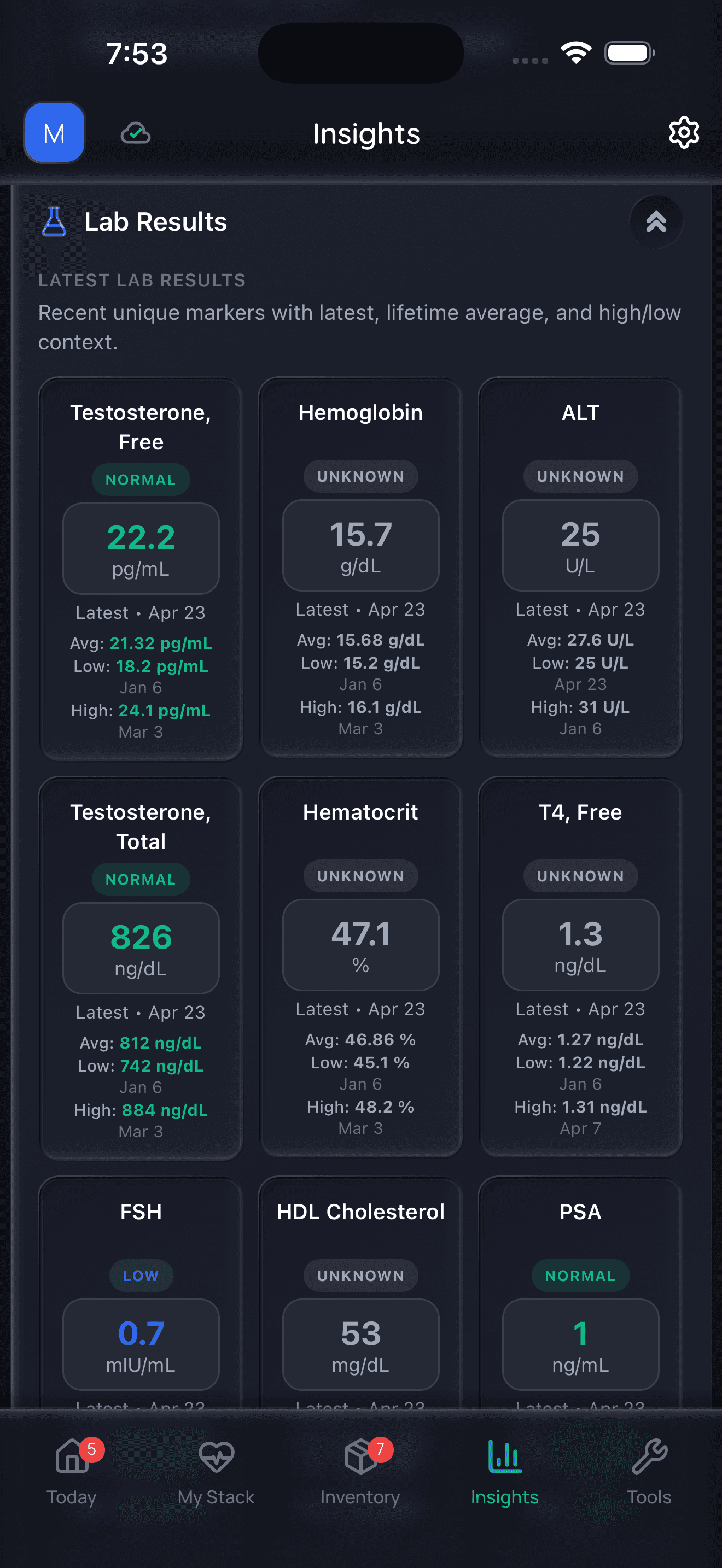
Doserly organizes data; it does not diagnose or interpret labs for you.
Side Effects & Safety
The Basics
Bacopa is generally considered safe and well-tolerated for short-term use (up to 3 months), which is the duration most clinical trials have studied. The most common side effects are digestive: nausea, stomach cramps, increased bowel movements, and diarrhea. These GI effects are consistent across both clinical trials and community reports, and are sometimes significant enough to cause people to stop taking it. Taking Bacopa with food can help reduce these effects.
Less commonly, some people report drowsiness, fatigue, or dry mouth, particularly during the first few days. One trial noted more heart palpitations and muscular fatigue in the Bacopa group compared to placebo, though the difference was not statistically significant [14].
The side effect that receives the most community attention, but is not well-studied clinically, is motivation reduction and emotional flattening. This appears to develop gradually with extended use (weeks to months) and resolves after discontinuation. It may be related to Bacopa's effects on the dopamine system and warrants awareness for anyone considering long-term use.
A unique safety consideration for Bacopa is heavy metal contamination. The plant is a known hyperaccumulator of mercury, lead, and cadmium from the soil it grows in. A 2008 evaluation found that roughly 20% of Ayurvedic supplements sold online contained detectable levels of lead, mercury, or arsenic [20]. This makes third-party testing for heavy metals especially important when choosing a Bacopa product.
The Science
Common adverse effects (documented in clinical trials):
- Gastrointestinal: nausea, abdominal cramps, increased stool frequency, diarrhea. This is the most consistently reported adverse effect across all clinical studies [2][3][14].
- Dry mouth, flu-like symptoms (occasional) [3].
- 11% discontinuation rate due to GI events in one open-label study (n=35) [16].
Less common adverse effects:
- Headache, drowsiness, fatigue (uncommon) [3][17].
- Heart palpitations, muscular fatigue, urinary frequency (one trial, not statistically significant vs. placebo) [14].
Conditions that may be worsened: Bradycardia, gastrointestinal obstruction, peptic ulcers, pulmonary conditions (asthma), urogenital tract obstruction [3].
Reproductive effects: At 250 mg/kg in mice (a dose far exceeding human supplementation), transient fertility suppression was observed with reduced sperm motility (56% of control), spermatozoa count (54%), and viability (58%). All parameters normalized 56 days after cessation. Libido and testosterone were unaffected [2].
Thyroid effects: 200 mg/kg of ethanolic extract daily for 15 days produced a 42% increase in serum T4 in an animal model, with T3 unaffected. People taking thyroid medication should exercise particular caution [2][21].
CYP enzyme inhibition: Clinically relevant inhibition of CYP1A2, CYP2C19, CYP2C9, and CYP3A4 at estimated intestinal concentrations from standard dosing (300 mg/day). This could affect plasma levels of drugs metabolized by these enzymes [2][12].
Heavy metal contamination: Bacopa monnieri is a documented hyperaccumulator of mercury, lead, and cadmium. Source quality and third-party testing for heavy metals are critical considerations [3][20].
Long-term safety: Largely unknown. Clinical trials have been limited to 3 months. Animal toxicology studies up to 80 mg/kg for 8 weeks and 250 mg/kg for 56 days found no significant biochemical abnormalities [2].
Dosing & Usage Protocols
The Basics
The most commonly studied and recommended dose of Bacopa is 300 mg per day of a standardized extract containing approximately 20-55% bacosides. This is the dose used in the majority of clinical trials and the one most community users settle on. Some studies have used doses as high as 450-600 mg per day, while others have tested as low as 125-160 mg per day.
The dose you take depends somewhat on which extract form you choose, because standardization levels differ. A product standardized to 55% bacosides at 300 mg delivers more active compound than a product standardized to 12% bacosides at the same weight. This is an important detail to check on the label.
One important aspect of Bacopa dosing is the time commitment. Unlike stimulant nootropics, Bacopa does not produce noticeable effects after a single dose or even a few days. The clinical evidence consistently shows that benefits emerge after at least 8 to 12 weeks of daily use. This means that evaluating whether Bacopa works for you requires a 3-month trial at minimum.
The Science
Dose ranges from clinical evidence:
Extract / Dose
CDRI 08 (KeenMind), 300 mg/day
- Standardization
- ~55% bacosides
- Duration
- 12 weeks
- Key Finding
- Improved speed of visual information processing, learning rate, memory consolidation
- Reference
- [14]
Extract / Dose
CDRI 08, 320 mg/day (acute)
- Standardization
- ~55% bacosides
- Duration
- Single dose
- Key Finding
- Enhanced Cognitive Demand Battery performance; attenuated performance decline from neural fatigue
- Reference
- [2]
Extract / Dose
BacoMind, 300 mg/day
- Standardization
- ~55% bacosides
- Duration
- 12 weeks
- Key Finding
- Improved attention, cognitive processing, working memory in healthy elderly
- Reference
- [13]
Extract / Dose
Standardized extract, 450 mg/day
- Standardization
- Unspecified
- Duration
- 12 weeks
- Key Finding
- No significant improvement in multiple cognitive tests in healthy males
- Reference
- [2]
Extract / Dose
Standardized extract, 125 mg/day
- Standardization
- Unspecified
- Duration
- Variable
- Key Finding
- Some efficacy in persons with impaired memory
- Reference
- [2]
Extract / Dose
Bacopa extract, 160 mg BID
- Standardization
- Unspecified
- Duration
- 8 weeks
- Key Finding
- Improved attention and language in MCI patients
- Reference
- [18]
Onset of effects: Minimum 8-12 weeks for cognitive benefits based on clinical data. This aligns with the 4-6 week timeline for dendritic proliferation observed in preclinical models [2][6]. One acute study (320 mg CDRI 08) found immediate enhancement on a Cognitive Demand Battery, specifically attenuating performance decline rather than enhancing baseline performance [2].
When your stack includes several supplements, each with its own dose, form, and timing requirements, the logistics alone can derail consistency. Doserly consolidates all of it into one protocol view, so every dose across your entire routine is accounted for without spreadsheets or guesswork.
The app also tracks cumulative intake for nutrients that appear in multiple products. If your multivitamin, standalone supplement, and fortified protein shake all contain the same nutrient, Doserly adds them up and shows you the total alongside recommended and upper limits. Managing a thoughtful supplement protocol shouldn't require a degree in nutrition science. The app handles the complexity so you can focus on staying consistent.
Build reminders around the routine, not just the compound.
Doserly can keep timing, skipped doses, and schedule changes organized so the plan you read about becomes easier to follow and review.
Today view
Upcoming reminders

Reminder tracking supports consistency; it does not select a protocol for you.
What to Expect (Timeline)
Weeks 1-2: Most people do not notice cognitive improvements during this initial period. Some may experience digestive side effects (nausea, cramping, diarrhea), particularly if taking Bacopa on an empty stomach. Drowsiness or fatigue can occur in the first few days and typically resolves. A minority of users report a subtle calming effect on anxiety within the first week. One acute study found that a single 320 mg dose can attenuate mental fatigue during demanding cognitive tasks, but this is distinct from the memory enhancement that develops later.
Weeks 3-4: Side effects, if present, tend to stabilize or resolve as the body adjusts. Some users begin to notice a mild reduction in anxiety or stress reactivity. Memory improvements are generally not yet apparent. This is the period where dendritic branching changes begin in animal models but have not yet reached the density associated with measurable cognitive improvement.
Weeks 5-8: The transition period where cognitive effects may begin to emerge. Some users report noticing improved information retention, better verbal recall, or a sense that learning new material feels slightly easier. These changes tend to be subtle and gradual rather than dramatic. Anxiety reduction, for those who experience it, is usually well-established by this point.
Weeks 8-12: This is the window where clinical trials have documented the most consistent cognitive improvements. Speed of attention, memory consolidation, and delayed recall tend to show measurable changes. Community reports align: users who have persisted through the first two months frequently describe noticeable improvements in memory and focus during this period.
Beyond 12 weeks: Long-term patterns vary considerably between individuals. Many users report sustained benefits with continued daily use; some have taken Bacopa for years without issues. However, this is also the period where motivation reduction and emotional blunting may emerge for a subset of users. Those who experience these effects typically notice them gradually and may not attribute them to Bacopa until they stop taking it and notice the difference.
Important note: The timeline above draws from both clinical trial data and community experience reports. Individual responses will vary based on the specific extract used, baseline cognitive function, concurrent supplements and medications, and biological factors that remain poorly understood.
One of the hardest parts of any supplement routine is knowing whether it's working when results unfold gradually over weeks or months. Without a record, it's easy to abandon something too early or keep taking something that isn't delivering. Doserly solves that by giving you a visual timeline of your entire supplementation history mapped against the outcomes you care about.
When everything is in one view, you can compare how different supplements in your stack are performing over the same period. You can see whether adding this supplement coincided with the improvement you've noticed, or whether the timing points to something else entirely. That kind of clarity turns patience into a strategy rather than a gamble.
Keep sensitive protocol records in a purpose-built app.
Doserly is designed for private health tracking with structured records, offline-ready workflows, and exportable history when you need it.
Privacy
Health records

Privacy controls help you manage records; keep clinical records where required.
Interactions & Compatibility
Synergistic
- Centella asiatica (Gotu Kola) — Traditional Ayurvedic pairing. Both herbs are classified as Medhya Rasayana (cognitive rejuvenators). The combination has centuries of traditional use, though formal clinical comparison is limited. Gotu Kola is sometimes suggested as producing similar benefits with less anhedonia risk.
- Ashwagandha (KSM-66) — Community reports describe strong synergy for anxiety and stress reduction. One user reported complete resolution of panic disorder with the combination. Both are classified as adaptogens. However, both may share the risk of emotional blunting, and stacking them could increase this risk.
- Lion's Mane — Frequently stacked by nootropic enthusiasts for complementary cognitive effects: Bacopa for memory consolidation and Lion's Mane for nerve growth factor (NGF) stimulation.
- Fat sources (ghee, MCT oil, fish oil) — Bacosides are fat-soluble. Co-administration with dietary fat enhances absorption. This is the basis for the traditional practice of consuming Bacopa with ghee or milk.
- Curcumin and Green Tea (EGCG) — Part of the Protandim formulation studied for synergistic Nrf2 activation and HO-1 promoter activity. Bacopa contributed to the antioxidant synergy, though it was among the lesser contributors compared to curcumin and silymarin [2].
Caution / Avoid
- SSRIs, SNRIs, MAOIs, and serotonergic drugs — Bacopa increases serotonin levels and SERT expression. Combined use with serotonergic medications could theoretically increase risk of serotonin-related adverse effects. Clinical data on this interaction is limited but caution is warranted.
- Anticholinergic medications — Bacopa has mild pro-cholinergic activity and could counteract the effects of anticholinergic drugs.
- Acetylcholinesterase inhibitors (donepezil, rivastigmine, galantamine) — Bacopa exhibits weak AChE inhibition. Combined use with pharmaceutical AChE inhibitors could increase cholinergic side effects.
- Thyroid medications — Animal data shows Bacopa may increase T4 levels by up to 42%. People on thyroid hormone replacement or anti-thyroid medications should consult their healthcare provider [2][21].
- CYP-metabolized drugs — Bacopa inhibits CYP1A2, CYP2C19, CYP2C9, and CYP3A4 at clinically relevant intestinal concentrations. This could increase plasma levels of drugs metabolized by these enzymes, including warfarin, certain statins, some antidepressants, and proton pump inhibitors [2][12].
- Caffeine — Theoretical interaction based on Bacopa's ability to prevent dopamine surges in the striatum. May attenuate the cognitive stimulation effects of caffeine while not affecting its anti-sleep properties [2].
How to Take / Administration Guide
Recommended forms: Standardized extracts are preferred over whole herb powder due to consistent bacoside content. CDRI 08 (KeenMind/BacoMind, ~55% bacosides) is the most extensively studied. Synapsa and BaCognize are also well-regarded options with clinical data. Raw powder may have more variable potency and higher GI side effect rates based on community reports.
Timing considerations: Bacopa can be taken in the morning or evening. Community users who take it at bedtime often report it serves as a sleep aid, likely due to its calming serotonergic effects. Those who experience drowsiness are advised to take it with their evening meal. The half-life of Bacopa is relatively long (reported in community discussion as approximately twice that of caffeine), so timing is less critical than with short-acting supplements.
Food pairing: Because bacosides are fat-soluble, taking Bacopa with a meal that includes fat is advisable for optimal absorption. This aligns with the traditional Ayurvedic practice of consuming it with ghee, milk, or coconut oil.
Splitting doses: Most clinical studies have used a single daily dose of 300 mg. Some community users split this into two doses of 150 mg to reduce GI side effects and maintain more stable blood levels throughout the day.
Cycling guidance: Clinical trials have tested Bacopa for periods of 8 to 12 weeks, and no formal cycling protocols have been studied. The traditional Ayurvedic approach uses Bacopa continuously. However, given the community signal around motivation reduction with extended use, some users choose to cycle: 8-12 weeks on, followed by a 2-4 week break, then resume. This approach lacks formal evidence but is a common risk-mitigation strategy in the nootropic community.
Choosing a Quality Product
Third-party certifications to look for: USP Verified Mark, NSF Certified for Sport, ConsumerLab Seal of Approval. Given the heavy metal contamination risk specific to Bacopa, certifications that include heavy metal testing are especially important.
Standardization matters: Look for products standardized to a specific bacoside percentage (typically 20-55%). CDRI 08, Synapsa, and BaCognize are patented extracts with published clinical data. Unstandardized "whole herb" products have more variable potency and fewer clinical references.
Heavy metal testing: This is a critical quality marker for Bacopa. The plant is a known hyperaccumulator of mercury, lead, and cadmium from contaminated soils. Reputable manufacturers should provide Certificate of Analysis (COA) data showing heavy metal testing results. Products sourced from areas with known soil contamination carry higher risk [3][20].
Red flags:
- No standardization percentage listed on label
- No heavy metal testing or COA available
- "Proprietary blend" that hides the actual Bacopa dosage
- Ayurvedic combination products that may contain undisclosed herbs or metals
- Products claiming immediate cognitive effects (inconsistent with the 8-12 week evidence base)
Excipient/filler considerations: Bacopa capsules should contain minimal fillers. Look for products free of artificial colors, unnecessary flow agents, and common allergens (gluten, soy, dairy). Vegetarian capsules are widely available.
Storage & Handling
Bacopa is more heat-sensitive than many supplements. Store at room temperature (30°C/86°F or below) in a location with relative humidity below 65%. Temperatures of 40-60°C (104-140°F) slowly degrade bacopaside content, and exposure to 80°C (176°F) can rapidly destroy active compounds [2].
Keep away from direct sunlight and excessive moisture. Do not store near stoves, ovens, or in vehicles during hot weather. Powder forms may be more susceptible to moisture absorption than capsules or tablets.
Shelf life varies by product, but standardized extracts in capsule form typically maintain potency for 2-3 years when stored properly. Check the expiration date on the packaging and discard expired products.
Lifestyle & Supporting Factors
Dietary considerations: Bacopa is traditionally consumed alongside fat-containing foods to enhance absorption. Incorporating healthy fats (olive oil, avocado, nuts, or fatty fish) at the meal when you take Bacopa may improve bacoside uptake. There are no known dietary sources of bacosides; Bacopa is exclusively a supplemental compound.
Exercise: Physical exercise independently improves cognitive function and BDNF levels, which may complement Bacopa's effects on neuronal growth and memory consolidation. No clinical studies have specifically evaluated the interaction between Bacopa supplementation and exercise.
Sleep: Adequate sleep is fundamental for memory consolidation, the same process Bacopa is thought to support. Taking Bacopa at bedtime may provide complementary sleep support given its serotonergic effects. Poor sleep could potentially blunt the cognitive benefits of Bacopa supplementation.
Stress management: As an adaptogen, Bacopa appears to modulate the stress response rather than suppress it. It may be more effective in people experiencing chronic stress, where dopamine and serotonin depletion is a concern, than in individuals with already well-managed stress levels.
Monitoring recommendations: Given the potential for thyroid effects and the unknown long-term safety profile, periodic thyroid function monitoring may be prudent for long-term users, especially those with pre-existing thyroid conditions. Monitoring mood and motivation levels is also advisable, as the anhedonia signal may develop gradually and go unnoticed without intentional self-assessment.
Regulatory Status & Standards
United States (FDA): Bacopa monnieri is marketed and sold as a dietary supplement under DSHEA. It is not GRAS-affirmed for food use. No FDA-approved drug products contain Bacopa as an active ingredient. The FDA has not evaluated Bacopa for the treatment or prevention of any disease.
Canada (Health Canada): Bacopa is available as a Natural Health Product (NHP). Licensed products bear a Natural Product Number (NPN). Health Canada monographs for Bacopa reference traditional use for cognitive support.
European Union (EFSA): Bacopa has been assessed under the Novel Food regulatory framework. Availability varies by member state. EFSA has not authorized specific health claims for Bacopa.
Australia (TGA): Bacopa is available as a complementary medicine. It appears in the Australian Register of Therapeutic Goods for traditional Ayurvedic indications.
India (AYUSH Ministry): Bacopa (Brahmi) is an officially recognized Ayurvedic herb with extensive traditional monograph documentation in the Ayurvedic Pharmacopoeia of India.
Athlete & Sports Regulatory Status:
- WADA: Bacopa monnieri is not on the WADA Prohibited List. It is not a banned substance for athletes.
- National Anti-Doping Agencies (USADA, UKAD, Sport Integrity Canada, Sport Integrity Australia): No specific guidance or alerts regarding Bacopa supplementation have been identified from major NADOs.
- NCAA: Bacopa is not on the NCAA banned substance list. However, as with all supplements, athletes in NCAA programs should use products with NSF Certified for Sport or Informed Sport certification to minimize contamination risk.
- Athlete Certification Programs: Some Bacopa products may carry Informed Sport or NSF Certified for Sport certification. Given the heavy metal contamination risk, third-party batch testing is particularly important for athletes.
- GlobalDRO: Athletes can verify Bacopa product status at GlobalDRO.com.
Regulatory status and prohibited substance classifications change frequently. Athletes should always verify the current status of any supplement with their sport's governing body, their national anti-doping agency, and a qualified sports medicine professional before use. Third-party certification (Informed Sport, NSF Certified for Sport) reduces but does not eliminate the risk of contamination with prohibited substances.
Frequently Asked Questions
How long does it take for Bacopa to work?
Based on available clinical data, most cognitive benefits (improved memory, faster information processing) require at least 8 to 12 weeks of daily supplementation to become apparent. Some users report feeling calmer or less anxious within the first 1 to 2 weeks, but the memory enhancement that Bacopa is best known for takes considerably longer. This delayed onset is thought to be related to the time required for structural changes in brain neurons (dendritic proliferation) to develop.
What is the best form of Bacopa to take?
Commonly reported preferences center on standardized extracts with published clinical data. The most frequently studied is CDRI 08 (sold under names like KeenMind and BacoMind), standardized to approximately 55% bacosides. Synapsa and BaCognize are also common options. Unstandardized whole herb powders tend to have more variable potency and may cause more GI side effects. Taking any form with a fat-containing meal is generally recommended to support absorption.
Does Bacopa cause emotional blunting or loss of motivation?
Community reports describe this as a notable concern, though it is not well-documented in clinical trials (which primarily measure cognitive outcomes). A subset of users reports reduced motivation, drive, and emotional range with extended use, sometimes compared to similar effects reported with Ashwagandha. These effects appear to resolve within weeks of stopping supplementation. They may be related to Bacopa's documented anti-dopaminergic effects in the striatum. Not everyone experiences this, and long-term users frequently report no such issues.
Can I take Bacopa with caffeine?
Based on available data, Bacopa may attenuate some of the cognitive stimulant effects of caffeine by modulating dopamine in the striatum, though the wakefulness-promoting effects of caffeine (via adenosine antagonism) should remain unaffected. Many nootropic users do combine them without reported problems, but the interaction has not been formally studied in humans.
Is Bacopa safe for long-term use?
Clinical trials have studied Bacopa for up to 3 months with a good safety profile. Traditional Ayurvedic use spans centuries of long-term consumption. However, no controlled long-term (12+ months) safety data exists in the modern literature. Practitioners from the herbal tradition generally consider it safe for continuous use. For anyone concerned about the motivation/anhedonia risk, periodic breaks (cycling) may be a reasonable approach, though this is a community-derived strategy rather than a clinically studied protocol.
Does Bacopa have heavy metal contamination risks?
Yes. Bacopa monnieri is a documented hyperaccumulator of mercury, lead, and cadmium from the soil it grows in. A 2008 evaluation found that approximately 20% of Ayurvedic supplements sold online contained detectable levels of lead, mercury, or arsenic. Choosing products from manufacturers that provide heavy metal testing results (Certificate of Analysis) and carry third-party certifications is especially important for this supplement.
Should I take Bacopa with food?
Sources suggest taking Bacopa with a meal that contains some fat for optimal absorption, since bacosides are fat-soluble. This also tends to reduce the GI side effects (nausea, cramping) that are the most common complaint. The traditional Ayurvedic approach of consuming Bacopa with ghee or milk aligns with this recommendation.
Does Bacopa affect thyroid function?
Animal research found that Bacopa extract at high doses (200 mg/kg) increased T4 hormone levels by 42% without significantly affecting T3. While this dose is not directly comparable to human supplementation doses, people with thyroid conditions or those taking thyroid medications should discuss Bacopa use with their healthcare provider as a precaution.
Can children take Bacopa?
Bacopa has traditionally been given to children in Ayurvedic practice to support learning and memory. Limited clinical data exists in pediatric populations, and the one available study used a blend of herbs that prevents attributing effects to Bacopa alone. Animal studies in pre-pubertal models suggest similar mechanisms and efficacy as in adults. Safety in children is understudied by modern standards; parents should consult a pediatric healthcare provider before giving Bacopa to children.
Does Bacopa lower testosterone or affect fertility?
Animal studies show no effect on testosterone levels at 250 mg/kg for up to 56 days. However, the same dose temporarily reduced sperm motility, count, and viability in male mice (reversible within 56 days of stopping). These doses are far above typical human supplementation levels, but individuals concerned about fertility should be aware of this preclinical finding.
Myth vs. Fact
Myth: Bacopa works immediately like a smart drug.
Fact: Multiple clinical trials consistently show that Bacopa's cognitive benefits require at least 8 to 12 weeks of daily supplementation to manifest. This delayed onset is thought to be related to structural changes in brain neurons (dendritic branching) that take weeks to develop. One acute study showed same-day attenuation of mental fatigue, but this is distinct from the memory enhancement seen with chronic use [2][4][14].
Myth: All Bacopa supplements are the same.
Fact: Bacopa products vary significantly in their standardization (12% to 55% bacosides), extraction method (whole herb, ethanolic extract, standardized extract), and purity. Different standardized extracts (CDRI 08, Synapsa, BaCognize) have different clinical data supporting them. Furthermore, Bacopa is a hyperaccumulator of heavy metals, meaning product quality depends heavily on sourcing and manufacturing practices [2][3][20].
Myth: Bacopa is a cure for Alzheimer's disease.
Fact: While preclinical studies show that Bacopa reduces beta-amyloid accumulation and has neuroprotective effects, clinical evidence in dementia patients is extremely limited and of very low quality. A systematic review of 5 trials in MCI/AD patients (286 total participants) found all studies to be at high risk of bias. Bacopa has not been proven to prevent, treat, or cure Alzheimer's disease [2][11][17].
Myth: Bacopa has no side effects because it's a natural herb.
Fact: GI side effects (nausea, cramping, diarrhea) are consistently reported in both clinical trials and community experience. Beyond GI effects, community reports describe motivation reduction and emotional blunting with extended use. The plant can also accumulate heavy metals (mercury, lead, cadmium) from contaminated soil, creating a toxicity risk unrelated to the active compounds themselves [2][3][20].
Myth: Higher doses of Bacopa produce faster or better results.
Fact: A study using 450 mg daily for 3 months in healthy males found no significant cognitive improvement, while multiple studies using 300 mg showed positive results. There is no evidence that exceeding the 300 mg dose (of a ~55% bacoside extract) produces superior outcomes. Higher doses may increase the risk of GI side effects without proportional benefit [2].
Myth: Bacopa is the same as Gotu Kola (Centella asiatica).
Fact: Both herbs are sometimes called "Brahmi" in Ayurvedic tradition, which causes confusion. However, they are entirely different plants with different active compounds and different mechanisms of action. Bacopa monnieri contains bacosides (triterpene saponins), while Centella asiatica contains triterpenoids like asiaticoside and madecassoside. They are traditionally used together as complementary cognitive support [2].
Myth: Bacopa boosts serotonin just like an SSRI.
Fact: While Bacopa does increase serotonin levels in the hippocampus and upregulates serotonin transporter expression, its mechanism is fundamentally different from SSRIs. SSRIs block serotonin reuptake at the synapse, while Bacopa increases serotonin synthesis upstream. The serotonergic effects of Bacopa are more modest and gradual than pharmaceutical antidepressants, and Bacopa should not be considered a substitute for prescribed serotonergic medications [2][7].
Sources & References
Clinical Trials & RCTs
[1] Chaudhari KS, Tiwari NR, Tiwari RR, Sharma RS. Neurocognitive effect of nootropic drug Brahmi (Bacopa monnieri) in Alzheimer's disease. Ann Neurosci. 2017;24(2):111-122.
[4] Kongkeaw C, Dilokthornsakul P, Thanarangsarit P, Limpeanchob N, Scholfield CN. Meta-analysis of randomized controlled trials on cognitive effects of Bacopa monnieri extract. J Ethnopharmacol. 2014;151(1):528-535.
[5] Brimson JM, Brimson S, Prasanth MI, Thitilertdecha P, Malar DS, Tencomnao T. The effectiveness of Bacopa monnieri (Linn.) Wettst. as a nootropic, neuroprotective, or antidepressant supplement: analysis of the available clinical data. Sci Rep. 2021;11(1):596.
[13] Peth-Nui T, Wattanathorn J, Muchimapura S, et al. Effects of 12-week Bacopa monnieri consumption on attention, cognitive processing, working memory, and functions of both cholinergic and monoaminergic systems in healthy elderly volunteers. Evid Based Complement Alternat Med. 2012;2012:606424.
[14] Stough C, Lloyd J, Clarke J, et al. The chronic effects of an extract of Bacopa monniera (Brahmi) on cognitive function in healthy human subjects. Psychopharmacology. 2001;156(4):481-484.
[15] Eraiah MM, Shekhar HC, Joshua L, Thomas JV. Effect of Bacopa monnieri Extract on Memory and Cognitive Skills in Adult Humans: A Randomized, Double-Blind, Placebo-Controlled Study. J Psychiatry Cogn Behav. 2024;8:168.
[16] Keegan AP, et al. Open-label study of Bacopa monnieri in cognitively healthy adults: cognitive, mood, and anti-inflammatory effects. 2023.
[18] Delfan N, et al. Effects of Bacopa monnieri extract on cognitive function in patients with mild cognitive impairment: a randomized controlled trial. 2024.
Systematic Reviews & Meta-Analyses
[3] Alzheimer's Drug Discovery Foundation. Cognitive Vitality Report: Bacopa Monnieri. Updated October 25, 2024.
[17] Basheer A, Agarwal A, Mishra B, Gupta A, Srivastava MVP, et al. Use of Bacopa monnieri in the treatment of dementia due to Alzheimer disease: systematic review of randomized controlled trials. Interact J Med Res. 2022;11(2):e38542.
Preclinical & Mechanistic Studies
[2] Multiple primary sources aggregated. Key references: Aguiar S, Borowski T. Neuropharmacological review of the nootropic herb Bacopa monnieri. Rejuvenation Res. 2013;16(4):313-326; Calabrese C, Gregory WL, Leo M, Kraemer D, Bone K, Oken B. Effects of a standardized Bacopa monnieri extract on cognitive performance, anxiety, and depression in the elderly. J Altern Complement Med. 2008;14(6):707-713.
[6] Singh HK, Dhawan BN. Neuropsychopharmacological effects of the Ayurvedic nootropic Bacopa monniera Linn. (Brahmi). Indian J Pharmacol. 1997;29(5):359-365.
[7] Charles PD, Ambigapathy G, Geraldine P, Akbarsha MA, Rajan KE. Bacopa monniera leaf extract up-regulates tryptophan hydroxylase (TPH2) and serotonin transporter (SERT) expression: implications in memory formation. J Ethnopharmacol. 2011;134(1):55-61.
[8] Sheikh N, Ahmad A, Siripurapu KB, Kuchibhotla VK, Singh S, Palit G. Effect of Bacopa monniera on stress induced changes in plasma corticosterone and brain monoamines in rats. J Ethnopharmacol. 2007;111(3):671-676.
[9] Rastogi M, Ojha RP, Prabu PC, Devi BP, Agrawal A, Dubey GP. Prevention of age-associated neurodegeneration and promotion of healthy brain ageing in female Wistar rats by long term use of bacosides. Biogerontology. 2012;13(2):183-195.
[10] Dwivedi S, Nagarajan R, Hanif K, Siddiqui HH, Nath C, Shukla R. Standardized extract of Bacopa monniera attenuates okadaic acid induced memory dysfunction in rats: effect on Nrf2 pathway. Evid Based Complement Alternat Med. 2013;2013:294501.
[11] Limpeanchob N, Jaipan S, Rattanakaruna S, Phrompittayarat W, Ingkaninan K. Neuroprotective effect of Bacopa monnieri on beta-amyloid-induced cell death in primary cortical culture. J Ethnopharmacol. 2008;120(1):112-117.
[12] Ramasamy S, Kiew LV, Chung LY. Inhibition of human cytochrome P450 enzymes by Bacopa monnieri standardized extract and constituents. Molecules. 2014;19(2):2588-2601.
Government/Institutional Sources
[19] Sadhu A, et al. Randomized trial of a three-herb Ayurvedic formulation including Bacopa monnieri: effects on inflammatory and oxidative stress markers. 2014.
[20] Saper RB, Phillips RS, Sehgal A, et al. Lead, mercury, and arsenic in US- and Indian-manufactured Ayurvedic medicines sold via the Internet. JAMA. 2008;300(8):915-923.
[21] Kar A, Panda S, Bharti S. Relative efficacy of three medicinal plant extracts in the alteration of thyroid hormone concentrations in male mice. J Ethnopharmacol. 2002;81(2):281-285.
Related Supplement Guides
Same Category (Herbal Nootropics)
Common Stacks / Pairings
- Alpha-GPC — Cholinergic support for memory
- L-Theanine — Calm focus stacking
- Caffeine — Nootropic combination (with interaction caveats)
- Omega-3 (Fish Oil) — Fat source for absorption plus independent cognitive benefits
- Curcumin (Turmeric) — Nrf2 synergy and anti-inflammatory complement
Related Health Goal (Cognitive Support)
- Creatine — Emerging cognitive evidence
- Magnesium — Foundational mineral for cognitive function
- Vitamin B12 — Neurological health support
- Phosphatidylserine — Membrane phospholipid for cognitive function
- CDP-Choline — Cholinergic precursor