
Phosphatidylserine: The Complete Supplement Guide
On this page
Quick Reference Card
Attribute
Common Name
- Detail
- Phosphatidylserine (PS)
Attribute
Other Names / Aliases
- Detail
- PtdSer, Ptd-L-Ser, BC-PS (bovine cortex), LECI-PS, PS-100, Serine Phospholipid, Fosfatidilserina
Attribute
Category
- Detail
- Phospholipid (Glycerophospholipid)
Attribute
Primary Forms & Variants
- Detail
- Soy lecithin-derived PS (most common); Sunflower lecithin-derived PS (soy-free alternative, chemically identical); Bovine cortex PS (historical, no longer commercially available due to BSE concerns)
Attribute
Typical Dose Range
- Detail
- 100-600 mg/day; most commonly 300 mg/day divided into three 100 mg doses
Attribute
RDA / AI / UL
- Detail
- No RDA, AI, or UL established. PS is not classified as an essential nutrient.
Attribute
Common Delivery Forms
- Detail
- Softgel capsules, capsules, powder
Attribute
Best Taken With / Without Food
- Detail
- With meals containing some dietary fat (fat-soluble compound)
Attribute
Key Cofactors
- Detail
- Omega-3 fatty acids (DHA in particular), phosphatidylcholine (metabolic precursor)
Attribute
Storage Notes
- Detail
- Store at room temperature. Protect from light and moisture. Keep in a cool, dry place.
Overview
The Basics
Phosphatidylserine is a type of fat molecule found in every cell in your body, but it's especially concentrated in the brain. Your brain cells rely on it to maintain their structure, communicate with each other, and function properly. You can think of it as one of the key building materials that keeps the membranes of your brain cells flexible, organized, and responsive.
Your body can make phosphatidylserine on its own, and you also get small amounts from food. Organ meats, fish (particularly mackerel and herring), soybeans, and egg yolks are natural sources. However, the amounts available from a typical modern diet are relatively modest, and PS levels in the brain appear to decline naturally with age. This age-related decline has driven interest in PS as a supplement for supporting cognitive function in older adults [1].
PS supplements were originally made from cow brain tissue (bovine cortex) in the 1980s and 1990s, and much of the early clinical research used this form. Due to concerns about mad cow disease (BSE), the industry shifted to plant-based sources, primarily soy and sunflower lecithin. Most supplements available today are plant-derived. Whether plant-sourced PS delivers the same benefits as the original bovine-sourced form remains an open question in the scientific literature [2].
The FDA issued a qualified health claim for phosphatidylserine in 2003, stating that "very limited and preliminary scientific research suggests that phosphatidylserine may reduce the risk of cognitive dysfunction in the elderly," while noting there is little scientific evidence supporting this claim [3].
The Science
Phosphatidylserine (PtdSer) is an anionic glycerophospholipid comprising a glycerol backbone esterified to two fatty acid chains, a phosphate group, and an L-serine head group. It is the most abundant anionic phospholipid in the eukaryotic cell membrane, concentrated primarily in the inner (cytoplasmic) leaflet of the plasma membrane lipid bilayer. In neural tissue, PS constitutes approximately 10-20% of total membrane phospholipids [1].
PS is synthesized endogenously by two phosphatidylserine synthase enzymes: PSS1 (which catalyzes base-exchange of serine for choline in phosphatidylcholine) and PSS2 (which catalyzes base-exchange of serine for ethanolamine in phosphatidylethanolamine). These enzymes are localized to the endoplasmic reticulum and mitochondria-associated membranes [4].
The asymmetric distribution of PS within the lipid bilayer is maintained by flippase enzymes (ATP-dependent aminophospholipid translocases) and has significant functional implications. Externalization of PS to the outer leaflet serves as an "eat me" signal for phagocytic clearance during apoptosis and is recognized by Annexin V, a widely used apoptosis marker [5]. This biological role in apoptotic signaling is distinct from its supplemental applications.
Population intake of dietary PS has been estimated at 130 mg/day in Western diets, with higher intake in diets rich in organ meats and fish. Modern low-fat and low-cholesterol dietary patterns may reduce PS intake by 150 mg/day or more compared to traditional diets [6].
Chemical & Nutritional Identity
Property
Chemical Name
- Value
- 1,2-Diacyl-sn-glycero-3-phospho-L-serine
Property
General Molecular Formula
- Value
- Variable by fatty acid composition; C₄₂H₈₀NO₁₀P (for distearoyl-PS)
Property
CAS Number
- Value
- 51446-62-9 (purified PS); 8002-43-5 (lecithin source)
Property
PubChem CID
- Value
- 9547071
Property
Category
- Value
- Glycerophospholipid, Endogenous compound, Nootropic supplement
Property
Established Daily Values
- Value
- No RDA, AI, or UL established by IOM or EFSA
Supplement forms and their key differences:
- Soy-derived PS (S-PS): Most commonly available form. Fatty acid profile dominated by linoleic acid (C18:2), oleic acid (C18:1), palmitic acid (C16:0), and stearic acid (C18:0). Lacks the DHA content naturally present in bovine cortex PS.
- Sunflower-derived PS: Chemically indistinguishable from soy-derived PS. Offers a soy-free alternative for individuals with soy allergies. Growing in commercial availability.
- Bovine cortex PS (BC-PS): Historical form used in early clinical trials. Contained DHA and other omega-3 fatty acids naturally as part of its fatty acid composition. No longer commercially available due to BSE prion disease concerns. The majority of positive cognitive outcome data comes from studies using this form [2].
- PS-DHA and PS-omega-3 complexes: Newer formulations that combine plant-derived PS with DHA or omega-3 fatty acids, attempting to replicate the fatty acid profile of bovine cortex PS.
Mechanism of Action
The Basics
Phosphatidylserine works by supporting the structure and function of brain cell membranes. Every neuron in your brain is surrounded by a membrane made largely of phospholipids, and PS is one of the most important ones. When your membranes have enough PS, they stay fluid and flexible, which allows brain cells to send and receive signals more efficiently. It is similar to keeping a door well-oiled so it opens and closes smoothly.
PS also helps regulate your body's stress response. It appears to modulate the hypothalamic-pituitary-adrenal (HPA) axis, the system responsible for producing cortisol (your primary stress hormone). Multiple studies have found that PS supplementation can reduce the amount of cortisol your body releases in response to both physical and mental stress. This cortisol-blunting effect is one of the most consistently demonstrated actions of PS in human trials [7][8].
Beyond its structural and stress-modulating roles, PS supports the release of neurotransmitters (brain chemicals like acetylcholine and dopamine) and may help neurons survive and form new connections. These functions collectively contribute to the interest in PS for memory, focus, and overall cognitive health [9].
The Science
Phosphatidylserine exerts its biological effects through several well-characterized molecular mechanisms:
Membrane Structure and Signal Transduction:
PS maintains the structural integrity, fluidity, and curvature of neuronal plasma membranes. As a major anionic phospholipid in the inner leaflet, PS provides electrostatic interactions that recruit and activate key signaling proteins, including protein kinase C (PKC), Akt (protein kinase B), and Raf-1 kinase [4]. PS-dependent PKC activation is critical for long-term potentiation (LTP), the cellular mechanism underlying learning and memory.
HPA Axis Modulation:
PS supplementation has been shown to attenuate the hypothalamic-pituitary-adrenal (HPA) axis response to stress. Monteleone et al. (1992) demonstrated that bovine cortex PS at 800 mg/day for 10 days significantly blunted ACTH and cortisol responses to physical exercise (P = 0.003 and P = 0.03, respectively) without affecting growth hormone or prolactin [7]. Starks et al. (2008) confirmed this with soy-derived PS at 600 mg/day, finding a 39% reduction in peak cortisol concentrations and 35% reduction in cortisol AUC versus placebo [8]. The proposed mechanism involves modulation of corticotropin-releasing factor (CRF) receptor interactions, reducing CRF-mediated ACTH release.
Neurotransmitter Support:
PS enhances cholinergic neurotransmission by increasing acetylcholine release and supporting acetylcholine receptor density. It also facilitates dopaminergic activity and supports neurite outgrowth and synaptogenesis through activation of growth factor signaling pathways [9].
Neuroprotection:
PS contributes to neuronal survival through activation of pro-survival Akt signaling. DHA-containing PS (as found in bovine cortex PS) has been shown to inhibit neuronal apoptosis through phosphatidylserine-mediated Akt activation, providing a potential mechanistic basis for the observed differences between bovine and plant-derived PS in clinical outcomes [10].
Absorption & Bioavailability
The Basics
Phosphatidylserine is well absorbed when taken orally, particularly when consumed with a meal that contains some fat. As a fat-soluble compound, it follows the same absorption pathways as other dietary fats, passing through the intestinal lining and entering the bloodstream via lipoproteins.
Once absorbed, PS can cross the blood-brain barrier and incorporate into neuronal cell membranes, which is essential for its cognitive effects. However, not all of the PS you consume ends up intact in the brain. Some is broken down during digestion to its component parts (fatty acids, glycerol, serine), while the portion that remains intact can be incorporated into cell membranes throughout the body [11].
The form of PS does not significantly affect absorption. Soy-derived, sunflower-derived, and bovine-derived PS all appear to be absorbed efficiently. The key difference lies not in absorption but in the fatty acid composition. Bovine cortex PS naturally contains DHA-enriched fatty acid chains, while plant-derived PS carries different fatty acids. This fatty acid profile, rather than absorption differences, is thought to account for potential differences in efficacy between sources [2].
Taking PS with food, especially food containing dietary fat, enhances absorption. Most practitioners advise dividing the daily dose across meals.
The Science
Oral phosphatidylserine is absorbed in the small intestine through mechanisms shared with other phospholipids. A portion undergoes pancreatic phospholipase A2-mediated hydrolysis to lyso-PS and free fatty acids, while a fraction is absorbed intact and incorporated into chylomicrons and lipoproteins for systemic distribution [11].
Radiolabeled studies in animal models have confirmed that orally administered PS crosses the blood-brain barrier and is incorporated into neuronal membrane phospholipids, with preferential enrichment in cortical and hippocampal tissues [12]. The rate of brain uptake appears sufficient to alter membrane phospholipid composition with chronic supplementation.
Precise human bioavailability data for PS remain limited. No formal pharmacokinetic studies with plasma PS concentration time curves have been published for oral supplementation. The half-life of PS in human plasma has not been definitively established, though membrane phospholipid turnover in neural tissue is relatively slow compared to other lipid classes.
The distinction between bovine and plant-derived PS at the absorption level is not one of efficiency but of cargo. Bovine cortex PS carries predominantly DHA and stearic acid in its sn-2 fatty acid position, while soy-derived PS carries primarily linoleic and palmitic acid chains. Since DHA-enriched PS has demonstrated enhanced neuroprotective properties in vitro [10], the fatty acid composition may influence downstream efficacy independent of absorption.
Research & Clinical Evidence
The Basics
The research on phosphatidylserine spans several decades, covering cognitive function in older adults, stress and cortisol management, ADHD in children, and exercise performance. The evidence is strongest for cortisol reduction and shows promise for cognitive support, though results have been inconsistent across studies.
Cognition in older adults: The largest and most frequently cited study enrolled nearly 500 older adults with cognitive decline and found that PS improved cognition and reduced apathy over six months [13]. However, this 1993 study used bovine-derived PS. More recent studies using plant-derived PS have produced mixed results, with some showing modest improvements in specific cognitive subdomains and others finding no significant benefit [14].
Stress and cortisol: This is the area with the most consistent findings. Multiple studies have demonstrated that PS can reduce cortisol levels in response to physical and psychological stress, with reductions of 30-39% in peak cortisol observed in several trials [7][8]. The effects appear more pronounced in people with elevated baseline stress levels [15].
ADHD: A meta-analysis of studies in children found a small but statistically significant improvement in inattention symptoms with PS supplementation at 200-300 mg/day [16]. However, the quality of evidence was rated as low, and more research is needed.
Exercise performance: Results have been inconsistent. One study found improved cycling time to exhaustion, but others showed no benefits for muscle damage markers, mood, or hormonal responses to resistance training [17].
The Science
Cognitive Function in Age-Related Decline:
The seminal multicenter trial by Cenacchi et al. (1993) remains the largest RCT of PS for cognitive function. In this double-blind, placebo-controlled study (n=494), bovine cortex PS at 300 mg/day for 6 months produced statistically significant improvements in cognition and withdrawal/apathy scores in elderly subjects with cognitive deterioration, though improvements in activities of daily living were not observed [13].
Crook et al. (1991) similarly demonstrated positive effects of bovine PS on age-associated memory impairment in a controlled trial [18]. However, these findings have not been convincingly replicated with plant-derived PS. Schreiber et al. (2000) conducted an open-label trial of soy-derived PS with modest positive findings, but the absence of placebo control limits interpretation [19].
More recent RCTs with soy-derived PS-DHA combinations have shown variable results. Vakhapova et al. (2010) reported improvements in one of two immediate recall measures over 15 weeks [20], while a follow-up study by the same group using a lower dose found improvements in two cognitive subdomains and overall score on one assessment battery but not another [21].
ADHD:
A systematic review and meta-analysis by Bruton et al. (2021) examined phosphatidylserine for pediatric ADHD across 4 studies (n=344), with 3 eligible for meta-analysis (n=216). PS at 200-300 mg/day produced a statistically significant improvement in inattention symptoms versus placebo (effect size 0.36; 95% CI: 0.07-0.64; p = 0.01). Effects on overall ADHD symptoms (ES 0.76; p = 0.07) and hyperactivity-impulsivity (ES 0.24; p = 0.09) were not statistically significant. The quality of evidence was rated as low by GRADE criteria [16].
Hirayama et al. (2014) conducted an RCT of soy-derived PS at 200 mg/day in 36 children with ADHD over 2 months, finding significant improvements in ADHD total scores (P < 0.01), short-term auditory memory (P < 0.05), and inattention measures. PS was well-tolerated with no adverse effects reported [22].
Cortisol and Stress Response:
The cortisol-blunting effect of PS is among the most consistently replicated findings. Monteleone et al. (1990, 1992) demonstrated significant blunting of ACTH and cortisol responses to physical exercise with bovine PS at 400-800 mg/day [7][23]. Starks et al. (2008) confirmed these effects with soy-derived PS at 600 mg/day, showing a 39% reduction in peak cortisol and 184% increase in testosterone-to-cortisol ratio during exercise [8].
Hellhammer et al. (2014) examined a soy-based PS/phosphatidic acid complex (400 mg PS + 400 mg PA daily) and found normalization of HPA axis reactivity specifically in chronically stressed subjects (p = 0.010 for ACTH, p < 0.05 for cortisol), with no significant effects in low-stress subjects [24]. This subgroup-dependent response suggests PS may restore dysregulated HPA function rather than suppressing normal cortisol production.
Exercise Performance:
PS supplementation (600-750 mg/day for 7-14 days) produced inconsistent results across exercise studies. One cycling RCT found improved time to exhaustion at 85% VO2max (approximately 8 to 10 minutes), but another found no benefit for muscle damage biomarkers after eccentric exercise [17]. An RCT in resistance-trained males at 400 mg/day showed no changes in mood, cortisol, or testosterone [25].
Evidence & Effectiveness Matrix
Category
Stress Tolerance
- Evidence Strength
- 7/10
- Reported Effectiveness
- 7/10
- Summary
- Multiple RCTs demonstrate cortisol blunting during physical and mental stress. Most consistent finding across PS research. Community reports align with clinical data.
Category
Memory & Cognition
- Evidence Strength
- 6/10
- Reported Effectiveness
- 5/10
- Summary
- Large 1993 trial showed cognitive improvements with bovine PS. Recent soy PS studies show inconsistent, subdomain-specific results. Community reports are modest.
Category
Anxiety
- Evidence Strength
- 4/10
- Reported Effectiveness
- 8/10
- Summary
- Limited direct clinical evidence for anxiety, though cortisol-reduction mechanism is plausible. Community reports are strongly positive, but this may reflect cortisol-mediated secondary effects.
Category
Focus & Mental Clarity
- Evidence Strength
- 5/10
- Reported Effectiveness
- 6/10
- Summary
- Some RCT data showing improved attention in ADHD populations. Healthy adult data limited. Community reports are positive but dose-dependent.
Category
Sleep Quality
- Evidence Strength
- 3/10
- Reported Effectiveness
- 7/10
- Summary
- Minimal direct clinical evidence for sleep outcomes. Community reports are strongly positive for users with elevated nighttime cortisol, but notably polarized (some report worsened sleep).
Category
Mood & Wellbeing
- Evidence Strength
- 5/10
- Reported Effectiveness
- 7/10
- Summary
- Maggioni et al. (1990) found positive effects on depressive symptoms in elderly. Community reports of improved mood are consistent.
Category
Physical Performance
- Evidence Strength
- 4/10
- Reported Effectiveness
- 3/10
- Summary
- Inconsistent RCT results. One cycling study positive, others neutral. Community does not use PS primarily for performance.
Category
Energy Levels
- Evidence Strength
- 2/10
- Reported Effectiveness
- 4/10
- Summary
- No direct clinical data on energy. Community reports are mixed; some feel energized from reduced anxiety, others report reduced motivation from lower cortisol.
Category
Longevity & Neuroprotection
- Evidence Strength
- 5/10
- Reported Effectiveness
- 5/10
- Summary
- Mechanistic data supports neuroprotective role. FDA qualified health claim exists but with "little evidence" qualifier. Limited community discussion.
Category
Side Effect Burden
- Evidence Strength
- 7/10
- Reported Effectiveness
- 8/10
- Summary
- Clinical trials consistently report good tolerability up to 600 mg/day. Community reports confirm low side effect profile.
Categories scored: 10
Categories with community data: 10
Categories not scored (insufficient data): Fat Loss, Muscle Growth, Weight Management, Appetite & Satiety, Food Noise, Libido, Sexual Function, Joint Health, Inflammation, Pain Management, Recovery & Healing, Gut Health, Digestive Comfort, Nausea & GI Tolerance, Skin Health, Hair Health, Heart Health, Blood Pressure, Heart Rate & Palpitations, Hormonal Symptoms, Temperature Regulation, Fluid Retention, Body Image, Immune Function, Bone Health, Cravings & Impulse Control, Social Connection, Emotional Aliveness, Emotional Regulation, Motivation & Drive, Treatment Adherence, Withdrawal Symptoms, Daily Functioning
Benefits & Potential Effects
The Basics
Phosphatidylserine's benefits center around three main areas: brain health, stress management, and attention support.
For brain health, PS is most commonly associated with supporting memory and cognitive function, particularly in older adults experiencing age-related decline. The idea is straightforward: as PS levels in brain cell membranes decrease with age, supplementing may help maintain cell membrane integrity and the communication between neurons that underpins memory and thinking [1].
For stress management, PS has one of its more reliable effects. By helping to regulate cortisol production, PS may help the body recover from both physical and mental stress more efficiently. People who are chronically stressed or who experience elevated cortisol may benefit most from this effect [8][24].
For attention, preliminary research in children with ADHD suggests that PS may modestly improve inattention symptoms. The meta-analysis effect size was small but statistically significant, and PS was well tolerated in pediatric studies [16].
Some users also report improved sleep quality, likely as a secondary benefit of cortisol regulation. When nighttime cortisol is elevated (common during periods of chronic stress), reducing it may help the body transition more easily into deep sleep. However, this effect is highly individual, with some users reporting the opposite [26].
The Science
The evidence-supported benefits of phosphatidylserine can be organized by strength of clinical evidence:
Well-Supported (Multiple RCTs):
- Attenuation of exercise-induced and psychosocial stress-related cortisol elevation (effect sizes: 30-39% reduction in peak cortisol, p < 0.05 across multiple trials) [7][8][23]
- Favorable shift in testosterone-to-cortisol ratio during exercise stress (184% AUC increase) [8]
Moderately Supported (Limited RCTs, Mixed Results):
- Cognitive function improvement in elderly with age-related decline (large 1993 trial positive with bovine PS; subsequent soy PS trials inconsistent) [13][14]
- Reduction in ADHD-related inattention symptoms in children (meta-analysis ES 0.36, p = 0.01; quality of evidence low) [16]
- Improvement in depressive symptoms in geriatric populations [26]
Preliminary (Mechanistic or Single-Study):
- Neuroprotective effects via Akt pathway activation [10]
- Modulation of acetylcholine release and cholinergic signaling [9]
- Potential benefits for exercise time to exhaustion (single positive cycling study) [17]
When you're taking multiple supplements, it's hard to know which one is doing the heavy lifting. The benefits described above may overlap with effects from other items in your stack, lifestyle changes, or seasonal variation. Doserly helps you untangle that by keeping everything in one place, with timestamps, doses, and outcomes logged together.
Over time, this builds something more valuable than any product review: your personal evidence record. You can see exactly when you started this supplement, what else was in your routine at the time, and how your tracked health markers responded. That clarity makes the difference between guessing and knowing, whether you're talking to a healthcare provider or simply deciding if it's worth reordering.
Capture changes while they are still fresh.
Log symptoms, energy, sleep, mood, and other observations alongside protocol events so patterns do not live only in memory.
Trend view
Symptom timeline
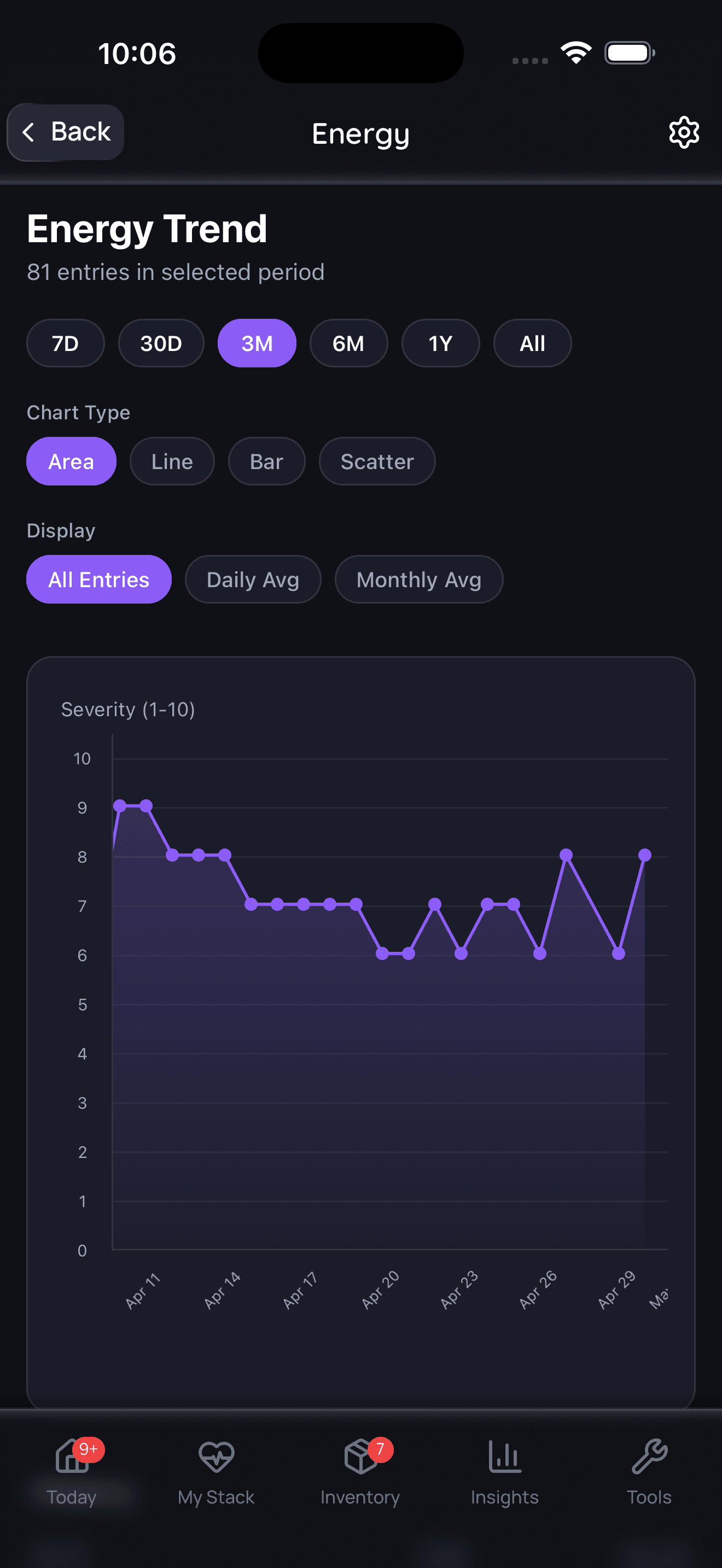
Symptom tracking is informational and should be interpreted with a qualified clinician.
Side Effects & Safety
The Basics
Phosphatidylserine has a generally favorable safety profile. Most people tolerate it well, and serious side effects are rare. Clinical trials using doses up to 600 mg/day for 12 weeks have found no significant differences in blood chemistry, blood pressure, or heart rate compared to placebo [27].
The most commonly reported side effects are mild and digestive in nature: stomach upset or nausea, particularly when taken on an empty stomach or at higher doses. A small percentage of users (estimated at 5-10%) experience some gastrointestinal discomfort [28].
Insomnia is another occasionally reported side effect, especially at doses above 300 mg or when taken too late in the day. This is somewhat paradoxical, since many users take PS specifically to improve sleep. The explanation may relate to individual differences in baseline cortisol levels: for someone whose cortisol is already normal or low, further reduction could paradoxically disrupt sleep patterns [28].
A few important safety considerations deserve attention. PS may have mild blood-thinning properties and could enhance the effects of anticoagulant medications like warfarin or heparin. Anyone on blood thinners should consult their healthcare provider before taking PS. Similarly, because PS increases acetylcholine levels, it may interact with medications that affect cholinergic signaling, including some drugs used for Alzheimer's disease and glaucoma [2].
For pregnant or breastfeeding women, there is insufficient safety data to recommend use. Children aged 4-18 appear to tolerate PS at doses of 200-300 mg/day for up to 4 months based on available studies [22].
The Science
Safety Data:
A dedicated safety study of soy-derived PS in elderly subjects (600 mg/day for 12 weeks) demonstrated no significant adverse changes in biochemical parameters, hematological markers, blood pressure, or heart rate compared to placebo after statistical correction [27]. No upper limit (UL) for phosphatidylserine toxicity has been established by the Institute of Medicine or EFSA.
Adverse Effect Profile:
- Gastrointestinal symptoms (nausea, stomach upset): reported in 5-10% of users, predominantly at doses exceeding 300 mg/day
- Insomnia: uncommon (<3% in clinical reports), may be dose-dependent and individual
- Headache: rare, typically at initial supplementation or higher doses
Drug Interactions:
PS demonstrates two pharmacologically relevant interaction classes:
- Anticoagulant/antiplatelet potentiation: PS has been shown to enhance the effects of heparin in vitro. Theoretical risk exists for potentiation of warfarin, aspirin, clopidogrel, and other anticoagulants/antiplatelets. The mechanism may involve PS externalization affecting coagulation cascade activation [2].
- Cholinergic modulation: PS increases acetylcholine availability. Co-administration with anticholinergic drugs may reduce anticholinergic efficacy, while co-administration with cholinergic drugs (acetylcholinesterase inhibitors for Alzheimer's disease, pilocarpine for glaucoma) may potentiate cholinergic effects and increase side effect risk [2].
Historical BSE Concerns:
Early PS supplements derived from bovine cortex raised theoretical concerns about transmissible spongiform encephalopathy (BSE/prion disease) transmission. No human cases of prion disease from PS supplements have been documented. Commercially available PS is now exclusively plant-derived (soy, sunflower, cabbage), eliminating this concern [2].
Managing side effect risks across a multi-supplement stack can feel overwhelming, especially when interactions between supplements, medications, and foods add layers of complexity. Doserly brings all of that into a single safety view so nothing falls through the cracks.
Rather than researching every possible interaction yourself, the app checks your full stack automatically and flags supplement-drug and supplement-supplement interactions that warrant attention. If you do experience something unexpected, logging it takes seconds, and over time the app helps you spot patterns: whether symptoms correlate with specific doses, timing, or combinations. One place for the safety picture that matters most when your stack grows beyond a few bottles.
Connect protocol changes to labs and health markers.
Doserly can keep lab results, biomarkers, symptoms, and dose history close together so follow-up conversations have better context.
Insights
Labs and trends
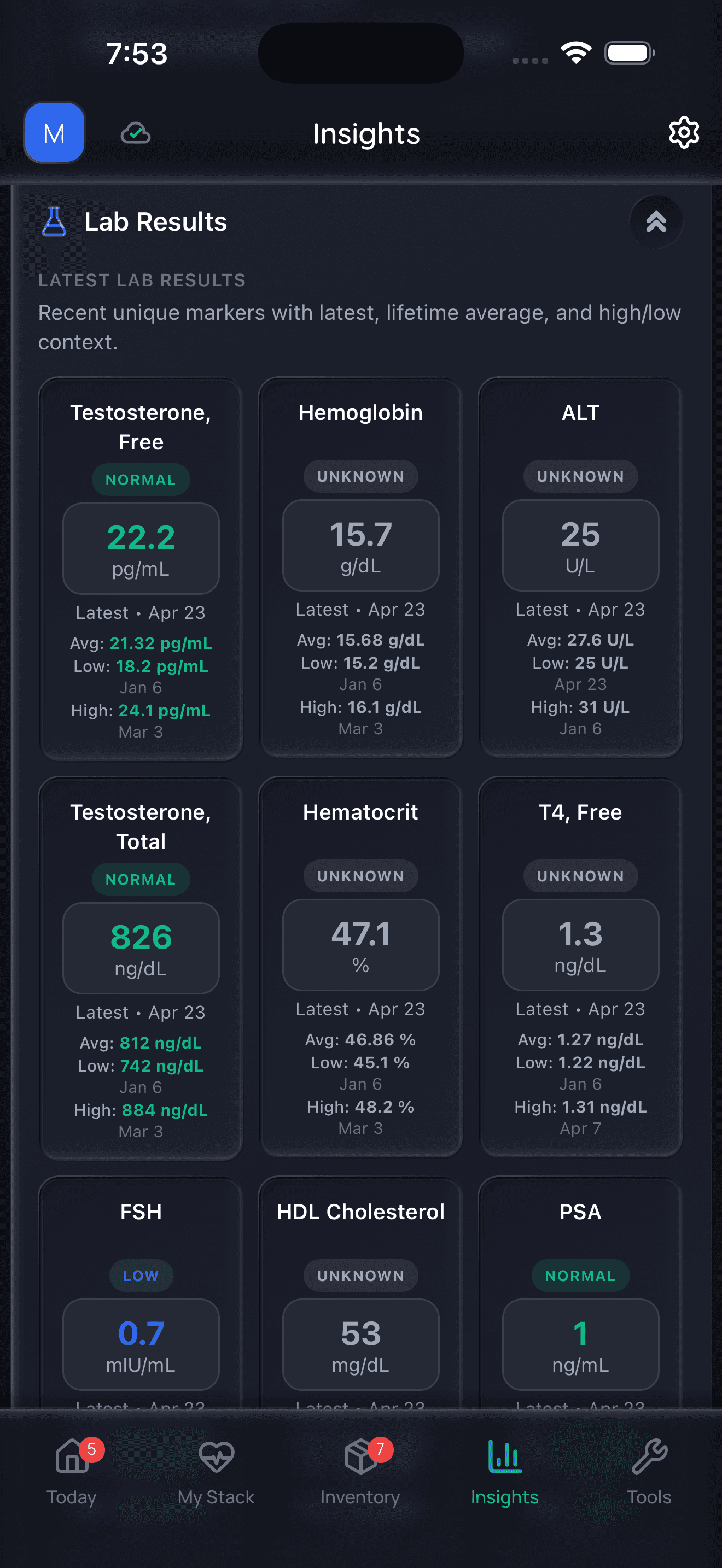
Doserly organizes data; it does not diagnose or interpret labs for you.
Dosing & Usage Protocols
The Basics
The most commonly studied and recommended dose of phosphatidylserine is 300 mg per day, typically divided into three doses of 100 mg taken with meals. This dose has been used in the majority of cognitive function studies and appears to represent a reasonable balance between potential benefit and tolerability [14].
For different goals, the dosing landscape looks roughly like this:
- General cognitive support: 100-300 mg/day is the most frequently cited range
- Age-related cognitive decline: 300 mg/day (3 x 100 mg with meals) for periods of 3-6 months
- Stress and cortisol management: 200-400 mg/day; some practitioners advise using PS strategically during high-stress periods rather than continuously
- ADHD (children, under medical supervision): 200-300 mg/day
- Exercise-related cortisol management: 400-800 mg/day, typically for shorter periods around intense training blocks
Starting with a lower dose (100 mg/day) and gradually increasing allows you to assess individual tolerance. Some people find that 100 mg provides noticeable benefit, while others require the full 300 mg dose [14].
The Science
Dosing parameters for PS are derived primarily from clinical trial protocols rather than pharmacokinetic optimization:
Cognitive Function:
The Cenacchi (1993) multicenter trial used bovine PS at 300 mg/day for 6 months [13]. Most subsequent cognitive studies have used 100-300 mg/day for 2-6 months. One study demonstrated that PS-DHA at 100 mg/day improved cognitive status in non-demented elderly [20], suggesting that DHA enrichment may allow for lower effective PS doses.
Cortisol Attenuation:
Exercise cortisol studies have used 600-800 mg/day for 10-14 days with significant effects [7][8]. The Hellhammer et al. (2014) stress study used 400 mg PS + 400 mg phosphatidic acid daily for 21 days [24]. A dose of 200 mg PS + 200 mg PA was ineffective, suggesting a threshold effect for HPA axis modulation.
ADHD:
Studies have used 200-300 mg/day for 2-4 months [16][22].
No established UL or maximum tolerated dose. Doses up to 600 mg/day have been administered for 12 weeks without significant adverse effects in elderly subjects [27]. Higher doses (750-800 mg) have been used in short-term exercise studies without safety concerns.
Timing: PS is fat-soluble and absorption is enhanced by co-ingestion with dietary fat. Dividing the daily dose across 2-3 meals is the most common protocol in clinical studies. For users targeting sleep or nighttime cortisol, taking PS 1-2 hours before bedtime has been discussed in community practice, though this timing has not been formally studied.
When your stack includes several supplements, each with its own dose, form, and timing requirements, the logistics alone can derail consistency. Doserly consolidates all of it into one protocol view, so every dose across your entire routine is accounted for without spreadsheets or guesswork.
The app also tracks cumulative intake for nutrients that appear in multiple products. If your multivitamin, standalone supplement, and fortified protein shake all contain the same nutrient, Doserly adds them up and shows you the total alongside recommended and upper limits. Managing a thoughtful supplement protocol shouldn't require a degree in nutrition science. The app handles the complexity so you can focus on staying consistent.
Turn symptom and safety notes into a clearer timeline.
Doserly helps you log doses, symptoms, and safety observations side by side so patterns are easier to discuss with a qualified clinician.
Pattern view
Logs and observations

Pattern visibility is informational and should be reviewed with a clinician.
What to Expect (Timeline)
Weeks 1-2: Some users report noticeable effects within the first few days, particularly for stress and anxiety-related outcomes. Cortisol-blunting effects have been observed within 10 days in clinical trials [8]. However, many users may not notice changes this early. Sleep improvements, if they occur, may begin during this window. Some initial digestive adjustment may occur, especially at higher doses.
Weeks 3-4: Cortisol-related benefits should be more established. Users focusing on stress management or sleep may notice more consistent effects. Cognitive effects are unlikely to be apparent this early for most people.
Weeks 5-8: The minimum timeframe most practitioners consider reasonable for assessing cognitive effects. Attention and focus improvements, if present, may begin to emerge. Some studies have shown positive cognitive results at the 6-week mark, though others required longer durations [14].
Weeks 8-12: This is the window where cognitive benefits, particularly memory improvements, are most likely to become noticeable if they are going to occur. Most cognitive function studies span 12-15 weeks. Sustained cortisol-management effects should be well-established by this point.
3-6 months: The longest clinical trials for cognitive outcomes ran 6 months [13]. Some practitioners suggest that maintenance doses (as low as 100 mg/day) may sustain benefits after an initial period at a higher dose (300 mg/day). Long-term data beyond 6 months is limited.
Important note: Response to PS is highly individual. Some users report rapid, noticeable effects (particularly for anxiety and sleep), while others notice little change. If no benefit is observed after 8-12 weeks of consistent supplementation at an appropriate dose, PS may not be a good fit for the individual.
Interactions & Compatibility
Synergistic
- Omega-3 Fatty Acids (Fish Oil): DHA in particular may enhance PS efficacy. Bovine PS naturally contained DHA, and PS-DHA combination supplements have shown promise in cognitive studies. Taking PS with an omega-3 supplement may partially replicate the fatty acid profile of the historical bovine form [20].
- Phosphatidylcholine: Metabolic precursor to PS via PSS1 enzyme. Adequate choline/phosphatidylcholine intake supports endogenous PS synthesis. The two phospholipids work together in cell membrane structure.
- Ginkgo Biloba: Some studies have combined PS with Ginkgo biloba for cognitive benefits. Both compounds target cerebrovascular and neurotransmitter pathways through different mechanisms. Use caution with combined blood-thinning potential [14].
- Magnesium: Community users frequently combine PS with magnesium (particularly magnesium glycinate or threonate) for sleep and relaxation. Different mechanisms of action (PS targets HPA axis; magnesium targets GABA and NMDA receptors) may offer complementary support.
- L-Theanine: Popular community combination for calming effects. L-theanine promotes alpha brain wave activity while PS modulates cortisol. No known negative interactions.
- Bacopa Monnieri: Both compounds target cognitive function through different pathways (PS via membrane support; bacopa via serotonergic and cholinergic modulation).
Caution / Avoid
- Anticoagulant medications (warfarin, heparin, aspirin, clopidogrel): PS may enhance blood-thinning effects. Consult a healthcare professional before combining [2].
- Anticholinergic drugs: PS increases acetylcholine, which may counteract anticholinergic medication effects.
- Cholinergic drugs (donepezil, rivastigmine, pilocarpine): PS may potentiate cholinergic effects, increasing the risk of cholinergic side effects.
- Ginkgo Biloba (high doses): While potentially synergistic for cognition, combined blood-thinning effects at high doses of both compounds warrant caution.
- Vitamin E + Garlic (combined): When stacked with PS, the combined blood-thinning potential of these supplements may become clinically relevant.
How to Take / Administration Guide
Recommended forms: Softgel capsules are the most common delivery format for PS. Most products are standardized to contain 100 mg of phosphatidylserine per softgel. Both soy-derived and sunflower-derived forms are widely available. Sunflower-derived PS offers an allergen-free alternative for those with soy sensitivities, and the two are chemically equivalent.
Timing considerations: PS is fat-soluble and should be taken with meals that contain some dietary fat for optimal absorption. For cognitive and general health goals, dividing the daily dose across breakfast, lunch, and dinner (100 mg at each meal) is the approach used in most clinical studies. For users targeting sleep or nighttime cortisol management, some community practice suggests taking the full dose or a larger portion 1-2 hours before bedtime, though this has not been formally studied.
Dose escalation: Starting at 100 mg/day for the first week and increasing to the target dose over 1-2 weeks allows assessment of individual tolerance. Some individuals are sensitive to PS's cortisol-lowering effects and may feel overly sedated at standard doses.
Cycling guidance: There is no strong clinical evidence for or against cycling PS. Some community members use PS strategically during high-stress periods rather than continuously, particularly because chronic cortisol suppression in individuals with normal cortisol levels could theoretically impair alertness and motivation.
Note on soy vs. sunflower: For individuals without soy allergies, there is no evidence that sunflower-derived PS is superior. However, sunflower-derived options are available for those who prefer or need to avoid soy.
Choosing a Quality Product
Third-party certifications: Look for products tested by USP, NSF International, or ConsumerLab.com. PS supplements specifically certified by Informed Sport or NSF Certified for Sport are available for athletes subject to anti-doping testing.
Active form indicators: Ensure the label specifies the amount of phosphatidylserine (PS) per serving, not just the amount of the phospholipid complex. Some products contain a "phospholipid complex" with only 20% PS by weight, meaning a 500 mg capsule may provide only 100 mg of actual PS. Look for "100 mg phosphatidylserine" per serving.
Red flags:
- Products claiming "bovine brain PS" (this source was discontinued decades ago)
- Proprietary blends that do not disclose the PS content
- Extremely low-priced products that may contain subtherapeutic amounts of PS
- Products combining PS with many other ingredients at unknown doses
Source transparency: Quality manufacturers will specify whether their PS is derived from soy or sunflower lecithin. Products marketed as "soy-free" should use sunflower lecithin as the source.
Brand consistency: Community users have noted that not all brands produce the same subjective effects. This may relate to differences in phospholipid purity, standardization levels, or excipient formulation. Products standardized to a specific PS percentage (typically 20-70%) from established phospholipid suppliers (such as Sharp-PS or SerinAid) tend to have more consistent quality.
Storage & Handling
Phosphatidylserine supplements should be stored at room temperature in a cool, dry place. Protect from light and heat, as phospholipids can degrade when exposed to oxidative stress. Keep the container tightly sealed to prevent moisture exposure.
Unlike fish oil or other highly unsaturated fatty acid supplements, PS is relatively stable at room temperature and does not typically require refrigeration. However, if storing in a warm climate or for extended periods, keeping the supplement in a cool area (not necessarily refrigerated) can help preserve potency.
Check the expiration date on the product label and discard any supplements that are past their stated shelf life. If the capsules develop an unusual odor or discoloration, do not consume them.
Lifestyle & Supporting Factors
Dietary sources: While supplementation provides therapeutic doses, incorporating PS-rich foods into the diet offers complementary support. The richest food sources include organ meats (chicken liver: 123 mg/100g, chicken heart: 414 mg/100g), fatty fish (Atlantic mackerel: 480 mg/100g, herring: 360 mg/100g, tuna: 194 mg/100g), and legumes (white beans: 107 mg/100g). Egg yolks and soybeans also contribute meaningful amounts [6].
Diet quality: Modern low-fat and low-cholesterol diets tend to be lower in naturally occurring phospholipids. Individuals following vegetarian or vegan diets may be particularly undersupplied, potentially lacking 200-250 mg/day compared to omnivorous diets rich in organ meats and fish [6].
Stress management: Since PS's most consistent clinical effect is cortisol modulation, it may work most effectively as part of a broader stress management strategy. Regular exercise, adequate sleep, mindfulness practices, and social connection all contribute to healthy HPA axis function. PS supplementation during periods of acute or chronic stress may complement these behaviors.
Exercise: Physically active individuals, particularly those engaged in intense training, may benefit from PS during demanding training blocks when exercise-induced cortisol elevation is highest. The cortisol-blunting effect has been demonstrated specifically in the context of physical exercise stress [8].
Sleep hygiene: For users taking PS to support sleep, combining it with good sleep hygiene practices (consistent sleep schedule, cool and dark bedroom, limiting screen time before bed) may enhance outcomes. PS targets the cortisol component of sleep disruption, so other sleep disruptors need to be addressed independently.
Omega-3 intake: Maintaining adequate omega-3 fatty acid intake (particularly DHA) may complement PS supplementation, given the evidence that DHA-enriched PS exhibits enhanced neuroprotective properties compared to PS with non-DHA fatty acid chains [10].
Regulatory Status & Standards
United States (FDA):
- PS is regulated as a dietary supplement under DSHEA
- PS derived from fish, soy lecithin, and sunflower is classified as Generally Recognized as Safe (GRAS)
- In May 2003, the FDA authorized a qualified health claim: "Very limited and preliminary scientific research suggests that phosphatidylserine may reduce the risk of dementia in the elderly" and "Very limited and preliminary scientific research suggests that phosphatidylserine may reduce the risk of cognitive dysfunction in the elderly." The FDA concluded there is "little scientific evidence supporting this claim" [3].
Canada (Health Canada):
- PS is available as a natural health product. Safety assessments have found no adverse effects at dosages up to 200 mg three times daily (600 mg/day) for 12 weeks in elderly populations [27].
European Union (EFSA):
- PS is permitted as a food supplement. EFSA has not authorized specific health claims for PS as of the current date.
Australia (TGA):
- PS is available as a listed complementary medicine.
Athlete & Sports Regulatory Status:
- PS is not on the WADA Prohibited List and is not banned by any major anti-doping agency (USADA, UKAD, Sport Integrity Canada, Sport Integrity Australia, NADA Germany).
- PS is not on the NCAA banned substance list.
- PS-certified products are available through Informed Sport and NSF Certified for Sport programs.
- Athletes can verify PS status at GlobalDRO.com.
Regulatory status and prohibited substance classifications change frequently. Athletes should always verify the current status of any supplement with their sport's governing body, their national anti-doping agency, and a qualified sports medicine professional before use. Third-party certification (Informed Sport, NSF Certified for Sport) reduces but does not eliminate the risk of contamination with prohibited substances.
FAQ
Does phosphatidylserine actually improve memory?
The evidence is mixed. The most positive studies used bovine-derived PS, which is no longer commercially available. Studies with plant-derived PS (soy, sunflower) have shown inconsistent results, with some trials finding improvements in specific cognitive subdomains and others showing no significant benefit. Most experts suggest that PS may offer modest cognitive support, particularly for older adults, but it is not a guaranteed memory enhancer [14].
How long does it take to notice effects from PS?
Based on available clinical data, cortisol-related effects (stress reduction, potential sleep improvement) may become noticeable within 10-14 days. Cognitive effects typically require 6-12 weeks of consistent supplementation at an appropriate dose. Individual responses vary considerably, and some people may not notice perceptible changes.
Is soy-derived PS as effective as the original bovine form?
This remains an open question. The early, most positive clinical trials used bovine cortex PS, which naturally contained DHA. Plant-derived PS has a different fatty acid composition (linoleic and palmitic acids instead of DHA). Whether this difference affects clinical efficacy is unresolved. Some researchers suggest taking PS alongside DHA-rich fish oil to approximate the original fatty acid profile [2].
Can PS help with anxiety?
PS is not approved or widely studied as an anxiety treatment. However, its cortisol-blunting properties provide a plausible mechanism for reducing stress-related anxiety, and community reports of anxiety relief are notably positive. Clinical data directly examining PS for anxiety disorders is limited [8][24].
Is it safe to take PS every day long-term?
Clinical studies have followed participants for up to 6 months without significant adverse effects. Long-term safety data beyond 6 months is limited. PS is generally well tolerated, and no upper limit has been established. However, long-term cortisol suppression in individuals with normal cortisol levels is a theoretical concern that has not been adequately studied.
Can children take PS?
Studies have used PS at 200-300 mg/day in children aged 4-18 for up to 4 months, primarily for ADHD-related inattention, with good tolerability and no reported adverse effects [16][22]. Pediatric use should be supervised by a healthcare provider.
Should I take PS in the morning or at night?
This depends on goals. For cognitive support during the day, taking PS with morning and midday meals is common practice. For sleep support, some users take their dose 1-2 hours before bedtime. A minority of users find PS stimulating, so individual experimentation may be needed. Dividing the dose across meals (the approach used in most clinical studies) is a reasonable starting point.
Why does PS help some people sleep but keep others awake?
The most likely explanation relates to individual cortisol patterns. For people with elevated nighttime cortisol (common during chronic stress), PS may lower cortisol enough to facilitate sleep onset and deep sleep. For people with normal or already-low nighttime cortisol, further reduction may paradoxically disrupt sleep by lowering cortisol below the level needed for healthy sleep architecture.
Myth vs. Fact
Myth: Phosphatidylserine is a proven cure for Alzheimer's disease.
Fact: While the FDA authorized a qualified health claim for PS and cognitive dysfunction, it explicitly noted there is "little scientific evidence supporting this claim." The most positive studies used bovine-derived PS, which is no longer available. Plant-derived PS has not conclusively demonstrated the same cognitive benefits. PS should not be used as a substitute for evidence-based Alzheimer's treatments [3].
Myth: All phosphatidylserine supplements are the same.
Fact: The source of PS matters more than many consumers realize. Bovine cortex PS, soy-derived PS, and sunflower-derived PS have different fatty acid profiles. Additionally, some products label a "phospholipid complex" weight rather than the actual PS content, meaning a 500 mg capsule may contain as little as 100 mg of phosphatidylserine. Reading labels carefully is essential [2].
Myth: Higher doses of PS always produce better results.
Fact: The relationship between PS dose and cognitive benefit is not clearly established. Most cognitive studies used 300 mg/day, and some data suggest that 100 mg/day with DHA may be effective. Higher doses (600-800 mg) have been used for cortisol reduction, but some community users report negative effects at high doses, including excessive sedation and brain fog from over-suppressed cortisol [8][14].
Myth: PS is dangerous because it was originally made from cow brains.
Fact: While early PS supplements were bovine-derived, all commercially available PS supplements today are made from plant sources (soy or sunflower lecithin). No cases of prion disease transmission from PS supplements have ever been documented. Plant-derived PS eliminates the BSE concern entirely [2].
Myth: PS will immediately improve your focus and memory.
Fact: PS is not a fast-acting nootropic for most users. Cognitive benefits, when observed in clinical trials, typically require 6-12 weeks of consistent supplementation. The exception may be cortisol-related effects (stress reduction, potential sleep improvement), which have been demonstrated within 10-14 days [8][13].
Myth: Vegetarians and vegans don't need PS because they can get enough from plant foods.
Fact: Paradoxically, plant-based diets tend to be lower in PS than diets containing organ meats and fish. Vegetarian diets may undersupply 200-250 mg/day of dietary PS compared to omnivorous diets. This makes vegetarians and vegans potentially more likely to benefit from PS supplementation [6].
Myth: PS supplements are just expensive placebo.
Fact: Multiple randomized, placebo-controlled trials have demonstrated measurable physiological effects from PS supplementation, particularly cortisol reduction during stress. The cortisol-blunting effect is one of the most consistently replicated findings across PS research. Whether these physiological changes translate to clinically meaningful cognitive benefits for all users remains less certain [7][8].
Sources & References
Clinical Trials & RCTs
[1] Glade MJ, Smith K. Phosphatidylserine and the human brain. Nutrition. 2015;31(6):781-786. doi:10.1016/j.nut.2014.10.014
[7] Monteleone P, Beinat L, Tanzillo C, Maj M, Kemali D. Effects of phosphatidylserine on the neuroendocrine response to physical stress in humans. Neuroendocrinology. 1990;52(3):243-248. doi:10.1159/000125593
[8] Starks MA, Starks SL, Kingsley M, Purpura M, Jager R. The effects of phosphatidylserine on endocrine response to moderate intensity exercise. J Int Soc Sports Nutr. 2008;5:11. doi:10.1186/1550-2783-5-11
[13] Cenacchi T, Bertoldin T, Farina C, et al. Cognitive decline in the elderly: a double-blind, placebo-controlled multicenter study on efficacy of phosphatidylserine administration. Aging (Milano). 1993;5(2):123-133.
[16] Bruton A, Nauman J, Hanes D, Gard M, Senders A. Phosphatidylserine for the treatment of pediatric attention-deficit/hyperactivity disorder: A systematic review and meta-analysis. J Altern Complement Med. 2021;27(4):312-322. doi:10.1089/acm.2020.0431
[17] Kingsley M. Effects of phosphatidylserine supplementation on exercising humans. Sports Med. 2006;36(8):657-669.
[18] Crook TH, Tinklenberg J, Yesavage J, et al. Effects of phosphatidylserine in age-associated memory impairment. Neurology. 1991;41(5):644-649.
[20] Vakhapova V, Cohen T, Richter Y, Herzog Y, Korczyn AD. Phosphatidylserine containing omega-3 fatty acids may improve memory abilities in non-demented elderly with memory complaints: a double-blind placebo-controlled trial. Dement Geriatr Cogn Disord. 2010;29(5):467-474.
[22] Hirayama S, Terasawa K, Rabeler R, et al. The effect of phosphatidylserine administration on memory and symptoms of attention-deficit hyperactivity disorder: a randomised, double-blind, placebo-controlled clinical trial. J Hum Nutr Diet. 2014;27 Suppl 2:284-291.
[23] Monteleone P, Maj M, Beinat L, Natale M, Kemali D. Blunting by chronic phosphatidylserine administration of the stress-induced activation of the hypothalamo-pituitary-adrenal axis in healthy men. Eur J Clin Pharmacol. 1992;42(4):385-388.
[24] Hellhammer J, Hero T, Franz N, et al. A soy-based phosphatidylserine/phosphatidic acid complex (PAS) normalizes the stress reactivity of hypothalamus-pituitary-adrenal-axis in chronically stressed male subjects: a randomized, placebo-controlled study. Lipids Health Dis. 2014;13:121.
[25] Fahey TD, Pearl MS. The hormonal and perceptive effects of phosphatidylserine administration during two weeks of resistive exercise-induced overtraining. Biol Sport. 1998;15:135-144.
[27] Jorissen BL, Brouns F, Van Boxtel MP, Riedel WJ. Safety of soy-derived phosphatidylserine in elderly people. Nutr Neurosci. 2002;5(5):337-343.
Observational & Mechanistic Studies
[4] Vance JE, Tasseva G. Formation and function of phosphatidylserine and phosphatidylethanolamine in mammalian cells. Biochim Biophys Acta. 2013;1831(3):543-554.
[5] Segawa K, Nagata S. An apoptotic 'eat me' signal: phosphatidylserine exposure. Trends Cell Biol. 2015;25(11):639-650.
[9] Kidd PM. Phosphatidylserine; membrane nutrient for memory. A clinical and mechanistic assessment. Altern Med Rev. 1996;1(2):70-84.
[10] Kim HY, Akbar M, Lau A, Edsall L. Inhibition of neuronal apoptosis by docosahexaenoic acid (22:6n-3). Role of phosphatidylserine in antiapoptotic effect. J Biol Chem. 2000;275(45):35215-35223.
[11] Pepping J. Phosphatidylserine. Am J Health Syst Pharm. 1999;56(20):2038-2044.
[12] Zanotti A, Valzelli L, Toffano G. Chronic phosphatidylserine treatment improves spatial memory and passive avoidance in aged rats. Psychopharmacology (Berl). 1989;99(3):316-321.
[26] Maggioni M, Picotti GB, Bondiolotti GP, et al. Effects of phosphatidylserine therapy in geriatric patients with depressive disorders. Acta Psychiatr Scand. 1990;81(3):265-270.
Government & Institutional Sources
[2] WebMD Therapeutic Research Center. Phosphatidylserine monograph. Licensed from Natural Medicines Comprehensive Database Professional Version.
[3] FDA. Qualified Health Claim: Final Decision Letter - Phosphatidylserine and Cognitive Dysfunction and Dementia. May 2003. Available at: https://wayback.archive-it.org/7993/20171114183737/https://www.fda.gov/Food/IngredientsPackagingLabeling/LabelingNutrition/ucm072999.htm
[6] Based on dietary PS content data compiled from multiple food composition analyses.
[14] Woznik P, Milazzo N. Phosphatidylserine FAQ: Does phosphatidylserine benefit cognition? Evidence review. Last updated May 2025.
[15] Hellhammer J, Fries E, Buss C, et al. Effects of soy lecithin phosphatidic acid and phosphatidylserine complex (PAS) on the endocrine and psychological responses to mental stress. Stress. 2004;7(2):119-126.
[19] Schreiber S, Kampf-Sherf O, Gorfine M, et al. An open trial of plant-source derived phosphatydilserine for treatment of age-related cognitive decline. Isr J Psychiatry Relat Sci. 2000;37(4):302-307.
[21] Vakhapova V, Cohen T, Richter Y, Herzog Y, Kam Y, Korczyn AD. Phosphatidylserine containing omega-3 fatty acids may improve memory abilities in nondemented elderly individuals with memory complaints: results from an open-label extension study. Dement Geriatr Cogn Disord. 2014;38(1-2):39-45.
[28] Cleveland Clinic. Phosphatidylserine: What It Is, Benefits, Side Effects & Uses. Available at: https://my.clevelandclinic.org/health/drugs/25129-phosphatidylserine
Related Supplement Guides
Same Category (Phospholipids & Brain Lipids)
- Choline
- Alpha-GPC
- Krill Oil (contains phospholipids including PS)
- Fish Oil (omega-3 source to complement PS)
Common Stacks / Pairings
Related Health Goal
- Ashwagandha (cortisol management)
- Rhodiola Rosea (stress adaptation)
- Vitamin D3 (brain health)
- Vitamin B12 (cognitive function)
- Creatine (brain energy metabolism)