
Shatavari: The Complete Supplement Guide
On this page
Quick Reference Card
Attribute
Common Name
- Detail
- Shatavari
Attribute
Other Names / Aliases
- Detail
- Asparagus racemosus, Satavar, Satamuli, Satawar, Wild Asparagus, Indian Asparagus, Queen of Herbs, Buttermilk Root
Attribute
Category
- Detail
- Herbal Extract (Adaptogen, Ayurvedic Rasayana)
Attribute
Primary Forms & Variants
- Detail
- Root powder (churna), standardized root extract (>10% Shatavarins), liquid extract/tincture, capsules, tablets
Attribute
Typical Dose Range
- Detail
- Root powder: 1,000-3,000 mg/day; Standardized extract (>10% Shatavarins): 300-500 mg/day
Attribute
RDA / AI / UL
- Detail
- No established RDA, AI, or UL. Not a vitamin or mineral
Attribute
Common Delivery Forms
- Detail
- Capsule, tablet, powder (mixed with milk or water), liquid extract
Attribute
Best Taken With / Without Food
- Detail
- Traditionally taken with warm milk or water after meals. Can be taken with or without food
Attribute
Key Cofactors
- Detail
- Traditionally paired with Ashwagandha (complementary adaptogen). Often combined with Brahmi, milk, or ghee in Ayurvedic practice
Attribute
Storage Notes
- Detail
- Store in a cool, dry place away from direct sunlight. Powder should be kept in an airtight container to prevent moisture absorption
Overview
The Basics
Shatavari is a climbing plant native to India, Sri Lanka, and parts of Africa and Asia, whose root has been a staple of Ayurvedic medicine for centuries. Its name translates from Sanskrit to "she who possesses a hundred husbands," a poetic reference to its traditional reputation as a rejuvenative tonic, particularly for women's health. In Ayurvedic tradition, it is known as the "Queen of Herbs," much the same way Ashwagandha is considered the premier herb for men [1][2].
The plant belongs to the asparagus family and produces small white flowers and red berries, but the medicinal part is the tuberous root system. These roots are harvested, dried, and processed into powders, extracts, and capsules. Shatavari has been classified as a Rasayana in Ayurvedic medicine, a category of herbs believed to promote longevity, vitality, and overall well-being [1].
Traditionally, Shatavari has been used to support reproductive health in women across all life stages, from fertility and lactation to menopause. It is also valued as a general tonic for digestive health, immune function, and stress resilience. Modern scientific interest has focused primarily on its phytoestrogenic properties and its potential to alleviate menopausal symptoms, support lactation, and address polycystic ovarian syndrome (PCOS) [2][3].
While human clinical trials were scarce until recently, a cluster of randomized controlled trials published in 2024-2026 has begun to provide evidence supporting several of its traditional uses, particularly in the area of women's reproductive health [4][5][6].
The Science
Asparagus racemosus Willd. (family Asparagaceae, formerly Liliaceae) is a perennial climbing plant native to the tropical and subtropical regions of India, Sri Lanka, and Southeast Asia. The species is characterized by its fasciculated tuberous roots, which serve as the primary source of medicinal compounds [1][2].
The root system contains a complex phytochemical profile dominated by steroidal saponins known as Shatavarins (I through VI), which are glycosides of sarsasapogenin. Shatavarin I is the major glycoside, containing 3-glucose and rhamnose moieties. Additional identified compounds include an oligospirostanoside known as Immunoside (an immunostimulant), the isoflavone 8-methoxy-5,6,4-trihydroxy isoflavone-7-O-beta-D-glucopyranoside, racemosol (an alkaloid), asparagamine A, racemofuran, quercetin glycosides (including quercetin-3-glucuronide), rutin, hyperoside, and ascorbic acid [1][7].
Compositional analysis of powdered roots reveals approximately 2.95% protein, 5.44% saponins, 52.89% carbohydrate, 17.93% crude fiber, 4.18% inorganic matter, and 5% oil [1]. The steroidal saponins are considered the principal bioactive constituents, with Shatavarin IV demonstrating significant activity as an inhibitor of core Golgi enzymes and phytoestrogenic properties via estrogen receptor binding [7][8].
The pharmacological profile established through preclinical and emerging clinical data includes adaptogenic, galactogogue, immunomodulatory, antioxidant, anti-ulcer, anti-inflammatory, and phytoestrogenic activities. The phytoestrogenic mechanism is of particular clinical interest, as the steroidal saponins demonstrate affinity for estrogen receptors and may modulate gonadotropin levels, progesterone emission, and endocrine function [3][7][8].
Chemical & Nutritional Identity
Property
Botanical Name
- Value
- Asparagus racemosus Willd.
Property
Family
- Value
- Asparagaceae (formerly Liliaceae)
Property
Part Used
- Value
- Dried tuberous roots
Property
Primary Active Compounds
- Value
- Shatavarins I-VI (steroidal saponins, glycosides of sarsasapogenin), Immunoside (oligospirostanoside), Racemosol (alkaloid), Asparagamine A, Racemofuran
Property
Flavonoids
- Value
- Quercetin-3-glucuronide, Rutin, Hyperoside, Isoflavone glycosides
Property
CAS Number
- Value
- 84929-27-1 (root extract)
Property
Category
- Value
- Herbal extract; adaptogen; phytoestrogen
Property
Standardization Markers
- Value
- Total Shatavarins content (primary, typically >10% for standardized extracts); Saponin content (5-10% in whole root powder)
Property
Root Composition (powdered)
- Value
- 2.95% protein, 5.44% saponins, 52.89% carbohydrate, 17.93% crude fiber, 4.18% inorganic matter, 5% oil
Property
RDA / AI / UL
- Value
- Not established. Shatavari is an herbal supplement, not an essential nutrient
Shatavari root contains a diverse array of phytochemicals. The most pharmacologically significant are the steroidal saponins (Shatavarins), which bear structural similarity to endogenous steroid hormones. This structural similarity underlies their ability to interact with estrogen receptors and modulate hormonal activity. The isoflavone content contributes additional phytoestrogenic activity, while the polyphenol and flavonoid content provides antioxidant capacity [1][7].
Mechanism of Action
The Basics
Shatavari works in the body primarily through compounds called steroidal saponins, particularly the Shatavarins. Think of these compounds as plant-derived molecules that can "speak the same language" as some of your body's hormones, especially estrogen. Because they are structurally similar to estrogen, they can gently interact with estrogen receptors throughout the body, which is why Shatavari has its most well-documented effects on reproductive health [1][7].
This phytoestrogenic activity is what gives Shatavari its traditional reputation as a women's health tonic. During perimenopause and menopause, when natural estrogen levels decline, Shatavari's plant-based compounds may partially compensate by providing mild estrogenic signaling. This same mechanism also appears relevant to its use as a galactogogue (a substance that promotes breast milk production), since estrogen plays a role in mammary gland development and prolactin regulation [3][8].
Beyond its hormonal effects, Shatavari also functions as an adaptogen, meaning it may help the body manage stress more effectively. It contains antioxidant compounds that protect cells from oxidative damage, and it has immunomodulatory properties that may support immune function. Its anti-inflammatory activity adds another layer to its traditional use as a general health tonic [1][2].
The Science
The pharmacological activity of Asparagus racemosus is mediated through several distinct but interconnected mechanisms:
Phytoestrogenic Activity: The steroidal saponins (Shatavarins I-VI), particularly Shatavarin IV, demonstrate affinity for estrogen receptors (ERs). These phytoestrogens can modulate estrogenic signaling through competitive binding at ER-alpha and ER-beta subtypes, functioning as selective estrogen receptor modulators (SERMs) depending on tissue context. In reproductive tissues, this manifests as support for hormonal homeostasis, particularly during periods of endogenous estrogen decline [7][8].
Galactogogue Mechanism: The lactation-promoting effect is attributed to the steroidal saponins' ability to enhance prolactin secretion. Preclinical studies demonstrate that Shatavari root extract increases serum prolactin levels and promotes mammary lobulo-alveolar tissue development. The estrogenic effect on mammary glands and the stimulation of prolactin release collectively drive galactogogue activity [9][10].
Immunomodulatory Activity: Immunoside, an oligospirostanoside isolated from A. racemosus roots, functions as an immunostimulant. The ethanol extract of the root demonstrates immunomodulatory effects through multiple pathways, including modulation of macrophage function and lymphocyte proliferation [1][11].
Antioxidant Activity: Racemofuran, asparagamine A, and polyphenolic constituents contribute significant antioxidant capacity, scavenging reactive oxygen species (ROS) and reducing oxidative stress markers in both preclinical and clinical settings [1].
Adaptogenic Mechanism: As a classified Rasayana, Shatavari exhibits adaptogenic properties that may involve modulation of the hypothalamic-pituitary-adrenal (HPA) axis and cortisol regulation, though the precise molecular pathways require further characterization [2].
Anti-inflammatory Activity: Root extracts demonstrate inhibition of pro-inflammatory mediators, with some studies suggesting cyclooxygenase (COX) pathway involvement. Anti-inflammatory activity comparable to certain standard anti-inflammatory agents has been reported in animal models [1].
Absorption & Bioavailability
The Basics
Because Shatavari is a complex herbal extract containing multiple active compounds rather than a single molecule, its absorption profile is more nuanced than a typical vitamin or mineral supplement. The primary active compounds, the Shatavarins, are saponins, which are large molecules that can be challenging for the body to absorb efficiently.
Traditional Ayurvedic practice addresses this by recommending Shatavari powder with warm milk or ghee (clarified butter), which may enhance the absorption of fat-soluble compounds. The fat content in milk or ghee may help solubilize the steroidal saponins and improve their bioavailability [1].
Modern standardized extracts typically concentrate the active Shatavarins to levels of 10% or higher, using extraction methods that aim to produce more bioavailable forms of the active compounds. Clinical trials using standardized extracts at 300 mg/day (with herb-to-extract ratios of 13:1) have demonstrated measurable physiological effects, confirming that adequate amounts of the active compounds reach systemic circulation at these doses [4][5].
The Science
Pharmacokinetic data specific to Shatavari's individual saponin components remain limited in published literature. The steroidal saponins (Shatavarins) are glycosides of sarsasapogenin, and like other saponin glycosides, they are expected to undergo partial hydrolysis in the gastrointestinal tract, with the aglycone component (sarsasapogenin) potentially showing improved membrane permeability compared to the intact glycoside [1][7].
Clinical trials using standardized root extracts (herb-to-extract ratio 13:1, standardized to >10% total Shatavarins) at 300 mg/day have demonstrated statistically significant hormonal modulation (estradiol, FSH, T3) within 8 weeks, confirming that bioactive compounds achieve effective systemic concentrations at this dosing [4][5]. The HPLC-standardized extraction method used in recent clinical trials (Ixoreal Biomed) was designed using green chemistry principles without harsh solvents, though comparative bioavailability data between different extraction methods has not been published [4].
Traditional preparation methods (decoction with milk, ghee-based preparations) may enhance bioavailability through lipid-mediated absorption pathways, as the steroidal saponins possess amphiphilic properties. However, no controlled bioavailability comparison between traditional and modern extract preparations exists in the published literature.
Research & Clinical Evidence
The Basics
The clinical evidence for Shatavari has grown significantly in recent years. Until 2024, most of the evidence supporting Shatavari's uses came from traditional knowledge and animal studies. Since then, several well-designed randomized controlled trials (RCTs) have been published, providing the first rigorous clinical data for this herb.
The strongest evidence so far centers on women's health. Studies have examined Shatavari's effects on perimenopausal symptoms, menopausal complaints, polycystic ovarian syndrome (PCOS), postpartum lactation, and sexual wellness. The overall picture is promising, though the research base is still relatively young and concentrated among a small number of research groups [4][5][6][9].
The Science
Perimenopause (RCT, n=80): Mahajan et al. (2025) conducted a randomized, double-blind, placebo-controlled trial of standardized Shatavari root extract (300 mg/day, >10% Shatavarins) in perimenopausal women aged 40-55. Over 8 weeks, the treatment group showed significant improvements across all three domains of the Menopause Rating Scale (somato-vegetative, psychological, urogenital; all p < 0.0001), significant reductions in perceived stress (PSS-10; p < 0.0001), significant improvement in hot flash frequency (p = 0.002), and improvements in fatigue (p = 0.019) and vigor (p = 0.021). Hormonal assessment revealed significant increases in estradiol (p = 0.003), FSH (p = 0.028), and T3 (p = 0.021). No adverse events were reported [4].
Menopause, Three-Arm Study (RCT, n=135): Ademola et al. (2025) evaluated Shatavari alone (300 mg/day) and in combination with Ashwagandha (300 mg each) against placebo in menopausal women aged 45-65 over 8 weeks. Both active groups showed significant improvements in MRS and PSS scores. The combination demonstrated additional benefits beyond monotherapy. Mild adverse events were reported by only 4 of 135 participants (nausea, loose stools, dizziness, headache, with headache in the placebo group) [5].
PCOS (RCT, n=70): Mhatre et al. (2026) conducted a 12-week randomized, double-blind, placebo-controlled trial in women aged 20-40 with PCOS. The Shatavari group showed significant increases in endometrial thickness, significant reductions in follicular count, and significant reductions in perceived stress. No significant differences in hormonal levels or BMI were found. Mild adverse events occurred in 11.4% of the treatment group (nausea, headache, mood swings) and 8.5% of placebo [6].
Postpartum Lactation (RCT, n=120): Ajgaonkar et al. (2025) evaluated Shatavari root extract (300 mg twice daily) in a 72-hour postpartum study. The treatment group showed significantly shorter time to breast fullness (p = 0.002), significantly higher milk volume at 72 hours (p < 0.001), and higher maternal satisfaction (52.63% vs 25.00%, p = 0.008). No adverse events occurred [9].
Sexual Wellness (RCT, n=113): Ademola et al. (2026) evaluated Shatavari alone and in combination with Ashwagandha for women's sexual health over 8 weeks. Both treatments showed improvements in sexual wellness measures, with the combination demonstrating additive effects. The combination group also showed improvements in sleep efficiency (p = 0.045) [10].
Galactogogue Activity (RCT, n=60): An earlier double-blind RCT by Gupta and Shaw (2011) demonstrated that Shatavari root extract significantly increased prolactin hormone levels in lactating mothers compared to control, providing mechanistic validation for its galactogogue properties [11].
Evidence & Effectiveness Matrix
Category
Hormonal Symptoms
- Evidence Strength
- 8/10
- Reported Effectiveness
- 7/10
- Summary
- Multiple RCTs demonstrate significant improvements in menopausal symptoms across vasomotor, psychological, and urogenital domains. Consistent hormonal modulation observed (estradiol, FSH). Community reports corroborate menstrual cycle regulation.
Category
Stress Tolerance
- Evidence Strength
- 7/10
- Reported Effectiveness
- 5/10
- Summary
- Significant perceived stress reductions in multiple RCTs (PSS-10 scores). Community reports are sparse but directionally consistent with clinical findings.
Category
Energy Levels
- Evidence Strength
- 5/10
- Reported Effectiveness
- 6/10
- Summary
- One RCT showed significant fatigue reduction and vigor improvement (POMS). Limited community discussion but positive direction.
Category
Mood & Wellbeing
- Evidence Strength
- 6/10
- Reported Effectiveness
- 5/10
- Summary
- Improvements in psychological domain of MRS and POMS tension/depression subscales, though not always reaching statistical significance on individual mood measures. Community reports are mixed.
Category
Libido
- Evidence Strength
- 6/10
- Reported Effectiveness
- 6/10
- Summary
- Sexual wellness RCT showed improvements. Community reports from Ayurvedic users are consistently positive. Traditional use strongly supports this indication.
Category
Sleep Quality
- Evidence Strength
- 4/10
- Reported Effectiveness
- 6/10
- Summary
- Combination study showed sleep efficiency improvement. Community reports of improved sleep exist but are limited. Not a primary studied endpoint.
Category
Immune Function
- Evidence Strength
- 4/10
- Reported Effectiveness
- N/A
- Summary
- Immunoside identified as immunostimulant in preclinical studies. No clinical trials focused on immune outcomes. Community data not collected for this category.
Category
Nausea & GI Tolerance
- Evidence Strength
- 6/10
- Reported Effectiveness
- 5/10
- Summary
- Across 400+ participants in clinical trials, nausea was reported as an infrequent mild side effect. Community generally considers it well-tolerated.
Category
Side Effect Burden
- Evidence Strength
- 8/10
- Reported Effectiveness
- 6/10
- Summary
- Consistent safety profile across multiple RCTs. No serious adverse events. Preclinical toxicology supports high safety margin.
Category
Treatment Adherence
- Evidence Strength
- 5/10
- Reported Effectiveness
- 5/10
- Summary
- Capsule forms show good compliance in RCTs. Community notes that effects may plateau over time, prompting cycling.
Categories scored: 10
Categories with community data: 7
Categories not scored (insufficient data): Fat Loss, Muscle Growth, Weight Management, Appetite & Satiety, Food Noise, Focus & Mental Clarity, Memory & Cognition, Anxiety, Motivation & Drive, Emotional Aliveness, Emotional Regulation, Sexual Function, Joint Health, Inflammation, Pain Management, Recovery & Healing, Physical Performance, Gut Health, Digestive Comfort, Skin Health, Hair Health, Heart Health, Blood Pressure, Heart Rate & Palpitations, Temperature Regulation, Fluid Retention, Body Image, Bone Health, Longevity & Neuroprotection, Cravings & Impulse Control, Social Connection, Daily Functioning
Benefits & Potential Effects
The Basics
Shatavari's benefits center primarily around women's health, though its adaptogenic and immune-supporting properties may offer broader applications.
For women approaching or going through menopause, Shatavari has shown meaningful reductions in hot flash frequency, improvements in mood and energy, and better overall quality of life in clinical studies. These effects appear to stem from its phytoestrogenic compounds gently supporting hormonal balance during a time when the body's own estrogen production is declining [4][5].
For new mothers, Shatavari has a long traditional pedigree as a milk-production enhancer, and recent clinical trials have confirmed that it can increase breast milk volume and shorten the time to breast fullness after feeding [9][11].
Research also suggests benefits for women with PCOS, including improvements in endometrial thickness and reductions in follicular count, alongside notable stress reduction [6].
As an adaptogen, Shatavari may help the body manage stress more effectively. Clinical data show significant reductions in perceived stress scores, and some users report improvements in energy, sleep quality, and general resilience [4][5].
The Science
The clinical evidence supports the following benefit categories, listed by strength of evidence:
Well-supported benefits (RCT evidence):
- Reduction of menopausal symptoms across vasomotor, psychological, and urogenital domains (MRS score reductions of -12.54 vs -1.61, p < 0.0001) [4]
- Hot flash frequency reduction (p = 0.002) [4]
- Perceived stress reduction (PSS-10 scores; p < 0.0001 at 8 weeks) [4][5][6]
- Galactogogue activity with increased breast milk volume (p < 0.001) and enhanced prolactin levels [9][11]
- PCOS symptom management (endometrial thickness increase, follicular count reduction) [6]
- Sexual wellness improvements in women [10]
- Fatigue reduction (p = 0.019) and vigor improvement (p = 0.021) [4]
Emerging evidence (preclinical, traditional, or limited clinical):
- Immunomodulatory activity via Immunoside [1]
- Antioxidant protection against oxidative stress [1]
- Anti-ulcer and gastroprotective effects [1]
- Anti-inflammatory activity [1]
- Adaptogenic stress resilience [2]
When you're taking multiple supplements, it's hard to know which one is doing the heavy lifting. The benefits described above may overlap with effects from other items in your stack, lifestyle changes, or seasonal variation. Doserly helps you untangle that by keeping everything in one place, with timestamps, doses, and outcomes logged together.
Over time, this builds something more valuable than any product review: your personal evidence record. You can see exactly when you started this supplement, what else was in your routine at the time, and how your tracked health markers responded. That clarity makes the difference between guessing and knowing, whether you're talking to a healthcare provider or simply deciding if it's worth reordering.
Keep sensitive protocol records in a purpose-built app.
Doserly is designed for private health tracking with structured records, offline-ready workflows, and exportable history when you need it.
Privacy
Health records

Privacy controls help you manage records; keep clinical records where required.
Side Effects & Safety
The Basics
Shatavari has a remarkably consistent safety profile across clinical studies. In trials involving over 400 participants collectively, no serious adverse events have been reported. The most commonly noted side effects have been mild and infrequent: occasional nausea, headache, and mild gastrointestinal discomfort. These events were generally no more frequent in Shatavari groups than in placebo groups [4][5][6][9].
Some women report an initial adjustment period when starting Shatavari, particularly changes in menstrual patterns during the first cycle. Community reports describe temporary spotting, changes in flow, or irregular timing in the first few weeks, which typically resolve within one to two menstrual cycles. While potentially alarming, practitioners familiar with the herb consider this a known transitional response rather than a cause for concern, though any significant or persistent changes should be discussed with a healthcare provider [1].
Shatavari should be avoided during pregnancy, as traditional sources warn it may have uterotonic effects at higher doses. Women with hormone-sensitive conditions (such as certain breast cancers, uterine fibroids, or endometriosis) should exercise particular caution due to Shatavari's phytoestrogenic activity, and should consult a healthcare provider before use [1].
The Ayurvedic tradition also notes that Shatavari has "kapha-building" qualities, meaning it may not be ideal for individuals who tend toward fluid retention, congestion, or growths. This constitutional consideration is a factor in traditional prescribing but has not been systematically studied in clinical trials.
The Science
Clinical Safety Data:
- Perimenopause RCT (n=80, 300 mg/day, 8 weeks): Zero adverse events reported. No significant changes in liver function (AST, ALT, ALP, bilirubin) or renal function (creatinine, urea) parameters [4].
- Menopause three-arm RCT (n=135, 300 mg/day, 8 weeks): 4 total adverse events across all 3 groups. In the SHT monotherapy group: 1 case of nausea. In the combination (SHT + ARE) group: loose stools and dizziness. In the placebo group: headache. All events were mild [5].
- PCOS RCT (n=70, 12 weeks): Mild to moderate adverse events in 11.4% SHT group (nausea, headache, mood swings, dyslipidemia) and 8.5% placebo group (headache, anxiety, vomiting). Dyslipidemia was in a participant with pre-existing condition. No events deemed related to intervention [6].
- Lactation RCT (n=120, 600 mg/day, 72 hours): Zero adverse events [9].
Preclinical Toxicology:
Acute oral toxicity testing in Swiss albino mice (OECD guideline 425) at 2,000 mg/kg body weight showed no mortality, no signs of toxicity, and no behavioral changes. Subacute toxicity (28 days of daily dosing) showed no treatment-related changes in body weight, food intake, hematological parameters, or histopathology [12].
Contraindications:
- Pregnancy: Traditional sources warn against use during pregnancy due to potential uterotonic effects at higher doses [1]
- Hormone-sensitive conditions: Due to phytoestrogenic activity, caution is advised for individuals with estrogen receptor-positive breast cancer, uterine fibroids, endometriosis, or other hormone-sensitive conditions
- Known allergy to asparagus species
Organ Safety:
Across all published RCTs, no hepatotoxicity or nephrotoxicity has been observed. Liver function tests (AST, ALT, ALP, bilirubin) and renal function tests (creatinine, BUN) remained within normal limits throughout all study durations [4][5][6].
Dosing & Usage Protocols
The Basics
The dosing of Shatavari depends on the form you are using. There is a meaningful difference between taking whole root powder and taking a concentrated standardized extract.
For standardized root extracts (concentrated to contain at least 10% Shatavarins), the doses used in recent clinical trials have ranged from 300 to 500 mg per day. Most of the published RCTs used 300 mg once daily, which proved effective for menopausal symptoms, PCOS, and sexual wellness. One lactation study used 300 mg twice daily (600 mg total per day) for a short 3-day period [4][5][6][9].
For whole root powder (churna), traditional Ayurvedic practice commonly reports doses of 1,000 to 3,000 mg per day, typically taken in divided doses with warm milk or water. Some traditional sources recommend up to 5,000 mg of root powder, though this is significantly more than what clinical trials have studied.
No formal RDA, AI, or UL has been established for Shatavari by any regulatory body, since it is an herbal supplement rather than an essential nutrient. Individuals interested in trying Shatavari are encouraged to discuss appropriate dosing with a healthcare provider, particularly those with hormone-sensitive conditions.
The Science
Clinically studied doses (standardized extract, >10% Shatavarins):
Indication
Perimenopause
- Dose
- 300 mg/day
- Duration
- 8 weeks
- Extract Details
- 13:1 herb-to-extract ratio, >10% Shatavarins
- Source
- Mahajan et al., 2025 [4]
Indication
Menopause
- Dose
- 300 mg/day
- Duration
- 8 weeks
- Extract Details
- >10% Shatavarins
- Source
- Ademola et al., 2025 [5]
Indication
PCOS
- Dose
- Standardized extract
- Duration
- 12 weeks
- Extract Details
- Not specified
- Source
- Mhatre et al., 2026 [6]
Indication
Menopause (alternate study)
- Dose
- 500 mg/day
- Duration
- 8 weeks
- Extract Details
- Standardized extract
- Source
- Gudise et al., 2024 [13]
Indication
Postpartum lactation
- Dose
- 300 mg twice daily (600 mg/day)
- Duration
- 72 hours
- Extract Details
- 13:1 herb-to-extract ratio, >10% Shatavarins
- Source
- Ajgaonkar et al., 2025 [9]
Traditional Ayurvedic doses (root powder):
- General tonic: 3-5 g of root powder (churna) with powdered sugar candy, twice daily
- Mixed with milk: 1-2 fresh or dried roots added to a cup of milk, cooked for 5-10 minutes
- Lactation support: 3-5 g root powder daily, traditionally for 30-40 days
When your stack includes several supplements, each with its own dose, form, and timing requirements, the logistics alone can derail consistency. Doserly consolidates all of it into one protocol view, so every dose across your entire routine is accounted for without spreadsheets or guesswork.
The app also tracks cumulative intake for nutrients that appear in multiple products. If your multivitamin, standalone supplement, and fortified protein shake all contain the same nutrient, Doserly adds them up and shows you the total alongside recommended and upper limits. Managing a thoughtful supplement protocol shouldn't require a degree in nutrition science. The app handles the complexity so you can focus on staying consistent.
Turn symptom and safety notes into a clearer timeline.
Doserly helps you log doses, symptoms, and safety observations side by side so patterns are easier to discuss with a qualified clinician.
Pattern view
Logs and observations

Pattern visibility is informational and should be reviewed with a clinician.
What to Expect (Timeline)
Weeks 1-2:
Most people do not notice dramatic changes in the first two weeks. Some women may experience changes in menstrual patterns, including unexpected spotting or shifts in cycle timing. Community reports suggest this is common and typically resolves. Mild GI adjustment may occur in some individuals. Energy and sleep effects, if any, may begin to emerge toward the end of this period.
Weeks 3-4:
Clinical trial data show that some measurable effects begin appearing by week 4. In the perimenopause study, vigor scores showed significant improvement at week 4 (p = 0.021), and perceived stress began to decrease (p = 0.010). Users who report benefits often describe a subtle improvement in overall well-being, energy, and mood during this window [4].
Weeks 5-8:
This is where the clinical data show the most pronounced effects. By week 8, significant improvements in menopausal symptoms (vasomotor, psychological, urogenital), fatigue, perceived stress, and hot flash frequency were observed in clinical trials. Hormonal parameters (estradiol, FSH, T3) also showed significant changes at this time point [4][5]. Users who have experienced initial menstrual irregularities typically report stabilization by this point.
Weeks 8-12+:
The PCOS trial extended to 12 weeks and showed continued benefits in endometrial thickness and follicular count. Long-term data beyond 12 weeks are limited. Community users report that effects may plateau over time, with some opting to cycle Shatavari (one month on, one to two weeks off) to maintain responsiveness. Long-term safety data beyond 12 weeks of standardized extract use have not been published [6].
Lactation (special case):
For postpartum lactation support, effects are more rapid. The clinical trial demonstrated significantly increased milk volume and faster breast fullness within 72 hours of starting supplementation at 600 mg/day [9].
One of the hardest parts of any supplement routine is knowing whether it's working when results unfold gradually over weeks or months. Without a record, it's easy to abandon something too early or keep taking something that isn't delivering. Doserly solves that by giving you a visual timeline of your entire supplementation history mapped against the outcomes you care about.
When everything is in one view, you can compare how different supplements in your stack are performing over the same period. You can see whether adding this supplement coincided with the improvement you've noticed, or whether the timing points to something else entirely. That kind of clarity turns patience into a strategy rather than a gamble.
Capture changes while they are still fresh.
Log symptoms, energy, sleep, mood, and other observations alongside protocol events so patterns do not live only in memory.
Trend view
Symptom timeline
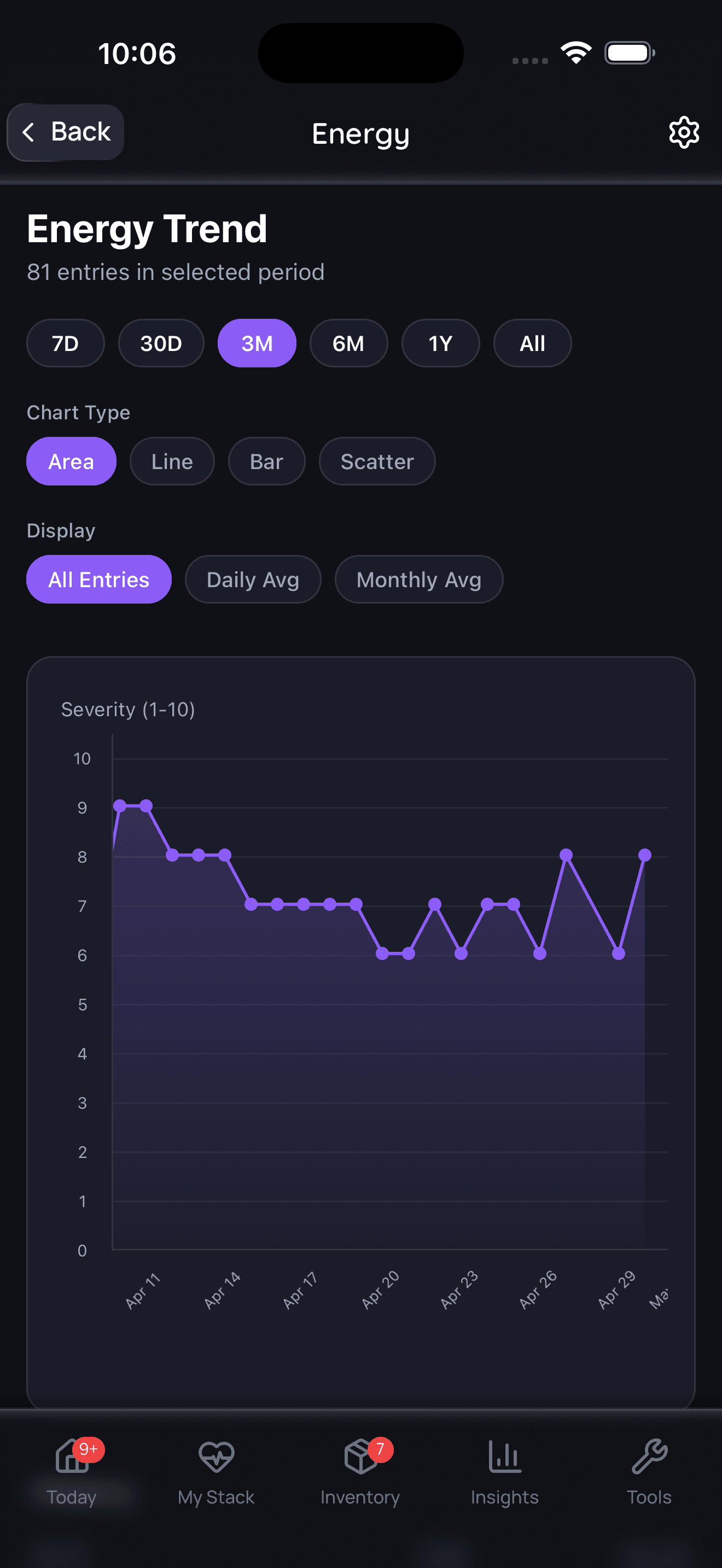
Symptom tracking is informational and should be interpreted with a qualified clinician.
Interactions & Compatibility
Synergistic
- Ashwagandha: Clinical trial data specifically support the Shatavari + Ashwagandha combination for menopausal symptoms, showing additive benefits beyond Shatavari alone. Traditional Ayurvedic practice considers these complementary adaptogens [5][10].
- Brahmi (Bacopa Monnieri): Traditional Ayurvedic pairing. Brahmi for cognitive support alongside Shatavari for reproductive and adaptogenic support.
- Vitamin D3: May support hormonal health synergistically, particularly in perimenopausal women where both compounds influence calcium metabolism and hormone regulation.
- Calcium: Traditional use of Shatavari with milk provides calcium alongside the herb. Relevant for bone health support in menopausal women.
- Magnesium: Complementary support for sleep quality, stress tolerance, and muscle relaxation alongside Shatavari's adaptogenic properties.
Caution / Avoid
- Hormone replacement therapy (HRT) and oral contraceptives: Shatavari's phytoestrogenic activity may interact with exogenous hormones. Concurrent use should be discussed with a healthcare provider.
- Estrogen-sensitive medications: Due to phytoestrogenic mechanism, caution with tamoxifen, aromatase inhibitors, and other medications used in hormone-sensitive conditions.
- Anticoagulant/antiplatelet medications: Limited data on interactions, but herbal supplements with antioxidant activity may theoretically affect coagulation. Monitor if combining.
- Diuretics: Shatavari has traditional diuretic properties. Concurrent use with prescription diuretics may amplify fluid loss.
- Lithium: Shatavari's diuretic properties may theoretically affect lithium clearance. Consult a healthcare provider.
- Antidiabetic medications: Preclinical evidence suggests hypoglycemic effects. Individuals on diabetes medications should monitor blood glucose if adding Shatavari.
How to Take / Administration Guide
Recommended Forms:
- Standardized root extract capsules (>10% Shatavarins): The form used in all recent clinical trials. Provides the most consistent dosing and the best-documented efficacy profile.
- Root powder (churna): Traditional form, typically mixed with warm milk, water, or ghee. More affordable but requires higher doses (1-3 g vs 300 mg extract) and lacks the standardization of extract forms.
- Liquid extract/tincture: Less commonly studied but available. Dosing varies by manufacturer.
Timing Considerations:
- Can be taken with or without food
- Traditional practice recommends taking with warm milk after meals
- For menopausal symptoms and general use: once daily (morning or evening)
- For lactation support: twice daily as studied in clinical trials
Stacking Guidance:
- Commonly paired with Ashwagandha for comprehensive adaptogenic support (clinical trial evidence supports this combination)
- Can be taken alongside standard vitamins and minerals
- Separate from any hormone-modifying medications by several hours and discuss with a healthcare provider
Cycling Guidance:
- Clinical trials used continuous daily dosing for 8-12 weeks without safety concerns
- Community users commonly recommend cycling: 4-6 weeks on, 1-2 weeks off
- Some users report diminishing returns with prolonged continuous use, which may support the cycling approach
- No withdrawal effects have been reported upon discontinuation
Preparation (powder form):
- Mix 1-2 teaspoons (3-5 g) in warm milk or water
- Honey or jaggery can be added for taste
- Powder has a mildly bitter, sweet taste that some find unpleasant; capsules are preferred for palatability
Choosing a Quality Product
Third-Party Certifications:
Look for products bearing USP Verified, NSF Certified for Sport, or GMP certification marks. Due to the niche nature of Shatavari (primarily manufactured in India), not all products carry Western third-party certification. At minimum, look for GMP-certified manufacturing facilities.
Standardization:
The most important quality marker for Shatavari extract is the Shatavarin content. Clinical trials used extracts standardized to contain at least 10% total Shatavarins, as determined by HPLC analysis. Products listing less than 10% Shatavarins or not specifying standardization at all may not deliver clinically relevant doses. Whole root powder products typically contain approximately 5% saponins naturally.
Active vs. Low-Quality Forms:
- High quality: Standardized root extract with specified Shatavarin content (>10%), herb-to-extract ratio stated (e.g., 13:1), prepared using green chemistry methods
- Moderate quality: Whole root powder from organic sources with COA available
- Lower quality: Products that do not specify Shatavarin content, proprietary blends hiding the actual Shatavari dose, products with undisclosed fillers or excipients
Red Flags:
- No specification of Shatavarin or saponin content
- Proprietary blends that mask the actual amount of Shatavari per serving
- Excessive therapeutic claims (especially "cures hormonal imbalance" or "guarantees fertility")
- No Certificate of Analysis (COA) available on request
- Products sourced without quality control documentation
Excipient and Purity Considerations:
- Look for products free of common allergens (gluten, soy, dairy) if sensitivity is a concern
- Heavy metal testing documentation is important for herbs sourced from India, where soil contamination can be a concern
- Organic certification provides some assurance of pesticide-free cultivation
Popular Brands (informational, not endorsement):
Community discussion mentions brands such as Himalaya, Organic India, and specialized Ayurvedic suppliers. The clinical trial extract (Ixoreal Biomed SRI-81) is the only extract with published RCT data.
Storage & Handling
- Store capsules and tablets in a cool, dry place at room temperature, away from direct sunlight and moisture
- Root powder should be kept in an airtight container to prevent moisture absorption and microbial growth
- Liquid extracts may require refrigeration after opening; check manufacturer instructions
- Shelf life varies by form: capsules typically 2-3 years from manufacturing; powder typically 1-2 years if stored properly
- Do not use if the product has an unusual odor, color change, or visible mold
Lifestyle & Supporting Factors
Dietary Considerations:
- Shatavari is traditionally consumed with milk (dairy or plant-based), which may enhance the absorption of fat-soluble saponins
- A balanced diet rich in phytoestrogen-containing foods (flax seeds, soy products, sesame seeds) may complement Shatavari's hormonal effects
- Adequate calcium and vitamin D intake is particularly important for perimenopausal and menopausal women using Shatavari for hormonal support
Exercise:
- Regular physical activity supports hormonal balance and may amplify Shatavari's adaptogenic effects
- Yoga and mindful movement practices align with the traditional Ayurvedic context in which Shatavari is used
Stress Management:
- Clinical trials demonstrated significant stress reduction with Shatavari supplementation. Combining with stress management practices (meditation, adequate sleep, social connection) may enhance outcomes.
- Stress reduction may also improve hormonal balance independently, making it difficult to attribute all benefits to the supplement alone
Sleep:
- Some users report improved sleep quality with Shatavari, particularly during the luteal phase. Maintaining good sleep hygiene practices supports the herb's adaptogenic function.
Monitoring:
- Women using Shatavari for menopausal or hormonal concerns may benefit from periodic hormonal blood work (estradiol, FSH, LH) to track changes
- Thyroid function monitoring (TSH, T3, T4) is advisable given Shatavari's observed effects on T3 levels in clinical trials
Signs of Deficiency (indication for supplementation):
- Shatavari is not an essential nutrient, so there is no "deficiency" state. Indications for use are based on symptoms: menopausal complaints, insufficient lactation, hormonal irregularities, stress, and fatigue
Regulatory Status & Standards
United States (FDA):
Shatavari (Asparagus racemosus) root extract is marketed as a dietary supplement under the Dietary Supplement Health and Education Act (DSHEA). It is not evaluated by the FDA for efficacy in treating, diagnosing, curing, or preventing any disease. No GRAS (Generally Recognized As Safe) designation has been specifically issued for Shatavari root extract as a dietary supplement ingredient.
India (Ayush/FSSAI):
Shatavari is recognized as a traditional Ayurvedic medicine and is widely available as both a prescription Ayurvedic formulation and an over-the-counter supplement. It appears in classical Ayurvedic texts (Charaka Samhita, Sushruta Samhita) and is included in the Indian Pharmacopoeia.
Canada (Health Canada):
Shatavari may be available as a Natural Health Product (NHP) with an NPN number for specific health claims.
European Union (EFSA):
No specific EFSA assessment or authorized health claims for Asparagus racemosus exist at the time of writing. It may fall under novel food regulations depending on the member state.
Australia (TGA):
May be available as a listed complementary medicine.
Active Clinical Trials:
Multiple clinical trials are registered with ClinicalTrials.gov (NCT06716554) and the Clinical Trials Registry of India (CTRI/2024/09/074239, CTRI/2024/10/074660) evaluating Shatavari for menopausal symptoms, PCOS, and lactation.
Athlete & Sports Regulatory Status:
Shatavari is not listed on the WADA Prohibited List. It is not typically associated with sports performance supplementation. However, athletes should be aware that herbal supplements carry inherent contamination risks. Third-party tested products (Informed Sport, NSF Certified for Sport) are recommended for competitive athletes. GlobalDRO (globaldro.com) can be consulted for real-time status checks.
Regulatory status and prohibited substance classifications change frequently. Athletes should always verify the current status of any supplement with their sport's governing body, their national anti-doping agency, and a qualified sports medicine professional before use. Third-party certification (Informed Sport, NSF Certified for Sport) reduces but does not eliminate the risk of contamination with prohibited substances.
Frequently Asked Questions
What is Shatavari and what is it used for?
Shatavari is an herbal supplement derived from the root of Asparagus racemosus, a plant native to India. It has been used for centuries in Ayurvedic medicine, primarily as a women's health tonic. Modern research has focused on its use for menopausal symptom relief, lactation support, PCOS management, and stress reduction.
Is Shatavari safe?
Based on available clinical trial data involving over 400 participants, Shatavari has demonstrated a favorable safety profile over study periods of up to 12 weeks. No serious adverse events have been reported. Mild side effects such as occasional nausea and headache have been noted at rates similar to placebo. However, it should be avoided during pregnancy and used with caution in hormone-sensitive conditions.
How much Shatavari should I take?
Based on published clinical trials, commonly studied doses of standardized root extract (>10% Shatavarins) range from 300 to 500 mg per day. For whole root powder, traditional sources commonly report 1 to 3 grams per day. Individuals should consult a healthcare provider for personalized dosing guidance.
Can men take Shatavari?
While research has focused primarily on women's health, Shatavari has been used traditionally for both men and women. Preclinical data suggest potential anti-ulcer, antioxidant, and immune-supporting benefits that are not gender-specific. However, the phytoestrogenic activity means men should exercise caution and consult a healthcare provider.
How long does it take for Shatavari to work?
Based on clinical trial timelines, some effects (vigor, stress reduction) may begin to appear by week 4. The most significant benefits in menopausal symptom studies were observed at week 8. For lactation, effects were observed within 72 hours. Individual responses vary.
Can I take Shatavari with Ashwagandha?
Clinical trial evidence specifically supports this combination. A randomized controlled trial found additive benefits for menopausal symptoms when Shatavari and Ashwagandha were combined. In Ayurvedic tradition, they are considered complementary herbs.
Does Shatavari affect estrogen levels?
Shatavari contains phytoestrogens (plant-derived compounds that can interact with estrogen receptors). Clinical data show that Shatavari supplementation was associated with modest increases in estradiol levels in perimenopausal women. This is relevant for women with hormone-sensitive conditions, who should consult a healthcare provider.
Should I cycle Shatavari or take it continuously?
Clinical trials used continuous daily dosing for 8-12 weeks. Some community users recommend cycling (4-6 weeks on, 1-2 weeks off) based on reports that effects may plateau with prolonged use. No adverse effects from either approach have been reported, but data beyond 12 weeks is limited.
Is Shatavari safe during breastfeeding?
A clinical trial specifically studied Shatavari during the immediate postpartum period and found no adverse events. It is traditionally used as a galactogogue (milk production enhancer). However, breastfeeding women should consult their healthcare provider before starting any supplement.
What is the difference between Shatavari powder and extract?
Shatavari powder is the dried, ground root with naturally occurring concentrations of active compounds (approximately 5% saponins). Standardized extracts are concentrated preparations with specified levels of active Shatavarins (typically >10%). Extracts require lower doses (300-500 mg) compared to powder (1-3 g) due to higher concentration of active compounds.
Myth vs. Fact
Myth: Shatavari can cure infertility.
Fact: While Shatavari has a long traditional reputation as a fertility herb, current clinical evidence does not demonstrate that it cures infertility. Preliminary data from a PCOS trial showed improvements in endometrial thickness and follicular count, which are relevant to reproductive health, but fertility outcomes (conception rates) were not studied as primary endpoints. Infertility is a complex medical condition requiring comprehensive evaluation [6].
Myth: Shatavari is only for women.
Fact: While the research base is concentrated on women's health, Shatavari contains compounds with antioxidant, immunomodulatory, anti-inflammatory, and adaptogenic properties that are not gender-specific. Traditional Ayurvedic practice does use Shatavari for both men and women, though it is predominantly prescribed for female reproductive health [1][2].
Myth: All Shatavari supplements are the same.
Fact: There is significant variation between products. Standardized extracts (>10% Shatavarins, 13:1 herb-to-extract ratio) used in clinical trials are not equivalent to raw root powder or unstandardized extracts. Products vary in Shatavarin content from less than 5% to over 10%, which directly affects the amount of bioactive compound per dose [4].
Myth: Shatavari works immediately for menopausal symptoms.
Fact: Clinical trial data show that while some effects begin emerging at week 4, the most significant improvements occur at week 8. For menopausal symptoms, expecting immediate results is unrealistic. The one exception is lactation, where effects were observed within 72 hours [4][9].
Myth: Shatavari is completely safe for everyone.
Fact: While the clinical safety profile is favorable, Shatavari is not universally appropriate. It should be avoided during pregnancy due to potential uterotonic effects. Women with hormone-sensitive conditions (ER-positive breast cancer, endometriosis, uterine fibroids) should exercise caution due to its phytoestrogenic activity. Additionally, its "kapha-building" properties in Ayurvedic terms may not be suitable for individuals prone to fluid retention or growths [1].
Myth: Shatavari replaces hormone replacement therapy (HRT).
Fact: While Shatavari has shown significant improvements in menopausal symptoms in clinical trials, it has not been directly compared to HRT in head-to-head studies. HRT addresses estrogen deficiency directly with hormones, while Shatavari provides plant-derived compounds with mild estrogenic activity. For moderate to severe menopausal symptoms, HRT remains the gold standard treatment, and Shatavari should not be viewed as a replacement without medical guidance [4][5].
Sources & References
Clinical Trials & RCTs
[4] Mahajan S, Avad P, Langade J. Efficacy and Safety of Shatavari (Asparagus racemosus) Root Extract for Perimenopause: Randomized, Double-Blind, Placebo-Controlled Study. Int J Womens Health. 2025;17:4057-4073. doi:10.2147/IJWH.S544267. https://pmc.ncbi.nlm.nih.gov/articles/PMC12593836/
[5] Ademola J, Ajgaonkar A, Debnath T, Debnath K, Langade J. Efficacy and safety of Shatavari root extract (Asparagus racemosus) for menopausal symptoms: a randomized, double-blind, three-arm, placebo-controlled study. Front Reprod Health. 2025;7:1654503. doi:10.3389/frph.2025.1654503. https://pmc.ncbi.nlm.nih.gov/articles/PMC12695842/
[6] Mhatre Y, Jadhav P, Malik A, Srivathsan M, Langade D. Efficacy and safety of Shatavari root extract in women with Polycystic Ovarian Syndrome: a randomized, double-blind, placebo-controlled trial. Front Endocrinol. 2026;17:1769773. doi:10.3389/fendo.2026.1769773. https://pubmed.ncbi.nlm.nih.gov/41816216/
[9] Ajgaonkar A, et al. Shatavari (Asparagus racemosus Willd) root extract for postpartum lactation: A randomised, double-blind, placebo-controlled study. J Obstet Gynaecol. 2025. doi:10.1080/01443615.2025.2564168. https://pubmed.ncbi.nlm.nih.gov/41055223/
[10] Ademola J, Mahajan S, Srivathsan M, et al. Effects of Shatavari (Asparagus racemosus) Root Extract on Sexual Wellness in Women. Int J Womens Health. 2026;18:561213. doi:10.2147/IJWH.S561213. https://pmc.ncbi.nlm.nih.gov/articles/PMC12912092/
[11] Gupta M, Shaw B. A Double-Blind Randomized Clinical Trial for Evaluation of Galactogogue Activity of Asparagus racemosus Willd. Iran J Pharm Res. 2011 Winter;10(1):167-172. https://pmc.ncbi.nlm.nih.gov/articles/PMC3869575/
[13] Gudise VS, Dasari MP, Kuricheti SSK. Efficacy and safety of shatavari root extract for the management of menopausal symptoms: a double-blind, multicenter, randomized controlled trial. Cureus. 2024;16(4):e57879. doi:10.7759/cureus.57879.
Systematic Reviews & Meta-Analyses
[3] Chen MN, Lin CC, Liu CF. Efficacy of phytoestrogens for menopausal symptoms: a meta-analysis and systematic review. Climacteric. 2015;18(2):260-269. doi:10.3109/13697137.2014.966241.
Preclinical & Pharmacological Studies
[1] Alok S, Jain SK, Verma A, Kumar M, Mahor A, Sabharwal M. Plant profile, phytochemistry and pharmacology of Asparagus racemosus (Shatavari): A review. Asian Pac J Trop Dis. 2013;3(3):242-251. doi:10.1016/S2222-1808(13)60049-3. https://pmc.ncbi.nlm.nih.gov/articles/PMC4027291/
[7] Negi JS, Singh P, Joshi GP, Rawat MS, Bisht VK. Chemical constituents of Asparagus. Pharmacogn Rev. 2010;4(8):215-220. doi:10.4103/0973-7847.70921.
[8] Singh R. Asparagus racemosus: a review on its phytochemical and therapeutic potential. Nat Prod Res. 2016;30(17):1896-1908. doi:10.1080/14786419.2015.1092148.
[12] Acute and Subacute Toxicity Profile of Asparagus racemosus root extract, Isoprinosine and Shatvari Syrup in Swiss Albino Mice. J Appl Pharm Sci. 2017.
Government/Institutional Sources
[2] Traditional use documentation: Charaka Samhita, Sushruta Samhita (classical Ayurvedic texts). Shatavari monograph reference in Indian Pharmacopoeia.
Related Supplement Guides
Same Category (Adaptogens / Ayurvedic Herbs)
- Ashwagandha — Complementary adaptogen; clinical trial evidence supports combination with Shatavari
- Holy Basil (Tulsi) — Ayurvedic adaptogen for stress and immune support
- Bacopa Monnieri (Brahmi) — Traditional Ayurvedic pairing for cognitive support
- Rhodiola Rosea — Adaptogen for stress tolerance and fatigue
- Ginseng — Cross-cultural adaptogen tradition
Common Stacks / Pairings
- Ashwagandha — Most common pairing; Ayurvedic "yin and yang" of adaptogens
- Vitamin D3 — Hormonal and bone health support in menopause
- Calcium — Bone health support for menopausal women
- Magnesium — Sleep, stress, and muscle support
- Maca Root — Another phytoestrogen used for menopausal symptoms
Related Health Goal
- Black Cohosh — Western herbal alternative for menopausal symptoms
- Red Clover — Isoflavone source for menopausal support
- Chasteberry (Vitex) — Hormonal regulation, PMS, menstrual irregularity
- Fenugreek — Galactogogue; lactation support
- Evening Primrose Oil — Women's health, hormonal support