
Spirulina: The Complete Supplement Guide
On this page
Quick Reference Card
Attribute
Common Name
- Detail
- Spirulina
Attribute
Other Names / Aliases
- Detail
- Arthrospira platensis, Arthrospira maxima, Spirulina platensis, blue-green algae, blue spirulina (phycocyanin extract)
Attribute
Category
- Detail
- Cyanobacterium / microalgae whole-food supplement
Attribute
Primary Forms & Variants
- Detail
- Whole dried biomass powder; tablets or capsules; liquid or aqueous extracts; phycocyanin-rich "blue spirulina" extracts are not nutritionally interchangeable with whole spirulina [1][8][9]
Attribute
Typical Dose Range
- Detail
- Most human whole-spirulina studies fall between about 1 and 4.5 g/day; some research products use higher or non-equivalent extract forms [2][3][4][5]
Attribute
RDA / AI / UL
- Detail
- No established RDA, AI, or UL for spirulina as an ingredient [1][9]
Attribute
Common Delivery Forms
- Detail
- Powder, tablet, capsule, drink mix, extract
Attribute
Best Taken With / Without Food
- Detail
- Usually taken with meals or a smoothie to improve GI tolerance; a meal containing some fat may be more practical when the goal includes carotenoid intake
Attribute
Key Cofactors
- Detail
- No essential cofactor is established; dietary fat can support carotenoid uptake and Vitamin C can support non-heme iron absorption from plant-based meals
Attribute
Storage Notes
- Detail
- Keep tightly sealed, dry, and protected from heat, humidity, and strong light; follow label-specific storage instructions for extracts
Overview
The Basics
Spirulina is one of the best-known algae supplements in the world, but the name most people use is slightly outdated. What is sold as spirulina is usually biomass from Arthrospira platensis or Arthrospira maxima, a nutrient-dense cyanobacterium rather than a conventional green plant [1][4]. That distinction matters less for everyday buyers than for understanding what the supplement actually is: a whole-organism food ingredient with protein, pigments, minerals, fatty acids, and a wide range of bioactive compounds.
The reason spirulina became famous is easy to understand. It is rich in protein by dry weight, contains phycocyanin and carotenoids, and has been studied for cholesterol, blood pressure, blood sugar, allergy symptoms, and general metabolic support [2][3][4]. That makes it attractive to people interested in "superfoods," athletes trying to clean up their nutrition, and readers looking for a plant-forward support tool for cardiometabolic health.
The important correction is that spirulina is not a magic powder. The most credible human evidence is concentrated in a few areas, especially lipids, fasting glucose, blood pressure, obesity-related metrics, and allergic rhinitis [2][3][4][6]. The evidence for sweeping claims about detox, immunity, anti-aging, or disease treatment is much weaker than marketing usually suggests.
Another practical point comes up almost immediately in real-world use: form and quality matter. Capsules are often easier to tolerate than powder, "blue spirulina" is usually a phycocyanin-focused extract rather than whole spirulina, and low-quality algae products can create problems that are really manufacturing issues rather than ingredient issues [1][8][11].
The Science
Spirulina has been consumed for centuries in some regions as a food source and later industrialized as a cultivated supplement biomass. In modern research, the relevant species are usually Arthrospira platensis and Arthrospira maxima, cultivated under controlled alkaline conditions for use as food ingredients, supplements, or extracts [1][4][9]. The FDA GRAS notice for dried Arthrospira platensis biomass reflects that food-ingredient context rather than drug-style approval [9].
Nutritionally, spirulina is notable for high protein density and a pigment profile built around phycocyanin, chlorophyll-associated compounds, and carotenoids. Mechanistically, the current literature focuses on antioxidant activity, anti-inflammatory effects, lipid and glucose regulation, endothelial and blood-pressure effects, and symptom modulation in allergic rhinitis [2][3][4][6][8]. Clinically, those mechanistic ideas map best to modest cardiometabolic improvements and a smaller but interesting rhinitis literature rather than to a broad cure-all narrative [2][3][4][6].
Chemical & Nutritional Identity
Property
Scientific Identity
- Value
- Usually Arthrospira platensis or Arthrospira maxima sold under the common name spirulina
Property
Biological Category
- Value
- Cyanobacterium / blue-green microalgae
Property
Regulatory Style
- Value
- Whole biomass food/supplement ingredient, not a single isolated nutrient [9]
Property
Key Pigments
- Value
- Phycocyanin, chlorophyll-associated pigments, carotenoids
Property
Protein Content
- Value
- Commonly reported around 55% to 69% of dry weight in the review literature [4]
Property
Key Lipid Note
- Value
- Contains gamma-linolenic acid and other lipids in relatively small amounts compared with its protein fraction [4]
Property
Common Commercial Forms
- Value
- Powder, tablets, capsules, aqueous extracts, phycocyanin-rich "blue spirulina" concentrates
Property
Molecular Formula / CAS
- Value
- Not applicable as a whole biomass ingredient rather than a single molecule
Property
RDA / AI / UL
- Value
- None established for spirulina as a supplement ingredient [1][9]
Property
FDA Food Context
- Value
- Dried biomass of Arthrospira platensis has FDA GRAS notice history for specified food uses [9]
Spirulina should be treated more like a complex ingredient family than a single chemical. Whole spirulina delivers protein, pigments, minerals, and other compounds together, while blue spirulina products usually isolate or enrich the phycocyanin fraction. Those products are related, but they are not equivalent in nutritional density, research base, or practical dosing logic [4][8].
Mechanism of Action
The Basics
Spirulina does not work through one clean pathway. It works, when it works at all, as a bundled ingredient with several plausible mechanisms pushing in the same general direction. The main themes are antioxidant support, inflammation control, lipid handling, and vascular effects [2][4].
The easiest way to understand it is this: whole spirulina provides pigments and nutrients that may help the body manage oxidative stress, and some of its peptides and fatty-acid-related compounds may also nudge blood pressure, lipid metabolism, and glucose control in a favorable direction. That does not mean everyone feels a dramatic effect. It means the biology is plausible enough that small to moderate changes in metabolic markers make sense.
For allergy use, the proposed mechanism is different. The rhinitis literature suggests spirulina may influence inflammatory signaling and histamine-related symptom burden rather than simply acting as a generic nutrition powder [6]. That is why allergy relief is one of the few spirulina use cases where some users describe relatively obvious day-to-day changes.
The Science
The 2025 systematic review attributes spirulina's metabolic effects to a cluster of bioactives, especially phycocyanin, gamma-linolenic acid, glycolipids, and peptide fragments with possible blood-pressure and lipid-regulation roles [4]. Proposed pathways include reduced oxidative stress, altered inflammatory signaling, inhibition of HMG-CoA reductase activity, improved insulin sensitivity, and endothelial-supportive effects [2][4].
The allergy literature points toward immunomodulatory and anti-inflammatory effects rather than a simple nutrient-replacement explanation. In a randomized trial in allergic rhinitis, spirulina use was associated with symptom improvement and cytokine-related changes consistent with immune signaling modulation [6]. That result is interesting, but it should still be framed as a condition-specific signal rather than proof of broad immune enhancement.
High-dose phycocyanin-enriched aqueous extract safety work also matters mechanistically because it reminds readers that isolate-style products can behave differently from whole biomass. The existence of extract-specific safety data is another reason not to collapse whole spirulina and blue spirulina into one dosing story [8].
Absorption & Bioavailability
The Basics
Whole spirulina is a food-like biomass, not a precision pharmacokinetic ingredient. That means the most important absorption questions are practical ones: powder versus capsule, whole spirulina versus extract, meal context, and whether a product is actually what it claims to be.
For most users, taking whole spirulina with food is the simplest approach. It usually improves tolerability, and meals that contain some fat are a more realistic context for carotenoid uptake than taking algae powder dry or on an empty stomach. If a product is sold as blue spirulina, readers should assume it behaves more like a pigment-focused extract than like a whole-food nutrient matrix [4][8].
The key limitation is that formal human pharmacokinetic data for whole spirulina as a supplement are sparse. We have clinical outcomes, but we do not have a clean set of PK parameters that would let a consumer compare powders, tablets, and extracts the way they might compare drugs.
The Science
The current dossier supports a cautious absorption summary rather than a precise one. Human trials and reviews show that spirulina products can produce measurable physiologic effects, which indirectly confirms bioactive exposure, but formal Cmax, Tmax, and oral bioavailability benchmarks for whole spirulina are not established in the way they would be for a single isolated compound [2][4].
Form differences matter. Whole dried biomass studies are the main basis for cardiometabolic and allergy claims, while phycocyanin-enriched aqueous extract studies speak more directly to pigment-rich isolates [4][8]. That creates an evidence-translation problem: a positive result with one form should not be assumed to map perfectly onto another.
From a practical absorption standpoint, the safer conclusion is that whole spirulina is best treated as a meal-context supplement, whereas extract products need label-specific interpretation rather than generic spirulina assumptions.
Research & Clinical Evidence
Cardiometabolic Health
The Basics
This is where spirulina looks strongest. Across systematic reviews and meta-analyses, spirulina has shown modest but repeatable benefits for lipids, fasting glucose, and some blood-pressure measures, especially in people with overweight, obesity, dyslipidemia, hypertension, or diabetes-related risk [2][3][4].
These are not drug-sized effects. They are more like supportive changes that could matter when layered on top of good nutrition, exercise, and medical care. That distinction is important because spirulina marketing often oversells modest biomarker improvements as transformative outcomes.
The Science
The 2018 meta-analysis by Huang et al. found significant reductions in total cholesterol, LDL-C, triglycerides, VLDL-C, fasting blood glucose, and diastolic blood pressure across 12 trials with 14 arms [2]. The 2021 diabetes-focused meta-analysis by Hatami et al. found stronger fasting-glucose and lipid effects in type 2 diabetes populations, while noting no significant improvement in HbA1c or post-prandial blood sugar [3]. The 2025 systematic review reached an overall positive conclusion for obesity, hypertension, hyperglycemia, and hyperlipidemia, but it also documented more heterogeneity than marketing narratives imply [4].
Allergic Rhinitis
The Basics
Allergy relief is one of spirulina's most interesting niche use cases because the effect can feel more noticeable than slow lab changes. Some users report less sneezing, less runny nose, and a general reduction in seasonal allergy burden, which lines up with one of the better-known randomized spirulina studies [6].
That does not mean spirulina is a universal allergy fix. It means there is enough human signal to take the topic seriously, especially compared with many of spirulina's vaguer wellness claims.
The Science
Cingi et al. reported improved allergic-rhinitis symptoms in a randomized study of spirulina, making this one of the clearer condition-specific human signals in the spirulina literature [6]. The mechanistic rationale is consistent with altered inflammatory and cytokine responses rather than generic "immune boosting." That nuance matters because readers looking for allergy relief may care more about symptom control than about broad immune narratives.
Cognition and Quality of Life
The Basics
Spirulina has some preliminary human data outside classic metabolic endpoints, but the evidence is thinner and more condition-specific. Mild cognitive impairment and ulcerative colitis are examples where researchers have reported encouraging findings, but the data are still too narrow to treat as settled general-use benefits [7][8].
The Science
Choi et al. reported memory-related improvement in a randomized trial involving spirulina maxima extract in people with mild cognitive impairment [7]. Moradi et al. found improvements in some quality-of-life and symptom domains in ulcerative colitis patients in a randomized placebo-controlled setting [8]. Both findings are worth mentioning, but neither justifies a broad nootropic or anti-inflammatory claim for the general population.
Exercise and Body Composition Support
The Basics
The exercise literature is promising but narrow. Spirulina looks more like a supportive nutrition adjunct than like a direct ergogenic supplement. The best current human signal is that it may work better in the context of structured exercise and dyslipidemia than in isolation [5].
The Science
In the crossover trial by Hernandez-Lepe et al., 4.5 g/day of Arthrospira maxima combined with a structured physical exercise program improved lipid outcomes and BMI more clearly than control, with stronger effects in dyslipidemic men [5]. That is a useful result, but it should be interpreted as adjunctive, not as proof that spirulina independently boosts performance in already healthy athletes.
Evidence & Effectiveness Matrix
Category
Heart Health
- Evidence Strength
- 7/10
- Community-Reported Effectiveness
- N/A
- Summary
- Meta-analytic evidence supports improvements in cholesterol and related cardiometabolic markers, but outcome sizes are supportive rather than drug-like [2][3][4].
Category
Blood Pressure
- Evidence Strength
- 6/10
- Community-Reported Effectiveness
- N/A
- Summary
- Human evidence suggests a modest blood-pressure signal, especially in at-risk groups, but effects are not uniform across all trials [2][4].
Category
Weight Management
- Evidence Strength
- 6/10
- Community-Reported Effectiveness
- N/A
- Summary
- Several controlled studies and reviews report improvements in body weight, waist measures, or BMI, particularly in overweight or obese cohorts [4][5].
Category
Energy Levels
- Evidence Strength
- 3/10
- Community-Reported Effectiveness
- 5/10
- Summary
- Formal energy evidence is limited, while community reports describe subtle fatigue relief in some users and no effect in others.
Category
Focus & Mental Clarity
- Evidence Strength
- 4/10
- Community-Reported Effectiveness
- 4/10
- Summary
- Mild-cognitive-impairment data are interesting but narrow, and community nootropic-style reporting is sparse [7].
Category
Immune Function
- Evidence Strength
- 5/10
- Community-Reported Effectiveness
- 5/10
- Summary
- Allergy-specific and immunologic findings create a real but targeted signal; the evidence does not justify broad immune-marketing language [6].
Category
Physical Performance
- Evidence Strength
- 4/10
- Community-Reported Effectiveness
- N/A
- Summary
- Exercise-adjunct data exist, but direct performance evidence remains limited and population-specific [5].
Category
Nausea & GI Tolerance
- Evidence Strength
- 5/10
- Community-Reported Effectiveness
- 4/10
- Summary
- Mild GI adverse effects are recognized in official safety summaries, and community reporting confirms a real tolerance divide [1][11].
Category
Side Effect Burden
- Evidence Strength
- 5/10
- Community-Reported Effectiveness
- 4/10
- Summary
- Spirulina is often tolerated, but contamination, allergy-type reactions, and product-quality variation keep safety firmly in view [1][10][11].
Category
Treatment Adherence
- Evidence Strength
- 2/10
- Community-Reported Effectiveness
- 4/10
- Summary
- Formal adherence data are thin, while community users repeatedly report that taste, smell, and powder texture reduce long-term consistency.
Category
Daily Functioning
- Evidence Strength
- 4/10
- Community-Reported Effectiveness
- 5/10
- Summary
- Some quality-of-life and symptom-control findings exist, and anecdotal users describe practical improvements when they respond [6][8].
Categories scored: 11
Categories with community data: 7
Categories not scored (insufficient data): Fat Loss, Muscle Growth, Appetite & Satiety, Food Noise, Sleep Quality, Memory & Cognition, Mood & Wellbeing, Anxiety, Stress Tolerance, Motivation & Drive, Emotional Aliveness, Emotional Regulation, Libido, Sexual Function, Joint Health, Inflammation, Pain Management, Recovery & Healing, Gut Health, Digestive Comfort, Skin Health, Hair Health, Heart Rate & Palpitations, Hormonal Symptoms, Temperature Regulation, Fluid Retention, Body Image, Bone Health, Longevity & Neuroprotection, Cravings & Impulse Control, Social Connection, Withdrawal Symptoms, Other
Benefits & Potential Effects
The Basics
The most defensible spirulina benefits are cardiometabolic and allergy-adjacent. If someone takes spirulina for cholesterol support, triglycerides, fasting glucose, blood pressure, or seasonal rhinitis symptoms, they are at least pointing toward areas where the human literature has something real to say [2][3][4][6].
There are also broader nutritional benefits to the ingredient itself. Spirulina is protein-dense, pigment-rich, and useful for people who want a compact nutrient-dense food supplement in capsule or powder form. That nutritional value is part of why it stays popular even when its clinical effects are modest.
Where readers need restraint is in the jump from "interesting" to "established." Spirulina may help some people with weight-related markers, some rhinitis symptoms, and some quality-of-life measures, but it is not established as a cure for inflammation, immune weakness, fatigue syndromes, or chronic disease.
The Science
Supported benefit areas include improvements in total cholesterol, LDL-C, triglycerides, fasting blood glucose, and selected blood-pressure outcomes in metabolically at-risk adults [2][3][4]. Allergy symptom improvement has human trial support in allergic rhinitis [6]. Smaller or more preliminary signals exist in mild cognitive impairment, ulcerative colitis symptom burden, and exercise-plus-dyslipidemia settings [5][7][8].
Reading about potential benefits gives you a framework. Seeing whether those benefits are showing up in your own body turns knowledge into confidence. Doserly lets you track the specific health markers relevant to this supplement, building a personal dataset that captures what's actually changing week over week.
The app's AI analytics go further than simple logging. By correlating your supplement intake with the biomarkers and health outcomes you're tracking, Doserly surfaces patterns you might miss on your own, like whether a dose adjustment three weeks ago corresponds to the improvement you're noticing now. When it's time to evaluate whether a supplement is earning its place in your stack, you have your own data to guide the decision.
Capture changes while they are still fresh.
Log symptoms, energy, sleep, mood, and other observations alongside protocol events so patterns do not live only in memory.
Trend view
Symptom timeline
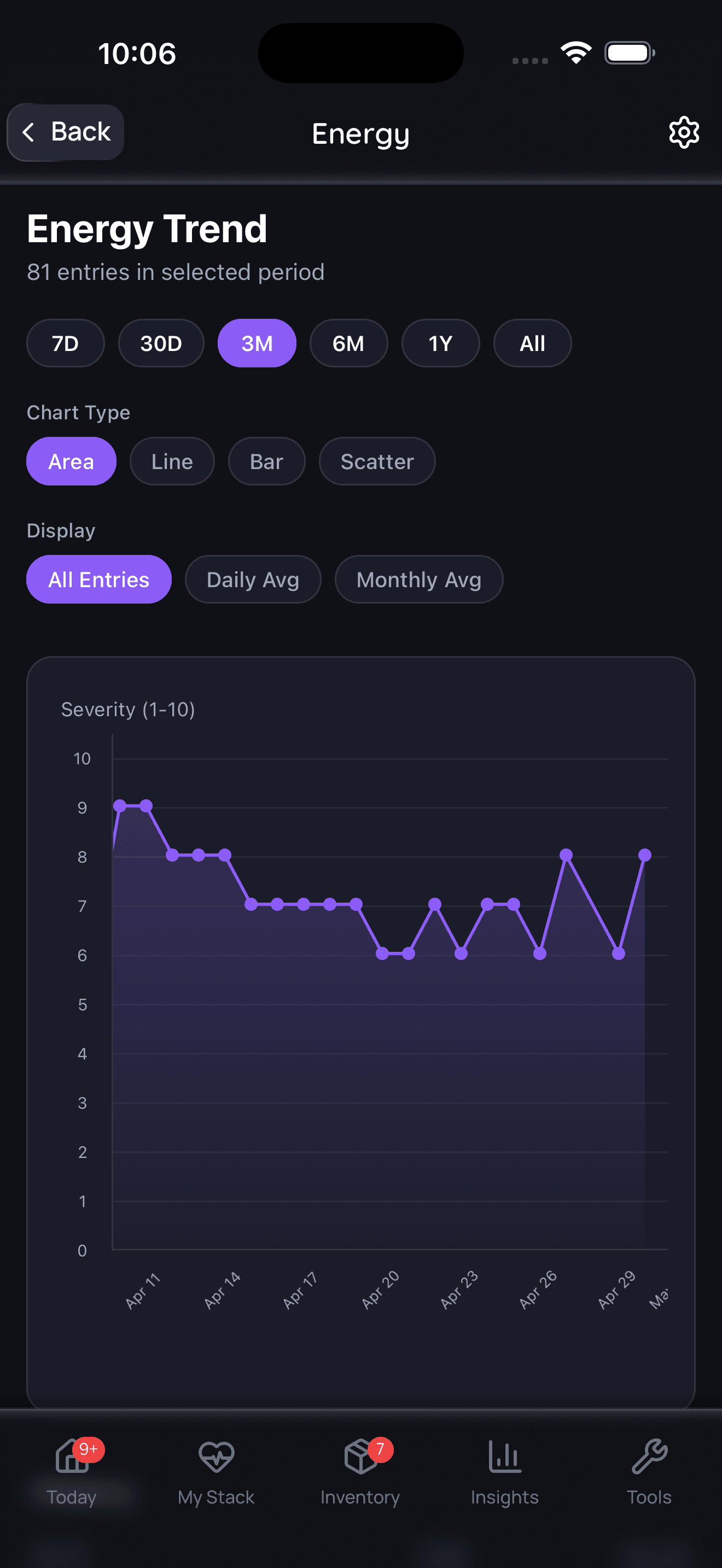
Symptom tracking is informational and should be interpreted with a qualified clinician.
Side Effects & Safety
The Basics
Spirulina is often described as well tolerated, but that phrase needs context. Mild digestive complaints such as bloating, diarrhea, upset stomach, or nausea are common enough to matter, especially with powders and especially when people start too aggressively [1][11]. Community reporting also suggests that capsules are easier for many users to tolerate than powder.
The more important safety issue is not ordinary stomach upset. It is contamination and product quality. Low-quality algae products can contain heavy metals, microcystins, or unwanted cyanobacterial contaminants, which changes the risk profile entirely [1][11]. In other words, a bad spirulina product is not the same thing as well-grown spirulina.
Allergy-type reactions also deserve respect. Case reports and anecdotal reports include itching, flushing, sneezing attacks, and rare serious hypersensitivity reactions [1]. Pregnancy and breastfeeding guidance should remain conservative because direct lactation-safety data are limited, and contaminated products are an obvious avoidable hazard [11].
The Science
The USP safety evaluation and LactMed summary describe spirulina as generally well tolerated under controlled growth conditions while still documenting GI side effects, contamination risk, and a quality-control problem large enough to affect clinical interpretation [1][11]. LactMed explicitly notes that uncontrolled products may contain heavy metals and microcystins and that direct breastfeeding safety data are lacking [11].
Case-level safety concerns include contamination-related toxicity and a published report of green breastmilk discoloration after maternal use of a blue-green algae supplement complex [10][11]. High-dose phycocyanin-enriched extract safety research is reassuring for that specific extract context, but it does not erase whole-product contamination risk or prove that all retail spirulina products are equally safe [8].
Knowing the possible side effects is the first step. Catching them early in your own experience is what keeps a supplement routine safe. Doserly lets you log any symptoms as they arise, tagging them with severity, timing relative to your dose, and whether they resolve on their own or persist.
The app's interaction checker cross-references everything in your stack, supplements and medications alike, flagging known interactions before they become a problem. It also monitors your total intake against established upper limits, alerting you if your combined sources of a nutrient are approaching thresholds where risk increases. Think of it as a safety net that works quietly in the background while you focus on the benefits.
Connect protocol changes to labs and health markers.
Doserly can keep lab results, biomarkers, symptoms, and dose history close together so follow-up conversations have better context.
Insights
Labs and trends
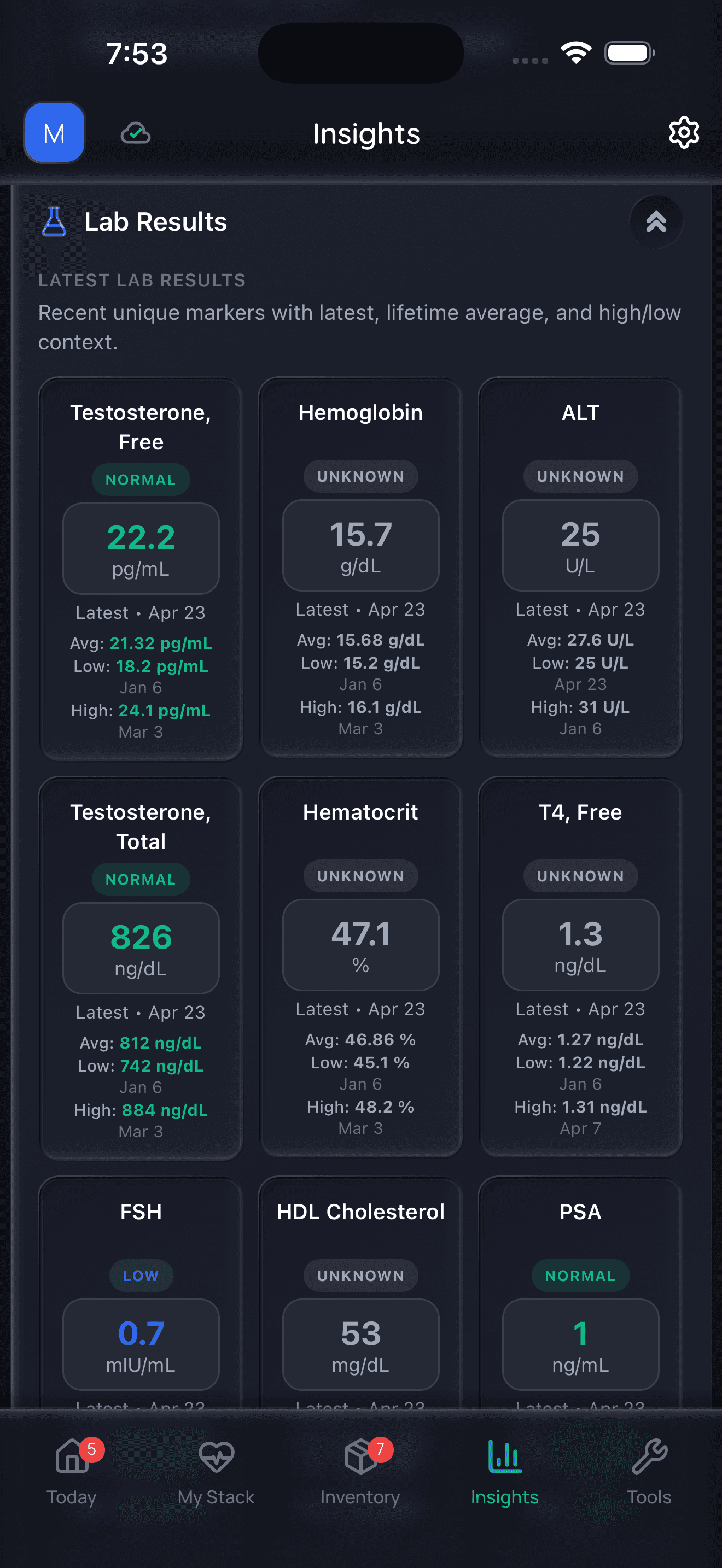
Doserly organizes data; it does not diagnose or interpret labs for you.
Dosing & Usage Protocols
The Basics
There is no official daily requirement for spirulina, and the research does not point to one universal "best" dose. Most of the human whole-spirulina literature clusters between about 1 and 4.5 g/day, usually taken for several weeks to several months [2][3][4][5][6]. That is a useful range for understanding the literature, not a personal prescription.
If a reader is using whole spirulina as a general nutrition supplement, the key practical idea is consistency rather than chasing high grams quickly. When the use case is more targeted, such as allergy support or cardiometabolic support, the literature still tends to stay within the low-grams range instead of extreme dosing.
Blue spirulina and phycocyanin-rich products need separate thinking. They are not interchangeable with whole spirulina powders just because the label contains the word spirulina.
The Science
Human trials in cardiometabolic and exercise settings commonly used 2 g/day, 4.5 g/day, or comparable whole-biomass protocols over about 6 to 12 weeks [2][3][5]. The 2025 review also includes lower-dose and liquid-product studies, which makes the literature harder to collapse into one dose rule [4].
Common Research Dose Patterns
Goal / Context
General cardiometabolic support
- Typical Research Pattern
- 2 to 4.5 g/day
- Notes
- Most common whole-product range in trials [2][3][5]
Goal / Context
Allergic rhinitis
- Typical Research Pattern
- Around 2 g/day in the best-known trial
- Notes
- Symptom-focused use case, not proof of broad immune effects [6]
Goal / Context
Weight-related or metabolic syndrome settings
- Typical Research Pattern
- 1 to 4.5 g/day depending on product form
- Notes
- Population and formulation differences matter [4]
Goal / Context
Extract or phycocyanin-focused products
- Typical Research Pattern
- Product-specific
- Notes
- Do not assume equivalence to whole spirulina [8]
Getting the dose right matters more than most people realize. Too little may be ineffective, too much wastes money or introduces risk, and inconsistency undermines both. Doserly tracks every dose you take, across every form, giving you a clear record of what you're actually consuming versus what you planned.
The app helps you compare RDA recommendations against therapeutic ranges discussed in the research, so you can see exactly where your intake falls. If you switch forms, say from a standard capsule to a liposomal liquid, Doserly adjusts your tracking to account for different bioavailabilities. Pair that with smart reminders that keep your timing consistent, and the precision that makes a real difference in outcomes becomes effortless.
Turn symptom and safety notes into a clearer timeline.
Doserly helps you log doses, symptoms, and safety observations side by side so patterns are easier to discuss with a qualified clinician.
Pattern view
Logs and observations

Pattern visibility is informational and should be reviewed with a clinician.
What to Expect (Timeline)
Days 1 to 7: Some people notice nothing at all. Others mainly notice practical issues first, such as taste aversion, fishy or earthy aftertaste, or mild GI discomfort. If spirulina helps allergic-rhinitis symptoms for a specific user, that is one of the few use cases where early subjective change can show up within days to a couple of weeks [6].
Weeks 2 to 4: This is the window where consistency starts to matter more than any one dose. Subjective signals, if they happen, are usually subtle: less nasal irritation, slightly easier tolerance of workouts, or slightly less fatigue. Many users still report no obvious day-to-day change at this stage.
Weeks 6 to 12: This is the most realistic horizon for the biomarker-style use cases. Lipids, fasting glucose, blood pressure, waist measures, and body-weight markers are more likely to move over weeks than over days [2][3][4][5].
Beyond 3 months: Long-term consumer certainty is limited. If spirulina is being kept in the stack, readers should re-evaluate whether they are seeing enough objective value to justify continued use and whether product quality remains trustworthy.
Interactions & Compatibility
Synergistic / Common Pairings
- Quercetin + Bromelain: Common allergy-season pairing when spirulina is being used for rhinitis-style symptom support. This is a practical stack pattern more than a validated protocol.
- Fish Oil or Algal Oil: Logical cardiometabolic pairing when the goal is triglycerides, inflammation-aware nutrition, or general heart-health support.
- Vitamin C: Useful meal-context companion if the user is thinking about plant-based iron absorption rather than spirulina alone.
- Chlorella: Frequently compared or paired because both are algae supplements, but they have different pigment profiles, evidence strengths, and tolerability patterns.
Caution / Avoid
- Binders such as Activated Charcoal or Bentonite Clay: Avoid taking them close together if the goal is nutrient absorption, because binder-style products can reduce uptake from food or supplements.
- Poorly documented greens blends: Multi-ingredient algae blends can make it harder to identify the real source of benefit or side effects and can increase contamination uncertainty.
- Autoimmune or immunosuppressive treatment contexts: Because spirulina has immune-signaling effects in some studies, people in medically complex immune-management settings should not assume it is a casual add-on.
- Any product with weak contamination documentation: This is the most practical interaction risk of all, because contamination changes the equation more than spirulina itself.
Food and Meal Context
- Taking spirulina with meals is usually more practical than taking it fasting.
- Powder forms are often easiest to tolerate when blended into a larger meal or smoothie rather than mixed in plain water.
How to Take / Administration Guide
Whole spirulina is usually easiest to manage in capsule or tablet form if the user is taste-sensitive. Powder is workable, but it is the form most likely to create adherence problems because the smell and flavor can dominate drinks. If someone uses powder, blending it into a smoothie with stronger flavors is usually more realistic than trying to drink it in water.
Take it with food if GI tolerance is a concern. That is the most practical default for whole spirulina. Readers experimenting with powder should start with the smallest practical serving size on the product label instead of assuming that more grams automatically means more benefit.
Do not treat blue spirulina as identical to whole spirulina. Blue spirulina products are often phycocyanin-focused and may fit recipes better, but they do not replace the broader nutritional profile of whole spirulina biomass.
If spirulina is part of a bigger stack, separate it from binder-style supplements and be disciplined about form tracking. A user who alternates between tablets, powder, and a blue extract without logging the differences can easily lose the plot on what is actually helping.
Choosing a Quality Product
This section matters more for spirulina than for many basic supplements. Readers should look for clear species identification, cultivation transparency, and contaminant testing rather than just "organic" or "superfood" branding.
Priorities:
- Third-party testing for heavy metals and microcystins
- Controlled cultivation rather than vague wild-harvest claims
- Clear identification of whole spirulina versus phycocyanin or blue-spirulina extracts
- Manufacturer transparency about lot testing or certificates of analysis
- Minimal filler load if using tablets or capsules
Red flags:
- No contaminant-testing information at all
- Wildly broad disease claims
- Vague algae blends that do not identify species or source
- Marketing that implies blue spirulina has the same research base as whole spirulina
For athletes, certification programs such as NSF Certified for Sport or Informed Sport are worth prioritizing when available, because spirulina's biggest anti-doping issue is product uncertainty rather than the ingredient being a classic banned drug [12][13][14].
Storage & Handling
Store spirulina in a cool, dry place with the container tightly sealed. Moisture and repeated air exposure are the main enemies for powders and tablets. Strong light and heat are also unhelpful for pigment-rich products.
For powders, use a dry scoop and reseal promptly. If a product develops an unusually strong rotten, sulfur-like, or otherwise off smell beyond the normal earthy or marine profile, treat that as a quality warning rather than as a quirky sign of potency.
Extract products should be handled according to label instructions because they can differ more than standard powders do.
Lifestyle & Supporting Factors
Spirulina makes the most sense when it fits into a larger health pattern instead of being asked to carry the entire plan. The cardiometabolic literature is strongest in people who already have something concrete to improve, such as dyslipidemia, elevated fasting glucose, excess adiposity, or blood-pressure concerns [2][3][4][5].
For readers using spirulina around allergy season, symptom tracking matters more than theory. Logging sneezing, congestion, sleep disruption from rhinitis, and rescue-medication use is more useful than declaring that an immune supplement "feels good."
Useful tracking targets include:
- Home blood pressure
- Fasting glucose or A1c trends if relevant
- Lipid panels
- Weight and waist circumference
- Rhinitis symptom burden
- Day-to-day tolerance and GI response
Lifestyle still beats branding. A decent diet, exercise, sleep, and consistent medication or clinician-guided care will usually matter more than whether spirulina is in the stack.
Regulatory Status & Standards
United States
In the U.S., spirulina exists primarily in a food and dietary-supplement context. FDA GRAS Notice 127 covers dried Arthrospira platensis biomass for specified food uses, which supports mainstream food-ingredient status rather than therapeutic approval [9]. DSHEA supplement rules still apply, which means premarket efficacy proof is not required in the way it would be for a drug.
Canada
This research pass did not verify a spirulina-specific Health Canada monograph or product-standard page. Readers making Canada-specific availability or compliance claims should verify current product licensing and labeling status directly through current Health Canada databases rather than assume equivalence with the U.S. market.
European Union
Spirulina is widely sold in Europe as a food or supplement ingredient, but this run did not verify a spirulina-specific current EU regulatory decision page suitable for detailed compliance claims. Marketing and health claims in the EU remain more constrained than generic supplement advertising usually implies.
Australia
This run did not confirm a spirulina-specific current TGA ingredient page. Product-level listed-medicine status and claims should be checked against the current Australian Register of Therapeutic Goods when needed.
Active Clinical Trials
ClinicalTrials.gov still shows active or newly posted spirulina-related work in 2026, including spirulina-derived esophagitis prevention, exercise-recovery research, and spirulina gel studies in periodontitis [15]. That supports a statement that the research field is active, not a statement that consensus has already arrived.
Athlete and Sports Regulatory Status
- WADA: Spirulina is not specifically named on the current 2026 prohibited list reviewed, which is a limited inference rather than a blanket athlete-safety guarantee [12].
- USADA: USADA explicitly lists spirulina among natural products whose full anti-doping status may be hard to define because natural products can contain unknown compounds. Use is at the athlete's own risk [13].
- NCAA: NCAA warns that it does not approve any dietary supplement and that contaminated supplements remain the athlete's responsibility [14].
- Certification: Certified-for-sport testing remains the most practical risk-reduction step when an athlete still wants to use spirulina [13][14].
Regulatory status and prohibited-substance classifications change frequently. Athletes should always verify the current status of any supplement with their sport's governing body, their national anti-doping agency, and a qualified sports medicine professional before use. Third-party certification reduces but does not eliminate contamination risk.
Frequently Asked Questions (FAQ)
Is spirulina the same as chlorella?
No. They are both algae-type supplements in popular language, but spirulina is usually Arthrospira biomass and chlorella is a different organism with a different nutrient and evidence profile. Spirulina has the stronger blood-pressure and rhinitis signal, while chlorella has a different mix of cholesterol, liver, and whole-food use cases.
Is blue spirulina the same as regular spirulina?
Not really. Blue spirulina is usually a phycocyanin-rich extract or color ingredient rather than whole spirulina biomass. It may be easier to use in drinks, but it does not deliver the same whole-food matrix.
Can spirulina help allergies?
It may help some people with allergic-rhinitis symptoms. That is one of the better-supported niche use cases in the human literature, but it is still not a universal or guaranteed response [6].
Can spirulina lower cholesterol?
Human meta-analyses suggest it can modestly improve cholesterol and triglyceride markers, especially in metabolically at-risk groups. It is better framed as a supportive tool than as a replacement for medical care [2][3][4].
Is spirulina safe to take every day?
It can be, but only if the product is high quality and well tolerated. Daily use makes contamination quality more important, not less [1][11].
Can spirulina make you nauseous?
Yes. Mild GI upset is one of the more common real-world complaints, especially with powder forms or aggressive starting amounts [1][11].
Is powder better than capsules?
Not universally. Powder can be more flexible and often cheaper per gram, but capsules are easier for many people to tolerate and stick with.
Is spirulina a reliable B12 supplement for vegans?
Readers should not assume that. This dossier did not confirm a dependable active-B12 standard across spirulina products, so it is safer to treat spirulina as a nutrient-dense supplement than as a sole B12 strategy.
Can athletes use spirulina safely?
They need to be careful. Spirulina is not specifically named on the current WADA list reviewed, but contamination risk remains real and NCAA/USADA guidance stays conservative [12][13][14].
Is spirulina safe during breastfeeding?
The current official lactation summary is cautious. Direct breastfeeding safety data are limited, and uncontrolled products raise contamination concerns [11].
Myth vs. Fact
Myth: Spirulina and chlorella are interchangeable.
Fact: They are often compared, but they are different organisms with different pigments, different product issues, and different clinical emphasis.
Myth: If a spirulina product is natural, it cannot be contaminated.
Fact: Natural origin does not protect a product from heavy metals, microcystins, or poor manufacturing controls [1][11].
Myth: Blue spirulina has the same evidence base as whole spirulina.
Fact: Blue spirulina products are usually extract-style phycocyanin products, and they should not inherit the whole-biomass literature automatically [8].
Myth: More spirulina always means better results.
Fact: The literature does not support a simple more-is-better rule. Product form, population, dose, and duration all matter [2][4].
Myth: Spirulina is a proven immune booster.
Fact: The stronger human signal is narrower, especially allergic-rhinitis symptom relief, not universal immune enhancement [6].
Myth: Athletes are automatically safe if a supplement is not named on the WADA list.
Fact: Contamination and undisclosed ingredients can still create anti-doping problems, and both USADA and NCAA explicitly warn about that [12][13][14].
Sources & References
- Marles RJ, Barrett ML, Barnes J, et al. United States pharmacopeia safety evaluation of spirulina. Crit Rev Food Sci Nutr. 2011 Aug;51(7):593-604. doi:10.1080/10408391003721719
- Huang H, Liao D, Pu R, Cui Y. Quantifying the effects of spirulina supplementation on plasma lipid and glucose concentrations, body weight, and blood pressure. Diabetes Metab Syndr Obes. 2018;11:729-742. doi:10.2147/DMSO.S185672
- Hatami E, Ghalishourani SS, Najafgholizadeh A, et al. The effect of spirulina on type 2 diabetes: a systematic review and meta-analysis. J Diabetes Metab Disord. 2021 Jun;20(1):883-892. doi:10.1007/s40200-021-00760-z
- Firdaus M, Priambodo AF. Impact of Spirulina Supplementation on Obesity, Hypertension, Hyperglycemia, and Hyperlipidemia: A Systematic Review. Scientifica (Cairo). 2025;2025:6637793. doi:10.1155/sci5/6637793
- Hernandez-Lepe MA, Wall-Medrano A, Juarez-Oropeza MA, et al. Hypolipidemic Effect of Arthrospira (Spirulina) maxima Supplementation and a Systematic Physical Exercise Program in Overweight and Obese Men: A Double-Blind, Randomized, and Crossover Controlled Trial. Mar Drugs. 2019 May;17(5):270. doi:10.3390/md17050270
- Cingi C, Conk-Dalay M, Cakli H, Bal C. The effects of spirulina on allergic rhinitis. Eur Arch Otorhinolaryngol. 2008 Oct;265(10):1219-1223. doi:10.1007/s00405-008-0642-8
- Choi WY, Lee WK, Kim TH, et al. The Effects of Spirulina maxima Extract on Memory Improvement in Those with Mild Cognitive Impairment: A Randomized, Double-Blind, Placebo-Controlled Clinical Trial. Nutrients. 2022 Sep 9;14(18):3714. doi:10.3390/nu14183714
- Jensen GS, Drapeau C, Lenninger M, Benson KF. Clinical Safety of a High Dose of Phycocyanin-Enriched Aqueous Extract from Arthrospira (Spirulina) platensis: Results from a Randomized, Double-Blind, Placebo-Controlled Study with a Focus on Anticoagulant Activity and Platelet Activation. J Med Food. 2016 Jul;19(7):645-653. doi:10.1089/jmf.2015.0173
- U.S. Food and Drug Administration. GRN No. 127: Spirulina, the dried biomass of Arthrospira platensis. Accessed March 25, 2026. https://www.hfpappexternal.fda.gov/scripts/fdcc/index.cfm?id=127&set=GRASNotices
- Naor N, Fridman E, Kouadio F, Merlob P, Linder N. Green Breast Milk Following Ingestion of Blue-Green Algae: A Case Report. Breastfeed Med. 2019 Apr;14(3):203-204. doi:10.1089/bfm.2018.0184
- NCBI Bookshelf. Spirulina. Drugs and Lactation Database (LactMed). Updated June 21, 2021. Accessed March 25, 2026. https://www.ncbi.nlm.nih.gov/sites/books/NBK501849/
- World Anti-Doping Agency. 2026 Prohibited List. In force January 1, 2026. Accessed March 25, 2026. https://www.wada-ama.org/sites/default/files/2025-09/2026list_en_final_clean_september_2025.pdf
- U.S. Anti-Doping Agency. Natural Products Derived from Plants and Animals. Accessed March 25, 2026. https://www.usada.org/spirit-of-sport/natural-products-derived-plants-animals/
- NCAA. FAQs About NCAA Banned Substances and Medical Exceptions Process. Updated June 2025. Accessed March 25, 2026. https://www.ncaa.org/sports/2024/7/8/faqs-about-ncaa-banned-substances-and-medical-exceptions-procedures
- ClinicalTrials.gov. Spirulina-related active studies snapshot including NCT07324018, NCT06391957, and NCT06699654. Accessed March 25, 2026. https://clinicaltrials.gov/api/v2/studies?query.term=spirulina
Related Supplement Guides
Same Category
Common Stacks / Pairings
Related Health Goals