
Compounded Testosterone Cream
On this page
Quick Reference Card
Attribute
Product Type
- Value
- Compounded testosterone cream (non-FDA-approved)
Attribute
Generic Name
- Value
- Testosterone
Attribute
Drug Class / Type
- Value
- Androgen, transdermal testosterone formulation
Attribute
DEA Schedule
- Value
- Schedule III (CIII)
Attribute
FDA Approval Status
- Value
- Not FDA-approved; prepared under 503A/503B compounding regulations
Attribute
Available Concentrations
- Value
- 1-250 mg/mL (varies by pharmacy; common: 50, 100, 150, 200 mg/mL)
Attribute
Common Doses
- Value
- 10-200 mg applied daily (absorbed dose varies by site; scrotal: ~20-40% bioavailability; non-scrotal: ~8-14%)
Attribute
Route of Administration
- Value
- Transdermal (topical cream)
Attribute
Application Sites
- Value
- Scrotum (highest absorption), inner thighs, shoulders, upper arms, abdomen
Attribute
Dosing Schedule
- Value
- Once or twice daily
Attribute
Key Monitoring Requirements
- Value
- Hematocrit, PSA, testosterone levels (trough, 12h post-application), estradiol (if symptomatic), lipids, DHT (especially with scrotal application)
Attribute
Unique Considerations
- Value
- Not FDA-approved; quality varies by pharmacy; scrotal application produces significantly elevated DHT; secondary exposure risk; approximately 79% less expensive than branded gels
Overview / What Is Compounded Testosterone Cream?
The Basics
Compounded testosterone cream is a prescription testosterone product made by specialized pharmacies rather than large pharmaceutical manufacturers. Unlike the testosterone gels you may have seen advertised (AndroGel, Testim, Fortesta), compounded cream is prepared specifically for you based on your provider's prescription, using pharmaceutical-grade testosterone mixed into a cream base.
The key advantage of compounded cream is flexibility. Your provider can prescribe virtually any concentration, allowing precise dose adjustments that simply are not possible with pre-manufactured gels. If you need 37 mg per day, a compounding pharmacy can make that. If the standard gel base irritates your skin, a compounding pharmacist can formulate an alternative base. This customization is why many men and their providers choose compounded cream over commercial alternatives.
There is an important trade-off, however. Compounded testosterone cream is not FDA-approved. That does not mean it is unsafe or ineffective, but it does mean the product has not gone through the rigorous testing and quality assurance processes that FDA-approved products require. The quality and consistency of compounded cream can vary between pharmacies and even between batches from the same pharmacy. Choosing a reputable compounding pharmacy that follows USP standards is essential.
Compounded testosterone cream has gained particular popularity for scrotal application, a technique that produces notably different pharmacokinetics compared to applying the cream to shoulders or arms. This approach, while not FDA-indicated for any testosterone product, has a growing evidence base and a dedicated following within the TRT community.
Like all testosterone products, compounded cream is classified as a Schedule III controlled substance and requires a valid prescription.
The Science
Compounded testosterone cream is a pharmacist-prepared, semisolid transdermal formulation designed to deliver unesterified testosterone across intact skin, restoring physiologic serum concentrations in individuals with clinically confirmed androgen deficiency. The cream base typically employs penetration enhancers such as oleic acid and isopropyl myristate to optimize stratum corneum permeation, with the active pharmaceutical ingredient (API) sourced as USP-grade testosterone dissolved into a validated anhydrous base [1].
The formulation operates under Section 503A of the Federal Food, Drug, and Cosmetic Act, which exempts pharmacist-compounded products from FDA new drug approval requirements, CGMP manufacturing requirements, and certain labeling requirements, provided the product is prepared pursuant to an individually written prescription for a specific patient in a state-licensed pharmacy [2]. Section 503B outsourcing facilities may also produce testosterone cream under FDA-registered conditions with CGMP compliance.
The rationale for compounded testosterone cream in clinical practice includes: dose individualization beyond what commercially available fixed-strength products permit (concentrations from 1 mg/mL to 250 mg/mL), formulation in alternative base vehicles for patients with excipient sensitivities, and preparation for application sites not indicated in FDA-approved product labeling (notably scrotal skin) [3].
Pharmacokinetically, transdermal testosterone avoids hepatic first-pass metabolism, which converts testosterone to inactive metabolites (epitestosterone, androstenedione) via CYP enzymes, thereby achieving higher bioavailability per milligram of absorbed drug compared with oral or buccal routes. The cream base provides a sustained-release depot effect within the stratum corneum, generating a gradual absorption profile that mitigates the supraphysiologic peaks and troughs characteristic of intramuscular depot injections [1].
Medical / Chemical Identity
Attribute
Generic Name (INN)
- Detail
- Testosterone
Attribute
Product Type
- Detail
- Compounded transdermal cream
Attribute
Chemical Name
- Detail
- 17-beta-hydroxyandrost-4-en-3-one
Attribute
Chemical Class
- Detail
- Androgen (steroidal hormone)
Attribute
Molecular Formula
- Detail
- C19H28O2
Attribute
Molecular Weight
- Detail
- 288.42 g/mol
Attribute
CAS Number
- Detail
- 58-22-0
Attribute
Physical Form
- Detail
- White to practically white crystalline powder (API); semisolid cream formulation
Attribute
FDA Approval Status
- Detail
- Not FDA-approved; compounded under 503A/503B
Attribute
DEA Schedule
- Detail
- Schedule III (CIII)
Attribute
API Standard
- Detail
- USP-grade testosterone
Attribute
Common Base Vehicles
- Detail
- Anhydrous cream bases with penetration enhancers (oleic acid, isopropyl myristate)
Attribute
Available Concentrations
- Detail
- 1-250 mg/mL in 15 mL or 30 mL metered-dose pump dispensers
Attribute
Beyond-Use Dating
- Detail
- Up to 180 days (pharmacy-dependent, validated by HPLC stability-indicating assays); typically labeled 90 days
Attribute
Major Compounding Pharmacies
- Detail
- Empower Pharmacy, Hallandale Compounding Pharmacy, Defy Medical Pharmacy, various state-licensed 503A pharmacies
Ester Chemistry Note
Unlike injectable testosterone formulations (cypionate, enanthate, undecanoate) that require an ester side chain to control release kinetics from an oil depot, compounded testosterone cream uses unesterified (free base) testosterone. The cream base itself serves as the rate-controlling delivery mechanism, with the stratum corneum acting as the primary absorption barrier and release-rate regulator.
Mechanism of Action / Pathophysiology
The Basics
Testosterone cream works by delivering testosterone directly through your skin and into your bloodstream. Once absorbed, the testosterone functions identically to the testosterone your body produces naturally. It binds to androgen receptors in cells throughout your body, influencing everything from muscle growth and bone density to mood, energy, and sexual function.
What makes cream delivery unique is the route it takes. When you apply testosterone cream to your skin, the testosterone passes through the outer skin layer (the stratum corneum) and enters the small blood vessels in the dermis below. From there, it goes directly into your general circulation without passing through the liver first. This is an important distinction from oral testosterone, which must survive passage through the digestive system and liver before reaching the rest of your body.
An important consideration with topical testosterone is that skin contains an enzyme called 5-alpha-reductase, which converts testosterone into dihydrotestosterone (DHT). DHT is a more potent androgen that is responsible for some of testosterone's effects on hair growth, skin oiliness, and prostate tissue. Scrotal skin has particularly high 5-alpha-reductase activity, which is why scrotal application of testosterone cream produces significantly higher DHT levels compared to application on shoulders, arms, or thighs.
Your skin also contains aromatase, the enzyme that converts testosterone to estradiol (a form of estrogen). Interestingly, pharmacokinetic studies have shown that scrotal application produces elevated DHT without a corresponding increase in estradiol, which some clinicians view as a favorable hormonal profile for certain patients [4][5].
The Science
Exogenous testosterone delivered transdermally exerts biological activity through binding to the intracellular androgen receptor (AR), a member of the nuclear receptor superfamily. The classical genomic pathway involves ligand-AR binding, receptor dimerization, nuclear translocation, and interaction with androgen response elements (AREs) in target gene promoters, modulating transcription of genes governing virilization, erythropoiesis, bone density, lipid metabolism, and neurobehavioral function. Non-genomic signaling through membrane-associated AR activates rapid second messenger cascades (MAPK/ERK, PI3K/Akt, intracellular calcium) within seconds to minutes [6].
Transdermal delivery exploits the stratum corneum as both barrier and depot. The cream base maintains local hydration and contains penetration enhancers that disrupt lipid bilayer packing, creating channels for testosterone diffusion into the viable epidermis and dermal microcirculation. Once absorbed, testosterone binds to sex hormone-binding globulin (SHBG, approximately 44%), albumin (approximately 54%), with only the free fraction (approximately 2%) being biologically active [1].
Two primary metabolic conversions occur following absorption. 5-alpha-reductase (types I and II) irreversibly converts testosterone to 5-alpha-dihydrotestosterone (DHT), which has approximately 2-3 times greater AR binding affinity and mediates androgenic effects in skin, hair follicles, and prostate tissue. Aromatase (CYP19A1), expressed predominantly in adipose tissue, brain, and bone, converts testosterone to 17-beta-estradiol (E2) [6]. The relative contribution of these pathways varies by application site: scrotal skin, with high 5-alpha-reductase density and thin stratum corneum, produces significantly elevated serum DHT without proportional E2 increases [4][5].
The HPG axis suppression by exogenous testosterone is route-independent: transdermal testosterone at replacement doses suppresses GnRH pulse frequency and amplitude, reducing LH and FSH secretion, leading to decreased intratesticular testosterone and suppression of spermatogenesis [7].
Pathway & System Visualization
Pharmacokinetics / Hormone Physiology
The Basics
Understanding how testosterone cream moves through your body helps explain why application site, timing, and dose all matter.
When you apply testosterone cream to your skin, the cream creates a reservoir in your outer skin layer. Testosterone gradually moves from this reservoir into the blood vessels below, entering your bloodstream over several hours. This slow, steady absorption is one of the main advantages of cream over injections, which deliver a large bolus that peaks and then declines.
The amount of testosterone that actually reaches your bloodstream depends enormously on where you apply the cream. This is the single most important pharmacokinetic variable for compounded cream users:
Scrotal skin absorbs testosterone approximately four to five times more efficiently than shoulder or arm skin. A 25 mg dose applied scrotally can achieve the same blood levels as 100-125 mg applied to the shoulders. This is because scrotal skin is thinner, has more blood vessels, and contains high levels of the enzyme 5-alpha-reductase. In one pharmacokinetic study, scrotal application of 25 mg of testosterone cream produced physiological testosterone levels sustained for 16 hours, with peak levels reached in about 2 hours [4].
Non-scrotal skin (shoulders, upper arms, abdomen, inner thighs) has a bioavailability of approximately 8-14% of the applied dose. Standard FDA-approved testosterone gels are designed for these sites and require higher applied doses to achieve therapeutic levels.
Peak testosterone levels after cream application are typically reached within 2-4 hours, with levels gradually declining over 12-24 hours. This is why most protocols call for daily application, and some clinicians recommend twice-daily dosing for more stable levels.
The Science
Absorption and Bioavailability:
Transdermal testosterone cream exhibits site-dependent pharmacokinetics that are clinically significant. A single-center, three-phase crossover RCT (n=healthy eugonadal volunteers with suppressed endogenous T) demonstrated that scrotal application of testosterone cream produces a swift (Tmax 1.9-2.8 hours), dose-dependent (p < 0.0001) increase in serum testosterone [4]. The 25 mg scrotal dose maintained physiological testosterone levels (mid-normal range) for 16 hours, representing approximately 4-5 fold greater bioavailability than equivalent non-scrotal transdermal application.
A separate case study confirmed rapid scrotal absorption kinetics: therapeutic concentrations of 1204.7 ng/dL were achieved within 2 hours, with sustained levels of 1320.6 ng/dL beyond 6 hours [5].
Non-scrotal transdermal bioavailability has been established at approximately 8-14% of applied dose for hydroalcoholic gels applied to recommended sites (shoulders, upper arms, abdomen) [8].
DHT and Estradiol Dynamics:
The scrotal application route produces a distinctive hormonal profile. Serum DHT displays a time-dependent (p < 0.0001) but NOT dose-dependent increase, reaching a peak concentration of 1.2 ng/mL (4.1 nmol/L) at 4.9 hours, delayed by approximately 2 hours after peak serum testosterone. Critically, no significant changes in serum estradiol were observed over time after scrotal testosterone administration [4]. This profile (elevated DHT, stable E2) distinguishes scrotal cream from both non-scrotal transdermal and injectable routes.
Distribution:
Once absorbed, testosterone distributes via plasma protein binding: approximately 44% SHBG-bound, 54% albumin-bound, and 2% free (bioavailable). The free fraction mediates biological activity through AR binding [1].
Metabolism:
Transdermal testosterone undergoes the same metabolic pathways as endogenous testosterone: 5-alpha-reduction to DHT (primarily in skin, prostate, liver) and aromatization to estradiol (primarily in adipose tissue, brain, bone). The bypassing of hepatic first-pass metabolism is a key pharmacokinetic advantage, avoiding conversion to inactive epitestosterone and androstenedione [1].
Elimination:
Testosterone has a plasma half-life of approximately 10-100 minutes. The effective duration of action for transdermal cream is determined by the absorption kinetics from the skin depot rather than the plasma half-life. Daily application maintains quasi-steady-state levels within 2-3 days of initiation.
Knowing the pharmacokinetics is the foundation. Seeing how your own body responds to your specific ester and injection frequency turns that knowledge into actionable insight. Doserly correlates your dosing schedule with how you feel day to day, helping you and your provider identify whether your current protocol is delivering stable levels or causing peak-and-trough swings.
The app's analytics can surface patterns you might not notice on your own, like whether symptoms correlate with the trough day before your next injection or whether switching from biweekly to twice-weekly dosing smoothed out your energy and mood. Data like this makes protocol adjustments more precise and less guesswork.
See where a dose, cycle, or change fits in time.
Doserly gives each protocol a timeline so dose changes, pauses, restarts, and observations are easier to compare later.
Timeline
Cycle history
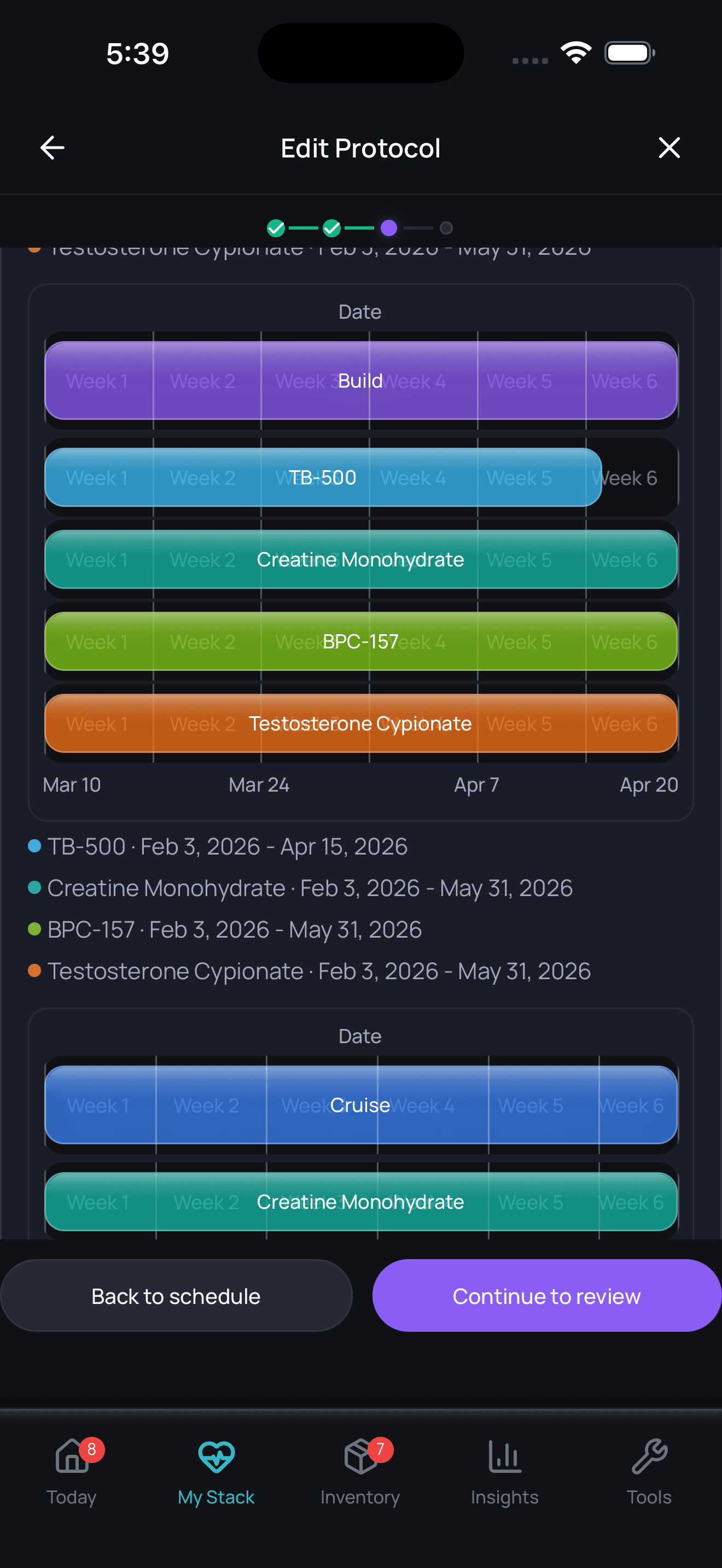
Timeline tracking helps with recall; it is not a treatment recommendation.
Research & Clinical Evidence
The Basics
The research on testosterone cream specifically is more limited than for FDA-approved testosterone gels, but the available evidence is encouraging. Compounded testosterone gels and creams have been studied in smaller trials and have consistently demonstrated the ability to restore normal testosterone levels in hypogonadal men.
In one early study of compounded percutaneous testosterone gel in 10 hypogonadal men, average total testosterone rose from 136 ng/dL to 443 ng/dL (p < 0.001), with significant improvements in sexual function and overall wellbeing reported by 9 of 10 participants. A 15% reduction in all cholesterol fractions was also observed [9].
A bioequivalence study comparing a 5% testosterone cream (AndroForte 5) with a 1% testosterone gel (Testogel) found that the two formulations were bioequivalent at Day 30, with both products effectively restoring testosterone from hypogonadal to eugonadal levels [10].
For cardiovascular safety, the landmark TRAVERSE trial (discussed in detail below) provides the most robust evidence available, though it studied FDA-approved 1.62% testosterone gel rather than compounded cream specifically. The cardiovascular safety findings are generally considered applicable to transdermal testosterone delivery broadly.
The Science
Transdermal Efficacy:
A prospective study of compounded percutaneous testosterone gel in hypogonadal men (n=10, ages 44-77) demonstrated statistically significant increases in total testosterone (136 to 442.9 ng/dL, p < 0.001), free testosterone (34.2 to 120.3 pg/mL, p < 0.001), and DHT (20.5 to 199.2 ng/dL). LH suppression from 5.66 to 1.10 mIU/mL (p = 0.005) confirmed systemic absorption and HPG axis engagement. Lipid profiles improved with a 15% reduction across all cholesterol fractions (p < 0.005). No adverse effects were detected during the 6-week study period [9].
Scrotal Pharmacokinetic Evidence:
Liu et al. (2017) conducted a randomized crossover PK study demonstrating dose-dependent testosterone absorption from scrotal cream application (12.5, 25, 50 mg doses), with peak levels at 1.9-2.8 hours and sustained physiological levels for 16 hours at the 25 mg dose. The study established scrotal skin as a viable high-absorption site requiring significantly lower doses than conventional transdermal sites [4].
Bioequivalence Data:
Wittert et al. (2016) demonstrated bioequivalence between AndroForte 5% testosterone cream and Testogel 1% gel in a randomized crossover study of hypogonadal men. AUC ratio 0.99 (90% CI: 0.86-1.14), Cmax ratio 1.02 (90% CI: 0.84-1.24), and Cavg ratio 0.99 (90% CI: 0.86-1.14) all fell within predefined bioequivalence criteria (80-125%) at Day 30 [10].
TRAVERSE Trial (Cardiovascular Safety):
The TRAVERSE trial (Testosterone Replacement Therapy for Assessment of Long-term Vascular Events and Efficacy Response in Hypogonadal Men) is the largest RCT designed to assess cardiovascular safety of testosterone therapy. Conducted at multiple centers, the trial randomized 5,246 men aged 45-80 with hypogonadism and preexisting or high-risk cardiovascular disease to daily transdermal 1.62% testosterone gel or placebo [11].
Primary composite endpoint (cardiovascular death, nonfatal MI, nonfatal stroke): HR 0.96 (95% CI: 0.78-1.17), demonstrating non-inferiority with the upper bound of the CI (1.17) below the prespecified margin of 1.20. Mean follow-up was 33 months. Secondary findings included higher incidence of atrial fibrillation, acute kidney injury (2.3% vs 1.5%, p = 0.04), and pulmonary embolism in the testosterone group [11].
While TRAVERSE studied FDA-approved gel rather than compounded cream, the cardiovascular safety findings are considered applicable to transdermal testosterone delivery broadly, as both formulations deliver unesterified testosterone through the skin.
Evidence & Effectiveness Matrix
Category
Sexual Function & Libido
- Evidence Strength
- 7/10
- Reported Effectiveness
- 8/10
- Summary
- Strong clinical evidence for transdermal T improving libido and sexual function. Community reports especially positive for scrotal cream application.
Category
Energy & Vitality
- Evidence Strength
- 7/10
- Reported Effectiveness
- 7/10
- Summary
- TTrials and other RCTs demonstrate energy improvement. Community reports consistent.
Category
Mood & Emotional Wellbeing
- Evidence Strength
- 6/10
- Reported Effectiveness
- 7/10
- Summary
- Moderate clinical evidence for mood improvement. Community reports positive.
Category
Cognitive Function
- Evidence Strength
- 5/10
- Reported Effectiveness
- 6/10
- Summary
- TTrials showed modest cognitive benefit. Community reports of reduced brain fog.
Category
Muscle Mass & Strength
- Evidence Strength
- 7/10
- Reported Effectiveness
- 6/10
- Summary
- RCT evidence for lean mass increase with TRT. Community reports moderate for cream vs injections.
Category
Body Fat & Composition
- Evidence Strength
- 6/10
- Reported Effectiveness
- 5/10
- Summary
- Clinical evidence for fat mass reduction with TRT. Limited cream-specific community data.
Category
Bone Health
- Evidence Strength
- 6/10
- Reported Effectiveness
- N/A
- Summary
- TTrials demonstrated bone density improvements. Community data not yet collected for this outcome.
Category
Cardiovascular Health
- Evidence Strength
- 8/10
- Reported Effectiveness
- N/A
- Summary
- TRAVERSE trial provides robust non-inferiority data for CV safety. No cream-specific community discussion.
Category
Metabolic Health
- Evidence Strength
- 5/10
- Reported Effectiveness
- N/A
- Summary
- Emerging evidence for metabolic improvements with TRT in hypogonadal men. Community data not yet collected.
Category
Sleep Quality
- Evidence Strength
- 4/10
- Reported Effectiveness
- 5/10
- Summary
- Limited evidence. Mixed community reports. OSA monitoring recommended.
Category
Fertility & Reproductive
- Evidence Strength
- 8/10
- Reported Effectiveness
- 4/10
- Summary
- Strong evidence that exogenous T suppresses spermatogenesis. This is a known risk, not a benefit.
Category
Polycythemia & Hematologic
- Evidence Strength
- 7/10
- Reported Effectiveness
- 5/10
- Summary
- Transdermal route produces less hematocrit elevation than IM. Still requires monitoring.
Category
Prostate Health
- Evidence Strength
- 7/10
- Reported Effectiveness
- N/A
- Summary
- Current evidence does not support TRT causing prostate cancer. PSA monitoring standard. Community data not yet collected.
Category
Skin & Hair
- Evidence Strength
- 6/10
- Reported Effectiveness
- 4/10
- Summary
- DHT elevation (especially scrotal) accelerates MPB and increases body hair. Consistently reported side effect.
Category
Gynecomastia & Estrogen
- Evidence Strength
- 6/10
- Reported Effectiveness
- 5/10
- Summary
- Scrotal route may produce less E2 elevation than IM. Mixed community reports.
Category
Fluid Retention & Edema
- Evidence Strength
- 5/10
- Reported Effectiveness
- N/A
- Summary
- General TRT side effect. Community data not yet collected for cream specifically.
Category
Overall Quality of Life
- Evidence Strength
- 7/10
- Reported Effectiveness
- 8/10
- Summary
- Strong clinical and community evidence. Long-term users report sustained QoL improvement.
Category
Anxiety & Stress Response
- Evidence Strength
- 4/10
- Reported Effectiveness
- N/A
- Summary
- Limited evidence specific to transdermal T. Community data not yet collected.
Categories scored: 18
Categories with community data: 12
Categories not scored (insufficient data for Reported Effectiveness): 6 (Bone Health, Cardiovascular Health, Metabolic Health, Prostate Health, Fluid Retention & Edema, Anxiety & Stress Response)
Benefits & Therapeutic Effects
The Basics
Compounded testosterone cream, when properly dosed and monitored, can provide the same benefits as any other form of testosterone replacement therapy. The testosterone molecule itself does not change based on how it is delivered. What does change is the absorption profile, side effect pattern, and practical experience of using it.
The benefits most consistently reported by men using testosterone cream include improved libido and sexual function (often the first noticeable benefit, typically within 2-4 weeks), increased energy and reduced fatigue, improved mood and sense of wellbeing, and over time, improved body composition with increased lean mass and reduced fat mass.
Compounded cream offers several practical advantages over other TRT formulations. It is needle-free, which matters for men with needle phobia or who dislike the routine of self-injection. It provides steady, physiologic testosterone delivery without the peaks and troughs of injectable formulations. The flexible dosing allows precise titration that fixed-dose commercial products cannot match. And for many men, it is significantly less expensive than FDA-approved testosterone gels.
The scrotal application route offers a unique benefit profile: dramatically enhanced absorption efficiency (requiring lower applied doses), a distinctive hormonal profile with elevated DHT and stable estradiol, and reduced secondary exposure risk since the application site is covered by clothing.
The Science
Transdermal testosterone therapy has demonstrated efficacy across multiple clinical endpoints in RCTs and systematic reviews:
Sexual Function: The TTrials consortium demonstrated significant improvements in sexual desire, erectile function, and sexual activity in hypogonadal men aged 65+ receiving transdermal testosterone [12]. A systematic review of 38 RCTs found transdermal and intramuscular testosterone showed similar modest improvements in sexual function across formulations [13].
Body Composition: TRT consistently reduces fat mass and increases lean mass in hypogonadal men, with transdermal delivery showing comparable effects to injectable formulations when therapeutic testosterone levels are achieved [12][13].
Bone Mineral Density: The TTrials Bone trial demonstrated significant increases in vertebral and hip BMD with transdermal testosterone in older hypogonadal men, with effects mediated through both direct androgen receptor activity and aromatization to estradiol [12].
Mood and Cognition: Moderate improvements in depressive symptoms and modest cognitive benefits have been demonstrated in RCTs, though effect sizes are smaller than for sexual function [12].
Anemia Correction: The TTrials Anemia trial demonstrated clinically significant increases in hemoglobin and correction of unexplained anemia in older hypogonadal men [12].
Risks, Side Effects & Safety
The Basics
Testosterone cream carries the same general risks as all forms of testosterone replacement therapy, plus a few considerations specific to the transdermal route and compounded products.
Common side effects that most men may experience include skin reactions at the application site (redness, itching, folliculitis), increased oiliness of skin, acne (particularly on the back and shoulders), and increased body and facial hair growth. With scrotal application, the elevated DHT levels can accelerate male pattern baldness in men who are genetically susceptible. These side effects are generally manageable with site rotation, dose adjustment, or skincare measures.
The secondary exposure risk is perhaps the most important cream-specific safety concern. Testosterone cream can transfer from your skin to partners, children, or pets through direct skin contact. This can cause virilization in women and children (deepening voice, abnormal hair growth, premature puberty). Always wash your hands after application, allow the cream to dry completely, cover the application site with clothing, and avoid skin-to-skin contact with the treated area. Scrotal application reduces (but does not eliminate) this risk because the site is covered by clothing.
Compounding quality variance is a safety consideration unique to compounded products. Because compounded testosterone cream is not manufactured under FDA-regulated CGMP conditions (unless from a 503B facility), the potency and consistency can vary between pharmacies and between batches. Choose a reputable pharmacy that conducts stability testing and potency verification. Ask your pharmacy about their quality assurance practices and whether they are PCAB-accredited.
The Science
Cardiovascular Safety:
The TRAVERSE trial (n=5,246, men 45-80 with hypogonadism and cardiovascular risk factors) demonstrated non-inferiority of transdermal testosterone gel vs placebo for the primary MACE composite endpoint (HR 0.96, 95% CI: 0.78-1.17) over a mean 33-month follow-up. The upper bound of the 95% CI (1.17) was below the prespecified non-inferiority margin of 1.20 [11].
Secondary findings warranting continued vigilance include increased incidence of atrial fibrillation, pulmonary embolism, and acute kidney injury (2.3% vs 1.5%, p = 0.04) in the testosterone group. These findings apply to transdermal testosterone broadly and are considered relevant to compounded cream [11].
Polycythemia/Erythrocytosis:
Testosterone stimulates erythropoiesis via EPO upregulation and direct bone marrow effects. Hematocrit monitoring is mandatory with a threshold of >54% triggering intervention (dose reduction, therapeutic phlebotomy, or route change). Transdermal delivery typically produces less hematocrit elevation than intramuscular injections due to the absence of supraphysiologic peak concentrations. The TRAVERSE trial confirmed that while testosterone therapy modestly increased hematocrit, this did not translate to increased thromboembolic events with appropriate monitoring [11].
Prostate Effects:
PSA monitoring is standard practice during TRT. Current evidence does not support a causal link between testosterone replacement therapy at physiological doses and prostate cancer initiation. The androgen saturation model suggests that the androgen receptor becomes saturated at near-castrate testosterone levels, and increasing testosterone above this threshold does not further stimulate prostate tissue [14]. PSA monitoring per age-appropriate guidelines is recommended, with urological consultation if PSA increases >1.4 ng/mL within 12 months or total PSA exceeds 4.0 ng/mL [7].
Fertility Suppression:
Exogenous testosterone, regardless of delivery route, suppresses the HPG axis and can cause azoospermia. See Section Section 13 for comprehensive fertility preservation guidance.
Risk Comparison by Route:
Risk Factor
Hematocrit elevation
- Compounded Cream
- Lower
- FDA-Approved Gel
- Lower
- IM Injection
- Higher
Risk Factor
Peak/trough fluctuation
- Compounded Cream
- Minimal (daily)
- FDA-Approved Gel
- Minimal (daily)
- IM Injection
- Significant (weekly/biweekly)
Risk Factor
Secondary exposure risk
- Compounded Cream
- Yes (manageable)
- FDA-Approved Gel
- Yes (manageable)
- IM Injection
- None
Risk Factor
Injection site reactions
- Compounded Cream
- None
- FDA-Approved Gel
- None
- IM Injection
- Yes
Risk Factor
Skin irritation
- Compounded Cream
- Possible
- FDA-Approved Gel
- Possible
- IM Injection
- N/A
Risk Factor
Quality consistency
- Compounded Cream
- Variable (pharmacy-dependent)
- FDA-Approved Gel
- Standardized (FDA-regulated)
- IM Injection
- Standardized
Risk Factor
DHT elevation (scrotal)
- Compounded Cream
- Significantly elevated
- FDA-Approved Gel
- N/A (not indicated scrotally)
- IM Injection
- Moderate
Contraindications (absolute):
- Known or suspected prostate cancer (active, untreated)
- Male breast cancer
- Hematocrit >54% at baseline
- Uncontrolled heart failure (NYHA Class IV)
- Untreated severe obstructive sleep apnea
- Desire for near-term fertility (without concurrent HCG)
- MI or stroke within prior 6 months
- Active or history of thrombophilia
Understanding your personal risk profile is not a one-time calculation; it evolves as your treatment progresses. Doserly helps you see the bigger picture by analyzing side effect patterns over time, showing whether issues are resolving, persisting, or emerging as your body adjusts to testosterone therapy.
The app's analytics can reveal connections between side effects and specific aspects of your protocol, like whether hematocrit creep correlates with a recent dose increase, or whether splitting your weekly dose into two injections reduced estrogen-related symptoms. This kind of insight helps you and your provider make informed adjustments based on your actual experience, not just population-level averages.
Keep side effects, flags, and follow-up notes visible.
Doserly helps you document safety observations, side effects, medication changes, and follow-up questions so important context is not scattered.
Safety log
Flags and notes
Safety notes are not emergency guidance; seek medical help when appropriate.
Dosing & Treatment Protocols
The Basics
Dosing compounded testosterone cream is more nuanced than dosing FDA-approved gels because of the wide range of available concentrations and the significant impact of application site on absorption. Your provider will typically start with a conservative dose and adjust based on your lab results and how you feel.
For non-scrotal application (shoulders, upper arms, abdomen, inner thighs), starting doses commonly range from 50-100 mg of applied testosterone daily, using a cream concentration of 50-200 mg/mL. Because only 8-14% of applied testosterone is actually absorbed, a 100 mg applied dose delivers approximately 8-14 mg of testosterone into your bloodstream.
For scrotal application, much lower applied doses are needed because of the higher absorption rate. Starting doses typically range from 25-50 mg applied daily (using cream concentrations of 100-200 mg/mL in small volumes). Some clinicians start as low as 12.5 mg scrotally, titrating upward based on labs.
Dose adjustments should be based on trough testosterone levels drawn 12 hours after the most recent application, along with symptom assessment. Most providers aim for trough testosterone levels in the range of 400-700 ng/dL, though individual targets vary.
The Science
Non-Scrotal Dosing:
The Endocrine Society guidelines recommend transdermal testosterone dosing to achieve serum testosterone in the mid-normal range (approximately 450-700 ng/dL at trough). For non-scrotal application, standard FDA-approved gel dosing (50-100 mg testosterone daily) provides a reference point, with compounded cream doses adjusted based on the specific cream concentration and patient response [7].
Scrotal Dosing:
Based on PK data, scrotal application of 25 mg testosterone cream maintains physiological testosterone levels for 16 hours with a Tmax of approximately 2 hours [4]. Clinical practice protocols for scrotal cream typically use 200 mg/mL concentration, with 1-2 metered-dose pump actuations (0.25-0.5 mL, delivering 50-100 mg applied dose) daily. The higher bioavailability means that actual absorbed doses of 10-30 mg may be sufficient for replacement, compared with 40-80 mg required via non-scrotal transdermal [4][5].
Titration Protocol:
- Baseline labs: Total T, free T, SHBG, LH, FSH, estradiol, CBC (hematocrit), PSA, lipid panel, metabolic panel
- Starting dose: Provider-determined based on severity of deficiency, application site, and cream concentration
- First follow-up (4-6 weeks): Trough testosterone level (drawn 12 hours post-application), hematocrit, symptom assessment
- Dose adjustment: Increase or decrease based on trough levels and symptom response; target mid-normal range
- Steady-state assessment (12 weeks): Comprehensive labs including trough T, free T, DHT (especially scrotal), estradiol, hematocrit, PSA
- Ongoing: Labs every 6-12 months; annual comprehensive review
Dosing protocols often change over the course of treatment, as starting doses get adjusted, application sites are changed, and concentrations are refined. Doserly maintains a complete history of every protocol change, giving you and your provider a clear picture of what has been tried and how each adjustment affected your symptoms and lab values.
The app's adherence analytics show your consistency patterns and can highlight whether missed doses or timing variations correlate with symptom changes. When your provider is considering a dose adjustment based on your trough levels, having this data available makes the conversation more productive and the decision more informed.
Build reminders around the routine, not just the compound.
Doserly can keep timing, skipped doses, and schedule changes organized so the plan you read about becomes easier to follow and review.
Today view
Upcoming reminders

Reminder tracking supports consistency; it does not select a protocol for you.
What to Expect (Timeline)
Days 1-7: The cream will feel slightly different from moisturizer. Allow 5-10 minutes for complete drying before dressing. You may notice a mild increase in energy or mood, though this early response often has a significant placebo component. Skin irritation or mild redness at the application site is possible in the first few days.
Weeks 2-4: Libido changes are often the first noticeable therapeutic effect. Some men report increased sexual desire and more frequent morning erections. Energy improvements may become apparent. Mood may start to stabilize. Scrotal cream users frequently report faster onset due to higher absorption.
Months 1-3: Sexual function improvements solidify. Energy and motivation improvements become more consistent. Initial body composition changes may begin (subtle reductions in abdominal fat, slight increases in lean mass). Hematocrit may begin to rise; first follow-up labs are critical during this period. Side effects like acne or oiliness may emerge.
Months 3-6: Body composition changes become more noticeable with consistent training and nutrition. Strength improvements in the gym. Mood stabilization typically reaches its plateau. Hair changes (MPB acceleration in susceptible individuals, body hair growth) may become apparent, particularly with scrotal application.
Months 6-12: Full sexual function benefits established. Significant body composition changes possible. Bone density improvements beginning (not clinically measurable until 12-24 months). Annual lab review checkpoint.
Ongoing Maintenance: Annual comprehensive lab review. Dose reassessment based on symptoms and labs. Continued hematocrit monitoring (every 6-12 months). PSA monitoring per age-appropriate guidelines. Periodic reassessment of continued indication for TRT.
Individual responses vary widely. Not all symptoms may resolve with testosterone cream alone. Some men respond better to alternative delivery methods. Dose adjustment is common in the first 6 months. If cream is not adequately absorbed (poor lab response despite adherence), switching application site or delivery method may be necessary.
Fertility Preservation & HPG Axis
Exogenous testosterone, regardless of delivery method, suppresses the hypothalamic-pituitary-gonadal (HPG) axis through negative feedback on GnRH pulse frequency. This suppression reduces LH and FSH secretion, leading to dramatically decreased intratesticular testosterone concentrations and suppression of spermatogenesis.
Key fertility facts for compounded testosterone cream users:
- Transdermal testosterone suppresses spermatogenesis similarly to injectable testosterone. The route of administration does not meaningfully alter the degree of HPG axis suppression at replacement doses.
- Approximately 40-60% of men on TRT achieve azoospermia (zero sperm count) by 6 months, with most others showing severe oligospermia (<1 million/mL) [7].
- Sperm banking before TRT initiation is recommended for all men who may want biological children in the future. This conversation should occur before the first application of testosterone cream.
- HCG co-administration (250-500 IU subcutaneously 2-3 times weekly) may preserve intratesticular testosterone and spermatogenesis during TRT. This is an off-label use of HCG that is not universally recommended but is commonly prescribed by TRT-focused providers.
- Clomiphene/enclomiphene alternatives: For men desiring fertility, selective estrogen receptor modulators (SERMs) can raise endogenous testosterone by stimulating LH/FSH without suppressing spermatogenesis. These are off-label alternatives to exogenous testosterone.
- Recovery after discontinuation is variable and not guaranteed. Timeline ranges from 6 to 24+ months. Factors affecting recovery include duration of TRT use, age, pre-TRT hormonal status, and whether HCG was used during TRT.
- Primary vs secondary hypogonadism: Men with primary hypogonadism (testicular failure) may have limited spermatogenic recovery regardless. Men with secondary hypogonadism (pituitary/hypothalamic dysfunction) generally have a better prognosis for HPG axis recovery.
This is not a minor side effect. Fertility counseling should be part of every TRT initiation conversation for men of reproductive age, regardless of current family planning intentions.
Interactions & Compatibility
Drug-Drug Interactions:
- Anticoagulants (warfarin, DOACs): Testosterone may enhance anticoagulant effect. INR monitoring is recommended when initiating or adjusting testosterone therapy in patients on warfarin [15].
- Insulin and diabetes medications: Testosterone may improve insulin sensitivity, potentially requiring dose reduction of diabetes medications. Monitor blood glucose more frequently during TRT initiation [7].
- Corticosteroids: Additive fluid retention when combined with testosterone. Monitor for edema and blood pressure changes.
- 5-alpha-reductase inhibitors (finasteride, dutasteride): Block conversion of testosterone to DHT. May reduce DHT-related side effects of cream (hair loss, prostate effects) but also reduces some beneficial effects. Particularly relevant for scrotal cream users with elevated DHT.
- CYP3A4 inhibitors (azole antifungals, ritonavir): May increase serum testosterone and DHT concentrations by inhibiting hepatic metabolism [15].
- CYP3A4 inducers (carbamazepine, rifampin, phenytoin): May decrease testosterone efficacy by accelerating metabolism [15].
Supplement Interactions:
- DHEA: Additive androgenic effects. Use with caution alongside testosterone cream.
- Boron: May increase free testosterone by reducing SHBG. Monitor levels if supplementing.
- Zinc: Supports testosterone production. Generally compatible.
- Saw palmetto: 5-alpha-reductase inhibition; may reduce DHT conversion from cream.
- DIM (diindolylmethane): May modestly influence estrogen metabolism. Popular in TRT community but limited evidence.
Lifestyle Factors:
- Alcohol: Suppresses testosterone production and increases aromatization. May counteract cream benefits.
- Sleep: Critical for hormonal optimization. TRT may worsen obstructive sleep apnea; monitoring recommended.
- Exercise: Resistance training is synergistic with TRT for body composition outcomes.
- Body composition: Weight loss alone may normalize testosterone in obese men, potentially reducing or eliminating the need for TRT.
Related Doserly Guides:
- Testosterone Gel (AndroGel)
- Testosterone Gel (Testim)
- Testosterone Gel (Fortesta)
- Testosterone Patch (Androderm)
- Anastrozole
- HCG
- Clomiphene
- Enclomiphene
Decision-Making Framework
Choosing compounded testosterone cream over other TRT formulations involves weighing several factors with your healthcare provider:
When compounded cream may be appropriate:
- You prefer a needle-free daily application
- You need a specific concentration not available in FDA-approved products
- You want to use scrotal application for enhanced absorption and a favorable DHT/E2 profile
- You have allergies or sensitivities to excipients in commercial gels
- Cost is a significant factor (compounded cream is typically 50-80% less expensive than branded gels)
- You want precise, incremental dose adjustments
When compounded cream may not be the best choice:
- You have small children or pregnant partners at home and cannot reliably prevent secondary exposure
- You have skin conditions that impair transdermal absorption
- You need guaranteed product consistency (FDA-approved products have tighter quality controls)
- Your insurance covers FDA-approved testosterone products but not compounded formulations
- You are uncomfortable using a non-FDA-approved product
Finding a provider: Endocrinologists, urologists with andrology interest, and men's health specialists are all qualified to prescribe compounded testosterone cream. Some providers are more experienced with compounded formulations and scrotal application protocols than others. TRT-focused telehealth clinics frequently prescribe compounded cream, though quality of oversight varies significantly between clinics.
Questions to ask your provider:
- Which compounding pharmacy do you recommend, and what quality standards do they follow?
- Should I apply the cream to scrotal or non-scrotal skin?
- How will we monitor DHT levels, given the route-specific elevation?
- What is the plan for adjusting my dose based on lab results?
- What are my fertility preservation options?
Administration & Practical Guide
Scrotal Application (Higher Absorption):
- Clean and dry the scrotal skin before application. Do not apply to broken, irritated, or recently shaved skin.
- Dispense the prescribed number of pump actuations onto your fingertip or directly onto scrotal skin.
- Gently spread the cream across the scrotal surface, rubbing for 1-2 minutes until fully absorbed.
- Wash your hands thoroughly with soap and water immediately after application.
- Allow the cream to dry completely (approximately 5-10 minutes) before dressing.
- Apply at the same time each day, typically in the morning to mimic the natural diurnal testosterone pattern.
Non-Scrotal Application (Standard):
- Clean and dry the application site. Rotate between sites (inner thighs, shoulders, upper arms, abdomen) to reduce skin irritation.
- Dispense the prescribed number of pump actuations.
- Spread the cream evenly over a clean, dry, hairless area. Do not apply to the genitals when using standard gel formulations.
- Wash hands thoroughly with soap and water.
- Allow to dry completely before dressing.
- Do not shower, swim, or bathe for at least 2 hours after application.
Secondary Exposure Prevention (Critical):
- Always wash hands with soap and water after applying cream
- Cover the application site with clothing after drying
- Wash the application site with soap and water before any anticipated skin-to-skin contact
- Do not allow women or children to touch the application site
- If secondary exposure occurs, wash the exposed area immediately with soap and water
Practical Tips:
- Apply at the same time daily for consistent levels
- If you miss a dose, apply it when remembered on the same day; if close to the next scheduled application, skip the missed dose
- Do not double doses to compensate for missed applications
- Store at controlled room temperature (20-25°C); protect from direct sunlight
- Check the pump dispenser periodically to ensure consistent output per actuation
Monitoring & Lab Work
Pre-TRT Baseline Labs:
- Total testosterone (two morning fasting draws on separate days)
- Free testosterone (calculated or equilibrium dialysis)
- LH, FSH (to distinguish primary from secondary hypogonadism)
- Estradiol (sensitive assay)
- SHBG
- Prolactin (if secondary hypogonadism suspected)
- CBC with hematocrit
- PSA (age-appropriate)
- Lipid panel
- Comprehensive metabolic panel
- DEXA if osteoporosis risk present
Initial Follow-up (4-6 weeks):
- Trough testosterone level (drawn 12 hours post-application for cream)
- Free testosterone
- Hematocrit
- Symptom assessment and side effect evaluation
- Dose adjustment consideration
3-Month Comprehensive Follow-up:
- Trough testosterone, free testosterone
- DHT (important for scrotal cream users; expect elevated levels)
- Estradiol (sensitive assay; may remain stable with scrotal application)
- Hematocrit (threshold >54% for intervention)
- PSA
- Symptom reassessment
Ongoing Monitoring Schedule:
- Hematocrit: Every 6-12 months (threshold >54%)
- PSA: Per age-appropriate screening guidelines; annually for men >40
- Testosterone levels: Trough levels at each visit (12 hours post-application)
- Estradiol: Only if symptomatic (gynecomastia, fluid retention, mood)
- DHT: Annually for scrotal application users
- Lipid panel: Annually
- Semen analysis: If fertility is a concern
Annual Review Checklist:
- Symptom reassessment (validated questionnaires recommended)
- Continued indication assessment
- Risk-benefit discussion
- Dose optimization review
- Compounding pharmacy quality verification
Estrogen Management on TRT
Aromatization and Compounded Cream:
Testosterone converts to estradiol via the aromatase enzyme, primarily in adipose tissue. This is a normal and necessary physiological process. Estradiol is important for bone health, cardiovascular health, libido, and cognitive function in men.
An important distinction for compounded cream users: scrotal application produces elevated DHT without proportional estradiol increases [4]. This pharmacokinetic profile means that scrotal cream users may experience less estrogen-related side effects (gynecomastia, fluid retention, mood lability) compared to men using injectable testosterone or non-scrotal transdermal application.
When estrogen management matters: Only when clinical symptoms are present (gynecomastia, excessive fluid retention, emotional lability, nipple sensitivity). Routine aromatase inhibitor use is NOT recommended by the Endocrine Society or AUA guidelines [7].
If aromatase inhibitor use is considered: Anastrozole (0.25-0.5 mg 2-3 times weekly) is the most commonly used AI. Present as a tool for specific clinical situations, not routine co-prescription.
Caution against over-suppression: Low estradiol in men is associated with joint pain, decreased libido (paradoxically), dry skin, fatigue, depression, and bone density loss. Low E2 symptoms can be worse than high E2 symptoms.
Stopping TRT / Post-Cycle Considerations
HPG Axis Recovery:
When you stop using testosterone cream, your body's natural testosterone production does not resume immediately. The hypothalamus and pituitary gland have been receiving feedback from exogenous testosterone and have reduced their signaling to the testes. Recovery of LH and FSH secretion, and subsequently testicular testosterone production and spermatogenesis, may take 6-24+ months and is not guaranteed.
Recovery Considerations Specific to Cream:
- Transdermal testosterone clears the body faster than injectable depot formulations (hours vs days/weeks), which may facilitate somewhat faster HPG axis recovery initiation
- Discontinuation does not require tapering; simply stop application
- Expect symptoms of testosterone deficiency (fatigue, low libido, mood changes) to return, often within 1-2 weeks
PCT Protocols (Community-Derived):
These protocols are adapted from anabolic steroid use and have limited formal study in the TRT discontinuation context:
- HCG taper: 1000-2000 IU every other day for 2-4 weeks, then taper
- Clomiphene citrate: 25-50 mg daily for 4-8 weeks to stimulate LH/FSH recovery
- Enclomiphene: Newer SERM with potentially fewer side effects
- These are not standardized in clinical guidelines for TRT discontinuation
Is TRT Lifelong?
- For men with primary hypogonadism (testicular failure): generally yes
- For secondary hypogonadism where underlying causes can be addressed (weight loss, sleep apnea treatment, opioid cessation): endogenous production may recover
- For age-related decline: individualized decision; some men choose to discontinue and accept lower levels
- Recovery is more likely with shorter duration of TRT use, younger age, and concurrent HCG use during TRT
Special Populations & Situations
Obese Men
Weight loss alone may normalize testosterone levels in obese men. Consider lifestyle intervention (diet, exercise, sleep optimization) before or alongside TRT. If testosterone cream is initiated, higher aromatization may occur in men with more adipose tissue, though scrotal cream may partially mitigate this through preferential DHT conversion. Metabolic benefits of TRT in obese hypogonadal men are documented.
Men with Sleep Apnea
TRT may exacerbate obstructive sleep apnea. CPAP optimization before and during TRT is recommended. Sleep study may be appropriate before initiating testosterone cream, particularly in men with symptoms suggestive of OSA.
Men with Prostate Cancer History
Historically an absolute contraindication. Evolving evidence supports the androgen saturation model, suggesting exogenous testosterone at physiological levels may not further stimulate prostate tissue. Active surveillance patients are being studied. This remains controversial and requires specialized urological consultation.
Cardiovascular Disease History
TRAVERSE trial provides reassurance for non-inferiority in high-CV-risk populations. Transdermal delivery may be preferred for men with cardiovascular concerns due to lower hematocrit elevation compared to IM injections. Hematocrit monitoring is critical.
Type 2 Diabetes
TRT may improve insulin sensitivity, HbA1c, and metabolic parameters in hypogonadal diabetic men. Potential need for diabetes medication dose adjustment. Weight loss should be pursued concurrently.
Older Men (>65)
The Endocrine Society recommends against routinely prescribing testosterone to all men over 65 with low levels. In men >65 with symptoms suggestive of deficiency, shared decision-making is recommended. TRAVERSE and TTrials data come primarily from this population. Lower starting doses are appropriate. Increased polycythemia risk requires vigilant monitoring.
Transgender Men (FTM)
Compounded testosterone cream may be used in gender-affirming hormone therapy. Dosing goals differ from replacement (masculinizing doses). A study of AndroForte 5% testosterone cream in transgender individuals (n=72) demonstrated effectiveness with starting doses as low as 50 mg daily [16]. Fertility counseling (oocyte preservation) is critical before initiation.
Regulatory, Insurance & International
United States (FDA/DEA):
- Compounded testosterone cream is NOT FDA-approved; it is prepared under 503A or 503B exemptions
- Testosterone is a Schedule III controlled substance regardless of formulation (compounded or FDA-approved)
- 503A pharmacies prepare compounded cream pursuant to individual prescriptions; regulated primarily by state Boards of Pharmacy
- 503B outsourcing facilities operate under FDA registration with CGMP requirements and can produce without patient-specific prescriptions for office use
- FDA guidance restricts compounding of products that are "essentially copies" of commercially available drug products; clinical justification for compounded cream includes specific concentrations, alternative base vehicles, and scrotal application
Insurance Coverage:
- Most insurance plans do NOT cover compounded testosterone cream
- FDA-approved testosterone gels (AndroGel, Testim, Fortesta, generics) are more likely to be covered, though prior authorization is common
- The cost advantage of compounded cream (approximately $40-90/month vs $200-1,300/month for branded gels) may offset the lack of insurance coverage for many men
Cost Comparison:
Product
Compounded testosterone cream (503A)
- Approximate Monthly Cost
- $40-90
Product
Generic testosterone gel 1%
- Approximate Monthly Cost
- $165-330
Product
AndroGel 1.62% (branded)
- Approximate Monthly Cost
- $640-1,300
Product
Testim 1% (branded)
- Approximate Monthly Cost
- $400-800
Travel Considerations:
- Carry your prescription and pharmacy label when traveling with testosterone cream
- Testosterone is a controlled substance; declare it at international borders
- Regulations vary by country; some nations prohibit importation of testosterone products
International Availability:
- AndroForte 5% testosterone cream is approved in Australia (TGA-approved) and available in some other markets
- Most other countries do not have specifically approved testosterone cream products
- Compounding pharmacy availability and regulations vary significantly by country
Frequently Asked Questions
Is compounded testosterone cream as effective as injectable testosterone?
Research shows that transdermal testosterone (including creams and gels) produces similar clinical outcomes to injectable formulations when therapeutic testosterone levels are achieved. A systematic review of 38 RCTs found no significant differences in efficacy between delivery methods. However, individual absorption varies, and some men achieve better levels with injections. The choice depends on your body's response, lifestyle preferences, and provider guidance.
Why would my doctor prescribe compounded cream instead of an FDA-approved gel?
Providers may choose compounded cream for several reasons: the ability to customize concentrations (1-250 mg/mL vs fixed commercial strengths), lower cost for patients, the option of scrotal application (not indicated for FDA-approved gels), and formulation flexibility for patients with excipient allergies. The clinical need for individualized treatment is the regulatory basis for compounding.
Is scrotal application safe?
Scrotal application of testosterone cream has been studied in pharmacokinetic research and is used in clinical practice. It produces higher absorption and elevated DHT without proportional estradiol increases. The primary considerations are the increased DHT (which may accelerate hair loss in susceptible individuals) and the need for DHT monitoring that non-scrotal application does not require. No FDA-approved testosterone product is indicated for scrotal application.
How do I know if my compounding pharmacy is reputable?
Look for pharmacies that are PCAB-accredited (Pharmacy Compounding Accreditation Board), conduct potency and beyond-use-date testing, use USP-grade ingredients, and are willing to share their quality assurance documentation. Ask whether they are a 503A or 503B facility, and whether they conduct stability-indicating assays on their testosterone formulations.
Will testosterone cream cause hair loss?
Testosterone cream, particularly with scrotal application, can accelerate male pattern baldness in men who are genetically predisposed. This is primarily due to elevated DHT, which is the androgen responsible for miniaturizing hair follicles in susceptible individuals. If hair preservation is a priority, discuss this with your provider. Options include non-scrotal application sites (lower DHT), concurrent use of finasteride (a 5-alpha-reductase inhibitor), or alternative TRT delivery methods.
Can my partner be affected by my testosterone cream?
Yes. Secondary exposure through skin-to-skin contact is a real risk. This can cause virilization effects in women and premature puberty in children. Always wash your hands after application, allow the cream to dry completely, cover the site with clothing, and wash the area before intimate contact.
How long does it take to see results?
Most men notice libido improvements within 2-4 weeks. Energy and mood improvements typically follow within 4-8 weeks. Body composition changes require 3-6 months of consistent treatment combined with exercise and nutrition. Individual response varies significantly.
Is testosterone cream the same as testosterone gel?
No. While both are transdermal testosterone products, creams and gels differ in their base formulations, penetration enhancers, and absorption characteristics. Creams typically use an anhydrous or emulsion base, while gels use hydroalcoholic vehicles. Some evidence suggests differences in bioavailability. Importantly, compounded cream can be formulated at much higher concentrations than commercial gels and is designed for scrotal application, while FDA-approved gels are not.
What happens if I miss a dose?
Apply your dose when you remember on the same day. If it is close to your next scheduled application, skip the missed dose. Do not double the dose. Testosterone cream levels fluctuate within a day, and a single missed dose will cause a temporary decline but is unlikely to cause significant symptoms if your dosing is otherwise consistent.
Should I start TRT?
This guide cannot answer that question for you. The decision to start testosterone replacement therapy requires individual assessment by a qualified healthcare provider, including confirmation of low testosterone through repeated morning blood tests, evaluation of symptoms, consideration of underlying causes that may be reversible, and discussion of risks (including fertility suppression). Discuss your specific situation with your provider.
Myth vs. Fact
Myth: Compounded testosterone cream is unregulated and unsafe.
Fact: Compounded testosterone cream is regulated under Section 503A (state Boards of Pharmacy) or Section 503B (FDA-registered outsourcing facilities) of the Federal Food, Drug, and Cosmetic Act. While it has not undergone the same FDA approval process as commercial products, reputable compounding pharmacies follow USP standards, conduct stability testing, and use pharmaceutical-grade ingredients. Quality varies between pharmacies, which is why choosing an accredited pharmacy is important.
Myth: Testosterone cream is less effective than injections.
Fact: A systematic review of 38 randomized controlled trials found that transdermal testosterone (creams, gels, patches) and intramuscular injections showed similar clinical outcomes. Bioequivalence studies have demonstrated that testosterone cream can achieve the same serum levels as testosterone gel. The key variable is whether therapeutic levels are achieved, which depends on dose, application site, and individual absorption.
Myth: TRT causes heart attacks.
Fact: The TRAVERSE trial (n=5,246, the largest RCT on this question) demonstrated non-inferiority of transdermal testosterone vs placebo for major adverse cardiovascular events (HR 0.96, 95% CI: 0.78-1.17) over 33 months in men with cardiovascular risk factors. Earlier observational studies that raised concerns had significant methodological limitations. Current guidelines and multiple 2025 position statements affirm cardiovascular safety when TRT is prescribed to appropriately selected and monitored patients [11].
Myth: TRT causes prostate cancer.
Fact: Current evidence does not support a causal link between testosterone replacement therapy at physiological levels and prostate cancer initiation. The androgen saturation model demonstrates that androgen receptors become saturated at near-castrate levels, and additional testosterone does not further stimulate prostate tissue. PSA monitoring remains standard practice, but the historical fear of testosterone causing prostate cancer is not supported by contemporary evidence [14].
Myth: Once you start TRT, you can never stop.
Fact: This is nuanced. TRT can be discontinued, but recovery of natural testosterone production is variable and not guaranteed. Recovery depends on the underlying cause of hypogonadism, duration of TRT use, age, and whether fertility-preserving agents (HCG) were used during treatment. Men with secondary hypogonadism generally have better recovery prospects. The decision to start TRT should include an honest discussion about this possibility.
Myth: Scrotal application is dangerous.
Fact: Scrotal application of testosterone cream has been studied in pharmacokinetic research and is used in clinical practice. While no FDA-approved product is indicated for scrotal use, the evidence shows efficient absorption, well-tolerated application, and a distinctive hormonal profile (elevated DHT, stable E2). The main considerations are DHT-related side effects (hair loss, acne) and the need for DHT-specific lab monitoring [4][5].
Myth: All compounding pharmacies are the same.
Fact: Quality varies significantly between compounding pharmacies. Some pharmacies conduct rigorous stability testing, use validated formulations, and maintain PCAB accreditation. Others may have less stringent quality controls. This variability is a legitimate concern with compounded products and is one reason FDA-approved products exist. Patients and providers should verify their pharmacy's quality practices.
Myth: Higher doses of testosterone are always better.
Fact: Testosterone replacement therapy aims to restore levels to the normal physiological range, not to maximize them. Supraphysiologic doses increase the risk of side effects (polycythemia, acne, hair loss, prostate effects, cardiovascular events) without proportional benefit increases. The Endocrine Society recommends targeting mid-normal range testosterone levels [7].
Sources & References
Clinical Guidelines
[1] Bhasin S, Brito JP, Cunningham GR, et al. Testosterone Therapy in Men With Hypogonadism: An Endocrine Society Clinical Practice Guideline. J Clin Endocrinol Metab. 2018;103(5):1715-1744. https://doi.org/10.1210/jc.2018-00229
[2] Section 503A of the Federal Food, Drug, and Cosmetic Act. FDA. https://www.fda.gov/drugs/human-drug-compounding/section-503a-federal-food-drug-and-cosmetic-act
[3] FDA Guidance for Industry: Compounded Drug Products That Are Essentially Copies of a Commercially Available Drug Product Under Section 503A. January 2018. https://www.fda.gov/files/drugs/published/Compounded-Drug-Products-That-Are-Essentially-Copies-of-a-Commercially-Available-Drug-Product-Under-Section-503A-of-the-Federal-Food--Drug--and-Cosmetic-Act-Guidance-for-Industry.pdf
Pharmacokinetic Studies
[4] Liu PY, et al. Pharmacokinetics of testosterone cream applied to scrotal skin. Andrology. 2017;5(5):776-784. doi:10.1111/andr.12357
[5] Needham S, Needham S. Case Study: Absorption of Testosterone Cream via Scrotal Delivery. Int J Pharm Compd. 2018;22(5):388-394.
Research Studies
[6] Heinlein CA, Chang C. Androgen Receptor (AR) Coregulators: An Overview. Endocrine Reviews. 2002;23(2):175-200. doi:10.1210/edrv.23.2.0460
[7] Mulhall JP, et al. Evaluation and Management of Testosterone Deficiency: AUA Guideline. J Urol. 2018;200(2):423-432. https://www.auanet.org/documents/Guidelines/PDF/Testosterone-Deficiency-JU.pdf
[8] Swerdloff RS, et al. Long-term pharmacokinetics of transdermal testosterone gel in hypogonadal men. J Clin Endocrinol Metab. 2000;85(12):4500-4510. doi:10.1210/jcem.85.12.7045
[9] Because JF. Compounded percutaneous testosterone gel: use and effects in hypogonadal men. J Am Board Fam Pract. 2001;14(1):22-32.
[10] Wittert GA, Harrison RW, Buckley MJ, Wlodarczyk J. An open-label, phase 2, single centre, randomized, crossover design bioequivalence study of AndroForte 5 testosterone cream and Testogel 1% testosterone gel in hypogonadal men. Andrology. 2016;4(1):41-45. doi:10.1111/andr.12129
Landmark Trials
[11] Lincoff AM, Bhasin S, Flevaris P, et al. Cardiovascular Safety of Testosterone-Replacement Therapy. N Engl J Med. 2023;389:107-117. doi:10.1056/NEJMoa2215025
[12] Snyder PJ, et al. Lessons From the Testosterone Trials. Endocr Rev. 2018;39(3):369-386. doi:10.1210/er.2017-00234
Systematic Reviews
[13] Corona G, et al. Testosterone supplementation and sexual function: a meta-analysis study. J Sex Med. 2014;11(6):1577-1592.
Clinical Evidence
[14] Morgentaler A, Traish AM. Shifting the paradigm of testosterone and prostate cancer: the saturation model and the limits of androgen-dependent growth. Eur Urol. 2009;55(2):310-320.
[15] University of Indiana School of Medicine. Cytochrome P450 Drug Interaction Table. https://drug-interactions.medicine.iu.edu/Main-Table.aspx
Transgender Health
[16] Nolan BJ, et al. Prescription Patterns and Testosterone Concentrations Achieved With AndroForte 5% Testosterone Cream in Transgender and Gender Diverse Individuals. J Sex Med. 2022;19:1049-1054.
Related Guides & Cross-Links
Same Category (Transdermal Testosterone)
- Testosterone Gel (AndroGel)
- Testosterone Gel (Testim)
- Testosterone Gel (Fortesta)
- Testosterone Patch (Androderm)
Related Treatment Options (Other TRT Delivery Methods)
- Testosterone Cypionate
- Testosterone Enanthate
- Testosterone Undecanoate Injectable (Aveed/Nebido)
- Testosterone Pellets (Testopel)
- Intranasal Testosterone (Natesto)
Treatment Overviews
Fertility & HPG Axis
- Human Chorionic Gonadotropin (HCG)
- Clomiphene Citrate (Clomid)
- Enclomiphene Citrate
- Fertility Preservation on TRT