
Anastrozole (Arimidex)
On this page
Quick Reference Card
Attribute
Brand Name(s)
- Value
- Arimidex (AstraZeneca, original)
Attribute
Generic Name
- Value
- Anastrozole
Attribute
Drug Class / Type
- Value
- Aromatase Inhibitor (nonsteroidal, third-generation)
Attribute
DEA Schedule
- Value
- Not scheduled
Attribute
FDA-Approved Indications
- Value
- Breast cancer in postmenopausal women (adjuvant, first-line, second-line). NOT approved for male use.
Attribute
Off-Label Male Uses
- Value
- Estrogen management during TRT, male hypogonadism (monotherapy), male infertility
Attribute
Standard Tablet Strength
- Value
- 1 mg
Attribute
Common TRT Adjunctive Doses
- Value
- 0.25-0.5 mg, 2-3 times weekly (off-label)
Attribute
Route of Administration
- Value
- Oral
Attribute
Half-Life
- Value
- ~50 hours
Attribute
Time to Steady State
- Value
- ~7 days
Attribute
Key Monitoring Requirements
- Value
- Estradiol (sensitive assay), symptoms of high/low E2, bone density (long-term), lipid panel
Overview / What Is Anastrozole?
The Basics
Anastrozole is a medication that blocks your body's ability to convert testosterone into estradiol, a form of estrogen. While estrogen is often thought of as a "female hormone," men need it too. It plays important roles in bone health, brain function, cardiovascular protection, and even sexual function. The issue arises when estradiol levels climb too high, which can happen during testosterone replacement therapy.
When you take testosterone, your body naturally converts a portion of it into estradiol through an enzyme called aromatase. For most men on TRT, this conversion stays within a healthy range and causes no problems. But for a small percentage, estradiol can rise to levels that cause uncomfortable symptoms: breast tissue tenderness, nipple sensitivity, excessive water retention, mood swings, or in more pronounced cases, the development of breast tissue (gynecomastia).
Anastrozole was originally developed for treating breast cancer in postmenopausal women, where it reduces the estrogen that fuels tumor growth. Its use in men on TRT is entirely off-label, meaning it has not been specifically approved by the FDA for this purpose. Despite this, it has become one of the most commonly discussed medications in TRT circles, and its role remains one of the most debated topics in men's hormone health.
The central tension with anastrozole is straightforward: estradiol that is too high can cause problems, but estradiol that is too low causes different and often worse problems. Joint pain, depression, loss of libido, bone density loss, and cognitive difficulties are all associated with excessively suppressed estradiol. Finding the right balance, when an aromatase inhibitor is needed at all, requires careful attention to both symptoms and lab work.
The Science
Anastrozole (marketed as Arimidex) is a selective nonsteroidal third-generation aromatase inhibitor first approved by the FDA in 1995 for the treatment of hormone receptor-positive breast cancer in postmenopausal women [1]. It inhibits the cytochrome P450 enzyme aromatase (CYP19A1), which catalyzes the final step in estrogen biosynthesis: the conversion of C19 androgens (testosterone and androstenedione) to C18 estrogens (estradiol and estrone, respectively) [2].
In the context of testosterone replacement therapy, anastrozole's relevance stems from the aromatization of exogenous testosterone. When supraphysiological or high-normal serum testosterone concentrations are achieved through TRT, a proportional increase in aromatase-mediated conversion to estradiol occurs, particularly in adipose tissue where aromatase expression is highest [3]. In men with higher body fat percentages, aromatase activity is elevated, potentially leading to disproportionate estradiol increases relative to testosterone levels.
The Endocrine Society's 2018 Clinical Practice Guideline on Testosterone Therapy does not recommend routine aromatase inhibitor co-administration during TRT, instead advising clinicians to monitor for symptoms of estrogen excess and intervene only when clinically indicated [4]. Similarly, the AUA's 2018 guideline on testosterone deficiency acknowledges hyperestrogenemia as a recognized side effect of TRT and mentions aromatase inhibitors as a management option, but provides no specific dosing recommendations [5]. A survey of practitioners treating hypogonadal men found that approximately 50% monitor estrogen levels during TRT, with significant variability in prescribing patterns and dosing regimens for aromatase inhibitors [6].
Medical / Chemical Identity
Property
Generic Name
- Detail
- Anastrozole
Property
Chemical Name
- Detail
- 1,3-Benzenediacetonitrile, a,a,a',a'-tetramethyl-5-(1H-1,2,4-triazol-1-ylmethyl)
Property
Molecular Formula
- Detail
- C17H19N5
Property
Molecular Weight
- Detail
- 293.4 g/mol
Property
CAS Number
- Detail
- 120511-73-1
Property
Drug Class
- Detail
- Nonsteroidal aromatase inhibitor (third-generation)
Property
DEA Schedule
- Detail
- Not scheduled
Property
ATC Code
- Detail
- L02BG03
Property
Brand Name (US)
- Detail
- Arimidex (AstraZeneca)
Property
International Brand Names
- Detail
- Arimidex (global), various generic manufacturers
Property
FDA Approval Date
- Detail
- December 27, 1995
Property
NDA Number
- Detail
- 020541
Property
Original Manufacturer
- Detail
- AstraZeneca
Property
Generic Availability
- Detail
- Yes (multiple manufacturers since patent expiration)
Property
Available Strengths
- Detail
- 1 mg tablet
Property
Physical Description
- Detail
- Off-white powder; moderate aqueous solubility (0.5 mg/mL at 25 degrees C)
Property
Solubility
- Detail
- Freely soluble in methanol, acetone, ethanol, tetrahydrofuran; very soluble in acetonitrile
Property
Aromatase Inhibitor Type
- Detail
- Reversible competitive inhibitor (binds to heme iron of CYP19A1)
Mechanism of Action / Pathophysiology
The Basics
To understand how anastrozole works, it helps to understand the enzyme it blocks: aromatase. Aromatase is found throughout your body, with particularly high concentrations in fat tissue, the brain, bone, and the testes. Its job is to convert testosterone (and another androgen called androstenedione) into estradiol and estrone, both forms of estrogen.
In a healthy male body, this conversion is normal and necessary. The estradiol produced by aromatase helps maintain bone density, supports cardiovascular health, contributes to cognitive function, and plays a role in sexual desire. When testosterone levels are within the normal range, aromatase activity produces an appropriate amount of estradiol to keep everything in balance.
The challenge arises during testosterone replacement therapy. When you add exogenous testosterone, you are providing more substrate (raw material) for aromatase to work with. More testosterone means more potential conversion to estradiol, especially if you carry excess body fat (since fat cells are rich in aromatase). For some men, this leads to estradiol levels that climb high enough to cause symptoms.
Anastrozole works by fitting into aromatase's active site and blocking testosterone from being converted. Unlike some older aromatase inhibitors, anastrozole's binding is reversible, meaning the enzyme can resume normal function once the drug clears your system. This reversibility is clinically important because it means if you take too much and suppress estradiol too aggressively, the effect will wear off as the drug is eliminated from your body over several days.
The Science
Anastrozole competitively and reversibly inhibits aromatase (CYP19A1), a member of the cytochrome P450 superfamily, by binding to the heme iron prosthetic group at the enzyme's active site. This prevents the aromatization of C19 androgens (testosterone, androstenedione) to their corresponding C18 estrogens (estradiol, estrone) [2].
Aromatase is expressed in multiple tissues with distinct physiological roles. In adipose tissue, aromatase provides the primary source of circulating estrogens in men and postmenopausal women. In the brain, local estradiol production via neural aromatase is essential for neuroprotection, cognitive function, and regulation of GnRH pulse frequency. In bone, aromatase-derived estradiol is the dominant mediator of osteoblast function and bone mineral density maintenance via estrogen receptor-alpha (ER-alpha) signaling. In the testes, Leydig and Sertoli cell aromatase produces intratesticular estradiol that participates in spermatogenesis regulation [7].
The selectivity of anastrozole is a key pharmacological advantage. At therapeutic doses, it does not inhibit other cytochrome P450 enzymes involved in steroidogenesis (CYP11A1, CYP17A1, CYP21A2, CYP11B1, CYP11B2), meaning cortisol, aldosterone, and other adrenal corticosteroid synthesis pathways are unaffected. No glucocorticoid or mineralocorticoid replacement therapy is necessary during anastrozole use [1].
In men not receiving exogenous testosterone, anastrozole's suppression of peripheral aromatization reduces circulating estradiol, which in turn releases the negative feedback that estradiol exerts on the hypothalamic-pituitary axis. This results in increased GnRH pulse frequency, elevated LH and FSH secretion, and consequently increased endogenous testicular testosterone production [8]. This mechanism underlies anastrozole's use as monotherapy for hypogonadism and as a fertility-preserving alternative to exogenous testosterone.
In men already receiving exogenous testosterone (TRT), the HPG axis is suppressed by the exogenous hormone. In this context, anastrozole does not increase endogenous testosterone production (as LH/FSH are already suppressed). Instead, it reduces peripheral aromatization of the exogenous testosterone, lowering circulating estradiol without substantially altering testosterone levels [9].
Pathway & System Visualization
Pharmacokinetics / Hormone Physiology
The Basics
Anastrozole is taken as a pill and is absorbed quickly into the bloodstream, reaching its peak concentration in about two hours. You can take it with or without food; while food slows absorption slightly, it does not change the total amount of drug your body absorbs.
Once in your body, anastrozole begins working rapidly. A single 1 mg dose can reduce estradiol levels by approximately 70% within 24 hours, according to the manufacturer's data (though this was studied in postmenopausal women, and the response in men may differ). The drug's half-life is approximately 50 hours, meaning it takes about two days for half of the drug to be cleared from your system. It takes roughly seven days of daily dosing to reach steady-state blood levels.
This long half-life has important practical implications. If you take anastrozole and your estradiol drops too low, the effects will persist for several days after you stop. This is why many men in the TRT community report that crashed estradiol symptoms last much longer than expected. The drug keeps working even after you stop taking it, and your body needs time to ramp aromatase activity back up and restore estradiol production.
For men on TRT who take anastrozole intermittently (two to three times per week), the long half-life means the drug accumulates in the body over time. After about a week of consistent dosing, blood levels plateau. This accumulation effect is why some men who initially feel fine on a particular dose begin experiencing low-E2 symptoms after several weeks, as the drug reaches its full steady-state concentration.
The Science
Anastrozole exhibits first-order pharmacokinetics with the following parameters [1]:
Absorption: Following oral administration, anastrozole is rapidly absorbed with a mean time to maximum plasma concentration (Tmax) of approximately 2 hours under fasting conditions. Absolute bioavailability has not been determined but is estimated to be high based on the extent of urinary and fecal recovery of metabolites. Food reduces the rate of absorption (Cmax decreased by 16%) but does not affect the extent (AUC unchanged).
Distribution: Plasma protein binding is approximately 40%. The volume of distribution has not been precisely determined in humans but is consistent with wide tissue distribution.
Metabolism: Anastrozole undergoes extensive hepatic metabolism via N-dealkylation, hydroxylation, and glucuronidation. The primary circulating metabolite is triazole, which is pharmacologically inactive. Approximately 85% of anastrozole elimination occurs through hepatic metabolism. In vitro studies indicate that CYP3A4 and CYP2C8 are the principal enzymes involved in anastrozole metabolism, though the drug does not significantly inhibit CYP1A2, CYP2A6, CYP2D6, CYP2C9, CYP2C19, or CYP3A4 at clinically relevant concentrations [1].
Elimination: The terminal elimination half-life is approximately 50 hours. Approximately 10% of the dose is excreted unchanged in urine. The long half-life supports once-daily dosing for the FDA-approved indication and allows for less-than-daily dosing in off-label male applications.
Steady-state considerations for TRT use: With twice- or thrice-weekly dosing (common in TRT protocols), steady-state plasma concentrations are achieved within approximately 7-10 days. The accumulation ratio with intermittent dosing is lower than with daily dosing, but the long half-life still produces sustained E2 suppression between doses. This pharmacokinetic profile explains the clinical observation that E2 suppression can exceed expectations with apparently low doses, as drug accumulation at steady state exceeds the effect predicted from a single dose [10].
Research & Clinical Evidence
The Basics
The research on anastrozole in men falls into three distinct areas: its use as a standalone treatment for low testosterone (monotherapy), its use as an adjunct to testosterone therapy (estrogen management), and its use for male infertility. Each area has a different evidence base, and understanding these distinctions helps frame realistic expectations.
As a monotherapy for hypogonadism, studies in older men with borderline-low testosterone have shown that anastrozole consistently increases testosterone levels by roughly 50-60%. In one well-known study, elderly men with testosterone levels below 350 ng/dL saw their levels rise from around 250 to about 413 ng/dL after 12 weeks of treatment. That is a meaningful increase, though it may not be sufficient for all men with more severe hypogonadism. Importantly, quality of life scores and sexual function measures did not significantly change in this study, raising questions about whether the hormonal improvement translates to symptomatic benefit [8].
For male infertility, the evidence is more encouraging. Several studies have shown that anastrozole can improve sperm parameters in men with low testosterone-to-estradiol ratios, particularly in overweight and obese men where excess aromatase activity is contributing to hormonal imbalance. Because anastrozole increases endogenous testosterone without suppressing the HPG axis (unlike exogenous testosterone, which shuts down sperm production), it offers a fertility-preserving approach to improving testosterone levels [11][12].
For estrogen management during TRT, the evidence is surprisingly thin. Despite being widely prescribed for this purpose, there are no large randomized controlled trials evaluating anastrozole specifically as an adjunct to TRT for estrogen management. The available data comes primarily from retrospective studies and clinical experience. One notable retrospective review of 1,708 men on testosterone therapy found that only 3% required anastrozole for elevated estradiol, and it effectively reduced E2 levels from a median of 65 to 22 pg/mL in those who needed it [9].
The Science
Monotherapy for hypogonadism: Leder et al. (2004) conducted a randomized, double-blind, placebo-controlled trial of anastrozole in 37 elderly men (aged 62-74) with screening testosterone levels below 350 ng/dL. Subjects received anastrozole 1 mg daily (n=12), anastrozole 1 mg twice weekly (n=11), or placebo (n=14) for 12 weeks. Both anastrozole groups demonstrated significant increases in bioavailable and total testosterone to the youthful normal range. Serum estradiol decreased modestly but remained within the normal male range. However, scores for quality of life (MOS SF-36), sexual function (IIEF), and urinary symptoms (AUA-SI) did not change significantly. PSA increased in the twice-weekly group only (1.7 to 2.2 ng/mL, p=0.031) [8].
Male infertility applications: A meta-analysis by Guo et al. (2022) evaluated 10 studies involving 666 patients and found that aromatase inhibitors (letrozole or anastrozole) significantly increased sperm concentration, total sperm count, LH, FSH, testosterone levels, and the T/E2 ratio while significantly reducing estradiol. Compared with control groups (SERMs or HCG), AIs did not demonstrate superiority for sperm parameters, with AIs showing less effect on sperm motility than SERMs/HCG (WMD: -2.55, 95% CI: -4.11 to -1.00) [11]. Naelitz et al. (2023) found that 46% of infertile men treated with anastrozole had clinically significant improvement in semen parameters, with the best predictors of response being a T-LH ratio of 100 or greater and baseline non-azoospermia [12].
Adjunctive to TRT: Punjani et al. (2021) reviewed 1,708 men with testosterone deficiency placed on testosterone therapy at a high-volume sexual medicine practice (2005-2019). Only 51 men (3%) required anastrozole for elevated estradiol (E2 >60 pg/mL regardless of symptoms, or 40-60 pg/mL with symptoms). Anastrozole 0.5 mg three times weekly reduced median E2 from 65 pg/mL (IQR 55-94) to 22 pg/mL (IQR 15-38), p<0.001. Total testosterone levels were unchanged (616 vs 596 ng/dL, p=0.926). Men receiving intramuscular testosterone were more likely to require AI than those on other routes (38.6% vs 18.5%) [9].
Evidence & Effectiveness Matrix
Category
Sexual Function & Libido
- Evidence Strength
- 5/10
- Reported Effectiveness
- 5/10
- Summary
- Improves libido when genuinely elevated E2 is causing symptoms; over-suppression devastates sexual function. Leder et al. showed no IIEF improvement with monotherapy.
Category
Energy & Vitality
- Evidence Strength
- 3/10
- Reported Effectiveness
- 4/10
- Summary
- Limited evidence for direct energy effects. Energy improvements during TRT are attributed to testosterone, not AI.
Category
Mood & Emotional Wellbeing
- Evidence Strength
- 3/10
- Reported Effectiveness
- 3/10
- Summary
- Mood improvement possible when E2 is genuinely too high, but E2 suppression more commonly worsens mood. Community reports of depression and anhedonia with low E2 are extensive.
Category
Anxiety & Stress Response
- Evidence Strength
- 3/10
- Reported Effectiveness
- 4/10
- Summary
- Both high and low E2 can drive anxiety. Limited evidence for net benefit.
Category
Cognitive Function
- Evidence Strength
- 2/10
- Reported Effectiveness
- 3/10
- Summary
- Estradiol has established neuroprotective functions. Reducing it may impair cognitive function. Community reports brain fog with low E2.
Category
Muscle Mass & Strength
- Evidence Strength
- 2/10
- Reported Effectiveness
- N/A
- Summary
- Not a direct effect of anastrozole. Muscle effects come from testosterone. Community data not yet collected for this category.
Category
Body Fat & Composition
- Evidence Strength
- 2/10
- Reported Effectiveness
- N/A
- Summary
- Indirect effects via hormonal optimization. Community data not yet collected.
Category
Bone Health
- Evidence Strength
- 4/10
- Reported Effectiveness
- 2/10
- Summary
- Clinical evidence strongly suggests long-term E2 suppression harms bone density. Men with aromatase deficiency have very low BMD. Joint pain commonly reported.
Category
Cardiovascular Health
- Evidence Strength
- 3/10
- Reported Effectiveness
- N/A
- Summary
- Estradiol has cardioprotective effects in men. Anastrozole may raise cholesterol. Limited direct CV outcomes data in men. Community data not yet collected.
Category
Metabolic Health
- Evidence Strength
- 2/10
- Reported Effectiveness
- N/A
- Summary
- Limited evidence. Community data not yet collected.
Category
Sleep Quality
- Evidence Strength
- 2/10
- Reported Effectiveness
- 3/10
- Summary
- Multiple community reports of insomnia with low E2. No clinical evidence for sleep improvement.
Category
Fertility & Reproductive
- Evidence Strength
- 7/10
- Reported Effectiveness
- N/A
- Summary
- Strong evidence that anastrozole monotherapy preserves and improves spermatogenesis. Meta-analyses support efficacy for male infertility with low T/E2 ratio.
Category
Polycythemia & Hematologic
- Evidence Strength
- 1/10
- Reported Effectiveness
- N/A
- Summary
- Not relevant to anastrozole. Hematocrit changes are testosterone-driven.
Category
Prostate Health
- Evidence Strength
- 2/10
- Reported Effectiveness
- N/A
- Summary
- PSA may increase due to testosterone elevation. Insufficient data. Community data not yet collected.
Category
Skin & Hair
- Evidence Strength
- 2/10
- Reported Effectiveness
- 5/10
- Summary
- Some users report reduced acne/oily skin with E2 reduction. Dry skin reported with over-suppression.
Category
Gynecomastia & Estrogen
- Evidence Strength
- 8/10
- Reported Effectiveness
- 7/10
- Summary
- Primary indication in TRT context. Strong clinical and community evidence for preventing and resolving gynecomastia symptoms.
Category
Fluid Retention & Edema
- Evidence Strength
- 5/10
- Reported Effectiveness
- 6/10
- Summary
- Consistent community reports of reduced bloating and water retention. Clinically plausible via E2-mediated sodium retention pathway.
Category
Overall Quality of Life
- Evidence Strength
- 3/10
- Reported Effectiveness
- N/A
- Summary
- Highly dependent on accurate dosing. Over-suppression reduces QoL dramatically. Community data not yet collected.
Benefits & Therapeutic Effects
The Basics
Anastrozole's benefits are real but narrow. It is not a wellness supplement or a medication that broadly improves how you feel. Its value lies in addressing specific estrogen-related problems that arise during testosterone therapy, and in offering a fertility-preserving alternative to exogenous testosterone for certain men with hypogonadism.
The most clearly established benefit is managing symptoms of elevated estradiol during TRT. When estradiol climbs too high, men may experience breast tissue tenderness, nipple sensitivity, excessive water retention (bloating, puffy face, swollen ankles), mood instability, and in more advanced cases, the development of breast tissue. For men experiencing these symptoms with confirmed elevated estradiol on lab work, anastrozole can provide reliable relief by reducing aromatase activity and lowering estradiol levels.
For men with hypogonadism who want to maintain their fertility, anastrozole offers an important alternative. Unlike exogenous testosterone, which suppresses the HPG axis and dramatically reduces or eliminates sperm production, anastrozole works by increasing the body's own testosterone production. By blocking the conversion of testosterone to estradiol, it releases the negative feedback that estradiol exerts on the hypothalamus and pituitary, stimulating the release of LH and FSH. This approach preserves spermatogenesis while modestly raising testosterone levels.
It is important to maintain realistic expectations. Anastrozole does not produce the same magnitude of testosterone increase as exogenous TRT. Studies consistently show increases in the range of 50-60% from baseline, which may bring a man from a level of 270 ng/dL to roughly 400 ng/dL. For some men with mild hypogonadism, this improvement is sufficient. For those with more severe deficiency, it may not reach therapeutic levels.
The Science
The therapeutic effects of anastrozole in men can be categorized by clinical application:
Estrogen management during TRT: Anastrozole effectively reduces serum estradiol in men on testosterone therapy. Punjani et al. demonstrated a median E2 reduction from 65 pg/mL to 22 pg/mL (p<0.001) in men with symptomatic or significantly elevated estradiol levels, without altering testosterone levels [9]. The clinical benefits include resolution of gynecomastia symptoms, reduced fluid retention, and improvement of estrogen-related mood disturbance. The proportion of men on TRT who require this intervention is small (approximately 3% in a large clinical cohort) [9].
Endogenous testosterone augmentation: In hypogonadal men not receiving exogenous testosterone, anastrozole raises endogenous testosterone production via HPG axis de-repression. The magnitude of increase is consistent across studies: approximately 50-60% from baseline (e.g., 270 to 412 ng/dL in Shah et al.) [13]. This application is most beneficial in men with obesity-related hypogonadism, where excessive adipose aromatase activity contributes to the hormonal imbalance.
Fertility preservation: Anastrozole's ability to increase gonadotropin (LH, FSH) and intratesticular testosterone levels while avoiding HPG axis suppression makes it a viable option for hypogonadal men desiring fertility. A meta-analysis of 10 studies found significant improvements in sperm concentration, total sperm count, and hormonal profiles [11]. Clinical pregnancy rates of approximately 47% have been reported in treated cohorts [13].
Risks, Side Effects & Safety
The Basics
The risks of anastrozole center on one fundamental problem: it is very easy to suppress estradiol too aggressively, and the consequences of too-low estradiol in men are significant. This is not a medication where "more is better" or where taking a higher dose produces a proportionally better result. The therapeutic window is narrow, individual sensitivity varies enormously, and the most common clinical mistake is over-dosing.
Common side effects include joint pain and stiffness (the most frequently reported complaint in both clinical trials and community reports), fatigue, headache, and mood changes. These effects often reflect mild estradiol suppression and may improve with dose reduction.
The most serious risk is estradiol over-suppression. When estradiol drops too low, men commonly experience depression or emotional flattening, severe joint and bone pain, complete loss of libido, erectile dysfunction, cognitive difficulties (brain fog), fatigue and lethargy, insomnia, and dry skin. Community reports describe crashed estradiol as "feeling like absolute hell" with recovery taking anywhere from days to months depending on severity.
Bone health is a critical long-term concern. Estradiol is the primary hormone responsible for maintaining bone density in men (more so than testosterone). Men with genetic aromatase deficiency have very low bone mineral density, and clinical data from breast cancer treatment shows increased osteoporosis and fracture rates with long-term aromatase inhibitor use. While these data come from postmenopausal women (who already have low estrogen), the physiological principle applies to men: chronic estradiol suppression threatens bone health [14].
Lipid profile changes are another consideration. Anastrozole may increase total cholesterol, potentially worsening cardiovascular risk markers. Estradiol has favorable effects on lipid metabolism in men, and reducing it may remove this protective effect [1].
Individual sensitivity varies dramatically. Some men tolerate 1 mg per week without issues; others crash their estradiol on 0.125 mg per week. This variability, which is not fully predicted by body weight, testosterone dose, or baseline estradiol level, makes careful dose titration essential. A healthcare provider experienced in TRT management can help navigate this variability through symptom monitoring and lab work.
The Science
Musculoskeletal adverse effects: In the ATAC (Arimidex, Tamoxifen, Alone or in Combination) trial involving postmenopausal women, musculoskeletal complaints were the most common adverse effect, with arthralgia/arthritis/joint disorder occurring in up to 36% of patients. Osteoporosis developed in 11% and fractures in 10% of anastrozole-treated women over 5 years [1]. While direct applicability to men at lower doses is uncertain, the mechanistic basis is clear: estradiol is the dominant hormone mediating osteoblast function and bone mineral density maintenance in adult men via ER-alpha signaling [14].
Cardiovascular considerations: The ATAC trial reported ischemic cardiovascular events in 4% of anastrozole-treated women with pre-existing cardiac disease. Estradiol has demonstrated cardioprotective effects in men, including favorable modulation of lipid profiles, endothelial function, and inflammatory markers. Anastrozole may increase total cholesterol by removing estradiol's beneficial effects on lipid metabolism [1]. The cardiovascular relevance of the TRAVERSE trial (which established non-inferiority of testosterone therapy for MACE outcomes, HR 0.96, 95% CI: 0.78-1.17) should be considered in the broader context of TRT management: the cardiovascular safety of TRT itself has been established, but the addition of an AI that suppresses cardioprotective estradiol introduces a separate risk variable [15].
Hepatic effects: Mild elevations in liver enzymes have been reported. These are generally transient and not clinically significant at the doses used in TRT adjunctive therapy.
Mood and neurological effects: Estradiol is synthesized locally in the brain via neural aromatase and serves neuroprotective and neuromodulatory functions. Excessive suppression of estradiol has been associated with depressive symptoms, cognitive impairment, and emotional blunting in both clinical reports and community observations [7].
Understanding your personal risk profile is not a one-time calculation; it evolves as your treatment progresses. Doserly helps you see the bigger picture by analyzing side effect patterns over time, showing whether issues are resolving, persisting, or emerging as your body adjusts to testosterone therapy.
The app's analytics can reveal connections between side effects and specific aspects of your protocol, like whether hematocrit creep correlates with a recent dose increase, or whether splitting your weekly dose into two injections reduced estrogen-related symptoms. This kind of insight helps you and your provider make informed adjustments based on your actual experience, not just population-level averages.
Capture changes while they are still fresh.
Log symptoms, energy, sleep, mood, and other observations alongside protocol events so patterns do not live only in memory.
Trend view
Symptom timeline
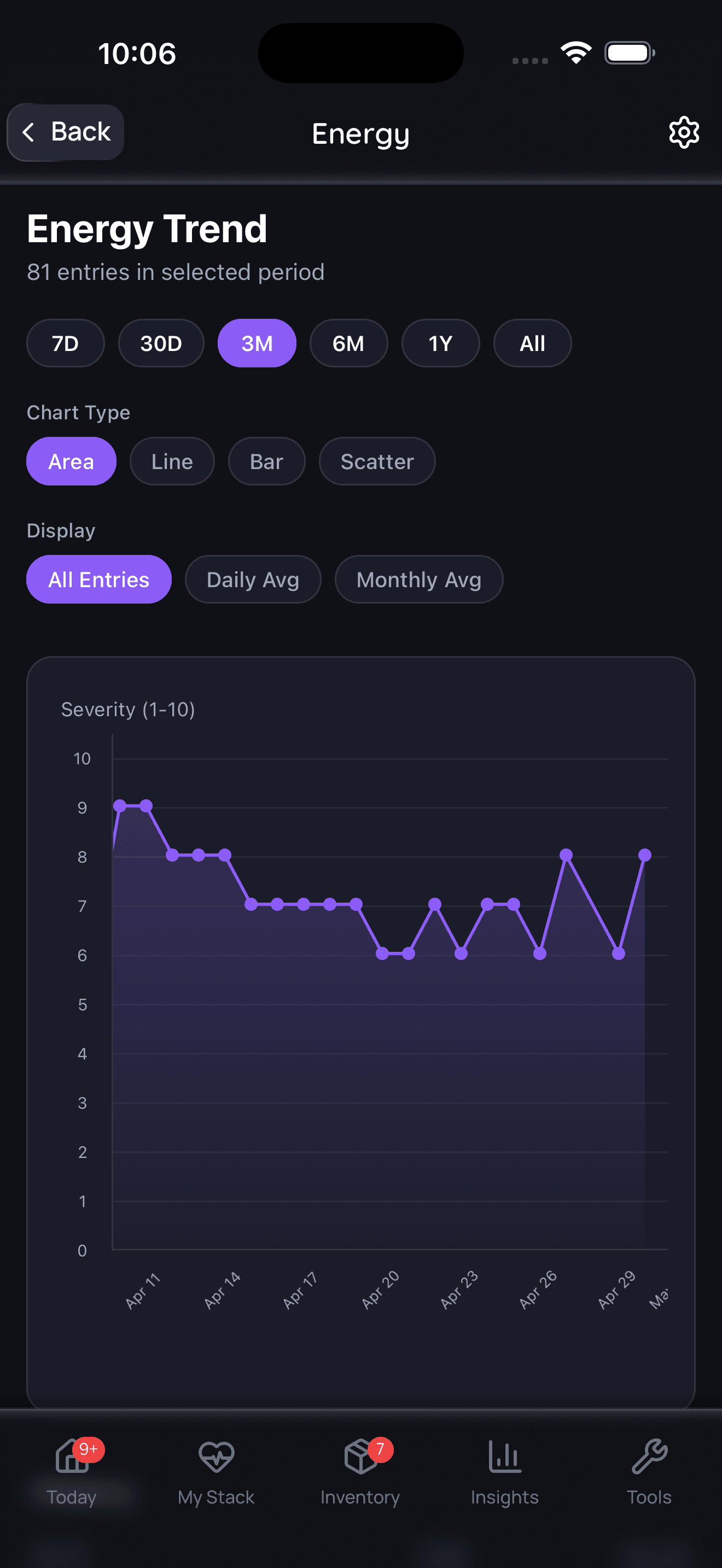
Symptom tracking is informational and should be interpreted with a qualified clinician.
Dosing & Treatment Protocols
The Basics
Dosing anastrozole for estrogen management during TRT is more art than science. There are no FDA-approved dosing guidelines for this use, and clinical practice varies enormously. The most important principle is to use the lowest effective dose for the shortest necessary duration, with adjustments guided by both symptoms and lab work.
For estrogen management during TRT, the most commonly prescribed starting dose is 0.5 mg taken two to three times per week. Some practitioners start even lower, at 0.25 mg two times per week, especially for men who may be sensitive to hormonal changes. The goal is not to target a specific estradiol number but to resolve symptoms while keeping estradiol in a healthy range relative to testosterone levels.
For anastrozole monotherapy (hypogonadism treatment without exogenous testosterone), clinical studies have used 1 mg daily or 1 mg twice weekly. These doses are higher than typical TRT adjunctive doses because the goal is to maximally release the HPG axis from estradiol-mediated negative feedback.
For male infertility applications, doses of 1 mg daily or approximately 3 mg per week have been used in clinical studies, reflecting the need for sustained gonadotropin stimulation to support spermatogenesis.
Timing relative to testosterone injections: Many practitioners recommend taking anastrozole on injection days or the day following injection, when testosterone levels (and therefore aromatization) are at their peak. For men injecting testosterone twice weekly, taking anastrozole on the same two days aligns the AI's peak effect with the period of maximal aromatization.
When to consider anastrozole: Clinical guidelines and experienced practitioners suggest considering anastrozole only when a man on TRT has both confirmed elevated estradiol on lab work AND symptoms consistent with elevated estrogen (gynecomastia, significant fluid retention, mood lability). Asymptomatic elevations in estradiol, within reason, may not require treatment.
When to consider alternatives to anastrozole: Before starting an aromatase inhibitor, many providers first recommend adjusting the TRT protocol itself. Splitting the testosterone dose into more frequent injections (e.g., every other day or daily) produces more stable testosterone and estradiol levels, often eliminating the need for an AI entirely. Reducing the overall testosterone dose is another approach when estradiol is elevated.
The Science
No randomized controlled trials have established optimal anastrozole dosing for TRT adjunctive use. Published dosing data derives from retrospective studies, clinical series, and expert opinion:
Protocol
Conservative TRT adjunct
- Dose
- 0.25 mg
- Frequency
- 2x weekly
- Application
- Sensitive individuals, low TRT doses
- Evidence Level
- Expert opinion, community practice
Protocol
Standard TRT adjunct
- Dose
- 0.5 mg
- Frequency
- 2-3x weekly
- Application
- Most common starting protocol
- Evidence Level
- Retrospective clinical data [9]
Protocol
Hypogonadism monotherapy
- Dose
- 1 mg
- Frequency
- Daily or 2x weekly
- Application
- Increasing endogenous testosterone
- Evidence Level
- RCT [8]
Protocol
Male infertility
- Dose
- 1 mg
- Frequency
- Daily
- Application
- Improving T/E2 ratio and spermatogenesis
- Evidence Level
- Retrospective, meta-analysis [11][12]
Protocol
Testosterone pellet adjunct
- Dose
- ~16 mg
- Frequency
- Co-implanted with pellets
- Application
- Extended AI release with pellet therapy
- Evidence Level
- Limited clinical data
Dosing protocols often change over the course of treatment; starting doses get adjusted, injection frequencies get split, esters get switched. Doserly maintains a complete history of every protocol change, giving you and your provider a clear picture of what has been tried and how each adjustment affected your symptoms and lab values.
The app's adherence analytics show your consistency patterns and can highlight whether missed doses or timing variations correlate with symptom changes. When your provider is considering a dose adjustment based on your trough levels, having this data available makes the conversation more productive and the decision more informed.
Track injection timing, draw notes, and site rotation.
Doserly helps keep syringe-related notes, injection site history, reminders, and reconstitution context together for easier review.
Injection log
Site rotation
Injection logs support record-keeping; follow clinician instructions for administration.
What to Expect (Timeline)
Days 1-7: Anastrozole begins suppressing aromatase activity within hours of the first dose. A 1 mg dose can reduce estradiol by approximately 70% within 24 hours (based on manufacturer data in women). At TRT adjunctive doses (0.25-0.5 mg), the effect will be proportionally smaller. Some men notice reduced fluid retention or facial puffiness within the first few days. Symptom improvement from genuinely elevated E2 (nipple sensitivity, mood irritability) may begin within 48-72 hours.
Weeks 1-2: Steady-state drug levels are approached by approximately day 7 with consistent dosing. This is when the full effect of the chosen dose becomes apparent. If E2 was genuinely elevated, symptoms of high estrogen should be improving noticeably. If the dose is too high, early signs of low-E2 may emerge: dry joints, decreased libido, or mood flattening. This is the critical window for assessing whether the initial dose is appropriate.
Weeks 2-6: Hormonal recalibration continues. Some men experience a "honeymoon" period of feeling excellent as E2 comes into a comfortable range, followed by a gradual worsening as the drug accumulates and E2 drops further. Lab work at the 4-6 week mark is commonly recommended to check estradiol levels at steady state and adjust dosing.
Months 1-3: The protocol should be stabilized. If you are still experiencing symptoms of high or low estradiol at this point, a dose adjustment or alternative approach (more frequent injections, dose reduction of testosterone) should be discussed with your provider. Annual lab work should include estradiol, complete blood count, lipid panel, and consideration of bone density screening if long-term AI use is planned.
Long-term considerations: No long-term safety data exists specifically for anastrozole use in men on TRT. If ongoing AI use is required, periodic assessment of bone mineral density, lipid profiles, and liver function is prudent. The question of whether long-term AI use is preferable to adjusting the TRT protocol to avoid the need for an AI should be revisited periodically with your provider.
Fertility Preservation & HPG Axis
Anastrozole occupies a unique position in the fertility discussion for men with hypogonadism. Unlike exogenous testosterone, which suppresses the HPG axis and can reduce sperm production to zero (azoospermia) in 40-60% of men within 6 months, anastrozole actually supports fertility by increasing endogenous testosterone production while preserving (and potentially enhancing) spermatogenesis.
How anastrozole preserves fertility: By blocking the conversion of testosterone to estradiol, anastrozole reduces the estradiol-mediated negative feedback on the hypothalamus and pituitary. This leads to increased GnRH pulse frequency and amplitude, elevated LH and FSH secretion, and consequently increased intratesticular testosterone production. The elevated intratesticular testosterone (normally 40-100 times higher than serum levels) supports Sertoli cell function and spermatogenesis [7][8].
Clinical evidence for fertility applications: Shah et al. demonstrated significant improvements in sperm concentration (7.8 to 14.2 million/mL), total motile count (12.6 to 17.7 million), and clinical pregnancy rates of 46.6% in hypogonadal, subfertile men with BMI over 25 treated with anastrozole 1 mg daily [13]. Naelitz et al. found that 46% of infertile men treated with anastrozole had clinically significant improvement, with the best results in non-azoospermic men with T-LH ratios of 100 or greater [12].
When anastrozole is preferred over TRT for fertility: For men with mild-to-moderate hypogonadism who are actively trying to conceive or who plan to in the near future, anastrozole (or other alternatives like clomiphene citrate or enclomiphene) may be preferred over exogenous testosterone. The trade-off is a smaller magnitude of testosterone increase (typically 50-60% from baseline) compared to the more substantial levels achievable with TRT.
Anastrozole as TRT adjunctive and fertility: When used alongside exogenous testosterone, anastrozole does NOT preserve fertility. The HPG axis is already suppressed by the exogenous testosterone, and reducing estradiol with anastrozole does not restore LH/FSH secretion in this context. Men on TRT who desire fertility preservation should discuss HCG co-administration, clomiphene/enclomiphene, or testosterone discontinuation with their provider. See the Fertility Preservation on TRT guide for detailed information.
Interactions & Compatibility
Drug-drug interactions:
- Tamoxifen: Should NOT be used in combination with anastrozole. Clinical data shows no additional benefit over tamoxifen alone, and the combination may reduce anastrozole efficacy [1]. If both SERM and AI are being considered, they should typically be used sequentially rather than concurrently.
- Estrogen-containing products: May diminish the pharmacological activity of anastrozole. Estrogen supplementation or estrogen-containing supplements counteract the mechanism of action [1].
- Testosterone (all formulations): Anastrozole is frequently co-prescribed with testosterone. No pharmacokinetic interaction; the pharmacological interaction is the intended therapeutic effect (reducing aromatization of exogenous testosterone).
- HCG (Human Chorionic Gonadotropin): HCG stimulates intratesticular testosterone production, which provides additional substrate for aromatization. Men on TRT + HCG may have higher E2 levels and may be more likely to consider anastrozole. HCG-driven intratesticular estradiol production may be less affected by anastrozole than peripheral aromatization. See HCG guide.
- Anticoagulants (warfarin): No established interaction, but prudent to monitor given that testosterone itself can affect coagulation parameters.
- Insulin/diabetes medications: No direct interaction with anastrozole; however, testosterone therapy may improve insulin sensitivity, potentially requiring adjustment of diabetes medications.
Supplement interactions:
- DIM (Diindolylmethane): A supplement commonly discussed in TRT communities as a "natural" estrogen modulator. DIM promotes the 2-hydroxylation of estradiol, potentially shifting estrogen metabolism toward less potent metabolites. Some men use DIM as a milder alternative to anastrozole, though clinical evidence is limited. See the DIM supplement guide at /supplements/dim.
- Calcium D-glucarate: Sometimes used to support estrogen metabolism via glucuronidation pathways. Limited evidence.
- Zinc: Zinc supplementation may mildly inhibit aromatase activity. In zinc-deficient men, supplementation can modestly improve testosterone-to-estradiol ratios.
- Boron: May increase free testosterone and affect estradiol metabolism. Clinical significance is modest.
Lifestyle factors:
- Body composition: Higher body fat increases aromatase activity. Weight loss may reduce the need for anastrozole by lowering peripheral aromatization.
- Alcohol: Chronic alcohol use increases aromatase activity and can elevate estradiol levels independently of TRT. Alcohol also has hepatotoxic effects that may interact with anastrozole's hepatic metabolism.
- Injection frequency: More frequent, lower-dose testosterone injections (e.g., every other day or daily) produce more stable testosterone levels with lower peaks, reducing the magnitude of aromatization spikes and potentially eliminating the need for an AI.
Decision-Making Framework
The decision to use anastrozole during TRT should follow a structured evaluation process, not a reflexive response to an elevated number on a lab report. Many men are prescribed anastrozole who do not need it, and the over-treatment often causes more harm than the condition it was meant to address.
Step 1: Confirm elevated estradiol with symptoms. An elevated estradiol on a lab report, by itself, does not necessarily require treatment. The Endocrine Society does not specify target E2 ranges for men on TRT, and the AUA recommends symptom-based management. Ask: "Do I have symptoms consistent with elevated estrogen?" (gynecomastia/nipple sensitivity, significant fluid retention, mood lability, erectile difficulty). If you are asymptomatic, your provider may choose to monitor rather than treat.
Step 2: Ensure the correct estradiol assay was used. For men, the LC/MS/MS (liquid chromatography-tandem mass spectrometry) "sensitive" estradiol assay is more accurate than the standard immunoassay (ECLIA), which can overestimate estradiol by 20-50% due to cross-reactivity with other steroids. An apparently "high" E2 on the standard assay may be within normal range on the sensitive assay.
Step 3: Consider protocol adjustments first. Before adding a new medication, evaluate whether the TRT protocol can be optimized to reduce estradiol naturally: increase injection frequency (weekly to twice-weekly, or EOD), reduce testosterone dose if levels are supraphysiological, address modifiable factors like excess body fat and alcohol use.
Step 4: If anastrozole is warranted, start low. Begin with the lowest reasonable dose (0.25 mg twice weekly or 0.5 mg once weekly) and reassess in 4-6 weeks with repeat lab work and symptom evaluation. Dose escalation should be gradual and evidence-based.
Step 5: Monitor for over-suppression. Know the symptoms of low E2 (joint pain, dry skin, mood depression, loss of libido, fatigue, insomnia) and communicate them to your provider immediately if they occur. If symptoms of low E2 develop, the AI dose should be reduced or discontinued.
Questions to ask your provider:
- "Are my symptoms consistent with elevated estradiol, or could they have another cause?"
- "Was the sensitive (LC/MS/MS) estradiol assay used?"
- "Could adjusting my injection frequency reduce E2 without adding an AI?"
- "What is the lowest dose of anastrozole we should start with?"
- "How long should we trial this before rechecking labs?"
- "What are the long-term risks of AI use that I should be aware of?"
Administration & Practical Guide
Anastrozole is administered orally as a tablet. It can be taken with or without food. While food slows absorption slightly, it does not affect the total amount absorbed, so meal timing is not critical.
Tablet splitting: The standard tablet is 1 mg, but TRT adjunctive doses are typically much smaller (0.25-0.5 mg). Many men split tablets using a pill cutter. A 1 mg tablet can be quartered to yield approximately 0.25 mg pieces, though precise dosing with manual splitting is approximate.
Liquid formulations: Some compounding pharmacies prepare anastrozole in liquid form (often 0.5 mg/mL or 1 mg/mL), allowing for more precise micro-dosing. Some men in the community dissolve tablets in measured volumes of alcohol (vodka) for micro-dosing, though this is a home practice and not pharmaceutical-grade preparation. If precise dosing is important (as it often is with anastrozole given its narrow therapeutic window), a compounding pharmacy solution may be worth discussing with your provider.
Dosing schedules for TRT adjunctive use:
- Twice weekly (most common): Take anastrozole on the days of your testosterone injection. This aligns the AI's activity with the period of highest aromatization.
- Three times weekly: For men needing slightly more coverage, a Monday-Wednesday-Friday schedule provides more even suppression.
- As-needed (PRN) dosing: Some experienced users take anastrozole only when they experience symptoms of elevated E2, rather than on a set schedule. This approach requires self-awareness and is better suited to men who have experience identifying their high-E2 symptoms.
Storage: Store at room temperature (68-77 degrees F / 20-25 degrees C). Keep in original container. Protect from light and moisture.
Monitoring & Lab Work
Baseline labs before starting anastrozole:
- Estradiol (sensitive assay / LC/MS/MS): The critical baseline measurement
- Total testosterone and free testosterone: Confirms TRT levels and provides context for E2
- Complete blood count with hematocrit: Baseline safety monitoring (for overall TRT protocol)
- Lipid panel: Baseline, as anastrozole may affect cholesterol
- PSA: If age-appropriate (for overall TRT monitoring)
- Liver function tests (ALT, AST): Baseline for hepatic monitoring
- Bone density (DEXA scan): Consider if long-term AI use is anticipated, especially in men over 50
Follow-up labs at 4-6 weeks:
- Estradiol (sensitive assay): Assess response to anastrozole at steady state
- Total testosterone: Confirm stable TRT levels
- Symptom assessment: Are high-E2 symptoms resolved? Any low-E2 symptoms emerging?
Ongoing monitoring (every 3-6 months while on AI):
- Estradiol (sensitive assay)
- Symptom assessment for both high and low E2
- Lipid panel: Annually to monitor for cholesterol changes
- Liver function tests: Periodically
Long-term monitoring (annually):
- Bone mineral density (DEXA): Consider after 1 year of AI use and periodically thereafter
- Comprehensive metabolic panel
- PSA: Per age-appropriate screening guidelines
Key monitoring principles:
- Use the sensitive (LC/MS/MS) estradiol assay, not the standard immunoassay
- Do not chase a specific E2 number; use symptoms as the primary guide with labs as confirmation
- Draw trough labs consistently (same timing relative to injection and AI dose)
- If low-E2 symptoms develop, reduce or stop the AI before waiting for lab confirmation
Estrogen Management on TRT
This section is the heart of the anastrozole guide, as estrogen management is the primary reason this medication is used in TRT contexts.
Aromatization explained: Testosterone is converted to estradiol by the enzyme aromatase (CYP19A1). This conversion occurs primarily in adipose tissue, with additional activity in the brain, bone, liver, and testes. In men on TRT, the rate of aromatization depends on the testosterone dose, route of administration (injectable tends to produce higher peaks and more aromatization than transdermal), injection frequency (less frequent injections produce higher peaks), and body composition (more adipose tissue means more aromatase activity).
When estrogen management matters: Clinical guidelines (Endocrine Society, AUA) recommend intervening only when a man has both confirmed elevated estradiol AND symptoms consistent with elevated estrogen. The most recognized symptoms include gynecomastia or nipple sensitivity, significant fluid retention or bloating, mood instability or emotional lability, and erectile dysfunction or decreased libido that correlates with elevated E2 (as opposed to other causes).
When NOT to use an AI: Most men on TRT do not need an aromatase inhibitor. A large clinical cohort found that only 3% of men on TRT required anastrozole [9]. Suppressing estradiol too aggressively causes a cascade of adverse effects: joint pain and stiffness, decreased bone mineral density, worsened lipid profiles, depressive symptoms and anhedonia, paradoxically decreased libido, dry skin, insomnia, and cognitive difficulties. Low-E2 symptoms can be more debilitating than the high-E2 symptoms the AI was prescribed to treat.
High E2 symptoms in men: Gynecomastia (breast tissue growth), nipple sensitivity or tenderness, excessive water retention (face puffiness, swollen ankles, bloating), emotional lability or irritability, and erectile dysfunction (though this is less specific and has many other causes).
Low E2 symptoms in men: Joint pain and stiffness (often the earliest signal), dry skin, decreased libido (paradoxically), depression and emotional flatness, fatigue and lethargy, insomnia, brain fog and cognitive difficulties, bone pain, and in severe or prolonged cases, bone density loss.
Community debate vs. clinical evidence: The online men's health community places heavy emphasis on E2 management, with many users and clinics targeting specific E2 ranges (commonly cited as 20-35 pg/mL on the sensitive assay) or testosterone-to-estradiol ratios (10:1 to 20:1). Clinical guidelines do not support targeting specific numbers. The evidence favors symptom-based management: if you feel well and have no symptoms of elevated estrogen, your estradiol level is likely acceptable for you, regardless of the specific number. This represents a fundamental philosophical divide between the community's number-focused approach and clinical medicine's symptom-focused approach.
Alternatives to aromatase inhibitors for E2 management:
- Increase injection frequency (splitting the weekly dose into more frequent smaller injections reduces peak testosterone and therefore peak aromatization)
- Reduce testosterone dose (if levels are higher than necessary for symptom relief)
- Weight loss (reduces adipose aromatase activity)
- Time (E2 often stabilizes within the first 3-6 months of TRT as the body adapts)
The relationship between your testosterone dose, injection frequency, and estradiol levels is unique to you. Doserly's analytics help you see how changes to your TRT protocol affect estrogen-related symptoms over time, revealing correlations that a single lab draw cannot capture.
The app can surface insights like whether splitting your dose reduced estrogen-related symptoms without needing an AI, or whether estradiol levels trend differently in the days following an injection. These patterns help you and your provider optimize your protocol with a focus on keeping estrogen in a healthy range rather than reflexively suppressing it.
Connect protocol changes to labs and health markers.
Doserly can keep lab results, biomarkers, symptoms, and dose history close together so follow-up conversations have better context.
Insights
Labs and trends
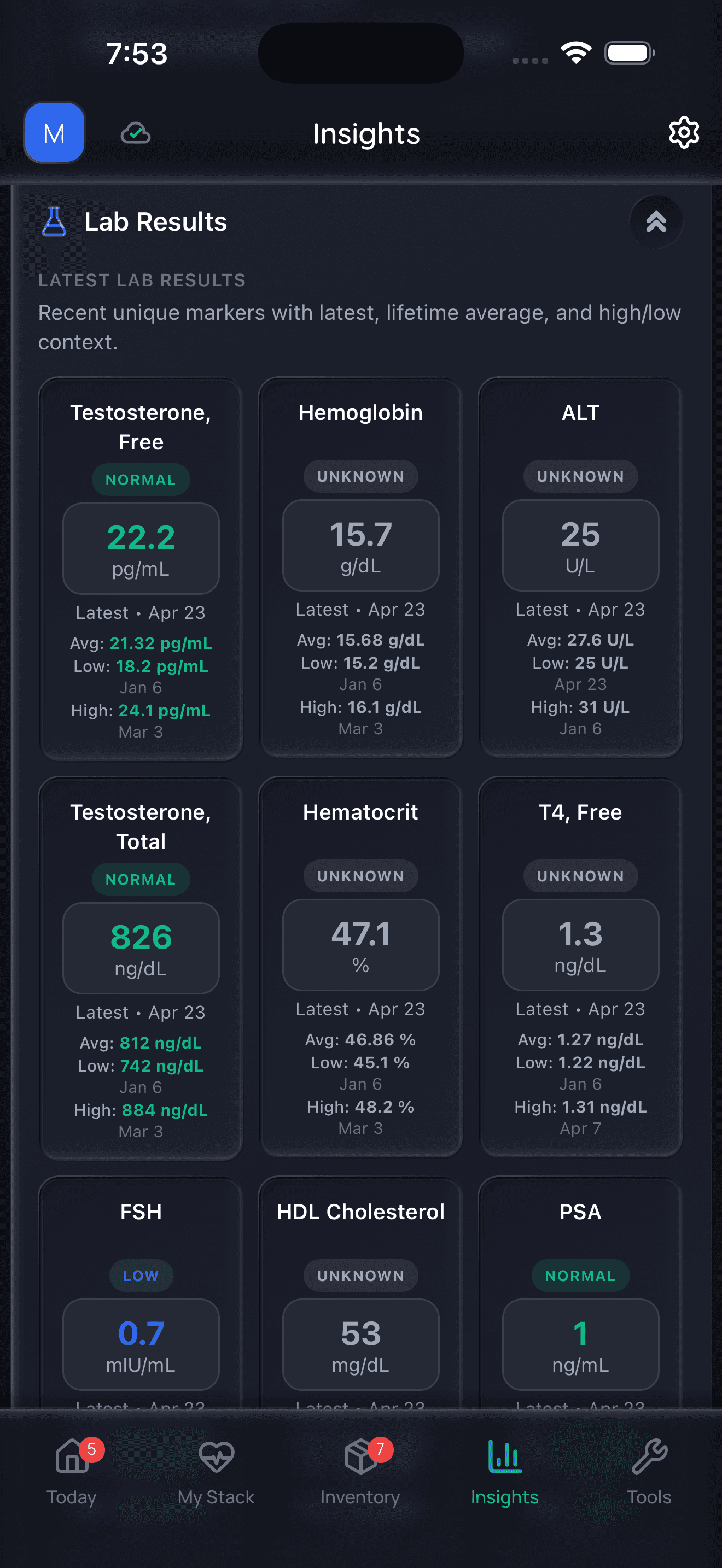
Doserly organizes data; it does not diagnose or interpret labs for you.
Stopping TRT / Post-Cycle Considerations
Stopping anastrozole is generally straightforward. Because anastrozole is a reversible aromatase inhibitor, aromatase activity resumes once the drug is cleared from the system. Given the approximately 50-hour half-life, most of the drug is eliminated within 7-10 days after the last dose, and estradiol levels typically begin recovering within days.
If stopping anastrozole while continuing TRT: Estradiol will rise as aromatase activity resumes. The rate and magnitude of the rise depend on the testosterone dose, route of administration, and individual aromatase activity. Some men experience a transient "rebound" where E2 temporarily overshoots before stabilizing. Monitoring estradiol and symptoms 2-4 weeks after discontinuing anastrozole is recommended.
If stopping both anastrozole and TRT: HPG axis recovery follows the same principles as TRT discontinuation generally. See the Stopping TRT & Post-Cycle Recovery guide. Anastrozole has sometimes been used as part of post-cycle recovery protocols (PCT) to reduce estradiol-mediated negative feedback and support faster LH/FSH recovery, though evidence for this application is limited to anecdotal reports and community practice.
Tapering vs. abrupt discontinuation: For men on low-dose anastrozole (0.25-0.5 mg twice weekly), abrupt discontinuation is generally well-tolerated. For men on higher doses, a brief taper (reducing to once weekly for 1-2 weeks before stopping) may smooth the transition. There is no clinical evidence comparing taper vs. abrupt discontinuation.
Special Populations & Situations
Obese Men
Men with higher body fat have increased aromatase expression in adipose tissue, leading to higher rates of testosterone-to-estradiol conversion. These men are more likely to develop elevated estradiol on TRT and may be more likely to benefit from anastrozole. However, weight loss itself reduces aromatase activity and should be the first-line intervention. Anastrozole monotherapy has shown particular benefit in overweight and obese men with hypogonadism and infertility, as it addresses the hormonal imbalance while preserving fertility and avoiding the need for exogenous testosterone [13].
Men Desiring Fertility
Anastrozole is a valuable option for hypogonadal men who want to maintain or improve fertility. Unlike exogenous testosterone, which suppresses spermatogenesis, anastrozole increases endogenous testosterone production while preserving HPG axis function. It is most effective in men with low T/E2 ratios and functional testes. See Section Section 13 for detailed fertility discussion.
Men with Bone Health Concerns
Men with existing osteopenia, osteoporosis, or risk factors for bone loss (age >65, corticosteroid use, low vitamin D, family history) should use anastrozole with particular caution. Long-term E2 suppression can accelerate bone density loss. If AI use is necessary, periodic DEXA scans and calcium/vitamin D supplementation are recommended.
Men with Cardiovascular Risk Factors
Estradiol has cardioprotective effects in men. Men with existing cardiovascular disease or risk factors should be aware that AI use may worsen lipid profiles and remove estradiol's protective effects. The decision to use an AI should weigh these risks against the symptoms it is treating.
Men on HCG
HCG stimulates intratesticular testosterone production, providing additional substrate for testicular aromatase. Men on TRT + HCG may have higher E2 levels than men on TRT alone, and the source of E2 is partially intratesticular (where anastrozole's inhibition may be less complete due to the high local androgen-to-inhibitor ratio). See the HCG guide.
Regulatory, Insurance & International
United States:
- Anastrozole is FDA-approved only for breast cancer in postmenopausal women
- NOT a controlled substance (no DEA scheduling, unlike testosterone)
- Available as generic from multiple manufacturers; cost is typically low ($10-30/month for 1 mg daily)
- All male uses are off-label, which affects insurance coverage
- Some insurance plans may not cover anastrozole when prescribed for a male patient; prior authorization or appeal may be needed
- Compounding pharmacies can prepare custom dosing formulations (lower-dose tablets, liquid solutions)
United Kingdom (MHRA): Available under the brand name Arimidex and as generics. Not licensed for male use; off-label prescribing is common in private TRT clinics.
Canada (Health Canada): Available as Arimidex and generics. Off-label use in men follows similar patterns to the US.
Australia (TGA): Available on the PBS for breast cancer. Off-label male use through private prescriptions.
European Union (EMA): Available throughout the EU. Off-label male use varies by country.
Travel considerations: Anastrozole is not a controlled substance and does not require the special documentation needed for traveling with testosterone. However, carrying it with a valid prescription is recommended.
Frequently Asked Questions
Do I need an aromatase inhibitor if I'm on TRT?
Most men on TRT do not need an aromatase inhibitor. Clinical data suggests that only about 3% of men on testosterone therapy require AI treatment for elevated estradiol. The decision should be based on symptoms AND lab work, not lab numbers alone. Many men can manage estradiol by adjusting their injection frequency or testosterone dose.
What happens if my estradiol gets too low from anastrozole?
Low estradiol causes a range of unpleasant symptoms including joint pain, depression, loss of libido, erectile dysfunction, fatigue, dry skin, and insomnia. If you experience these symptoms, contact your healthcare provider. Stopping or reducing the anastrozole dose will allow estradiol to recover over several days to weeks. The long half-life of anastrozole (~50 hours) means effects persist for days after the last dose.
Is anastrozole safe for long-term use in men?
Long-term safety data for anastrozole specifically in men on TRT does not exist. Concerns include bone density loss (estradiol is essential for male bone health), lipid profile worsening, and mood effects. If long-term use is necessary, periodic monitoring of bone density, lipids, and liver function is recommended.
What is the best dose of anastrozole for TRT?
There is no universal "best dose." Individual sensitivity varies enormously. A common starting point is 0.25-0.5 mg taken 2-3 times per week, with adjustments based on symptom response and lab work. Some men need much less; some may need more. Work closely with your healthcare provider to find the right dose for you.
Should I target a specific estradiol number?
Clinical guidelines (Endocrine Society, AUA) do not specify target estradiol ranges for men on TRT. The emphasis should be on symptom management rather than number targeting. Feeling well without symptoms of high or low estrogen is a better guide than hitting a specific lab value.
Can I use anastrozole instead of TRT?
For men with mild hypogonadism, particularly those with obesity-related low testosterone or those desiring fertility preservation, anastrozole monotherapy can increase endogenous testosterone by approximately 50-60% from baseline. This may be sufficient for some men but typically does not achieve the testosterone levels that exogenous TRT provides.
What's the difference between anastrozole and exemestane?
Both are aromatase inhibitors, but they work differently. Anastrozole is a reversible competitive inhibitor (nonsteroidal); exemestane is an irreversible "suicide" inhibitor (steroidal). With anastrozole, aromatase activity resumes when the drug clears. With exemestane, the body must synthesize new aromatase enzyme. This means exemestane's effects may last longer after discontinuation. Some men who do not respond well to anastrozole may tolerate exemestane differently, and vice versa.
Does anastrozole affect fertility?
When used as monotherapy (without exogenous testosterone), anastrozole actually supports fertility by increasing LH, FSH, and intratesticular testosterone while preserving spermatogenesis. When used alongside exogenous testosterone, it does NOT preserve fertility because the HPG axis is already suppressed by the exogenous testosterone.
Can I take DIM instead of anastrozole?
DIM (diindolylmethane) is a supplement that modifies estrogen metabolism rather than blocking estrogen production. It promotes the conversion of estradiol to less potent metabolites. Some men find DIM helpful for mild estrogen management, but it is less potent and less predictable than anastrozole. DIM has limited clinical evidence and should not be considered a replacement for anastrozole when clinically significant estrogen management is needed.
Why do some TRT clinics prescribe anastrozole to everyone?
This practice does not align with clinical guidelines. The Endocrine Society, AUA, and other major guidelines recommend against routine AI co-prescription during TRT. Clinics that routinely prescribe anastrozole may be following outdated protocols, prioritizing lab number targeting over symptom management, or applying a one-size-fits-all approach. If your provider prescribes an AI without documented symptoms or elevated E2, it is reasonable to ask about the clinical rationale.
Myth vs. Fact
Myth: Every man on TRT needs an aromatase inhibitor.
Fact: Clinical data shows that only approximately 3% of men on TRT require anastrozole for estrogen management [9]. The Endocrine Society and AUA guidelines do not recommend routine AI co-prescription. Most men's estradiol levels stabilize within an acceptable range without intervention, particularly when injection frequency is optimized.
Myth: Higher estradiol is always bad for men.
Fact: Estradiol is essential for male health. It supports bone density (estradiol is actually more important for bone health in men than testosterone), cardiovascular function, brain health, and sexual function. Men with genetic aromatase deficiency (who cannot produce estradiol) have extremely low bone mineral density and unfused epiphyses [7]. The goal is not to minimize estradiol but to keep it within a balanced range relative to testosterone.
Myth: You should target an estradiol level of 20-30 pg/mL.
Fact: No clinical guideline specifies a target E2 range for men on TRT. The "20-30 pg/mL" target is a community-derived number with no evidence base. What matters is how you feel, not a specific number. Some men function well with E2 of 50 pg/mL; others develop symptoms at 40 pg/mL. Symptom-based management is the approach recommended by major guidelines [4][5].
Myth: Anastrozole has no significant side effects at low doses.
Fact: Even at doses much lower than the FDA-approved 1 mg daily, anastrozole can cause significant side effects in sensitive individuals. Joint pain, mood changes, decreased libido, and bone density concerns are all reported at TRT adjunctive doses. Individual sensitivity varies enormously; some men crash their estradiol on 0.125 mg per week.
Myth: Crashed estradiol bounces back quickly.
Fact: While anastrozole is a reversible inhibitor with a half-life of approximately 50 hours, recovery from significantly suppressed estradiol can take considerably longer than the drug's half-life suggests. Community reports describe recovery times ranging from days for mild suppression to weeks or even months for severe crashes. The body needs time to restore aromatase activity and rebuild estradiol levels.
Myth: If you have symptoms of high estrogen, you definitely need an AI.
Fact: Many symptoms attributed to "high estrogen" (bloating, mood changes, decreased libido) have multiple potential causes. Before starting an AI, confirm the diagnosis with lab work using the sensitive (LC/MS/MS) estradiol assay, and consider whether protocol adjustments (injection frequency, dose reduction) could address the issue without adding another medication.
Myth: Anastrozole is the same as a SERM (like tamoxifen or clomiphene).
Fact: Aromatase inhibitors and SERMs work through completely different mechanisms. Anastrozole blocks the production of estradiol by inhibiting the aromatase enzyme. SERMs (selective estrogen receptor modulators) block estradiol from binding to estrogen receptors in specific tissues while allowing it to act normally in others. SERMs do not reduce estradiol levels; they modulate its effects at the receptor level. These are not interchangeable treatments.
Myth: Anastrozole is FDA-approved for use in men.
Fact: Anastrozole is FDA-approved only for breast cancer in postmenopausal women. All uses in men, including estrogen management during TRT, hypogonadism monotherapy, and male infertility treatment, are off-label. This does not mean these uses are inappropriate or unsafe; off-label prescribing is common and legal when supported by clinical evidence. However, it does mean there are no FDA-reviewed dosing guidelines for male applications [1].
Sources & References
Clinical Guidelines
- U.S. Food and Drug Administration. Arimidex (anastrozole) Prescribing Information. NDA 020541. Revised 2018. https://www.accessdata.fda.gov/drugsatfda_docs/label/2018/020541s031lbl.pdf
Research Studies
- de Ronde W, de Jong FH. Aromatase inhibitors in men: effects and therapeutic options. Reprod Biol Endocrinol. 2011;9:93. PMID: 21693046. PMC3143915.
- Schulster M, Bernie AM, Ramasamy R. The role of estradiol in male reproductive function. Asian J Androl. 2016;18(3):435-440. PMID: 26908066.
- Bhasin S, Brito JP, Cunningham GR, et al. Testosterone Therapy in Men with Hypogonadism: An Endocrine Society Clinical Practice Guideline. J Clin Endocrinol Metab. 2018;103(5):1715-1744. PMID: 29562364.
- Mulhall JP, Trost LW, Brannigan RE, et al. Evaluation and Management of Testosterone Deficiency: AUA Guideline. J Urol. 2018;200(2):423-432. PMID: 29601923.
- Kuchakulla M, Narasimman M, Desai A, et al. Treatment of estrogen levels in the management of hypogonadism. Urology. 2020;139:104-109. PMID: 32045591. PMC7237335.
- Jones ME, Boon WC, McInnes KJ, et al. Recognizing rare disorders: aromatase deficiency. Nat Clin Pract Endocrinol Metab. 2007;3(5):414-421.
- Leder BZ, Rohrer JL, Rubin SD, et al. Effects of aromatase inhibition in elderly men with low or borderline-low serum testosterone levels. J Clin Endocrinol Metab. 2004;89(3):1174-1180. PMID: 15001605.
- Punjani N, Bernie H, Salter C, et al. The Utilization and Impact of Aromatase Inhibitor Therapy in Men With Elevated Estradiol Levels on Testosterone Therapy. Sex Med. 2021;9(5):100378. PMID: 34090245.
- AstraZeneca. Arimidex (anastrozole) Clinical Pharmacology Data. On file.
Systematic Reviews & Meta-Analyses
- Guo B, et al. Efficacy and safety of letrozole or anastrozole in the treatment of male infertility with low testosterone-estradiol ratio: A meta-analysis and systematic review. Transl Androl Urol. 2022;11(4):513-524. PMID: 35438843.
- Naelitz BD, et al. Testosterone and luteinizing hormone predict semen parameter improvement in infertile men treated with anastrozole. Fertil Steril. 2024;121(1):100-108. PMID: 37392782.
- Shah T, Nyirenda T, Shin D. Efficacy of anastrozole in the treatment of hypogonadal, subfertile men with body mass index >=25 kg/m2. Transl Androl Urol. 2021;10(4):1732-1737. PMID: 33850757. PMC8039603.
Government/Institutional Sources
- National Institutes of Health. DailyMed: Anastrozole Prescribing Information. https://dailymed.nlm.nih.gov/dailymed/drugInfo.cfm?setid=188c6fd5-6695-4d8b-af43-61d9c26abfe9
- Lincoff AM, Bhasin S, Flevaris P, et al. Cardiovascular Safety of Testosterone-Replacement Therapy. N Engl J Med. 2023;389(2):107-117. (TRAVERSE trial)
Related Guides & Cross-Links
Same Category (Estrogen Management)
- Tamoxifen (Nolvadex) — Selective estrogen receptor modulator (SERM), alternative approach to estrogen management
- Estrogen Management on TRT — Comprehensive guide to E2 management strategies
Related Treatment Options
- Testosterone Cypionate (Depo-Testosterone) — Most common TRT formulation
- Testosterone Enanthate (Delatestryl) — Common injectable alternative
- Clomiphene Citrate (Clomid) — SERM alternative for hypogonadism with fertility preservation
- Enclomiphene Citrate — Newer SERM for hypogonadism
Fertility & HPG Axis
- HCG (Human Chorionic Gonadotropin) — Fertility preservation adjunct during TRT
- Gonadorelin — GnRH agonist, HCG alternative
- Fertility Preservation on TRT — Comprehensive fertility guide
Complementary Approaches
- DIM (Diindolylmethane) — Natural estrogen metabolism support
- Zinc — Mild aromatase inhibition, testosterone support
- Boron — May support free testosterone and estrogen metabolism
Educational Resources
- TRT Blood Work Guide — Understanding lab work including estradiol testing
- TRT for Beginners — Starting TRT and understanding ancillary medications
- TRT Myths vs Facts — Common misconceptions about TRT and estrogen