
Buccal Testosterone (Striant)
On this page
Quick Reference Card
Attribute
Brand Name(s)
- Value
- Striant (US; discontinued)
Attribute
Generic Name
- Value
- Testosterone (buccal system)
Attribute
Drug Class / Type
- Value
- Androgen; mucoadhesive buccal delivery system
Attribute
DEA Schedule
- Value
- Schedule III (CIII)
Attribute
FDA-Approved Indications
- Value
- Testosterone replacement therapy in adult males with conditions associated with deficiency or absence of endogenous testosterone (primary and hypogonadotropic hypogonadism)
Attribute
Dose
- Value
- 30 mg per buccal system, applied twice daily
Attribute
Route of Administration
- Value
- Buccal (applied to upper gum)
Attribute
Dosing Schedule
- Value
- Twice daily (morning and evening, approximately 12 hours apart)
Attribute
Key Monitoring Requirements
- Value
- Serum testosterone (pre-dose morning sample), hematocrit, PSA, lipids, liver function
Attribute
FDA Approval Date
- Value
- June 19, 2003
Attribute
NDA Number
- Value
- NDA021543
Attribute
Original Manufacturer
- Value
- Columbia Laboratories, Inc. (later Actient Pharmaceuticals/Endo Pharmaceuticals)
Attribute
Manufacturing Site
- Value
- Mipharm S.p.A., Milan, Italy
Attribute
Current US Availability
- Value
- Discontinued
Overview / What Is Buccal Testosterone (Striant)?
The Basics
Striant was a prescription testosterone replacement product that delivered testosterone through a small tablet-like system placed against the upper gum. Unlike injections, patches, or gels, Striant worked by releasing testosterone slowly through the lining of the mouth directly into the bloodstream. This approach bypassed the liver entirely, avoiding the liver toxicity concerns that had long been associated with older oral testosterone pills.
The concept was straightforward: place a small, gel-like tablet above your front teeth twice a day, and your body absorbs a steady supply of testosterone through the gum tissue. The product was designed to stay in place for 12 hours before being removed and replaced. For men who were uncomfortable with needles, concerned about gel transfer to partners or children, or looking for something more discreet than a patch, Striant represented a genuinely different option.
Striant was approved by the FDA on June 19, 2003, making it the first and only buccal testosterone delivery system to receive FDA approval in the United States. It was originally manufactured for Columbia Laboratories and later marketed by Actient Pharmaceuticals and Endo Pharmaceuticals. Despite favorable clinical data showing it effectively maintained testosterone in the normal range for the majority of users, Striant was eventually discontinued in the United States. The reasons for discontinuation were not publicly specified but likely reflected limited market adoption in a landscape dominated by injections and gels.
For men currently seeking TRT, Striant is no longer commercially available in the US. However, understanding this delivery method remains valuable for patients and providers considering the full range of TRT options, and buccal testosterone may remain available in some international markets.
The Science
Striant (NDA021543) is a mucoadhesive buccal system containing 30 mg of testosterone USP (C19H28O2, MW 288.42 g/mol) in a matrix of anhydrous lactose, carbomer 934P, hypromellose, magnesium stearate, lactose monohydrate, polycarbophil, colloidal silicon dioxide, starch, and talc [1]. The system employs a bioadhesive polymer matrix that hydrates upon contact with the buccal mucosa, creating sustained release of testosterone over a 12-hour dosing interval.
The buccal delivery route exploits the thin, highly vascularized epithelium of the oral mucosa. Venous drainage from the oral cavity flows to the superior vena cava via the internal jugular veins, thereby circumventing hepatic first-pass metabolism. This distinguishes buccal testosterone from the 17-alpha-alkylated oral androgens (methyltestosterone, fluoxymesterone) that dominated oral testosterone therapy historically, which survived hepatic first-pass metabolism through structural modification at the cost of dose-dependent hepatotoxicity [2].
Striant was the first buccal testosterone product to receive FDA approval (June 19, 2003), based on two pivotal clinical studies. The Phase III trial (Study 1, N=98) demonstrated that 86.6% of hypogonadal men achieved mean serum testosterone concentrations within the physiologic range (300-1050 ng/dL) after 12 weeks of twice-daily dosing [1][3]. A second comparative study (Study 2, N=66) demonstrated statistical superiority over the transdermal testosterone patch (Androderm) in maintaining physiological testosterone concentrations, with 97% of buccal system patients vs 56% of patch patients achieving normal levels (P<0.001) [4].
The product was discontinued in the United States. MedlinePlus and Drugs.com confirm the discontinuation, though the specific reasons were not publicly disclosed by the manufacturer [5][6].
Medical / Chemical Identity
Property
Generic Name
- Detail
- Testosterone
Property
Brand Name(s)
- Detail
- Striant (US, discontinued); Striant SR (UK/EU, discontinued)
Property
Chemical Name
- Detail
- 17-beta-hydroxyandrost-4-en-3-one
Property
Empirical Formula
- Detail
- C19H28O2
Property
Molecular Weight
- Detail
- 288.42 g/mol
Property
CAS Number
- Detail
- 58-22-0
Property
Drug Class
- Detail
- Androgen; mucoadhesive buccal testosterone delivery system
Property
Ester Type
- Detail
- None (free testosterone, not an ester prodrug)
Property
Active Moiety
- Detail
- Testosterone (released directly from matrix, no ester hydrolysis required)
Property
Physical Form
- Detail
- White to off-white crystalline powder (in buccal system matrix)
Property
Formulation Type
- Detail
- Mucoadhesive buccal system (monoconvex, tablet-like)
Property
System Dimensions
- Detail
- 9 mm round, white to off-white, debossed with "Columbia C"
Property
DEA Schedule
- Detail
- Schedule III (CIII)
Property
FDA Approval Date
- Detail
- June 19, 2003
Property
NDA Number
- Detail
- NDA021543
Property
Original Manufacturer
- Detail
- Columbia Laboratories, Inc. (Livingston, NJ)
Property
Manufacturing Site
- Detail
- Mipharm S.p.A., Milan, Italy
Property
Later Marketed By
- Detail
- Actient Pharmaceuticals, LLC; Endo Pharmaceuticals
Property
US Patent
- Detail
- 6,248,358
Property
NDC Code
- Detail
- 55056-3060-1
Property
Current US Status
- Detail
- Discontinued
Inactive Ingredients
Anhydrous lactose NF, carbomer 934P, hypromellose USP, magnesium stearate NF, lactose monohydrate NF, polycarbophil USP, colloidal silicon dioxide NF, starch NF, and talc USP.
Formulation Chemistry
Unlike injectable testosterone formulations (cypionate, enanthate, undecanoate) that use ester prodrug chemistry to control release kinetics, Striant contains free testosterone (not esterified) embedded in a mucoadhesive polymer matrix. The release mechanism is physical rather than chemical: the polymer matrix hydrates upon contact with saliva, forming a gel that controls the rate of testosterone diffusion across the buccal mucosa. This is a fundamentally different approach from ester hydrolysis-based release [1].
The polycarbophil and carbomer components provide bioadhesion to the gum tissue, while hypromellose controls the hydration rate and drug release kinetics. The system is designed to remain in place for 12 hours before removal, during which it gradually softens and molds to the gum contour but does not dissolve completely.
How It Works / Mechanism of Action
The Basics
When you place a Striant tablet against your upper gum, it begins absorbing moisture from your mouth and gradually softens. As it hydrates, it releases testosterone that passes through the thin lining of your gum tissue and enters your bloodstream directly. This is the key advantage of buccal delivery: the blood vessels in your mouth drain into the superior vena cava (a large vein leading to the heart), which means the testosterone bypasses your liver entirely.
Why does avoiding the liver matter? Older oral testosterone pills (like methyltestosterone) had to survive passing through the liver, which broke down most of the testosterone before it could reach the rest of the body. To get around this, those pills used a chemically modified form of testosterone (called 17-alpha-alkylated testosterone) that could survive the liver but caused serious liver damage in many patients. Striant avoids this problem completely by delivering plain, unmodified testosterone through the gum tissue instead of through the digestive tract.
Once testosterone reaches your bloodstream from the buccal system, it works exactly like the testosterone your body produces naturally. Some of it converts to dihydrotestosterone (DHT), a more potent form of testosterone responsible for some effects on hair, skin, and prostate. Some converts to estradiol (a form of estrogen), which men need in appropriate amounts for bone health, brain function, and cardiovascular protection. During Striant treatment, the ratio of testosterone to DHT remained within normal physiological limits (approximately 9-12), meaning the buccal route did not distort the normal metabolic conversion pattern [1].
One practical implication of buccal delivery is rapid reversibility. When Striant is removed, testosterone levels drop back below the normal range within 2-4 hours. This can be an advantage if treatment needs to be stopped quickly, but it also means that missing a dose or having the system fall out leads to a rapid decline in testosterone levels.
The Science
Testosterone delivered via the buccal mucosa enters the systemic circulation through passive diffusion across the stratified squamous epithelium of the oral mucosa. The relatively thin epithelium (approximately 500-800 micrometers in the buccal region) and dense subepithelial capillary network facilitate absorption. Testosterone is a lipophilic molecule (log P approximately 3.3) that crosses the buccal epithelium readily [7].
The buccal route provides direct access to the systemic venous circulation via the internal jugular vein tributaries, bypassing portal circulation and hepatic first-pass metabolism. This is pharmacokinetically analogous to sublingual, transdermal, and parenteral routes, all of which avoid hepatic first-pass effects.
Once in systemic circulation, buccal testosterone undergoes the same metabolic fate as endogenous testosterone: binding to androgen receptors (AR) via both genomic (nuclear translocation, ARE-mediated transcription) and non-genomic (MAPK/ERK, PI3K/Akt) signaling pathways. Approximately 40% of circulating testosterone is bound to sex hormone-binding globulin (SHBG), 2% circulates as free testosterone, and the remainder is bound to albumin [1].
Testosterone undergoes two primary metabolic conversions: 5-alpha reduction to dihydrotestosterone (DHT) via 5-alpha reductase (types I and II), and aromatization to 17-beta-estradiol (E2) via CYP19A1 (aromatase) in adipose tissue, brain, and bone. During Striant treatment, the steady-state testosterone-to-DHT ratio remained 9-12, consistent with physiological ratios in eugonadal men, indicating no clinically meaningful distortion of androgen metabolism by the buccal delivery route [1][3].
The HPG axis suppression by exogenous buccal testosterone follows the same negative feedback mechanism as all exogenous testosterone: reduced GnRH pulse frequency and amplitude at the hypothalamus, decreased LH and FSH secretion from the anterior pituitary, resulting in diminished intratesticular testosterone and potential spermatogenic suppression [1].
Pathway & System Visualization
Pharmacokinetics / Hormone Physiology
The Basics
Striant was designed to mimic the body's natural testosterone rhythm as closely as possible, and the pharmacokinetic data shows it largely succeeded. After you place the buccal system on your gum, testosterone levels begin rising and reach their peak within 10-12 hours. With twice-daily dosing (once in the morning, once in the evening), steady-state levels are reached after just the second dose.
In clinical studies, the average testosterone concentration over 24 hours was 520-550 ng/dL, which sits comfortably in the middle of the normal male range (300-1050 ng/dL). The percentage of time that testosterone levels stayed within the normal range was 76-84%, depending on the study. These numbers compare favorably with other TRT methods, and the comparative study against the transdermal patch (Androderm) showed Striant maintained testosterone within the physiological range for a significantly greater portion of the day (84.9% vs 54.9%) [4].
One distinctive feature of Striant's pharmacokinetics is rapid onset and offset. When the system is removed, testosterone levels drop below normal within 2-4 hours. This is much faster than injectable testosterone (which takes days to clear) or pellets (which last months). For some men, this rapid reversibility was an advantage; for others, it meant that a dislodged or forgotten dose had immediate consequences.
Food, beverages, toothbrushing, and mouthwash did not significantly affect absorption from Striant, making it practical for everyday use. Body mass index and age also did not significantly alter the pharmacokinetics [3].
The Science
Absorption: Following application to the buccal mucosa, testosterone is released from the mucoadhesive matrix through progressive hydration and diffuses across the oral epithelium. Absorption occurs via the buccal and labial mucosae in contact with the system. Serum testosterone rises to Cmax within 10-12 hours of initial application. Steady-state is achieved after the second dose of twice-daily administration [1].
Steady-State Pharmacokinetic Parameters (Mean ± SD):
Parameter
Cavg(0-24)
- Study 1 (12 weeks, N=82)
- 520 ± 205 ng/dL
- Study 2 (7 days, N=29)
- 550 ± 169 ng/dL
Parameter
Cmax(0-24)
- Study 1 (12 weeks, N=82)
- 970 ± 442 ng/dL
- Study 2 (7 days, N=29)
- 910 ± 319 ng/dL
Parameter
Cmin(0-24)
- Study 1 (12 weeks, N=82)
- 290 ± 130 ng/dL
- Study 2 (7 days, N=29)
- 320 ± 131 ng/dL
Parameter
Time in range (300-1050 ng/dL)
- Study 1 (12 weeks, N=82)
- 76%
- Study 2 (7 days, N=29)
- 84%
Distribution: Testosterone in plasma is approximately 40% bound to SHBG, 2% free, and the remainder bound to albumin. The SHBG-bound fraction is not considered biologically active [1].
Metabolism: Half-life of testosterone ranges from 10-100 minutes. Metabolized to DHT via 5-alpha reductase and to estradiol via aromatase (CYP19A1). Mean DHT concentrations increased in parallel with testosterone during treatment, with steady-state T/DHT ratio of 9-12 (within physiological norms). No accumulation observed during continuous treatment [1][3].
Excretion: Approximately 90% excreted in urine as glucuronic and sulfuric acid conjugates of testosterone and metabolites; approximately 6% excreted in feces in unconjugated form. Primary inactivation occurs in the liver [1].
Food/Activity Effects: Pivotal Phase 3 study permitted food, beverages, toothbrushing, mouthwash, and chewing gum during use. Analysis showed no significant impact on absorption. PK parameters were not significantly affected by BMI, age, gum abnormalities, or medications known to cause dry mouth [3].
Comparison with Transdermal Patch (Androderm):
Parameter
Mean Cavg(0-24)
- Striant (N=33)
- 18.74 nmol/L (540 ng/dL)
- Androderm Patch (N=34)
- 12.15 nmol/L (350 ng/dL)
- P value
- <0.01
Parameter
% Achieving physiological range
- Striant (N=33)
- 97%
- Androderm Patch (N=34)
- 56%
- P value
- <0.001
Parameter
% Time in physiological range
- Striant (N=33)
- 84.9%
- Androderm Patch (N=34)
- 54.9%
- P value
- <0.001
Research & Clinical Evidence
The Basics
The clinical evidence supporting Striant comes from a modest but consistent body of research. The product was tested in two main studies plus long-term extension trials, with a total of 308 patients treated for up to 12 months. The results consistently showed that Striant effectively restored testosterone to normal physiological levels in the vast majority of hypogonadal men.
The pivotal Phase 3 trial enrolled 98 men with low testosterone. After 12 weeks of twice-daily use, 87% of those who completed the trial had average testosterone levels within the normal range. This is a solid success rate that compares favorably with other TRT delivery methods.
The comparative study against the testosterone patch (Androderm) was particularly telling. Striant was statistically superior in achieving and maintaining normal testosterone levels, with 97% of buccal system users reaching the physiological range compared to only 56% of patch users. The testosterone levels were also maintained within range for a greater portion of the day [4].
Long-term data from extension trials lasting up to 2 years confirmed that Striant maintained its effectiveness over time, with no accumulation and consistent testosterone levels. An earlier double-blind, placebo-controlled pilot study also demonstrated that buccal testosterone significantly improved sexual function compared to placebo [8].
The main limitation of the evidence base is its size. With only 308 patients across all studies and maximum controlled exposure of 12 weeks (with 2-year extension data from smaller cohorts), the dataset is considerably smaller than what is available for injectable testosterone or transdermal gels.
The Science
Phase III Pivotal Trial (Study 1): Open-label, single-arm, multicenter trial in 98 hypogonadal men (mean age 53.6 years, range 20-75). Striant 30 mg BID for 12 weeks. Of 82 completers with full PK data, 86.6% achieved Cavg(0-24) within the physiologic range (300-1050 ng/dL). Mean Cavg(0-24) increased from 149 ± 99 ng/dL at baseline to 520 ± 205 ng/dL at Week 12. Percentage of time within normal range over 24 hours: 76% [1][3].
Comparative Trial (Study 2): Open-label, parallel, multicenter, 7-day study comparing Striant (N=33) with transdermal testosterone patch (Androderm, N=34). Striant demonstrated statistically significant superiority in Cavg(0-24) (18.74 vs 12.15 nmol/L, P<0.01), percentage achieving physiological range (97% vs 56%, P<0.001), and percentage of time within range (84.9% vs 54.9%, P<0.001) [4].
Long-Term Extension Trials: 117 patients treated for at least 6 months; 51 patients for at least 1 year. Mean serum testosterone levels remained within the physiological range throughout. Adverse event profile was consistent with shorter-term studies [1].
Placebo-Controlled Pilot Trial: Double-blind, randomized trial using an earlier buccal testosterone formulation (10-20 mg once daily) for 8 weeks. Treatment significantly enhanced sexual function compared with placebo across both objective and subjective measures [8].
Patient Acceptance (Long-Term Study): 90% rated twice-daily dosing as acceptable; just under half preferred Striant to other TRT forms previously used; 96% found it cosmetically acceptable [4].
TRAVERSE Trial Context: The TRAVERSE trial (N=5,246), which assessed cardiovascular safety of testosterone therapy in men aged 45-80 with cardiovascular risk factors, used transdermal testosterone gel rather than buccal testosterone. However, its findings of non-inferiority for MACE (HR 0.96, 95% CI: 0.78-1.17) provide relevant cardiovascular safety context for all exogenous testosterone formulations, including buccal delivery, though direct extrapolation to other routes requires caution [9].
Evidence & Effectiveness Matrix
Category
Sexual Function & Libido
- Evidence Strength
- 6/10
- Reported Effectiveness
- 6/10
- Notes
- Placebo-controlled pilot showed significant improvement. Limited community data due to discontinuation.
Category
Energy & Vitality
- Evidence Strength
- 5/10
- Reported Effectiveness
- 6/10
- Notes
- Clinical summaries report improvements consistent with physiological testosterone restoration. No Striant-specific controlled data.
Category
Mood & Emotional Wellbeing
- Evidence Strength
- 4/10
- Reported Effectiveness
- 5/10
- Notes
- No controlled Striant-specific mood data. General TRT literature supports mood benefits.
Category
Anxiety & Stress Response
- Evidence Strength
- 3/10
- Reported Effectiveness
- N/A
- Notes
- Community data not yet collected. Insufficient Striant-specific evidence.
Category
Cognitive Function
- Evidence Strength
- 3/10
- Reported Effectiveness
- N/A
- Notes
- Community data not yet collected. No Striant-specific data.
Category
Muscle Mass & Strength
- Evidence Strength
- 5/10
- Reported Effectiveness
- N/A
- Notes
- Community data not yet collected. General TRT literature supports; no Striant-specific body composition data.
Category
Body Fat & Composition
- Evidence Strength
- 5/10
- Reported Effectiveness
- N/A
- Notes
- Community data not yet collected. General TRT literature supports; no Striant-specific data.
Category
Bone Health
- Evidence Strength
- 5/10
- Reported Effectiveness
- N/A
- Notes
- Community data not yet collected. General TRT literature supports bone density improvement.
Category
Cardiovascular Health
- Evidence Strength
- 5/10
- Reported Effectiveness
- N/A
- Notes
- TRAVERSE trial (transdermal T) showed non-inferiority for MACE. No buccal-specific CV outcome data.
Category
Metabolic Health
- Evidence Strength
- 4/10
- Reported Effectiveness
- N/A
- Notes
- Community data not yet collected. No Striant-specific metabolic data.
Category
Sleep Quality
- Evidence Strength
- 3/10
- Reported Effectiveness
- N/A
- Notes
- Community data not yet collected. Striant labeling warns about sleep apnea.
Category
Fertility & Reproductive
- Evidence Strength
- 6/10
- Reported Effectiveness
- N/A
- Notes
- Exogenous testosterone suppresses spermatogenesis (class effect). No Striant-specific fertility data.
Category
Polycythemia & Hematologic
- Evidence Strength
- 5/10
- Reported Effectiveness
- N/A
- Notes
- Polycythemia reported in 3/117 patients (long-term extension). Route-specific risk may differ from injectables.
Category
Prostate Health
- Evidence Strength
- 4/10
- Reported Effectiveness
- N/A
- Notes
- Increased PSA in 2/117 patients. Standard monitoring applies.
Category
Skin & Hair
- Evidence Strength
- 3/10
- Reported Effectiveness
- N/A
- Notes
- Community data not yet collected. DHT levels tracked physiologically.
Category
Gynecomastia & Estrogen
- Evidence Strength
- 4/10
- Reported Effectiveness
- N/A
- Notes
- Gynecomastia listed as warning. T/DHT ratio 9-12 suggests normal aromatization pattern.
Category
Fluid Retention & Edema
- Evidence Strength
- 4/10
- Reported Effectiveness
- N/A
- Notes
- Edema listed as warning, especially with cardiac/renal/hepatic comorbidity.
Category
Overall Quality of Life
- Evidence Strength
- 5/10
- Reported Effectiveness
- 5/10
- Notes
- 90% rated dosing acceptable; 96% cosmetically acceptable. Limited community data.
Categories scored: 18
Categories with community data: 4
Categories not scored for effectiveness (insufficient community data): 14
Benefits & Therapeutic Effects
The Basics
Striant's therapeutic benefits are fundamentally the same as any form of testosterone replacement: it restores testosterone to normal physiological levels, which in turn can improve the symptoms of testosterone deficiency. The clinical evidence and general TRT literature support benefits in sexual function, energy, mood, body composition, and bone health when testosterone levels are maintained in the normal range.
What made Striant distinct from other TRT options was not what it did, but how it did it. Several practical advantages set it apart:
No injection required. For men with needle anxiety or those who preferred not to self-inject, Striant offered a completely non-invasive approach. There were no needles, no injection sites, and no injection-related pain or discomfort.
No skin transfer risk. Unlike testosterone gels, which can transfer to partners or children through skin contact, Striant delivered testosterone through the gum tissue inside the mouth. This eliminated the secondary exposure concern that has prompted FDA boxed warnings on testosterone gel products.
Rapid reversibility. If treatment needed to be stopped for any reason (fertility planning, side effects, surgery), testosterone levels returned to baseline within 2-4 hours of removing the buccal system. Injectable testosterone, by contrast, takes days to weeks to clear.
Cosmetically discreet. The small buccal system was not visible to others during normal conversation. In the long-term study, 96% of patients found it cosmetically acceptable [4].
The Science
The therapeutic efficacy of Striant derives from its ability to reliably produce and maintain physiological serum testosterone concentrations (mean Cavg 520-550 ng/dL) with 76-84% of the dosing interval spent within the normal reference range (300-1050 ng/dL) [1][3].
The placebo-controlled pilot trial (buccal testosterone 10-20 mg QD, 8 weeks) demonstrated statistically significant improvement in sexual function across both objective and subjective measures compared with placebo, establishing efficacy for the symptom domain most commonly prompting TRT initiation [8].
The comparative advantage over transdermal patch delivery was demonstrated in a head-to-head trial: Striant achieved physiological testosterone levels in 97% of patients vs 56% for the patch (P<0.001), with a significantly greater proportion of the dosing interval spent in range (84.9% vs 54.9%, P<0.001) [4].
The absence of hepatic first-pass metabolism preserves physiological testosterone-to-DHT ratios (9-12), suggesting that downstream androgenic effects (via 5-alpha reduction) and estrogenic effects (via aromatization) are proportional to those seen with endogenous testosterone production, without the disproportionate DHT elevation observed with some oral testosterone undecanoate formulations [1][3].
Risks, Side Effects & Safety
The Basics
Striant's side effect profile is unique among TRT formulations because it includes a category of adverse effects that no other delivery method produces: gum and mouth-related problems.
Gum and oral side effects were the most distinctive feature. In the pivotal trial, 9.2% of patients experienced gum or mouth irritation, 4.1% reported a bitter taste, and 3.1% each reported gum pain, gum tenderness, and headache. Across all clinical studies (up to 16.3% reporting gum-related events), these effects were generally mild, transient, and resolved within 1-14 days. However, 4.1% of patients in the pivotal trial discontinued treatment specifically because of gum or mouth-related problems [1].
Regular gum examinations during clinical trials showed no cases of ulceration or leukoplakia. Gingivitis was actually more common at baseline (32.6%) than during treatment (10-11%), though long-term gum safety data beyond 2 years was not collected [1].
General TRT side effects also apply to Striant, as they apply to all exogenous testosterone:
Polycythemia (elevated red blood cell count) is the most common laboratory abnormality requiring monitoring during TRT. Hematocrit should be checked before starting treatment, at 3-6 months, then annually. If hematocrit exceeds 54%, treatment should be paused until levels normalize [1][10]. In Striant's long-term extension trials, polycythemia was reported in 3 out of 117 patients treated for at least 6 months.
Cardiovascular risk has been a subject of extensive investigation across all testosterone formulations. The TRAVERSE trial (N=5,246), the largest RCT powered for cardiovascular outcomes in TRT, found no significant increase in major adverse cardiovascular events (MACE) with testosterone gel vs placebo in men aged 45-80 with cardiovascular risk factors (HR 0.96, 95% CI: 0.78-1.17) over 33 months of follow-up [9]. This trial used transdermal testosterone rather than buccal testosterone, so direct extrapolation to Striant requires caution. However, TRAVERSE did note increased incidence of atrial fibrillation, pulmonary embolism, and acute kidney injury in the testosterone group, warranting continued monitoring. The absolute risk increase was small: the rate of MACE was 7.0% in the testosterone group vs 7.3% in the placebo group. Post-marketing reports for Striant specifically included venous thromboembolism, myocardial infarction, and stroke [1].
Prostate considerations: PSA monitoring is standard. In long-term extension trials, increased PSA was reported in 2 out of 117 patients. Current evidence does not support a causal link between TRT and prostate cancer initiation, but monitoring is required per clinical guidelines [10][11].
Fertility suppression is a class effect of all exogenous testosterone. Buccal testosterone suppresses the HPG axis just like any other route, leading to reduced LH and FSH secretion and potential spermatogenesis suppression (see Section Section 13 for detailed coverage) [1].
Sleep apnea: TRT may exacerbate obstructive sleep apnea, particularly in men with risk factors such as obesity. Screening is recommended before initiation [1].
The Science
Local Adverse Events (Gum/Oral):
Event
Gum or mouth irritation
- Study 1 (12 weeks, N=98)
- 9.2%
Event
Taste bitter
- Study 1 (12 weeks, N=98)
- 4.1%
Event
Gum pain
- Study 1 (12 weeks, N=98)
- 3.1%
Event
Gum tenderness
- Study 1 (12 weeks, N=98)
- 3.1%
Event
Headache
- Study 1 (12 weeks, N=98)
- 3.1%
Event
Gum edema
- Study 1 (12 weeks, N=98)
- 2.0%
Event
Taste perversion
- Study 1 (12 weeks, N=98)
- 2.0%
Event
Discontinuation due to oral AEs
- Study 1 (12 weeks, N=98)
- 4.1%
Gum examinations in Study 1: No ulceration or leukoplakia. Gingivitis prevalence decreased from 32.6% (baseline) to 10.2% (Week 4) and 11.2% (Week 12). In long-term extension (6+ months), moderate gingivitis and mild gum edema were each reported by 1 patient [1].
Systemic Adverse Events (Long-term, N=117):
Polycythemia: 3 patients. Increased PSA: 2 patients. Individual events (1 patient each): anxiety, buccal inflammation, depression, dry mouth, GI disorder, gum redness, hypertension, stomatitis [1].
Polycythemia/Hematocrit: FDA labeling requires hematocrit monitoring. Threshold for intervention: hematocrit >54%. Route-specific polycythemia risk with buccal delivery has not been directly compared with injectable or transdermal routes in controlled trials, though clinical experience with injectable testosterone suggests IM routes generally produce higher peak testosterone concentrations and may carry higher polycythemia risk than routes producing more stable levels [10].
Cardiovascular Safety: TRAVERSE trial (testosterone gel, N=5,246, men 45-80 with CV risk factors): MACE HR 0.96 (95% CI: 0.78-1.17), meeting non-inferiority vs placebo over 33 months. Additional findings: increased atrial fibrillation, pulmonary embolism, and acute kidney injury in testosterone group. Absolute MACE rates: testosterone 7.0% vs placebo 7.3% [9].
Post-Marketing (Striant-specific): Venous thromboembolism (DVT, PE), myocardial infarction, stroke reported post-marketing [1].
Contraindications: Breast cancer (male), known/suspected prostate cancer, pregnancy, hypersensitivity to ingredients (including testosterone USP synthesized from soy) [1].
Understanding your personal risk profile is not a one-time calculation; it evolves as your treatment progresses. Doserly helps you see the bigger picture by analyzing side effect patterns over time, showing whether issues are resolving, persisting, or emerging as your body adjusts to testosterone therapy.
The app's analytics can reveal connections between side effects and specific aspects of your protocol, like whether hematocrit creep correlates with a recent dose increase, or whether splitting your weekly dose into two injections reduced estrogen-related symptoms. This kind of insight helps you and your provider make informed adjustments based on your actual experience, not just population-level averages.
Connect protocol changes to labs and health markers.
Doserly can keep lab results, biomarkers, symptoms, and dose history close together so follow-up conversations have better context.
Insights
Labs and trends
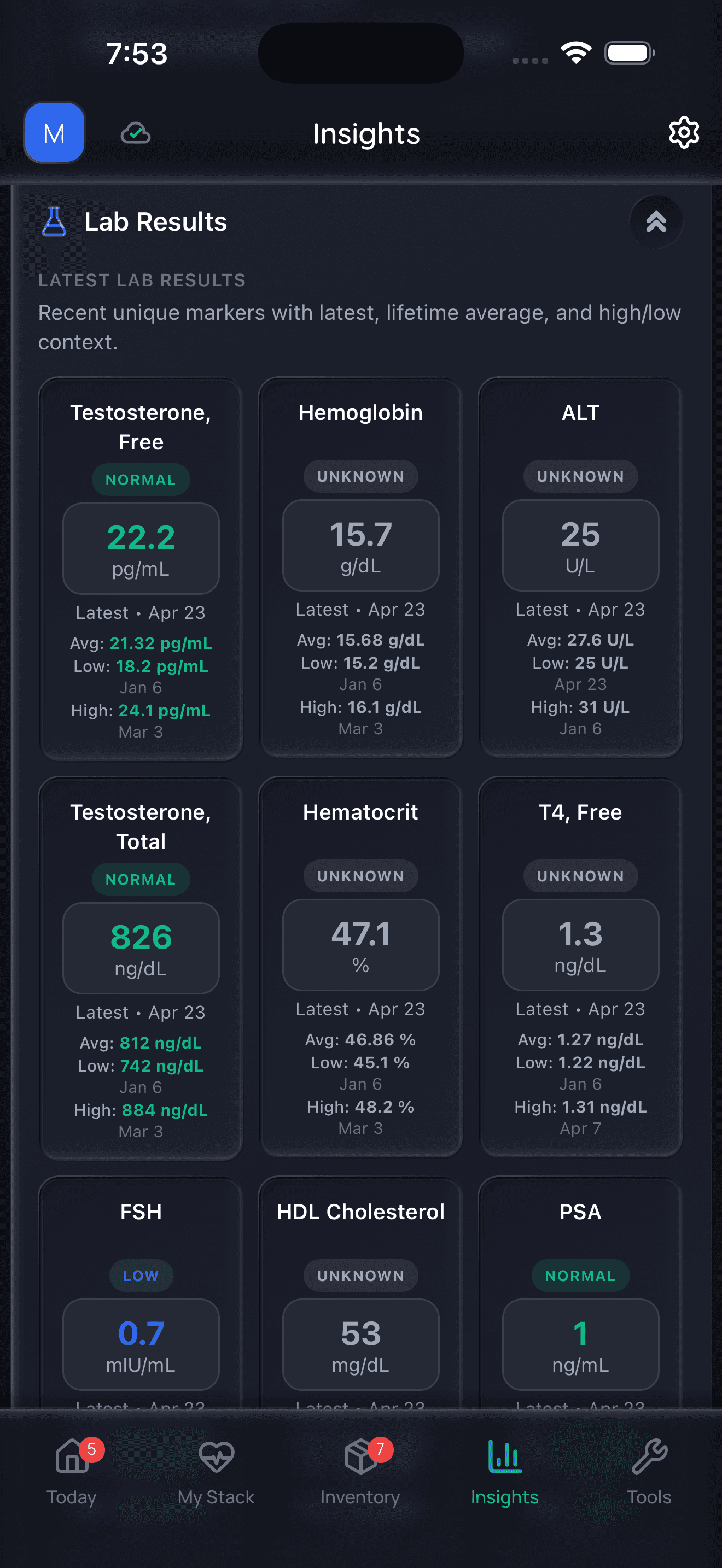
Doserly organizes data; it does not diagnose or interpret labs for you.
Dosing & Treatment Protocols
The Basics
Striant had one of the simplest dosing protocols among TRT formulations: one buccal system (30 mg) applied to the upper gum twice a day, approximately 12 hours apart. There was no dose titration, no multiple strengths to choose between, and no weight-based or blood-level-based dose adjustment. If serum testosterone levels were consistently outside the normal range (300-1050 ng/dL) despite proper use, the recommended action was to discontinue Striant and consider an alternative testosterone formulation rather than trying to adjust the dose [1].
This fixed-dose approach was both a strength and a limitation. On the positive side, it was simple and eliminated the complexity of dose titration that accompanies injectable testosterone or gel-based products. On the other hand, men who needed more or less than what 30 mg buccal testosterone delivered twice daily had no adjustment options within this product.
Before starting Striant, clinical guidelines required confirmation of hypogonadism by measuring serum testosterone in the morning on at least two separate days, with both results below the normal range [1][10].
Serum testosterone levels should be checked 4-12 weeks after starting treatment. A morning, pre-dose sample was recommended to capture the trough concentration.
The Science
Dosing Protocol:
- Fixed dose: 30 mg testosterone per buccal system
- Frequency: Twice daily (q12h), morning and evening
- Application site: Upper gum, just above the incisor tooth
- Rotation: Alternate sides of the mouth with each application
- Duration of application: 12 hours per system
Dose Adjustment: No dose titration is available for Striant. The fixed-dose design means that patients whose testosterone levels fall outside the target range (300-1050 ng/dL) despite consistent twice-daily use should be transitioned to an alternative TRT formulation that permits dose adjustment [1].
Pre-Treatment Confirmation: Diagnosis of hypogonadism requires two morning serum testosterone measurements below the lower limit of normal, plus clinical symptoms. Both the Endocrine Society and AUA recommend this two-measurement confirmation [10][11].
Monitoring Schedule:
- Serum testosterone: 4-12 weeks after initiation (morning, pre-dose sample)
- Hematocrit: Before initiation, 3-6 months, then annually
- PSA: Per age-appropriate guidelines
- Liver function: Periodically
- Lipids: Periodically
Dosing protocols often change over the course of treatment, starting doses get adjusted, injection frequencies get split, esters get switched. Doserly maintains a complete history of every protocol change, giving you and your provider a clear picture of what has been tried and how each adjustment affected your symptoms and lab values.
The app's adherence analytics show your consistency patterns and can highlight whether missed doses or timing variations correlate with symptom changes. When your provider is considering a dose adjustment based on your trough levels, having this data available makes the conversation more productive and the decision more informed.
Turn symptom and safety notes into a clearer timeline.
Doserly helps you log doses, symptoms, and safety observations side by side so patterns are easier to discuss with a qualified clinician.
Pattern view
Logs and observations

Pattern visibility is informational and should be reviewed with a clinician.
What to Expect (Timeline)
Days 1-7: Initial placement may feel unfamiliar. Some men experience mild gum irritation, tenderness, or an unusual taste during the first few days. Testosterone levels begin rising after the first dose and reach steady state after the second dose. Some men report subjective energy improvement within the first week, though this may partly reflect placebo effect.
Weeks 2-4: Gum-related side effects typically peak and begin resolving during this period. Most gum irritation resolves within 1-8 days; gum tenderness within 1-14 days. Libido changes are often the first clearly noticeable TRT effect. Energy and mood may begin improving.
Months 1-3: Sexual function improvements become more apparent. Initial body composition changes may begin. Mood stabilization is commonly reported. Hematocrit begins rising; first follow-up blood work should be drawn during this period. Any persistent gum irritation that has not resolved by this point warrants discussion with your provider about whether buccal delivery is appropriate for you.
Months 3-6: Body composition changes become more noticeable (modest fat loss, lean mass preservation). Strength improvements if combined with resistance training. Bone density changes beginning but not yet measurable.
Months 6-12: Full range of sexual function benefits. Significant body composition effects. Bone density improvements become measurable. Annual monitoring should include hematocrit, PSA, lipids.
Ongoing: Annual review including symptom reassessment, continued indication, risk-benefit discussion, and dose/formulation review. Since Striant is discontinued in the US, men currently in the timeline described above would need to transition to an alternative TRT formulation.
Fertility Preservation & HPG Axis
Exogenous testosterone, regardless of delivery route, suppresses the hypothalamic-pituitary-gonadal (HPG) axis via negative feedback. Buccal testosterone is no exception. When testosterone is delivered through Striant, the hypothalamus detects adequate or elevated androgen levels and reduces gonadotropin-releasing hormone (GnRH) pulse frequency. This leads to decreased luteinizing hormone (LH) and follicle-stimulating hormone (FSH) secretion from the anterior pituitary. The consequence is reduced intratesticular testosterone (which normally exists at 40-100 times serum concentrations) and impaired Sertoli cell support of spermatogenesis [1][12].
Timeline of suppression: Sperm count typically declines within 2-3 months of starting any form of exogenous testosterone. Approximately 40-60% of men on TRT achieve azoospermia (zero sperm count) by 6 months, with most of the remainder showing severe oligospermia (<1 million/mL) [12].
Rapid reversibility consideration: Striant's rapid offset (testosterone returns to baseline within 2-4 hours of removal) does not translate to rapid HPG axis recovery. While the exogenous testosterone itself clears quickly, the suppressed HPG axis requires weeks to months to resume normal GnRH pulsatility, LH/FSH secretion, and spermatogenesis. Recovery timelines after TRT discontinuation are generally 6-24+ months and are not guaranteed.
HCG co-administration: Some clinicians prescribe HCG (250-500 IU 2-3 times weekly) alongside TRT to maintain intratesticular testosterone and preserve spermatogenesis. This approach has supporting evidence but is not universally recommended by clinical guidelines [10].
Clomiphene/enclomiphene alternatives: For men with testosterone deficiency who desire fertility, selective estrogen receptor modulators (SERMs) such as clomiphene citrate or enclomiphene can stimulate endogenous testosterone production by blocking estrogen-mediated negative feedback at the hypothalamus, without suppressing spermatogenesis. These are used off-label for this indication.
Sperm banking recommendation: Men of reproductive age considering any form of TRT, including buccal testosterone, should discuss sperm banking before initiating treatment. This is the only guaranteed fertility preservation strategy.
Primary vs secondary hypogonadism implications: Men with primary hypogonadism (testicular failure) have limited spermatogenic capacity regardless of TRT status, and recovery after discontinuation may be minimal. Men with secondary hypogonadism (hypothalamic-pituitary dysfunction) generally have better prognosis for HPG axis recovery and spermatogenesis restoration after TRT cessation.
Clinical importance: Fertility counseling should be part of every TRT initiation conversation for men of reproductive age. This is not a minor side effect of testosterone therapy; it is a predictable physiological consequence of HPG axis suppression by exogenous androgens.
Interactions & Compatibility
Drug-Drug Interactions
- Anticoagulants (warfarin, DOACs): Testosterone may enhance anticoagulant effect. Monitor INR closely if on warfarin. Exercise caution with rivaroxaban, apixaban, edoxaban, dabigatran [1][13].
- Insulin and diabetes medications: Testosterone may improve insulin sensitivity and decrease blood glucose, potentially requiring insulin dose reduction. Monitor blood glucose closely when initiating or adjusting TRT [1].
- Corticosteroids: Concurrent use may enhance edema formation. Use cautiously, especially in patients with cardiac, renal, or hepatic disease [1].
- 5-alpha reductase inhibitors (finasteride, dutasteride): Block conversion of testosterone to DHT. May affect the side effect and efficacy profile of TRT. Used therapeutically for BPH and hair loss in men on TRT.
- Aromatase inhibitors (anastrozole): Sometimes co-prescribed to manage estradiol levels, though routine AI use is not recommended by Endocrine Society or AUA guidelines.
- Oxyphenbutazone: Concurrent use may elevate oxyphenbutazone serum levels [1].
- CYP3A4 substrates: Testosterone may affect levels of CYP3A4 substrates including lonafarnib, ivacaftor, midazolam [13].
Supplement Interactions
- DHEA: Additive androgenic effects possible. Use with caution.
- Boron: May increase free testosterone by reducing SHBG. Theoretical additive effect.
- Zinc: Supports endogenous testosterone production. Generally safe alongside TRT.
- Saw palmetto: Acts as a mild 5-alpha reductase inhibitor. May modestly affect DHT levels.
- Vitamin D: Associated with testosterone levels. Supplementation generally safe alongside TRT.
Lifestyle Factors
- Alcohol: Suppresses testosterone production and increases aromatization. May counteract TRT benefits.
- Sleep: Critical for testosterone production. TRT may worsen obstructive sleep apnea; screening recommended.
- Exercise: Resistance training is synergistic with TRT for body composition and strength outcomes.
- Body composition: Weight loss in obese men may normalize testosterone independently, reducing the need for TRT.
Cross-Links
- Testosterone Cypionate
- Testosterone Enanthate
- Testosterone Gel (AndroGel)
- Testosterone Patch (Androderm)
Decision-Making Framework
For men currently exploring TRT options, Striant is no longer available in the United States. However, understanding where buccal delivery fits in the TRT landscape can inform discussions with healthcare providers about which delivery method best suits individual needs.
When buccal delivery might have been ideal:
- Men with needle anxiety who preferred a non-injectable option
- Men with partners or children at home, where gel transfer risk was a concern
- Men who wanted rapid reversibility (testosterone clears within hours of removal)
- Men who valued discretion (the buccal system was not visible during normal conversation)
- Men who preferred a fixed, simple dosing regimen without titration complexity
When buccal delivery was less suitable:
- Men with significant gum disease, oral health concerns, or dentures
- Men who needed dose flexibility (Striant offered only a single 30 mg strength)
- Men who found the twice-daily application inconvenient compared to weekly injections or daily gel
- Men who were bothered by taste changes or oral irritation
Diagnostic criteria for TRT initiation remain unchanged: The Endocrine Society requires two morning total testosterone measurements below the lower limit of normal (varies by lab, typically <264-300 ng/dL) plus clinical symptoms of testosterone deficiency. The AUA uses 300 ng/dL as the threshold. These criteria apply regardless of which delivery method is chosen [10][11].
Questions to ask your provider: If you are considering TRT, discuss your symptom profile, fertility goals, cardiovascular risk factors, prostate health status, insurance coverage, lifestyle preferences (injection comfort, transfer risk concerns, dosing frequency), and which delivery methods are available and appropriate for your situation.
Administration & Practical Guide
Although Striant is discontinued in the US, this section provides the complete administration guidance for reference and for users in international markets where buccal testosterone may still be available.
Placement Technique
- Wash hands with soap and water before and after handling.
- Open the blister pack by tearing off the individual unit, then peel off the paper backing and push the buccal system through the foil.
- Locate the natural depression in the upper gum just above the left or right incisor tooth (the tooth immediately to the side of the two front teeth).
- Place the flat side of the buccal system against your fingertip. The curved side should face toward the gum.
- Press the curved side against the upper gum and push it up as high as it will comfortably go.
- Using your finger on the outside of your upper lip, hold the system firmly in place for 30 seconds to ensure adhesion.
- The system should now be stuck to your gum or inner cheek. Both positions are acceptable.
Daily Routine
- Apply once in the morning and once in the evening, approximately 12 hours apart.
- Rotate sides of the mouth with each application (left side in the morning, right side in the evening, or vice versa).
- Check that the system is still in place after eating, drinking, using mouthwash, or brushing teeth.
- Do not chew or swallow the buccal system.
If the System Falls Out
- Within 8 hours: Remove the old system, apply a new one. This counts as replacing the first dose. Apply the next system at the originally scheduled time (approximately 12 hours after the original application).
- After 8 hours but before 12 hours: Apply a new system. This replacement serves as the second dose for that day.
Removal
Gently slide the buccal system toward the front or back of the mouth to loosen it, then slide it downward from the gum toward the tooth. This technique avoids scratching the gum tissue.
Important Notes
- The system does not dissolve completely; it must be physically removed after 12 hours.
- As it absorbs moisture, it will soften and mold to the shape of your gum. This is normal.
- Food, beverages, toothbrushing, mouthwash, and chewing gum are all permitted while the system is in place.
- Alcohol consumption did not affect absorption in clinical studies.
- Dispose of used systems in household trash in a manner that prevents accidental exposure to children or pets.
Getting the administration routine right can take some experimenting. Doserly tracks not just whether you took your dose, but when, where you injected, and how, building a picture of your actual routine that can reveal opportunities for optimization.
The app's analytics can show whether small timing shifts affect how you feel, whether your injection site rotation is balanced, and how your adherence has evolved since you started treatment. When your provider asks about compliance, you will have real data, not an estimate, and when something feels off, you can check whether an administration change might be the reason.
Build reminders around the routine, not just the compound.
Doserly can keep timing, skipped doses, and schedule changes organized so the plan you read about becomes easier to follow and review.
Today view
Upcoming reminders
Reminder tracking supports consistency; it does not select a protocol for you.
Monitoring & Lab Work
Pre-Treatment Baseline Labs
- Total testosterone (two morning draws on separate days)
- Free testosterone (calculated or equilibrium dialysis)
- LH, FSH
- Estradiol
- SHBG
- Prolactin (if secondary hypogonadism suspected)
- CBC with hematocrit
- PSA (age-appropriate)
- Lipid panel
- Comprehensive metabolic panel
- DEXA if osteoporosis risk factors present
Initial Follow-Up (4-12 Weeks)
- Morning, pre-dose serum testosterone (to capture trough)
- Hematocrit
- Symptom assessment
- Gum examination (specific to buccal delivery)
Ongoing Monitoring
Parameter
Hematocrit
- Frequency
- 3-6 months initially, then annually
- Threshold/Notes
- >54% requires dose reduction or discontinuation
Parameter
PSA
- Frequency
- Per age-appropriate guidelines, annually for men >40
- Threshold/Notes
- Increase >1.4 ng/mL in 12 months warrants urological evaluation
Parameter
Testosterone levels
- Frequency
- 4-12 weeks, then as clinically indicated
- Threshold/Notes
- Pre-dose morning sample; target 300-1050 ng/dL
Parameter
Estradiol
- Frequency
- Only if symptomatic (gynecomastia, fluid retention)
- Threshold/Notes
- Not routine per guidelines
Parameter
Lipid panel
- Frequency
- Annually
- Threshold/Notes
- Not provided
Parameter
Liver function
- Frequency
- Periodically
- Threshold/Notes
- Not provided
Parameter
Gum examination
- Frequency
- At each visit (buccal-specific)
- Threshold/Notes
- Watch for irritation, ulceration, leukoplakia
Buccal-Specific Monitoring
Striant's prescribing information recommended regular gum inspection by both the patient (self-examination) and clinician. While no cases of ulceration or leukoplakia were observed in clinical trials lasting up to 1 year, the long-term oral safety data beyond 2 years was not available [1].
Estrogen Management on TRT
Aromatization of testosterone to estradiol via CYP19A1 (aromatase) is a normal and necessary physiological process. Estradiol plays important roles in bone health, cardiovascular function, libido, and cognitive function in men.
During Striant treatment, the testosterone-to-DHT ratio remained within normal physiological limits (9-12), and estradiol levels paralleled testosterone levels proportionally [1][3]. This suggests that buccal delivery does not disproportionately alter the aromatization pattern, unlike some oral testosterone undecanoate formulations that produce elevated DHT-to-testosterone ratios with relatively lower estradiol.
When estrogen management matters: Only when clinical symptoms of elevated estradiol (gynecomastia, significant fluid retention, nipple sensitivity, mood changes) are present. The Endocrine Society and AUA do not recommend routine estradiol monitoring or aromatase inhibitor (AI) use during TRT [10][11].
Community perspective vs clinical evidence: Online TRT communities often emphasize estradiol management and AI use (anastrozole). Clinical guidelines do not support routine AI co-prescription. Excessive estradiol suppression is associated with joint pain, bone density loss, adverse mood effects, and paradoxically decreased libido.
Stopping TRT / Post-Cycle Considerations
HPG axis recovery after buccal testosterone: Striant's rapid clearance (testosterone returns to baseline within 2-4 hours of removal) does not mean the HPG axis recovers quickly. While the exogenous hormone itself clears rapidly, the hypothalamic-pituitary suppression caused by weeks or months of treatment requires extended recovery time.
Recovery timeline: Following discontinuation of any testosterone formulation, endogenous production may take 6-24+ months to recover. Recovery to pre-TRT levels is not guaranteed. Factors affecting recovery include duration of TRT use, age, pre-TRT hormonal status, and whether HCG was used during treatment.
PCT protocols: These are community-derived practices adapted from anabolic steroid use. They are not standardized in clinical guidelines for TRT discontinuation:
- HCG taper: 1000-2000 IU every other day for 2-4 weeks
- Clomiphene citrate: 25-50 mg daily for 4-8 weeks
- Enclomiphene: Newer SERM, may have fewer side effects
- Tamoxifen: 10-20 mg daily for 4-6 weeks (less commonly used)
Primary vs secondary hypogonadism: Men with primary hypogonadism (testicular failure) have limited capacity for endogenous testosterone recovery regardless. Men with secondary hypogonadism may have better prognosis for recovery, especially if underlying causes (obesity, sleep apnea, opioid use) are addressed.
Is TRT lifelong? For men with classical primary hypogonadism, typically yes. For secondary hypogonadism where underlying causes can be addressed, TRT may potentially be discontinued. For age-related decline, the answer is individualized and should be discussed with a healthcare provider.
Symptom management during recovery: Expect return of low-T symptoms (fatigue, low libido, mood changes). SERMs can help bridge the recovery period. Exercise, sleep optimization, and stress management are supportive.
Special Populations & Situations
Obese Men
Weight loss alone may normalize testosterone in some obese men, potentially eliminating the need for TRT. If TRT is initiated, higher aromatization due to increased adipose tissue may affect estradiol levels. The fixed dose of Striant (30 mg BID) could not be adjusted for body weight.
Men with Sleep Apnea
TRT may exacerbate obstructive sleep apnea. CPAP optimization before and during TRT is recommended. Sleep study may be warranted before initiation. Striant's prescribing information specifically warns about potentiating sleep apnea [1].
Men with Prostate Cancer History
Historically an absolute contraindication. Evidence is evolving (saturation model), but this remains controversial and requires specialized urological consultation. Standard PSA monitoring applies.
Cardiovascular Disease History
TRAVERSE trial provides reassurance for non-inferiority regarding MACE with transdermal testosterone. Hematocrit monitoring is critical. Route-specific cardiovascular data for buccal delivery does not exist.
Type 2 Diabetes
Testosterone may improve insulin sensitivity and metabolic parameters. Insulin and diabetes medication doses may need adjustment. Monitor blood glucose closely when starting TRT [1].
Older Men (>65)
In Striant's clinical studies, patients aged 65+ had 12.7% higher Cavg(0-24) and 15.6% lower T/DHT AUC ratio compared to younger patients. These differences may not be clinically significant, but underscore the importance of monitoring in older patients. Insufficient long-term safety data exists in geriatric patients using Striant to assess cardiovascular and prostate cancer risk [1].
Transgender Men (FTM)
Buccal testosterone has not been specifically studied for masculinizing hormone therapy. The fixed dose of 30 mg BID may not meet the dosing requirements for masculinization, which typically require higher testosterone levels than replacement therapy. Injectable testosterone is the most commonly used formulation for transgender men.
Regulatory, Insurance & International
United States (FDA/DEA)
- FDA approval: June 19, 2003 (NDA021543)
- DEA Schedule: III (CIII)
- Manufacturer: Originally Columbia Laboratories; later Actient Pharmaceuticals/Endo Pharmaceuticals
- Current status: Discontinued. No longer commercially available in the US.
- FDA-approved indications: Classical hypogonadism only (primary and hypogonadotropic). Not approved for age-related testosterone decline.
- FDA labeling updates: 2016 update added cardiovascular risk warning and abuse monitoring language.
United Kingdom / European Union
- Striant SR was marketed in the UK and some EU countries. Availability may vary; check with local regulatory authorities.
- The product may be discontinued in multiple international markets as well.
Travel Considerations
Testosterone is classified as a controlled substance in most jurisdictions. Patients traveling with testosterone products should carry documentation of their prescription, maintain medications in original packaging, and research destination country regulations regarding controlled substance importation.
Cost and Access
As a discontinued product, Striant is no longer available through US pharmacies. Men currently seeking TRT should discuss available alternatives with their healthcare provider, including injectable testosterone (cypionate, enanthate), transdermal gels (AndroGel, Testim, Fortesta), transdermal patches (Androderm), nasal gel (Natesto), oral formulations (Jatenzo, Kyzatrex, Tlando), and pellet implants (Testopel).
Frequently Asked Questions
Q: Is Striant still available?
A: No. Striant has been discontinued in the United States. It may still be available in some international markets, but availability varies by country. Men seeking TRT should discuss currently available options with their healthcare provider.
Q: Why was Striant discontinued?
A: The specific reasons for discontinuation were not publicly disclosed by the manufacturer. Market factors including limited adoption, competition from other TRT delivery methods, and manufacturing decisions may have contributed.
Q: How did Striant compare to injections?
A: Striant was not directly compared to injectable testosterone in controlled trials. In terms of achieving physiological testosterone levels, Striant was effective (87-97% of patients in range). The main differences were practical: no needles, no injection site reactions, but twice-daily gum application and potential oral side effects.
Q: Did Striant cause gum disease?
A: Clinical trials showed gum irritation in 9-16% of patients, but this was generally mild and transient. No cases of ulceration or leukoplakia were observed. Interestingly, gingivitis rates actually decreased during treatment compared to baseline, though this was likely related to increased oral hygiene awareness rather than the product itself.
Q: Could Striant transfer testosterone to partners or children?
A: No. Unlike testosterone gels, Striant posed no clinically significant risk of secondary transfer. Any testosterone present in saliva undergoes extensive hepatic first-pass metabolism when swallowed, and the saliva of men using Striant contains similar testosterone levels to the saliva of men with normal endogenous testosterone.
Q: How quickly did testosterone drop after removing Striant?
A: Serum testosterone decreased to below the normal range within 2-4 hours of removal. This rapid reversibility was both an advantage (easy to stop if needed) and a limitation (missed doses had immediate impact).
Q: Was Striant affected by eating, drinking, or brushing teeth?
A: No. Clinical studies showed that food, beverages, toothbrushing, mouthwash, chewing gum, and alcohol did not significantly affect testosterone absorption from Striant.
Q: Could you swallow Striant accidentally?
A: Oral ingestion was not expected to produce clinically significant testosterone levels due to extensive hepatic first-pass metabolism. The buccal system was designed to stay in place for 12 hours and was not intended to be swallowed.
Q: What alternatives are available now that Striant is discontinued?
A: Multiple TRT options remain available: injectable testosterone (cypionate, enanthate, auto-injectors like Xyosted), transdermal gels (AndroGel, Testim, Fortesta), transdermal patches (Androderm), nasal testosterone (Natesto), oral testosterone (Jatenzo, Kyzatrex, Tlando), compounded testosterone cream, and testosterone pellets (Testopel). Each has different advantages and trade-offs. Discuss with your healthcare provider to find the best fit for your situation.
Q: Did Striant affect fertility?
A: Yes. Like all exogenous testosterone, Striant suppresses the HPG axis and can impair spermatogenesis. Men who may want biological children should discuss fertility preservation strategies (sperm banking, HCG co-administration, SERM alternatives) with their provider before starting any form of TRT.
Q: Should I start TRT?
A: This is a personal medical decision that depends on your specific hormonal profile, symptoms, risk factors, fertility goals, and overall health status. A qualified healthcare provider (endocrinologist, urologist, or men's health specialist) can evaluate your individual situation and discuss the benefits, risks, and alternatives. This guide is for educational purposes only and does not constitute medical advice.
Myth vs. Fact
Myth: Buccal testosterone causes permanent gum damage.
Fact: Clinical trials lasting up to 2 years showed no cases of ulceration, leukoplakia, or permanent gum damage. Gum irritation occurred in 9-16% of patients but was generally transient, resolving within 1-14 days. Gingivitis rates actually decreased during treatment compared to baseline [1][3].
Myth: TRT causes heart attacks.
Fact: The TRAVERSE trial (N=5,246), the largest randomized controlled trial powered for cardiovascular outcomes in TRT, found no significant increase in major adverse cardiovascular events with testosterone vs placebo (HR 0.96, 95% CI: 0.78-1.17) over 33 months. Absolute MACE rates were 7.0% (testosterone) vs 7.3% (placebo). TRAVERSE did note increased atrial fibrillation, pulmonary embolism, and acute kidney injury. Individual cardiovascular risk assessment remains important [9].
Myth: TRT causes prostate cancer.
Fact: Current evidence does not support a causal link between TRT at physiological replacement doses and prostate cancer initiation. The "saturation model" suggests that androgen receptors in prostate tissue are fully saturated at low-normal testosterone levels, and further increases do not meaningfully stimulate prostate growth. PSA monitoring during TRT is standard practice, and men with active, untreated prostate cancer should not receive TRT [11].
Myth: TRT is just steroids.
Fact: Testosterone replacement therapy restores testosterone to the normal physiological range (300-1050 ng/dL) in men with diagnosed deficiency. This is fundamentally different from supraphysiological anabolic steroid use, where doses can be 5-10 times higher than replacement levels. Striant's fixed 30 mg BID dose was specifically designed to produce average testosterone levels of 520-550 ng/dL, firmly in the mid-normal range [1].
Myth: Once you start TRT you can never stop.
Fact: TRT can be discontinued, and buccal testosterone in particular clears from the body within hours of removal. However, HPG axis recovery takes months to potentially over a year, and recovery to pre-treatment testosterone levels is not guaranteed. Whether TRT is lifelong depends on the underlying cause of hypogonadism. Men with reversible causes (obesity-related, opioid-induced) may be able to discontinue TRT after addressing the underlying condition.
Myth: TRT will make you permanently infertile.
Fact: Spermatogenesis suppression during TRT is usually reversible, with most men recovering sperm production within 6-24 months of discontinuation. However, recovery is not guaranteed in all cases. Sperm banking before TRT initiation is recommended for men who may want biological children [12].
Myth: Higher testosterone doses are always better.
Fact: Clinical guidelines target the normal physiological range. Striant was designed to maintain testosterone at 520-550 ng/dL average, not to maximize levels. Supraphysiological doses increase the risk of polycythemia, cardiovascular events, and other side effects without proportional additional benefit for symptoms of testosterone deficiency [10].
Myth: All TRT delivery methods are equally effective.
Fact: While all approved TRT formulations can achieve physiological testosterone levels, they differ in consistency of delivery, side effect profiles, convenience, and patient preference. The head-to-head study between Striant and the testosterone patch showed significant differences, with 97% of Striant patients achieving physiological levels vs only 56% of patch patients [4].
Sources & References
Clinical Guidelines
[10] Bhasin S, Brito JP, Cunningham GR, et al. Testosterone Therapy in Men with Hypogonadism: An Endocrine Society Clinical Practice Guideline. J Clin Endocrinol Metab. 2018;103(5):1715-1744. https://pubmed.ncbi.nlm.nih.gov/29562364/
[11] Mulhall JP, Trost LW, Brannigan RE, et al. Evaluation and Management of Testosterone Deficiency: AUA Guideline. J Urol. 2018;200(2):423-432. https://pubmed.ncbi.nlm.nih.gov/29601923/
Landmark Trials
[9] Lincoff AM, Bhasin S, Flevaris P, et al. Cardiovascular Safety of Testosterone-Replacement Therapy. N Engl J Med. 2023;389(2):107-117 (TRAVERSE trial). https://pubmed.ncbi.nlm.nih.gov/37334136/
Product-Specific Studies
[1] Striant (testosterone buccal system) mucoadhesive. Full Prescribing Information (FDA-approved label, NDA021543). DailyMed, National Library of Medicine. https://dailymed.nlm.nih.gov/dailymed/drugInfo.cfm?setid=ac47efbe-025b-4688-bcd3-a10a0b012b34
[3] Wang C, Swerdloff R, Kipnes M, et al. New testosterone buccal system (Striant) delivers physiological testosterone levels: pharmacokinetics study in hypogonadal men. J Clin Endocrinol Metab. 2004;89(8):3821-3829. https://pubmed.ncbi.nlm.nih.gov/15292312/
[4] Dinsmore WW, Wyllie MG. The long-term efficacy and safety of a testosterone mucoadhesive buccal tablet in testosterone-deficient men. BJU Int. 2012;110(2):162-169. https://pubmed.ncbi.nlm.nih.gov/22288877/
[8] Dobs AS, Hoover DR, Chen MC, Allen R. Pharmacokinetic characteristics, efficacy, and safety of buccal testosterone in hypogonadal males: a pilot study. J Clin Endocrinol Metab. 1998;83(1):33-39. https://pubmed.ncbi.nlm.nih.gov/9435413/
[7] Korbonits M, et al. A comparison of a novel testosterone bioadhesive buccal system, Striant, with a testosterone adhesive patch in hypogonadal males. J Clin Endocrinol Metab. 2004;89(5):2039-2043. https://pubmed.ncbi.nlm.nih.gov/15126518/
Government/Institutional Sources
[2] Methyltestosterone and oral androgen hepatotoxicity. Historical references on 17-alpha-alkylated androgen hepatotoxicity including peliosis hepatis and hepatocellular carcinoma.
[5] MedlinePlus Drug Information: Testosterone Buccal. National Library of Medicine. https://medlineplus.gov/druginfo/meds/a603034.html
[6] Drugs.com. Generic Striant Availability. https://www.drugs.com/availability/generic-striant.html
[12] Patel AS, Leong JY, Ramasamy R. Prediction of male infertility by the World Health Organization laboratory manual for assessment of semen analysis: A systematic review. Arab J Urol. 2018;16(1):96-102. General references on exogenous testosterone and spermatogenesis suppression (40-60% azoospermia by 6 months).
[13] Medscape Drug Reference: Testosterone Buccal System (Striant). Drug interactions and CYP3A4 considerations. https://reference.medscape.com/drug/striant-testosterone-buccal-system-342797
Related Guides & Cross-Links
Same Category (Other Delivery Methods)
Related Treatment Options
- Testosterone Cypionate (Depo-Testosterone)
- Testosterone Enanthate (Delatestryl)
- Testosterone Gel (AndroGel)
- Testosterone Gel (Testim)
- Testosterone Gel (Fortesta)
- Testosterone Patch (Androderm)
- Testosterone Undecanoate Oral (Jatenzo)
- Testosterone Undecanoate Oral (Kyzatrex)
- Testosterone Undecanoate Oral (Tlando)
- Compounded Testosterone Cream
Ancillary Medications
Educational Resources
- TRT for Beginners
- TRT Blood Work Guide
- Fertility Preservation on TRT
- Estrogen Management on TRT
- Stopping TRT & Post-Cycle Recovery
- The TRAVERSE Trial Explained