
TRT and Body Composition
On this page
Quick Reference Card
Attribute
Guide Topic
- Value
- TRT and Body Composition
Attribute
Category
- Value
- Symptom & System Guide
Attribute
Primary Outcomes
- Value
- Lean mass gain, fat mass reduction, body recomposition
Attribute
Key Evidence
- Value
- Corona et al. 2016 (meta-analysis: 59 RCTs), TTrials, TRAVERSE
Attribute
Typical Lean Mass Gain
- Value
- 1.6-5.7 kg over 6-12 months (varies by study, dose, and baseline)
Attribute
Typical Fat Mass Loss
- Value
- 1.6-3.6 kg over 6-12 months (varies by study, dose, and baseline)
Attribute
Key Moderators
- Value
- Exercise intensity, diet quality, baseline testosterone level, age, obesity status
Attribute
Timeline for Visible Changes
- Value
- 3-6 months for noticeable changes; 6-12 months for significant recomposition
Attribute
Primary Safety Concerns
- Value
- Polycythemia (hematocrit >54%), fertility suppression, cardiovascular monitoring
Attribute
Key Monitoring
- Value
- Hematocrit, testosterone levels, body composition (DEXA), metabolic markers
Attribute
Exercise Recommendation
- Value
- Resistance training 3-5x/week synergistically enhances TRT body composition effects
Overview / What Is TRT and Body Composition?
The Basics
If you have been diagnosed with low testosterone and are considering or currently receiving testosterone replacement therapy, one of the most tangible changes you may notice is how your body looks and feels. "Body composition" refers to the ratio of lean tissue (muscle, bone, organs) to fat tissue in your body. It is not the same as body weight. Two people can weigh exactly the same yet have very different body compositions, and the ratio of muscle to fat has significant implications for metabolic health, physical function, and quality of life.
Low testosterone is closely linked to unfavorable body composition changes. Men with hypogonadism tend to accumulate more body fat, particularly visceral fat around the midsection, while losing muscle mass and strength. This creates a frustrating cycle: less muscle means a slower metabolism, which makes it easier to gain fat, which further suppresses testosterone through increased aromatase activity in fat tissue. Breaking this cycle is one of the primary therapeutic goals of TRT.
The evidence for TRT improving body composition is among the strongest and most consistent findings in testosterone research. Across dozens of clinical trials and long-term studies, testosterone therapy reliably increases lean mass and decreases fat mass in hypogonadal men. However, the scale does not always tell the full story. Many men on TRT find that their weight stays roughly the same, but their body shape changes considerably as muscle replaces fat. This phenomenon, known as body recomposition, is one of the most important concepts to understand when evaluating how TRT is working.
It is worth noting that TRT is not a weight loss drug, and it is not approved by the FDA for the purpose of changing body composition. Its effects on muscle and fat are secondary to treating the underlying hormonal deficiency. The degree of body composition improvement depends heavily on individual factors including diet, exercise habits, baseline health, and the specific cause and severity of hypogonadism.
The Science
Testosterone is a primary anabolic hormone with direct and well-characterized effects on body composition. At the molecular level, testosterone promotes skeletal muscle protein synthesis through androgen receptor (AR)-mediated transcriptional activation, stimulates satellite cell proliferation and differentiation, and increases the commitment of mesenchymal pluripotent stem cells to the myogenic lineage while inhibiting adipogenic differentiation [1][2].
The relationship between testosterone and body composition is bidirectional. Epidemiological data from the European Male Ageing Study (EMAS) demonstrated that obesity is the single most significant risk factor for testosterone deficiency, with a BMI greater than 30 kg/m2 conferring an 8.7-fold higher risk of hypogonadism compared to normal-weight men [3]. Adipose tissue expresses high levels of aromatase (CYP19A1), which converts testosterone to estradiol, creating a feed-forward loop of hormonal suppression and adiposity accumulation.
Two comprehensive meta-analyses by Corona et al. (2016) provide the most robust quantitative assessment. The RCT meta-analysis (59 trials, n=5,078) demonstrated that testosterone supplementation significantly reduced fat mass and increased lean mass without significant changes in total body weight, waist circumference, or BMI [4]. The parallel observational study meta-analysis (32 studies, n=4,513) showed weight loss of -3.50 kg and waist circumference reduction of -6.23 cm at 24 months, with effects being time-dependent and progressive [5]. The discrepancy between RCT and observational data likely reflects both longer treatment duration in observational studies and potential selection/adherence bias.
The TRAVERSE trial (n=5,246), while designed primarily for cardiovascular safety assessment, enrolled a predominantly obese population (mean BMI 35 kg/m2) and confirmed that testosterone therapy is cardiovascularly safe in this metabolically vulnerable group (HR 0.96, 95% CI: 0.78-1.17 for MACE non-inferiority), providing critical safety context for men pursuing body composition benefits from TRT [6].
Medical / Chemical Identity
Guide Topic: TRT and Body Composition (Symptom & System Guide)
This is a cross-treatment guide rather than a single-compound guide. Body composition effects have been demonstrated across multiple testosterone formulations:
- Injectable esters: Testosterone cypionate, testosterone enanthate, testosterone undecanoate
- Transdermal: Testosterone gel (AndroGel, Testim, Fortesta), testosterone patch (Androderm), compounded testosterone cream
- Oral: Testosterone undecanoate (Jatenzo, Kyzatrex, Tlando, Andriol)
- Other: Intranasal (Natesto), buccal (Striant), pellets (Testopel)
All testosterone formulations are Schedule III controlled substances in the United States. Body composition effects are a class effect of testosterone normalization rather than specific to any formulation, though route-dependent differences in peak-trough dynamics and aromatization patterns may influence the magnitude and quality of recomposition.
Key Biomarkers for Body Composition Monitoring:
- Total and free testosterone (treatment adequacy)
- Estradiol (aromatization from adipose tissue)
- Hematocrit/hemoglobin (safety monitoring)
- Fasting glucose, HbA1c, insulin (metabolic health)
- Lipid panel (cardiovascular risk)
- DEXA scan (gold standard body composition measurement)
- Waist circumference (visceral adiposity proxy)
Mechanism of Action / Pathophysiology
The Basics
Understanding how testosterone changes your body composition starts with understanding what testosterone does at the cellular level. Your body contains two main types of tissue that determine your shape: muscle (lean mass) and fat. Testosterone influences both, pushing your body toward building more muscle and storing less fat.
On the muscle side, testosterone acts as a growth signal. It enters muscle cells and activates a genetic program that increases protein synthesis, essentially telling your muscles to build and repair themselves more efficiently. This is why men with low testosterone often notice their muscles seem to shrink even when they continue working out. Restoring testosterone levels reactivates these growth signals.
On the fat side, testosterone works in a different but equally important way. Your body contains stem cells that can develop into either muscle cells or fat cells. Testosterone directs more of these stem cells toward becoming muscle cells and fewer toward becoming fat cells. It also improves how your body burns fat for energy and reduces the activity of enzymes that promote fat storage.
There is also a metabolic dimension. Low testosterone is associated with insulin resistance, meaning your body becomes less efficient at using glucose for energy and more likely to store it as fat. Testosterone therapy can improve insulin sensitivity, creating a metabolic environment more conducive to lean tissue maintenance and fat utilization.
The aromatase connection adds another layer. Fat tissue contains an enzyme called aromatase that converts testosterone to estradiol (a form of estrogen). The more fat you carry, the more aromatase activity you have, and the more testosterone gets converted to estrogen. This creates a vicious cycle: low testosterone promotes fat gain, more fat converts more testosterone to estrogen, which further lowers available testosterone. TRT can help break this cycle by flooding the system with enough testosterone to overcome the aromatase-driven conversion.
The Science
Testosterone modulates body composition through multiple interconnected mechanisms operating at the genomic, cellular, and systemic levels [1][2].
Skeletal Muscle Anabolism:
Testosterone binds to intracellular androgen receptors (AR) in skeletal muscle fibers, initiating genomic transcription of genes involved in protein synthesis, including IGF-1, MyoD, and myogenin. The dose-response relationship between testosterone and lean body mass is well-established: Bhasin et al. (2001) demonstrated in healthy young men that testosterone increases lean mass and decreases fat mass in a linear, dose-dependent manner, with changes directly proportional to serum testosterone concentrations [2]. Non-genomic AR signaling through MAPK/ERK and PI3K/Akt pathways provides rapid anabolic effects within minutes to hours.
Mesenchymal Stem Cell Commitment:
Testosterone promotes the commitment of pluripotent mesenchymal stem cells toward the myogenic lineage while inhibiting adipogenic differentiation. This partitioning effect means that in a testosterone-replete environment, precursor cells preferentially become muscle rather than fat, fundamentally altering the trajectory of tissue remodeling [1].
Adipose Tissue Regulation:
Testosterone suppresses lipoprotein lipase (LPL) activity in adipose tissue, reducing triglyceride uptake and storage. It increases hormone-sensitive lipase (HSL) activity, promoting lipolysis. Testosterone also enhances beta-adrenergic receptor density on adipocytes, increasing catecholamine-mediated fat mobilization. The net effect is reduced fat accumulation and enhanced fat oxidation [1][5].
Aromatase-Mediated Feedback Loop:
In obesity, expanded visceral adipose tissue expresses high levels of CYP19A1 (aromatase), catalyzing the irreversible conversion of testosterone to 17-beta-estradiol. The resulting relative hyperestrogenism suppresses hypothalamic GnRH pulse frequency and pituitary LH secretion, compounding the hypogonadal state. TRT partially overcomes this conversion by providing supraphysiological substrate, though body fat reduction during therapy also reduces aromatase mass and activity over time [3].
Metabolic Improvements:
Testosterone improves insulin sensitivity through direct effects on skeletal muscle glucose transporter (GLUT4) expression and indirect effects via lean mass expansion (which increases basal metabolic rate and glucose disposal capacity). The RCT meta-analysis demonstrated significant reductions in fasting glycemia and insulin resistance with testosterone supplementation, with greater effects in younger individuals and those with metabolic diseases [4].
Pathway & System Visualization
Pharmacokinetics / Hormone Physiology
The Basics
Body composition effects from TRT are not immediate. They depend on achieving and maintaining testosterone levels in the therapeutic range over weeks and months. Different testosterone formulations deliver the hormone to your bloodstream at different rates, and this affects how quickly body composition changes begin and how pronounced peak-trough fluctuations are.
Injectable formulations (like testosterone cypionate or enanthate) create a cycle where levels peak 24-48 hours after injection and then gradually decline over the following days. More frequent injections (e.g., twice weekly instead of once weekly) create a smoother curve with less dramatic peaks and troughs. Some evidence suggests that more stable levels may reduce side effects like water retention and estrogen spikes, which can affect how body composition changes are perceived early in treatment.
Transdermal formulations (gels, patches, creams) provide more consistent daily levels, which may reduce fluctuation-related side effects. However, the daily testosterone delivery is generally lower than injectable formulations, and absorption can vary based on application site, skin condition, and other factors.
For body composition purposes, the specific formulation matters less than achieving consistent testosterone levels in the therapeutic range (typically 450-700 ng/dL at trough for injectables) and maintaining them over the months required for recomposition to occur.
The Science
The pharmacokinetic profile of testosterone formulations has implications for body composition outcomes primarily through two mechanisms: sustained anabolic signaling duration and aromatization patterns [7].
Injectable Esters (IM/SubQ):
Testosterone cypionate and enanthate have elimination half-lives of approximately 8 days, achieving peak concentrations (Cmax 800-1200 ng/dL for 100-200mg IM) within 24-48 hours. Trough levels at 7-10 days typically range from 300-600 ng/dL. The peak-to-trough ratio is clinically relevant for body composition: supraphysiological peaks may transiently increase aromatization and water retention, while adequate troughs maintain continuous anabolic signaling [7].
Transdermal (Gel/Patch/Cream):
Daily application provides relatively stable levels (less pronounced peak-trough) with Cmax typically 500-900 ng/dL. Lower peak concentrations may result in less aromatization per unit time, potentially favoring fat loss in men with high baseline aromatase activity. However, total daily testosterone exposure may be lower than with injectable formulations [7].
Route-Dependent Body Composition Differences:
While body composition improvements are a class effect, injectable formulations may produce slightly greater lean mass gains due to higher peak testosterone concentrations stimulating greater protein synthesis. Conversely, transdermal formulations may produce less water retention and fluid-related weight fluctuation, making body composition tracking on the scale more straightforward. These differences are modest and clinically less significant than adherence and total treatment duration.
Research & Clinical Evidence
The Basics
The evidence that TRT improves body composition in men with low testosterone is extensive. It is, in fact, one of the most consistently demonstrated effects of testosterone therapy, more reliable than improvements in mood, vitality, or cognitive function. Here is what the major studies tell us.
The big picture from meta-analyses: When researchers combined data from 59 randomized controlled trials involving over 5,000 men, they found a clear pattern: testosterone therapy increases lean mass and decreases fat mass. Interestingly, total body weight did not change significantly, which means testosterone is driving a swap of fat for muscle rather than simple weight loss [4]. Observational studies following men for longer periods showed more dramatic results, with average weight loss of about 3.5 kg and waist circumference reduction of about 6 cm at two years, with effects continuing to grow over time [5].
The Testosterone Trials (TTrials): This landmark set of seven coordinated trials studied 790 men aged 65 and older with low testosterone. Testosterone treatment consistently increased lean mass (by about 2 kg) and decreased fat mass (by about 3 kg). However, these body composition improvements did not translate into significant improvements in walking distance or physical function in this older population [8]. This finding is important: gaining muscle on TRT does not automatically mean gaining strength or functional capacity, particularly in older adults. Targeted exercise is a critical complement.
Long-term evidence: A registry study following 261 hypogonadal men for up to five years found continuous, progressive weight loss with testosterone undecanoate injections. Mean weight loss was 3.2% at one year, growing to 10.5% at five years. A 10-year extension with 805 patients showed treated men lost 20.3% of their baseline weight while untreated controls gained weight [9]. These are remarkable numbers for any intervention in the obesity space, though the non-randomized design requires cautious interpretation.
TRT plus diet: A particularly informative study randomized 100 obese men with low testosterone to either testosterone undecanoate or placebo while both groups followed a caloric restriction diet. Both groups initially lost weight, but a key difference emerged: men receiving placebo lost both fat and muscle, while men receiving testosterone lost almost exclusively fat and preserved or regained their lean mass [10]. This is one of the most clinically relevant findings for men considering TRT during weight loss efforts.
The Science
Meta-Analytic Evidence (Corona et al. 2016):
The RCT meta-analysis (59 trials, n=5,078) demonstrated statistically significant reductions in fat mass (weighted mean difference: -1.6 kg, 95% CI: -2.0 to -1.1, P < 0.001) and increases in lean mass (weighted mean difference: +1.6 kg, 95% CI: 1.1 to 2.0, P < 0.001) with testosterone supplementation. No significant changes were observed in total body weight, waist circumference, or BMI in the overall analysis. Subgroup analysis showed greater glycemic effects in younger individuals and those with metabolic diseases [4].
The parallel observational meta-analysis (32 studies, n=4,513) showed larger and time-dependent effects: weight loss of -3.50 kg (95% CI: -5.21 to -1.80) and waist circumference reduction of -6.23 cm (95% CI: -7.94 to -4.76) at 24 months. Fat mass reduction and lean mass increases were both significant, accompanied by improvements in fasting glycemia, insulin resistance, and lipid profiles [5].
TTrials Body Composition Data:
The Physical Function Trial within TTrials (n=790, men >= 65 years, serum T < 275 ng/dL) demonstrated lean mass increase of approximately 1.9 kg and fat mass decrease of approximately 3.0 kg with testosterone gel over 12 months (earlier data from Snyder et al. 1999 in similar population using patches). Despite these body composition changes, knee extension and flexion strength did not differ significantly between testosterone and placebo groups [8][11]. This dissociation between body composition and functional outcomes in elderly men highlights that muscle mass alone does not guarantee functional improvement; neuromuscular adaptations and training specificity are also required.
Cardiovascular Safety Context (TRAVERSE):
The TRAVERSE trial (n=5,246, men 45-80 with CV disease or risk) demonstrated non-inferiority for MACE (HR 0.96, 95% CI: 0.78-1.17) in a predominantly obese population (mean BMI 35). This provides critical safety assurance for the many hypogonadal men seeking body composition benefits who also carry cardiovascular risk factors. Notable secondary findings included increased rates of atrial fibrillation, pulmonary embolism, and acute kidney injury in the testosterone group [6]. Hematocrit monitoring remains essential.
Testosterone Plus Caloric Restriction (Ng Tang Fui et al. 2016):
In this RCT (n=100, obese men with T <= 12 nmol/L), the testosterone group showed greater fat mass reduction (MAD -2.9 kg) and visceral fat reduction (MAD -2678 mm2) compared to placebo during caloric restriction. The testosterone group regained 3.3 kg of lean mass during weight maintenance compared to 0.8 kg in the placebo group, yielding 3.4 kg more lean mass at study end (P = 0.002). The conclusion: "weight loss with testosterone treatment was almost exclusively due to loss of body fat" [10].
Evidence & Effectiveness Matrix
Category
Muscle Mass & Strength
- Evidence Strength
- 9/10
- Reported Effectiveness
- 8/10
- Summary
- Strongest and most consistent TRT evidence domain. Multiple RCTs, meta-analyses, and dose-response data confirm lean mass gains of 1.6-5.7 kg. Community reports align strongly with clinical data.
Category
Body Fat & Composition
- Evidence Strength
- 8/10
- Reported Effectiveness
- 7/10
- Summary
- Strong RCT and observational evidence for fat mass reduction. Body recomposition (fat loss + lean gain without weight change) well-documented. Community reports positive but emphasize exercise requirement.
Category
Energy & Vitality
- Evidence Strength
- 7/10
- Reported Effectiveness
- 8/10
- Summary
- TTrials showed modest vitality benefit. Community reports energy improvement as a key enabler of exercise consistency that drives body composition changes.
Category
Metabolic Health
- Evidence Strength
- 7/10
- Reported Effectiveness
- 6/10
- Summary
- Meta-analytic evidence for improved fasting glycemia and insulin resistance. Greater effects in younger men and those with metabolic diseases.
Category
Sexual Function & Libido
- Evidence Strength
- 8/10
- Reported Effectiveness
- 7/10
- Summary
- Well-established TRT benefit (TTrials primary positive finding), frequently co-reported alongside body composition improvements.
Category
Mood & Emotional Wellbeing
- Evidence Strength
- 6/10
- Reported Effectiveness
- 6/10
- Summary
- TTrials showed some benefit for depressive symptoms. Community reports improved confidence, partly secondary to physical transformation.
Category
Cardiovascular Health
- Evidence Strength
- 8/10
- Reported Effectiveness
- Not Scored
- Summary
- TRAVERSE provides strong safety data (HR 0.96 for MACE). Body composition improvement may contribute to cardiovascular risk reduction. Increased atrial fibrillation and VTE noted.
Category
Bone Health
- Evidence Strength
- 7/10
- Reported Effectiveness
- Not Scored
- Summary
- TTrials showed increased BMD. Relevant to body composition through improved physical activity capacity. Community data insufficient to score.
Category
Polycythemia & Hematologic
- Evidence Strength
- 7/10
- Reported Effectiveness
- 5/10
- Summary
- Well-characterized safety concern. Hematocrit >54% threshold. Injectable routes show higher rates than transdermal. Community accepts as manageable.
Category
Gynecomastia & Estrogen
- Evidence Strength
- 6/10
- Reported Effectiveness
- 4/10
- Summary
- Relevant to body composition through aromatization in adipose tissue. Community sentiment mixed.
Category
Sleep Quality
- Evidence Strength
- 5/10
- Reported Effectiveness
- Not Scored
- Summary
- Limited body composition-specific evidence. OSA concerns with TRT.
Category
Cognitive Function
- Evidence Strength
- 5/10
- Reported Effectiveness
- 5/10
- Summary
- TTrials showed limited cognitive benefit. Some community reports of improved mental clarity alongside physical changes.
Category
Fluid Retention & Edema
- Evidence Strength
- 5/10
- Reported Effectiveness
- 4/10
- Summary
- Initial water retention commonly reported, can mask body composition changes on scale. Typically resolves.
Category
Skin & Hair
- Evidence Strength
- 4/10
- Reported Effectiveness
- 4/10
- Summary
- Androgenic side effects (acne, hair changes) reported. DHT-mediated. Not primary body composition outcome.
Category
Fertility & Reproductive
- Evidence Strength
- 8/10
- Reported Effectiveness
- Not Scored
- Summary
- Well-established HPG axis suppression. Critical safety domain, not a body composition outcome.
Category
Overall Quality of Life
- Evidence Strength
- 7/10
- Reported Effectiveness
- 8/10
- Summary
- Composite improvement from physical transformation, improved energy, and confidence. Community strongly positive.
Category
Prostate Health
- Evidence Strength
- 6/10
- Reported Effectiveness
- Not Scored
- Summary
- PSA monitoring required. Not a body composition outcome.
Category
Anxiety & Stress Response
- Evidence Strength
- 4/10
- Reported Effectiveness
- Not Scored
- Summary
- Insufficient body composition-specific data.
Benefits & Therapeutic Effects
The Basics
The body composition benefits of TRT in men with genuinely low testosterone fall into several categories, and it helps to think about them as interconnected rather than isolated effects.
Lean mass gain is the most consistently documented benefit. Clinical trials show average lean mass increases of 1.6 to 5.7 kg over 6-12 months, depending on the study population, testosterone formulation, and whether participants exercised. For context, gaining 2-3 kg of lean mass is roughly equivalent to what an untrained man might gain in his first 3-6 months of a well-designed resistance training program with normal testosterone levels. TRT restores the body's ability to build and maintain muscle that was being undermined by low testosterone.
Fat mass reduction is equally well-documented. Meta-analyses show average fat mass reductions of 1.6-3.6 kg, with visceral fat (the deep abdominal fat associated with metabolic disease) being particularly responsive to testosterone therapy. Visceral fat reduction is clinically significant because it is the fat type most strongly linked to insulin resistance, cardiovascular risk, and systemic inflammation.
Body recomposition is the combined effect: simultaneously gaining muscle while losing fat. This is why many men on TRT report that their body looks and feels different even though the scale hasn't moved much. Measuring progress with waist circumference, body measurements, photographs, DEXA scans, or how clothes fit is more informative than scale weight alone.
Metabolic improvements accompany the body composition changes. Improved insulin sensitivity, better glucose metabolism, and favorable shifts in lipid profiles have been documented across multiple studies. These metabolic benefits may be partly secondary to the body composition changes themselves (more muscle means more metabolic tissue that burns glucose) and partly a direct effect of testosterone on metabolic pathways.
Exercise amplification is a critical benefit that deserves emphasis. TRT makes exercise more effective. Men on TRT recover faster between workouts, can sustain higher training volumes, and see greater returns from resistance training compared to their pre-TRT baseline. The community is remarkably consistent on this point: TRT without exercise produces modest body composition changes, while TRT combined with regular resistance training produces significant ones.
The Science
Lean Mass:
The RCT meta-analysis demonstrated a weighted mean difference of +1.6 kg (95% CI: 1.1 to 2.0) in lean mass with testosterone supplementation [4]. The magnitude of lean mass gain is dose-dependent (Bhasin et al. 2001) and time-dependent (greater with longer treatment duration) [2][5]. In the Ng Tang Fui RCT, testosterone-treated men regained 3.3 kg of lean mass during weight maintenance compared to 0.8 kg in the placebo group (P < 0.001), with a net between-group difference of 3.4 kg at 56 weeks [10].
Fat Mass:
The RCT meta-analysis demonstrated a weighted mean difference of -1.6 kg (95% CI: -2.0 to -1.1) in fat mass [4]. Visceral fat reduction appears preferential: the Ng Tang Fui RCT showed a between-group visceral fat area difference of -2678 mm2 (P = 0.04) [10]. Long-term observational data shows weight loss of -3.5 kg at 24 months and progressive reductions continuing to -22.9 kg at 10 years in the Yassin/Haider registry series, though observational design limits causal inference [5][9].
Exercise Synergy:
A case report with structured monitoring (Sanders et al. 2024) documented 6% lean body mass increase during the first 3 months of TRT combined with structured exercise (4-5 sessions/week, >60 min/session), with continued gains of 3.8% in the subsequent 3 months. Body fat percentage decreased by 1.7% and 1.3% respectively. Basal metabolic rate increased by 4.5% and then 3.2%, consistent with the metabolic impact of lean mass expansion [12].
Reading about the potential benefits gives you a framework for what to look for. Tracking whether those benefits are actually showing up in your own experience turns hope into evidence. Doserly lets you monitor the specific outcomes that matter most to you, from energy and libido to mood and body composition, building a personal record of how your testosterone therapy is working.
When it's time for your next provider appointment, you'll have concrete data showing which symptoms have improved, which haven't changed, and when shifts started happening. That kind of detail makes follow-up conversations more productive and dose adjustments more precise.
Capture changes while they are still fresh.
Log symptoms, energy, sleep, mood, and other observations alongside protocol events so patterns do not live only in memory.
Trend view
Symptom timeline
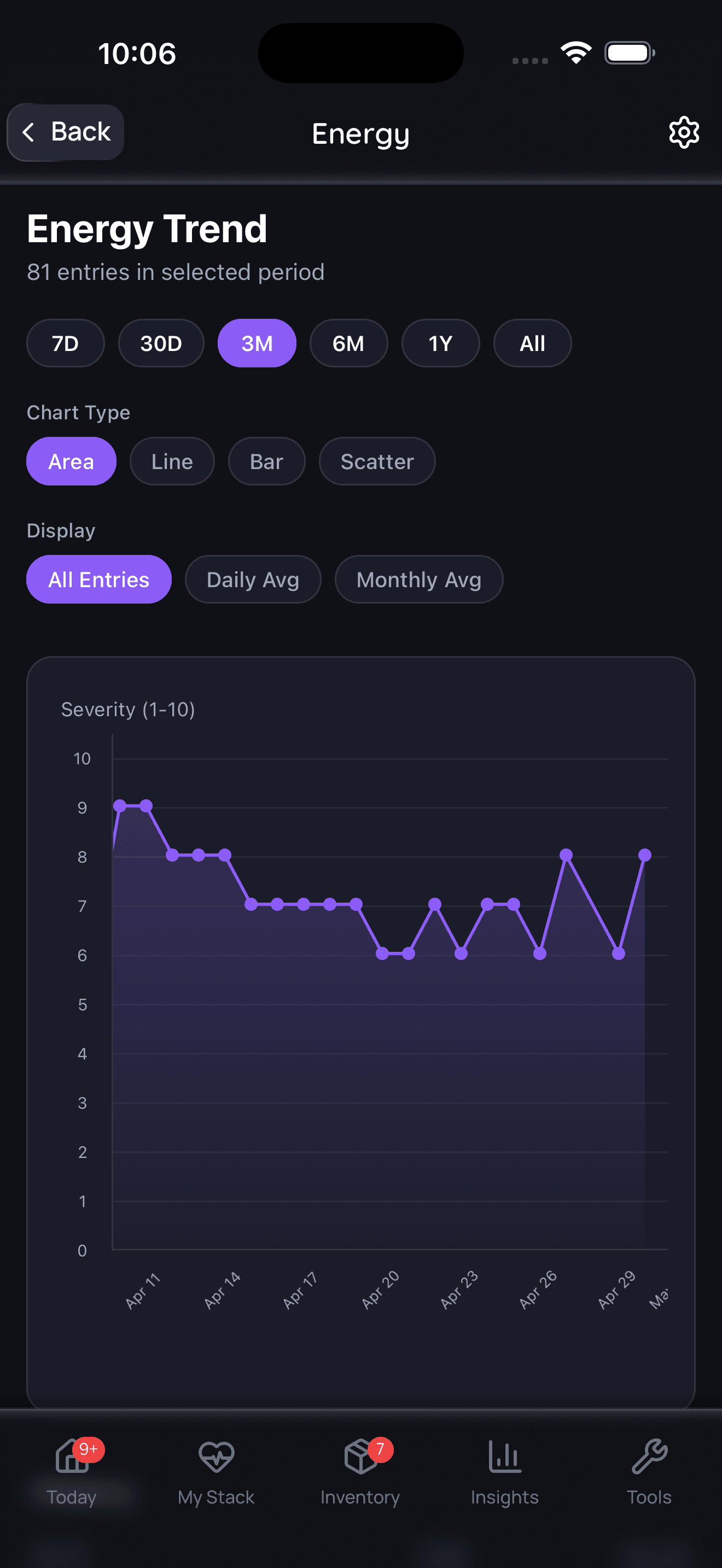
Symptom tracking is informational and should be interpreted with a qualified clinician.
Risks, Side Effects & Safety
The Basics
Pursuing body composition improvements through TRT comes with a responsibility to understand and monitor the associated risks. No treatment is without potential downsides, and testosterone therapy is no exception. The good news is that most risks are manageable with appropriate monitoring, and the largest cardiovascular safety trial (TRAVERSE) provided considerable reassurance.
Common side effects that can affect your body composition journey include initial water retention (which can add 2-5 kg in the first few weeks and mask fat loss on the scale), acne, oily skin, and injection site reactions. These are generally manageable and often improve as your body adjusts to stable hormone levels.
Polycythemia (elevated red blood cell count) is the most common laboratory abnormality requiring intervention. Testosterone stimulates red blood cell production, and when hematocrit rises above 54%, the blood becomes thicker, increasing the risk of blood clots. Your provider should check your hematocrit regularly. Management includes dose reduction, switching from injectable to transdermal formulations (which tend to cause less erythrocytosis), or therapeutic phlebotomy (blood donation). Injectable routes tend to produce higher polycythemia rates than transdermal formulations.
Cardiovascular safety has been the most debated topic in TRT. The TRAVERSE trial, the largest randomized controlled trial designed specifically to address this question, enrolled 5,246 men aged 45-80 with existing cardiovascular disease or high cardiovascular risk. The result: testosterone gel was non-inferior to placebo for major adverse cardiovascular events (heart attack, stroke, cardiovascular death), with a hazard ratio of 0.96 (95% CI: 0.78-1.17). In absolute numbers, 7.0% of men in the testosterone group experienced a primary cardiovascular event compared to 7.3% in the placebo group over 33 months of follow-up [6]. However, TRAVERSE also showed increased rates of atrial fibrillation, pulmonary embolism, and acute kidney injury in the testosterone group. These findings underscore the importance of ongoing monitoring even when the primary cardiovascular concern has been addressed.
Fertility suppression is a critical consideration that is covered in detail in Section 14. Exogenous testosterone suppresses the HPG axis and can cause azoospermia.
The Science
Polycythemia/Erythrocytosis:
Testosterone stimulates erythropoietin production and directly acts on erythroid progenitor cells. The hematocrit threshold of >54% is the standard intervention point per Endocrine Society guidelines [13]. Rates of polycythemia requiring intervention vary by route: IM injections produce higher peak testosterone levels and correspondingly higher erythropoiesis stimulation (estimated 3-18% incidence depending on study and definition) compared to transdermal formulations (estimated 0-15%). Risk factors for polycythemia include higher testosterone doses, IM vs transdermal route, baseline hematocrit, obstructive sleep apnea, and smoking [13].
Cardiovascular Risk (TRAVERSE):
TRAVERSE (n=5,246, mean age 63.3, mean BMI 35, ~70% T2DM, 90% hypertension/dyslipidemia) demonstrated non-inferiority for the primary MACE composite: HR 0.96 (95% CI: 0.78-1.17), P < 0.001 for non-inferiority. The absolute event rate was 7.0% testosterone vs 7.3% placebo over 33 months of follow-up. Death from cardiovascular causes showed a non-significant 16% lower incidence in the testosterone group. Secondary safety signals included increased incidence of non-fatal arrhythmias (particularly atrial fibrillation), venous thromboembolic events, and acute kidney injury [6]. The European Expert Panel on Testosterone Research (2025) concluded: "Testosterone therapy, when prescribed to appropriately selected patients and monitored regularly, is safe from a cardiovascular standpoint" [14].
Prostate:
PSA monitoring is standard practice during TRT. Current evidence does not support a causal link between TRT at physiological doses and prostate cancer initiation (saturation model). BPH symptoms may temporarily worsen. PSA should be checked per age-appropriate screening guidelines [13].
Hepatotoxicity:
Clinically significant hepatotoxicity is associated with 17-alpha-alkylated oral formulations (historical, largely discontinued). Modern formulations (injectable esters, transdermal, testosterone undecanoate oral capsules absorbed via lymphatic route) have minimal hepatic first-pass effect and negligible hepatotoxicity risk [13].
Sleep Apnea:
TRT may exacerbate obstructive sleep apnea, particularly in obese men pursuing body composition improvements. Screening with validated questionnaires (STOP-BANG) and, when indicated, polysomnography is recommended before TRT initiation and during treatment [13].
Dosing & Treatment Protocols
The Basics
For body composition goals, the dosing principle is straightforward: achieve and maintain testosterone levels in the normal physiological range, then let time, diet, and exercise do their work. Higher doses do not necessarily produce better body composition outcomes at therapeutic levels and increase the risk of side effects.
Common starting protocols for injectable testosterone cypionate or enanthate range from 75-100 mg per week (or equivalent biweekly), with titration based on trough testosterone levels (targeting 450-700 ng/dL) and symptom response. Many providers and patients have found that more frequent injections (e.g., 50-80 mg twice weekly or even smaller daily subcutaneous doses) produce more stable levels and potentially fewer side effects like water retention and estrogen spikes, though these more frequent protocols are not specifically addressed in major clinical guidelines.
For transdermal testosterone (gels, patches), daily application maintains steady-state levels. Typical gel dosing starts at 50 mg/day of testosterone gel (delivering approximately 5 mg of testosterone systemically) and adjusts based on serum levels.
Dose adjustments should be based on a combination of trough testosterone levels, symptom response, and side effect monitoring (particularly hematocrit). Body composition changes should not drive dose escalation. If you are within the normal testosterone range and exercising consistently, patience (not more testosterone) is the path to further body composition improvement.
The Science
The dose-response relationship between testosterone and body composition has been characterized by Bhasin et al. (2001) in healthy young men receiving graded doses of testosterone enanthate (25, 50, 125, 300, 600 mg/week) with suppression of endogenous production. Lean body mass increased and fat mass decreased in a dose-dependent, linear fashion, with changes directly proportional to serum testosterone concentrations [2].
What to Expect (Timeline)
Body composition changes from TRT follow a predictable timeline, though individual variation is substantial. Setting realistic expectations helps prevent discouragement and premature protocol changes.
Days 1-7: Minimal body composition effects. You may notice subtle changes in energy and mood. Injectable testosterone may cause mild injection site soreness. Some water retention may begin, adding 1-3 kg of scale weight that is not fat gain.
Weeks 2-4: Energy levels often improve, making exercise feel more productive. Libido changes may begin. Water retention typically peaks. Scale weight may be slightly higher than baseline, which can be discouraging if you are expecting rapid fat loss. This is a normal adjustment period.
Months 1-3: This is the "honeymoon phase" often discussed in TRT communities. Early body composition changes become detectable, primarily through improved muscle pump during workouts, slightly faster recovery, and possibly some reduction in waist measurement. Strength may begin increasing. Blood work at this point helps confirm adequate testosterone levels and safe hematocrit.
Months 3-6: Visible body composition changes start to appear. Clothes may fit differently (tighter in shoulders and chest, looser in the waist). If combined with resistance training and adequate protein intake, lean mass gains of 1-3 kg are typical. Fat mass reduction becomes noticeable, particularly in visceral/abdominal fat. DEXA scan at 6 months provides objective measurement.
Months 6-12: Significant body recomposition becomes evident to others, not just yourself. Continued lean mass gains and fat mass reduction if training and nutrition remain consistent. Metabolic markers (fasting glucose, lipids) typically show improvement. The rate of change begins to moderate but does not plateau.
Beyond 12 months: Long-term registry data shows continued, progressive body composition improvements for up to 5-10 years. The rate of change slows after the first year but does not cease. Annual monitoring and dose reassessment are standard.
Important caveat: These timelines assume consistent exercise (particularly resistance training 3-5 times per week), adequate protein intake (1.6-2.2 g/kg/day), and sufficient sleep. TRT without these lifestyle factors produces significantly more modest body composition changes.
Knowing what to expect is helpful. Documenting your own journey week by week creates something even more valuable, a personal timeline that captures exactly how your testosterone therapy is unfolding. Doserly's symptom journal lets you record changes as they happen, building a detailed record from your first injection.
The early weeks of TRT can feel uncertain. Having a clear log of what's changing, and what hasn't shifted yet, helps you stay grounded in your actual progress rather than relying on memory. When you look back after three months, you'll see how far you've come in ways that are easy to forget without documentation.
Connect protocol changes to labs and health markers.
Doserly can keep lab results, biomarkers, symptoms, and dose history close together so follow-up conversations have better context.
Insights
Labs and trends
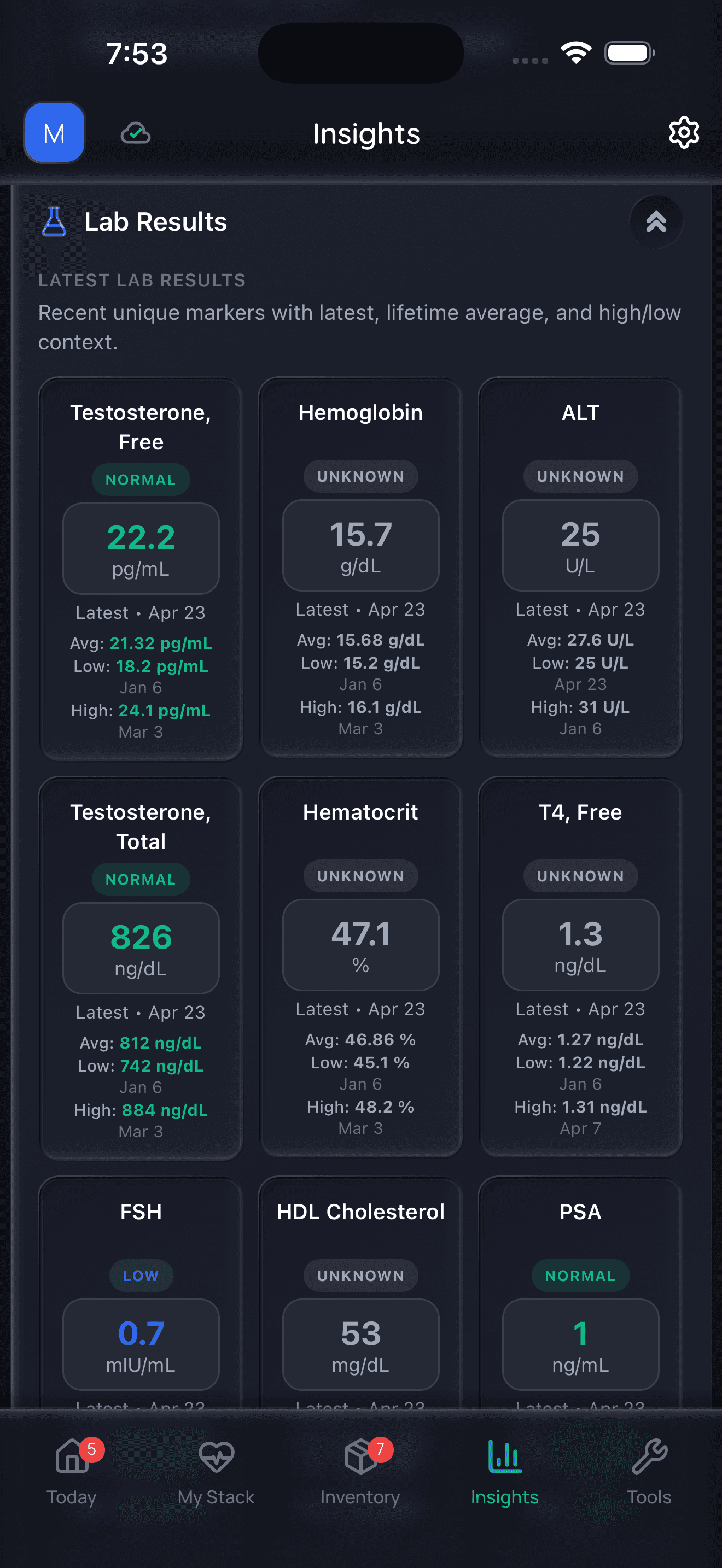
Doserly organizes data; it does not diagnose or interpret labs for you.
Fertility Preservation & HPG Axis
Exogenous testosterone, regardless of formulation or route, suppresses the hypothalamic-pituitary-gonadal (HPG) axis via negative feedback. This suppression reduces luteinizing hormone (LH) and follicle-stimulating hormone (FSH) secretion, causing intratesticular testosterone concentrations to decline from 40-100 times serum levels to near-serum levels. The result is impaired Sertoli cell function and suppression of spermatogenesis, often progressing to azoospermia (zero sperm count) in approximately 40-60% of men within 6 months of TRT initiation [13][15].
This is not a minor side effect. For men who may want biological children in the future, fertility counseling should be part of every TRT initiation conversation.
Fertility preservation strategies:
- Sperm banking before TRT initiation is recommended for all men of reproductive age
- HCG co-administration (250-500 IU, 2-3 times weekly) may maintain intratesticular testosterone and spermatogenesis during TRT, though it is not universally effective
- Clomiphene citrate or enclomiphene are SERM-based alternatives that raise endogenous testosterone by stimulating LH/FSH without suppressing spermatogenesis, though they are used off-label
- Recovery after discontinuation is variable: 6-24+ months for spermatogenesis recovery, and full recovery is not guaranteed. Factors include duration of TRT, age, pre-TRT hormonal status, and whether HCG was used during therapy
Men pursuing TRT for body composition benefits should be fully informed about fertility implications before starting treatment. The desire for improved physique does not diminish the importance of this discussion.
Interactions & Compatibility
Drug-Drug Interactions Relevant to Body Composition Goals:
- Anticoagulants (warfarin, DOACs): Testosterone may enhance anticoagulant effect; monitor INR
- Insulin and diabetes medications: Testosterone may improve insulin sensitivity, potentially requiring dose adjustment of diabetes medications, which can affect energy availability for exercise
- Corticosteroids: Additive fluid retention; may counteract some body composition benefits
- 5-alpha reductase inhibitors (finasteride, dutasteride): Block DHT conversion; may slightly reduce androgenic body composition effects while managing hair loss
- Aromatase inhibitors (anastrozole): Commonly co-prescribed to manage estrogen; controversy around routine use (see Section Section 18)
- GLP-1 receptor agonists (semaglutide, tirzepatide): Increasingly co-prescribed with TRT for weight management; may produce additive body composition benefits though combination data is limited
Supplement Interactions:
- Creatine: Commonly used alongside TRT for additional lean mass and strength benefits; safe and well-studied
- DHEA: Additive androgenic effects; generally unnecessary when on TRT
- Zinc: Supports testosterone production; less relevant when on exogenous replacement
- Vitamin D: Associated with testosterone levels; optimization recommended
- Protein supplements (whey, casein): Essential for supporting lean mass gains on TRT; target 1.6-2.2 g/kg/day
Lifestyle Factors:
- Resistance training: Synergistic with TRT for body composition. Clinical and community evidence strongly supports 3-5 sessions per week
- Alcohol: Suppresses testosterone production and increases aromatization; counteracts body composition goals
- Sleep: Critical for muscle recovery and hormone regulation; TRT may worsen OSA
- Caloric intake: TRT shifts weight loss toward fat loss and preserves lean mass during caloric restriction [10]
Cross-links to related Doserly guides:
- Testosterone Cypionate
- Testosterone Enanthate
- Obesity-Related Hypogonadism
- Estrogen Management on TRT
- TRT Blood Work Guide
- Natural Testosterone Optimization
- Fertility Preservation on TRT
Decision-Making Framework
Pursuing TRT for body composition improvement requires honest self-assessment and clinical guidance. Not everyone with suboptimal body composition has low testosterone, and not everyone with low testosterone needs TRT to improve their physique.
When to investigate testosterone levels for body composition concerns:
- Persistent difficulty building or maintaining muscle despite consistent resistance training and adequate nutrition
- Unexplained increase in body fat, particularly visceral/abdominal fat, despite stable diet and exercise habits
- Concurrent symptoms suggesting hypogonadism: low libido, fatigue, depressed mood, poor recovery from exercise
- BMI >= 30 (obesity is strongly associated with functional hypogonadism)
When to address underlying causes first:
- Obesity alone may suppress testosterone. Weight loss of 5-10% can significantly increase endogenous testosterone [3]
- Untreated obstructive sleep apnea can suppress the HPG axis
- Opioid use is a common cause of secondary hypogonadism
- Poor sleep, high stress, and excessive alcohol consumption all lower testosterone
Diagnostic requirements (Endocrine Society):
Two morning total testosterone measurements below the lower limit of normal (AUA: <300 ng/dL; Endocrine Society: varies by assay) PLUS symptoms consistent with testosterone deficiency. Free testosterone measurement is recommended when SHBG may be altered (obesity, aging).
Questions to ask your provider:
- "What is causing my low testosterone? Is it reversible?"
- "Have we ruled out other causes before starting TRT?"
- "What body composition changes should I realistically expect?"
- "How will we monitor my response and safety?"
- "What are the implications for my fertility?"
- "Is lifestyle intervention (weight loss, exercise, sleep) sufficient, or do I genuinely need TRT?"
Administration & Practical Guide
This section provides general educational information about testosterone administration relevant to body composition goals. It does not replace pharmacy instructions or prescriber guidance.
For body composition purposes, consistency is king. Whichever route your provider prescribes, consistent adherence to the protocol is more important for body composition outcomes than the specific formulation. Missing doses creates hormonal fluctuations that can affect energy, motivation, and workout quality.
Intramuscular injection tips:
- Standard sites: vastus lateralis (outer thigh), ventrogluteal (hip), deltoid (shoulder)
- Typical needle: 22-25 gauge, 1-1.5 inches
- Site rotation prevents tissue buildup
- Many men find that injecting on the same days each week (e.g., Monday/Thursday for twice-weekly) helps build consistency
Subcutaneous injection:
- Growing evidence supports SubQ testosterone at smaller, more frequent doses (e.g., 20-30 mg daily or 50-80 mg twice weekly)
- Smaller needle (27-30 gauge, 0.5 inches) at abdomen or thigh
- May produce more stable testosterone levels and less polycythemia than IM
Transdermal gel/cream application:
- Apply to shoulders, upper arms, or abdomen (site-specific per product labeling)
- Allow 5-10 minutes drying time before clothing
- Critical: skin-to-skin transfer precautions for partners and children
- Avoid application before swimming or heavy sweating (exercise timing consideration for body composition-focused individuals)
Monitoring & Lab Work
Pre-TRT Baseline Labs:
- Total testosterone (two morning draws, fasting)
- Free testosterone (calculated or equilibrium dialysis)
- LH, FSH (to distinguish primary vs secondary hypogonadism)
- Estradiol (baseline aromatization assessment)
- SHBG
- CBC with hematocrit (baseline for polycythemia monitoring)
- PSA (age-appropriate)
- Lipid panel, comprehensive metabolic panel
- Fasting glucose, HbA1c, fasting insulin (metabolic baseline)
- DEXA scan (baseline body composition, if available)
- Waist circumference and body measurements
Initial Follow-up (4-12 weeks):
- Trough testosterone level (for injectables) or any-time level (for transdermal after steady state)
- Hematocrit
- Symptom assessment
- Body measurements (waist, weight)
Ongoing Monitoring:
- Hematocrit: Every 6-12 months (threshold >54% for intervention)
- PSA: Per age-appropriate screening guidelines, annually for men >40
- Testosterone levels: Periodic trough assessment
- Estradiol: Only if symptomatic (gynecomastia, fluid retention, mood changes)
- Lipid panel: Annually
- DEXA scan: Every 6-12 months if body composition tracking is a primary goal
- Body measurements: Monthly (waist circumference, body weight, progress photos)
Estrogen Management on TRT
Estrogen management is particularly relevant for men pursuing body composition improvements because of the aromatase connection. Testosterone converts to estradiol via the aromatase enzyme, which is expressed at high levels in adipose tissue. Men with more body fat have more aromatase activity, which means more of their testosterone gets converted to estrogen. This creates a practical challenge: the men who most need body composition improvement from TRT may also have the highest aromatization rates.
When estrogen management matters for body composition:
- Excessive fluid retention that obscures body composition progress on the scale
- Gynecomastia (breast tissue development)
- Mood instability that undermines training consistency
- Very high estradiol levels on lab work with concurrent symptoms
When NOT to suppress estrogen aggressively:
- Estradiol is essential for bone health, cardiovascular protection, brain function, and paradoxically, libido in men
- Crashing estrogen with excessive aromatase inhibitor use causes joint pain, fatigue, mood disturbance, and decreased libido, all of which undermine body composition efforts
- Clinical guidelines (Endocrine Society, AUA) do NOT recommend routine AI co-prescription with TRT [13]
- The online men's health community often over-emphasizes estrogen management. Most men on TRT at therapeutic doses do not need an aromatase inhibitor
Practical approaches for body composition-focused men:
- Reducing body fat itself reduces aromatase mass and activity, naturally lowering estradiol over time
- More frequent, lower-dose injections reduce peak testosterone levels and consequently reduce peak aromatization
- If an AI is prescribed, the goal is symptom management, not achieving a specific estradiol number
- DIM (diindolylmethane) and other natural approaches are popular in the community but have limited clinical evidence
Managing estrogen on TRT is about data, not guesswork. Doserly lets you track your estradiol lab values alongside the symptoms that might signal imbalance, whether that's water retention, nipple sensitivity, or mood changes, so you and your provider can make decisions based on the full picture rather than isolated data points.
If you're taking an aromatase inhibitor, the app logs every dose and correlates it with how you feel, helping you find the minimum effective approach. The goal is balanced estrogen, not crashed levels, and having tracked data makes it far easier to dial in the right strategy with your prescriber.
Keep side effects, flags, and follow-up notes visible.
Doserly helps you document safety observations, side effects, medication changes, and follow-up questions so important context is not scattered.
Safety log
Flags and notes

Safety notes are not emergency guidance; seek medical help when appropriate.
Stopping TRT / Post-Cycle Considerations
If you stop TRT, your body must restart its own testosterone production, a process that can take months and may not fully succeed. During this recovery period, body composition changes achieved on TRT may partially reverse as testosterone levels drop below the therapeutic range.
What happens to body composition when you stop TRT:
- Lean mass may decrease as the anabolic stimulus is removed
- Fat accumulation may resume, particularly visceral fat
- Energy and motivation for exercise may decline, compounding body composition regression
- The timeline and degree of regression depend on the duration of TRT, whether you continue exercising, and your underlying hormonal capacity
HPG axis recovery:
- LH and FSH remain suppressed for weeks to months after TRT discontinuation
- Endogenous testosterone production may take 6-24+ months to recover
- Recovery to pre-TRT levels is not guaranteed
- Primary hypogonadism: Limited recovery expected (testicular failure)
- Secondary hypogonadism: Better prognosis for axis recovery
Community-derived PCT protocols (not standardized in clinical guidelines for TRT):
- HCG taper: 1000-2000 IU every other day for 2-4 weeks
- Clomiphene citrate: 25-50 mg daily for 4-8 weeks
- Enclomiphene: Newer SERM option
- These protocols are adapted from anabolic steroid use and have limited formal study in TRT discontinuation
Maintaining body composition after stopping TRT requires aggressive attention to exercise, nutrition, and sleep to compensate for reduced anabolic hormonal support.
Special Populations & Situations
Obese Men
Obesity is the primary context for TRT and body composition research. Men with BMI >= 30 and low testosterone have the most to gain from body composition improvements, but also face unique challenges: higher aromatization rates, potential functional hypogonadism that may resolve with weight loss alone, and greater metabolic complexity. Clinical guidelines recommend attempting weight loss through lifestyle intervention before initiating TRT in men where obesity may be the primary cause of testosterone suppression. TRT may serve as a bridge therapy, providing the energy and motivation needed to establish exercise habits while weight loss gradually restores endogenous testosterone production [3].
Older Men (>65)
The TTrials demonstrated that testosterone therapy increases lean mass and decreases fat mass in men over 65, but these body composition improvements did not translate into significant strength or walking distance improvements [8]. Older men may require concurrent resistance training to convert lean mass gains into functional improvements. Lower starting doses are often appropriate, and polycythemia risk increases with age.
Men with Type 2 Diabetes
TRT may improve insulin sensitivity, HbA1c, and metabolic parameters in hypogonadal men with T2DM. Body composition improvements (reduced visceral fat, increased lean mass) may contribute to metabolic benefits. Diabetes medication adjustment may be needed as insulin sensitivity improves [4].
Men with Cardiovascular Disease History
TRAVERSE provides reassurance for non-inferiority of cardiovascular events in this population. Body composition improvement (reduced visceral fat) may contribute to cardiovascular risk reduction. Hematocrit monitoring is critical. Transdermal formulations may be preferred for lower polycythemia risk [6].
Men with Sleep Apnea
TRT may exacerbate obstructive sleep apnea, which is common in obese men seeking body composition improvement. CPAP optimization before and during TRT is recommended. Improved body composition (weight loss) may eventually reduce OSA severity [13].
Transgender Men (FTM)
Body composition changes are a primary therapeutic goal in masculinizing hormone therapy. Dosing goals differ (masculinizing doses), and the timeline for muscle development and fat redistribution follows a well-documented progression over 1-5 years. Fertility counseling (oocyte preservation) is critical before initiation.
Regulatory, Insurance & International
United States: Testosterone is a Schedule III controlled substance (DEA). FDA-approved indications cover classical hypogonadism only, NOT body composition improvement, weight management, or anti-aging. Insurance coverage typically requires documented hypogonadism with lab confirmation. Body composition improvement is not a covered indication. Generic injectable testosterone (cypionate, enanthate) is widely available and affordable ($20-80/month without insurance). Compounded testosterone cream is available through 503A and 503B pharmacies.
United Kingdom: Available through NHS for confirmed hypogonadism; private TRT clinics offer access with varying oversight quality. Available formulations include Sustanon 250, Nebido, and Testogel.
Canada: Available by prescription for confirmed hypogonadism. Provincial coverage varies.
Australia: Available through PBS for confirmed hypogonadism. TGA-approved formulations available.
European Union: Available in most EU countries for confirmed hypogonadism. EAU guidelines generally align with Endocrine Society recommendations.
Travel considerations: Carrying Schedule III controlled substances internationally requires proper documentation (prescription, letter from provider).
Frequently Asked Questions
Q: Will TRT help me lose weight?
A: TRT is not a weight loss drug, and it is not approved for that purpose. However, clinical evidence consistently shows that TRT in men with genuinely low testosterone reduces fat mass and increases lean mass. Many men experience body recomposition (looking leaner) without dramatic changes on the scale. The degree of visible change depends heavily on diet and exercise habits.
Q: How much muscle can I expect to gain on TRT?
A: Clinical trials show average lean mass gains of 1.6-5.7 kg over 6-12 months, with substantial individual variation. Men who combine TRT with regular resistance training see the largest gains. TRT restores your body's ability to build muscle to normal levels; it does not provide supraphysiological gains at therapeutic doses.
Q: Why isn't the scale moving if TRT is working?
A: This is one of the most common sources of frustration. Body recomposition means you're simultaneously gaining muscle and losing fat. Since muscle is denser than fat, your body shape can change dramatically while your weight stays similar or even increases slightly. Track progress with waist measurements, progress photos, and ideally DEXA scans rather than relying solely on scale weight.
Q: Do I need to exercise on TRT to see body composition changes?
A: TRT produces modest body composition improvements even without exercise, but the effects are dramatically amplified by resistance training. Clinical and community evidence strongly suggest that TRT without exercise provides underwhelming body composition results. Think of TRT as restoring your body's capacity to respond to exercise, not replacing exercise.
Q: How long does it take to see visible changes?
A: Most men notice subtle changes in how clothes fit and how muscles respond to training by 3 months. Visible body composition changes that others notice typically emerge at 4-6 months with consistent training. Significant recomposition continues for 12 months or longer.
Q: Does the type of testosterone matter for body composition?
A: Body composition improvements are a class effect of testosterone normalization. No formulation has been proven superior for body composition in controlled studies. The most important factor is consistent maintenance of testosterone levels in the normal range, not the specific ester or delivery method.
Q: Will I lose my gains if I stop TRT?
A: If you stop TRT and your testosterone levels drop below normal again, some body composition regression is likely. Lean mass may decrease and fat may accumulate. Continuing exercise and good nutrition can help mitigate regression, but the anabolic environment is diminished without adequate testosterone.
Q: Is TRT the same as using anabolic steroids for bodybuilding?
A: No. TRT replaces testosterone to normal physiological levels (typically 450-700 ng/dL). Bodybuilding steroid use involves supraphysiological doses (often 500-2000+ mg/week) to achieve levels far above normal. The body composition effects, side effect profiles, and health risks are fundamentally different. TRT is a medical treatment; supraphysiological steroid use is performance enhancement.
Q: Can I take TRT just for body composition without having low testosterone?
A: This would constitute off-label use of a Schedule III controlled substance without medical indication. TRT is FDA-approved only for treating documented hypogonadism. Using testosterone for body composition in men with normal levels carries unnecessary risks (polycythemia, fertility suppression, HPG axis suppression) without the benefit of correcting an underlying deficiency. Discuss your goals with a qualified healthcare provider.
Q: Does TRT help with belly fat specifically?
A: Yes, research shows TRT preferentially reduces visceral fat (the deep abdominal fat). Visceral fat reduction has been demonstrated across multiple studies using CT and DEXA measurements. This is clinically significant because visceral fat is the fat type most strongly associated with metabolic disease, insulin resistance, and cardiovascular risk.
Myth vs. Fact
Myth: TRT will make you muscular without working out.
Fact: While testosterone therapy increases lean mass even without exercise, the effect is modest (roughly 1-2 kg). Visible, meaningful body composition changes require consistent resistance training and adequate nutrition. TRT restores your body's ability to build muscle normally; it does not bypass the need for training stimulus [4][8].
Myth: TRT causes heart attacks.
Fact: The TRAVERSE trial (n=5,246), the largest RCT designed for cardiovascular safety, found no significant increase in major adverse cardiovascular events with testosterone gel vs placebo (HR 0.96, 95% CI: 0.78-1.17) over 33 months in men aged 45-80 with high cardiovascular risk. Absolute event rates were nearly identical: 7.0% testosterone vs 7.3% placebo. Earlier observational concerns were not confirmed by this prospective, controlled design [6].
Myth: Higher testosterone doses produce proportionally better body composition.
Fact: The dose-response relationship between testosterone and lean mass is linear in a research setting, but at therapeutic (replacement) doses, the incremental body composition benefit of going from mid-normal to high-normal levels is small and comes with increased risk of polycythemia and other side effects. Optimizing exercise, diet, and sleep produces far greater returns than dose escalation within the therapeutic range [2].
Myth: TRT causes prostate cancer.
Fact: Current evidence, including the saturation model, does not support a causal link between TRT at physiological doses and prostate cancer initiation. PSA monitoring is recommended as standard practice, not because TRT causes cancer, but because screening is appropriate in the age group most commonly treated [13].
Myth: Once you start TRT you can never stop.
Fact: This depends on the underlying cause. Men with primary hypogonadism (testicular failure) may indeed need lifelong therapy. Men with secondary or functional hypogonadism (including obesity-related) may recover endogenous production after discontinuation, especially if the underlying cause is addressed (e.g., significant weight loss). Recovery takes 6-24+ months and is not guaranteed [15].
Myth: TRT will make you permanently infertile.
Fact: TRT suppresses spermatogenesis, often to azoospermia, but this is usually reversible after discontinuation. Recovery of spermatogenesis typically occurs within 6-24 months, though full recovery is not guaranteed. Sperm banking before TRT initiation is recommended for men who may want biological children [15].
Myth: Scale weight is the best way to track body composition changes on TRT.
Fact: Scale weight is one of the least informative metrics for tracking TRT body composition effects. Because TRT simultaneously increases lean mass, decreases fat mass, and may cause temporary water retention, your weight can stay stable or increase while your body shape improves dramatically. Waist circumference, progress photos, and DEXA scans are far more informative [4][10].
Myth: All TRT clinics provide the same quality of care for body composition optimization.
Fact: There is significant quality variance among TRT providers. Some clinics use evidence-based protocols with appropriate monitoring, while others employ aggressive dosing, routine AI co-prescription, and inadequate monitoring. Red flags include promises of dramatic transformation, lack of baseline lab requirements, and cookie-cutter protocols without individualization [13].
Sources & References
Clinical Guidelines
[1] Bhasin S, et al. Testosterone Therapy in Men With Hypogonadism: An Endocrine Society Clinical Practice Guideline. J Clin Endocrinol Metab. 2018;103(5):1715-1744.
[13] Mulhall JP, et al. Evaluation and Management of Testosterone Deficiency: AUA Guideline. J Urol. 2018;200(2):423-432.
Landmark Trials
[6] Lincoff AM, Bhasin S, Flevaris P, et al. Cardiovascular Safety of Testosterone-Replacement Therapy. N Engl J Med. 2023;389:107-117.
[8] Snyder PJ, Bhasin S, Cunningham GR, et al. Effects of Testosterone Treatment in Older Men. N Engl J Med. 2016;374:611-624.
[11] Snyder PJ, Peachey H, Hannoush P, et al. Effect of testosterone treatment on body composition and muscle strength in men over 65 years of age. J Clin Endocrinol Metab. 1999;84(8):2647-2653.
Systematic Reviews & Meta-Analyses
[4] Corona G, Giagulli VA, Maseroli E, et al. THERAPY OF ENDOCRINE DISEASE: Testosterone supplementation and body composition: results from a meta-analysis study. Eur J Endocrinol. 2016;174(3):R99-R116.
[5] Corona G, et al. Testosterone supplementation and body composition: results from a meta-analysis of observational studies. J Endocrinol Invest. 2016;39:967-981.
Observational Studies
[3] Tajar A, Forti G, O'Neill TW, et al. Characteristics of secondary, primary, and compensated hypogonadism in aging men: evidence from the European Male Ageing Study. J Clin Endocrinol Metab. 2010;95(4):1810-1818.
[9] Yassin AA, Doros G. Testosterone therapy in hypogonadal men results in sustained and clinically meaningful weight loss. Clin Obes. 2013;3:73-83.
[10] Ng Tang Fui M, Prendergast LA, Dupuis P, et al. Effects of testosterone treatment on body fat and lean mass in obese men on a hypocaloric diet: a randomised controlled trial. BMC Med. 2016;14:153.
[12] Sanders GJ, et al. Dose-Response Effects of Exercise and Testosterone Replacement Therapy on Body Composition, Lean Mass, and Heart Rate Responses: A Case Report Using Wearable Technology. Cureus. 2024;16(12):e76137.
Mechanistic & Dose-Response Studies
[2] Bhasin S, Woodhouse L, Casaburi R, et al. Testosterone dose-response relationships in healthy young men. Am J Physiol Endocrinol Metab. 2001;281(6):E1172-E1181.
Expert Position Statements
[14] Maggi M, et al. Cardiovascular safety of testosterone therapy—Insights from the TRAVERSE trial and beyond: A position statement of the European Expert Panel for Testosterone Research. Andrology. 2025.
[15] Patel AS, et al. Testosterone Is a Contraceptive and Should Not Be Used in Men Who Desire Fertility. World J Mens Health. 2019;37(1):45-54.
Related Guides & Cross-Links
Same Category (Symptom & System Guides)
Related Treatment Options
Related Conditions
Complementary Approaches
- Natural Testosterone Optimization
- TRT Blood Work Guide
- Estrogen Management on TRT
- Fertility Preservation on TRT