
Biest (E2 + E3): The Complete HRT Guide
On this page
Quick Reference Card
Attribute
Formulation Name
- Value
- Biest (Bi-Est)
Attribute
Components
- Value
- 17-beta estradiol (E2) + estriol (E3)
Attribute
Drug Class / Type
- Value
- Compounded bioidentical estrogen combination
Attribute
FDA Approval Status
- Value
- Not FDA-approved; prepared under Section 503A compounding exemption
Attribute
Common Ratios
- Value
- 80:20 (80% estriol / 20% estradiol), 50:50
Attribute
Common Concentrations
- Value
- 1 mg/mL to 10 mg/mL total estrogen
Attribute
Route(s) of Administration
- Value
- Transdermal cream (most common), gel, sublingual troche, oral capsule
Attribute
Dosing Schedule
- Value
- Typically once or twice daily (cream); varies by formulation
Attribute
Key Monitoring Requirements
- Value
- Serum estradiol levels, symptom assessment, mammogram, endometrial monitoring if using without adequate progestogen, lipid panel
Attribute
Regulatory Status
- Value
- ACOG, NAMS, and Endocrine Society recommend FDA-approved alternatives over compounded formulations when available
Attribute
Key Differentiator
- Value
- Only available through compounding pharmacies; not standardized; ratios and concentrations are customized per prescription
Overview / What Is Biest (E2 + E3)?
The Basics
Biest is a compounded hormone therapy that combines two forms of estrogen your body produces naturally: estradiol (the most potent estrogen) and estriol (a weaker estrogen). The name comes from "bi" (two) and "est" (estrogen). It is not a brand-name medication. Each prescription is custom-mixed by a compounding pharmacy based on a healthcare provider's specifications.
The most common Biest formulation contains 80% estriol and 20% estradiol by weight, though ratios of 50:50 and others are also prescribed. It is typically prepared as a transdermal cream applied to the skin, though sublingual troches, oral capsules, and gels also exist. Because Biest is compounded rather than manufactured by a pharmaceutical company, it has not been through the FDA approval process, which means it does not carry the same regulatory oversight, standardized dosing, or proven safety and efficacy data as FDA-approved hormone therapies.
The appeal of Biest centers on two ideas. The first is that it contains "bioidentical" hormones, meaning estradiol and estriol are chemically identical to the estrogens your body produces. This is true. However, it is worth knowing that many FDA-approved hormone products (estradiol patches, gels, sprays, and micronized progesterone) are also bioidentical. "Bioidentical" does not mean "compounded," and "compounded" does not mean "more natural." The second appeal is the belief that estriol, as a weaker estrogen, may provide a protective effect against the tissue-stimulating properties of estradiol, particularly in breast and endometrial tissue. This hypothesis has some theoretical support but limited clinical evidence, and more recent research has called parts of this rationale into question.
Biest has become popular through integrative, functional, and naturopathic medicine practitioners, and it accounts for a significant share of compounded hormone therapy prescriptions in the United States. Major medical organizations including ACOG, NAMS, and the Endocrine Society have issued position statements recommending FDA-approved hormone therapies over compounded formulations when equivalent products are available, citing concerns about quality control, dosing inconsistency, and lack of long-term safety data.
The Science
Biest combines 17-beta estradiol (E2) and estriol (E3), two of the three endogenous estrogens in humans (the third being estrone, E1). Estradiol is the most potent endogenous estrogen, with the highest binding affinity for both estrogen receptor alpha (ER-alpha) and estrogen receptor beta (ER-beta) [1]. Estriol is traditionally classified as a "weak" estrogen due to its lower receptor binding affinity and shorter nuclear retention time compared to estradiol [2].
The compounded product is not FDA-approved and falls under Section 503A of the Federal Food, Drug, and Cosmetic Act, which exempts patient-specific compounded preparations from FDA approval requirements, current good manufacturing practice (cGMP) requirements, and labeling with adequate directions for use [3]. This regulatory framework means that Biest preparations are not subject to the same potency, purity, and bioavailability testing required of FDA-approved hormone therapies.
A 2022 systematic review and meta-analysis of randomized controlled trials evaluating compounded bioidentical hormone therapy found that short-term use was not associated with adverse changes in lipid profile or glucose metabolism, but data were inadequate to assess breast cancer, endometrial cancer, or cardiovascular disease risk [4]. No randomized controlled trials with follow-up exceeding one year have compared Biest directly with FDA-approved estradiol formulations for long-term safety outcomes.
The ACOG Clinical Consensus No. 6 (November 2023) and the Endocrine Society Scientific Statement (2016) both concluded that there is no evidence-based medical need for the use of compounded hormone therapy when an FDA-approved preparation is available, and that claims of superior safety or efficacy for compounded bioidentical formulations are not supported by current evidence [3][5].
Medical / Chemical Identity
Property
Formulation Name
- Value
- Biest (Bi-Est, BiEst)
Property
Component 1
- Value
- 17-beta estradiol (E2)
Property
Component 1 CAS
- Value
- 50-28-2
Property
Component 1 Molecular Formula
- Value
- C18H24O2
Property
Component 1 Molecular Weight
- Value
- 272.38 g/mol
Property
Component 2
- Value
- Estriol (E3; 16-alpha-hydroxyestradiol)
Property
Component 2 CAS
- Value
- 50-27-1
Property
Component 2 Molecular Formula
- Value
- C18H24O3
Property
Component 2 Molecular Weight
- Value
- 288.38 g/mol
Property
FDA Approval Status
- Value
- Not FDA-approved as a combination product
Property
Estriol FDA Status
- Value
- Estriol is not approved by the FDA as a standalone product in the US; it is available in some European and Asian markets for vaginal use
Property
Compounding Standard
- Value
- USP non-sterile compounding standards; Section 503A pharmacies
Property
Common Ratios
- Value
- 80:20 (E3:E2), 50:50 (E3:E2), 70:30, 90:10
Property
Common Concentrations
- Value
- 1-10 mg/mL (total combined estrogen per gram of cream)
Property
Delivery Forms
- Value
- Transdermal cream, gel, sublingual troche, oral capsule, sublingual drops
Note on estriol regulatory status: Estriol is not individually approved by the FDA for any indication in the United States. It is available in some countries (primarily in Europe and Japan) as a vaginal preparation for genitourinary symptoms. The inclusion of estriol in compounded formulations has been a subject of regulatory debate, with the FDA at various points considering whether to restrict its use in compounding.
Mechanism of Action
The Basics
Biest works by supplementing two estrogens that your body produces naturally but in declining quantities during perimenopause and menopause. Estradiol is the primary workhorse. It binds to estrogen receptors throughout your body and helps regulate temperature (reducing hot flashes), maintain bone density, support vaginal and urinary tract health, influence mood and cognitive function, and protect cardiovascular tissues. When estradiol levels drop, all of these systems can be affected.
Estriol is naturally present in much higher quantities during pregnancy, but it circulates at lower levels in non-pregnant women. It binds to the same estrogen receptors as estradiol but with less strength and for a shorter duration. The original thinking behind including estriol in Biest was that it might occupy estrogen receptors in breast and uterine tissue without fully activating them, thereby partially blocking the stronger stimulatory effects of estradiol. In laboratory studies from the late 1970s, estriol did show this "blocking" behavior when given as a single injection. However, later research showed that when estriol is present continuously (as it would be with daily cream application), it behaves as a full estrogen agonist, meaning it stimulates tissues in a similar way to estradiol rather than blocking estradiol's effects.
The transdermal cream formulation delivers both estrogens through the skin and into the bloodstream, bypassing the liver's first-pass metabolism. This is an advantage shared with all transdermal estrogen products (patches, gels, sprays), not unique to Biest. Avoiding first-pass liver metabolism means fewer effects on clotting factor production and other liver proteins, which is why transdermal estrogen in general carries a lower risk of blood clots compared to oral estrogen.
The Science
Estradiol (E2) mechanism: 17-beta estradiol mediates effects through nuclear estrogen receptors ER-alpha and ER-beta, with roughly equal binding affinity for both subtypes (Kd approximately 0.1-0.3 nM) [1]. ER-alpha predominates in reproductive tissues, bone, liver, and cardiovascular endothelium, while ER-beta is more abundant in brain, lung, and gastrointestinal tract. Classical genomic signaling involves ligand binding, receptor dimerization, nuclear translocation, and binding to estrogen response elements (EREs) to modulate target gene transcription. Non-genomic signaling occurs through membrane-associated ERs and the G protein-coupled estrogen receptor (GPER/GPR30), activating MAPK/ERK and PI3K/Akt pathways within seconds to minutes [6].
Estriol (E3) mechanism: Estriol binds ER-alpha with approximately 10-fold lower affinity than estradiol and shows preferential binding for ER-beta over ER-alpha (up to 18-fold difference) [7]. The ER-beta preference may contribute to tissue-specific effects, as ER-beta signaling is associated with anti-proliferative effects in certain tissues.
Pathway & System Visualization
Pharmacokinetics / Hormone Physiology
The Basics
When you apply Biest cream to your skin, both estradiol and estriol are absorbed through the skin into the bloodstream. Because the cream bypasses the liver (unlike an oral tablet), it avoids the liver's "first-pass" processing, which is the same advantage that estradiol patches and gels provide.
Here is what the limited research tells us about how Biest cream performs: in a randomized clinical trial from the Mayo Clinic, commonly prescribed doses of Biest 80:20 cream (2.0 mg, 2.5 mg, and 3.0 mg total estrogen) were compared with a standard-dose estradiol patch (Vivelle-Dot 0.05 mg/day). The study found that all three Biest doses produced significantly lower estradiol levels in the blood compared to the standard patch. The 2.0 mg and 2.5 mg Biest doses produced estradiol exposure roughly one-fifth to one-third of what the patch delivered.
Perhaps more importantly, estriol levels remained low in ALL groups, including the Biest groups where estriol made up 80% of the formulation. This suggests that the estriol component, despite being the majority of the product by weight, may not achieve meaningful systemic blood levels when applied as a transdermal cream. This finding raises fundamental questions about whether the estriol in Biest is contributing to systemic effects or is simply adding cost and complexity without proportional benefit.
A 2023 study in the journal Menopause confirmed these findings using urinary estrogen metabolite measurements, showing that compounded transdermal estradiol creams delivered significantly less estrogen exposure than FDA-approved patches and gels at comparable labeled doses.
The Science
Pharmacokinetics of Biest 80:20 transdermal cream (Santoro et al. 2013, NCT00864214):
A randomized, blinded, four-arm Phase I clinical trial (n=40, 37 analyzable) compared three doses of compounded Biest 80:20 cream with a standard-dose estradiol patch [8]:
Parameter
AUC-estradiol (24h)
- Biest 2.0 mg
- 181*
- Biest 2.5 mg
- 286*
- Biest 3.0 mg
- Not significantly different
- Vivelle-Dot 0.05 mg
- 956
Parameter
AUC-estradiol (steady state)
- Biest 2.0 mg
- Significantly lower*
- Biest 2.5 mg
- Significantly lower*
- Biest 3.0 mg
- Not significantly different
- Vivelle-Dot 0.05 mg
- Reference
Parameter
Estriol levels
- Biest 2.0 mg
- Low
- Biest 2.5 mg
- Low
- Biest 3.0 mg
- Low
- Vivelle-Dot 0.05 mg
- Low
Parameter
Progesterone (compounded oral 100mg)
- Biest 2.0 mg
- Comparable
- Biest 2.5 mg
- Comparable
- Biest 3.0 mg
- Comparable
- Vivelle-Dot 0.05 mg
- Comparable (Prometrium)
*p<0.001 vs patch
Key findings:
- Estradiol exposure from Biest cream at 2.0 mg and 2.5 mg was approximately 19-31% of the exposure from a standard 0.05 mg/day estradiol patch
- Estriol did not achieve appreciable serum levels in any Biest arm, despite comprising 80% of the formulation by weight
- Progesterone levels were comparable whether compounded or FDA-approved (Prometrium)
Estriol pharmacokinetics: Estriol has a short elimination half-life (approximately 20 minutes in serum) and is rapidly conjugated to glucuronide and sulfate metabolites, which may explain the low serum levels observed even with the 80:20 formulation [2]. Whether estriol achieves meaningful local tissue concentrations despite low serum levels is unknown.
Dosing variability concern: A study evaluating prescriptions from 13 compounding pharmacies found that estradiol content could be as much as 26% below label claim and progesterone as much as 31% above label claim, with variability both across pharmacies and within batches from the same pharmacy [9].
Knowing the pharmacokinetics is the foundation. Seeing how your own body responds to your specific protocol turns that knowledge into actionable insight. Doserly correlates your dosing schedule with how you feel day to day, helping you and your provider identify whether your current route, timing, and dose are working optimally.
The app's analytics can surface patterns you might not notice on your own, like whether symptoms correlate with the end of a patch cycle or whether splitting an oral dose changes how you feel in the afternoon. Data like this makes dose adjustments more precise and less guesswork.
See how each compound fits into the whole protocol.
Doserly organizes compounds, supplements, peptides, medications, and hormone protocols together so overlapping routines are easier to understand.
Stack view
Connected protocol
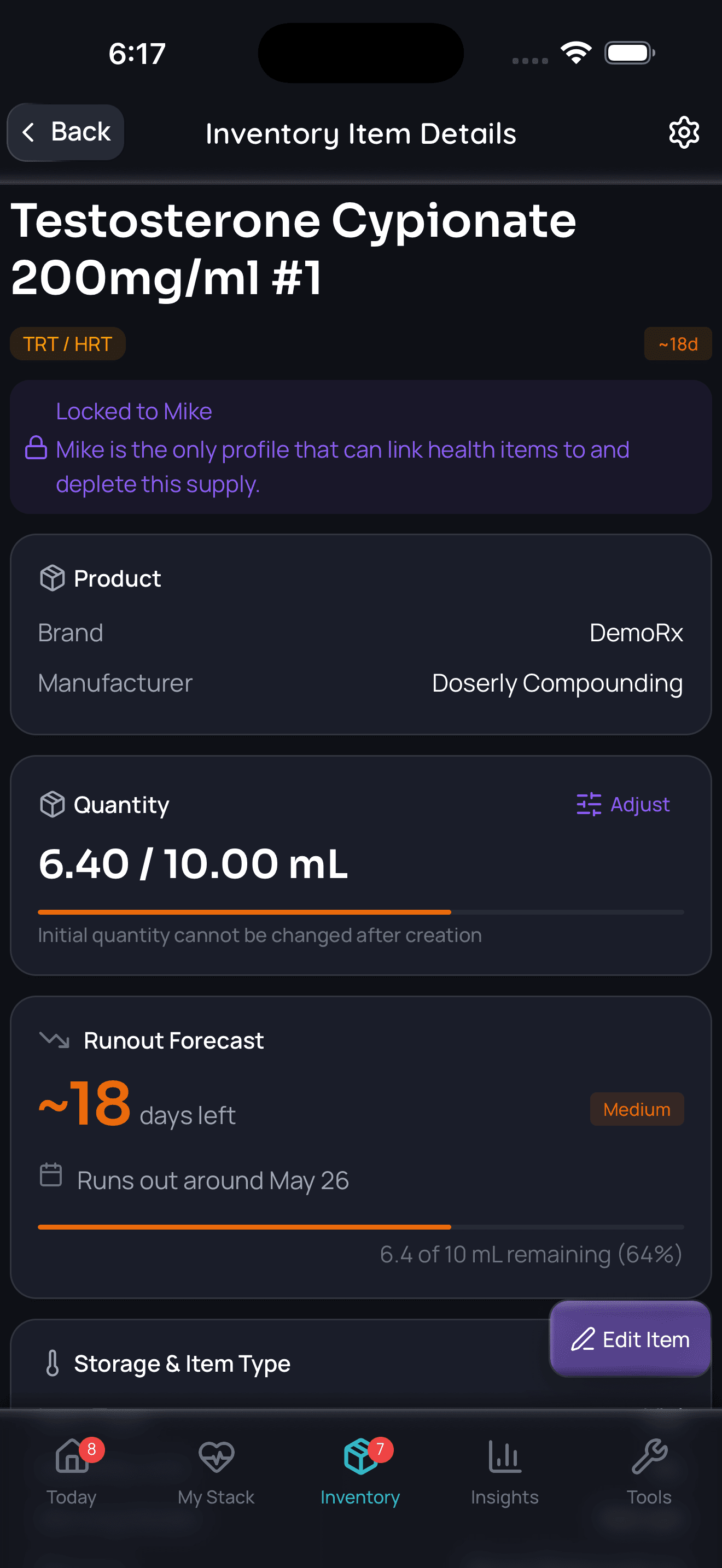
Stack views improve organization; they do not determine compatibility.
Research & Clinical Evidence
The Basics
The honest truth about Biest's evidence base is that it is thin. Unlike FDA-approved hormone therapies, which are required to demonstrate safety and efficacy through rigorous clinical trials before reaching the market, compounded formulations like Biest have not been through this process. This does not necessarily mean Biest is unsafe or ineffective, but it does mean we have far less certainty about its benefits and risks compared to well-studied alternatives.
The most relevant clinical trial is a small pharmacokinetic study from the Mayo Clinic (40 women, 16 days) that compared Biest cream to a standard estradiol patch. It found that Biest delivered less estrogen to the bloodstream. This study was designed to measure blood levels, not symptom relief, so it cannot tell us whether Biest is less effective at relieving menopause symptoms.
A 2022 systematic review that pooled the available randomized controlled trials of compounded bioidentical hormone therapy (not limited to Biest) found no adverse changes in metabolic markers in the short term but could not evaluate long-term outcomes like cancer, heart disease, or fracture risk because no trials of sufficient length exist.
The broader evidence on estradiol (the active component in Biest that drives most symptom relief) comes from decades of research on FDA-approved estradiol products, including the WHI and post-WHI studies. Since the estradiol in Biest is chemically identical to the estradiol in patches and gels, the pharmacological effects of the estradiol component should be similar, though the amount delivered to the body appears to differ.
The Science
Direct Biest evidence:
- Santoro et al. 2013 (NCT00864214): Phase I PK study; n=40; Biest 80:20 cream at 2.0, 2.5, 3.0 mg vs Vivelle-Dot 0.05 mg patch. Lower estradiol exposure from Biest; estriol levels remained low [8].
- Fitzpatrick & Good 2012 (PMID 24881343): Observational study; n=200; sublingual BHRT showed more rapid symptom reduction than topical BHRT at 1-3 months. Topical therapy showed delayed improvements at 3-6 months [10].
- Ruiz et al. 2011 (PMID 23627249): Prospective cohort; compounded transdermal BiEst 80:20 + progesterone + DHEA + testosterone did not adversely alter prothrombotic markers. No control group; limited follow-up [11].
Compounded BHRT systematic review evidence:
- Liu et al. 2022 (Menopause): Systematic review and meta-analysis of RCTs. No adverse changes in lipid profile or glucose metabolism. No significant endometrial thickness changes. Data inadequate for cancer, cardiovascular, or fracture outcomes [4].
Position statements:
- ACOG (2023): "Compounded bioidentical menopausal hormone therapy should not be prescribed routinely when FDA-approved formulations exist" [3].
- Endocrine Society (2016): "No evidence-based medical need for the use of compounded hormone therapy when an FDA-approved preparation is available" [5].
- NAMS (2022): "Compounded bioidentical hormone therapy presents safety concerns such as minimal government regulation and monitoring, overdosing or underdosing, presence of impurities or lack of sterility" [12].
- National Academies of Sciences (2020): Identified only 13 studies on cBHT of adequate methodologic rigor [13].
Evidence & Effectiveness Matrix
The following matrix uses the 20 HRT symptom/outcome categories. Evidence Strength is derived from the available KB sources. Reported Effectiveness is from community sentiment analysis. Only categories with available data are scored.
Category
Vasomotor Symptoms
- Evidence Strength
- 4/10
- Reported Effectiveness
- 6/10
- Summary
- Estradiol component should relieve hot flashes based on extensive evidence for estradiol generally. No Biest-specific RCT for symptom efficacy. Community reports are positive but confounded by concurrent therapies.
Category
Sleep Quality
- Evidence Strength
- 3/10
- Reported Effectiveness
- 5/10
- Summary
- No Biest-specific sleep data. Any improvement likely mediated by vasomotor symptom reduction and concurrent progesterone use.
Category
Mood & Emotional Wellbeing
- Evidence Strength
- 3/10
- Reported Effectiveness
- 6/10
- Summary
- Community reports of mood improvement, but some practitioners report inadequate mood effects leading to switch to patches. No controlled data.
Category
Cognitive Function
- Evidence Strength
- 2/10
- Reported Effectiveness
- 5/10
- Summary
- No Biest-specific cognitive data. General estradiol literature suggests potential cognitive benefits with timely initiation.
Category
Sexual Function & Libido
- Evidence Strength
- 2/10
- Reported Effectiveness
- N/A
- Summary
- Community data not yet collected for this category. Estriol may benefit GSM-related sexual dysfunction based on estriol vaginal studies in Europe.
Category
Genitourinary Health (GSM)
- Evidence Strength
- 4/10
- Reported Effectiveness
- 5/10
- Summary
- Estriol has European data supporting vaginal use for GSM. Biest cream applied vaginally may help, but formulation is not designed for vaginal use.
Category
Bone Health & Osteoporosis
- Evidence Strength
- 3/10
- Reported Effectiveness
- N/A
- Summary
- Estradiol is FDA-approved for osteoporosis prevention. Whether Biest cream delivers sufficient estradiol for bone protection is unknown given PK data.
Category
Cardiovascular Health
- Evidence Strength
- 2/10
- Reported Effectiveness
- N/A
- Summary
- One small study showed no adverse prothrombotic changes with transdermal Biest. Transdermal route generally favorable for cardiovascular risk. No long-term data.
Category
Breast Cancer Risk
- Evidence Strength
- 3/10
- Reported Effectiveness
- 4/10
- Summary
- Estriol's breast cancer safety is theorized but unproven. Recent pharmacology studies show estriol is a full agonist with continuous exposure. No RCT data on Biest and breast cancer.
Category
Thrombotic Risk
- Evidence Strength
- 3/10
- Reported Effectiveness
- 5/10
- Summary
- Transdermal delivery avoids first-pass hepatic effects; lower VTE risk expected vs oral estrogen (general transdermal advantage, not Biest-specific).
Category
Skin, Hair & Appearance
- Evidence Strength
- 2/10
- Reported Effectiveness
- 5/10
- Summary
- Estriol has shown some skin hydration and dermal thickness benefits in limited studies. Anecdotal reports of topical skin benefits.
Categories not scored (insufficient data): Anxiety & Stress Response, Metabolic Health & Insulin Sensitivity, Body Composition & Weight, Joint & Musculoskeletal Health, Energy & Fatigue, Headache & Migraine, Endometrial Safety, Menstrual & Reproductive, Other Physical Symptoms
Benefits & Therapeutic Effects
The Basics
Biest's benefits come primarily from the estradiol it contains, which is the same estrogen found in FDA-approved patches, gels, and oral tablets. When estradiol reaches your tissues in sufficient amounts, it can relieve hot flashes and night sweats, improve sleep quality (often by reducing night sweats), support vaginal and urinary tract health, help maintain bone density, improve mood stability, and support cognitive function.
The estriol component may contribute additional benefits for vaginal and urinary tract health. Estriol has been used in Europe as a standalone vaginal treatment for genitourinary symptoms of menopause, and it has demonstrated improvements in vaginal health, dryness, and recurrent urinary tract infections in that setting. Whether the estriol in a transdermal Biest cream reaches vaginal tissues in therapeutic amounts is unknown.
The customization aspect of compounded Biest is appealing to many. The ability to adjust the ratio of estradiol to estriol, choose a delivery form (cream, troche, capsule), and work with a provider to titrate based on symptoms is valued by patients who feel their needs are not met by standard formulations. For individuals with allergies to specific inactive ingredients in FDA-approved products, compounding offers a legitimate clinical solution.
It is important to note that FDA-approved bioidentical estradiol is available in many formulations (patches in multiple doses, several gel products, sprays, oral tablets) that also allow dose titration. For most patients, the same customization goal can be achieved with FDA-approved products under standardized quality control.
The Science
The therapeutic effects of Biest are attributable primarily to the estradiol component, which engages well-characterized ER-alpha and ER-beta signaling pathways across multiple tissue types. Estradiol's efficacy for vasomotor symptoms is supported by Level I evidence from multiple RCTs and is an FDA-approved indication for estradiol-containing products [12].
The estriol component's therapeutic contribution is less certain. In European studies of vaginal estriol (2 mg suppositories or 0.5 mg cream), estriol demonstrated efficacy for vulvovaginal atrophy comparable to a low-dose estradiol vaginal ring, with improvements in vaginal health index, pH, and maturation index [13]. However, these studies used vaginal administration targeting local tissue effects, not transdermal systemic delivery.
A 2017 pharmacological study found that estriol and estradiol were equally efficacious for transactivation on ERE-containing promoters at concentrations reflecting serum levels in women using estrogen-containing HRT, challenging the characterization of estriol as a "weak" estrogen at therapeutic concentrations [1].
Risks, Side Effects & Safety
The Basics
The risks of Biest include the known risks of estrogen therapy in general, plus additional risks specific to compounded formulations.
Common side effects that may occur when starting Biest include breast tenderness, bloating, headache, mood changes, and spotting or breakthrough bleeding. These are similar to side effects seen with any estrogen therapy and often improve within the first 1-3 months. If they persist, it may indicate the dose needs adjustment.
Compounding-specific risks are important to understand:
- Dosing inconsistency: Testing of compounded products has found that the actual amount of hormone in a batch can vary from the labeled amount by significant margins. One study found estradiol content could be 26% below what the label claims, meaning you might be receiving substantially less (or more) hormone than intended.
- No standardized adverse event reporting: Unlike FDA-approved products, compounding pharmacies are not required to report side effects to the FDA.
- No black box warnings or patient labeling: Compounded products do not come with the standardized safety information that FDA-approved products include.
- Contamination risk: Without cGMP requirements, there is potential for bacterial contamination or impurities.
Serious risks of estrogen therapy (applicable to the estradiol component of Biest):
These risk figures come from studies of FDA-approved estrogen products. No long-term outcome data exists for Biest specifically, so these numbers represent the best available estimates.
- Venous thromboembolism (VTE): Transdermal estrogen (which Biest cream is) has consistently shown no significant increase in VTE risk compared to non-use. The ESTHER study reported an adjusted odds ratio of 0.9 (95% CI: 0.4-2.1) for transdermal estrogen [14]. This is in contrast to oral estrogen, which approximately doubles VTE risk. The transdermal advantage is a route-of-delivery benefit, not something unique to Biest.
- Stroke: Risk is dose-dependent and route-dependent. Low-dose transdermal estrogen has not been associated with significantly increased stroke risk.
- Breast cancer: For estrogen-only therapy (without a progestogen), the WHI estrogen-alone arm found a non-significant reduction in breast cancer risk (HR 0.77, 95% CI: 0.59-1.01) over 7.2 years in hysterectomized women taking oral CEE [15]. Whether estriol modifies this risk is unknown. Importantly, women with an intact uterus require progestogen alongside any systemic estrogen, and the choice of progestogen significantly affects breast cancer risk (micronized progesterone appears safer than synthetic MPA in the E3N cohort data) [16].
- Endometrial cancer: Unopposed systemic estrogen increases endometrial cancer risk. Women with an intact uterus must use adequate progestogen with any systemic estrogen therapy, including Biest. There is no evidence that the estriol component of Biest provides endometrial protection or reduces the need for progestogen.
- Gallbladder disease: Primarily associated with oral estrogen via first-pass hepatic metabolism. Transdermal estrogen carries lower gallbladder risk.
Understanding your personal risk profile is not a one-time calculation; it evolves as your treatment progresses. Doserly helps you see the bigger picture by analyzing side effect patterns over time, showing whether issues are resolving, persisting, or emerging as your body adjusts to therapy.
The app's analytics can reveal connections between side effects and specific aspects of your protocol, like whether symptoms correlate with a particular point in your patch cycle or a recent dose change. This kind of insight helps you and your provider make informed adjustments based on your actual experience, not just population-level averages.
Connect protocol changes to labs and health markers.
Doserly can keep lab results, biomarkers, symptoms, and dose history close together so follow-up conversations have better context.
Insights
Labs and trends
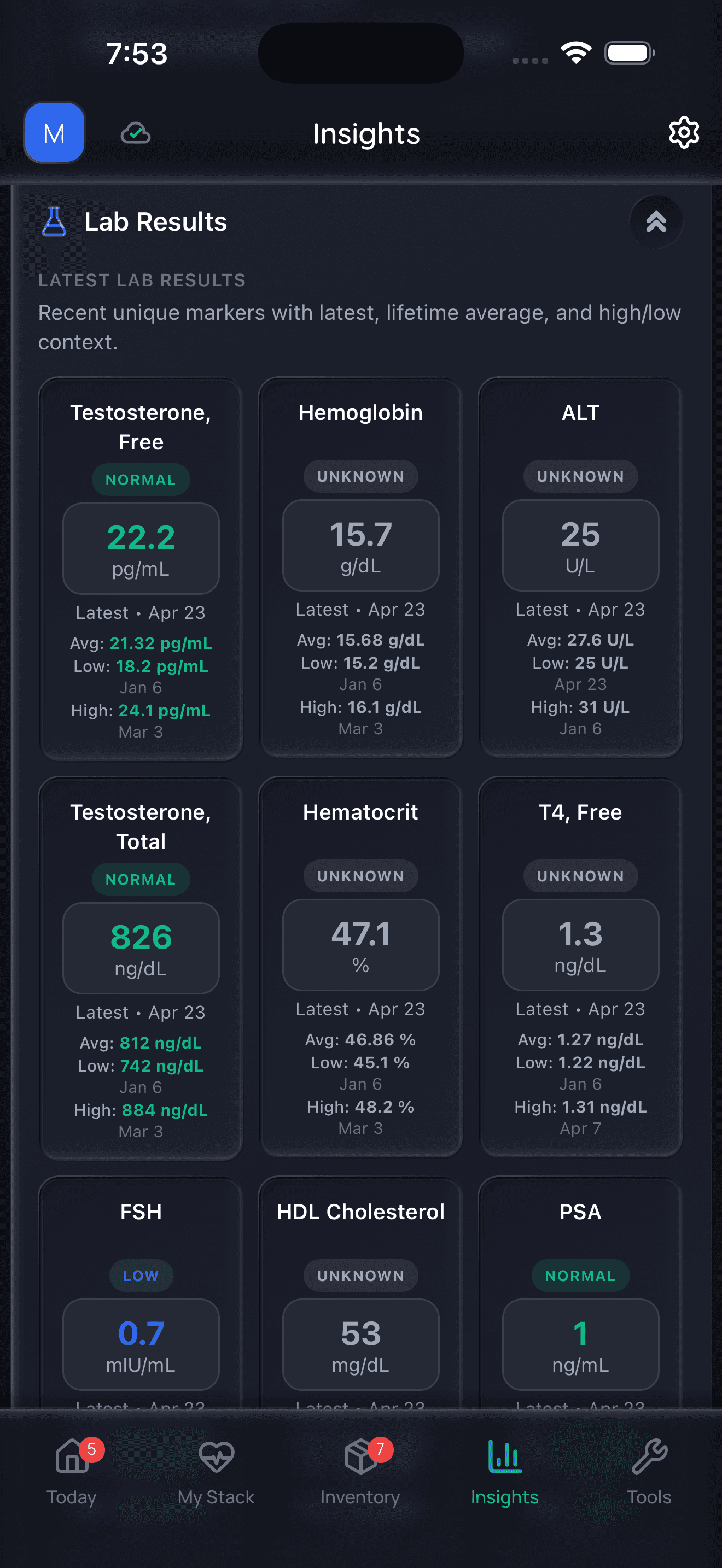
Doserly organizes data; it does not diagnose or interpret labs for you.
Dosing & Treatment Protocols
The Basics
Biest dosing is highly individualized because each prescription is custom-compounded. There is no standardized dosing table the way there is for FDA-approved estradiol products. Doses are typically expressed as total milligrams of combined estrogen per application, along with the ratio of estriol to estradiol.
Common starting protocols include:
- Biest 80:20 at 2.5 mg/day: This delivers 2.0 mg estriol + 0.5 mg estradiol per application. This is one of the most commonly prescribed starting doses.
- Biest 50:50 at 2.5 mg/day: This delivers 1.25 mg estriol + 1.25 mg estradiol per application.
- Biest 80:20 at 1.0 mg/day: A lower starting dose (0.8 mg estriol + 0.2 mg estradiol).
The general principle is to start at the lowest dose expected to provide symptom relief and titrate upward based on how you respond. Dose adjustments should be based primarily on symptom assessment, not on chasing specific blood hormone numbers. ACOG notes that a target serum estradiol level of 40-100 pg/mL is a reasonable range for symptom relief [3].
However, the PK data shows that commonly prescribed Biest doses (2.0-2.5 mg of 80:20) deliver significantly less estradiol to the bloodstream than a standard 0.05 mg/day estradiol patch. This means some patients on standard Biest doses may not be receiving enough estradiol for full symptom relief, which may explain reports of practitioners switching patients from Biest to FDA-approved patches.
Progestogen requirement: Women with an intact uterus MUST use adequate progestogen alongside Biest to prevent endometrial hyperplasia and cancer. The estriol component does NOT replace the need for progestogen. Micronized progesterone (100-200 mg oral at bedtime, or vaginal) is the most commonly used companion therapy. Note that compounded transdermal progesterone cream has not been shown to reliably prevent endometrial hyperplasia.
The Science
No standardized dosing guidelines exist for Biest. The available PK data suggests that dose equivalence with FDA-approved products requires higher total Biest doses than commonly prescribed [8]:
Biest 80:20 Dose
2.0 mg/day
- Estimated Estradiol Delivery
- ~19% of standard patch
- Equivalent FDA Product
- Below therapeutic range for many patients
Biest 80:20 Dose
2.5 mg/day
- Estimated Estradiol Delivery
- ~31% of standard patch
- Equivalent FDA Product
- Below therapeutic range for many patients
Biest 80:20 Dose
3.0 mg/day
- Estimated Estradiol Delivery
- Approaches standard patch
- Equivalent FDA Product
- Approximate equivalent to estradiol patch 0.05 mg/day
Dosing protocols often change over the course of treatment, with starting doses getting adjusted, routes switched, and timing refined. Doserly maintains a complete history of every protocol change, giving you and your provider a clear picture of what has been tried and how each adjustment affected your symptoms.
The app's adherence analytics show your consistency patterns and can highlight whether missed doses or timing variations correlate with symptom changes. When your provider is considering a dose adjustment, having this data available makes the conversation more productive and the decision more informed.
Turn symptom and safety notes into a clearer timeline.
Doserly helps you log doses, symptoms, and safety observations side by side so patterns are easier to discuss with a qualified clinician.
Pattern view
Logs and observations

Pattern visibility is informational and should be reviewed with a clinician.
What to Expect (Timeline)
For patients starting Biest cream, a general timeline of what to expect:
- Days 1-7: Initial adjustment period. Some breast tenderness, bloating, or mild headache may occur. These are signs the estrogen is being absorbed. Hot flash improvement may begin within the first week for some, but this varies.
- Weeks 2-4: Vasomotor symptoms (hot flashes, night sweats) often begin to improve. If using 80:20 formulation at lower doses, symptom improvement may be slower due to lower estradiol delivery. Mood may begin to stabilize. Side effects like breast tenderness typically begin to settle.
- Months 1-3: More consistent symptom relief if the dose is adequate. This is the typical time frame for a follow-up appointment and dose adjustment. If hot flashes are not improving, the dose or ratio may need to be increased, or a switch to an FDA-approved formulation with more predictable delivery may be considered. Vaginal dryness may begin to improve, particularly if cream is also applied locally.
- Months 3-6: Full therapeutic effect for most symptoms at an adequate dose. Bone density stabilization begins (though whether Biest at typical doses provides adequate bone protection is uncertain). GSM symptoms continue to improve gradually. Sleep quality improvements often become more apparent.
- Ongoing maintenance: Annual review with provider. Dose reassessment based on ongoing symptoms. Monitoring per schedule (mammogram, lipid panel, bone density as indicated).
Individual response varies significantly. Some women notice improvement within days, while others require several weeks and dose adjustments. The customizable nature of compounded Biest allows for ratio and dose changes, but this flexibility also means more frequent follow-up may be needed compared to standardized products.
Timing Hypothesis & Window of Opportunity
The timing hypothesis applies to systemic estrogen therapy regardless of whether the estrogen comes from an FDA-approved product or a compounded formulation like Biest. The principle is the same: HRT initiated within 10 years of menopause onset, or before age 60, appears to have a more favorable risk-benefit profile than HRT started later.
The supporting evidence comes from several landmark studies:
- WHI age subgroup analyses: Women aged 50-59 who started HRT had lower cardiovascular mortality and all-cause mortality than those who started after age 60 [15].
- KEEPS trial: Showed that early HRT (within 6 years of menopause) did not adversely affect coronary artery calcium scores or carotid intima-media thickness over 4 years [17].
- ELITE trial: Demonstrated that estradiol reduced carotid artery intima-media thickness progression in women less than 6 years post-menopause but not in women more than 10 years post-menopause [18].
- Danish Osteoporosis Prevention Study: 10-year trial showing reduced cardiovascular events and mortality in women randomized to HRT shortly after menopause [19].
These studies used FDA-approved estrogen formulations. Whether Biest cream delivers sufficient estradiol to achieve the cardiovascular and bone benefits suggested by the timing hypothesis is an open question, given the PK data showing lower estradiol delivery from typical Biest doses.
This evidence should be understood as evolving, not settled. No randomized controlled trial has been specifically designed and powered to test the timing hypothesis definitively. The concept remains a guiding principle for shared decision-making, not a guarantee of benefit.
Interactions & Compatibility
Drug-drug interactions (applicable to the estradiol component):
- Thyroid medications: Estrogen increases thyroxine-binding globulin (TBG). Women on levothyroxine may need dose adjustment when starting or changing estrogen therapy. Monitor thyroid function 6-8 weeks after starting Biest.
- Anticoagulants: Warfarin and other anticoagulants may require monitoring, though transdermal estrogen has less impact on clotting factors than oral estrogen.
- SSRIs/SNRIs: Generally compatible. Some SSRIs are used as non-hormonal alternatives for hot flashes. See Paroxetine Low-Dose (Brisdelle).
- Lamotrigine: Estrogen can significantly reduce lamotrigine levels, potentially increasing seizure risk. Close monitoring required.
- CYP3A4 inducers/inhibitors: Rifampin (inducer) may reduce estrogen levels. Ketoconazole (inhibitor) may increase them. St. John's Wort is a CYP3A4 inducer that can reduce estrogen effectiveness. Transdermal delivery partially bypasses CYP-mediated metabolism, so interactions may be less pronounced than with oral estrogen.
Supplement interactions:
- Calcium and Vitamin D: Compatible and recommended alongside HRT for bone health. See supplement guides for Calcium and Vitamin D.
- Black cohosh: Some women use alongside HRT. Limited interaction data; generally considered compatible at standard supplement doses. See Black Cohosh.
- St. John's Wort: CYP3A4 inducer that may reduce estrogen levels. Avoid concurrent use.
- Phytoestrogen supplements (soy isoflavones, red clover): May have additive estrogenic effects. Discuss with provider.
Lifestyle factors:
- Smoking: Dramatically increases VTE and cardiovascular risk with any estrogen therapy. Transdermal estrogen partially mitigates the VTE risk compared to oral, but smoking remains a significant risk amplifier.
- Alcohol: Modest interaction with estrogen metabolism. Moderate alcohol intake increases breast cancer risk independently; this risk may be additive with HRT.
- Grapefruit: CYP3A4 inhibitor; primarily relevant for oral estrogen, less so for transdermal.
Related guides: Estradiol, Micronized Progesterone, Compounded & Bioidentical HRT, Triest
Decision-Making Framework
Deciding whether to use Biest, an FDA-approved estradiol product, or another approach is a decision that belongs to you and your healthcare provider. Here are factors to consider:
When Biest may be appropriate:
- True allergy or intolerance to inactive ingredients in all available FDA-approved estradiol formulations (adhesives in patches, preservatives in gels, etc.)
- Need for a dose or formulation not commercially available
- Preference for a combined estrogen/progesterone/testosterone cream when these cannot be conveniently achieved with separate FDA-approved products
- Informed choice after understanding that FDA-approved alternatives exist and that Biest lacks the same evidence base
When FDA-approved alternatives are generally preferred:
- When an equivalent FDA-approved bioidentical option exists (estradiol patches, gels, sprays, oral tablets, vaginal preparations)
- When consistent, standardized dosing is a priority
- When long-term safety data matters for your risk assessment
- When insurance coverage is a factor (FDA-approved products are more likely to be covered)
Questions to discuss with your provider:
- "Is there an FDA-approved bioidentical estradiol product that would work for me?"
- "If I choose compounded Biest, how will we verify that the dose is adequate?"
- "What compounding pharmacy do you recommend, and what quality certifications do they have?"
- "How will we monitor my response, and what would prompt a switch to a different formulation?"
- "Does the estriol component in Biest provide benefits I would not get from estradiol alone?"
Finding a menopause specialist: The Menopause Society (formerly NAMS) certifies Menopause Practitioners who have demonstrated competency in menopause management. A directory is available at menopause.org. The International Society for the Study of Women's Sexual Health (ISSWSH) also maintains a provider directory.
Administration & Practical Guide
Transdermal cream (most common Biest formulation):
- Apply the prescribed amount (typically 0.5-1.0 mL per application) to clean, dry skin
- Best application sites: inner forearms, inner wrists, inner thighs, or abdomen. These areas have thinner skin and good vascular supply for absorption.
- Rotate application sites to prevent skin irritation
- Allow the cream to dry completely before dressing (typically 5-10 minutes)
- Avoid contact with others (especially children and pets) until the cream has fully absorbed to prevent inadvertent transfer
- Do not apply to breasts
- Wash hands thoroughly after application
- Apply at the same time(s) each day for consistent levels
- If using other topical hormones (testosterone, progesterone cream), apply to different body sites
Sublingual troches:
- Place under the tongue and allow to dissolve completely (typically 15-30 minutes)
- Do not eat, drink, or brush teeth for 30 minutes before and after administration
- Sublingual delivery may achieve more rapid absorption than transdermal cream
Storage: Store at room temperature (20-25 C / 68-77 F). Avoid excessive heat and direct sunlight. Do not freeze, as this may cause phase separation and inconsistent dosing. Check expiration/beyond-use dating on the compounded product (typically shorter than commercial products).
Important: These are general guidelines. Always follow the specific instructions provided by your compounding pharmacy and prescribing provider. Compounded formulations may vary in base ingredients, which can affect absorption characteristics.
Monitoring & Lab Work
Pre-treatment baseline:
- Serum estradiol, FSH (to confirm menopausal status if uncertain)
- Mammogram (per age-appropriate screening guidelines)
- Lipid panel
- Liver function tests (particularly if considering oral formulation)
- Bone density (DEXA) if indicated by risk factors
- Blood pressure
- Thyroid function (TSH, free T4) if on thyroid medication
- Endometrial assessment (transvaginal ultrasound) if abnormal bleeding is present
Initial follow-up (4-12 weeks):
- Symptom assessment (primary measure of treatment adequacy)
- Consider serum estradiol level if symptoms are not improving (ACOG suggests target range of 40-100 pg/mL for symptom relief)
- Side effect evaluation
- Blood pressure check
ACOG and NAMS guidance on hormone testing with compounded products:
- ACOG explicitly states that routine hormone level testing is not recommended for titrating compounded HRT
- Dosing should be based on symptom response, not lab numbers
- However, given the known dosing variability of compounded products, serum estradiol testing may be more useful than with standardized products to verify that meaningful hormone delivery is occurring
- Salivary and urinary hormone panels (sometimes promoted by compounding pharmacies) are not recommended; there are no FDA-approved salivary or urinary tests for steroid hormone measurement, and results do not reliably guide dosing
Ongoing monitoring:
- Annual mammogram
- Annual pelvic exam
- DEXA scan per risk profile (baseline, then per guidelines)
- Lipid panel annually or per cardiovascular risk assessment
- Endometrial monitoring (transvaginal ultrasound) for any abnormal bleeding
- Thyroid function if on thyroid medication (6-8 weeks after estrogen changes, then annually)
- Annual review of HRT: discuss ongoing need, dose adequacy, emerging symptoms
Complementary Approaches & Lifestyle
Evidence-based strategies that complement HRT (whether compounded or FDA-approved):
Supplements:
- Vitamin D: 1000-2000 IU daily; essential for calcium absorption and bone health. See Vitamin D.
- Calcium: 1000-1200 mg daily from diet and supplements combined. See Calcium.
- Omega-3 fatty acids: May support cardiovascular health and reduce inflammation. See Omega-3.
- Magnesium: May help with sleep quality and muscle relaxation. See Magnesium.
Exercise:
- Weight-bearing exercise: Walking, jogging, dancing, stair climbing for bone health
- Resistance training: Preserves lean muscle mass and supports metabolic health
- Cardiovascular exercise: 150 minutes/week moderate intensity per guidelines
- Balance training: Fall prevention, particularly important as osteoporosis risk increases
Diet:
- Mediterranean diet pattern: Associated with reduced cardiovascular risk and improved metabolic markers
- Phytoestrogen-rich foods: Soy (tofu, tempeh, edamame), flaxseed; may provide modest additional symptom support
- Calcium-rich foods: Dairy, fortified plant milks, leafy greens
- Limit alcohol: Increases breast cancer risk independently; additive with HRT
Mind-body approaches:
- CBT for vasomotor symptoms: Evidence-based; shown to reduce hot flash impact
- Pelvic floor therapy: For urinary symptoms and GSM
- Sleep hygiene: Temperature management, consistent schedule, limit screen time before bed
- Stress management: Yoga, meditation, deep breathing; may reduce symptom severity
Non-hormonal prescription alternatives for women who cannot or choose not to use HRT:
- Fezolinetant (Veozah): NK3 receptor antagonist for vasomotor symptoms
- Paroxetine low-dose (Brisdelle): FDA-approved SSRI for hot flashes
- Gabapentin: Off-label for vasomotor symptoms and sleep
Stopping HRT / Discontinuation
When considering stopping Biest (or any systemic estrogen therapy):
- When to consider: Reassessment is typically recommended at least annually, with a more thorough review at 2-5 years. The decision to continue or stop should be individualized based on ongoing symptoms, risk profile, and personal preference.
- Tapering strategies: Gradual dose reduction over several weeks to months is generally preferred over abrupt cessation. With Biest cream, this can be done by reducing the concentration, reducing the amount applied per dose, or reducing frequency of application.
- Symptom recurrence: An estimated 50% of women experience some return of vasomotor symptoms when stopping systemic HRT. Severity is typically similar to pre-treatment levels, not worse.
- Transition options: If vasomotor symptoms are resolving but GSM persists, consider transitioning to low-dose vaginal estrogen (FDA-approved estradiol cream, tablet, ring, or insert), which can be continued long-term with minimal systemic absorption.
- What to monitor: Keep a symptom diary during the taper. Monitor bone density if discontinuation removes the only bone-protective therapy. Reassess cardiovascular risk factors.
- Restarting: If symptoms return significantly after discontinuation, restarting HRT may be appropriate after re-evaluating the risk-benefit balance with your provider.
See also: Stopping & Tapering HRT
Special Populations & Situations
Premature Ovarian Insufficiency (POI)
Women with POI (menopause before age 40) require hormone replacement until the typical age of natural menopause (around 51). In this context, HRT is replacement therapy, not supplementation. FDA-approved bioidentical estradiol formulations with proven adequate delivery are generally preferred to ensure sufficient hormone replacement for cardiovascular, bone, and cognitive protection. See Premature Ovarian Insufficiency.
Surgical Menopause
After bilateral oophorectomy, the abrupt loss of ovarian hormones often requires prompt and adequate estrogen replacement. Given the PK data suggesting Biest may deliver lower estradiol levels than intended, FDA-approved formulations with predictable pharmacokinetics may be preferred in this acute setting. See Surgical Menopause.
Breast Cancer Survivors
Systemic estrogen therapy is generally contraindicated in breast cancer survivors. This includes Biest. The theoretical "protective" properties of estriol do not override this contraindication, particularly given evidence that estriol is a full estrogen agonist with continuous exposure.
History of VTE
Transdermal estrogen (including Biest cream) is the preferred route for women with a history of VTE, as it avoids first-pass hepatic effects on clotting factor synthesis. However, the decision to use any estrogen therapy after VTE requires careful individual risk assessment.
Migraine with Aura
Stable estrogen levels (transdermal delivery) are preferred over fluctuating levels (oral). Biest cream provides continuous transdermal delivery, which is favorable in this context, though consistent application and absorption are important.
Regulatory, Insurance & International
United States
- Biest is not FDA-approved. It is prepared under Section 503A compounding exemption.
- Not covered by most insurance plans. Out-of-pocket cost varies by pharmacy but typically ranges from $30-$80/month.
- Available only through compounding pharmacies with a valid prescription.
- The FDA has at various times considered restricting estriol's use in compounding; current status permits its inclusion in patient-specific compounded prescriptions under 503A.
- PCCA (Professional Compounding Centers of America) and IACP (International Academy of Compounding Pharmacists) are industry organizations; some pharmacies carry PCAB (Pharmacy Compounding Accreditation Board) accreditation as a quality signal.
United Kingdom
- Compounded HRT is not standard practice in the UK. The NHS and NICE guidelines recommend regulated, licensed HRT products.
- Estriol is available as a licensed vaginal preparation (Ovestin) in the UK for GSM.
- Biest as a compounded product is available through some private clinics and compounding pharmacies but is not part of mainstream UK menopause care.
Canada
- Compounded HRT is available through compounding pharmacies with a prescription.
- Health Canada does not approve compounded products.
- FDA-approved equivalents (estradiol patches, gels) are available and funded through provincial drug plans.
Australia
- Compounded HRT is available through compounding pharmacies.
- TGA does not approve compounded products.
- Estriol is available as a licensed vaginal preparation.
European Union
- Estriol is available as a licensed medication in several EU countries for vaginal use (Ovestin, Estriol Ratiopharm).
- Compounded Biest combinations are not standard practice in most EU countries. Regulated bioidentical estradiol products are widely available.
Frequently Asked Questions
Q: Is Biest safer than FDA-approved estrogen?
A: There is no scientific evidence that Biest is safer than FDA-approved bioidentical estradiol products. The estradiol component is identical to what is in patches and gels. The estriol component has not been proven to provide additional safety benefits. Major medical organizations (ACOG, NAMS, Endocrine Society) recommend FDA-approved formulations over compounded alternatives when equivalent products exist.
Q: Is Biest more "natural" than a patch or gel?
A: The estradiol in Biest is chemically identical to the estradiol in FDA-approved patches and gels. Both are derived from plant precursors (typically soy or yams) and processed to match the human hormone. The term "natural" in marketing does not indicate a meaningful clinical difference.
Q: Does the estriol in Biest protect against breast cancer?
A: This claim is not supported by clinical trial evidence. While early laboratory studies suggested estriol might have anti-estrogenic properties when given as a bolus, more recent research shows that continuous estriol exposure (as with daily cream application) produces full estrogenic stimulation. No randomized controlled trial has demonstrated a breast cancer risk reduction from estriol.
Q: Why does my provider recommend Biest over patches?
A: Different providers have different training and philosophies. Integrative, functional, and naturopathic practitioners may favor compounded formulations based on the customization argument. Conventional OB/GYNs and endocrinologists typically recommend FDA-approved products based on the stronger evidence base. This is a question worth discussing openly with your provider.
Q: Can I use Biest vaginally for dryness?
A: Some women do apply Biest cream vaginally, but most Biest formulations are designed for transdermal skin application, not vaginal use. The base ingredients may not be suitable for vaginal tissue. FDA-approved vaginal estrogen products (estradiol cream, tablets, rings) are specifically formulated for vaginal application and have proven efficacy for GSM.
Q: Do I still need progesterone if I'm using Biest?
A: Yes, if you have an intact uterus. The estriol in Biest does NOT replace the need for progestogen to protect the uterine lining. Unopposed systemic estrogen of any type increases the risk of endometrial hyperplasia and cancer.
Q: How do I know if my Biest dose is working?
A: The primary measure is symptom improvement. Are your hot flashes reducing? Is your sleep improving? Is vaginal dryness getting better? If symptoms persist after 2-3 months, discuss a dose increase or formulation change with your provider. A serum estradiol level can help verify that meaningful hormone delivery is occurring (target 40-100 pg/mL for symptom relief).
Q: Is salivary hormone testing useful for adjusting my Biest dose?
A: ACOG, NAMS, and the Endocrine Society do not recommend salivary hormone testing for guiding HRT dosing. There are no FDA-approved salivary tests for steroid hormones, and results do not reliably reflect tissue levels. Serum testing (if needed) is more reliable, though symptom assessment remains the primary guide.
Q: Can I buy Biest over the counter?
A: Some over-the-counter creams marketed as "Bi-Est" are sold online and in health stores. These products contain very low concentrations of hormones and are classified as cosmetics or supplements, not medications. They have not been evaluated for therapeutic efficacy and should not be considered equivalent to prescription compounded Biest.
Q: If I want to switch from Biest to an FDA-approved product, how do I transition?
A: Work with your healthcare provider. The transition is typically straightforward: stop the Biest cream and start the FDA-approved product (patch, gel, or oral) at an equivalent or slightly lower dose, then titrate based on symptoms. There is no need for a washout period.
Myth vs. Fact
Myth: Biest is more natural than FDA-approved estrogen because it is bioidentical.
Fact: FDA-approved estradiol patches, gels, and oral tablets contain bioidentical estradiol derived from the same plant precursors (soy, yams) as compounded Biest. "Bioidentical" and "compounded" are not synonyms. Many FDA-approved products are bioidentical [3][5].
Myth: The estriol in Biest protects against breast cancer.
Fact: This hypothesis originated from laboratory studies using bolus (single-dose) estriol exposure, which showed short-lived anti-estrogenic effects. Continuous estriol exposure (as with daily cream application) produces full estrogenic stimulation in both uterine and breast tissue [1][2]. No randomized controlled trial has demonstrated that estriol reduces breast cancer risk.
Myth: Compounded hormones are safer because they avoid the risks found in the WHI study.
Fact: The WHI studied oral conjugated equine estrogens (CEE) and medroxyprogesterone acetate (MPA), which are neither bioidentical nor compounded. FDA-approved bioidentical estradiol (patches, gels) and micronized progesterone are different from the WHI formulations and have more favorable risk profiles for several outcomes. Compounded Biest has not been studied in any comparable long-term trial, so its risk profile is unknown, not proven safe [15].
Myth: Salivary hormone testing helps personalize Biest dosing.
Fact: ACOG, NAMS, and the Endocrine Society do not recommend salivary testing for guiding hormone therapy dosing. Salivary estrogen levels are extremely low and methodologically difficult to measure accurately. No FDA-approved salivary test for steroid hormones exists [3][5].
Myth: Compounded Biest provides more precise dosing because it is custom-made.
Fact: Testing of compounded products has found significant variability in actual hormone content, with estradiol as much as 26% below label and progesterone as much as 31% above label. FDA-approved products must meet strict potency standards (typically within 5-10% of labeled amount) [9].
Myth: You only need Biest for 5 years maximum.
Fact: The "5-year rule" is outdated for all forms of HRT. Duration should be individualized based on ongoing symptoms, risk assessment, and patient preference. Some women benefit from continued use beyond 5 years. The decision to continue or stop should be reassessed annually [12].
Myth: Biest cream is absorbed better than a patch because creams are more natural.
Fact: Pharmacokinetic data shows that commonly prescribed Biest cream doses deliver significantly less estradiol to the bloodstream than a standard-dose estradiol patch. FDA-approved transdermal products (patches, gels) have undergone extensive PK testing to ensure predictable absorption [8].
Myth: Compounded pharmacies provide better quality because each prescription is custom-made.
Fact: Compounding pharmacies are not required to follow the same good manufacturing practices (cGMP) as pharmaceutical manufacturers. While many compounding pharmacies maintain high standards, the lack of mandatory oversight means quality varies significantly between pharmacies [3][5].
Sources & References
Clinical Guidelines
- Perkins MS et al. A comparative characterization of estrogens used in hormone therapy via estrogen receptor (ER)-alpha and -beta. J Steroid Biochem Mol Biol. 2017;174:27-39. PMID: 28743541.
- Clark JH, Paszko Z, Peck EJ. Nuclear binding and retention of the receptor estrogen complex: relation to the agonistic and antagonistic properties of estriol. Endocrinology. 1977;100(1):91-96. PMID: 830547.
- ACOG Committee on Clinical Consensus. Compounded bioidentical menopausal hormone therapy. Clinical Consensus No. 6. Obstet Gynecol. 2023;142:1266-1273. DOI: 10.1097/AOG.0000000000005395.
- Liu Y et al. Safety and efficacy of compounded bioidentical hormone therapy (cBHT) in perimenopausal and postmenopausal women: a systematic review and meta-analysis of randomized controlled trials. Menopause. 2022;29:465-482.
- Santoro N et al. Compounded bioidentical hormones in endocrinology practice: an Endocrine Society scientific statement. J Clin Endocrinol Metab. 2016;101:1318-1343. PMID: 27032319.
Landmark Trials & Pharmacokinetic Studies
- Prossnitz ER, Barton M. Estrogen biology: new insights into GPER function and clinical opportunities. Mol Cell Endocrinol. 2014;389(1-2):71-83.
- Zhu BT et al. Quantitative structure-activity relationship of various endogenous estrogen metabolites for human estrogen receptor alpha and beta subtypes. Endocrinology. 2006;147(9):4132-4150. PMID: 16728493.
- Santoro N et al. Bioidentical compounded hormones: a pharmacokinetic evaluation in a randomized clinical trial. Maturitas. 2013;74(4):375-382. PMID: 23384975. NCT00864214.
- Stanczyk FZ et al. Determination of estradiol and progesterone content in capsules and creams from compounding pharmacies. Menopause. 2019;26:966-971.
Systematic Reviews & Observational Studies
- Fitzpatrick LA, Good A. The effectiveness of sublingual and topical compounded bioidentical hormone replacement therapy. Int J Pharm Compd. 2012. PMID: 24881343.
- Ruiz AD et al. The effects of compounded bioidentical transdermal hormone therapy on hemostatic, inflammatory, immune factors; cardiovascular biomarkers; quality-of-life measures; and health outcomes in perimenopausal and postmenopausal women. Int J Pharm Compd. 2011. PMID: 23627249.
- The 2022 Hormone Therapy Position Statement of The North American Menopause Society. Menopause. 2022;29(7):767-794.
- National Academies of Sciences, Engineering, and Medicine. The clinical utility of compounded bioidentical hormone therapy: a review of safety, effectiveness, and use. Washington, DC: National Academies Press; 2020.
Government/Institutional Sources
- Canonico M et al. Hormone therapy and venous thromboembolism among postmenopausal women: impact of the route of estrogen administration and progestogens: the ESTHER study. Circulation. 2007;115:840-845.
- Rossouw JE et al. Risks and benefits of estrogen plus progestin in healthy postmenopausal women. JAMA. 2002;288:321-333. WHI E+P trial. / Manson JE et al. Menopausal hormone therapy and long-term all-cause and cause-specific mortality. JAMA. 2017;318:927-938.
- Fournier A et al. Breast cancer risk in relation to different types of hormone replacement therapy in the E3N-EPIC cohort. Int J Cancer. 2005;114:448-454.
- Harman SM et al. Arterial imaging outcomes and cardiovascular risk factors in recently menopausal women: KEEPS trial. JAMA Intern Med. 2014;174:1037-1045.
- Hodis HN et al. Vascular effects of early versus late postmenopausal treatment with estradiol. N Engl J Med. 2016;374:1221-1231. ELITE trial.
- Schierbeck LL et al. Effect of hormone replacement therapy on cardiovascular events in recently postmenopausal women: randomised trial. BMJ. 2012;345:e6409. Danish Osteoporosis Prevention Study.
Related Guides & Cross-Links
Same Category (Compounded Formulations)
Related Estrogen Guides
Related Treatment Options
- Compounded & Bioidentical HRT
- Transdermal HRT (Patches, Gels, Sprays)
- Vaginal Estrogen Therapy
- Getting Started with HRT