
17B-Estradiol (Bioidentical): The Complete HRT Guide
On this page
Quick Reference Card
Attribute
Brand Name(s)
- Value
- Climara, Vivelle-Dot, Minivelle, EstroGel, Elestrin, Evamist, Divigel, Dotti, Menostar (US); Estradot, Oesclim (Canada); Estraderm, Sandrena, Evorel (UK/EU); Estraderm, Estradot (Australia)
Attribute
Generic Name
- Value
- Estradiol (17-beta-estradiol, E2)
Attribute
Drug Class / Type
- Value
- Bioidentical estrogen; steroid hormone
Attribute
FDA-Approved Indications
- Value
- Moderate to severe vasomotor symptoms (hot flashes); vulvar/vaginal atrophy; hypoestrogenism (hypogonadism, castration, POI); osteoporosis prevention; breast cancer palliation
Attribute
Common Doses
- Value
- Oral: 0.5, 1, 2 mg/day; Transdermal patch: 0.025, 0.0375, 0.05, 0.075, 0.1 mg/day; Gel: 0.06% (0.87-1.25 g/day); Spray: 1.53 mg/spray
Attribute
Route(s) of Administration
- Value
- Oral, transdermal (patch, gel, spray), vaginal (cream, ring, tablet), subcutaneous pellet
Attribute
Dosing Schedule
- Value
- Daily (oral, gel, spray); twice weekly or weekly (patch); continuous or cyclic
Attribute
Key Monitoring Requirements
- Value
- Symptom assessment (3-6 months), mammography, endometrial monitoring (women with uterus), lipid panel, liver function (oral route), bone density (if indicated)
Overview / What Is 17B-Estradiol?
The Basics
Estradiol is the most potent form of estrogen that your body produces naturally. Before menopause, your ovaries are the primary source, releasing it in varying amounts throughout each menstrual cycle. It does far more than regulate your reproductive system: estradiol helps control your internal thermostat, supports bone density, protects cardiovascular health, maintains the health of vaginal and urinary tract tissues, influences mood and cognitive function, and contributes to skin elasticity and hydration.
When estradiol levels decline during perimenopause and menopause, the ripple effects can touch nearly every system in your body. Hot flashes, disrupted sleep, brain fog, mood changes, joint pain, vaginal dryness, and accelerated bone loss are all connected to this decline. For many people, these symptoms significantly affect quality of life and daily functioning.
Bioidentical estradiol, used in hormone replacement therapy (HRT), is molecularly identical to the estradiol your body makes. It is available in FDA-approved formulations including oral tablets, transdermal patches, gels, sprays, vaginal creams, rings, and tablets. The term "bioidentical" simply means the molecule matches the one produced by the human ovary. It does not imply any particular safety advantage over other estrogen formulations, and FDA-approved bioidentical estradiol should not be confused with compounded hormone preparations, which lack standardized FDA oversight [1][2].
First approved by the FDA in 1975, estradiol has decades of clinical use behind it. It remains the most commonly prescribed estrogen for menopausal hormone therapy worldwide, and recent years have brought substantial new evidence refining how, when, and for whom it is most safely and effectively used.
The Science
17-beta-estradiol (E2) is the principal biologically active endogenous estrogen in premenopausal women. It is a C-18 steroid hormone synthesized primarily by the granulosa cells of ovarian follicles, with daily production ranging from 70 to 500 mcg depending on the phase of the menstrual cycle [3]. The chemical designation is estra-1,3,5(10)-triene-3,17-beta-diol, with a molecular weight of 272.38 g/mol.
After menopause, ovarian estradiol production ceases almost entirely. The primary circulating estrogen shifts to estrone (E1), produced predominantly by peripheral aromatization of adrenal androstenedione in adipose tissue, muscle, and liver [3]. Estrone is substantially less potent than estradiol at the receptor level, and estrone sulfate (E1S) serves as a circulating reservoir for reconversion to more active forms.
Exogenous 17-beta-estradiol used in pharmaceutical preparations is synthesized from plant-derived precursors (typically diosgenin from wild yam or soy) and is structurally identical to endogenous E2 [2]. FDA-approved preparations undergo rigorous manufacturing quality controls, batch-to-batch consistency testing, and clinical efficacy trials. The Endocrine Society has noted there is no evidence-based medical need for compounded bioidentical hormone therapy when FDA-approved preparations are available [2].
Medical / Chemical Identity
Generic Name: Estradiol (17-beta-estradiol, E2)
Chemical Class: Steroidal estrogen (estra-1,3,5(10)-triene-3,17-beta-diol)
Molecular Formula: C₁₈H₂₄O₂
Molecular Weight: 272.38 g/mol
CAS Number: 50-28-2
FDA Initial Approval: 1975
Physical Description: White, crystalline solid
Brand Names by Country:
Country
United States
- Oral
- Estrace (discontinued brand; generics available)
- Transdermal Patch
- Climara, Vivelle-Dot, Minivelle, Dotti, Menostar
- Gel/Spray
- EstroGel, Elestrin, Divigel, Evamist
- Vaginal
- Estrace Cream, Vagifem/Yuvafem, Femring, Estring
Country
United Kingdom
- Oral
- Generic estradiol tablets
- Transdermal Patch
- Evorel, Estraderm, Estradot
- Gel/Spray
- Sandrena, Oestrogel
- Vaginal
- Vagifem, Estring
Country
Canada
- Oral
- Generic estradiol tablets
- Transdermal Patch
- Estradot, Climara
- Gel/Spray
- Estrogel
- Vaginal
- Vagifem, Estring
Country
Australia
- Oral
- Generic estradiol tablets
- Transdermal Patch
- Climara, Estradot
- Gel/Spray
- Sandrena
- Vaginal
- Vagifem, Estring
Manufacturer(s): Multiple (generic widely available). Original branded oral: Warner Chilcott. Transdermal: Bayer (Climara), Noven (Vivelle-Dot/Minivelle).
NDA Numbers: NDA020375 (Climara), various ANDAs for generic oral tablets.
Mechanism of Action
The Basics
Estradiol works because it is the key your body uses to unlock hundreds of different cellular processes. Think of estrogen receptors as locks spread throughout your body, from your brain to your bones to your blood vessels. When estradiol binds to these receptors, it sets off a cascade of activity that maintains normal function in all of these tissues.
There are two main types of estrogen receptors, and they are distributed differently across the body. One type (ER-alpha) is concentrated in reproductive tissues, bones, liver, and blood vessel walls. The other type (ER-beta) is more abundant in the brain, lungs, and gastrointestinal tract [4]. This is why declining estradiol affects such a wide range of systems, and why replacing it can produce benefits across multiple areas simultaneously.
Your body's internal thermostat sits in a part of the brain called the hypothalamus. When estradiol levels are adequate, this thermostat tolerates small fluctuations in core body temperature without triggering a response. When estradiol drops, the thermostat's tolerance zone narrows dramatically, so even a tiny temperature increase triggers your body's cooling response: blood vessel dilation, sweating, and the sensation of a hot flash [5]. Replacing estradiol widens this zone back toward normal, which is why hot flashes often improve quickly after starting therapy.
In bone, estradiol helps maintain the balance between cells that build bone (osteoblasts) and cells that break it down (osteoclasts). Without adequate estradiol, the breakdown side accelerates, and bone density declines. This is why osteoporosis prevention is an FDA-approved indication for estradiol therapy [3].
The Science
17-beta-estradiol exerts its biological effects through both genomic and non-genomic signaling pathways. The classical genomic pathway involves E2 binding to nuclear estrogen receptors (ER-alpha and ER-beta), which then dimerize and bind to estrogen response elements (EREs) in target gene promoters, modulating transcription over hours to days. ER-alpha predominates in reproductive tissues, bone, liver, and the cardiovascular endothelium, while ER-beta is more abundant in the brain, lungs, and gastrointestinal tract [4].
Rapid non-genomic signaling occurs through membrane-associated ERs and the G protein-coupled estrogen receptor (GPER/GPR30), activating MAPK/ERK, PI3K/Akt, and eNOS pathways within seconds to minutes [4]. These rapid effects are particularly relevant to cardiovascular endothelial function and neuronal signaling.
In the thermoregulatory center (hypothalamic preoptic area), declining estradiol narrows the thermoneutral zone from approximately 0.4 degrees Celsius to nearly zero, meaning minimal core temperature fluctuations trigger inappropriate heat dissipation responses (vasodilation, sweating) perceived as hot flashes [5]. Estradiol replacement widens this zone back toward normal thresholds, which accounts for the often rapid improvement in vasomotor symptoms.
In bone metabolism, estradiol promotes osteoblast survival and function while inducing apoptosis in osteoclasts, primarily through ER-alpha-mediated OPG/RANKL regulation. Estrogen deficiency shifts the remodeling balance toward net bone resorption, with trabecular bone loss accelerating to 2-3% per year in the first 5-7 years post-menopause [6].
In the cardiovascular system, estradiol promotes endothelial nitric oxide production (vasodilation), reduces LDL oxidation, and has anti-inflammatory effects on the vascular wall. These cardioprotective effects are thought to underlie the timing hypothesis: estradiol may preserve cardiovascular health when administered to healthy vasculature (early initiation) but may not benefit, or may potentially harm, already-atherosclerotic vessels (late initiation) [7].
Pathway & System Visualization
Pharmacokinetics / Hormone Physiology
The Basics
How you take estradiol matters as much as the dose itself. Different routes of administration (swallowing a tablet versus applying a patch, gel, or spray to your skin) result in very different patterns of how the hormone travels through your body.
When you swallow an estradiol tablet, it passes through your digestive system and goes to the liver first (this is called "first-pass metabolism"). The liver converts a large portion of the estradiol into weaker forms (mostly estrone) and triggers the liver to produce certain proteins, including clotting factors. This liver processing is the main reason why oral estradiol has a different side effect profile than transdermal forms, particularly regarding blood clot risk [8].
When estradiol is delivered through the skin via a patch, gel, or spray, it enters the bloodstream directly, bypassing the liver entirely. This produces a more natural balance between estradiol and estrone (roughly equal amounts, similar to what your body produced before menopause) and avoids stimulating the liver to produce extra clotting factors [8]. This is why many current guidelines prefer transdermal delivery, especially for women with any additional risk factors for blood clots.
Patches are designed to release a steady amount of estradiol over either 3-4 days (twice-weekly patches) or 7 days (weekly patches). Gels and sprays are applied daily. The goal with any delivery method is to maintain stable, adequate estradiol levels rather than creating peaks and valleys.
The Science
Oral estradiol undergoes extensive first-pass hepatic metabolism, with oral bioavailability of approximately 5%. The primary metabolic pathway involves CYP3A4-mediated oxidation to estrone (E1), with subsequent conversion to estrone sulfate (E1S), estriol (E3), and hydroxylated metabolites. Oral administration produces an E2:E1 ratio of approximately 1:4-5, reflecting the extensive hepatic conversion [8].
First-pass hepatic effects of oral estradiol include increased synthesis of sex hormone-binding globulin (SHBG), C-reactive protein (CRP), coagulation factors (factors VII, X, fibrinogen), angiotensinogen, and triglycerides. These hepatic effects are responsible for the route-dependent differences in thrombotic risk [8][9].
Transdermal estradiol (patch, gel, spray) bypasses first-pass metabolism entirely. Steady-state plasma concentrations vary by formulation:
Formulation
Climara 0.05 mg/day
- Delivery
- Weekly patch
- Steady-State E2 (pg/mL)
- 40-60
- E2:E1 Ratio
- ~1:1
Formulation
Vivelle-Dot 0.05 mg/day
- Delivery
- Twice-weekly patch
- Steady-State E2 (pg/mL)
- 40-80
- E2:E1 Ratio
- ~1:1
Formulation
EstroGel 0.06% (1.25 g/day)
- Delivery
- Daily gel
- Steady-State E2 (pg/mL)
- 30-50
- E2:E1 Ratio
- ~1:1
Formulation
Evamist (1 spray/day)
- Delivery
- Daily spray
- Steady-State E2 (pg/mL)
- 20-40
- E2:E1 Ratio
- ~1:1
Formulation
Oral estradiol 1 mg/day
- Delivery
- Daily tablet
- Steady-State E2 (pg/mL)
- 30-60 (peak); variable trough
- E2:E1 Ratio
- ~1:4-5
Distribution: Estradiol circulates bound to SHBG (~37%) and albumin (~61%), with approximately 2% circulating as free (bioactive) hormone. Oral estradiol increases SHBG production, which can paradoxically reduce free estradiol levels and lower free testosterone [3].
Metabolism: Estradiol undergoes enterohepatic recirculation via sulfate and glucuronide conjugation in the liver, biliary secretion into the intestine, hydrolysis, and reabsorption. CYP3A4 is the primary metabolizing enzyme. Inducers (rifampin, carbamazepine, phenobarbital, St. John's Wort) reduce estradiol levels; inhibitors (ketoconazole, erythromycin, grapefruit juice) increase them [3].
Elimination: Estradiol, estrone, and estriol are excreted in urine as glucuronide and sulfate conjugates. Half-life varies by route: oral estradiol has a terminal half-life of approximately 12-14 hours (but clinical effect depends on enterohepatic recirculation); transdermal patches maintain sustained delivery throughout the wear period.
Understanding how your body absorbs and metabolizes hormones is one thing. Tracking your actual protocol — doses, timing, and route — gives you the data to have more productive conversations with your prescriber. Doserly lets you log every dose with route-specific detail, building a clear record of your hormone protocol over time.
Whether you're on patches, gels, oral tablets, or a combination, the app tracks your schedule and flags when doses are due. When your provider asks how your protocol has been going, you'll have a precise answer instead of a best guess.
Keep multi-step protocols organized from start to finish.
Use Doserly to map compounds, timing, cycle windows, notes, and review points so complex protocols stay readable in one place.
Plan view
Protocol schedule
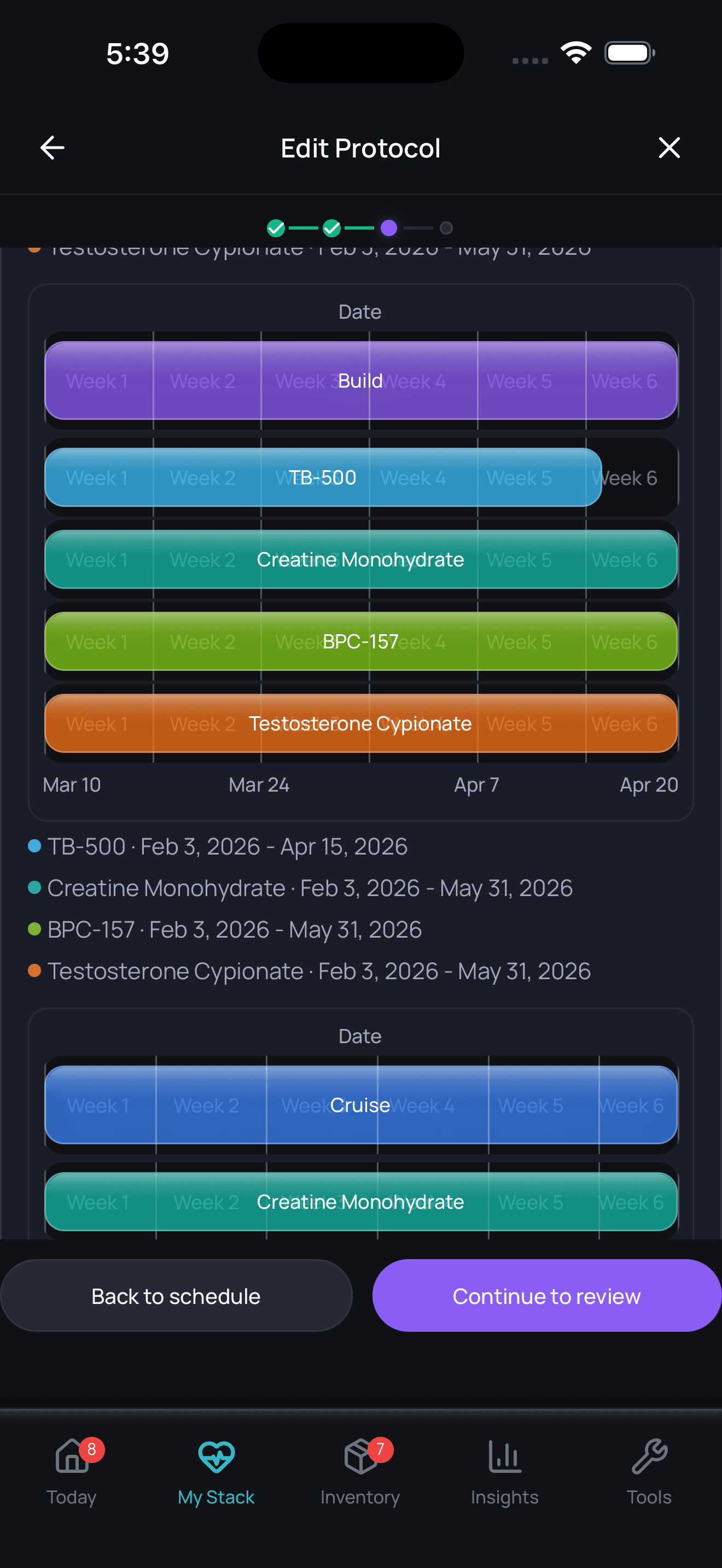
Planning views are organizational and should be aligned with professional guidance.
Research & Clinical Evidence
The Basics
The research landscape for estradiol and HRT has evolved dramatically over the past two decades. The Women's Health Initiative (WHI), launched in the 1990s, was the largest randomized trial of HRT ever conducted. When initial results were published in 2002, they generated alarm about heart disease and breast cancer risks, leading millions of women to stop or avoid HRT. However, subsequent reanalysis and new studies have substantially changed the picture.
The key insight from post-WHI research is that the WHI enrolled women with an average age of 63, many of whom were more than a decade past menopause. When researchers looked specifically at women who started HRT closer to menopause (under 60 or within 10 years of onset), the risk-benefit profile looked considerably more favorable. This is known as the "timing hypothesis" and has become central to modern HRT prescribing [7][10].
Several important studies have reinforced this more nuanced understanding. The KEEPS trial studied transdermal estradiol specifically in recently menopausal women and found favorable effects on cardiovascular markers. The ELITE trial demonstrated that estradiol had different cardiovascular effects depending on when it was started: it slowed atherosclerosis progression in women who started early but not in those who started late [11]. The Danish Osteoporosis Prevention Study found that 10 years of HRT started early after menopause reduced cardiovascular events and death with no increase in cancer risk [12].
In February 2026, the FDA took the significant step of requesting removal of cardiovascular, breast cancer, and probable dementia risk language from the boxed warnings of HRT products, reflecting the agency's updated assessment that these warnings were overly broad and may have discouraged appropriate use [13].
The Science
Women's Health Initiative (WHI): Two arms studied: CE 0.625 mg + MPA 2.5 mg daily (E+P arm, n=16,608) and CE 0.625 mg alone (E-alone arm, n=10,739, hysterectomized women). Average age at enrollment: 63 years [10].
E+P arm (5.2-year follow-up): Increased risk of CHD events (HR 1.29, 95% CI 1.02-1.63; absolute excess: 7 per 10,000 women-years), invasive breast cancer (HR 1.26, 95% CI 1.00-1.59; absolute excess: 8 per 10,000), stroke (HR 1.41, 95% CI 1.07-1.85; absolute excess: 8 per 10,000), and PE (HR 2.13, 95% CI 1.39-3.25; absolute excess: 8 per 10,000). Benefits included reduced hip fractures (HR 0.66) and colorectal cancer (HR 0.63) [10].
E-alone arm (7.2-year follow-up): No increase in breast cancer (HR 0.77, 95% CI 0.59-1.01; a non-significant reduction). No increase in CHD. Reduced hip fractures. These results suggest that much of the breast cancer risk signal in the E+P arm was driven by the progestogen (MPA), not the estrogen [14].
WHI Age Subgroup Analyses: Among women aged 50-59 at enrollment, the risk-benefit profile was substantially more favorable. Estrogen-alone in this age group was associated with reduced all-cause mortality, and the hazard ratios for cardiovascular events were neutral to beneficial [7][10].
KEEPS (Kronos Early Estrogen Prevention Study): Randomized 727 recently menopausal women (42-58 years, within 36 months of last period) to oral CE 0.45 mg/day, transdermal estradiol 50 mcg/day, or placebo for 4 years. Neither HRT group showed adverse effects on carotid intima-media thickness (primary endpoint). Transdermal estradiol did not raise triglycerides or CRP, unlike oral CE [11].
ELITE (Early versus Late Intervention Trial with Estradiol): Randomized 643 women to oral estradiol 1 mg/day + vaginal progesterone or placebo. Early group (<6 years post-menopause) showed significantly less carotid intima-media thickness progression; late group (>10 years) showed no benefit. This trial provided the strongest RCT evidence for the timing hypothesis [11].
Danish Osteoporosis Prevention Study: 1,006 recently menopausal women randomized to HRT or no treatment for 10 years, then followed for an additional 6 years. HRT group had significantly reduced composite of death, heart failure, and MI (HR 0.48, 95% CI 0.26-0.87) with no increase in cancer, VTE, or stroke [12].
Large-Scale Medicare Analysis (2024): 10 million senior women, 2007-2020. Estrogen monotherapy beyond age 65 associated with significant reductions in mortality, breast cancer, cardiovascular events, VTE, and dementia. Combined therapy associated with increased breast cancer risk, mitigatable with low-dose and transdermal formulations [15].
Evidence & Effectiveness Matrix
Category
Vasomotor Symptoms
- Evidence Strength
- 10/10
- Reported Effectiveness
- 9/10
- Summary
- Gold-standard indication. Multiple RCTs confirm 75-95% reduction in hot flash frequency/severity. Community reports near-universal positive response.
Category
Sleep Quality
- Evidence Strength
- 7/10
- Reported Effectiveness
- 8/10
- Summary
- Improvement documented in trials, partly secondary to vasomotor symptom reduction. Community reports dramatic sleep improvement.
Category
Mood & Emotional Wellbeing
- Evidence Strength
- 7/10
- Reported Effectiveness
- 8/10
- Summary
- Observational and some RCT data support mood benefits, particularly in perimenopausal depression. Strong community signal.
Category
Anxiety & Stress Response
- Evidence Strength
- 6/10
- Reported Effectiveness
- 7/10
- Summary
- Limited RCT data specific to anxiety; transdermal route may have advantage per 2025 Menopause Society data. Positive community reports.
Category
Cognitive Function
- Evidence Strength
- 6/10
- Reported Effectiveness
- 8/10
- Summary
- WHIMS showed concern in older women, but timing-dependent. Evidence supports cognitive benefit with early initiation. Strong community signal for brain fog resolution.
Category
Sexual Function & Libido
- Evidence Strength
- 6/10
- Reported Effectiveness
- 6/10
- Summary
- Estradiol improves dyspareunia via GSM improvement. Libido effects modest; testosterone addition commonly needed.
Category
Genitourinary Health (GSM)
- Evidence Strength
- 9/10
- Reported Effectiveness
- 9/10
- Summary
- FDA-approved indication. Vaginal estradiol is the gold standard for atrophic vaginitis, recurrent UTI prevention, and urinary symptoms.
Category
Bone Health & Osteoporosis
- Evidence Strength
- 9/10
- Reported Effectiveness
- Community data not yet collected
- Summary
- FDA-approved for osteoporosis prevention. WHI demonstrated significant fracture reduction (HR 0.66 for hip fractures).
Category
Cardiovascular Health
- Evidence Strength
- 7/10
- Reported Effectiveness
- 5/10
- Summary
- Timing-dependent. KEEPS, ELITE, Danish study support early initiation benefit. Late initiation may not benefit. Community discussion fear-driven.
Category
Metabolic Health & Insulin Sensitivity
- Evidence Strength
- 6/10
- Reported Effectiveness
- Community data not yet collected
- Summary
- WHI biomarker data shows reduced insulin resistance (HOMA-IR) with estrogen therapy.
Category
Body Composition & Weight
- Evidence Strength
- 5/10
- Reported Effectiveness
- 5/10
- Summary
- Limited trial data. Some evidence estrogen helps prevent menopause-related visceral fat accumulation. Mixed community reports.
Category
Joint & Musculoskeletal Health
- Evidence Strength
- 5/10
- Reported Effectiveness
- 8/10
- Summary
- Limited formal trial data but consistently strong community signal. Joint pain relief is one of the most surprising reported benefits.
Category
Skin, Hair & Appearance
- Evidence Strength
- 4/10
- Reported Effectiveness
- 7/10
- Summary
- Mechanistic evidence for estrogen's role in collagen synthesis. Community reports positive skin/hair changes.
Category
Energy & Fatigue
- Evidence Strength
- 5/10
- Reported Effectiveness
- 8/10
- Summary
- Limited trial endpoints for subjective energy. Strong community signal; may be partly secondary to improved sleep.
Category
Headache & Migraine
- Evidence Strength
- 5/10
- Reported Effectiveness
- 6/10
- Summary
- Stable estrogen delivery (transdermal) may reduce migraines; oral estradiol and withdrawal periods may trigger headaches. Mixed community reports.
Category
Breast Cancer Risk
- Evidence Strength
- 8/10
- Reported Effectiveness
- Community data not yet collected
- Summary
- Regimen-specific. E-alone: neutral/favorable (WHI HR 0.77). E+MPA: increased (WHI HR 1.26). E+micronized progesterone: neutral (E3N).
Category
Endometrial Safety
- Evidence Strength
- 8/10
- Reported Effectiveness
- Community data not yet collected
- Summary
- Unopposed estrogen increases risk 2-12 fold. Progestogen protection mandatory for women with uterus. Well-established.
Category
Thrombotic Risk
- Evidence Strength
- 8/10
- Reported Effectiveness
- Community data not yet collected
- Summary
- Route-dependent. Oral estrogen increases VTE risk (WHI HR 2.07 for CE+MPA). Transdermal estradiol shows no significant VTE increase (ESTHER study OR 0.9).
Category
Menstrual & Reproductive
- Evidence Strength
- 4/10
- Reported Effectiveness
- Community data not yet collected
- Summary
- Breakthrough bleeding common during first 3-6 months of HRT, typically resolving. Persistent bleeding requires endometrial evaluation.
Category
Other Physical Symptoms
- Evidence Strength
- 3/10
- Reported Effectiveness
- 7/10
- Summary
- Limited trial data for symptoms like tinnitus, electric shocks, formication. Community reports resolution of various "unusual" symptoms.
Benefits & Therapeutic Effects
The Basics
Estradiol therapy can produce meaningful improvement across a broad range of symptoms, and for many people the effect on quality of life is substantial. The benefits most strongly supported by research are relief from hot flashes and night sweats, prevention of bone loss, and improvement in genitourinary symptoms like vaginal dryness and recurrent urinary tract infections.
Beyond these well-established benefits, many people experience improvements in sleep, mood, cognitive function, joint pain, skin quality, and energy. Some of these benefits are direct effects of estradiol; others are secondary to resolving the sleep disruption and distress caused by vasomotor symptoms. Either way, the cumulative effect of addressing these interconnected symptoms can be genuinely life-changing.
Community reports consistently highlight that the scope of improvement often surprises people. Joint pain resolving within days, brain fog lifting, and a return of emotional equilibrium are among the most commonly described experiences. One particularly strong pattern in community feedback is rapid improvement in musculoskeletal symptoms, a benefit that is underrepresented in clinical trial literature relative to how frequently and dramatically people report it.
It is worth emphasizing that individual responses vary. Some people notice dramatic improvement within days; others need weeks or months of dose optimization. Not everyone responds to estradiol therapy, and finding the right dose, route, and formulation often requires patience and ongoing communication with a prescriber.
The Science
Vasomotor symptom relief is the most robustly supported benefit. Meta-analyses demonstrate 75-95% reduction in hot flash frequency and severity with systemic estradiol, with effect sizes substantially larger than any non-hormonal alternative [1][7].
Bone protection: The WHI demonstrated HR 0.66 (95% CI 0.45-0.98) for hip fracture and HR 0.66 (95% CI 0.44-0.98) for vertebral fracture with estrogen therapy. Bone density increases by 2-5% over the first 2 years of therapy. Benefits are lost after discontinuation, with bone loss resuming at early-postmenopausal rates [6][10].
Genitourinary health: Estradiol (both systemic and local vaginal formulations) restores vaginal epithelial thickness, reduces vaginal pH, increases blood flow, and improves elasticity. Local vaginal estradiol reduces recurrent UTI incidence by approximately 50% [1].
Cardiovascular biomarkers: WHI biomarker analysis shows CEE-alone and CEE+MPA produce favorable effects on HDL-C (+13% and +7% respectively), LDL-C (both approximately -11%), and insulin resistance (HOMA-IR decreased 14% and 8%) [15]. Triglycerides are the exception, tending to increase with oral estrogen.
Mood and cognition: Observational data and limited RCT evidence support mood stabilization, particularly for perimenopausal depression. The 2025 Menopause Society analysis suggests transdermal HRT may have advantages over oral for anxiety and depression outcomes [15]. Cognitive benefits appear timing-dependent, with early initiation associated with preserved cognitive function [11].
Risks, Side Effects & Safety
The Basics
Like any prescription medication, estradiol carries risks that need to be weighed against its benefits. The risk profile varies meaningfully based on the route of administration (oral vs. transdermal), whether a progestogen is also being taken, how long therapy continues, and when it is started relative to menopause.
Common side effects include breast tenderness, headache, nausea (primarily with oral), bloating, and breakthrough bleeding or spotting (particularly during the first 3-6 months). These are usually manageable and often resolve with time or dose adjustment.
Serious risks require more careful consideration, and the important context is that the absolute numbers are generally small. For blood clots, the increased risk applies primarily to oral estrogen; transdermal estradiol does not appear to significantly increase this risk. For breast cancer, the risk depends heavily on whether a progestogen is also being taken, which type, and for how long. Estrogen alone, without a progestogen, was not associated with increased breast cancer risk in the WHI, and may have been associated with a slight reduction.
A crucial piece of context is that the WHI, which generated the most-cited risk data, enrolled women with an average age of 63, many of whom were more than a decade past menopause. The risks observed in that population do not necessarily apply to younger, recently menopausal women starting therapy earlier. Current clinical guidelines recognize this distinction, and the 2026 FDA labeling changes reflect this updated understanding [13].
The Science
Common side effects: Breast tenderness (10-40%), headache (5-20%), nausea/vomiting (oral route primarily, 5-15%), breakthrough bleeding/spotting (first 3-6 months, 10-30%), bloating/fluid retention, application site reactions (transdermal, 5-15%) [3].
Venous thromboembolism (VTE):
For perspective: baseline VTE risk in postmenopausal women is approximately 1-2 per 1,000 per year. Oral estrogen approximately doubles this to 2-4 per 1,000. Oral contraceptive pills carry a similar or higher VTE risk. Obesity alone increases VTE risk by 2-3 fold [8][9].
Stroke: Oral estrogen is associated with a dose-dependent increase in ischemic stroke risk (WHI: HR 1.41, absolute excess 8 per 10,000 women-years). Low-dose oral estrogen and transdermal estradiol demonstrate a neutral effect on stroke risk. The ESE 2026 guideline recommends transdermal estradiol as the preferred route for stroke safety, particularly for women with migraine aura [9].
Breast cancer:
The breast cancer risk from estradiol therapy depends on several critical factors:
- Estrogen alone (no progestogen): The WHI E-alone arm showed no increase in breast cancer (HR 0.77, 95% CI 0.59-1.01) over 7.2 years. This is a non-significant reduction, corresponding to approximately 6 fewer cases per 10,000 women-years [14].
- Estrogen + MPA (synthetic progestin): The WHI E+P arm showed HR 1.26 (95% CI 1.00-1.59), corresponding to approximately 8 additional cases per 10,000 women-years. Risk increased with duration of use and prior HT exposure [10].
- Estrogen + micronized progesterone: The E3N French cohort (n=80,377) found no significant increase in breast cancer risk with estrogen plus micronized progesterone (HR 1.00, 95% CI 0.83-1.22) over 8.1 years. Estrogen plus synthetic progestins showed HR 1.69 (95% CI 1.50-1.91) [16].
- Duration: Risk with combined therapy increases primarily beyond 5 years of continuous use. Risk appears to return toward baseline approximately 5 years after discontinuation [10].
Endometrial cancer: Unopposed estrogen use in women with a uterus increases endometrial cancer risk 2-12 fold, depending on dose and duration. Adding adequate progestogen (micronized progesterone or a progestin for at least 12-14 days per cycle, or continuously) reduces this risk to baseline or below [3].
Gallbladder disease: Oral estrogen increases gallbladder disease risk 2-4 fold. Transdermal estradiol has a more favorable profile [3].
Other: Oral estrogen can raise triglycerides (potentially clinically relevant in women with pre-existing hypertriglyceridemia), increase thyroid-binding globulin (TBG) requiring thyroid dose adjustment in women on levothyroxine, and may worsen endometriosis or fibroids in susceptible individuals.
Contraindications (absolute):
- Undiagnosed abnormal genital bleeding
- Known or suspected breast cancer (except palliation)
- Active deep vein thrombosis or pulmonary embolism
- Active or recent arterial thromboembolic disease (stroke, MI within past year)
- Active liver disease or dysfunction
- Known hypersensitivity to estradiol
- Known or suspected pregnancy
Being informed about potential risks is important. Being able to track and document any side effects you actually experience is what turns awareness into safety. Doserly lets you log side effects as they happen, with timestamps and severity ratings, so nothing falls through the cracks between appointments.
If you're experiencing breakthrough bleeding, headaches, breast tenderness, or any other change, having a documented timeline helps your provider distinguish between expected adjustment effects and signals that warrant a protocol change. The app also checks for interactions between your HRT and any other medications or supplements you're taking.
Capture changes while they are still fresh.
Log symptoms, energy, sleep, mood, and other observations alongside protocol events so patterns do not live only in memory.
Trend view
Symptom timeline
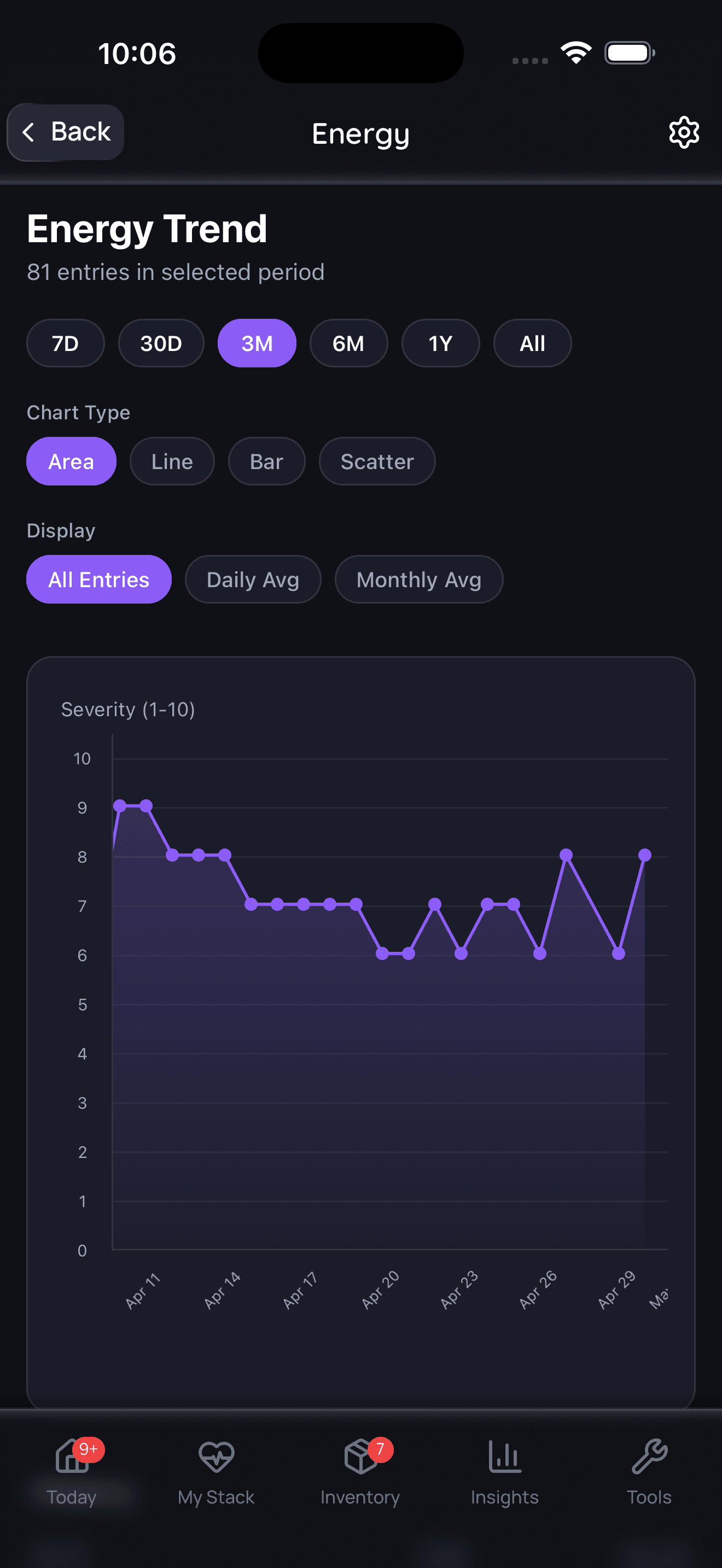
Symptom tracking is informational and should be interpreted with a qualified clinician.
Dosing & Treatment Protocols
The Basics
Estradiol dosing follows a principle that most current guidelines emphasize: start with a low dose and adjust upward based on symptom response. The goal is to use the lowest dose that adequately controls symptoms and meets treatment goals. There is no single "correct" dose; the right amount depends on your symptoms, your route of delivery, and your individual response.
Oral estradiol commonly starts at 0.5 to 1 mg per day, with the dose adjusted upward to 2 mg if needed for symptom control. Transdermal patches typically start at 0.025 to 0.0375 mg per day and can be increased to 0.05, 0.075, or 0.1 mg per day. Gels and sprays have their own dose ranges calibrated to deliver equivalent amounts through the skin.
If you have a uterus, your prescriber will pair estradiol with a progestogen (progesterone or a progestin) to protect your uterine lining. Common regimens include continuous combined therapy (estradiol every day plus progestogen every day, which usually eliminates monthly bleeding) or sequential/cyclic therapy (estradiol every day plus progestogen for 12-14 days per month, which produces a predictable monthly withdrawal bleed).
Dose adjustments are typically evaluated every 3-6 months based on symptom response and tolerability. Some people find their optimal dose quickly; others need several adjustments over the first year.
The Science
Oral estradiol dosing:
- Standard dose: 1-2 mg/day
- Low dose: 0.5 mg/day
- For osteoporosis prevention: 0.5 mg/day has demonstrated efficacy for vertebral bone density preservation [3]
- Dosing typically continuous (daily)
Transdermal estradiol dosing:
Indication
Vasomotor symptoms
- Starting Dose
- 0.025-0.0375 mg/day
- Dose Range
- 0.025-0.1 mg/day
- Schedule
- Weekly or twice-weekly
Indication
Osteoporosis prevention
- Starting Dose
- 0.025 mg/day
- Dose Range
- 0.025-0.05 mg/day
- Schedule
- Weekly or twice-weekly
Indication
Hypoestrogenism (POI)
- Starting Dose
- 0.05-0.1 mg/day
- Dose Range
- 0.05-0.1 mg/day
- Schedule
- Weekly or twice-weekly
Progestogen pairing (women with intact uterus):
- Continuous combined: Estradiol daily + micronized progesterone 100 mg daily (or MPA 2.5 mg daily)
- Sequential/cyclic: Estradiol daily + micronized progesterone 200 mg for 12-14 days/month (or MPA 5-10 mg for 12-14 days/month)
- IUD: Levonorgestrel IUD (Mirena) provides endometrial protection while using systemic estradiol
- Vaginal progesterone: An alternative route for women who tolerate oral progesterone poorly
Getting the dosing right often takes time and fine-tuning with your provider. Keeping an accurate record of what you're actually taking — doses, timing, and any adjustments — makes that process smoother. Doserly tracks your HRT doses alongside everything else in your health stack, so your full protocol is always in one place.
Never wonder whether you took your morning dose or when you last changed your patch. The app logs every dose with a timestamp and sends reminders when your next one is due, helping you maintain the consistency that makes hormone therapy most effective.
Track injection timing, draw notes, and site rotation.
Doserly helps keep syringe-related notes, injection site history, reminders, and reconstitution context together for easier review.
Injection log
Site rotation
Injection logs support record-keeping; follow clinician instructions for administration.
What to Expect (Timeline)
Days 1-7: Initial adjustment period. Some people feel improvement within hours (particularly vasomotor symptoms with transdermal patches). Others experience temporary side effects including breast tenderness, headaches, nausea, mood fluctuations, or emotional sensitivity. Breakthrough bleeding or spotting may occur. Community reports suggest a wide range of early experiences, from "felt better in 6 hours" to "cried for 8 straight days before improving."
Weeks 2-4: Hot flashes and night sweats typically show significant improvement. Sleep quality often improves, partly because of reduced night sweats. Mood stabilization begins. Joint pain may resolve during this period. Initial side effects (breast tenderness, nausea) usually begin settling. Skin hydration may visibly improve.
Months 1-3: Vasomotor symptoms typically improve substantially. Mood, energy, and cognitive function continue to improve. GSM symptoms (vaginal dryness, urinary symptoms) begin improving with local or systemic therapy. Breakthrough bleeding usually diminishes. If symptoms remain inadequately controlled, this is a common time for dose adjustment.
Months 3-6: Full therapeutic effect for most symptoms. Bone density stabilization begins. GSM improvements become more pronounced. Breakthrough bleeding should have resolved; persistent bleeding warrants endometrial evaluation. Many people report feeling "like themselves again" during this phase.
Ongoing maintenance: Annual or semi-annual review with prescriber. Dose reassessment based on symptom control and changing risk factors. Mammography and other monitoring as appropriate. No arbitrary stopping point, though periodic reassessment of the benefit-risk balance is recommended.
Timing Hypothesis & Window of Opportunity
The timing hypothesis proposes that the cardiovascular effects of estradiol therapy depend critically on when it is started relative to menopause onset. In simplified terms: estradiol may protect healthy blood vessels but cannot reverse, and may potentially accelerate damage to, already-diseased ones.
Key evidence supporting the timing hypothesis:
- WHI age subgroup analyses: Women aged 50-59 at enrollment had a more favorable risk-benefit profile than the overall cohort. Estrogen-alone in this age group was associated with trends toward reduced coronary events and all-cause mortality [7][10].
- ELITE trial: Provided the most direct RCT evidence. Estradiol slowed carotid artery thickening in women less than 6 years post-menopause, but had no effect in women more than 10 years post-menopause [11].
- KEEPS trial: Recently menopausal women on transdermal estradiol showed no adverse cardiovascular effects and favorable metabolic markers over 4 years [11].
- Danish Osteoporosis Prevention Study: 10 years of HRT started at menopause onset reduced composite cardiovascular events and death (HR 0.48) with 16-year follow-up [12].
- 2025 Menopause Society analysis: Large-scale (120+ million records) retrospective data showing perimenopausal estrogen initiation associated with no increased cancer or cardiovascular risk compared to non-use [15].
Clinical relevance: Current guidelines generally recommend considering HRT initiation within 10 years of menopause onset or before age 60 for the most favorable risk-benefit profile. The 2026 FDA labeling changes explicitly recommend adding consideration of starting HRT for women meeting these criteria [13].
Important limitations: No RCT has been specifically designed and powered to definitively test the timing hypothesis for cardiovascular endpoints. The evidence comes from subgroup analyses, smaller trials with surrogate endpoints, and observational data. The timing hypothesis remains evolving science, not settled fact.
Interactions & Compatibility
Drug-Drug Interactions:
- Thyroid medications (levothyroxine): Estrogen increases thyroid-binding globulin (TBG). Women on thyroid replacement may need dose increases, with monitoring of TSH 6-8 weeks after starting or changing estradiol therapy [3]
- Anticoagulants (warfarin): Estrogen may alter coagulation parameters; INR monitoring recommended when starting or adjusting estradiol
- SSRIs/SNRIs: No significant direct interaction. Some SSRIs/SNRIs (paroxetine, venlafaxine) are used as non-hormonal alternatives for vasomotor symptoms. Can be used concurrently with estradiol
- Lamotrigine: Estrogen significantly reduces lamotrigine levels (by up to 50%). Dose adjustment of lamotrigine is typically needed when starting, stopping, or adjusting estradiol [3]
- Diabetes medications: Estrogen may improve insulin sensitivity; glucose monitoring recommended when starting HRT in women on insulin or sulfonylureas
- CYP3A4 inducers (rifampin, carbamazepine, phenobarbital, phenytoin): Reduce estradiol plasma concentrations; may require dose adjustment [3]
- CYP3A4 inhibitors (ketoconazole, itraconazole, erythromycin, ritonavir): Increase estradiol levels; monitor for side effects [3]
Supplement Interactions:
- St. John's Wort: CYP3A4 inducer; reduces estradiol levels and may reduce therapeutic effectiveness [3]. See St. John's Wort guide
- Calcium and Vitamin D: No negative interaction; complementary for bone health when used alongside estradiol for osteoporosis prevention. See Calcium guide, Vitamin D guide
- Black cohosh: Used as an herbal alternative for hot flashes; no significant interaction with estradiol, but limited evidence of efficacy. See Black Cohosh guide
- Phytoestrogen supplements (soy isoflavones, red clover): Theoretical additive estrogenic effect, but clinical significance unclear
Lifestyle Factors:
- Smoking: Dramatically increases cardiovascular and VTE risk when combined with any estrogen therapy, particularly oral. Smoking also accelerates estrogen metabolism, potentially reducing therapeutic effect. Smoking cessation is strongly recommended for HRT users.
- Alcohol: Modest interaction; moderate alcohol consumption may slightly increase estradiol levels via effects on hepatic metabolism. No absolute contraindication, but moderation recommended.
- Grapefruit: CYP3A4 inhibitor; may increase estradiol levels when consumed regularly. Occasional consumption is unlikely to be clinically significant.
Related HRT Guides:
- Micronized Progesterone (Prometrium) — most commonly paired progestogen
- Medroxyprogesterone Acetate (MPA / Provera) — synthetic progestin option
- Conjugated Equine Estrogens (Premarin) — alternative estrogen type
- Estriol — weaker estrogen used for local therapy
Decision-Making Framework
Deciding whether to start estradiol therapy involves weighing personal symptom burden against individual risk factors, and the conversation is best approached as a collaboration between you and a knowledgeable healthcare provider.
Factors that may make someone a good candidate: Bothersome moderate to severe vasomotor symptoms, age under 60 or within 10 years of menopause onset, no contraindications (see Section Section 10), desire for osteoporosis prevention when other options are not suitable, significant GSM symptoms, surgical menopause or premature ovarian insufficiency.
Questions to discuss with your provider:
- What is my individual cardiovascular and VTE risk profile?
- Given my risk factors, is transdermal or oral estradiol more appropriate?
- Do I need a progestogen, and if so, which type and regimen?
- What monitoring schedule is right for me?
- How long should I plan to continue, and how will we reassess?
- What are my options if estradiol does not adequately control my symptoms?
Finding a menopause specialist: Many general practitioners have limited menopause training. Resources for finding knowledgeable providers include NAMS-Certified Menopause Practitioners (searchable directory at menopause.org), ISSWSH members for sexual health concerns, and dedicated menopause clinics. Telehealth menopause clinics (such as Midi Health) have expanded access significantly.
Self-advocacy: If your provider dismisses your symptoms or refuses to discuss HRT without clear medical justification, you have every right to request a referral to a menopause specialist or seek a second opinion. Community feedback consistently identifies provider dismissal as the most common barrier to accessing appropriate care.
Administration & Practical Guide
Transdermal patches:
- Apply to clean, dry, non-irritated skin on the lower abdomen (below the navel) or upper buttock. Avoid the breasts and waistline.
- Rotate application sites; do not use the same spot consecutively.
- Press firmly for 10 seconds after application.
- If a patch falls off (e.g., in the shower), reapply it or apply a new one. If the adhesive no longer holds, medical tape or Tegaderm over the patch can help.
- Swimming and bathing are generally fine, but avoid applying lotions or oils to the patch site as they can affect adhesion.
- Replace per schedule: weekly (Climara) or twice weekly, every 3-4 days (Vivelle-Dot, Minivelle, Dotti).
Gels (EstroGel, Elestrin, Divigel):
- Apply to the arm (EstroGel, Elestrin) or thigh (Divigel) once daily.
- Allow to dry completely (2-5 minutes) before dressing.
- Do not apply to the breasts or face.
- Avoid skin-to-skin contact with others at the application site until fully dry, as estradiol can transfer.
- Wait at least 1 hour before applying sunscreen to the same area.
Sprays (Evamist):
- Apply to the inner forearm once daily.
- Allow to dry for 2 minutes.
- Do not rub the application site.
- Avoid skin-to-skin contact at the site for at least 1 hour.
Oral tablets:
- Take at the same time each day, with or without food.
- If a dose is missed, take it as soon as remembered unless it is near the next scheduled dose.
- Consistency in timing helps maintain stable hormone levels.
Vaginal formulations (cream, tablet, ring):
- Follow specific instructions provided with each product. Vaginal estradiol is used for GSM/local symptoms and typically involves an initial loading phase (daily for 2 weeks) followed by maintenance (2-3 times per week).
- The Estring vaginal ring is inserted and left in place for 90 days. Femring delivers systemic estradiol doses.
This section is for general educational information and does not replace the specific instructions from your pharmacist or prescriber.
Monitoring & Lab Work
Pre-HRT baseline tests (commonly recommended):
- Hormone levels: FSH, estradiol (primarily for diagnostic confirmation in perimenopause)
- Mammogram (per age-appropriate screening guidelines)
- Lipid panel
- Liver function tests (particularly if oral route planned)
- Thyroid function (TSH, free T4)
- Bone density (DEXA) if osteoporosis risk factors present
- Blood pressure
- Pelvic ultrasound (if indicated by symptoms)
Initial follow-up (4-12 weeks):
- Symptom assessment: are vasomotor symptoms, sleep, mood improving?
- Side effect evaluation: breast tenderness, breakthrough bleeding, headaches
- Blood pressure check
- Dose adjustment consideration if symptoms not adequately controlled
Ongoing monitoring schedule:
- Symptom review: Every 3-6 months initially, then annually once stable
- Mammography: Per national screening guidelines; note that combined HRT may increase mammographic density
- DEXA scan: Baseline if indicated, repeat per clinical judgment (often every 2-5 years)
- Lipid panel: Annually or per cardiovascular risk profile
- Liver function: Periodically for oral HRT users
- Thyroid function: Recheck TSH 6-8 weeks after starting estradiol if on thyroid replacement
- Endometrial monitoring: Transvaginal ultrasound for any unscheduled or heavy bleeding
- Blood pressure: At each visit
Annual review checklist:
- Reassess symptom control and quality of life improvement
- Review current risk factors (any new diagnoses, family history changes)
- Discuss continuation, dose adjustment, or route change
- Review all concurrent medications and supplements for interactions
- Schedule appropriate screening tests
Complementary Approaches & Lifestyle
Evidence-based strategies that complement or support estradiol therapy:
Supplements:
- Vitamin D: Essential for calcium absorption and bone health. Most guidelines recommend 600-2000 IU/day for postmenopausal women. See Vitamin D guide.
- Calcium: 1200-1500 mg/day total (diet plus supplementation) for bone health. See Calcium guide.
- Omega-3 fatty acids: May support cardiovascular and joint health. See Omega-3 guide.
- Magnesium: May help with sleep, muscle cramps, and mood. See Magnesium guide.
Exercise:
- Weight-bearing exercise for bone density maintenance and fracture prevention
- Resistance/strength training for lean muscle mass preservation and metabolic health
- Cardiovascular exercise for heart health and mood
- Balance training for fall prevention (increasingly important with age)
Diet:
- Mediterranean diet pattern associated with cardiovascular benefit and reduced inflammation
- Phytoestrogen-rich foods (soy, flaxseed) may provide modest additional symptom relief
- Calcium-rich foods (dairy, fortified alternatives, leafy greens)
- Limiting alcohol and caffeine may help with hot flashes and sleep
Sleep hygiene:
- Cool bedroom environment (particularly important for vasomotor symptoms)
- Consistent sleep/wake times
- CBT-I (cognitive behavioral therapy for insomnia) has evidence base for menopause-related sleep disruption
Pelvic floor therapy: Beneficial for urinary symptoms and GSM; can complement vaginal estradiol therapy.
Stress management: Mind-body practices (yoga, meditation, mindfulness) may reduce symptom severity and improve overall wellbeing.
CBT for vasomotor symptoms: Evidence supports CBT-based approaches for reducing the distress and impact of hot flashes, even if objective frequency may not change substantially.
Stopping HRT / Discontinuation
When to consider stopping: There is no mandatory stopping point for estradiol therapy. The decision to continue or discontinue should be individualized based on ongoing symptom assessment, risk-benefit review, and patient preference. The outdated "5-year rule" is no longer supported by most guidelines; many women safely continue HRT well beyond 5 years, and some into their 70s and 80s [15].
Tapering strategies: Gradual dose reduction over weeks to months is generally preferred over abrupt cessation. Common approaches include stepping down to a lower-dose patch or switching from systemic to vaginal-only therapy before complete discontinuation. There is limited evidence on optimal tapering protocols.
Symptom recurrence: An estimated 50% of women experience some return of vasomotor symptoms after stopping HRT, regardless of duration of prior use. Recurrence may occur within weeks of stopping. The severity of recurring symptoms is typically similar to pre-treatment levels, not worse.
Transition options:
- Low-dose vaginal estrogen can be continued indefinitely for persistent GSM, even when systemic HRT is stopped
- Non-hormonal alternatives (fezolinetant, low-dose paroxetine, gabapentin) for persistent vasomotor symptoms
- Lifestyle modifications for ongoing symptom management
Restarting HRT: If symptoms return and the benefit-risk profile remains favorable, restarting HRT is a reasonable option. Reassessment with a provider is recommended before restarting.
Special Populations & Situations
Premature Ovarian Insufficiency (POI)
For women with POI (menopause before age 40), HRT is considered replacement therapy, not supplemental. These women face decades of estrogen deprivation with significant implications for bone, cardiovascular, cognitive, and genitourinary health. Guidelines recommend HRT continuation at least until the typical age of natural menopause (approximately 51), and often beyond. Higher doses may be needed initially compared to typical menopause-onset doses. See Premature Ovarian Insufficiency guide.
Surgical Menopause / Oophorectomy
Bilateral oophorectomy causes abrupt, complete cessation of ovarian hormone production. Symptoms are often more severe and of more sudden onset than natural menopause. Higher initial doses of estradiol may be needed, and testosterone therapy may also be considered for women with persistent low libido or fatigue. See Surgical Menopause guide.
Breast Cancer Survivors
Systemic estradiol is generally contraindicated in women with a history of hormone receptor-positive breast cancer. For persistent GSM, ultra-low-dose vaginal estradiol is considered by some specialists on a case-by-case basis, though this remains an area of active debate. Non-hormonal alternatives should be the first approach.
Cardiovascular Disease History
Transdermal estradiol is the preferred route if HRT is considered, as it avoids first-pass hepatic effects. Timing is critical: initiation in women with established cardiovascular disease carries higher risk. Individual risk stratification with a cardiologist is recommended.
Type 2 Diabetes
Estrogen therapy may improve insulin sensitivity. Transdermal route preferred to avoid hepatic triglyceride elevation. Blood glucose monitoring recommended when starting HRT.
Migraine with Aura
Transdermal estradiol is strongly preferred because it provides stable hormone levels (avoiding the fluctuations that trigger migraines) and has a neutral stroke risk profile. The ESE 2026 guideline specifically recommends transdermal over oral for this population [9].
History of VTE
Transdermal estradiol is strongly preferred due to its lack of significant VTE risk increase. Oral estrogen is generally avoided. Individual risk assessment, potentially including thrombophilia screening, is recommended.
BRCA Carriers (Without Breast Cancer)
Women who undergo risk-reducing bilateral salpingo-oophorectomy (often at ages 35-40) face decades of premature estrogen deprivation. Current evidence suggests short-term HRT (until typical menopause age) does not negate the cancer risk reduction from the surgery. Shared decision-making with an oncologist and menopause specialist is essential.
Regulatory, Insurance & International
United States (FDA):
- Estradiol FDA-approved since 1975 across multiple formulations and routes
- 2026 labeling changes: FDA requested removal of cardiovascular, breast cancer, and probable dementia boxed warning language; retention of endometrial cancer warning for systemic estrogen-alone products [13]
- Generics widely available for oral tablets and some transdermal formulations; generic availability reduces cost significantly
- Insurance coverage varies; most commercial plans and Medicare Part D cover at least some formulations. Prior authorization may be required for brand-name products.
- Compounded estradiol available from compounding pharmacies but NOT FDA-regulated. The Endocrine Society recommends FDA-approved formulations when available [2].
United Kingdom (MHRA):
- Available on NHS prescription
- HRT prepayment certificate available, reducing cost for women needing multiple products
- NICE Guideline NG23 provides clinical pathway standard for menopause management
- Brands: Evorel, Estraderm, Estradot (patches), Sandrena, Oestrogel (gel), Vagifem, Estring (vaginal)
Canada (Health Canada):
- Approved products available
- Provincial drug coverage varies
- Brands: Estradot, Climara (patches), Estrogel (gel)
Australia (TGA):
- Available via PBS (Pharmaceutical Benefits Scheme) for approved indications
- Brands: Climara, Estradot (patches), Sandrena (gel)
European Union (EMA):
- Widely available across EU member states
- Country-by-country formulary differences exist
- Brands vary by country
Frequently Asked Questions
Is estradiol the same as "bioidentical" hormone therapy?
FDA-approved estradiol is molecularly identical to the estradiol your body produces. It is, by definition, bioidentical. The term "bioidentical" is sometimes used in marketing to refer specifically to compounded preparations, but FDA-approved estradiol is also bioidentical. The distinction between FDA-approved and compounded is about manufacturing quality control and regulatory oversight, not molecular structure.
How long does it take for estradiol to start working?
Many people notice improvement in vasomotor symptoms (hot flashes, night sweats) within a few days to two weeks. Other benefits, such as mood stabilization, cognitive improvement, and bone density changes, may take weeks to months. Community experience varies widely, from "felt better in hours" to "took several months and dose adjustments."
Can I take estradiol if I have a uterus?
Yes, but you must also take a progestogen (progesterone or a progestin) to protect your uterine lining from the risk of endometrial hyperplasia and cancer. Your prescriber will determine the appropriate progestogen type and regimen.
Is the patch better than the pill?
They are both effective for symptom relief. Transdermal estradiol (patches, gels, sprays) bypasses the liver, resulting in lower risk of blood clots, stroke, and triglyceride elevation compared to oral estradiol. Many current guidelines prefer transdermal delivery, especially for women with additional risk factors. However, individual preference, tolerance, and practical considerations all play a role.
How long can I stay on estradiol?
There is no mandatory stopping point. Duration should be individualized based on ongoing symptom assessment, risk-benefit analysis, and patient preference. Some women safely use HRT for decades. Annual review with a knowledgeable provider is recommended.
Will estradiol cause weight gain?
The evidence does not support a direct link between estradiol and weight gain. Some research suggests HRT may help prevent the menopause-related redistribution of body fat from a peripheral to a central (abdominal) pattern. Individual experiences vary.
What happens if I stop estradiol suddenly?
Abrupt cessation is generally safe but may result in return of menopausal symptoms. Gradual tapering is often preferred to minimize symptom recurrence. Approximately 50% of women experience some symptom return after stopping, regardless of how long they used HRT.
Is compounded estradiol safer than FDA-approved estradiol?
No. The Endocrine Society, The Menopause Society, and multiple medical organizations have stated that there is no scientific evidence compounded bioidentical hormones are safer or more effective than FDA-approved preparations. Compounded products lack standardized FDA quality oversight and may be inconsistent in dose and purity.
Does estradiol increase breast cancer risk?
The answer depends on the specific regimen. Estrogen alone (without a progestogen) was NOT associated with increased breast cancer risk in the WHI (and may have been associated with a slight reduction). The type of progestogen matters: micronized progesterone appears to have a more favorable breast cancer profile than synthetic progestins like MPA. Duration of combined therapy is also a factor. Discuss your individual risk factors with your healthcare provider.
Can I use estradiol if I have migraines?
Transdermal estradiol (providing stable hormone levels) is generally preferred for migraine sufferers. Oral estradiol and the hormonal fluctuations associated with patch change days may trigger headaches. Women with migraine with aura should use transdermal delivery to minimize stroke risk. Discuss with both your menopause provider and neurologist.
Myth vs. Fact
Myth: "HRT causes breast cancer."
Fact: This oversimplifies the evidence. The WHI estrogen-alone arm showed no increase in breast cancer risk over 7.2 years (HR 0.77), and the E3N cohort study found no increase with estrogen plus micronized progesterone over 8 years (HR 1.00). Combined therapy with synthetic progestins (MPA) did show an increase of approximately 8 additional cases per 10,000 women per year. The type of progestogen and duration of use matter substantially [10][14][16].
Myth: "Bioidentical HRT is always safer than synthetic HRT."
Fact: FDA-approved bioidentical estradiol and micronized progesterone are available and commonly prescribed. The term "bioidentical" does not guarantee safety. Compounded bioidentical preparations lack standardized quality control. When comparing equivalent doses of the same molecule, FDA-approved and compounded preparations would be expected to carry the same risks and benefits, but compounded products carry additional quality uncertainty [2].
Myth: "You should only take HRT for 5 years maximum."
Fact: The "5-year rule" is outdated. Current guidelines from The Menopause Society, the Endocrine Society, and the ESE recommend individualized duration assessment. Many women safely use HRT for far longer than 5 years, and some continue into their 70s and 80s. The decision to continue should be based on ongoing symptom assessment and risk-benefit analysis, not an arbitrary time limit [15].
Myth: "HRT is only for hot flashes."
Fact: While vasomotor symptom relief is the most common indication, estradiol therapy also prevents bone loss (FDA-approved indication), treats GSM (vaginal dryness, urinary symptoms), and many people experience improvements in mood, cognitive function, sleep, joint pain, skin health, and energy [1][3].
Myth: "Natural remedies are just as effective as HRT for menopause symptoms."
Fact: No herbal remedy, supplement, or lifestyle intervention has demonstrated efficacy comparable to estradiol for moderate to severe vasomotor symptoms. Black cohosh and soy isoflavones show modest benefit in some studies, but effect sizes are substantially smaller than HRT. Lifestyle modifications are valuable complements but not replacements [1].
Myth: "HRT causes weight gain."
Fact: The evidence does not support a causal link between estradiol and weight gain. Some research suggests that HRT may help prevent the menopause-associated shift from peripheral to central (abdominal) fat distribution. Weight changes during menopause are primarily related to aging, reduced activity, and metabolic changes [1].
Myth: "Compounded HRT is better because it's custom-made for you."
Fact: Custom compounding sounds appealing, but compounded HRT lacks the standardized manufacturing quality controls, batch-to-batch consistency testing, and clinical efficacy trials required for FDA-approved products. Salivary hormone testing, often used to guide compounded dosing, has not been validated for this purpose. The Endocrine Society states there is no evidence-based medical need for compounded HT when FDA-approved preparations are available [2].
Myth: "Once you stop HRT, symptoms always come back worse than before."
Fact: Approximately 50% of women experience some symptom recurrence after stopping HRT. However, the severity is typically similar to what it was before treatment, not worse. Gradual tapering may reduce the likelihood of abrupt symptom return. Some women experience no recurrence [1].
Myth: "HRT causes blood clots and strokes in all women."
Fact: Blood clot (VTE) risk is primarily associated with oral estrogen, which increases hepatic clotting factor production. Transdermal estradiol does not significantly increase VTE risk (ESTHER study OR 0.9). For context, the absolute VTE risk from oral HRT (approximately 2-4 per 1,000 per year) is similar to oral contraceptive pills and lower than the VTE risk associated with obesity alone [8][9].
Sources & References
Clinical Guidelines
[1] The Menopause Society. "The 2022 Hormone Therapy Position Statement of The North American Menopause Society." Menopause. 2022;29(7):767-794.
[2] Endocrine Society. "Compounded Bioidentical Hormone Therapy: Position Statement." 2019. https://www.endocrine.org/advocacy/position-statements/compounded-bioidentical-hormone-therapy
[9] European Society of Endocrinology. "Clinical Practice Guideline for Evaluation and Management of Menopause and the Perimenopause." European Journal of Endocrinology. 2026.
[13] U.S. Food and Drug Administration. "FDA Requests Labeling Changes Related to Safety Information to Clarify Benefit/Risk Considerations for Menopausal Hormone Therapies." November 2025 / February 2026. https://www.fda.gov/drugs/drug-safety-and-availability/fda-requests-labeling-changes-related-safety-information-clarify-benefitrisk-considerations
Landmark Trials
[10] Writing Group for the Women's Health Initiative Investigators. "Risks and Benefits of Estrogen Plus Progestin in Healthy Postmenopausal Women." JAMA. 2002;288(3):321-333.
[11] Hodis HN, Mack WJ, Henderson VW, et al. "Vascular Effects of Early versus Late Postmenopausal Treatment with Estradiol (ELITE)." N Engl J Med. 2016;374:1221-1231. Harman SM, Black DM, Naftolin F, et al. "Arterial Imaging Outcomes and Cardiovascular Risk Factors in Recently Menopausal Women (KEEPS)." Ann Intern Med. 2014;161(4):249-260.
[12] Schierbeck LL, Rejnmark L, Tofteng CL, et al. "Effect of Hormone Replacement Therapy on Cardiovascular Events in Recently Postmenopausal Women: Randomised Trial." BMJ. 2012;345:e6409.
[14] Anderson GL, Chlebowski RT, Aragaki AK, et al. "Conjugated Equine Oestrogen and Breast Cancer Incidence and Mortality in the Women's Health Initiative Randomised Placebo-Controlled Trial (Estrogen-Alone)." Lancet Oncol. 2012;13(5):476-486.
Systematic Reviews & Observational Studies
[16] Fournier A, Berrino F, Clavel-Chapelon F. "Unequal Risks for Breast Cancer Associated with Different Hormone Replacement Therapies: Results from the E3N Cohort Study." Breast Cancer Res Treat. 2008;107(1):103-111.
[15] Various authors. Large-scale Medicare analysis, 2024. Presented at The Menopause Society Annual Meeting. Arnautu AM, et al. "Menopausal Hormone Therapy: Risks, Benefits and Emerging Options." Int J Mol Sci. 2025;26(22):11098.
Government/Institutional Sources
[3] DailyMed (NIH/NLM). Estradiol Tablet Prescribing Information. https://dailymed.nlm.nih.gov/dailymed/drugInfo.cfm?setid=bfc1beb9-1ade-446e-97dd-55b41c2fa851
Pharmacology & Mechanism
[4] Notelovitz M. "The Biologic and Pharmacologic Principles of Estrogen Therapy for Symptomatic Menopause." MedGenMed. 2006;8(1):85.
[5] Freedman RR. "Menopausal Hot Flashes: Mechanisms, Endocrinology, Treatment." J Steroid Biochem Mol Biol. 2014;142:115-120.
[6] Riggs BL, Khosla S, Melton LJ 3rd. "Sex Steroids and the Construction and Conservation of the Adult Skeleton." Endocr Rev. 2002;23(3):279-302.
[7] Manson JE, Chlebowski RT, Stefanick ML, et al. "Menopausal Hormone Therapy and Health Outcomes During the Intervention and Extended Poststopping Phases of the Women's Health Initiative Randomized Trials." JAMA. 2013;310(13):1353-1368.
[8] Canonico M, Oger E, Plu-Bureau G, et al. "Hormone Therapy and Venous Thromboembolism Among Postmenopausal Women: Impact of the Route of Estrogen Administration and Progestogens (ESTHER Study)." Circulation. 2007;115(7):840-845.
Related Guides & Cross-Links
Same Category (Estrogens)
- Conjugated Equine Estrogens (Premarin)
- Estriol
- Estetrol (E4)
- Esterified Estrogens (Menest)
- Ethinyl Estradiol
Related Treatment Options
- Micronized Progesterone (Prometrium) — commonly paired progestogen
- Estradiol + Progesterone (Bijuva) — combined formulation
- Estradiol + Norethindrone Acetate (Activella) — combined formulation
- Transdermal HRT (Patches, Gels, Sprays) — route overview
- Vaginal Estrogen Therapy — local therapy
- Getting Started with HRT — overview guide
- Compounded & Bioidentical HRT
- Fezolinetant (Veozah) — non-hormonal alternative
Conditions & Stages
- Perimenopause
- Menopause
- Premature Ovarian Insufficiency (POI)
- Surgical Menopause
- Genitourinary Syndrome of Menopause (GSM)