
Perimenopause: The Complete HRT Guide
On this page
Quick Reference Card
Attribute
Definition
- Value
- The transitional period before menopause when hormone levels fluctuate and menstrual cycles become irregular
Attribute
ICD-10 Code
- Value
- N95.1 (Menopausal and female climacteric states)
Attribute
STRAW+10 Stages
- Value
- Late reproductive (-3a), Early menopausal transition (-2), Late menopausal transition (-1), Early postmenopause (+1a)
Attribute
Prevalence
- Value
- Affects virtually all women; symptomatic in approximately 75-80%
Attribute
Typical Age Range
- Value
- Usually begins in mid-40s (range: mid-30s to mid-50s)
Attribute
Average Duration
- Value
- Approximately 4 years (range: 2-8 years, some up to 10 years)
Attribute
First-Line Treatments
- Value
- Hormone therapy (systemic estrogen with progestogen if uterus intact), hormonal contraceptives, non-hormonal options (fezolinetant, gabapentin, SSRIs/SNRIs, CBT)
Attribute
Key Biomarkers
- Value
- FSH (rising, but erratic), estradiol (fluctuating), AMH (declining), inhibin B (declining)
Attribute
When to Seek Medical Help
- Value
- Bothersome vasomotor symptoms, mood changes affecting daily life, heavy or prolonged bleeding, periods closer than 21 days apart, bleeding after 12+ months of amenorrhea
Overview / What Is Perimenopause?
The Basics
Perimenopause is the gradual transition your body makes toward menopause. It is not a single event or a sudden switch; it is a process that unfolds over years as your ovaries slowly wind down their production of reproductive hormones, particularly estrogen and progesterone. Most women begin noticing changes in their mid-40s, though some experience shifts as early as their mid-30s or as late as their mid-50s.
The word "perimenopause" literally means "around menopause." It encompasses the time from when you first start noticing changes (often subtle shifts in your menstrual cycle) through to one year after your final menstrual period. Once you have gone 12 consecutive months without a period, you have officially reached menopause, and perimenopause is over.
What makes perimenopause particularly challenging is its unpredictability. Unlike a gradual, steady decline, your hormone levels can swing wildly from month to month, sometimes day to day. You might feel perfectly fine one week and then experience a cluster of symptoms the next. Your period might come early, come late, be heavier than usual, or disappear for months before returning. This erratic quality is one of the hallmarks of the transition, and it is also what makes it difficult to diagnose with a simple blood test.
The experience of perimenopause varies enormously from person to person. Some women sail through with minimal disruption, while others find their symptoms profoundly affect their sleep, mood, relationships, work performance, and overall quality of life. Understanding what is happening in your body, knowing what to expect, and learning about the options available can make a meaningful difference in how you navigate this transition.
The Science
Perimenopause represents a clinically significant endocrine transition characterized by progressive ovarian follicular depletion and increasingly erratic hypothalamic-pituitary-ovarian (HPO) axis function [1]. The Stages of Reproductive Aging Workshop + 10 (STRAW+10) criteria, published in 2011, established the internationally recognized staging system for female reproductive aging, defining perimenopause as the period encompassing the menopausal transition (stages -2 and -1) through the first 12 months after the final menstrual period (stage +1a) [2].
The early menopausal transition (STRAW stage -2) is defined by a persistent change in menstrual cycle length of 7 or more days in consecutive cycles. The late menopausal transition (stage -1) is characterized by intervals of amenorrhea lasting 60 or more days. These menstrual changes reflect underlying disruption of folliculogenesis and increasingly inconsistent ovulation [2].
Longitudinal data from the Study of Women's Health Across the Nation (SWAN), a multicenter, multiethnic study following women aged 42-52, identified four distinct estradiol (E2) trajectories through the menopausal transition: slow decline (26.9%), flat trajectory (28.6%), rise followed by slow decline (13.1%), and rise followed by steep decline (31.5%). Three FSH trajectory patterns were also identified: low rising (10.6%), medium rising (48.7%), and high rising (41.7%) [3]. These findings demonstrate that the hormonal transition through perimenopause is not uniform across populations; race, ethnicity, and body mass index significantly influence the trajectory of both E2 and FSH change.
The median age at natural menopause in developed countries is approximately 51 years, with perimenopause typically beginning 4-8 years prior. A number of factors accelerate the transition, including cigarette smoking (associated with menopause 1-2 years earlier), family history of early menopause, prior ovarian surgery, and certain autoimmune conditions [4].
Medical / Chemical Identity
Property
Condition Name
- Value
- Perimenopause (Menopausal Transition)
Property
ICD-10 Code
- Value
- N95.1 (Menopausal and female climacteric states)
Property
STRAW+10 Classification
- Value
- Stages -2 (Early Transition), -1 (Late Transition), +1a (Early Postmenopause)
Property
Diagnostic Criteria (NICE NG23)
- Value
- Clinical diagnosis in women aged 45+: vasomotor symptoms + menstrual cycle changes
Property
Diagnostic Criteria (S3 Guideline)
- Value
- Clinical parameters in women aged 45+; FSH only for ages 40-45 with symptoms
Property
Related ICD-10 Codes
- Value
- N95.0 (Postmenopausal bleeding), N95.8 (Other specified menopausal/perimenopausal disorders), E28.3 (Primary ovarian failure)
Property
Typical Onset
- Value
- Mid-40s (range: mid-30s to mid-50s)
Property
Duration
- Value
- Average 4 years; range 2-10 years
Property
Median Age at Menopause
- Value
- 51 years (developed countries)
Mechanism of Action / Pathophysiology
The Basics
To understand perimenopause, it helps to know how your reproductive system works during your fertile years. Your ovaries contain a finite supply of eggs (follicles) that you were born with. Each month, hormones from your brain (FSH and LH) signal your ovaries to develop a follicle and release an egg. As part of this process, your ovaries produce estrogen and progesterone, which orchestrate your menstrual cycle and influence dozens of other body systems.
During perimenopause, your supply of viable follicles diminishes. Your ovaries become less responsive to the signals from your brain, and in response, your brain ramps up those signals (producing more FSH) in an attempt to coax the ovaries into action. Sometimes this works, producing bursts of estrogen that can actually be higher than premenopausal levels. Other times, it does not, and estrogen drops. This tug-of-war between your brain and your ovaries is what creates the characteristic hormonal volatility of perimenopause.
Think of it as a thermostat that is losing its calibration. Rather than maintaining a steady temperature, it swings between too hot and too cold before eventually settling at a new baseline. These swings affect far more than just your reproductive system. Estrogen receptors exist throughout your body, in your brain (affecting mood, cognition, and temperature regulation), your bones (maintaining density), your cardiovascular system (protecting blood vessels), your urogenital tissues (maintaining elasticity and moisture), and your skin (supporting collagen). When estrogen levels become unstable, the effects ripple across all of these systems.
Progesterone production also declines during perimenopause because it is produced primarily after ovulation, and ovulation becomes increasingly irregular and eventually stops. Since progesterone has calming effects on the brain (through its metabolite allopregnanolone, which acts on GABA receptors), its decline may contribute to the anxiety, insomnia, and mood changes many women experience.
The Science
The pathophysiology of perimenopause centers on the progressive depletion of the ovarian follicular pool and the consequent dysregulation of the HPO axis. Women are born with approximately 1-2 million primordial follicles; by puberty this number has declined to approximately 300,000-400,000, and by the late reproductive years the rate of follicular atresia accelerates exponentially [5].
As the follicular pool diminishes, the remaining follicles produce less inhibin B, reducing negative feedback on pituitary FSH secretion. Elevated FSH initially compensates by stimulating remaining follicles to produce adequate estradiol, maintaining or even elevating E2 levels in the early menopausal transition. This compensatory hyperstimulation can produce luteal-out-of-phase events, where follicular development begins in the luteal phase of the preceding cycle, leading to shortened cycles and supraphysiological E2 levels [6].
As the transition progresses, follicular responsiveness to FSH declines further, leading to increasingly frequent anovulatory cycles. Without ovulation, the corpus luteum does not form, and progesterone production falls. Anovulatory cycles result in unopposed estrogen stimulation of the endometrium, contributing to the heavy and irregular bleeding characteristic of late perimenopause [7].
The thermoregulatory dysfunction underlying vasomotor symptoms is mediated by narrowing of the thermoneutral zone in the hypothalamic preoptic area. In premenopausal women, core body temperature can vary approximately 0.4 degrees Celsius before triggering heat dissipation responses. During perimenopause and menopause, this zone narrows to nearly zero, such that minimal temperature fluctuations trigger inappropriate vasodilation, sweating, and the subjective sensation of a hot flash [8]. This narrowing is associated with hypertrophy and increased activity of kisspeptin/neurokinin B/dynorphin (KNDy) neurons in the hypothalamic infundibular nucleus, driven by declining estrogen-mediated inhibition.
The relationship between declining estrogen and mood disturbance is complex. The SWAN study demonstrated that being perimenopausal or postmenopausal was independently associated with elevated depressive symptom scores, and that higher testosterone levels may contribute to depressive symptoms during the transition [9]. The "estrogen withdrawal" hypothesis proposes that it is the fluctuation and withdrawal of estrogen, rather than absolute low levels, that triggers mood vulnerability in susceptible women [10].
Pathway & System Visualization
Pharmacokinetics / Hormone Physiology
The Basics
During your fertile years, your body follows a relatively predictable monthly hormonal rhythm. Estrogen rises in the first half of your cycle, peaks around ovulation, and then gives way to progesterone in the second half. This pattern repeats with reasonable consistency.
During perimenopause, this rhythm breaks down. Your estrogen levels can spike to higher-than-normal levels one week and drop sharply the next. FSH (the hormone your brain uses to signal your ovaries) rises as your brain tries harder to stimulate follicle development. Progesterone production becomes sporadic because it depends on ovulation, which happens less and less reliably.
This hormonal chaos, rather than a simple decline, is what distinguishes perimenopause from menopause. In menopause, hormone levels are consistently low. In perimenopause, they are unpredictable. This is also why a single blood test for FSH or estrogen is often unhelpful for diagnosing perimenopause; the levels might be perfectly normal one day and distinctly menopausal the next.
Your body's hormone receptors are found in nearly every organ system. When estrogen levels swing, the effects cascade: your thermoregulatory center in the brain becomes unstable (hot flashes), your sleep architecture is disrupted, your mood-regulating neurotransmitters (serotonin, norepinephrine) fluctuate, and the tissues of your vagina and urinary tract begin to thin. Understanding that these are all connected to the same underlying hormonal transition can help make sense of what might otherwise feel like a bewildering collection of unrelated symptoms.
The Science
The endocrine hallmark of perimenopause is the transition from regular cyclic ovarian steroidogenesis to erratic and ultimately absent follicular activity. The key hormonal changes include [2][3][11]:
FSH: Rising trajectory beginning in the late reproductive stage (-3a), with accelerated increase through the menopausal transition. SWAN data identified three distinct FSH trajectory patterns. Postmenopausal FSH levels typically exceed 25-30 IU/L, though levels during perimenopause can fluctuate significantly within a single cycle.
Estradiol (E2): Paradoxically, E2 levels may increase during the early menopausal transition due to elevated FSH driving enhanced follicular stimulation. SWAN identified four E2 trajectory patterns, with nearly one-third of women (31.5%) experiencing a rise followed by steep decline. Postmenopausal E2 levels are typically below 20 pg/mL.
Anti-Mullerian Hormone (AMH): Declines 10-15 fold progressively across STRAW stages. AMH is the most reliable biomarker of ovarian reserve but is not recommended for diagnosing perimenopause in women over 45 (NICE NG23, S3 Guideline). AMH below 0.2 ng/mL is associated with imminent menopause [11].
Inhibin B: Steady decrease across STRAW stages; largely undetectable during elongated ovulatory and anovulatory cycles in the menopausal transition. The decline in inhibin B reduces negative feedback on FSH, contributing to FSH elevation [11].
Progesterone: Declining mean luteal phase levels across STRAW stages, reflecting increasingly frequent anovulatory cycles. Progesterone's neurosteroid metabolite allopregnanolone acts as a positive allosteric modulator of GABA-A receptors; its decline may contribute to anxiety and sleep disruption [10].
Research & Clinical Evidence
The Basics
The understanding of perimenopause has advanced significantly over the past two decades, driven by large-scale studies that followed women through the transition over many years. These studies have reshaped how healthcare providers think about this life stage and have led to more nuanced treatment recommendations.
The Study of Women's Health Across the Nation (SWAN) has been particularly influential. By tracking thousands of women from diverse racial and ethnic backgrounds over more than a decade, SWAN revealed that the hormonal journey through perimenopause is far more varied and complex than previously understood. Not all women follow the same pattern of hormone decline, and factors like body weight and ethnicity influence the trajectory.
Research has also established that perimenopause is a distinct clinical phase requiring its own management approach, not simply a prelude to menopause. The symptoms women experience during this transition can be more intense and disruptive than those of menopause itself, partly because of the hormonal volatility (wide swings up and down) rather than the steady low levels that characterize post-menopause.
Several major medical organizations, including the Menopause Society (formerly NAMS), NICE, the Endocrine Society, and the European Menopause and Andropause Society, now publish guidelines specifically addressing perimenopause management. A consistent theme across these guidelines is that treatment should be individualized, that hormone therapy remains the most effective option for vasomotor symptoms, and that treatment initiated during perimenopause or early menopause (the "timing window") offers a more favorable benefit-risk profile than treatment started later.
The Science
SWAN (Study of Women's Health Across the Nation): This landmark longitudinal study enrolled 3,302 premenopausal and early perimenopausal women aged 42-52 across seven US sites, with annual follow-up spanning over a decade. Key findings relevant to perimenopause include: four distinct E2 trajectories and three FSH trajectories through the transition, with race/ethnicity and BMI as significant determinants [3]; independent associations between perimenopausal status and elevated depressive symptoms [9]; and evidence that vasomotor symptoms often begin during perimenopause and can persist for a median of 7.4 years [12].
NAMS 2022 Hormone Therapy Position Statement: Updated the evidence base for hormone therapy, confirming that HT remains the most effective treatment for VMS and GSM, and that for women aged younger than 60 or within 10 years of menopause onset with no contraindications, the benefit-risk ratio is favorable [13].
NICE NG23 (Updated November 2024): The UK guideline recommends clinical (non-laboratory) diagnosis of perimenopause in women over 45 presenting with vasomotor symptoms and menstrual cycle changes. HRT is recommended as the most effective treatment for vasomotor symptoms. The 2024 update added recommendations for menopause-specific CBT as a treatment option and published a new discussion aid for shared decision-making about HRT [14].
Endocrine Society Guidelines: Recommend initiating estrogen therapy (or estrogen plus progestogen for women with a uterus) for women with bothersome VMS who are under 60 or within 10 years of menopause, without contraindications. Transdermal estradiol is suggested as first-line for women with moderate cardiovascular risk [15].
European Society of Endocrinology (ESE) 2025 Guideline: Released a comprehensive guideline on evaluation and management of menopause and perimenopause, emphasizing a holistic approach that includes diet, exercise, and mental health alongside hormone therapy. The guideline strongly advises transdermal estrogen over oral for safety, particularly for women with migraine with aura [16].
Evidence & Effectiveness Matrix
The following matrix scores treatment effectiveness for perimenopause across 20 HRT symptom/outcome categories. Evidence Strength reflects the quality of clinical research for the use of HRT during perimenopause specifically. Reported Effectiveness reflects community sentiment from the Sentiment Analysis.
Category
Vasomotor Symptoms
- Evidence Strength
- 9/10
- Reported Effectiveness
- 8/10
- Summary
- Strong RCT evidence (WHI, Endocrine Society guidelines) supports HRT as most effective treatment. Community reports consistent improvement.
Category
Sleep Quality
- Evidence Strength
- 7/10
- Reported Effectiveness
- 8/10
- Summary
- Moderate clinical evidence; improvement partly secondary to VMS reduction. Community reports strong sleep benefits, especially with evening progesterone.
Category
Mood & Emotional Wellbeing
- Evidence Strength
- 7/10
- Reported Effectiveness
- 7/10
- Summary
- SWAN data links perimenopause to mood vulnerability. RCT evidence supports transdermal estradiol + micronized progesterone for perimenopausal depression prevention [17].
Category
Anxiety & Stress Response
- Evidence Strength
- 6/10
- Reported Effectiveness
- 7/10
- Summary
- Observational data and clinical experience support HRT benefit. Less RCT-level evidence specifically for anxiety than for depression.
Category
Cognitive Function
- Evidence Strength
- 5/10
- Reported Effectiveness
- 6/10
- Summary
- NAMS notes cognitive symptoms are common and typically mild. Limited RCT evidence for HRT improving cognition during perimenopause.
Category
Sexual Function & Libido
- Evidence Strength
- 6/10
- Reported Effectiveness
- 5/10
- Summary
- Estrogen improves vaginal/GSM-related sexual dysfunction. Central desire/arousal effects less clear. Testosterone therapy under investigation.
Category
Genitourinary Health (GSM)
- Evidence Strength
- 8/10
- Reported Effectiveness
- 6/10
- Summary
- Strong evidence for local and systemic estrogen treating GSM. NAMS 2020 GSM position statement supports vaginal estrogen. GSM may be less prominent during perimenopause.
Category
Bone Health & Osteoporosis
- Evidence Strength
- 8/10
- Reported Effectiveness
- N/A
- Summary
- WHI demonstrated fracture reduction. Accelerated bone loss begins during perimenopause (2-3% per year trabecular bone loss in first 5-7 years post-menopause). Community data not yet collected for this category.
Category
Cardiovascular Health
- Evidence Strength
- 7/10
- Reported Effectiveness
- N/A
- Summary
- Timing hypothesis supported by KEEPS, ELITE, WHI age subgroup analyses. Early initiation may be cardioprotective. Community data not yet collected.
Category
Metabolic Health & Insulin Sensitivity
- Evidence Strength
- 5/10
- Reported Effectiveness
- N/A
- Summary
- Observational data suggest HRT may improve insulin sensitivity. WHI showed reduced diabetes incidence. Community data not yet collected.
Category
Body Composition & Weight
- Evidence Strength
- 5/10
- Reported Effectiveness
- 5/10
- Summary
- Some evidence HRT may attenuate menopause-related visceral fat accumulation. Community reports mixed.
Category
Joint & Musculoskeletal Health
- Evidence Strength
- 4/10
- Reported Effectiveness
- 5/10
- Summary
- Limited clinical evidence. Observational data suggest estrogen may reduce joint pain. Under-studied in RCTs.
Category
Skin, Hair & Appearance
- Evidence Strength
- 3/10
- Reported Effectiveness
- 4/10
- Summary
- Mechanistic evidence for estrogen supporting collagen synthesis. Limited clinical trial data. Sparse community reports.
Category
Energy & Fatigue
- Evidence Strength
- 4/10
- Reported Effectiveness
- 6/10
- Summary
- Improvement likely secondary to better sleep and mood. Limited direct evidence. Community reports positive.
Category
Headache & Migraine
- Evidence Strength
- 5/10
- Reported Effectiveness
- 5/10
- Summary
- Estrogen fluctuations trigger migraines; stable delivery (patches) may help. Mixed evidence. Transdermal route preferred for migraine with aura.
Category
Breast Cancer Risk
- Evidence Strength
- 8/10
- Reported Effectiveness
- N/A
- Summary
- Well-studied (WHI, E3N, MWS). Combined HRT (E+P) shows small increased risk with prolonged use. Estrogen-only may be neutral or slightly protective. Community data reflects fear more than experience.
Category
Endometrial Safety
- Evidence Strength
- 8/10
- Reported Effectiveness
- N/A
- Summary
- Strong evidence that unopposed estrogen increases endometrial cancer risk; progestogen opposition is mandatory for women with intact uterus. Community data not collected.
Category
Thrombotic Risk
- Evidence Strength
- 8/10
- Reported Effectiveness
- N/A
- Summary
- Oral estrogen increases VTE risk; transdermal does not. Well-established route-dependent difference. Community discussions reflect concern.
Category
Menstrual & Reproductive
- Evidence Strength
- 6/10
- Reported Effectiveness
- 7/10
- Summary
- Hormonal contraceptives and sequential HRT manage irregular bleeding. Community reports positive management.
Category
Other Physical Symptoms
- Evidence Strength
- 3/10
- Reported Effectiveness
- 4/10
- Summary
- Electric shock sensations, tinnitus, formication, palpitations occasionally reported. Limited research.
Benefits & Therapeutic Effects
The Basics
For many women going through perimenopause, the benefits of treatment can be genuinely life-changing. The primary goal of any treatment is symptom relief and improved quality of life, and the evidence supports several meaningful benefits.
The most well-established benefit is relief from hot flashes and night sweats. Hormone therapy is the most effective treatment available, reducing the frequency and severity of vasomotor symptoms by 75% or more in most women. For women whose sleep is disrupted by night sweats, this improvement often cascades into better rest, more energy, improved mood, and better cognitive performance.
Mood stabilization is another significant benefit. Research from the SWAN study and other large studies has established that perimenopause is a time of increased vulnerability to depression and anxiety. For some women, particularly those with a history of hormone-sensitive mood changes (such as PMS, PMDD, or postpartum depression), hormone therapy can provide meaningful mood stabilization. Progesterone, particularly micronized progesterone taken at bedtime, has sedating properties that may additionally help with sleep.
Bone protection begins during perimenopause. The accelerated bone loss that starts during this transition can be slowed or prevented with hormone therapy. While osteoporosis may seem like a distant concern during your 40s, the bone you preserve now matters enormously for fracture risk decades later.
Treatment during perimenopause also helps maintain the health of vaginal and urinary tract tissues, though these symptoms often become more prominent after menopause. Starting treatment early may help prevent the progressive tissue changes associated with prolonged estrogen deficiency.
The Science
The therapeutic benefits of HRT during perimenopause are supported by multiple levels of evidence:
Vasomotor symptom relief: Systematic reviews and meta-analyses consistently demonstrate that systemic estrogen therapy reduces VMS frequency by approximately 75% and severity by approximately 87% compared to placebo [13]. The Endocrine Society guidelines give this a Grade 2 recommendation with moderate-quality evidence [15].
Mood and depression prevention: A randomized clinical trial by Gordon et al. (2018) demonstrated that transdermal estradiol (0.1 mg/day) plus micronized progesterone (200 mg/day for 12 days per cycle) was effective in preventing the onset of depressive symptoms during the menopause transition. The effect was most pronounced in women in the early menopausal transition [17].
Bone density preservation: HRT has been shown to prevent the accelerated bone loss of perimenopause and early menopause. Trabecular bone loss during this period can reach 2-3% per year in the first 5-7 years after menopause. The WHI demonstrated significant fracture reduction with HRT (HR 0.76 for hip fracture with E+P; HR 0.61 for hip fracture with E-alone) [18].
Cardiovascular markers: The timing hypothesis, supported by data from KEEPS, ELITE, and WHI age subgroup analyses, suggests that HRT initiated within 10 years of menopause onset may have favorable effects on cardiovascular markers, including reduced coronary artery calcification progression and improved endothelial function [19][20].
Genitourinary health: Both systemic and local estrogen therapy are effective for treating and preventing GSM symptoms. The NAMS 2020 GSM Position Statement supports vaginal estrogen as safe and effective, with minimal systemic absorption [21].
Risks, Side Effects & Safety
The Basics
Like any medical treatment, hormone therapy during perimenopause involves trade-offs between benefits and risks. Understanding these risks in context, with actual numbers rather than vague statements, is essential for making informed decisions with your healthcare provider.
The most common side effects when starting HRT are breast tenderness, bloating, headache, and mood changes. These are usually temporary and often settle within the first few months. Breakthrough bleeding or spotting can occur, especially during perimenopause when your own hormones are still fluctuating alongside the prescribed therapy.
When it comes to serious risks, the details matter enormously. The route of administration (how you take HRT), the type of hormones used, when you start, and how long you continue all influence the risk profile. Here are the key risks with the numbers in perspective:
Blood clots: Oral estrogen increases the risk of venous thromboembolism (blood clots in the legs or lungs). The WHI found approximately 18 additional VTE events per 10,000 women per year with oral conjugated equine estrogens. However, transdermal estrogen (patches, gels, sprays) does not significantly increase VTE risk because it bypasses the liver's clotting-factor production. For women who are overweight, smoke, or have other VTE risk factors, transdermal estrogen is the strongly preferred route.
Breast cancer: The risk depends heavily on the type of therapy. Combined HRT (estrogen plus a progestogen) was associated in the WHI with approximately 8 additional breast cancer cases per 10,000 women per year after 5+ years of use (38 vs 30 per 10,000). Estrogen-only therapy (for women who have had a hysterectomy) showed no increase, and possibly a slight decrease, in breast cancer risk. The type of progestogen also matters: evidence from the large French E3N cohort study suggests that micronized progesterone may carry less breast cancer risk than synthetic progestins like medroxyprogesterone acetate (MPA).
Stroke: A small increase in stroke risk was observed with oral estrogen in the WHI (approximately 8 additional strokes per 10,000 women per year), though this was primarily in older women. Current evidence suggests that transdermal estrogen at standard doses does not significantly increase stroke risk.
It is crucial to recognize that the women in the original WHI study were, on average, 63 years old and many years past menopause. Subsequent reanalyses have shown that the risk profile is considerably more favorable for women who start HRT during perimenopause or early menopause (under age 60 or within 10 years of menopause onset).
The Science
Common side effects: Breast tenderness (10-30%), bloating, headache, mood changes, and breakthrough bleeding are frequently reported in the first 1-3 months of therapy. Breakthrough bleeding is particularly common in perimenopausal women using sequential HRT regimens, as endogenous hormone fluctuations interact with exogenous therapy [13].
Venous Thromboembolism (VTE):
- Oral estrogen: WHI E+P arm HR 2.06 (95% CI: 1.57-2.70), corresponding to approximately 18 additional VTE events per 10,000 women per year [22]
- Transdermal estrogen: No significant VTE risk increase. The ESTHER study reported adjusted OR 0.9 (95% CI: 0.4-2.1) for transdermal estrogen [23]
- Risk factors amplifying VTE risk: obesity (BMI >30), factor V Leiden mutation, smoking, immobility, prior VTE history
- Absolute baseline risk (no HRT): approximately 2 per 10,000 women per year in women aged 50-59
Stroke:
- WHI E+P arm: HR 1.31 (95% CI: 1.02-1.68), approximately 8 additional strokes per 10,000 women per year [22]
- Risk is dose-dependent and primarily associated with oral estrogen
- ESE 2025 guideline strongly recommends transdermal estrogen for women with migraine with aura due to stroke risk [16]
Breast Cancer:
- Combined HRT (E+P): WHI HR 1.26 (95% CI: 1.00-1.59), corresponding to 8 additional cases per 10,000 women per year after 5+ years [22]
- Estrogen-only: WHI E-alone arm HR 0.77 (95% CI: 0.59-1.01) over 7.2 years, suggesting no increase and possibly a decrease [22]
- Progestogen type matters: E3N cohort (n=80,377) found no significant breast cancer increase with estrogen plus micronized progesterone (HR 1.00, 95% CI: 0.83-1.22) but significant increase with synthetic progestins (HR 1.69, 95% CI: 1.50-1.91) [24]
- Duration effect: Risk increases with duration of combined HRT use beyond 5 years
- Timing: Women initiating HRT during perimenopause or early menopause are typically younger and have lower baseline breast cancer risk
Endometrial Cancer:
- Unopposed estrogen increases endometrial cancer risk (RR approximately 2-10, depending on dose and duration)
- Adequate progestogen opposition eliminates this excess risk
- For women with an intact uterus, progestogen is mandatory with systemic estrogen
Gallbladder Disease:
- Primarily associated with oral estrogen (due to hepatic first-pass effect increasing bile cholesterol saturation)
- Transdermal estrogen has lower gallbladder disease risk
Contraindications:
- Absolute: Undiagnosed vaginal bleeding, active breast cancer, active VTE or PE, active liver disease, known thrombophilia (relative), allergy to HRT components
- Relative: History of breast cancer, history of VTE, active cardiovascular disease, active liver disease, uncontrolled hypertension
Dosing & Treatment Protocols
The Basics
Treatment during perimenopause can look quite different from treatment during menopause because your ovaries are still producing hormones, albeit unpredictably. Your healthcare provider will consider your symptoms, whether you still need contraception, whether you have your uterus, and your personal risk factors to determine the most appropriate approach.
For many perimenopausal women who still have regular or semi-regular periods and also need contraception, a low-dose combined hormonal contraceptive (pill, patch, or ring) can be an effective first step. These products stabilize hormone levels, regulate bleeding, provide contraception, and relieve vasomotor symptoms.
For women who are further along in the transition (irregular periods, more prominent symptoms), traditional hormone therapy may be more appropriate. This typically involves estrogen (available as patches, gels, sprays, or oral tablets) combined with a progestogen (for women with a uterus, to protect the endometrium). A levonorgestrel IUD can serve as the progestogen component while also providing contraception, which is a popular approach during perimenopause.
The general principle across all current guidelines is to start with the lowest effective dose and adjust upward based on symptom response. This approach minimizes side effects while achieving symptom relief.
The Science
Perimenopause presents unique prescribing challenges due to ongoing endogenous hormone production and the need to manage symptoms while accounting for fertility, bleeding patterns, and transitional hormonal fluctuations.
Treatment approaches by clinical scenario:
Early perimenopause (still cycling, mild symptoms, contraception needed):
- Combined hormonal contraceptives (CHC): Low-dose ethinyl estradiol (20-35 mcg) or estetrol-based options, providing cycle control, contraception, and symptom relief
- Progestogen-only options for women with contraindications to estrogen-containing contraceptives
Late perimenopause (irregular cycles, moderate-severe symptoms):
- Sequential/cyclic HRT: Continuous estrogen + cyclic progestogen for 10-14 days per month, allowing withdrawal bleeding
- Levonorgestrel IUD + systemic estrogen: IUD provides endometrial protection and contraception; estrogen treats systemic symptoms
- Common starting doses: Transdermal estradiol 25-50 mcg/day; oral estradiol 0.5-1 mg/day; micronized progesterone 200 mg for 12-14 days per cycle [13][25]
Near menopause (prolonged amenorrhea, approaching 12 months):
- Continuous combined HRT: Daily estrogen + daily progestogen, avoiding scheduled bleeding
- Typically transitioned to when 12 months of amenorrhea have been confirmed
Dosing principles (per NAMS 2022, Endocrine Society, NICE NG23):
- Start low, titrate to symptom relief
- Minimum effective dose principle
- Transdermal preferred for women with VTE risk factors, metabolic concerns, migraine with aura, or hepatic effects
- Regular reassessment (initially at 3-6 months, then annually)
What to Expect (Timeline)
Understanding what to expect during perimenopause and when starting treatment can help you stay grounded during what can be an uncertain time. Every woman's experience is different, but clinical evidence and community reports suggest a general pattern.
The Perimenopause Transition Itself:
- Late reproductive years (STRAW -3a): Subtle changes in cycle length (often shortening). Fertility begins declining. Most women do not yet have noticeable symptoms.
- Early menopausal transition (STRAW -2): Cycle length becomes variable (7+ days of variation between cycles). Vasomotor symptoms may begin. Mood changes, sleep disruption may emerge.
- Late menopausal transition (STRAW -1): Periods become infrequent (60+ days between periods). Vasomotor symptoms typically intensify. This is often when women first seek treatment.
- Early postmenopause (+1a): The 12 months after your final period. Vasomotor symptoms often peak around this time. Diagnosis of menopause is confirmed retrospectively.
When Starting Treatment (HRT or other):
- Days 1-7: You may notice minor side effects such as breast tenderness, bloating, or mild headache. Some women report mood changes.
- Weeks 2-4: Early improvement in vasomotor symptoms may begin. Night sweats often improve first, leading to better sleep. Progesterone (if taken at bedtime) may immediately improve sleep quality due to its sedating properties.
- Months 1-3: Vasomotor symptoms typically improve significantly. Mood stabilization becomes more apparent. Side effects often settle. Some women require dose adjustment during this period.
- Months 3-6: Full therapeutic effect for most symptoms. Sleep patterns typically stabilize. Vaginal tissue improvement begins (GSM improvements are slower). Bleeding patterns on sequential HRT should become more predictable.
- Ongoing maintenance: Annual review with your healthcare provider. Dose reassessment as your endogenous hormone production continues to decline. The treatment approach may need to evolve as you transition from perimenopause to menopause.
It is important to have realistic expectations. Some benefits (vasomotor relief, sleep improvement) may appear quickly, while others (bone protection, cardiovascular effects) accrue over months to years. Individual response varies, and dose adjustment is common, particularly during perimenopause when your own hormones are still fluctuating.
Knowing what to expect is helpful. Documenting your own journey week by week creates something even more valuable — a personal timeline that captures exactly how your treatment is unfolding. Doserly's symptom journal lets you record changes as they happen, building a detailed record from day one.
The early weeks of HRT can feel uncertain. Having a clear log of what's changing — and what hasn't shifted yet — helps you stay grounded in your actual progress rather than relying on memory. When you look back after three months, you'll see how far you've come in ways that are easy to forget without documentation.
Connect protocol changes to labs and health markers.
Doserly can keep lab results, biomarkers, symptoms, and dose history close together so follow-up conversations have better context.
Insights
Labs and trends
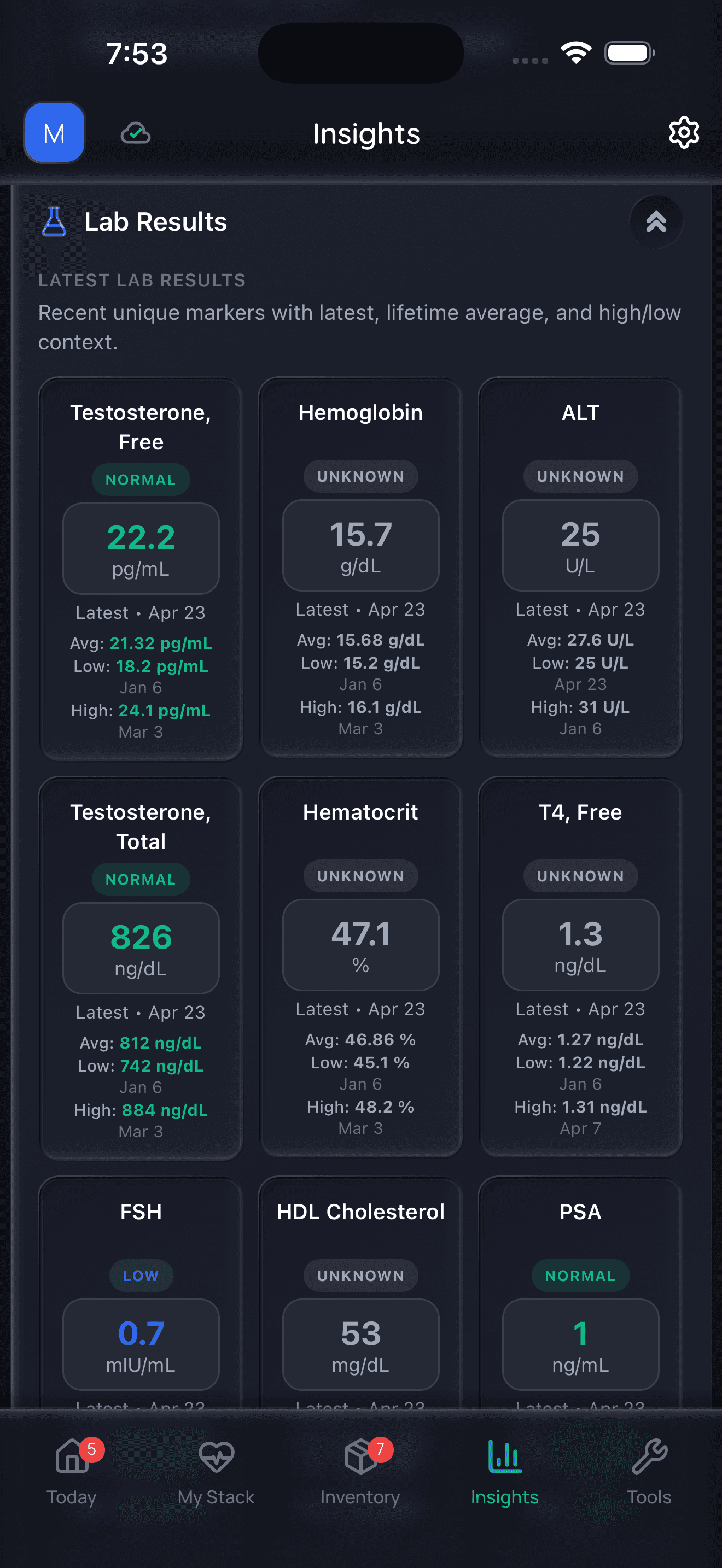
Doserly organizes data; it does not diagnose or interpret labs for you.
Timing Hypothesis & Window of Opportunity
The timing hypothesis is one of the most important concepts in modern HRT research, and it is particularly relevant for women in perimenopause because they are, by definition, within the optimal treatment window.
The core concept: HRT initiated within 10 years of menopause onset, or before age 60, appears to have a substantially more favorable benefit-risk profile than treatment started later. This is sometimes called the "window of opportunity."
Supporting evidence:
- WHI age subgroup analyses: When the WHI data was reanalyzed by age, women aged 50-59 who started HRT showed trends toward reduced coronary heart disease and all-cause mortality, in contrast to the increased risk seen in older participants (average age 63) [22].
- KEEPS (Kronos Early Estrogen Prevention Study): Demonstrated that oral conjugated equine estrogens and transdermal estradiol initiated within 3 years of menopause improved cardiovascular markers including carotid intima-media thickness (transdermal) without increasing coronary artery calcification [19].
- ELITE (Early vs Late Intervention Trial with Estradiol): Showed that oral estradiol started within 6 years of menopause slowed progression of carotid intima-media thickness, while the same treatment started 10+ years after menopause did not, providing direct evidence for the timing hypothesis [20].
- Danish Osteoporosis Prevention Study: Women randomized to HRT shortly after menopause and treated for 10 years showed reduced risk of mortality, heart failure, and myocardial infarction during 16 years of follow-up, with no increase in cancer, VTE, or stroke [26].
Clinical significance for perimenopause: Women in perimenopause are, by definition, at or before the start of the timing window. This means that initiating treatment during perimenopause aligns with the period when evidence suggests the most favorable benefit-risk ratio. Bone protection, cardiovascular effects, and symptom relief all benefit from earlier initiation.
Limitations: No randomized controlled trial has been specifically designed and powered to definitively test the timing hypothesis. The evidence comes from subgroup analyses, smaller trials (KEEPS, ELITE), and observational studies. The timing hypothesis should be presented as strong but evolving evidence, not settled science.
Interactions & Compatibility
Perimenopause itself does not involve taking a specific medication, but the treatments used during perimenopause (HRT, hormonal contraceptives, non-hormonal options) all have interaction profiles that are important to understand.
Drug-Drug Interactions (for HRT):
- Thyroid medications: Estrogen increases thyroxine-binding globulin (TBG), which may require levothyroxine dose adjustment. Thyroid function should be checked 6-12 weeks after starting oral estrogen. Transdermal estrogen has less effect on TBG.
- Anticoagulants: Warfarin monitoring may be needed when starting or stopping estrogen.
- SSRIs/SNRIs: No significant direct interaction with HRT. Some SSRIs (paroxetine, fluoxetine) inhibit CYP2D6, which can affect tamoxifen metabolism but does not interact with standard HRT.
- Lamotrigine: Estrogen significantly reduces lamotrigine levels (by up to 50%). Women taking lamotrigine for epilepsy or bipolar disorder require careful monitoring and dose adjustment when starting or stopping estrogen.
- CYP3A4 inducers (rifampin, carbamazepine, phenytoin, St. John's Wort): Can reduce estrogen levels, potentially diminishing HRT efficacy.
- Diabetes medications: Estrogen may improve insulin sensitivity; dose adjustments to diabetes medications may be needed.
Supplement Interactions:
- St. John's Wort: CYP3A4 inducer that can significantly reduce estrogen levels. Avoid concurrent use with HRT.
- Black cohosh: No known direct interaction with HRT. Commonly used for vasomotor symptoms. See /supplements/black-cohosh.
- Calcium and Vitamin D: Complementary to HRT for bone health. No interaction. See /supplements/calcium and /supplements/vitamin-d.
- Phytoestrogen supplements (soy, red clover): Weak estrogenic activity. Theoretical additive effect with HRT, though clinical significance is uncertain.
Lifestyle Factors:
- Smoking: Dramatically increases VTE and cardiovascular risk with oral HRT. Smokers should use transdermal estrogen if HRT is chosen. Smoking also accelerates menopause onset by 1-2 years.
- Alcohol: Modest interaction with liver metabolism of oral estrogen. Moderate alcohol intake (1 drink/day) may slightly increase breast cancer risk, which is additive with HRT-associated risk.
- Grapefruit: Inhibits CYP3A4, potentially increasing estrogen levels with oral administration. Transdermal estrogen is not affected.
Cross-links: For related guides, see Estradiol, Micronized Progesterone, Menopause, Getting Started with HRT.
Decision-Making Framework
Deciding whether and how to manage perimenopause symptoms is a deeply personal decision. There is no single right answer. The best outcomes come from shared decision-making, where you and your healthcare provider work together to weigh the potential benefits and risks based on your individual circumstances.
Am I a candidate for treatment?
Factors that may make treatment particularly beneficial include:
- Moderate to severe vasomotor symptoms affecting sleep, work, or quality of life
- Mood changes or depressive symptoms linked to the menopausal transition
- Age under 60 or within 10 years of menopause onset
- Desire for bone protection (especially with risk factors like family history, low body weight, or smoking)
- GSM symptoms affecting sexual health or urinary function
Factors that may warrant caution or alternative approaches:
- Personal history of breast cancer
- Active or recent VTE or PE
- Active cardiovascular disease
- Undiagnosed vaginal bleeding
- Active liver disease
Questions to ask your healthcare provider:
- "Based on my symptoms and health history, am I a good candidate for hormone therapy?"
- "What type and route of HRT would you recommend for me, and why?"
- "What are the specific risks for someone in my situation?"
- "How will we monitor my response and adjust treatment?"
- "Should I continue my current contraception, or can it be integrated with HRT?"
- "When should I plan to reassess whether to continue treatment?"
Finding a menopause specialist:
- NAMS Certified Menopause Practitioners: searchable directory at menopause.org
- ISSWSH (International Society for the Study of Women's Sexual Health) members
- Telehealth menopause clinics: services like Midi Health, Evernow, and others provide specialized menopause care remotely
- If your current provider dismisses your symptoms or declines to discuss HRT, seeking a second opinion from a menopause specialist is reasonable and appropriate
Self-advocacy guidance:
- Track your symptoms before your appointment (a symptom diary is invaluable)
- If a provider tells you HRT is only for postmenopause, know that current evidence and guidelines (NAMS, NICE, Endocrine Society) support HRT during perimenopause for appropriate candidates
- Request referral to a gynecologist or menopause specialist if your primary care provider is not comfortable managing perimenopause
The best HRT decisions happen when you walk into your appointment prepared. Doserly helps you organize your symptom data, treatment history, and questions ahead of time, so you can make the most of your consultation time and ensure nothing important gets forgotten.
The app generates appointment-ready summaries of your recent symptom trends, current protocol, and any side effects you've logged. Instead of trying to recall three months of experience in a ten-minute appointment, you have a clear, organized record to share with your provider.
Keep side effects, flags, and follow-up notes visible.
Doserly helps you document safety observations, side effects, medication changes, and follow-up questions so important context is not scattered.
Safety log
Flags and notes
Safety notes are not emergency guidance; seek medical help when appropriate.
Administration & Practical Guide
Since perimenopause is a condition rather than a medication, this section addresses the practical aspects of treatment options commonly used during perimenopause.
Transdermal patches: Applied to clean, dry skin on the lower abdomen, hip, or buttock. Rotate application sites to minimize skin irritation. Change according to schedule (typically twice weekly or weekly depending on product). Patches can be worn during bathing, swimming, and exercise.
Gels and sprays: Apply to clean, dry skin on the inner arm, thigh, or other specified area. Allow to dry completely (typically 2-5 minutes) before dressing. Avoid skin-to-skin contact with others at the application site until dry. Apply sunscreen separately and wait for gel to dry first.
Oral tablets: Take at the same time each day for consistent levels. Micronized progesterone is typically taken at bedtime due to its sedating effects.
Vaginal estrogen (for GSM symptoms): Available as cream, tablet, ring, or capsule. Applied locally with minimal systemic absorption. Typically used daily initially, then reduced to 2-3 times per week for maintenance.
Levonorgestrel IUD (for endometrial protection + contraception): Inserted by a healthcare provider. Provides up to 5-8 years of progestogen delivery directly to the uterus. Can be combined with systemic estrogen for full perimenopause management.
All treatment information in this section is general and educational. Always follow the specific instructions provided by your prescriber and pharmacist.
Monitoring & Lab Work
Pre-treatment baseline (before starting HRT or hormonal contraceptives):
- Comprehensive health history and risk assessment
- Blood pressure measurement
- Mammogram (per age-appropriate screening guidelines)
- Lipid panel
- Consider: thyroid function (TSH), fasting glucose or HbA1c, liver function (especially if planning oral HRT)
- Bone density (DEXA): consider for women with risk factors (family history, low BMI, smoking, prior fracture)
- Pelvic examination as clinically indicated
Initial follow-up (4-12 weeks after starting treatment):
- Symptom assessment: vasomotor symptoms, sleep, mood, bleeding pattern
- Side effect evaluation: breast tenderness, bloating, headache
- Blood pressure check
- Discussion of dose adjustment if needed
Ongoing monitoring:
- Annual review: symptom reassessment, side effect check, risk-benefit discussion about continuing treatment
- Mammography: per national screening guidelines (annual or biennial depending on age and risk factors)
- Lipid panel: annually or per cardiovascular risk profile
- Liver function: periodically for oral HRT users
- DEXA scan: baseline and follow-up per osteoporosis risk profile (typically every 2-5 years if on HRT for bone protection)
- Blood pressure: at each visit
- Endometrial monitoring: transvaginal ultrasound only if unexpected or abnormal bleeding occurs (not routinely)
- Thyroid function: recheck 6-12 weeks after starting oral estrogen if on levothyroxine
Annual review checklist:
- Are symptoms adequately controlled?
- Have any new health conditions developed that change the risk profile?
- Is the current dose and route still appropriate?
- Is contraception still needed?
- Does the patient wish to continue, modify, or discontinue treatment?
- When is the next mammogram due?
Complementary Approaches & Lifestyle
Evidence-based strategies that complement treatment during perimenopause:
Supplements:
- Vitamin D (1000-2000 IU/day): Supports bone health and may influence mood. Deficiency is common. See /supplements/vitamin-d.
- Calcium (1000-1200 mg/day total from diet + supplements): Essential for bone health. See /supplements/calcium.
- Omega-3 fatty acids: May support cardiovascular health and mood. See /supplements/omega-3.
- Magnesium: May help with sleep quality, muscle cramps, and mood. See /supplements/magnesium.
Exercise:
- Weight-bearing exercise (walking, jogging, dancing): Supports bone density and cardiovascular health.
- Resistance training: Preserves lean muscle mass, supports metabolic health, helps maintain bone density. Current research suggests this may be the single most impactful exercise type during the menopausal transition.
- Cardiovascular exercise: Supports heart health, mood, and weight management.
- Balance training: Reduces fall risk (relevant for bone health and fracture prevention).
- Aim for 150-300 minutes of moderate-intensity activity per week (WHO guidelines).
Diet:
- Mediterranean diet pattern: Associated with reduced cardiovascular risk and improved metabolic markers.
- Phytoestrogen-rich foods (soy, flaxseed): Contain weak estrogenic compounds. Evidence for symptom relief is modest but some women report benefit. Soy intake (>1.62 g/day or soy isoflavones at 26.3 mg/day) may reduce breast cancer risk.
- Calcium-rich foods (dairy, leafy greens, fortified foods): Support bone health.
- Limit alcohol and caffeine: Both can trigger or worsen hot flashes and disrupt sleep.
Sleep hygiene:
- Keep bedroom cool (critical for night sweats)
- Maintain consistent sleep/wake schedule
- Consider CBT-I (Cognitive Behavioral Therapy for Insomnia) for persistent sleep difficulties
CBT for vasomotor symptoms:
- NICE NG23 (2024 update) recommends menopause-specific CBT as an option for vasomotor symptoms
- Can be used alongside HRT or as an alternative for women who cannot or prefer not to take hormones
- Evidence supports improvements in hot flash impact, sleep, and mood
Pelvic floor therapy:
- For urinary incontinence and GSM-related symptoms
- Can be combined with vaginal estrogen therapy
Non-hormonal prescription alternatives:
- For women who cannot or choose not to use HRT: fezolinetant (Veozah), elinzanetant (Lynkuet), gabapentin, paroxetine low-dose (Brisdelle), oxybutynin. See /hrt/fezolinetant-veozah, /hrt/elinzanetant-lynkuet, /hrt/gabapentin-menopause, /hrt/paroxetine-brisdelle.
HRT doesn't exist in a vacuum. Diet, exercise, sleep, and stress all influence how you feel during the menopausal transition — and how well your treatment works. Doserly lets you track these lifestyle factors alongside your HRT protocol, giving you a complete picture of what's contributing to how you feel on any given day.
Log your workouts, sleep quality, stress levels, and dietary choices right alongside your hormone doses and symptom scores. Over time, the app helps you see which lifestyle habits amplify the benefits of your treatment and which ones might be working against it.
See how each compound fits into the whole protocol.
Doserly organizes compounds, supplements, peptides, medications, and hormone protocols together so overlapping routines are easier to understand.
Stack view
Connected protocol
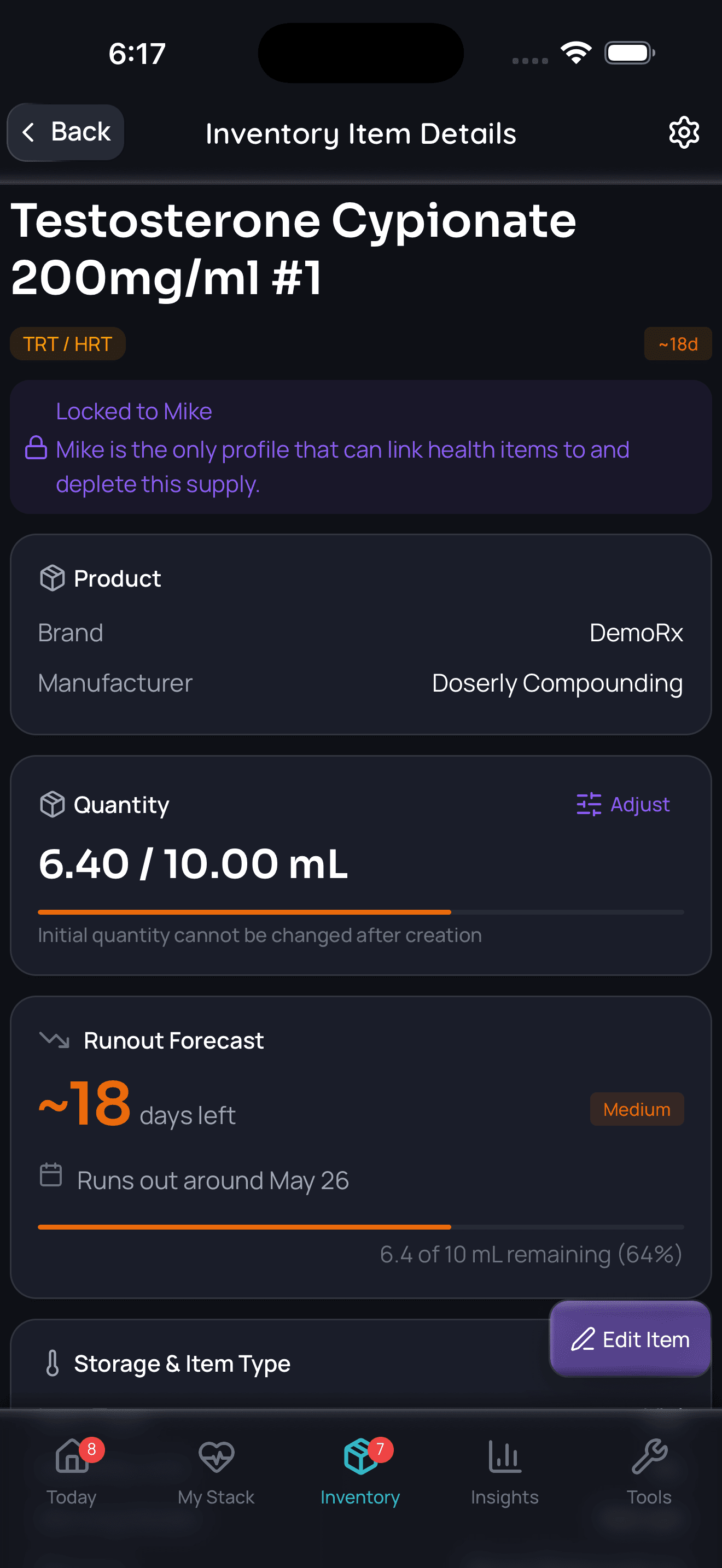
Stack views improve organization; they do not determine compatibility.
Stopping HRT / Discontinuation
When to consider stopping:
- Duration-based review: Typically reassess at 2-5 years, though many guidelines now support individualized duration decisions rather than arbitrary time limits
- Changing risk profile: new diagnosis that alters the benefit-risk calculation (e.g., breast cancer diagnosis)
- Resolution of symptoms: if vasomotor symptoms have resolved and bone protection is managed by other means
- Personal preference
Tapering strategies:
- Gradual dose reduction over weeks to months is generally preferred over abrupt cessation
- Step-down approaches: reduce dose by one step (e.g., from 50 mcg patch to 25 mcg) and reassess after 3-6 months
- Some women transition from systemic to local-only vaginal estrogen before stopping entirely
- There is no definitive evidence that tapering prevents symptom recurrence compared to abrupt cessation, but tapering may reduce the severity of recurrent symptoms
Symptom recurrence:
- Estimated 50% of women experience some return of vasomotor symptoms upon stopping HRT
- Recurrence is not inevitable, and when it occurs, symptoms are typically similar in severity to pre-treatment levels (not worse)
- Symptoms may recur within weeks to months of stopping
- Some women may choose to restart HRT after a trial discontinuation
Transition options:
- Low-dose vaginal estrogen for persistent GSM symptoms (may continue even when systemic HRT stops)
- Non-hormonal options for persistent vasomotor symptoms (fezolinetant, elinzanetant, gabapentin, CBT)
- Lifestyle modifications (exercise, CBT, cooling strategies)
What to monitor during discontinuation:
- Symptom diary for recurrence
- Bone density (DEXA) within 1-2 years of stopping to assess bone loss trajectory
- Cardiovascular risk reassessment
Special Populations & Situations
Premature Ovarian Insufficiency (POI)
Women with POI (menopause before age 40) require HRT as replacement therapy, not supplemental therapy. HRT should be continued at least until the typical age of menopause (51) to protect cardiovascular and bone health. These women have a longer treatment duration but a stronger imperative for treatment, as premature estrogen deficiency carries significant long-term health risks [14].
Surgical Menopause / Oophorectomy
Women who undergo bilateral oophorectomy experience abrupt and complete loss of ovarian hormones, unlike the gradual transition of natural perimenopause. They typically require higher initial HRT doses and experience more severe acute symptoms. If the uterus has also been removed, estrogen-only therapy is appropriate. Testosterone replacement may also be considered for women reporting significant loss of sexual desire after oophorectomy.
Breast Cancer Survivors
Systemic HRT is generally contraindicated for women with a personal history of breast cancer. Non-hormonal options (fezolinetant, elinzanetant, SSRIs/SNRIs, gabapentin, CBT) are recommended for vasomotor symptom management. Low-dose vaginal estrogen may be considered for severe GSM symptoms on an individual basis with oncology input, as systemic absorption is minimal.
Cardiovascular Disease History
Women with existing cardiovascular disease should not initiate HRT primarily for cardiovascular protection. If HRT is being considered for symptom relief, transdermal estradiol is the preferred route due to its neutral effect on VTE, minimal impact on triglycerides, and avoidance of first-pass hepatic effects. Individual risk stratification is essential [16].
Type 2 Diabetes
Estrogen may improve insulin sensitivity and glucose metabolism. Some evidence suggests HRT may reduce the incidence of new-onset type 2 diabetes. Route considerations apply: transdermal estrogen has less impact on triglycerides and hepatic glucose output than oral.
Migraine with Aura
Women with migraine with aura have elevated baseline stroke risk. If HRT is indicated, transdermal estrogen with stable, continuous delivery is strongly preferred over oral. Estrogen fluctuations are a known migraine trigger; stable delivery may actually reduce migraine frequency. The ESE 2025 guideline specifically recommends transdermal estrogen for this population [16].
History of VTE
Transdermal estrogen is the preferred route for women with a history of VTE, as it avoids the prothrombotic hepatic first-pass effect of oral estrogen. Individual risk assessment (including thrombophilia screening) is recommended before initiating HRT.
BRCA Carriers (Without Breast Cancer)
Women with BRCA1/BRCA2 mutations who undergo risk-reducing salpingo-oophorectomy before natural menopause require HRT to manage the abrupt surgical menopause and protect against cardiovascular and bone consequences. Short-term HRT use (typically until age 50-51) does not appear to increase breast cancer risk in this population based on available observational data.
Autoimmune Conditions
Estrogen has immunomodulatory effects. Women with autoimmune conditions (e.g., lupus, rheumatoid arthritis) may have specific considerations regarding HRT. Lupus may increase VTE risk, favoring transdermal estrogen. Rheumatoid arthritis and other autoimmune conditions may accelerate menopause onset.
Regulatory, Insurance & International
United States (FDA):
- HRT products are FDA-approved for vasomotor symptoms and osteoporosis prevention
- MHT during perimenopause is considered "off-label" by some providers (per IMS 2024 guidance), though hormonal contraceptives used for symptom management are on-label
- Insurance coverage varies; most commercial plans cover FDA-approved HRT formulations
- Generic options available for most estrogen and progesterone formulations
- Telehealth menopause services (Midi, Evernow, Alloy) expanding access
United Kingdom (MHRA/NHS):
- NICE NG23 provides comprehensive guidance for perimenopause identification and management
- HRT prepayment certificate available to reduce prescription costs
- NHS coverage for HRT, including menopause specialist referral pathways
- NICE 2024 update includes discussion aid for HRT shared decision-making
Canada (Health Canada):
- HRT products available through Health Canada approval
- Provincial coverage varies for HRT formulations
Australia (TGA):
- HRT products available through TGA approval
- Australasian Menopause Society (AMS) provides guidelines
- Jean Hailes for Women's Health provides patient education resources
European Union (EMA):
- ESE 2025 guideline provides comprehensive perimenopause management guidance
- Availability and coverage vary by country
Frequently Asked Questions
How do I know if I'm in perimenopause?
If you are over 40 and experiencing changes in your menstrual cycle (longer, shorter, heavier, lighter, or skipped periods) along with symptoms like hot flashes, sleep disruption, or mood changes, you may be in perimenopause. Current guidelines (NICE, NAMS, S3 Guideline) recommend diagnosing perimenopause based on these clinical symptoms, without requiring blood tests, in women aged 45 and over. For women aged 40-45 with symptoms, an FSH test may be helpful.
Do I need blood tests to confirm perimenopause?
For most women over 45, the answer is no. Hormone levels fluctuate widely during perimenopause, making a single blood test unreliable for diagnosis. Your healthcare provider can identify perimenopause based on your symptoms and menstrual history. Blood tests may be appropriate for women under 45, for women on hormonal contraception, or to rule out other conditions like thyroid disease.
Can I still get pregnant during perimenopause?
Yes. Even though ovulation is less regular, pregnancy is still possible whenever you are having periods. Contraception should be used until menopause is confirmed (12 months without a period). A levonorgestrel IUD can provide both contraception and the progestogen component of HRT.
Is HRT safe during perimenopause?
For most women under 60 or within 10 years of menopause onset, the benefit-risk ratio of HRT is favorable according to current guidelines from NAMS, NICE, and the Endocrine Society. The safety profile depends on the type of hormones, route of administration, dose, and individual risk factors. Discussing your personal situation with a qualified healthcare provider is essential.
My doctor says I can't have HRT until I'm in menopause. Is that true?
This is a common misconception. Current evidence and guidelines support the use of HRT during perimenopause for appropriate candidates with bothersome symptoms. Both hormonal contraceptives and traditional HRT can be used during perimenopause. If your provider is not comfortable prescribing HRT during perimenopause, consider seeking a second opinion from a NAMS-certified menopause practitioner.
What is the difference between HRT and hormonal birth control for perimenopause?
Hormonal birth control (pills, patches, rings) uses synthetic hormones at doses designed to suppress ovulation and prevent pregnancy. HRT uses lower doses of hormones (often bioidentical estradiol and micronized progesterone) aimed at relieving symptoms and replacing declining hormones. Both can be appropriate during perimenopause, depending on whether contraception is also needed.
How long does perimenopause last?
The average duration is approximately 4 years, but it can range from 2 to 10 years. Some women experience only brief changes before their periods stop; others have symptoms for many years. Perimenopause ends when you have gone 12 consecutive months without a menstrual period.
Will my symptoms get worse before they get better?
For many women, vasomotor symptoms peak around the time of the final menstrual period and in the first 1-2 years of postmenopause. Some women find their symptoms most intense during late perimenopause. However, this pattern varies widely. Treatment can be initiated at any point during the transition when symptoms are bothersome.
Can perimenopause cause anxiety and depression?
Yes. Research from the SWAN study and other large studies has established that women are at increased risk for depression and anxiety during perimenopause, likely due to hormonal fluctuations. Women with a prior history of hormone-sensitive mood disorders (PMS, PMDD, postpartum depression) may be particularly vulnerable. If you are experiencing significant mood changes, discuss treatment options with your healthcare provider.
What non-hormonal options are available for perimenopause symptoms?
Several options exist: fezolinetant (Veozah) and elinzanetant (Lynkuet) are NK receptor antagonists specifically approved for vasomotor symptoms. Gabapentin helps with hot flashes and sleep. Low-dose paroxetine (Brisdelle) is FDA-approved for hot flashes. CBT is recommended by NICE for vasomotor symptoms, sleep, and mood. Lifestyle modifications (exercise, dietary changes, stress management) also play an important role.
Myth vs. Fact
Myth: Perimenopause starts at 50.
Fact: Perimenopause typically begins in the mid-40s, but some women notice changes as early as their mid-30s. The average age of menopause is 51, meaning most women have been in perimenopause for several years by that point. Factors like smoking, family history, and certain medical conditions can cause earlier onset.
Myth: You need a blood test to diagnose perimenopause.
Fact: Current guidelines from NICE, NAMS, and the Endocrine Society recommend diagnosing perimenopause clinically (based on symptoms and menstrual changes) in women over 45, without routine blood tests. FSH levels fluctuate too much during perimenopause to be reliably diagnostic. Blood tests may be appropriate for women under 45 or to rule out other conditions.
Myth: HRT causes cancer.
Fact: This is an oversimplification. The relationship between HRT and breast cancer depends on the type of therapy, duration, and individual risk factors. Combined HRT (estrogen + progestogen) was associated in the WHI with approximately 8 additional breast cancer cases per 10,000 women per year after 5+ years of use. Estrogen-only HRT (for women without a uterus) showed no increase and possibly a slight decrease in breast cancer risk. The type of progestogen matters; micronized progesterone may carry lower risk than synthetic progestins. For women starting HRT during perimenopause, the absolute risk increase is small and must be weighed against the substantial quality-of-life benefits and potential protective effects on bone and cardiovascular health [13][22][24].
Myth: You should only take HRT for 5 years maximum.
Fact: The "5-year rule" is outdated. Current guidelines recommend individualized duration decisions based on ongoing symptom assessment and risk-benefit analysis, with annual review. Some women benefit from longer-term use, and the decision to continue should be shared between the woman and her healthcare provider.
Myth: Perimenopause symptoms are just something you have to put up with.
Fact: Effective treatments exist and are supported by strong evidence. No woman should feel she must simply endure symptoms that are significantly affecting her quality of life, sleep, work, or relationships. If one healthcare provider dismisses your concerns, seeking a second opinion from a menopause specialist is appropriate.
Myth: Bioidentical hormones are always safer than synthetic ones.
Fact: "Bioidentical" means the hormone molecule is chemically identical to what your body produces. FDA-approved bioidentical options (like estradiol patches and micronized progesterone) are well-studied and regulated. The term "bioidentical" is sometimes used to market compounded hormone preparations, which are not standardized by the FDA and may lack quality controls. The safety of any hormone product depends on the specific formulation, dose, and route, not simply whether it is labeled "bioidentical" or "synthetic."
Myth: Natural remedies are just as effective as HRT for perimenopause.
Fact: While some complementary approaches may provide modest symptom relief for some women (such as phytoestrogens, black cohosh, or CBT), no natural remedy matches the efficacy of HRT for vasomotor symptoms. Clinical trials consistently show HRT reduces hot flash frequency by approximately 75%, while the best evidence for herbal remedies shows much smaller effects. That said, lifestyle modifications (exercise, diet, stress management) are valuable complements to any treatment approach.
Myth: If you stop HRT, your symptoms will come back worse than before.
Fact: When vasomotor symptoms recur after stopping HRT (which happens in approximately 50% of women), they typically return at a severity similar to pre-treatment levels, not worse. Gradual tapering may help ease the transition. Some women's symptoms have naturally resolved by the time they stop treatment.
Sources & References
Clinical Guidelines
[1] Harlow SD, Gass M, Hall JE, et al. Executive summary of the Stages of Reproductive Aging Workshop + 10: addressing the unfinished agenda of staging reproductive aging. J Clin Endocrinol Metab. 2012;97(4):1159-1168.
[2] Harlow SD, Gass M, Hall JE, et al. Executive summary of the Stages of Reproductive Aging Workshop + 10 (STRAW+10). Climacteric. 2012;15(2):105-114.
[13] The 2022 Hormone Therapy Position Statement of The North American Menopause Society. Menopause. 2022;29(7):767-794.
[14] NICE Guideline NG23: Menopause: identification and management. Updated November 2024.
[15] Stuenkel CA, Davis SR, Gompel A, et al. Treatment of Symptoms of the Menopause: An Endocrine Society Clinical Practice Guideline. J Clin Endocrinol Metab. 2015;100(11):3975-4011.
[16] European Society of Endocrinology Clinical Practice Guideline: Evaluation and Management of Menopause and the Perimenopause. Eur J Endocrinol. 2025.
[25] Ortmann O, Beckermann MJ, Inwald EC, et al. Peri- and postmenopause: diagnosis and interventions. Interdisciplinary S3 guideline. Arch Gynecol Obstet. 2020;302(3):763-777.
Landmark Trials
[18] Rossouw JE, Anderson GL, Prentice RL, et al. Risks and benefits of estrogen plus progestin in healthy postmenopausal women: principal results from the Women's Health Initiative randomized controlled trial. JAMA. 2002;288(3):321-333.
[19] Harman SM, Black DM, Naftolin F, et al. Arterial imaging outcomes and cardiovascular risk factors in recently menopausal women: a randomized trial (KEEPS). Ann Intern Med. 2014;161(4):249-260.
[20] Hodis HN, Mack WJ, Henderson VW, et al. Vascular Effects of Early versus Late Postmenopausal Treatment with Estradiol. N Engl J Med. 2016;374(13):1221-1231.
[26] Schierbeck LL, Rejnmark L, Tofteng CL, et al. Effect of hormone replacement therapy on cardiovascular events in recently postmenopausal women: randomised trial. BMJ. 2012;345:e6409.
Observational Studies & Systematic Reviews
[3] Tepper PG, Randolph JF Jr, McConnell DS, et al. Trajectory clustering of estradiol and follicle-stimulating hormone during the menopausal transition among women in the SWAN study. J Clin Endocrinol Metab. 2012;97(8):2872-2880.
[9] Bromberger JT, Schott LL, Kravitz HM, et al. Longitudinal change in reproductive hormones and depressive symptoms across the menopausal transition. Arch Gen Psychiatry. 2010;67(6):598-607.
[12] Avis NE, Crawford SL, Greendale G, et al. Duration of menopausal vasomotor symptoms over the menopause transition. JAMA Intern Med. 2015;175(4):531-539.
[22] Manson JE, Chlebowski RT, Stefanick ML, et al. Menopausal hormone therapy and health outcomes during the intervention and extended poststopping phases of the Women's Health Initiative randomized trials. JAMA. 2013;310(13):1353-1368.
[23] Canonico M, Oger E, Plu-Bureau G, et al. Hormone therapy and venous thromboembolism among postmenopausal women: impact of the route of estrogen administration and progestogens: the ESTHER study. Circulation. 2007;115(7):840-845.
[24] Fournier A, Berrino F, Clavel-Chapelon F. Unequal risks for breast cancer associated with different hormone replacement therapies: results from the E3N cohort study. Breast Cancer Res Treat. 2008;107(1):103-111.
Pathophysiology & Mechanisms
[4] Lobo RA, et al. Menopause and care of the mature woman. In: Comprehensive Gynecology. 8th ed. Elsevier; 2022.
[5] Hansen KR, Knowlton NS, Thyer AC, et al. A new model of reproductive aging: the decline in ovarian non-growing follicle number from birth to menopause. Hum Reprod. 2008;23(3):699-708.
[6] Prior JC. Perimenopause: the complex endocrinology of the menopausal transition. Endocr Rev. 1998;19(4):397-428.
[7] Santoro N, Randolph JF Jr. Reproductive hormones and the menopause transition. Obstet Gynecol Clin North Am. 2011;38(3):455-466.
[8] Freedman RR. Menopausal hot flashes: mechanisms, endocrinology, treatment. J Steroid Biochem Mol Biol. 2014;142:115-120.
[10] Schmidt PJ, Ben Dor R, Martinez PE, et al. Effects of estradiol withdrawal on mood in women with past perimenopausal depression: a randomized clinical trial. JAMA Psychiatry. 2015;72(7):714-726.
[11] Burger HG, Hale GE, Dennerstein L, Robertson DM. Cycle and hormone changes during perimenopause: the key role of ovarian function. Menopause. 2008;15(4 Pt 1):603-612.
Prevention & Intervention Studies
[17] Gordon JL, Rubinow DR, Eisenlohr-Moul TA, et al. Efficacy of transdermal estradiol and micronized progesterone in the prevention of depressive symptoms in the menopause transition: a randomized clinical trial. JAMA Psychiatry. 2018;75(2):149-157.
[21] The 2020 Genitourinary Syndrome of Menopause Position Statement of The North American Menopause Society. Menopause. 2020;27(9):976-992.
Related Guides & Cross-Links
Same Category (Conditions & Stages)
- Menopause
- Post-Menopause
- Premature Ovarian Insufficiency (POI)
- Early Menopause
- Surgical Menopause
- Induced Menopause
- Genitourinary Syndrome of Menopause (GSM)
Related Treatment Options
- Getting Started with HRT
- Transdermal HRT (Patches, Gels, Sprays)
- 17B-Estradiol (Bioidentical)
- Micronized Progesterone (Prometrium)
- Compounded & Bioidentical HRT
- Non-Hormonal Menopause Treatments
- Fezolinetant (Veozah)
- Elinzanetant (Lynkuet)
Symptom & System Guides
- Menopause and Mental Health
- Sexual Health During Menopause
- Menopause, Heart & Bone Health
- Weight, Body Composition & Menopause