
Ethinyl Estradiol: The Complete HRT Guide
On this page
Quick Reference Card
Attribute
Brand Name(s)
- Value
- femhrt, Fyavolv, Jinteli, Jevantique Lo (US; always combined with norethindrone acetate)
Attribute
Generic Name
- Value
- Ethinyl Estradiol (EE)
Attribute
Drug Class / Type
- Value
- Synthetic Estrogen (17α-ethinyl derivative of estradiol)
Attribute
FDA-Approved Indications
- Value
- Treatment of moderate to severe vasomotor symptoms due to menopause; prevention of postmenopausal osteoporosis (in combination with norethindrone acetate)
Attribute
Common Doses (HRT)
- Value
- 2.5 mcg or 5 mcg daily (combined with 0.5 mg or 1 mg norethindrone acetate)
Attribute
Route(s) of Administration
- Value
- Oral only
Attribute
Dosing Schedule
- Value
- Continuous daily
Attribute
Key Monitoring Requirements
- Value
- Blood pressure, mammogram, breast exam, lipid panel, liver function, endometrial monitoring
Overview / What Is Ethinyl Estradiol?
The Basics
Ethinyl estradiol (EE) is a synthetic form of estrogen that has played a significant role in hormonal medicine for decades. It was one of the first estrogens to become widely available for menopausal symptom management in the 1960s, before the broader shift toward bioidentical 17-beta estradiol that occurred after the Women's Health Initiative (WHI) results in 2002.
What makes ethinyl estradiol unique is its extraordinary potency. While most estrogens used in HRT are dosed in milligrams, ethinyl estradiol is dosed in micrograms because it is approximately 75 to 1,000 times more potent per weight than other estrogen preparations [1]. This means a tiny amount goes a long way. For HRT, the doses used (2.5 to 5 micrograms) are a fraction of what is found in birth control pills (20 to 50 micrograms).
Today, ethinyl estradiol is not used as a standalone HRT medication. It is always combined with norethindrone acetate (a progestin) in products like femhrt and its generics (Fyavolv, Jinteli). While prescribing patterns have shifted considerably toward bioidentical estradiol in various delivery forms (patches, gels, sprays), ethinyl estradiol remains a valid FDA-approved option, and some women find it works well for them, particularly those transitioning from birth control pills to HRT.
The Science
Ethinyl estradiol (17α-ethynyl-1,3,5(10)-estratriene-3,17β-diol) is a semi-synthetic estrogen created by the addition of an ethinyl (C≡CH) group at the C-17α position of the estradiol molecule [1]. This structural modification, first synthesized in 1938, confers oral activity by preventing rapid oxidative inactivation by 17β-hydroxysteroid dehydrogenase (17β-HSD), the enzyme that normally converts estradiol to the weaker estrone in the liver [2].
The addition of the 17α-ethinyl group fundamentally alters the pharmacokinetic profile compared to native estradiol. While oral micronized estradiol has a systemic bioavailability of approximately 5% (range 1-12%) due to extensive first-pass metabolism, ethinyl estradiol achieves approximately 43-59% bioavailability [3][4]. This resistance to hepatic degradation accounts for its substantially greater potency on a per-weight basis and its more pronounced effects on hepatic protein synthesis compared to natural estrogens [1].
FDA approval for the norethindrone acetate/ethinyl estradiol combination for menopausal indications dates to 1968 (NDA 021065), making it one of the longer-standing approved HRT formulations [5]. The commercial trajectory of EE-based HRT has been marked by declining market share as prescribing patterns have shifted toward bioidentical 17β-estradiol, particularly in transdermal formulations, following the WHI publications and subsequent guideline revisions favoring the lowest effective dose of the most physiologically appropriate estrogen [6].
Medical / Chemical Identity
Generic Name: Ethinyl Estradiol (EE; 17α-Ethinylestradiol)
Brand Names (HRT combination products only):
- United States: femhrt, Fyavolv, Jinteli, Jevantique Lo (all combined with norethindrone acetate)
Chemical Name: 19-Norpregna-1,3,5(10)-trien-20-yne-3,17-diol, (17α)-
Molecular Formula: C20H24O2
Molecular Weight: 296.41 g/mol
CAS Number: 57-63-6
Chemical Class: Synthetic steroidal estrogen (17α-ethinyl derivative of estradiol)
Source: Plant-derived synthesis (from diosgenin precursors found in yams and soybeans)
FDA Approval Date (HRT indication): 1968
Application Number: NDA 021065 (femhrt)
Manufacturer: Originally Duramed Pharmaceuticals; currently available as generics from multiple manufacturers (Glenmark, Lupin, others)
Available Strengths (HRT):
- 0.5 mg norethindrone acetate / 2.5 mcg ethinyl estradiol (oral tablet)
- 1 mg norethindrone acetate / 5 mcg ethinyl estradiol (oral tablet)
DEA Schedule: None
Storage: Room temperature, 20-25°C (68-77°F)
Key Distinction: Ethinyl estradiol is NOT the same as bioidentical 17β-estradiol. While both are estrogens, they differ in chemical structure, potency, protein binding, hepatic effects, and measurability in standard estrogen assays. EE is not detected by routine serum estradiol tests.
Mechanism of Action
The Basics
Ethinyl estradiol works by mimicking the estrogen your body naturally produces, binding to the same receptors in estrogen-responsive tissues throughout your body. These receptors are found in many places, including the brain's temperature-regulation center (which explains why hot flashes improve), bones (which is why it helps prevent osteoporosis), the vaginal and urinary tract tissues, and the cardiovascular system.
What sets ethinyl estradiol apart from the bioidentical estradiol used in patches and gels is how it interacts with the liver. Because you take it as a pill and it passes through the liver before reaching the rest of your body, it triggers the liver to produce higher amounts of certain proteins than transdermal estradiol does. Some of these liver effects are neutral or even beneficial (like changes in cholesterol), while others may contribute to increased risks (like changes in blood clotting factors). This is the fundamental reason why oral estrogens and transdermal estrogens have different side effect profiles.
The ethinyl group in its chemical structure also means your body processes it differently than natural estradiol. Your body cannot easily break it down the way it does natural estrogen, which is why such a small dose (measured in millionths of a gram) is effective. It also means that standard blood tests for estrogen levels will not detect ethinyl estradiol, so your healthcare provider cannot use routine estradiol blood tests to monitor your levels on this medication.
The Science
Ethinyl estradiol exerts its estrogenic effects through binding to nuclear estrogen receptors (ERα and ERβ) in target tissues [1][7]. ERα predominates in reproductive tissues, bone, liver, and cardiovascular endothelium, while ERβ is more abundantly expressed in brain, lung, and gastrointestinal tissue [7]. The EE-ER complex dimerizes, translocates to the nucleus, and binds to estrogen response elements (EREs) in target gene promoters, modulating transcription of genes involved in thermoregulation, bone remodeling, urogenital tissue maintenance, and cardiovascular function [5].
The 17α-ethinyl modification does not significantly alter receptor binding affinity compared to native E2, but it profoundly alters metabolic fate. With D-ring metabolism impeded by the ethinyl group, the principal inactivation pathway shifts to ring A 2-hydroxylation to catecholestrogens, catalyzed by hepatic cytochrome P-450 enzymes (primarily CYP3A4) [2][8]. The resulting resistance to metabolic clearance produces sustained receptor occupancy and amplified hepatic effects compared to equimolar doses of estradiol.
The first-pass hepatic effects of oral EE include dose-dependent stimulation of SHBG synthesis (approximately 100% increase over baseline at 10 mcg daily, compared to 45% with 1 mg oral estradiol), increased synthesis of angiotensinogen, C-reactive protein, clotting factors (VII, X, fibrinogen), and triglycerides [1][8]. Notably, EE binds almost exclusively to albumin rather than SHBG, which distinguishes its transport pharmacology from estradiol (which binds significantly to SHBG) [2]. This difference in binding protein means that EE's bioavailability is not self-regulated by the SHBG increases it induces, unlike natural estradiol.
The norethindrone acetate component in combination products undergoes rapid deacetylation to norethindrone, which binds to progesterone receptors and opposes estrogen-driven endometrial proliferation by decreasing estrogen receptor numbers, increasing local metabolism of estrogens to less active metabolites, and inducing gene products that blunt cellular responses to estrogen [5].
Pathway & System Visualization
Pharmacokinetics / Hormone Physiology
The Basics
When you take an ethinyl estradiol tablet, it is absorbed from your digestive tract and travels to the liver before reaching the rest of your body. The liver processes some of it (called first-pass metabolism), but the ethinyl group protects it from being broken down as aggressively as natural estradiol. This is why its bioavailability (the percentage that actually reaches your bloodstream in active form) is much higher than oral estradiol: approximately 43-59% for EE versus about 5% for oral estradiol [3][4].
Peak blood levels typically occur 1 to 2 hours after taking the tablet. Once in circulation, EE travels bound mainly to albumin (a blood protein), with about 1.5% circulating in free, unbound form. It does not bind to sex hormone-binding globulin (SHBG) the way natural estradiol does, which is an important pharmacological distinction [2].
The body eliminates EE relatively slowly compared to natural estradiol. The elimination half-life (the time it takes for half the drug to leave your system) is approximately 24 hours at steady state, meaning it stays active for about a full day after each dose [5]. Steady-state concentrations are typically reached within about 2 weeks of daily dosing.
The Science
Absorption: Ethinyl estradiol is rapidly absorbed following oral administration, with maximum plasma concentrations (Cmax) of approximately 33.5 pg/mL (Day 1) to 38.3 pg/mL (steady state) at the 2.5 mcg dose, achieved at a Tmax of 1.8-2.2 hours [5]. Absolute bioavailability is approximately 43% (FDA label) to 59% ± 13% (pharmacokinetic studies), substantially higher than oral micronized estradiol (~5%) due to resistance to 17β-HSD-mediated inactivation [3][4].
Distribution: EE is approximately 98.5% bound to plasma albumin. Unlike native estradiol (which is 40% bound to SHBG), EE does not bind to SHBG [2][5]. This distinction means that the SHBG elevation induced by EE does not create a self-limiting feedback on its own bioavailability, unlike estradiol where increased SHBG reduces free estradiol levels.
Metabolism: Primary metabolism occurs via CYP3A4-mediated aromatic hydroxylation. The 17α-ethinyl group blocks 17β-HSD oxidation, shifting the primary inactivation pathway to ring A 2-hydroxylation to catecholestrogens [2][8]. A wide variety of hydroxylated and methylated metabolites are formed, present as free metabolites and as sulfate and glucuronide conjugates. EE undergoes enterohepatic recirculation, which contributes to its prolonged half-life.
Elimination: Terminal elimination half-life is approximately 24 hours at steady state (range based on study: 23.9 ± 7.1 hours) [5]. EE and its metabolites are excreted in urine and feces as glucuronides and sulfates. The major circulatory form is the 3-sulfate conjugate [2].
Steady State: Reached within approximately 2 weeks of daily administration. At steady state, AUC values for EE increase from 339 pg·hr/mL (Day 1) to 471 pg·hr/mL (Day 87), reflecting accumulation [5].
Route Comparison: EE is available only in oral form for HRT, so route comparison tables typical of other estrogen guides are not applicable. The key pharmacokinetic comparison is between EE and other oral estrogens:
Parameter
Bioavailability
- Ethinyl Estradiol (2.5 mcg)
- ~43-59%
- Oral Estradiol (1 mg)
- ~5%
- CEE (0.625 mg)
- Variable (complex mixture)
Parameter
Primary binding protein
- Ethinyl Estradiol (2.5 mcg)
- Albumin
- Oral Estradiol (1 mg)
- SHBG
- CEE (0.625 mg)
- SHBG
Parameter
SHBG increase
- Ethinyl Estradiol (2.5 mcg)
- ~100% (at 10 mcg)
- Oral Estradiol (1 mg)
- ~45%
- CEE (0.625 mg)
- ~100%
Parameter
Half-life
- Ethinyl Estradiol (2.5 mcg)
- ~24 hours
- Oral Estradiol (1 mg)
- ~12-14 hours
- CEE (0.625 mg)
- Variable by component
Parameter
Detectable by standard E2 assay
- Ethinyl Estradiol (2.5 mcg)
- No
- Oral Estradiol (1 mg)
- Yes
- CEE (0.625 mg)
- Partially
Parameter
Triglyceride effect
- Ethinyl Estradiol (2.5 mcg)
- Increases
- Oral Estradiol (1 mg)
- Neutral/minimal
- CEE (0.625 mg)
- Increases
Knowing the pharmacokinetics is the foundation. Seeing how your own body responds to your specific protocol turns that knowledge into actionable insight. Doserly correlates your dosing schedule with how you feel day to day, helping you and your provider identify whether your current route, timing, and dose are working optimally.
The app's analytics can surface patterns you might not notice on your own, like whether symptoms correlate with the end of a patch cycle or whether splitting an oral dose changes how you feel in the afternoon. Data like this makes dose adjustments more precise and less guesswork.
Keep multi-step protocols organized from start to finish.
Use Doserly to map compounds, timing, cycle windows, notes, and review points so complex protocols stay readable in one place.
Plan view
Protocol schedule
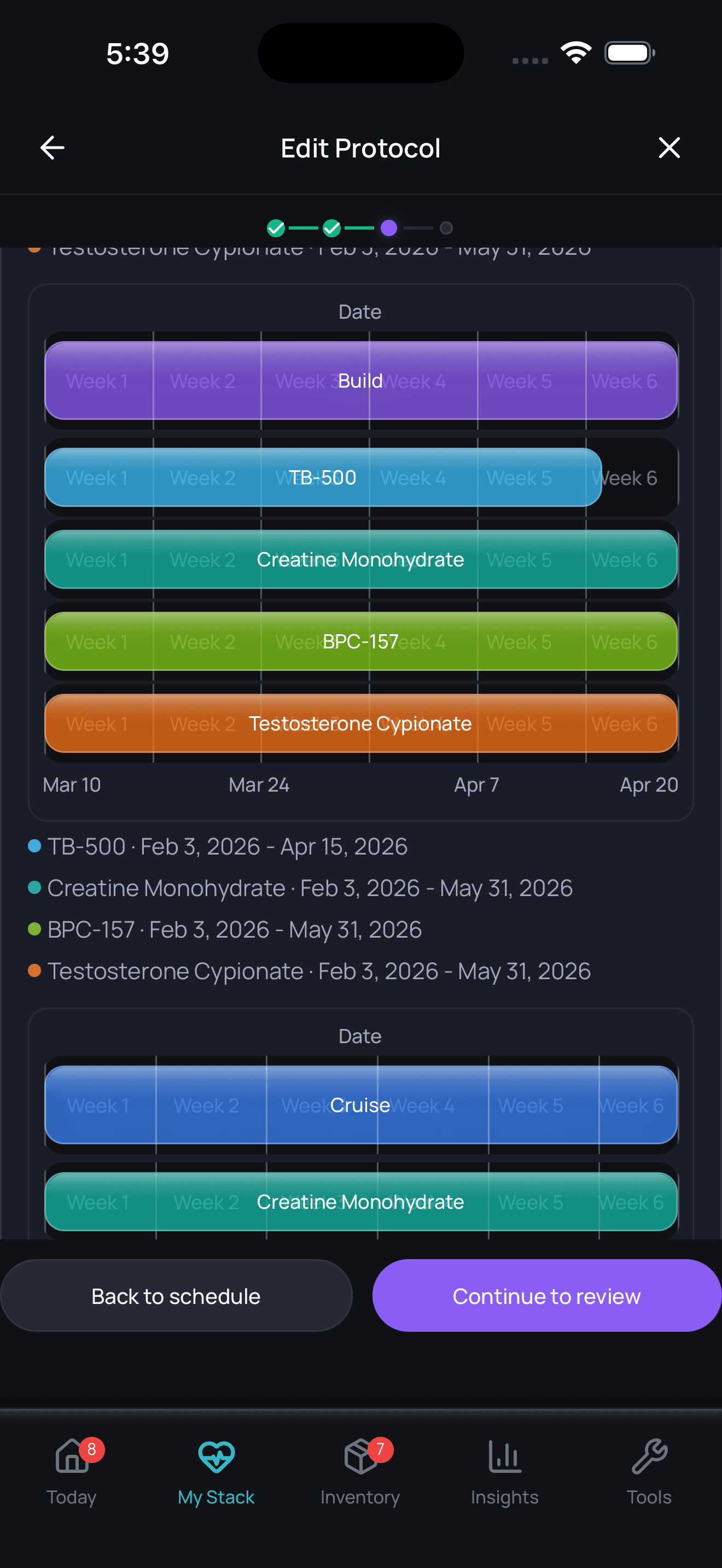
Planning views are organizational and should be aligned with professional guidance.
Research & Clinical Evidence
The Basics
The clinical evidence for ethinyl estradiol in HRT comes primarily from studies of the femhrt combination product (norethindrone acetate plus ethinyl estradiol). These studies demonstrate that even at very low doses, EE effectively reduces hot flashes and helps maintain bone density.
In clinical trials, treatment with the lowest dose of femhrt (0.5 mg norethindrone acetate/2.5 mcg ethinyl estradiol) significantly reduced the frequency and severity of moderate to severe hot flashes compared to placebo [5]. Dose-dependent effects were observed: higher doses produced faster and more complete symptom relief, with significant reductions in hot flash frequency appearing by Week 2 at the highest dose (1 mg NA/10 mcg EE) and by Week 5 at the lowest dose (0.5 mg NA/2.5 mcg EE) [9].
For bone health, a 2-year clinical trial showed that the lowest dose of femhrt increased lumbar spine bone mineral density by about 2.5-2.7% compared to decreases of about 2% in the placebo group [5]. Studies with higher doses of the norethindrone acetate/estradiol combination showed even greater gains, with lumbar spine increases of 5-7% over two years [10].
It is important to note that the large WHI trial, which shaped much of the current guidance on HRT risks and benefits, studied conjugated equine estrogens (Premarin) combined with medroxyprogesterone acetate (Provera), not ethinyl estradiol. While certain findings are considered class effects applicable to all oral estrogen-progestin combinations, the specific risk profile of EE may differ from CEE in some respects.
The Science
Vasomotor Symptoms:
In two randomized, double-blind, placebo-controlled studies (n=219 and n=266), varying dose combinations of NA/EE demonstrated dose-related decreases in hot flash frequency [9]. At the 0.5 mg NA/2.5 mcg EE dose, hot flash severity scores decreased significantly from baseline compared to placebo (p < 0.05) [9]. A pooled analysis of three RCTs confirmed that NA/EE 0.5 mg/2.5 mcg was associated with decreased frequency and intensity of vasomotor symptoms, with amenorrhea rates comparable to placebo [11].
Bone Mineral Density:
In a 2-year randomized, double-blind, placebo-controlled clinical trial, femhrt 0.5 mg/2.5 mcg produced statistically significant increases from baseline in lumbar spine BMD: +2.47% at 12 months and +2.68% at 24 months, compared to losses of -1.77% and -2.09% in the placebo group [5]. Studies with higher doses showed greater effects: 2 mg E2/1 mg NETA produced lumbar spine BMD increases of 6.8% ± 4.5% after 2 years [10]. One study of women with established osteoporosis found lumbar spine density increases of 8-10% and total skeleton increases of 3-5% after 12 months [12].
Endometrial Safety:
NETA provides effective endometrial protection against EE-induced proliferation. In a randomized controlled trial comparing placebo, unopposed estrogen, and combined E2/NETA at various doses, endometrial hyperplasia at 12 months was 14.6% with unopposed E2 1 mg but only 0.4% with the E2/NETA combination [13]. A 5-year follow-up study of 398 women on continuous E2/NETA found no cases of endometrial hyperplasia or malignancy [14].
Hemostatic Effects:
A comparative study of 10 mcg EE versus 2 mg estradiol valerate in 24 postmenopausal women found that EE, but not estradiol valerate, caused increased levels of factor VII:Ag, factor VIII:C, and beta-thromboglobulin, which may represent changes toward hypercoagulability [15]. The pattern of hemostatic changes induced by 10 mcg EE was similar to that seen with combined oral contraceptives, despite the much lower dose. Both estrogens decreased antithrombin III activity [15].
Cardiovascular:
The Papworth HRT Atherosclerosis Study (PHASE) evaluated 255 postmenopausal women with coronary artery disease randomized to transdermal E2 (with NETA if uterus intact) or placebo. There were 53 primary endpoint events in the hormone group versus 37 in the placebo group (HR 1.29, 95% CI 0.84-1.95) [16]. No randomized clinical trials have demonstrated cardiovascular benefit of postmenopausal hormone therapy containing EE compared to placebo.
Evidence & Effectiveness Matrix
Category
Vasomotor Symptoms
- Evidence Strength
- 8/10
- Reported Effectiveness
- 8/10
- Summary
- Strong RCT evidence of dose-dependent hot flash reduction. Community reports consistently positive.
Category
Bone Health & Osteoporosis
- Evidence Strength
- 8/10
- Reported Effectiveness
- 6/10
- Summary
- FDA-approved indication with strong BMD data from 2-year RCTs. Limited community reports on bone outcomes.
Category
Energy & Fatigue
- Evidence Strength
- 3/10
- Reported Effectiveness
- 7/10
- Summary
- No controlled trial data specific to EE. Community reports suggest improved energy but small sample.
Category
Joint & Musculoskeletal Health
- Evidence Strength
- 3/10
- Reported Effectiveness
- 7/10
- Summary
- No EE-specific clinical data. Community reports of joint pain relief consistent with estrogen class effect.
Category
Mood & Emotional Wellbeing
- Evidence Strength
- 4/10
- Reported Effectiveness
- 6/10
- Summary
- One study showed decreased depressed mood scores with E2/NETA vs placebo. Limited community data.
Category
Sleep Quality
- Evidence Strength
- 4/10
- Reported Effectiveness
- 6/10
- Summary
- Indirect evidence through vasomotor symptom reduction. Some community reports of improved sleep continuity.
Category
Endometrial Safety
- Evidence Strength
- 8/10
- Reported Effectiveness
- N/A
- Summary
- Strong clinical trial evidence that NETA component provides effective endometrial protection.
Category
Thrombotic Risk
- Evidence Strength
- 7/10
- Reported Effectiveness
- 4/10
- Summary
- Hemostatic studies show EE induces procoagulant changes even at low HRT doses. Community perception of higher risk.
Category
Breast Cancer Risk
- Evidence Strength
- 5/10
- Reported Effectiveness
- 3/10
- Summary
- No EE-specific breast cancer RCT data; WHI class-effect warnings apply. Community fear-driven discussion.
Category
Cardiovascular Health
- Evidence Strength
- 5/10
- Reported Effectiveness
- N/A
- Summary
- PHASE trial showed no benefit for secondary prevention. No primary prevention data specific to EE. Community data not yet collected.
Category
Genitourinary Health (GSM)
- Evidence Strength
- 3/10
- Reported Effectiveness
- N/A
- Summary
- EE is oral-only; limited data for GSM improvement compared to local vaginal estrogen. Community data not yet collected.
Category
Skin, Hair & Appearance
- Evidence Strength
- 2/10
- Reported Effectiveness
- N/A
- Summary
- Insufficient EE-specific data. Community data not yet collected.
Category
Sexual Function & Libido
- Evidence Strength
- 2/10
- Reported Effectiveness
- N/A
- Summary
- No EE-specific data. SHBG increase from oral EE may reduce free testosterone and potentially decrease libido. Community data not yet collected.
Category
Cognitive Function
- Evidence Strength
- 3/10
- Reported Effectiveness
- N/A
- Summary
- One fMRI study showed increased prefrontal cortex activation with E2/NETA for visual working memory tasks. Community data not yet collected.
Category
Headache & Migraine
- Evidence Strength
- 2/10
- Reported Effectiveness
- N/A
- Summary
- Insufficient data. Community data not yet collected.
Category
Anxiety & Stress Response
- Evidence Strength
- 3/10
- Reported Effectiveness
- N/A
- Summary
- One study noted decreased anxiety scores. Insufficient community data.
Category
Metabolic Health & Insulin Sensitivity
- Evidence Strength
- 3/10
- Reported Effectiveness
- N/A
- Summary
- EE may increase triglycerides. Insufficient community data.
Category
Body Composition & Weight
- Evidence Strength
- 2/10
- Reported Effectiveness
- N/A
- Summary
- Insufficient data. Community data not yet collected.
Category
Menstrual & Reproductive
- Evidence Strength
- 6/10
- Reported Effectiveness
- N/A
- Summary
- Clinical trial data shows higher amenorrhea rates with NA/EE (54.8%) vs CEE/MPA (17.1%). Community data not yet collected.
Category
Other Physical Symptoms
- Evidence Strength
- 1/10
- Reported Effectiveness
- N/A
- Summary
- Insufficient data. Community data not yet collected.
Benefits & Therapeutic Effects
The Basics
Ethinyl estradiol, as part of the femhrt combination, has demonstrated several meaningful benefits for menopausal women. The most well-documented benefit is relief from vasomotor symptoms. Clinical trials show that even at the lowest available dose (2.5 mcg EE), hot flash frequency and severity decrease significantly. Most women notice improvement within a few weeks, though the time to full effect varies by dose and individual.
The second FDA-approved indication is prevention of postmenopausal osteoporosis. Clinical data show that femhrt maintains and even modestly increases bone mineral density, helping to counteract the accelerated bone loss that occurs in the years following menopause.
Beyond these two primary indications, some women report improvements in energy levels, joint comfort, mood stability, and overall quality of life. One clinical study found significant improvements in anxiety, depressed mood, and sleep problems compared to placebo. Another notable finding: patients prescribed the NA/EE combination were 52% more likely to continue therapy compared to those on conjugated estrogen/medroxyprogesterone combinations, suggesting better overall tolerability or satisfaction [17].
A cost-effectiveness analysis found that NA/EE was more cost-effective than the CEE/MPA combination for menopausal symptom management (US$900/QALY gained versus US$20,300/QALY gained) [18].
The Science
Vasomotor Symptom Relief: RCT data demonstrate dose-dependent efficacy. At the 0.5 mg NA/2.5 mcg EE dose, 85% of women reported adequate relief of moderate to severe hot flushes in a 12-week trial [10]. Pooled analysis of three RCTs confirmed statistically significant reduction in hot flash frequency and severity versus placebo, with the magnitude and speed of response proportional to dose [9][11].
Bone Density Preservation: Lumbar spine BMD increased +2.68% at 24 months with femhrt 0.5 mg/2.5 mcg versus -2.09% with placebo [5]. Higher-dose NA/E2 combinations produced greater BMD gains (lumbar spine +5.4% with 1 mg E2/1 mg NETA; +6.8% ± 4.5% with 2 mg E2/1 mg NETA) [10][19]. In women with established osteoporosis, 12 months of treatment produced lumbar spine BMD increases of 8-10% [12]. Fracture endpoint data specific to EE-based HRT are not available; fracture reduction is extrapolated from BMD changes and from the WHI class-effect data.
Quality of Life: One study found significant decreases in severity of anxiety/fear, depressed mood, and sleep problems with daily E2/NETA compared to placebo in early postmenopausal women [20].
Continuation Rates: Women prescribed NA/EE had higher continuation rates compared to CEE/MPA, potentially reflecting favorable bleeding profiles. Amenorrhea rates were significantly higher with NA/EE (54.8%) compared to CEE/MPA (17.1%) at 6 months, and amenorrhea is a strong predictor of treatment continuation [21].
Risks, Side Effects & Safety
The Basics
Like all hormone therapy, ethinyl estradiol carries risks that need to be weighed against its benefits. The FDA-approved prescribing information for femhrt includes a boxed warning about cardiovascular disorders, probable dementia, breast cancer, and endometrial cancer, based largely on findings from the Women's Health Initiative.
The most common day-to-day side effects are headache (affecting about 22% of women in clinical trials), breast pain (about 10%), abdominal pain (about 10%), and mild fluid retention (about 7%) [5]. These tend to be most noticeable in the first few months and often improve over time.
A particular consideration with ethinyl estradiol is that it may have more pronounced effects on the liver compared to bioidentical estradiol. Even at the very low HRT doses, EE stimulates the liver to produce more clotting factors, more SHBG, and more triglycerides than equivalent therapeutic doses of bioidentical estradiol [1][15]. This is because EE is resistant to the normal liver breakdown that rapidly inactivates most of an oral estradiol dose. These liver effects are relevant to blood clot risk, which is why many current guidelines prefer transdermal estradiol (which bypasses the liver entirely) for women with clotting risk factors.
It is essential to put the serious risks in context using actual numbers rather than just percentages. The following data comes from the WHI study of CEE/MPA (not specifically EE/NA), but the FDA applies these warnings to all combined estrogen-progestin HRT as a class effect.
The Science
Common Side Effects (from clinical trials of femhrt 0.5 mg/2.5 mcg, n=679):
- Headache: 22%
- Abdominal pain: 10%
- Breast pain: 10%
- Edema (generalized): 7%
- Sinusitis: 6%
- Nausea: 4%
- Accidental injury: 4% [5]
Serious Risks (absolute numbers from WHI, applied as class effect):
Venous Thromboembolism (VTE):
The WHI estrogen-plus-progestin arm reported VTE rates of 35 versus 17 per 10,000 women-years (approximately 18 additional VTE events per 10,000 women per year). DVT: 26 versus 13 per 10,000 women-years. Pulmonary embolism: 18 versus 8 per 10,000 women-years [5]. A meta-analysis of four trials reported a relative risk of PE of 2.16 (95% CI 1.47-3.18) [10].
EE-specific hemostatic data raise additional concern: even 10 mcg of EE induced increases in factor VII:Ag, factor VIII:C, and beta-thromboglobulin in postmenopausal women, a pattern of procoagulant changes similar to that seen with combined oral contraceptives, in contrast to 2 mg estradiol valerate which did not produce these changes [15]. This suggests that the thrombotic risk profile of oral EE may be more pronounced than that of oral bioidentical estradiol, although no head-to-head clinical outcome studies comparing VTE rates between EE-based HRT and estradiol-based HRT have been conducted.
Route-stratified risk: Ethinyl estradiol is available only in oral form for HRT. Transdermal estradiol consistently shows no significant VTE risk increase across multiple studies, including the ESTHER study (adjusted OR 0.9, 95% CI 0.4-2.1 for transdermal estrogen) [22]. Women with VTE risk factors (obesity, thrombophilia, prior VTE, immobility) should discuss with their provider whether transdermal estradiol would be a more appropriate choice than oral EE.
Stroke:
WHI estrogen-plus-progestin arm: 33 versus 25 strokes per 10,000 women-years (8 additional strokes per 10,000 women per year). In women aged 50-59 receiving estrogen alone, no increased risk was observed (18 versus 21 per 10,000 women-years) [5]. The PHASE trial reported 5/134 nonfatal strokes in the E2/NETA group versus 3/121 in placebo (OR 1.50) [16].
Breast Cancer:
WHI estrogen-plus-progestin arm: HR 1.24 (95% CI 1.01-1.54), corresponding to approximately 8 additional invasive breast cancer cases per 10,000 women per year (38 versus 30 per 10,000) [23]. The WHI estrogen-alone arm showed a non-significant reduction in breast cancer risk (HR 0.77, 95% CI 0.59-1.01) [24]. No breast cancer outcome data specific to the NA/EE combination exist. The type of progestogen may influence breast cancer risk, with some evidence suggesting micronized progesterone has a more favorable profile than synthetic progestins, though norethindrone acetate has not been specifically implicated at the level of MPA [25].
Endometrial Cancer:
Unopposed estrogen increases endometrial cancer risk. The norethindrone acetate in femhrt provides effective endometrial protection: hyperplasia rates of 0.4% with combination therapy versus 14.6% with unopposed estrogen at 12 months [13]. A 5-year study found no endometrial hyperplasia or malignancy in women on continuous E2/NETA [14].
Gallbladder Disease:
Oral estrogens increase the risk of gallbladder disease. This is a class effect applying to all oral estrogen formulations, including EE.
Risk Modifiers:
- Smoking dramatically amplifies cardiovascular risk with any oral estrogen, including EE
- Obesity increases VTE risk independently and in combination with oral HRT
- Family or personal history of VTE is a strong contraindication to oral EE; transdermal estradiol may be considered instead
- Thrombophilia (protein C, protein S, or antithrombin deficiency) is an absolute contraindication to femhrt [5]
Contraindications (Absolute):
- Undiagnosed abnormal genital bleeding
- Known or suspected breast cancer or history of breast cancer
- Known or suspected estrogen-dependent neoplasia
- Active or history of DVT, PE, or arterial thromboembolic disease
- Hepatic impairment or disease
- Known thrombophilic disorders (protein C/S/antithrombin deficiency)
- Known hypersensitivity to femhrt components
- Pregnancy [5]
Understanding your personal risk profile isn't a one-time calculation; it evolves as your treatment progresses. Doserly helps you see the bigger picture by analyzing side effect patterns over time, showing whether issues are resolving, persisting, or emerging as your body adjusts to therapy.
The app's analytics can reveal connections between side effects and specific aspects of your protocol, like whether symptoms correlate with a particular point in your patch cycle or a recent dose change. This kind of insight helps you and your provider make informed adjustments based on your actual experience, not just population-level averages.
Capture changes while they are still fresh.
Log symptoms, energy, sleep, mood, and other observations alongside protocol events so patterns do not live only in memory.
Trend view
Symptom timeline
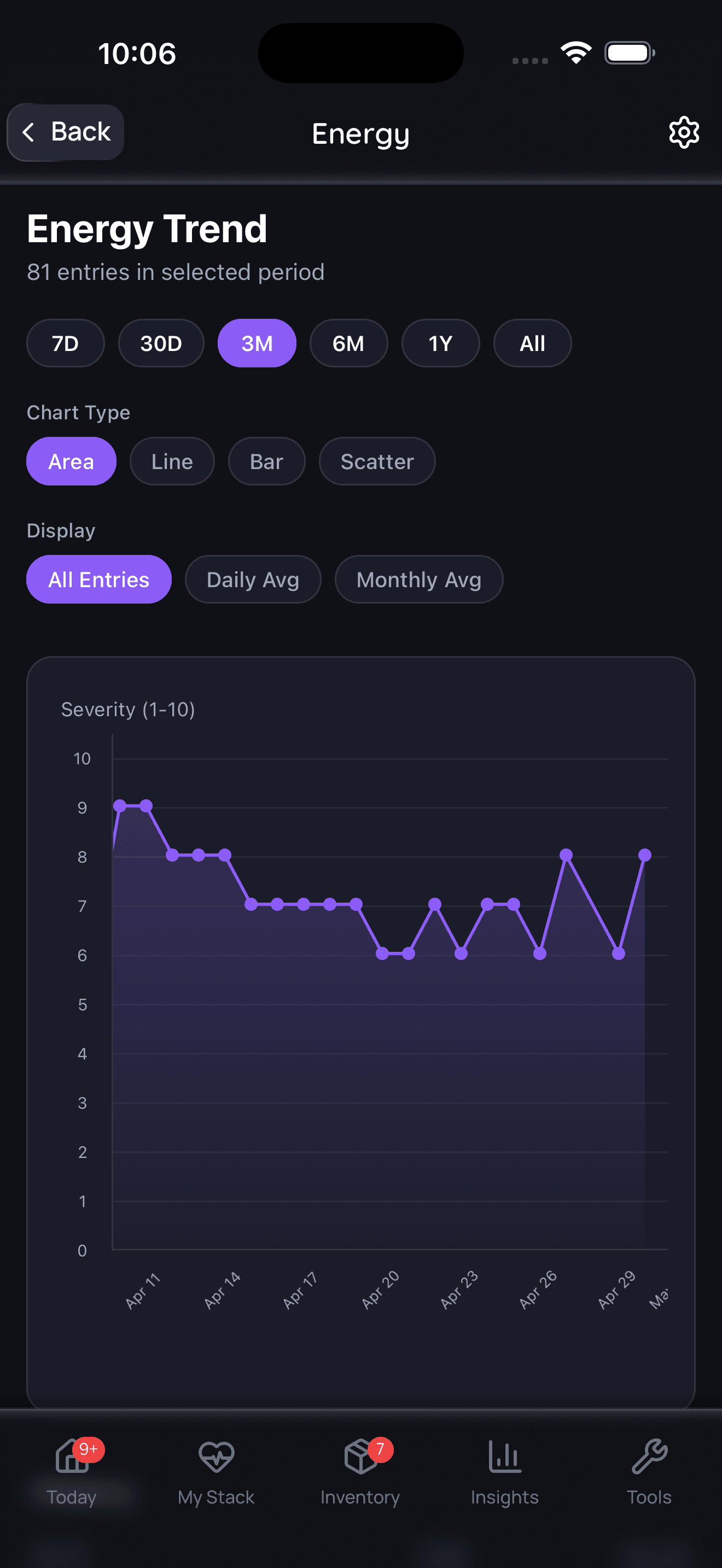
Symptom tracking is informational and should be interpreted with a qualified clinician.
Dosing & Treatment Protocols
The Basics
Ethinyl estradiol for HRT is always prescribed as part of a combination tablet with norethindrone acetate. The two available dose levels are designed to provide flexibility, with current guidelines recommending starting at the lowest effective dose.
The lower dose (0.5 mg norethindrone acetate / 2.5 mcg ethinyl estradiol) is the standard starting point for both vasomotor symptom treatment and osteoporosis prevention. If symptom relief is inadequate after an appropriate trial period (typically 8-12 weeks), a healthcare provider may consider increasing to the higher dose (1 mg NA / 5 mcg EE) or switching to a different estrogen preparation or delivery route.
Both doses are taken as one tablet daily, at approximately the same time each day. There is no need for cyclical dosing (the "3 weeks on, 1 week off" pattern sometimes used with other estrogen formulations); femhrt is designed for continuous daily use.
The Science
Available Doses:
Formulation
femhrt low dose
- Norethindrone Acetate
- 0.5 mg
- Ethinyl Estradiol
- 2.5 mcg
- Indication
- Vasomotor symptoms; osteoporosis prevention
Formulation
femhrt standard dose
- Norethindrone Acetate
- 1.0 mg
- Ethinyl Estradiol
- 5.0 mcg
- Indication
- Vasomotor symptoms (if low dose insufficient)
Dose Titration:
Clinical trial data show that the onset of significant hot flash reduction is dose-dependent: Week 2 for 1 mg NA/10 mcg EE, Week 3 for 1 mg NA/5 mcg EE, and Week 5 for 0.5 mg NA/2.5 mcg EE [9]. Providers typically recommend a trial of at least 8-12 weeks at the starting dose before considering adjustment.
Administration: One tablet orally once daily. The FDA label recommends taking at the same time each day for consistent blood levels. A missed dose should be taken as soon as remembered; if it is almost time for the next dose, skip the missed dose. Do not double doses [5].
Progestogen Coverage: The norethindrone acetate component provides continuous progestogen coverage, eliminating the need for separate progestin supplementation. This is appropriate only for women with an intact uterus. Women who have had a hysterectomy do not need the progestogen component and would typically be prescribed an estrogen-only formulation (not EE-based).
Duration: Guidelines recommend using HRT at the lowest effective dose for the shortest duration consistent with treatment goals. Periodic reassessment (every 3-6 months initially, then annually) is recommended to determine whether continued therapy is warranted [5].
Dosing protocols often change over the course of treatment: starting doses get adjusted, routes get switched, timing gets refined. Doserly maintains a complete history of every protocol change, giving you and your provider a clear picture of what's been tried and how each adjustment affected your symptoms.
The app's adherence analytics show your consistency patterns and can highlight whether missed doses or timing variations correlate with symptom changes. When your provider is considering a dose adjustment, having this data available makes the conversation more productive and the decision more informed.
Track injection timing, draw notes, and site rotation.
Doserly helps keep syringe-related notes, injection site history, reminders, and reconstitution context together for easier review.
Injection log
Site rotation
Injection logs support record-keeping; follow clinician instructions for administration.
What to Expect (Timeline)
Days 1-7: Initial adjustment period. Some women notice rapid improvement in hot flashes, particularly at higher doses. Common early side effects include breast tenderness, mild bloating, headache, and nausea. Light spotting or breakthrough bleeding may occur.
Weeks 2-4: At the lowest dose (2.5 mcg EE), significant vasomotor improvement typically begins around Week 5. At higher doses (5-10 mcg EE), improvement may begin as early as Week 2. Early side effects like breast tenderness and nausea often begin to settle. Mood stability may begin improving.
Months 1-3: Most women experience meaningful hot flash reduction by this point. Sleep quality typically improves as night sweats decrease. Energy levels often increase. Joint discomfort may ease. Breakthrough bleeding, if present, usually resolves. This is a reasonable point for an initial follow-up with your healthcare provider.
Months 3-6: Full therapeutic effect for vasomotor symptoms is typically achieved. Bone density stabilization begins (measurable BMD changes require longer treatment). Amenorrhea rates with NA/EE are notably high (54.8% at 6 months), which many women consider a benefit. Genitourinary symptoms may improve, though local vaginal estrogen may still be needed for significant vaginal dryness.
Ongoing Maintenance: Annual review with healthcare provider to reassess symptom status, side effects, and continued need for therapy. Regular breast screening per national guidelines. Lipid panel and blood pressure monitoring. Endometrial monitoring if any abnormal bleeding occurs.
Timing Hypothesis & Window of Opportunity
The timing hypothesis proposes that HRT initiated within 10 years of menopause onset, or before age 60, may have a more favorable risk-benefit profile than therapy started later. This concept is supported by several lines of evidence, though no RCT has been specifically designed to test it definitively.
The WHI age subgroup analyses found that women aged 50-59 receiving estrogen alone had no increased stroke risk (18 versus 21 per 10,000 women-years) and a trend toward reduced coronary heart disease events (8 versus 16 per 10,000 women-years), in contrast to the overall study population (average age 63) where risks were more apparent [5]. The KEEPS trial studied younger, recently menopausal women and found no adverse cardiovascular signal with HRT over 4 years. The ELITE trial demonstrated that estradiol slowed carotid artery intima-media thickness progression when initiated within 6 years of menopause but not when initiated 10+ years after menopause.
For ethinyl estradiol specifically, there are no timing-specific studies. The general timing hypothesis findings are considered applicable as a class effect, and EE-based HRT is most commonly prescribed in the early postmenopausal period, consistent with current guidelines. Women considering starting any HRT, including EE-based products, well after the 10-year window should discuss the potential differences in risk-benefit balance with their healthcare provider.
Interactions & Compatibility
Drug-Drug Interactions:
- CYP3A4 Inducers (rifampin, phenobarbital, carbamazepine, St. John's Wort): May decrease EE plasma concentrations, potentially reducing efficacy. Consider dose adjustment or alternative estrogen preparation [5].
- CYP3A4 Inhibitors (erythromycin, clarithromycin, ketoconazole, itraconazole, ritonavir, grapefruit juice): May increase EE plasma concentrations, potentially increasing side effects [5].
- Thyroid Medications: Oral estrogens including EE increase thyroxine-binding globulin (TBG), which may necessitate increased levothyroxine doses. Monitor thyroid function after starting, changing, or stopping EE therapy [5].
- Lamotrigine: EE significantly reduces lamotrigine levels, potentially decreasing seizure control. This is a specific and clinically important interaction with EE that does not apply equally to all estrogens. Dosage adjustments of lamotrigine may be necessary. Women on lamotrigine should discuss this interaction carefully with their provider; transdermal estradiol may be a better option. See Gabapentin for Menopause for non-hormonal alternative information.
- Anticoagulants (warfarin): EE may alter warfarin requirements. Monitor INR closely when starting or stopping EE therapy.
- Hepatitis C Drugs: Co-administration with combinations containing ombitasvir/paritaprevir/ritonavir is contraindicated [5].
Supplement Interactions:
- St. John's Wort: CYP3A4 inducer that reduces EE levels. Avoid concurrent use.
- Calcium and Vitamin D: No negative interaction; generally recommended for bone health alongside HRT. See Calcium and Vitamin D.
- Black Cohosh: Limited interaction data with EE specifically. Some women use it as a complementary approach. See Black Cohosh.
Lifestyle Factors:
- Smoking: Dramatically increases cardiovascular and VTE risk with oral estrogens. The femhrt label notes that cigarette smoking increases the risk of serious cardiovascular events.
- Alcohol: Modest interaction with liver metabolism. Acute alcohol ingestion may lead to elevations in circulating estrogen concentrations [5].
- Grapefruit: CYP3A4 inhibitor. Avoid regular grapefruit consumption while taking EE to prevent unpredictable increases in estrogen levels.
Related Guides: Estradiol | Norethindrone Acetate | Conjugated Equine Estrogens | EE + Norethindrone (FemHrt)
Decision-Making Framework
Choosing whether ethinyl estradiol-based HRT is appropriate involves a shared decision-making process between you and your healthcare provider. EE occupies a specific niche in the HRT landscape, and understanding when it might be a good fit (and when alternatives might be preferable) is empowering.
When EE-based HRT may be considered:
- Women transitioning from birth control pills (which contain EE) to HRT, as the estrogen component is familiar
- Women who prefer a single combination tablet for convenience
- Women for whom cost is a significant factor (generic NA/EE can be less expensive than some branded alternatives)
- Women who have responded well to EE-containing products in the past
When alternatives may be preferable:
- Women with elevated VTE risk (family history, obesity, smoking, thrombophilia): transdermal estradiol bypasses first-pass hepatic effects
- Women taking lamotrigine for seizure disorders: EE specifically interacts with lamotrigine; transdermal estradiol may not
- Women who prefer transdermal, vaginal, or other non-oral delivery routes (EE is oral-only)
- Women who prioritize "bioidentical" hormone therapy
- Women with hypertriglyceridemia or liver disease
Questions to discuss with your provider:
- Is oral estrogen appropriate for my risk profile, or would transdermal be safer?
- What is the difference between ethinyl estradiol and bioidentical estradiol?
- Given my specific risk factors, what is the absolute increase in VTE or cardiovascular risk with this medication?
- How will starting this medication affect my thyroid or other medications?
- How long should I plan to take this medication?
Finding a menopause specialist: The Menopause Society (formerly NAMS) maintains a directory of Certified Menopause Practitioners at portal.menopause.org. ISSWSH (International Society for the Study of Women's Sexual Health) also maintains a provider directory.
Administration & Practical Guide
Ethinyl estradiol for HRT is available only as an oral tablet. Administration is straightforward:
Daily Routine:
- Take one tablet by mouth once daily
- Take at approximately the same time each day for consistent blood levels
- Can be taken with or without food
- Store at room temperature (68-77°F / 20-25°C)
Missed Doses:
- Take the missed dose as soon as you remember
- If it is almost time for your next dose, skip the missed dose
- Do not take two doses at the same time
- Forgetting a dose may increase the likelihood of breakthrough bleeding
Practical Tips:
- Setting a daily alarm or using a medication tracking app can help maintain consistency
- Some women find it helpful to pair their HRT tablet with another daily routine (morning coffee, brushing teeth)
- Keep your prescription current; plan ahead for refills to avoid gaps in therapy
Important Reminders:
- This medication requires a prescription; do not share with others
- If you need major surgery or will be on prolonged bed rest, notify your surgeon that you are taking this medication, as it may need to be temporarily discontinued (typically 4-6 weeks before surgery)
- Attend regular check-ups (every 3-6 months initially, then annually) to reassess whether continued therapy is appropriate
Monitoring & Lab Work
Pre-HRT Baseline:
- Complete medical history and physical examination
- Blood pressure measurement
- Mammogram (per age-appropriate screening guidelines)
- Lipid panel (fasting cholesterol, triglycerides, LDL, HDL)
- Liver function tests
- Thyroid function tests (especially important because EE increases TBG)
- Bone density assessment (DEXA scan) if osteoporosis prevention is an indication
- Pelvic examination
Initial Follow-Up (4-12 weeks):
- Symptom assessment (vasomotor relief, side effects)
- Blood pressure check
- Assessment of any abnormal bleeding
- Thyroid function recheck if on thyroid replacement therapy
- Consider dose adjustment if symptom relief is inadequate
Ongoing Monitoring:
- Annual visits: Comprehensive reassessment of symptoms, side effects, and continued need for therapy
- Mammography: Per national screening guidelines (typically annual or biennial depending on age and risk)
- Lipid panel: Annual, particularly important because EE can increase triglycerides
- Liver function: Periodic monitoring, especially in the first year
- Thyroid function: Recheck if on thyroid replacement; EE increases TBG and may require levothyroxine dose adjustment
- Blood pressure: Regular monitoring
- Endometrial monitoring: Transvaginal ultrasound if abnormal vaginal bleeding occurs
- DEXA scan: Per osteoporosis screening guidelines (typically every 2 years if indicated)
Important Note on Hormone Level Monitoring: Standard serum estradiol assays do NOT detect ethinyl estradiol. Monitoring EE therapy through blood tests is not the standard approach. Instead, clinical response (symptom relief and absence of adverse effects) guides treatment decisions.
Complementary Approaches & Lifestyle
Evidence-based strategies that can complement EE-based HRT or serve as additional support:
Supplements:
- Vitamin D: Essential for calcium absorption and bone health. Most guidelines recommend 600-800 IU daily, with higher doses (1000-2000 IU) for those at risk of deficiency. See Vitamin D.
- Calcium: 1000-1200 mg daily from diet and supplements combined, important for osteoporosis prevention alongside HRT. See Calcium.
- Omega-3 Fatty Acids: May support cardiovascular health and reduce inflammation. See Omega-3.
- Magnesium: May support sleep quality and muscle relaxation. See Magnesium.
Exercise:
- Weight-bearing exercise (walking, jogging, dancing) supports bone density
- Resistance training helps maintain muscle mass and supports metabolic health
- Cardiovascular exercise supports heart health
- Balance training reduces fall risk (relevant for osteoporosis prevention)
Diet:
- Mediterranean dietary pattern is associated with reduced cardiovascular risk and improved metabolic health
- Calcium-rich foods (dairy, fortified plant milks, leafy greens)
- Phytoestrogen-rich foods (soy, flaxseed) may provide modest additional symptom support
- Limiting alcohol (interacts with liver metabolism of EE) and caffeine
Sleep Hygiene:
- Consistent sleep schedule
- Cool bedroom temperature (helpful for managing residual hot flashes)
- Limiting screen time before bed
- CBT for insomnia (CBT-I) is evidence-based and available through apps and therapists
Stress Management:
- Mind-body practices (yoga, meditation, deep breathing)
- Regular physical activity
- Social connection and support
Stopping HRT / Discontinuation
When to Consider Stopping:
- After 2-5 years of use, periodic reassessment of continued need is standard practice
- If risk factors change (new VTE, breast cancer diagnosis, liver disease)
- If symptoms have resolved and are unlikely to recur
- If the woman and her provider determine the risk-benefit balance no longer favors continued use
Tapering vs. Abrupt Cessation:
There is no single "correct" approach to stopping EE-based HRT. Options include:
- Gradual dose reduction (if available in the formulation)
- Switching to a lower-dose estrogen preparation before stopping entirely
- Switching to transdermal estradiol at a reduced dose as a step-down
- Abrupt cessation (simpler but may cause more symptom recurrence)
Symptom Recurrence:
An estimated 50% of women experience some return of vasomotor symptoms after stopping HRT. The severity of recurrence varies widely, and symptoms are typically similar in intensity to pre-treatment levels (not worse). Recurrence tends to be more likely in women who had severe symptoms initially and in those who stop abruptly.
Transition Options:
- Low-dose vaginal estrogen can continue even after systemic HRT is stopped, for persistent genitourinary symptoms
- Non-hormonal alternatives (fezolinetant, gabapentin, SSRIs/SNRIs) can manage persistent vasomotor symptoms. See Fezolinetant (Veozah) and Gabapentin for Menopause.
- Lifestyle modifications (layered clothing, fan, cool environment, stress reduction)
What to Monitor During Discontinuation:
- Symptom diary to track recurrence
- Bone density follow-up (DEXA scan) if osteoporosis prevention was an indication
- Cardiovascular risk reassessment
Special Populations & Situations
Breast Cancer Survivors
Systemic HRT, including EE-based products, is generally contraindicated in women with a history of breast cancer. The HABITS trial demonstrated a significant increase in breast cancer recurrence with HRT (HR 3.3, 95% CI 1.5-7.4) [26]. Non-hormonal alternatives should be considered for symptom management.
Premature Ovarian Insufficiency (POI)
Women with POI (menopause before age 40) require hormone replacement until at least the typical age of natural menopause (approximately 51) for cardiovascular and bone protection. While EE-based products can be used, many specialists prefer bioidentical estradiol (transdermal) for this population to minimize hepatic effects during the potentially longer duration of therapy.
Surgical Menopause / Oophorectomy
Women who undergo bilateral oophorectomy experience abrupt hormone loss and typically need higher initial HRT doses. EE-based HRT is one option, though estrogen-only therapy (without progestogen) is appropriate if the uterus has been removed, making the NA/EE combination unnecessary.
Cardiovascular Disease History
Women with established cardiovascular disease should not use HRT for secondary prevention. The PHASE trial of E2/NETA in women with coronary artery disease showed no cardiovascular benefit (HR 1.29, 95% CI 0.84-1.95) [16]. If HRT is considered for severe symptoms, transdermal estradiol is generally preferred over oral EE due to more favorable hepatic and hemostatic profiles.
History of VTE
Oral estrogens, including EE, are generally contraindicated in women with a history of VTE. Transdermal estradiol does not appear to increase VTE risk and may be considered with specialist guidance.
Migraine with Aura
Stable estrogen delivery is important for women with migraine. Oral EE's relatively long half-life (~24 hours) may provide more stable levels than short-acting oral estradiol, but transdermal estradiol is generally preferred because it provides the most consistent blood levels and avoids first-pass hepatic effects.
Thrombophilia
Protein C, protein S, or antithrombin deficiency, or other known thrombophilic disorders, are absolute contraindications to femhrt [5].
Thyroid Disorders
EE increases thyroxine-binding globulin (TBG), which can increase total T4 levels while reducing free T4 availability. Women on thyroid replacement therapy may need dose adjustments when starting, changing, or stopping EE-based HRT. Monitor thyroid function regularly.
Regulatory, Insurance & International
United States (FDA):
- femhrt: NDA 021065, approved 1968 for vasomotor symptoms and osteoporosis prevention
- Available as brand (femhrt) and multiple generics (Fyavolv, Jinteli, Jevantique Lo)
- Requires prescription; DEA Schedule: None
- Generic availability has improved affordability; generic NA/EE cash price approximately $70-150/month (pricing varies)
- Covered by most commercial insurance plans; some may require prior authorization
- Not available as a standalone ethinyl estradiol product for HRT (only in combination with norethindrone acetate)
International Availability:
EE-based HRT products have become less common internationally as prescribing has shifted toward bioidentical estradiol. Specific brand names and availability vary by country. In many markets, EE is primarily available as a component of oral contraceptive products rather than dedicated HRT formulations.
Compounded vs. FDA-Approved:
Ethinyl estradiol is not commonly compounded for HRT. FDA-approved combination products (femhrt and generics) are the standard. There is no clinical rationale for compounding EE given its availability in standardized, FDA-approved dosage forms.
Frequently Asked Questions
Q: Is ethinyl estradiol the same as estradiol?
A: No. Ethinyl estradiol is a synthetic modification of estradiol that includes an ethinyl group at the C-17 position. This makes it significantly more potent, gives it different pharmacokinetic properties, and causes more pronounced effects on the liver. Bioidentical estradiol (found in patches, gels, and some oral products) is chemically identical to the estrogen your body naturally produces.
Q: Why is ethinyl estradiol dosed in micrograms while other estrogens are in milligrams?
A: Because EE is approximately 75-1,000 times more potent per weight than other estrogen preparations. A 2.5 microgram dose of EE can provide therapeutic estrogen activity comparable to much larger doses of other estrogens.
Q: Can my doctor monitor my estrogen levels on femhrt?
A: Standard serum estradiol blood tests do not detect ethinyl estradiol. Treatment monitoring is based on clinical response (symptom relief and absence of side effects) rather than blood levels.
Q: Is ethinyl estradiol more dangerous than bioidentical estradiol?
A: The evidence suggests that EE has more pronounced effects on the liver than bioidentical estradiol, including greater increases in clotting factors, SHBG, and triglycerides. Whether this translates to meaningfully higher clinical risk at ultra-low HRT doses (2.5-5 mcg) has not been definitively established in head-to-head clinical outcome studies. Many providers now prefer bioidentical estradiol, particularly in transdermal form, based on the more favorable hepatic profile.
Q: Can I take femhrt if I've had a hysterectomy?
A: Femhrt contains both estrogen (EE) and progestogen (norethindrone acetate). Women without a uterus do not need the progestogen component. An estrogen-only product would typically be more appropriate after hysterectomy.
Q: Is femhrt the same as a birth control pill?
A: While both contain ethinyl estradiol combined with a progestogen, the doses are very different. Birth control pills typically contain 20-50 mcg of EE, while femhrt contains only 2.5-5 mcg. The much lower HRT dose is designed for symptom management, not contraception. Femhrt does not prevent pregnancy.
Q: How long can I take femhrt?
A: There is no single answer. Current guidelines recommend using HRT at the lowest effective dose for the shortest duration consistent with treatment goals. Your provider should reassess your need for therapy periodically (at least annually). Some women use HRT for only a few years, while others continue longer based on individual circumstances.
Q: Will I gain weight on femhrt?
A: Weight gain is not among the most commonly reported side effects in clinical trials. Some women report mild fluid retention (edema occurred in about 7% of trial participants). Menopause itself is associated with body composition changes regardless of HRT use. A healthcare provider can help distinguish medication effects from age-related changes.
Q: Can I switch from birth control pills to femhrt?
A: This is a relatively common transition, particularly for women in late perimenopause. The transition from higher-dose EE in birth control to lower-dose EE in femhrt should be managed by a healthcare provider, who will determine the appropriate timing and approach based on individual circumstances.
Q: Does femhrt interact with my thyroid medication?
A: Yes. EE increases thyroxine-binding globulin, which can affect thyroid hormone availability. Women taking levothyroxine may need dose adjustments. Thyroid function should be monitored when starting, changing, or stopping EE-based HRT.
Myth vs. Fact
Myth: Ethinyl estradiol is the same thing as the estradiol in patches and gels.
Fact: They are chemically different compounds. Ethinyl estradiol has an added ethinyl group that makes it 75-1,000 times more potent and gives it different pharmacokinetic and hepatic effects. The estradiol in patches and gels is bioidentical to the estrogen your body naturally produces [1][2].
Myth: The femhrt dose of ethinyl estradiol (2.5-5 mcg) carries the same risks as birth control pills (20-50 mcg EE).
Fact: Dose matters. The amount of EE in HRT formulations is 4-20 times lower than in birth control pills. However, even at the lower HRT doses, EE does produce measurable hepatic effects (increased clotting factors, SHBG, triglycerides), so the risk is not zero [15].
Myth: HRT causes breast cancer.
Fact: The relationship is more nuanced. The WHI found that combined estrogen-progestin therapy was associated with an additional 8 breast cancer cases per 10,000 women per year (38 vs 30 per 10,000). Estrogen-alone therapy actually showed a non-significant trend toward reduced breast cancer risk. The type of progestogen, duration of use, and timing of initiation all influence the risk [23][24].
Myth: If my blood test shows normal estrogen levels while on femhrt, the medication is not working.
Fact: Standard serum estradiol blood tests cannot detect ethinyl estradiol. Normal estradiol levels on femhrt do not mean the medication is inactive; it means the test is not measuring the right estrogen. Treatment response should be assessed by symptom improvement, not blood levels [1].
Myth: Natural or bioidentical hormones are always safer than synthetic hormones like ethinyl estradiol.
Fact: The terms "natural" and "bioidentical" do not automatically mean safer. FDA-approved bioidentical estradiol (especially transdermal) does have a more favorable hepatic and thrombotic risk profile than oral EE. However, compounded "bioidentical" products are not FDA-approved, lack standardized testing, and may have quality control concerns. Safety depends on the specific medication, dose, route, and individual risk factors, not simply the label "natural" or "synthetic" [1][6].
Myth: You should only take HRT for 5 years maximum.
Fact: The 5-year guideline is outdated. Current recommendations from the Menopause Society and Endocrine Society emphasize individualized duration assessment. Some women benefit from longer-term use, and the decision should be based on ongoing risk-benefit evaluation with a healthcare provider, not an arbitrary time limit.
Myth: Once you stop HRT, symptoms always come back worse than before.
Fact: Approximately 50% of women experience some symptom recurrence after stopping HRT, but severity is typically similar to pre-treatment levels, not worse. Gradual tapering may reduce the likelihood and intensity of recurrence compared to abrupt cessation.
Myth: Oral estrogen is fine for everyone; the route doesn't matter.
Fact: Route of administration significantly affects the risk profile. All oral estrogens (including EE) undergo first-pass hepatic metabolism, which increases clotting factors, SHBG, and triglycerides. Transdermal estradiol bypasses the liver and has a more favorable cardiovascular and thrombotic risk profile. For women with VTE risk factors, liver disease, hypertriglyceridemia, or migraine with aura, transdermal estradiol is generally preferred [1][6][22].
Sources & References
Clinical Guidelines
- Notelovitz M. Clinical Opinion: The Biologic and Pharmacologic Principles of Estrogen Therapy for Symptomatic Menopause. MedGenMed. 2006;8(1):85. PMC1682006.
- Stanczyk F. Estrogens used for replacement therapy in postmenopausal women. Gynecol Endocrinol. 2001;15(suppl 4):17-25.
- Goldzieher JW, Brody SA. Pharmacokinetics of ethinyl estradiol and mestranol. Am J Obstet Gynecol. 1990;163:2114-2119.
- Kuhl H. Pharmacology of estrogens and progestogens: influence of different routes of administration. Climacteric. 2005;8:3-63.
FDA Labeling and Drug Information
- femhrt (norethindrone acetate/ethinyl estradiol tablets) Full Prescribing Information. FDA Reference ID: 5176285. Revised 5/2023.
- Harper-Harrison G, Carlson K, Shanahan MM. Hormone Replacement Therapy. StatPearls. Updated 2024. NBK493191.
Clinical Studies
- Nilsson S, Makela S, Treuter E, et al. Mechanism of estrogen action. Physiol Rev. 2001;81:1535-1565.
- Ansbacher R. The pharmacokinetics and efficacy of different estrogens are not equivalent. Am J Obstet Gynecol. 2001;184:255-263.
- Speroff L, et al. The effect of varying low-dose combinations of norethindrone acetate and ethinyl estradiol on the frequency and severity of hot flashes. Menopause. 2000.
- Casey CL, Murray CA. HT update: spotlight on estradiol/norethindrone acetate combination therapy. Clin Interv Aging. 2008;3(1):9-16. PMC2544373.
- Rowan JP, Simon JA, Speroff L, et al. Effects of low-dose norethindrone acetate plus ethinyl estradiol (0.5 mg/2.5 mcg) in women with postmenopausal symptoms: updated analysis of three randomized controlled trials. Clin Ther. 2006;28:921-932.
- Christiansen C, Riis B. 17β-Estradiol and continuous norethisterone: a unique treatment for established osteoporosis in elderly women. J Clin Endocrinol Metab. 1990;71:836-841.
- Kurman RJ, Felix JC, Archer DF, et al. Norethindrone acetate and estradiol-induced endometrial hyperplasia. Obstet Gynecol. 2000;96:373-379.
- Wells M, Sturdee DW, Barlow DH, et al. Effect on endometrium of long term treatment with continuous combined oestrogen-progestogen replacement therapy: follow up study. BMJ. 2002;325:239.
Hemostatic and Safety Studies
- Nordin BE, et al. A comparison between effects of estradiol valerate and low dose ethinyl estradiol on haemostasis parameters. Thromb Haemost. 1989.
- Clark SC, Kelleher J, Lloyd-Jones H, et al. A study of hormone replacement therapy in postmenopausal women with ischaemic heart disease: the Papworth HRT atherosclerosis study. BJOG. 2002;109:1056-1062.
Treatment Outcomes and Cost-Effectiveness
- Simon JA, Wysocki S, Brandman J, et al. A comparison of therapy continuation rates of different hormone replacement agents: a 9-month retrospective, longitudinal analysis of pharmacy claims among new users. Menopause. 2003;10:37-44.
- Coyle D, Cranney A, Tugwell P. Economic evaluation of norethisterone acetate/ethinyl estradiol (FemHRT) for women with menopausal symptoms. Pharmacoeconomics. 2003;21:661-669.
- Roux C, Pelissier C, Fechtenbaum, et al. Randomized, double-masked, 2-year comparison of tibolone with 17beta-estradiol and norethindrone acetate in preventing postmenopausal bone loss. Osteoporos Int. 2002;13:241-248.
- Gambacciani M, Ciaponi M, et al. Effects of low-dose continuous combined estradiol and norethisterone acetate on menopausal quality of life in early postmenopausal women. Maturitas. 2003;44:157-163.
- Johnson JV, Davidson M, Archer D, et al. Postmenopausal uterine bleeding profiles with two forms of continuous combined hormone replacement therapy. Menopause. 2002;9:3-5.
VTE and Cardiovascular Data
- Canonico M, et al. Hormone therapy and venous thromboembolism among postmenopausal women: impact of the route of estrogen administration and progestogens: the ESTHER study. Circulation. 2007;115:840-845.
WHI and Landmark Trials
- Rossouw JE, Anderson GL, Prentice RL, et al. Risks and benefits of estrogen plus progestin in healthy postmenopausal women: principal results from the Women's Health Initiative randomized controlled trial. JAMA. 2002;288:321-333.
- Anderson GL, et al. Effects of conjugated equine estrogen in postmenopausal women with hysterectomy: the Women's Health Initiative randomized controlled trial. JAMA. 2004;291:1701-1712.
- Fournier A, Berrino F, Clavel-Chapelon F. Unequal risks for breast cancer associated with different hormone replacement therapies: results from the E3N cohort study. Breast Cancer Res Treat. 2008;107:103-111.
- Holmberg L, Anderson H; HABITS steering and data monitoring committees. HABITS, a randomized comparison: trial stopped. Lancet. 2004;363:453-455.
Related Guides & Cross-Links
Same Category (Estrogens)
- 17β-Estradiol (Bioidentical)
- Conjugated Equine Estrogens (Premarin)
- Estriol
- Estetrol (E4)
- Esterified Estrogens (Menest)
Combination Products Containing Ethinyl Estradiol
Related Progestogens
- Norethindrone Acetate (Aygestin)
- Micronized Progesterone (Prometrium)
- Medroxyprogesterone Acetate (Provera)