
Induced Menopause: The Complete HRT Guide
On this page
Quick Reference Card
Attribute
Definition
- Value
- Menopause caused by medical treatment: surgical removal of ovaries (bilateral oophorectomy), chemotherapy-induced ovarian damage, pelvic/abdominal radiation, or medication-induced ovarian suppression (GnRH agonists)
Attribute
ICD-10 Codes
- Value
- E89.40 (Asymptomatic postprocedural ovarian failure), E89.41 (Symptomatic postprocedural ovarian failure), N95.3 (States associated with artificial menopause)
Attribute
Prevalence
- Value
- Approximately 40% of women diagnosed with gynecologic malignancies are pre- or perimenopausal; premature menopause affects about 3% of women overall
Attribute
Typical Age Range
- Value
- Can occur at any age from puberty onward; commonly ages 25-50 depending on the underlying condition and treatment
Attribute
Key Distinction from Natural Menopause
- Value
- Abrupt onset (surgical: within hours; chemotherapy: weeks to months; radiation: variable) without the gradual perimenopausal transition; symptoms typically more severe
Attribute
First-Line Treatments
- Value
- Systemic HRT (estrogen, with progestogen if uterus intact) for women without hormone-sensitive cancer; non-hormonal alternatives (SSRIs/SNRIs, gabapentin, fezolinetant) for those with contraindications
Attribute
Key Biomarkers
- Value
- Post-surgical: estradiol <20 pg/mL, FSH >40 IU/L; post-chemotherapy: FSH may fluctuate initially; AMH may predict ovarian recovery potential
Attribute
When to Seek Medical Help
- Value
- Any premenopausal woman whose periods stop after cancer treatment or surgery; severe vasomotor symptoms, mood disturbance, vaginal dryness, or bone pain; all women under 45 with induced menopause should discuss HRT with a knowledgeable provider
Overview / What Is Induced Menopause?
The Basics
Induced menopause is menopause that happens because of a medical treatment rather than as part of the body's natural aging process. It can be caused by the surgical removal of both ovaries, by chemotherapy drugs that damage the ovaries, by radiation therapy directed at or near the pelvis, or by medications (such as GnRH agonists) that deliberately suppress ovarian function.
The experience of induced menopause is fundamentally different from natural menopause. In natural menopause, hormone levels decline gradually over several years, giving the body time to adjust. With induced menopause, particularly after surgery, hormone levels can drop to near-zero within hours. This abrupt withdrawal frequently produces symptoms that are more intense and more sudden than what occurs during a natural transition. For women going through chemotherapy, the decline may happen over weeks to months as the ovaries sustain progressive damage.
What makes induced menopause particularly challenging is context. Many women facing it are dealing simultaneously with a serious illness, often cancer, along with the physical and emotional toll of treatment. They may be young, sometimes in their 20s or 30s, confronting not only menopause symptoms but also the loss of fertility, changes to their bodies, and uncertainty about their health future. Community reports consistently describe the emotional burden as distinct from and compounded by the underlying condition.
Approximately 40% of women diagnosed with gynecological cancers are still premenopausal at the time of diagnosis [1]. For these women, treatment that cures or controls their cancer may also permanently alter their hormonal landscape. Current clinical guidelines from the Menopause Society (formerly NAMS), ACOG, NICE, and the British Menopause Society are clear: women with induced menopause who do not have contraindications should be offered hormone therapy, and this is especially important for those under 45, where the long-term consequences of untreated estrogen deprivation include increased risks for cardiovascular disease, osteoporosis, and cognitive decline [2][3].
The Science
Induced menopause encompasses several distinct etiologies, each with a different mechanism of ovarian compromise [1][4]:
Surgical menopause (bilateral oophorectomy, with or without hysterectomy) produces the most abrupt hormonal change. Estradiol levels fall from premenopausal ranges (50-400 pg/mL, varying with cycle phase) to consistently below 20 pg/mL within 24-48 hours. Both estradiol and progesterone production cease entirely, and testosterone levels decline by approximately 50% as the ovaries contribute roughly half of circulating testosterone in premenopausal women [5].
Chemotherapy-induced menopause results from gonadotoxic effects on ovarian follicles. Alkylating agents (particularly cyclophosphamide) are among the most ovotoxic, causing POI in approximately 40% of treated cases [6]. The risk is dose-dependent and age-dependent: women over 40 are at substantially higher risk of permanent ovarian failure than younger women. Chemotherapy-induced amenorrhea occurs in up to 70% of women with breast cancer treated with cyclophosphamide-containing regimens, though ovarian function may recover in some women, particularly those under 35 [7].
Radiation-induced menopause depends on radiation field, dose, and patient age. Pelvic, abdominal, and whole-body irradiation can damage ovarian follicles directly. Below 4 Gy, radiation does not appear to significantly affect fertility, but higher doses progressively impair ovarian function [8]. Radiation also causes irreversible vascular and muscular damage to reproductive tissues.
Medication-induced menopause via GnRH agonists (leuprolide, goserelin, triptorelin) produces a reversible state of ovarian suppression by downregulating pituitary gonadotropin release. This is used therapeutically for endometriosis, uterine fibroids, and as ovarian suppression in breast cancer treatment. While intended to be temporary, some women report that ovarian function does not fully recover, particularly with prolonged use [9].
Epidemiologically, the ESHRE/ASRM International Guideline on POI (2024) characterizes iatrogenic POI as a growing population due to improved long-term cancer survival rates exceeding 80% for many childhood cancers [10]. The NAMS 2022 Position Statement emphasizes that the risk-benefit profile of HRT in women with induced menopause before age 45 overwhelmingly favors treatment, and that the WHI data, collected in women with a mean age of 63, does not apply to this population [2].
Medical / Chemical Identity
Property
Condition Name
- Value
- Induced Menopause (Iatrogenic Menopause, Treatment-Induced Menopause)
Property
ICD-10-CM Codes
- Value
- E89.40 (Asymptomatic postprocedural ovarian failure), E89.41 (Symptomatic postprocedural ovarian failure)
Property
Related ICD-10 Codes
- Value
- N95.3 (States associated with artificial menopause), E28.31 (Premature menopause), Z90.72 (Acquired absence of ovaries, bilateral)
Property
STRAW+10 Applicability
- Value
- STRAW+10 staging does not apply to induced menopause (designed for natural reproductive aging); induced menopause bypasses transition stages
Property
Subtypes
- Value
- Surgical (bilateral oophorectomy), chemotherapy-induced, radiation-induced, medication-induced (GnRH agonists, aromatase inhibitors)
Property
Diagnostic Criteria
- Value
- Amenorrhea following medical treatment with laboratory confirmation (FSH >40 IU/L on two occasions 4-6 weeks apart) for non-surgical causes; surgical confirmation sufficient for oophorectomy
Property
Key Hormones Affected
- Value
- Estradiol (abrupt cessation in surgical; gradual decline in chemo/radiation), progesterone (cessation), testosterone (~50% reduction post-oophorectomy), inhibins A and B (decline), AMH (decline)
Mechanism of Action / Pathophysiology
The Basics
To understand why induced menopause can affect so many aspects of health, it helps to know what the ovaries actually do. Beyond their reproductive role, the ovaries are hormone-producing organs that communicate with virtually every system in the body.
Estrogen receptors are found throughout the brain (influencing temperature regulation, mood, memory, and sleep), the bones (maintaining density), the cardiovascular system (supporting blood vessel health), the skin (promoting collagen), the joints (reducing inflammation), and the urogenital tissues (maintaining moisture and elasticity). When estrogen production stops abruptly, all of these systems are affected simultaneously.
In natural menopause, the decline happens over years. The remaining ovarian tissue and adrenal glands partially compensate, and the body has time to adjust. Induced menopause removes this adjustment period. After bilateral oophorectomy, estradiol levels plummet by roughly 80% within hours. After chemotherapy, the damage to ovarian follicles can be rapid but may unfold over weeks, with some possibility of recovery in younger women.
This abruptness is the core reason why induced menopause symptoms tend to be more severe. The body's thermostat, its bone-building machinery, its cardiovascular regulation, and its mood-stabilizing systems are all disrupted at once, with no gradual transition to soften the blow.
The impact on testosterone is often overlooked but clinically significant. The ovaries produce about half of a premenopausal woman's testosterone, which contributes to energy, motivation, sexual desire, and muscle and bone health. Surgical removal eliminates this source instantly.
The Science
The pathophysiology of induced menopause varies by etiology but converges on the central consequence of premature estrogen deprivation [4][5].
Surgical pathway: Bilateral oophorectomy eliminates ovarian production of estradiol, estrone, progesterone, testosterone, androstenedione, and inhibins within hours. The residual circulating estrogen is estrone, produced via peripheral aromatization of adrenal androstenedione in adipose tissue, achieving only about one-tenth the biological activity of estradiol at estrogen receptors. The abrupt loss of estrogen-mediated negative feedback on the HPO axis produces rapid, sustained elevation of FSH and LH [5].
Chemotherapy pathway: Gonadotoxic agents damage ovarian follicles through multiple mechanisms: direct DNA damage in granulosa cells, follicular apoptosis, ovarian stromal fibrosis, and vascular injury. Alkylating agents are particularly damaging because they are cell-cycle independent and affect both resting (primordial) and growing follicles. The degree of damage is influenced by agent type, cumulative dose, and patient age (younger patients have a larger primordial follicle reserve and greater recovery potential) [6][7].
Radiation pathway: Ionizing radiation causes dose-dependent destruction of ovarian follicles. The estimated dose to cause permanent ovarian failure varies by age: approximately 20 Gy in young children, 18 Gy in adolescents, and as low as 6 Gy in women over 40 [8].
Thermoregulatory disruption: Abrupt estrogen withdrawal leads to hypertrophy of KNDy (kisspeptin/neurokinin B/dynorphin) neurons in the hypothalamic arcuate nucleus, narrowing the thermoneutral zone from approximately 0.4 degrees Celsius to near zero. This triggers inappropriate heat-dissipation responses with minimal core temperature fluctuations, experienced as hot flashes [11].
Bone metabolism: Estrogen loss shifts the RANKL/OPG balance toward net bone resorption, with accelerated bone loss of 3-5% per year in the first 5-7 years, primarily affecting trabecular bone [12].
Cardiovascular impact: Estrogen exerts cardioprotective effects through multiple mechanisms including promotion of endothelial nitric oxide synthase (eNOS) activity, favorable lipid profile modulation, and anti-inflammatory effects on vascular tissue. Premature estrogen deprivation accelerates atherosclerotic progression [13].
Pathway & System Visualization
Pharmacokinetics / Hormone Physiology
The Basics
Before induced menopause, the ovaries produce estradiol in a cyclical pattern that varies throughout the menstrual cycle. They also produce progesterone (primarily after ovulation) and contribute significantly to testosterone production. After induced menopause, the only remaining source of estrogen is a process called peripheral aromatization, where adrenal androgens are converted to estrone (a weaker estrogen) in fat tissue.
This physiological context matters for treatment. Women with induced menopause, particularly those who are young, may need higher doses of hormone therapy than women going through natural menopause. Their bodies have gone from full ovarian production to essentially nothing, and HRT needs to bridge a larger gap. The Menopause Society notes that standard-dose transdermal estradiol (0.05 mg/day) achieves plasma levels of approximately 40-60 pg/mL, while younger women with induced menopause may need 0.075-0.1 mg/day for adequate symptom control and tissue protection [2][14].
The Science
In the premenopausal state, ovarian estradiol production ranges from approximately 70 to 500 micrograms per day depending on cycle phase. Post-oophorectomy, endogenous estrogen production is limited to peripheral aromatization via CYP19A1 (aromatase) in adipose tissue, muscle, bone, and brain, producing estradiol levels consistently below 20 pg/mL [5].
For chemotherapy-induced menopause, the hormonal trajectory is less predictable. Some women experience an acute decline followed by partial recovery (particularly those under 35); others experience permanent ovarian failure. AMH levels may serve as a predictor of recovery potential, with extremely low post-treatment AMH suggesting permanent POI [10].
Research & Clinical Evidence
Cardiovascular Outcomes
One of the most important findings in induced menopause research is the increased risk of heart disease. The ovaries protect the cardiovascular system in ways that extend well beyond reproduction. When ovarian function is lost prematurely, this protection is lost, and the consequences can be significant.
Multiple large studies demonstrate that induced menopause before the natural age of menopause increases cardiovascular risk. The British Menopause Society notes that each year of earlier menopause is associated with increased heart failure risk [3]. Hormone therapy, when started promptly, appears to substantially reduce this excess risk.
The Nurses' Health Study (n>120,000) found that bilateral oophorectomy before age 45 was associated with increased coronary heart disease mortality, partially mitigated by estrogen therapy [13]. A 2021 BMJ population cohort (n>200,000) confirmed increased all-cause mortality with BSO in women under 50 (HR 1.31, 95% CI 1.18-1.45 for women under 45) [15]. The BMS consensus statement documents that each year of increase in age at menopause is associated with decreased cardiovascular risk (HR 0.96; 95% CI: 0.94-0.99) [3].
Bone Health
Without estrogen, the balance between bone building and bone breakdown shifts toward breakdown. In induced menopause, this happens rapidly. Bone loss can accelerate to 3-5% per year in the first several years, particularly in trabecular bone (the type found in the spine and hip). This is why bone density monitoring and protective treatment are so important for women with induced menopause, especially those who are young.
NICE guidelines and BGCS/BMS guidelines recommend baseline DEXA scanning for premenopausal women with treatment-induced menopause. HRT is recommended for prevention of bone loss in women under 50 if not contraindicated. Vitamin D supplementation (1000 IU/day) and weight-bearing exercise are recommended adjuncts [3][16].
Cognitive Outcomes
Estrogen has protective effects on the brain. The Mayo Clinic Cohort Study of Oophorectomy and Aging found that cognitive disorders occur in 70% of postmenopausal women, and that earlier oophorectomy significantly increases the risk of cognitive impairment. Estrogen therapy after oophorectomy appears to reduce these risks [17].
The Mayo Clinic data demonstrate that unilateral oophorectomy before age 41 doubles the risk of cognitive impairment, and for patients younger than 34, this risk quadruples. Estrogen replacement mitigates this increased risk [17]. The ESHRE/ASRM guideline (2024) recommends long-term estrogen replacement for neurological protection after iatrogenic POI [10].
HRT Safety in Cancer Survivors
A critical concern for many women with induced menopause is whether hormone therapy is safe given their cancer history. The evidence has evolved substantially in recent years. For certain cancer types, HRT appears to be safe and may even improve outcomes. For others, particularly hormone-sensitive breast cancer, systemic HRT remains contraindicated.
A 2025 review in Current Treatment Options in Oncology summarizes the current evidence [1]:
- Endometrial cancer (early-stage): A prospective study of over 1,200 patients with stage I-II disease found no significant difference in recurrence between estrogen therapy and placebo (2.3% vs 1.9%) [18]. Meta-analyses confirm relative safety in early-stage disease.
- Epithelial ovarian cancer: Multiple studies demonstrate safety. A trial of 150 patients showed overall and relapse-free survival advantage with estrogen over 19 years of follow-up [19]. A Korean study (n=1,784) demonstrated significant survival advantage with HRT [20].
- Cervical cancer (squamous cell): A prospective study of 120 patients showed no difference in 5-year recurrence with HRT [21].
- Risk-reducing surgery (BRCA/Lynch): A prospective study of 872 BRCA carriers post-BSO showed no increased breast cancer risk with HRT overall [22]. Short-course estrogen therapy is supported.
- Hormone-sensitive breast cancer: Systemic HRT remains contraindicated. Vaginal estrogen may be considered on a case-by-case basis.
Evidence & Effectiveness Matrix
The following table uses the 20 HRT symptom/outcome categories. Evidence Strength is derived from clinical literature; Reported Effectiveness is from community sentiment data. Only categories with sufficient data are scored.
Category
Vasomotor Symptoms
- Evidence Strength
- 9/10
- Reported Effectiveness
- 9/10
- Summary
- Strong RCT evidence that HRT effectively treats hot flashes/night sweats. Community reports confirm severe symptoms with high responsiveness to HRT when permitted.
Category
Sleep Quality
- Evidence Strength
- 7/10
- Reported Effectiveness
- 7/10
- Summary
- Sleep improvement documented in clinical literature, largely secondary to vasomotor symptom relief. Community confirms disruption and improvement with treatment.
Category
Mood & Emotional Wellbeing
- Evidence Strength
- 7/10
- Reported Effectiveness
- 8/10
- Summary
- Clinical evidence supports mood stabilization with HRT. Community reports highlight the compounded emotional burden of illness plus menopause.
Category
Anxiety & Stress Response
- Evidence Strength
- 6/10
- Reported Effectiveness
- 6/10
- Summary
- Moderate evidence for anxiety reduction with HRT. Community reports confounded by cancer-related anxiety.
Category
Cognitive Function
- Evidence Strength
- 7/10
- Reported Effectiveness
- 6/10
- Summary
- Mayo Clinic data demonstrate significant cognitive protection with estrogen replacement after oophorectomy. Community reports confounded by chemo brain.
Category
Sexual Function & Libido
- Evidence Strength
- 7/10
- Reported Effectiveness
- 7/10
- Summary
- Established evidence for vaginal estrogen improving GSM-related sexual dysfunction. Testosterone data emerging.
Category
Genitourinary Health (GSM)
- Evidence Strength
- 8/10
- Reported Effectiveness
- 8/10
- Summary
- Strong evidence for vaginal estrogen, even in many cancer survivors. Community confirms severity and treatment responsiveness.
Category
Bone Health & Osteoporosis
- Evidence Strength
- 9/10
- Reported Effectiveness
- 5/10
- Summary
- Very strong clinical evidence for HRT preventing bone loss. Community discussion more anticipatory than experiential.
Category
Cardiovascular Health
- Evidence Strength
- 8/10
- Reported Effectiveness
- Not Scored
- Summary
- Strong observational evidence for cardiovascular protection with early HRT. Insufficient community discussion of cardiovascular outcomes.
Category
Body Composition & Weight
- Evidence Strength
- 5/10
- Reported Effectiveness
- 6/10
- Summary
- Moderate evidence that HRT may attenuate menopause-related body composition changes. Community reports significant weight gain.
Category
Energy & Fatigue
- Evidence Strength
- 5/10
- Reported Effectiveness
- 7/10
- Summary
- Limited specific clinical data; community reports prominent fatigue, confounded by cancer treatment.
Category
Menstrual & Reproductive
- Evidence Strength
- 6/10
- Reported Effectiveness
- 7/10
- Summary
- Clinical evidence that ovarian function may recover post-chemo in younger women. Community extensively discusses fertility grief and period recovery.
Category
Skin, Hair & Appearance
- Evidence Strength
- 4/10
- Reported Effectiveness
- 4/10
- Summary
- Limited data specific to induced menopause. Community mentions hair/skin changes but these are confounded by chemotherapy effects.
Category
Joint & Musculoskeletal Health
- Evidence Strength
- 5/10
- Reported Effectiveness
- Not Scored
- Summary
- Moderate evidence for joint symptom improvement with HRT. Insufficient community data specific to induced menopause.
Category
Metabolic Health & Insulin Sensitivity
- Evidence Strength
- 5/10
- Reported Effectiveness
- Not Scored
- Summary
- Emerging evidence for metabolic effects of premature estrogen deprivation.
Category
Headache & Migraine
- Evidence Strength
- 4/10
- Reported Effectiveness
- Not Scored
- Summary
- Limited data; GnRH agonist-induced menopause may worsen migraines.
Category
Breast Cancer Risk
- Evidence Strength
- N/A
- Reported Effectiveness
- Not Scored
- Summary
- Not applicable as a treatment outcome; breast cancer is a cause of induced menopause.
Category
Endometrial Safety
- Evidence Strength
- 7/10
- Reported Effectiveness
- Not Scored
- Summary
- Progestogen protection well-established for women with intact uterus on systemic HRT.
Category
Thrombotic Risk
- Evidence Strength
- 7/10
- Reported Effectiveness
- Not Scored
- Summary
- Route-dependent risk established; transdermal preferred. Insufficient community discussion.
Category
Other Physical Symptoms
- Evidence Strength
- 3/10
- Reported Effectiveness
- Not Scored
- Summary
- Insufficient data specific to induced menopause.
Benefits & Therapeutic Effects
The Basics
For women with induced menopause, hormone therapy is not just about comfort. It is replacement of hormones that the body would normally produce for years or decades more. When induced menopause occurs before the natural age (around 51), HRT serves a protective function, helping to prevent the accelerated development of conditions that premature estrogen loss can cause.
The most immediate benefit for most women is relief from vasomotor symptoms. Hot flashes and night sweats, which tend to be more severe with induced menopause than with natural menopause, typically improve within weeks of starting systemic HRT. Sleep quality often improves as night sweats resolve. Mood stabilization and cognitive clarity frequently follow.
Beyond symptom relief, HRT provides protection for bones, the cardiovascular system, and the brain. For a woman in her 30s who has had both ovaries removed, the years of estrogen deprivation ahead without treatment carry measurable risks that HRT substantially reduces.
For genitourinary symptoms (vaginal dryness, urinary problems), vaginal estrogen is highly effective and carries minimal systemic absorption. This is particularly important for women who cannot use systemic HRT due to hormone-sensitive cancers, as vaginal estrogen is increasingly recognized as safe even in many of these situations.
The Science
The NAMS 2022 Position Statement and the BMS consensus both recommend HRT for women with premature or early menopause from any cause, continuing at minimum until the average age of natural menopause (51), barring contraindications [2][3]. The BGCS/BMS guidelines specifically state that for women under 50 with treatment-induced menopause, HRT is recommended for prevention of bone loss [16].
The benefits are multi-system:
- Vasomotor: Systemic estrogen reduces hot flash frequency by 75-95% in RCTs [23].
- Bone: HRT prevents the accelerated bone loss of 3-5% per year in early menopause [12].
- Cardiovascular: Early initiation of HRT (within 10 years of menopause onset) appears cardioprotective, supported by KEEPS, ELITE, and the Danish Osteoporosis Prevention Study [24][25].
- Cognitive: Mayo Clinic data demonstrate that estrogen replacement reduces the excess cognitive impairment risk associated with early oophorectomy [17].
- Genitourinary: Vaginal estrogen restores acidic vaginal pH, improves blood flow, lubrication, and tissue elasticity [1].
Risks, Side Effects & Safety
The Basics
Hormone therapy does carry risks, and these need to be understood in context. For women with induced menopause who are young, the risk-benefit calculation is different from that of an older woman starting HRT for the first time years after natural menopause. The Menopause Society, ACOG, NICE, and the BMS all emphasize that the WHI findings (which studied women with a mean age of 63) do not apply to younger women with premature menopause [2][3].
Common side effects when starting HRT include breast tenderness, bloating, headaches, and breakthrough bleeding (for women with an intact uterus on cyclic regimens). These typically settle within the first few months.
The serious risks that concern many women (blood clots, stroke, breast cancer) are heavily influenced by route of administration, type of hormones used, timing of initiation, and duration.
The Science
Venous thromboembolism (VTE): Oral estrogen increases VTE risk through first-pass hepatic effects on coagulation factors. The WHI reported approximately 18 additional VTE events per 10,000 women per year with oral conjugated equine estrogens (HR 2.06, 95% CI 1.57-2.70) [26]. Transdermal estrogen consistently shows no significant VTE risk increase. The ESTHER study reported an adjusted OR of 0.9 (95% CI 0.4-2.1) for transdermal estrogen [27]. For women with induced menopause, transdermal delivery is generally preferred.
Stroke: Risk is dose-dependent and route-dependent. Low-dose transdermal estrogen in women under 60 has not been associated with increased stroke risk in most analyses [26].
Breast cancer: The risk profile depends on hormone type and combination. The WHI estrogen-plus-progestin arm found an absolute excess of 8 additional breast cancer cases per 10,000 women per year (HR 1.26, 95% CI 1.00-1.59). The estrogen-alone arm showed a non-significant reduction (HR 0.77, 95% CI 0.59-1.01) [28]. The E3N French cohort (n=80,377) found no increased breast cancer risk with estrogen plus micronized progesterone over 8.1 years (HR 1.00, 95% CI 0.83-1.22) [29]. The BMS consensus statement explicitly notes that breast cancer risk data from the WHI are not applicable to women with POI, as these women are replacing physiological hormones, not supplementing above normal levels [3].
Endometrial cancer: Unopposed estrogen increases endometrial cancer risk. Progestogen opposition is mandatory for women with an intact uterus on systemic estrogen [2].
Risk modifiers: Smoking substantially increases VTE and cardiovascular risk with oral HRT. Obesity increases baseline VTE risk. Family history and BRCA status require individual assessment.
Contraindications: Absolute contraindications include undiagnosed vaginal bleeding, active hormone-sensitive breast cancer, active VTE, and severe active liver disease. History of VTE may still permit transdermal HRT after individual risk assessment [2][3].
Dosing & Treatment Protocols
The Basics
Dosing for induced menopause often differs from natural menopause. Because the hormonal drop is more dramatic and women are typically younger, higher starting doses may be needed. The general principle remains to start at an appropriate dose and adjust based on symptom response, but the "minimum effective dose" for a 35-year-old with surgical menopause is often higher than for a 55-year-old with natural menopause.
There are several approaches to HRT delivery: patches, gels, sprays, and oral tablets for estrogen; oral capsules, vaginal preparations, or IUD for progesterone/progestogens. Transdermal delivery (patches, gels) is generally preferred for induced menopause because it avoids first-pass liver metabolism, which reduces VTE risk.
For women with an intact uterus, a progestogen must be combined with estrogen to protect the endometrium. Micronized progesterone is often preferred based on its more favorable breast cancer risk profile compared to synthetic progestins.
All dosing decisions should be made with a healthcare provider experienced in menopause management. This information is educational, not prescriptive.
The Science
Commonly prescribed regimens for induced menopause [1][2][14]:
Systemic estrogen (transdermal preferred):
- Transdermal estradiol: 0.05-0.1 mg/day (patch) or equivalent gel/spray
- Oral micronized estradiol: 1-2 mg/day (if transdermal not tolerated)
Progestogen opposition (for women with intact uterus):
- Micronized progesterone (oral): 100-200 mg/day (continuous or cyclic)
- Levonorgestrel IUD: May provide endometrial protection, though data in cancer population is limited
- Medroxyprogesterone acetate: 2.5-5 mg/day continuous or 5-10 mg/day cyclic
For GSM only:
- Vaginal estradiol tablet: 10 mcg/day
- Vaginal estradiol ring: 7.5 mcg/day
- Vaginal conjugated estrogen cream: 0.5-2 g/day
Duration: The BMS and NAMS recommend continuation until at least the average age of natural menopause (51) for women with induced menopause before age 45, with ongoing individualized reassessment thereafter [2][3].
What to Expect (Timeline)
The timeline for induced menopause depends on the cause. The following is a general guide:
Surgical menopause (bilateral oophorectomy):
- Day 0: Hormones drop to postmenopausal levels within hours
- Days 1-7: Vasomotor symptoms may begin within 24-48 hours; mood changes common
- Weeks 2-4: Hot flashes typically establish their pattern; sleep disruption begins
- Months 1-3: If HRT started promptly, vasomotor symptoms typically improve significantly; if not on HRT, symptoms may intensify
Chemotherapy-induced menopause:
- During treatment: Periods may stop after the first few cycles; vasomotor symptoms may begin during treatment
- 0-6 months post-treatment: Ovarian function may gradually recover in younger women (under 35); if no period returns after 6 months, permanent menopause becomes more likely
- 6-24 months post-treatment: Window for potential ovarian recovery; the longer without a period, the less likely recovery becomes
GnRH agonist-induced menopause:
- Weeks 1-2: Initial hormonal flare (brief symptom worsening possible)
- Weeks 2-4: Ovarian suppression establishes; menopausal symptoms begin
- Ongoing: Symptoms continue for duration of treatment; expected to resolve after discontinuation, though some women report persistent effects
With HRT (once started):
- Weeks 1-4: Vasomotor symptoms typically begin improving; breast tenderness and bloating may occur initially
- Months 1-3: Significant vasomotor improvement; mood stabilization; sleep improvement; side effects usually settle
- Months 3-6: Full therapeutic effect for most symptoms; GSM improvement; bone density stabilization begins
- Ongoing: Annual review to assess continued benefit and any emerging risks
Knowing what to expect is helpful. Documenting your own journey week by week creates something even more valuable — a personal timeline that captures exactly how your treatment is unfolding. Doserly's symptom journal lets you record changes as they happen, building a detailed record from day one.
The early weeks of HRT can feel uncertain. Having a clear log of what's changing — and what hasn't shifted yet — helps you stay grounded in your actual progress rather than relying on memory. When you look back after three months, you'll see how far you've come in ways that are easy to forget without documentation.
See where a dose, cycle, or change fits in time.
Doserly gives each protocol a timeline so dose changes, pauses, restarts, and observations are easier to compare later.
Timeline
Cycle history
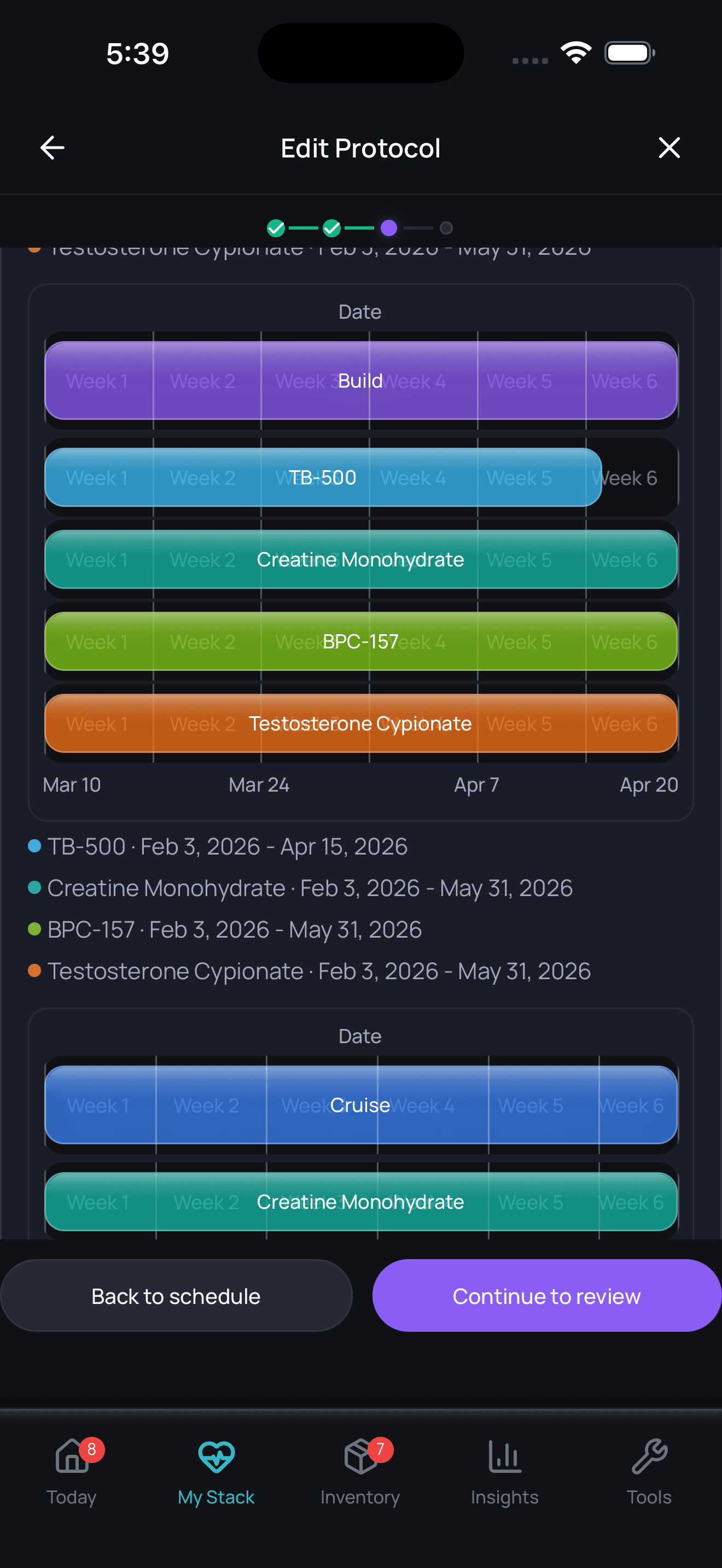
Timeline tracking helps with recall; it is not a treatment recommendation.
Timing Hypothesis & Window of Opportunity
The timing hypothesis proposes that HRT initiated within 10 years of menopause onset or before age 60 has a more favorable risk-benefit profile than HRT started later. This hypothesis is supported by several lines of evidence:
- KEEPS (Kronos Early Estrogen Prevention Study): Demonstrated that early HRT in recently menopausal women did not adversely affect cardiovascular markers and improved mood and sexual function [24].
- ELITE (Early vs Late Intervention Trial with Estradiol): Found that early estradiol therapy slowed progression of subclinical atherosclerosis, while late initiation did not [25].
- WHI age subgroup analyses: Women who initiated HRT between ages 50-59 had lower coronary heart disease risk than those starting after 60 [26].
- Danish Osteoporosis Prevention Study: Ten years of HRT initiated soon after menopause significantly reduced mortality, heart failure, and myocardial infarction risk without increased cancer or VTE risk [30].
For women with induced menopause, the timing hypothesis reinforces the importance of prompt HRT initiation. Because induced menopause can occur decades before the natural age, the window of opportunity for cardiovascular and bone protection begins immediately. Delaying treatment allows accelerated damage that may not be fully reversible.
This remains an area of evolving evidence. No RCT has been specifically designed and powered to definitively test the timing hypothesis. However, the convergence of evidence from multiple study designs strongly supports early initiation for women with premature menopause from any cause [2][3].
Interactions & Compatibility
For women with induced menopause on HRT, the following interactions are relevant:
Drug-drug interactions:
- Thyroid medications: Estrogen increases thyroxine-binding globulin (TBG), potentially requiring levothyroxine dose adjustment. Monitor TSH 6-8 weeks after starting HRT.
- Aromatase inhibitors: AI drugs (anastrozole, letrozole, exemestane) are designed to eliminate estrogen production; systemic HRT is directly contraindicated with AIs.
- Tamoxifen: A selective estrogen receptor modulator; systemic HRT is generally contraindicated alongside tamoxifen for breast cancer.
- SSRIs/SNRIs: May be used as non-hormonal alternatives for vasomotor symptoms. Paroxetine inhibits CYP2D6 and should be avoided in women on tamoxifen.
- Anticoagulants: Warfarin monitoring may be needed; oral estrogen may affect coagulation parameters.
- Lamotrigine: Estrogen reduces lamotrigine levels significantly; dose adjustment may be needed.
- CYP3A4 inducers (rifampin, carbamazepine, phenytoin): May reduce estrogen levels.
Supplement interactions:
- Vitamin D and calcium: Recommended adjuncts for bone health
- Black cohosh: Used for hot flashes; limited evidence; discuss with oncologist
- St. John's Wort: CYP3A4 inducer; reduces estrogen levels; contraindicated with many cancer drugs
Lifestyle factors:
- Smoking: Dramatically increases VTE and cardiovascular risk with oral HRT; also reduces estrogen levels through increased hepatic clearance
- Alcohol: Modest interaction; moderate consumption may slightly increase breast cancer risk independently
Related guides: Estradiol, Micronized Progesterone, Surgical Menopause, Premature Ovarian Insufficiency, Fezolinetant (Veozah), Gabapentin for Menopause
Decision-Making Framework
The decision to start hormone therapy after induced menopause involves several considerations that are best navigated with a knowledgeable healthcare provider. This section offers a framework for that conversation, not a directive.
Shared decision-making is the recommended approach. This means your provider should discuss the specific benefits and risks as they apply to your individual situation, including your cancer type and stage (if applicable), your age, your symptoms, your personal health history, and your preferences.
Key questions to discuss with your provider:
- Given my specific diagnosis and treatment, is systemic HRT an option for me?
- If systemic HRT is contraindicated, can I use vaginal estrogen for GSM symptoms?
- What are the non-hormonal alternatives for my most bothersome symptoms?
- Should I have baseline bone density testing?
- How often should I be reassessed, and by whom?
- What symptoms should prompt me to contact you between scheduled visits?
Finding a menopause specialist: The Menopause Society maintains a search directory of NAMS-Certified Menopause Practitioners (NCMPs). The International Society for the Study of Women's Sexual Health (ISSWSH) also lists specialists. For cancer survivors, a gynecologic oncologist working in collaboration with a menopause specialist may provide the most comprehensive care.
Navigating the provider gap: Community reports consistently highlight a frustrating gap between oncology and gynecology care. Oncologists focus on cancer outcomes and may not feel comfortable managing menopause. Gynecologists may be hesitant to treat patients with a cancer history. Advocating for yourself may mean specifically asking for a referral to a provider experienced in menopause management for cancer survivors.
Telehealth options: Specialized menopause clinics increasingly offer telehealth consultations, which can be valuable when local expertise is limited.
The best HRT decisions happen when you walk into your appointment prepared. Doserly helps you organize your symptom data, treatment history, and questions ahead of time, so you can make the most of your consultation time and ensure nothing important gets forgotten.
The app generates appointment-ready summaries of your recent symptom trends, current protocol, and any side effects you've logged. Instead of trying to recall three months of experience in a ten-minute appointment, you have a clear, organized record to share with your provider.
Connect protocol changes to labs and health markers.
Doserly can keep lab results, biomarkers, symptoms, and dose history close together so follow-up conversations have better context.
Insights
Labs and trends
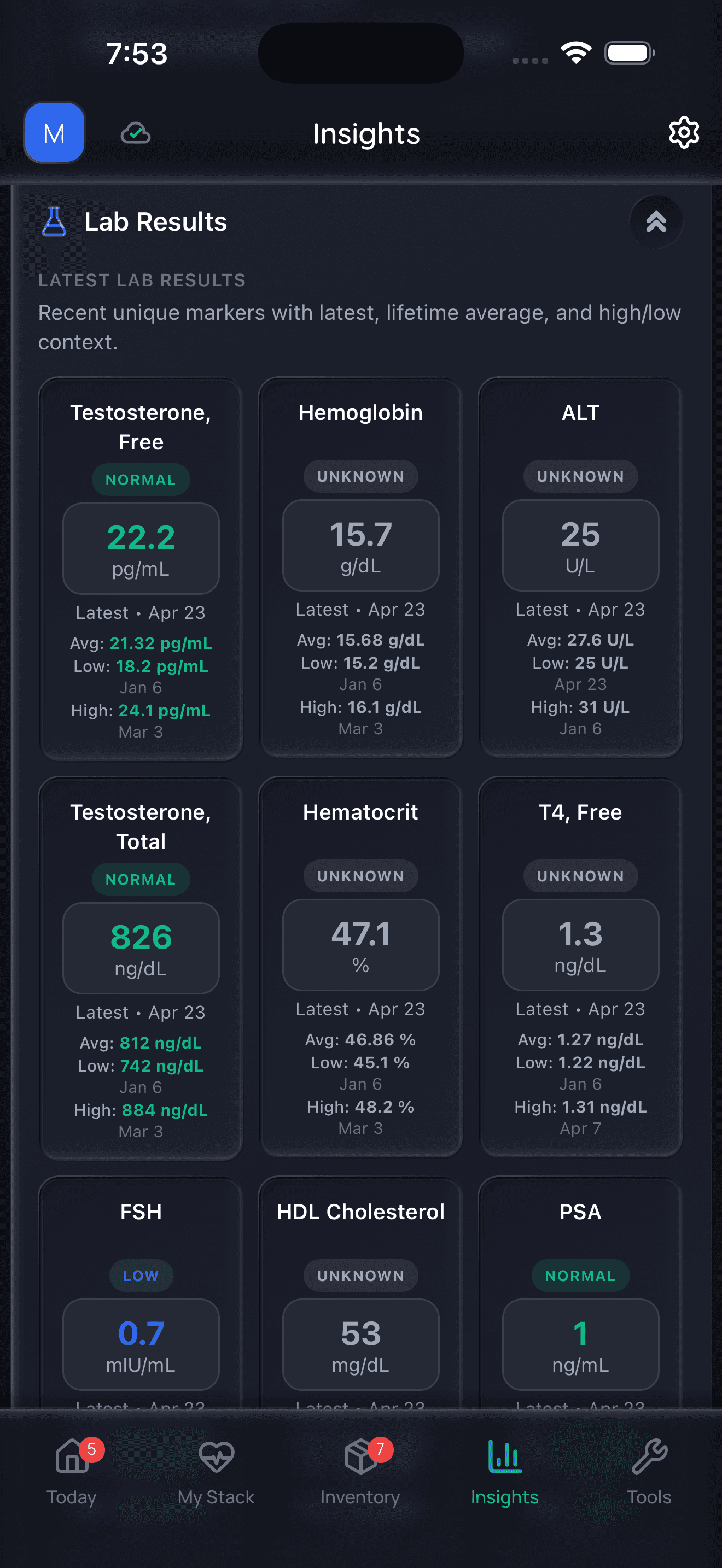
Doserly organizes data; it does not diagnose or interpret labs for you.
Administration & Practical Guide
Administration guidance depends on the HRT formulation prescribed. For women with induced menopause, transdermal delivery is often preferred:
Transdermal patches: Applied to clean, dry skin on the lower abdomen, hip, or buttock. Rotate application sites to prevent skin irritation. Change per schedule (typically twice weekly or weekly depending on product). Avoid applying to breasts.
Gels/sprays: Apply to designated skin areas (inner thigh, forearm depending on product). Allow to dry before dressing. Avoid skin-to-skin contact with others until fully absorbed.
Oral estradiol: Take at the same time daily, with or without food.
Vaginal estrogen: Follow specific product instructions for cream, tablet, or ring. Insert at the same time daily (or per prescribed schedule).
Micronized progesterone (oral): Often taken at bedtime due to mild sedative effect, which can be beneficial for sleep.
All administration instructions in this guide are general educational information. Always follow the specific directions provided by your prescriber and pharmacist.
Monitoring & Lab Work
Pre-treatment baseline tests (recommended for induced menopause):
- Hormone levels (FSH, estradiol) if diagnosis not established by surgical confirmation
- Bone density (DEXA scan): Baseline recommended for premenopausal women with treatment-induced menopause
- Lipid panel
- Liver function tests (especially if oral HRT planned)
- Blood pressure
- Mammogram (per age-appropriate screening guidelines)
- 25-OH vitamin D level
- Thyroid function (TSH)
Initial follow-up (4-12 weeks): Assess symptom response, side effects, and need for dose adjustment.
Ongoing monitoring:
- Mammography per national guidelines
- DEXA scan: Follow-up per clinical indication (typically every 2-3 years if on HRT for bone protection)
- Lipid panel: Annually or per cardiovascular risk profile
- Liver function: Periodic, especially with oral HRT
- Endometrial monitoring: Transvaginal ultrasound if unexpected bleeding occurs
- Blood pressure: At each visit
Annual review: Discuss ongoing symptom management, reassess risk-benefit balance, review any new evidence relevant to the individual patient's situation.
Complementary Approaches & Lifestyle
Evidence-based strategies that complement or serve as alternatives to HRT:
Exercise:
- Weight-bearing exercise for bone health (walking, jogging, dancing, resistance training)
- Resistance training for body composition and muscle preservation
- Cardiovascular exercise for heart health
- Balance training for fall prevention (especially if bone density is reduced)
- Community reports describe exercise as "the best thing" for managing menopause without HRT
Diet:
- Mediterranean dietary pattern associated with reduced cardiovascular risk and improved inflammatory markers
- Calcium-rich foods: dairy, fortified plant milks, leafy greens, sardines
- Phytoestrogen-containing foods: soy, flaxseed (modest evidence for vasomotor symptom reduction)
- Adequate protein for muscle preservation
- Limiting alcohol and caffeine (both may trigger or worsen hot flashes)
Supplements:
- Vitamin D: 1000-2000 IU/day for bone health (BGCS/BMS recommendation)
- Calcium: 1000-1200 mg/day (food sources preferred)
- Magnesium: Community reports suggest magnesium glycinate helpful for sleep
- Omega-3 fatty acids: May support cardiovascular health
Sleep hygiene: Temperature management (cool bedroom, moisture-wicking bedding), consistent sleep schedule, CBT-I (cognitive behavioral therapy for insomnia)
CBT for vasomotor symptoms: Evidence-based approach shown to reduce hot flash bother and improve quality of life, even when frequency unchanged
Pelvic floor therapy: For GSM and urinary symptoms; increasingly recommended alongside or instead of vaginal estrogen
Non-hormonal prescription alternatives:
- Fezolinetant (Veozah): NK3 receptor antagonist, FDA-approved for moderate-to-severe vasomotor symptoms
- SSRIs/SNRIs: Low-dose venlafaxine, desvenlafaxine, paroxetine (not with tamoxifen)
- Gabapentin: Off-label for hot flashes; also helps sleep
- Clonidine: Alpha-2 agonist; modest effect on hot flashes
- Oxybutynin: For vasomotor symptoms and urinary urgency
HRT doesn't exist in a vacuum. Diet, exercise, sleep, and stress all influence how you feel during the menopausal transition and how well your treatment works. Doserly lets you track these lifestyle factors alongside your HRT protocol, giving you a complete picture of what's contributing to how you feel on any given day.
Log your workouts, sleep quality, stress levels, and dietary choices right alongside your hormone doses and symptom scores. Over time, the app helps you see which lifestyle habits amplify the benefits of your treatment and which ones might be working against it.
Keep sensitive protocol records in a purpose-built app.
Doserly is designed for private health tracking with structured records, offline-ready workflows, and exportable history when you need it.
Privacy
Health records

Privacy controls help you manage records; keep clinical records where required.
Stopping HRT / Discontinuation
For women who started HRT because of induced menopause before the natural age of menopause, the question of when to stop is different from the general population. Current guidance recommends continuation at least until age 51 (the average age of natural menopause), at which point the decision becomes the same as for any menopausal woman [2][3].
When to consider reassessment:
- At age 51: Transition to the standard menopause HRT decision framework
- At any age if new contraindications arise (e.g., new cancer diagnosis, VTE)
- Periodically, to confirm ongoing benefit justifies continued use
Tapering strategies: Gradual dose reduction over weeks to months is generally preferred over abrupt cessation. Options include reducing patch strength, extending intervals, or switching to lower-dose formulations.
Symptom recurrence: Approximately 50% of women experience some symptom recurrence after stopping HRT. For women whose induced menopause occurred at a young age, symptom recurrence may be more likely.
Vaginal estrogen continuation: Even when systemic HRT is discontinued, vaginal estrogen may be continued long-term for persistent GSM symptoms, as it carries minimal systemic absorption.
Special Populations & Situations
Breast Cancer Survivors
Systemic HRT is generally contraindicated in women with hormone receptor-positive breast cancer. Non-hormonal alternatives (SSRIs/SNRIs, gabapentin, fezolinetant, CBT, lifestyle modifications) are the primary management strategy. Low-dose vaginal estrogen may be considered on a case-by-case basis for severe GSM symptoms after discussion with the oncology team [1].
Gynecologic Cancer Survivors
HRT safety varies by cancer type. Current evidence supports HRT in early-stage endometrial cancer (post-hysterectomy), epithelial ovarian cancer, and squamous cell cervical cancer survivors. HRT is not recommended for low-grade serous or endometrioid ovarian cancer, advanced endometrial cancer, or adenocarcinoma of the cervix (limited data) [1].
BRCA Carriers Post Risk-Reducing Surgery
Short-course estrogen therapy is supported for BRCA carriers without personal breast cancer history. Risk of breast cancer was not significantly increased with HRT in a prospective study of 872 carriers post-BSO [22]. Women over 45 may have higher risk; EPT may carry slightly higher risk than ET alone.
Young Women (Under 30)
Induced menopause in very young women carries the highest long-term risk burden. HRT dosing may need to be higher to achieve physiological replacement. Fertility counseling, psychological support, and long-term bone and cardiovascular monitoring are essential. The ESHRE/ASRM guideline (2024) provides specific recommendations [10].
GnRH Agonist-Induced Menopause (Endometriosis)
This form of induced menopause is intended to be temporary. "Add-back" HRT (low-dose estrogen or progestogen) is commonly used during GnRH agonist treatment to limit bone loss and vasomotor symptoms. Ovarian function typically recovers after treatment discontinuation, though recovery is not universal.
Women Who Cannot Use Any Hormones
For women with absolute contraindications to all hormonal treatments, a comprehensive non-hormonal approach is needed: fezolinetant or elinzanetant for vasomotor symptoms, SSRIs/SNRIs, gabapentin, CBT, pelvic floor therapy, vaginal moisturizers, and lifestyle optimization.
Regulatory, Insurance & International
United States (FDA): HRT products (estradiol patches, oral estradiol, conjugated estrogens, micronized progesterone, combination products) are FDA-approved. Non-hormonal options include fezolinetant (Veozah, approved 2023) and low-dose paroxetine (Brisdelle). Insurance coverage varies; many plans cover HRT with prior authorization. Generic estradiol patches and oral formulations are widely available.
United Kingdom (MHRA/NHS): HRT is available on NHS prescription. An HRT prepayment certificate reduces cost for patients needing multiple prescriptions. NICE NG23 provides clinical guidance. The BMS and BGCS provide cancer-specific guidance.
Canada (Health Canada): HRT products approved and available. Provincial coverage varies.
Australia (TGA): HRT available through PBS (Pharmaceutical Benefits Scheme) for approved indications.
European Union (EMA): HRT products widely available across EU member states, though specific brands vary by country.
Frequently Asked Questions
Q: Is induced menopause the same as surgical menopause?
A: Surgical menopause is one type of induced menopause. Induced menopause is a broader term that also includes menopause caused by chemotherapy, radiation therapy, and medications that suppress ovarian function.
Q: Will my periods come back after chemotherapy?
A: It depends on your age and the specific chemotherapy agents used. Younger women (under 35) have a higher chance of ovarian recovery. Periods may return within 6-24 months after completing treatment. The longer you go without a period, the less likely recovery becomes. A healthcare provider can test AMH and FSH levels to help assess your situation.
Q: Can I take HRT after cancer treatment?
A: This depends on the type of cancer. For many gynecologic cancer survivors (early-stage endometrial, epithelial ovarian, cervical squamous cell), HRT appears to be safe based on current evidence. For hormone receptor-positive breast cancer, systemic HRT is generally contraindicated. This is a conversation to have with your oncologist and a menopause specialist.
Q: Is the WHI study relevant to me?
A: The WHI studied predominantly older women (average age 63) using conjugated equine estrogens and medroxyprogesterone acetate. Multiple professional organizations (NAMS, BMS, ACOG) have stated that WHI findings do not apply to younger women with premature or induced menopause, who are replacing physiological hormones, not supplementing above normal levels.
Q: Why are my symptoms more severe than my friend who went through natural menopause?
A: Induced menopause typically produces more severe symptoms because of the abruptness of hormone withdrawal. Natural menopause involves a gradual decline over years, allowing the body to adapt. Surgical menopause eliminates hormones within hours; chemotherapy and radiation may do so over weeks to months.
Q: Is vaginal estrogen safe for breast cancer survivors?
A: Low-dose vaginal estrogen involves minimal systemic absorption and is increasingly considered safe for many breast cancer survivors, particularly those with severe GSM symptoms. A 2008 Cochrane meta-analysis found no association between local estrogen therapy and endometrial hyperplasia. Discuss with your oncology team.
Q: Should I have my bone density tested?
A: NICE and BGCS/BMS guidelines recommend baseline DEXA scanning for premenopausal women with treatment-induced menopause. This establishes a baseline so that bone loss can be monitored and managed proactively.
Q: I'm on tamoxifen. Can I take anything for hot flashes?
A: Yes. Non-hormonal options include fezolinetant (Veozah), venlafaxine, desvenlafaxine, gabapentin, and oxybutynin. Paroxetine should generally be avoided with tamoxifen because it inhibits CYP2D6, which may reduce tamoxifen's effectiveness. Discuss options with your oncologist.
Q: How long should I take HRT?
A: For women with induced menopause before age 45, current guidelines recommend HRT at least until the average age of natural menopause (51), with ongoing reassessment. After age 51, the duration decision follows the same individualized framework as for any menopausal woman.
Q: Why does my oncologist hesitate to prescribe HRT?
A: Many oncologists remain cautious about HRT due to concern about cancer recurrence, even when current evidence supports its safety in specific cancer types. The gap between evidence and practice is well-documented. Seeking a second opinion from a menopause specialist, or asking your oncologist to consult with one, can be a productive step.
Myth vs. Fact
Myth: Induced menopause is basically the same as natural menopause, just earlier.
Fact: Induced menopause is qualitatively different. The abrupt loss of hormones (within hours for surgical menopause) produces more severe symptoms and carries greater long-term health risks than the gradual transition of natural menopause. Treatment needs, including potentially higher HRT doses and longer duration, differ as well.
Myth: If I had cancer, I can never take HRT.
Fact: HRT safety depends on the specific type of cancer. Current evidence supports HRT in survivors of early-stage endometrial cancer, epithelial ovarian cancer, and squamous cell cervical cancer. Even for breast cancer survivors, low-dose vaginal estrogen is increasingly considered safe for GSM symptoms. The blanket prohibition on HRT for all cancer survivors is outdated.
Myth: The WHI proved that HRT is dangerous, so I should avoid it.
Fact: The WHI studied women with an average age of 63 using specific hormone formulations (conjugated equine estrogens and medroxyprogesterone acetate). Multiple professional organizations have stated these findings do not apply to younger women with premature menopause. For women under 45 with induced menopause, the risks of NOT taking HRT (cardiovascular disease, osteoporosis, cognitive decline) typically outweigh the risks of treatment.
Myth: HRT causes cancer.
Fact: This oversimplifies the evidence. In the WHI, estrogen-alone therapy actually showed a non-significant reduction in breast cancer risk (HR 0.77). Combined HRT with specific synthetic progestins (MPA) showed an absolute increase of 8 additional breast cancer cases per 10,000 women per year. Estrogen combined with micronized progesterone has not shown increased breast cancer risk in the E3N cohort over 8 years. Cancer risk depends on hormone type, route, timing, and duration.
Myth: Natural remedies are just as effective as HRT for menopause symptoms.
Fact: While lifestyle modifications, CBT, and certain supplements can help, no natural remedy has demonstrated effectiveness comparable to systemic HRT for moderate-to-severe vasomotor symptoms. For women with induced menopause, where symptoms are typically more severe, the evidence gap between HRT and alternatives is even wider. Non-hormonal prescription options (fezolinetant, SSRIs/SNRIs) offer a middle ground.
Myth: Bioidentical compounded hormones are safer than FDA-approved HRT.
Fact: "Bioidentical" refers to chemical structure, not safety. FDA-approved bioidentical hormones (micronized estradiol, micronized progesterone) have established safety and efficacy data. Compounded bioidentical hormones are not FDA-regulated, have variable purity and potency, and NAMS and ACOG advise against their use when proven alternatives are available.
Myth: If my periods come back after chemo, I don't need to worry about menopause.
Fact: Return of periods does not guarantee full ovarian recovery. Women who experienced chemotherapy-induced amenorrhea may still have a reduced ovarian reserve and may enter natural menopause earlier than expected. Ongoing monitoring of ovarian function and menopause symptoms is important.
Myth: Young women don't get menopause symptoms as severely.
Fact: The opposite is often true. Community reports and clinical evidence consistently indicate that younger women with induced menopause frequently experience more severe symptoms than older women with natural menopause, likely because of the greater magnitude and abruptness of hormonal change.
Sources & References
Clinical Guidelines
[1] Gorman M, Shih K. Updates in Hormone Replacement Therapy for Survivors of Gynecologic Cancers. Curr Treat Options Oncol. 2025;26:179-186. doi:10.1007/s11864-025-01298-5
[2] "The 2022 Hormone Therapy Position Statement of The North American Menopause Society" Advisory Panel. Menopause. 2022;29(7):767-794. doi:10.1097/GME.0000000000002028
[3] British Menopause Society. Consensus Statement: Premature Ovarian Insufficiency. April 2024.
Landmark Trials & Major Studies
[4] Tomić Naglić D, et al. Hormone replacement therapy in surgical menopause after gynecological malignancies. Biomol Biomed. 2024;25(4):751-760. doi:10.17305/bb.2024.11220
[5] Rocca WA, et al. Long-term effects of bilateral oophorectomy on brain aging: unanswered questions from the Mayo Clinic Cohort Study of Oophorectomy and Aging. Womens Health. 2009;5(1):39-48.
Systematic Reviews & Meta-Analyses
[6] National Institute for Health and Care Excellence. Menopause: diagnosis and management. NG23. Updated November 2024.
[7] Gynotoxic Effects of Chemotherapy and Potential Protective Mechanisms. Cancers. 2024;16(12):2288.
[8] Cancer Treatment-Related Ovarian Dysfunction in Women of Childbearing Potential. J Clin Oncol. 2023. doi:10.1200/JCO.22.01885
Observational Studies
[9] ESHRE/ASRM/IMS International Guideline on Premature Ovarian Insufficiency. Updated 2024.
[10] ESHRE/ASRM/IMS/CRE WHiRL. International Guideline on POI. 2024.
[11] Rance NE, et al. Neurokinin B and the hypothalamic regulation of reproduction. Brain Res. 2010;1364:116-128.
[12] Cauley JA, et al. Effects of estrogen plus progestin on risk of fracture and bone mineral density. JAMA. 2003;290(13):1729-1738.
[13] Parker WH, et al. Long-term mortality associated with oophorectomy compared with ovarian conservation in the Nurses' Health Study. Obstet Gynecol. 2013;121(4):709-716.
[14] ACOG Practice Bulletin No. 141: Management of Menopausal Symptoms. Obstet Gynecol. 2014;123(1):202-216.
[15] Cusimano MC, et al. Association of bilateral salpingo-oophorectomy at hysterectomy for benign disease with long-term mortality. BMJ. 2021;375:e067528.
[16] British Gynaecological Cancer Society and British Menopause Society. Guidelines on Management of Menopausal Symptoms after Gynaecological Cancer. 2024.
[17] Rocca WA, et al. Oophorectomy, estrogen, and dementia: a 2014 update. Mol Cell Endocrinol. 2014;389(1-2):7-12.
Government/Institutional Sources
[18] Barakat RR, et al. Randomized double-blind trial of estrogen replacement therapy versus placebo in stage I or II endometrial cancer. J Clin Oncol. 2006;24(4):587-592.
[19] Eeles RA, et al. Adjuvant hormone therapy may improve survival in epithelial ovarian cancer: AHT randomized trial. J Clin Oncol. 2015;33(35):4138-4144.
[20] Ji E, et al. Postoperative hormone replacement therapy and survival in women with ovarian cancer. Cancers. 2022;14(13):3090.
[21] Ploch E. Hormonal replacement therapy in patients after cervical cancer treatment. Gynecol Oncol. 1987;26(2):169-177.
[22] Kotsopoulos J, et al. Hormone replacement therapy after oophorectomy and breast cancer risk among BRCA1 mutation carriers. JAMA Oncol. 2018;4(8):1059-1065.
[23] Maclennan AH, et al. Oral oestrogen and combined oestrogen/progestogen therapy versus placebo for hot flushes. Cochrane Database Syst Rev. 2004;(4):CD002978.
[24] Harman SM, et al. Arterial imaging outcomes and cardiovascular risk factors in recently menopausal women (KEEPS). Ann Intern Med. 2014;161(4):249-260.
[25] Hodis HN, et al. Vascular effects of early versus late postmenopausal treatment with estradiol (ELITE). N Engl J Med. 2016;374(13):1221-1231.
[26] Rossouw JE, et al. Risks and benefits of estrogen plus progestin in healthy postmenopausal women (WHI). JAMA. 2002;288(3):321-333.
[27] Canonico M, et al. Hormone therapy and venous thromboembolism among postmenopausal women: ESTHER study. Circulation. 2007;115(7):840-845.
[28] Anderson GL, et al. Effects of conjugated equine estrogen in postmenopausal women with hysterectomy (WHI). JAMA. 2004;291(14):1701-1712.
[29] Fournier A, et al. Breast cancer risk in relation to different types of hormone replacement therapy in the E3N-EPIC cohort. Int J Cancer. 2005;114(3):448-454.
[30] Schierbeck LL, et al. Effect of hormone replacement therapy on cardiovascular events in recently postmenopausal women (DOPS). BMJ. 2012;345:e6409.
Related Guides & Cross-Links
Same Category (Conditions & Stages)
- Surgical Menopause — Detailed guide focused specifically on bilateral oophorectomy
- Premature Ovarian Insufficiency (POI) — Covers idiopathic and iatrogenic POI
- Early Menopause — Menopause between ages 40-44
- Menopause — General menopause overview
- Perimenopause — The natural transition (contrast with induced)
- Genitourinary Syndrome of Menopause (GSM) — Detailed guide on vaginal/urinary symptoms
Related Treatment Options
- Estradiol — Primary estrogen used in HRT
- Micronized Progesterone — Preferred progestogen for many women
- Getting Started with HRT — Practical introduction to HRT
- Transdermal HRT — Preferred delivery route for induced menopause
- Vaginal Estrogen Therapy — For GSM symptoms
Non-Hormonal Alternatives
- Fezolinetant (Veozah) — NK3 receptor antagonist for hot flashes
- Gabapentin for Menopause — Off-label for vasomotor symptoms
- Non-Hormonal Menopause Treatments — Comprehensive overview
Educational
- The WHI Study Explained — Context for understanding WHI findings
- HRT Myths vs Facts — Addressing common misconceptions
- Stopping & Tapering HRT — When and how to discontinue
Complementary Approaches
- Vitamin D — Bone health support
- Calcium — Bone health essential
- Magnesium — Sleep and muscle support
- Black Cohosh — Traditional use for hot flashes