
Andrographis: The Complete Supplement Guide
On this page
Quick Reference Card
Attribute
Common Name
- Detail
- Andrographis
Attribute
Other Names / Aliases
- Detail
- Andrographis paniculata, King of Bitters, Kalmegh, Chiretta, Chuan Xin Lian, Chuanxinlian, Indian Echinacea, Creat, Bhui-neem, Fah Talai Jone (Thai)
Attribute
Category
- Detail
- Herbal Extract (Acanthaceae family)
Attribute
Primary Forms & Variants
- Detail
- Standardized leaf/herb extract (typically 10-30% andrographolide), KalmCold (standardized extract), Kan Jang (combination with Siberian Ginseng), Paractin (standardized for anti-inflammatory use), HMPL-004 (standardized for GI conditions), whole herb powder
Attribute
Typical Dose Range
- Detail
- 200-1,800 mg/day of standardized extract, depending on indication; 60-180 mg/day andrographolide content
Attribute
RDA / AI / UL
- Detail
- No established RDA, AI, or UL (herbal supplement, not an essential nutrient)
Attribute
Common Delivery Forms
- Detail
- Capsule, tablet, powder, liquid extract, tea
Attribute
Best Taken With / Without Food
- Detail
- Can be taken with or without food. Taking with food may improve GI tolerability.
Attribute
Key Cofactors
- Detail
- Often combined with Eleutherococcus senticosus (Siberian Ginseng) in traditional Kan Jang formulations; sometimes paired with quercetin for anti-inflammatory synergy
Attribute
Storage Notes
- Detail
- Store in a cool, dry place away from direct sunlight and moisture. No refrigeration required.
Overview
The Basics
Andrographis is an herb with a reputation that matches its most common name: King of Bitters. Native to India, China, and Southeast Asia, it has been used in Ayurvedic and Traditional Chinese Medicine (TCM) for centuries, primarily to fight infections, reduce fevers, and support the liver [1][2].
In modern supplement form, andrographis is best known for one thing: helping with colds and upper respiratory infections. When taken within the first day or two of symptoms appearing, standardized andrographis extracts have shown the ability to reduce both the severity and duration of common cold symptoms in multiple clinical trials [3][4][5]. This is not a subtle, hard-to-notice effect. Several studies report meaningful reductions in cough, sore throat, nasal congestion, headache, and fatigue within 3 to 5 days.
Beyond respiratory infections, andrographis has also attracted research attention for anti-inflammatory conditions, including ulcerative colitis and rheumatoid arthritis, where early clinical data is surprisingly encouraging [6][7]. It is not widely used as a daily wellness supplement in Western countries, though it has a much larger profile in Thailand, where it has been approved for mild COVID-19 symptom management [8].
The herb is intensely bitter. This is not incidental to its identity; in TCM, bitter herbs are classified as "cold" and are used to clear heat and inflammation from the body. The bitterness is a feature, not a bug, though it does make the supplement an acquired taste for those who try it in powder or tea form.
The Science
Andrographis paniculata (Burm.f.) Wall. ex Nees is an erect annual herb of the family Acanthaceae, native to subtropical and Southeast Asia and widely cultivated across the region [1][2]. The plant grows 30 to 110 cm in height, bearing small white flowers with rose-purple spots. The aerial portions, particularly the leaves, are the primary medicinal parts, though all plant parts contain the active diterpene lactones [1].
The herb has a documented history in at least 26 polyherbal formulations within the Ayurvedic pharmacopeia and is listed in the Pharmacopoeia of the People's Republic of China (1992 edition) as a cold-property herb used to rid the body of fever and dispel toxins [2]. In Scandinavian countries, an immunostimulant preparation known as Kan Jang (a fixed combination of A. paniculata and Eleutherococcus senticosus) has been marketed for cold and flu relief [3].
The primary bioactive constituents are diterpenoid lactones, of which andrographolide is the most abundant and most studied. Andrographolide content in leaves varies considerably, ranging from 0.5% to 6% by dry weight [9][10]. Related compounds include 14-deoxyandrographolide, 14-deoxy-11,12-didehydroandrographolide (DDS), neoandrographolide, and bisandrographolide A. Other constituents include flavonoids (7-O-methylwogonin, skullcapflavone I), phytosterols (beta-sitosterol, stigmasterol), and polyphenols [9][10].
Commercial standardized extracts vary substantially in andrographolide concentration: basic root/herb extracts contain 1-4% andrographolide, while concentrated extracts can reach 10-50% [10][11]. This variability in standardization is an important consideration when interpreting dosing data across clinical studies.
Chemical & Nutritional Identity
Property
Chemical Name
- Value
- Andrographolide (primary bioactive)
Property
Molecular Formula (Andrographolide)
- Value
- C20H30O5
Property
Molecular Weight (Andrographolide)
- Value
- 350.45 g/mol
Property
CAS Number (Andrographolide)
- Value
- 5508-58-7
Property
CAS Number (Plant Extract)
- Value
- 90147-43-6
Property
PubChem CID (Andrographolide)
- Value
- 5318517
Property
Plant Family
- Value
- Acanthaceae
Property
Category
- Value
- Herbal Extract (Diterpenoid Lactone)
Property
Part Used
- Value
- Leaves and aerial parts (most common), root (some extracts)
Property
Active Compound Class
- Value
- Diterpenoid lactones (andrographolides)
Property
Other Bioactive Compounds
- Value
- Flavonoids, phytosterols, polyphenols
Key Active Compounds
Compound
Andrographolide
- Typical Content
- 0.5-6% in leaves; up to 50% in concentrated extracts
- Notable Activity
- Anti-inflammatory (COX-2, NF-kB inhibition), immunomodulatory, antiviral
Compound
14-Deoxyandrographolide
- Typical Content
- 1-2.5% in leaves
- Notable Activity
- Anti-inflammatory, immunostimulatory
Compound
14-Deoxy-11,12-didehydroandrographolide (DDS)
- Typical Content
- Variable
- Notable Activity
- Hypotensive effects, cardiac rate reduction
Compound
Neoandrographolide
- Typical Content
- Variable
- Notable Activity
- Anti-inflammatory, antiplatelet
Compound
Bisandrographolide A
- Typical Content
- Trace
- Notable Activity
- TRPV4 agonist (EC50 790-950nM)
Compound
Andrograpanin
- Typical Content
- Variable
- Notable Activity
- SDF-1 chemokine modulation
Mechanism of Action
The Basics
Andrographis works primarily through its anti-inflammatory and immune-modulating effects. Think of it as a multi-pronged approach to calming down overactive inflammatory responses while simultaneously supporting your immune system's ability to fight infections.
The best-understood pathway involves NF-kB, a master switch that controls inflammation in your body. When NF-kB is activated, it triggers the production of inflammatory molecules. Andrographolide helps keep this switch from being turned on inappropriately, which reduces the cascade of inflammation that makes you feel miserable during a cold or contributes to chronic inflammatory conditions [12][13].
Andrographis also appears to directly support immune function. It can stimulate certain immune cells, including T-cells and natural killer cells, to be more active against infections. At the same time, it has demonstrated antiviral properties in laboratory studies, including activity against influenza and other respiratory viruses [14][15]. This combination of anti-inflammatory plus immune-stimulating plus antiviral activity may explain why it seems to help with respiratory infections more effectively than supplements that only do one of these things.
The herb also has mild blood pressure-lowering effects through calcium channel inhibition, which causes relaxation of smooth muscle in blood vessel walls [16]. This is not its primary use, but it is worth knowing about, especially if you take blood pressure medications.
The Science
The pharmacological activity of andrographis is attributed to multiple molecular mechanisms acting through several pathways:
NF-kB Pathway Inhibition: Andrographolide and related diterpenoids inhibit NF-kB activation in multiple cell types, including macrophages and neutrophils. This occurs through interference with NF-kB binding to DNA, suppression of NO production, and inhibition of COX-2 expression [12][13]. In mouse hepatocytes, andrographis induces mRNA expression of CYP1A1 and 1A2 in a concentration-dependent manner [17].
Immunomodulatory Effects: At 1 micromolar concentration, andrographolide enhances lymphocyte proliferation and IL-2 secretion by 14%. In healthy human adults, A. paniculata (100 mg twice daily for 30 days) significantly increased IFN-gamma and IL-4 levels while showing trends toward increased CD3+ T-cells and CD4+ T-helper cells [18]. Paradoxically, 15-30 mg andrographolide daily for 6 weeks decreased CD4+ counts in healthy subjects while increasing them in HIV-positive individuals, suggesting bidirectional immunomodulatory activity [14].
Anti-Inflammatory Pathways: Andrographis represses proinflammatory gene expression including IL-6, IL-1beta, IL-8, Hsp70, and STAT-2 [12]. The anti-arthritic effects are attributed to COX inhibition, with anti-inflammatory activity comparable to hydrocortisone in animal models [12]. In a rat model of gout, both andrographolide and alcoholic extract reduced inflammatory cytokines and uric acid levels [19].
Cardiovascular Effects: DDS (14-deoxy-11,12-didehydroandrographolide) causes dose-dependent blood pressure reduction via beta-adrenoreceptor antagonism, with an ED50 of 3.43 mmol/kg in anesthetized rats. The calcium channel inhibition effect causes smooth muscle relaxation, contributing to decreased blood pressure and heart rate [16][20].
Antiplatelet Activity: Andrographolide inhibits platelet aggregation through concentration-dependent platelet apoptosis (25-100 micromolar) via a mitochondrial-dependent pathway involving caspase-8 [21].
CYP450 Interactions: In vitro studies show andrographis extract inhibits CYP1A2, CYP2C9, and CYP3A4, while some compounds induce CYP1A1. Andrographolide derivatives also inhibit UGT2B7 [17][22]. The clinical relevance of these interactions at typical supplemental doses remains to be fully determined.
Absorption & Bioavailability
The Basics
One of the most unusual things about andrographis is how its absorption changes with dose. At low doses, the body absorbs andrographolide very efficiently. At higher doses, absorption drops dramatically. This is not a linear relationship; it is more like a steep cliff.
In practical terms, this means that taking more andrographis does not proportionally deliver more active compound to your bloodstream. Doubling the dose might barely increase your blood levels. This pharmacological quirk has important implications for dosing: more is not necessarily better with this supplement, and the therapeutic doses used in clinical trials are relatively modest compared to many other herbal supplements.
After you take andrographis, andrographolide reaches peak blood levels within about 1.5 to 2 hours. It has a relatively short half-life, which is why most clinical protocols use divided doses (two to three times daily) rather than a single daily dose. The compound is eliminated primarily through metabolic transformation and fecal excretion, with only about 8% appearing unchanged in urine.
The Science
Oral bioavailability of andrographolide demonstrates pronounced dose-dependent non-linearity in animal models. At 1 mg/kg andrographolide in rats (equivalent to approximately 0.16 mg/kg in humans, or about 11 mg for a 70 kg individual), oral bioavailability reaches 91%. At 10 mg/kg, bioavailability drops to 21.4%, and at 120 mg/kg, it falls to just 2.67% [9].
This decrease in bioavailability with increasing dose appears related to P-glycoprotein efflux mechanisms, and co-administration with P-gp inhibitors (such as verapamil) can increase cellular accumulation [9].
Human pharmacokinetic data: In human subjects using Kan Jang capsules delivering 17 mg andrographolide, serum Cmax was 141.7 +/- 20 ng/mL, with Tmax of approximately 1.36 hours and a half-life of approximately 25 minutes. No detectable andrographolide was found in blood 8 hours after administration [23]. A separate study with 200 mg isolated andrographolide reported Tmax of 1.6 hours and Cmax of 58.62 ng/mL [23].
Protein binding: Andrographolide binds approximately 55% to human serum albumin at physiological concentrations [9].
Metabolism and excretion: The primary urinary metabolite is 14-deoxy-12(R)-sulfoandrographolide, a sulfated conjugate structurally related to a marketed anti-inflammatory drug in China (Lianbizhi). Only 8.2% of the oral dose is excreted unchanged in urine within 72 hours, with metabolic transformation and fecal excretion accounting for the majority of elimination [9].
Research & Clinical Evidence
The Basics
The research on andrographis falls into several categories, with the strength of evidence varying considerably across them.
Strongest evidence: Upper respiratory infections. This is where andrographis has the most clinical support. Multiple randomized controlled trials, along with systematic reviews and meta-analyses, have found that standardized andrographis preparations can reduce the severity and duration of cold and flu symptoms when taken early [3][4][5]. Benefits typically appear within 3 to 5 days and include improvements in cough, sore throat, nasal congestion, headache, and fatigue. One head-to-head comparison in children with colds found a Kan Jang preparation more effective than Echinacea [24].
Promising evidence: Inflammatory bowel disease. Two randomized, double-blind clinical studies in patients with ulcerative colitis (totaling over 340 patients) suggest that andrographis extract may be as effective as mesalamine, a standard treatment [6][7]. This is a notable finding for an herbal supplement.
Preliminary evidence: Arthritis, multiple sclerosis, and hypertriglyceridemia. Smaller studies have shown potential benefits for rheumatoid arthritis symptoms, fatigue in multiple sclerosis, and elevated triglyceride levels, but these findings need replication in larger trials [25][26][27].
Insufficient evidence: Cancer, HIV, diabetes. While laboratory studies suggest interesting anticancer and antiviral mechanisms, human clinical data is either absent or does not support effectiveness at this time [14][28].
The Science
Upper Respiratory Tract Infections (URTIs):
A systematic review and meta-analysis by Hu et al. (2017) evaluated A. paniculata for symptomatic relief of acute respiratory tract infections in adults and children, finding evidence of benefit for cough frequency and severity [4]. In a randomized, double-blind, placebo-controlled trial (N=223), A. paniculata extract (KalmCold) 200 mg/day for 5 days significantly improved 8 of 9 self-evaluated URTI symptoms compared with placebo, with benefits emerging by day 5 [5]. In 152 patients with pharyngotonsillitis, 3-6g daily of A. paniculata was effective, with 6g matching the efficacy of acetaminophen on symptom measures by day 3 [29].
Ulcerative Colitis:
HMPL-004 (A. paniculata extract) at 1,200 mg daily (400 mg three times daily) for approximately 54 days in patients with ulcerative colitis achieved clinical remission in 21% (clinical) to 28% (colonoscopy), with response rates of 76-82%, comparable to 4,500 mg sustained-release mesalazine [6]. A subsequent trial using 1,200 mg and 1,800 mg showed a dose-dependent increase in treatment response, with 1,800 mg reaching statistical significance over placebo [7].
Rheumatoid Arthritis:
In 60 patients with RA, andrographolide 30 mg three times daily for 14 weeks significantly reduced tender and swollen joint counts compared with placebo, along with reductions in rheumatoid factor, serum IgA, and complement C4, though joint pain was not significantly reduced [25].
Osteoarthritis:
A double-blind RCT (N=103) evaluated standardized A. paniculata extract (50% andrographolide) at 150 or 300 mg twice daily for 3 months in knee osteoarthritis. Both doses significantly reduced WOMAC pain, stiffness, and physical function scores compared with placebo (P<0.0001), with significant improvements in fatigue and quality of life [11].
Multiple Sclerosis:
In a pilot study of 25 patients with relapsing-remitting MS, A. paniculata 170 mg twice daily for 12 months reduced fatigue scores. A separate exploratory study in not-active progressive MS showed andrographolide was safe with trends toward reduced brain atrophy rates [26][30].
Hypertriglyceridemia:
In 60 patients with modest hypertriglyceridemia, A. paniculata extract delivering andrographolide 120 mg/day improved serum triglyceride levels, with reductions comparable to gemfibrozil [27].
Immunostimulant Activity:
In 30 healthy adults, A. paniculata (standardized to 33% diterpene lactones, 30% andrographolide) 100 mg twice daily for 30 days significantly increased IFN-gamma and IL-4 levels, with trends toward increased lymphocytes and CD4+ T-helper cells [18].
Evidence & Effectiveness Matrix
Category
Immune Function
- Evidence Strength
- 7/10
- Reported Effectiveness
- 7/10
- Summary
- Multiple RCTs and meta-analyses support efficacy for URTI symptom reduction. Community reports consistently describe benefit for colds when taken at onset.
Category
Inflammation
- Evidence Strength
- 7/10
- Reported Effectiveness
- 7/10
- Summary
- Strong preclinical evidence with COX-2 and NF-kB inhibition. Two UC trials comparable to mesalamine. Community users report potent anti-inflammatory effects.
Category
Joint Health
- Evidence Strength
- 5/10
- Reported Effectiveness
- N/A
- Summary
- One RCT showed reduced swelling in RA but not pain. One RCT for knee OA showed significant WOMAC improvements. Limited community data.
Category
Gut Health
- Evidence Strength
- 6/10
- Reported Effectiveness
- 4/10
- Summary
- Two RCTs in ulcerative colitis. Thin community reports on general gut health.
Category
Mood & Wellbeing
- Evidence Strength
- 2/10
- Reported Effectiveness
- 5/10
- Summary
- No clinical evidence for mood effects. A few community reports of mood improvement, likely secondary to inflammation reduction.
Category
Sleep Quality
- Evidence Strength
- 1/10
- Reported Effectiveness
- 5/10
- Summary
- No clinical studies on sleep. A few community reports of sleep improvement, attributed to anti-inflammatory effects.
Category
Focus & Mental Clarity
- Evidence Strength
- 2/10
- Reported Effectiveness
- 5/10
- Summary
- Animal studies on cholinesterase inhibition and memory. One community report of brain fog relief post-infection.
Category
Energy Levels
- Evidence Strength
- 2/10
- Reported Effectiveness
- 4/10
- Summary
- Fatigue reduction noted in MS trial. Mixed community reports.
Category
Heart Health
- Evidence Strength
- 3/10
- Reported Effectiveness
- N/A
- Summary
- Preclinical evidence of blood pressure reduction and antiplatelet effects. One clinical study with hypertriglyceridemia improvement. No community data.
Category
Side Effect Burden
- Evidence Strength
- 6/10
- Reported Effectiveness
- 5/10
- Summary
- Meta-analysis finds herbal preparations generally well tolerated. Notable taste-loss reports with certain formulations. Allergic reactions uncommon but documented.
Categories scored: 10
Categories with community data: 7
Categories not scored (insufficient data): Fat Loss, Muscle Growth, Weight Management, Appetite & Satiety, Food Noise, Memory & Cognition, Anxiety, Stress Tolerance, Motivation & Drive, Emotional Aliveness, Emotional Regulation, Libido, Sexual Function, Pain Management, Recovery & Healing, Physical Performance, Digestive Comfort, Nausea & GI Tolerance, Skin Health, Hair Health, Blood Pressure, Heart Rate & Palpitations, Hormonal Symptoms, Temperature Regulation, Fluid Retention, Body Image, Bone Health, Longevity & Neuroprotection, Cravings & Impulse Control, Social Connection, Treatment Adherence, Withdrawal Symptoms, Daily Functioning
Benefits & Potential Effects
The Basics
Andrographis is primarily valued for two things: fighting colds and reducing inflammation. These are the areas where the evidence is strongest and where most people turn to this herb.
For colds and upper respiratory infections, the data is encouraging. Taking a standardized andrographis extract within the first day or two of symptoms has been shown to reduce the severity of cough, sore throat, congestion, headache, and fatigue. Most studies show noticeable improvement within 3 to 5 days. It is not a cure, and it is not a substitute for medical care when needed, but for uncomplicated colds, the research suggests it can meaningfully reduce how miserable you feel and how long the illness drags on.
For chronic inflammation, the picture is also interesting. Two well-designed clinical trials found that andrographis extracts were as effective as a standard pharmaceutical (mesalamine) for mild-to-moderate ulcerative colitis. While this does not mean you should replace prescribed medications with andrographis, it does suggest the anti-inflammatory activity translates into clinically meaningful effects in humans.
Other potential benefits include reduced joint swelling in rheumatoid arthritis, improved pain and function in knee osteoarthritis, reduced fatigue in multiple sclerosis, and lower triglyceride levels. These findings come from smaller studies and need more research to confirm.
The Science
Respiratory Infection Symptom Relief:
Systematic reviews and meta-analyses have established A. paniculata as moderately effective for symptomatic relief of acute URTIs [3][4]. The mechanism likely involves a combination of immunostimulatory effects (enhanced IFN-gamma, lymphocyte activity), direct antiviral properties, and anti-inflammatory activity that reduces the severity of symptomatic responses to infection. Effect sizes in clinical trials range from modest to substantial: one Kan Jang study reported an 86% symptom reduction versus 23% for placebo over 5 days [31].
Anti-Inflammatory Effects:
The anti-inflammatory mechanism centers on NF-kB pathway inhibition, COX-2 suppression, and reduction of proinflammatory cytokines (IL-6, IL-1beta, IL-8). Clinical evidence in ulcerative colitis (HMPL-004 trials) demonstrates dose-dependent clinical response rates of 76-82% and remission rates of 21-28%, comparable to mesalazine [6][7].
Arthritis and Joint Health:
In rheumatoid arthritis, andrographolide 90 mg/day for 14 weeks reduced tender and swollen joint counts and lowered rheumatoid factor, though joint pain was not significantly affected [25]. In knee osteoarthritis, a Paractin extract (standardized to 50% andrographolide) at 300-600 mg/day significantly improved WOMAC scores across pain, stiffness, and physical function domains [11].
Hepatoprotective Effects:
Preclinical evidence shows hepatoprotective activity against CCl4 and acetaminophen-induced toxicity, with efficacy comparable to silymarin (milk thistle) on a mg-for-mg basis [32]. However, elevated liver enzymes have been reported in clinical settings at higher doses, creating a nuanced safety profile that warrants monitoring [14].
When you're taking multiple supplements, it's hard to know which one is doing the heavy lifting. The benefits described above may overlap with effects from other items in your stack, lifestyle changes, or seasonal variation. Doserly helps you untangle that by keeping everything in one place, with timestamps, doses, and outcomes logged together.
Over time, this builds something more valuable than any product review: your personal evidence record. You can see exactly when you started this supplement, what else was in your routine at the time, and how your tracked health markers responded. That clarity makes the difference between guessing and knowing, whether you're talking to a healthcare provider or simply deciding if it's worth reordering.
Keep sensitive protocol records in a purpose-built app.
Doserly is designed for private health tracking with structured records, offline-ready workflows, and exportable history when you need it.
Privacy
Health records
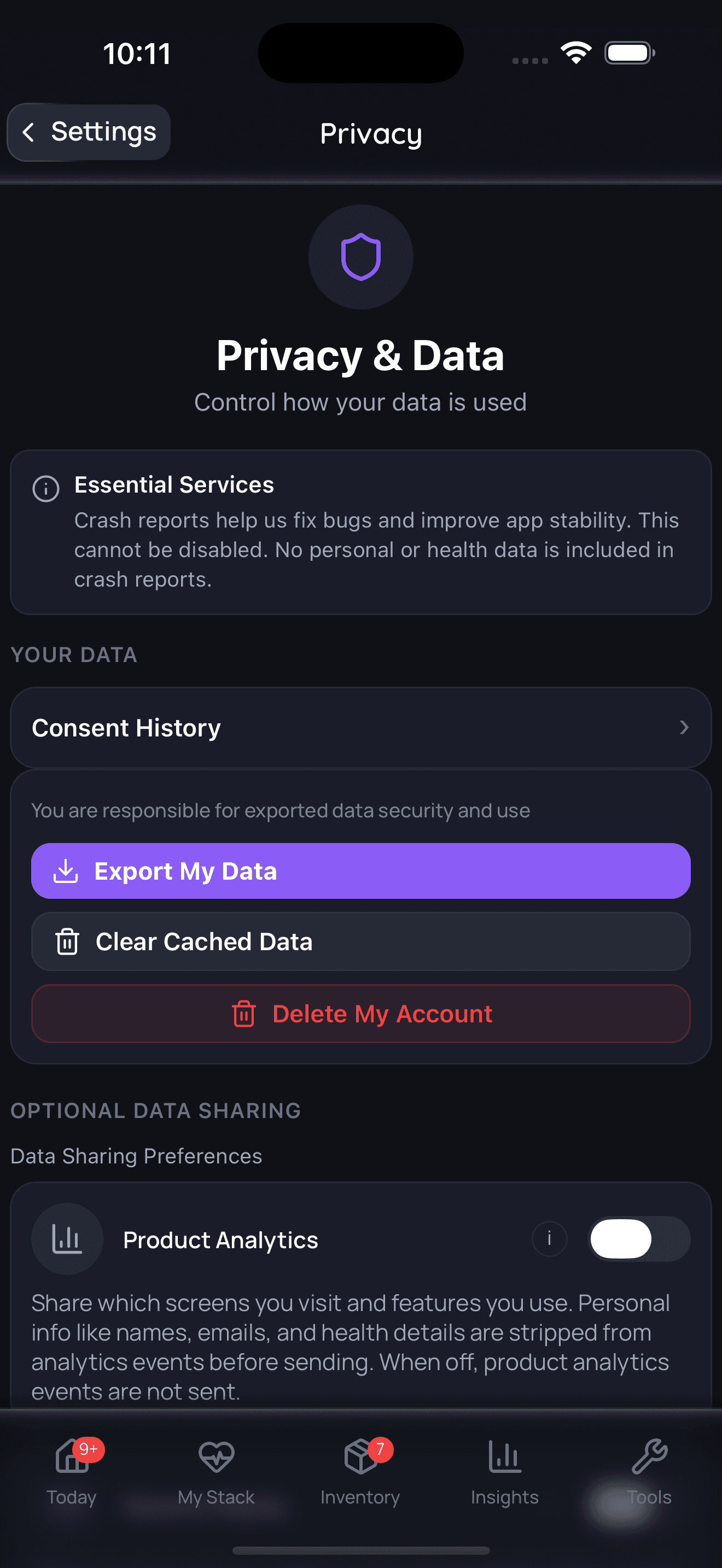
Privacy controls help you manage records; keep clinical records where required.
Side Effects & Safety
The Basics
Andrographis is generally well tolerated at standard doses and in short-term use (up to a few weeks). The most common side effects are gastrointestinal: nausea, diarrhea, and the profoundly bitter taste that earned the plant its "King of Bitters" nickname. Headache, fatigue, and dizziness have also been reported, though in clinical trials these often occur at similar rates in placebo groups [33][34].
There are, however, some specific safety signals worth knowing about.
Taste disturbance: Reports from Australia linked certain andrographis products (particularly one called Armaforce) to prolonged loss of taste. This was significant enough that Australia's Therapeutic Goods Administration (TGA) now requires warning labels on andrographis products sold in that country. Whether this effect is related to specific formulations, extraction methods, or the compound itself remains unclear, but it is a risk to be aware of [33].
Allergic reactions: While uncommon, anaphylaxis and severe allergic reactions have been documented with various andrographis preparations. Methanol-extracted products may carry higher allergenicity risk. If you have a history of allergies, particularly to plants in the Acanthaceae family, start with a very small dose to assess tolerance [34][35].
Liver enzyme elevation: In a phase I trial using higher doses of andrographolide (10 mg/kg body weight), elevated liver enzymes (AST and ALT) were observed. These normalized after discontinuation. This suggests that high-dose or long-term use warrants periodic liver function monitoring [14].
Pregnancy: Andrographis should be avoided during pregnancy. Animal studies have documented abortifacient effects, and there is insufficient safety data to support use in pregnant or breastfeeding women [36].
Blood pressure effects: The herb can cause transient reductions in blood pressure at therapeutic doses. This is generally mild but could be significant for people already taking antihypertensive medications [16].
The Science
A systematic review and meta-analysis by Worakunphanich et al. (2021) evaluated the safety profile of A. paniculata across clinical studies and found that adverse effects with herbal preparations were generally mild to moderate [33]. Notably, the meta-analysis distinguished between andrographis herbal preparations and andrographolide derivatives (pharmaceutical-grade isolated compounds), finding that adverse effects including death were more frequent with the derivatives than with whole-herb preparations [33].
Dose-dependent adverse events:
In the phase I trial by Calabrese et al. (2000), adverse reactions became apparent at an andrographolide dose of 10 mg/kg body weight, including headache, fatigue, rash, bitter/metallic taste, diarrhea, pruritus, and decreased sex drive. One HIV-positive participant experienced an anaphylactic reaction. Elevated liver enzymes were observed in many subjects [14].
Allergic reactions:
The TGA safety review identified multiple cases of anaphylaxis and allergic reactions associated with various A. paniculata preparations. A characterization study of hypersensitivity reactions from Thailand's Health Product Vigilance Center (HPVC) database documented the range of allergic responses [35]. Methanol extraction may increase allergenicity risk [34].
Reproductive safety:
Male reproductive toxicity data are conflicting. A subchronic 60-day study in male rats showed no changes in testicular weight, histology, or testosterone levels at doses up to 1,000 mg/kg [37]. However, studies using purified andrographolide for 48 days showed decreases in sperm counts and motility linked to disruption of spermatogenesis [37]. A Phase I human trial using Kan Jang at three times the recommended dose for 10 days found no toxic effects on sperm cells [38]. In female rats, high-dose A. paniculata caused dose-dependent reductions in fertility markers [39].
LD50: Acute lethal doses in mice are reported to be greater than 40 g/kg for andrographolide, suggesting a very wide safety margin between therapeutic and toxic doses [36]. Genotoxicity testing (Ames, chromosome aberration, micronucleus assays) on standardized extract showed no evidence of mutations or clastogenicity [40].
Managing side effect risks across a multi-supplement stack can feel overwhelming, especially when interactions between supplements, medications, and foods add layers of complexity. Doserly brings all of that into a single safety view so nothing falls through the cracks.
Rather than researching every possible interaction yourself, the app checks your full stack automatically and flags supplement-drug and supplement-supplement interactions that warrant attention. If you do experience something unexpected, logging it takes seconds, and over time the app helps you spot patterns: whether symptoms correlate with specific doses, timing, or combinations. One place for the safety picture that matters most when your stack grows beyond a few bottles.
Keep side effects, flags, and follow-up notes visible.
Doserly helps you document safety observations, side effects, medication changes, and follow-up questions so important context is not scattered.
Safety log
Flags and notes
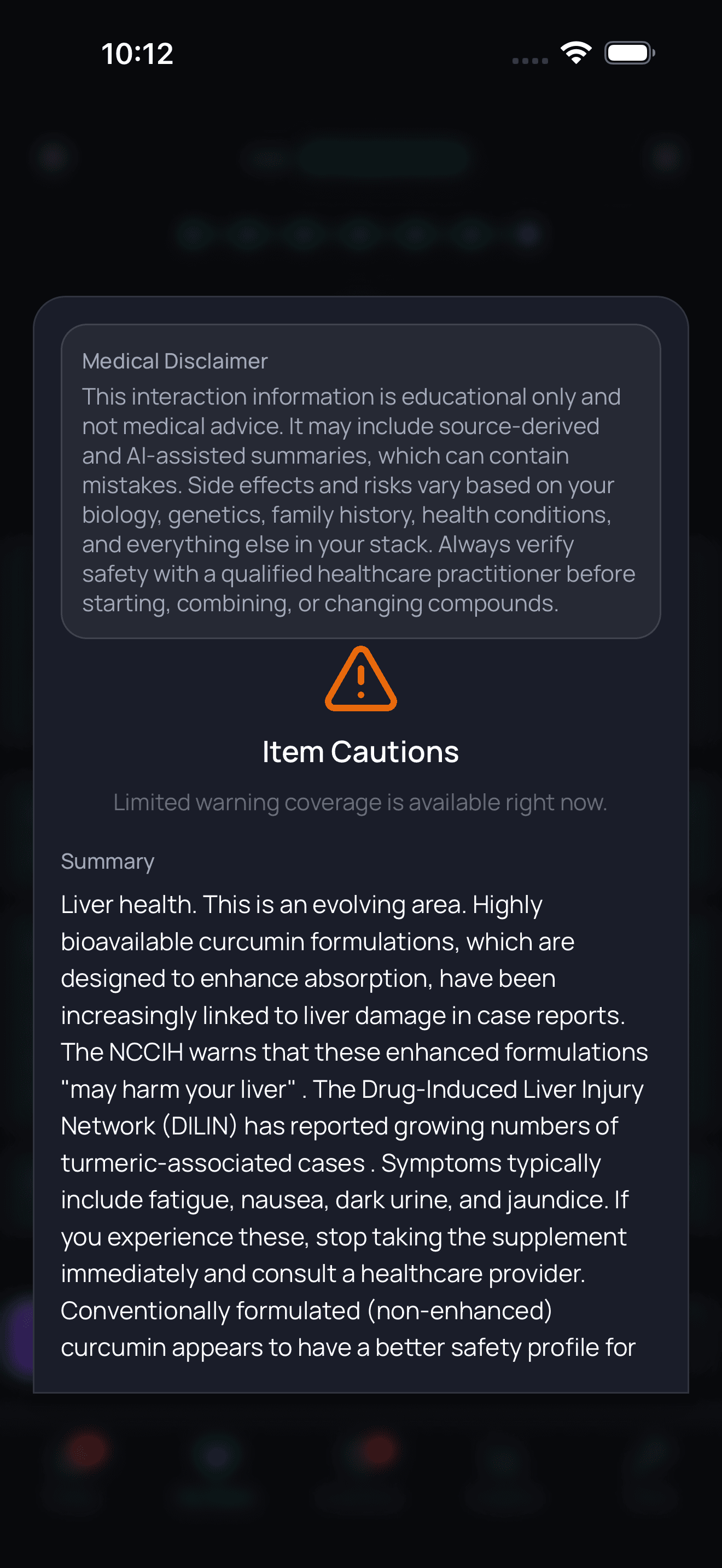
Safety notes are not emergency guidance; seek medical help when appropriate.
Dosing & Usage Protocols
The Basics
Dosing andrographis depends heavily on what you are taking it for and what form of extract you are using. The andrographolide content can vary enormously between products (from 1% to 50%), which means that "400 mg of andrographis" from one product could deliver 4 mg of andrographolide while another delivers 200 mg. Always check the standardization percentage.
For cold and flu symptom relief, clinical studies have typically used 200-1,200 mg of standardized extract daily, divided into two to three doses, for 3 to 5 days starting at the first sign of symptoms. The key is early intervention; taking it after symptoms are well established appears less effective.
For inflammatory conditions like ulcerative colitis, higher doses have been studied: 1,200-1,800 mg of extract daily in three divided doses for 8 weeks. For rheumatoid arthritis, studies used 90 mg of andrographolide daily (in three divided doses of 30 mg) for 14 weeks.
Because of the dose-dependent decrease in absorption, there is a practical ceiling to how much andrographolide your body can actually use. Taking very high single doses is likely wasteful. Dividing the daily dose into two or three administrations throughout the day appears to be a better strategy for maintaining blood levels.
The Science
Dosing by indication (based on clinical trial protocols):
Indication
URTI (uncomplicated)
- Extract Dose
- 200 mg/day standardized extract
- Andrographolide Content
- ~60 mg/day
- Duration
- 5 days
- Reference
- Saxena et al., 2010 [5]
Indication
Pharyngotonsillitis
- Extract Dose
- 3,000-6,000 mg/day whole herb
- Andrographolide Content
- Variable
- Duration
- 3-7 days
- Reference
- Thamlikitkul et al., 1991 [29]
Indication
Ulcerative colitis
- Extract Dose
- 1,200-1,800 mg/day (divided TID)
- Andrographolide Content
- Variable
- Duration
- 8 weeks
- Reference
- Sandborn et al., 2013 [6]
Indication
Rheumatoid arthritis
- Extract Dose
- ~300 mg/day extract (30% andrographolide)
- Andrographolide Content
- 90 mg/day
- Duration
- 14 weeks
- Reference
- Burgos et al., 2009 [25]
Indication
Knee osteoarthritis
- Extract Dose
- 300-600 mg/day (50% andrographolide)
- Andrographolide Content
- 150-300 mg/day
- Duration
- 3 months
- Reference
- Hancke et al., 2019 [11]
Indication
Immunostimulation
- Extract Dose
- 200 mg/day (33% diterpene lactones)
- Andrographolide Content
- ~60 mg/day
- Duration
- 30 days
- Reference
- Rajanna et al., 2021 [18]
Indication
Hypertriglyceridemia
- Extract Dose
- ~120 mg/day andrographolide
- Andrographolide Content
- 120 mg/day
- Duration
- Duration varies
- Reference
- Phunikhom et al., 2015 [27]
Non-linear pharmacokinetics consideration: Given the dose-dependent decrease in bioavailability (91% at low dose to 2.67% at very high dose in animal models), divided dosing is pharmacokinetically preferred. The recommended starting dose of 60 mg/day andrographolide for URTIs reflects a balance between clinical efficacy data and absorption kinetics [41].
When your stack includes several supplements, each with its own dose, form, and timing requirements, the logistics alone can derail consistency. Doserly consolidates all of it into one protocol view, so every dose across your entire routine is accounted for without spreadsheets or guesswork.
The app also tracks cumulative intake for nutrients that appear in multiple products. If your multivitamin, standalone supplement, and fortified protein shake all contain the same nutrient, Doserly adds them up and shows you the total alongside recommended and upper limits. Managing a thoughtful supplement protocol shouldn't require a degree in nutrition science. The app handles the complexity so you can focus on staying consistent.
Build reminders around the routine, not just the compound.
Doserly can keep timing, skipped doses, and schedule changes organized so the plan you read about becomes easier to follow and review.
Today view
Upcoming reminders

Reminder tracking supports consistency; it does not select a protocol for you.
What to Expect (Timeline)
Weeks 1-2 (Acute use for respiratory infections):
Most clinical studies on andrographis for colds and URTIs use 3-5 day protocols. Users who start supplementation within the first 24-48 hours of symptom onset commonly report noticeable symptom improvement by day 3, with cough, sore throat, and nasal congestion improving most noticeably. By day 5, most study participants showed significant symptom reduction compared with placebo. Not everyone responds equally; some users report no noticeable benefit.
Weeks 1-4 (Anti-inflammatory and immune modulation):
For those using andrographis for its anti-inflammatory or immune-modulating properties, effects tend to build more gradually. Some community users report noticing reduced inflammation, improved sinus health, or better sleep within the first few weeks. The immunostimulant trial showed significant changes in immune markers (IFN-gamma, IL-4) after 30 days of daily use.
Weeks 4-8 (Inflammatory conditions):
For inflammatory bowel conditions like ulcerative colitis, clinical trials used 8-week protocols. Dose-dependent clinical responses became apparent during this window. For rheumatoid arthritis, studies ran 14 weeks before significant reductions in swollen and tender joints were observed.
Months 2-3+ (Osteoarthritis):
The osteoarthritis trial ran for 3 months before reporting significant improvements in pain, stiffness, and physical function. This timeframe aligns with the slow progression of structural joint changes.
Important context: Many Traditional Chinese Medicine practitioners recommend andrographis for acute, short-term use rather than indefinite daily supplementation. The herb is classified as "cold" in TCM, and extended use in constitutionally "cold" individuals is traditionally cautioned against. Long-term safety data beyond 3 months is limited.
Interactions & Compatibility
SYNERGISTIC
- Eleutherococcus senticosus (Siberian Ginseng): The traditional Kan Jang combination. Multiple clinical trials used this pairing for respiratory infections, with the combination appearing more effective than either herb alone. The two herbs may complement each other through different immune pathways.
- Quercetin: Several community users and practitioners report stacking andrographis with quercetin for enhanced anti-inflammatory and antihistamine effects. Both compounds modulate NF-kB signaling.
- Turmeric/Curcumin: Complementary anti-inflammatory pathways. Andrographis inhibits NF-kB and COX-2, while curcumin acts through additional anti-inflammatory mechanisms.
- Vitamin D3: General immune support stack. Vitamin D supports innate and adaptive immunity through different mechanisms than andrographis.
- Zinc: Commonly combined for immune support during acute infections. Both have independent evidence for cold symptom reduction.
CAUTION / AVOID
- Anticoagulant and antiplatelet medications (warfarin, aspirin, clopidogrel): Andrographis may inhibit platelet aggregation. While one animal study found no interaction with warfarin, the antiplatelet mechanism warrants caution with blood-thinning medications [21].
- Blood pressure medications (ACE inhibitors, beta-blockers, calcium channel blockers): Andrographis has demonstrated hypotensive effects through calcium channel inhibition and beta-adrenoreceptor antagonism. Additive blood pressure lowering could cause symptomatic hypotension [16].
- Aminophylline and theophylline: Andrographis inhibits CYP1A2, which metabolizes these drugs, potentially increasing side effect risk [17].
- CYP450 substrate drugs (CYP1A2, CYP2C9, CYP3A4): Andrographis extract inhibits these enzymes in vitro, which could alter blood levels of drugs metabolized by them. Clinical significance at supplement doses is not fully established [22].
- UGT2B7 substrate drugs: Andrographolide derivatives inhibit UGT2B7, potentially increasing side effects of drugs metabolized by this enzyme [22].
- Chemotherapy drugs: The antioxidant effects of andrographolide may theoretically interfere with oxidative-stress-based chemotherapy mechanisms [34].
- Immunosuppressant medications: The immunostimulatory properties of andrographis could counteract immunosuppressive therapy [18].
- Iron: No documented interaction, but the bitter compounds may reduce GI tolerance when taken simultaneously.
How to Take / Administration Guide
Recommended forms: Standardized capsule or tablet extracts are the most practical form for most people. Look for products standardized to a specific andrographolide content (typically 10-30%). Whole herb powder is traditional but requires much higher doses (3-6g daily) and is extremely bitter.
Timing considerations: Divided dosing (two to three times daily with meals) is generally recommended based on the short half-life and dose-dependent absorption kinetics. Taking with food may improve GI tolerability. For acute respiratory infections, starting within the first 24-48 hours of symptom onset appears important for efficacy.
Acute vs. maintenance use: Most clinical evidence supports short-term acute use (3-14 days) for respiratory infections. For inflammatory conditions, longer protocols (8-14 weeks) have been studied. Whether indefinite daily use is appropriate is debated: some Western supplement users take it daily for years without reported issues, while TCM practitioners generally recommend it only for acute phases and caution against continuous long-term use.
Cycling guidance: For those using andrographis beyond acute infection support, cycling (e.g., 4-6 weeks on, 2 weeks off) is a reasonable precautionary approach given the limited long-term safety data. Monitor liver function periodically if using for extended periods.
Stacking guidance: Often taken alongside quercetin, hesperidin, or vitamin C for anti-inflammatory and immune support. When combining with Siberian Ginseng (the traditional Kan Jang pairing), use products specifically formulated for this combination or follow the dosing ratios used in clinical trials.
Sublingual use: Some users report taking the powder sublingually for faster absorption. However, at typical doses, sublingual absorption is likely limited to about 10% of the dose, with the remainder being swallowed and absorbed through the GI tract.
Choosing a Quality Product
Third-party certifications: Look for USP Verified, NSF Certified, or GMP-certified products. For athletes, NSF Certified for Sport or Informed Sport certification is recommended.
Standardization: The most critical quality marker for andrographis is the standardized andrographolide content. Products should clearly state the percentage of andrographolide (typically 10-30% for concentrated extracts). Whole herb products with 1-4% andrographolide require higher doses. Be wary of products that list only total extract weight without specifying andrographolide content.
Extract type matters: Ethanol-extracted products are standard. Methanol-extracted preparations have been associated with higher allergenicity risk in safety reviews [35]. If you are prone to allergic reactions, look for products that specify their extraction solvent.
Named/patented extracts: Several standardized extracts have been used in clinical trials:
- KalmCold (standardized andrographolide content, used in URTI trials)
- Paractin (50% andrographolide, used in osteoarthritis trial)
- HMPL-004 (used in ulcerative colitis trials)
- Kan Jang (combination with Siberian Ginseng, multiple trials)
Red flags:
- Products with no stated andrographolide standardization
- Proprietary blends that hide the actual andrographis dose
- Claims about curing specific diseases
- Mega-doses far exceeding clinical trial amounts
- Products with no third-party testing documentation
Excipient considerations: Andrographis capsules should use minimal fillers. Check for common allergens (gluten, soy, dairy) if you have sensitivities. Some products add piperine or black pepper extract to enhance bioavailability, though this has not been specifically validated for andrographolide absorption.
Storage & Handling
Store andrographis supplements in a cool, dry place away from direct sunlight and moisture. Standard room temperature storage is adequate for most formulations. No refrigeration is required for capsules or tablets.
Powder forms may be more susceptible to moisture absorption due to the hygroscopic nature of the extract. Keep powder containers tightly sealed and use a dry scoop.
Check expiration dates, as andrographolide content may degrade over time, particularly in liquid extracts. Capsule and tablet forms generally maintain potency within their stated shelf life when stored properly.
Lifestyle & Supporting Factors
Diet and immune support: Andrographis works best as part of a comprehensive immune support approach. Adequate intake of zinc, vitamin C, vitamin D, and selenium from food or supplementation supports baseline immune function. A balanced diet rich in fruits, vegetables, and whole grains provides the micronutrient foundation that andrographis supplements complement, not replace.
Rest during acute illness: When using andrographis for cold or flu symptoms, adequate rest and hydration remain the foundation of recovery. The supplement may reduce symptom severity, but it does not eliminate the body's need for recovery resources.
Inflammation management: For those using andrographis for its anti-inflammatory properties, lifestyle factors significantly influence outcomes. Regular moderate exercise, adequate sleep (7-9 hours), stress management, and an anti-inflammatory dietary pattern (rich in omega-3 fatty acids, fiber, and polyphenols) all reduce baseline inflammation.
Monitoring: If using andrographis for extended periods (beyond a few weeks), periodic liver function testing (AST, ALT) is a reasonable precaution, particularly at higher doses. Blood pressure monitoring is advisable for individuals on antihypertensive medications.
Hydration: The bitter taste of andrographis may cause nausea in some individuals. Taking with a full glass of water and food can improve tolerability.
Signs of deficiency: Andrographis is not an essential nutrient, so there is no deficiency state. It is an herbal supplement used for specific therapeutic purposes.
Regulatory Status & Standards
United States (FDA): Andrographis paniculata is marketed as a dietary supplement under DSHEA. It is not GRAS-listed and has not undergone FDA pre-market review for safety or efficacy. No approved health claims exist.
Canada (Health Canada): Andrographis is available as a Licensed Natural Health Product. Monographs support its use for relief of symptoms of upper respiratory tract infections.
European Union (EFSA): Available in some EU member states as a traditional herbal medicinal product. The European Medicines Agency (EMA) has a community herbal monograph for A. paniculata for the treatment of common colds based on traditional use.
Australia (TGA): Listed medicine. Following safety reviews of allergic reaction and taste disturbance reports, the TGA now requires specific warning labels on andrographis-containing products regarding potential allergic reactions and taste disturbances [35].
Thailand: Andrographis (Fah Talai Jone) has been approved by Thailand's Ministry of Public Health for use in patients aged 18-60 with minor COVID-19 symptoms within 72 hours of diagnosis [8].
Active clinical trials: Multiple registered trials on ClinicalTrials.gov investigating andrographis for COVID-19, respiratory infections, and inflammatory conditions.
Athlete & Sports Regulatory Status:
WADA: Andrographis paniculata does not appear on the current WADA Prohibited List. It is not a prohibited substance in or out of competition.
National Anti-Doping Agencies: No specific guidance or alerts have been issued by major NADOs (USADA, UKAD, Sport Integrity Canada, Sport Integrity Australia) regarding andrographis.
Professional Sports Leagues: No league-specific restrictions on andrographis have been identified (NFL, NBA, MLB, NHL, NCAA).
Athlete Certification Programs: Athletes should still seek products with third-party sport certification (Informed Sport, NSF Certified for Sport) to minimize contamination risk, even for non-prohibited substances. Whether certified andrographis products are widely available varies by market.
GlobalDRO: Athletes can check substance status at GlobalDRO.com across US, UK, Canada, Australia, Japan, Switzerland, and New Zealand jurisdictions.
Regulatory status and prohibited substance classifications change frequently. Athletes should always verify the current status of any supplement with their sport's governing body, their national anti-doping agency, and a qualified sports medicine professional before use. Third-party certification (Informed Sport, NSF Certified for Sport) reduces but does not eliminate the risk of contamination with prohibited substances.
Frequently Asked Questions
Does andrographis actually work for colds?
Based on available clinical evidence, standardized andrographis preparations appear to reduce the severity and duration of common cold symptoms when taken within the first 24-48 hours of symptom onset. Multiple randomized controlled trials and meta-analyses support this use, though study quality varies. Most benefits are seen within 3-5 days. It is not a cure and does not replace medical care when needed.
How much andrographolide should I look for in a supplement?
Clinical trials have generally used preparations delivering 60-180 mg of andrographolide per day for respiratory infections. When evaluating products, check the standardization percentage: a 200 mg capsule of extract standardized to 30% andrographolide delivers 60 mg of andrographolide, while the same weight at 10% delivers only 20 mg. The andrographolide content, not the total extract weight, determines the active dose.
Can I take andrographis every day long-term?
Long-term safety data beyond 3 months is limited. Some users and supplement practitioners report daily use for extended periods without apparent issues. Traditional Chinese Medicine practitioners generally classify andrographis as a "cold" herb and recommend it for acute use rather than indefinite daily supplementation. Periodic liver function monitoring is advisable for extended use. A healthcare professional can help determine the appropriate duration for your situation.
Will andrographis interfere with my medications?
Andrographis has documented interactions with several drug classes, including blood thinners (anticoagulants/antiplatelets), blood pressure medications, aminophylline/theophylline, and drugs metabolized by CYP1A2, CYP2C9, CYP3A4, or UGT2B7. Anyone taking prescription medications should consult a healthcare provider before using andrographis.
Is andrographis safe during pregnancy?
No. Animal studies have documented abortifacient (pregnancy-terminating) effects. Andrographis should be avoided during pregnancy and breastfeeding due to insufficient safety data and documented adverse reproductive effects in animal models.
Can andrographis cause loss of taste?
There have been reports of prolonged taste disturbance associated with certain andrographis products, particularly in Australia. The Australian TGA now requires warning labels. The risk may be related to specific formulations or extraction methods. While most users do not experience this side effect, it is a documented risk.
Is andrographis the same as Echinacea?
No. While both are herbal supplements used for immune support and cold symptom relief, they are completely different plants with different active compounds and mechanisms of action. A. paniculata (Acanthaceae family) works primarily through andrographolide diterpenes, while Echinacea species (Asteraceae family) work through alkamides and polysaccharides. At least one clinical trial found andrographis (as Kan Jang) more effective than Echinacea for respiratory symptoms in children.
Does andrographis affect testosterone or male fertility?
Animal data is conflicting. Some studies using purified andrographolide showed decreased sperm counts and motility, while others using whole extract at much higher doses showed no testicular effects. One human study using the Kan Jang preparation at three times the recommended dose for 10 days found no toxic effects on sperm. A 60-day rat study found no influence on circulating testosterone levels. The balance of evidence does not strongly support fertility concerns at standard supplemental doses, but the data is not entirely reassuring either.
What does "King of Bitters" mean?
It refers to the intensely bitter taste of all parts of the Andrographis paniculata plant. In Traditional Chinese Medicine, this bitterness is considered a functional property: bitter herbs are classified as "cold" and are used to clear heat and reduce inflammation. The extreme bitterness is the herb's most immediately recognizable characteristic.
Myth vs. Fact
Myth: Andrographis is "Indian Echinacea" and works the same way.
Fact: While andrographis is sometimes marketed as "Indian Echinacea," this is a misleading comparison. The two herbs belong to completely different plant families (Acanthaceae vs. Asteraceae), contain entirely different active compounds (diterpene lactones vs. alkamides/polysaccharides), and work through different mechanisms. At least one head-to-head trial in children with colds found the Kan Jang preparation (containing andrographis) significantly more effective than Echinacea [24].
Myth: More andrographis means stronger effects.
Fact: Due to the dose-dependent decrease in andrographolide bioavailability, doubling the dose does not double the amount that reaches your bloodstream. Rat studies show bioavailability drops from 91% at low doses to less than 3% at very high doses [9]. Clinical protocols use moderate doses in divided administrations rather than large single doses.
Myth: Andrographis is proven to treat COVID-19.
Fact: While Thailand's government approved a pilot program for andrographis use in mild COVID-19 based on preliminary data, systematic reviews of the available clinical evidence do not support strong conclusions about efficacy against COVID-19. In vitro studies show antiviral activity against SARS-CoV-2, but clinical trials have been small and results mixed [8][42].
Myth: Andrographis causes infertility in men.
Fact: The evidence is mixed and dose-dependent. Some animal studies using purified andrographolide showed decreased sperm parameters, but other studies using whole-herb extract at higher doses showed no testicular effects. A human Phase I trial at three times the recommended dose found no sperm toxicity [37][38]. The balance of evidence does not support infertility concerns at standard supplemental doses, though more human data would be valuable.
Myth: All andrographis supplements are the same.
Fact: Andrographolide content varies enormously between products, from 1% to over 50%. A product labeled "400 mg andrographis" could contain anywhere from 4 mg to 200 mg of the actual active compound. Additionally, extraction methods (ethanol vs. methanol) may affect both efficacy and allergenicity. Standardization percentage and extraction method are critical quality differentiators [9][35].
Myth: Andrographis is only useful for colds.
Fact: While respiratory infection relief has the strongest evidence base, clinical trials also support potential benefits for ulcerative colitis, rheumatoid arthritis, knee osteoarthritis, and hypertriglyceridemia. The anti-inflammatory properties of andrographolide appear to have broader therapeutic applications beyond acute infection [6][7][11][25][27].
Myth: Andrographis is completely safe because it's natural.
Fact: While generally well tolerated at standard doses, andrographis has documented risks: taste disturbance (prompting regulatory warning labels in Australia), allergic reactions including anaphylaxis, liver enzyme elevation at higher doses, blood pressure lowering, potential antiplatelet effects, and should be avoided during pregnancy [14][33][34][35]. "Natural" does not mean "without risk."
Sources & References
Systematic Reviews & Meta-Analyses
[1] Hossain MS, Urbi Z, Sule A, Hafizur Rahman KM. Andrographis paniculata (Burm. f.) Wall. ex Nees: a review of ethnobotany, phytochemistry, and pharmacology. ScientificWorldJournal. 2014;2014:274905.
[2] Kumar RA, Sridevi K, Kumar NV, Nanduri S, Rajagopal S. Anticancer and immunostimulatory compounds from Andrographis paniculata. J Ethnopharmacol. 2004;92(2-3):291-295.
[3] Poolsup N, Suthisisang C, Prathanturarug S, et al. Andrographis paniculata in the symptomatic treatment of uncomplicated upper respiratory tract infection: systematic review of randomized controlled trials. J Clin Pharm Ther. 2004;29(1):37-45.
[4] Hu XY, Wu RH, Logue M, et al. Andrographis paniculata (Chuan Xin Lian) for symptomatic relief of acute respiratory tract infections in adults and children: A systematic review and meta-analysis. PLoS One. 2017;12(8):e0181780.
Clinical Trials & RCTs
[5] Saxena RC, Singh R, Kumar P, et al. A randomized double blind placebo controlled clinical evaluation of extract of Andrographis paniculata (KalmCold) in patients with uncomplicated upper respiratory tract infection. Phytomedicine. 2010;17(3-4):178-185.
[6] Tang T, Targan SR, Li ZS, et al. Randomised clinical trial: herbal extract HMPL-004 in active ulcerative colitis - a double-blind comparison with sustained release mesalazine. Aliment Pharmacol Ther. 2011;33(2):194-202.
[7] Sandborn WJ, Targan SR, Byers VS, et al. Andrographis paniculata extract (HMPL-004) for active ulcerative colitis. Am J Gastroenterol. 2013;108(1):90-98.
[8] Tanwettiyanont J, Piriyachananusorn N, Sangsoi L, et al. Use of Andrographis paniculata (Burm.f.) Wall. ex Nees and risk of pneumonia in hospitalised patients with mild coronavirus disease 2019: a retrospective cohort study. Front Med (Lausanne). 2022;9:947373.
[9] Panossian A, Hovhannisyan A, Mamikonyan G, et al. Pharmacokinetic and oral bioavailability of andrographolide from Andrographis paniculata fixed combination Kan Jang in rats and human. Phytomedicine. 2000;7(5):351-364.
[10] Chao WW, Lin BF. Isolation and identification of bioactive compounds in Andrographis paniculata (Chuanxinlian). Chin Med. 2010;5:17.
[11] Hancke JL, Srivastav S, Caceres DD, Burgos RA. A double-blind, randomized, placebo-controlled study to assess the efficacy of Andrographis paniculata standardized extract (ParActin) on pain reduction in subjects with knee osteoarthritis. Phytother Res. 2019;33(5):1469-1479.
[12] Liu J, Wang ZT, Ji LL, Ge BX. Inhibitory effects of neoandrographolide on nitric oxide and prostaglandin E2 production in LPS-stimulated murine macrophage. Mol Cell Biochem. 2007;298(1-2):49-57.
[13] Hidalgo MA, Romero A, Figueroa J, et al. Andrographolide interferes with binding of nuclear factor-kappaB to DNA in HL-60-derived neutrophilic cells. Br J Pharmacol. 2005;144(5):680-686.
[14] Calabrese C, Berman SH, Babish JG, et al. A phase I trial of andrographolide in HIV positive patients and normal volunteers. Phytother Res. 2000;14(5):333-338.
[15] Sa-Ngiamsuntorn K, Suksatu A, Pewkliang Y, et al. Anti-SARS-CoV-2 activity of Andrographis paniculata extract and its major component andrographolide in human lung epithelial cells and cytotoxicity evaluation in major organ cell representatives. J Nat Prod. 2021;84(4):1261-1270.
[16] Yoopan N, Thisoda P, Rangkadilok N, et al. Cardiovascular effects of 14-deoxy-11,12-didehydroandrographolide and Andrographis paniculata extracts. Planta Med. 2007;73(6):503-511.
[17] Pekthong D, Martin H, Abadie C, et al. Differential inhibition of rat and human hepatic cytochrome P450 by Andrographis paniculata extract and andrographolide. J Ethnopharmacol. 2008;115(3):432-440.
[18] Rajanna M, Bharathi B, Shivakumar BR, et al. Immunomodulatory effects of Andrographis paniculata extract in healthy adults - an open-label study. J Ayurveda Integr Med. 2021;12(3):529-534.
[19] Rahmi EP, Kumolosasi E, Jalil J, et al. Extracts of Andrographis paniculata (Burm.f.) Nees leaves exert anti-gout effects by lowering uric acid levels and reducing monosodium urate crystal-induced inflammation. Front Pharmacol. 2022;12:787125.
[20] Thisoda P, Rangkadilok N, Pholphana N, et al. Inhibitory effect of Andrographis paniculata extract and its active diterpenoids on platelet aggregation. Eur J Pharmacol. 2006;553(1-3):39-45.
[21] Burgos RA, Hidalgo MA, Monsalve J, et al. 14-deoxyandrographolide as a platelet activating factor antagonist in bovine neutrophils. Planta Med. 2005;71(7):604-608.
[22] Ma HY, Sun DX, Cao YF, et al. Herb-drug interaction prediction based on the high specific inhibition of andrographolide derivatives towards UDP-glucuronosyltransferase (UGT) 2B7. Toxicol Appl Pharmacol. 2014;277(1):86-94.
[23] Suriyo T, Pholphana N, Ungtrakul T, et al. Clinical Parameters following Multiple Oral Dose Administration of a Standardized Andrographis paniculata Capsule in Healthy Thai Subjects. Planta Med. 2017;83(9):778-789.
[24] Spasov AA, Ostrovskij OV, Chernikov MV, Wikman G. Comparative controlled study of Andrographis paniculata fixed combination, Kan Jang and an Echinacea preparation as adjuvant, in the treatment of uncomplicated respiratory disease in children. Phytother Res. 2004;18(1):47-53.
[25] Burgos RA, Hancke JL, Bertoglio JC, et al. Efficacy of an Andrographis paniculata composition for the relief of rheumatoid arthritis symptoms: a prospective randomized placebo-controlled trial. Clin Rheumatol. 2009;28(8):931-946.
[26] Bertoglio JC, Baumgartner M, Palma R, et al. Andrographis paniculata decreases fatigue in patients with relapsing-remitting multiple sclerosis: a 12-month double-blind placebo-controlled pilot study. BMC Neurol. 2016;16:77.
[27] Phunikhom K, Khampitak K, Aromdee C, et al. Effect of Andrographis paniculata Extract on Triglyceride Levels of the Patients with Hypertriglyceridemia: A Randomized Controlled Trial. J Med Assoc Thai. 2015;98(suppl 6):S41-47.
[28] Mishra SK, Tripathi S, Shukla A, et al. Andrographolide and analogues in cancer prevention. Front Biosci (Elite Ed). 2015;7:255-266.
[29] Thamlikitkul V, Dechatiwongse T, Theerapong S, et al. Efficacy of Andrographis paniculata, Nees for pharyngotonsillitis in adults. J Med Assoc Thai. 1991;74(10):437-442.
[30] Ciampi E, Uribe-San-Martin R, Carcamo C, et al. Efficacy of andrographolide in not active progressive multiple sclerosis: a prospective exploratory double-blind, parallel-group, randomized, placebo-controlled trial. BMC Neurol. 2020;20(1):173.
[31] Melchior J, Spasov AA, Ostrovskij OV, et al. Double-blind, placebo-controlled pilot and phase III study of activity of standardized Andrographis paniculata Herba Nees extract fixed combination (Kan Jang) in the treatment of uncomplicated upper-respiratory tract infection. Phytomedicine. 2000;7(5):341-350.
[32] Kapil A, Koul IB, Banerjee SK, Gupta BD. Antihepatotoxic effects of major diterpenoid constituents of Andrographis paniculata. Biochem Pharmacol. 1993;46(1):182-185.
[33] Worakunphanich W, Thavorncharoensap M, Youngkong S, et al. Safety of Andrographis paniculata: A systematic review and meta-analysis. Pharmacoepidemiol Drug Saf. 2021;30(6):727-739.
[34] Suwankesawong W, Saokaew S, Permsuwan U, Chaiyakunapruk N. Characterization of hypersensitivity reactions reported among Andrographis paniculata users in Thailand using Health Product Vigilance Center (HPVC) database. BMC Complement Altern Med. 2014;14(1):515.
[35] Australian Therapeutic Goods Administration. Safety review of Andrographis paniculata. TGA Safety Review. Available at: https://www.tga.gov.au/
[36] McGuffin M, Hobbs C, Upton R, Goldberg A, eds. American Herbal Products Association's Botanical Safety Handbook. CRC Press; 1997.
[37] Burgos RA, Caballero EE, Sanchez NS, et al. Testicular toxicity assessment of Andrographis paniculata dried extract in rats. J Ethnopharmacol. 1997;58(3):219-224.
[38] Mkrtchyan A, Panosyan V, Panossian A, et al. A phase I clinical study of Andrographis paniculata fixed combination Kan Jang versus ginseng and valerian on the semen quality of healthy male subjects. Phytomedicine. 2005;12(6-7):403-409.
[39] Ogundola AF, Akhigbe RE, Saka WA, et al. Contraceptive potential of Andrographis paniculata is via androgen suppression and not induction of oxidative stress in male Wistar rats. Tissue Cell. 2021;73:101632.
[40] Chandrasekaran CV, Thiyagarajan P, Sundarajan K, et al. Evaluation of the genotoxic potential and acute oral toxicity of standardized extract of Andrographis paniculata (KalmCold). Food Chem Toxicol. 2009;47(8):1892-1902.
[41] Songvut P, Suriyo T, Panomvana D, et al. A comprehensive review on disposition kinetics and dosage of oral administration of Andrographis paniculata, an alternative herbal medicine, in co-treatment of coronavirus disease. Front Pharmacol. 2022;13:952660.
[42] Shang YX, Shen C, Stub T, et al. Adverse effects of andrographolide derivative medications compared to the safe use of herbal preparations of Andrographis paniculata: results of a systematic review and meta-analysis of clinical studies. Front Pharmacol. 2022;13:773282.
Related Supplement Guides
Same Category (Herbal — Immune & Anti-Inflammatory)
- Astragalus — Traditional immune tonic, often compared to andrographis for immune support
- Echinacea — Western herbal immune support, less effective than andrographis in at least one comparative trial
- Turmeric/Curcumin — Complementary anti-inflammatory herb
Common Stacks / Pairings
- Ginseng (Panax/Siberian) — Traditional Kan Jang pairing for respiratory infections
- Quercetin — Frequently stacked for anti-inflammatory and antihistamine synergy
- Zinc — Combined for acute immune support
- Vitamin C — General immune support companion
- Vitamin D3 — Immune system support through complementary mechanisms
Related Health Goal
- Boswellia Serrata — Anti-inflammatory herb for joint health
- Cat's Claw — Immune-modulating herb with anti-inflammatory properties
- NAC — Supports respiratory health and reduces inflammation
- Reishi Mushroom — Immunomodulatory medicinal mushroom