
Cat's Claw: The Complete Supplement Guide
On this page
Quick Reference Card
Attribute
Common Name
- Detail
- Cat's Claw
Attribute
Other Names / Aliases
- Detail
- Una de gato, Hawk's claw, Life-giving vine of Peru, Saventaro, Uncaria tomentosa
Attribute
Category
- Detail
- Herbal Supplement (Amazonian vine bark)
Attribute
Primary Forms & Variants
- Detail
- Standardized bark extract (pentacyclic oxindole alkaloid-enriched chemotype, preferred); Water-soluble bark extract (C-MED-100, AC-11); Raw bark powder (capsules); Liquid tincture/extract
Attribute
Typical Dose Range
- Detail
- 250-350 mg/day standardized extract; 500-1500 mg/day raw bark powder
Attribute
RDA / AI / UL
- Detail
- Not established. Cat's claw is not classified as an essential nutrient. No formal dietary reference values exist.
Attribute
Common Delivery Forms
- Detail
- Capsule, tablet, liquid extract/tincture, tea (decoction), raw bark powder
Attribute
Best Taken With / Without Food
- Detail
- Can be taken with or without food. Taking with food may reduce GI side effects (nausea, stomach discomfort).
Attribute
Key Cofactors
- Detail
- No established essential cofactors. Some in vitro evidence suggests additive effects with Maca (Lepidium meyenii) for joint health [1].
Attribute
Storage Notes
- Detail
- Store in a cool, dry place away from direct sunlight and moisture. No refrigeration required for capsule or powder forms.
Overview
The Basics
Cat's claw is a large, woody vine that grows wild in the Amazon rainforest and other tropical areas of Central and South America. Its common name comes from the small, curved thorns at the base of its leaves that resemble a cat's claws. Indigenous people of the Amazon have used cat's claw bark for centuries as a remedy for inflammation, stomach disorders, infections, and general weakness.
The species most commonly sold as a supplement is Uncaria tomentosa, though a related species, Uncaria guianensis, sometimes goes by the same name. The bark and root are the parts used medicinally, typically prepared as a tea (decoction) in traditional settings or as a standardized extract in capsule form for modern supplementation.
Cat's claw has attracted research interest primarily for its anti-inflammatory and immunomodulatory properties. It contains a complex mix of bioactive compounds, including oxindole alkaloids, proanthocyanidins, quinovic acid glycosides, and triterpenes. These compounds work through multiple pathways, which is part of why cat's claw has such a broad range of traditionally claimed uses [2][3].
In recent years, research has expanded into areas like DNA repair, neuroprotection (Alzheimer's disease), and adjunctive cancer therapy, though human clinical evidence remains limited across all applications [4][5].
The Science
Uncaria tomentosa (Willd. ex Schult.) DC. belongs to the Rubiaceae family and is native to the tropical lowlands of South and Central America, found primarily at elevations of 200 to 800 meters. The species is included in Brazil's National List of Essential Medicines (RENAME) and is dispensed through the Brazilian public health system as part of the Complementary Medicine Service [6].
Two chemotypes of U. tomentosa have been identified, distinguished by their alkaloid profiles: one enriched in pentacyclic oxindole alkaloids (POA) and the other in tetracyclic oxindole alkaloids (TOA). This distinction is pharmacologically significant because one study demonstrated that POA-mediated immunostimulatory effects (specifically, the promotion of leukocyte production) are antagonized by TOA [7]. This has led some manufacturers to produce POA-enriched, TOA-free extracts for immune applications.
The World Health Organization has described traditional uses for cat's claw as applicable for arthritis, rheumatism, gastric ulcers, abscesses, asthma, fevers, urinary tract infections, viral infections, and wounds [8]. In the United States, cat's claw is regulated as a dietary supplement under DSHEA. No FDA-approved drug product containing U. tomentosa as an active ingredient exists. The National Center for Complementary and Integrative Health (NCCIH) states that there is "no conclusive scientific evidence based on studies in people that supports using cat's claw for any health purpose" [9].
Chemical & Nutritional Identity
Property
Scientific Name
- Value
- Uncaria tomentosa (Willd. ex Schult.) DC.
Property
Family
- Value
- Rubiaceae
Property
Common Species
- Value
- U. tomentosa (primary), U. guianensis (secondary)
Property
Plant Part Used
- Value
- Inner bark, root
Property
Key Alkaloids (Pentacyclic Oxindole)
- Value
- Mitraphylline, Isomitraphylline, Pteropodine, Isopteropodine, Speciophylline, Uncarine F
Property
Key Alkaloids (Tetracyclic Oxindole)
- Value
- Rhynchophylline, Isorhynchophylline, Corynoxeine, Isocorynoxeine
Property
Other Bioactives
- Value
- Proanthocyanidins (B1, B2, B4, A1), Quinovic acid glycosides, Triterpenes (Oleanolic acid, Ursolic acid), Quinic acid, Epicatechin, Cinchonain Ia/Ib
Property
Total Alkaloid Content
- Value
- 0.156-0.962% (varies by chemotype and plant part)
Property
Chemical Markers (USP, 2023)
- Value
- Mitraphylline, Isopteropodine
Property
Category
- Value
- Herbal supplement; Immunomodulator; Anti-inflammatory
Property
RDA / AI / UL
- Value
- Not established (not an essential nutrient)
Cat's claw contains a diverse phytochemical profile spanning multiple compound classes. The pentacyclic oxindole alkaloids (POA) are considered the primary bioactive class for immune function, while proanthocyanidins (particularly proanthocyanidin B2) have been identified as responsible for neuroprotective activity against amyloid plaques and tau tangles [10]. Quinovic acid glycosides contribute to the plant's anti-inflammatory properties through NF-kB modulation [11].
The anti-inflammatory and antioxidant properties of cat's claw have been shown to be independent of alkaloid content, suggesting that non-alkaloid constituents (phenolic compounds, quinovic acid glycosides) carry significant pharmacological activity [12].
Mechanism of Action
The Basics
Cat's claw works through several interconnected pathways, which is why it has such a wide range of traditionally claimed uses. The primary mechanisms relate to its effects on inflammation and the immune system.
First, cat's claw reduces the production of inflammatory signaling molecules in your body, particularly NF-kB (a master switch for inflammation) and IL-6 (a key inflammatory messenger). Think of these as alarm signals that, when overactive, drive chronic inflammation. By turning down the volume on these signals, cat's claw may help reduce inflammation-driven symptoms like joint pain, swelling, and digestive discomfort.
Second, cat's claw stimulates certain immune cells. Its alkaloids increase the activity of phagocytes (cells that eat bacteria and debris) and T-helper cells (cells that coordinate immune responses). This is why some people report getting sick less often when taking cat's claw. However, this same immune-stimulating property is why cat's claw can be problematic for people with autoimmune conditions, where the immune system is already overactive.
Third, cat's claw appears to enhance DNA repair. Studies have found that aqueous extracts can speed up the repair of damaged DNA, both in lab experiments and in human volunteers [13][14]. This has implications for aging, cancer risk reduction, and recovery from treatments like chemotherapy.
The Science
The pharmacological actions of U. tomentosa are mediated through multiple molecular targets:
NF-kB Modulation: A 2024 systematic review and meta-analysis of 24 in vivo studies (PROSPERO: CRD42023450869) demonstrated that U. tomentosa extracts significantly decreased NF-kB levels (SMD: -1.19, 95%CI: -1.89 to -0.48, p = 0.001) and IL-6 (SMD: -0.72, 95%CI: -1.15 to -0.29, p = 0.001). Notably, the extracts did not significantly alter IL-1 (p = 0.67), IL-10 (p = 0.80), or TNF-alpha levels (p = 0.41), suggesting a selective rather than broad-spectrum anti-inflammatory mechanism [6].
Immunostimulation: Pentacyclic oxindole alkaloids increase phagocytic activity and synthesis of white blood cells (WBCs) in vitro, and enhance T-helper cell function [15]. Mitraphylline specifically inhibits release of IL-1alpha, IL-1beta, IL-4, IL-17, and TNF-alpha when administered at 30mg/kg in mice, achieving approximately 50-70% reduction in cytokine release [16].
DNA Repair Enhancement: Aqueous extracts (C-MED-100) enhanced DNA repair after chemically-induced damage, and protection against oxidative DNA damage following UVB exposure occurs via enhanced base excision repair combined with antioxidant effects [13][14]. In human volunteers given 350mg/day for 6 weeks, DNA repair rates improved and an 8.7% increase in white blood cell count was observed [14].
Neuroprotection: Specific proanthocyanidin constituents (particularly epicatechin dimers) inhibit and disaggregate both beta-amyloid fibrils and tau protein paired helical filaments in vitro. PTI-777 (the active proanthocyanidin fraction) reduced pre-formed Abeta 1-42 fibrils by 98.6% at a 1:1 weight ratio. In transgenic Alzheimer's mice, 14-day cortical infusion reduced amyloid plaque load by 59% and plaque number by 78%. Importantly, isolated alkaloids (isopteropodine, pteropodine, isomitraphylline, mitraphylline) had no significant effect on amyloid disaggregation, establishing proanthocyanidins rather than alkaloids as the neuroprotective agents [10].
Anti-estrogenic Activity: In vitro data show that cat's claw noncompetitively inhibits estrogen receptor binding in a concentration-dependent manner, reducing estradiol binding by 47.2% at 20mcg [17].
Absorption & Bioavailability
The Basics
Specific pharmacokinetic data on cat's claw absorption in humans is limited. What is known is that the bioactive compounds reach the bloodstream after oral administration, as evidenced by measurable immune and inflammatory marker changes in human clinical trials using oral doses. The proanthocyanidin fraction has been shown to cross the blood-brain barrier, which is relevant to the Alzheimer's research findings.
Cat's claw is traditionally prepared as a decoction (bark simmered in water), and most clinical studies have used either aqueous or hydroethanolic extracts. The choice of extraction solvent affects which bioactive compounds are present in the final product: aqueous extracts tend to be richer in proanthocyanidins and water-soluble compounds, while ethanolic extracts concentrate the alkaloid fraction.
One practical consideration is that cat's claw's relatively short duration of action may necessitate multiple daily doses for sustained effects, though this has not been rigorously studied.
The Science
Detailed pharmacokinetic studies of U. tomentosa in humans are limited. The available data can be summarized from clinical outcomes:
- Oral bioavailability: Not precisely characterized. Clinical efficacy at oral doses of 250-350mg standardized extract and 300mg ethanolic extract (in cancer adjunct trials) confirms systemic bioavailability [18][19].
- BBB penetration: Proanthocyanidin B2, identified as the major neuroprotective component, was confirmed to cross the blood-brain barrier in preclinical models [10].
- Extraction method effects: Anti-inflammatory and antioxidant activities appear independent of alkaloid content, suggesting phenolic compounds contribute significantly to bioactivity regardless of extraction method [12]. The 2024 systematic review noted that aqueous (decoctions) and hydroethanolic extracts were the most commonly studied preparations [6].
- LD50: Greater than 8g/kg in rats (water extract), indicating very low acute toxicity [7].
Research & Clinical Evidence
Rheumatoid Arthritis
The Basics
Rheumatoid arthritis (RA) is one of the few conditions where cat's claw has been tested in a proper randomized, double-blind, placebo-controlled trial. A study of 40 patients with active RA who were already taking standard medications (sulfasalazine or hydroxychloroquine) found that adding a POA-enriched cat's claw extract at 60mg/day for 24 weeks significantly reduced the number of painful joints compared to placebo [20]. While this is encouraging, it is only one small study, and larger trials are needed to confirm these findings.
The Science
Mur et al. (2002) conducted a randomized, double-blind trial of an extract from the pentacyclic alkaloid-chemotype of U. tomentosa in 40 patients with active RA on sulfasalazine or hydroxychloroquine. The treatment group received 60mg/day of extract for 24 weeks. A significant reduction in the number of painful joints was observed in the cat's claw group versus placebo (p = 0.044). The study was limited by small sample size and single-center design [20].
Osteoarthritis
The Basics
A separate trial tested a freeze-dried extract of the related species Uncaria guianensis in 45 patients with knee osteoarthritis. Pain associated with activity decreased significantly within just one week, with no significant side effects reported over the 4-week study period [21]. While promising, this study used U. guianensis rather than U. tomentosa, and the short duration limits conclusions about long-term efficacy.
The Science
Piscoya et al. (2001) evaluated 100mg/day freeze-dried U. guianensis extract versus placebo in 45 patients with osteoarthritis of the knee over 4 weeks. Significant reduction in pain associated with activity was observed within 1 week of treatment. No significant adverse effects were reported [21].
In vitro, U. tomentosa (10ug/mL) increased IGF-1 levels by 67% in isolated chondrocytes and preserved approximately half of IGF-1 levels when IL-1beta (a cartilage-destroying inflammatory signal) was introduced [1].
Anti-inflammatory Properties (Systematic Review)
The Basics
The most comprehensive assessment of cat's claw's anti-inflammatory effects comes from a 2024 systematic review that analyzed 24 preclinical (animal) studies. The review found that cat's claw extracts consistently reduced two key inflammatory markers (IL-6 and NF-kB) while showing low toxicity across all studies examined. These anti-inflammatory effects were not limited to a single type of extract or a single class of compounds, suggesting the whole plant has anti-inflammatory potential [6].
The Science
Arado et al. (2024) conducted a systematic review and meta-analysis (PROSPERO: CRD42023450869) of 24 in vivo studies evaluating U. tomentosa extracts for anti-inflammatory and immunomodulatory activities. The meta-analysis demonstrated significant reductions in IL-6 (SMD: -0.72, p = 0.001) and NF-kB (SMD: -1.19, p = 0.001), but no significant effect on IL-1, IL-10, or TNF-alpha. Extracts from stem bark, roots, and leaves (mostly aqueous and hydroethanolic) all exhibited activity, and the effects were not attributed to a specific compound class [6].
Cancer Adjunct Therapy
The Basics
Cat's claw has been studied as a companion treatment alongside chemotherapy, with the goal of reducing chemotherapy's side effects on the immune system. In a trial of breast cancer patients undergoing standard chemotherapy, adding 300mg of cat's claw extract daily reduced the severity of neutropenia (dangerously low white blood cell counts) and improved DNA repair. The immune cell reductions typically caused by chemotherapy were significantly less severe in the cat's claw group [19].
A separate study found that cat's claw improved quality of life in patients with advanced solid tumors [22]. However, one preclinical study raised a safety concern by finding that a cat's claw extract could stimulate the survival of pediatric leukemia cells, highlighting the need for caution [15].
The Science
Santos Araujo et al. (2012) conducted a clinical trial in 40 breast cancer patients undergoing FAC chemotherapy (Fluorouracil, Doxorubicin, Cyclophosphamide). The treatment group received 300mg U. tomentosa extract (70% ethanolic, 2.57% POA) alongside chemotherapy. Reductions in immune cells over 6 cycles were attenuated: leukocytes by 39%, lymphocytes by 6.5%, while neutrophils and monocytes increased above baseline despite chemotherapy. DNA repair, assessed by Comet assay, was improved more than 50% [19].
De Paula et al. (2015) demonstrated improved quality of life in patients with advanced solid tumors receiving U. tomentosa [22].
Styczynski and Wysocki (2006) found that cat's claw extract stimulated viability of leukemic cells in vitro, suggesting potential contraindication in pediatric leukemia [23].
Neuroprotection (Alzheimer's Disease)
The Basics
Some of the most intriguing research on cat's claw involves its potential for brain health. Laboratory studies have found that specific compounds in cat's claw (proanthocyanidins, not the alkaloids) can break apart the protein clumps that accumulate in the brains of Alzheimer's patients. In mice engineered to develop Alzheimer's-like brain changes, a purified cat's claw fraction reduced brain plaque burden by 59% and plaque count by 78% after just two weeks of treatment [10].
While these results are remarkable, they remain at the preclinical stage. No human clinical trials for Alzheimer's prevention or treatment with cat's claw have been completed. The researchers have a commercial interest in a cat's claw-derived product (Percepta), which warrants healthy skepticism about the findings until independent replication occurs.
The Science
Snow et al. (2019) identified PTI-00703 cat's claw (a specific Peruvian source extract) as a potent inhibitor and reducer of both Abeta fibrils and tau protein paired helical filaments. The active components were proanthocyanidins (primarily epicatechin dimers), not oxindole alkaloids. PTI-777 (the purified fraction) reduced pre-formed Abeta 1-42 fibrils by 98.6% at a 1:1 weight ratio in vitro. In TASD-41 APP double transgenic mice, 14-day cortical infusion reduced Abeta load by 59% (p < 0.01) and plaque number by 78% (p < 0.001). Proanthocyanidin B2 was identified as the major active component and was confirmed to cross the blood-brain barrier. The authors disclosed equity ownership in Cognitive Clarity Inc. [10].
Evidence & Effectiveness Matrix
Category
Inflammation
- Evidence Strength
- 7/10
- Reported Effectiveness
- 7/10
- Summary
- Systematic review of 24 studies confirms IL-6 and NF-kB reduction. Consistent community reports of anti-inflammatory benefit.
Category
Joint Health
- Evidence Strength
- 6/10
- Reported Effectiveness
- 6/10
- Summary
- One RCT for RA (60mg/day, 24 weeks) and one for OA (100mg/day, 4 weeks) show benefit. Community reports positive for joint pain.
Category
Immune Function
- Evidence Strength
- 5/10
- Reported Effectiveness
- 7/10
- Summary
- Human volunteer data show modest WBC increase. Community reports strongly positive for illness resistance, but with survivorship bias.
Category
Pain Management
- Evidence Strength
- 5/10
- Reported Effectiveness
- 6/10
- Summary
- OA trial showed pain reduction within 1 week. Community reports positive for joint, GI, and nerve pain.
Category
Gut Health
- Evidence Strength
- 4/10
- Reported Effectiveness
- 6/10
- Summary
- Traditional use for GI disorders. No dedicated human GI trials, but community reports positive for Crohn's and GERD symptoms.
Category
Anxiety
- Evidence Strength
- 3/10
- Reported Effectiveness
- 5/10
- Summary
- Preclinical biphasic anxiolytic effect noted. Sparse but positive community reports for anxiety and emotional stability.
Category
Mood & Wellbeing
- Evidence Strength
- 3/10
- Reported Effectiveness
- 5/10
- Summary
- No dedicated mood trials. Some community reports of improved emotional stability and stress tolerance.
Category
Stress Tolerance
- Evidence Strength
- 3/10
- Reported Effectiveness
- 5/10
- Summary
- No clinical data. Community reports suggest cortisol reduction and stress buffering.
Category
Longevity & Neuroprotection
- Evidence Strength
- 5/10
- Reported Effectiveness
- 4/10
- Summary
- Strong preclinical Alzheimer's data (plaque/tangle reduction). No human neuroprotection trials. Community interest but no outcome data.
Category
Nausea & GI Tolerance
- Evidence Strength
- 5/10
- Reported Effectiveness
- 4/10
- Summary
- GI side effects (nausea, diarrhea) are commonly reported both clinically and in community. Starting low helps.
Category
Side Effect Burden
- Evidence Strength
- 5/10
- Reported Effectiveness
- 5/10
- Summary
- Generally well-tolerated short-term (up to 6 months). Autoimmune exacerbation risk is the most significant safety concern.
Category
Energy Levels
- Evidence Strength
- 2/10
- Reported Effectiveness
- 4/10
- Summary
- Traditional use for chronic fatigue. Mixed community reports; some note increased energy, others fatigue during initial use.
Categories scored: 12
Categories with community data: 12
Categories not scored (insufficient data): Fat Loss, Muscle Growth, Weight Management, Appetite & Satiety, Food Noise, Sleep Quality, Focus & Mental Clarity, Memory & Cognition, Motivation & Drive, Emotional Aliveness, Emotional Regulation, Libido, Sexual Function, Recovery & Healing, Physical Performance, Digestive Comfort, Skin Health, Hair Health, Heart Health, Blood Pressure, Heart Rate & Palpitations, Hormonal Symptoms, Temperature Regulation, Fluid Retention, Body Image, Bone Health, Cravings & Impulse Control, Social Connection, Treatment Adherence, Withdrawal Symptoms, Daily Functioning
Benefits & Potential Effects
The Basics
Cat's claw is primarily valued for its anti-inflammatory and immune-supporting properties. For people dealing with joint pain, particularly from osteoarthritis or rheumatoid arthritis, it may offer meaningful relief by reducing the inflammatory signals that drive pain and stiffness. The evidence here is strongest, with actual clinical trials (albeit small ones) showing benefit.
The immune-boosting effects are widely reported by long-term users, though harder to verify scientifically. People who take cat's claw regularly often report getting sick less frequently and recovering faster when they do. Whether this reflects genuine immune enhancement or other factors is difficult to disentangle.
Emerging research on DNA repair and neuroprotection is promising but preliminary. The Alzheimer's research showing plaque and tangle reduction is fascinating, but it has not been tested in human clinical trials.
Traditional uses extend to digestive health (gastric ulcers, general stomach disorders), viral infections, and chronic fatigue, though clinical evidence for these applications is minimal to nonexistent.
The Science
Established benefits (clinical trial support):
- Reduction in painful joints in rheumatoid arthritis (60mg/day POA extract, 24 weeks) [20]
- Reduction in activity-associated knee pain in osteoarthritis (100mg/day U. guianensis, 4 weeks) [21]
- Attenuation of chemotherapy-induced neutropenia and improved DNA repair (300mg/day, concurrent with FAC chemotherapy) [19]
- Improved quality of life in patients with advanced solid tumors [22]
- Increased white blood cell count in healthy volunteers (250-350mg/day C-MED-100, 6 weeks) [14]
Preliminary benefits (preclinical or limited human data):
- Inhibition and disaggregation of Abeta plaques and tau tangles (in vitro and transgenic mice) [10]
- Anti-inflammatory activity via IL-6 and NF-kB suppression (24 preclinical studies) [6]
- Antiviral activity against DENV-2 and Chikungunya virus (in vitro) [24][25]
- Enhanced DNA repair following UV damage (in vitro and human skin cultures) [13]
- Antiestrogenic activity (in vitro) [17]
Reading about potential benefits gives you a framework. Seeing whether those benefits are showing up in your own body turns knowledge into confidence. Doserly lets you track the specific health markers relevant to this supplement, building a personal dataset that captures what's actually changing week over week.
The app's AI analytics go further than simple logging. By correlating your supplement intake with the biomarkers and health outcomes you're tracking, Doserly surfaces patterns you might miss on your own, like whether a dose adjustment three weeks ago corresponds to the improvement you're noticing now. When it's time to evaluate whether a supplement is earning its place in your stack, you have your own data to guide the decision.
Connect protocol changes to labs and health markers.
Doserly can keep lab results, biomarkers, symptoms, and dose history close together so follow-up conversations have better context.
Insights
Labs and trends
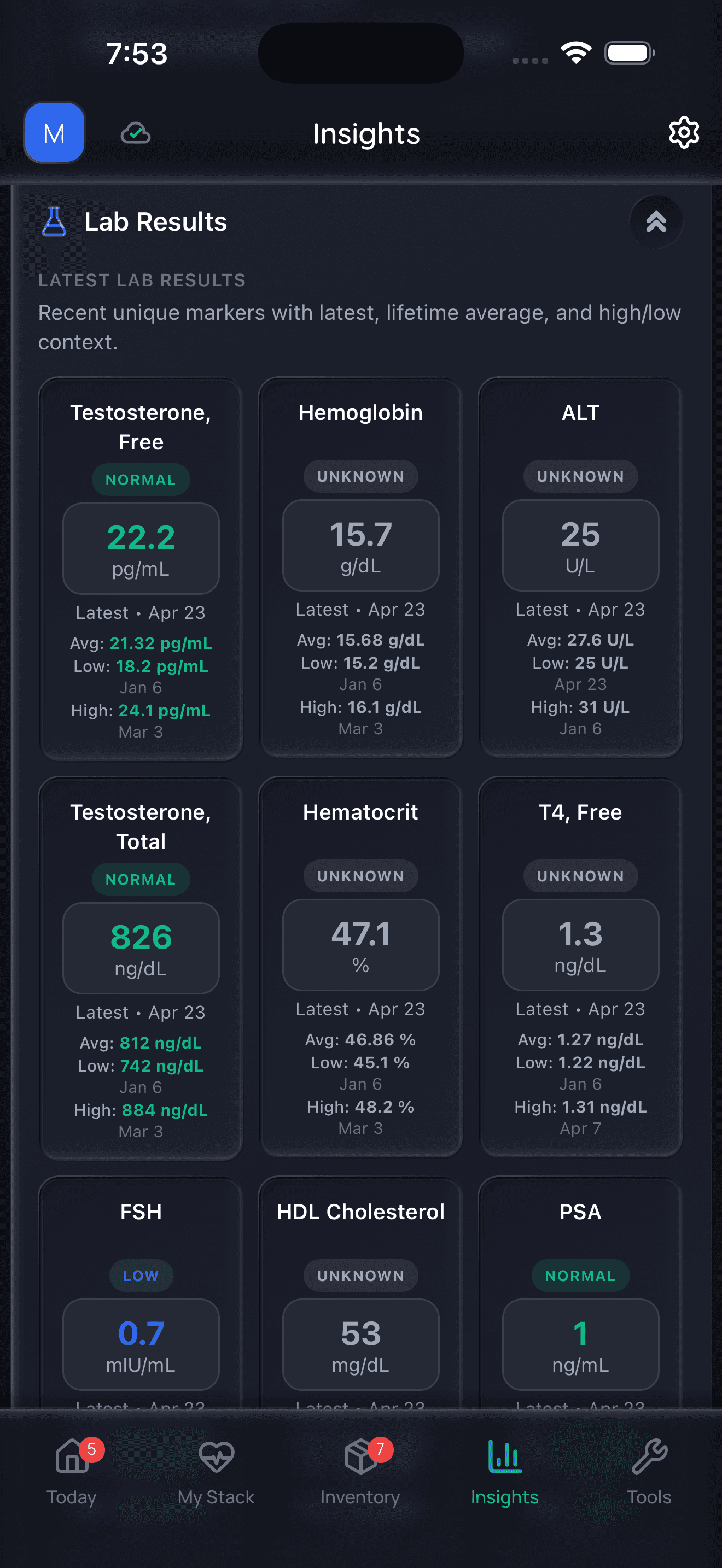
Doserly organizes data; it does not diagnose or interpret labs for you.
Side Effects & Safety
The Basics
Cat's claw is generally considered safe for short-term use (up to 6 months) in healthy adults. The most common side effects are digestive in nature: nausea, diarrhea, and stomach discomfort. These tend to be mild and often resolve as the body adjusts, particularly when starting at a lower dose.
The most significant safety concern is not a side effect per se, but a risk for specific populations. Because cat's claw stimulates the immune system, it can worsen autoimmune conditions like lupus, multiple sclerosis, Hashimoto's thyroiditis, and rheumatoid arthritis (paradoxically, given that it has been studied for RA). People with autoimmune conditions should consult their healthcare provider before using cat's claw.
Serious adverse events are rare but documented. Case reports include acute kidney failure in a patient with systemic lupus erythematosus and worsening of Parkinson's disease motor symptoms. Cat's claw may also slow blood clotting, raising concerns about bleeding risk before surgery or when combined with blood-thinning medications.
Pregnancy is a clear contraindication. Animal studies suggest cat's claw may have contraceptive properties and could affect endometrial cell growth. The NCCIH states that some studies suggest use during pregnancy is unsafe [9].
The Science
Common adverse effects: Nausea, diarrhea, stomach discomfort [15].
Serious adverse events (case reports):
- Acute renal failure in a patient with systemic lupus erythematosus [26]
- Reversible worsening of motor signs in a 38-year-old patient with Parkinson's disease following oral intake of cat's claw extract [27]
- Pediatric leukemia cell stimulation in vitro [23]
Autoimmune risk: Cat's claw's immunostimulatory properties may exacerbate autoimmune conditions. The NCCIH warns that "cat's claw might make the immune system more active, which could increase symptoms of autoimmune diseases" [9]. This is supported by multiple community reports of autoimmune flares.
Pregnancy and reproductive effects: In a rat model of endometriosis, cat's claw (2.8-4mg/kg) reduced endometrial cell growth from 100% maturation (in control) to 10%, and reduced mature corpus luteum from 100% to 10%, with 70% of corpus lutea showing atrophy. The authors hypothesized contraceptive properties comparable to known contraceptives [7].
Drug interactions:
- Anticoagulants/antiplatelets: May increase bleeding risk [28]
- Antiretrovirals: Documented increases in serum concentrations of atazanavir, ritonavir, and saquinavir [29]
- CYP3A4 substrates: In vitro inhibition of CYP3A4, potentially increasing levels of drugs including benzodiazepines, cyclosporine, and NNRTIs [30]
- CYP2J2 substrates: In vitro induction reported [30]
- UGT1A3/1A9 substrates: In vitro induction may alter metabolism of drugs processed by these enzymes [30]
- Antihypertensives: May potentiate blood pressure-lowering effects [28]
Managing side effect risks across a multi-supplement stack can feel overwhelming, especially when interactions between supplements, medications, and foods add layers of complexity. Doserly brings all of that into a single safety view so nothing falls through the cracks.
Rather than researching every possible interaction yourself, the app checks your full stack automatically and flags supplement-drug and supplement-supplement interactions that warrant attention. If you do experience something unexpected, logging it takes seconds, and over time the app helps you spot patterns: whether symptoms correlate with specific doses, timing, or combinations. One place for the safety picture that matters most when your stack grows beyond a few bottles.
Capture changes while they are still fresh.
Log symptoms, energy, sleep, mood, and other observations alongside protocol events so patterns do not live only in memory.
Trend view
Symptom timeline
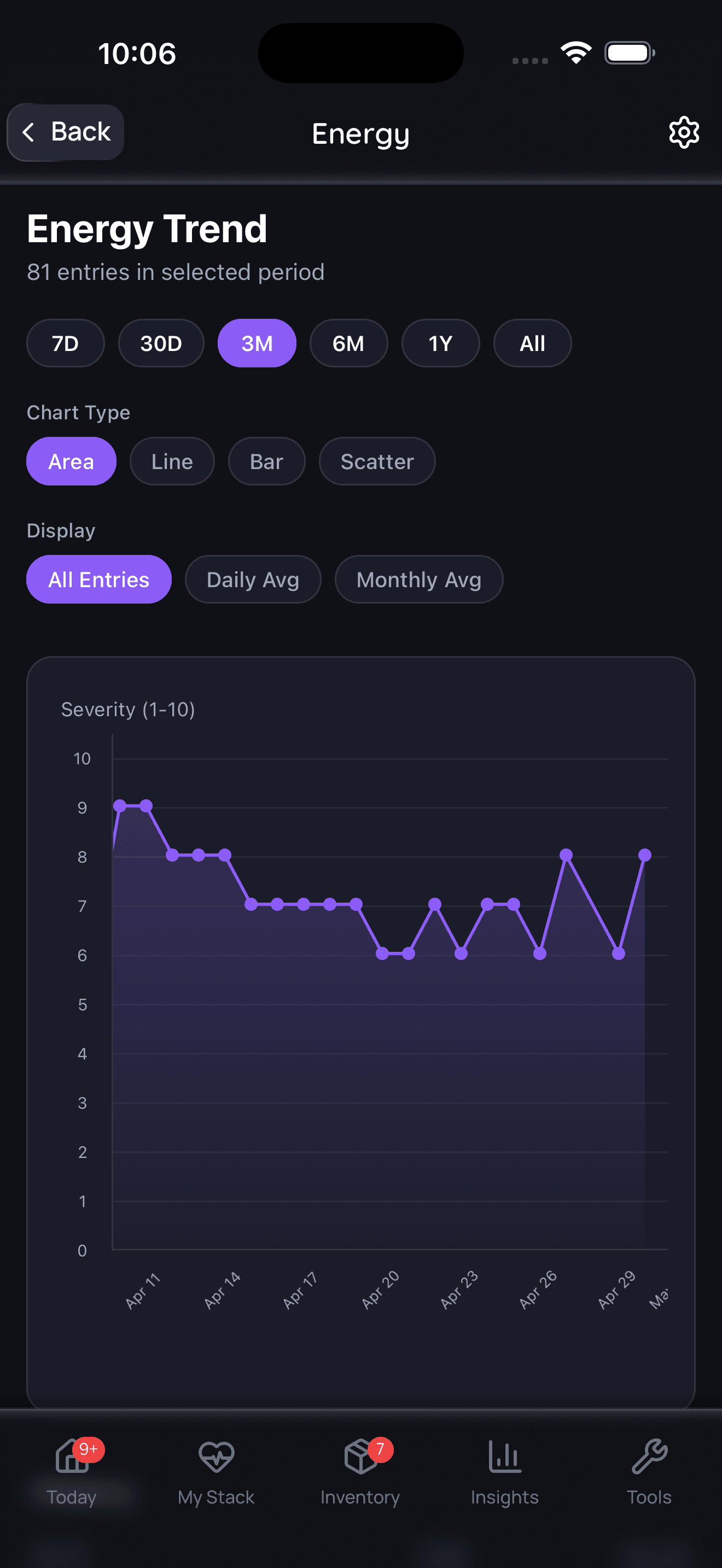
Symptom tracking is informational and should be interpreted with a qualified clinician.
Dosing & Usage Protocols
The Basics
Cat's claw dosing varies depending on the type of extract and the intended use. The most commonly cited range in clinical research is 250 to 350 mg per day of a standardized extract (typically standardized to pentacyclic oxindole alkaloid content). For raw bark powder in capsule form, dosages tend to be higher, typically ranging from 500 to 1500 mg per day, sometimes divided into two or three doses.
For arthritis and joint support, the clinical trial evidence used 60mg/day of a concentrated POA extract (for RA) and 100mg/day of freeze-dried extract (for OA). For immune support and DNA repair, 250-350mg/day of the aqueous extract (C-MED-100) was used in human volunteer studies. For chemotherapy adjunct use, 300mg/day of a 70% ethanolic extract was used.
Many users recommend starting at the lower end of the dosage range and increasing gradually, as GI side effects (nausea, diarrhea) can occur when starting at full dose.
The Science
Published clinical dosing protocols:
Indication
Rheumatoid arthritis
- Extract Type
- Pentacyclic alkaloid-chemotype extract
- Dose
- 60 mg/day
- Duration
- 24 weeks
- Reference
- Mur et al. (2002) [20]
Indication
Osteoarthritis
- Extract Type
- Freeze-dried U. guianensis
- Dose
- 100 mg/day
- Duration
- 4 weeks
- Reference
- Piscoya et al. (2001) [21]
Indication
Immune enhancement/DNA repair
- Extract Type
- Aqueous extract (C-MED-100)
- Dose
- 250-350 mg/day
- Duration
- 6 weeks
- Reference
- Sheng et al. (2001) [14]
Indication
Chemotherapy adjunct (breast cancer)
- Extract Type
- 70% ethanolic extract (2.57% POA)
- Dose
- 300 mg/day
- Duration
- Concurrent with 6 chemotherapy cycles
- Reference
- Santos Araujo et al. (2012) [19]
No established Upper Tolerable Intake Level (UL) exists for cat's claw. The NCCIH considers short-term use (up to 6 months) to be generally safe for oral administration [9].
Getting the dose right matters more than most people realize. Too little may be ineffective, too much wastes money or introduces risk, and inconsistency undermines both. Doserly tracks every dose you take, across every form, giving you a clear record of what you're actually consuming versus what you planned.
The app helps you compare RDA recommendations against therapeutic ranges discussed in the research, so you can see exactly where your intake falls. If you switch forms, say from a standard capsule to a liposomal liquid, Doserly adjusts your tracking to account for different bioavailabilities. Pair that with smart reminders that keep your timing consistent, and the precision that makes a real difference in outcomes becomes effortless.
Track injection timing, draw notes, and site rotation.
Doserly helps keep syringe-related notes, injection site history, reminders, and reconstitution context together for easier review.
Injection log
Site rotation
Injection logs support record-keeping; follow clinician instructions for administration.
What to Expect (Timeline)
Cat's claw does not produce acute, immediately noticeable effects for most users. Based on clinical trial timelines and community reports, the typical progression is:
Week 1-2: Some users report mild GI side effects (nausea, loose stools) that typically resolve as the body adjusts. A small number report initial improvement in digestive symptoms or pain. Users in the Lyme community sometimes report "herxing" (Herxheimer-like) reactions during this period.
Weeks 2-4: Anti-inflammatory effects may begin to become noticeable, particularly for joint pain and stiffness. The osteoarthritis trial showed significant pain reduction within one week, but this used a specific extract. Most users report gradual improvement in this timeframe.
Weeks 4-8: Immune-related benefits may begin to emerge. Community users report noticing they catch fewer colds or recover faster. The clinical trials measuring immune cell changes ran 6 weeks (C-MED-100 studies).
Weeks 8-24: Longer-term users report cumulative benefits for inflammation management, joint mobility, and overall wellness. The RA trial ran 24 weeks. Long-term users in community forums describe the most significant changes occurring after several months of consistent use.
Important note: Cat's claw appears to produce its effects gradually for most people, and some users report that it may take up to 6 weeks of daily use before noticing meaningful changes. Acute effects are not typical (despite some community claims of near-immediate GI relief).
Interactions & Compatibility
Synergistic
- Maca Root: In vitro evidence suggests additive effects with cat's claw for chondrocyte IGF-1 production and protection against IL-1beta-induced GAG release, potentially beneficial for joint health [1].
- Turmeric/Curcumin: Complementary anti-inflammatory pathways. Cat's claw targets NF-kB and IL-6 while curcumin broadly inhibits COX-2, LOX, and NF-kB. No interaction studies, but commonly stacked for joint support.
- Boswellia Serrata: Another anti-inflammatory herb with complementary mechanisms (5-LOX inhibition). Often stacked with cat's claw for joint and inflammatory conditions.
Caution / Avoid
- Anticoagulants (Warfarin, Heparin): Cat's claw may increase bleeding risk. Monitor INR closely if combining [28].
- Antiretroviral drugs (Atazanavir, Ritonavir, Saquinavir): Documented pharmacokinetic interactions. Cat's claw increases serum concentrations of these drugs [29].
- CYP3A4 substrates (Benzodiazepines, Cyclosporine, some statins): Cat's claw inhibits CYP3A4 in vitro and may increase drug levels [30].
- Immunosuppressant medications: Cat's claw's immunostimulatory properties may counteract the intended effect of immunosuppressive therapy.
- Other immune-stimulating herbs (Astragalus, Reishi Mushroom, Turkey Tail Mushroom): May compound immune stimulation, potentially problematic for those with autoimmune conditions.
- Estrogen-based HRT or hormonal contraceptives: Cat's claw has anti-estrogenic properties that may reduce the effectiveness of estrogen-based therapies [17].
- Blood pressure medications: May potentiate hypotensive effects [28].
How to Take / Administration Guide
Cat's claw is available in several forms, each with practical considerations:
Capsules/Tablets (most common): Standardized bark extract capsules are the most convenient form. Take with or without food; taking with food may reduce GI discomfort. If taking a divided dose, space doses evenly throughout the day (e.g., morning and evening).
Liquid extract/tincture: Available in alcohol-based and alcohol-free formulations. Follow the product's dosing recommendations, which vary by concentration. Can be taken directly under the tongue or mixed into water or juice.
Tea (traditional decoction): Simmer 1-2 grams of dried bark in water for 15-30 minutes. This is the traditional preparation and delivers primarily water-soluble compounds (proanthocyanidins, quinic acid). Taste is mildly bitter and woody.
Raw bark powder: Can be encapsulated at home or mixed into beverages. Requires higher doses than standardized extracts because the alkaloid concentration is lower and more variable.
Starting protocol: Begin at the lower end of the dosage range (e.g., 250mg standardized extract or 500mg raw bark) for the first 1-2 weeks. If well tolerated, increase to the target dose. This approach helps minimize GI side effects.
Cycling: There is no established cycling protocol for cat's claw. Some community users cycle 6 weeks on / 2 weeks off, but there is no clinical basis for this practice. The NCCIH considers use up to 6 months to be generally safe [9].
What NOT to do: Do not take cat's claw if you are pregnant, breastfeeding, or have a scheduled surgery within 2 weeks. Do not combine with immunosuppressant medications without medical supervision.
Choosing a Quality Product
When selecting a cat's claw supplement, consider the following:
Species verification: Ensure the product uses Uncaria tomentosa (the more studied species). Some products contain U. guianensis or do not specify the species.
Chemotype standardization: Look for products standardized to pentacyclic oxindole alkaloid (POA) content. The more researched extracts are POA-enriched and may specify "tetracyclic oxindole alkaloid-free" or "TOA-free." This distinction matters because tetracyclic alkaloids may antagonize the beneficial immune effects of pentacyclic alkaloids.
Extract vs. raw bark: Standardized extracts provide more consistent dosing and alkaloid content. Raw bark powder is less predictable (total alkaloid content varies from 0.156% to 0.962%).
Third-party testing: Look for products that have been independently tested for identity, purity, and contaminant screening. Certifications to look for include USP, NSF International, and ConsumerLab CL Seal. The USP maintains a dietary supplement monograph for cat's claw capsules (2023) with quality standards [31].
Red flags to avoid:
- Products that do not identify the species of Uncaria used
- Products making disease-treatment claims (e.g., "cures cancer," "treats Alzheimer's")
- Proprietary blends that hide the actual amount of cat's claw per serving
- Products without any third-party testing documentation
- Extremely low-cost products from unknown manufacturers
Specific quality markers for cat's claw:
- Alkaloid content specified (ideally 1-5% POA by weight for standardized extracts)
- Source country identified (Peru is the traditional and most common source)
- Plant part identified (bark is standard; root is also used traditionally)
Storage & Handling
Cat's claw supplements in capsule or tablet form should be stored in a cool, dry place away from direct sunlight, moisture, and heat. No refrigeration is required. Liquid extracts and tinctures should be stored according to the manufacturer's instructions, typically at room temperature with the cap tightly sealed.
Dried bark for tea preparation should be stored in an airtight container in a cool, dark place. Bark powder is more susceptible to oxidation and moisture absorption than whole bark pieces.
Most cat's claw supplements have a shelf life of 2-3 years when stored properly. Check the expiration date on the product packaging.
Lifestyle & Supporting Factors
Diet: An anti-inflammatory diet rich in omega-3 fatty acids, vegetables, fruits, and whole grains may complement cat's claw's anti-inflammatory properties. Reducing processed foods, refined sugars, and excessive alcohol supports the same inflammatory pathways that cat's claw targets.
Exercise: Regular moderate exercise reduces systemic inflammation and may enhance cat's claw's anti-inflammatory effects. For those taking cat's claw for joint health, low-impact exercise (swimming, cycling, walking) is particularly relevant.
Hydration: Adequate water intake supports kidney function, which is relevant given the rare case report of kidney failure with cat's claw use (in a lupus patient).
Lab monitoring: For long-term users, periodic complete blood count (CBC) and liver function tests are prudent, given cat's claw's immunomodulatory effects and the rare adverse event reports. If taking anticoagulants concurrently, INR monitoring is important.
Stress management: Chronic stress increases systemic inflammation. Stress reduction practices may complement cat's claw's anti-inflammatory effects.
Regulatory Status & Standards
United States (FDA): Cat's claw is regulated as a dietary supplement under DSHEA. It has GRAS (Generally Recognized as Safe) status for use in food and supplements. No FDA-approved drug product containing U. tomentosa exists. The USP has published a dietary supplement monograph for cat's claw capsules (2023) [31].
Brazil: U. tomentosa is included in the National List of Essential Medicines (RENAME) and is dispensed through the public health system (SUS) as part of Complementary Medicine Services [6].
Peru: The raw material of U. tomentosa is dispensed in Public Hospitals of the Social Health Insurance (EsSalud-Peru) as Complementary Medicine Service [6].
Canada (Health Canada): Cat's claw is available as a Natural Health Product (NHP). Products require an NPN (Natural Product Number).
European Union (EFSA): Available as a food supplement. No EU-wide authorized health claims have been established for cat's claw.
Australia (TGA): Available as a complementary medicine.
WADA (World Anti-Doping Agency): Cat's claw (Uncaria tomentosa) does not appear on the WADA Prohibited List. It is not a prohibited substance for competitive athletes.
Athlete Certification Programs: Cat's claw products with third-party athlete certifications (Informed Sport, NSF Certified for Sport, Cologne List) are available but not widespread. Athletes should verify the specific product they use is batch-tested.
GlobalDRO: Athletes can check the status of specific cat's claw products at globaldro.com across US, UK, Canada, Australia, Japan, Switzerland, and New Zealand.
Regulatory status and prohibited substance classifications change frequently. Athletes should always verify the current status of any supplement with their sport's governing body, their national anti-doping agency, and a qualified sports medicine professional before use. Third-party certification (Informed Sport, NSF Certified for Sport) reduces but does not eliminate the risk of contamination with prohibited substances.
Frequently Asked Questions
Is cat's claw safe to take every day?
Based on available data, cat's claw appears to be safe for daily oral use for periods up to 6 months. Beyond that timeframe, safety data is limited. If you are considering long-term daily use, discussing this with a healthcare provider is advisable, particularly given the immunomodulatory properties.
Can I take cat's claw if I have an autoimmune condition?
This requires caution and medical guidance. Cat's claw stimulates the immune system, which could theoretically worsen autoimmune conditions like lupus, Hashimoto's, or multiple sclerosis. However, one clinical trial showed benefit in rheumatoid arthritis (itself an autoimmune disease), suggesting the relationship is complex. Do not start cat's claw for an autoimmune condition without consulting your healthcare provider.
What is the difference between Uncaria tomentosa and Uncaria guianensis?
Both species are called "cat's claw" and share anti-inflammatory and antioxidant properties. U. tomentosa is the more extensively studied species and is more commonly found in supplements sold in the United States. U. guianensis has higher levels of certain alkaloids (rhynchophylline, isorhynchophylline) and was used in the osteoarthritis trial. Both are Amazonian vines from the Rubiaceae family.
What are pentacyclic vs. tetracyclic alkaloids, and why does it matter?
Cat's claw contains two structural classes of oxindole alkaloids. Pentacyclic oxindole alkaloids (POA) are associated with immunostimulatory effects, while tetracyclic oxindole alkaloids (TOA) may actually antagonize these effects. Two chemotypes of U. tomentosa exist, one enriched in each type. Some manufacturers produce POA-enriched, TOA-free extracts to maximize immune benefit.
Can cat's claw interact with my medications?
Yes. Cat's claw has documented interactions with antiretroviral drugs and theoretical interactions with blood thinners, blood pressure medications, and drugs metabolized by CYP3A4 enzymes. Always inform your healthcare provider and pharmacist if you are taking cat's claw alongside any medications.
Does cat's claw help with Lyme disease?
Cat's claw is popular in the Lyme disease community, but there are no clinical trials evaluating its efficacy for Lyme disease. Some Lyme-literate practitioners recommend it as part of herbal protocols, while others avoid it due to its immune-stimulating properties, which can provoke strong reactions in patients with immune dysregulation.
Is cat's claw the same as gou teng?
No. Gou teng is Uncaria rhynchophylla, a different species used in Traditional Chinese Medicine. While they share some alkaloids (particularly rhynchophylline), they are different plants with different traditional uses and different research profiles.
Can I take cat's claw during pregnancy or while breastfeeding?
No. Animal studies suggest cat's claw may have contraceptive properties and could affect endometrial tissue. The NCCIH states that "some studies of the use of cat's claw during pregnancy suggest it is unsafe." Little is known about safety during breastfeeding.
How long does cat's claw take to work?
Based on clinical trial timelines and community reports, anti-inflammatory and joint benefits may begin to appear within 1-4 weeks, while immune-related benefits may take 4-8 weeks of consistent daily use. Some users report that it takes up to 6 weeks before noticing meaningful changes.
Should I take cat's claw with food?
Cat's claw can be taken with or without food. Taking it with food may help reduce GI side effects (nausea, stomach discomfort) that some people experience, particularly when starting.
Myth vs. Fact
Myth: Cat's claw cures cancer.
Fact: Cat's claw has not been shown to cure, treat, or prevent cancer in humans. While preclinical studies show anti-cancer activity in cell lines and animal models, and one clinical trial showed reduced chemotherapy side effects, this is not evidence that cat's claw treats cancer. Furthermore, one study found that a cat's claw extract could stimulate pediatric leukemia cells, highlighting that the effects are complex and not uniformly anti-cancer [15][23].
Myth: Cat's claw is effective against COVID-19.
Fact: Molecular modeling studies identified cat's claw compounds with theoretical binding activity against SARS-CoV-2 proteins, but these were computational predictions, not clinical evidence. The NCCIH explicitly states there is "no conclusive scientific evidence" supporting cat's claw for COVID-19 [9].
Myth: Cat's claw is safe for everyone because it is natural.
Fact: Cat's claw can worsen autoimmune conditions, interact with medications (antiretrovirals, blood thinners, CYP3A4 substrates), and is considered unsafe during pregnancy. Natural does not mean universally safe.
Myth: All cat's claw supplements are the same.
Fact: Two chemotypes of U. tomentosa exist (pentacyclic vs. tetracyclic alkaloid-dominant), and the beneficial immune effects of one type may be antagonized by the other. Additionally, two different species (U. tomentosa and U. guianensis) are both sold as "cat's claw," with different alkaloid profiles. Extract standardization, plant part, and extraction method all significantly affect what you are actually consuming.
Myth: Cat's claw works instantly for inflammation.
Fact: While some community users claim near-immediate relief, this is not supported by the pharmacology. Oral capsules require time for absorption and distribution. Clinical trials measuring anti-inflammatory benefits ran for periods of 4 to 24 weeks. Meaningful benefits are more likely to develop over weeks of consistent use.
Myth: Cat's claw is a proven treatment for Alzheimer's disease.
Fact: The in vitro and animal data on cat's claw proanthocyanidins reducing brain plaques and tangles are intriguing, but no human clinical trials for Alzheimer's have been completed. The researchers who published these findings have a commercial interest in a cat's claw-derived product, warranting healthy skepticism until independent replication occurs [10].
Myth: Higher doses of cat's claw are always better.
Fact: Clinical trials have shown benefits at a wide range of doses, from 60mg/day (concentrated POA extract for RA) to 350mg/day (aqueous extract for immune support). Higher doses increase the risk of GI side effects without necessarily increasing efficacy. The optimal dose depends on the specific extract and its standardization.
Sources & References
Clinical Trials & RCTs
- Mur E, Hartig F, Eibl G, et al. Randomized double blind trial of an extract from the pentacyclic alkaloid-chemotype of Uncaria tomentosa for the treatment of rheumatoid arthritis. J Rheumatol. 2002;29(4):678-681.
- Piscoya J, et al. Efficacy and safety of freeze-dried cat's claw in osteoarthritis of the knee: mechanisms of action of the species Uncaria guianensis. Inflamm Res. 2001;50(9):442-448.
- Santos Araujo MdC, Farias IL, Gutierres J, et al. Uncaria tomentosa-adjuvant treatment for breast cancer: clinical trial. Evid Based Complement Alternat Med. 2012;2012:676984.
- Sheng Y, Bryngelsson C, Pero RW. Enhanced DNA repair, immune function and reduced toxicity of C-MED-100, a novel aqueous extract from Uncaria tomentosa. J Ethnopharmacol. 2000;69(2):115-126.
- Sheng Y, Li L, Holmgren K, et al. DNA repair enhancement of aqueous extracts of Uncaria tomentosa in a human volunteer study. Phytomedicine. 2001;8(4):275-282.
Systematic Reviews & Meta-Analyses
- Arado GM, Amatto PPG, Marins M, et al. Anti-inflammatory and/or immunomodulatory activities of Uncaria tomentosa (cat's claw) extracts: A systematic review and meta-analysis of in vivo studies. Front Pharmacol. 2024;15:1378408.
Preclinical & In Vitro Studies
- Snow AD, Castillo GM, Nguyen BP, et al. The Amazon rain forest plant Uncaria tomentosa (cat's claw) and its specific proanthocyanidin constituents are potent inhibitors and reducers of both brain plaques and tangles. Sci Rep. 2019;9:561.
- Sandoval M, Okuhama NN, Zhang XJ, et al. Anti-inflammatory and antioxidant activities of cat's claw (Uncaria tomentosa and Uncaria guianensis) are independent of their alkaloid content. Phytomedicine. 2002;9(4):325-337.
- Sandoval M, Charbonnet RM, Okuhama NN, et al. Cat's claw inhibits TNFalpha production and scavenges free radicals: role in cytoprotection. Free Radic Biol Med. 2000;29(1):71-78.
- Rojas-Duran R, Gonzalez-Aspajo G, Ruiz-Martel C, et al. Anti-inflammatory activity of Mitraphylline isolated from Uncaria tomentosa bark. J Ethnopharmacol. 2012;143(3):801-804.
- Dietrich F, Kaiser S, Rockenbach L, et al. Quinovic acid glycosides purified fraction from Uncaria tomentosa induces cell death by apoptosis in the T24 human bladder cancer cell line. Food Chem Toxicol. 2014;67:222-229.
- Mammone T, Akesson C, Gan D, et al. A water soluble extract from Uncaria tomentosa (Cat's Claw) is a potent enhancer of DNA repair in primary organ cultures of human skin. Phytother Res. 2006;20(3):178-183.
- de Lima RC, Valente LMM, et al. Antiviral and Virucidal Activities of Uncaria tomentosa (Cat's Claw) against the Chikungunya Virus. Viruses. 2024;16:369.
- Yepes-Perez AF, Herrera-Calderon O, Quintero-Saumeth J. Uncaria tomentosa: a promising herbal medicine against SARS-CoV-2. J Biomol Struct Dyn. 2020.
- Styczynski J, Wysocki M. Alternative medicine remedies might stimulate viability of leukemic cells. Pediatr Blood Cancer. 2006;46(1):94-98.
Government / Institutional Sources
- NCCIH. Cat's Claw: Usefulness and Safety. National Center for Complementary and Integrative Health. Updated November 2024. https://www.nccih.nih.gov/health/cats-claw
- WHO. WHO Monographs on Selected Medicinal Plants, Volume 3. World Health Organization; 2007.
- USP. Dietary Supplement Monographs: Cat's Claw Capsules. United States Pharmacopeia. 2023.
Case Reports & Adverse Events
- Hilepo JN, Bellucci AG, Mossey RT. Acute renal failure caused by 'cat's claw' herbal remedy in a patient with systemic lupus erythematosus. Nephron. 1997;77(3):361.
- Cosentino C, Torres L. Reversible worsening of Parkinson disease motor symptoms after oral intake of Uncaria tomentosa (cat's claw). Clin Neuropharmacol. 2008;31(5):293-294.
Drug Interaction Data
- Erowele GI, Kalejaiye AO. Pharmacology and therapeutic uses of cat's claw. Am J Health Syst Pharm. 2009;66(11):992-995.
- Lopez Galera RM, et al. Interaction between cat's claw and protease inhibitors atazanavir, ritonavir and saquinavir. Eur J Clin Pharmacol. 2008;64(12):1235-1236.
- Weiss J. Herb-Drug Interaction Potential of Anti-Borreliae Effective Extracts from Uncaria tomentosa (Samento) and Otoba parvifolia (Banderol) Assessed In Vitro. Molecules. 2018;24(1):E137.
Quality of Life
- de Paula LC, Fonseca F, Perazzo F, et al. Uncaria tomentosa (cat's claw) improves quality of life in patients with advanced solid tumors. J Altern Complement Med. 2015;21(1):22-30.
Comprehensive Reviews
- Marques O, et al. Uncaria tomentosa as a Promising Natural Source of Molecules with Multiple Activities: Review of Its Ethnomedicinal Uses, Phytochemistry and Pharmacology. Molecules. 2025.
- Batiha GE-S, et al. Uncaria tomentosa (Willd. Ex Schult.) DC.: a review on chemical constituents and biological activities. Appl Sci. 2020;10:2668.
Related Supplement Guides
Same Category (Anti-Inflammatory Herbs)
Common Stacks / Pairings
- Maca Root (additive joint health effects in vitro)
- Fish Oil (EPA/DHA) (complementary anti-inflammatory pathways)
- Vitamin C (antioxidant support)
Related Health Goal
- Ashwagandha (adaptogen, anti-inflammatory)
- Reishi Mushroom (immune modulation, caution with stacking for autoimmune conditions)
- Lion's Mane Mushroom (neuroprotection)
- Cordyceps (immune support, energy)