
Gotu Kola: The Complete Supplement Guide
On this page
Quick Reference Card
Attribute
Common Name
- Detail
- Gotu Kola
Attribute
Other Names / Aliases
- Detail
- Centella asiatica, Indian Pennywort, Brahmi, Mandookaparni, Hydrocotyle, Jal Brahmi, Tsubokusa, Spadeleaf, Talepetrako, TECA, Madecassol
Attribute
Category
- Detail
- Herbal Extract (Adaptogen, Nootropic, Wound Healing)
Attribute
Primary Forms & Variants
- Detail
- Standardized triterpene extract (TTFCA, ECa-233; standardized to asiaticoside, asiatic acid, madecassic acid, madecassoside); Whole herb powder (leaf and stem); Liquid tincture; Dried leaf for tea
Attribute
Typical Dose Range
- Detail
- 60-120 mg/day standardized extract (total triterpenic fraction); 300-680 mg capsules 1-3x/day (whole herb); up to 1,000 mg/day for anxiety
Attribute
RDA / AI / UL
- Detail
- No RDA, AI, or UL established. Gotu kola is not classified as an essential nutrient.
Attribute
Common Delivery Forms
- Detail
- Capsules, tablets, powder, liquid tincture, dried leaf tea, topical creams and ointments
Attribute
Best Taken With / Without Food
- Detail
- Can be taken with or without food; some sources suggest taking with food to reduce potential GI discomfort
Attribute
Key Cofactors
- Detail
- No established cofactors. Sometimes combined with Bacopa monnieri for cognitive enhancement, or vitamin C for skin/collagen support
Attribute
Storage Notes
- Detail
- Store capsules and powders in a cool, dry place away from direct sunlight and moisture. Tinctures at room temperature. Dried leaves in airtight containers.
Overview
The Basics
Gotu kola is a small, creeping plant with fan-shaped green leaves that grows in wet, tropical environments across Asia, Africa, and parts of the Pacific. Despite its name, it has nothing to do with the kola nut used in cola beverages and contains no caffeine whatsoever. In fact, gotu kola leans in the opposite direction, often producing calming and mildly sedating effects.
This herb has been a cornerstone of Ayurvedic and traditional Chinese medicine for thousands of years. In the Indian tradition, it has been called a "medhya rasayana," meaning a substance believed to rejuvenate the mind. In China, it earned a reputation as one of the "miracle elixirs of life." Sri Lankans reportedly noticed that elephants, known for their longevity, grazed on the plant, which sparked interest in its potential life-extending properties [1].
The primary modern interest in gotu kola centers on three areas: its potential to support cognitive function and reduce anxiety, its well-documented ability to improve venous circulation (particularly in chronic venous insufficiency), and its capacity to enhance wound healing and skin health through collagen synthesis. Of these, the evidence for venous insufficiency is the strongest, supported by multiple clinical trials. Cognitive and anxiolytic effects are promising but less thoroughly studied in humans [2][3].
The Science
Centella asiatica (L.) Urban (family Apiaceae, formerly Umbelliferae) is a perennial, herbaceous creeping plant distributed widely across tropical and subtropical regions of India, Sri Lanka, Madagascar, South Africa, Australia, China, Indonesia, and Japan. It is botanically synonymous with Hydrocotyle asiatica [1][4].
The plant's medicinal properties are attributed primarily to a class of pentacyclic triterpenoid compounds. Approximately 124 chemical constituents have been identified in C. asiatica, with the most pharmacologically significant being four triterpene saponins: asiatic acid (0.72-0.98% dry weight), madecassic acid (0.72-0.95% dry weight), and their respective glycosides asiaticoside and madecassoside [4][5]. Asiatic acid and madecassic acid together constitute over 50% of the total triterpenoid content. Additional bioactive compounds include polyacetylenes, flavonoids, sterols, caffeoylquinic acids, and the alkaloid hydrochotine [5][6].
A 2017 systematic review and meta-analysis evaluating the effects of C. asiatica on cognitive function and mood found that while individual studies suggested benefit, the overall evidence was insufficient to make strong recommendations, and larger well-designed studies were needed [3]. In contrast, multiple randomized controlled trials have demonstrated efficacy for chronic venous insufficiency, with the total triterpenic fraction of C. asiatica (TTFCA) showing significant reductions in capillary filtration, ankle edema, and venous pressure compared to placebo [7][8][9].
It is important to note that "Brahmi" is a name used for both C. asiatica and Bacopa monnieri in traditional medicine. These are distinct plants with different active compounds and mechanisms, though they are sometimes used together for cognitive enhancement [4].
Chemical & Nutritional Identity
Property
Botanical/Scientific Name
- Value
- Centella asiatica (L.) Urban (syn. Hydrocotyle asiatica)
Property
Family
- Value
- Apiaceae (carrot family)
Property
Primary Active Compound Classes
- Value
- Pentacyclic triterpenoid saponins and sapogenins
Property
Asiatic Acid CAS Number
- Value
- 464-92-6
Property
Asiatic Acid Molecular Formula
- Value
- C30H48O5
Property
Asiatic Acid Molecular Weight
- Value
- 488.70 g/mol
Property
Madecassic Acid CAS Number
- Value
- 18449-41-7
Property
Category
- Value
- Herbal Extract (Adaptogen, Nootropic, Dermatological)
Property
Established Daily Values
- Value
- No RDA, AI, or UL established by IOM or EFSA
Key active compound classes and their roles:
- Asiatic acid and Asiaticoside: The most abundant triterpenoid (26.7% of total). Asiaticoside is the glycoside form. Demonstrates wound healing, anti-inflammatory, anxiolytic, and neuroprotective properties. Promotes collagen synthesis via TGF-beta receptor I kinase-independent Smad signaling [5][10].
- Madecassic acid and Madecassoside: The second major triterpenoid (25.5% of total). Cardioprotective, antiarthritic, and anti-inflammatory activities. Both asiaticoside and madecassoside are recognized as marker compounds in the Chinese Pharmacopoeia [11].
- Brahmoside and Brahminoside: Saponin glycosides responsible for CNS and uterorelaxant effects [1].
- Caffeoylquinic acids: Emerging as an important second group of active compounds, with potential to enhance the Nrf2-antioxidant response pathway [6].
- Mineral content: Contains iron (29-74.3 mg/100g), potassium (3,079-6,295 mg/100g), copper (2.6-6.4 mg/100g), and zinc (11.3-45.3 mg/100g), though bioavailable amounts in processed extracts vary [5].
Standardized extract ECa-233: Contains no less than 80% triterpenoid saponins with a ratio of madecassoside to asiaticoside of 1.5 +/- 0.5:1, ensuring consistent bioactive content [5].
Mechanism of Action
The Basics
Gotu kola works through several distinct biological pathways, which helps explain why it has such a wide range of traditional uses.
For brain health, the plant's triterpenoids activate a signaling pathway (called MAPK/ERK) that triggers the release of Brain-Derived Neurotrophic Factor, or BDNF. Think of BDNF as a growth signal for your brain's wiring: it doesn't create new brain cells, but it encourages existing neurons to extend their connections further and form more branches. This expanded neural network is thought to underlie the cognitive-enhancing effects that traditional medicine has attributed to the plant for centuries. Notably, this process takes time, which is why cognitive benefits typically appear gradually over weeks rather than immediately [5][6].
For skin and wound healing, gotu kola has a dual mechanism. It inhibits enzymes that break down collagen (the structural protein that gives skin its firmness) while simultaneously stimulating the production of new collagen and glycosaminoglycans (the molecules that help skin retain moisture). This combination of preservation and production is thought to explain both the wound-healing benefits and the skin-tightening effects [10][12].
For circulation, the plant's anti-inflammatory compounds reduce inflammation in blood vessel walls, which can improve blood flow and reduce the swelling associated with venous insufficiency. The triterpenoids also appear to enhance the release of anti-inflammatory signaling molecules from immune cells at remarkably low concentrations [5].
The Science
The pharmacological mechanisms of C. asiatica are mediated primarily through its triterpenoid fraction acting on multiple molecular targets.
MAPK/ERK and BDNF pathway: C. asiatica activates extracellular signal-regulated kinase (ERK) and p38 mitogen-activated protein kinase (MAPK) in neurons. This activation induces expression and release of Brain-Derived Neurotrophic Factor (BDNF) and its receptor TrkB, promoting dendritic arborization (increased branching of neuronal dendrites) rather than neurogenesis. In vivo studies have demonstrated enhanced hippocampal CA3 and amygdaloid neuronal dendritic arborization in rats [5][6][13].
Cytokine modulation: Asiaticoside enhances the secretion of IL-1beta from macrophages at picomolar concentrations, a remarkably low threshold that is likely achievable with oral supplementation. This immunomodulatory effect may contribute to benefits in chronic venous insufficiency and rheumatic conditions [5].
Anti-inflammatory mechanisms: Asiaticoside inhibits lipopolysaccharide-induced inflammatory responses, including production of TNF-alpha, IL-6, PGE2, and expression of COX-2 protein. Asiatic acid inhibits NF-kB activation through the IKK and MAPK pathways [10][14].
Collagen metabolism: C. asiatica simultaneously inhibits collagen-degrading matrix metalloproteinases (MMPs) and stimulates type I collagen synthesis through TGF-beta receptor I kinase-independent Smad signaling. Asiaticoside also promotes angiogenesis and glycosaminoglycan synthesis, collectively enhancing wound repair [10][12].
Neuroprotection: A water extract prevented formation of intracellular beta-amyloid aggregates in a mouse Alzheimer's model [15]. Asiatic acid demonstrated neuroprotective effects in a Parkinson mouse model via activation of MAPK, PI3K-Akt-GSK3beta, and mTOR signaling pathways [16].
Phospholipase A2 inhibition: C. asiatica inhibits both iPLA2 and cPLA2 enzyme classes, which may contribute to anti-inflammatory and neuroprotective effects [5].
Cholinergic activity: Demonstrated acetylcholinesterase (AChE) inhibitory potential in vitro, which could contribute to cognitive effects, though this mechanism is less well-characterized than the BDNF pathway [17].
Absorption & Bioavailability
The Basics
How much benefit you get from gotu kola depends significantly on the form you choose. The plant's active compounds, the triterpenoids, need to survive your digestive system and reach the bloodstream in sufficient quantities to be effective. This is where form selection matters.
Standardized extracts tend to deliver more consistent results than raw herb preparations. One well-studied standardized extract, ECa-233, has been shown to deliver higher blood levels of the key active compounds (madecassoside and asiaticoside) compared to the same compounds taken individually. In other words, the plant's natural combination of ingredients appears to help its own compounds absorb better [18].
Interestingly, after repeated dosing, the body appears to absorb more of the active compounds than it does from a single dose. Pharmacokinetic studies found that peak blood levels, total absorption, and the time the compounds stay in the body all increased after multiple doses compared to first-time use [18].
For topical applications (creams and ointments), the triterpenoids can penetrate the skin directly, which is why topical gotu kola preparations are often used for wound healing and scar treatment. This bypasses the digestive system entirely.
The Science
Pharmacokinetic studies of the total triterpenic fraction of C. asiatica have been conducted in both humans and animal models. After single-dose oral administration, asiatic acid demonstrates measurable plasma concentrations, with peak levels dependent on formulation and dose.
After multiple-dose administration (two doses), peak plasma concentration (Cmax), area under the curve (AUC), and elimination half-life of asiatic acid were all significantly higher compared to single-dose administration, suggesting possible accumulation or improved absorption with repeated dosing [18].
Bioavailability of both madecassoside and asiaticoside is increased when administered as part of the standardized extract ECa-233 compared to when given as isolated compounds. This enhanced bioavailability in the whole extract context may reflect synergistic interactions among the plant's multiple constituents [18].
Asiatic acid binds to human serum albumin, particularly the IIA subdomain, through predominantly hydrophobic interactions. This protein binding affects distribution and half-life [5].
The poor water solubility of asiaticoside (more soluble in chloroform, ethyl acetate, and methanol fractions than in aqueous or ethanolic extracts) affects extraction efficiency and may influence oral bioavailability. The content of asiaticoside varies significantly depending on extraction solvent: 0.04% in water/ethanol vs. 1.63-2% in chloroform/methanol fractions [5].
Regarding tissue distribution, triterpene compounds and their metabolites have been detected in brain tissue in animal models, supporting the plausibility of central nervous system effects following oral administration [6].
Regarding the variability of active compound content: the concentration of triterpenoids in gotu kola varies widely depending on geographic origin, growing conditions, harvest timing, and extraction methods. This variability is an important consideration for product quality [2].
Research & Clinical Evidence
Chronic Venous Insufficiency
The Basics
This is the area where gotu kola has the strongest clinical evidence. Chronic venous insufficiency (CVI) occurs when leg veins have difficulty returning blood to the heart, causing swelling, heaviness, and skin changes in the lower legs. Multiple clinical trials have found that a standardized gotu kola extract (TTFCA) significantly reduces ankle swelling, improves blood flow, and decreases the leakiness of small blood vessels.
The Science
In a prospective, placebo-controlled, randomized trial (N=40) of patients with severe venous hypertension, TTFCA 60 mg twice daily for 8 weeks significantly decreased flux at rest and rate of ankle swelling compared to placebo (P<0.05). Improvement in clinical signs and symptoms paralleled the reduction in capillary filtration [7].
A study of 52 patients with venous hypertension compared TTFCA at 30 mg and 60 mg three times daily for 4 weeks against placebo. Both doses decreased capillary filtration rate, ankle circumference, and ankle edema, with greater improvements in the 60 mg group [8].
In patients with diabetic microangiopathy (N=50), TTFCA 60 mg twice daily for 6 months significantly improved microcirculatory parameters and decreased capillary permeability compared to placebo, demonstrating protection against deterioration of microcirculation [9].
An additional study evaluated TTFCA for prevention of flight-related edema during airline flights of at least 3 hours, with supportive findings [19].
Cognitive Function and Anxiety
The Basics
Gotu kola has a centuries-old reputation as a brain tonic, and modern research is beginning to explore whether this reputation holds up. The available human data is promising but limited to small studies. The existing evidence suggests that gotu kola may improve working memory, attention, and mood, particularly in older adults, and may reduce anxiety, though larger studies are needed to confirm these effects.
The Science
In a double-blind, placebo-controlled study (N=40), a single 12 g oral dose of gotu kola significantly attenuated the peak acoustic startle response (ASR) amplitude at 30 and 60 minutes post-treatment, suggesting anxiolytic activity. No significant effects on self-rated mood, heart rate, or blood pressure were observed [20].
In an 8-week, randomized, placebo-controlled, double-blind pilot study (N=28 elderly patients), C. asiatica extract at 250, 500, or 750 mg/day enhanced spatial and numeric working memory and attention and improved mood compared to placebo. The most significant improvements occurred at the 750 mg/day dose. The proposed mechanism involves modulation of dopamine and norepinephrine in the prefrontal cortex and acetylcholine and serotonin in the hippocampus [21].
A small clinical study demonstrated that 500 mg twice daily showed anxiety-reducing effects, and 750 mg of a 5% asiaticoside extract enhanced mood state in elderly volunteers [5][21].
However, a 2017 systematic review and meta-analysis concluded that while individual studies showed benefit for cognitive function and mood, the overall body of evidence was insufficient to make strong recommendations due to small sample sizes and methodological limitations [3].
Wound Healing and Dermatology
The Basics
Research on gotu kola's wound-healing properties is supported by both traditional use spanning thousands of years and modern scientific investigation. The evidence suggests that gotu kola extracts, whether taken orally or applied topically, can speed wound healing, reduce scar formation, and improve skin quality, though much of the strongest data comes from animal studies and small human trials.
The Science
In a clinical study of 200 patients with diabetes, oral C. asiatica extract (2 capsules of 50 mg asiaticoside, 3 times daily) improved wound healing and reduced scar formation compared to placebo [12].
In 75 burn patients, topical application of Centiderm ointment (a C. asiatica derivative) was significantly superior to silver sulfadiazine for re-epithelialization and complete healing (P<0.05) [22].
A randomized, double-blind, vehicle-controlled study of 25 patients demonstrated increased skin firmness and elasticity following application of an herbal gel extract containing C. asiatica [23].
Topical gotu kola did not prevent or delay radiodermatitis in breast cancer patients undergoing radiation treatment in one study, indicating limitations in certain wound healing contexts [2].
Evidence & Effectiveness Matrix
Category
Anxiety
- Evidence Strength
- 5/10
- Reported Effectiveness
- 7/10
- Summary
- Two small human studies show anxiolytic effects. Community reports consistently positive. Clinical data limited but directionally supportive.
Category
Skin Health
- Evidence Strength
- 6/10
- Reported Effectiveness
- 7/10
- Summary
- Multiple studies support collagen synthesis and wound healing. Strong community enthusiasm for topical use; moderate oral supplementation reports.
Category
Focus & Mental Clarity
- Evidence Strength
- 4/10
- Reported Effectiveness
- 5/10
- Summary
- One small elderly pilot study positive. Mechanism via BDNF plausible. Community reports mixed, with sedation potentially opposing focus.
Category
Mood & Wellbeing
- Evidence Strength
- 4/10
- Reported Effectiveness
- 6/10
- Summary
- Pilot study in elderly showed mood improvement at 750 mg. Community reports generally positive but sparse.
Category
Sleep Quality
- Evidence Strength
- 3/10
- Reported Effectiveness
- 6/10
- Summary
- No dedicated sleep studies. Sedative properties documented. Multiple community reports of improved sleep/sedation at higher doses.
Category
Stress Tolerance
- Evidence Strength
- 4/10
- Reported Effectiveness
- 6/10
- Summary
- Traditional adaptogen classification. Animal data supportive. Community comparisons to ashwagandha. Limited human evidence.
Category
Recovery & Healing
- Evidence Strength
- 7/10
- Reported Effectiveness
- 6/10
- Summary
- Multiple clinical studies for wound healing (oral and topical). Community reports positive for stretch marks and scars.
Category
Heart Health
- Evidence Strength
- 7/10
- Reported Effectiveness
- 4/10
- Summary
- Multiple RCTs for chronic venous insufficiency. Not studied for arterial cardiovascular disease. Community reports sparse.
Category
Joint Health
- Evidence Strength
- 4/10
- Reported Effectiveness
- Community data not yet collected
- Summary
- Animal data showing antiarthritic effects. No human clinical trials.
Category
Memory & Cognition
- Evidence Strength
- 4/10
- Reported Effectiveness
- Community data not yet collected
- Summary
- One pilot study positive in elderly. Strong preclinical data (BDNF, dendritic arborization). No large-scale human trials.
Category
Inflammation
- Evidence Strength
- 5/10
- Reported Effectiveness
- Community data not yet collected
- Summary
- Well-characterized anti-inflammatory mechanisms. Animal data supportive. Limited human evidence for systemic inflammation.
Category
Side Effect Burden
- Evidence Strength
- —
- Reported Effectiveness
- 5/10
- Summary
- Sleepiness most reported side effect. Vivid dreams noted by some. Rare but documented hepatotoxicity (3 clinical cases).
Categories scored: 12
Categories with community data: 9
Categories not scored (insufficient data): Fat Loss, Muscle Growth, Weight Management, Appetite & Satiety, Energy Levels, Libido, Sexual Function, Pain Management, Physical Performance, Gut Health, Digestive Comfort, Nausea & GI Tolerance, Hair Health, Blood Pressure, Hormonal Symptoms, Temperature Regulation, Fluid Retention, Immune Function, Bone Health, Longevity & Neuroprotection, and others
Benefits & Potential Effects
The Basics
Gotu kola offers a distinctive profile of potential benefits that sets it apart from many other herbal supplements. While most nootropic herbs focus on either energy or relaxation, gotu kola occupies an unusual middle ground: it can calm anxiety while potentially supporting cognitive function over time.
The most reliably documented benefit is improved circulation in the legs for people with chronic venous insufficiency. If you notice heavy, swollen legs after standing for long periods, this is the condition where gotu kola has the strongest evidence base.
For brain health, the potential benefits include reduced anxiety, improved working memory, and better mood, though these effects have been documented in small studies and typically require weeks of consistent use. The calming effect appears relatively quickly (within an hour of a single dose in one study), while cognitive benefits build gradually.
For skin, gotu kola may help with wound healing, scar reduction, and overall skin firmness by supporting your body's collagen production. This benefit applies to both oral supplementation and topical application, though the mechanisms are slightly different.
The Science
Cardiovascular/circulatory benefits: TTFCA at 60 mg two to three times daily has demonstrated significant improvements in venous microcirculation, including reduced capillary filtration, decreased ankle edema, and improved venous tone in multiple randomized controlled trials [7][8][9]. The mechanism involves both anti-inflammatory effects on vascular endothelium and modulation of connective tissue metabolism in vessel walls.
Neurological benefits: The ERK/MAPK-BDNF pathway activation promotes dendritic arborization, which may enhance neural connectivity and cognitive performance over time [5][6]. Anxiolytic effects have been demonstrated through acoustic startle response attenuation, with a mechanism potentially involving GABA system modulation (C. asiatica stimulates glutamic acid decarboxylase activity by more than 40% in vitro) [20][24]. In vitro AChE inhibition provides a complementary cognitive mechanism [17].
Dermatological benefits: Dual mechanism of collagen preservation (MMP inhibition) and collagen synthesis induction (via type I collagen synthesis through Smad signaling) underlies wound healing and skin firmness effects [10][12]. Asiaticoside additionally promotes angiogenesis and glycosaminoglycan production, supporting tissue repair [10].
Anti-inflammatory benefits: Asiaticoside and asiatic acid inhibit multiple inflammatory mediators (TNF-alpha, IL-6, PGE2, COX-2) through NF-kB pathway downregulation [14]. Madecassoside demonstrates protective effects against joint destruction in arthritis models through regulation of humoral and cellular immunity [25].
When you're taking multiple supplements, it's hard to know which one is doing the heavy lifting. The benefits described above may overlap with effects from other items in your stack, lifestyle changes, or seasonal variation. Doserly helps you untangle that by keeping everything in one place, with timestamps, doses, and outcomes logged together.
Over time, this builds something more valuable than any product review: your personal evidence record. You can see exactly when you started this supplement, what else was in your routine at the time, and how your tracked health markers responded. That clarity makes the difference between guessing and knowing, whether you're talking to a healthcare provider or simply deciding if it's worth reordering.
Connect protocol changes to labs and health markers.
Doserly can keep lab results, biomarkers, symptoms, and dose history close together so follow-up conversations have better context.
Insights
Labs and trends
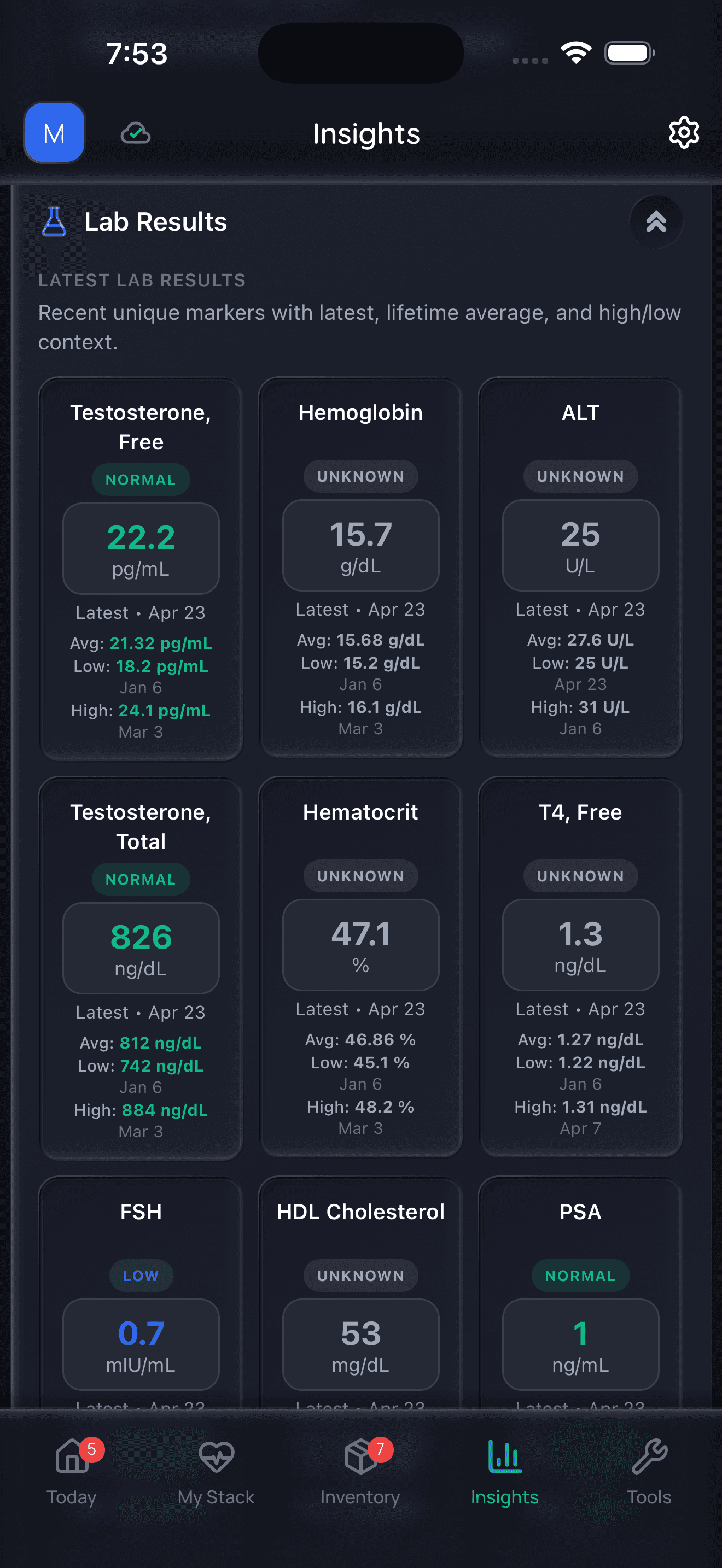
Doserly organizes data; it does not diagnose or interpret labs for you.
Side Effects & Safety
The Basics
Gotu kola is generally well tolerated at recommended doses, but there are important safety considerations to be aware of. The most commonly reported side effect is drowsiness, particularly at higher doses. This can be beneficial if you're taking gotu kola for sleep or relaxation, but it may be problematic if you need to stay alert during the day.
The most serious safety concern is the rare but documented risk of liver damage. Three cases of hepatotoxicity have been reported in the medical literature in people who used gotu kola for 20 to 60 days. In two of those cases, the liver problems returned when the patients unknowingly took the supplement again. While this is extremely rare, it underscores the importance of monitoring for signs of liver problems (unusual fatigue, dark urine, yellowing of the skin or eyes) and avoiding prolonged high-dose use without medical supervision [26][27].
Contact dermatitis (skin irritation) has also been reported in some people who use topical gotu kola preparations, so patch testing is a sensible precaution before widespread skin application.
Gotu kola should be avoided during pregnancy due to potential emmenagogue effects (stimulating menstrual flow), and its safety during breastfeeding has not been established [28].
The Science
Hepatotoxicity: Three documented cases of hepatotoxicity occurred with C. asiatica administration over periods of 20 to 60 days. The suspected mechanism involves apoptosis and cell membrane alteration caused by pentacyclic triterpenic saponosides. Two patients experienced recurrent liver damage upon unintentional rechallenge, confirming the causal relationship. An additional case of hepatotoxicity was reported in a child [26][27]. Despite these reports, the overall incidence appears rare given the widespread traditional and commercial use of the plant.
CNS depression: Sedative effects have been attributed to the brahmoside and brahminoside constituents (saponin glycosides). These effects are dose-dependent, with higher doses more likely to produce significant sedation [1].
Dermatological reactions: Contact dermatitis has been documented in some patients using preparations of fresh or dried parts of the plant [29]. Allergic sensitization may develop with repeated topical exposure.
Reproductive safety: Emmenagogue effects have been reported, and one early study documented antifertility effects of crude extracts in animal models [28][30]. Use during pregnancy and lactation should be avoided.
Antiplatelet activity: In vitro studies have demonstrated antiplatelet aggregation activity of both unpurified and purified C. asiatica extracts. While clinical significance has not been confirmed, additive effects increasing bleeding risk are theoretically possible when combined with anticoagulant or antiplatelet medications [31].
Drug interactions (CYP450): In vitro, C. asiatica inhibits CYP1A2 (IC50 not determined), CYP2C9 (IC50 3.5 mcg/mL), CYP2D6 (IC50 44.7 mcg/mL), CYP3A4 (approximately 40% inhibition at 500 mcg/mL), and CYP2C19 (IC50 63 mcg/mL). The standardized extract ECa233 inhibited CYP3A4, 2C19, and 2B6 but not CYP1A2, 2C9, 2D6, or 2E1. Clinical relevance of these inhibitory effects has not been determined [5][32].
Dosing & Usage Protocols
The Basics
Dosing gotu kola is more complex than many supplements because the effective dose varies dramatically depending on what you're using it for and which form you choose. This is largely because the active compounds (triterpenoids) are present in very different concentrations depending on whether you're using a standardized extract, whole herb powder, or dried leaves.
For venous circulation issues, most clinical studies used a standardized extract (TTFCA) providing 60 to 180 mg per day of total triterpenic saponins, typically divided into two or three doses.
For anxiety and mood, the limited human data suggests that higher doses of whole herb may be needed. Studies have used 500 mg twice daily for anxiety and 750 mg daily for mood improvement.
For cognitive enhancement, the research is primarily from animal studies, and the estimated human doses extrapolated from those studies range considerably higher, from roughly 2,100 to 5,500 mg of whole plant extract depending on body weight. These are estimates only and have not been validated in human trials.
The Science
Standardized triterpenic fraction (TTFCA/TECA): The most extensively studied dosing regimen uses standardized extracts providing defined quantities of asiaticoside, asiatic acid, and madecassic acid. The recommended daily dose of titrated extracts is 60 to 120 mg [1][18].
Clinical trial dosing by indication:
- Chronic venous insufficiency: TTFCA 30-60 mg, two to three times daily, for 4 weeks to 6 months [7][8][9]
- Diabetic microangiopathy: TTFCA 60 mg twice daily for 6 months [9]
- Wound healing (oral): 2 capsules of 50 mg asiaticoside, 3 times daily [12]
Whole herb preparations:
- Anxiety reduction: 500 mg whole herb, twice daily [5]
- Acute anxiolytic effect: 12 g single dose (Bradwein 2000 study, research context only) [20]
- Cognitive/mood enhancement in elderly: 250-750 mg/day; 750 mg produced most significant effects [21]
- General use: 300-680 mg capsules, one to three times daily [1]
- Dried leaf tea: 1-2 teaspoons (5-10 g) steeped in 150 mL boiling water for 10-15 minutes, up to 3 cups per day [1]
Pharmacokinetic considerations: After multiple-dose administration, Cmax, AUC, and half-life of asiatic acid are higher than after single-dose administration, suggesting either accumulation or improved absorption kinetics with repeated dosing. Bioavailability of madecassoside and asiaticoside is enhanced in standardized whole-plant extracts (ECa-233) compared to isolated compounds [18].
When your stack includes several supplements, each with its own dose, form, and timing requirements, the logistics alone can derail consistency. Doserly consolidates all of it into one protocol view, so every dose across your entire routine is accounted for without spreadsheets or guesswork.
The app also tracks cumulative intake for nutrients that appear in multiple products. If your multivitamin, standalone supplement, and fortified protein shake all contain the same nutrient, Doserly adds them up and shows you the total alongside recommended and upper limits. Managing a thoughtful supplement protocol shouldn't require a degree in nutrition science. The app handles the complexity so you can focus on staying consistent.
Build reminders around the routine, not just the compound.
Doserly can keep timing, skipped doses, and schedule changes organized so the plan you read about becomes easier to follow and review.
Today view
Upcoming reminders

Reminder tracking supports consistency; it does not select a protocol for you.
What to Expect (Timeline)
Weeks 1-2:
If you're taking gotu kola for anxiety or relaxation, you may notice calming effects relatively quickly. One clinical study documented a reduction in startle response within 30 to 60 minutes of a single dose. Some users report mild sedation, particularly at higher doses. This is normal and may indicate that you should adjust your dose or timing. You might also notice mild drowsiness, especially during the first few days as your body adjusts.
Weeks 3-4:
For mood and stress resilience, improvements may begin to emerge around this time. The BDNF-mediated neuronal growth process requires time, so cognitive effects typically do not appear immediately. If you're using gotu kola for venous insufficiency, clinical studies showed measurable improvements in ankle edema and capillary filtration within 4 weeks. Some community users report noticing improved focus or mental clarity around this point.
Weeks 5-8:
Cognitive benefits, if they are going to appear, are most likely to become noticeable in this window. The 8-week elderly pilot study showed the most significant improvements in working memory and attention at this duration. If you're using topical preparations for skin health, improvements in firmness and elasticity may be becoming apparent.
Months 3-6:
For skin-related goals such as wound healing or scar/stretch mark reduction, longer-term use may be needed. The most detailed community report of stretch mark improvement described results after approximately 6 months. For venous insufficiency, the longest clinical trial ran for 6 months and showed progressive improvement in microcirculatory parameters. Long-term cognitive effects are not well-studied; preclinical data on dendritic arborization suggest that benefits may continue to accrue with sustained use.
Important considerations: Not everyone will respond to gotu kola, and individual timelines vary. If you notice signs of liver distress (unusual fatigue, dark urine, abdominal pain, jaundice) at any point, discontinue use and consult a healthcare provider immediately. The three documented cases of hepatotoxicity occurred within 20 to 60 days of use.
One of the hardest parts of any supplement routine is knowing whether it's working when results unfold gradually over weeks or months. Without a record, it's easy to abandon something too early or keep taking something that isn't delivering. Doserly solves that by giving you a visual timeline of your entire supplementation history mapped against the outcomes you care about.
When everything is in one view, you can compare how different supplements in your stack are performing over the same period. You can see whether adding this supplement coincided with the improvement you've noticed, or whether the timing points to something else entirely. That kind of clarity turns patience into a strategy rather than a gamble.
Keep sensitive protocol records in a purpose-built app.
Doserly is designed for private health tracking with structured records, offline-ready workflows, and exportable history when you need it.
Privacy
Health records

Privacy controls help you manage records; keep clinical records where required.
Interactions & Compatibility
SYNERGISTIC
- Bacopa Monnieri: Traditional pairing for cognitive enhancement. Both herbs promote neuronal growth through complementary mechanisms (gotu kola via BDNF/MAPK; bacopa via antioxidant and serotonergic pathways). The two share the name "Brahmi" in some traditions, reflecting their intertwined medicinal history.
- Vitamin C: May complement gotu kola's collagen-synthesizing activity. Vitamin C is a required cofactor for collagen synthesis, so ensuring adequate vitamin C intake could support the wound healing and skin health effects of gotu kola.
- Vitamin E: One study noted a nutrient-nutrient interaction between centella asiatica and vitamin E, suggesting potential synergistic antioxidant effects.
- Ashwagandha: Both classified as adaptogens. Community users report they complement each other, with gotu kola providing calming effects and ashwagandha supporting stress resilience and energy.
CAUTION / AVOID
- Anticoagulant/antiplatelet medications (warfarin, aspirin, clopidogrel): In vitro antiplatelet aggregation activity has been demonstrated for C. asiatica extracts. While clinical significance is unconfirmed, additive bleeding risk is theoretically possible.
- CYP3A4-metabolized medications: In vitro inhibition of CYP3A4 has been demonstrated. Medications extensively metabolized by CYP3A4 (including many statins, calcium channel blockers, and immunosuppressants) could theoretically have increased blood levels.
- CYP2C19-metabolized medications: In vitro inhibition of CYP2C19 documented. Medications such as omeprazole, clopidogrel, and some antidepressants are metabolized by this enzyme.
- Antiepileptic drugs (phenytoin, valproate, gabapentin): Animal studies suggest C. asiatica may potentiate the effects of these medications, reducing the effective dose needed. While potentially beneficial, this interaction could lead to excessive sedation or drug toxicity without dose adjustment.
- Hepatotoxic medications: Given the rare but documented hepatotoxicity of C. asiatica, combining with other hepatotoxic agents (acetaminophen in high doses, certain statins, certain antibiotics) may increase liver risk.
- Sedative medications and supplements: Gotu kola has sedative properties. Combining with benzodiazepines, sleep aids, or other sedating supplements may produce excessive CNS depression.
- Cholesterol medications: Some sources suggest gotu kola may alter cholesterol levels, potentially modifying the effects of cholesterol-lowering medications.
How to Take / Administration Guide
Recommended forms: Standardized extracts providing a defined percentage of triterpenic saponins (asiaticoside, asiatic acid, madecassic acid, madecassoside) are generally preferred for consistent dosing. The total triterpenic fraction of C. asiatica (TTFCA or TECA) has the most clinical trial support. For general use, whole herb capsules (300-680 mg) are widely available and well-tolerated.
Timing considerations: Gotu kola can be taken at any time of day, though its sedative properties at higher doses may make evening administration more appropriate for some users. For venous insufficiency, clinical trials used divided doses (two to three times daily) rather than a single daily dose. If taking for anxiety, consistent daily use is recommended rather than as-needed dosing, as the neurological benefits build over time.
Food pairing: Can be taken with or without food. Some sources suggest taking with food to reduce potential GI discomfort, particularly at higher doses.
Tea preparation: For traditional preparation, steep 1-2 teaspoons (5-10 g) of dried gotu kola leaves in approximately 150 mL of boiling water for 10-15 minutes. Up to three cups per day has been traditionally recommended. Fresh leaves can be consumed directly or juiced, as is common practice in Southeast Asian countries.
Stacking guidance: When combining with other calming supplements (ashwagandha, valerian, magnesium), be mindful of cumulative sedative effects and start with lower doses of each. When stacking with Bacopa monnieri for cognitive enhancement, some practitioners suggest alternating or using both at reduced doses since they share similar mechanisms.
Cycling guidance: Given the rare but documented hepatotoxicity risk, some practitioners advise limiting continuous use to 6-8 weeks followed by a 2-week break, though this recommendation is not based on clinical trial data. Users planning extended supplementation should discuss monitoring with their healthcare provider.
Choosing a Quality Product
Third-party certifications: Look for products verified by USP, NSF International, or ConsumerLab. These certifications help ensure identity, purity, and potency, which is particularly important for herbal supplements where active compound content varies widely.
Active forms and standardization: The most clinically studied form is the total triterpenic fraction (TTFCA/TECA), standardized to contain specific percentages of asiaticoside, asiatic acid, and madecassic acid. ECa-233, standardized to no less than 80% triterpenoid saponins with a controlled madecassoside-to-asiaticoside ratio, represents another well-characterized extract. Products specifying triterpene content allow more precise dosing.
Whole herb vs. standardized extract: Whole herb capsules (leaf and stem powder) are less expensive but deliver variable and generally lower concentrations of active triterpenoids. Standardized extracts are more consistent and align with clinical trial formulations. The choice depends on your goals: standardized extracts for clinical-grade dosing, whole herb for traditional-style supplementation.
Red flags: Be cautious of products that do not specify the plant part used, do not list standardization percentages, or make exaggerated claims about cognitive enhancement. Since the active compound content varies significantly depending on geographic origin and growing conditions, products without standardization may deliver inconsistent results.
Geographic variability: The concentration of triterpenoids in gotu kola varies widely based on where the plant is grown, soil conditions, altitude, and harvest timing. Products sourced from regions with established quality controls (standardized farms in India, Sri Lanka, or Madagascar) are generally preferred.
Not kola nut: Verify that the product contains Centella asiatica, not Cola nitida (kola nut). Despite the similar name, they are completely different plants. Gotu kola does not contain caffeine.
Storage & Handling
Capsules and tablets should be stored in a cool, dry place away from direct sunlight and excessive moisture. Most products maintain potency best at room temperature (15-25 degrees C / 59-77 degrees F).
Liquid tinctures should be stored at room temperature, away from direct light. Alcohol-based tinctures generally have a longer shelf life than glycerin-based preparations.
Dried leaf preparations should be kept in airtight containers to prevent moisture absorption and degradation. Fresh gotu kola leaves, if available, are highly perishable and should be consumed or processed promptly.
Powdered gotu kola is sensitive to humidity and should be stored with desiccant packets when possible. Once opened, use within the manufacturer's recommended timeframe.
Lifestyle & Supporting Factors
Dietary sources: While gotu kola is not a common food in Western diets, it is regularly consumed as a vegetable and beverage ingredient across Southeast Asia. In Vietnam, pennywort juice (rau ma) is a popular drink. In Malaysia and Indonesia, the fresh leaves are eaten raw in salads or cooked. In Sri Lanka and India, the plant is used in traditional dishes. These dietary traditions suggest that gotu kola can be safely consumed as part of a regular diet.
Signs that may suggest relevance: Individuals with symptoms of chronic venous insufficiency (leg heaviness, swelling, spider veins), those seeking natural anxiolytic support, or those interested in skin health and wound healing support may find gotu kola relevant to their goals.
Lifestyle factors that influence response: Stress levels may affect gotu kola's adaptogenic effects. Sleep quality and quantity are important, as gotu kola's sedative properties may be more noticeable in individuals who are sleep-deprived. Regular physical activity supports cardiovascular health and may complement gotu kola's circulatory benefits.
Monitoring considerations: Given the rare but documented hepatotoxicity risk, monitoring liver function through periodic blood tests (liver enzymes: ALT, AST, bilirubin) is prudent, particularly for extended use beyond 8 weeks. Tracking subjective outcomes (anxiety levels, skin changes, leg swelling) over time can help assess whether the supplement is providing measurable benefit.
Regulatory Status & Standards
United States (FDA): Gotu kola is regulated as a dietary supplement under DSHEA. It does not have GRAS (Generally Recognized as Safe) status as a food ingredient. No FDA-approved health claims exist for C. asiatica. The plant appears in the USP Dietary Supplement Compendium.
Canada (Health Canada): C. asiatica is included in the Health Canada Natural Health Products Ingredients Database. Products require a Natural Product Number (NPN) for legal sale.
European Union (EFSA): Centella asiatica herba (the aerial parts) has an EU herbal monograph through the European Medicines Agency (EMA). TTFCA/TECA preparations have been registered as traditional herbal medicines in several EU member states for treatment of venous insufficiency. The EMA monograph acknowledges traditional use for skin conditions and circulatory disorders.
Australia (TGA): Listed on the Australian Register of Therapeutic Goods as a complementary medicine ingredient.
Athlete & Sports Regulatory Status:
Gotu kola does not appear on the World Anti-Doping Agency (WADA) Prohibited List as of the current edition. It is not classified as a banned substance by any major national anti-doping agency (USADA, UKAD, Sport Integrity Canada, Sport Integrity Australia, NADA Germany).
No specific guidance or alerts regarding gotu kola have been issued by major professional sports leagues (NFL, NBA, MLB, NHL, NCAA) or anti-doping organizations.
Athletes seeking additional assurance may look for gotu kola products certified by Informed Sport (sport.wetestyoutrust.com), NSF Certified for Sport (nsfsport.com), or listed on the Cologne List (koelnerliste.com), though the availability of certified gotu kola products may be limited given its niche status.
Athletes can check the status of specific gotu kola products through GlobalDRO (globaldro.com) for the US, UK, Canada, Australia, Japan, Switzerland, and New Zealand.
Regulatory status and prohibited substance classifications change frequently. Athletes should always verify the current status of any supplement with their sport's governing body, their national anti-doping agency, and a qualified sports medicine professional before use. Third-party certification (Informed Sport, NSF Certified for Sport) reduces but does not eliminate the risk of contamination with prohibited substances.
Frequently Asked Questions
What is gotu kola, and is it the same as kola nut?
Gotu kola (Centella asiatica) is a small, leafy plant from the carrot family used for centuries in traditional Asian medicine. Despite the similar name, it has no relation to kola nut (Cola nitida), which is used in cola beverages. Gotu kola contains no caffeine and actually has mild sedating properties, the opposite of a stimulant.
Does gotu kola help with anxiety?
A limited number of human studies suggest that gotu kola may have anxiolytic properties. One double-blind placebo-controlled study found that a single dose significantly reduced the acoustic startle response, a physiological marker of anxiety. Community reports consistently describe calming and relaxing effects. However, larger clinical trials are needed before definitive conclusions can be drawn.
How long does it take for gotu kola to work?
This depends on the desired outcome. Calming or anxiolytic effects may be noticeable within 30 to 90 minutes of a single dose. Cognitive benefits, based on the limited available data, typically require 4 to 8 weeks of consistent use. Venous insufficiency improvements have been documented at 4 weeks in clinical trials. Skin and wound healing effects may take weeks to months.
Is gotu kola safe for long-term use?
While gotu kola has been consumed traditionally for centuries, modern safety data for long-term use is limited. Three cases of hepatotoxicity (liver damage) have been reported in the medical literature, occurring within 20 to 60 days of use. Because of this, some practitioners recommend limiting continuous use and monitoring liver function. Anyone planning extended supplementation should consult a healthcare provider.
Can gotu kola improve memory?
Traditional medicine has used gotu kola as a memory tonic for thousands of years, and the mechanism (promoting neuronal growth via BDNF) is scientifically plausible. One small pilot study in elderly participants showed improvements in working memory. However, the human clinical evidence remains preliminary, and a systematic review concluded that more research is needed.
What dose of gotu kola should be taken?
Based on available data, commonly reported dose ranges vary by form and goal. Standardized extracts (TTFCA) have been used at 60 to 180 mg/day in clinical trials for venous insufficiency. Whole herb capsules are commonly taken at 300 to 680 mg, one to three times daily. For any specific health goal, consulting with a qualified healthcare professional is recommended.
Does gotu kola interact with medications?
Laboratory studies suggest that gotu kola may inhibit several CYP450 enzymes (including CYP3A4, CYP2C19, CYP2C9, and CYP2D6), which could theoretically affect the metabolism of many medications. Additionally, in vitro antiplatelet activity has been noted. While the clinical relevance of these findings has not been confirmed, anyone taking prescription medications should discuss gotu kola with their healthcare provider.
Can gotu kola help with stretch marks or scars?
Some community reports describe improvement in stretch marks after several months of high-dose supplementation, and clinical research supports gotu kola's role in collagen synthesis and wound healing. However, evidence specifically for stretch mark reduction from oral supplementation is limited to anecdotal reports. Topical preparations have somewhat stronger evidence for scar management.
Does gotu kola cause drowsiness?
Yes, sedation is one of the most commonly reported effects, particularly at higher doses. The sedative properties are attributed to the brahmoside and brahminoside compounds. This drowsiness can be beneficial for those seeking relaxation or sleep support but may be undesirable during daytime hours. Starting with a lower dose and adjusting based on individual response is generally recommended.
Is gotu kola safe during pregnancy?
Based on available sources, gotu kola should be avoided during pregnancy and breastfeeding. The herb may have emmenagogue effects (stimulating menstrual flow), and early animal studies documented antifertility effects. Its safety during lactation has not been established.
Myth vs. Fact
Myth: Gotu kola contains caffeine and is a stimulant.
Fact: This is one of the most common misconceptions. Despite the word "kola" in its name, gotu kola (Centella asiatica) has no botanical relation to the caffeine-containing kola nut (Cola nitida) used in cola beverages. Gotu kola contains zero caffeine and actually has sedative properties, the opposite of a stimulant [1].
Myth: Gotu kola dramatically improves memory overnight.
Fact: While gotu kola has a traditional reputation as a memory enhancer, the mechanism involves gradual neuronal growth (dendritic arborization via BDNF), which takes weeks, not hours. Only one small pilot study in elderly participants has demonstrated memory improvements, and that was over an 8-week period [21]. Claims of rapid cognitive enhancement are not supported by the evidence.
Myth: All gotu kola supplements are the same.
Fact: The concentration of active triterpenoids in gotu kola varies enormously depending on geographic origin, growing conditions, plant part used, and extraction method. A standardized extract providing defined percentages of asiaticoside and asiatic acid can deliver very different amounts of active compounds compared to a whole herb powder. Clinical trials overwhelmingly used standardized extracts (TTFCA/TECA) rather than raw herb preparations [1][5].
Myth: Gotu kola is completely safe because it's natural.
Fact: While gotu kola is generally well tolerated, three cases of hepatotoxicity (liver damage) have been documented in the medical literature, with two cases confirmed through rechallenge. An additional case was reported in a child. The risk appears rare, but it is real, and users should be aware of warning signs [26][27].
Myth: Gotu kola can cure varicose veins.
Fact: Clinical trials have demonstrated that gotu kola (TTFCA) can improve symptoms of chronic venous insufficiency, including reducing ankle swelling and improving microcirculation. However, it does not reverse structural vein damage or eliminate varicose veins. It is a symptomatic management tool, not a cure [7][8].
Myth: Gotu kola and Bacopa monnieri are the same plant.
Fact: These are two distinct plants from different botanical families, with different active compounds and somewhat different mechanisms. The confusion arises because both are called "Brahmi" in certain Indian traditions. Bacopa monnieri contains bacosides, while Centella asiatica contains triterpenoid saponins. They are sometimes used together for cognitive support [4].
Myth: Gotu kola will tighten loose skin after weight loss.
Fact: While gotu kola does promote collagen synthesis, and some anecdotal reports describe improvement in stretch marks with extended high-dose use, there is no clinical evidence that oral gotu kola supplementation can reverse loose skin from significant weight loss. The collagen synthesis effects documented in research relate primarily to wound healing and minor skin firmness improvements, not large-scale skin retraction [12][23].
Sources & References
Clinical Trials & RCTs
[1] Gohil KJ, Patel JA, Gajjar AK. Pharmacological Review on Centella asiatica: A Potential Herbal Cure-all. Indian J Pharm Sci. 2010;72(5):546-556. PMID: 21694984
[7] Cesarone MR, Belcaro G, De Sanctis MT, et al. Effects of the total triterpenic fraction of Centella asiatica in venous hypertensive microangiopathy: a prospective, placebo-controlled, randomized trial. Angiology. 2001;52(Suppl 2):S15-S18. PMID: 11666117
[8] De Sanctis MT, Belcaro G, Incandela L, et al. Treatment of edema and increased capillary filtration in venous hypertension with total triterpenic fraction of Centella asiatica: a clinical, prospective, placebo-controlled, randomized, dose-ranging trial. Angiology. 2001;52(Suppl 2):S55-S59. PMID: 11666125
[9] Cesarone MR, Incandela L, De Sanctis MT, et al. Evaluation of treatment of diabetic microangiopathy with total triterpenic fraction of Centella asiatica: a clinical prospective randomized trial with a microcirculatory model. Angiology. 2001;52(Suppl 2):S49-S54. PMID: 11666124
[12] Bylka W, Znajdek-Awizen P, Studzinska-Sroka E, et al. Centella asiatica in dermatology: an overview. Phytother Res. 2014;28(8):1117-1124. PMID: 24399761
[19] Cesarone MR, Incandela L, De Sanctis MT, et al. Flight microangiopathy in medium- to long-distance flights: prevention of edema and microcirculation alterations with total triterpenic fraction of Centella asiatica. Angiology. 2001;52(Suppl 2):S33-S37. PMID: 11666121
[20] Bradwejn J, Zhou Y, Koszycki D, Shlik J. A double-blind, placebo-controlled study on the effects of Gotu Kola (Centella asiatica) on acoustic startle response in healthy subjects. J Clin Psychopharmacol. 2000;20(6):680-684. PMID: 11106141
[21] Wattanathorn J, Mator L, Muchimapura S, et al. Positive modulation of cognition and mood in the healthy elderly volunteer following the administration of Centella asiatica. J Ethnopharmacol. 2008;116(2):325-332. PMID: 18191355
[22] Saeidinia A, Keihanian F, Lashkari AP, et al. Partial-thickness burn wounds healing by topical treatment: a randomized controlled comparison between silver sulfadiazine and centiderm. Medicine (Baltimore). 2017;96(9):e6168. PMID: 28248871
[23] Sommerfeld B. Randomised, placebo-controlled, double-blind, split-face study on the clinical efficacy of Tricutan on skin firmness. Phytomedicine. 2007;14(11):711-715. PMID: 17923398
Systematic Reviews & Meta-Analyses
[3] Puttarak P, Dilokthornsakul P, Saokaew S, et al. Effects of Centella asiatica (L.) Urb. on cognitive function and mood related outcomes: A Systematic Review and Meta-analysis. Sci Rep. 2017;7(1):10646. PMID: 28878237
Review Articles
[2] Sun B, Wu L, Wu Y, et al. Therapeutic Potential of Centella asiatica and Its Triterpenes: A Review. Front Pharmacol. 2020;11:568032. PMID: 33013406
[4] Orhan IE. Centella asiatica (L.) Urban: From Traditional Medicine to Modern Medicine with Neuroprotective Potential. Evid Based Complement Alternat Med. 2012;2012:946259. PMID: 23049614
[5] Zaw Myo Hein et al. Centella asiatica: Advances in Extraction Technologies, Phytochemistry, and Therapeutic Applications. 2025. PMID: 40724583
[6] Gray NE, Alcazar Magana A, Lak P, et al. Centella asiatica: phytochemistry and mechanisms of neuroprotection and cognitive enhancement. Phytochem Rev. 2018;17(1):161-194. PMID: 31736679
[11] Bandopadhyay S, Mandal S, Ghorai M, et al. Therapeutic properties and pharmacological activities of asiaticoside and madecassoside: a review. J Cell Mol Med. 2023;27:593-608. PMID: 36756687
Preclinical & Mechanistic Studies
[10] Wan J, Gong X, Jiang R, et al. Antipyretic and Anti-inflammatory Effects of Asiaticoside in Lipopolysaccharide-treated Rat through Up-regulation of Heme Oxygenase-1. Phytother Res. 2013;27(8):1136-1142. PMID: 22972538
[13] Mohandas Rao KG, Muddanna Rao S, Gurumadhva Rao S. Centella asiatica (L.) leaf extract treatment during the growth spurt period enhances hippocampal CA3 neuronal dendritic arborization in rats. Evid Based Complement Alternat Med. 2006;3(3):349-357. PMID: 16951719
[14] Yun KJ, Kim JY, Kim JB, et al. Inhibition of LPS-induced NO and PGE2 production by asiatic acid via NF-kappa B inactivation in RAW 264.7 macrophages. Int Immunopharmacol. 2008;8(3):431-441. PMID: 18279797
[15] Soumyanath A, Zhong YP, Henson E, et al. Centella asiatica Extract Improves Behavioral Deficits in a Mouse Model of Alzheimer's Disease. Int J Alzheimers Dis. 2012;2012:381974. PMID: 23227356
[16] Nataraj J, Manivasagam T, Justin Thenmozhi A, et al. Neurotrophic effect of asiatic acid in Parkinson's disease mouse model. Neurochem Res. 2017;42(5):1354-1365. PMID: 28181071
[17] Mukherjee PK, Kumar V, Houghton PJ. Screening of Indian medicinal plants for acetylcholinesterase inhibitory activity. Phytother Res. 2007;21(12):1142-1145. PMID: 17639556
[24] Awad R, Levac D, Cybulska P, et al. Effects of traditionally used anxiolytic botanicals on enzymes of the gamma-aminobutyric acid (GABA) system. Can J Physiol Pharmacol. 2007;85(9):933-942. PMID: 18066140
[25] Liu M, Dai Y, Yao X, et al. Anti-rheumatoid arthritic effect of madecassoside on type II collagen-induced arthritis in mice. Int Immunopharmacol. 2008;8(11):1561-1566. PMID: 18652917
[30] Dutta T, Basu UP. Crude extract of Centella asiatica and products derived from its glycosides as oral antifertility agents. Indian J Exp Biol. 1968;6(3):181-182. PMID: 5718539
[31] Lestari ABS, Fudholi A, Nugroho AK, Setyowati EP. In vitro antiplatelet aggregation activity of Centella asiatica (L.) urban ethanolic extract. Intl J Pharmaceu Clin Res. 2016;8(4):280-283.
[32] Seeka P, Niwattisaiwong N, et al. Effects of the standardized extract of Centella asiatica ECa233 on human cytochrome P450. Thai J Pharm Sci. 2012;36:30-37.
Government/Institutional Sources
[18] Grimaldi R, De Ponti F, D'Angelo L, et al. Pharmacokinetics of the total triterpenic fraction of Centella asiatica after single and multiple administrations to healthy volunteers. J Ethnopharmacol. 1990;28(2):235-241. PMID: 2329813
Safety & Toxicology
[26] Jorge OA, Jorge AD. Hepatotoxicity associated with the ingestion of Centella asiatica. Rev Esp Enferm Dig. 2005;97(2):115-124. PMID: 15801887
[27] Dantuluri S, North-Lewis P, Karthik SV. Gotu Kola induced hepatotoxicity in a child. Dig Liver Dis. 2011;43(6):500. PMID: 21334999
[28] Ernst E. Herbal medicinal products during pregnancy: are they safe? BJOG. 2002;109(3):227-235. PMID: 11950176
[29] Gomes J, Pereira T, Vilarinho C, et al. Contact dermatitis due to Centella asiatica. Contact Dermatitis. 2010;62(1):54-55. PMID: 20136880
Related Supplement Guides
Same Category (Herbal Extracts / Adaptogens)
Common Stacks / Pairings
- Bacopa Monnieri — Cognitive enhancement stack (complementary neurotropic mechanisms)
- Vitamin C — Skin health and collagen synthesis support
- Ashwagandha — Adaptogenic stress and anxiety support
- Lion's Mane Mushroom — Nootropic stack (both promote nerve growth factor/BDNF)
Related Health Goal
- Magnesium — Anxiety, sleep, and relaxation
- L-Theanine — Calm focus and anxiety support
- Ginkgo Biloba — Circulation and cognitive support
- Vitamin E — Skin health and antioxidant protection
- Collagen — Skin health and wound healing