
Tribulus Terrestris: The Complete Supplement Guide
On this page
Quick Reference Card
Attribute
Common Name
- Detail
- Tribulus Terrestris
Attribute
Other Names / Aliases
- Detail
- Puncture Vine, Gokshura (Ayurveda), Gokhru, Bai Ji Li (TCM), Caltrop, Bindii, Goat's-Head, Bullhead, Tackweed, Al-Gutub
Attribute
Category
- Detail
- Herbal Supplement (Zygophyllaceae family)
Attribute
Primary Forms & Variants
- Detail
- Fruit extract (most common supplement form, standardized to saponins), root extract, aerial parts extract, whole herb powder. Bulgarian pharmaceutical-grade products historically considered highest quality.
Attribute
Typical Dose Range
- Detail
- 750-1,500 mg/day of extract; active saponin doses of 100-450 mg/day
Attribute
RDA / AI / UL
- Detail
- No established RDA, AI, or UL (herbal supplement, not an essential nutrient)
Attribute
Common Delivery Forms
- Detail
- Capsule, tablet, powder, liquid tincture
Attribute
Best Taken With / Without Food
- Detail
- Can be taken with or without food. Taking with a fat source may improve absorption of lipophilic saponins. Some users report better tolerability with food.
Attribute
Key Cofactors
- Detail
- Often paired with zinc and boron in community protocols; black pepper (piperine) may enhance absorption
Attribute
Storage Notes
- Detail
- Store in a cool, dry place away from direct sunlight and moisture. Saponins may degrade with oxidation; blister-packed products may preserve potency better than bulk bottles.
Overview
The Basics
Tribulus terrestris is a spiny, fruit-bearing plant that has been used for centuries in traditional medicine systems across multiple continents. In Ayurvedic medicine (where it is known as Gokshura), it has been used for urinary and reproductive health. In Traditional Chinese Medicine (as Bai Ji Li), it has been applied to skin and eye conditions, chest pain, and dizziness [1][2].
In modern supplement markets, tribulus is most widely marketed as a "natural testosterone booster" for men seeking improved sexual function, muscle growth, and athletic performance. However, the clinical evidence tells a more nuanced story. Multiple systematic reviews have consistently found that tribulus does not meaningfully increase testosterone levels in men with normal hormonal status [3][4]. Where tribulus does show promise is in improving sexual function through mechanisms that appear to be independent of testosterone, including nitric oxide signaling and possible DHEA modulation [2][5].
The most well-supported use cases based on current evidence are improvement in erectile dysfunction symptoms (with low-to-moderate evidence quality) and improvement in female sexual dysfunction, particularly hypoactive sexual desire disorder in both pre- and postmenopausal women [4][6][7]. Its use for athletic performance enhancement is not supported by the evidence, and major sports organizations advise against it [8].
The Science
Tribulus terrestris L. (family Zygophyllaceae) is a perennial herb found in subtropical regions of eastern and western Asia, southern Europe, Africa, and Australia [2]. The plant produces fruit covered with sharp spines, earning it the common name "puncture vine."
The primary bioactive constituents are steroidal saponins, with protodioscin identified as the key compound associated with aphrodisiac and erectogenic effects [2][9]. Other bioactive components include furostanol saponins, dioscin, diosgenin, cinnamic amides, di-p-coumaroylquinic acid derivatives, and various phenolic acids including chlorogenic acid and caffeic acid [2][10].
A 2025 systematic review of 10 clinical trials (483 participants) found that 8 out of 10 studies showed no significant changes in androgen profile following tribulus supplementation. The two studies showing testosterone increases involved subjects with hypogonadism, and the magnitude of increase was clinically modest (60-70 ng/dL) [3]. A separate 2025/2026 meta-analysis of 8 RCTs found statistically significant improvements in erectile function scores (IIEF-5: MD 3.23, 95% CI 1.89-4.58, p < 0.00001) but no significant differences in total testosterone levels between tribulus and placebo groups [4]. These findings support the hypothesis that tribulus acts on sexual function through testosterone-independent pathways.
Chemical & Nutritional Identity
Property
Chemical Name
- Value
- Tribulus terrestris L. extract
Property
Plant Family
- Value
- Zygophyllaceae
Property
Active Compounds
- Value
- Steroidal saponins (protodioscin, dioscin, diosgenin), furostanol saponins, cinnamic amides, phenolic acids
Property
Key Saponin
- Value
- Protodioscin (considered the primary bioactive for sexual function effects)
Property
CAS Number
- Value
- 90131-68-3 (Tribulus terrestris extract)
Property
Category
- Value
- Herbal supplement
Property
Part Used
- Value
- Fruit (most common), root, aerial parts (different parts have different bioactive profiles)
Property
Standardization
- Value
- Typically to saponin content: 20-90% depending on extract type
Common Supplement Forms
Form
Standard fruit extract
- Plant Part
- Fruit
- Standardization
- 40-45% saponins
- Profile
- Most common commercial form
Form
High-potency fruit extract
- Plant Part
- Fruit
- Standardization
- 60-90% saponins
- Profile
- Higher concentration; used in some clinical trials
Form
Root extract
- Plant Part
- Root
- Standardization
- Variable
- Profile
- Less common; different saponin profile
Form
Aerial parts extract
- Plant Part
- Stems/leaves
- Standardization
- Variable
- Profile
- May contain beta-carbolines; different effect profile
Form
Whole herb powder
- Plant Part
- Whole plant
- Standardization
- Unstandardized
- Profile
- Traditional form; lower potency per gram
Form
Pharmaceutical-grade (Tribestan-type)
- Plant Part
- Fruit
- Standardization
- Standardized to protodioscin
- Profile
- Bulgarian origin; enteric-coated for stability
Mechanism of Action
The Basics
Despite its reputation as a testosterone booster, tribulus appears to work through several mechanisms that are largely independent of testosterone production.
The best-understood pathway involves nitric oxide (NO) signaling. Tribulus extracts, particularly the saponin protodioscin, promote relaxation of smooth muscle tissue in blood vessels through the NO/NO synthase pathway [5][9]. This is the same general mechanism targeted by prescription erectile dysfunction medications, though tribulus is considerably milder. This NO-mediated vasodilation may explain both the observed effects on erectile function and the antihypertensive properties documented in preclinical studies [2][11].
Tribulus may also influence sexual function through conversion of protodioscin to DHEA (dehydroepiandrosterone), a precursor hormone that sits upstream of both testosterone and estrogen [2][12]. This could explain why some users report subjective improvements in libido and mood without measurable changes in testosterone levels.
The plant also has anti-inflammatory, antioxidant, and cardioprotective properties, primarily attributed to its phenolic acid content and saponin-mediated suppression of inflammatory signaling pathways [2][10].
The Science
Nitric Oxide Pathway: Protodioscin promotes concentration-dependent relaxation of the corpus cavernosum via the NO/NO synthase pathway and endothelial signaling [5][9]. This erectogenic mechanism operates independently of testosterone levels, which may explain the dissociation between erectile function improvements and unchanged testosterone in clinical trials [4].
DHEA Conversion: Aphrodisiac effects may be associated with conversion of protodioscin to DHEA [2][12]. One community member with 15 years of use reported nearly doubling DHEA levels over 3 months, though this has not been confirmed in controlled studies.
Androgen Receptor Expression: Preclinical evidence suggests tribulus may increase androgen receptor density in the brain [13]. If confirmed in humans, this could explain mood, confidence, and motivation effects reported by users without direct hormonal increases.
HPA Axis Modulation: In chronic mild stress animal models, tribulus saponins attenuated serum corticotropin-releasing factor and cortisol levels, suggesting normalization of HPA axis hyperactivity and potential antidepressant-like effects [14].
Antihypertensive Mechanisms: Blood pressure reduction occurs via arterial smooth muscle relaxation, NO release, membrane hyperpolarization, and angiotensin converting enzyme (ACE)-inhibition activity [2][11][15].
Anti-inflammatory Pathways: Tribulus extracts suppress proinflammatory signaling including NF-kappaB and cyclooxygenase (COX) pathways. A 2022 RCT in CrossFit athletes found that 6 weeks of tribulus supplementation attenuated exercise-induced oxidative stress, muscle damage, and inflammation markers [16].
GABA Effects (Adverse): Animal studies have shown that tribulus consumption can cause motor neuron adverse effects through GABA receptor modulation [2][17]. This may be relevant to the irritability and aggression reported by some users at higher doses.
Hepatotoxic Mechanism: The steroidal saponin diosgenin is thought to be responsible for hepatotoxic effects associated with tribulus [2][18]. Animal studies of "tribulosis" (geeldikkop) show marked photosensitivity, icterus, and liver damage in grazing animals.
Absorption & Bioavailability
The Basics
The bioavailability of tribulus depends significantly on the extract type, standardization, and delivery form. Steroidal saponins are lipophilic compounds, meaning they dissolve in fat rather than water. Taking tribulus with a fat source may improve absorption.
Product quality and formulation matter considerably. The saponin compounds in tribulus can be unstable in standard capsule or tablet form and may degrade through oxidation over time. Enteric-coated tablets and blister-pack packaging are used by some manufacturers to address this stability concern. Different plant parts (fruit, root, aerial parts) contain different proportions of bioactive compounds, which partly explains the wide variation in user experiences across different products.
The Science
The oral bioavailability of protodioscin and other steroidal saponins from tribulus has not been precisely quantified in human pharmacokinetic studies. As lipophilic steroidal compounds, their absorption follows general patterns for this class: enhanced by co-administration with dietary fat and potentially reduced in fasted states.
Standardization ranges from 20% to 90% saponins across commercial products, meaning the actual bioactive compound delivery per milligram varies by a factor of four or more between products. This variability complicates dose-response comparisons across clinical studies and explains why some trials use 250 mg/day while others use 1,500 mg/day with comparable outcomes.
Research & Clinical Evidence
The Basics
The research on tribulus is most robust for two areas: erectile dysfunction and female sexual dysfunction. For testosterone enhancement and athletic performance, the evidence is consistently negative.
For erectile dysfunction, a 2025/2026 meta-analysis found that tribulus produced statistically significant improvements in standardized erectile function scores compared to placebo [4]. However, the improvements were modest, the studies were small, and the evidence quality is low to moderate. Tribulus should not be considered comparable to prescription medications for ED.
For female sexual dysfunction, several small but well-designed RCTs have shown improvements in sexual desire, arousal, and satisfaction in both pre- and postmenopausal women [6][7][19]. This is an area where tribulus may have genuine clinical utility, though larger confirmatory trials are needed.
For testosterone, the evidence is clear: tribulus does not increase testosterone in men with normal hormonal levels [3][4]. Small increases have been observed only in men with existing hypogonadism, and even these were clinically modest.
For athletic performance, the NIH Office of Dietary Supplements states that "the published biomedical literature provides no support for the efficacy" of tribulus for enhancing exercise performance [8].
The Science
Erectile Dysfunction (Low-Moderate Evidence): A 2025/2026 systematic review and meta-analysis of 8 RCTs found tribulus significantly outperformed placebo on both IIEF-5 (MD 3.23, 95% CI 1.89-4.58, p < 0.00001) and IIEF-15 (MD 14.44, 95% CI 5.75-23.14, p = 0.001) [4]. A separate 2025 systematic review of 10 studies found ED improvement in 3 of 5 studies assessing this parameter, with doses of 400-750 mg/day for 1-3 months [3]. A 2020 meta-analysis also found a statistically significant effect (SMD 0.54, 95% CI 0.30-0.78, P < 0.001) [20].
Female Sexual Dysfunction (Low-Moderate Evidence): Multiple small RCTs have shown improvements. A study of 750 mg/day for 120 days improved sexual desire, arousal, lubrication, orgasm, satisfaction, and pain in premenopausal women with hypoactive sexual desire disorder (HSDD) [7]. A study of 750 mg/day for 120 days in postmenopausal women with HSDD found significant improvement in desire, arousal, and satisfaction domains [6]. An additional study found improvements in female sexual function with tribulus extract [19].
Testosterone (No Evidence of Effect): 8 of 10 studies in a 2025 systematic review showed no significant changes in androgen profile [3]. A meta-analysis found no significant difference in total testosterone between tribulus and placebo groups [4]. A forensic science study found no short-term impact on endogenous steroid profiles relevant to doping control [21]. The only positive results came from 2 studies involving men with hypogonadism, with increases of modest magnitude (60-70 ng/dL) [3].
Athletic Performance (No Evidence of Effect): Three small trials in healthy and trained men found no improvements in strength, lean body mass, or exercise performance [8][22][23]. The Australian Institute of Sport advises against tribulus use by athletes [8].
Semen Parameters (Preliminary Evidence): A 2020 meta-analysis found improvements in some sperm parameters including concentration, motility, and acrosome reactions, but not morphology or ejaculate volume [20]. An Ayurvedic clinical study found significant improvement in sperm count in men with oligozoospermia [24].
Blood Pressure (Preliminary Evidence): A formulation containing tribulus lowered blood pressure in prehypertensive individuals through ACE-inhibition activity [15]. Preclinical studies support antihypertensive effects [11].
Metabolic Health (Preliminary Evidence): A study in women with diabetes found tribulus extract improved serum glucose and lipid profiles [25].
Evidence & Effectiveness Matrix
The matrix below combines clinical evidence strength with community-reported effectiveness to provide a balanced view of tribulus terrestris's profile across health domains.
Category
Libido
- Evidence Strength
- 5/10
- Community-Reported Effectiveness
- 6/10
- Confidence
- Medium
Category
Sexual Function
- Evidence Strength
- 5/10
- Community-Reported Effectiveness
- 5/10
- Confidence
- Medium
Category
Hormonal Symptoms
- Evidence Strength
- 2/10
- Community-Reported Effectiveness
- 4/10
- Confidence
- Medium
Category
Mood & Wellbeing
- Evidence Strength
- 2/10
- Community-Reported Effectiveness
- 5/10
- Confidence
- Low
Category
Motivation & Drive
- Evidence Strength
- 1/10
- Community-Reported Effectiveness
- 5/10
- Confidence
- Low
Category
Energy Levels
- Evidence Strength
- 1/10
- Community-Reported Effectiveness
- 4/10
- Confidence
- Low
Category
Physical Performance
- Evidence Strength
- 1/10
- Community-Reported Effectiveness
- 3/10
- Confidence
- Low
Category
Blood Pressure
- Evidence Strength
- 2/10
- Community-Reported Effectiveness
- Not Scored
- Confidence
- Low
Category
Sleep Quality
- Evidence Strength
- 0/10
- Community-Reported Effectiveness
- 3/10
- Confidence
- Low
Category
Emotional Regulation
- Evidence Strength
- 0/10
- Community-Reported Effectiveness
- 3/10
- Confidence
- Low
Category
Side Effect Burden
- Evidence Strength
- 3/10
- Community-Reported Effectiveness
- 4/10
- Confidence
- Medium
Evidence Strength reflects the quality and volume of clinical trial data. Community-Reported Effectiveness reflects scored sentiment from community discussions. Confidence reflects the reliability of the combined assessment.
Key Observations:
- Libido and sexual function show the best alignment between clinical evidence and community reports, both scoring moderately
- The testosterone-boosting claim is definitively unsupported by evidence (scoring 2/10 for hormonal symptoms), though community users report subjective hormonal effects (4/10)
- Mood, motivation, and energy are widely discussed in community reports but have minimal clinical evidence, suggesting these effects may be mediated through unstudied pathways (DHEA, androgen receptor density) or represent placebo responses
- Sleep quality and emotional regulation appear only in community reports as negative effects (insomnia, aggression), with no clinical studies examining these outcomes
- Community data not yet collected for: Blood Pressure
Benefits
The Basics
The most reliably reported benefit of tribulus is improved sexual desire, or libido. Both clinical trials and community experience suggest that most people who respond to tribulus notice increased interest in sexual activity within 1-3 weeks. This effect has been documented in both men and women, which distinguishes tribulus from supplements that target only male sexual health [6][7][19].
For men with erectile dysfunction, tribulus may offer modest improvements in erection quality. Clinical studies have shown statistically significant improvements in standardized erectile function scores, though the magnitude of benefit is smaller than what is seen with prescription medications [4].
Beyond sexual health, some users report improvements in mood, confidence, and general energy. These effects are less consistently documented in clinical trials but are frequently described in community discussions. They may be related to tribulus's effects on DHEA levels or androgen receptor activity rather than direct testosterone increases [2][12].
Tribulus also shows preliminary evidence for blood pressure reduction and blood sugar regulation, though these areas need more research before firm conclusions can be drawn [15][25].
The Science
Sexual Desire and Arousal: Multiple RCTs demonstrate improvements in sexual desire in both sexes. In women, 750 mg/day for 120 days significantly improved desire, arousal, lubrication, orgasm, satisfaction, and pain domains compared to placebo [6][7][19]. In men, improvements in libido and sexual satisfaction have been reported across several trials, though the mechanism appears independent of testosterone elevation [3][4].
Erectile Function: The 2025/2026 meta-analysis found clinically meaningful improvements on the IIEF-5 (MD 3.23 points) and IIEF-15 (MD 14.44 points) [4]. The mechanism likely involves NO-mediated vasodilation of penile vasculature rather than hormonal effects [5][9].
Semen Quality: Improvements in sperm concentration, motility, and acrosome reactions have been documented, with potential clinical relevance for male infertility [20][24].
Anti-inflammatory Effects: A 2022 RCT in CrossFit athletes found that 6 weeks of tribulus supplementation (standardized extract) significantly reduced markers of exercise-induced muscle damage, oxidative stress, and inflammation [16].
Cardiovascular Markers: Preclinical and preliminary clinical evidence supports blood pressure reduction through ACE inhibition and arterial smooth muscle relaxation [2][11][15]. A study in diabetic women found improvements in cholesterol and glucose profiles [25].
Reading about potential benefits gives you a framework. Seeing whether those benefits are showing up in your own body turns knowledge into confidence. Doserly lets you track the specific health markers relevant to this supplement, building a personal dataset that captures what's actually changing week over week.
The app's AI analytics go further than simple logging. By correlating your supplement intake with the biomarkers and health outcomes you're tracking, Doserly surfaces patterns you might miss on your own, like whether a dose adjustment three weeks ago corresponds to the improvement you're noticing now. When it's time to evaluate whether a supplement is earning its place in your stack, you have your own data to guide the decision.
Capture changes while they are still fresh.
Log symptoms, energy, sleep, mood, and other observations alongside protocol events so patterns do not live only in memory.
Trend view
Symptom timeline
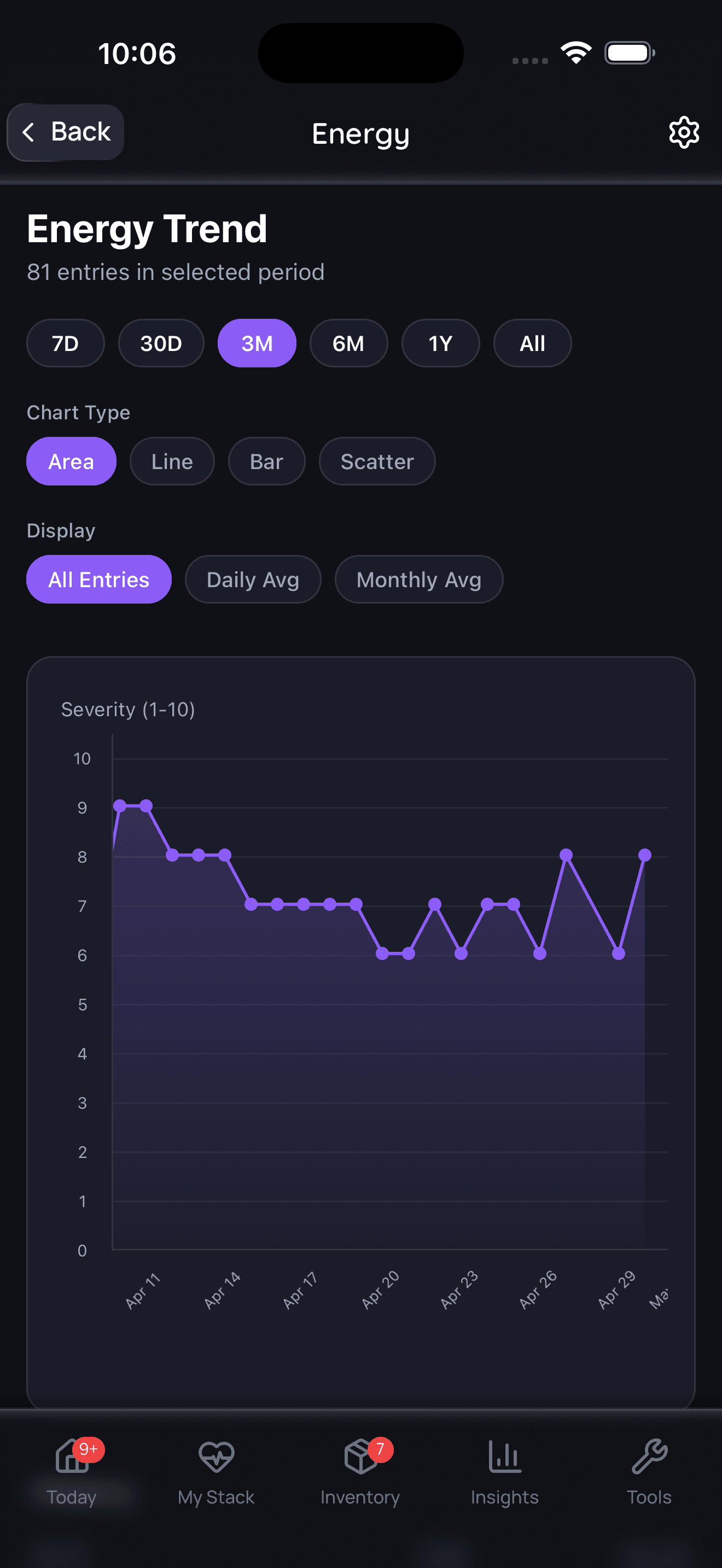
Symptom tracking is informational and should be interpreted with a qualified clinician.
Side Effects & Safety
The Basics
At recommended doses (750-1,500 mg/day) for up to 90 days, tribulus is generally considered safe for most adults. The most common side effects are mild digestive issues including stomach discomfort, cramping, and diarrhea [26].
However, tribulus has a more serious safety profile than many herbal supplements, with several important concerns:
Liver and kidney toxicity: Multiple case reports document serious liver injury (with bilirubin levels reaching 48 mg/dL in one case) and kidney damage in users taking tribulus supplements [18][27][28]. While these are rare relative to the supplement's widespread use, the severity is notable. Animal studies show that tribulus can cause a condition known as "tribulosis" in grazing livestock, characterized by severe jaundice and liver damage [2].
CYP3A4 inhibition: Recent research identifies tribulus as a moderate inhibitor of cytochrome P450 3A4, an enzyme crucial for metabolizing many common medications including statins, calcium channel blockers, and some antibiotics [29]. A 2024 case report documented rhabdomyolysis in a 71-year-old man who started tribulus while taking atorvastatin, likely due to this interaction raising statin blood levels [29].
Aggression and mood disturbance: Community reports consistently describe increased irritability, aggression, and short temper as dose-dependent side effects. This may be related to GABA receptor modulation or androgenic activity [2][17].
Priapism: A case of prolonged erection (72 hours) requiring surgical intervention has been reported in a user of tribulus [30].
The Science
Common Adverse Effects (from clinical trials): Transient GI problems including irritation of gastric mucosa and gastric reflux [2]. The 2025/2026 meta-analysis found no statistically significant difference in adverse event incidence between tribulus and placebo groups [4].
Hepatotoxicity: Case reports include a 46-year-old man who developed severe jaundice (total bilirubin 48 mg/dL) with concurrent renal dysfunction (creatinine 7.1) after 2 months of daily tribulus use, requiring plasmapheresis [27]. A 30-year-old bodybuilder developed severe hyperbilirubinemia and acute renal failure after "a few months" of tribulus tablet use [18]. A 28-year-old man developed combined neuro-, hepatic, and renal toxicity (aminotransferases >40x ULN) after consuming large quantities of tribulus extract [28]. The steroidal saponin diosgenin is thought to be responsible for the hepatotoxic effects [2].
Nephrotoxicity: Renal injury has been documented in multiple case reports, sometimes concurrent with liver injury [27][28]. Significant elevations in serum creatinine have been reported [2].
CYP3A4 and P-glycoprotein Interactions: In vitro studies show that saponins and phenolic compounds from tribulus inhibit P-glycoprotein activity, potentially increasing systemic exposure to substrate drugs [2]. Tribulus is also a moderate CYP3A4 inhibitor, which is clinically significant given the large number of commonly prescribed medications metabolized by this enzyme [29].
Reproductive Toxicity: Animal research suggests potential harm to fetal development, making tribulus possibly unsafe during pregnancy [26].
Prostate Cancer Concern: Due to purported hormonal activities, prostate cancer patients should consult with their physicians before using tribulus [2].
Stent Thrombosis: Three case reports documented stent thrombosis in patients using herbal formulas containing tribulus concurrently with clopidogrel [31].
Dosing & Usage
The Basics
Tribulus dosing is complicated by the wide variation in extract types and standardization across products. The most commonly studied dose range in clinical trials is 750-1,500 mg/day of tribulus extract, with 750 mg/day being the most frequently used dose [3][4].
Because different products concentrate the active saponins to different degrees, the total extract dose matters less than the actual saponin content. A product standardized to 90% saponins will deliver roughly double the active compounds of a 45% standardized product at the same milligram dose.
Most clinical trials have administered tribulus for 4-12 weeks. Safety data beyond 90 days are limited, and most practitioners recommend cycling with periodic breaks [26].
The Science
By Condition:
Condition
Erectile Dysfunction
- Dose Range
- 400-750 mg/day extract
- Duration
- 4-12 weeks
- Evidence
- Low-Moderate
Condition
Female Sexual Dysfunction (HSDD)
- Dose Range
- 750 mg/day extract
- Duration
- 120 days
- Evidence
- Low-Moderate
Condition
Lower Urinary Tract Symptoms
- Dose Range
- 750 mg/day extract
- Duration
- 12 weeks
- Evidence
- Low
Condition
Blood Pressure
- Dose Range
- Variable
- Duration
- 4-8 weeks
- Evidence
- Preliminary
Active Ingredient Dosing: One trial used 500 mg of extract containing 225 mg of furostanol saponins, administered three times per day (total 1,500 mg extract / 675 mg saponins daily) [3].
Cycling Recommendations: Safety data are limited to approximately 90 days of continuous use [26]. No formal cycling guidelines have been established in clinical research. Community users commonly recommend periodic breaks, and some experienced users report diminishing returns after 4-8 weeks of continuous use.
Timing: Can be taken once daily or divided into 2-3 doses. Some community members report that morning dosing on an empty stomach with a fat source produces the strongest acute effects. Evening dosing may interfere with sleep for sensitive individuals.
Getting the dose right matters more than most people realize. Too little may be ineffective, too much wastes money or introduces risk, and inconsistency undermines both. Doserly tracks every dose you take, across every form, giving you a clear record of what you're actually consuming versus what you planned.
The app helps you compare RDA recommendations against therapeutic ranges discussed in the research, so you can see exactly where your intake falls. If you switch forms, say from a standard capsule to a liposomal liquid, Doserly adjusts your tracking to account for different bioavailabilities. Pair that with smart reminders that keep your timing consistent, and the precision that makes a real difference in outcomes becomes effortless.
Track injection timing, draw notes, and site rotation.
Doserly helps keep syringe-related notes, injection site history, reminders, and reconstitution context together for easier review.
Injection log
Site rotation
Injection logs support record-keeping; follow clinician instructions for administration.
What to Expect (Timeline)
Tribulus is not an immediate-acting supplement for most people, though the onset is generally faster than many herbal compounds.
Days 1-5: Most people notice little to no effect during the first few days. Some sensitive individuals may notice subtle increases in energy or mood within the first 1-3 days, though this may include placebo response. Mild GI effects (stomach discomfort) may occur as the body adjusts.
Days 5-14: This is when the most commonly reported effects typically emerge. Increased libido is usually the first noticeable change, often described as more frequent sexual thoughts and heightened arousal. Some users report increased confidence, energy, and assertiveness during this window. Sleep disturbance or mild irritability may also begin to appear.
Weeks 2-4: Effects tend to stabilize and become more consistent. Erectile function improvements, if present, typically become noticeable during this period. Mood and energy effects settle into a pattern. This is also the window where aggression or irritability may become more pronounced at higher doses.
Weeks 4-8: For some users, this is when peak effects are experienced. However, a notable subset of users report diminishing returns during this period. Some describe the positive effects (libido, confidence) beginning to fade, while negative effects (irritability, insomnia) may become more prominent with continued daily use.
Beyond 8 weeks: Safety data are limited beyond 90 days. Community experience suggests that extended continuous use may lead to hormonal feedback effects, with some users reporting rebound symptoms (reduced libido, mood changes) when stopping abruptly. Cycling with breaks is commonly recommended.
Timelines in the research give you a general idea of when to expect results, but your body has its own schedule. Doserly tracks your progress against those benchmarks, letting you see whether your experience aligns with typical response curves or whether something in your protocol might need adjusting.
By logging biomarkers and subjective outcomes alongside your supplement intake, you build a personal timeline that shows exactly when changes started appearing and how they've progressed. The app's trend analysis highlights inflection points, weeks where things shifted for better or worse, so you have concrete data when deciding whether to continue, adjust your dose, or try a different form.
Connect protocol changes to labs and health markers.
Doserly can keep lab results, biomarkers, symptoms, and dose history close together so follow-up conversations have better context.
Insights
Labs and trends
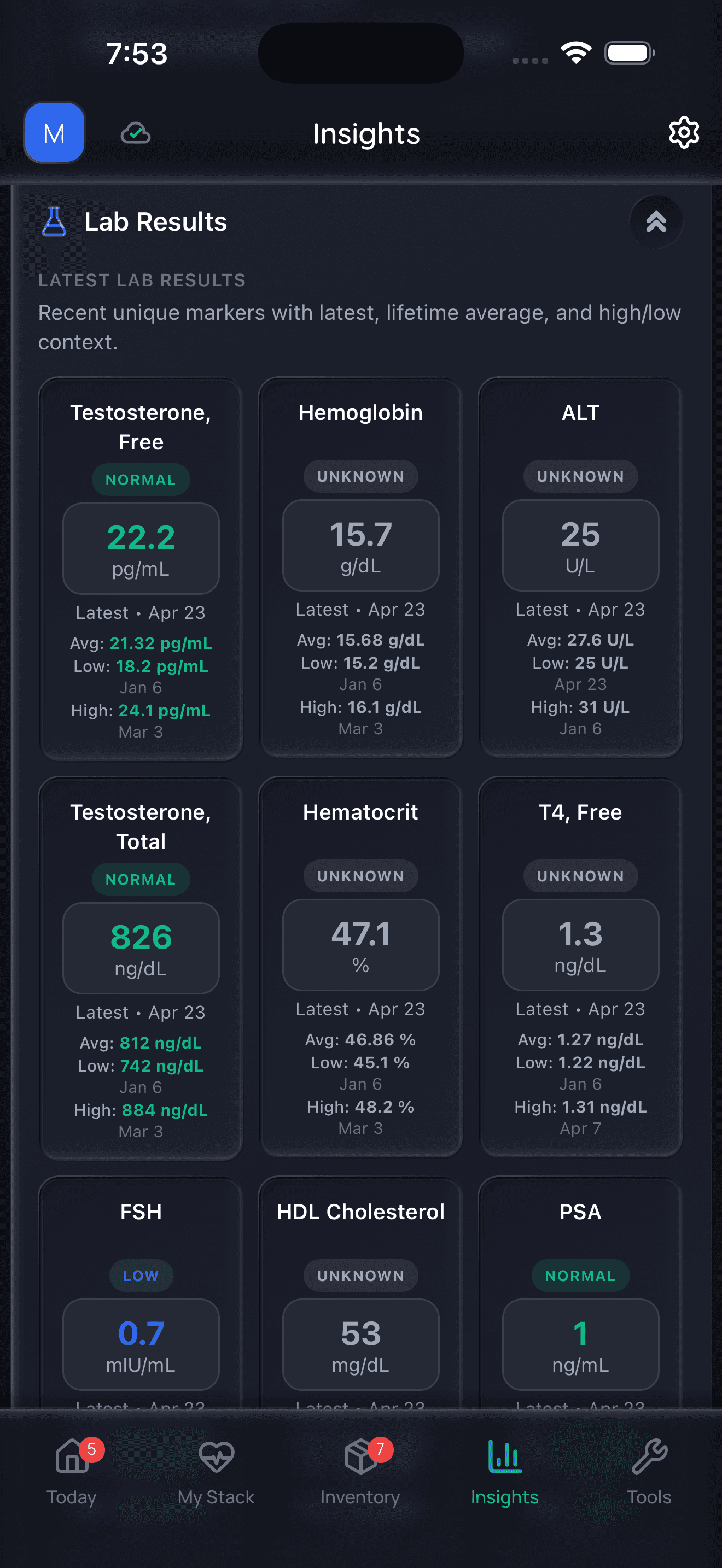
Doserly organizes data; it does not diagnose or interpret labs for you.
Interactions & Compatibility
Synergistic Combinations
- Zinc: Commonly paired in community protocols for sexual health. Zinc is essential for testosterone synthesis and sperm production, and adequate zinc status may support the effects tribulus has on sexual function through separate mechanisms.
- Boron: Frequently combined in community "libido stacks." Boron has been shown to lower SHBG and modestly increase free testosterone in short-term studies, providing a complementary mechanism to tribulus's NO-pathway effects.
- Maca Root: Both are traditional aphrodisiacs with evidence for sexual desire improvement. They work through different mechanisms, and the combination is commonly used for comprehensive libido support.
- L-Citrulline: An NO precursor that may synergize with tribulus's NO-mediated vasodilation for erectile function support.
- D-Aspartic Acid: Sometimes combined in "natural testosterone support" stacks, though neither compound has robust evidence for testosterone elevation in eugonadal men.
- Tongkat Ali: Another traditional herb used for male sexual health, often stacked with tribulus. Different mechanism profiles may provide complementary effects.
- Fenugreek: Used alongside tribulus in some formulations for libido and hormonal support.
Caution / Avoid
- Statins (atorvastatin, simvastatin, lovastatin): Tribulus is a moderate CYP3A4 inhibitor. Co-administration may increase statin blood levels, raising the risk of rhabdomyolysis and liver injury [29]. This interaction has been documented in a clinical case report.
- Clopidogrel (Plavix): Tribulus may increase the risk of blood clots when used with clopidogrel. Stent thrombosis has been reported in patients following concurrent use [31].
- Antidiabetic medications: Tribulus may have additive blood sugar-lowering effects, increasing hypoglycemia risk [2].
- Antihypertensive medications: Tribulus has ACE-inhibition activity and may produce additive blood pressure-lowering effects [2][11].
- Diuretics: Tribulus has diuretic properties and may amplify the effects of diuretic drugs [2].
- P-glycoprotein substrate drugs: In vitro evidence shows tribulus inhibits P-gp activity, potentially increasing systemic exposure to many medications [2].
- CYP3A4 substrate drugs (general): Beyond statins, many other medications are metabolized by CYP3A4 including some calcium channel blockers, macrolide antibiotics, immunosuppressants, and anti-HIV drugs. Concurrent use warrants medical consultation [29].
- Hormone-sensitive conditions: Due to purported hormonal activities, individuals with hormone-sensitive cancers (prostate, breast) should avoid tribulus or use only under medical supervision [2].
How to Take (Administration Guide)
Oral Administration (Capsule/Tablet): The most common and convenient method. Standardized extract capsules are the form used in most clinical trials. Take with water. Can be taken with or without food, though a small fat source may enhance absorption of lipophilic saponins. Some users prefer enteric-coated tablets for improved stability and GI tolerance.
Powder Form: Can be mixed into smoothies, water, or food. Taste is generally earthy and slightly bitter. Whole herb powder requires higher doses than standardized extracts. Some traditional preparations use the powder in warm milk or water as a decoction.
Liquid Tincture/Extract: Traditional alcohol-based preparations are common in Eastern European pharmacy traditions. Allows flexible dosing. Effects may be faster than capsules due to earlier absorption.
Timing:
- For libido and sexual function: Some users prefer taking tribulus 1-2 hours before sexual activity, though it is not a fast-acting compound and consistent daily use appears more effective than acute dosing.
- For general effects: Morning dosing is common. Some users find that evening dosing disrupts sleep.
- Taking on an empty stomach with a fat source (e.g., a few nuts, fish oil capsule) is anecdotally reported to enhance effects.
Cycling:
- No established clinical cycling guidelines
- Community recommendation: 4-8 weeks on, 2-4 weeks off
- Some users alternate between tribulus and other sexual health herbs (tongkat ali, maca) rather than pure on/off cycles
- If discontinuing after extended use, monitor for rebound symptoms
Stacking Guidance:
- Morning stack: Tribulus + Zinc + Boron (sexual health protocol)
- Pre-workout: Tribulus + L-Citrulline (NO pathway synergy)
- Libido stack: Tribulus + Maca Root + Tongkat Ali (multi-mechanism approach)
- Avoid combining with statins or clopidogrel without medical supervision
Choosing a Quality Product
Third-Party Certification: Look for products tested by USP, NSF International, or Informed Sport. These certifications verify identity, potency, purity, and absence of contaminants. Contamination risk is a particular concern for tribulus products due to the prevalence of adulterated "testosterone boosting" supplements.
Standardization Matters: Choose products standardized to a specific saponin or protodioscin percentage. Saponin standardization typically ranges from 20% to 90%. Higher standardization does not necessarily mean better; it means you need fewer milligrams to achieve the same active compound dose.
Plant Part Disclosure: Products should clearly state which part of the plant is used (fruit, root, aerial parts, or whole herb). Most clinical trials have used fruit extracts. Aerial parts may have different bioactive profiles.
Source Region: Bulgarian-sourced tribulus has historically been considered superior in potency, potentially due to higher protodioscin content related to growing conditions. However, this is not a guarantee of quality for any individual product.
Red Flags:
- Products marketed primarily as "testosterone boosters" without acknowledging that clinical evidence does not support this claim
- Proprietary blends that obscure the actual tribulus dose
- Products combining tribulus with many other ingredients (common in "male enhancement" formulas) at unknown doses
- No disclosure of plant part used or saponin standardization
- Products lacking third-party testing, given the high risk of contamination in this product category
Heavy Metal and Contamination Considerations: The "testosterone booster" supplement category has a history of contamination with undeclared pharmaceutical ingredients. Third-party testing is especially important for tribulus products. The Australian Institute of Sport specifically warns about contamination risk in tribulus supplements [8].
Storage & Stability
Store tribulus supplements in a cool, dry place away from direct sunlight, heat, and moisture. Keep containers tightly sealed. Saponin compounds may degrade with oxidation over time. Some manufacturers use blister packaging rather than bulk bottles to minimize oxygen exposure and preserve potency. Check expiration dates. Powder forms are more susceptible to moisture degradation than capsules or tablets.
Lifestyle Factors
Diet: A balanced diet with adequate zinc, magnesium, and healthy fats supports the physiological pathways tribulus influences. Zinc in particular is essential for sexual health, and deficiency may limit the benefits of tribulus supplementation. Taking tribulus with a small fat source may improve absorption.
Exercise: Regular physical activity supports sexual health, cardiovascular function, and hormonal balance. Clinical evidence shows tribulus does not enhance athletic performance directly, but the sexual health and mood benefits may indirectly improve exercise motivation. Strength training in particular supports the hormonal health goals many tribulus users are pursuing.
Sleep: Some users report sleep disturbance with tribulus, particularly at higher doses or with evening dosing. If insomnia occurs, switching to morning-only dosing may help. Adequate sleep is essential for hormonal health, so tribulus use should not come at the expense of sleep quality.
Alcohol: Community reports suggest alcohol may reduce the effectiveness of tribulus, particularly for libido effects. Alcohol itself has negative effects on sexual function and testosterone levels.
Stress Management: For users seeking mood and confidence benefits, tribulus is most effective as part of a broader approach including stress management, adequate sleep, and regular exercise. The HPA axis modulation effects seen in animal models suggest tribulus may interact with the body's stress response system.
Regulatory Status & Standards
United States: Tribulus terrestris is sold as a dietary supplement under DSHEA. It is not evaluated by the FDA for efficacy in treating any disease. The FDA has issued no specific warnings or bans on tribulus, though the broader "testosterone booster" category has been subject to FDA enforcement actions against products containing undeclared pharmaceutical ingredients.
European Union: Available as a food supplement in most EU member states. No specific EU-wide restrictions.
Canada: Available as a natural health product.
Australia: The Australian Institute of Sport explicitly advises against the use of tribulus by athletes, citing lack of evidence for performance enhancement and high risk of contamination with substances that could produce positive drug-screening results [8].
Athlete & Sports Regulatory Status
WADA: Tribulus terrestris itself is NOT on the World Anti-Doping Agency (WADA) Prohibited List. However, it is considered a high-risk supplement due to contamination concerns.
GlobalDRO: The substance itself is permitted, but athletes should verify specific products.
NCAA: Tribulus is not specifically banned by the NCAA, but the NCAA takes a broader stance against "testosterone boosters" and athletes should use only products certified by NSF Certified for Sport.
Australian Institute of Sport: Classified as a supplement with no clear proof of beneficial effects (Group D), and athletes are explicitly advised against use [8].
Athlete Certification Programs: Due to the high contamination risk in the testosterone booster category, athletes considering tribulus should only use products certified by Informed Sport, NSF Certified for Sport, Cologne List, or BSCG. Even with these precautions, the lack of proven benefit makes the risk-benefit calculus unfavorable for competitive athletes.
Important Note for Athletes: The Australian Institute of Sport warning is particularly significant: tribulus products have "a high risk of being contaminated with substances that, if ingested, could lead to positive drug-screening results" [8]. This risk applies regardless of whether tribulus itself is prohibited.
FAQ
Q: Does tribulus terrestris actually increase testosterone?
Based on the most comprehensive available evidence, tribulus does not meaningfully increase testosterone levels in men with normal hormonal status. A 2025 systematic review found that 8 out of 10 clinical studies showed no significant changes in androgen profile [3]. The two studies showing increases involved men with existing hypogonadism, and the increases were clinically modest. The "testosterone booster" marketing is not supported by the scientific literature.
Q: How long does it take for tribulus to work?
Based on available clinical and community data, most users who respond notice initial effects (primarily increased libido) within 5-14 days of consistent daily use. Erectile function improvements may take 4-8 weeks. Some people notice effects sooner, while others may need a full 4-week trial to assess effectiveness.
Q: Is tribulus safe with my medications?
Tribulus has documented interactions with several medication classes, most notably statins (through CYP3A4 inhibition) and clopidogrel. It is advisable to consult a healthcare provider before combining tribulus with any prescription medication, as the full scope of drug interactions has not been comprehensively studied.
Q: Should I cycle tribulus?
While no formal cycling guidelines have been established in clinical research, community experience and limited safety data (extending only to approximately 90 days) suggest that periodic breaks are prudent. Common community protocols recommend 4-8 weeks on, followed by 2-4 weeks off.
Q: Which form of tribulus is best?
Products standardized to a specific saponin percentage (particularly protodioscin content) are generally preferred over unstandardized whole herb powder. Fruit extracts are the most commonly studied form. The optimal standardization percentage depends on the product formulation and dose.
Q: Can women take tribulus?
Several clinical trials have specifically studied tribulus in women, with positive results for sexual desire and function in both pre- and postmenopausal populations [6][7][19]. Tribulus may be one of the better-evidenced herbal options for female sexual health. However, women who are pregnant, breastfeeding, or have hormone-sensitive conditions should avoid tribulus.
Q: Why do some people feel nothing from tribulus?
Non-response to tribulus is commonly reported. Possible factors include product quality (low saponin content, degraded product), insufficient dose, short trial duration, individual variation in absorption or receptor sensitivity, and baseline hormonal status. Men with normal testosterone levels are less likely to notice effects than those with suboptimal levels.
Q: Is tribulus safe for my liver?
Multiple case reports document serious liver injury in tribulus users, though the overall incidence appears low relative to widespread use. Based on available data, periodic liver function monitoring (ALT, AST) is reasonable for regular users, and tribulus should be avoided by those with pre-existing liver conditions. Any signs of jaundice, dark urine, or unusual fatigue should prompt immediate discontinuation and medical evaluation.
Q: Can tribulus cause aggression?
Increased irritability and short temper are among the most consistently reported side effects in community discussions. This appears to be dose-dependent and may relate to GABA receptor modulation or androgenic activity. Lower doses and cycling may minimize this effect.
Myth vs. Fact
Myth: Tribulus terrestris is a powerful natural testosterone booster.
Fact: This is the most pervasive myth about tribulus and is not supported by the clinical evidence. A 2025 systematic review of 10 clinical trials found that 8 out of 10 studies showed no significant changes in testosterone or other androgen levels [3]. A separate meta-analysis confirmed no significant difference in total testosterone between tribulus and placebo [4]. The "testosterone booster" marketing originated from early animal studies and observations about Bulgarian Olympic weightlifters, but the weightlifters were later found to have been using anabolic steroids.
Myth: Tribulus doesn't do anything at all because it doesn't boost testosterone.
Fact: While the testosterone claim is unfounded, tribulus does appear to have legitimate effects on sexual function through non-hormonal mechanisms. Meta-analyses have found statistically significant improvements in erectile function scores [4][20], and multiple RCTs show benefits for female sexual dysfunction [6][7][19]. The mechanism likely involves nitric oxide pathway activation and possible DHEA modulation rather than testosterone elevation.
Myth: All tribulus products are essentially the same.
Fact: There is enormous variation between tribulus products. Different plant parts (fruit, root, aerial parts) contain different bioactive profiles. Standardization ranges from 20% to 90% saponins. Source region, extraction method, and stability/packaging all affect potency. Community users consistently report dramatically different experiences with different brands, and the quality issue may explain much of the conflicting evidence.
Myth: Tribulus is completely safe because it is a natural plant.
Fact: Multiple case reports document serious adverse events including severe liver injury requiring plasmapheresis, acute kidney failure, priapism requiring surgical intervention, and rhabdomyolysis in combination with statins [18][27][28][29][30]. Animal studies show tribulus can cause severe liver damage in livestock (tribulosis). The steroidal saponin diosgenin is implicated as the hepatotoxic component. Natural origin does not equate to safety.
Myth: Tribulus enhances athletic performance and muscle building.
Fact: Clinical trials have found no improvements in strength, lean body mass, or exercise performance with tribulus supplementation [8][22][23]. The NIH Office of Dietary Supplements states that published literature provides "no support for the efficacy" of tribulus for exercise performance [8]. The Australian Institute of Sport advises against its use by athletes.
Myth: The Bulgarian weightlifters proved tribulus works.
Fact: The association of tribulus with Bulgarian Olympic weightlifters is a marketing narrative that has persisted for decades. The Bulgarian athletes who achieved extraordinary results in the 1970s-1980s were later found to have been using anabolic steroids and other performance-enhancing drugs. The attribution of their performance to tribulus was misleading at best, yet it continues to be used in supplement marketing.
Myth: Higher doses of tribulus produce better results.
Fact: Clinical trials have not established a clear dose-response relationship. Some high-potency extracts (pharmaceutical-grade with high protodioscin content) may produce effects at lower total milligram doses than standard extracts. Higher doses may increase the risk of side effects including aggression, insomnia, and potentially liver stress. Community users who report the best experiences often emphasize product quality over raw dose.
Sources & References
Systematic Reviews & Meta-Analyses
- Memorial Sloan Kettering Cancer Center. Tribulus terrestris. About Herbs Database. Updated May 12, 2023.
- Memorial Sloan Kettering Cancer Center. Tribulus terrestris. Clinical Summary, Mechanism of Action, Adverse Reactions, Herb-Drug Interactions. 59 references cited.
- Vilar Neto JO, et al. Effects of Tribulus (Tribulus terrestris L.) Supplementation on Erectile Dysfunction and Testosterone Levels in Men: A Systematic Review of Clinical Trials. Nutrients. 2025;17(7):1275. doi:10.3390/nu17071275.
- Suharyani S, et al. Tribulus terrestris for management of patients with erectile dysfunction: a systematic review and meta-analysis of randomized trials. Int J Impot Res. 2026;38:11-18. doi:10.1038/s41443-025-01086-7.
- Do J, et al. Effects and Mechanism of Action of a Tribulus terrestris Extract on Penile Erection. Korean J Urol. 2013;54(3):183-188.
Clinical Trials & RCTs
- de Souza KZ, et al. Efficacy of Tribulus terrestris for the treatment of hypoactive sexual desire disorder in postmenopausal women: a randomized, double-blinded, placebo-controlled trial. Menopause. 2016;23(11):1252-1256.
- Vale FBC, et al. Efficacy of Tribulus Terrestris for the treatment of premenopausal women with hypoactive sexual desire disorder: a randomized double-blinded, placebo-controlled trial. Gynecol Endocrinol. 2018;34(5):442-445.
- NIH Office of Dietary Supplements. Dietary Supplements for Exercise and Athletic Performance. Health Professional Fact Sheet.
- Gauthaman K, Ganesan AP. The hormonal effects of Tribulus terrestris and its role in the management of male erectile dysfunction. Phytomedicine. 2008;15(1-2):44-54.
- Hammoda HM, et al. Chemical constituents from Tribulus terrestris and screening of their antioxidant activity. Phytochemistry. 2013;92:153-159.
- Phillips OA, et al. Antihypertensive and vasodilator effects of methanolic and aqueous extracts of Tribulus terrestris in rats. J Ethnopharmacol. 2006;104(3):351-355.
- Gauthaman K, et al. Sexual effects of puncturevine (Tribulus terrestris) extract (protodioscin): an evaluation using a rat model. J Altern Complement Med. 2003.
- Singh S, et al. Evaluation of the aphrodisiac activity of Tribulus terrestris Linn. in sexually sluggish male albino rats. J Pharmacol Pharmacother. 2012;3(1):43-47.
- Wang Z, et al. Effect of tribulus terrestris saponins on behavior and neuroendocrine in chronic mild stress depression rats. J Tradit Chin Med. 2013;33(2):228-232.
- Siddiqui MA, et al. Efficacy of Khar-i-khasak (Tribulus terrestris Linn.) in prehypertension: a randomized, double-blind, placebo-controlled trial. J Complement Integr Med. 2021;18(4):783-789.
- Fernandez-Lazaro D, et al. 6-Week Supplementation with Tribulus terrestris L. to Trained Male CrossFit Athletes on Muscle, Inflammation, and Antioxidant Biomarkers: A Randomized, Single-Blind, Placebo-Controlled Trial. Int J Environ Res Public Health. 2022;19(23):16158.
- Bourke CA. Abnormal turning behaviour, GABAergic inhibition and the degeneration of astrocytes in ovine Tribulus terrestris motor neuron disease. Aust Vet J. 2006;84(1-2):53-58.
- Ryan M, et al. Acute kidney injury and hyperbilirubinemia in a young male after ingestion of Tribulus terrestris. Clin Nephrol. 2015;83(3):177-183.
- Akhtari E, et al. Tribulus terrestris for treatment of sexual dysfunction in women: randomized double-blind placebo-controlled study. Daru. 2014;22:40.
Observational Studies & Case Reports
- Maleki-Saghooni N, et al. A systematic review and meta-analysis on the effectiveness and safety of Tribulus Terrestris in male fertility problems: examining semen parameters and erectile function. J Obstet Gynaecol. 2020;32(4):248-260.
- Saudan C, et al. Short term impact of Tribulus terrestris intake on doping control analysis of endogenous steroids. Forensic Sci Int. 2008;178(1):e7-10.
- Rogerson S, et al. The effect of five weeks of Tribulus terrestris supplementation on muscle strength and body composition during preseason training in elite rugby league players. J Strength Cond Res. 2007;21(2):348-353.
- Antonio J, et al. The effects of Tribulus terrestris on body composition and exercise performance in resistance-trained males. Int J Sport Nutr Exerc Metab. 2000.
- Sellandi TM, et al. Clinical study of Tribulus terrestris Linn. in Oligozoospermia: A double blind study. Ayu. 2012;33(3).
- Samani NB, et al. Efficacy of Tribulus Terrestris Extract on the Serum Glucose and Lipids of Women with Diabetes Mellitus. Iran J Med Sci. 2016;41(5).
- Therapeutic Research Center. Natural Medicines Database: Tribulus terrestris monograph. Safety and dosing data.
- Mohy-ud-din N, Jonassaint N. Severe Liver and Renal Injury From Tribulus Terrestris. ACG Case Reports Journal. 2024. PMC10849413.
- Talasaz AH, et al. Tribulus terrestris-induced severe nephrotoxicity in a young healthy male. Nephrol Dial Transplant. 2010;25(11):3792-3793.
- Case report: Rhabdomyolysis Risk: The Dangers of Tribulus terrestris, an Over-the-Counter Supplement. Am J Case Rep. 2024. PMC11315611.
- Campanelli M, et al. Priapism caused by Tribulus terrestris. Int J Impot Res. 2016;28(1):39-40.
- Vatankulu MA, et al. Three case reports of the use of herbal combinations resulted in stent thrombosis. Turk Kardiyol Dern Ars. 2012;40(3):265-268.
Government/Institutional Sources
- Kamenov Z, et al. Evaluation of the efficacy and safety of Tribulus terrestris in male sexual dysfunction. Maturitas. 2017;99:20-26.
- Neychev VK, Mitev VI. The aphrodisiac herb Tribulus terrestris does not influence the androgen production in young men. J Ethnopharmacol. 2005;101(1-3):319-323.
- Roaiah MF, et al. Pilot Study on the Effect of Botanical Medicine (Tribulus terrestris) on Serum Testosterone Level and Erectile Function in Aging Males With Partial Androgen Deficiency (PADAM). J Sex Marital Ther. 2016.
- GamalEl Din SF, et al. Tribulus terrestris versus placebo in the treatment of erectile dysfunction and lower urinary tract symptoms in patients with late-onset hypogonadism. Urologia. 2019;86(2):74-78.
Related Supplement Guides
Same Category (Herbal Sexual Health)
Common Stacks / Pairings
Related Health Goal
- L-Arginine (nitric oxide support)
- DHEA (hormonal support)
- Shilajit (traditional vitality)
- Cordyceps (energy and performance)
- Rhodiola Rosea (adaptogenic energy)