
Pine Bark Extract (Pycnogenol): The Complete Supplement Guide
On this page
Quick Reference Card
Attribute
Common Name
- Detail
- Pine Bark Extract
Attribute
Other Names / Aliases
- Detail
- Pycnogenol, French maritime pine bark extract, Oligopin, Flavangenol, Pinus pinaster extract, Pinus maritima extract, procyanidin oligomers (PCOs), condensed tannins
Attribute
Category
- Detail
- Herbal extract (polyphenol-rich botanical)
Attribute
Primary Forms & Variants
- Detail
- Pycnogenol (standardized to 65-75% procyanidins, most researched), Oligopin (different extraction technique, less clinical data), Flavangenol (Japanese formulation), generic pine bark extract (variable procyanidin content)
Attribute
Typical Dose Range
- Detail
- 50-200 mg/day orally, commonly 100-200 mg/day split into 2-3 doses
Attribute
RDA / AI / UL
- Detail
- None established. Not an essential nutrient.
Attribute
Common Delivery Forms
- Detail
- Capsule, tablet, loose powder, topical cream, topical powder
Attribute
Best Taken With / Without Food
- Detail
- Taking with food may reduce gastrointestinal side effects
Attribute
Key Cofactors
- Detail
- L-Arginine (synergistic for NO production and erectile function), Vitamin C (complementary antioxidant support), Vitamin E (complementary antioxidant)
Attribute
Storage Notes
- Detail
- Store in a cool, dry place away from direct sunlight. Typical shelf life of 2-3 years for capsules. No refrigeration required.
Overview
The Basics
Pine bark extract is a supplement derived from the bark of the French maritime pine tree (Pinus pinaster), which grows along the coastline of southwestern France. The bark is rich in a family of plant compounds called proanthocyanidins, which are essentially chains of smaller molecules similar to those found in grape seeds, cocoa, and green tea.
The most well-known commercial form is Pycnogenol, a trademarked extract that has been the subject of hundreds of studies over several decades. Think of Pycnogenol as a standardized, quality-controlled version of pine bark extract, similar to how a brand-name drug relates to its generic equivalent. Other standardized versions include Oligopin and Flavangenol, though these have been studied far less extensively.
What draws people to pine bark extract is its broad range of potential effects. It appears to work primarily by supporting blood vessel function and reducing inflammation, which means its potential applications span cardiovascular health, blood sugar management, skin health, cognitive function, and even pain relief. This versatility comes from its antioxidant activity and its ability to increase nitric oxide production, a molecule that relaxes blood vessels and improves blood flow.
The evidence supporting pine bark extract is growing but still maturing. A large 2025 meta-analysis of 27 clinical trials found statistically significant improvements in blood pressure, blood sugar, and LDL cholesterol [1]. However, a Cochrane systematic review concluded that overall evidence remains insufficient for most chronic conditions and that larger, more rigorous studies are still needed [2]. This tension between promising preliminary data and calls for stronger evidence is a recurring theme in pine bark extract research.
The Science
Pine bark extract from Pinus pinaster Aiton is a polyphenol-rich botanical preparation whose primary bioactive constituents are procyanidins, a class of oligomeric and polymeric flavan-3-ols composed of catechin and epicatechin subunits [3]. The standardized extract Pycnogenol contains 65-75% procyanidins by weight, along with monomeric catechins, phenolic acids (caffeic acid, ferulic acid), and taxifolin [3][4].
The extract has demonstrated multiple pharmacological activities in preclinical and clinical settings, including antioxidant, anti-inflammatory, immunostimulatory, cardioprotective, and neuroprotective effects [2][5]. Its biological activity is attributed to several convergent mechanisms: reactive oxygen and nitrogen species scavenging, upregulation of endogenous antioxidant enzyme systems (particularly glutathione), stimulation of endothelial nitric oxide synthase (eNOS) with consequent vasodilation, and inhibition of NF-kB-mediated inflammatory signaling [5][6][7].
The most comprehensive meta-analysis to date (2025, 27 RCTs, n=1,685) reported statistically significant reductions in systolic blood pressure (WMD: -2.26 mmHg), diastolic blood pressure (WMD: -2.62 mmHg), fasting blood glucose (WMD: -6.25 mg/dL), HbA1c (WMD: -0.32%), body weight (WMD: -1.37 kg), and LDL cholesterol (WMD: -5.07 mg/dL) [1]. However, a 2020 Cochrane systematic review of pine bark extracts for chronic disorders concluded that the evidence base remains insufficient to establish clinical utility, citing methodological limitations and small sample sizes across the included trials [2].
Chemical & Nutritional Identity
Property
Chemical Class
- Value
- Complex botanical extract containing oligomeric proanthocyanidins (OPCs) and phenolic compounds
Property
Source Plant
- Value
- Pinus pinaster Aiton (French maritime pine)
Property
Category
- Value
- Herbal extract / Dietary supplement
Property
Primary Bioactive Compounds
- Value
- Procyanidins (65-75% in Pycnogenol), catechin, epicatechin, caffeic acid, ferulic acid, taxifolin
Property
RDA / AI / UL
- Value
- None established (not an essential nutrient)
Property
USP Monograph
- Value
- "Pine extract" in the Dietary Supplements section of the United States Pharmacopeia
Key bioactive constituents:
Procyanidins: The primary active component, consisting of catechin and epicatechin oligomers and polymers linked by C4-C8 and C4-C6 interflavan bonds. Chain length (degree of polymerization) ranges from dimers to heptamers and beyond, with the distribution influencing both bioavailability and bioactivity [3][4].
Catechin and epicatechin: Monomeric flavan-3-ols that serve as the building blocks of procyanidins. These are among the most readily absorbed constituents of the extract [4].
Phenolic acids: Including caffeic acid and ferulic acid, which are rapidly absorbed from the small intestine. Ferulic acid excretion in urine serves as a validated biomarker of Pycnogenol consumption [4][8].
Taxifolin (dihydroquercetin): A flavonoid with antioxidant properties found in the monomeric fraction of the extract [4].
Mechanism of Action
The Basics
Pine bark extract works through a few complementary pathways that together explain its broad range of reported effects.
First, it is a potent antioxidant. Your body constantly produces molecules called free radicals as a byproduct of normal metabolism, and these can damage cells when they accumulate. Pine bark extract helps neutralize these molecules directly, similar to how vitamins C and E work. But it goes a step further by boosting your body's own antioxidant defenses, particularly a molecule called glutathione, which is sometimes called the body's "master antioxidant."
Second, it helps relax blood vessels. It does this by increasing the production of nitric oxide (NO), a signaling molecule that tells the smooth muscle around your blood vessels to relax and widen. This is the same mechanism targeted by many blood pressure medications. Improved blood flow from this effect may explain the reported benefits for cardiovascular health, circulation in the legs, cognitive function, and even erectile function.
Third, it has anti-inflammatory properties. It blocks a specific molecular pathway (NF-kB) that activates inflammation throughout the body. This is relevant for joint pain, skin conditions, and the chronic low-grade inflammation that contributes to many age-related health concerns.
The Science
The pharmacological activity of pine bark extract derives from multiple converging mechanisms:
Antioxidant activity: The extract scavenges reactive oxygen species (ROS) and reactive nitrogen species (RNS), including superoxide, hydroxyl radicals, and peroxynitrite [5][7]. Additionally, it upregulates endogenous antioxidant defenses by increasing intracellular glutathione levels and enhancing the activities of superoxide dismutase (SOD), catalase, and glutathione peroxidase [5][6].
Endothelial function and vasodilation: Pine bark extract stimulates endothelial nitric oxide synthase (eNOS), increasing NO bioavailability and promoting endothelium-dependent vasodilation [7][9]. This mechanism has been confirmed in human studies demonstrating improved flow-mediated dilation in patients with coronary artery disease [9].
Anti-inflammatory signaling: The extract inhibits NF-kB activation stimulated by tumor necrosis factor-alpha (TNF-alpha), subsequently reducing the expression of adhesion molecules (VCAM-1, ICAM-1) involved in inflammatory cell recruitment and early atherogenesis [6][7]. It also inhibits the activity of matrix metalloproteinases (MMPs), enzymes that degrade extracellular matrix components including collagen [5].
Platelet function: Pine bark extract inhibits platelet aggregation through mechanisms involving cyclooxygenase inhibition, with potency comparable to low-dose aspirin in some in vitro models [10]. This antiplatelet effect contributes to both its cardiovascular potential and its interaction risk with anticoagulant drugs.
Neuroprotective effects: In preclinical models, pycnogenol reduced amyloid-beta-induced neuronal apoptosis by decreasing free radical generation, suggesting a potential mechanism for the observed cognitive benefits in elderly populations [11].
Absorption & Bioavailability
The Basics
Understanding how your body absorbs pine bark extract helps explain why the form and timing of supplementation matter.
The smaller molecules in the extract, like catechin, caffeic acid, and ferulic acid, are absorbed relatively quickly from the small intestine and appear in the bloodstream within hours. You can think of these as the "fast-acting" components.
The larger procyanidins, which make up the majority of the extract, follow a different path. They are too large to be absorbed intact through the intestinal wall. Instead, they travel to the lower gut where bacteria break them down into smaller, absorbable metabolites. The most important of these is a compound called delta-(3,4-dihydroxyphenyl)-gamma-valerolactone (M1), which appears in the blood roughly 6-8 hours after ingestion. This delayed metabolism explains why some benefits of pine bark extract may take time to manifest.
Taking pine bark extract with food may improve tolerance and reduce stomach discomfort. Splitting the daily dose into 2-3 smaller doses throughout the day provides more consistent levels of active metabolites.
The Science
The pharmacokinetics of Pycnogenol in humans have been characterized through multiple studies tracking parent compounds and metabolites [4].
Rapidly absorbed constituents: Low molecular weight compounds, specifically catechin, caffeic acid, ferulic acid, and taxifolin, are absorbed from the small intestine into systemic circulation with peak plasma concentrations typically observed within 1-4 hours [4]. Ferulic acid is particularly notable as a pharmacokinetic marker, with urinary excretion correlating with Pycnogenol intake [8].
Procyanidin metabolism: Oligomeric and polymeric procyanidins are not absorbed intact from the gastrointestinal tract due to their size. They undergo extensive microbial catabolism in the colon, producing smaller phenolic metabolites, most notably delta-(3,4-dihydroxyphenyl)-gamma-valerolactone (M1), which exhibits significant in vitro biological activity [4]. M1 appears in plasma approximately 6-8 hours after ingestion and undergoes phase II metabolism (sulfation and glucuronidation) before renal excretion [4].
Distribution and accumulation: Both parent compounds and microbial metabolites have been detected in red blood cells and synovial fluid, indicating tissue distribution beyond the plasma compartment [4]. The renal route is the primary path of elimination for both directly absorbed constituents and colonic metabolites [4].
Practical implications: The dual absorption pathway (direct small intestinal absorption of monomers + delayed colonic metabolism of polymers) produces a biphasic pharmacokinetic profile, which supports divided dosing for sustained exposure to bioactive metabolites.
Research & Clinical Evidence
Blood Pressure
Research on pine bark extract and blood pressure is among the most developed areas of study. Multiple clinical trials have tested whether the extract can help lower blood pressure, and the overall signal is positive, if modest.
The largest pooled analysis of the data (2025, 27 trials) found that people taking pine bark extract experienced an average reduction of about 2-3 mmHg in both systolic and diastolic blood pressure compared to placebo [1]. An earlier focused analysis of blood pressure studies reported reductions of about 3 mmHg in both measures [12]. These are not dramatic numbers, but reductions of this magnitude across a population are considered clinically meaningful for cardiovascular risk reduction.
The benefits appear more pronounced in people who already have elevated blood pressure and in those who take the extract for longer than 12 weeks [12].
A 2025 systematic review and meta-analysis of 27 RCTs (n=1,685) reported significant reductions in both systolic blood pressure (WMD: -2.26 mmHg, 95% CI: -3.73 to -0.79, P=0.003) and diastolic blood pressure (WMD: -2.62 mmHg, 95% CI: -3.71 to -1.53, P<0.001) [1]. An earlier PRISMA-compliant meta-analysis (9 trials, n=549) using doses of 150-200 mg/day reported slightly larger effect sizes (SBP: -3.22 mmHg, 95% CI: -6.20 to -0.24; DBP: -3.11 mmHg, 95% CI: -4.60 to -1.62) [12].
Subgroup analyses suggest greater blood pressure reductions in hypertensive participants and those receiving intervention for more than 12 weeks [12]. The hypothesized mechanism involves eNOS-mediated increases in nitric oxide bioavailability, resulting in improved endothelium-dependent vasodilation [7][9].
Blood Sugar & Metabolic Health
Pine bark extract has shown some promise for helping manage blood sugar levels, particularly in people with type 2 diabetes or metabolic syndrome. Studies suggest it may modestly lower fasting blood sugar and HbA1c (a marker of long-term blood sugar control).
The 2025 meta-analysis found a reduction of about 6 mg/dL in fasting blood sugar and a 0.32% reduction in HbA1c in people taking pine bark extract compared to placebo [1]. These are not transformative numbers, but they represent a meaningful adjunctive benefit, particularly for people already working on blood sugar management through diet, exercise, and other interventions.
Importantly, the extract did not significantly affect insulin levels, suggesting its blood sugar benefits may work through other pathways such as reducing carbohydrate absorption or improving insulin sensitivity at the cellular level.
The 2025 meta-analysis (27 RCTs, n=1,685) demonstrated significant reductions in fasting blood sugar (WMD: -6.25 mg/dL, 95% CI: -9.97 to -2.53, P=0.001) and HbA1c (WMD: -0.32%, 95% CI: -0.54 to -0.11, P=0.003) [1]. However, no significant effect was observed on fasting insulin levels [1]. A separate meta-analysis with 14 studies comprising 838 participants corroborated the glucose-lowering signal [13].
The glucose-modulating mechanisms of pine bark extract include inhibition of alpha-glucosidase (slowing intestinal carbohydrate digestion), increased cellular glucose uptake through enhanced GLUT4 translocation, and reduction of oxidative stress-mediated beta-cell damage [5][14].
Inflammation & C-Reactive Protein
Chronic low-grade inflammation is increasingly recognized as a contributor to many health conditions, from cardiovascular disease to joint pain. Pine bark extract appears to have genuine anti-inflammatory properties, with clinical evidence showing it can reduce C-reactive protein (CRP), a key blood marker of inflammation.
A pooled analysis of clinical trials found a significant reduction in CRP levels among people taking pine bark extract, particularly at doses above 150 mg per day [15]. This aligns with the in-laboratory finding that the extract blocks NF-kB, a master switch in the body's inflammatory response.
A systematic review and meta-analysis of clinical trials examining Pycnogenol's effect on CRP reported a pooled effect size of -1.22 mg/dL (95% CI: -2.43 to -0.003) [15]. Subgroup analysis by dose revealed that heterogeneity was attenuated in the >150 mg/day category (I2=0.0%, p=0.42), with significant between-subgroup heterogeneity (p<0.001), suggesting dose-dependent anti-inflammatory effects [15]. No evidence of publication bias was detected [15].
Lipid Profile
The evidence on pine bark extract and cholesterol is mixed. Earlier studies found no significant effects on cholesterol levels, but more recent and larger analyses have started to show a modest benefit, particularly for LDL cholesterol and HDL cholesterol.
The most recent and largest meta-analysis (2025, 27 RCTs) found a significant reduction in LDL cholesterol (WMD: -5.07 mg/dL, 95% CI: -9.21 to -0.94, P=0.016) but no significant effects on total cholesterol, triglycerides, or HDL cholesterol [1]. An earlier 2018 meta-analysis (14 trials, n=1,065) found a significant increase in HDL cholesterol (+3.27 mg/dL) but no significant changes in other lipid parameters [16]. A still earlier 2013 analysis (7 trials, n=442) found no significant effects on any lipid measure [17]. The trend suggests that as the evidence base grows with more and larger trials, modest lipid benefits are emerging, particularly for LDL reduction.
Erectile Dysfunction
Pine bark extract has been studied for erectile dysfunction (ED) primarily in combination with L-arginine. The rationale makes sense mechanistically: both increase nitric oxide production, and the combination appears to be more effective than either alone. A meta-analysis found that the Pycnogenol plus L-arginine combination significantly improved erectile function scores in men with mild to moderate ED [18].
It is important to note that the evidence is specifically for the combination, not for pine bark extract alone. The studies are also small, and more research is needed.
A 2023 meta-analysis of 3 RCTs (n=184) evaluating the combination of Pycnogenol and L-arginine (PAL) reported significant improvements in the International Index of Erectile Function (IIEF) erectile domain scores [18]. The proposed mechanism involves synergistic enhancement of NO bioavailability through complementary pathways: L-arginine serves as the substrate for NOS, while pycnogenol stimulates eNOS activity and protects NO from oxidative degradation [7][18][19].
Cognitive Function
There is preliminary evidence that pine bark extract may support cognitive function, particularly in older adults and professionals under mental stress. A 12-week study in healthy professionals found improved cognitive performance and mood at 150 mg per day [20]. Another study in elderly participants found enhanced memory function [21]. However, results in people with ADHD have been mixed, with some studies showing modest benefits in children and inconclusive results in adults [22][23].
A product-evaluation registry study (n=59, 12 weeks) demonstrated improvements in cognitive function (Cognitrax battery), attention, and mental performance among healthy professionals (35-55 years) supplemented with 150 mg/day Pycnogenol [20]. In a separate RCT in elderly participants, pycnogenol enhanced memory function [21]. Studies in children with ADHD showed modest improvements in hyperactivity and attention over 4-8 weeks [22], but a comparative trial in adults with ADHD found Pycnogenol inferior to methylphenidate [23].
Other Studied Conditions
Pine bark extract has also been studied for osteoarthritis (with modest symptom improvement noted [24][25]), chronic venous insufficiency (improvements in leg pain, heaviness, and swelling [26]), menopausal symptoms [27], dysmenorrhea [28], endometriosis [29], skin hyperpigmentation [30], UV-induced erythema [31], and as a supportive therapy during cancer treatment [32]. For most of these conditions, the evidence remains preliminary, with systematic reviews calling for larger, more rigorous studies [2].
Evidence & Effectiveness Matrix
Category
Blood Pressure
- Evidence Strength
- 7/10
- Reported Effectiveness
- 7/10
- Summary
- Multiple meta-analyses show significant reductions in SBP and DBP. Community reports consistently mention BP lowering.
Category
Heart Health
- Evidence Strength
- 6/10
- Reported Effectiveness
- 6/10
- Summary
- Improvements in endothelial function and lipid markers. Community reports improved circulation.
Category
Inflammation
- Evidence Strength
- 7/10
- Reported Effectiveness
- 6/10
- Summary
- Meta-analysis demonstrates significant CRP reduction. Community reports anti-inflammatory benefits, especially for endometriosis.
Category
Joint Health
- Evidence Strength
- 5/10
- Reported Effectiveness
- 5/10
- Summary
- Modest osteoarthritis symptom improvement in clinical trials. Mixed community reports.
Category
Pain Management
- Evidence Strength
- 5/10
- Reported Effectiveness
- 7/10
- Summary
- Strong community signal for menstrual/endometriosis pain. Meta-analysis recommended against for musculoskeletal pain.
Category
Focus & Mental Clarity
- Evidence Strength
- 5/10
- Reported Effectiveness
- 5/10
- Summary
- Preliminary positive data in healthy professionals. Mixed community reports.
Category
Energy Levels
- Evidence Strength
- 3/10
- Reported Effectiveness
- 5/10
- Summary
- Limited clinical data. Some community reports of improved energy; MSKCC notes possible lower energy as side effect.
Category
Skin Health
- Evidence Strength
- 5/10
- Reported Effectiveness
- 5/10
- Summary
- Studies on hyperpigmentation and UV protection. Community reports improvement but usually while stacking other supplements.
Category
Mood & Wellbeing
- Evidence Strength
- 4/10
- Reported Effectiveness
- 5/10
- Summary
- One study showed improved mood in professionals. Modest community signal.
Category
Sexual Function
- Evidence Strength
- 5/10
- Reported Effectiveness
- 5/10
- Summary
- Combination with L-arginine improves ED scores. Community discussion limited, always in combination context.
Category
Sleep Quality
- Evidence Strength
- 3/10
- Reported Effectiveness
- 4/10
- Summary
- Very limited clinical and community data.
Category
Hormonal Symptoms
- Evidence Strength
- 5/10
- Reported Effectiveness
- 6/10
- Summary
- Studies on menopausal symptoms and dysmenorrhea. Positive community reports from endometriosis community.
Category
Immune Function
- Evidence Strength
- 4/10
- Reported Effectiveness
- 4/10
- Summary
- Preclinical immunostimulatory effects. Caution advised for autoimmune conditions.
Categories scored: 13
Categories with community data: 13
Categories not scored (insufficient data): Fat Loss, Muscle Growth, Weight Management, Appetite & Satiety, Food Noise, Memory & Cognition, Anxiety, Stress Tolerance, Motivation & Drive, Emotional Aliveness, Emotional Regulation, Libido, Recovery & Healing, Physical Performance, Gut Health, Digestive Comfort, Nausea & GI Tolerance, Hair Health, Heart Rate & Palpitations, Temperature Regulation, Fluid Retention, Body Image, Bone Health, Longevity & Neuroprotection, Cravings & Impulse Control, Social Connection, Side Effect Burden, Treatment Adherence, Withdrawal Symptoms, Daily Functioning
Benefits & Potential Effects
The Basics
Pine bark extract's benefits primarily revolve around its ability to improve blood vessel function and reduce inflammation. The most well-supported effects include:
Cardiovascular support: Research consistently shows modest reductions in blood pressure and improvements in blood vessel flexibility. People with existing cardiovascular concerns or a family history of heart disease may find this particularly relevant.
Blood sugar management: Multiple trials have demonstrated reductions in fasting blood sugar and HbA1c, making this a potentially useful adjunct for people already working on metabolic health through diet and exercise.
Circulation improvement: One of the original and best-documented uses. The extract improves blood flow by relaxing blood vessels, which may help with conditions like chronic venous insufficiency (heavy, swollen legs) and general circulatory health.
Anti-inflammatory effects: Clinical evidence supports a reduction in CRP, a key inflammatory marker. This may translate to benefits for joint comfort, skin conditions, and the kind of chronic low-grade inflammation that accumulates with age.
Skin health: Preliminary evidence suggests the extract may help with hyperpigmentation and protection against UV damage, likely through its antioxidant and anti-inflammatory properties.
Reproductive health support: Some women report significant improvement in menstrual pain and endometriosis symptoms, supported by a small number of clinical studies.
It is important to keep these benefits in perspective. While the direction of the evidence is positive across many of these areas, most effects are modest, and systematic reviews consistently call for larger, more rigorous studies before firm conclusions can be drawn.
The Science
The clinical benefit profile of pine bark extract spans multiple organ systems, attributable to its convergent mechanisms of antioxidant activity, eNOS stimulation, and NF-kB inhibition [5][6][7].
Cardiovascular: Meta-analytic evidence supports significant reductions in SBP (-2.26 to -3.22 mmHg), DBP (-2.62 to -3.11 mmHg), and LDL cholesterol (-5.07 mg/dL) [1][12]. Improvements in endothelial dysfunction have been demonstrated in patients with stable coronary artery disease via increased flow-mediated dilation [9].
Metabolic: Significant reductions in fasting glucose (WMD: -6.25 mg/dL) and HbA1c (WMD: -0.32%) across pooled analyses [1][13]. Alpha-glucosidase inhibition and enhanced GLUT4-mediated glucose uptake are proposed mechanisms [14].
Anti-inflammatory: Significant CRP reduction (pooled effect: -1.22 mg/dL), with dose-dependent effects at >150 mg/day [15]. NF-kB inhibition reduces downstream expression of pro-inflammatory cytokines and adhesion molecules [6][7].
Dermatological: Clinical evidence for reduced UV-induced erythema through NF-kB modulation in keratinocytes [31] and improvement of melasma/hyperpigmentation in small trials [30].
Gynecological: Pycnogenol at 30-60 mg/day reduced dysmenorrhea symptoms (analgesic requirement significantly reduced vs. placebo) in a multicenter RCT [28]. Improvement of endometriosis symptoms comparable to leuprorelin acetate was reported in one trial [29].
Reading about potential benefits gives you a framework. Seeing whether those benefits are showing up in your own body turns knowledge into confidence. Doserly lets you track the specific health markers relevant to this supplement, building a personal dataset that captures what's actually changing week over week.
The app's AI analytics go further than simple logging. By correlating your supplement intake with the biomarkers and health outcomes you're tracking, Doserly surfaces patterns you might miss on your own, like whether a dose adjustment three weeks ago corresponds to the improvement you're noticing now. When it's time to evaluate whether a supplement is earning its place in your stack, you have your own data to guide the decision.
Keep sensitive protocol records in a purpose-built app.
Doserly is designed for private health tracking with structured records, offline-ready workflows, and exportable history when you need it.
Privacy
Health records

Privacy controls help you manage records; keep clinical records where required.
Side Effects & Safety
The Basics
Pine bark extract has a generally favorable safety profile. Clinical studies have used doses of 50-450 mg per day for up to one year without serious adverse effects [33]. The most commonly reported side effects are mild gastrointestinal discomfort, dizziness, and occasional headache. Taking the supplement with food typically reduces stomach-related issues.
There are a few important cautions to be aware of:
Blood clotting: Pine bark extract can inhibit platelet aggregation (blood clotting), similar in mechanism to aspirin. This means it may increase bleeding risk, especially when combined with blood thinning medications like warfarin or anticoagulants [10][34].
Autoimmune conditions: Because the extract may stimulate immune system activity, individuals with autoimmune conditions such as lupus, rheumatoid arthritis, or multiple sclerosis should exercise caution and discuss use with their healthcare provider [33].
Surgery: Because of its effects on blood clotting and blood sugar, most sources suggest discontinuing pine bark extract at least two weeks before scheduled surgery [33].
Blood sugar: The extract may lower blood sugar, which could be problematic for people on diabetes medications. Monitoring is advisable [33].
Pregnancy and breastfeeding: Limited data exists. Some evidence suggests possible safety in late pregnancy, but caution is advised [33].
The Science
Clinical safety data from multiple trials supports the tolerability of Pycnogenol at doses of 50-450 mg/day for periods up to one year [33]. A Cochrane systematic review reported no serious adverse events attributable to pine bark extract across the included studies [2].
Reported adverse reactions include gastrointestinal discomfort (nausea, stomach upset), dizziness/vertigo, and, less commonly, irritability and reduced energy levels [5][33][34]. The gastrointestinal effects are generally mitigable with food co-administration.
The antiplatelet activity of pine bark extract is clinically significant: in vitro studies demonstrate inhibition of platelet aggregation through cyclooxygenase pathway modulation [10]. This creates a meaningful interaction risk with anticoagulant and antiplatelet medications (warfarin, heparin, clopidogrel, aspirin) and necessitates perioperative discontinuation [34].
The immunostimulatory properties noted in preclinical studies [35] raise theoretical concerns for individuals with autoimmune conditions, though clinical case reports are lacking. The hypoglycemic potential creates an additive risk with antidiabetic medications, warranting blood glucose monitoring [33].
Contraindications: Hypersensitivity to pine bark or pine pollen [34]. Due to immunostimulatory potential, caution is advised in systemic lupus erythematosus, rheumatoid arthritis, and multiple sclerosis [33].
Dosing & Usage Protocols
The Basics
Most clinical research has used pine bark extract (as Pycnogenol) at doses between 100 and 200 mg per day, typically divided into two or three doses taken with meals. Some studies have used doses as low as 50 mg per day and as high as 450 mg per day, depending on the condition being studied.
A common starting point reported in the literature is 100 mg per day (50 mg twice daily), which may be adjusted upward based on response and tolerability. For specific areas of interest, different dose ranges have been studied:
- General antioxidant support: 50-100 mg/day
- Blood pressure and cardiovascular support: 100-200 mg/day (most studied range)
- Blood sugar management: 100-200 mg/day
- Dysmenorrhea and endometriosis: 30-100 mg/day
- Erectile dysfunction (with L-arginine): 40-120 mg/day pycnogenol combined with 1.7-3 g L-arginine
- Cognitive support: 100-150 mg/day
- Chronic venous insufficiency: 100-360 mg/day
These ranges represent what researchers have tested, not prescribed recommendations. Individual needs vary, and consultation with a healthcare provider is advisable before starting supplementation.
The Science
Dosing protocols in clinical trials have varied by indication. The most frequently studied range is 100-200 mg/day, typically administered as divided doses (50-100 mg BID or TID) with meals [3][33]. The Pycnogenol-specific literature suggests:
- Antioxidant/general: 50-100 mg/day [3]
- Hypertension: 150-200 mg/day, with subgroup analyses showing greater efficacy at >12 weeks duration [12]
- Type 2 diabetes/metabolic: 100-200 mg/day [1][13]
- Dysmenorrhea: 30-60 mg/day, starting several days before expected menses [28]
- Erectile dysfunction (PAL combination): 40-120 mg pycnogenol + 1.7-3.0 g L-arginine daily [18][19]
- Chronic venous insufficiency: 100-360 mg/day [26]
- Cognitive function: 150 mg/day for 8-12 weeks [20][21]
- Osteoarthritis: 100-150 mg/day [24][25]
No upper tolerable intake level (UL) has been established. Safety data supports tolerability at up to 450 mg/day for up to one year [33].
Getting the dose right matters more than most people realize. Too little may be ineffective, too much wastes money or introduces risk, and inconsistency undermines both. Doserly tracks every dose you take, across every form, giving you a clear record of what you're actually consuming versus what you planned.
The app helps you compare RDA recommendations against therapeutic ranges discussed in the research, so you can see exactly where your intake falls. If you switch forms, say from a standard capsule to a liposomal liquid, Doserly adjusts your tracking to account for different bioavailabilities. Pair that with smart reminders that keep your timing consistent, and the precision that makes a real difference in outcomes becomes effortless.
Turn symptom and safety notes into a clearer timeline.
Doserly helps you log doses, symptoms, and safety observations side by side so patterns are easier to discuss with a qualified clinician.
Pattern view
Logs and observations

Pattern visibility is informational and should be reviewed with a clinician.
What to Expect (Timeline)
Based on clinical study timelines and community reports, here is what users may typically experience:
Week 1-2: Most people report no dramatic changes. Some individuals may notice mild gastrointestinal adjustment (stomach upset, which typically resolves). Those with significant circulatory issues may notice subtle improvements in leg heaviness or comfort. The quickly absorbed components (catechin, ferulic acid) are reaching the bloodstream, but the slower procyanidin metabolites are still building up.
Week 3-4: Some users begin reporting improved circulation, reduced leg swelling, and subtle changes in energy levels. Blood pressure effects, if they occur, may begin to emerge. Women taking it for menstrual symptoms may notice improvement during their first full cycle on the supplement.
Week 5-8: This is the window where most clinical trials begin measuring primary outcomes. Improvements in blood pressure, blood sugar markers, and inflammatory markers become more measurable. Cognitive benefits have been documented starting around the 8-week mark. Skin changes (reduced hyperpigmentation, improved tone) may start to become visible.
Week 8-12+: Full effects are typically observed in this range. Blood pressure meta-analyses show greater reductions in studies lasting longer than 12 weeks. HbA1c changes (reflecting 2-3 months of blood sugar control) become apparent. Endometriosis and chronic pain improvements are generally reported after 2-4 months of consistent use. Cognitive benefits in the professional performance study were measured at the 12-week point.
Important notes: Response varies significantly between individuals. Some community members report noticeable effects within days, while others take months or see no benefit at all. The "hit or miss" experience described by many users may reflect differences in baseline health status, gut microbiome composition (relevant for procyanidin metabolism), or product quality variability.
Timelines in the research give you a general idea of when to expect results, but your body has its own schedule. Doserly tracks your progress against those benchmarks, letting you see whether your experience aligns with typical response curves or whether something in your protocol might need adjusting.
By logging biomarkers and subjective outcomes alongside your supplement intake, you build a personal timeline that shows exactly when changes started appearing and how they've progressed. The app's trend analysis highlights inflection points, weeks where things shifted for better or worse, so you have concrete data when deciding whether to continue, adjust your dose, or try a different form.
Capture changes while they are still fresh.
Log symptoms, energy, sleep, mood, and other observations alongside protocol events so patterns do not live only in memory.
Trend view
Symptom timeline
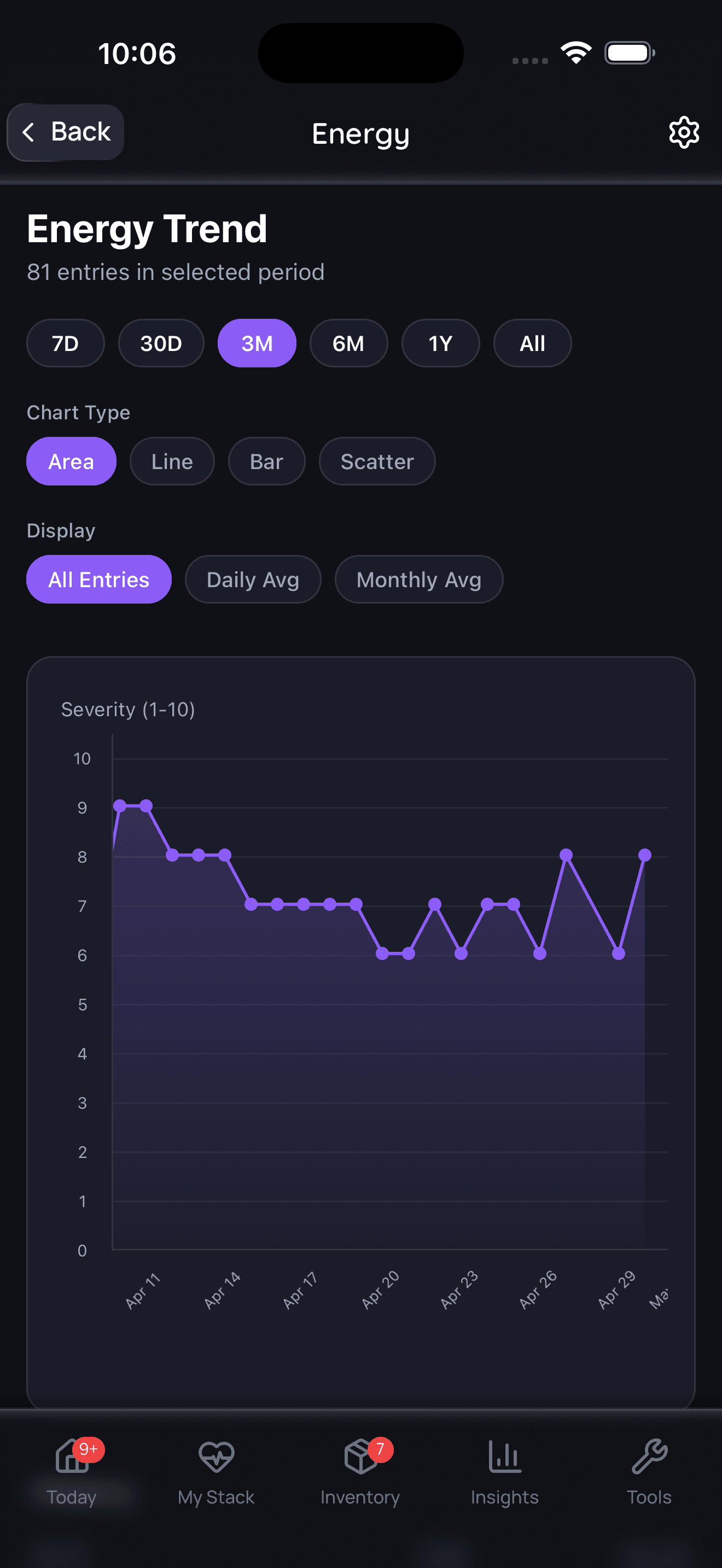
Symptom tracking is informational and should be interpreted with a qualified clinician.
Interactions & Compatibility
Synergistic
- L-Arginine: The most well-studied synergy. L-arginine provides the substrate for nitric oxide synthesis while pycnogenol stimulates the eNOS enzyme. Combined use has demonstrated improved erectile function in clinical trials [18][19] and may enhance cardiovascular benefits.
- Vitamin C: Complementary antioxidant activity. Vitamin C regenerates oxidized polyphenols, potentially extending pine bark extract's antioxidant efficacy.
- Vitamin E: Complementary lipid-soluble antioxidant. The combination provides coverage of both water-soluble and lipid-soluble oxidative environments.
- Coenzyme Q10 (CoQ10): Both support cardiovascular health through different mechanisms. CoQ10 supports mitochondrial energy production while pine bark extract improves endothelial function.
- Grape Seed Extract: Contains similar proanthocyanidin compounds. Often discussed as a more affordable alternative, though head-to-head clinical data is limited.
Caution / Avoid
- Anticoagulant and antiplatelet medications (warfarin, heparin, clopidogrel, aspirin): Pine bark extract inhibits platelet aggregation and may increase bleeding risk when combined with these medications [10][34]. Healthcare provider consultation is essential.
- Antidiabetic medications (metformin, insulin, sulfonylureas): May have additive blood sugar-lowering effects, increasing hypoglycemia risk [33]. Blood glucose monitoring is advisable.
- Immunosuppressant medications (cyclosporine, tacrolimus, corticosteroids): Pine bark extract may stimulate immune activity, potentially counteracting immunosuppressive therapy [33].
- Iron: Polyphenols can bind iron and reduce its absorption. If supplementing with both, consider separating doses by at least 2 hours.
How to Take / Administration Guide
Forms and selection: The most-studied form is Pycnogenol (standardized to 65-75% procyanidins). Generic pine bark extracts are available at lower cost but may vary in procyanidin content and may not replicate the effects seen in clinical studies. When selecting a generic extract, look for standardization to a minimum procyanidin content.
Timing: Most sources suggest dividing the daily dose into 2-3 smaller doses taken with meals. This approach improves tolerability (reduces stomach discomfort) and may provide more consistent blood levels of active metabolites throughout the day.
Typical protocols reported in the literature:
- General use: 50 mg twice daily with meals
- Cardiovascular/metabolic: 50-100 mg twice daily with meals
- Acute applications (dysmenorrhea): Starting several days before expected symptom onset
Stacking considerations: Pine bark extract is commonly taken alongside L-arginine for circulatory and sexual health benefits. It can be combined with other antioxidants (vitamin C, vitamin E, CoQ10) without known adverse interactions. Separate from iron supplements by at least 2 hours to avoid polyphenol-mineral binding.
Cycling: No cycling protocol has been established or demonstrated to be necessary. Clinical studies have used continuous supplementation for up to one year without tolerance development.
Choosing a Quality Product
Standardized vs. generic: The most significant quality consideration is whether the product uses a standardized extract. Pycnogenol (standardized to 65-75% procyanidins) is the most-studied formulation and complies with USP monograph standards. Generic pine bark extracts vary widely in procyanidin content and may not produce equivalent effects. Community reports frequently note differences in effectiveness between Pycnogenol and generic alternatives.
Third-party certifications to look for:
- USP Verified: Confirms identity, strength, purity, and performance
- NSF Certified for Sport: Tests for banned substances (relevant for athletes)
- ConsumerLab Approved: Independent testing for purity and potency
- GMP Certified: Good Manufacturing Practice compliance
Red flags:
- Products claiming to be "Pycnogenol" without the registered trademark or patent information
- Proprietary blends that do not disclose pine bark extract dose
- Claims that far exceed the current evidence base (e.g., "cures diabetes" or "reverses heart disease")
- No standardization information for procyanidin content
Quality markers specific to pine bark extract:
- Procyanidin content percentage (look for 65%+ for products claiming Pycnogenol equivalence)
- Species identification (Pinus pinaster, not other pine species)
- Extraction method disclosure
- Certificate of Analysis (COA) availability
Storage & Handling
Pine bark extract supplements should be stored in a cool, dry place away from direct sunlight and excessive heat. Room temperature (59-77F / 15-25C) with 35-65% relative humidity is ideal.
Capsules and tablets are the most shelf-stable forms, with typical shelf life of 2-3 years from manufacture. Powdered forms may be more susceptible to moisture absorption and should be kept tightly sealed.
No refrigeration is required. However, avoid storing in humid environments such as bathrooms. The procyanidin compounds are relatively stable but can degrade with prolonged heat and light exposure.
Lifestyle & Supporting Factors
Diet: A diet rich in colorful fruits, vegetables, and whole grains provides complementary polyphenol intake. Foods high in vitamin C (citrus fruits, berries, bell peppers) may enhance the antioxidant effects of pine bark extract. Foods rich in nitrate (beets, leafy greens) may complement the NO-boosting effects.
Exercise: Regular cardiovascular exercise synergizes with pine bark extract's vascular benefits. Exercise independently improves endothelial function and NO production, creating a complementary effect. Some community members report improved exercise performance and recovery when supplementing.
Hydration: Adequate water intake supports the renal excretion of metabolites and overall metabolic function.
Blood sugar management: For those using pine bark extract to support metabolic health, combining it with a lower-glycemic diet, regular physical activity, and consistent meal timing may amplify the glucose-modulating effects observed in clinical trials.
Monitoring: Individuals taking pine bark extract for cardiovascular or metabolic goals may benefit from periodic monitoring of blood pressure, fasting glucose, HbA1c, lipid panel, and CRP to assess response objectively.
Regulatory Status & Standards
United States (FDA): Pine bark extract is regulated as a dietary supplement under DSHEA. It is not approved as a drug. Pycnogenol has a USP monograph ("Pine extract") in the Dietary Supplements section, providing quality standards for identity, strength, and purity.
European Union (EFSA): Pine bark extract is available as a food supplement in the EU. No specific health claims have been authorized by EFSA for pine bark extract.
Canada (Health Canada): Available as a Natural Health Product (NHP). Monograph available for products containing Pinus pinaster bark extract.
Australia (TGA): Available as a complementary medicine. Listed in the Australian Register of Therapeutic Goods.
Athlete & Sports Regulatory Status:
WADA: Pine bark extract (Pycnogenol) does not appear on the current WADA Prohibited List. It is not classified as a prohibited substance under any WADA category (S0-S9, M1-M3, P1).
National Anti-Doping Agencies: No specific alerts or guidance have been issued by USADA, UKAD, Sport Integrity Canada, Sport Integrity Australia, or NADA Germany regarding pine bark extract.
Professional Sports Leagues: No league-specific bans or restrictions on pine bark extract have been identified for NFL, NBA, MLB, NHL, MLS, or NCAA policies.
Athlete Certification Programs: NSF Certified for Sport and Informed Sport certified products containing pine bark extract are available. Athletes competing under anti-doping rules should verify that their specific product carries batch-level certification. The Cologne List (koelnerliste.com) and BSCG (bscg.org) also offer product certification options.
GlobalDRO: Athletes can verify the status of pine bark extract products at GlobalDRO.com for compliance across US, UK, Canada, Australia, Japan, Switzerland, and New Zealand jurisdictions.
Regulatory status and prohibited substance classifications change frequently. Athletes should always verify the current status of any supplement with their sport's governing body, their national anti-doping agency, and a qualified sports medicine professional before use. Third-party certification (Informed Sport, NSF Certified for Sport) reduces but does not eliminate the risk of contamination with prohibited substances.
Frequently Asked Questions
Is Pycnogenol the same as pine bark extract?
Pycnogenol is a specific trademarked and standardized extract from the bark of French maritime pine (Pinus pinaster), standardized to contain 65-75% procyanidins. Generic "pine bark extract" products may be made from different pine species, using different extraction methods, and with variable procyanidin content. Most clinical research has been conducted using Pycnogenol specifically, so results may not translate directly to unstandardized products.
Is grape seed extract the same as pine bark extract?
Both contain proanthocyanidins (OPCs) as their primary active compounds, and community members frequently suggest grape seed extract as a more affordable alternative. However, the exact composition and ratio of procyanidins differs between the two. Limited head-to-head clinical comparison data exists, and one study found that grape seed extract did not consistently improve cognitive function in healthy young adults, whereas Pycnogenol did show improvements in some cognitive measures. They are related but not interchangeable.
Can pine bark extract lower blood pressure?
Meta-analyses of clinical trials have shown statistically significant reductions in both systolic and diastolic blood pressure with pine bark extract supplementation (approximately 2-3 mmHg reductions). Effects appear more pronounced in individuals with existing hypertension and with use beyond 12 weeks. Anyone taking blood pressure medication should discuss pine bark extract with their healthcare provider, as additive effects are possible.
Does pine bark extract help with erectile dysfunction?
Clinical evidence exists for the combination of Pycnogenol with L-arginine for mild to moderate ED, showing significant improvements in erectile function scores. The evidence is specifically for the combination therapy, not pine bark extract alone. Studies are small (total of 184 participants across 3 RCTs), and more research is needed.
How long does it take for pine bark extract to work?
Based on clinical trials and community reports, some effects may be noticed within 2-4 weeks (circulation, acute pain relief), while others require 8-12 weeks or longer (blood pressure, HbA1c, cognitive function). Response timelines vary significantly between individuals.
Can I take pine bark extract with blood thinners?
Pine bark extract inhibits platelet aggregation and may increase bleeding risk when combined with anticoagulant or antiplatelet medications. Anyone taking warfarin, heparin, clopidogrel, aspirin, or similar medications should consult their healthcare provider before starting pine bark extract supplementation.
Is pine bark extract safe for autoimmune conditions?
Pine bark extract may stimulate immune system activity. This is potentially beneficial for general immune function but could theoretically worsen autoimmune conditions such as lupus, rheumatoid arthritis, or multiple sclerosis. Individuals with autoimmune conditions should discuss with their healthcare provider before use.
What dose of pine bark extract should I consider?
Based on available research, commonly reported ranges are 100-200 mg per day, split into 2-3 doses taken with meals. Doses have varied from 30 mg/day (dysmenorrhea studies) to 450 mg/day in safety assessments. Consultation with a healthcare professional is recommended to determine an appropriate approach for individual circumstances.
Does pine bark extract interact with diabetes medications?
Pine bark extract has demonstrated blood sugar-lowering effects in clinical trials. When combined with diabetes medications, additive hypoglycemia is theoretically possible. Blood glucose monitoring is advisable, and healthcare provider guidance is recommended.
Is generic pine bark extract as effective as branded Pycnogenol?
Community experience is divided on this question. Some users report similar benefits from generic pine bark extract, while others find that only branded Pycnogenol produces noticeable effects. The standardization to 65-75% procyanidins in Pycnogenol provides consistency that generic products may lack. The clinical evidence base is built primarily on Pycnogenol studies, so extrapolation to other products carries uncertainty.
Myth vs. Fact
Myth: Pine bark extract cures cardiovascular disease.
Fact: While meta-analyses show modest, statistically significant improvements in blood pressure (-2 to -3 mmHg), blood sugar, and LDL cholesterol, these effects are adjunctive at best. A Cochrane systematic review concluded that evidence remains insufficient to establish pine bark extract as a treatment for chronic disorders. It may support cardiovascular health as part of a broader strategy, but it is not a substitute for proven medical interventions [1][2].
Myth: All pine bark supplements are the same.
Fact: Pine bark extracts vary substantially based on the pine species used, extraction method, and standardization. Pycnogenol, made from Pinus pinaster grown in southwestern France, is standardized to 65-75% procyanidins and is the form used in most clinical research. Generic pine bark extracts may contain different procyanidin profiles, concentrations, and even different pine species. Oligopin and Flavangenol are additional standardized extracts with less clinical data [3][4].
Myth: Pine bark extract and grape seed extract are interchangeable.
Fact: Both are rich in proanthocyanidins (OPCs), leading to frequent comparisons. However, the specific procyanidin composition, degree of polymerization, and accompanying phytochemicals differ between the two. Clinical data from one source cannot be assumed to apply to the other. At least one study found that grape seed extract did not replicate the cognitive benefits observed with Pycnogenol [20].
Myth: Pine bark extract is a natural blood thinner that can replace anticoagulant medication.
Fact: While pine bark extract does inhibit platelet aggregation through cyclooxygenase pathway modulation, this is not a replacement for prescribed anticoagulant therapy. The antiplatelet effect is an important safety consideration, not a therapeutic claim. Combining pine bark extract with prescribed blood thinners may increase bleeding risk and requires medical supervision [10][34].
Myth: Higher doses of Pycnogenol always produce better results.
Fact: Clinical evidence does not support a simple dose-response relationship across all outcomes. For blood pressure, subgroup analyses show greater efficacy at doses of 150-200 mg/day and with durations exceeding 12 weeks [12]. For dysmenorrhea, benefits were observed at just 30-60 mg/day [28]. For general antioxidant support, 50-100 mg/day is commonly used. More is not necessarily better, and doses up to 450 mg/day are the limit of established safety data [33].
Myth: Pycnogenol works immediately.
Fact: While small molecules like catechin and ferulic acid are absorbed within hours, the larger procyanidin compounds require colonic microbial metabolism to produce active metabolites, a process that takes 6-8 hours and depends on gut microbiome composition [4]. Clinical benefits in trials are typically measured at 8-12 weeks, with some outcomes (like HbA1c) inherently requiring 2-3 months to manifest. Community reports vary from "noticed something in days" to "noticed nothing after months."
Myth: Pine bark extract boosts the immune system and is good for everyone.
Fact: Preclinical studies do suggest immunostimulatory effects [35]. However, this property means pine bark extract may not be appropriate for people with autoimmune conditions such as lupus, rheumatoid arthritis, or multiple sclerosis, where immune stimulation could worsen symptoms [33]. The immune-modulating effects remain insufficiently characterized in human clinical studies.
Sources & References
Systematic Reviews & Meta-Analyses
[1] Soltani S, et al. "Does supplementation with pine bark extract improve cardiometabolic risk factors? A systematic review and meta-analysis of randomized controlled trials." Nutr Metab Cardiovasc Dis. 2025. 27 RCTs, n=1,685. https://pubmed.ncbi.nlm.nih.gov/39987124/
[2] Robertson NU, Schoonees A, Brand A, et al. "Pine bark (Pinus spp.) extract for treating chronic disorders." Cochrane Database Syst Rev. 2020;9(9):CD008294. https://pubmed.ncbi.nlm.nih.gov/32990945/
[12] Fogacci F, Tocci G, Sahebkar A, et al. "Effect of Pycnogenol on Blood Pressure: Findings From a PRISMA Compliant Systematic Review and Meta-Analysis." Angiology. 2020;71(3):217-225. 9 trials, n=549. https://pubmed.ncbi.nlm.nih.gov/30087862/
[15] Nikpayam O, et al. "The Effect of Pycnogenol Supplementation on Plasma C-Reactive Protein Concentration." Iran J Allergy Asthma Immunol. 2018. https://pubmed.ncbi.nlm.nih.gov/29713620/
[16] Hadi A, et al. "The impact of pycnogenol supplementation on plasma lipids in humans: A systematic review and meta-analysis of clinical trials." Phytomedicine. 2018. 14 trials, n=1,065. https://pubmed.ncbi.nlm.nih.gov/30456865/
[17] Sahebkar A. "A systematic review and meta-analysis of the effects of pycnogenol on plasma lipids." J Cardiovasc Pharmacol. 2013. 7 trials, n=442. https://pubmed.ncbi.nlm.nih.gov/24346156/
[18] Ren Y, et al. "Efficacy of L-arginine and Pycnogenol in the treatment of male erectile dysfunction: a systematic review and meta-analysis." Front Pharmacol. 2023. 3 RCTs, n=184. https://pubmed.ncbi.nlm.nih.gov/37908749/
Clinical Trials & Primary Studies
[9] Enseleit F, Sudano I, Periat D, et al. "Effects of Pycnogenol on endothelial function in patients with stable coronary artery disease: a double-blind, randomized, placebo-controlled, cross-over study." Eur Heart J. 2012;33(13):1589-97.
[10] Putter M, Grotemeyer KH, Wurthwein G, et al. "Inhibition of smoking-induced platelet aggregation by aspirin and pycnogenol." Thromb Res. 1999;95(4):155-61.
[19] Stanislavov R, Nikolova V. "Treatment of erectile dysfunction with pycnogenol and L-arginine." J Sex Marital Ther. 2003;29(3):207-13.
[20] Belcaro G, et al. "Pycnogenol supplementation improves cognitive function, attention, mental performance and specific professional skills in healthy professionals." J Neurosurg Sci. Registry study, n=59, 12 weeks, 150 mg/day.
[21] Ryan J, Croft K, Mori T, et al. "An examination of the effects of the antioxidant Pycnogenol on cognitive performance, serum lipid profile, endocrinological and oxidative stress biomarkers in an elderly population." J Psychopharmacol. 2008;22(5):553-62.
[22] Trebaticka J, et al. "Treatment of ADHD with French maritime pine bark extract, Pycnogenol." Eur Child Adolesc Psychiatry. 2006.
[23] Tenenbaum S, et al. "An experimental comparison of pycnogenol and methylphenidate in adults with ADHD." J Atten Disord. 2002;6(2):49-60.
[24] Cisar P, Jany R, Waczulikova I, et al. "Effect of pine bark extract (Pycnogenol) on symptoms of knee osteoarthritis." Phytother Res. 2008;22(8):1087-92.
[25] Belcaro G, Cesarone MR, Errichi S, et al. "Treatment of osteoarthritis with Pycnogenol. The SVOS (San Valentino Osteo-arthrosis Study)." Phytother Res. 2008;22(4):518-23.
[26] Arcangeli P. "Pycnogenol in chronic venous insufficiency." Fitoterapia. 2000;71(3):236-44.
[27] Yang HM, Liao MF, Zhu SY, et al. "A randomised, double-blind, placebo-controlled trial on the effect of Pycnogenol on the climacteric syndrome in peri-menopausal women." Acta Obstet Gynecol Scand. 2007;86(8):978-85.
[28] Suzuki N, Uebaba K, Kohama T, et al. "French maritime pine bark extract significantly lowers the requirement for analgesic medication in dysmenorrhea: a multicenter, randomized, double-blind, placebo-controlled study." J Reprod Med. 2008;53(5):338-46.
[29] Kohama T, Herai K, Inoue M. "Effect of French maritime pine bark extract on endometriosis as compared with leuprorelin acetate." J Reprod Med. 2007;52(8):703-8.
[30] Ni Z, et al. "Treatment of melasma with pycnogenol." Phytother Res. 2002;16(6):567-71.
[31] Saliou C, et al. "Solar ultraviolet-induced erythema in human skin and nuclear factor-kappa-B-dependent gene expression in keratinocytes are modulated by a French maritime pine bark extract." Free Radic Biol Med. 2002;30(2):154-60.
[32] Belcaro G, Cesarone MR, Genovesi D, et al. "Pycnogenol may alleviate adverse effects in oncologic treatment." Panminerva Med. 2008;50(3):227-34.
Pharmacological & Mechanistic Reviews
[3] Rohdewald P. "A review of the French maritime pine bark extract (Pycnogenol), a herbal medication with a diverse clinical pharmacology." Int J Clin Pharmacol Ther. 2002;40(4):158-68.
[4] Bayer J, Hogger P. "Review of the pharmacokinetics of French maritime pine bark extract (Pycnogenol) in humans." Front Pharmacol. 2024. https://pubmed.ncbi.nlm.nih.gov/38757126/
[5] Li YY, Feng J, Zhang XL, Cui YY. "Pine bark extracts: Nutraceutical, pharmacological, and toxicological evaluation." J Pharmacol Exp Ther. 2015;353:9-16.
[6] Cho KJ, et al. "Inhibition mechanisms of bioflavonoids extracted from the bark of Pinus maritima on the expression of proinflammatory cytokines." Ann N Y Acad Sci. 2001;928:141-56.
[7] Peng Q, et al. "Pycnogenol inhibits tumor necrosis factor-alpha-induced nuclear factor kappa B activation and adhesion molecule expression in human vascular endothelial cells." Cell Mol Life Sci. 2000;57(5):834-41.
[8] Virgili F, et al. "Ferulic acid excretion as a marker of consumption of a French maritime pine bark extract." Free Radic Biol Med. 2000;28(8):1249-56.
[11] Peng Q, et al. "Pycnogenol protects neurons from amyloid-beta peptide induced apoptosis." Brain Res Mol Brain Res. 2002;104(1):55-65.
[13] Malekahmadi M, Moradi Moghaddam O, Firouzi S, et al. "Effects of pycnogenol on cardiometabolic health: A systematic review and meta-analysis of randomized controlled trials." Pharmacol Res. 2019;150:104472. https://pubmed.ncbi.nlm.nih.gov/31628990/
[14] Gulati OP. "Pycnogenol in metabolic syndrome and related disorders." Phytother Res. 2015;29(7):949-68.
Preclinical Studies
[33] MICROMEDEX Healthcare Series. Thomson MICROMEDEX, 2004. Safety and efficacy data for maritime pine bark extract (Pycnogenol). Therapeutic Research Center Natural Medicines Comprehensive Database.
[34] Memorial Sloan Kettering Cancer Center. "Pine Bark Extract." About Herbs database. Last updated August 3, 2023. https://www.mskcc.org/cancer-care/integrative-medicine/herbs/pine-bark-extract
[35] Liu FJ, et al. "Pycnogenol enhances immune and haemopoietic functions in senescence-accelerated mice." Cell Mol Life Sci. 1998;54(10):1168-72.
Related Supplement Guides
Same Category (Polyphenol / Antioxidant)
- Grape Seed Extract — Closely related OPC source, frequently compared as a cheaper alternative
- Quercetin — Complementary flavonoid with anti-inflammatory properties
- Resveratrol — Polyphenol antioxidant from grape skins
- Green Tea Extract — Contains catechins related to pine bark extract constituents
Common Stacks / Pairings
- L-Arginine — Synergistic for NO production, studied together for erectile dysfunction
- Vitamin C — Complementary antioxidant, may regenerate oxidized polyphenols
- Vitamin E — Lipid-soluble antioxidant complement
- CoQ10 — Often combined for cardiovascular support
- Vitamin D3 — Frequently co-supplemented in cardiovascular and immune stacks
Related Health Goal
- Magnesium — Cardiovascular and blood pressure support through different mechanisms
- Omega-3 (Fish Oil) — Anti-inflammatory and cardiovascular support
- Berberine — Blood sugar management through different pathways
- Curcumin — Anti-inflammatory polyphenol with complementary mechanisms
- Horse Chestnut — Venous insufficiency support