
Electrolyte Powders/Tablets: The Complete Supplement Guide
On this page
Quick Reference Card
Attribute
Common Name
- Detail
- Electrolyte Powders/Tablets
Attribute
Other Names / Aliases
- Detail
- Electrolyte drink mix, hydration powder, electrolyte supplement, sports hydration mix, ORS (oral rehydration solution), hydration tablets, electrolyte capsules
Attribute
Category
- Detail
- Mineral Complex (multi-electrolyte formulation)
Attribute
Primary Forms & Variants
- Detail
- Powders (single-serve packets or tub/canister), effervescent tablets, capsules/pills, liquid concentrates/drops, ready-to-drink beverages. Formulations vary widely in electrolyte ratios, sugar content, osmolarity, and additional ingredients.
Attribute
Typical Dose Range
- Detail
- Sodium: 200-1,000 mg per serving; Potassium: 50-400 mg per serving; Magnesium: 25-100 mg per serving; Chloride: 40-700 mg per serving. Ranges reflect significant product-to-product variability.
Attribute
RDA / AI / UL
- Detail
- Sodium AI: 1,500 mg/day (adults), UL guidance: 2,300 mg/day. Potassium AI: 2,600-3,400 mg/day. Magnesium RDA: 310-420 mg/day, UL from supplements: 350 mg/day. Calcium RDA: 1,000-1,200 mg/day. Chloride AI: 2,300 mg/day.
Attribute
Common Delivery Forms
- Detail
- Powder packets (mix with water), effervescent tablets (dissolve in water), capsules, liquid drops/concentrates, pre-mixed beverages
Attribute
Best Taken With / Without Food
- Detail
- Can be taken with or without food. Taking with a small amount of food may reduce GI irritation for high-sodium formulations. Sugar-containing formulations enhance sodium and water absorption through glucose-sodium cotransport.
Attribute
Key Cofactors
- Detail
- Glucose (enhances sodium and water absorption via SGLT1 cotransporter); the electrolyte minerals themselves act as cofactors for each other (e.g., magnesium supports potassium retention, potassium and sodium maintain electrochemical gradients together)
Attribute
Storage Notes
- Detail
- Store powders in a cool, dry place away from moisture. Effervescent tablets are moisture-sensitive and should be kept sealed until use. Prepared solutions should be consumed within 24 hours. Liquid concentrates may require refrigeration after opening.
Overview
The Basics
Electrolyte powders and tablets are supplements designed to replace essential minerals that your body loses through sweat, illness, or normal daily function. The key minerals in most formulations are sodium, potassium, magnesium, calcium, and chloride. These minerals carry electrical charges when dissolved in your body's fluids, which is how they got their name. They keep your muscles firing, your nerves communicating, your heart beating steadily, and your fluid balance regulated [1][2].
The electrolyte supplement market has expanded dramatically in recent years, moving well beyond traditional sports drinks. Products now range from high-sodium formulations aimed at endurance athletes to low-calorie daily hydration mixes to medical-grade oral rehydration solutions. The category includes everything from powder packets and effervescent tablets to capsules and liquid drops [3].
For most healthy adults eating a varied diet and drinking adequate water, electrolyte supplementation is not necessary. Your kidneys are remarkably efficient at maintaining electrolyte balance under normal conditions. The people most likely to benefit fall into specific categories: athletes exercising intensely for more than 75 minutes (particularly in heat), people recovering from illness involving vomiting or diarrhea, individuals on very low-carb or ketogenic diets (which increase electrolyte excretion), outdoor workers in hot climates, and people with certain medical conditions like POTS (postural orthostatic tachycardia syndrome) [2][4][5].
One of the most important things to understand about this category is that electrolyte products vary enormously. The sodium content per serving can range from less than 50 mg to over 1,000 mg. Some contain significant sugar, others none at all. Some include only sodium and potassium, while others add magnesium, calcium, and additional vitamins. Choosing the right product depends entirely on why you need it and what your body is actually losing [3][6].
The Science
Electrolytes are ions that carry electrical charges when dissolved in solution. In human physiology, the primary electrolytes include cations (Na+, K+, Ca2+, Mg2+) and anions (Cl-, HCO3-, HPO42-). These ions are fundamental to maintaining osmotic pressure across cell membranes, generating action potentials in excitable tissues (neurons, myocytes, cardiomyocytes), regulating acid-base balance, and facilitating enzymatic reactions [1][2].
The body maintains electrolyte homeostasis through integrated renal, hormonal, and gastrointestinal regulatory mechanisms. The renin-angiotensin-aldosterone system (RAAS) regulates sodium and potassium balance through aldosterone-mediated effects on distal renal tubule sodium reabsorption and potassium secretion. Antidiuretic hormone (ADH/vasopressin) regulates water balance and, indirectly, sodium concentration. Parathyroid hormone (PTH) and calcitonin regulate calcium and phosphate homeostasis [1][7].
Sweat-induced electrolyte losses during exercise are predominantly sodium chloride, with concentrations ranging from 20-80 mmol/L (460-1,840 mg sodium per liter of sweat), exhibiting substantial inter-individual variation based on genetics, heat acclimation status, sweat rate, and fitness level [4][8]. Potassium, magnesium, and calcium are also present in sweat but at lower concentrations. The American College of Sports Medicine recommends 300-600 mg sodium per hour during prolonged exercise to offset these losses [4].
The WHO/UNICEF low-osmolarity oral rehydration solution (ORS) formulation represents the gold standard for medical rehydration. Its composition (75 mmol/L sodium, 75 mmol/L glucose, 20 mmol/L potassium, 65 mmol/L chloride, 10 mmol/L citrate; total osmolarity 245 mOsm/L) is specifically optimized to exploit the sodium-glucose cotransporter (SGLT1) in the small intestinal epithelium, maximizing water absorption through solute-linked water transport [9][10].
Chemical & Nutritional Identity
Electrolyte powders and tablets are multi-component formulations rather than single compounds. The following table summarizes the key electrolyte minerals typically included:
Property
Atomic Number
- Sodium (Na+)
- 11
- Potassium (K+)
- 19
- Magnesium (Mg2+)
- 12
- Calcium (Ca2+)
- 20
- Chloride (Cl-)
- 17
Property
Atomic Weight
- Sodium (Na+)
- 22.99 g/mol
- Potassium (K+)
- 39.10 g/mol
- Magnesium (Mg2+)
- 24.31 g/mol
- Calcium (Ca2+)
- 40.08 g/mol
- Chloride (Cl-)
- 35.45 g/mol
Property
Common Salt Forms
- Sodium (Na+)
- Sodium chloride, sodium citrate, sodium bicarbonate
- Potassium (K+)
- Potassium chloride, potassium citrate, potassium bicarbonate, potassium gluconate
- Magnesium (Mg2+)
- Magnesium citrate, magnesium glycinate, magnesium oxide, magnesium malate
- Calcium (Ca2+)
- Calcium carbonate, calcium citrate
- Chloride (Cl-)
- As sodium chloride or potassium chloride
Property
AI/RDA (Adults)
- Sodium (Na+)
- AI: 1,500 mg/day
- Potassium (K+)
- AI: 2,600-3,400 mg/day
- Magnesium (Mg2+)
- RDA: 310-420 mg/day
- Calcium (Ca2+)
- RDA: 1,000-1,200 mg/day
- Chloride (Cl-)
- AI: 2,300 mg/day
Property
UL
- Sodium (Na+)
- No formal UL; 2,300 mg/day recommended maximum
- Potassium (K+)
- No formal UL established
- Magnesium (Mg2+)
- 350 mg/day (supplements only)
- Calcium (Ca2+)
- 2,500 mg/day
- Chloride (Cl-)
- 3,600 mg/day
Property
DV (FDA)
- Sodium (Na+)
- 2,300 mg
- Potassium (K+)
- 4,700 mg
- Magnesium (Mg2+)
- 420 mg
- Calcium (Ca2+)
- 1,300 mg
- Chloride (Cl-)
- 2,300 mg
Common electrolyte product formulation types:
- High-sodium sport formulations: 500-1,000+ mg sodium per serving, designed for heavy sweaters and endurance athletes
- Moderate/daily hydration: 200-500 mg sodium per serving, suitable for general hydration support
- Medical rehydration (ORS-type): Follows WHO guidelines with precise glucose-sodium ratio for illness recovery
- Low-sodium/potassium-focused: <200 mg sodium with higher potassium, for people managing sodium intake
Mechanism of Action
The Basics
Electrolytes work in your body through a straightforward but essential principle: they carry electrical charges that cells use to communicate and function. Think of them as the electrical wiring of your body. Without the right balance of these charged minerals, signals between your brain, muscles, and organs get disrupted [1][2].
Sodium and potassium work as a team across every cell membrane in your body. Sodium sits primarily outside your cells while potassium concentrates inside. This difference in concentration creates a kind of electrical battery that powers everything from muscle contractions to nerve impulses to heartbeat rhythm. When you lose sodium through sweat and do not replace it, this balance shifts, and your cells cannot function as efficiently [1][11].
Magnesium acts as a helper for over 300 different chemical reactions in your body, including energy production, muscle relaxation, and nerve function. Calcium is essential for muscle contraction (working opposite to magnesium, which promotes relaxation) and maintaining bone strength. Chloride works with sodium to regulate fluid volume and helps produce stomach acid for digestion [1][2].
When you drink an electrolyte solution, something interesting happens in your gut. The glucose (sugar) in the solution actually helps pull sodium and water into your body through a specific gateway in your intestinal cells. This is why oral rehydration solutions contain some sugar. It is not for taste or energy; it is because glucose activates a transport system that dramatically improves how quickly your body absorbs the fluid and sodium [9][10].
The Science
The primary mechanism underlying electrolyte function in human physiology is the maintenance of electrochemical gradients across cell membranes, principally mediated by the Na+/K+-ATPase (sodium-potassium pump). This ubiquitous membrane protein actively exports 3 Na+ ions and imports 2 K+ ions per ATP hydrolysis cycle, maintaining the characteristic intracellular predominance of K+ (~140 mmol/L) and extracellular predominance of Na+ (~140 mmol/L) [1][11].
This electrochemical gradient serves as the driving force for:
- Action potential generation: Voltage-gated Na+ channels depolarize excitable cell membranes, followed by K+ channel-mediated repolarization, enabling neural signaling and muscle contraction [11]
- Secondary active transport: The Na+ gradient powers SGLT1 (sodium-glucose cotransporter 1), Na+/H+ exchangers, and Na+/Ca2+ exchangers in various tissues [9][10]
- Osmotic regulation: Electrolyte concentrations determine water movement between intracellular and extracellular compartments via osmosis, with ADH and aldosterone providing hormonal regulation [7]
The sodium-glucose cotransport mechanism (SGLT1) is particularly relevant to electrolyte supplementation. Located on the brush border of small intestinal enterocytes, SGLT1 cotransports one glucose molecule with two Na+ ions from the intestinal lumen into the cell, driven by the basolateral Na+/K+-ATPase. This transport is coupled to water absorption: approximately 260 mL of water is absorbed per mole of sodium cotransported with glucose [9][10]. This mechanism forms the physiological basis of oral rehydration therapy and explains why glucose-containing electrolyte solutions are absorbed more rapidly than plain water or sodium-only solutions.
Magnesium serves as a cofactor for over 300 enzymatic reactions, including ATP-dependent kinases, DNA/RNA polymerases, and glutathione synthesis. It also acts as a physiological calcium channel antagonist, modulating vascular smooth muscle tone and cardiac excitability [12]. Calcium ion (Ca2+) influx through voltage-gated calcium channels triggers excitation-contraction coupling in skeletal and cardiac muscle via interaction with troponin C and the ryanodine receptor [11].
Absorption & Bioavailability
The Basics
How well your body absorbs electrolytes depends on several factors, including the form of the product, whether you take it with food, and what else is in the formulation. The good news is that most electrolyte minerals are absorbed quite efficiently when consumed in solution [1][9].
Sodium is absorbed rapidly and almost completely in the small intestine. Adding a small amount of glucose (sugar) significantly enhances sodium absorption by activating a specific transport system in your gut. This is why medical rehydration solutions and many sports drinks include some sugar. It is not just for flavor; it genuinely improves how quickly the fluid and sodium get into your body. Research shows that hypotonic solutions (lower total dissolved particles than your blood) provide the best hydration during exercise, better than isotonic or hypertonic options [8][10].
Potassium is also well absorbed, with the body taking up approximately 85-90% of dietary potassium regardless of form. Most common supplement forms (chloride, citrate, gluconate, bicarbonate) are absorbed at similar rates [1].
Magnesium absorption varies more by form. Organic forms like magnesium citrate and glycinate demonstrate roughly 20-30% higher absorption compared to inorganic forms like magnesium oxide. Overall, magnesium absorption rates range from about 25-75% depending on the form, dose, and individual factors [12].
For powder and tablet products, dissolution rate matters. Powders typically dissolve faster and more completely than tablets. Effervescent tablets dissolve quickly but the citric acid and binding agents they contain may cause GI discomfort in some people, especially during exercise [3][6].
The Science
Intestinal absorption of electrolyte minerals occurs through both active and passive transport mechanisms in the small intestine, with some contribution from colonic absorption [1][9].
Sodium absorption proceeds through multiple pathways:
- SGLT1-mediated cotransport with glucose in the jejunum (active, saturable)
- ENaC (epithelial sodium channel) in the distal colon, regulated by aldosterone
- Na+/H+ exchange (NHE3) throughout the small intestine
- Paracellular (passive) transport driven by solvent drag
The SGLT1 pathway is exploited by oral rehydration solutions. The optimal glucose:sodium molar ratio for maximal water absorption is approximately 1:1, as established in the WHO low-osmolarity ORS formulation [9][10].
Osmolarity and absorption: A systematic meta-analysis (28 studies, 68 drink treatment effects) demonstrated that hypotonic carbohydrate-electrolyte drinks (<275 mOsm/kg) were very likely superior to isotonic (275-300 mOsm/kg) and likely superior to hypertonic (>300 mOsm/kg) beverages for maintaining plasma volume during continuous exercise [8]. This finding has practical significance for product selection: lower-osmolarity formulations hydrate more effectively.
Potassium absorption: Approximately 85-90% of dietary potassium is absorbed, primarily in the upper small intestine via passive paracellular transport and active transcellular mechanisms. Absorption efficiency does not differ significantly between potassium chloride, citrate, gluconate, and other common supplement forms [1].
Magnesium absorption: Fractional absorption varies inversely with intake (from ~65% at low intakes to ~11% at high intakes) and differs by salt form. Organic salts (citrate, glycinate, aspartate) demonstrate 20-30% higher relative bioavailability compared to inorganic forms (oxide, sulfate), attributed primarily to higher solubility at intestinal pH [12].
Research & Clinical Evidence
Exercise Hydration and Performance
The Basics
The strongest evidence for electrolyte supplementation comes from exercise science. During prolonged physical activity, especially in heat, your body loses significant amounts of sodium and other minerals through sweat. Replacing those losses helps maintain performance and prevents potentially serious conditions like exercise-associated hyponatremia (dangerously low blood sodium from drinking too much plain water without replacing salt) [4][8].
Research generally supports that electrolyte-containing beverages are more effective than plain water for rehydration during and after exercise lasting longer than about 60-75 minutes. Below that threshold, water alone is typically sufficient for most people. The benefit increases with exercise duration, intensity, and environmental heat and humidity [4][5].
One important finding from the research: the type of electrolyte drink matters. Lower-sugar (hypotonic) formulations appear to hydrate better during exercise than traditional higher-sugar sports drinks. This challenges the conventional sports drink model and supports the trend toward lower-osmolarity electrolyte products [8].
The Science
A 2023 systematic review of 19 controlled trials (screened from 3,485 articles) comparing carbohydrate-electrolyte (CE) solutions with water for exercise-associated dehydration found that CE solutions with 4-9% carbohydrate concentration may be effective for rehydration, with a potential beneficial effect observed across multiple outcomes [13].
A separate meta-analysis by Rowlands et al. (2022) analyzing 28 studies and 68 treatment effects demonstrated that hypotonic CHO-electrolyte drinks (<275 mOsm/kg) were very likely superior to isotonic drinks and water for maintaining plasma volume (delta percent plasma volume, dPV) during continuous exercise [8]. The most influential factors were beverage volume and osmolarity.
Exercise-associated hyponatremia (EAH) represents the most clinically significant risk of inadequate electrolyte replacement. EAH occurs when excessive water intake dilutes serum sodium below 135 mmol/L, potentially causing cerebral edema and death in severe cases. Case series from marathon events and military training have documented fatal outcomes. Sodium-containing beverages mitigate this risk by maintaining serum osmolality [4][14].
Oral Rehydration for Illness
The Basics
Electrolyte solutions have a well-established role in treating dehydration from illness, particularly diarrheal diseases. The World Health Organization's oral rehydration solution (ORS) is credited with saving millions of lives since its introduction, and it remains one of the most cost-effective medical interventions in history. For children and adults experiencing dehydration from vomiting or diarrhea, ORS-type products are the recommended first-line treatment [9][10].
The Science
The WHO low-osmolarity ORS (245 mOsm/L) demonstrated superior clinical outcomes compared to the older standard formulation (311 mOsm/L), including reduced stool output, reduced vomiting, and reduced need for intravenous fluid therapy. The improved formulation contains 75 mmol/L each of sodium and glucose, 20 mmol/L potassium, 65 mmol/L chloride, and 10 mmol/L citrate [9][10]. The 1:1 glucose-to-sodium molar ratio is optimized for SGLT1-mediated cotransport.
Blood Pressure Effects
The Basics
The electrolyte minerals in these products have mixed effects on blood pressure. Sodium tends to raise blood pressure when consumed in excess, which is a concern given that most people in developed countries already eat too much salt. Potassium, on the other hand, has a modest blood-pressure-lowering effect, particularly in people with hypertension. This creates a tension in electrolyte product formulation: the sodium that enhances hydration is the same sodium that can worsen blood pressure in susceptible individuals [1][5][15].
The Science
Meta-analyses of randomized controlled trials demonstrate that potassium supplementation reduces systolic blood pressure by approximately 3-5 mmHg in hypertensive individuals, with the effect most pronounced in those with higher baseline sodium intake [15]. The DASH (Dietary Approaches to Stop Hypertension) trial demonstrated that a diet high in potassium, calcium, and magnesium and low in sodium significantly reduced blood pressure [1].
Conversely, chronic sodium intake above 2,300 mg/day is associated with increased cardiovascular disease risk in the general population. The American Heart Association recommends an ideal limit of 1,500 mg/day for most adults [5]. This creates a practical dilemma for electrolyte supplementation: products designed for sport rehydration (300-1,000 mg sodium per serving) may contribute substantially to daily sodium intake when used outside of their intended exercise context.
Evidence & Effectiveness Matrix
Category
Physical Performance
- Evidence Strength
- 7/10
- Reported Effectiveness
- 7/10
- Summary
- Strong evidence from systematic reviews and meta-analyses that electrolyte-containing beverages improve hydration and maintain performance during prolonged exercise (>60-75 min). Community reports consistently support benefits for endurance athletes.
Category
Energy Levels
- Evidence Strength
- 5/10
- Reported Effectiveness
- 6/10
- Summary
- Moderate evidence that correcting dehydration/electrolyte deficits restores energy. No evidence that supplementation improves energy in well-hydrated individuals eating balanced diets. Community reports of energy improvement cluster around previously dehydrated individuals.
Category
Recovery & Healing
- Evidence Strength
- 5/10
- Reported Effectiveness
- 6/10
- Summary
- Evidence supports faster rehydration post-exercise with electrolyte solutions vs. water alone. Community reports improved post-workout recovery and headache prevention. Limited RCT evidence for general recovery benefits.
Category
Pain Management
- Evidence Strength
- 4/10
- Reported Effectiveness
- 6/10
- Summary
- Mechanistic rationale for cramp reduction via potassium and magnesium. Community reports strongly support cramp prevention. RCT evidence for electrolyte supplementation specifically preventing exercise-associated muscle cramps is mixed.
Category
Blood Pressure
- Evidence Strength
- 7/10
- Reported Effectiveness
- 4/10
- Summary
- Strong meta-analytic evidence that potassium supplementation modestly reduces blood pressure. However, sodium content of electrolyte products may increase BP in susceptible individuals. Mixed direction.
Category
Heart Rate & Palpitations
- Evidence Strength
- 3/10
- Reported Effectiveness
- 5/10
- Summary
- Limited evidence outside specific medical populations. POTS community reports symptom improvement. Electrolyte imbalances can cause arrhythmias in either direction (too low or too high).
Category
Focus & Mental Clarity
- Evidence Strength
- 4/10
- Reported Effectiveness
- 5/10
- Summary
- Some evidence that dehydration impairs cognitive performance and that rehydration reverses this. No evidence that electrolyte supplementation specifically improves cognition beyond adequate hydration.
Category
Nausea & GI Tolerance
- Evidence Strength
- 3/10
- Reported Effectiveness
- 4/10
- Summary
- Mixed. Electrolyte solutions are used to treat nausea from dehydration, but some electrolyte products themselves cause GI upset (effervescent tablets, high-magnesium formulations). Form-dependent.
Category
Treatment Adherence
- Evidence Strength
- N/A
- Reported Effectiveness
- 7/10
- Summary
- Community reports strongly indicate that flavored electrolyte products help people drink more water. Convenience of packaging supports consistent use. Cost is the primary barrier to adherence.
Benefits & Potential Effects
The Basics
The benefits of electrolyte powders and tablets are real but conditional. They are not a universal health booster; they are a tool for specific situations where your body's mineral balance has been disrupted or is at risk of being disrupted.
The clearest benefit is hydration support during prolonged exercise or physical labor in heat. When you sweat heavily for an extended period, you lose significant amounts of sodium and other minerals that plain water does not replace. Electrolyte drinks help your body hold onto the fluid you consume and restore the mineral balance your muscles and nerves need to function properly [4][8].
For illness recovery, electrolyte solutions are one of the most effective and accessible treatments for dehydration caused by vomiting or diarrhea. The WHO's oral rehydration solution has been called one of the most important medical advances of the twentieth century for its role in reducing childhood mortality from diarrheal diseases worldwide [9].
People on very low-carbohydrate or ketogenic diets often report a higher need for electrolyte supplementation. When carbohydrate intake drops dramatically, the body excretes more sodium and water through the kidneys, which can lead to symptoms commonly called "keto flu," including fatigue, headache, and muscle cramps. Electrolyte supplementation may help mitigate these symptoms [5].
Muscle cramp prevention is one of the most commonly reported benefits in community discussions, with users frequently citing relief from exercise-induced cramps and nighttime leg cramps after starting electrolyte supplementation, particularly products containing potassium and magnesium [6].
The Science
The evidence base for electrolyte supplementation benefits is strongest in the context of exercise physiology and medical rehydration:
Exercise performance: Systematic reviews demonstrate that carbohydrate-electrolyte solutions (4-9% CHO) improve rehydration outcomes compared to water during and after exercise-induced dehydration. Hypotonic formulations (<275 mOsm/kg) provide the greatest plasma volume maintenance during continuous exercise [8][13].
Rehydration: The WHO low-osmolarity ORS (245 mOsm/L) demonstrates superior efficacy for treating dehydration from diarrheal illness compared to previous formulations, reducing stool output, vomiting frequency, and need for IV fluid therapy [9][10].
Cardiovascular effects: Potassium supplementation demonstrates consistent blood pressure reduction (3-5 mmHg systolic) in meta-analyses of hypertensive populations. Potassium citrate may additionally reduce urinary calcium excretion, with potential benefits for bone health [1][15].
Cognitive function: Evidence from controlled hydration studies indicates that mild dehydration (1-2% body mass loss) impairs attention, psychomotor function, and working memory. Rehydration reverses these deficits, but the contribution of electrolyte minerals specifically (vs. water volume) is not well-separated in most study designs [16].
Reading about potential benefits gives you a framework. Seeing whether those benefits are showing up in your own body turns knowledge into confidence. Doserly lets you track the specific health markers relevant to this supplement, building a personal dataset that captures what's actually changing week over week.
The app's AI analytics go further than simple logging. By correlating your supplement intake with the biomarkers and health outcomes you're tracking, Doserly surfaces patterns you might miss on your own, like whether a dose adjustment three weeks ago corresponds to the improvement you're noticing now. When it's time to evaluate whether a supplement is earning its place in your stack, you have your own data to guide the decision.
Capture changes while they are still fresh.
Log symptoms, energy, sleep, mood, and other observations alongside protocol events so patterns do not live only in memory.
Trend view
Symptom timeline
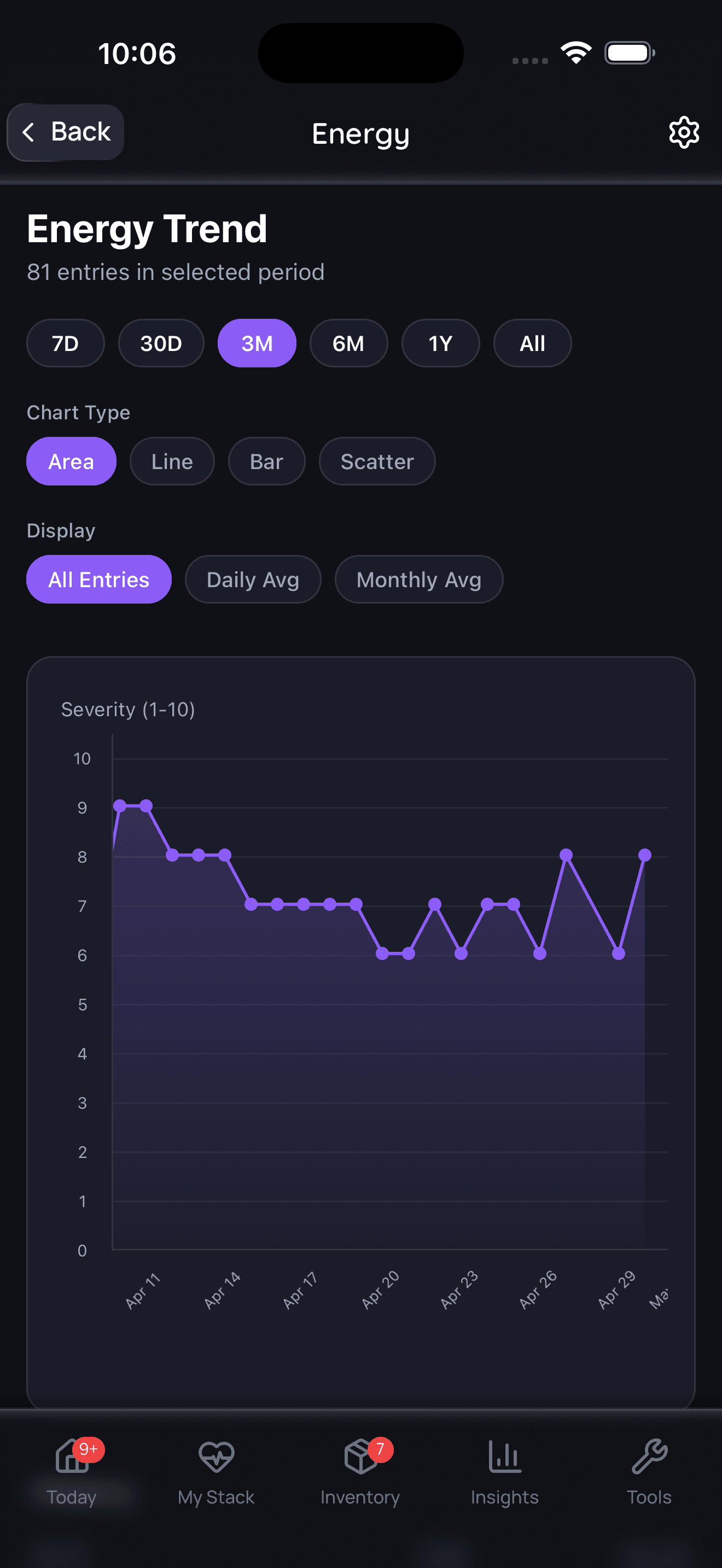
Symptom tracking is informational and should be interpreted with a qualified clinician.
Side Effects & Safety
The Basics
Electrolyte supplements are generally well tolerated when used as directed, but they are not risk-free. The most important thing to understand is that both too little and too much of any electrolyte can cause problems, and the symptoms can look surprisingly similar. Fatigue, muscle weakness, nausea, and heart rhythm changes can result from either deficiency or excess [2][5].
The most common side effects from electrolyte supplements are gastrointestinal: stomach upset, nausea, bloating, and diarrhea. These tend to be worse with effervescent tablets (due to citric acid and binding agents), high-magnesium formulations (magnesium has a laxative effect at higher doses), and products with artificial sweeteners like sorbitol [3][6].
Excess sodium is the most significant safety concern for regular users. Most people in developed countries already consume more sodium than recommended. Adding a high-sodium electrolyte drink (500-1,000 mg per serving) on top of a typical Western diet can push sodium intake well above the 2,300 mg/day guidance, which is associated with elevated blood pressure and increased cardiovascular risk. People with high blood pressure, heart failure, or kidney disease should be especially cautious and consult their healthcare provider before using sodium-containing electrolyte products [2][5].
Excess potassium (hyperkalemia) is a serious concern for people with impaired kidney function. Healthy kidneys efficiently excrete excess potassium, but when kidney function is compromised, potassium can accumulate to dangerous levels, potentially causing fatal cardiac arrhythmias. This is one reason why potassium in pill/capsule form is limited to 99 mg per serving by FDA regulation [1].
Pregnant women, people taking blood pressure medications (especially ACE inhibitors, ARBs, and potassium-sparing diuretics), and anyone with kidney disease should consult a healthcare professional before using electrolyte supplements [2][5].
The Science
Hyponatremia risk with inadequate sodium replacement: Exercise-associated hyponatremia (EAH, serum Na+ <135 mmol/L) occurs when athletes consume excessive hypotonic fluid (water) without adequate sodium replacement during prolonged exercise. Severe hyponatremia (Na+ <120 mmol/L) can cause fatal cerebral edema. Case series from marathon events have documented both symptomatic and fatal EAH episodes. Risk factors include female sex, low body mass, slow finishing time, excessive fluid intake, and use of NSAIDs [4][14].
Hyperkalemia: Potassium supplementation in patients with impaired renal function (eGFR <30 mL/min/1.73m2), concurrent ACE inhibitor/ARB use, or potassium-sparing diuretic therapy carries risk of hyperkalemia (serum K+ >5.5 mmol/L), which can progress to ventricular fibrillation. The FDA's 99 mg/serving limit for potassium in pill/capsule form reflects this risk [1].
Hypermagnesemia: Supplemental magnesium intake above the 350 mg/day UL from supplements can cause osmotic diarrhea. At significantly higher doses (>5,000 mg), hypermagnesemia (serum Mg2+ >2.6 mg/dL) can cause hypotension, respiratory depression, and cardiac arrest, particularly in the setting of renal insufficiency [12].
Sodium and cardiovascular risk: Chronic sodium intake above 2,300 mg/day is associated with increased risk of hypertension, heart failure, and stroke in epidemiological studies. The AHA recommends an ideal limit of 1,500 mg/day for most adults. Electrolyte products with 500-1,000 mg sodium per serving can contribute 22-43% of the daily recommended maximum in a single dose [5].
Knowing the possible side effects is the first step. Catching them early in your own experience is what keeps a supplement routine safe. Doserly lets you log any symptoms as they arise, tagging them with severity, timing relative to your dose, and whether they resolve on their own or persist.
The app's interaction checker cross-references everything in your stack, supplements and medications alike, flagging known interactions before they become a problem. It also monitors your total intake against established upper limits, alerting you if your combined sources of a nutrient are approaching thresholds where risk increases. Think of it as a safety net that works quietly in the background while you focus on the benefits.
Connect protocol changes to labs and health markers.
Doserly can keep lab results, biomarkers, symptoms, and dose history close together so follow-up conversations have better context.
Insights
Labs and trends
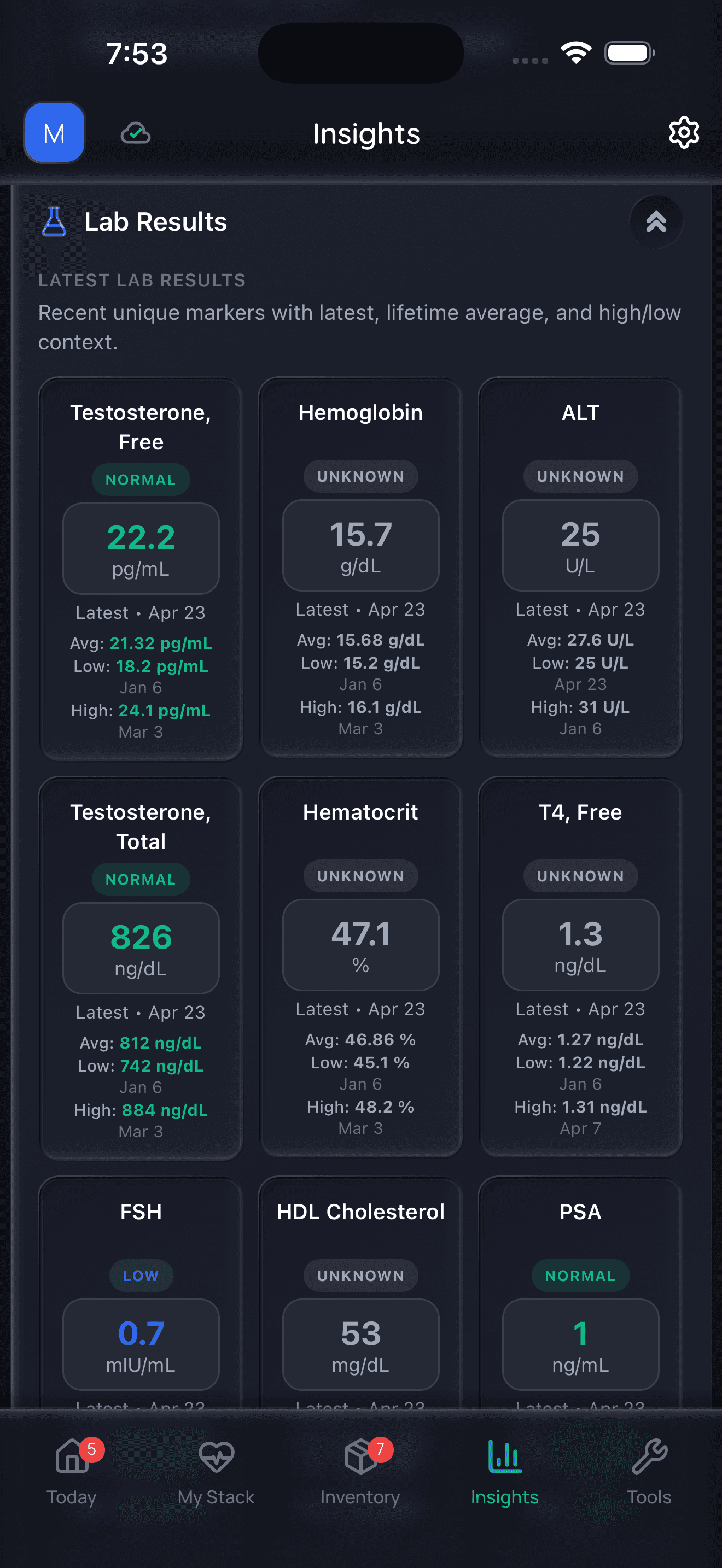
Doserly organizes data; it does not diagnose or interpret labs for you.
Dosing & Usage Protocols
The Basics
There is no single "right dose" for an electrolyte supplement because the right amount depends entirely on your situation. Someone running a marathon in 90-degree heat has completely different needs than someone sitting at a desk wanting to stay hydrated throughout the day. The sources consistently make this point: electrolyte needs are highly individual and situational [2][4][5].
For exercise lasting more than 75 minutes, or intense exercise in heat, most practitioners and sports nutrition guidelines suggest aiming for approximately 300-600 mg of sodium per hour of activity. This is the range most commonly cited in exercise physiology literature and by organizations like the American College of Sports Medicine. For very heavy sweaters or ultra-endurance events, some sources suggest up to 1,000 mg per hour, though this level is less universally recommended [4][8].
For daily hydration support (not exercise-related), lower-sodium formulations (100-300 mg per serving) are generally more appropriate and avoid contributing excessive sodium to an already sodium-rich diet [3][6].
For illness-related dehydration, WHO ORS standards call for a specific ratio of 75 mmol/L sodium with 75 mmol/L glucose, 20 mmol/L potassium, and 65 mmol/L chloride. Products designed for medical rehydration (like pharmacy-grade oral rehydration solutions) follow these specifications more closely than sports drinks [9][10].
For people on ketogenic or very low-carb diets, commonly cited electrolyte ranges are 3,000-5,000 mg sodium, 1,000-3,500 mg potassium, and 300-500 mg magnesium per day from all sources (diet plus supplements), though these ranges are based on practitioner recommendations rather than large clinical trials [5].
The Science
Optimal electrolyte dosing is situation-dependent and influenced by sweat rate (0.5-2.5 L/hour during exercise), sweat sodium concentration (20-80 mmol/L, highly variable between individuals), environmental conditions (temperature, humidity, altitude), and individual physiology (body mass, heat acclimation, fitness level, genetics) [4][8].
The concept of "sodium loading" (consuming extra sodium before exercise) has limited supporting evidence. A small number of studies suggest pre-exercise sodium loading may expand plasma volume and improve thermoregulation during subsequent exercise in heat, but the evidence is insufficient to make broad recommendations [4].
For clinical dehydration management, the WHO recommends ORS administration based on dehydration severity: mild dehydration (50-100 mL/kg over 4 hours), moderate dehydration (100 mL/kg over 4 hours with reassessment), severe dehydration (IV fluids followed by ORS) [9].
Individual potassium supplementation for blood pressure management typically uses 3,000-4,700 mg/day total potassium intake (diet plus supplements). Note that dietary supplements in pill/capsule form are limited to 99 mg per serving by FDA regulation to mitigate gastrointestinal lesion risk from concentrated potassium chloride tablets; powder and liquid forms are not subject to this restriction [1][15].
Getting the dose right matters more than most people realize. Too little may be ineffective, too much wastes money or introduces risk, and inconsistency undermines both. Doserly tracks every dose you take, across every form, giving you a clear record of what you're actually consuming versus what you planned.
The app helps you compare RDA recommendations against therapeutic ranges discussed in the research, so you can see exactly where your intake falls. If you switch forms, say from a standard capsule to a liposomal liquid, Doserly adjusts your tracking to account for different bioavailabilities. Pair that with smart reminders that keep your timing consistent, and the precision that makes a real difference in outcomes becomes effortless.
Turn symptom and safety notes into a clearer timeline.
Doserly helps you log doses, symptoms, and safety observations side by side so patterns are easier to discuss with a qualified clinician.
Pattern view
Logs and observations

Pattern visibility is informational and should be reviewed with a clinician.
What to Expect (Timeline)
Electrolyte supplementation works differently from most supplements because the effects are largely acute rather than cumulative. You are replacing minerals that your body is actively using and excreting, not building up tissue stores over weeks or months.
Within 15-30 minutes: Fluid and electrolyte absorption begins. Most people notice reduced thirst. If you were mildly dehydrated, improved alertness and reduced fatigue may be noticeable within 30 minutes of consuming an electrolyte solution.
During exercise (ongoing): Electrolyte-containing beverages consumed during prolonged exercise help maintain performance by supporting plasma volume, delaying the onset of fatigue, and reducing the risk of muscle cramps. Benefits are most noticeable during exercise lasting more than 75 minutes or in high-heat conditions.
First 1-3 days (regular use): People starting electrolyte supplementation for the first time, particularly those on low-carb/keto diets or who were mildly dehydrated, commonly report rapid improvement in energy, reduced headaches, and better exercise tolerance within the first few days.
1-2 weeks (regular use): Users who were electrolyte-deficient typically report stabilization of benefits. Muscle cramp frequency (if previously an issue) generally decreases within 1-2 weeks of consistent supplementation.
Ongoing: Unlike many supplements, electrolyte powders do not require a "loading phase" or weeks of buildup. Benefits are largely tied to maintaining adequate daily intake rather than accumulating over time. If you stop taking them and your diet and activity level provide sufficient electrolytes, you will not notice withdrawal or rebound effects. If you stop while still experiencing conditions that deplete electrolytes (heavy exercise, keto diet, heat exposure), symptoms may return promptly.
Important note: If electrolyte supplementation does not improve symptoms you attribute to dehydration or electrolyte imbalance within a few days, the issue may be something else entirely. Fatigue, brain fog, and muscle problems have many potential causes. Consultation with a healthcare provider for persistent symptoms is always recommended.
Interactions & Compatibility
Synergistic
- Vitamin D3: Vitamin D supports calcium absorption; adequate calcium is one of the key electrolytes. Individuals supplementing with calcium-containing electrolyte products may benefit from concurrent Vitamin D status optimization.
- Magnesium: Magnesium supports potassium retention. Low magnesium can cause refractory hypokalemia (potassium deficiency that does not respond to potassium supplementation alone). Ensuring adequate magnesium enhances the effectiveness of potassium supplementation.
- Vitamin C: Vitamin C (ascorbic acid) enhances iron absorption when taken together; some electrolyte formulations include vitamin C as an additional ingredient.
- Sodium/Electrolyte Formulas: The standalone sodium guide covers individual sodium supplementation in detail. Electrolyte powders/tablets provide sodium as part of a multi-mineral formulation.
- Potassium: Standalone potassium supplements can complement electrolyte products that are low in potassium. Note that total daily potassium intake from all sources should be monitored.
- Calcium: Some electrolyte products include calcium; if yours does not, standalone calcium supplements address a different but related mineral need.
Caution / Avoid
- ACE Inhibitors and ARBs (blood pressure medications): These medications increase potassium retention. Adding potassium from electrolyte supplements on top of these medications can increase the risk of hyperkalemia. Monitor potassium levels with a healthcare provider.
- Potassium-sparing diuretics (spironolactone, eplerenone, triamterene): Same hyperkalemia risk as above. Concurrent electrolyte supplementation requires medical supervision.
- Loop and thiazide diuretics (furosemide, hydrochlorothiazide): These medications increase electrolyte excretion, particularly potassium and magnesium. Electrolyte supplementation may be beneficial but should be guided by a healthcare provider monitoring serum levels.
- Lithium: Sodium intake affects lithium clearance. Changes in sodium intake from electrolyte supplements can alter lithium blood levels, potentially causing toxicity or reduced efficacy.
- Iron: High calcium in some electrolyte formulations may inhibit iron absorption. If taking iron supplements, separate from calcium-containing electrolyte products by at least 2 hours.
- Digoxin (cardiac glycoside): Electrolyte imbalances, particularly hypokalemia and hypomagnesemia, increase digoxin toxicity risk. Hyperkalemia also poses risks in patients on digoxin. Electrolyte supplementation in patients taking digoxin requires medical oversight.
- Antibiotics (fluoroquinolones, tetracyclines): Calcium and magnesium in some electrolyte products can chelate these antibiotics, reducing their absorption. Separate by at least 2 hours.
How to Take / Administration Guide
Choosing the right form depends on the situation:
- Powder packets: Best for precise dosing and portability. Most dissolve easily when stirred into water. Typically offer the widest range of sodium levels. Store easily in gym bags, backpacks, or desk drawers.
- Effervescent tablets: Convenient, no stirring needed, and produce a fizzy drink many people enjoy. However, the citric acid and binding agents can cause bloating or stomach upset in some people, especially during exercise. Generally lower in sodium than powder products.
- Capsules/pills: Ideal for people who dislike flavored drinks or want to control their water intake separately from their electrolyte intake. Precise dosing. Less flexibility for adjusting amounts. Potassium in pill form is limited to 99 mg per serving by FDA regulation.
- Liquid concentrates/drops: Versatile; can be added to any beverage without significantly changing flavor. Good for people with sensitive stomachs.
Timing recommendations:
- Before exercise: Pre-hydrating 2-4 hours before exercise with 5-7 mL/kg body weight of fluid (about 350-500 mL for most adults) helps establish adequate hydration status. Adding electrolytes to pre-exercise fluid may be beneficial for prolonged events but is not necessary for shorter sessions.
- During exercise: Sip regularly rather than gulping large amounts. Most practitioners recommend 150-250 mL every 15-20 minutes during prolonged exercise, adjusted based on sweat rate and conditions.
- After exercise: Replacing 150% of fluid lost during exercise (measured by pre- and post-exercise body weight) over the 2-4 hours following exercise, with sodium-containing beverages, is the commonly cited rehydration protocol.
- For illness: Small, frequent sips of ORS-type solutions rather than large boluses, to minimize the risk of triggering additional vomiting.
Mixing tips:
- Follow product instructions for water volume. Using too little water creates a hypertonic solution that can slow gastric emptying and worsen GI symptoms. Using too much water creates an overly dilute solution that may be less effective for rehydration.
- If a product tastes too salty, many users report good results from diluting to 150-200% of the recommended water volume and sipping slowly.
- Homemade electrolyte mixes should be measured with a digital kitchen scale for accuracy. Common recipes use 1/4 tsp salt (575 mg sodium), 1/4 tsp potassium chloride (roughly 350 mg potassium), and a small amount of magnesium citrate.
Cycling and breaks: Electrolyte supplementation does not require cycling. Use it when you need it (during exercise, illness, or conditions that increase electrolyte losses) and discontinue when those conditions are not present. There are no known tolerance-building or dependency effects.
Choosing a Quality Product
Third-party certifications to look for:
- NSF Certified for Sport: Tests for banned substances; important for athletes subject to drug testing
- Informed Sport: Batch testing for banned substances; widely recognized in professional sports
- USP Verified: Tests for identity, strength, purity, and performance
- ConsumerLab Approved: Independent testing for label accuracy and contamination
- GMP Certified: Ensures manufacturing standards are met
Key quality indicators:
- Label accuracy: Independent testing has found that some products contain significantly less sodium than stated on the label, or more sugar than declared. Products from third-party tested brands provide more assurance of label accuracy [3][6].
- Complete electrolyte profile: The best products contain all five essential electrolytes (sodium, potassium, magnesium, calcium, chloride) in meaningful amounts. Products containing only sodium and potassium are less complete.
- Appropriate sodium level for intended use: Match sodium content to your actual need. A 1,000 mg sodium product is appropriate for a heavy-sweating endurance athlete but likely excessive for someone doing light daily activity.
- Clean ingredient lists: Watch for excessive sugar (>10 g per serving), artificial colors, maltodextrin (which some products include without prominent labeling), and proprietary blends that obscure individual mineral amounts.
Red flags:
- Products claiming to "hydrate 2-3x faster than water" without citing specific study designs and populations
- Proprietary blends that do not list individual electrolyte amounts
- Very low electrolyte content dressed up with marketing claims (some products contain only trace amounts of minerals)
- Excessive price per serving (>$2.00) for products containing standard, inexpensive mineral salts
- Claims that their specific ratio is "clinically superior" when the WHO ORS ratio has been the standard for decades
Form considerations:
- Mineral salt forms affect tolerability more than efficacy. Potassium citrate may be gentler on the stomach than potassium chloride. Magnesium citrate or glycinate is better absorbed than magnesium oxide but has a lower laxative threshold.
- Sugar content: Products with some sugar (3-8 g per serving) may actually enhance sodium and water absorption through the SGLT1 mechanism. Zero-sugar products rely on passive absorption, which is less efficient but avoids sugar intake.
Storage & Handling
- Store powder packets and tubs in a cool, dry place away from direct sunlight and moisture. High humidity causes clumping and can degrade effervescent tablets.
- Effervescent tablets are particularly moisture-sensitive. Keep tubes sealed tightly; do not transfer to non-airtight containers. Tablets exposed to moisture may begin fizzing prematurely and lose potency.
- Prepared electrolyte solutions should be consumed within 24 hours. Do not prepare solutions in advance and store for extended periods, as bacterial growth can occur in sugar-containing solutions.
- Liquid concentrates should be refrigerated after opening and used within the timeframe specified on the label (typically 30-90 days).
- Capsules and tablets should be stored in their original containers with desiccant packets if provided.
- Shelf life for most powder and tablet products is 18-24 months from manufacture when stored properly. Check expiration dates, particularly for products purchased in bulk.
Lifestyle & Supporting Factors
Diet: The best source of electrolytes for most people is a balanced diet. Potassium-rich foods include bananas, potatoes, spinach, avocados, and dried apricots. Magnesium is found in nuts, seeds, leafy greens, and whole grains. Calcium comes from dairy products, fortified plant milks, and leafy greens. Sodium is present in virtually all processed and prepared foods, often in excess [1][2][5].
Hydration: Water intake should match losses. The National Academy of Medicine suggests approximately 3.7 L/day for men and 2.7 L/day for women from all sources (food and beverages combined). About 20% of daily water intake comes from food. Environmental heat, physical activity, altitude, and illness increase fluid needs [5].
Exercise: Electrolyte needs increase substantially with exercise duration, intensity, and environmental heat. Most guidelines suggest that electrolyte supplementation becomes beneficial at approximately 60-75 minutes of continuous exercise, with greater benefit in hot or humid conditions. Individual sweat rates and sweat sodium concentrations vary widely [4][8].
Signs of potential electrolyte deficiency:
- Persistent muscle cramps during or after exercise
- Fatigue and weakness disproportionate to activity level
- Headaches that improve with salt or electrolyte intake
- Dizziness, particularly when standing
- Urine that remains dark despite adequate water intake
Signs of potential electrolyte excess:
- Bloating and fluid retention (sodium excess)
- Elevated blood pressure (sodium excess)
- Nausea and diarrhea (magnesium excess)
- Heart palpitations (potassium or sodium imbalance)
Monitoring: Urine color provides a practical daily hydration assessment. Pale straw color indicates adequate hydration; dark yellow suggests dehydration. Urine specific gravity above 1.020 is a clinical marker for dehydration. Serum electrolyte panels are the gold standard for assessing electrolyte status and should be performed by a healthcare provider when imbalances are suspected.
Regulatory Status & Standards
United States (FDA)
Electrolyte powders, tablets, and capsules are regulated as dietary supplements under the Dietary Supplement Health and Education Act (DSHEA) of 1994. They are not evaluated by the FDA for efficacy in diagnosing, treating, curing, or preventing any disease. Manufacturers must comply with Good Manufacturing Practices (GMP) for dietary supplements (21 CFR Part 111). The individual electrolyte minerals (sodium, potassium, magnesium, calcium, chloride) have established Daily Values set by FDA. Potassium in tablet/capsule form is limited to 99 mg per serving due to risk of gastrointestinal lesions; this limit does not apply to powder or liquid forms [1].
Canada (Health Canada)
Electrolyte products may be classified as Natural Health Products (NHPs) requiring a Natural Product Number (NPN). Monographs exist for individual minerals (potassium, magnesium, calcium) with established dosing and safety parameters.
European Union (EFSA)
The European Food Safety Authority has established Dietary Reference Values for sodium, potassium, magnesium, calcium, and chloride. Electrolyte supplements are regulated under the Food Supplements Directive (2002/46/EC). Maximum permitted levels for minerals in supplements are set at the national level within EU member states, creating some variation.
Australia (TGA)
Electrolyte supplements are generally listed as complementary medicines on the Australian Register of Therapeutic Goods (ARTG). Listed medicines receive an AUST L number, indicating they have been assessed for quality, safety, and labeling but not for efficacy.
Athlete & Sports Regulatory Status
- WADA: None of the standard electrolyte minerals (sodium, potassium, magnesium, calcium, chloride) appear on the WADA Prohibited List. Electrolyte supplementation is permitted in competition and out of competition.
- National Anti-Doping Agencies (USADA, UKAD, Sport Integrity Canada, Sport Integrity Australia, NADA Germany): No specific restrictions on electrolyte supplements. Standard guidance to use third-party tested products applies.
- Professional Sports Leagues (NFL, NBA, MLB, NHL, NCAA): Electrolyte supplements are widely used and not restricted. NCAA requires that supplements provided by athletic departments carry NSF Certified for Sport or Informed Sport certification.
- Athlete Certification Programs: NSF Certified for Sport, Informed Sport, Cologne List, and BSCG all certify electrolyte products. Athletes should select products carrying one of these certifications to minimize contamination risk.
- GlobalDRO: Athletes can verify the status of specific electrolyte products at GlobalDRO.com.
Regulatory status and prohibited substance classifications change frequently. Athletes should always verify the current status of any supplement with their sport's governing body, their national anti-doping agency, and a qualified sports medicine professional before use. Third-party certification (Informed Sport, NSF Certified for Sport) reduces but does not eliminate the risk of contamination with prohibited substances.
Frequently Asked Questions
Do I need electrolyte supplements if I exercise regularly?
It depends on the duration, intensity, and conditions. Based on available data, exercise lasting less than 60-75 minutes at moderate intensity generally does not require electrolyte replacement beyond what water and a normal diet provide. For longer or more intense sessions, especially in heat, electrolyte-containing beverages may help maintain performance and prevent excessive mineral losses. Individual factors such as sweat rate, sweat composition, and diet also influence need. Consulting a sports dietitian can help determine your specific requirements.
Are expensive electrolyte packets worth the cost compared to DIY options?
The active ingredients in most electrolyte products (sodium chloride, potassium chloride, magnesium citrate) are inexpensive commodity minerals. Commercial products add convenience, precise dosing, flavoring, and quality testing. Some users find the convenience and taste worth the premium ($1-2 per serving); others prepare effective homemade versions for a fraction of the cost (as low as $0.05-0.10 per serving). The electrolyte content, not the brand name, determines effectiveness.
Can I take electrolyte supplements every day?
Daily use is generally considered safe for healthy adults when products are used as directed and total daily mineral intake from all sources remains within recommended ranges. However, for people who are not exercising intensely, sweating heavily, or following a restricted diet, daily electrolyte supplementation may be unnecessary. Excess sodium from daily supplementation can contribute to elevated blood pressure in susceptible individuals. People with kidney disease, heart conditions, or those on medications that affect electrolyte balance should consult their healthcare provider.
Is drinking plain water enough for hydration?
For most daily activities and exercise lasting under 60-75 minutes, plain water is sufficient for hydration in people eating a balanced diet. Electrolyte solutions become more beneficial during prolonged exercise (>75 minutes), in high heat/humidity, during illness causing fluid loss, or on very low-carb diets. Excessive intake of plain water without electrolytes during prolonged heavy exercise can, in rare cases, lead to exercise-associated hyponatremia.
What is the best electrolyte powder?
There is no single "best" product because the optimal formulation depends on the use case. For heavy exercise and sweating: look for products with 300-600+ mg sodium per serving. For daily hydration: lower sodium (100-300 mg) formulations are more appropriate. For illness-related dehydration: products following WHO ORS specifications (balanced glucose-sodium ratio) are most evidence-based. For specific health conditions: consult a healthcare provider for guidance.
Do electrolyte supplements help with hangovers?
Alcohol acts as a diuretic, increasing urine output and potentially contributing to electrolyte depletion. Electrolyte supplementation may help address the dehydration component of a hangover. However, hangover symptoms are caused by multiple mechanisms beyond dehydration (acetaldehyde toxicity, immune system activation, GI irritation), so electrolytes alone are unlikely to fully resolve hangover symptoms.
Can electrolyte supplements cause weight gain?
Sodium promotes fluid retention, so initial use of sodium-containing electrolyte supplements may cause a temporary increase in body water weight (typically 1-3 pounds). This is water retention, not fat gain, and it resolves when sodium intake normalizes. This fluid retention is actually desirable for athletes maintaining plasma volume during exercise.
Are sugar-free electrolyte products as effective as those with sugar?
For pure hydration (replacing fluid and minerals), sugar-free products are adequate. However, the presence of glucose in electrolyte solutions enhances sodium and water absorption through the SGLT1 cotransporter in the small intestine. For maximal rehydration efficiency, particularly in illness or severe exercise-induced dehydration, solutions with some glucose (the WHO ORS model) are more effective. For daily hydration or shorter exercise sessions, the sugar-free vs. sugar distinction is less significant.
How do I know if I am dehydrated?
Practical indicators include urine color (dark yellow indicates dehydration; pale straw color indicates adequate hydration), thirst (by the time you feel thirsty, you may already be mildly dehydrated), and body weight changes during exercise (>2% loss indicates significant dehydration). Clinical assessment uses urine specific gravity (>1.020 indicates dehydration) and serum osmolality.
Myth vs. Fact
Myth: Everyone needs to supplement with electrolytes daily.
Fact: Most healthy adults eating a balanced diet and drinking adequate water maintain sufficient electrolyte levels without supplementation. Supplementation becomes relevant in specific situations: prolonged intense exercise, heavy sweating, illness, very low-carb diets, or certain medical conditions. The kidneys are highly effective at maintaining electrolyte homeostasis under normal conditions [1][2][5].
Myth: More electrolytes are always better.
Fact: Both too little and too much of any electrolyte can cause health problems. Excess sodium raises blood pressure and increases cardiovascular risk. Excess potassium can cause dangerous heart arrhythmias. Excess magnesium causes diarrhea and, at very high doses, can cause respiratory depression. The symptoms of electrolyte excess can closely mimic those of deficiency: fatigue, muscle weakness, nausea, and heart rhythm changes [2][5].
Myth: Electrolyte powders hydrate dramatically faster than water.
Fact: Electrolyte-containing solutions with appropriate glucose content do enhance fluid absorption through the SGLT1 cotransporter mechanism, and sodium helps the body retain fluid. However, claims of "3x faster hydration" are based on specific study conditions and populations. For most everyday hydration needs, the practical difference between water and an electrolyte drink is modest. The greatest benefit appears during prolonged exercise or clinical dehydration [8][10].
Myth: Sports drinks and electrolyte supplements are the same thing.
Fact: Traditional sports drinks (like standard versions of popular brands) were designed to provide both fluid/electrolytes and energy (carbohydrates) during exercise. Many contain significant sugar (20+ grams per serving). Electrolyte powders and tablets typically focus on mineral replacement with little or no sugar. The two categories serve somewhat different purposes, and their sugar and calorie profiles differ substantially [5][6].
Myth: All electrolyte products have the same formulation.
Fact: Electrolyte product sodium content varies from less than 50 mg to over 1,000 mg per serving. Some contain only sodium and potassium; others include magnesium, calcium, chloride, and vitamins. Product osmolarity ranges from hypotonic to hypertonic. Sugar content ranges from 0 to 20+ grams. These differences significantly affect who the product is appropriate for and how well it works for specific situations [3][6].
Myth: Pink Himalayan salt provides a superior electrolyte profile compared to regular salt.
Fact: While Himalayan salt does contain trace amounts of additional minerals beyond sodium chloride, the quantities are nutritionally insignificant. The primary electrolyte in both regular and Himalayan salt is sodium chloride. At typical usage amounts (a pinch to a quarter teaspoon), the trace mineral content of specialty salts is negligible compared to the amounts present in a single serving of most electrolyte supplements.
Myth: Coconut water is a perfect natural electrolyte replacement.
Fact: Coconut water is a reasonable source of potassium (about 600 mg per cup) and contains some sodium, magnesium, and calcium. However, it is relatively low in sodium (roughly 250 mg per cup vs. 300-1,000 mg in purpose-built electrolyte products) and lacks the optimized glucose-sodium ratio of medical rehydration solutions. It is a reasonable option for mild hydration support but is not equivalent to a formulated electrolyte product for exercise or clinical rehydration [5].
Sources & References
Government & Institutional Sources
[1] National Institutes of Health, Office of Dietary Supplements. Potassium: Fact Sheet for Health Professionals. Updated 2025. https://ods.od.nih.gov/factsheets/Potassium-HealthProfessional/
[2] NIH MedlinePlus. Fluid and Electrolyte Balance. https://medlineplus.gov/fluidandelectrolytebalance.html
[3] ConsumerLab.com. Electrolytes & Sports Drinks Review. Updated October 2022.
Systematic Reviews & Meta-Analyses
[4] American College of Sports Medicine. Position Stand on Exercise and Fluid Replacement. Medicine & Science in Sports & Exercise. 2007;39(2):377-390.
[5] American Heart Association. "Electrolytes can give the body a charge, but try not to overdo it." AHA News, June 19, 2024. https://www.heart.org/en/news/2024/06/19/electrolytes-can-give-the-body-a-charge-but-try-not-to-overdo-it
[6] ConsumerLab.com. Best Electrolyte Drinks for Hydration. July 20, 2022.
[7] Liamis G, Milionis HJ, Elisaf M. A review of drug-induced electrolyte disorders. Expert Opin Drug Saf. 2010;9(2):175-187.
[8] Rowlands DS, Kopetschny BH, Badenhorst CE. The Hydrating Effects of Hypertonic, Isotonic and Hypotonic Sports Drinks and Waters on Central Hydration During Continuous Exercise: A Systematic Meta-Analysis and Perspective. Sports Medicine. 2022;52:349-375. PMID: 34716905. PMC: PMC8803723.
Clinical Trials & Research
[9] World Health Organization. Oral Rehydration Salts: Production of the New ORS. WHO/FCH/CAH/06.1. 2006.
[10] UNICEF/WHO. Clinical Management of Acute Diarrhoea. WHO/UNICEF Joint Statement. 2004.
[11] Clausen T. Na+-K+ pump regulation and skeletal muscle contractility. Physiological Reviews. 2003;83(4):1269-1324.
[12] NIH Office of Dietary Supplements. Magnesium: Fact Sheet for Health Professionals. Updated January 2026. https://ods.od.nih.gov/factsheets/magnesium-HealthProfessional/
[13] Oral Rehydration Beverages for Treating Exercise-Associated Dehydration: A Systematic Review, Part I. Carbohydrate-Electrolyte Solutions. Published 2023. PMID: 38116803.
[14] Hew-Butler T, Rosner MH, Fowkes-Godek S, et al. Statement of the Third International Exercise-Associated Hyponatremia Consensus Development Conference. Clinical Journal of Sport Medicine. 2015;25(4):303-320.
[15] Cappuccio FP, Buchanan LA, Ji C, Siani A, Miller MA. Systematic review and meta-analysis of randomised controlled trials on the effects of potassium supplements on serum potassium and creatinine. BMJ Open. 2016;6(8):e011716.
[16] Masento NA, Golightly M, Field DT, Butler LT, van Reekum CM. Effects of hydration status on cognitive performance and mood. British Journal of Nutrition. 2014;111(10):1841-1852.
Related Supplement Guides
Same Category
Common Stacks / Pairings
- Vitamin D3 (supports calcium absorption)
- Vitamin C (included in some electrolyte formulations)
- B-Complex (energy metabolism support)
- Iron (separate by 2 hours from calcium-containing electrolyte products)
Related Health Goal
- Chromium (blood sugar management)
- Zinc (immune support, sometimes included in sport formulations)
- Selenium (antioxidant support for active individuals)
- Sport/Performance Multivitamins (comprehensive nutrient support for athletes)