
Trace Mineral Drops: The Complete Supplement Guide
On this page
Quick Reference Card
Attribute
Common Name
- Detail
- Trace Mineral Drops
Attribute
Other Names / Aliases
- Detail
- Ionic trace minerals, concentrated trace minerals, liquid mineral drops, sea mineral concentrate, ConcenTrace (brand name)
Attribute
Category
- Detail
- Mineral Complex (Multi-Mineral Liquid Concentrate)
Attribute
Primary Forms & Variants
- Detail
- Concentrated seawater mineral solution (Great Salt Lake derived); ionic liquid drops; mineral powder packets; tablet/capsule forms. Liquid ionic form is the primary delivery method.
Attribute
Typical Dose Range
- Detail
- 10-40 drops (0.6-2.5 mL) daily; provides approximately 250 mg magnesium, 650 mg chloride, plus over 70 trace minerals per full serving
Attribute
RDA / AI / UL
- Detail
- No RDA/AI/UL established for the composite product. Individual constituent minerals have their own DRI values (see Chemical & Nutritional Identity section).
Attribute
Common Delivery Forms
- Detail
- Liquid drops (primary), powder, tablet, capsule
Attribute
Best Taken With / Without Food
- Detail
- Best taken with meals. Mix with juice, smoothie, or food to improve palatability and reduce GI side effects.
Attribute
Key Cofactors
- Detail
- Vitamin D (enhances calcium and magnesium utilization), Vitamin C (enhances iron absorption from the trace mineral content), Vitamin K2 (supports calcium metabolism)
Attribute
Storage Notes
- Detail
- Store in a cool, dry place. No refrigeration required. Glass bottle options available for purity preservation. Shelf-stable due to mineral nature.
Overview
The Basics
Trace mineral drops are concentrated liquid mineral supplements typically derived from natural sources, most commonly the Great Salt Lake in Utah. These products deliver a broad spectrum of over 70 naturally occurring minerals in an ionic (electrically charged) liquid form. The idea behind them is straightforward: modern diets may not provide adequate amounts of certain minerals due to soil depletion, food processing, and the rise of purified drinking water.
Unlike single-mineral supplements such as standalone zinc or selenium capsules, trace mineral drops aim to deliver the full range of minerals your body uses, all in one product. The dominant mineral by content is magnesium (around 250 mg per serving), along with chloride, potassium, sodium, sulfate, lithium, boron, and dozens more in smaller amounts. The "trace" designation refers to the fact that many of these minerals are needed in very small quantities, often measured in micrograms rather than milligrams.
These products occupy an interesting middle ground in the supplement world. They are neither a targeted single-nutrient supplement nor a traditional multivitamin. Instead, they provide a naturally balanced mineral profile as it exists in concentrated seawater, with most of the sodium removed during processing [1][2].
The Science
Trace mineral drops represent a category of multi-mineral dietary supplements derived from natural brine sources, predominantly the Great Salt Lake in Utah. The production process involves solar evaporation of lake water to concentrate dissolved mineral salts, followed by selective sodium removal (typically 99% reduction), yielding a hypertonic mineral solution containing ionic forms of over 70 elements [2].
The mineral profile of these products reflects the geochemical composition of their source water. The Great Salt Lake, a terminal basin remnant of ancient Lake Bonneville, has accumulated mineral deposits over thousands of years through riverine inputs and evaporative concentration. This produces a uniquely dense mineral solution that includes both macrominerals (magnesium, chloride, potassium) and trace elements (zinc, selenium, copper, manganese, chromium, molybdenum, iodine, vanadium, boron, lithium, and others) in naturally occurring ratios [2][3].
The "ionic" designation indicates that the minerals exist in their dissociated, electrically charged form in aqueous solution. Manufacturers assert that this ionic state enhances bioavailability by bypassing the need for gastric acid-mediated dissociation required by solid mineral salts. While this mechanistic argument has theoretical plausibility (dissolved ionic minerals do not require tablet disintegration or chelate release), no peer-reviewed clinical trials have directly compared the bioavailability of concentrated sea mineral solutions against equivalent doses of conventional mineral supplements [3][4].
Chemical & Nutritional Identity
Property
Product Category
- Value
- Multi-mineral liquid concentrate
Property
Primary Source
- Value
- Concentrated seawater (Great Salt Lake, Utah)
Property
Processing
- Value
- Solar evaporation with 99% sodium removal
Property
Mineral Count
- Value
- 72+ naturally occurring ionic minerals
Property
Primary Mineral (Magnesium)
- Value
- ~250 mg per 2.5 mL serving
Property
Chloride
- Value
- ~650 mg per serving
Property
Sodium
- Value
- ~5 mg per serving (post-removal)
Property
Potassium
- Value
- ~3 mg per serving
Property
Sulfate
- Value
- ~40 mg per serving
Property
Lithium
- Value
- ~1.5 mg per serving
Property
Boron
- Value
- ~1 mg per serving
Property
pH
- Value
- Slightly acidic to neutral
Property
GRAS Status
- Value
- GRAS-Affirmed (Generally Recognized as Safe)
Trace mineral drops are not a single chemical compound and therefore have no single molecular formula, CAS number, or PubChem CID. Instead, they are a naturally occurring mineral solution containing variable concentrations of elements that depend on the source water and processing method.
The DRI values for the major individual constituent minerals are:
Mineral
Magnesium
- RDA/AI (Adults)
- 310-420 mg/day
- UL (Adults)
- 350 mg/day (supplemental)
Mineral
Zinc
- RDA/AI (Adults)
- 8-11 mg/day
- UL (Adults)
- 40 mg/day
Mineral
Selenium
- RDA/AI (Adults)
- 55 mcg/day
- UL (Adults)
- 400 mcg/day
Mineral
Copper
- RDA/AI (Adults)
- 900 mcg/day
- UL (Adults)
- 10,000 mcg/day
Mineral
Iodine
- RDA/AI (Adults)
- 150 mcg/day
- UL (Adults)
- 1,100 mcg/day
Mineral
Chromium
- RDA/AI (Adults)
- 25-35 mcg/day (AI)
- UL (Adults)
- Not established
Mineral
Manganese
- RDA/AI (Adults)
- 1.8-2.3 mg/day (AI)
- UL (Adults)
- 11 mg/day
Mineral
Molybdenum
- RDA/AI (Adults)
- 45 mcg/day
- UL (Adults)
- 2,000 mcg/day
Mineral
Iron
- RDA/AI (Adults)
- 8-18 mg/day
- UL (Adults)
- 45 mg/day
Mineral
Boron
- RDA/AI (Adults)
- Not established
- UL (Adults)
- 20 mg/day
Note that a single serving of trace mineral drops provides the full DV for magnesium at 60% but delivers most other trace minerals well below their individual RDAs. The product is best understood as a magnesium supplement with broad-spectrum trace mineral support rather than a complete mineral replacement [1].
Mechanism of Action
The Basics
Trace mineral drops do not work through a single mechanism. Instead, they supply raw materials that your body uses across hundreds of different processes. Each mineral in the formula serves as a cofactor or structural component for different enzymes and proteins.
Magnesium, the dominant mineral in these drops, participates in over 300 enzymatic reactions, including energy production, protein synthesis, muscle and nerve function, and blood sugar regulation. Zinc supports immune function and wound healing. Selenium powers antioxidant enzymes that protect cells from oxidative damage. Copper helps form red blood cells and maintain healthy nerves. Iodine is essential for thyroid hormone production, which regulates metabolism throughout the body.
The collective benefit of a multi-mineral supplement, at least in theory, is that it addresses potential gaps across many systems simultaneously rather than targeting just one pathway. However, because most of these minerals are present in very small amounts (true "trace" quantities), the practical impact depends largely on whether you are actually deficient in any of them [1][5].
The Science
The biological activity of trace mineral drops derives from the collective contribution of their constituent minerals to human biochemistry. Each essential trace element participates in distinct physiological pathways:
Zinc serves as a catalytic or structural component of over 300 enzymes spanning all six enzyme classes, including carbonic anhydrase, alkaline phosphatase, carboxypeptidase, and alcohol dehydrogenase. Zinc finger proteins regulate gene expression, and zinc is required for T-cell maturation and natural killer cell activity [1][6].
Selenium is incorporated into 25 identified selenoproteins, including glutathione peroxidases (GPx1-4), thioredoxin reductases, and iodothyronine deiodinases. These enzymes mediate antioxidant defense, thyroid hormone activation, and redox signaling [1][7].
Copper functions as a cofactor for cuproenzymes including cytochrome c oxidase (mitochondrial electron transport), superoxide dismutase (SOD, antioxidant defense), lysyl oxidase (collagen cross-linking), ceruloplasmin (iron metabolism), and dopamine beta-hydroxylase (catecholamine synthesis) [1][8].
Manganese activates arginase (urea cycle), glutamine synthetase (nitrogen metabolism), and pyruvate carboxylase (gluconeogenesis). Manganese superoxide dismutase (MnSOD) is the primary mitochondrial antioxidant enzyme [1].
Chromium has been historically proposed to enhance insulin receptor signaling via chromodulin (low-molecular-weight chromium-binding substance), though its classification as an essential nutrient is debated in current literature. Supplementation may modestly improve insulin sensitivity in individuals with type 2 diabetes [1][9].
Iodine is required for synthesis of thyroxine (T4) and triiodothyronine (T3) by thyroid peroxidase. Thyroid hormones regulate basal metabolic rate, thermogenesis, and neurodevelopment [1].
Boron influences calcium, magnesium, and phosphorus metabolism and may modulate inflammatory responses. A 2023 systematic analysis of NHANES data (n=5,412) found that higher concentrations of certain trace elements (selenium, strontium) were associated with significantly lower all-cause mortality, while elevated manganese was associated with higher mortality, underscoring the importance of balance rather than maximization [5][10].
Absorption & Bioavailability
The Basics
Manufacturers of trace mineral drops frequently claim that ionic liquid minerals are absorbed at rates of 90-95%, compared to only 10-20% for tablet forms. While the logic sounds compelling (a mineral already dissolved in water should not need to be broken down first), this specific claim has not been validated by peer-reviewed clinical research.
What is established is that the absorption of individual minerals depends heavily on several factors: your existing mineral status (the body absorbs more when stores are low), what you eat with the supplement (vitamin C boosts iron absorption, while phytates from grains reduce it), and the chemical form of the mineral (magnesium citrate absorbs better than magnesium oxide, for example).
The liquid delivery format does offer practical advantages. It eliminates the tablet disintegration step, mixes easily into beverages or food, and allows for flexible dosing. Taking trace mineral drops with a meal is recommended both for improved absorption of fat-soluble components and to buffer the strong mineral taste and potential GI effects [1][2].
The Science
The absorption kinetics of individual minerals within a multi-mineral solution are governed by the same mechanisms as their isolated forms: passive diffusion, active transport via specific carriers, and paracellular transport. Key mineral absorption pathways include:
- Magnesium: Absorbed primarily in the small intestine via passive paracellular diffusion (at higher luminal concentrations) and active transcellular transport via TRPM6/TRPM7 channels. Absorption ranges from 24% to 76% depending on intake levels, with fractional absorption decreasing as dose increases [1].
- Zinc: Absorbed in the duodenum and jejunum via ZIP4 transporter. Absorption ranges from 5% to over 50% depending on dietary composition, particularly phytate content. Supplemental zinc at 25+ mg can reduce copper absorption [1][6].
- Iron: Non-heme iron absorption occurs via DMT1 (divalent metal transporter 1) in the duodenum. Absorption is highly regulated by hepcidin and ranges from 2% to 35% depending on iron status and dietary factors [1].
- Selenium: Absorbed in the duodenum and jejunum, primarily as selenomethionine (from food) or selenite/selenate (from supplements). Absorption is generally high (>80%) for organic forms [1][7].
A key consideration with multi-mineral products is the potential for competitive absorption. Iron and zinc share the DMT1 transporter, and supplemental doses of one can reduce absorption of the other. High zinc intake (50+ mg/day) can induce copper deficiency by upregulating metallothionein. Calcium inhibits iron absorption when consumed simultaneously. These interactions are less likely to be clinically significant at the low trace mineral concentrations found in these products but become relevant when trace mineral drops are combined with other mineral supplements [1][6][8].
Managing absorption timing across multiple supplements gets complicated fast. Some need to be taken with food, others on an empty stomach. Some compete for the same absorption pathways, others enhance each other. Doserly organizes all of this into a single schedule that accounts for the interactions between everything in your stack.
Instead of juggling mental notes about which supplements to separate and which to pair, the app handles the coordination for you. It flags timing conflicts, suggests optimal windows based on the forms you're using, and builds a daily routine that gives each supplement its best chance of being absorbed effectively. One place for all the details that are easy to forget.
Turn symptom and safety notes into a clearer timeline.
Doserly helps you log doses, symptoms, and safety observations side by side so patterns are easier to discuss with a qualified clinician.
Pattern view
Logs and observations

Pattern visibility is informational and should be reviewed with a clinician.
Research & Clinical Evidence
The Basics
Here is an important caveat to state upfront: there are no peer-reviewed clinical trials that have specifically studied "trace mineral drops" products for health outcomes. The research that supports these products comes from two directions: studies on individual trace minerals (zinc, selenium, iodine, etc.) and broader epidemiological research linking trace mineral status to health outcomes.
A large prospective study using data from the National Health and Nutrition Examination Survey (NHANES) followed over 5,400 individuals and found that trace element status was significantly associated with all-cause mortality. Specifically, people with higher blood selenium levels had a 53% lower risk of death from any cause, and those with higher strontium levels showed similarly reduced mortality. However, the same study found that higher manganese levels were associated with a 57% increase in mortality risk, highlighting that "more minerals" is not uniformly beneficial [5].
A 2025 review published in Nutrients examined trace mineral imbalances as a global health challenge, noting that both deficiencies and toxic exposures are widespread. In high-income countries, the primary concerns are subclinical deficits and chronic low-level exposure to toxic elements such as arsenic, cadmium, and lead, which can interfere with essential mineral function [10].
Individual mineral evidence is extensive. Zinc supplementation within 24 hours of cold onset may reduce symptom duration. Selenium deficiency is linked to Keshan disease and thyroid dysfunction. Iodine deficiency remains the most common cause of preventable intellectual disability worldwide. Chromium may modestly improve insulin sensitivity. Each of these minerals has its own body of evidence, but whether the small amounts delivered by trace mineral drops are sufficient to produce these effects in individuals who are not deficient remains unclear [1].
The Science
Epidemiological evidence for trace element balance:
Zhao et al. (2023, Frontiers in Nutrition) conducted a prospective cohort study using NHANES data (n=5,412) examining the independent and combined relationship between nine trace elements and all-cause mortality. Key findings included: selenium (HR 0.47, 95% CI 0.28-0.79 for highest vs. lowest quartile), strontium (HR 0.47, 95% CI 0.26-0.86), and a significant overall effect of trace element mixtures. Notably, manganese showed an inverse association with HR 1.57 (95% CI 1.14-2.14), suggesting excess is harmful. Nonlinear dose-response relationships were identified for zinc and cobalt [5].
Trace mineral imbalances (global review):
Miranda et al. (2025, Nutrients) reviewed trace mineral imbalances including the interference of toxic elements with essential mineral homeostasis: cadmium competes with zinc for metallothionein binding, mercury binds selenium and impairs antioxidant enzyme function, arsenic competes with phosphate, and lead displaces calcium in bone. Multi-element analysis provides more clinically meaningful assessment than single-mineral testing [10].
Individual mineral evidence (selected highlights):
- Zinc and immunity: A Cochrane review found that zinc supplementation started within 24 hours of symptom onset reduced the duration of common cold symptoms by approximately 1 day [6].
- Selenium and thyroid function: Selenoproteins (particularly glutathione peroxidases and iodothyronine deiodinases) are essential for thyroid hormone metabolism. Selenium deficiency combined with iodine deficiency exacerbates hypothyroidism [7].
- Iodine and neurodevelopment: The WHO estimates that iodine deficiency affects approximately 2 billion people globally and remains the most common cause of preventable intellectual disability [1].
Soil depletion rationale:
The primary rationale for broad-spectrum mineral supplementation in otherwise healthy populations rests on evidence of declining mineral content in agricultural soils and food crops. Studies suggest a 20-40% reduction in mineral content of fruits and vegetables over the past 50 years, attributed to intensive farming, monoculture practices, and chemical fertilizer use. However, frank trace mineral deficiency remains relatively uncommon in populations with access to varied diets and fortified foods [3][4].
Evidence & Effectiveness Matrix
Category
Energy Levels
- Evidence Strength
- 5/10
- Community-Reported Effectiveness
- 6/10
- Summary
- Individual trace minerals (iron, iodine, magnesium) are well-established for energy metabolism. Community reports positive energy effects from trace mineral drops, though likely attributable to the dominant magnesium content rather than trace elements. No direct clinical evidence for the composite product.
Category
Immune Function
- Evidence Strength
- 6/10
- Community-Reported Effectiveness
- 3/10
- Summary
- Strong evidence for zinc and selenium in immune support individually. Minimal community reports of immune improvement from trace mineral drops specifically.
Category
Hydration/Fluid Balance
- Evidence Strength
- 4/10
- Community-Reported Effectiveness
- 5/10
- Summary
- Electrolyte content (magnesium, chloride, potassium) supports hydration. Community users report improved hydration and reduced water intake needs.
Category
Mood & Wellbeing
- Evidence Strength
- 3/10
- Community-Reported Effectiveness
- 5/10
- Summary
- Lithium (1.5 mg/serving) has limited evidence for mood support at trace doses. Community reports general wellbeing improvements, but attribution is unclear.
Category
Joint Health
- Evidence Strength
- 4/10
- Community-Reported Effectiveness
- 4/10
- Summary
- Boron (1 mg/serving) has preliminary evidence for joint health. Limited community feedback.
Category
Physical Performance
- Evidence Strength
- 5/10
- Community-Reported Effectiveness
- 4/10
- Summary
- Magnesium, zinc, and electrolytes are individually supported for exercise performance. Athletes generally prefer targeted products over trace mineral drops.
Category
Bone Health
- Evidence Strength
- 5/10
- Community-Reported Effectiveness
- Not scored
- Summary
- Magnesium, boron, zinc, manganese, and copper are established bone health cofactors. No community reports specific to trace mineral drops.
Category
Nausea & GI Tolerance
- Evidence Strength
- N/A
- Community-Reported Effectiveness
- 4/10
- Summary
- GI disturbance is the most consistently reported side effect. Multiple users report nausea at initial or high doses.
Category
Focus & Mental Clarity
- Evidence Strength
- 3/10
- Community-Reported Effectiveness
- 3/10
- Summary
- Theoretical basis via zinc, iodine, and selenium for cognitive function. Minimal community reports.
Category
Skin Health
- Evidence Strength
- 2/10
- Community-Reported Effectiveness
- 3/10
- Summary
- One community report of improved skin hydration. Insufficient evidence for scoring.
Category
Side Effect Burden
- Evidence Strength
- N/A
- Community-Reported Effectiveness
- 5/10
- Summary
- Generally well-tolerated when dose is escalated gradually. Taste complaints universal. Heavy metal contaminant concerns flagged by independent testing.
Categories not scored: Fat Loss, Muscle Growth, Weight Management, Appetite & Satiety, Food Noise, Sleep Quality, Memory & Cognition, Anxiety, Stress Tolerance, Motivation & Drive, Emotional Aliveness, Emotional Regulation, Libido, Sexual Function, Inflammation, Pain Management, Recovery & Healing, Gut Health, Digestive Comfort, Hair Health, Heart Health, Blood Pressure, Heart Rate & Palpitations, Hormonal Symptoms, Temperature Regulation, Body Image, Longevity & Neuroprotection, Cravings & Impulse Control, Social Connection, Treatment Adherence, Withdrawal Symptoms, Daily Functioning
Benefits & Potential Effects
The Basics
The potential benefits of trace mineral drops come from ensuring your body has adequate supplies of minerals that participate in fundamental biological processes. Rather than targeting a specific health outcome, these products aim to cover nutritional gaps across many systems.
The most consistently reported benefit from users is improved hydration. Adding trace minerals to purified or reverse osmosis water restores some of the mineral content removed during filtration, and many users report that the water tastes better and feels more hydrating.
Energy support is another commonly cited benefit. Magnesium, the primary mineral in these drops, is a cofactor in over 300 enzyme reactions related to energy production. If you are among the estimated 50% of Americans who consume less than the recommended amount of magnesium, supplementation through trace mineral drops may address this shortfall.
Beyond magnesium, the trace elements in these drops support a variety of functions: zinc for immune health, selenium for antioxidant defense and thyroid function, iodine for metabolism, copper for iron utilization and connective tissue, and boron for bone and joint health. The key question is whether the amounts delivered in a daily serving are sufficient to produce meaningful effects, and for most trace minerals, the amounts are well below the individual RDAs [1][2].
The Science
Established benefits of constituent minerals (supported by peer-reviewed evidence):
- Magnesium (250 mg/serving, 60% DV): Adequate magnesium intake is associated with reduced risk of type 2 diabetes, cardiovascular disease, and osteoporosis. Supplementation may reduce blood pressure in hypertensive individuals and improve sleep quality in those with low magnesium status. The form present in trace mineral drops (magnesium chloride in solution) has reasonable bioavailability [1][11].
- Zinc (trace amounts): Essential for immune cell development and function. Meta-analyses support zinc supplementation for reducing common cold duration when administered within 24 hours of symptom onset [6].
- Selenium (trace amounts): Integral to the selenoprotein system, including glutathione peroxidases. Adequate selenium status supports thyroid function and antioxidant defense. U-shaped dose-response relationship; both deficiency and excess are harmful [7].
- Iodine (trace amounts): Required for thyroid hormone synthesis. Deficiency affects an estimated 2 billion people globally [1].
- Boron (1 mg/serving): Preliminary evidence suggests roles in bone metabolism, inflammation modulation, and steroid hormone metabolism. No RDA established [10].
- Lithium (1.5 mg/serving): Epidemiological studies have associated higher lithium concentrations in drinking water with lower rates of suicide, violent crime, and dementia incidence. Pharmacological doses (150-1800 mg lithium carbonate) are used in bipolar disorder management. The 1.5 mg in trace mineral drops is far below pharmacological doses but exceeds typical dietary intake [12].
Unsubstantiated benefits (lacking direct evidence for the composite product):
- pH balancing (the body maintains blood pH within a narrow range regardless of supplementation)
- "Full-spectrum" electrical support for the body's systems
- Detoxification support
- 90-95% absorption rates compared to tablets
Side Effects & Safety
The Basics
Trace mineral drops are generally well tolerated when used as directed, but several safety considerations deserve attention.
The most immediate complaint is taste. These products are concentrated mineral solutions with a strong, salty, bitter flavor that most users find unpleasant. Mixing with juice, smoothies, or food is strongly recommended.
Starting too aggressively can cause digestive issues. The high magnesium content (250 mg per serving) can produce a laxative effect, and some users report nausea, stomach cramps, or even vomiting, particularly when they begin with the full dose. The standard recommendation is to start with about 10 drops and increase gradually over several days.
A more nuanced safety concern involves naturally occurring heavy metals. Because these products are derived from concentrated natural water sources, they contain trace amounts of arsenic, lead, mercury, and other potentially toxic elements. Independent laboratory testing in 2025 found that some trace mineral drop products introduced arsenic and lithium at levels above conservative water safety benchmarks when used to remineralize drinking water. Manufacturers test each batch and assert that levels fall within safe ranges for dietary supplement use, but this remains an area where consumers should exercise informed judgment [2][4].
The Science
Known side effects:
- Gastrointestinal effects: The primary side effect is osmotic diarrhea from the magnesium content, consistent with the established UL of 350 mg/day for supplemental magnesium (IOM 2000). Nausea and abdominal cramps may occur, particularly at initial high doses [1][2].
- Taste aversion: Universal complaint across all product formulations. The concentrated mineral solution has a strong metallic, salty, and bitter taste profile.
- Mineral-mineral interactions at high doses: Prolonged high-dose zinc supplementation (40+ mg/day) can induce copper deficiency by upregulating intestinal metallothionein, which preferentially binds copper and prevents its absorption. At the trace levels found in standard servings of these products, this interaction is unlikely to be clinically significant [1][6].
Contaminant concerns:
Independent laboratory analysis (Water Filter Guru, 2025, Tap Score certified) of three commercial trace mineral drop products found:
- Arsenic detected in all three products (0.0011 mg/L for ConcenTrace at labeled serving)
- Lithium above Health Guideline Levels in ConcenTrace (0.041 mg/L)
- Boron approaching guidelines (0.232 mg/L, HGL 0.5 mg/L)
- Aluminum detected above guidelines in Anderson's Sea M.D. and Aussie Trace Minerals
These values were measured when drops were added to water for drinking. The clinical significance for supplement use (mixed with food, lower effective concentration) may differ. All measured levels are within ranges found in natural foods, and manufacturers provide Certificates of Analysis for each batch [4].
Populations requiring caution:
- Individuals with kidney disease (impaired mineral excretion)
- Those on anticoagulant therapy (mineral interactions)
- People taking medications metabolized through mineral-dependent pathways
- Pregnant and breastfeeding women (altered mineral requirements; consult healthcare provider)
- Children (lower ULs for most minerals; dose by body weight)
Managing side effect risks across a multi-supplement stack can feel overwhelming, especially when interactions between supplements, medications, and foods add layers of complexity. Doserly brings all of that into a single safety view so nothing falls through the cracks.
Rather than researching every possible interaction yourself, the app checks your full stack automatically and flags supplement-drug and supplement-supplement interactions that warrant attention. If you do experience something unexpected, logging it takes seconds, and over time the app helps you spot patterns: whether symptoms correlate with specific doses, timing, or combinations. One place for the safety picture that matters most when your stack grows beyond a few bottles.
Capture changes while they are still fresh.
Log symptoms, energy, sleep, mood, and other observations alongside protocol events so patterns do not live only in memory.
Trend view
Symptom timeline
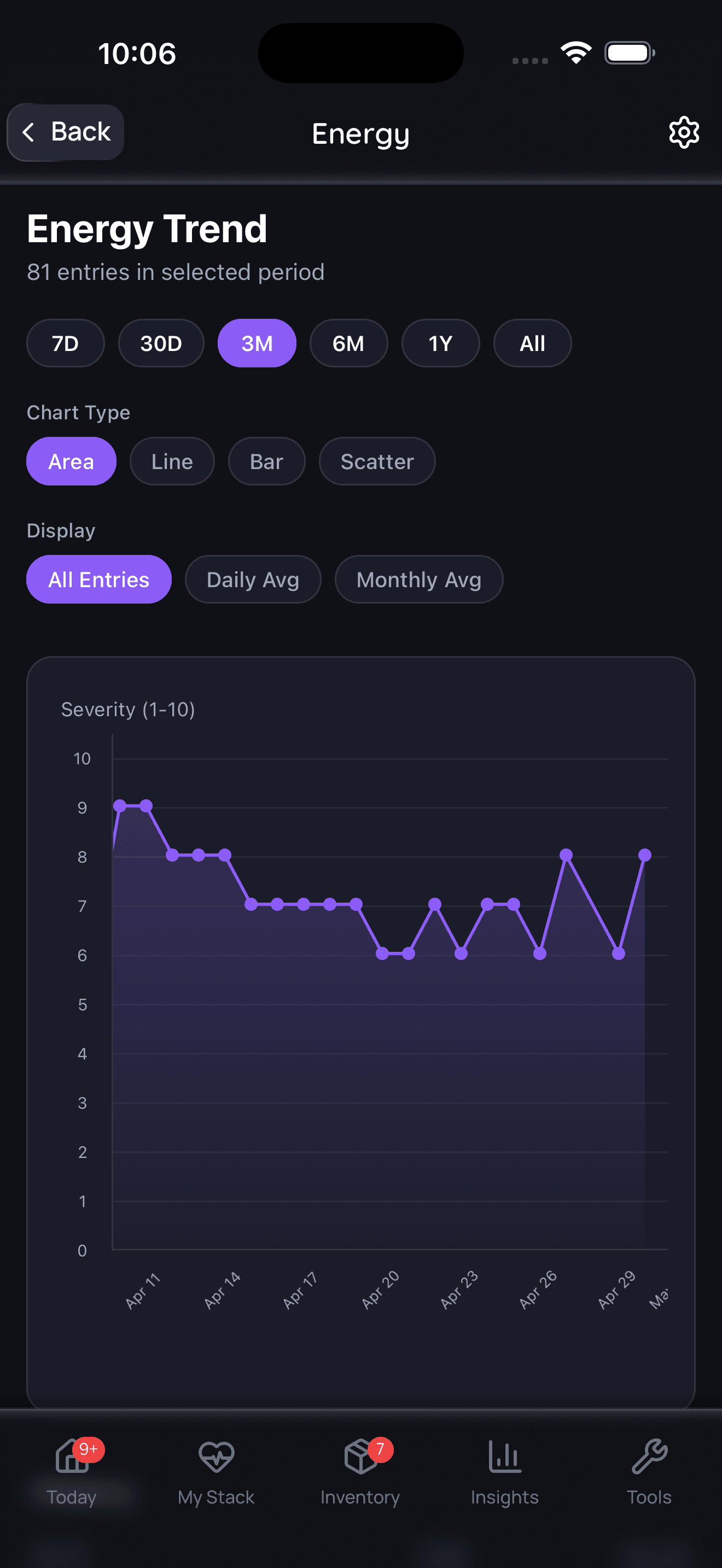
Symptom tracking is informational and should be interpreted with a qualified clinician.
Dosing & Usage Protocols
The Basics
The standard recommended serving for trace mineral drops is approximately 40 drops (about half a teaspoon or 2.5 mL) per day. However, starting at this dose is not recommended. The gradual introduction approach is important:
Initial phase (Days 1-3): Start with 10 drops per day, mixed into a beverage with meals.
Escalation phase (Days 4-9): Increase by 10 drops each day until reaching the full serving of 40 drops.
Maintenance: Take up to 40 drops daily, divided throughout the day or as a single serving with food.
For children aged 1-3, the general guideline is 1 drop per 5 pounds of body weight. Children should be supervised, and a healthcare provider should be consulted before starting.
Many users also add 20-40 drops per gallon (or 2-4 drops per glass) of purified water for remineralization purposes. This is a lower concentration than the supplement serving and is primarily intended to improve water taste and restore basic mineral content to filtered water.
If you experience a laxative effect, reduce the serving size. The magnesium content is the most likely cause, and tolerance typically improves as your body adjusts [2].
The Science
No dose-ranging studies exist for concentrated sea mineral products. Current dosing recommendations are based on manufacturer guidance informed by the magnesium content (250 mg per 2.5 mL serving, representing 60% of the DV) and tolerability observations.
The gradual dose escalation protocol serves to mitigate osmotic diarrhea from the magnesium load, which exceeds the gastrointestinal tolerance threshold in some individuals when introduced abruptly. The IOM-established UL for supplemental magnesium is 350 mg/day, and a full serving of trace mineral drops (250 mg) approaches this threshold before accounting for magnesium from other dietary and supplemental sources [1].
Key dosing considerations for constituent minerals at a full serving:
Mineral
Magnesium
- Amount per Serving
- 250 mg
- % of RDA/AI
- 60%
- % of UL
- 71% (of supplemental UL)
Mineral
Chloride
- Amount per Serving
- 650 mg
- % of RDA/AI
- 28%
- % of UL
- N/A
Mineral
Boron
- Amount per Serving
- 1 mg
- % of RDA/AI
- N/A
- % of UL
- 5%
Mineral
Lithium
- Amount per Serving
- 1.5 mg
- % of RDA/AI
- N/A
- % of UL
- N/A (no UL)
Most trace elements (zinc, selenium, copper, manganese, etc.) are present in quantities well below both their RDAs and ULs, meaning the risk of exceeding safe levels from trace mineral drops alone is minimal. However, cumulative intake from diet, other supplements, and fortified foods should be considered [1][2].
When your stack includes several supplements, each with its own dose, form, and timing requirements, the logistics alone can derail consistency. Doserly consolidates all of it into one protocol view, so every dose across your entire routine is accounted for without spreadsheets or guesswork.
The app also tracks cumulative intake for nutrients that appear in multiple products. If your multivitamin, standalone supplement, and fortified protein shake all contain the same nutrient, Doserly adds them up and shows you the total alongside recommended and upper limits. Managing a thoughtful supplement protocol shouldn't require a degree in nutrition science. The app handles the complexity so you can focus on staying consistent.
Track injection timing, draw notes, and site rotation.
Doserly helps keep syringe-related notes, injection site history, reminders, and reconstitution context together for easier review.
Injection log
Site rotation
Injection logs support record-keeping; follow clinician instructions for administration.
What to Expect (Timeline)
Days 1-3 (Initial phase): Most users notice the strong mineral taste immediately. At the starting dose of 10 drops, effects are minimal. Some report slightly improved water taste when using drops for remineralization. GI sensitivity may occur in some individuals even at low doses.
Days 4-7 (Dose escalation): As the dose increases toward the full 40 drops, users commonly report a laxative effect from the magnesium content. This typically resolves as the body adjusts. Some users report feeling more hydrated and having a subtle improvement in energy levels.
Weeks 2-4: The most commonly reported benefits begin to emerge: improved hydration, more stable energy levels, and a general sense of feeling "nourished." Users who were previously drinking only purified or reverse osmosis water may notice the most pronounced hydration improvement. For individuals with subclinical mineral deficiencies, this is the period where repletion begins to take effect.
Months 1-3: Users who continue at maintenance doses generally report sustained energy and hydration benefits. Taste tolerance improves, with many users becoming accustomed to the mineral flavor in their water. Community reports suggest this is the timeframe where benefits plateau. Those who do not notice improvement by this point are unlikely to experience significant changes with continued use.
Important note: Because trace mineral drops contain dozens of minerals at varying concentrations, individual responses vary widely. Users with genuine mineral deficiencies are most likely to notice meaningful improvement, while those with adequate mineral status from diet alone may notice little difference beyond hydration effects [2][3].
Interactions & Compatibility
Synergistic
- Vitamin D3: Enhances calcium and magnesium utilization; vitamin D receptors require magnesium as a cofactor. The magnesium in trace mineral drops may support vitamin D activation.
- Vitamin C: Enhances non-heme iron absorption from the iron present in trace mineral drops. Taking together with meals improves mineral uptake.
- Vitamin K2: Works with magnesium and calcium to support proper calcium metabolism and bone health.
- Shilajit: Community users frequently pair shilajit with trace mineral drops as complementary mineral sources. Fulvic acid in shilajit may enhance mineral absorption.
- Probiotics: A healthy gut microbiome may enhance mineral absorption; some users report synergistic digestive benefits.
Caution / Avoid
- Standalone Zinc supplements: Additional zinc on top of trace mineral drops could push total intake toward the UL (40 mg/day) and risk copper depletion. Monitor total zinc intake from all sources.
- Standalone Iron supplements: Iron and zinc compete for absorption via DMT1 transporter. If taking supplemental iron (25+ mg), separate from trace mineral drops by at least 2 hours.
- Calcium supplements: Calcium can reduce iron and zinc absorption. Separate timing recommended if taking substantial calcium doses.
- Copper supplements: Zinc-copper balance is important. If taking additional zinc supplements alongside trace mineral drops, monitor copper status.
- Fluoroquinolone antibiotics (Ciprofloxacin, Levofloxacin): Minerals (particularly magnesium, zinc, and iron) can chelate fluoroquinolone antibiotics and reduce their absorption. Separate by at least 2 hours before or 6 hours after.
- Tetracycline antibiotics: Divalent cations reduce absorption. Separate by at least 2-3 hours.
- Levothyroxine (thyroid medication): Minerals can reduce absorption. Take levothyroxine at least 4 hours before or after trace mineral drops.
- Bisphosphonates (osteoporosis medications): Mineral supplements reduce absorption. Separate by at least 30-60 minutes.
How to Take / Administration Guide
Recommended method: Add 10-40 drops to juice, a smoothie, or food at mealtimes. Dividing the serving throughout the day (e.g., 20 drops in the morning and 20 drops in the evening) can improve tolerance and reduce GI effects.
For water remineralization: Add 20-40 drops per gallon of purified, distilled, or reverse osmosis water, or 2-4 drops per glass. This lower concentration improves water taste and adds basic mineral content without reaching supplement-level doses.
Taste management: The strong mineral flavor is the top complaint among users. Strategies that work:
- Mix with citrus juice (grapefruit, orange) to mask the bitterness
- Add to smoothies where other flavors dominate
- Drop directly into food rather than drinking in water
- Use a straw to bypass taste buds when adding to water
- Start with fewer drops and gradually increase tolerance
Timing: No specific time of day is optimal, but taking with meals improves absorption of fat-associated minerals and reduces GI discomfort. Avoid taking late in the evening if you find the magnesium content energizing.
Not for injection. Trace mineral drops are oral supplements only.
Cycling: No cycling or periodic breaks are required. These products are intended for daily maintenance use.
Choosing a Quality Product
What to look for:
- Source transparency: Know where the minerals come from. The Great Salt Lake (Utah) is the most common and well-documented source. Products should clearly state their mineral origin.
- Certificate of Analysis (CoA): Reputable manufacturers provide batch-specific CoAs showing mineral concentrations and heavy metal testing results. Request these if not publicly available.
- cGMP certification: Confirms the product is manufactured under current Good Manufacturing Practices.
- Third-party testing: Look for independent testing beyond manufacturer self-testing. Non-GMO Project Verification, GRAS-Affirmed status, and Kosher/Halal certifications add credibility but do not substitute for contaminant testing.
- Minimal ingredients: The best trace mineral drops contain only concentrated seawater with sodium removed. No additives, preservatives, flavors, or sweeteners should be listed.
What to be cautious about:
- Bioavailability claims without citations: The "90-95% absorption" claim is not supported by peer-reviewed evidence. Manufacturers making this claim without referencing specific studies should be viewed with skepticism.
- Products from unverified sources: Not all mineral concentrates have the same contaminant profiles. Poorly sourced products may contain higher levels of heavy metals.
- Extremely low-priced products: Proper solar evaporation and sodium removal is a time-intensive process. Products significantly cheaper than established brands may cut corners on processing or testing.
- Products with added ingredients: If a trace mineral product contains herbal extracts, amino acids, vitamins, or other non-mineral ingredients, it is a different category of product and should be evaluated accordingly.
Quality certifications to seek:
- cGMP Certified
- Non-GMO Project Verified
- GRAS-Affirmed
- Independent heavy metal testing with published results
- USP or NSF verification (rare in this category but would be the gold standard)
Note on athlete-specific certifications: Most trace mineral drop products do NOT carry Informed Sport, NSF Certified for Sport, or Cologne List certifications. Athletes subject to anti-doping testing should exercise caution and verify product status with their sport's governing body.
Storage & Handling
- Temperature: Store at room temperature in a cool, dry place. No refrigeration required.
- Light: Keep away from direct sunlight, though mineral solutions are inherently stable.
- Container: Glass bottles are preferred for long-term storage as they prevent mineral interaction with packaging. Plastic containers are acceptable for short-term use.
- Shelf life: Very long shelf life (years) due to the mineral nature of the product. Minerals do not degrade over time like organic compounds.
- Travel: Compact size makes these products travel-friendly. Ensure the cap is sealed tightly to prevent leakage of the concentrated liquid.
- Corrosion note: The concentrated mineral solution is mildly corrosive. Avoid contact with metal surfaces for extended periods. Clean any spills promptly.
Lifestyle & Supporting Factors
Diet: A varied diet rich in whole foods, vegetables, nuts, seeds, and lean proteins provides many trace minerals naturally. Trace mineral drops are best used as a complement to a healthy diet, not a replacement. Foods particularly rich in trace minerals include oysters (zinc), Brazil nuts (selenium), organ meats (copper, iron), seaweed (iodine), and dark leafy greens (magnesium, manganese).
Hydration: Trace mineral drops are commonly used to remineralize purified water. If you drink exclusively reverse osmosis or distilled water, adding trace minerals can restore the mineral profile lost during filtration and may improve both taste and hydration efficiency.
Exercise: Athletes and active individuals lose minerals through sweat, particularly magnesium, zinc, sodium, and potassium. Trace mineral drops can help replenish these losses, though dedicated electrolyte products may be more targeted for high-intensity or endurance exercise.
Soil quality awareness: The mineral content of produce depends on the soil it was grown in. Organically farmed produce from mineral-rich soils may contain higher trace mineral levels than conventionally farmed produce, though this varies significantly by region and crop.
Lab work: If you suspect a trace mineral deficiency, consider working with a healthcare provider to test specific mineral levels. Serum zinc, selenium, copper, and magnesium can be measured via standard blood tests. Hair Tissue Mineral Analysis (HTMA) is used by some practitioners for broader mineral profiling, though its clinical validity is debated.
Medications: Many prescription medications affect mineral status. Proton pump inhibitors (PPIs) reduce magnesium and iron absorption. Diuretics increase mineral excretion. Metformin may reduce vitamin B12 and magnesium levels. If you take chronic medications, discuss mineral supplementation with your prescriber.
Regulatory Status & Standards
United States (FDA)
Trace mineral drops are classified as dietary supplements under the Dietary Supplement Health and Education Act (DSHEA, 1994). They are regulated as foods, not drugs, and are not evaluated by the FDA for efficacy prior to marketing. Manufacturers are responsible for ensuring safety, accurate labeling, and compliance with current Good Manufacturing Practices (cGMP). Concentrated sea minerals with a history of use do not require New Dietary Ingredient (NDI) notification. Products that have achieved GRAS (Generally Recognized as Safe) status have an additional layer of safety recognition.
Canada (Health Canada)
Trace mineral products would be classified as Natural Health Products (NHPs) and require a Natural Product Number (NPN) for legal sale. Individual mineral monographs define permitted claims and dosage ranges.
European Union (EFSA)
Mineral supplements are regulated under Directive 2002/46/EC on food supplements. Maximum permitted levels for individual minerals may be established per member state. The source (concentrated seawater) may be subject to additional quality requirements. Contaminant limits for supplements are generally stricter in the EU than in the US.
Australia (TGA)
Listed Medicines classification under the Therapeutic Goods Act. Complementary medicine regulations apply to mineral supplements.
Active Clinical Trials
No clinical trials are currently registered on ClinicalTrials.gov specifically for "trace mineral drops" or concentrated sea mineral products.
Athlete & Sports Regulatory Status
WADA: Individual trace minerals (iron, zinc, selenium, magnesium, etc.) are NOT on the WADA Prohibited List. However, concentrated mineral products from natural sources carry a theoretical risk of contamination with prohibited substances. Independent testing has identified arsenic and other elements above conservative guidelines in some products.
National Anti-Doping Agencies: No specific guidance has been issued by USADA, UKAD, Sport Integrity Canada, Sport Integrity Australia, or NADA Germany regarding trace mineral drops. Standard advice applies: use third-party tested products.
Professional Sports Leagues: No league-specific policies exist for trace mineral drops. NFL, NBA, MLB, NHL, NCAA, and MLS policies generally defer to WADA classifications for mineral supplements but require caution with unverified products.
NCAA: Requires NSF Certified for Sport or Informed Sport certification for supplements provided by athletic departments. Most trace mineral drop products do not carry these certifications.
Athlete Certification Programs: Informed Sport, NSF Certified for Sport, Cologne List, and BSCG certifications are not commonly available for trace mineral drop products. Athletes should verify product certification status before use.
GlobalDRO: Athletes can check substance status at GlobalDRO.com across US, UK, Canada, Australia, Japan, Switzerland, and New Zealand jurisdictions.
Regulatory status and prohibited substance classifications change frequently. Athletes should always verify the current status of any supplement with their sport's governing body, their national anti-doping agency, and a qualified sports medicine professional before use. Third-party certification (Informed Sport, NSF Certified for Sport) reduces but does not eliminate the risk of contamination with prohibited substances.
Frequently Asked Questions
What exactly are trace mineral drops?
Trace mineral drops are concentrated liquid mineral supplements derived from natural sources, most commonly the Great Salt Lake in Utah. They contain over 70 naturally occurring minerals in ionic (dissolved, electrically charged) form. The primary mineral by content is magnesium, with chloride, potassium, boron, lithium, and dozens of other minerals present in smaller amounts.
Do I need trace mineral drops if I eat a healthy diet?
For most people eating a varied diet with plenty of whole foods, fruits, vegetables, nuts, and lean proteins, trace mineral drops are unlikely to be necessary. Frank trace mineral deficiency is relatively uncommon in Western populations with access to diverse food sources. However, individuals who eat a highly processed diet, drink exclusively purified water, exercise intensely, or have malabsorption conditions may benefit from the additional mineral support.
Are trace mineral drops safe for daily use?
When taken as directed with gradual dose escalation, trace mineral drops are generally safe for daily use. The primary side effects are GI discomfort (from magnesium content) and strong mineral taste. However, consumers should be aware that natural mineral concentrates contain trace amounts of arsenic, lead, and other elements. Choosing products with published Certificates of Analysis and independent testing results helps ensure safety.
Can I add trace mineral drops to my water?
Yes. Many users add 2-4 drops per glass (or 20-40 drops per gallon) of purified, distilled, or reverse osmosis water. This lower concentration restores basic mineral content and may improve taste. This is a different use case from supplement-level dosing.
Why do trace mineral drops taste so bad?
The strong, bitter, salty taste comes from the concentrated mineral content, particularly magnesium chloride. This is a natural characteristic of the product. Mixing with juice, smoothies, or food is the most effective strategy for managing taste. Tolerance typically improves over time.
Are the heavy metals in trace mineral drops dangerous?
Trace amounts of arsenic, lead, and mercury are naturally present in concentrated sea mineral products, as they are in many natural foods. Independent testing has found some products contain levels above conservative water safety guidelines. Manufacturers provide batch testing and Certificates of Analysis. The health significance of these levels in the context of dietary supplement use (rather than water consumption) is not fully established. Consumers should follow recommended serving sizes and avoid exceeding them.
How are trace mineral drops different from a multivitamin?
Multivitamins typically provide standardized amounts of specific vitamins and minerals at defined percentages of the Daily Value. Trace mineral drops provide a naturally occurring spectrum of minerals at variable concentrations, with magnesium as the primary mineral. They do not contain vitamins, amino acids, or herbal ingredients. The two products serve different purposes and can be used together, provided total mineral intake from all sources remains within safe ranges.
Can trace mineral drops interact with medications?
Yes. Minerals can reduce the absorption of certain medications, including fluoroquinolone and tetracycline antibiotics, levothyroxine (thyroid medication), and bisphosphonates. Separate trace mineral drops from these medications by at least 2-4 hours. Always inform your healthcare provider about all supplements you take.
Are trace mineral drops appropriate for athletes?
Trace mineral drops can help replenish minerals lost through sweat during exercise. However, most trace mineral drop products lack athlete-specific third-party certifications (Informed Sport, NSF Certified for Sport). Athletes subject to anti-doping testing should verify product status with their sport's governing body before use.
Should I take trace mineral drops if I already take magnesium?
A full serving of trace mineral drops provides 250 mg of magnesium, which is 60% of the Daily Value and approaches the supplemental UL of 350 mg/day. If you also take a standalone magnesium supplement, calculate your total intake to avoid exceeding the UL, which can cause diarrhea and GI disturbance.
Myth vs. Fact
Myth: Ionic liquid minerals are absorbed at 90-95%, compared to only 10-20% for tablets.
Fact: This claim originates from marketing materials and has not been validated in peer-reviewed clinical research. While dissolved minerals bypass the tablet disintegration step, actual bioavailability depends on the specific mineral, its concentration, intestinal absorptive capacity, and dietary context. Individual mineral absorption ranges are well-documented (e.g., zinc: 5-50%, iron: 2-35%, magnesium: 24-76%) and do not support a blanket 90-95% claim for any delivery format [1].
Myth: Everyone is deficient in trace minerals due to soil depletion.
Fact: While soil mineral content has declined in some regions due to intensive farming practices, frank trace mineral deficiency is relatively uncommon in populations with access to varied diets and fortified foods. Studies suggest a 20-40% reduction in mineral content of produce over 50 years, but this does not translate to universal deficiency. Populations at higher risk include those on highly processed diets, vegans/vegetarians (for certain minerals), athletes, and individuals with malabsorption disorders [3][4].
Myth: More trace minerals are always better.
Fact: A major epidemiological study (Zhao et al., 2023, n=5,412) found that while higher selenium was associated with lower mortality, higher manganese was associated with a 57% increase in mortality risk. Trace minerals have narrow therapeutic windows, and exceeding optimal levels can be harmful. The relationship between mineral intake and health outcomes is U-shaped for many elements [5].
Myth: Trace mineral drops can alkalize your body and restore pH balance.
Fact: Your body maintains blood pH within a very narrow range (7.35-7.45) through sophisticated buffering systems involving the lungs and kidneys. No dietary supplement, including trace mineral drops, can meaningfully alter blood pH. The pH of your urine may change with mineral intake, but this does not reflect systemic pH changes.
Myth: Natural mineral sources are inherently safer than synthetic supplements.
Fact: Natural mineral concentrates from sources like the Great Salt Lake contain trace amounts of arsenic, lead, mercury, and other potentially harmful elements. Independent laboratory testing has confirmed the presence of these contaminants. Synthetic mineral supplements, while sometimes less bioavailable, are manufactured to specific purity standards. "Natural" does not automatically mean "safer" or "better" [4].
Myth: Trace mineral drops can replace a balanced diet.
Fact: Trace mineral drops provide minerals, but food provides a complex matrix of vitamins, minerals, fiber, phytochemicals, protein, fats, and carbohydrates that work together. No mineral supplement can replicate the full nutritional profile of a varied diet.
Myth: You need 72+ minerals for optimal health.
Fact: The human body requires approximately 14-16 essential minerals. While over 70 elements may be detected in seawater concentrates, many of these are present in amounts so small they have no known biological function and may not be "needed" in any meaningful sense. The marketing emphasis on mineral count is not well supported by nutritional science.
Sources & References
Government/Institutional Sources
- National Institutes of Health, Office of Dietary Supplements. Fact sheets for health professionals: Magnesium, Zinc, Selenium, Copper, Iodine, Chromium, Manganese, Molybdenum, Iron. ods.od.nih.gov (Accessed March 2026).
Systematic Reviews & Meta-Analyses
- No systematic reviews or meta-analyses have been published on concentrated trace mineral drop products specifically.
Observational Studies
- Davis DR, Epp MD, Riordan HD. Changes in USDA food composition data for 43 garden crops, 1950 to 1999. J Am Coll Nutr. 2004;23(6):669-682.
- Water Filter Guru. Best Trace Minerals (or Not) Lab Tested. 2025. waterfilterguru.com/best-trace-minerals/
Clinical Trials & RCTs
- Zhao S, Wang S, Yang X, Shen L. Dose-response relationship between multiple trace elements and risk of all-cause mortality: a prospective cohort study. Front Nutr. 2023;10:1205537. doi:10.3389/fnut.2023.1205537
- Science M, Johnstone J, Roth DE, Guyatt G, Loeb M. Zinc for the treatment of the common cold: a systematic review and meta-analysis of randomized controlled trials. CMAJ. 2012;184(10):E551-E561.
- Rayman MP. Selenium and human health. Lancet. 2012;379(9822):1256-1268.
- Collins JF, Prohaska JR, Knutson MD. Metabolic crossroads of iron and copper. Nutr Rev. 2010;68(3):133-147.
- Vincent JB. Is chromium pharmacologically relevant? J Trace Elem Med Biol. 2014;28(4):397-405.
- Miranda M, et al. Trace Mineral Imbalances in Global Health: Challenges, Biomarkers, and the Role of Serum Analysis. Nutrients. 2025;17(13):2241.
- Institute of Medicine. Dietary Reference Intakes for Calcium, Phosphorus, Magnesium, Vitamin D, and Fluoride. National Academies Press; 1997.
- Mauer S, Vergne D, Ghaemi SN. Standard and trace-dose lithium: a systematic review of dementia prevention and other behavioral benefits. Aust N Z J Psychiatry. 2014;48(9):809-818.
Related Supplement Guides
Same Category
Key Constituent Minerals
- Magnesium
- Zinc
- Selenium
- Iron
- Copper
- Iodine
- Chromium
- Manganese
- Molybdenum
- Boron
- Silicon
- Vanadium
- Lithium (Low-Dose Lithium Orotate)