
L-Threonine: The Complete Supplement Guide
On this page
Quick Reference Card
Attribute
Common Name
- Detail
- L-Threonine
Attribute
Other Names / Aliases
- Detail
- Threonine, Thr, T, alpha-amino-beta-hydroxybutyric acid, (2S,3R)-2-amino-3-hydroxybutanoic acid
Attribute
Category
- Detail
- Essential Amino Acid
Attribute
Primary Forms & Variants
- Detail
- Free-form L-Threonine powder/capsules; included in EAA (Essential Amino Acid) blends; included in complete protein supplements (whey, casein, egg, plant proteins). L-Threonine is the only biologically active stereoisomer.
Attribute
Typical Dose Range
- Detail
- Dietary requirement: 15 mg/kg/day (WHO/FAO/UNU mean), 20 mg/kg/day (IOM RDA). Supplemental: 500-2000 mg/day for general use; up to 6 g/day studied for spasticity.
Attribute
RDA / AI / UL
- Detail
- WHO mean requirement: 15 mg/kg/day. IOM RDA: 20 mg/kg/day (adults). Pregnant: 26 mg/kg/day. Lactating: 30 mg/kg/day. No established UL. NOAEL from clinical trial: 12 g/day.
Attribute
Common Delivery Forms
- Detail
- Powder, capsule, tablet
Attribute
Best Taken With / Without Food
- Detail
- Can be taken with or without food. Water-soluble. Taking with food may reduce mild GI discomfort if sensitive.
Attribute
Key Cofactors
- Detail
- Vitamin B6 (pyridoxal-5-phosphate, involved in amino acid metabolism); vitamin C (supports collagen synthesis pathway); other essential amino acids for complete protein synthesis
Attribute
Storage Notes
- Detail
- Store in a cool, dry place at room temperature. Keep container tightly sealed. Protect from moisture and direct sunlight.
Overview
The Basics
L-Threonine is one of the nine essential amino acids your body needs but cannot make on its own. It was the last of the 20 standard amino acids to be discovered, identified in 1925, and its essentiality for human nutrition was established by the pioneering amino acid researcher William Cumming Rose [1].
What makes threonine unique among the essential amino acids is its hydroxyl group, a small chemical feature that gives it special roles in the body. Threonine is a major building block for mucins, the protective gel-like proteins that line your intestinal tract, and it also contributes to the production of collagen and elastin, the structural proteins that give your skin, joints, and connective tissues their strength and flexibility [2][3].
Your body uses threonine in several other important ways. It serves as a precursor for glycine, an amino acid that functions as a calming neurotransmitter in the brain and spinal cord. It also participates in energy production and lipid metabolism. About 40 to 60 percent of the threonine you eat is actually captured by your gut before it even reaches the rest of your body, underscoring just how important this amino acid is for digestive health [2][4].
Most people who eat a varied diet with adequate protein get more than enough threonine. The average American consumes 3.6 to 4.5 grams per day from food alone, which is well above the estimated requirement of about 1 gram per day for an average adult [4]. Standalone threonine supplementation is uncommon, though it has been studied in specific clinical contexts like muscle spasticity and gut barrier support.
The Science
L-Threonine ((2S,3R)-2-amino-3-hydroxybutanoic acid; C4H9NO3; MW 119.12 g/mol; CAS 72-19-5) is an essential proteinogenic amino acid distinguished by its beta-hydroxyl group, making it one of only two amino acids (alongside serine) that bear a hydroxyl side chain. This hydroxyl group serves as a site for O-linked glycosylation and phosphorylation, both of which are critical post-translational modifications in cellular signaling and protein function [1][5].
Threonine catabolism proceeds through three enzymatic pathways. The glycine-independent pathway, mediated by serine/threonine dehydratase (STDH, highly expressed in liver), converts threonine to alpha-ketobutyrate and ammonia; alpha-ketobutyrate is subsequently decarboxylated to propionyl-CoA and then to succinyl-CoA, entering the TCA cycle. The glycine-dependent pathway involves threonine dehydrogenase (TDH, highly expressed in pancreas), which oxidizes threonine to 2-amino-3-ketobutyrate; this intermediate is cleaved by 2-amino-3-ketobutyrate CoA ligase (GCAT) to yield acetyl-CoA and glycine. A third pathway, threonine aldolase, directly cleaves threonine into glycine and acetaldehyde, though this enzyme has low hepatic activity in humans [2][5].
The relative contribution of each pathway varies with developmental stage. In infants, threonine catabolism proceeds exclusively via the STDH pathway due to higher glycine demands. In adults, approximately 7 to 10 percent of total threonine flux is handled by TDH, with the remainder through STDH [2][6]. Isotope tracer studies demonstrate that 40 to 60 percent of dietary threonine is extracted by the splanchnic bed on first pass, with approximately 71 percent of gut threonine utilization directed toward mucosal protein synthesis, particularly mucin glycoproteins [2][4].
Chemical & Nutritional Identity
Attribute
Chemical Name
- Detail
- (2S,3R)-2-Amino-3-hydroxybutanoic acid
Attribute
Molecular Formula
- Detail
- C4H9NO3
Attribute
Molecular Weight
- Detail
- 119.12 g/mol
Attribute
CAS Number
- Detail
- 72-19-5
Attribute
PubChem CID
- Detail
- 6288
Attribute
Category
- Detail
- Essential Amino Acid
Attribute
Three-Letter Code
- Detail
- Thr
Attribute
One-Letter Code
- Detail
- T
Attribute
Stereochemistry
- Detail
- L-isomer is the biologically active form; the (2S,3R) configuration is the naturally occurring stereoisomer
Attribute
Solubility
- Detail
- Freely soluble in water
Attribute
pI (Isoelectric Point)
- Detail
- 5.60
Daily Value References:
- WHO/FAO/UNU mean requirement: 15 mg/kg body weight/day (1.05 g/day for a 70 kg adult) [4][7]
- IOM RDA: 20 mg/kg/day for adults [7]
- Pregnant women: 26 mg/kg/day [7]
- Lactating women: 30 mg/kg/day [7]
- Infants: 38 mg/kg/day [7]
- No Tolerable Upper Intake Level (UL) has been established
- Clinical NOAEL: 12 g/day established in a 2025 RCT [4]
Supplement Forms:
- Free-form L-Threonine powder or capsules
- Essential Amino Acid (EAA) blends containing all nine essential amino acids
- Complete protein supplements (whey, casein, egg protein, plant proteins) contain naturally occurring threonine
- Threonine is also used as a component of parenteral and enteral nutrition formulations in clinical settings
Mechanism of Action
The Basics
Think of threonine as a versatile building material that your body uses for several distinct construction projects. Its most critical job is producing mucins, the thick, protective coating that lines your digestive tract. Without enough threonine, this protective layer thins, which could leave your gut lining more vulnerable to irritation and inflammation [2][3].
Threonine also serves as a raw material for making glycine, one of the simplest yet most versatile amino acids in the body. Glycine acts as a calming neurotransmitter in the spinal cord and brain, which is why researchers have explored threonine supplementation for conditions involving excessive muscle contractions. The idea is straightforward: more threonine in the diet means more glycine production, which could help dial down overactive nerve signals that cause muscles to tighten involuntarily [8][9].
Beyond gut protection and nerve signaling, threonine participates in building collagen (the most abundant protein in your body) and helps with energy production. Your cells can break threonine down into components that feed directly into the energy-producing machinery of your mitochondria [2][5].
The Science
The biological functions of L-threonine are mediated through several distinct pathways:
Mucin Biosynthesis: Threonine is disproportionately abundant in mucin glycoproteins relative to other body proteins. Intestinal goblet cells incorporate threonine into the protein backbone of MUC2 and other secretory mucins, where threonine and serine residues serve as O-glycosylation attachment sites. The resulting mucus gel layer provides the primary physical barrier protecting the intestinal epithelium from luminal pathogens, digestive enzymes, and mechanical stress. Mucin synthesis is exquisitely sensitive to dietary threonine availability, with both deficiency and excess impairing mucin production rates [2][3][10].
Glycine Generation: Via TDH-mediated catabolism, threonine yields glycine and acetyl-CoA. Glycine functions as an inhibitory neurotransmitter at glycinergic synapses in the spinal cord and brainstem, where it binds strychnine-sensitive glycine receptors (GlyR) to produce postsynaptic inhibition of motor neurons. This mechanism underlies the rationale for threonine supplementation in spasticity disorders. Glycine also serves as a co-agonist at NMDA receptors, contributes to one-carbon metabolism via the glycine cleavage system, and is a substrate for glutathione, creatine, porphyrin, and purine synthesis [8][9][11].
Protein Phosphorylation: The hydroxyl side chain of threonine serves as a phosphorylation site for serine/threonine kinases, including protein kinase C (PKC), cyclin-dependent kinases (CDKs), and mitogen-activated protein kinases (MAPKs). Threonine phosphorylation is a major regulatory mechanism in signal transduction cascades controlling cell growth, differentiation, and apoptosis [5].
mTOR Signaling: Threonine, like other essential amino acids, participates in nutrient sensing via the mTORC1 pathway. Adequate threonine availability contributes to mTORC1 activation, which promotes protein synthesis through phosphorylation of downstream effectors S6K1 and 4E-BP1. In murine embryonic stem cells, threonine is the single most critical amino acid for TDH-dependent self-renewal, providing both the glycine substrate for one-carbon metabolism and acetyl-CoA for histone acetylation [2][5][12].
Lipid Metabolism: Threonine supplementation has been shown to modulate hepatic lipid metabolism through the PPARgamma signaling pathway, decreasing lipid deposition and restoring UCP1 expression in brown adipose tissue of high-fat diet models. Epidemiological data suggest an inverse correlation between plasma threonine levels and atherogenic lipid profiles, including small dense LDL-cholesterol and triglycerides [2].
Absorption & Bioavailability
The Basics
L-Threonine is absorbed in the small intestine through dedicated amino acid transport systems, much like the other essential amino acids. Free-form threonine supplements are absorbed relatively quickly because they do not need to be broken down from intact protein first. However, there is no compelling evidence that free-form threonine supplements are meaningfully better absorbed than threonine from whole-food protein sources for most people [4].
What sets threonine apart from many other amino acids is how much of it your gut keeps for itself. Studies using isotope tracers show that 40 to 60 percent of the threonine you eat is captured by the intestinal tract during its first pass through, primarily to manufacture the mucin proteins that protect your gut lining. This means less threonine reaches your general circulation compared to most other amino acids, which may help explain why the body's requirement for threonine is relatively high relative to other essential amino acids [2][4].
The form of threonine (supplement vs. food) matters less than ensuring you get enough total protein. Whether threonine comes from a chicken breast, a whey protein shake, or a free-form supplement capsule, your body absorbs the same molecule through the same intestinal transport systems.
The Science
Intestinal absorption of L-threonine occurs in the jejunum via sodium-dependent (B0AT1/SLC6A19) and sodium-independent (LAT/SLC7 family) amino acid transporters on the apical brush border membrane. Threonine shares these transporters with other neutral amino acids, creating competitive dynamics at high intakes [4][13].
A distinguishing pharmacokinetic feature of threonine is its exceptionally high splanchnic extraction ratio. Isotope tracer studies in humans and animal models consistently demonstrate that 40 to 60 percent of enterally delivered threonine is retained by the gut during first-pass metabolism. The gut's threonine utilization is dominated by mucin glycoprotein synthesis (approximately 71 percent of gut threonine flux), with the remainder supporting general mucosal protein turnover and catabolism [2][4][6].
Plasma threonine concentrations following oral supplementation show dose-dependent increases. In the 2025 Blachier et al. RCT, supplementation at 6, 9, and 12 g/day for four weeks produced significant elevations in plasma threonine and its catabolic metabolite L-2-aminobutyrate, confirming systemic absorption beyond splanchnic retention [4]. No established data exist comparing absorption rates between different commercial forms of threonine supplements, as the compound is commercially available almost exclusively as free-form L-threonine.
Research & Clinical Evidence
The Basics
The research on L-threonine supplementation is more limited than for many other amino acids. Most of the clinical studies have focused on neurological conditions, particularly muscle spasticity, with mixed results.
Spasticity and muscle control: Several studies from the 1990s tested whether large doses of threonine (4.5 to 7.5 grams per day) could reduce unwanted muscle contractions in people with spinal cord injuries, multiple sclerosis, or familial spastic paraparesis. The theory was sound: threonine converts to glycine, which acts as an inhibitory neurotransmitter in the spinal cord. Results were modest at best. Some patients with spinal cord injury saw small improvements, but threonine did not meaningfully reduce spasticity in MS, and the effects in hereditary conditions were limited [8][9][14].
ALS (Lou Gehrig's disease): Multiple trials tested threonine in people with ALS, hoping it might slow the disease. Unfortunately, threonine showed no benefit for slowing ALS progression. There is also concern from one study that threonine supplementation might actually worsen lung function in ALS patients, which is a significant safety consideration for that specific population [14][15].
Gut health: The strongest area of emerging research involves threonine's role in intestinal barrier function. Animal studies consistently show that adequate threonine supports mucin production, intestinal integrity, and immune function in the gut. However, these findings have not yet been translated into well-designed human clinical trials for gut health specifically [2][3][10].
Safety: A 2025 randomized, double-blind, placebo-controlled trial in healthy men established a no-observed-adverse-effect level (NOAEL) of 12 grams per day, making threonine one of the better-characterized amino acids for supplementation safety [4].
The Science
Spasticity — Spinal Cord Injury:
Lee and Patterson (1993) conducted a double-blind study of L-threonine (6 g/day) in patients with spinal spasticity from spinal cord damage. Results showed a modest but statistically significant reduction in muscle spasm severity, consistent with enhanced glycinergic inhibition in the spinal cord [9].
Spasticity — Familial Spastic Paraparesis:
Growdon et al. (1991) reported that L-threonine at 4.5 to 6.0 g/day decreased motor impairment scores in patients with familial spastic paraparesis, though clinical significance was limited. The improvement was attributed to increased CSF glycine levels resulting from threonine catabolism [8].
Multiple Sclerosis:
Hauser et al. (1992) tested 7.5 g/day L-threonine for 8 weeks in MS patients. While an antispasticity trend was observed, the effect did not reach clinical significance for reducing MS-related spasticity [14].
ALS:
Blin et al. (1992) and Tandan et al. (1996) conducted controlled trials of L-threonine in ALS, finding no efficacy for slowing disease progression. The Tandan trial (n=95, 4 g/day for 6 months) additionally reported a concerning decline in forced vital capacity in the threonine group compared to placebo, raising safety questions specific to ALS populations [14][15].
Intestinal Barrier Function:
Preclinical evidence consistently supports threonine's role in gut health. Faure et al. (2003) demonstrated that threonine supplementation enhanced mucin synthesis in the rat intestinal tract. Hamard et al. (2010) showed that moderate threonine deficiency increased intestinal paracellular permeability. An et al. (2019) reported that threonine supplementation improved tight junction protein expression and barrier integrity in animal models of intestinal inflammation [2][3][10].
Lipid Metabolism:
Observational data in humans suggest an inverse association between plasma threonine concentrations and atherogenic lipid markers, including small dense LDL-cholesterol and triglycerides [2]. Animal studies demonstrate that threonine supplementation can modulate hepatic lipogenesis via PPARgamma signaling and restore thermogenic gene expression (UCP1) in brown adipose tissue under high-fat diet conditions [2].
Safety Trial:
Blachier et al. (2025) conducted the most rigorous human supplementation trial to date. In a crossover design with 30 healthy males, graded doses of L-threonine (3, 6, 9, 12 g/day) for 4-week periods produced no clinically significant changes in anthropometric parameters, blood biochemistry, blood pressure, or heart rate. A non-specific, transient elevation in AST and creatine kinase occurred at 9 g/day but not at 12 g/day, suggesting it was unrelated to dose. All reported adverse events were mild to moderate and resolved spontaneously during supplementation [4].
Evidence & Effectiveness Matrix
Category
Gut Health
- Evidence Strength
- 6/10
- Reported Effectiveness
- 5/10
- Summary
- Strong mechanistic and animal evidence for mucin production and intestinal barrier support. No human clinical trials specifically for gut health outcomes. Limited community reports.
Category
Joint Health
- Evidence Strength
- 4/10
- Reported Effectiveness
- Not Scored
- Summary
- Indirect evidence through collagen synthesis pathway (threonine is a component of collagen). No studies directly testing threonine for joint outcomes.
Category
Immune Function
- Evidence Strength
- 5/10
- Reported Effectiveness
- Not Scored
- Summary
- Animal studies show threonine modulates intestinal immune function, IgA production, and cytokine signaling. No human immune-specific trials.
Category
Sleep Quality
- Evidence Strength
- 2/10
- Reported Effectiveness
- 4/10
- Summary
- Theoretical pathway via glycine conversion. One Drosophila study showed sleep effects. Minimal human reports.
Category
Pain Management
- Evidence Strength
- 2/10
- Reported Effectiveness
- 4/10
- Summary
- Single anecdotal migraine report. No clinical evidence for pain management.
Category
Muscle Growth
- Evidence Strength
- 3/10
- Reported Effectiveness
- Not Scored
- Summary
- As an essential amino acid, threonine contributes to muscle protein synthesis via mTOR signaling. However, it is not a primary driver of hypertrophy compared to leucine.
Category
Heart Health
- Evidence Strength
- 3/10
- Reported Effectiveness
- Not Scored
- Summary
- Observational association between plasma threonine and lower atherogenic lipid markers. No interventional data.
Category
Skin Health
- Evidence Strength
- 3/10
- Reported Effectiveness
- Not Scored
- Summary
- Threonine contributes to collagen and elastin synthesis. No direct supplementation studies for skin outcomes.
Category
Recovery & Healing
- Evidence Strength
- 3/10
- Reported Effectiveness
- Not Scored
- Summary
- Collagen synthesis contribution. No direct clinical evidence for wound healing from threonine supplementation.
Categories scored: 9
Categories with community data: 3
Categories not scored (insufficient data): Fat Loss, Weight Management, Appetite & Satiety, Food Noise, Energy Levels, Focus & Mental Clarity, Memory & Cognition, Mood & Wellbeing, Anxiety, Stress Tolerance, Motivation & Drive, Emotional Aliveness, Emotional Regulation, Libido, Sexual Function, Inflammation, Physical Performance, Digestive Comfort, Nausea & GI Tolerance, Hair Health, Blood Pressure, Heart Rate & Palpitations, Hormonal Symptoms, Temperature Regulation, Fluid Retention, Body Image, Bone Health, Longevity & Neuroprotection, Cravings & Impulse Control, Social Connection, Side Effect Burden, Treatment Adherence, Withdrawal Symptoms, Daily Functioning
Benefits & Potential Effects
The Basics
L-Threonine's benefits are most closely tied to three areas: gut protection, structural protein support, and nervous system function. For most healthy people eating adequate protein, these benefits are already covered by dietary intake. Supplementation may be most relevant for individuals with low protein diets, compromised gut health, or specific clinical conditions.
The gut protection story is the most compelling. Threonine is a critical ingredient in the mucus layer that coats your intestinal walls, and research in animals consistently shows that threonine availability directly affects how well this protective layer performs. While human trials specifically testing threonine for gut health are still needed, the biological rationale is strong [2][3].
Threonine also contributes to the production of collagen and elastin, which are essential for healthy skin, connective tissue, and wound healing. As a precursor to glycine, it supports the body's production of glutathione (a key antioxidant), creatine, and several other important compounds [2][11].
The neurological applications have been the most studied clinically, with modest evidence that high-dose threonine may slightly reduce muscle spasticity in people with spinal cord injuries. However, these effects are small and the doses required are quite high [8][9].
The Science
Intestinal Barrier Maintenance: Threonine's role in mucin biosynthesis is its most well-established physiological function beyond basic protein synthesis. MUC2, the predominant secretory mucin in the intestinal tract, contains extensive O-glycosylated threonine and serine residues in its variable number tandem repeat (VNTR) domains. Isotope studies confirm that gut mucin synthesis is acutely sensitive to threonine supply, with deficiency reducing both mucin secretion rates and intestinal barrier integrity as measured by paracellular permeability markers [2][3][10].
Collagen and Connective Tissue: Threonine is a constituent of collagen, though present at lower concentrations than glycine, proline, and hydroxyproline. Its contribution to connective tissue integrity is both direct (as a collagen amino acid) and indirect (as a glycine precursor). Glycine constitutes approximately one-third of all amino acid residues in collagen [2][11].
Glycinergic Neurotransmission: Through its catabolism to glycine via TDH, threonine supplementation can increase systemic and central glycine availability. Glycine acts as an inhibitory neurotransmitter at GlyR receptors in the spinal cord and brainstem, modulating motor neuron excitability. This pathway has been validated by studies showing increased CSF glycine levels following oral threonine loading [8][9].
Immune Modulation: Animal studies demonstrate that dietary threonine influences intestinal immune responses through multiple mechanisms, including enhanced secretory IgA production, modulation of T-cell subpopulations in gut-associated lymphoid tissue, and regulation of pro-inflammatory cytokine expression through the MAPK signaling cascade [2].
Knowing which of these potential benefits matter most for your situation requires context that only a healthcare provider familiar with your health history can provide.
When you are tracking multiple supplements, each with its own set of potential benefits and overlapping effects, it becomes difficult to know which one is actually making a difference. Doserly helps you untangle that by keeping everything in one place, with timestamps, doses, and outcomes logged together.
Over time, this builds something more valuable than any product review: your personal evidence record. You can see exactly when you started this supplement, what else was in your routine at the time, and how your tracked health markers responded. That clarity makes the difference between guessing and knowing, whether you're talking to a healthcare provider or simply deciding if it's worth reordering.
Keep sensitive protocol records in a purpose-built app.
Doserly is designed for private health tracking with structured records, offline-ready workflows, and exportable history when you need it.
Privacy
Health records

Privacy controls help you manage records; keep clinical records where required.
Side Effects & Safety
The Basics
L-Threonine has a favorable safety profile. A 2025 clinical trial tested doses up to 12 grams per day for four weeks in healthy men and found no significant adverse effects, establishing this as the no-observed-adverse-effect level (NOAEL) [4].
At typical supplemental doses (500 mg to 2 g per day), side effects are uncommon. Some people report mild stomach upset, headache, nausea, or skin rash, particularly at higher doses [14]. These symptoms tend to be transient and resolve on their own.
There is one important safety concern for a specific population: people with ALS (amyotrophic lateral sclerosis). One clinical trial found that threonine supplementation was associated with reduced lung function in ALS patients, so individuals with ALS should avoid threonine supplementation unless specifically directed by their neurologist [14][15].
Threonine's interaction with NMDA receptor medications (such as memantine, used for Alzheimer's disease) is flagged as a major interaction. Since threonine converts to glycine, and glycine acts as a co-agonist at NMDA receptors, threonine supplementation could theoretically interfere with how these medications work [14].
The Science
Clinical Safety Data:
The 2025 Blachier et al. RCT represents the most comprehensive safety evaluation of L-threonine supplementation in healthy adults. In 30 healthy males receiving placebo or 3, 6, 9, or 12 g/day threonine in a crossover design over 4-week periods per dose, no clinically significant adverse effects were observed across anthropometric, hemodynamic, or biochemical parameters. A transient, non-dose-dependent elevation in plasma AST and creatine kinase was noted at 9 g/day (but not 12 g/day), interpreted as non-specific and unrelated to threonine toxicity [4].
ALS Concern:
Tandan et al. (1996) reported that in a 6-month controlled trial (n=95), ALS patients receiving amino acid supplementation including L-threonine (4 g/day) showed significantly reduced forced vital capacity compared to placebo. While causality was not definitively established and the amino acid regimen included other compounds, this finding warrants caution. Current clinical guidelines from the Natural Medicines Comprehensive Database list threonine as "possibly ineffective" for ALS [14][15].
Drug Interactions:
The primary interaction of clinical significance involves NMDA receptor antagonists (memantine). Threonine catabolism generates glycine, which serves as an obligate co-agonist at the glycine binding site of NMDA receptors. Elevated glycine levels could theoretically counteract the receptor-blocking action of memantine. This interaction is rated as "Major" by the Natural Medicines Comprehensive Database [14].
Pregnancy and Lactation:
Insufficient data exist to confirm safety of supplemental threonine (above dietary levels) during pregnancy or lactation. The IOM has established higher requirements for pregnant (26 mg/kg/day) and lactating (30 mg/kg/day) women, but these refer to total dietary intake, not supplementation [7][14].
Dosing & Usage Protocols
The Basics
For most people, threonine supplementation is unnecessary because normal dietary protein intake provides well above the required amount. The average American diet delivers 3.6 to 4.5 grams of threonine per day, compared to a requirement of approximately 1.4 grams for a 70 kg adult [4][7].
For those who do choose to supplement (for instance, individuals on very low protein diets or those following specific clinical protocols), commonly available doses range from 500 mg to 2 grams per day. Clinical studies investigating neurological effects have used higher doses, typically 4.5 to 7.5 grams per day, divided into multiple administrations [8][9][14].
The safety data available from the most recent clinical trial (2025) suggests that healthy adults tolerate doses up to 12 grams per day for four-week periods without significant adverse effects. However, longer-term safety data at doses above 4 grams per day remains limited. A commonly cited conservative range for supplemental use is 500 mg to 2 grams per day, with higher doses reserved for specific clinical applications under medical supervision [4][14].
The Science
Requirement and Intake Context:
The WHO/FAO/UNU (2007) estimated mean adult threonine requirement at 15 mg/kg/day (1.05 g/day for a 70 kg individual). The IOM RDA is somewhat higher at 20 mg/kg/day (1.4 g/day for 70 kg). Typical Western diets provide 3.6 to 4.5 g/day from food alone, indicating that dietary deficiency is rare in populations consuming adequate protein [4][7].
Supplemental Dosing from Clinical Studies:
- General supplementation: 500-2000 mg/day (no controlled efficacy trials at these doses)
- Spinal spasticity: 6 g/day (Lee and Patterson 1993) [9]
- Familial spastic paraparesis: 4.5-6 g/day (Growdon et al. 1991) [8]
- MS spasticity: 7.5 g/day (Hauser et al. 1992) [14]
- ALS trials: 2-4 g/day for up to 12 months (multiple trials) [14][15]
- Safety trial: 3-12 g/day for 4 weeks (Blachier et al. 2025) [4]
No Established UL:
The IOM has not established a Tolerable Upper Intake Level for threonine due to insufficient data at the time of review. The 2025 NOAEL of 12 g/day from Blachier et al. provides the first controlled human dose-finding data, though further long-duration studies are needed to characterize chronic safety thresholds [4].
When your stack includes several supplements, each with its own dose, form, and timing requirements, the logistics alone can derail consistency. Doserly consolidates all of it into one protocol view, so every dose across your entire routine is accounted for without spreadsheets or guesswork.
The app also tracks cumulative intake for nutrients that appear in multiple products. If your multivitamin, standalone supplement, and fortified protein shake all contain the same nutrient, Doserly adds them up and shows you the total alongside recommended and upper limits. Managing a thoughtful supplement protocol shouldn't require a degree in nutrition science. The app handles the complexity so you can focus on staying consistent.
Turn symptom and safety notes into a clearer timeline.
Doserly helps you log doses, symptoms, and safety observations side by side so patterns are easier to discuss with a qualified clinician.
Pattern view
Logs and observations

Pattern visibility is informational and should be reviewed with a clinician.
What to Expect (Timeline)
Weeks 1-2: At supplemental doses (500 mg to 2 g/day), most people notice nothing at all, and that is expected. Threonine is a building-block amino acid, not a stimulant or sedative. If you are correcting a genuine deficiency (rare in developed countries), you may notice subtle improvements in digestive comfort or general well-being, though these are hard to distinguish from other variables. Plasma threonine levels will rise measurably within this period.
Weeks 3-4: If threonine is supporting gut barrier function, any benefits to digestive comfort or regularity may begin to become apparent. In the 2025 safety trial, participants showed stable biochemistry and no emerging side effects across this period, suggesting that supplemental threonine integrates smoothly into normal amino acid metabolism [4].
Months 1-3: For individuals using higher doses (4-6 g/day) for spasticity-related conditions, clinical studies suggest that any benefits tend to emerge gradually over this timeframe. Effects on muscle tone in the spasticity studies were modest, and not all participants responded [8][9].
Months 3-12: The longest-duration clinical data (ALS trials, 12 months) showed that threonine supplementation at 2-4 g/day was well tolerated over this period, though it did not produce therapeutic benefits for ALS specifically. Long-term use at moderate doses does not appear to cause cumulative adverse effects based on available data [14][15].
Structural benefits (collagen contribution, long-term gut barrier maintenance) are inherently gradual processes that would not produce noticeable day-to-day changes but may contribute to sustained tissue health over months to years of adequate intake.
Interactions & Compatibility
SYNERGISTIC
- Glycine: Threonine is a direct precursor to glycine via TDH catabolism. Supplementing both may provide complementary pathways for glycine-dependent functions (collagen synthesis, glutathione production, neurotransmission). However, if the goal is to increase glycine levels, supplementing glycine directly is more efficient than relying on threonine conversion.
- Vitamin C: Vitamin C is essential for collagen hydroxylation. Since threonine contributes to collagen synthesis, adequate vitamin C ensures the collagen produced is properly functional.
- Vitamin B6: Pyridoxal-5-phosphate is a cofactor in amino acid transamination reactions relevant to threonine metabolism.
- EAAs: Threonine works in concert with all other essential amino acids for complete protein synthesis. Taking threonine in isolation without adequate levels of other EAAs will not support protein synthesis effectively.
- L-Lysine: Both are essential amino acids often found deficient in cereal-based diets. Supplementing together can improve overall protein quality for individuals with limited protein variety.
- Collagen: Threonine is a constituent of collagen and a precursor to glycine (the most abundant amino acid in collagen). Co-supplementation may support connective tissue synthesis.
CAUTION / AVOID
- Memantine (Namenda) and other NMDA antagonists: Major interaction. Threonine's conversion to glycine may counteract the NMDA receptor-blocking effects of memantine. Individuals taking memantine for Alzheimer's disease or other conditions should consult their prescriber before supplementing with threonine [14].
- L-Serine: Both threonine and serine are converted to glycine. High concurrent supplementation of both could theoretically produce excessive glycine levels, though this is a theoretical concern without clinical documentation.
- Competing amino acids at high doses: At very high supplemental doses, threonine may compete with other neutral amino acids for intestinal absorption via shared transporters (B0AT1, LAT systems). This is unlikely to be clinically significant at typical supplementation levels.
How to Take / Administration Guide
L-Threonine supplements are available as powders, capsules, and tablets. All forms deliver the same molecule, so the choice comes down to convenience and cost.
Timing considerations: Threonine can be taken with or without food. Some users find that taking it with a small meal reduces the chance of mild GI discomfort, particularly at higher doses. There are no specific timing requirements relative to exercise, sleep, or other supplements.
Form considerations: Powder forms tend to be less expensive per gram and allow flexible dosing, but threonine has a slightly sweet to neutral taste that most people find acceptable. Capsules and tablets are more convenient for consistent daily dosing.
Stacking guidance: Since threonine is an essential amino acid that works alongside the other eight EAAs for protein synthesis, taking it as part of a complete EAA blend or alongside a protein-rich meal is more physiologically productive than taking it in isolation. Standalone threonine supplementation is primarily relevant for individuals targeting its specific effects (gut barrier support, glycine precursor loading).
Cycling guidance: There is no evidence suggesting a need to cycle threonine. It is a dietary amino acid that the body uses continuously. Daily supplementation has been studied for periods up to 12 months without evidence of tolerance development or diminishing effects [4][14].
Choosing a Quality Product
When selecting an L-threonine supplement, consider the following quality indicators:
Third-party testing: Look for products that carry USP Verified, NSF Certified for Sport, or ConsumerLab approval seals. These indicate independent verification of identity, potency, and purity.
Active form: L-Threonine is the only biologically active form. Avoid products that do not specify the L-isomer. DL-Threonine (racemic mixture) includes the biologically inactive D-isomer and should be avoided.
Manufacturing standards: GMP (Good Manufacturing Practice) certification ensures consistent quality control. For amino acid supplements, fermentation-derived L-threonine (the standard commercial production method, commonly from Corynebacterium glutamicum) is the predominant form available.
Purity indicators: Certificate of Analysis (COA) availability, heavy metal testing, and microbial testing are standard quality markers. Reputable manufacturers will provide COA data upon request.
Red flags: Proprietary blends that do not disclose individual amino acid amounts; products claiming therapeutic effects for specific diseases; mega-dosing beyond studied ranges without justification; presence of unnecessary fillers or artificial additives.
Elemental vs. compound weight: With L-threonine supplements, the labeled amount typically reflects the weight of the amino acid itself (since it is not a mineral salt). Verify that the label specifies "L-Threonine" and the amount per serving.
Storage & Handling
L-Threonine is a stable amino acid under normal storage conditions. Store in a cool, dry place at room temperature (15-25 degrees C / 59-77 degrees F). Keep the container tightly sealed to prevent moisture absorption, as amino acid powders can clump when exposed to humidity. Protect from direct sunlight and excessive heat. L-Threonine does not typically require refrigeration. Shelf life is generally 2-3 years from manufacture when stored properly. Discard if the product develops an unusual odor, discoloration, or visible moisture damage.
Lifestyle & Supporting Factors
Dietary sources: The best way to ensure adequate threonine intake is through dietary protein. Threonine is abundant in animal proteins (meat, poultry, fish, eggs, dairy) and present in meaningful amounts in plant proteins (soy, lentils, beans, peas, nuts). A diet providing 1.2 to 1.6 grams of protein per kilogram of body weight per day will generally supply threonine well above requirements [4][7].
Populations at higher risk of insufficiency: Individuals on very low protein diets, those with malabsorptive conditions, older adults with reduced protein intake, and people relying heavily on cereal-based diets (which are lower in threonine relative to animal proteins) may benefit from attention to threonine adequacy.
Signs that may suggest inadequate threonine: Poor wound healing, compromised gut barrier function, general signs of protein insufficiency. However, isolated threonine deficiency is exceptionally rare in the context of adequate total protein intake.
Exercise: Threonine requirements are not substantially increased by exercise in the way that leucine or total protein requirements are. Active individuals should focus on overall protein adequacy rather than threonine specifically.
Gut health synergy: Since threonine is so heavily utilized by the gut, individuals interested in supporting intestinal barrier function may consider ensuring dietary threonine adequacy alongside other gut-supportive practices: dietary fiber intake, prebiotic and probiotic foods, adequate hydration, and stress management.
Supplements are one piece of a larger health picture, and tracking them in isolation misses the interactions that matter most. Doserly brings your supplements, nutrition, exercise, sleep, and biomarkers into a single dashboard, so you can see how all the pieces fit together rather than managing them in separate apps and spreadsheets.
When everything lives in one place, the connections become clear. You can see whether weeks with better nutrition and exercise correlate with stronger biomarker trends, whether stress undermines the benefits you're supplementing for, or whether a specific combination of lifestyle inputs and supplements produces your best results. One unified view of your health, with the context that makes every data point meaningful.
Capture changes while they are still fresh.
Log symptoms, energy, sleep, mood, and other observations alongside protocol events so patterns do not live only in memory.
Trend view
Symptom timeline
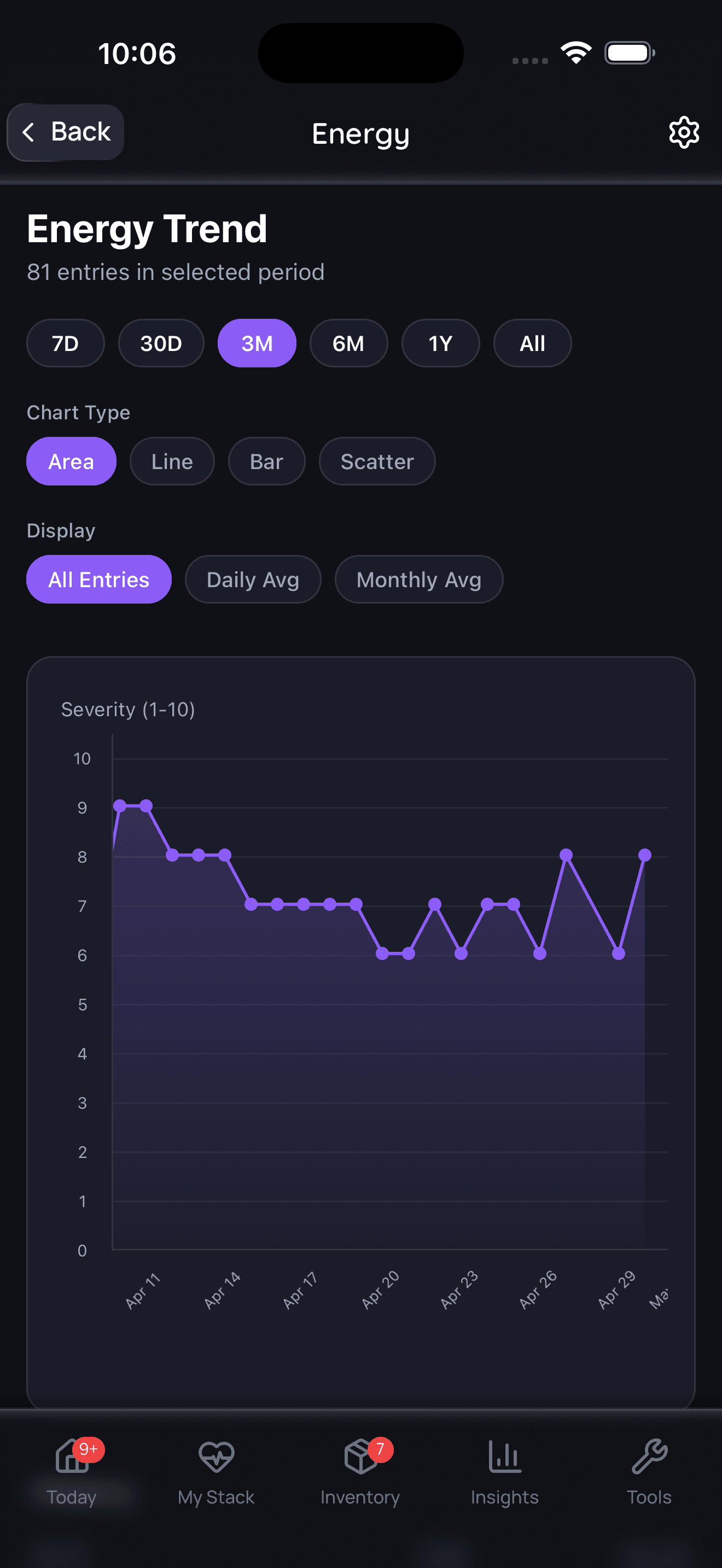
Symptom tracking is informational and should be interpreted with a qualified clinician.
Regulatory Status & Standards
United States (FDA): L-Threonine is classified as a dietary ingredient under DSHEA. It is Generally Recognized as Safe (GRAS) as a direct food substance (21 CFR 172.320) and is permitted in dietary supplements. It is also approved for use in amino acid formulations for parenteral nutrition (prescription). No specific NDI (New Dietary Ingredient) notification is required as threonine has been marketed as a dietary supplement prior to 1994.
Canada (Health Canada): L-Threonine is classified as a Natural Health Product (NHP) ingredient. It is available in licensed products with NPN (Natural Product Numbers). Monograph-compliant products can be sold as NHPs.
European Union (EFSA): L-Threonine is permitted as a food supplement ingredient. EFSA has not established an Upper Level (UL) for threonine. It is not classified as a Novel Food.
Australia (TGA): L-Threonine may be included in Listed Medicines as a permitted ingredient under the Australian Register of Therapeutic Goods.
Athlete & Sports Regulatory Status:
- WADA: L-Threonine does NOT appear on the WADA Prohibited List. As a naturally occurring essential amino acid found in food, it is permitted both in-competition and out-of-competition.
- National Anti-Doping Agencies: No specific guidance or alerts from USADA, UKAD, Sport Integrity Canada, Sport Integrity Australia, or NADA Germany regarding L-Threonine. Standard caution applies regarding contamination risk from unverified supplement sources.
- Professional Sports Leagues: No league-specific restrictions on L-Threonine. NFL, NBA, MLB, NHL, MLS, and NCAA do not prohibit naturally occurring amino acids.
- NCAA: L-Threonine is not on the NCAA banned substance list. However, the NCAA requires that supplements provided by athletic departments carry NSF Certified for Sport or Informed Sport certification.
- Athlete Certification Programs: Athletes can look for L-Threonine products (or EAA blends containing threonine) carrying Informed Sport (sport.wetestyoutrust.com), NSF Certified for Sport (nsfsport.com), Cologne List (koelnerliste.com), or BSCG (bscg.org) certification to reduce contamination risk.
- GlobalDRO: Athletes can verify threonine status at GlobalDRO.com across US, UK, Canada, Australia, Japan, Switzerland, and New Zealand.
Regulatory status and prohibited substance classifications change frequently. Athletes should always verify the current status of any supplement with their sport's governing body, their national anti-doping agency, and a qualified sports medicine professional before use. Third-party certification (Informed Sport, NSF Certified for Sport) reduces but does not eliminate the risk of contamination with prohibited substances.
Frequently Asked Questions
What is L-threonine and why is it essential?
L-Threonine is one of nine essential amino acids, meaning the human body cannot synthesize it and must obtain it from food or supplements. It was the last of the standard 20 amino acids to be discovered (1925) and is named for its structural similarity to the sugar threose. It is essential for protein synthesis, gut barrier function, and serves as a precursor to glycine [1][2].
Do I need to supplement with L-threonine?
For most people eating adequate protein (at least 0.8 g/kg body weight per day), dietary threonine intake significantly exceeds requirements. The average diet provides 3.6 to 4.5 grams per day, while the requirement is approximately 1 to 1.4 grams per day. Supplementation is typically unnecessary unless specific clinical circumstances apply [4][7].
What foods are highest in L-threonine?
Animal proteins are the richest dietary sources. Beef, chicken, pork, fish, eggs, and dairy products all provide substantial threonine. Among plant sources, soybeans, lentils, peas, and nuts offer meaningful amounts. A single chicken breast (170 g) provides roughly 2.5 grams of threonine [4].
Is L-threonine the same as L-theanine?
No. L-Threonine (an essential amino acid found in protein-rich foods) and L-Theanine (a non-protein amino acid found in tea leaves) are completely different compounds with different chemical structures, different biological effects, and different supplementation purposes. The similar names frequently cause confusion.
Is L-threonine the same as magnesium L-threonate?
No. Magnesium L-Threonate is a magnesium supplement chelated with threonate (a metabolite of vitamin C). It is a different compound from L-Threonine. The names sound similar but refer to distinct substances with unrelated biological roles.
Can L-threonine help with muscle spasticity?
Some clinical studies from the 1990s found that high-dose threonine (4.5-7.5 g/day) produced modest reductions in spasticity in certain conditions. However, the effects were generally small and not all patients responded. Current evidence is insufficient to recommend threonine as a primary treatment for spasticity. Anyone considering this use should discuss it with their neurologist [8][9][14].
What are the side effects of L-threonine supplementation?
At doses up to 4 grams per day, threonine is considered "possibly safe" for up to 12 months. A 2025 clinical trial found no significant adverse effects at doses up to 12 g/day for 4-week periods. Minor side effects can include stomach upset, headache, nausea, and skin rash. People with ALS should avoid threonine supplementation due to a potential negative effect on lung function [4][14].
How much L-threonine does the body need per day?
Based on available data, the WHO/FAO/UNU estimates the mean adult requirement at 15 mg/kg/day (roughly 1.05 g/day for a 70 kg person). The IOM RDA is 20 mg/kg/day (roughly 1.4 g/day for a 70 kg person). Requirements increase during pregnancy and lactation [4][7].
Can L-threonine support gut health?
The gut captures 40-60% of dietary threonine for mucin production, which maintains the protective mucus layer lining the intestinal tract. Animal studies show that threonine adequacy is critical for intestinal barrier integrity. While human gut health trials are still needed, the mechanistic rationale is well-established [2][3][10].
Does L-threonine interact with any medications?
The most notable interaction is with memantine (Namenda) and other NMDA receptor antagonists used for Alzheimer's disease. Threonine converts to glycine, which acts at NMDA receptors and could interfere with these medications. Individuals on NMDA antagonists should consult their prescriber before supplementing with threonine [14].
Myth vs. Fact
Myth: L-threonine supplementation will dramatically improve your gut health.
Fact: While threonine is genuinely critical for intestinal mucin production, and animal studies consistently support its role in gut barrier function, no human clinical trials have directly tested L-threonine supplementation for improving gut health outcomes. The biological rationale is strong, but the supplementation evidence in humans has not yet caught up. Most people get plenty of threonine from dietary protein [2][3].
Myth: L-threonine, L-theanine, and magnesium L-threonate are related or interchangeable supplements.
Fact: These are three completely different compounds that happen to have similar-sounding names. L-Threonine is an essential amino acid from protein. L-Theanine is a non-protein amino acid from tea. Magnesium L-Threonate is a magnesium salt chelated with threonate (a vitamin C metabolite). They have entirely different biological effects and supplementation purposes.
Myth: You need to supplement with L-threonine because your body cannot make it.
Fact: While it is true that threonine is an essential amino acid, this does not mean supplementation is necessary. The average Western diet provides 3 to 5 times the estimated daily requirement through normal protein intake. Isolated threonine deficiency is extraordinarily rare in people eating adequate protein [4][7].
Myth: L-threonine is effective for treating ALS.
Fact: Multiple controlled clinical trials have found that L-threonine supplementation does not slow ALS progression or reduce symptoms. One study raised concerns that it might actually worsen lung function in ALS patients. Current evidence-based databases rate threonine as "possibly ineffective" for ALS [14][15].
Myth: Higher doses of L-threonine always mean better results.
Fact: There is no evidence that doses above dietary requirements produce enhanced benefits in healthy individuals. While safety data suggests tolerance up to 12 g/day for short periods, the clinical studies testing high doses for neurological conditions showed only modest effects at best. More is not better with amino acid supplementation unless correcting a specific deficiency [4][8][9].
Myth: L-threonine boosts collagen production on its own.
Fact: Threonine is a component of collagen and a precursor to glycine (the most abundant collagen amino acid), so it does contribute to collagen synthesis. However, collagen production depends on adequate levels of all relevant amino acids (especially glycine, proline, and hydroxyproline) plus vitamin C. Supplementing threonine alone will not meaningfully boost collagen production if other substrates are adequate or limiting [2][11].
Sources & References
Clinical Trials & RCTs
[1] Rose WC, Haines WJ, Warner DT, Johnson JE. The amino acid requirements of man. II. The role of threonine and histidine. J Biol Chem. 1951;188(1):49-58.
[4] Blachier F, et al. Evaluation of safe utilization of l-threonine for supplementation in healthy adults: a randomized double blind controlled trial. Amino Acids. 2025;57:30. doi:10.1007/s00726-025-03461-6. https://link.springer.com/article/10.1007/s00726-025-03461-6
[8] Growdon JH, Nader TM, Schoenfeld J, Wortman RJ. L-threonine in the treatment of spasticity. Clin Neuropharmacol. 1991;14:403-412.
[9] Lee A, Patterson V. A double blind study of L-threonine in patients with spinal spasticity. Acta Neurol Scand. 1993;88:334-338.
[14] Hauser SL, Doolittle TH, Lopez-Bresnahan M, et al. An antispasticity effect of threonine in multiple sclerosis. Arch Neurol. 1992;49(9):923-926.
[15] Tandan R, Bromberg MB, Forshew D, et al. A controlled trial of amino acid therapy in amyotrophic lateral sclerosis: I. Clinical, functional, and maximum isometric torque data. Neurology. 1996;47:1220-1226.
Systematic Reviews & Meta-Analyses
[2] Tang Q, Tan P, Ma N, Ma X. Physiological Functions of Threonine in Animals: Beyond Nutrition Metabolism. Nutrients. 2021;13(8):2592. doi:10.3390/nu13082592. https://pmc.ncbi.nlm.nih.gov/articles/PMC8399342/
Observational Studies
[6] van der Schoor SR, Wattimena DL, Huijmans J, Vermes A, van Goudoever JB. The gut takes nearly all: threonine kinetics in infants. Am J Clin Nutr. 2007;86(4):1132-1138.
[12] Wang J, Alexander P, Wu L, Bhatt D. Threonine and one-carbon metabolism in mouse embryonic stem cells. Cell Rep. 2009;15(2):R86-R98.
Government/Institutional Sources
[7] FAO, WHO, UNU. Protein and amino acid requirements in human nutrition: report of a joint FAO/WHO/UNU expert consultation. WHO Technical Report Series No. 935. Geneva: World Health Organization; 2007.
[13] Institute of Medicine. Dietary Reference Intakes for Energy, Carbohydrate, Fiber, Fat, Fatty Acids, Cholesterol, Protein, and Amino Acids. Washington, DC: National Academies Press; 2005.
Monographs & Reference Sources
[3] Faure M, Moennoz D, Montigon F, et al. Dietary threonine restriction specifically reduces intestinal mucin synthesis in rats. J Nutr. 2005;135:486-491.
[5] Wu G. Amino Acids: Biochemistry and Nutrition. 2nd ed. Boca Raton, FL: CRC Press; 2022.
[10] Hamard A, Sève B, Le Floc'h N. Intestinal development and growth performance of early-weaned piglets fed a low-threonine diet. Animal. 2007;1:1134-1142.
[11] Li P, Wu G. Roles of dietary glycine, proline, and hydroxyproline in collagen synthesis and animal growth. Amino Acids. 2018;50:29-38.
Related Supplement Guides
Same Category
Common Stacks / Pairings
Related Health Goal
- L-Glutamine (gut health)
- Glycine (sleep, collagen synthesis)
- Collagen (connective tissue support)