
L-Histidine: The Complete Supplement Guide
On this page
Quick Reference Card
Attribute
Common Name
- Detail
- L-Histidine
Attribute
Other Names / Aliases
- Detail
- Histidine, (2S)-2-Amino-3-(1H-imidazol-5-yl)propanoic acid, His, Glyoxaline-5-alanine, Alpha-amino-beta-[4-imidazole]-propionic acid
Attribute
Category
- Detail
- Essential Amino Acid
Attribute
Primary Forms & Variants
- Detail
- L-Histidine free base; L-Histidine Hydrochloride (HCl, most common supplement form); L-Histidine monohydrochloride monohydrate
Attribute
Typical Dose Range
- Detail
- 0.5-4 g per day (general support 0.5-2 g; targeted therapeutic 4 g)
Attribute
RDA / AI / UL
- Detail
- RDA: 14 mg/kg/day for adults (IOM). EAR: 11 mg/kg/day. No formal UL established. NOAEL from short-term trials: ~8 g/day in healthy adults [1][2]
Attribute
Common Delivery Forms
- Detail
- Powder, capsules, tablets
Attribute
Best Taken With / Without Food
- Detail
- Can be taken with or without food. Taking with meals may reduce mild GI discomfort in sensitive individuals.
Attribute
Key Cofactors
- Detail
- Beta-alanine (for carnosine synthesis); Zinc (histidine may increase urinary zinc loss at higher doses; monitor zinc status); Folate (histidine catabolism is THF-dependent; folate deficiency impairs histidine metabolism)
Attribute
Storage Notes
- Detail
- Store in a cool, dry place away from direct sunlight and moisture. No refrigeration required. Powder form may clump with moisture exposure.
Overview
The Basics
L-Histidine is one of the nine essential amino acids, meaning your body cannot manufacture it in sufficient quantities, so it must come from food or supplements. It was originally classified as essential only for infants, but research in the 1970s and 1980s established that adults also require a steady dietary supply to maintain nitrogen balance and healthy hemoglobin levels [3][4].
What makes histidine unusual among amino acids is its imidazole ring, a chemical structure that lets it act as a sort of molecular switch. This ring can pick up or release hydrogen ions at the pH levels found inside your cells, which means histidine plays a critical role in buffering acid. Your muscles depend on this when you exercise hard and lactic acid builds up [5].
Beyond its buffering role, histidine is the starting material for histamine, the compound your immune system releases during allergic reactions and that your stomach uses to produce acid. It is also a building block for carnosine, a dipeptide concentrated in muscle and brain tissue that acts as an antioxidant and pH buffer [5][6]. In the skin, histidine is a key component of filaggrin, a protein that helps maintain the moisture barrier. When filaggrin breaks down naturally in the outer layers of skin, the histidine it releases contributes to what dermatologists call the "natural moisturizing factor" [7].
Most people eating a mixed diet that includes meat, fish, dairy, eggs, or legumes get enough histidine without supplementation. Interest in supplemental histidine centers on a handful of specific populations: people with metabolic syndrome, individuals with atopic dermatitis (eczema), and athletes concerned about carnosine levels during intense training [8][9].
The Science
L-Histidine ((2S)-2-amino-3-(1H-imidazol-5-yl)propanoic acid) is an essential amino acid characterized by the imidazole side chain that confers unique physicochemical properties. The pKa of the imidazole group in free L-histidine is approximately 6.0-6.2, rising to 6.5 when incorporated into proteins, 7.0 in carnosine, and 7.1 in anserine. This near-physiological pKa makes histidine the only amino acid residue capable of efficient proton buffering within the intracellular pH range [5][10].
Histidine participates in several critical biochemical pathways: (1) protein synthesis, where it is incorporated into structural and functional proteins; (2) carnosine synthesis, where it combines with beta-alanine via carnosine synthase; (3) histamine production via histidine decarboxylase; (4) filaggrin formation in epidermal keratinocytes; and (5) catabolism to glutamate via the histidase/urocanase pathway, which is tetrahydrofolate-dependent [5][6][11].
Unlike other essential amino acids, histidine deficiency does not immediately induce negative nitrogen balance. The body compensates by increasing catabolism of hemoglobin and muscle carnosine, releasing stored histidine. This compensatory mechanism can mask deficiency for weeks, which initially led to histidine being misclassified as non-essential for adults [3][4][12]. Estimated average requirement (EAR) for adults is 11 mg/kg/day, with a recommended dietary allowance (RDA) of 14 mg/kg/day [13].
Chemical & Nutritional Identity
Property
Chemical Name
- Value
- (2S)-2-Amino-3-(1H-imidazol-5-yl)propanoic acid
Property
Synonyms
- Value
- L-Histidine, His, H, Alpha-amino-beta-imidazolylpropionic acid
Property
Molecular Formula
- Value
- C₆H₉N₃O₂
Property
Molecular Weight
- Value
- 155.16 g/mol (free base); 209.63 g/mol (hydrochloride monohydrate)
Property
CAS Number
- Value
- 71-00-1 (L-Histidine); 5934-29-2 (L-Histidine HCl monohydrate)
Property
PubChem CID
- Value
- 6274
Property
Category
- Value
- Essential amino acid (proteinogenic, positively charged at physiological pH)
Property
Isoelectric Point
- Value
- 7.59
Property
RDA / AI / UL
- Value
- RDA: 14 mg/kg/day for adults. No formal UL established by IOM.
L-Histidine is one of three positively charged (basic) amino acids at physiological pH, alongside arginine and lysine. Its imidazole side chain has a pKa near 6.0-6.2, making it uniquely able to function as both a proton donor and acceptor within the physiological pH range. This amphoteric character underlies its critical roles in enzyme catalysis, where histidine residues frequently appear in active sites as general acid-base catalysts [5][10].
Common supplement forms include:
- L-Histidine free base: Less common; slightly bitter taste. Contains 100% histidine by weight.
- L-Histidine Hydrochloride (HCl): The most common supplement form. Better stability, improved solubility in water. Contains approximately 74% histidine by weight in the monohydrate salt form.
- L-Histidine monohydrochloride monohydrate: The pharmaceutical-grade salt form described in pharmacopoeial monographs.
Average dietary intake of histidine from food is approximately 800 mg/day in adults consuming a mixed diet. Content in animal proteins is 25-30 mg per gram of protein; plant proteins contain 20-30 mg per gram of protein [5]. Particularly high concentrations (109 mg/g) have been detected in dried bonito (skipjack tuna) broth, a traditional Japanese ingredient called dashi [14].
Mechanism of Action
The Basics
Histidine works through several interconnected pathways in your body, each tied to the unique chemistry of its imidazole ring.
The first and most fundamental role is as a protein building block. Your body incorporates histidine into thousands of proteins, but it concentrates especially in hemoglobin (the oxygen-carrying molecule in red blood cells) and in enzyme active sites where its ability to switch between acidic and basic forms makes it useful for catalyzing chemical reactions [5].
The second pathway involves carnosine. When histidine combines with another amino acid called beta-alanine, your muscles produce carnosine. This dipeptide acts like a sponge for acid buildup during intense exercise and also scavenges harmful reactive molecules. Your muscles store significant amounts of carnosine, with fast-twitch (power) fibers containing more than slow-twitch (endurance) fibers [5][6].
The third major pathway is histamine production. An enzyme called histidine decarboxylase converts histidine into histamine, which then acts through four types of receptors throughout your body. Histamine is involved in immune responses (the familiar allergic reaction), stomach acid production, wakefulness, and appetite regulation. Importantly, increased dietary histidine intake has not been shown to cause allergic reactions or stomach ulcers, even though it is a histamine precursor [5][15].
Finally, in your skin, histidine plays a structural role through filaggrin. This protein helps form the outer protective barrier of your skin. When filaggrin naturally breaks down, the histidine it contains becomes part of the "natural moisturizing factor" that keeps skin hydrated. Defects in filaggrin production are strongly linked to atopic dermatitis [7][16].
The Science
The biological activities of L-histidine stem from the imidazole ring and its derivatives:
1. Proton Buffering
The imidazole ring's pKa near physiological pH enables histidine to function as the primary intracellular pH buffer. In skeletal muscle, this buffering capacity is amplified through carnosine (beta-alanyl-L-histidine), which buffers hydrogen ions generated during high-intensity anaerobic exercise. Fast-twitch muscle fibers contain higher carnosine concentrations than slow-twitch fibers, consistent with their greater reliance on anaerobic glycolysis [5][6][10].
2. Metal Ion Chelation
Histidine residues coordinate metal ions (Fe²+, Cu²+, Zn²+, Co²+, Ni²+, Cd²+) through the imidazole nitrogen atoms. This property underlies the function of haemoproteins (hemoglobin, myoglobin, cytochromes) and metalloenzymes (carbonic anhydrase, catalases, nitric oxide synthase). Histidine-rich glycoprotein (HRG), an abundant plasma protein, interacts with zinc, phospholipids, fibrinogen, and immunoglobulins, playing roles in coagulation and immunity [5][17].
3. Antioxidant Activity
Both free histidine and histidine-containing dipeptides (particularly carnosine) scavenge reactive oxygen species (ROS), reactive nitrogen species (RNS), and sequester advanced glycation end products (AGE) and advanced lipoxidation end products (ALE). Carnosine is more effective than free histidine for these functions [5][18].
4. Histamine Synthesis
L-Histidine decarboxylase (HDC, EC 4.1.1.22) converts histidine to histamine in mast cells, basophils, gastric parietal cells, and histaminergic neurons of the posterior hypothalamus. Histamine exerts effects through four G protein-coupled receptors: H1 (bronchoconstriction, vasodilation, wakefulness), H2 (gastric acid secretion), H3 (presynaptic inhibition of histamine release, sleep promotion), and H4 (mast cell chemotaxis and degranulation) [5][15].
5. Filaggrin and Skin Barrier
Filaggrin, a histidine-rich epidermal protein (~10% histidine by residue), aggregates keratin filaments to form the cornified envelope. Its proteolytic degradation releases free histidine and trans-urocanic acid, which constitute major components of the skin's natural moisturizing factor (NMF) and contribute to UV protection. Loss-of-function mutations in the filaggrin gene (FLG) are strongly associated with atopic dermatitis [7][16][19].
6. Catabolism
The primary catabolic pathway begins with deamination by histidase to trans-urocanate, proceeding via urocanase and formimino transferase to glutamate in a tetrahydrofolate (THF)-dependent reaction. Folate deficiency impairs this pathway, leading to FIGLU accumulation. High histidine loads increase ammonia production and decrease branched-chain amino acid concentrations in plasma [5][11].
Absorption & Bioavailability
The Basics
L-Histidine is absorbed in the small intestine through the same amino acid transport systems used by other amino acids. As a free-form supplement, it does not require digestion from proteins and is absorbed relatively quickly. You do not need any special delivery system or enhanced formulation for histidine to enter your bloodstream effectively.
Taking histidine with or without food does not appear to make a large difference in how much gets absorbed. However, taking it with food may reduce any mild stomach discomfort in sensitive individuals. Since histidine is water-soluble, it dissolves easily in water or other liquids when taken as a powder [8].
One important consideration is that histidine shares transport pathways with other amino acids. If you are taking other individual amino acid supplements at the same time, there could be some competition for absorption, though this is generally not a significant concern at typical supplemental doses [5].
Your body does not store large reserves of free histidine. Instead, it maintains histidine in bound forms within hemoglobin, muscle carnosine, and other proteins. When dietary histidine runs low, the body breaks down these stores, which is why histidine deficiency takes longer to manifest than deficiencies of other essential amino acids [3][4].
The Science
L-Histidine absorption occurs in the small intestine via amino acid transport systems shared with other cationic amino acids. Free-form supplemental histidine does not require proteolytic digestion and is absorbed more rapidly than protein-bound histidine from food sources [5].
Key pharmacokinetic considerations:
- Intestinal absorption: Mediated by neutral and cationic amino acid transporters in the brush border membrane. Competition with other amino acids for transport is possible but clinically insignificant at standard supplemental doses [5].
- Bioavailability: Free-form L-histidine supplements have high oral bioavailability. Specific fractional absorption percentages have not been precisely quantified in published pharmacokinetic studies for supplemental histidine, but amino acid supplements generally demonstrate superior bioavailability compared to protein-bound dietary sources.
- Hepatic metabolism: Histidine catabolism occurs primarily in the liver via the histidase pathway. Histidase activity is regulated by histidine availability, increasing with high protein intake and decreasing with low protein intake [5][11].
- Body stores: Unlike most essential amino acids, the body maintains significant histidine reserves in hemoglobin (~8% histidine by mass) and muscle carnosine. Depletion of these stores during dietary deficiency accounts for the delayed onset of negative nitrogen balance compared to other EAAs [3][4].
- Half-life: The half-life of histidine in circulation is approximately 12.2 hours, with total body clearance occurring over approximately 66 hours [20].
- THF dependency: Histidine catabolism consumes tetrahydrofolate. In folate-deficient individuals, histidine loading causes FIGLU accumulation and may further deplete folate reserves. This interaction is clinically significant and forms the basis of the FIGLU excretion test for folate deficiency [5][11].
Managing absorption timing across multiple supplements gets complicated fast. Some need to be taken with food, others on an empty stomach. Some compete for the same absorption pathways, others enhance each other. Doserly organizes all of this into a single schedule that accounts for the interactions between everything in your stack.
Instead of juggling mental notes about which supplements to separate and which to pair, the app handles the coordination for you. It flags timing conflicts, suggests optimal windows based on the forms you're using, and builds a daily routine that gives each supplement its best chance of being absorbed effectively. One place for all the details that are easy to forget.
Turn symptom and safety notes into a clearer timeline.
Doserly helps you log doses, symptoms, and safety observations side by side so patterns are easier to discuss with a qualified clinician.
Pattern view
Logs and observations

Pattern visibility is informational and should be reviewed with a clinician.
Research & Clinical Evidence
The Basics
The research on supplemental L-histidine clusters around a few specific areas. The strongest human evidence comes from a single well-designed trial on metabolic syndrome, with additional smaller studies on atopic dermatitis, mental fatigue, and cholera-related diarrhea.
For metabolic syndrome, a randomized, double-blind, placebo-controlled trial gave 92 obese women 4 grams of histidine per day for 12 weeks. The women who took histidine showed meaningful improvements in insulin sensitivity, reductions in inflammatory markers, and modest decreases in body mass index and waist circumference. This is a well-conducted study, but it represents a single trial in a specific population [8].
For atopic dermatitis (eczema), small studies suggest that histidine supplementation can improve skin barrier function. One study in 24 adults found that 4 grams daily for 4 weeks reduced eczema severity scores by approximately 34%. The mechanism likely involves increasing filaggrin production in the skin [7][16]. A study in young children showed a 49% reduction in eczema severity scores over 12 weeks with lower doses [21].
For mental performance, studies using histidine-rich dried bonito broth have shown modest improvements in mood, cognitive task performance, and reduced feelings of fatigue. One crossover trial (n=20) found that 1.65 grams of histidine daily for 2 weeks improved attentiveness and working memory in people with high fatigue and sleep disruption [14][22][23].
For rheumatoid arthritis, despite early observations that arthritis patients have lower blood histidine levels, a randomized double-blind trial did not find benefit from histidine supplementation. This is a case where the preliminary evidence did not hold up under rigorous testing [24].
The Science
Metabolic Syndrome
Feng et al. (2013) conducted a randomized, double-blind, placebo-controlled trial in 92 obese women with metabolic syndrome. Histidine (4 g/day) for 12 weeks significantly improved HOMA-IR (insulin resistance index), decreased BMI, waist circumference, and fat mass, and reduced systemic inflammatory markers including TNF-alpha, IL-6, and CRP. The authors proposed that histidine's anti-inflammatory and antioxidant properties mediated these effects [8]. Cross-sectional data from 452 Chinese women corroborated this finding, showing inverse correlations between serum histidine concentrations and measures of insulin resistance, inflammation, and obesity prevalence [25].
Atopic Dermatitis
Tan et al. (2017) conducted an open-label study in 24 adults with atopic dermatitis. L-Histidine (4 g/day) for 4 weeks reduced SCORAD scores by approximately 34%. The mechanism involves histidine's role as the primary substrate for filaggrin processing, which generates natural moisturizing factor components in the stratum corneum [7][16]. Gibbs (2020) reviewed the evidence and highlighted a placebo-controlled trial in young children showing a 49% reduction in EASI scores with 0.8 g/day over 12 weeks [21].
Mental Fatigue and Cognitive Function
Sasahara et al. (2015) demonstrated in a placebo-controlled, double-blind, crossover trial (n=20) that histidine 1.65 g/day for 2 weeks significantly decreased fatigue scores and shortened working memory reaction times in subjects with high baseline fatigue and sleep disruption [22]. Additional studies using dried bonito broth (rich in histidine) showed improved mood state and calculation task performance (n=48, 4 weeks) [23] and improved mood, increased peripheral blood flow, and decreased urinary oxidative stress markers (n=31, 2 weeks) [14].
Cholera-Related Diarrhea
Rabbani et al. (2005) conducted a double-blind RCT demonstrating that L-histidine-supplemented oral rehydration solution significantly reduced diarrhea output in adults with severe cholera [26].
Rheumatoid Arthritis
Pinals et al. (1977) conducted a randomized, placebo-controlled, double-blind trial of oral L-histidine in rheumatoid arthritis. Despite observations of decreased serum histidine in RA patients [27], the trial did not demonstrate significant advantage of histidine over placebo [24].
Safety and Dose Tolerance
Gheller et al. (2020) conducted a graded-dose tolerance study in healthy adults, establishing a provisional NOAEL of approximately 8 g/day. Changes in some blood parameters (including serum zinc decreases) began appearing at doses of 12 g/day and above [1].
Evidence & Effectiveness Matrix
The matrix below integrates clinical evidence strength with community-reported effectiveness for L-Histidine across relevant biomarker categories.
Category
Skin Health
- Evidence Strength
- ★★★☆☆
- Community Score
- 6/10
- Direction
- Positive
- Confidence
- Medium
- Notes
- Filaggrin mechanism well-established. Small clinical studies (n=24 adult, children's trial) show 34-49% severity reduction. Community reports split between significant responders and non-responders.
Category
Inflammation
- Evidence Strength
- ★★★☆☆
- Community Score
- 5/10
- Direction
- Positive
- Confidence
- Low
- Notes
- RCT showed reduced TNF-alpha, IL-6, CRP in metabolic syndrome. Cross-sectional data supports inverse correlation. Community signal indirect (via skin improvement reports).
Category
Weight Management
- Evidence Strength
- ★★☆☆☆
- Community Score
- Not Scored
- Direction
- Positive
- Confidence
- Low
- Notes
- Single RCT in metabolic syndrome showed modest BMI and waist circumference reductions. Cross-sectional data shows inverse correlation between histidine intake and energy intake/obesity.
Category
Immune Function
- Evidence Strength
- ★★☆☆☆
- Community Score
- 5/10
- Direction
- Positive
- Confidence
- Low
- Notes
- Histamine pathway involvement in immune regulation. Cholera diarrhea RCT positive. One community report of improved allergen sensitivities. No direct immune-focused RCTs for supplementation.
Category
Focus & Mental Clarity
- Evidence Strength
- ★★☆☆☆
- Community Score
- Not Scored
- Direction
- Positive
- Confidence
- Low
- Notes
- Crossover trial (n=20) showed improved working memory and attention with 1.65g/day. Dried bonito broth studies showed cognitive improvements. Mechanism via brain histamine.
Category
Mood & Wellbeing
- Evidence Strength
- ★★☆☆☆
- Community Score
- Not Scored
- Direction
- Positive
- Confidence
- Low
- Notes
- Multiple dried bonito broth studies showed mood improvements. Insufficient histidine intake associated with anxiety-like behaviors in animal models.
Category
Physical Performance
- Evidence Strength
- ★★☆☆☆
- Community Score
- Not Scored
- Direction
- Positive
- Confidence
- Low
- Notes
- Indirect via carnosine synthesis. Beta-alanine is the rate-limiting precursor, not histidine. Histidine supports the carnosine "assembly line" but is not the primary ergogenic lever.
Category
Joint Health
- Evidence Strength
- ★☆☆☆☆
- Community Score
- Not Scored
- Direction
- Mixed
- Confidence
- Low
- Notes
- Reduced serum histidine observed in RA patients, but RCT did not show benefit. Zinc-carnosine complex shows gastric protective effects.
Category
Gut Health
- Evidence Strength
- ★★☆☆☆
- Community Score
- Not Scored
- Direction
- Positive
- Confidence
- Low
- Notes
- Zinc-carnosine complex protects gastric mucosa. Oral histidine ameliorates murine colitis. Decreased plasma histidine predicts ulcerative colitis relapse. No human supplementation trials for IBD.
Category
Nausea & GI Tolerance
- Evidence Strength
- ★★☆☆☆
- Community Score
- 5/10
- Direction
- Mixed
- Confidence
- Medium
- Notes
- Generally well tolerated at 1-4g/day. Mild GI discomfort possible on empty stomach. Taking with food typically resolves issues.
Category
Side Effect Burden
- Evidence Strength
- ★★★☆☆
- Community Score
- 5/10
- Direction
- Mixed
- Confidence
- Medium
- Notes
- Graded dose study established NOAEL at ~8g/day. No toxicity, mutagenicity, or allergic reactions reported. Zinc depletion and BCAA reduction at high doses are primary concerns.
Category
Treatment Adherence
- Evidence Strength
- ★★☆☆☆
- Community Score
- 6/10
- Direction
- Positive
- Confidence
- Medium
- Notes
- Simple dosing (powder or capsule), well tolerated. Community reports of consistent long-term use (months to years). Effects fade within days to weeks of stopping.
Categories Not Scored: Fat Loss, Muscle Growth, Appetite & Satiety, Food Noise, Energy Levels, Sleep Quality, Memory & Cognition, Anxiety, Stress Tolerance, Motivation & Drive, Emotional Aliveness, Emotional Regulation, Libido, Sexual Function, Pain Management, Recovery & Healing, Digestive Comfort, Hair Health, Heart Health, Blood Pressure, Heart Rate & Palpitations, Hormonal Symptoms, Temperature Regulation, Fluid Retention, Body Image, Bone Health, Longevity & Neuroprotection, Cravings & Impulse Control, Social Connection, Withdrawal Symptoms, Daily Functioning
Benefits & Potential Effects
The Basics
The benefits of L-histidine supplementation fall into a few well-defined categories, with the strongest evidence concentrated in metabolic health and skin barrier support.
For people with metabolic syndrome, the data suggest that histidine may help the body respond better to insulin, reduce chronic low-grade inflammation, and modestly support weight management. These effects appear to work together: by calming inflammation, histidine may help the body's metabolic machinery run more smoothly [8].
For those with eczema or related skin conditions, histidine supports the production of filaggrin, a protein that is essential for maintaining the skin's moisture barrier. When filaggrin is deficient (due to genetic factors or other reasons), the skin loses moisture more easily and becomes more vulnerable to irritants. Supplementing with histidine appears to help the body produce more filaggrin, which some users notice as thicker, more resilient skin [7][16].
Histidine also plays a supporting role in exercise performance through its contribution to carnosine production. While beta-alanine is the more important precursor for boosting muscle carnosine levels, adequate histidine ensures that the body has all the raw materials it needs. Athletes who restrict protein intake or follow plant-heavy diets may benefit from ensuring their histidine intake is sufficient [5][6].
Emerging research suggests potential benefits for cognitive function and mood through histidine's role in brain histamine production, though these findings are preliminary and based on small studies [14][22][23].
The Science
Metabolic and Anti-Inflammatory Effects
The RCT by Feng et al. (2013) demonstrated significant reductions in HOMA-IR, BMI, waist circumference, fat mass, TNF-alpha, IL-6, and CRP with 4 g/day histidine over 12 weeks in obese women with metabolic syndrome [8]. The proposed mechanism involves histidine's antioxidant properties (scavenging of ROS/RNS and AGE/ALE), direct anti-inflammatory action, and potential appetite-modulating effects through brain histamine [8][25]. Epidemiological data corroborate inverse associations between dietary histidine intake and insulin resistance, inflammation, and obesity markers [25].
Skin Barrier Restoration
Histidine's role in filaggrin biology provides a mechanistic basis for atopic dermatitis therapy. In vitro studies demonstrate that histidine increases filaggrin protein expression in human keratinocytes [7]. Clinical studies show 34-49% reductions in eczema severity with supplementation [7][16][21]. The effect is likely genotype-dependent, with greater benefit expected in individuals carrying filaggrin loss-of-function mutations.
Carnosine Synthesis and Exercise
While beta-alanine is rate-limiting for muscle carnosine synthesis, one study reported a ~30% decrease in muscle and plasma histidine after chronic beta-alanine supplementation, suggesting that co-supplementation may be warranted during beta-alanine loading protocols [28]. Carnosine's ergogenic effects include intramuscular pH buffering, antioxidant activity, and regulation of calcium sensitivity in muscle fibers [5][6].
Neuroprotective and Cognitive Effects
Brain histamine, synthesized from histidine by neuronal histidine decarboxylase, modulates wakefulness, appetite, memory consolidation, and mood through H1 and H3 receptors [5][15]. Human trials using histidine-rich preparations have demonstrated improvements in cognitive performance, mood, and fatigue [14][22][23].
When you're taking multiple supplements, it's hard to know which one is doing the heavy lifting. The benefits described above may overlap with effects from other items in your stack, lifestyle changes, or seasonal variation. Doserly helps you untangle that by keeping everything in one place, with timestamps, doses, and outcomes logged together.
Over time, this builds something more valuable than any product review: your personal evidence record. You can see exactly when you started this supplement, what else was in your routine at the time, and how your tracked health markers responded. That clarity makes the difference between guessing and knowing, whether you're talking to a healthcare provider or simply deciding if it's worth reordering.
Capture changes while they are still fresh.
Log symptoms, energy, sleep, mood, and other observations alongside protocol events so patterns do not live only in memory.
Trend view
Symptom timeline
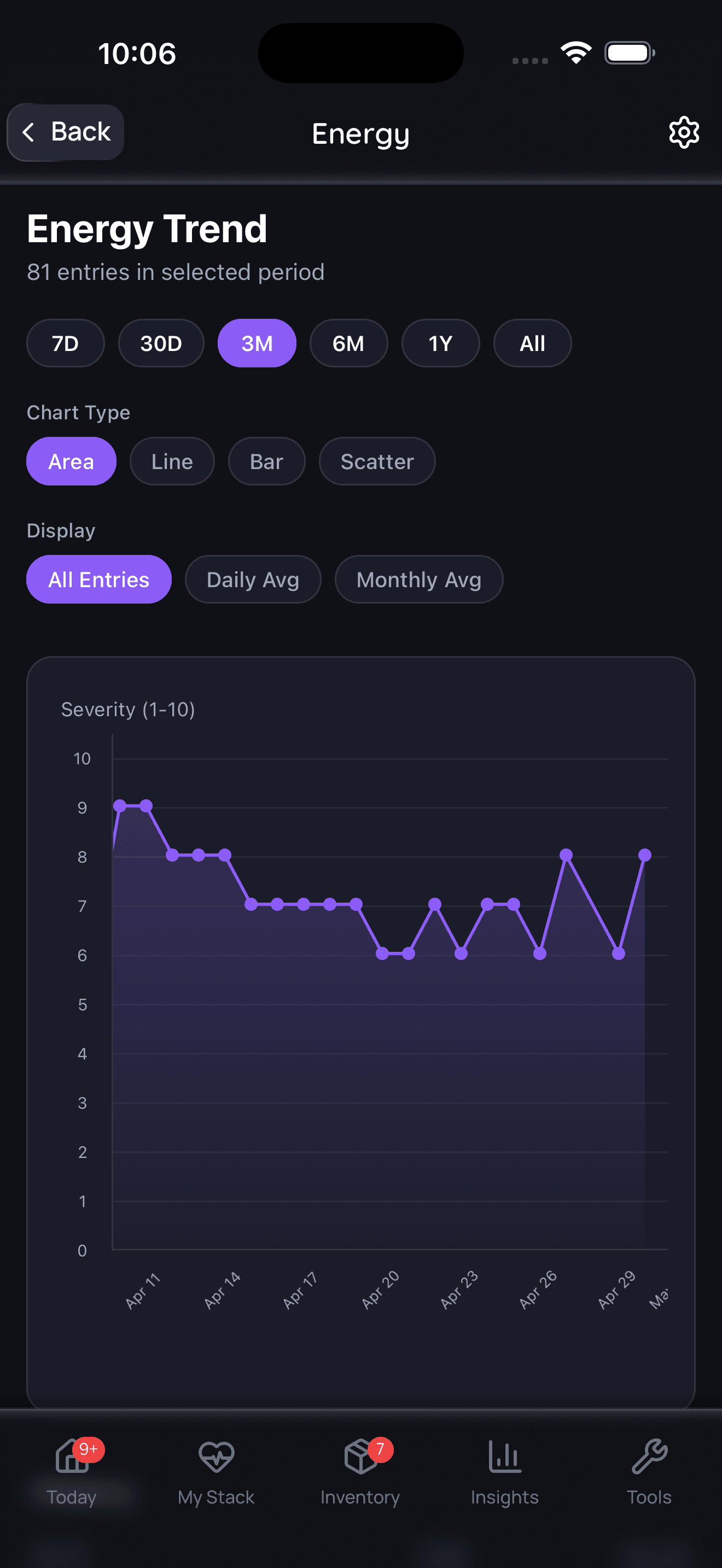
Symptom tracking is informational and should be interpreted with a qualified clinician.
Side Effects & Safety
The Basics
L-Histidine is generally well tolerated at supplemental doses up to 4 grams per day. The most commonly reported side effect is mild stomach discomfort, particularly when taken on an empty stomach. Taking it with food usually resolves this [1][8].
At higher doses (above 8 grams per day), several concerns emerge. The most consistently noted is zinc depletion: histidine can chelate zinc and increase its excretion in urine, potentially leading to zinc deficiency over time if not monitored. This is why many experienced users recommend supplementing zinc alongside histidine, particularly at doses above 2-4 grams per day [1][5].
Because histidine is converted to histamine in the body, there is theoretical concern about increased allergic responses or stomach acid production. In practice, clinical studies have not observed allergic reactions, increased allergy symptoms, or peptic ulcers from histidine supplementation [5]. However, individuals with mast cell disorders, severe histamine intolerance, or active reflux may want to monitor their response carefully.
People with liver disease should avoid histidine supplementation. Higher histidine intakes can increase ammonia production and disrupt the balance of branched-chain amino acids in the blood, both of which are problematic when liver function is compromised [5][29]. Those with chronic kidney disease should also consult a healthcare provider before supplementing, as the additional nitrogen load requires adequate renal handling.
Very high doses (24 grams per day and above) have been associated with appetite loss, cognitive impairment, and measurable zinc depletion in early studies [1][5].
The Science
Dose-Response Safety Profile:
- At ≤4 g/day: Well tolerated in studies up to 12 weeks. Mild GI discomfort (nausea, stomach upset) possible, typically resolved by food co-ingestion [1][8].
- At 8 g/day: Provisional NOAEL established by Gheller et al. (2020) in healthy adults via graded-dose protocol [1].
- At ≥12 g/day: Decreases in serum zinc, changes in ferritin, and shifts in liver enzyme markers begin to appear, though values generally remained within reference ranges [1][5].
- At ≥24 g/day: Zinc depletion, cognitive effects, anorexia, and adverse lab shifts have been documented in historical studies [5][29].
Histamine-Related Concerns:
Despite histidine's role as a histamine precursor, no reports of allergic reactions, anaphylaxis, urticaria, or peptic ulcers have been documented following oral histidine supplementation in clinical trials [5]. Histidine decarboxylase activity is tightly regulated and substrate availability is not the rate-limiting factor for histamine synthesis in most tissues under normal conditions.
Hepatic Effects:
High-dose histidine increases flux through the histidase catabolic pathway, producing ammonia, glutamate, and glutamine. In subjects with hepatic insufficiency, this nitrogen load may exacerbate hyperammonemia and hepatic encephalopathy. Animal studies demonstrate hepatomegaly with chronic high-dose administration [5][29].
Folate Interaction:
Histidine catabolism via formimino transferase consumes tetrahydrofolate. In folate-deficient individuals, histidine supplementation may further deplete folate reserves and cause FIGLU accumulation. Folate status should be adequate before initiating high-dose histidine supplementation [5][11].
Contraindications:
- Liver disease (increased ammonia, disrupted BCAA balance)
- Folate deficiency (impaired histidine catabolism, FIGLU accumulation)
- Severe histamine intolerance or mast cell disorders (theoretical risk, not clinically documented)
- Chronic kidney disease (nitrogen load)
- Pregnancy and breastfeeding (insufficient safety data for supplemental doses)
Dosing & Usage Protocols
The Basics
The recommended dietary allowance for histidine is 14 mg per kilogram of body weight per day. For a 70 kg (154 lb) adult, that works out to about 980 mg per day. Most people eating a mixed diet comfortably exceed this through food alone, with average intake around 30-35 mg per kilogram of body weight [5][13].
When it comes to supplementation, the data suggest different dose ranges depending on the goal:
- General amino acid support: 0.5 to 2 grams per day. This range is conservative and well within established safety margins.
- Metabolic syndrome support: 4 grams per day, divided with meals, for 12 weeks. This mirrors the protocol from the strongest clinical trial [8].
- Atopic dermatitis (skin barrier support): 1 to 4 grams per day for 4 to 12 weeks. Studies in adults used 4 grams; a children's study used lower doses [7][16][21].
- Exercise and carnosine support: 0.5 to 1 gram per day, particularly for individuals with low protein intake. For carnosine-specific goals, beta-alanine supplementation is the primary strategy [5][6].
There is no formally established upper tolerable intake level (UL) for histidine. A graded-dose study in healthy adults identified a provisional no-observed-adverse-effect level near 8 grams per day. Changes in blood markers began appearing at 12 grams per day and above [1].
Starting at a lower dose and increasing gradually over 3 to 7 days is a sensible approach, particularly at the higher end of the range.
The Science
Established Requirements:
- EAR: 11 mg/kg/day for adults ≥19 years [13]
- RDA: 14 mg/kg/day for adults ≥19 years [13]
- Pregnancy RDA: 18 mg/kg/day [13]
- Lactation RDA: 19 mg/kg/day [13]
- No formal UL established by IOM
Supplementation Protocols from Clinical Evidence:
Goal
Metabolic syndrome
- Dose
- 4 g/day
- Duration
- 12 weeks
- Evidence Level
- RCT (n=92)
- Reference
- Feng et al. 2013 [8]
Goal
Atopic dermatitis (adults)
- Dose
- 4 g/day
- Duration
- 4 weeks
- Evidence Level
- Open-label (n=24)
- Reference
- Tan et al. 2017 [7]
Goal
Atopic dermatitis (children)
- Dose
- 0.8 g/day
- Duration
- 12 weeks
- Evidence Level
- Placebo-controlled
- Reference
- Gibbs 2020 [21]
Goal
Mental fatigue
- Dose
- 1.65 g/day
- Duration
- 2 weeks
- Evidence Level
- Crossover RCT (n=20)
- Reference
- Sasahara et al. 2015 [22]
Goal
Cholera diarrhea
- Dose
- ORS + histidine
- Duration
- Acute
- Evidence Level
- RCT
- Reference
- Rabbani et al. 2005 [26]
Goal
Dose tolerance
- Dose
- Up to 8 g/day
- Duration
- Short-term
- Evidence Level
- Dose-escalation
- Reference
- Gheller et al. 2020 [1]
Monitoring Recommendations at Higher Doses (≥4 g/day):
- Serum zinc (histidine chelation may increase urinary zinc loss)
- Folate status (histidine catabolism consumes THF)
- Liver function tests (hepatic concerns at very high doses)
- Fasting glucose and insulin (if using for metabolic support)
When your stack includes several supplements, each with its own dose, form, and timing requirements, the logistics alone can derail consistency. Doserly consolidates all of it into one protocol view, so every dose across your entire routine is accounted for without spreadsheets or guesswork.
The app also tracks cumulative intake for nutrients that appear in multiple products. If your multivitamin, standalone supplement, and fortified protein shake all contain the same nutrient, Doserly adds them up and shows you the total alongside recommended and upper limits. Managing a thoughtful supplement protocol shouldn't require a degree in nutrition science. The app handles the complexity so you can focus on staying consistent.
Track injection timing, draw notes, and site rotation.
Doserly helps keep syringe-related notes, injection site history, reminders, and reconstitution context together for easier review.
Injection log
Site rotation
Injection logs support record-keeping; follow clinician instructions for administration.
What to Expect (Timeline)
L-Histidine is not a supplement that produces acute, noticeable effects within hours. Its benefits emerge gradually as it supports underlying biological processes.
Weeks 1-2: Most users report no noticeable changes. Plasma histidine levels reach steady state relatively quickly, but the downstream effects on filaggrin production, inflammatory markers, and carnosine synthesis take time to manifest. Some individuals with atopic dermatitis may begin to notice subtle improvements in skin hydration. Mild GI adjustment may occur in the first few days, particularly if starting at higher doses.
Weeks 3-4: Skin barrier improvements may become more apparent for eczema sufferers. In the adult atopic dermatitis study, meaningful SCORAD score reductions were observed by week 4 at 4 g/day [7]. Cognitive and mood effects from histamine pathway modulation may begin to emerge, based on the 2-week crossover trial showing fatigue and attention improvements [22].
Weeks 5-8: Fuller skin barrier benefits consolidate. For metabolic syndrome support, initial shifts in inflammatory markers may begin, though the strongest metabolic effects were measured at the 12-week mark in clinical trials [8].
Weeks 8-12: The timeframe for assessing metabolic benefits. The Feng et al. RCT measured insulin sensitivity, inflammatory markers, and body composition changes at 12 weeks [8]. If supplementing for metabolic goals, this is the appropriate evaluation window.
Beyond 12 weeks: Long-term safety data beyond 12 weeks of continuous supplementation at 4 g/day is limited. Some community users report consistent benefits with months to years of use at lower doses (0.5-2 g/day). Those on longer protocols should plan periodic lab monitoring, particularly zinc status.
Discontinuation: Based on community reports and the nature of the supplement (supporting ongoing biological processes rather than creating lasting changes), benefits typically fade within 1-2 weeks of stopping supplementation. Skin condition may return to baseline within days to weeks.
Interactions & Compatibility
Synergistic
- Beta-Alanine: Histidine and beta-alanine are both required for carnosine synthesis. Beta-alanine is the rate-limiting precursor, but adequate histidine ensures the pathway is not substrate-limited. Chronic beta-alanine supplementation may deplete muscle histidine [28].
- Zinc: While not synergistic in the traditional sense, zinc supplementation is strongly recommended alongside higher-dose histidine (≥2-4 g/day) to offset histidine's zinc-chelating effects and prevent depletion [1][5].
- Vitamin D3: Community reports and clinical reasoning suggest vitamin D sufficiency supports skin barrier function alongside histidine's filaggrin support in atopic dermatitis programs.
- Vitamin C: Supports antioxidant defenses alongside histidine's and carnosine's ROS-scavenging activity.
- Iron: Histidine's metal-chelating properties may enhance iron absorption. Histidine is a primary residue in hemoglobin where it coordinates iron in the heme group [5].
Caution / Avoid
- Folate / Vitamin B9: Not a negative interaction, but critical awareness: histidine catabolism consumes tetrahydrofolate. Ensure folate status is adequate before initiating high-dose histidine supplementation. Folate-deficient individuals should avoid histidine supplements until deficiency is corrected [5][11].
- Antihistamine Medications: Theoretical interaction. Histidine is a histamine precursor; antihistamines block histamine receptors. The clinical significance of this interaction during oral histidine supplementation is unclear, but individuals on antihistamines should discuss supplementation with their prescriber.
- Proton Pump Inhibitors / H2 Blockers: Histamine stimulates gastric acid production via H2 receptors. Theoretically, increased histidine could increase histamine availability, though clinical studies have not documented increased gastric acid or peptic ulcer formation from histidine supplementation [5].
- L-Arginine and other cationic amino acids: May compete for shared intestinal amino acid transporters, though this is generally insignificant at standard doses.
- Branched-Chain Amino Acids (L-Leucine, L-Isoleucine, L-Valine): High-dose histidine (well above typical supplementation) has been shown to decrease plasma BCAA concentrations. At standard supplemental doses, this interaction is not clinically significant [5][29].
How to Take / Administration Guide
Recommended forms: L-Histidine is available as free-base powder and as L-Histidine HCl in capsules and tablets. The HCl form may be slightly better tolerated digestively for some individuals because of its lower alkalinity. Both forms are effective.
Timing considerations: Histidine can be taken at any time of day. When dosing 4 g/day for metabolic or skin goals, splitting into 2-3 doses with meals is a common approach used in clinical trials and may improve tolerability. For general amino acid support at 0.5-1 g/day, a single dose with any meal is sufficient.
Stacking guidance:
- If using alongside beta-alanine for carnosine goals, they can be taken together or separately; there is no timing conflict.
- Separate from zinc supplements by 1-2 hours if taking high-dose histidine, to reduce competitive chelation during absorption. Alternatively, take zinc at a different meal.
- Ensure adequate folate intake through diet or a B-complex/multivitamin when supplementing histidine at higher doses.
Reconstitution for powders: L-Histidine powder dissolves readily in water. The taste is described as neutral to slightly bitter. Some users mix it into smoothies or juice. Warm water may improve dissolution speed. One level teaspoon of L-Histidine powder typically weighs approximately 3-4 grams, but a kitchen scale provides more accurate dosing.
Cycling guidance: There is no established need to cycle histidine supplementation. For targeted protocols (metabolic syndrome, atopic dermatitis), a defined trial period of 8-12 weeks with reassessment is a reasonable approach. For general amino acid support at lower doses, ongoing use appears to be well tolerated based on limited long-term data and community experience.
Choosing a Quality Product
Third-party certifications: Look for products tested by USP, NSF, or other independent third-party organizations. GMP certification is a minimum standard. For athletes, NSF Certified for Sport or Informed Sport certification reduces the risk of banned substance contamination.
Active vs. cheap forms: L-Histidine supplements are relatively straightforward compared to minerals or vitamins where form dramatically affects bioavailability. The main distinction is between L-Histidine free base and L-Histidine HCl. Both are effective. The HCl form is more common, more stable, and may be better tolerated by some users. Verify that the label specifies "L-Histidine" (the biologically active form), not D-Histidine or DL-Histidine.
Red flags:
- Proprietary blends that hide the actual histidine dose
- Products combining multiple amino acids at undisclosed ratios without listing individual amounts
- Claims of "patented absorption enhancement" without supporting evidence
- Dosages listed per serving rather than per capsule when the serving size contains multiple capsules (can mislead about the amount per capsule)
Excipient/filler considerations: Pure L-Histidine powder contains no fillers. Capsule products may contain rice flour, magnesium stearate, or gelatin/cellulose capsule shells. For individuals with dietary restrictions, vegetable cellulose (HPMC) capsules are available.
Purity: L-Histidine is manufactured by fermentation (typically using Corynebacterium glutamicum or Escherichia coli strains). High-quality manufacturers provide Certificates of Analysis (COA) showing identity, purity (typically ≥98.5%), heavy metal testing results, and microbial testing.
Storage & Handling
L-Histidine should be stored in a cool, dry place at room temperature (15-25 degrees C / 59-77 degrees F), away from direct sunlight and moisture. No refrigeration is required.
The powder form is hygroscopic (absorbs moisture) and may clump if exposed to humid conditions. Keeping the container tightly sealed after each use prevents moisture absorption. A silica gel desiccant packet inside the container can help maintain dryness.
L-Histidine is chemically stable under normal storage conditions. Shelf life for properly stored powder is typically 2-3 years from the manufacture date. Capsule forms may have somewhat longer shelf stability due to the protective capsule shell.
Do not store in the bathroom or near cooking areas where heat and steam exposure is common.
Lifestyle & Supporting Factors
Dietary sources: Histidine is abundant in high-protein foods. Meat, poultry, and fish provide 25-30 mg of histidine per gram of protein. Plant sources including soybeans, legumes, and whole grains provide 20-30 mg per gram of protein, though overall protein content is lower. Dried bonito broth (dashi) contains exceptionally high histidine levels (109 mg/g) and has been used in clinical studies [5][14].
Signs of potential deficiency: True histidine deficiency is rare in people eating adequate protein. Populations at higher risk include those on very low protein diets, people with certain chronic diseases, and potentially elderly individuals with reduced protein intake. Symptoms of deficiency include anemia (due to impaired hemoglobin synthesis), skin changes resembling eczema, and reduced nitrogen balance [3][4].
Exercise: For individuals pursuing carnosine-related performance goals, resistance training and high-intensity interval training are the activities most likely to benefit from optimized carnosine levels. Beta-alanine supplementation is the primary strategy for increasing muscle carnosine, with histidine playing a supporting role [5][6].
Folate adequacy: Because histidine catabolism depends on tetrahydrofolate, maintaining adequate folate status through diet (leafy greens, legumes, fortified grains) or supplementation is important, especially at higher histidine intakes [5][11].
Zinc monitoring: At supplemental doses above 2-4 g/day, periodic monitoring of zinc status is advisable. Dietary zinc sources include oysters, red meat, poultry, beans, nuts, and fortified cereals.
Skin care (for atopic dermatitis): Histidine supplementation for eczema should complement, not replace, standard skin care practices including emollients, trigger avoidance, and dermatologist-directed therapy [7][16].
Regulatory Status & Standards
United States (FDA): L-Histidine is classified as a dietary supplement ingredient under DSHEA. It is GRAS (Generally Recognized as Safe) when used in food manufacturing. As a naturally occurring amino acid present in common foods, it does not require NDI (New Dietary Ingredient) notification.
Canada (Health Canada): L-Histidine is available as a natural health product ingredient. Products containing it require an NPN (Natural Product Number).
European Union (EFSA): L-Histidine is permitted as a food supplement ingredient in EU member states. EFSA has evaluated amino acids in the context of food supplements and generally considers them safe at levels found in typical supplementation protocols.
Australia (TGA): L-Histidine may be included in listed medicines as a permitted ingredient.
Athlete & Sports Regulatory Status:
- WADA: L-Histidine is not on the WADA Prohibited List. As a naturally occurring amino acid, it is permitted at all times, both in-competition and out-of-competition.
- National Anti-Doping Agencies (USADA, UKAD, Sport Integrity Canada, Sport Integrity Australia, NADA Germany): No specific guidance or alerts regarding L-Histidine supplementation.
- Professional Sports Leagues (NFL, NBA, MLB, NHL, NCAA): L-Histidine is not banned by any major professional sports league. NCAA athletes should ensure any supplement product is certified by NSF Certified for Sport or Informed Sport, as required by NCAA institutional supplement policies.
- GlobalDRO: Athletes can verify L-Histidine's status at GlobalDRO.com for US, UK, Canada, Australia, Japan, Switzerland, and New Zealand.
- Athlete Certification Programs: L-Histidine products certified by Informed Sport (sport.wetestyoutrust.com), NSF Certified for Sport (nsfsport.com), or Cologne List (koelnerliste.com) are available from select manufacturers.
Regulatory status and prohibited substance classifications change frequently. Athletes should always verify the current status of any supplement with their sport's governing body, their national anti-doping agency, and a qualified sports medicine professional before use. Third-party certification (Informed Sport, NSF Certified for Sport) reduces but does not eliminate the risk of contamination with prohibited substances.
Frequently Asked Questions
What is L-Histidine used for?
L-Histidine is an essential amino acid involved in protein synthesis, hemoglobin formation, carnosine production, histamine synthesis, and skin barrier function. As a supplement, it has been studied primarily for metabolic syndrome support, atopic dermatitis (eczema), and as a general amino acid supplement for individuals with low protein intake.
How much L-Histidine should I take?
Based on available research, commonly reported supplemental doses range from 0.5 to 4 grams per day, depending on the goal. Clinical trials have used 4 grams per day for metabolic and skin health applications. The recommended dietary allowance from food is 14 mg per kilogram of body weight per day. Consulting a healthcare professional can help determine the right approach for individual circumstances.
Is L-Histidine safe?
Clinical evidence indicates that L-Histidine is well tolerated at doses up to 4 grams per day for up to 12 weeks. A graded-dose study identified a provisional NOAEL near 8 grams per day in healthy adults. No toxicity, mutagenic activity, or allergic reactions have been reported in clinical trials. Higher doses may affect zinc status and are not appropriate without medical supervision.
Does L-Histidine help with eczema?
Small clinical studies suggest that L-Histidine supplementation (1-4 g/day) may improve atopic dermatitis severity by supporting filaggrin production in the skin barrier. Results have been mixed in community reports, with some individuals experiencing significant improvement and others seeing no benefit. The response may depend on individual filaggrin gene status.
Can L-Histidine increase histamine levels and cause allergic reactions?
While L-Histidine is a precursor to histamine, clinical studies have not documented increased allergic reactions, anaphylaxis, or peptic ulcers from oral histidine supplementation. Histamine synthesis is tightly regulated and not primarily limited by substrate availability under normal conditions.
Does L-Histidine deplete zinc?
At higher supplemental doses, histidine can chelate zinc and increase urinary zinc excretion. This effect becomes more pronounced at doses above 4 grams per day and is well-documented at 12 grams per day and above. Monitoring zinc status and considering zinc supplementation is recommended for those using higher doses.
Should I take L-Histidine with food?
L-Histidine can be taken with or without food. Taking it with meals may reduce mild gastrointestinal discomfort that some individuals experience. Absorption does not appear to be significantly affected by food.
Can I take L-Histidine if I have liver disease?
Histidine supplementation is not recommended for individuals with significant liver disease. Higher histidine intake can increase ammonia production and disrupt the balance of branched-chain amino acids in the blood, which may worsen hepatic conditions. Medical guidance is essential.
How long does it take for L-Histidine to work?
Based on clinical studies and community reports, skin barrier benefits may begin within 2-4 weeks, with fuller effects by 8-12 weeks. Metabolic benefits were measured at 12 weeks in the primary clinical trial. Cognitive effects from histamine pathway modulation may appear within 2 weeks based on one crossover study. L-Histidine does not produce acute, immediately noticeable effects.
Should I also take folate with L-Histidine?
Histidine catabolism depends on tetrahydrofolate, a form of folate. Individuals with folate deficiency should avoid histidine supplementation until the deficiency is corrected, as it can cause accumulation of the metabolite FIGLU. Ensuring adequate folate intake through diet or supplementation is advisable when taking higher-dose histidine.
Myth vs. Fact
Myth: L-Histidine supplements will trigger allergic reactions because histidine is converted to histamine.
Fact: While histidine is indeed a histamine precursor, histamine synthesis is enzymatically regulated and not primarily limited by histidine availability under normal conditions. Clinical trials administering up to 8 g/day of histidine to healthy adults have not documented allergic reactions, anaphylaxis, urticaria, or peptic ulcers [1][5]. Individuals with diagnosed mast cell disorders or severe histamine intolerance should exercise caution, but for the general population, this concern is not supported by clinical evidence.
Myth: L-Histidine is only essential for infants and is non-essential for adults.
Fact: Histidine was originally classified as non-essential for adults because deficiency symptoms take longer to appear than with other essential amino acids. The body compensates by breaking down hemoglobin and muscle carnosine to release stored histidine. However, studies in the 1970s-1980s demonstrated that prolonged histidine deficiency in adults leads to negative nitrogen balance, anemia, and skin changes [3][4][12]. It is now classified as essential for all age groups.
Myth: Taking L-Histidine will cure eczema.
Fact: Clinical evidence suggests histidine may reduce eczema severity by 30-50% in some individuals by supporting filaggrin production [7][16][21]. It is not a cure. The response appears to vary significantly between individuals, potentially depending on filaggrin gene status. Community reports confirm a clear responder/non-responder pattern, and the supplement should be viewed as a potential complement to standard dermatological care, not a replacement.
Myth: Higher doses of L-Histidine are always better.
Fact: The strongest clinical evidence uses 4 g/day. Higher doses (above 8 g/day) begin to produce measurable metabolic shifts including zinc depletion, increased ammonia, and decreased branched-chain amino acids [1][5]. The provisional NOAEL of 8 g/day represents a ceiling, not a target. Most goals can be addressed within the 0.5-4 g/day range.
Myth: L-Histidine is the best supplement for boosting muscle carnosine.
Fact: Beta-alanine, not histidine, is the rate-limiting precursor for carnosine synthesis in human muscle. Beta-alanine supplementation (4.8-6.4 g/day) increased muscle carnosine by 60-80% in controlled studies [5][6][28]. Histidine supports the carnosine synthesis pathway but is not the primary bottleneck. However, ensuring adequate histidine intake makes sense for athletes on restricted diets.
Myth: L-Histidine and antihistamines cancel each other out.
Fact: Antihistamines block histamine receptors; they do not prevent histamine formation. L-Histidine provides substrate for histamine synthesis. These operate through different mechanisms and do not directly counteract each other. However, the interaction is complex and has not been thoroughly studied in the context of histidine supplementation. Discussing supplementation with a prescriber when on antihistamine therapy is a reasonable precaution.
Sources & References
Dose-Response and Safety Studies
- Gheller ME, Vermeylen F, Handzlik MK, et al. Tolerance to graded dosages of histidine supplementation in healthy human adults. Am J Clin Nutr. 2020;112(5):1358-1367. doi:10.1093/ajcn/nxaa168
- Thalacker-Mercer AE, Gheller ME. Benefits and Adverse Effects of Histidine Supplementation. J Nutr. 2020;150(Suppl 1):2588S-2592S. doi:10.1093/jn/nxaa229
Essentiality and Requirements
- Kopple JD, Swendseid ME. Evidence that histidine is an essential amino acid in normal and chronically uremic man. J Clin Invest. 1975;55(5):881-891.
- Cho ES, Anderson HL, Wixom RL, Hanson KC, Krause GF. Long-term effects of low histidine intake on men. J Nutr. 1984;114(2):369-384.
Comprehensive Reviews
- Holeček M. Histidine in Health and Disease: Metabolism, Physiological Importance, and Use as a Supplement. Nutrients. 2020;12(3):848. doi:10.3390/nu12030848. PMC7146355.
- Derave W, Everaert I, Beeckman S, Baguet A. Muscle carnosine metabolism and beta-alanine supplementation in relation to exercise and training. Sports Med. 2010;40(3):247-263.
Skin and Filaggrin
- Tan SP, Brown SB, Griffiths CE, Weller RB, Gibbs NK. Feeding filaggrin: effects of l-histidine supplementation in atopic dermatitis. Clin Cosmet Investig Dermatol. 2017;10:403-411. doi:10.2147/CCID.S146760.
Metabolic Syndrome
- Feng RN, Niu YC, Sun XW, et al. Histidine supplementation improves insulin resistance through suppressed inflammation in obese women with the metabolic syndrome: a randomised controlled trial. Diabetologia. 2013;56(5):985-994. doi:10.1007/s00125-013-2839-7.
Systematic Reviews
- Moro J, Tomé D, Schmidely P, Demersay TC, Azzout-Marniche D. Histidine: A Systematic Review on Metabolism and Physiological Effects in Human and Different Animal Species. Nutrients. 2020;12(5):1414. doi:10.3390/nu12051414. PMC7284872.
Biochemistry
- Sundberg RJ, Martin RB. Interactions of histidine and other imidazole derivatives with transition metal ions in chemical and biological systems. Chem Rev. 1974;74(4):471-517.
- Stifel FB, Herman RH. Histidine metabolism. Am J Clin Nutr. 1971;24(2):207-217.
- Rose WC. The amino acid requirements of adult man. Nutr Abstr Rev. 1957;27:631-647.
Government/Institutional Sources
- Institute of Medicine. Dietary Reference Intakes for Energy, Carbohydrate, Fiber, Fat, Fatty Acids, Cholesterol, Protein, and Amino Acids. Washington, DC: National Academies Press; 2005.
Cognitive and Mood Studies
- Umeki S, Ohtsuru S, Katsuki H, et al. Ingestion of dried bonito dashi (broth) improves mood and peripheral blood flow. Biosci Biotechnol Biochem. 2013;77(2):302-306.
- Haas HL, Sergeeva OA, Selbach O. Histamine in the nervous system. Physiol Rev. 2008;88(3):1183-1241.
Atopic Dermatitis Mechanism
- Gibbs NK. l-Histidine Supplementation in Adults and Young Children with Atopic Dermatitis (Eczema). J Nutr. 2020;150(Suppl 1):2576S-2579S. doi:10.1093/jn/nxaa200.
Metal Chelation and Glycoproteins
- Poon IKH, Patel KK, Davis DS, Parish CR, Hulett MD. Histidine-rich glycoprotein: the Swiss Army knife of mammalian plasma. Blood. 2011;117(7):2093-2101.
Antioxidant Activity
- Boldyrev AA, Aldini G, Derave W. Physiology and pathophysiology of carnosine. Physiol Rev. 2013;93(4):1803-1845.
Filaggrin Gene
- Palmer CN, Irvine AD, Terron-Kwiatkowski A, et al. Common loss-of-function variants of the epidermal barrier protein filaggrin are a major predisposing factor for atopic dermatitis. Nat Genet. 2006;38(4):441-446.
Pharmacokinetics
- Half-life data derived from amino acid metabolism literature and community pharmacokinetic modeling.
Children's Atopic Dermatitis
- Gibbs NK. Referenced trial in young children with atopic dermatitis showing 49% EASI score reduction with 0.8 g/day over 12 weeks. J Nutr. 2020;150(Suppl 1):2576S-2579S.
Mental Fatigue
- Sasahara I, Fujimura N, Nozawa Y, Furuyashiki Y, Suzuki H. The effect of histidine on mental fatigue and cognitive performance in subjects with high fatigue and sleep disruption scores. Physiol Behav. 2015;147:238-244.
- Nozawa Y, Mimura M, Yamada K, Sugita M, Fushiki T. Dried bonito dashi (broth) ingestion increases mental task performance. Physiol Behav. 2009;96(2):374-379.
Rheumatoid Arthritis
- Pinals RS, Harris ED, Burnett JB, Gerber DA. Treatment of rheumatoid arthritis with L-histidine: a randomized, placebo-controlled, double-blind trial. J Rheumatol. 1977;4(4):414-419.
Epidemiological Data
- Sun X, Feng R, Li Y, et al. Histidine supplementation reduces inflammation and oxidative stress in obese women with the metabolic syndrome. (Cross-sectional analysis, referenced in Feng et al. 2013)
Cholera
- Rabbani GH, Sack DA, Ahmed S, et al. Antidiarrheal effects of L-histidine-supplemented rice-based oral rehydration solution in the treatment of male adults with severe cholera in Bangladesh: a double-blind, randomized trial. J Infect Dis. 2005;191(9):1507-1514.
Rheumatoid Arthritis Biomarker
- Gerber DA, Tanenbaum L, Ahrens M. Free serum histidine levels in patients with rheumatoid arthritis and control subjects following an oral load of free L-histidine. Metabolism. 1976;25(6):655-657.
Beta-Alanine Interaction
- Blancquaert L, Everaert I, Missinne M, et al. Effects of histidine and beta-alanine supplementation on human muscle carnosine storage. Med Sci Sports Exerc. 2017;49(3):602-609.
Hepatic Effects
- Holeček M, Vodeničarovová M. Effects of histidine load on ammonia, amino acid, and adenine nucleotide concentrations in rat blood plasma and liver. Amino Acids. 2020;52(1):135-147.
Related Supplement Guides
Same Category
Common Stacks / Pairings
- Beta-Alanine (carnosine synthesis partner)
- Zinc (recommended alongside higher-dose histidine)
- Vitamin B9 (Folate) (supports histidine catabolism pathway)
- Vitamin D3 (skin barrier support in atopic dermatitis)
- Iron (histidine coordinates iron in hemoglobin)
Related Health Goal
- Vitamin C (antioxidant support)
- Vitamin E (antioxidant support)
- Magnesium (metabolic health support)
- Chromium (insulin sensitivity support)