
Oral Testosterone Guide
On this page
Quick Reference Card
Attribute
Guide Topic
- Value
- Oral Testosterone Replacement Therapy
Attribute
Category
- Value
- Treatment Overview Guide
Attribute
Oral Formulations
- Value
- Jatenzo (testosterone undecanoate), Tlando (testosterone undecanoate), Kyzatrex (testosterone undecanoate), Andriol (international)
Attribute
Active Ingredient
- Value
- Testosterone undecanoate (all current FDA-approved oral products)
Attribute
Drug Class
- Value
- Androgen, testosterone ester prodrug
Attribute
DEA Schedule
- Value
- Schedule III (all testosterone products)
Attribute
FDA-Approved Indication
- Value
- Testosterone replacement therapy in adult males with hypogonadism
Attribute
Standard Dosing
- Value
- 158-396 mg twice daily (Jatenzo), 225 mg twice daily (Tlando), 100-400 mg twice daily (Kyzatrex)
Attribute
Administration
- Value
- Oral capsules, taken with food, twice daily
Attribute
Key Monitoring
- Value
- Blood pressure, hematocrit (threshold >54%), testosterone levels, PSA, lipid panel
Attribute
Primary Advantages
- Value
- No injection, no skin transfer risk, convenient oral dosing
Attribute
Primary Limitations
- Value
- Twice-daily dosing with meals required, higher cost than generic injectables, variable absorption
Overview / What Is Oral Testosterone?
The Basics
Oral testosterone represents the newest category of testosterone replacement therapy, offering something that many men with hypogonadism have wanted for years: a pill instead of an injection or a gel. The idea is straightforward. You take a capsule with your meals, and your body absorbs testosterone through your digestive system.
What makes this possible is a specific form of testosterone called testosterone undecanoate. Unlike older oral testosterone products (specifically methyltestosterone, which was available decades ago and was pulled from favor because it caused liver damage), testosterone undecanoate takes a different route through your body. It is absorbed primarily through your intestinal lymphatic system rather than through the portal vein that leads directly to your liver. This distinction matters because it means the testosterone reaches your bloodstream without first being processed by the liver, which is why these newer oral formulations do not carry the liver toxicity risk that gave oral testosterone its bad reputation.
Currently, three oral testosterone products are FDA-approved in the United States: Jatenzo, Tlando, and Kyzatrex. All three contain testosterone undecanoate, but they differ in their exact formulations, dosing flexibility, and cost. A fourth product, Andriol (also testosterone undecanoate), has been available in Canada, Europe, and other international markets for decades, though it was never approved in the United States due to inconsistent absorption that depended heavily on dietary fat intake.
For many men, the appeal of oral TRT is obvious. No needles, no daily gel application, no risk of transferring testosterone to partners or children through skin contact. For men who travel frequently, who have needle anxiety, or who have struggled with the logistics of other TRT delivery methods, an oral option can be a meaningful improvement in convenience and adherence.
That said, oral TRT is not a perfect solution for everyone. It requires taking capsules twice daily with meals, it typically costs more than generic injectable testosterone, and some individuals do not absorb the medication consistently. Understanding how oral testosterone works, how it compares to other delivery methods, and what the evidence says about its effectiveness and safety profile is essential for making an informed decision about whether this route is right for you.
The Science
Oral testosterone replacement therapy has undergone a significant transformation with the development of modern testosterone undecanoate (TU) formulations. The historical limitations of oral androgen therapy stemmed from the rapid first-pass hepatic metabolism of unmodified testosterone, which rendered oral administration impractical. The 17-alpha alkylation strategy used in methyltestosterone (approved in the 1950s) solved the bioavailability problem but introduced dose-dependent hepatotoxicity including peliosis hepatis, cholestatic jaundice, and hepatocellular carcinoma risk [1].
Testosterone undecanoate addresses this challenge through a fundamentally different absorption pathway. The undecanoate ester (an 11-carbon fatty acid chain at the 17-beta hydroxyl position) confers high lipophilicity, enabling preferential absorption via intestinal lymphatics rather than the portal venous system. Studies using thoracic lymph duct-cannulated models have demonstrated that 93-99.8% of orally administered TU is absorbed via the lymphatic route, effectively bypassing first-pass hepatic metabolism [2][3]. Once in the systemic circulation, nonspecific esterases cleave the undecanoate ester bond, releasing free testosterone and undecanoic acid (a C-11 fatty acid metabolized via beta-oxidation).
The current generation of FDA-approved oral TU products (Jatenzo, approved March 2019; Tlando, approved 2022; Kyzatrex, approved 2022) utilize self-emulsifying drug delivery system (SEDDS) technology. SEDDS formulations combine hydrophilic and lipophilic excipients that promote solubilization of TU in the gastrointestinal tract, enhancing lymphatic absorption without requiring a high-fat meal [4]. This represented a significant improvement over the original Andriol formulation, which used an oleic acid vehicle that required refrigeration and co-administration with a fat-rich meal for adequate absorption [5].
Clinical trials across the three approved products demonstrate restoration of eugonadal testosterone levels in 80-88% of hypogonadal men [6]. The pharmacokinetic profile of oral TU differs markedly from injectable esters: peak testosterone concentrations are reached within 4-5 hours post-dose and return to near-baseline within 12 hours, necessitating twice-daily dosing to maintain therapeutic levels throughout the day.
Medical / Chemical Identity
Oral Testosterone Products for TRT:
Property
Manufacturer
- Jatenzo
- Tolmar Inc.
- Tlando
- Halozyme/Lipocine
- Kyzatrex
- Marius Pharmaceuticals
- Andriol
- Various (international)
Property
Active Ingredient
- Jatenzo
- Testosterone undecanoate
- Tlando
- Testosterone undecanoate
- Kyzatrex
- Testosterone undecanoate
- Andriol
- Testosterone undecanoate
Property
Molecular Formula
- Jatenzo
- C30H48O3
- Tlando
- C30H48O3
- Kyzatrex
- C30H48O3
- Andriol
- C30H48O3
Property
DEA Schedule
- Jatenzo
- III
- Tlando
- III
- Kyzatrex
- III
- Andriol
- Varies by country
Property
FDA Approval
- Jatenzo
- March 2019
- Tlando
- 2022
- Kyzatrex
- 2022
- Andriol
- Not FDA-approved
Property
NDA Number
- Jatenzo
- 206089
- Tlando
- —
- Kyzatrex
- —
- Andriol
- —
Property
Delivery System
- Jatenzo
- SEDDS (oleic acid, Cremophor RH 40, borage seed oil)
- Tlando
- SEDDS (phytosterol esters)
- Kyzatrex
- Phytosterol carrier vehicle
- Andriol
- Oleic acid vehicle
Property
Available Strengths
- Jatenzo
- 158 mg, 198 mg, 237 mg
- Tlando
- 225 mg
- Kyzatrex
- 100 mg, 150 mg, 200 mg
- Andriol
- 40 mg
Property
Dose Titration
- Jatenzo
- Yes (158-396 mg BID)
- Tlando
- No (fixed 225 mg BID)
- Kyzatrex
- Yes (100-400 mg BID)
- Andriol
- Yes (variable)
Property
Storage
- Jatenzo
- Room temperature
- Tlando
- Room temperature
- Kyzatrex
- Room temperature
- Andriol
- Refrigeration required
Property
Market Status (US)
- Jatenzo
- Available
- Tlando
- Available
- Kyzatrex
- Available
- Andriol
- Not available
Property
Market Status (Int'l)
- Jatenzo
- US only
- Tlando
- US only
- Kyzatrex
- US only
- Andriol
- Canada, EU, Australia, others
Mechanism of Action / How Oral Testosterone Works
The Basics
When you swallow a testosterone undecanoate capsule with a meal, the process of getting testosterone into your bloodstream is different from what happens with injections or gels. The capsule dissolves in your stomach and small intestine, and the testosterone undecanoate (which is testosterone attached to a fatty acid tail) gets picked up by tiny fat-carrying particles called chylomicrons in your intestinal lining. These chylomicrons travel through your lymphatic system, a network of vessels that runs alongside your blood vessels, and eventually empty into your bloodstream near your heart through a large vessel called the thoracic duct.
This lymphatic route is the key to the safety of modern oral testosterone. By traveling through the lymphatic system instead of going directly to the liver via the portal vein, testosterone undecanoate avoids the first-pass metabolism that caused liver problems with older oral testosterone products. Once the testosterone undecanoate reaches your bloodstream, enzymes throughout your body clip off the fatty acid tail, releasing free testosterone that works exactly like the testosterone your body would normally produce.
From there, the testosterone follows the same pathways as any other form of TRT. It binds to androgen receptors in muscles, bones, brain, and other tissues. Some of it is converted to DHT (dihydrotestosterone) by the enzyme 5-alpha reductase, and some is converted to estradiol (estrogen) by the enzyme aromatase. Your body's feedback system detects the incoming testosterone and reduces the signal telling your testes to make their own, which is why oral TRT, like all forms of exogenous testosterone, suppresses natural testosterone production and affects fertility.
One important difference with oral TRT: because the testosterone peaks and then clears relatively quickly (within about 12 hours), you need to take it twice daily to maintain levels throughout the day. This creates a pattern of two daily peaks and two daily troughs, which is quite different from the single weekly peak-trough pattern of injectable testosterone or the relatively flat profile of daily gel application.
The Science
Oral testosterone undecanoate functions as a lipophilic prodrug that exploits the intestinal lymphatic absorption pathway. Following oral administration with food, TU is incorporated into chylomicrons during the intestinal lipid absorption process in enterocytes. Chylomicrons, assembled in the endoplasmic reticulum of intestinal epithelial cells, are secreted into the mesenteric lymph and transported via the thoracic duct to the systemic circulation at the junction of the left internal jugular and subclavian veins, bypassing hepatic first-pass metabolism [7].
The SEDDS technology used in modern formulations enhances this process by promoting TU solubilization in the gastrointestinal lumen independently of dietary fat content. Upon contact with aqueous gastrointestinal fluids, the SEDDS excipients spontaneously form fine emulsion droplets (typically <200 nm), presenting TU in a form readily available for lymphatic uptake [8].
Post-absorption, TU undergoes hydrolysis by ubiquitous nonspecific esterases in plasma and tissues, yielding free testosterone and undecanoic acid. Notably, 5-alpha reductase activity in the gastrointestinal mucosa converts a portion of TU to dihydrotestosterone undecanoate (DHTU) during absorption, resulting in approximately 3-fold increases in serum DHT relative to baseline. This DHT elevation is more pronounced with oral TU than with injectable formulations and may have implications for androgenic side effects [9].
The pharmacokinetic profile shows rapid absorption with Tmax of 4-5 hours and return to near-baseline testosterone by 12 hours post-dose. Steady-state kinetics are achieved within days of initiating twice-daily dosing. The Cavg at steady state typically ranges from 400-700 ng/dL at therapeutic doses, though individual variability is considerable due to differences in gastrointestinal absorption efficiency, body composition, and meal composition at the time of dosing [10].
Pathway & System Visualization
Pharmacokinetics / Oral Testosterone Comparison
The Basics
Understanding how oral testosterone behaves in your body compared to other TRT delivery methods helps explain both its advantages and its limitations.
When you take an oral testosterone undecanoate capsule with a meal, your testosterone level begins rising within about an hour, reaches a peak around 4-5 hours later, and then falls back toward your pre-dose baseline by about 12 hours. This is very different from an injection of testosterone cypionate, where a single shot creates a deposit that releases testosterone steadily over an entire week. It is also different from daily testosterone gel, which maintains a relatively constant level throughout the day.
The twice-daily dosing pattern of oral TRT creates what you might think of as a "wave" pattern: two peaks and two valleys each day. The morning dose peaks around late morning or early afternoon, then falls. The evening dose peaks a few hours later and falls through the night. Some users report feeling a noticeable surge of energy or alertness a few hours after each dose, which corresponds to the peak testosterone concentration. Others notice fatigue as levels drop before the next dose. How pronounced these fluctuations feel varies considerably from person to person.
One practical consideration is that oral testosterone must be taken with food. The fat in your meal helps your body absorb the testosterone undecanoate through the lymphatic pathway. While the newer SEDDS formulations do not require a specifically high-fat meal (unlike older Andriol formulations), taking the capsule on an empty stomach significantly reduces absorption.
Compared to other TRT delivery methods, oral TU produces lower peak testosterone concentrations than most injectable protocols but higher peaks than gel. The key trade-off is convenience (no needles, no gel application) versus pharmacokinetic stability (more frequent fluctuations than either weekly injections or daily gel).
The Science
The pharmacokinetic profiles of the three FDA-approved oral TU products share core characteristics but differ in specific parameters:
Jatenzo: Starting dose 237 mg BID. At this dose, median steady-state Cavg of approximately 489 ng/dL. Cmax typically 800-1,200 ng/dL at 4-5 hours post-dose. Dose-responsive titration from 158 mg to 396 mg BID based on trough or Cavg testosterone measurements. In the pivotal CLAR-09007 trial, 87% of patients achieved Cavg total testosterone within the eugonadal range (300-1,050 ng/dL) [10].
Tlando: Fixed dose 225 mg BID. Utilizes a different SEDDS formulation. 80% of patients achieved Cavg within the eugonadal range in clinical trials. No dose titration, which simplifies prescribing but limits individualization [11].
Kyzatrex: Uses a phytosterol carrier vehicle rather than the traditional SEDDS approach. Dose range 100-400 mg BID with flexible titration. In the pivotal trial, 88% of patients achieved Cavg within the eugonadal range. A dedicated blood pressure study comparing Kyzatrex to AndroGel demonstrated mean systolic BP increases of 2.2 mmHg (95% CI: 0.6-3.7) for oral TU versus comparable changes for topical testosterone [12].
Comparative Route PK Profiles:
Parameter
Cmax (ng/dL)
- Oral TU (Jatenzo 237 mg BID)
- 800-1,200
- IM Cypionate (100 mg weekly)
- 800-1,200
- Transdermal Gel (50 mg daily)
- 500-700
Parameter
Cmin (ng/dL)
- Oral TU (Jatenzo 237 mg BID)
- 200-400
- IM Cypionate (100 mg weekly)
- 300-600
- Transdermal Gel (50 mg daily)
- 300-500
Parameter
Tmax
- Oral TU (Jatenzo 237 mg BID)
- 4-5 hours
- IM Cypionate (100 mg weekly)
- 24-48 hours
- Transdermal Gel (50 mg daily)
- 2-4 hours
Parameter
Dosing Frequency
- Oral TU (Jatenzo 237 mg BID)
- Twice daily
- IM Cypionate (100 mg weekly)
- Weekly
- Transdermal Gel (50 mg daily)
- Daily
Parameter
Food Requirement
- Oral TU (Jatenzo 237 mg BID)
- Yes (with meals)
- IM Cypionate (100 mg weekly)
- No
- Transdermal Gel (50 mg daily)
- No
Parameter
Steady State
- Oral TU (Jatenzo 237 mg BID)
- 2-3 days
- IM Cypionate (100 mg weekly)
- 4-6 weeks
- Transdermal Gel (50 mg daily)
- 2-3 days
Parameter
Peak-Trough Ratio
- Oral TU (Jatenzo 237 mg BID)
- ~3:1 per dose
- IM Cypionate (100 mg weekly)
- ~2-3:1 per week
- Transdermal Gel (50 mg daily)
- ~1.5:1
Parameter
DHT Elevation
- Oral TU (Jatenzo 237 mg BID)
- ~3-fold (higher than other routes)
- IM Cypionate (100 mg weekly)
- ~1.5-2-fold
- Transdermal Gel (50 mg daily)
- ~1.5-2-fold
Dosing protocols often change over the course of treatment, starting doses get adjusted, injection frequencies get split, esters get switched. Doserly maintains a complete history of every protocol change, giving you and your provider a clear picture of what's been tried and how each adjustment affected your symptoms and lab values.
The app's adherence analytics show your consistency patterns and can highlight whether missed doses or timing variations correlate with symptom changes. When your provider is considering a dose adjustment based on your trough levels, having this data available makes the conversation more productive and the decision more informed.
Build reminders around the routine, not just the compound.
Doserly can keep timing, skipped doses, and schedule changes organized so the plan you read about becomes easier to follow and review.
Today view
Upcoming reminders

Reminder tracking supports consistency; it does not select a protocol for you.
Research & Clinical Evidence
The Basics
The clinical evidence for oral testosterone is growing but is still younger than the evidence base for injectable or transdermal testosterone. The key question most people want answered is simple: does oral testosterone work as well as other forms of TRT? The short answer is that for most men who absorb it properly, yes, it raises testosterone to normal levels and improves symptoms of hypogonadism.
The pivotal clinical trials for Jatenzo, Tlando, and Kyzatrex each demonstrated that 80-88% of patients achieved testosterone levels within the normal range. This success rate is comparable to what is seen with injectable and transdermal formulations.
Where the evidence gets more nuanced is around long-term outcomes. Most of our best long-term data for TRT safety, including the landmark TRAVERSE trial (the largest randomized controlled trial ever designed to assess cardiovascular safety of testosterone therapy), used transdermal testosterone gel, not oral formulations. This means the cardiovascular safety data from TRAVERSE can inform our understanding of TRT as a class, but it does not directly address oral-specific considerations like blood pressure effects.
A 2023 meta-analysis pooling data from studies of oral TU found no significant risk of adverse effects or serious adverse effects compared to placebo in hypogonadal patients. The analysis confirmed improved testosterone levels and sexual symptoms without significant hepatotoxicity, prostatic enlargement, or worsening hypertension [13].
The Science
TRAVERSE Trial (Cardiovascular Safety, 2023):
The TRAVERSE trial enrolled 5,246 men aged 45-80 with hypogonadism and preexisting or high risk of cardiovascular disease. Participants received either daily transdermal 1.62% testosterone gel or placebo for a mean treatment duration of 21.7 months (mean follow-up 33.0 months). The primary endpoint was first occurrence of composite MACE (cardiovascular death, nonfatal MI, nonfatal stroke). Results demonstrated noninferiority: MACE occurred in 182 patients (7.0%) in the testosterone group versus 190 patients (7.3%) in the placebo group (HR 0.96, 95% CI: 0.78-1.17, P<0.001 for noninferiority) [14].
Secondary findings included higher incidence of atrial fibrillation, pulmonary embolism, and acute kidney injury in the testosterone group. The TRAVERSE trial used transdermal gel and therefore cannot be directly extrapolated to oral TU, but it provides the strongest available evidence that testosterone replacement therapy at physiological doses does not increase major cardiovascular events in appropriately screened men.
Oral TU-Specific Blood Pressure Data:
Blood pressure is the most studied oral-TU-specific safety concern. In the Jatenzo pivotal trial (CLAR-15012), ambulatory blood pressure monitoring showed mean increases of 4.9 mmHg systolic and 2.5 mmHg diastolic from baseline. This led to an initial boxed warning for blood pressure increases, which was subsequently removed in July 2025 after further safety evaluation [15].
A dedicated BP study comparing Kyzatrex to AndroGel found overall BP effects comparable between oral TU and topical testosterone (mean systolic BP increase 2.2 mmHg for oral TU). In men without hypertension, oral TU actually induced smaller BP changes than topical testosterone. Men with pre-existing hypertension on antihypertensive therapy showed larger increases [12].
Liver Safety:
The safety record for liver function is one of oral TU's strongest evidence points. A pooled safety analysis of all oral TU clinical trials found that increased liver function test values are not generally associated with these formulations and no clinically significant liver toxicities were noted [16]. The two-year safety analysis presented at ENDO 2021 confirmed no evidence of liver toxicity with Jatenzo, with a safety profile consistent with other approved testosterone products [17].
Evidence & Effectiveness Matrix
The following matrix scores oral testosterone across TRT symptom and outcome categories, reflecting both clinical evidence strength and community-reported effectiveness where available.
Category
Sexual Function & Libido
- Evidence Strength
- 7/10
- Reported Effectiveness
- 6/10
- Summary
- Clinical trials demonstrate improved sexual symptoms in hypogonadal men achieving eugonadal T levels. Community reports are positive when absorption is consistent.
Category
Energy & Vitality
- Evidence Strength
- 6/10
- Reported Effectiveness
- 5/10
- Summary
- Moderate evidence for energy improvement. Community reports are mixed due to variable absorption and twice-daily PK fluctuations.
Category
Mood & Emotional Wellbeing
- Evidence Strength
- 6/10
- Reported Effectiveness
- 5/10
- Summary
- General TRT evidence supports mood improvement. Oral-specific data limited; some users report post-dose anxiety.
Category
Anxiety & Stress Response
- Evidence Strength
- 4/10
- Reported Effectiveness
- 4/10
- Summary
- Limited evidence. Community reports notable post-dose "energy surge" that some experience as anxiety.
Category
Cognitive Function
- Evidence Strength
- 4/10
- Reported Effectiveness
- N/A
- Summary
- General TRT evidence is mixed. No oral-TU-specific cognitive outcome data. Community data not yet collected.
Category
Muscle Mass & Strength
- Evidence Strength
- 6/10
- Reported Effectiveness
- N/A
- Summary
- General TRT evidence is strong for lean mass; no consensus on oral TU-specific body composition effects from available meta-analysis. Community data not yet collected.
Category
Body Fat & Composition
- Evidence Strength
- 5/10
- Reported Effectiveness
- N/A
- Summary
- Mixed results in oral TU meta-analysis for fat mass and lean mass percentages. Community data not yet collected.
Category
Bone Health
- Evidence Strength
- 5/10
- Reported Effectiveness
- N/A
- Summary
- General TRT evidence supports bone density improvement. No oral-TU-specific bone density studies identified. Community data not yet collected.
Category
Cardiovascular Health
- Evidence Strength
- 7/10
- Reported Effectiveness
- 4/10
- Summary
- TRAVERSE provides class-level reassurance (HR 0.96 for MACE). BP monitoring required for oral TU specifically. Community cautious due to historical boxed warning.
Category
Metabolic Health
- Evidence Strength
- 5/10
- Reported Effectiveness
- N/A
- Summary
- General TRT evidence suggests improved insulin sensitivity. No oral-TU-specific metabolic outcome studies. Community data not yet collected.
Category
Sleep Quality
- Evidence Strength
- 3/10
- Reported Effectiveness
- N/A
- Summary
- Limited data for oral TU. Community data not yet collected.
Category
Fertility & Reproductive
- Evidence Strength
- 7/10
- Reported Effectiveness
- 4/10
- Summary
- HPG axis suppression expected with all exogenous T. Pilot study initiated for oral TU-specific spermatogenesis effects (Kyzatrex). Community speculation but no outcome data.
Category
Polycythemia & Hematologic
- Evidence Strength
- 7/10
- Reported Effectiveness
- 5/10
- Summary
- Hematocrit increases documented in all oral TU trials, consistent with TRT class effect. May be lower than IM route.
Category
Prostate Health
- Evidence Strength
- 6/10
- Reported Effectiveness
- N/A
- Summary
- Small PSA increases in clinical trials, consistent with TRT class. No increased prostate cancer risk signal. Community data not yet collected.
Category
Skin & Hair
- Evidence Strength
- 5/10
- Reported Effectiveness
- N/A
- Summary
- DHT elevation is higher with oral TU (~3-fold) than other routes, potentially increasing androgenic skin/hair effects. Community data not yet collected.
Category
Gynecomastia & Estrogen
- Evidence Strength
- 5/10
- Reported Effectiveness
- N/A
- Summary
- Aromatization expected; E2 management may differ from injectable due to PK profile. Community data not yet collected.
Category
Fluid Retention & Edema
- Evidence Strength
- 5/10
- Reported Effectiveness
- N/A
- Summary
- Peripheral edema reported in >2% of Jatenzo trial participants. Community data not yet collected.
Category
Overall Quality of Life
- Evidence Strength
- 6/10
- Reported Effectiveness
- 6/10
- Summary
- Convenience factor is a significant QoL driver. Community reports highlight travel ease, no needle anxiety, and no transfer risk as major benefits.
Categories scored: 18
Categories with community data: 10
Categories not scored due to insufficient evidence: None (all scored at minimum threshold)
Benefits & Therapeutic Effects
The Basics
The primary benefit of oral testosterone is that it delivers the same therapeutic effects as other forms of TRT through a route that many people find more convenient and less intimidating. When oral testosterone undecanoate is properly absorbed, it raises testosterone levels into the normal range for 80-88% of men who take it, and the symptom improvements that follow are similar to what men experience on injectable or transdermal therapy.
The most commonly reported improvements include increased libido and sexual function (often among the first benefits noticed, typically within 2-4 weeks), improved energy and reduced fatigue, more stable mood and a greater sense of wellbeing, and gradual improvements in body composition over months of consistent treatment.
Beyond these general TRT benefits, oral testosterone offers several route-specific advantages. There is no injection site pain or bruising. There is no risk of testosterone transfer to partners or children through skin contact (a genuine safety concern with gels and creams). There is no need for sharps disposal. Traveling with oral testosterone is simpler than traveling with vials and needles. For men who have avoided or discontinued other forms of TRT because of these practical barriers, oral testosterone can be the difference between receiving treatment and going without it.
The ENDO 2024 physician survey found that 25% of TRT patients don't take their prescribed medication and 17% don't return for follow-up. Insurance restrictions, administration burden, and formulation intolerance were identified as major contributors. Having an oral option addresses several of these barriers.
The Science
Clinical trial data across the three FDA-approved oral TU products demonstrate consistent efficacy in achieving eugonadal testosterone levels and improving hypogonadal symptoms. In the Jatenzo pivotal trial, 87% of subjects achieved a total testosterone Cavg within the eugonadal range of 300-1,050 ng/dL. Symptom improvement was assessed using validated instruments and showed statistically significant improvement in sexual function, energy, and mood domains [10].
A meta-analysis of oral TU studies found that hypogonadal patients receiving oral TU demonstrated significant increases in total testosterone compared to placebo (mean difference 1.25 ng/dL, 95% CI: 0.22-2.29). The analysis reported improvement in sexual symptoms without significant increase in adverse effects (RR -0.03, 95% CI: -0.08 to 0.03) [13].
The route-specific advantage of oral TU for treatment adherence is supported by the ENDO 2024 survey data, which found that 70% of physicians believed patients would prefer an oral option and that adherence would improve dramatically with oral TRT availability [18].
Risks, Side Effects & Safety
The Basics
Oral testosterone carries many of the same risks as other forms of TRT, plus a few considerations specific to the oral route. Understanding these helps you and your provider monitor appropriately and catch potential problems early.
Common side effects that many users experience include headache (reported by about 5% of clinical trial participants), mild stomach issues like nausea, diarrhea, or gas (the capsule passes through your digestive system), and mild increases in blood pressure. These side effects are usually manageable and often improve as your body adjusts to the medication.
Blood pressure is the most-discussed oral-TU-specific safety concern. Clinical trials showed that oral testosterone can raise blood pressure by a small amount (roughly 2-5 mmHg systolic, depending on the product and measurement method). For most people, this is clinically insignificant, but for men who already have hypertension, it is something to monitor carefully. The FDA initially placed a boxed warning about blood pressure increases on Jatenzo's label, but this warning was removed in July 2025 after further safety evaluation.
Hematocrit increases (thickening of the blood from increased red blood cell production) occur with all forms of testosterone. The threshold that triggers clinical concern is a hematocrit above 54%, at which point the risk of blood clots increases. If your hematocrit exceeds this level, your provider will likely reduce your dose, switch your route, or recommend a therapeutic blood draw (phlebotomy). Clinical trial data suggest hematocrit increases with oral TU may be somewhat lower than with IM injections, consistent with the general pattern that injection routes produce higher polycythemia rates than non-injection routes.
Liver safety is where oral TU has its strongest safety argument. Despite the stigma left over from methyltestosterone, modern testosterone undecanoate formulations have shown no evidence of clinically significant liver toxicity across all clinical trials. Pooled safety data confirm that liver function test abnormalities are not associated with oral TU [16]. Your provider may still check liver enzymes periodically, but this is not a primary concern with these formulations.
Cardiovascular safety at the class level is informed by the TRAVERSE trial, which found no significant increase in major adverse cardiovascular events (heart attack, stroke, cardiovascular death) with testosterone replacement therapy compared to placebo. MACE occurred in 7.0% of men receiving testosterone versus 7.3% receiving placebo over approximately 33 months, with a hazard ratio of 0.96 (95% CI: 0.78-1.17) [14]. TRAVERSE used transdermal gel, not oral TU, so these results provide class-level reassurance rather than oral-specific data. The TRAVERSE trial also found higher incidence of atrial fibrillation and pulmonary embolism in the testosterone group, warranting ongoing cardiovascular monitoring for all TRT patients.
The Science
Adverse Reactions (≥2% in combined Jatenzo Phase 2/3 trials, N=569): Polycythemia, diarrhea, dyspepsia, eructation, peripheral edema, nausea, increased hematocrit (5%), headache (5%), prostatomegaly, and hypertension (5%) [15].
Blood Pressure:
Blood pressure monitoring is recommended for all patients on oral TU. Treatment is not recommended for patients with uncontrolled hypertension [15].
Polycythemia/Hematocrit:
Hematocrit increases are a class-wide effect of testosterone therapy. The hematocrit threshold for clinical intervention (dose reduction, route change, or phlebotomy) is >54% [19]. Injectable testosterone (particularly IM) is associated with the highest polycythemia rates (7-33% abnormally elevated Hb/Hct in meta-analyses of RCTs), while transdermal and oral routes generally produce lower rates, though head-to-head comparisons for oral TU are limited [20].
Cardiovascular Safety (TRAVERSE Context):
The TRAVERSE trial provides the definitive cardiovascular safety data for TRT as a class. In 5,246 men aged 45-80 with hypogonadism and preexisting or high risk of cardiovascular disease, testosterone gel was noninferior to placebo for MACE (HR 0.96, 95% CI: 0.78-1.17). Secondary endpoints showed higher incidence of atrial fibrillation (HR 1.30, not statistically significant by some analyses), pulmonary embolism, and acute kidney injury in the testosterone group [14].
The absolute MACE event rates in TRAVERSE were nearly identical: approximately 7.0% in the testosterone group versus 7.3% in the placebo group over a median 33-month follow-up. This translates to approximately 3 fewer MACE events per 1,000 patient-years in the testosterone group compared to placebo, though this difference was not statistically significant.
Contraindications (per FDA labeling):
- Breast cancer or known/suspected prostate cancer
- Pregnancy or potential pregnancy (virilization risk to female fetus)
- Hematocrit >54% at baseline
- Uncontrolled hypertension (oral TU specific consideration)
- Untreated severe obstructive sleep apnea
- Uncontrolled heart failure (Class III-IV)
Hepatotoxicity:
Testosterone undecanoate is not known to cause hepatic adverse events. This distinguishes it from 17-alpha-alkylated oral androgens (methyltestosterone, oxandrolone, fluoxymesterone) which undergo extensive hepatic first-pass metabolism and are associated with cholestatic jaundice, peliosis hepatis, and hepatocellular carcinoma [16][17].
Understanding your personal risk profile isn't a one-time calculation; it evolves as your treatment progresses. Doserly helps you see the bigger picture by analyzing side effect patterns over time, showing whether issues are resolving, persisting, or emerging as your body adjusts to testosterone therapy.
The app's analytics can reveal connections between side effects and specific aspects of your protocol, like whether hematocrit creep correlates with a recent dose increase, or whether splitting your weekly dose into two injections reduced estrogen-related symptoms. This kind of insight helps you and your provider make informed adjustments based on your actual experience, not just population-level averages.
Connect protocol changes to labs and health markers.
Doserly can keep lab results, biomarkers, symptoms, and dose history close together so follow-up conversations have better context.
Insights
Labs and trends
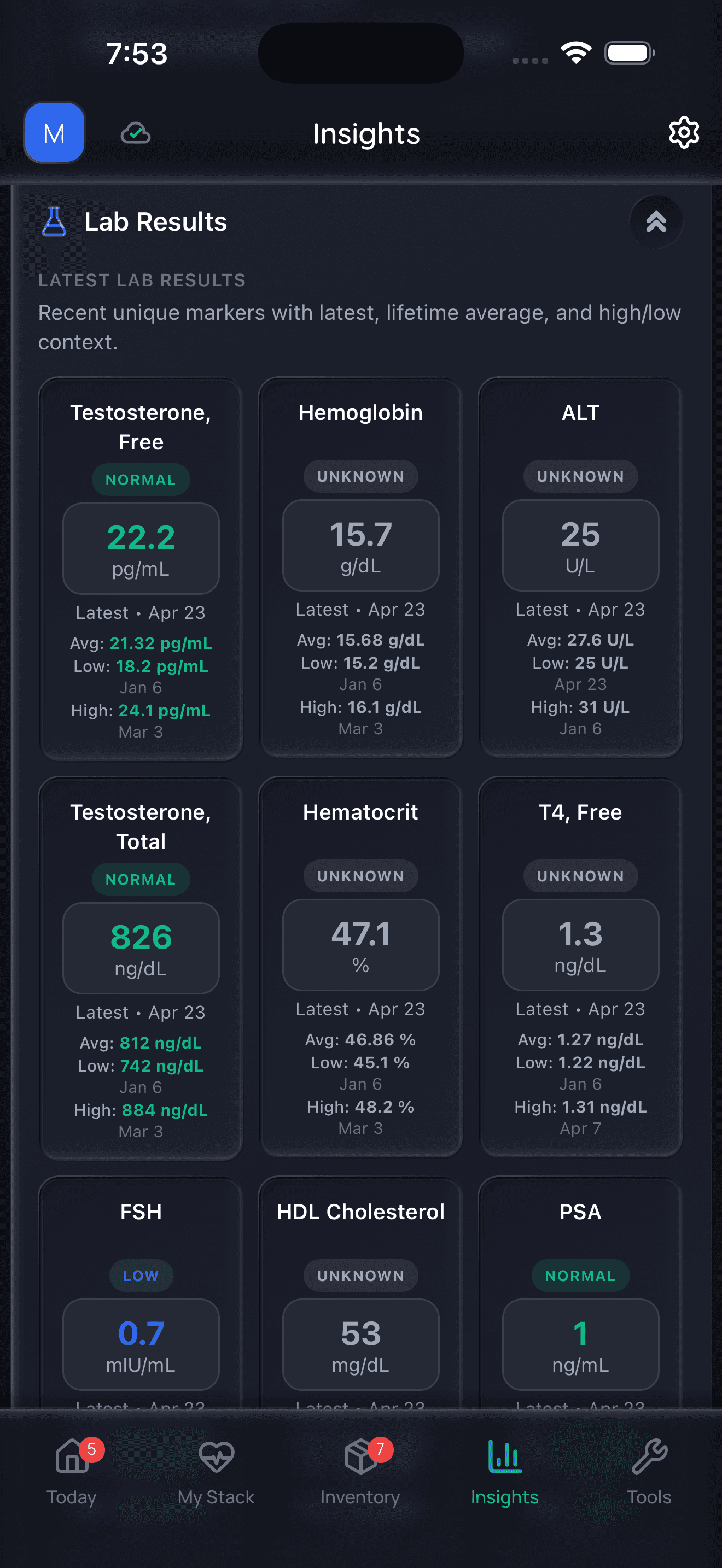
Doserly organizes data; it does not diagnose or interpret labs for you.
Dosing & Treatment Protocols
The Basics
Dosing for oral testosterone follows a different logic than injectable or transdermal protocols. Instead of choosing an injection frequency or gel strength, you and your provider select a starting capsule dose and take it twice daily with meals, then adjust based on your testosterone levels at follow-up.
Each of the three FDA-approved products has a slightly different dosing approach. Jatenzo starts at 237 mg twice daily and can be titrated between 158 mg and 396 mg twice daily. Kyzatrex offers similar flexibility with a range of 100-400 mg twice daily. Tlando takes a simpler approach with a fixed dose of 225 mg twice daily, with no titration.
The timing matters. Taking oral testosterone with food is essential for absorption. The fat content of your meal helps the testosterone undecanoate get absorbed through the lymphatic pathway. While the newer SEDDS formulations are less dependent on high-fat meals than older Andriol, taking the capsule on an empty stomach will significantly reduce how much testosterone enters your system.
Most providers check testosterone levels within the first few weeks of starting oral TRT (as early as 7 days for some products). Because oral testosterone peaks and clears quickly, the timing of your blood draw relative to your dose is critical. Follow your provider's specific instructions about when to get your blood drawn. Some products measure peak levels (a few hours after dosing), while others use average concentrations to guide dose adjustments.
The Science
Product-Specific Dosing Protocols:
Parameter
Starting Dose
- Jatenzo
- 237 mg BID
- Tlando
- 225 mg BID
- Kyzatrex
- Individualized (200-400 mg BID typical)
Parameter
Minimum Dose
- Jatenzo
- 158 mg BID
- Tlando
- 225 mg (fixed)
- Kyzatrex
- 100 mg BID
Parameter
Maximum Dose
- Jatenzo
- 396 mg BID
- Tlando
- 225 mg (fixed)
- Kyzatrex
- 400 mg BID
Parameter
Titration
- Jatenzo
- Based on serum T Cavg
- Tlando
- No titration
- Kyzatrex
- Based on serum T
Parameter
Food Requirement
- Jatenzo
- With food
- Tlando
- With food
- Kyzatrex
- With food
Parameter
Blood Draw Timing
- Jatenzo
- Per prescribing information
- Tlando
- Per prescribing information
- Kyzatrex
- Per prescribing information
Dose Adjustment Guidance (Jatenzo):
The prescribing information provides a titration algorithm: measure testosterone concentrations at approximately 1 month after starting therapy. If the Cavg total testosterone is below 300 ng/dL, increase the dose. If above 1,050 ng/dL, decrease the dose. The minimum effective dose should be used [15].
Practical Dosing Considerations:
- Timing: Morning and evening doses, approximately 12 hours apart, ideally with meals
- Consistency: Maintaining regular meal timing improves absorption consistency
- Missed doses: Take as soon as remembered unless close to the next scheduled dose; do not double up
- Travel: Oral TRT is simpler to travel with than injectables (no needles, vials, or sharps containers), though Schedule III status requires carrying the prescription label
What to Expect (Timeline)
After starting oral testosterone, the timeline for noticing changes follows a general pattern, though individual experience varies widely based on starting testosterone levels, dose achieved, and absorption consistency.
Days 1-7: You may notice subtle changes in energy or mood, though much of what is felt in the first week may be psychological expectation rather than physiological change. Some users report a noticeable "surge" of energy or alertness 2-4 hours after each dose as testosterone peaks. Mild digestive effects (nausea, gas) are possible as your body adjusts to the capsule.
Weeks 2-4: Libido changes are often the first clearly noticeable effect. Energy levels may begin to improve. Mood may start to stabilize. Your provider may check testosterone levels during this period to assess absorption and guide dose adjustment. Initial adjustments to dosing are common.
Months 1-3: Sexual function improvements become more consistent. Body composition changes begin (though these are subtle at first). Hematocrit starts to rise; initial monitoring blood work is typically drawn. Energy and mood improvements may become more established. Some users who initially experienced post-dose energy surges report that this effect diminishes as the body adjusts.
Months 3-6: Body composition changes become more apparent (reduced fat mass, increased lean mass). Strength improvements if combined with resistance training. Bone density improvements beginning. Full sexual function benefits typically established. Hematocrit should be reassessed.
Months 6-12: Significant body composition changes for men who are consistently absorbing and active. Bone density improvements measurable on DEXA. Annual review with provider to reassess continued need, dose optimization, and safety monitoring.
Ongoing maintenance: Annual review including hematocrit, PSA (age-appropriate), lipid panel, testosterone levels, symptom assessment, and discussion of continued treatment goals.
Realistic expectations are important: not every symptom resolves with TRT alone, dose adjustment is a normal part of the process, and oral TRT requires consistent twice-daily adherence with meals for optimal results. Some men find that the twice-daily dosing pattern does not work well for their lifestyle and ultimately switch to injectable or transdermal options.
Fertility Preservation & HPG Axis
Exogenous testosterone, regardless of delivery route, suppresses the hypothalamic-pituitary-gonadal (HPG) axis. This is one of the most important considerations for any man starting TRT, including oral testosterone.
When you take testosterone from an external source, your brain detects the elevated testosterone levels and reduces its production of gonadotropin-releasing hormone (GnRH). This leads to decreased luteinizing hormone (LH) and follicle-stimulating hormone (FSH) from the pituitary gland. Without adequate LH stimulation, Leydig cells in the testes produce less testosterone locally, and without adequate FSH, Sertoli cell function declines and spermatogenesis (sperm production) is impaired. Intratesticular testosterone concentrations, which are normally 40-100 times higher than serum levels, drop dramatically [21].
Approximately 40-60% of men on TRT achieve azoospermia (zero sperm count) by 6 months, with the remainder typically showing severe oligospermia (fewer than 1 million sperm per mL). This effect is generally reversible after discontinuation, but recovery is not guaranteed. Recovery timelines vary from 6 to 24+ months, and factors including duration of TRT use, age, and pre-TRT hormonal status affect the likelihood and speed of recovery [22].
Does oral TRT suppress fertility less than injectable TRT? This is a question of active clinical interest. Marius Pharmaceuticals (maker of Kyzatrex) has initiated a pilot study specifically examining the effects of oral TRT on spermatogenesis, noting that most fertility suppression data come from traditional routes (injections, gels, pellets) [23]. The rapid clearance of oral TU (12-hour half-life equivalent vs 8-day half-life for cypionate) theoretically allows for more pulsatile HPG axis stimulation, but no clinical data yet confirm reduced fertility suppression with oral TRT. Until such data are available, the conservative approach is to assume that oral TRT suppresses spermatogenesis similarly to other routes.
Fertility preservation strategies for men considering oral TRT:
- Sperm banking before starting TRT is recommended for any man who may want biological children in the future
- HCG co-administration (250-500 IU, 2-3 times weekly) may help maintain intratesticular testosterone and spermatogenesis during TRT
- Clomiphene or enclomiphene as alternatives to exogenous testosterone for men prioritizing fertility (these stimulate endogenous T production via LH/FSH without suppressing spermatogenesis)
- Discuss fertility goals with your provider before starting any form of TRT; this should be a standard part of the initiation conversation
Interactions & Compatibility
Drug-Drug Interactions:
- Anticoagulants (warfarin, DOACs): Testosterone may enhance anticoagulant effect; monitor INR more frequently
- Insulin and diabetes medications: Testosterone may improve insulin sensitivity, potentially requiring dose reduction of diabetes medications
- Corticosteroids: Additive fluid retention risk
- 5-alpha reductase inhibitors (finasteride, dutasteride): May reduce DHT conversion, relevant given the higher DHT levels with oral TU
- Aromatase inhibitors (anastrozole): May be co-prescribed for estrogen management, though routine AI use is not guideline-recommended
Supplement Interactions:
- DHEA: Additive androgenic effects
- Boron: May increase free testosterone
- Zinc: Supports testosterone production
- Saw Palmetto: 5-alpha reductase inhibition
- Vitamin D: Associated with testosterone levels
Lifestyle Factors:
- Alcohol: Suppresses testosterone production and increases aromatization
- Sleep: Critical for testosterone production; TRT may worsen sleep apnea
- Exercise: Resistance training synergistic with TRT
- Body composition: Weight loss may normalize testosterone, potentially reducing need for TRT
- Meal timing: Directly affects oral TU absorption; consistent meal schedule improves dosing consistency
Internal Cross-Links:
- Testosterone Injections Guide
- Testosterone Gels & Topicals Guide
- Jatenzo
- Kyzatrex
- Tlando
- Fertility Preservation on TRT
- Estrogen Management on TRT
Decision-Making Framework
Choosing between oral testosterone and other delivery methods is a personal decision that depends on your priorities, lifestyle, and clinical profile. Here are the key considerations:
When oral TRT may be a good fit:
- You have needle anxiety or cannot self-inject
- You travel frequently and want simplified logistics
- You have a partner or children and want to eliminate skin transfer risk
- You have a regular daily routine with consistent meal times
- You prefer a non-invasive delivery method and can afford the higher cost
When oral TRT may not be the best choice:
- You cannot afford $150-1000+ per month (generic injectable cypionate costs $10-30/month)
- You have an irregular eating schedule or frequently skip meals
- You have pre-existing hypertension that is poorly controlled
- You prefer the stability of once-weekly injections or daily gel
- Your insurance does not cover oral TRT products
Questions to discuss with your provider:
- Is oral TRT covered by my insurance? What will my out-of-pocket cost be?
- Given my cardiovascular history and blood pressure, is oral TRT appropriate?
- How will we monitor my testosterone levels, and when should I schedule blood draws relative to my dose?
- If oral TRT doesn't produce adequate levels, what is our backup plan?
- Am I a candidate for dose titration, or is a fixed-dose product more appropriate?
Finding the right provider:
An endocrinologist, urologist with andrology expertise, or men's health specialist can provide comprehensive TRT management. If considering telehealth TRT clinics, verify that the provider offers individualized dosing, appropriate monitoring, and is aware of the nuances of oral TU pharmacokinetics (blood draw timing, absorption variability, BP monitoring).
Shared decision-making works best when both you and your provider have good data. Doserly gives you a personalized health picture that makes treatment discussions more meaningful: your symptoms, their severity, how they've changed over time, and how they connect to your current protocol and lab values.
Whether you're evaluating whether to start TRT, considering a switch from gel to injections, or discussing whether it's time to adjust your dose based on trough levels, having your own tracked data alongside the clinical evidence puts you in a stronger position to make decisions that reflect your individual experience and goals.
Bring cleaner notes into the conversation.
Use Doserly to keep doses, symptoms, labs, inventory, and questions organized before a clinician visit or protocol review.
Visit prep
Review packet
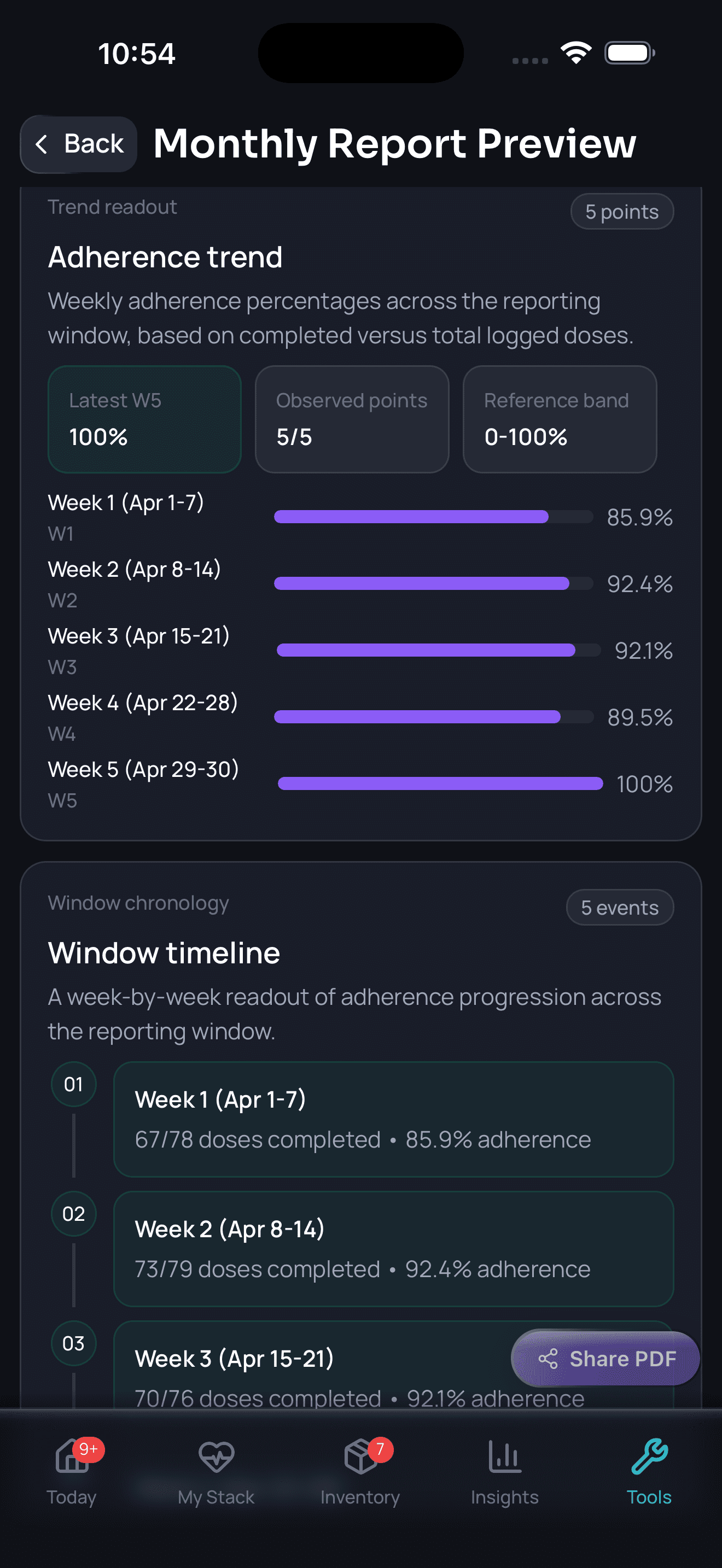
Organized notes can support better conversations with your care team.
Administration & Practical Guide
Oral testosterone is the most straightforward TRT delivery method from an administration perspective. No injections, no skin application, no clinic visits for administration.
How to take oral TRT:
- Take the prescribed number of capsules with a meal, twice daily
- Space doses approximately 12 hours apart (morning and evening)
- Swallow capsules whole; do not chew, crush, or open them
- Ensure your meal contains some fat to support lymphatic absorption
- Store at room temperature (Jatenzo, Tlando, Kyzatrex); Andriol requires refrigeration
Meal considerations:
While the newer SEDDS formulations do not require a specifically high-fat meal, taking oral TU with food is non-negotiable for adequate absorption. A meal with moderate fat content (eggs, avocado, nuts, olive oil, or similar) is ideal. Taking the capsule on an empty stomach or with a very low-calorie snack may significantly reduce absorption.
Travel with oral TRT:
- Keep medication in the original prescription-labeled bottle
- Oral testosterone is a Schedule III controlled substance; carry your prescription or a letter from your provider
- No sharps, needles, or liquid vials to declare or store
- Temperature-stable (room temperature storage for US products)
- International travel: check destination country's controlled substance regulations; some countries have strict limits on testosterone importation
Common practical issues:
- Forgetting a dose: Take it when you remember, but skip if it is close to your next scheduled dose. Do not take a double dose.
- Inconsistent absorption: If you feel that the medication is not working consistently, discuss with your provider. Absorption can vary with meal composition, timing, and individual gastrointestinal factors.
- GI side effects: Nausea, diarrhea, or gas can occur, especially early in treatment. Taking the capsule with a full meal (not just a snack) often helps.
Monitoring & Lab Work
Pre-Treatment Baseline Labs:
- Total testosterone (two morning fasting draws to confirm hypogonadism)
- Free testosterone (calculated or equilibrium dialysis)
- LH and FSH (to distinguish primary vs secondary hypogonadism)
- Estradiol
- SHBG
- CBC with hematocrit (baseline before starting)
- PSA (age-appropriate screening)
- Lipid panel
- Comprehensive metabolic panel
- DEXA if osteoporosis risk present
Initial Follow-Up (2-4 weeks for oral TU):
- Testosterone level (timing relative to dose per prescribing information)
- Blood pressure assessment
- Symptom assessment
- Dose adjustment if needed
Ongoing Monitoring Schedule:
- Hematocrit: Every 3-6 months in the first year, then every 6-12 months. Threshold >54% for intervention.
- Blood pressure: Periodically (oral TU specific recommendation)
- Testosterone levels: At dose changes and periodically at steady state
- PSA: Per age-appropriate screening guidelines; annually for men >40
- Estradiol: Only if symptomatic (gynecomastia, fluid retention, mood changes)
- Lipid panel: At baseline and annually (oral TU has been associated with HDL reduction)
- Liver function tests: Though not a primary concern with TU, periodic monitoring is reasonable
- Semen analysis: If fertility is a concern
Estrogen Management on TRT
Testosterone aromatizes to estradiol via the aromatase enzyme (CYP19A1), primarily in adipose tissue. This occurs with all forms of TRT, including oral testosterone. Estradiol is not an unwanted byproduct; men need estradiol for bone health, cardiovascular function, brain function, and healthy libido.
The estrogen management picture for oral TRT has some unique characteristics. The twice-daily dosing creates pulsatile testosterone peaks, which may result in pulsatile aromatization patterns different from the steady-state aromatization seen with daily gel or the single weekly peak with injections. Additionally, oral TU produces higher DHT elevations (~3-fold) than other routes, which may affect the testosterone-to-estradiol ratio differently.
When estrogen management matters: Only when clinical symptoms or clearly elevated estradiol levels are present. Current clinical guidelines (Endocrine Society, AUA) do not recommend routine aromatase inhibitor (AI) use during TRT.
High estradiol symptoms: Gynecomastia, excessive fluid retention, emotional lability, nipple sensitivity.
Low estradiol symptoms: Joint pain, low libido (paradoxically), dry skin, fatigue, depression, bone density loss.
Aromatase inhibitor use (anastrozole): Commonly discussed in men's health communities but not recommended as routine co-prescription by major guidelines. Excessive estrogen suppression causes joint pain, bone density loss, and paradoxically decreased libido. The evidence suggests that most men on TRT, including oral TRT, do not need an AI. Symptom-based management is preferred over targeting specific estradiol numbers.
Stopping TRT / Post-Cycle Considerations
If you and your provider decide to discontinue oral TRT, understanding what to expect is important.
What happens when you stop: Your body's HPG axis, which has been suppressed by the exogenous testosterone, needs time to restart endogenous production. LH and FSH remain suppressed for weeks to months after stopping. Endogenous testosterone production may take 6-24+ months to recover, and recovery to pre-TRT levels is not guaranteed.
Factors affecting recovery:
- Duration of TRT use (longer use generally means slower recovery)
- Age (younger men tend to recover faster)
- Pre-TRT hormonal status (men with primary hypogonadism may not recover regardless)
- Whether HCG was used during TRT (may preserve testicular function)
PCT (Post-Cycle Therapy) approaches: These are community-derived protocols with limited formal clinical study for TRT discontinuation specifically:
- HCG taper: 1,000-2,000 IU every other day for 2-4 weeks
- Clomiphene citrate: 25-50 mg daily for 4-8 weeks to stimulate LH/FSH
- Enclomiphene: Newer SERM, may have fewer side effects than clomiphene
Is oral TRT lifelong? For men with primary hypogonadism (testicular failure), TRT is typically lifelong. For secondary hypogonadism, addressing underlying causes (weight loss, sleep apnea treatment, opioid cessation) may restore endogenous production. For age-related decline, the answer is individualized. One potential advantage of oral TU's rapid clearance is that discontinuation results in quicker testosterone washout compared to long-acting injectable esters, which may allow faster assessment of endogenous recovery potential.
Special Populations & Situations
Obese Men
Obese men have increased aromatase activity due to higher adipose tissue, which may increase estradiol conversion on oral TRT. Weight loss alone may normalize testosterone in some obese men, reducing or eliminating the need for TRT. If TRT is initiated, oral TU absorption may be affected by individual GI and metabolic factors related to obesity.
Men with Hypertension
Oral TU has demonstrated blood pressure increases in clinical trials. Men with pre-existing hypertension on antihypertensive therapy showed larger BP increases than normotensive men. Oral TRT is not recommended for men with uncontrolled hypertension. Blood pressure monitoring is especially important in this population.
Men with Sleep Apnea
Testosterone may exacerbate obstructive sleep apnea. CPAP optimization is recommended before and during TRT. This applies to all routes, including oral.
Men with Prostate Cancer History
Historically an absolute contraindication. Evidence is evolving (saturation model), but remains controversial. Specialized urological consultation required.
Cardiovascular Disease History
TRAVERSE trial provides class-level reassurance (HR 0.96 for MACE). For oral TRT specifically, the additional consideration is blood pressure management. Hematocrit monitoring is critical. Transdermal formulations may be preferred in high-CV-risk patients due to lower polycythemia rates and the absence of oral-specific BP concerns.
Older Men (>65)
The TRAVERSE trial population was predominantly older men (45-80) with cardiovascular risk factors. Lower starting doses may be appropriate. Polycythemia risk increases with age. The convenience of oral dosing may be particularly valuable for older patients who have difficulty with injection technique or gel application.
Transgender Men (FTM)
Oral TU has been used off-label for masculinizing hormone therapy. Dosing goals differ from TRT for hypogonadism (masculinizing doses). Limited community experience with oral TU in FTM populations. Fertility counseling (oocyte preservation) is essential before starting any testosterone therapy.
Regulatory, Insurance & International
United States (FDA/DEA):
- Testosterone undecanoate oral products are FDA-approved for treatment of hypogonadism associated with deficiency or absence of endogenous testosterone
- All are Schedule III controlled substances (DEA)
- Jatenzo: NDA 206089, approved March 2019. Boxed warning for BP removed July 2025. Limitation of use regarding "age-related hypogonadism" removed July 2025.
- Tlando: Approved 2022
- Kyzatrex: Approved 2022
- Insurance coverage varies widely; prior authorization commonly required. Many insurers prefer lower-cost generic injectable testosterone as first-line, requiring documentation of failure or intolerance before covering oral formulations
- Out-of-pocket cost: $150-1,000+ per month depending on product and pharmacy
- Generic injectable testosterone cypionate costs approximately $10-30/month for comparison
Canada:
- Andriol (testosterone undecanoate) available as an oral formulation
- Different formulation from US products (oleic acid vehicle, requires refrigeration)
- Available by prescription
International:
- Andriol and Andriol Testocaps available in numerous countries (EU, UK, Australia, and others)
- Jatenzo, Tlando, and Kyzatrex are US-only products as of 2026
- Nebido (testosterone undecanoate for injection) is available internationally but is a different route (IM, not oral)
Travel Considerations:
- Schedule III controlled substance; carry original labeled prescription container
- Check destination country regulations for testosterone importation
- Oral formulation simplifies travel logistics compared to injectables (no needles/sharps)
Frequently Asked Questions
Is oral testosterone safe for the liver?
Modern oral testosterone undecanoate (Jatenzo, Tlando, Kyzatrex) is absorbed through the lymphatic system, bypassing the liver. Clinical trials across all three products have shown no evidence of clinically significant liver toxicity. This is fundamentally different from older oral testosterone (methyltestosterone), which was absorbed through the portal vein and caused liver damage. Your provider may still monitor liver enzymes periodically as a precaution.
How does oral testosterone compare to injections?
Both can effectively raise testosterone to normal levels. Injections are less expensive (generic cypionate costs $10-30/month vs $150-1,000+ for oral), have decades more clinical data, and require dosing only once weekly. Oral testosterone offers convenience (no needles), eliminates transfer risk to partners/children, and simplifies travel. The choice depends on your priorities, insurance coverage, and how well you absorb the oral formulation.
Do I have to take oral testosterone with food?
Yes. Oral testosterone undecanoate requires food for adequate absorption through the lymphatic pathway. Taking it on an empty stomach significantly reduces absorption. A meal with moderate fat content is ideal, though the newer formulations are less dependent on high-fat meals than older Andriol.
Why do I need to take it twice a day?
Oral testosterone undecanoate has a relatively short duration of action (approximately 12 hours). Twice-daily dosing maintains testosterone levels throughout the day. Taking it only once daily would result in low testosterone levels for half the day.
Will oral testosterone affect my fertility?
All forms of exogenous testosterone suppress the HPG axis and can reduce or eliminate sperm production. This effect is generally reversible after stopping, but recovery is not guaranteed and can take 6-24+ months. If you may want biological children in the future, discuss fertility preservation options with your provider before starting any form of TRT.
Why was the blood pressure warning removed from Jatenzo?
In July 2025, the FDA removed the boxed warning for blood pressure increases from Jatenzo's label based on further safety evaluation. Clinical data showed that blood pressure increases with oral TU are modest (2-5 mmHg systolic, depending on product and measurement method) and comparable to effects seen with other TRT formulations. Blood pressure monitoring is still recommended.
Is oral testosterone covered by insurance?
Coverage varies widely. Many insurers require prior authorization and may require documentation that the patient has tried or is intolerant of lower-cost options (typically generic injectable testosterone) before approving oral formulations. Out-of-pocket costs without insurance range from approximately $150 to over $1,000 per month.
Can I switch from injections to oral testosterone?
Yes, though your provider will need to manage the transition. Because injectable testosterone has a longer half-life, there will be a period of overlap or gap that needs to be planned. Your provider will check levels after switching to ensure the oral formulation is achieving adequate testosterone concentrations.
What if I don't absorb oral testosterone well?
Some individuals do not absorb oral TU consistently, leading to inadequate testosterone levels despite taking the medication as prescribed. If your testosterone levels remain low on oral TRT, your provider may adjust the dose, evaluate meal timing and composition, or recommend switching to an injectable or transdermal formulation.
Is oral testosterone the same as testosterone "supplements" or "boosters"?
No. Oral testosterone undecanoate (Jatenzo, Tlando, Kyzatrex) is a prescription-only, FDA-approved, Schedule III controlled substance. Over-the-counter testosterone "boosters" and "supplements" are not the same thing and do not contain actual testosterone. They typically contain herbal ingredients (like fenugreek, ashwagandha, or tribulus) with limited evidence of meaningfully raising testosterone levels.
Myth vs. Fact
Myth: Oral testosterone causes liver damage.
Fact: This was true for older oral testosterone products (methyltestosterone), which were absorbed through the portal vein and metabolized by the liver. Modern testosterone undecanoate formulations (Jatenzo, Tlando, Kyzatrex) are absorbed through the intestinal lymphatic system, bypassing the liver entirely. Pooled clinical trial data across all three products have shown no clinically significant liver toxicity [16][17].
Myth: TRT causes heart attacks.
Fact: The TRAVERSE trial (n=5,246), the largest RCT designed to assess cardiovascular safety of TRT, found no significant increase in major adverse cardiovascular events (HR 0.96, 95% CI: 0.78-1.17) with testosterone therapy compared to placebo over 33 months in men with preexisting or high cardiovascular risk. Absolute MACE rates were nearly identical: 7.0% testosterone vs 7.3% placebo [14]. Blood pressure monitoring is specifically recommended for oral TRT.
Myth: TRT causes prostate cancer.
Fact: Current evidence does not support a causal link between testosterone replacement therapy at physiological doses and prostate cancer initiation. The saturation model suggests that prostate tissue androgen receptors become fully saturated at relatively low testosterone concentrations, and further increases do not additionally stimulate prostate growth. PSA monitoring remains standard practice, and TRT is contraindicated in men with known prostate cancer [19].
Myth: Oral testosterone is just as bad as steroids.
Fact: Testosterone replacement therapy restores testosterone to the normal physiological range (typically 300-1,000 ng/dL) in men who have been diagnosed with deficiency. This is fundamentally different from supraphysiological steroid use, which involves doses many times higher than normal and carries substantially greater risks. All testosterone products are Schedule III controlled substances, but their therapeutic use under medical supervision is a legitimate medical treatment.
Myth: Once you start TRT, you can never stop.
Fact: Whether TRT is lifelong depends on the underlying cause. Men with primary hypogonadism (testicular failure) typically need lifelong treatment. Men with secondary hypogonadism may be able to restore endogenous production if underlying causes are addressed. Recovery of natural production after stopping TRT takes 6-24+ months and is not guaranteed, which is why this decision should be discussed before starting treatment.
Myth: Oral testosterone doesn't work as well as injections.
Fact: Clinical trials show that 80-88% of men on oral TU achieve eugonadal testosterone levels. However, individual absorption variability is higher with oral TRT than with injections. Some men do not absorb oral TU consistently, leading to inadequate levels, which contributes to the perception that oral TRT is less effective. For men who absorb it well, the efficacy is comparable to other routes.
Myth: All oral testosterone products are the same.
Fact: While all three US-approved products contain testosterone undecanoate, they differ in their SEDDS/carrier formulation, available dose strengths, titration flexibility, and cost. Jatenzo offers the widest dose range with established clinical data; Tlando provides a fixed-dose simplicity; Kyzatrex uses a different carrier technology and offers flexible titration. These differences may matter for individual patients.
Myth: You need a high-fat meal for oral testosterone to work.
Fact: Older Andriol formulations required co-administration with a high-fat meal. The newer SEDDS-based products (Jatenzo, Tlando, Kyzatrex) are designed for absorption with a regular meal, without requiring specifically high-fat content. However, taking the capsule on an empty stomach does significantly reduce absorption.
Sources & References
Clinical Guidelines:
[1] Bhasin S, Brito JP, Cunningham GR, et al. Testosterone Therapy in Men With Hypogonadism: An Endocrine Society Clinical Practice Guideline. J Clin Endocrinol Metab. 2018;103(5):1715-1744. doi:10.1210/jc.2018-00229
Pharmacology & Pharmacokinetics:
[2] Shackleford DM, Faassen WA, Houwing N, et al. Contribution of lymphatically transported testosterone undecanoate to the systemic exposure of testosterone after oral administration of two Andriol formulations in conscious lymph duct-cannulated dogs. J Pharmacol Exp Ther. 2003;306(3):925-933. doi:10.1124/jpet.103.052522
[3] Horst HJ, Holtje WJ, Dennis M, et al. Lymphatic absorption and metabolism of orally administered testosterone undecanoate in man. Klin Wochenschr. 1976;54(18):875-879. doi:10.1007/BF01483589
[4] Yin AY, Htun M, Swerdloff RS, et al. Reexamination of pharmacokinetics of oral testosterone undecanoate in hypogonadal men with a new self-emulsifying formulation. J Androl. 2012;33(2):190-201. doi:10.2164/jandrol.111.013169
[5] Gooren LJ. A ten-year safety study of the oral androgen testosterone undecanoate. J Androl. 1994;15(3):212-215.
Clinical Trials & Efficacy:
[6] Bhat SZ, Dobs AS. Treatment of Symptomatic Male Hypogonadism with New Oral Testosterone Therapies: A Comparative Review of Jatenzo, Tlando, and Kyzatrex. Pharmaceuticals. 2025;18(1). PMID:41562957.
[7] Zhang Z, Lu Y, Qi J, Wu W. An update on oral drug delivery via intestinal lymphatic transport. Acta Pharm Sin B. 2021;11(8):2449-2468. doi:10.1016/j.apsb.2020.12.022
[8] Dudley RE, Danoff TM. A new oral testosterone undecanoate therapy comes of age for the treatment of hypogonadal men. Ther Adv Urol. 2020;12:1756287220937232. doi:10.1177/1756287220937232
[9] Swerdloff RS, Wang C. Dihydrotestosterone: a rationale for its use as a non-aromatizable androgen replacement therapeutic agent. Best Pract Res Clin Endocrinol Metab. 2023;37(4):101629.
[10] Swerdloff RS, Wang C, White WB, et al. A new oral testosterone undecanoate formulation restores testosterone to normal concentrations in hypogonadal men. J Clin Endocrinol Metab. 2020;105(8):2515-2531. doi:10.1210/clinem/dgaa238
[11] Lipocine Inc. Tlando Prescribing Information. 2022.
[12] White WB, Bernstein JS, Morgentaler A, Dhingra O. Effects of oral testosterone undecanoate (Kyzatrex) versus testosterone gel (Androgel) on long-term (to 12 months) blood pressure levels. Androgens Clin Res Ther. 2022;3(1):233-240. doi:10.1089/andro.2022.0011
Cardiovascular Safety:
[13] Thirumalai A, Ceponis J, Engmann NJ. Oral testosterone therapy: past, present, and future. Transl Androl Urol. 2023;12(6):1019-1034. PMID:36779549.
[14] Lincoff AM, Bhasin S, Flevaris P, et al. Cardiovascular safety of testosterone-replacement therapy. N Engl J Med. 2023;389(2):107-117. doi:10.1056/NEJMoa2215025
Safety & Labeling:
[15] JATENZO (testosterone undecanoate) capsules, for oral use CIII [package insert]. Fort Collins, CO: Tolmar, Inc.; 2025.
[16] Newer formulations of oral testosterone undecanoate: development and liver side effects. Sex Med Rev. 2025;13(2):282. PMID:39291780.
[17] Swerdloff RS. Study finds oral testosterone therapy undecanoate is effective, with no liver toxicity. Presented at ENDO 2021, Endocrine Society Annual Meeting.
Guidelines & Surveys:
[18] Dobs A, Dhindsa S. Oral Arguments: Getting the Word Out About Oral TRT. Presented at ENDO 2024, Endocrine Society Annual Meeting. Endocrine News.
[19] Mulhall JP, Trost LW, Brannigan RE, et al. Evaluation and Management of Testosterone Deficiency: AUA Guideline (2024). American Urological Association.
Reproductive Biology:
[20] AUA Guideline on Testosterone Deficiency. Table of Injectable Agent Outcomes. Abnormally elevated Hb/Hct rates: 19-44% in meta-analysis of RCTs.
[21] Nieschlag E. Clinical trials in male hormonal contraception. Contraception. 2010;82(5):457-470.
[22] Liu PY, Swerdloff RS, Christenson PD, et al. Rate, extent, and modifiers of spermatogenic recovery after hormonal male contraception: an integrated analysis. Lancet. 2006;367(9520):1412-1420.
[23] Marius Pharmaceuticals. Kyzatrex pilot study on spermatogenesis. Announced January 2024.
Related Guides & Cross-Links
Same Category (Treatment Overview Guides)
- Testosterone Injections Guide
- Testosterone Gels & Topicals Guide
- Fertility Preservation on TRT
- Estrogen Management on TRT
- TRT Blood Work Guide
- TRT for Beginners
Individual Oral Testosterone Products
- Jatenzo (Testosterone Undecanoate Oral)
- Kyzatrex (Testosterone Undecanoate Oral)
- Tlando (Testosterone Undecanoate Oral)
- Andriol (Testosterone Undecanoate Oral)
Related Treatment Options
- Testosterone Cypionate
- Testosterone Enanthate
- Testosterone Undecanoate Injectable
- Clomiphene Citrate
- Enclomiphene Citrate
- HCG
Complementary Approaches
Conditions & Education
- Late-Onset Hypogonadism
- TRT Myths vs Facts
- Low Testosterone Master Guide
- Stopping TRT & Post-Cycle Recovery
- Natural Testosterone Optimization