
MK-677: Complete Research Guide
On this page
Quick Reference Card
Attribute
Also Known As
- Detail
- Ibutamoren, Ibutamoren mesylate, MK-0677, L-163,191
Attribute
Administration
- Detail
- Oral (capsule or liquid)
Attribute
Research Status
- Detail
- Research Compound. Not FDA-approved for any indication. WADA prohibited (Section S2: Peptide Hormones, Growth Factors). Investigated in clinical trials for muscle wasting, hip fracture recovery, GH deficiency, and Alzheimer's disease.
Attribute
Typical Dose Range
- Detail
- 10-25 mg once daily, orally
Attribute
Half-Life
- Detail
- 4-6 hours (parent compound); ~24 hours effective duration (sustained IGF-1 elevation)
Attribute
Cycle Length
- Detail
- 8-16 weeks on, 4-8 weeks off
Attribute
Storage
- Detail
- Room temperature; protect from moisture and light
Overview / What Is MK-677?
The Basics
MK-677 (Ibutamoren) is not technically a peptide. It is a small molecule compound that you take as a pill, and it works by mimicking ghrelin, the hormone your body produces to signal hunger. When MK-677 activates the ghrelin receptor, it tells your pituitary gland to release more growth hormone. The result is elevated levels of both growth hormone (GH) and insulin-like growth factor 1 (IGF-1) for approximately 24 hours from a single dose.
What makes MK-677 unusual in this space is the oral route of administration. Nearly every other growth hormone secretagogue requires subcutaneous injection, cold storage, and reconstitution. MK-677 eliminates all of that: one pill, once a day, no needles, no refrigeration. This convenience factor is one of its primary appeals and the reason it has become one of the most widely discussed GH-related compounds in biohacking and fitness communities.
The clinical evidence behind MK-677 is more substantial than many realize. A 2-year randomized controlled trial in 65 older adults demonstrated that 25 mg daily restored GH and IGF-1 to youthful levels and increased fat-free mass by 1.1 kg versus placebo [1]. Earlier studies showed notable improvements in sleep architecture, with a 50% increase in Stage 4 (deep) sleep and a greater than 20% increase in REM duration [2]. However, the lean mass gains in the 2-year trial did not translate into measurable improvements in strength or physical function [1], which is a pattern observed across several GH secretagogues.
The trade-offs are real and well documented. Because MK-677 mimics ghrelin, it significantly increases appetite. It can cause water retention, particularly in the first few weeks. It may elevate fasting blood glucose and reduce insulin sensitivity. These are not rare or minor effects; they are part of the compound's pharmacological profile.
The Science
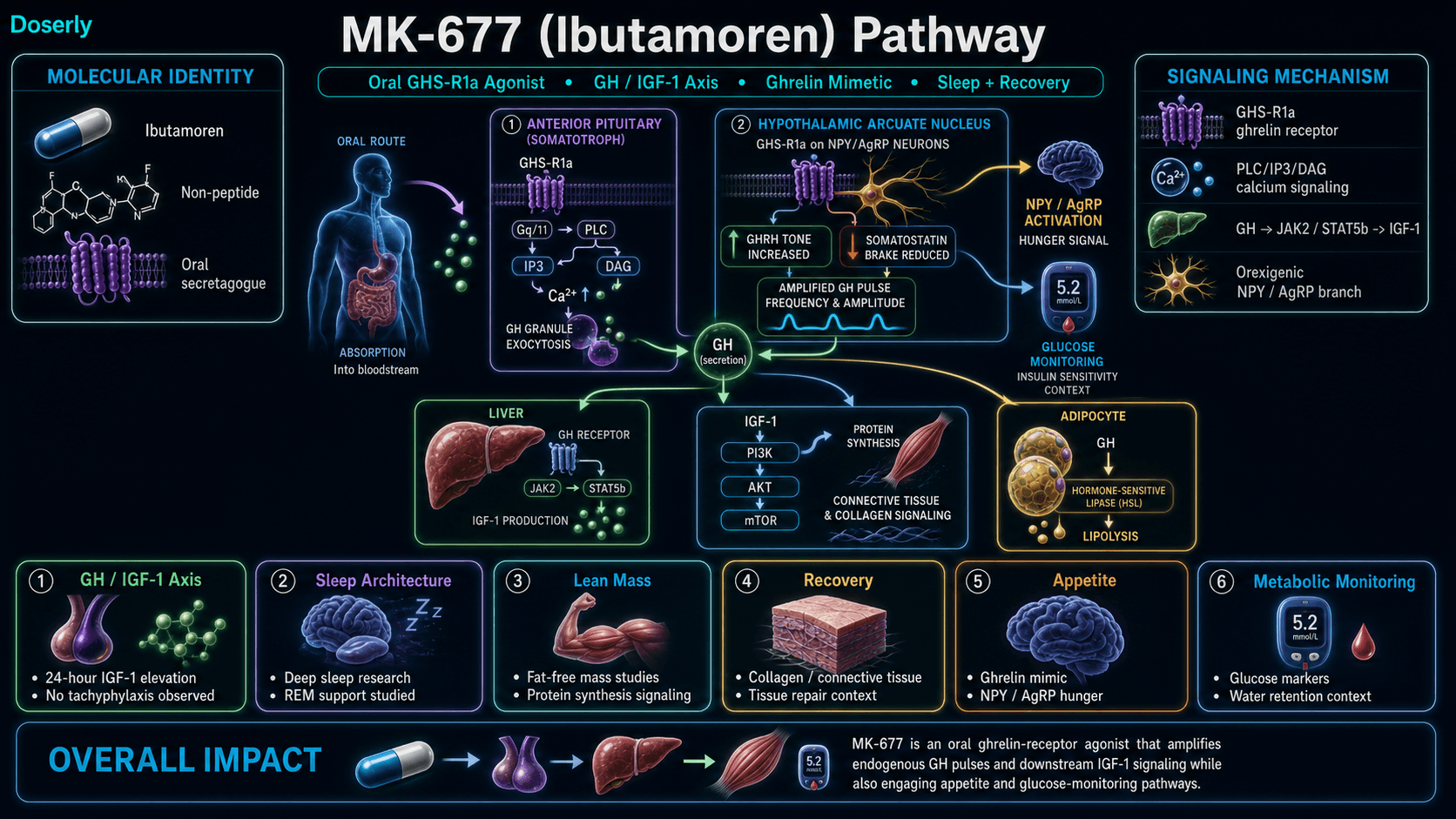
MK-677 (Ibutamoren mesylate) is a non-peptide, orally active growth hormone secretagogue belonging to the spiropiperidine chemical class. It functions as a potent, selective agonist of the growth hormone secretagogue receptor type 1a (GHS-R1a), also known as the ghrelin receptor, a Gq/11-coupled GPCR expressed on pituitary somatotrophs and hypothalamic arcuate nucleus neurons [3][4].
Binding to GHS-R1a activates phospholipase C (PLC), increasing intracellular calcium concentrations and protein kinase C (PKC) activity, which directly stimulates GH vesicle exocytosis from pituitary somatotrophs. At the hypothalamic level, GHS-R1a activation on neuropeptide Y (NPY)/agouti-related peptide (AgRP) neurons stimulates GHRH release while suppressing somatostatin tone, amplifying pulsatile GH secretion. This dual mechanism (direct pituitary and hypothalamic) produces sustained GH elevation that distinguishes MK-677 from simpler secretagogues [3].
The unique oral bioavailability (~60%) and extended duration of action (~24 hours for IGF-1 elevation) set MK-677 apart from injectable peptide secretagogues such as Ipamorelin (half-life ~2 hours) and GHRP-2 (half-life ~25-55 minutes). A 2-year RCT in healthy older adults demonstrated that 25 mg daily increased mean 24-hour GH concentrations by 40-97%, elevated IGF-1 by 40-89% within 2 weeks (sustained with continued use), and increased fat-free mass without producing tachyphylaxis [1][4]. A 12-month RCT in Alzheimer's patients confirmed long-term GH axis activation without desensitization, though no clinical improvement in AD progression was observed [5].
Molecular Identity
Attribute
Common Names
- Detail
- MK-677, Ibutamoren, Ibutamoren mesylate, MK-0677, L-163,191, Nutrobal
Attribute
Chemical Class
- Detail
- Spiropiperidine small molecule (not a peptide)
Attribute
Molecular Formula (free base)
- Detail
- C₂₇H₃₆N₄O₅S
Attribute
Molecular Formula (mesylate salt)
- Detail
- C₂₈H₄₀N₄O₈S₂
Attribute
Molecular Weight (free base)
- Detail
- 528.67 Da
Attribute
Molecular Weight (mesylate salt)
- Detail
- 624.8 Da
Attribute
Solubility
- Detail
- DMSO, Ethanol
Attribute
Functional Class
- Detail
- Ghrelin receptor agonist (GHS-R1a), growth hormone secretagogue
Attribute
Origin
- Detail
- Developed by Merck & Co. (originally designated L-163,191, later MK-677)
Mechanism of Action
The Basics
Think of your growth hormone system as having a gas pedal and a brake. Growth hormone releasing hormone (GHRH) is one gas pedal, and ghrelin is a second, independent gas pedal. Somatostatin is the brake. MK-677 works by pressing the ghrelin gas pedal.
When you take MK-677, it binds to the same receptor that ghrelin normally binds to in your brain and pituitary gland. This sends a "release growth hormone" signal. Unlike injectable GH peptides that produce a short spike and then fade, MK-677's effect lasts all day because the compound itself and the IGF-1 it stimulates both persist for approximately 24 hours.
The ghrelin mimicry also explains the appetite increase. Ghrelin is your body's primary hunger signal. By activating the ghrelin receptor, MK-677 triggers hunger pathways in the brain at the same time it triggers GH release. These two effects are inseparable at the receptor level.
Importantly, MK-677 does not suppress your body's own GH production. Because it works through the natural secretagogue pathway rather than replacing GH directly, the pituitary gland continues to produce GH on its own. This is a meaningful distinction from exogenous GH injection, which can suppress natural production over time.
The Science
MK-677 selectively agonizes GHS-R1a through a multi-level mechanism:
Pituitary level: Direct binding to GHS-R1a on somatotrophs activates Gq/11-protein signaling, engaging PLC to generate inositol 1,4,5-trisphosphate (IP3) and diacylglycerol (DAG). IP3-mediated calcium release from intracellular stores triggers GH vesicle exocytosis. This pathway is independent of the cAMP/PKA cascade used by GHRH analogs such as CJC-1295 and Sermorelin, providing the pharmacological basis for synergistic effects when combined [3][6].
Hypothalamic level: GHS-R1a activation on NPY/AgRP neurons in the arcuate nucleus stimulates GHRH neurons while simultaneously suppressing somatostatin release, amplifying the pulsatile GH secretion pattern. This dual hypothalamic action increases both the amplitude and frequency of GH pulses without depleting pituitary GH stores [3][4].
Downstream signaling: GH released by MK-677 activates the GH receptor/JAK2/STAT5b pathway in the liver, driving hepatic IGF-1 production. IGF-1 mediates systemic anabolic effects including protein synthesis, chondrocyte proliferation, osteoblast activation, and collagen deposition. GH also directly activates lipolysis via hormone-sensitive lipase in adipocytes, though this effect is partially offset by increased appetite and insulin resistance from GHS-R1a-mediated orexigenic signaling [3].
No HPA axis suppression: At therapeutic doses, MK-677 does not significantly affect cortisol, prolactin, or thyroid hormones [4]. This distinguishes it from first-generation GH secretagogues like GHRP-6 and GHRP-2, which exhibit broader receptor activation and can elevate cortisol and prolactin.
Pathway Visualization
Pharmacokinetics
The Basics
MK-677 is absorbed through the gut after oral administration, with bioavailability around 60%. You can take it with or without food; a high-fat meal may delay absorption slightly but does not meaningfully reduce the total amount your body absorbs.
The compound itself has a half-life of 4-6 hours, meaning it is cleared from your blood relatively quickly. However, the growth hormone and IGF-1 that MK-677 stimulates remain elevated for approximately 24 hours, which is why once-daily dosing is effective. After regular daily dosing, a steady state of elevated IGF-1 is reached within approximately 4-5 days.
Most protocols recommend evening dosing, 2-3 hours before bed. This timing aligns MK-677's peak GH-stimulating effect with the natural nocturnal GH pulse (which occurs during deep sleep), potentially maximizing the sleep quality benefits while minimizing daytime appetite effects and lethargy.
The Science
Pharmacokinetic parameters of MK-677 (25 mg oral dose):
Parameter
Bioavailability
- Value
- ~60%
Parameter
T_max (parent compound)
- Value
- 1-2 hours
Parameter
Half-life (parent compound)
- Value
- 4-6 hours
Parameter
Duration of IGF-1 elevation
- Value
- ~24 hours
Parameter
Steady state
- Value
- ~4.5 days with regular dosing
Parameter
Clearance (approximate)
- Value
- 5.1 days to ~3% remaining
Parameter
Protein binding
- Value
- High
Parameter
Metabolism
- Value
- Hepatic; CYP3A4 primary metabolic pathway
Onset of GH secretion occurs within 60-90 minutes of oral administration, with peak GH levels observed at approximately 1-2 hours post-dose. Unlike pulsatile GHRH agonists, MK-677 provides continuous GH elevation, increasing mean 24-hour GH concentrations by 40-97% depending on baseline status and dose [1][4]. IGF-1 elevation of 40-89% is measurable within 2 weeks of daily dosing and is sustained with continued use without evidence of tachyphylaxis over 2 years of continuous administration [1].
The compound can be taken with or without food. High-fat meals may delay T_max but do not significantly reduce total bioavailability. Taking MK-677 on an empty stomach may produce a slightly sharper GH pulse [4].
Research & Clinical Evidence
The Basics
MK-677 has more clinical trial data than most compounds in the GH secretagogue space. It has been studied in multiple populations, from healthy young adults to elderly subjects to Alzheimer's patients and children with growth hormone deficiency.
The most significant study is a 2-year randomized controlled trial (the gold standard of clinical research) in 65 healthy older adults. At 25 mg daily, MK-677 successfully restored GH and IGF-1 levels to those seen in younger adults and produced a small but statistically significant increase in fat-free mass (about 1.1 kg more than placebo). However, this extra lean mass did not result in any measurable improvement in strength or physical function [1]. This finding is consistent across the broader GH secretagogue class.
Earlier research showed promising effects on sleep quality and body composition. An 8-week study in healthy young men found that MK-677 increased lean body mass by 2.7 kg, reversed diet-induced nitrogen wasting, and increased IGF-1 by 72% [7]. A sleep study demonstrated a 50% increase in Stage 4 deep sleep and over 20% increase in REM sleep duration [2]. A study in obese subjects showed increased fat-free mass by 3 kg and elevated basal metabolic rate [8].
On the safety side, clinical trials consistently identify appetite increase, water retention, transient blood glucose elevation, and mild cortisol increases as the primary adverse effects. A case report published in 2025 documented hepatotoxicity in one user, though the context and dosing details of that case warrant caution in interpretation [9].
The Science
Key clinical trials:
Study
Nass et al. (2008) [1]
- Population
- Healthy older adults (N=65)
- Design
- 2-year RCT
- Duration
- 2 years
- Dose
- 25 mg/day
- Key Findings
- +1.1 kg fat-free mass (P<0.001); GH/IGF-1 restored to youthful levels; no strength or functional improvement; ~5 mg/dL fasting glucose increase
Study
Murphy et al. (1998) [7]
- Population
- Healthy young men
- Design
- 8-week trial
- Duration
- 8 weeks
- Dose
- 25 mg/day
- Key Findings
- +2.7 kg lean mass; reversed diet-induced catabolism; IGF-1 +72%
Study
Copinschi et al. (1997) [2]
- Population
- Healthy older adults
- Design
- Sleep study
- Duration
- Short-term
- Dose
- 25 mg
- Key Findings
- +50% Stage 4 sleep; +20% REM duration; improved overall sleep quality
Study
Svensson et al. (1998) [8]
- Population
- Obese adults
- Design
- 2-month study
- Duration
- 2 months
- Dose
- 25 mg/day
- Key Findings
- +3 kg fat-free mass; elevated IGF-1 by 40%; increased basal metabolic rate; increased appetite
Study
Codner et al. (2001) [3]
- Population
- GH-deficient children
- Design
- Dose-ranging
- Duration
- Variable
- Dose
- Variable
- Key Findings
- Dose-dependent stimulation of GH-IGF-1 axis
Study
Adunsky et al. (2011) [10]
- Population
- Hip fracture patients (Phase IIb)
- Design
- RCT
- Duration
- Variable
- Dose
- Variable
- Key Findings
- Increased IGF-1; improved functional measures; notable insulin resistance
Study
Sevigny et al. (2008) [5]
- Population
- Alzheimer's patients
- Design
- 12-month RCT
- Duration
- 12 months
- Dose
- 25 mg/day
- Key Findings
- Sustained IGF-1 elevation; no clinical effect on AD progression; confirmed no tachyphylaxis
Evidence gaps: No Phase III trials have been completed for any indication. Most positive body composition data comes from short-term studies (8 weeks to 2 months). The 2-year Nass trial is the longest but showed lean mass gains without functional benefit. Head-to-head comparisons with injectable GH or other secretagogues are limited.
Biomarker Evidence Matrix
The following matrix maps MK-677's effects against Doserly's standardized biomarker categories. Evidence Strength is derived from the quality and volume of research citations. Reported Effectiveness reflects community-reported experiences from the Sentiment Analysis.
Category
Sleep Quality
- Evidence Strength
- 8/10
- Reported Effectiveness
- 8/10
- Direction
- Positive
- Notes
- Clinical evidence (Copinschi et al.) + very consistent community reports
Category
Muscle Growth
- Evidence Strength
- 7/10
- Reported Effectiveness
- 6/10
- Direction
- Positive
- Notes
- Clinical lean mass gains confirmed; community reports include water weight
Category
Appetite & Satiety
- Evidence Strength
- 8/10
- Reported Effectiveness
- 8/10
- Direction
- Positive (increases appetite)
- Notes
- Universal clinical and community finding; dose-dependent intensity
Category
Bone Health
- Evidence Strength
- 7/10
- Reported Effectiveness
- 4/10
- Direction
- Positive
- Notes
- Preclinical pathway analysis strong; minimal community discussion
Category
Recovery & Healing
- Evidence Strength
- 5/10
- Reported Effectiveness
- 7/10
- Direction
- Positive
- Notes
- Limited clinical data; strong community reports for post-workout recovery
Category
Skin Health
- Evidence Strength
- 4/10
- Reported Effectiveness
- 7/10
- Direction
- Positive
- Notes
- Theoretical via GH/IGF-1 collagen synthesis; consistent community reports
Category
Joint Health
- Evidence Strength
- 5/10
- Reported Effectiveness
- 7/10
- Direction
- Positive
- Notes
- Theoretical via GH/IGF-1; positive community reports for joint/tendon relief
Category
Energy Levels
- Evidence Strength
- 4/10
- Reported Effectiveness
- 5/10
- Direction
- Mixed
- Notes
- Split reports; dose-dependent (lethargy at higher doses)
Category
Physical Performance
- Evidence Strength
- 6/10
- Reported Effectiveness
- 6/10
- Direction
- Positive (indirect)
- Notes
- Clinical trials show no direct strength gain; community attributes to indirect effects
Category
Fat Loss
- Evidence Strength
- 5/10
- Reported Effectiveness
- 4/10
- Direction
- Mixed
- Notes
- GH promotes lipolysis; appetite increase offsets benefit
Category
Fluid Retention
- Evidence Strength
- 7/10
- Reported Effectiveness
- 7/10
- Direction
- Negative
- Notes
- Well-documented clinical and community side effect
Category
Weight Management
- Evidence Strength
- 4/10
- Reported Effectiveness
- 4/10
- Direction
- Mixed
- Notes
- Lean mass gain but appetite-driven weight gain complicates management
Category
Hair Health
- Evidence Strength
- 3/10
- Reported Effectiveness
- 6/10
- Direction
- Positive
- Notes
- Minimal clinical data; community reports alongside skin benefits
Category
Focus & Mental Clarity
- Evidence Strength
- 3/10
- Reported Effectiveness
- 3/10
- Direction
- Negative
- Notes
- Brain fog reported, especially at higher doses
Category
Mood & Wellbeing
- Evidence Strength
- 3/10
- Reported Effectiveness
- 5/10
- Direction
- Mixed
- Notes
- Secondary to sleep improvement; some report lethargy
Category
Immune Function
- Evidence Strength
- 4/10
- Reported Effectiveness
- N/A
- Direction
- Positive (theoretical)
- Notes
- Pathway analysis suggests benefit; no community data
Category
Longevity & Neuroprotection
- Evidence Strength
- 4/10
- Reported Effectiveness
- 4/10
- Direction
- Mixed
- Notes
- AD trial showed no cognitive benefit despite IGF-1 elevation
Category
Side Effect Burden
- Evidence Strength
- 7/10
- Reported Effectiveness
- 5/10
- Direction
- Moderate
- Notes
- Well-characterized: appetite, water retention, glucose effects
Category
Treatment Adherence
- Evidence Strength
- 6/10
- Reported Effectiveness
- 7/10
- Direction
- Positive
- Notes
- Oral dosing praised for convenience
Benefits & Potential Effects
The Basics
MK-677's potential benefits stem from its ability to elevate growth hormone and IGF-1 levels to youthful ranges through a simple daily oral dose. The most reliably documented benefits, based on both clinical data and community reports, include:
Sleep quality improvement is the most consistently reported benefit. Clinical research showed a 50% increase in deep sleep and over 20% improvement in REM sleep [2]. Community reports overwhelmingly confirm this, often describing it as the first noticeable effect (within 3-7 days). Better sleep quality cascades into improved recovery, mood, and energy.
Lean body mass preservation and gain. Clinical trials show modest but statistically significant increases in fat-free mass (1.1-3.0 kg depending on study duration and population) [1][7][8]. For individuals concerned about age-related muscle loss or those in caloric surplus looking to optimize body composition, this represents a measurable benefit.
Skin and hair quality improvements are frequently reported by users, typically becoming noticeable after 4-6 weeks. These effects are attributed to increased collagen synthesis driven by GH/IGF-1 elevation.
Recovery support. Elevated GH and IGF-1 promote protein synthesis and tissue repair. Community reports describe faster post-workout recovery, reduced muscle soreness, and improvements in joint and tendon discomfort.
Oral convenience. Unlike injectable peptides, MK-677 requires no reconstitution, refrigeration, syringes, or injection technique. This significantly lowers the barrier to consistent adherence.
It is important to note that while MK-677 increases lean mass, clinical evidence does not show corresponding improvements in strength or physical function [1]. The benefits of elevated GH/IGF-1 appear to be primarily compositional and recovery-oriented rather than performance-enhancing in a direct sense.
The Science
The primary downstream effects of sustained GH/IGF-1 elevation via GHS-R1a agonism include:
Anabolic effects: IGF-1 activates the PI3K/Akt/mTOR pathway, stimulating muscle protein synthesis and inhibiting protein degradation. GH also has direct lipolytic effects through hormone-sensitive lipase activation in adipocytes. The 2-year Nass et al. RCT demonstrated +1.1 kg fat-free mass versus placebo (P<0.001), though this did not translate to functional improvement [1].
Sleep architecture: GH secretion is physiologically linked to slow-wave sleep onset. GHS-R1a agonism at bedtime amplifies the natural nocturnal GH pulse, increasing Stage 4 (deep) sleep duration by approximately 50% and REM sleep by over 20% [2]. This finding is pharmacologically plausible given the known relationship between GH secretion and sleep homeostasis.
Bone metabolism: GH and IGF-1 stimulate osteoblast proliferation and differentiation, increase calcium absorption, and promote bone remodeling. While no MK-677-specific bone density trials have been published, the 2-year sustained IGF-1 elevation suggests a potential bone-protective effect, particularly in aging populations where GH decline contributes to osteopenia [4][6].
Connective tissue: IGF-1 promotes collagen synthesis in skin, tendon, and cartilage. This mechanism supports the community-reported improvements in skin quality and joint comfort, though clinical trials have not specifically measured these endpoints.
Reading about potential benefits is the starting point. Knowing whether you're actually experiencing them is where real value begins. Doserly lets you track the specific health markers that matter for your protocol, from body composition and energy levels to sleep quality, mood, and recovery time, building a personal dataset that goes beyond subjective impressions.
The app's proactive monitoring doesn't wait for you to notice a problem. It surfaces patterns in your logged data that might suggest suboptimal timing, flags potential interactions with other items in your health stack, and helps you identify which benefits are tracking with what the research suggests and which aren't materializing. Think of it as a second set of eyes on your protocol, always watching the trends.
Capture changes while they are still fresh.
Log symptoms, energy, sleep, mood, and other observations alongside protocol events so patterns do not live only in memory.
Trend view
Symptom timeline
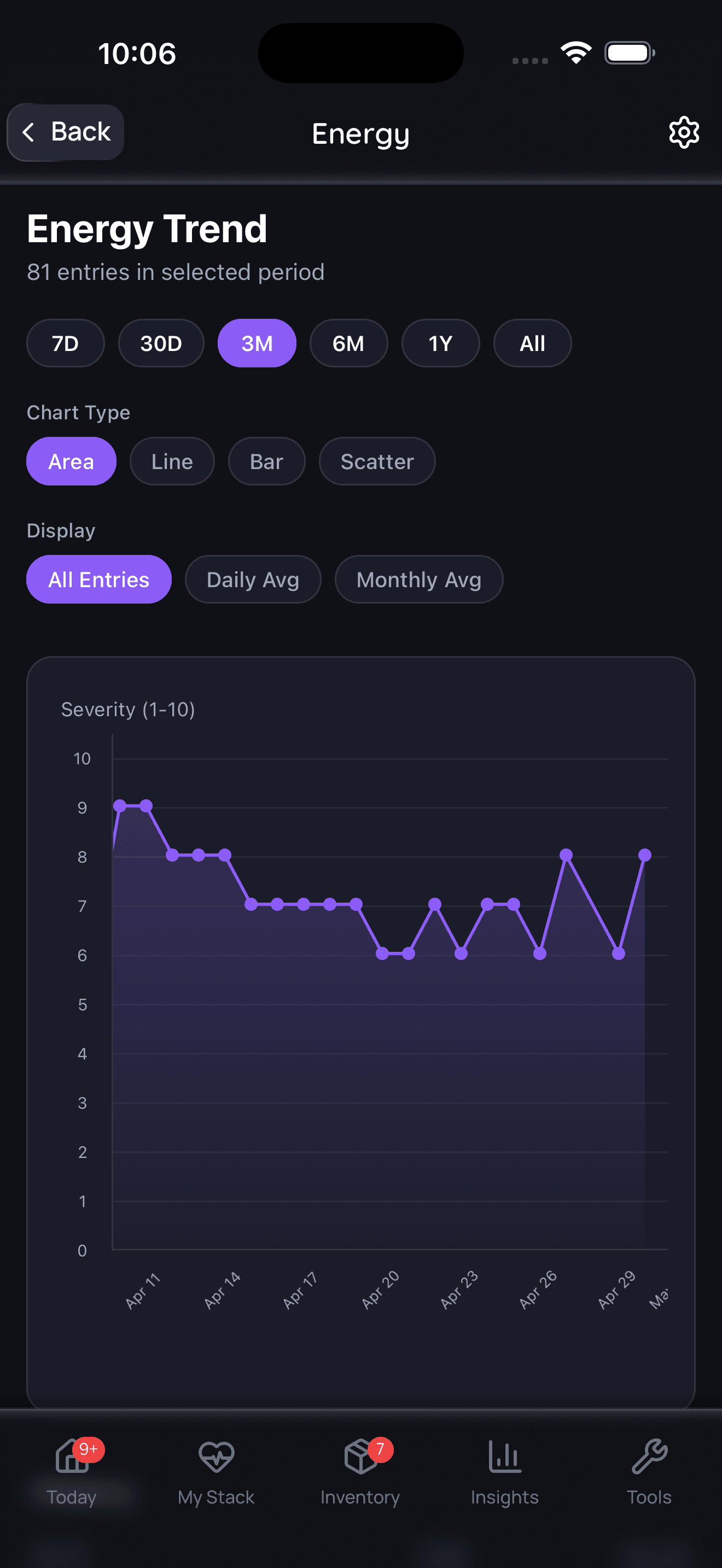
Symptom tracking is informational and should be interpreted with a qualified clinician.
Side Effects & Safety Profile
The Basics
MK-677's side effect profile is well characterized from clinical trials and extensive community use. The effects are dose-dependent, with most issues being more pronounced at 25 mg than at 10-15 mg.
Increased appetite is the most prominent and universal effect. Because MK-677 mimics ghrelin (the hunger hormone), appetite stimulation is inseparable from its mechanism of action. Community descriptions range from "noticeable increase" to "hunger like never felt before." This is beneficial for individuals trying to gain weight but can derail dietary goals for those trying to maintain or lose weight. Evening dosing helps minimize daytime appetite disruption.
Water retention and fluid shifts are common, particularly in the first 2-4 weeks. Users report facial puffiness, swollen extremities, and general bloating. This typically stabilizes after the initial adaptation period. In clinical trials, peripheral edema, paresthesias (tingling), and numbness were documented, attributed to fluid retention and IGF-1 effects [4].
Blood glucose and insulin sensitivity. MK-677 can elevate fasting blood glucose by approximately 5 mg/dL and reduce insulin sensitivity [1][10]. This is a class effect of GH secretagogues, as GH is a counter-regulatory hormone that antagonizes insulin signaling. For individuals with pre-diabetes, metabolic syndrome, or family history of diabetes, this warrants careful monitoring.
Initial lethargy. Some users report feeling drowsy or experiencing "brain fog" during the first 1-2 weeks, particularly at higher doses. This effect typically resolves with continued use.
Transient cortisol elevation. A mild cortisol increase (~1.7 mcg/dL) has been observed at treatment initiation, though this does not appear to be sustained or clinically significant [4][6].
Contraindications: Type 2 diabetes or pre-diabetes (glucose effects), active cancer (GH/IGF-1 may promote tumor growth), heart failure (fluid retention concerns), pregnancy and breastfeeding, and children/adolescents (outside clinical supervision).
The Science
Adverse effects documented across clinical trials and mechanistic analysis:
Effect
Appetite increase
- Mechanism
- GHS-R1a activation of NPY/AgRP orexigenic neurons
- Frequency
- Very common (>80%)
- Clinical Significance
- Dose-dependent; manageable with timing and dietary strategy
Effect
Peripheral edema
- Mechanism
- IGF-1-mediated sodium and water retention
- Frequency
- Common (30-50%)
- Clinical Significance
- Usually transient (2-4 weeks); monitor in cardiac patients
Effect
Fasting glucose elevation
- Mechanism
- GH-mediated antagonism of insulin signaling
- Frequency
- Common
- Clinical Significance
- ~5 mg/dL increase; monitor with HbA1c at baseline and 12 weeks
Effect
Paresthesias/numbness
- Mechanism
- Fluid retention compressing peripheral nerves
- Frequency
- Common in first weeks
- Clinical Significance
- Resolves with adaptation; similar mechanism to carpal tunnel
Effect
Lethargy/somnolence
- Mechanism
- Central GHS-R1a effects and GH-mediated fatigue
- Frequency
- Occasional
- Clinical Significance
- More common at 25mg; less common at 10-15mg
Effect
Cortisol elevation
- Mechanism
- Mild HPA axis stimulation at initiation
- Frequency
- Mild and transient
- Clinical Significance
- +1.7 mcg/dL; not sustained with continued dosing
Effect
Hepatotoxicity
- Mechanism
- Case report (2025); mechanism unclear [9]
- Frequency
- Rare
- Clinical Significance
- Single case report; dose and context unclear
The insulin resistance effect warrants particular attention. In the Phase IIb hip fracture trial, MK-677 increased IGF-1 and improved functional measures but produced notable insulin resistance [10]. This is not unique to MK-677; it is a class effect across GH secretagogues and exogenous GH. Monitoring fasting glucose, HbA1c, and insulin sensitivity markers is recommended for any protocol exceeding 8 weeks.
The side effects and contraindications above give you a map of what to watch for. Doserly turns that map into a daily practice. Log the specific biomarkers and symptoms associated with this compound's known risk profile, and the app builds a timeline of how your body is responding across your cycle.
Trending in the wrong direction on a key marker? Noticing a pattern that started two weeks into your protocol? Doserly connects the dots between your protocol timeline and your logged data, making it easier to spot emerging issues early and have informed, data-backed conversations with your healthcare provider about what's working and what needs attention.
Keep side effects, flags, and follow-up notes visible.
Doserly helps you document safety observations, side effects, medication changes, and follow-up questions so important context is not scattered.
Safety log
Flags and notes
Safety notes are not emergency guidance; seek medical help when appropriate.
Dosing Protocols
The Basics
MK-677 dosing is relatively straightforward compared to injectable peptides. It is taken once daily by mouth, with no reconstitution, injection, or cold chain required.
Standard protocol:
- Starting dose: 10 mg daily for 1-2 weeks
- Maintenance dose: 15-25 mg daily
- Timing: Evening, 2-3 hours before bed
- Food: With or without (does not significantly affect absorption)
- Cycle: 8-16 weeks on, 4-8 weeks off
Dose selection by goal:
Goal
Sleep optimization
- Dose
- 10-15 mg
- Timing
- 2-3 hours before bed
- Notes
- Lower doses minimize appetite/lethargy while preserving sleep benefits
Goal
General wellness / anti-aging
- Dose
- 15-20 mg
- Timing
- Evening
- Notes
- Balance of benefits and tolerability
Goal
Bulking / mass gain
- Dose
- 20-25 mg
- Timing
- 30 min before largest meal
- Notes
- Maximum appetite stimulation leveraged for caloric surplus
Goal
Recovery focus
- Dose
- 15 mg
- Timing
- Evening
- Notes
- Combine with training periodization
Important notes:
- Start low (10 mg) and increase gradually to assess individual tolerance
- Higher doses (25 mg) produce more intense appetite stimulation and greater risk of lethargy
- Some users report benefit from intermittent dosing (5 days on, 2 days off) to manage side effects
- Blood glucose monitoring is recommended at baseline and every 4-12 weeks during use
The Science
Dose-response data from clinical studies:
- 25 mg/day: Mean 24-hour GH increase of 40-97%; IGF-1 elevation of 40-89% within 2 weeks [1][4]
- The dose-response relationship for GH secretion follows a sigmoidal curve; doses above 25 mg do not proportionally increase GH output
- Pharmacodynamic studies show GH pulse amplification at doses as low as 10 mg, though the magnitude of IGF-1 elevation scales with dose [3]
- No clinically significant dose-dependent differences in cortisol, prolactin, or thyroid hormones have been observed across the 10-25 mg range [4]
- Insulin resistance appears to be dose-dependent, with higher doses producing greater fasting glucose elevation
What to Expect (Timeline)
Based on clinical data and community reports, the following timeline describes the general progression of effects when taking MK-677 at standard doses:
Timeframe
Days 1-3
- Expected Changes
- Appetite increase begins. Some users notice improved sleep quality as early as the first night.
Timeframe
Week 1
- Expected Changes
- Sleep improvements become more consistent (deeper sleep, more vivid dreams, feeling more rested). Appetite increase is well established. Initial water retention may begin (facial puffiness, slight weight gain). Some users report numbness or tingling in extremities.
Timeframe
Weeks 2-3
- Expected Changes
- IGF-1 levels measurably elevated (40-89% increase). Water retention peaks. Numbness/tingling typically begins to resolve. Energy levels may fluctuate (some report lethargy, others improved energy from better sleep).
Timeframe
Weeks 4-6
- Expected Changes
- Water retention stabilizes and begins to resolve. Skin quality improvements may become noticeable. Body composition changes begin to emerge (increased muscle fullness, potential mild fat redistribution). Recovery from exercise may feel noticeably improved.
Timeframe
Weeks 8-12
- Expected Changes
- Body composition effects approach their peak for this cycle. Sleep quality maintained. Appetite effects stabilize (some users report reduced hunger intensity compared to weeks 1-4). Strength improvements, if any, tend to be modest and indirect.
Timeframe
Weeks 12-16
- Expected Changes
- Continued maintenance of benefits for those extending cycles. Consider glucose monitoring if not already doing so. Evaluate whether to continue or begin the off-cycle period.
Timeframe
Post-cycle
- Expected Changes
- GH and IGF-1 levels gradually return to baseline over 1-2 weeks after discontinuation. Water weight typically resolves within 1 week. Sleep quality may temporarily decrease. No withdrawal symptoms have been clinically documented, though some users report the contrast between "on" and "off" sleep quality.
The week-by-week expectations above are drawn from research and community reports, but your experience will be uniquely yours. Doserly's biomarker tracking transforms those general timelines into personal data points you can actually see and measure.
Log the specific markers relevant to this compound, whether that's pain levels, energy, sleep quality, body composition, recovery time, or mood, and watch your own trend lines emerge over weeks and months. Did your key markers start shifting in week three, like the research suggests? Is your experience tracking with what the community reports, or diverging? Over time, this creates something more valuable than any guide: an evidence-based picture of how your body responds to this specific compound, at your specific dose, within your specific health context.
See where a dose, cycle, or change fits in time.
Doserly gives each protocol a timeline so dose changes, pauses, restarts, and observations are easier to compare later.
Timeline
Cycle history
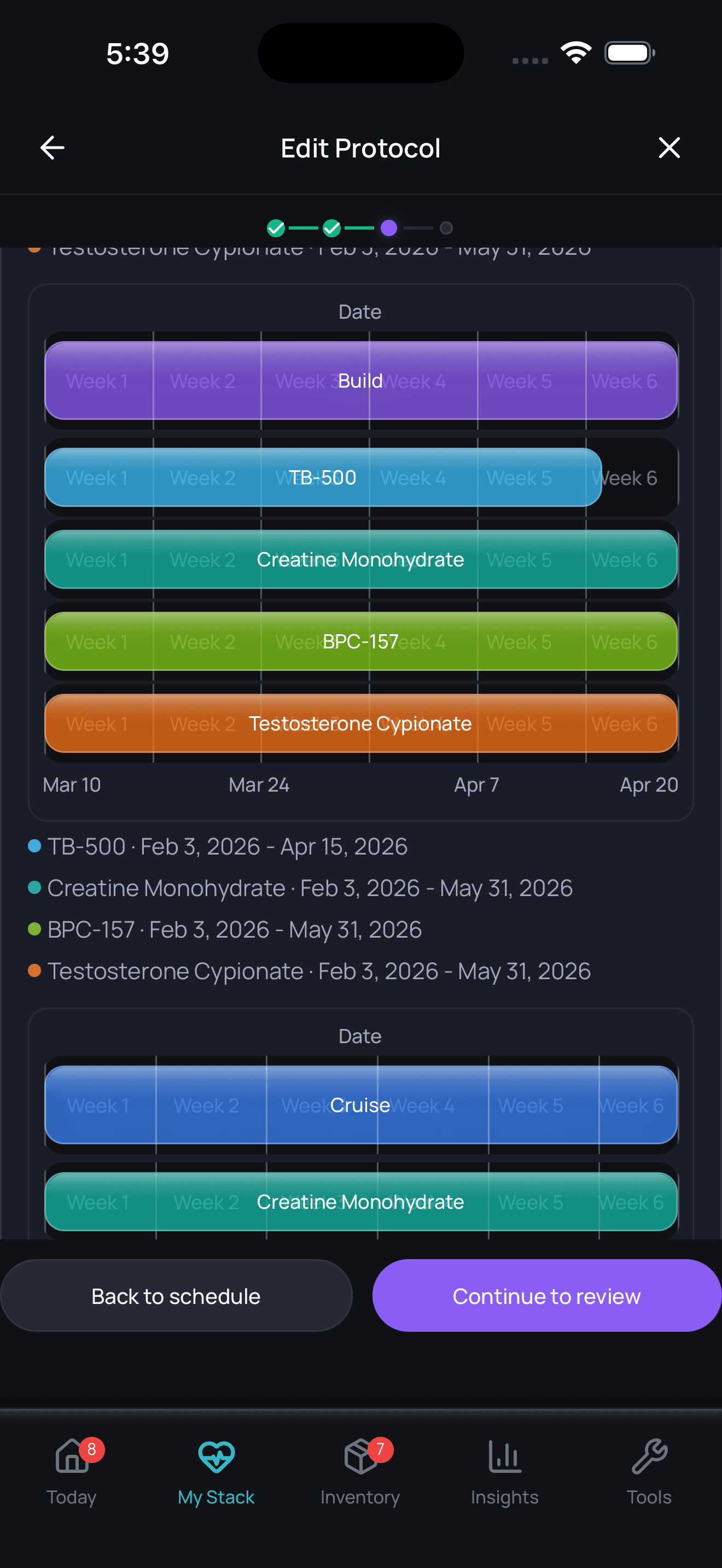
Timeline tracking helps with recall; it is not a treatment recommendation.
Interaction Compatibility
MK-677 interacts with other compounds through both the GH secretagogue pathway and metabolic pathways:
Synergistic Combinations
GHRH analogs (CJC-1295, Sermorelin, Tesamorelin): The combination of a ghrelin-pathway agonist (MK-677) with a GHRH-pathway agonist produces synergistic GH elevation exceeding the additive effect of either alone. MK-677 in the evening provides baseline 24-hour coverage while injectable GHRH analogs in the morning provide natural pulse enhancement. Community bloodwork reports show IGF-1 levels of 300+ ng/mL with CJC-1295 DAC + MK-677, exceeding what either achieves alone.
Recovery peptides (BPC-157, TB-500): MK-677's GH/IGF-1 elevation complements the tissue repair mechanisms of BPC-157 and TB-500. This combination is popular in recovery-focused protocols. Community users describe this as the "Complete Recovery Stack."
Compatible Combinations
Ipamorelin: Both are GHS-R1a agonists. Combining them provides redundant receptor stimulation, which may not add meaningful benefit and could increase side effects. Most protocols choose one or the other based on preference for oral vs. injectable administration.
GLP-1 agonists (Semaglutide, Tirzepatide): An advanced body recomposition combination. MK-677's appetite increase opposes GLP-1's appetite suppression. The strategy involves using MK-677 at lower doses (10-15 mg) in the evening to meet protein targets while GLP-1 manages overall caloric intake. Timing MK-677 when GLP-1 effects are lowest can balance the opposing appetite signals.
Use With Caution
GHRP-6, GHRP-2: All three are ghrelin-pathway agonists. Stacking multiple ghrelin-pathway compounds increases appetite stimulation and side effect risk without proportional GH benefit. Choose one from this category.
Hexarelin: Another GHS-R1a agonist with broader endocrine effects (cortisol, prolactin elevation). Combining with MK-677 could compound side effects.
Metabolic Interactions
MK-677 is primarily metabolized by CYP3A4. Strong CYP3A4 inhibitors (ketoconazole, itraconazole, ritonavir, clarithromycin) may increase MK-677 exposure. Strong CYP3A4 inducers (rifampin, carbamazepine, St. John's Wort) may reduce efficacy. Discuss any concurrent medications with a healthcare provider.
Administration Guide
MK-677 administration is significantly simpler than injectable peptides, as it is taken orally.
Standard Administration
- Dose preparation: MK-677 is typically available as capsules (10 mg or 25 mg) or liquid solution. No reconstitution is required.
- Timing: Take once daily, 2-3 hours before bed. Evening dosing aligns with natural nocturnal GH pulses and minimizes daytime appetite effects.
- Food: Can be taken with or without food. An empty stomach may produce a slightly stronger GH pulse. Some users prefer taking it with a small amount of food to reduce potential nausea.
- Consistency: Take at the same time each day for stable pharmacokinetics.
Storage
- Store at room temperature, protected from moisture and light
- No refrigeration required (unlike injectable peptides)
- Keep in original container with desiccant if provided
Monitoring Recommendations
- Baseline bloodwork before starting: Fasting glucose, HbA1c, IGF-1, comprehensive metabolic panel
- Follow-up bloodwork at 4-12 weeks: Fasting glucose, HbA1c, IGF-1
- Daily self-monitoring: Body weight (same time daily), sleep quality, appetite intensity, energy levels, any numbness/tingling
Supplies & Planning
MK-677's oral administration eliminates the supply complexity associated with injectable peptides. No syringes, bacteriostatic water, alcohol swabs, or sharps containers are needed.
Materials Required
Item
MK-677 (capsules or liquid)
- Purpose
- Active compound
- Notes
- Source from verified third-party tested suppliers
Item
Pill organizer (optional)
- Purpose
- Dose consistency
- Notes
- Helpful for tracking daily adherence
Item
Blood glucose meter
- Purpose
- Safety monitoring
- Notes
- Recommended for protocols >8 weeks
Item
Scale
- Purpose
- Body weight tracking
- Notes
- Weigh at the same time daily to track water retention patterns
Planning Notes
- A standard 12-week cycle at 15 mg/day requires approximately 1,260 mg total
- Capsules are most common in 10 mg and 25 mg sizes; liquid solutions offer more dosing flexibility
- No cold chain or special shipping requirements
- Consult your healthcare provider about baseline and follow-up bloodwork before starting any protocol
Cycling & Long-Term Use
Recommended Cycling
Protocol
Standard
- On Period
- 8-12 weeks
- Off Period
- 4-6 weeks
- Rationale
- Balances benefit accumulation with insulin sensitivity management
Protocol
Extended
- On Period
- 12-16 weeks
- Off Period
- 4-8 weeks
- Rationale
- For users with good glucose tolerance; requires monitoring
Protocol
Intermittent
- On Period
- 5 days on, 2 days off
- Off Period
- N/A (built-in breaks)
- Rationale
- Anecdotal approach to managing side effects while maintaining some benefit
Long-Term Considerations
The 2-year Nass et al. RCT provides the longest clinical safety data for MK-677. While GH and IGF-1 remained elevated without tachyphylaxis, the study also documented sustained metabolic effects (glucose elevation) [1]. The 12-month Alzheimer's trial corroborated the absence of desensitization [5].
Key long-term monitoring points:
- Insulin sensitivity: The primary concern for extended use. Regular HbA1c monitoring is recommended.
- IGF-1 levels: Should be checked at 4-week intervals to ensure levels remain within a reasonable range. Persistently elevated IGF-1 may carry theoretical cancer risk based on epidemiological associations.
- No HPTA suppression: MK-677 does not suppress the hypothalamic-pituitary-gonadal axis. Testosterone, estrogen, and other sex hormones are not affected.
Lifestyle Optimization
Diet Considerations
MK-677's appetite-stimulating effect makes dietary strategy essential:
During bulking/mass gain phases:
- Leverage the appetite increase by timing MK-677 30 minutes before your largest meal
- Focus on high-protein foods to maximize the anabolic environment from elevated GH/IGF-1
- Use the increased appetite to meet caloric surplus targets that might otherwise be difficult
During maintenance or cutting phases:
- Use the lowest effective dose (10-15 mg) to minimize appetite disruption
- Take MK-677 at bedtime to reduce daytime hunger impact
- Focus on high-protein, high-volume, low-calorie-density foods
- Stay well hydrated (thirst can be mistaken for hunger)
- Avoid processed sugars to minimize blood glucose impact
Blood sugar management:
- Time carbohydrates around workouts
- Consider berberine (500 mg with meals) as discussed in community protocols for glucose management
- Maintain consistent meal timing
- Monitor fasting glucose regularly
Exercise
MK-677's GH/IGF-1 elevation supports recovery-intensive training:
- Higher training volume may be tolerable due to improved recovery
- Resistance training maximizes the muscle-sparing and anabolic effects of elevated IGF-1
- Light cardiovascular exercise helps manage water retention, especially in the first 2-4 weeks
Sleep
- Evening dosing (2-3 hours before bed) optimizes the sleep quality benefit
- Maintain consistent sleep/wake times to align with enhanced deep sleep
- If lethargy is an issue at 25 mg, reduce dose to 10-15 mg
Regulatory & Legal Status
Jurisdiction
FDA (United States)
- Status
- Not approved
- Notes
- Investigated in clinical trials but never advanced to approval for any indication
Jurisdiction
WADA
- Status
- Prohibited
- Notes
- Listed under S2: Peptide Hormones, Growth Factors, Related Substances, and Mimetics
Jurisdiction
DEA Schedule
- Status
- Not scheduled
- Notes
- Not a controlled substance, but sold as a research chemical
Jurisdiction
International
- Status
- Variable
- Notes
- Available as a research chemical in many countries; regulatory status varies
Important regulatory context: MK-677 is a small molecule, not a peptide, which places it outside the peptide compounding regulatory framework that has affected compounds like CJC-1295 and Ipamorelin. The PCAC reviewed ibutamoren in October 2024 and recommended it not be added to the 503A Bulks List [6]. MK-677 has also been identified as an adulterant in dietary supplements sold online, raising quality and purity concerns for consumers who may unknowingly ingest it.
FAQ
Is MK-677 a peptide?
No. MK-677 is a small molecule compound (spiropiperidine class), not a peptide. It acts on the same receptor (GHS-R1a) that peptide growth hormone secretagogues target, but its chemical structure is entirely different. This distinction matters because it can be taken orally (peptides are generally destroyed by digestion) and falls under different regulatory categories.
How long until I see results?
Based on available data and community reports, sleep quality improvements are commonly reported within the first week. Body composition changes typically become noticeable at 4-6 weeks. Peak effects for a given cycle are generally reported at 8-12 weeks. Individual responses vary.
Can MK-677 cause diabetes?
MK-677 can elevate fasting blood glucose and reduce insulin sensitivity, which are risk factors for type 2 diabetes. Clinical trials have not documented cases of MK-677 directly causing diabetes, but the metabolic effects warrant monitoring, especially in individuals with pre-existing risk factors. Community reports have not documented diabetes development from MK-677 use, though this may reflect selection bias. Healthcare provider guidance and regular blood glucose monitoring are strongly recommended.
What is the best dose for sleep?
Based on available data and community consensus, 10-15 mg taken 2-3 hours before bed appears to optimize sleep benefits while minimizing appetite and lethargy effects. The clinical sleep study used 25 mg, which also showed benefits but with more pronounced side effects.
Can I take MK-677 indefinitely?
The longest clinical trial ran for 2 years without loss of efficacy or development of tachyphylaxis [1]. However, the sustained metabolic effects (blood glucose elevation) and the theoretical long-term implications of chronically elevated IGF-1 suggest that cycling (with off periods) is a prudent approach. Most community protocols recommend 8-16 weeks on, 4-8 weeks off.
Does MK-677 suppress natural growth hormone production?
No. MK-677 stimulates the body's own GH production through the ghrelin receptor pathway rather than replacing GH directly. Clinical data from the 2-year trial confirms that GH secretion remained responsive throughout [1]. This is a meaningful distinction from exogenous GH injection.
Will MK-677 make me fail a drug test?
MK-677 is prohibited by WADA and detectable in anti-doping testing. It does not appear on standard workplace drug panels (which typically test for recreational drugs). Athletes subject to anti-doping testing should not use MK-677.
How does MK-677 compare to injectable GH peptides like Ipamorelin?
MK-677 provides 24-hour GH/IGF-1 elevation from a single oral dose, while Ipamorelin produces a short GH pulse (2-3 hours) requiring 1-3 daily injections. MK-677 is more convenient but produces more appetite stimulation and is less selective (mild cortisol elevation). Ipamorelin has a cleaner side effect profile but requires injection. The "best" choice depends on individual priorities around convenience versus precision.
Sources & References
- Nass R, Pezzoli SS, Oliveri MC, et al. Effects of an oral ghrelin mimetic on body composition and clinical outcomes in healthy older adults: a randomized trial. Annals of Internal Medicine. 2008;149(9):601-611. doi:10.7326/0003-4819-149-9-200811040-00003. PMC2757071.
- Copinschi G, Van Onderbergen A, L'Hermite-Baleriaux M, et al. Effects of a 7-day treatment with a novel, orally active, growth hormone (GH) secretagogue, MK-677, on 24-hour GH profiles, insulin-like growth factor I, and adrenocortical function in normal young men. Neuroendocrinology. 1997;66:157-165. doi:10.1159/000127235.
- Codner E, Cassorla F, Tiulpakov AN, et al. Effects of oral administration of ibutamoren mesylate, a nonpeptide growth hormone secretagogue, on the growth hormone-insulin-like growth factor I axis in growth hormone-deficient children. Clinical Pharmacology & Therapeutics. 2001;70(1):91-98. PMID:11452249.
- Sigalos JT, Pastuszak AW. The Safety and Efficacy of Growth Hormone Secretagogues. Sexual Medicine Reviews. 2018;6(1):45-53. PMID:28400207.
- Sevigny JJ, Ryan JM, van Dyck CH, et al. Growth hormone secretagogue MK-677: no clinical effect on AD progression in a randomized trial. Neurology. 2008;71(21):1702-1708. PMID:19015485.
- Reference site analysis. Growth Hormone Secretagogues: Ranking the Evidence for Every GH Peptide. Published March 9, 2026.
- Murphy MG, Plunkett LM, Gertz BJ, et al. MK-677, an orally active growth hormone secretagogue, reverses diet-induced catabolism. Journal of Clinical Endocrinology & Metabolism. 1998;83(2):320-325.
- Svensson J, Lonn L, Jansson JO, et al. Two-month treatment of obese subjects with the oral growth hormone (GH) secretagogue MK-677 increases GH secretion, fat-free mass, and energy expenditure. Journal of Clinical Endocrinology & Metabolism. 1998;83(2):362-369. doi:10.1210/jcem.83.2.4539. PMID:9467546.
- Cobani E, Amin MS, Hasso M, Kumbar L. Hepatotoxicity induced by MK-677. 2025.
- Adunsky A, Chandler J, Heyden N, et al. MK-0677 (ibutamoren mesylate) for the treatment of patients recovering from hip fracture: a multicenter, randomized, placebo-controlled phase IIb study. Archives of Gerontology and Geriatrics. 2011;53(2):183-189. PMID:21067829.
Related Peptide Guides
Explore guides for related compounds in the growth hormone secretagogue and recovery space:
- Ipamorelin -- Selective injectable GH secretagogue with minimal cortisol/prolactin effects
- GHRP-2 -- Second-generation GH releasing peptide (stronger than Ipamorelin, more side effects)
- GHRP-6 -- First-generation GH releasing peptide with pronounced appetite stimulation
- Hexarelin -- Potent GH secretagogue with broader endocrine effects
- CJC-1295 -- GHRH analog commonly combined with ghrelin-pathway agonists
- Sermorelin -- GHRH analog with long clinical history
- Tesamorelin -- FDA-approved GHRH analog for visceral fat reduction
- BPC-157 -- Recovery peptide commonly stacked with GH secretagogues
- TB-500 -- Tissue repair peptide complementary to GH/IGF-1 elevation
- IGF-1 LR3 -- Downstream growth factor in the GH signaling cascade
- Semaglutide -- GLP-1 agonist sometimes combined with MK-677 for recomposition
- PEG-MGF -- Mechano growth factor variant supporting muscle repair