
TRT Access in Canada
On this page
Quick Reference Card
Attribute
Country
- Value
- Canada
Attribute
Regulatory Authority
- Value
- Health Canada (Health Products and Food Branch)
Attribute
Clinical Guideline
- Value
- CUA (Canadian Urological Association) Guideline on Testosterone Deficiency (2021)
Attribute
Controlled Substance Classification
- Value
- Schedule IV under the Controlled Drugs and Substances Act (CDSA)
Attribute
Prescription Required
- Value
- Yes (valid prescription from a licensed practitioner)
Attribute
Approved Indication
- Value
- Testosterone replacement in adult males with conditions associated with deficiency or absence of endogenous testosterone
Attribute
Available Formulations
- Value
- Injectable (enanthate, cypionate), oral (undecanoate), transdermal (gel, patch), trans-nasal gel
Attribute
Public Healthcare Coverage (Consultations)
- Value
- Yes (provincial health insurance covers physician visits and lab work)
Attribute
Prescription Drug Coverage
- Value
- Variable by province and private insurance plan
Attribute
Typical Injectable Cost (Out-of-Pocket)
- Value
- $60-$100/month
Attribute
Typical Gel Cost (Out-of-Pocket)
- Value
- $200-$600/month
Attribute
Telehealth TRT Available
- Value
- Yes (growing sector; Get Gambit, Science & Humans, Beyoung Health, others)
Attribute
Key Monitoring Required
- Value
- Hematocrit (>54% threshold), testosterone levels, PSA, lipids
Overview / What Is This Guide?
The Basics
If you are exploring testosterone replacement therapy in Canada, you are navigating a system that blends public healthcare accessibility with some significant gaps in prescription drug coverage. The good news is that physician consultations and laboratory work are covered by your provincial health insurance plan, meaning the diagnostic process costs you nothing out of pocket. The complicating factor is that testosterone itself is a prescription medication classified as a controlled substance, and the actual cost of your medication depends on your province, your insurance situation, and which formulation your provider prescribes.
This guide covers the practical side of accessing TRT in Canada: how testosterone is regulated under federal and provincial law, what formulations Health Canada has approved, what it costs (and who pays for it), how the prescribing pathway works through both traditional and telehealth routes, and what to expect from the process of obtaining and maintaining treatment.
Canada's TRT landscape has some features that distinguish it from other countries. Physician consultations and blood work are universally covered, but prescription drug coverage varies dramatically by province, age, and employment status. The Canadian Urological Association published its own evidence-based guideline in 2021, addressing Canadian-specific diagnostic standards, approved formulations, and funding considerations. A growing telehealth sector has emerged to address wait time barriers for specialist referrals, offering online assessments, virtual consultations, and home delivery of medications.
Understanding how the system works across these pathways puts you in a better position to advocate for yourself, ask the right questions, and choose the access route that makes the most sense for your situation and budget.
The Science
Canada regulates testosterone as a Schedule IV controlled substance under the Controlled Drugs and Substances Act (CDSA), a classification that applies to anabolic steroids and is governed by Part G of the Food and Drug Regulations (FDR-G) [1]. This classification requires a valid prescription from a licensed practitioner for lawful possession and use, with unauthorized possession carrying penalties of up to three years imprisonment on indictment [1].
Health Canada, through the Health Products and Food Branch, is responsible for approving testosterone products for the Canadian market, assigning Drug Identification Numbers (DINs), and monitoring post-market safety. Each testosterone product carries an approved Product Monograph that defines its indication, dosing, and safety information [2].
The CUA guideline on testosterone deficiency (2021) provides the primary Canadian clinical reference. Developed by an interprovincial, multidisciplinary panel of Canadian and international experts in urology, endocrinology, and clinical biochemistry, the guideline offers evidence-based recommendations specific to the Canadian healthcare context, including Health Canada-approved formulations and funding considerations. A 2013 Canada-wide needs assessment found that over 25% of Canadian physicians were uncomfortable diagnosing and managing testosterone deficiency, identifying a significant knowledge gap that the guideline aims to address [3].
In November 2025, Health Canada approved testosterone undecanoate (Kyzatrex) oral capsules for adult men with conditions associated with testosterone deficiency, adding a new oral formulation to the Canadian market. Kyzatrex is absorbed primarily via the lymphatic system, avoiding first-pass hepatotoxicity concerns associated with older oral androgen formulations [4].
Medical / Chemical Identity
Testosterone and its ester derivatives are classified under the following regulatory frameworks in Canada:
- CDSA Schedule: Schedule IV controlled substance (anabolic steroids)
- Regulatory framework: Food and Drug Regulations, Part G (FDR-G)
- Regulatory authority: Health Canada (Health Products and Food Branch)
- Approved indication: Testosterone replacement in adult males with conditions associated with deficiency or absence of endogenous testosterone
- ICD-10 code for hypogonadism: E29.1 (Testicular hypofunction)
Health Canada-Approved Testosterone Products:
Product
Delatestryl
- DIN
- --
- Active Ingredient
- Testosterone Enanthate
- Formulation
- IM Injection
- Manufacturer
- Various
Product
Depo-Testosterone
- DIN
- 00030783
- Active Ingredient
- Testosterone Cypionate
- Formulation
- IM Injection
- Manufacturer
- Pfizer Canada (status: cancelled 2025-07-18; generics available)
Product
Testosterone Enanthate Injection USP
- DIN
- 02536315
- Active Ingredient
- Testosterone Enanthate
- Formulation
- IM Injection
- Manufacturer
- Hikma Canada
Product
Andriol
- DIN
- --
- Active Ingredient
- Testosterone Undecanoate
- Formulation
- Oral Capsule
- Manufacturer
- Various
Product
PMS-Testosterone
- DIN
- 02322498
- Active Ingredient
- Testosterone Undecanoate
- Formulation
- Oral Capsule
- Manufacturer
- Pharmascience
Product
AndroGel
- DIN
- 02245345/02245346/02249499
- Active Ingredient
- Testosterone
- Formulation
- Transdermal Gel
- Manufacturer
- BGP Pharma ULC
Product
Testim 1%
- DIN
- 02280248
- Active Ingredient
- Testosterone
- Formulation
- Transdermal Gel
- Manufacturer
- Knight Therapeutics
Product
Androderm
- DIN
- --
- Active Ingredient
- Testosterone
- Formulation
- Transdermal Patch
- Manufacturer
- Various
Product
Natesto 4.5%
- DIN
- --
- Active Ingredient
- Testosterone
- Formulation
- Trans-nasal Gel
- Manufacturer
- (approved but currently unavailable due to manufacturing modification)
Product
Kyzatrex
- DIN
- --
- Active Ingredient
- Testosterone Undecanoate
- Formulation
- Oral Capsule
- Manufacturer
- Marius Pharmaceuticals (approved November 2025)
Mechanism of Action / Pathophysiology
The Basics
The regulatory framework for testosterone in Canada exists because testosterone is a potent hormone that affects multiple body systems. When prescribed for diagnosed testosterone deficiency (hypogonadism), TRT restores testosterone to levels the body can no longer produce adequately on its own. Understanding why testosterone is regulated as a controlled substance rather than a standard prescription helps explain the access pathway that Canadian patients encounter.
Testosterone affects more than sexual function. It plays essential roles in maintaining bone density, supporting muscle mass and strength, regulating mood and energy levels, influencing cognitive function, and producing red blood cells. When levels fall below what the body needs, the effects can appear across multiple domains of health and daily functioning.
The Science
Exogenous testosterone administered at replacement doses undergoes the same metabolic pathways as endogenous testosterone: binding to intracellular androgen receptors, conversion to dihydrotestosterone (DHT) via 5-alpha reductase, and aromatization to estradiol via CYP19A1 (aromatase). The CDSA Schedule IV classification reflects the pharmacological profile of anabolic-androgenic steroids: accepted medical use alongside documented potential for misuse at supraphysiological doses [1].
Pathway & System Visualization
Pharmacokinetics / Hormone Physiology
The pharmacokinetic profiles of Health Canada-approved testosterone formulations influence access decisions in Canada, as drug plan coverage, cost, and convenience vary by delivery method. For detailed pharmacokinetic profiles, see the individual medication guides: Testosterone Cypionate, Testosterone Enanthate, Testosterone Gel (AndroGel), and Oral Testosterone Guide.
The most commonly prescribed TRT formulation in Canada is injectable testosterone enanthate or cypionate, largely because it is the most affordable option. The CUA guideline notes that injectable formulations are "cost-effective" but involve "wide fluctuations in testosterone levels" that require mid-cycle testosterone monitoring [3].
Canadian testosterone cypionate vials are typically available at a 100mg/mL concentration, compared to the 200mg/mL concentration commonly available in the United States. This difference affects the volume of injection required and is worth noting when comparing protocols across North American community discussions.
Research & Clinical Evidence
The Basics
The clinical evidence landscape for TRT has evolved significantly over the past decade, and these changes have directly influenced how Canadian regulators and physicians approach testosterone therapy. For years, concerns about cardiovascular risk created caution among prescribers. The TRAVERSE trial, the first large randomized controlled trial designed to assess cardiovascular outcomes of TRT, found no significant increase in major adverse cardiovascular events in men using testosterone therapy compared to placebo.
Health Canada conducted its own safety review of testosterone replacement products in 2014, prompted by growing evidence of possible cardiovascular associations. At that time, Health Canada received 35 Canadian adverse reaction reports involving cardiovascular problems and worked with manufacturers to update product labeling to include warnings about heart attack, stroke, blood clots, and irregular heart rate [2].
The CUA guideline (2021) addresses cardiovascular risk by noting that the published literature is "conflicting and continues to evolve," while acknowledging that prior to 2010, most studies and meta-analyses suggested cardiovascular benefits with testosterone therapy [3].
The Science
The TRAVERSE trial (n=5,246, men aged 45-80 with hypogonadism and preexisting or high risk for cardiovascular disease) demonstrated non-inferiority of testosterone gel vs placebo for the primary composite endpoint of major adverse cardiovascular events (MACE: death from cardiovascular causes, nonfatal MI, nonfatal stroke) with a hazard ratio of 0.96 (95% CI: 0.78-1.17) over a mean follow-up of 33 months [5]. The incidence of MACE was 7.0% for testosterone and 7.3% for placebo.
Health Canada's 2014 Summary Safety Review evaluated Canadian adverse reaction reports, scientific literature, and international safety data. The review concluded that "the current available evidence suggests the possibility that cardiovascular problems, other than those already identified, may occur with the use of testosterone replacement products" and initiated product label updates [2].
A 2025 review published in Canadian Family Physician noted that testosterone may increase lean body mass by approximately 1.6 kg in older men but has "no consistent, meaningful impact on sexual function, strength, fatigue, or cognition" based on available evidence, and that testosterone does not increase prostate events [6].
Evidence & Effectiveness Matrix
This guide covers access to TRT in Canada, not the clinical effects of specific testosterone formulations. For detailed Evidence & Effectiveness Matrix scoring, refer to the medication-specific guides such as Testosterone Cypionate, Testosterone Enanthate, or the TRT for Beginners guide.
Community sentiment specific to Canadian access:
Category
Overall Quality of Life
- Evidence Strength
- 7/10
- Reported Effectiveness
- 7/10
- Notes
- Canadian users report strong QoL improvement once access is secured; access barriers are a significant negative
Category
Energy & Vitality
- Evidence Strength
- 7/10
- Reported Effectiveness
- 7/10
- Notes
- Frequently cited as the primary motivator for Canadian men seeking TRT access
Category
Sexual Function & Libido
- Evidence Strength
- 7/10
- Reported Effectiveness
- 7/10
- Notes
- Commonly reported as the presenting symptom that initiates the diagnostic pathway
Category
Mood & Emotional Wellbeing
- Evidence Strength
- 6/10
- Reported Effectiveness
- 6/10
- Notes
- Limited Canada-specific data; broader TRT community reports mood improvements
For the remaining 14 symptom/outcome categories, see the medication-specific TRT guides.
Benefits & Therapeutic Effects
The benefits of testosterone replacement therapy are covered in detail in the medication-specific guides. In the context of Canadian access, the key point is that Health Canada approves testosterone products for men with conditions associated with a deficiency or absence of endogenous testosterone. The CUA guideline notes that the benefits of treatment vary according to each patient's symptom complex and references the Testosterone Trials (TTrials) as demonstrating improvements in sexual function, mood, depressive symptoms, anemia, and bone mineral density among men receiving testosterone therapy [3].
The distinction between diagnosed hypogonadism (Health Canada-approved indication) and age-related testosterone decline is relevant to the Canadian access landscape because provincial drug plans and insurance coverage typically require documented medical necessity.
Doserly lets you monitor the specific outcomes that matter most to you, from energy and libido to mood and body composition, building a personal record of how your testosterone therapy is working.
When it's time for your next provider appointment, you'll have concrete data showing which symptoms have improved, which haven't changed, and when shifts started happening. That kind of detail makes follow-up conversations more productive and dose adjustments more precise.
Turn symptom and safety notes into a clearer timeline.
Doserly helps you log doses, symptoms, and safety observations side by side so patterns are easier to discuss with a qualified clinician.
Pattern view
Logs and observations

Pattern visibility is informational and should be reviewed with a clinician.
Risks, Side Effects & Safety
The Basics
Understanding the safety profile of TRT matters for Canadian patients because monitoring requirements are part of the ongoing cost and logistics of treatment. The most important safety considerations include polycythemia (elevated red blood cell count, measured as hematocrit), blood pressure changes, and fertility suppression. These are the same risks that led Health Canada to update testosterone product labeling in response to its 2014 safety review.
For most Canadian men on TRT, routine monitoring involves periodic blood work (which is covered by provincial health insurance) to check hematocrit levels and testosterone concentrations. Hematocrit levels above 54% require intervention, typically dose reduction, route change, or therapeutic phlebotomy.
The Science
The TRAVERSE trial (n=5,246) demonstrated non-inferiority for MACE with testosterone gel vs placebo (HR 0.96, 95% CI: 0.78-1.17) over 33 months. However, TRAVERSE also identified increased incidence of atrial fibrillation, pulmonary embolism, and acute kidney injury in the testosterone group [5]. The absolute MACE event rate was 7.0% for testosterone vs 7.3% for placebo.
Polycythemia remains the most clinically significant ongoing risk of TRT. Injectable formulations carry a higher risk of erythrocytosis than transdermal formulations due to the supraphysiological testosterone peaks following injection. The CUA guideline recommends hematocrit monitoring as a core component of TRT follow-up, with a threshold of 54% for clinical intervention [3].
Health Canada's 2014 safety review identified cardiovascular risk signals from post-marketing surveillance (35 Canadian adverse reaction reports) and observational studies, leading to label updates warning of heart attack, stroke, blood clots in the lungs or legs, and irregular heart rate [2].
Fertility suppression is a critical risk that must be discussed with all men of reproductive age before initiating TRT. Exogenous testosterone suppresses the hypothalamic-pituitary-gonadal (HPG) axis, leading to reduced spermatogenesis and potentially azoospermia within 3-6 months (see Section Section 13).
Dosing & Treatment Protocols
Dosing of testosterone replacement therapy in Canada follows the formulations and ranges approved by Health Canada and summarized in the CUA guideline [3]:
Formulation
Testosterone Enanthate (Delatestryl)
- Typical Canadian Dosing
- 100-200 mg
- Route
- IM injection
- Frequency
- Every 1-4 weeks
Formulation
Testosterone Cypionate (Depo-Testosterone)
- Typical Canadian Dosing
- 100-200 mg
- Route
- IM injection
- Frequency
- Weekly or biweekly
Formulation
Testosterone Undecanoate (Andriol)
- Typical Canadian Dosing
- 120-160 mg initially, then 40-120 mg maintenance
- Route
- Oral
- Frequency
- Twice daily with meals
Formulation
Testosterone Gel (AndroGel, Testim)
- Typical Canadian Dosing
- 5-10 g daily (50-100 mg testosterone)
- Route
- Transdermal
- Frequency
- Daily
Formulation
Testosterone Patch (Androderm)
- Typical Canadian Dosing
- 2.5-5 mg
- Route
- Transdermal
- Frequency
- Daily
Formulation
Natesto (trans-nasal)
- Typical Canadian Dosing
- 11 mg per nostril, twice daily (22 mg total)
- Route
- Intranasal
- Frequency
- Twice daily
The CUA guideline recommends a supervised trial of testosterone therapy (three months) with close monitoring of both the symptomatic and biochemical response to treatment [3]. The choice of formulation and route of administration should be a collaborative decision between physician and patient using a shared decision-making approach.
For detailed dosing information on specific formulations, see the individual medication guides.
What to Expect (Timeline)
The timeline for TRT benefits is consistent regardless of country of access. For Canadian patients, the additional consideration is the time required to navigate the access pathway itself before treatment begins:
Pre-treatment timeline (Canada-specific):
- Family doctor visit and initial blood work: 1-2 weeks
- Repeat morning testosterone measurement (confirmatory): 2-4 weeks
- Specialist referral (if required): Weeks to months depending on province and specialty availability
- Telehealth pathway: Can compress the above to days to weeks
Treatment timeline (once initiated):
- Weeks 1-4: Possible initial energy or mood improvement, injection site soreness (if IM), transdermal skin irritation
- Months 1-3: Libido changes often the first noticeable effect, energy improvements, possible mood shifts, hematocrit beginning to rise
- Months 3-6: Body composition changes becoming apparent, strength improvements, mood stabilization
- Months 6-12: Full sexual function benefits, significant body composition changes, measurable bone density improvements
- Ongoing: Annual review, dose reassessment, continued monitoring (hematocrit, PSA, lipids)
Individual response varies widely. The CUA guideline recommends a three-month supervised trial with close monitoring to evaluate whether treatment is achieving its intended goals [3].
Fertility Preservation & HPG Axis
Exogenous testosterone suppresses the hypothalamic-pituitary-gonadal (HPG) axis by providing negative feedback that reduces GnRH, LH, and FSH secretion. This leads to dramatically reduced intratesticular testosterone concentrations and suppression of spermatogenesis, often to azoospermia or severe oligospermia within 3-6 months.
Key points for Canadian patients:
- Fertility counseling is recommended before initiating TRT for all men of reproductive age
- Sperm banking is available across Canada and should be considered before starting treatment
- HCG co-administration (250-500 IU 2-3 times weekly) may help maintain spermatogenesis during TRT, though availability and insurance coverage vary by province
- Clomiphene and enclomiphene are alternative treatments that can raise testosterone without suppressing spermatogenesis (off-label use in Canada)
- Recovery of spermatogenesis after TRT discontinuation is variable (6-24+ months) and not guaranteed
Interactions & Compatibility
Drug interactions with testosterone therapy are consistent regardless of country and are covered in detail in the medication-specific guides. Key interactions include anticoagulants (enhanced effect), insulin and diabetes medications (improved insulin sensitivity may require dose adjustment), corticosteroids (additive fluid retention), and 5-alpha reductase inhibitors (finasteride, dutasteride).
For detailed interaction information, see: Testosterone Cypionate, Testosterone Enanthate, Estrogen Management on TRT.
Decision-Making Framework
The decision-making process for Canadian patients considering TRT involves several pathways, each with distinct advantages and trade-offs.
Diagnostic Criteria in Canada
The CUA guideline recommends diagnosis based on clinical symptoms of testosterone deficiency combined with biochemically confirmed low testosterone levels on at least two separate morning blood draws [3]. Laboratory assessment should include total testosterone measured between 7:00 and 11:00 AM, with repeat testing to confirm persistently low levels before treatment initiation.
The CUA guideline does not specify a single diagnostic threshold, noting that laboratory reference ranges for testosterone vary by assay and institution. However, the guideline references the Endocrine Society recommendation for two morning total testosterone measurements below the lower limit of normal (generally considered to be approximately 8-12 nmol/L, or roughly 230-345 ng/dL, depending on the assay used) [3][7].
Choosing a Provider Pathway
Family doctor (GP) pathway:
- Blood work and consultations covered by provincial health insurance
- Some GPs will prescribe TRT directly; others prefer to refer to a specialist
- CUA guideline was designed in part to support GP comfort with TD management, addressing the finding that 25%+ of Canadian physicians were uncomfortable managing this condition [3]
- Lowest cost option for patients with private drug coverage
Specialist referral (endocrinologist or urologist):
- Covered by provincial health insurance (no out-of-pocket for the visit)
- Wait times can be significant: 6 months or more in major urban centres like Toronto
- More comprehensive workup and management, especially for complex cases
- May be required by some provincial drug plans for coverage authorization
Telehealth TRT pathway:
- Growing rapidly in Canada (Get Gambit, Science & Humans, Beyoung Health, Intramed, and others)
- Typically compresses the diagnostic timeline from months to days or weeks
- Costs range from $50-$200 per consultation plus medication costs
- Some telehealth providers include blood work, consultations, and prescription management in bundled pricing ($66-$200/quarter)
- Specialist oversight available through some providers (e.g., Get Gambit offers internal medicine specialist oversight)
- Prescriptions can be sent to patient's preferred pharmacy or dispensed through in-house pharmacies
Questions to ask your provider:
- What diagnostic criteria do you use for testosterone deficiency?
- Which formulation do you recommend, and why?
- What monitoring schedule do you follow?
- Will my provincial drug plan or private insurance cover my prescription?
- How do you approach fertility preservation for men of reproductive age?
- What is your approach to estrogen management on TRT?
Shared decision-making works best when both you and your provider have good data. Doserly gives you a personalized health picture that makes treatment discussions more meaningful, including your symptoms, their severity, how they've changed over time, and how they connect to your current protocol and lab values.
Whether you're evaluating whether to start TRT, considering a switch from gel to injections, or discussing whether it's time to adjust your dose based on trough levels, having your own tracked data alongside the clinical evidence puts you in a stronger position to make decisions that reflect your individual experience and goals.
Bring cleaner notes into the conversation.
Use Doserly to keep doses, symptoms, labs, inventory, and questions organized before a clinician visit or protocol review.
Visit prep
Review packet
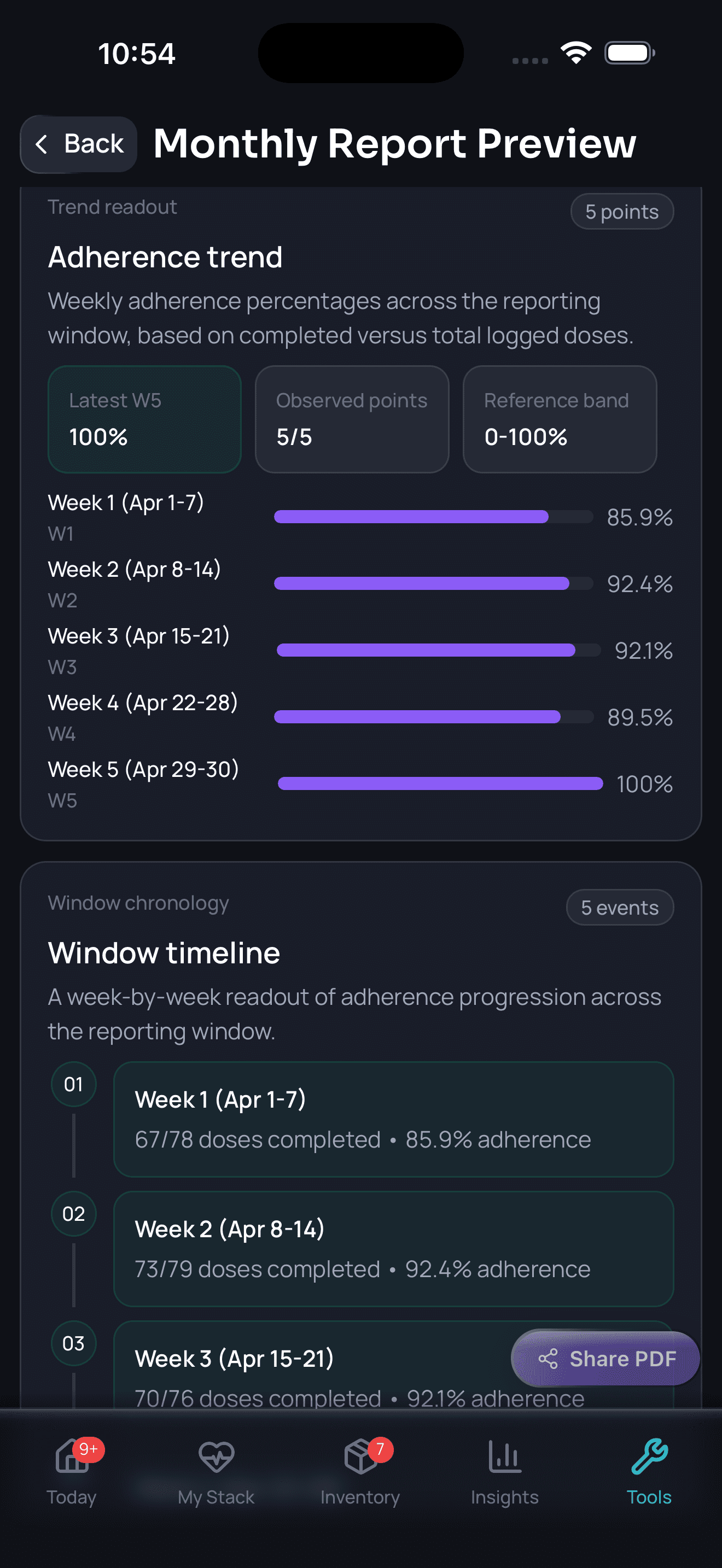
Organized notes can support better conversations with your care team.
Administration & Practical Guide
Administration guidance for testosterone therapy is consistent regardless of country and is covered in detail in the medication-specific guides. For Canadian patients, the key practical differences include:
- Injectable testosterone vials in Canada are commonly available at 100mg/mL concentration (vs 200mg/mL in the US), affecting injection volume
- Pharmacy administration of injections is available in most provinces; some patients receive biweekly injections at their pharmacy rather than self-injecting
- Transdermal gel transfer precautions are the same as elsewhere: avoid skin-to-skin contact until fully dry, wash hands after application, cover application sites
- Compounded formulations are available through NAPRA-regulated compounding pharmacies across Canada
For detailed administration guides, see: Testosterone Injections Guide, Testosterone Gels & Topicals Guide.
Monitoring & Lab Work
A significant advantage of the Canadian healthcare system for TRT patients is that laboratory monitoring is covered by provincial health insurance when ordered by a physician. This removes one of the major ongoing costs faced by patients in other jurisdictions.
Pre-TRT baseline labs (covered by provincial health insurance):
- Total testosterone (two fasting morning draws between 7:00-11:00 AM)
- Free testosterone (if available through provincial lab)
- LH, FSH
- Estradiol, SHBG
- CBC with hematocrit
- PSA (age-appropriate)
- Lipid panel
- Comprehensive metabolic panel
Follow-up monitoring (covered by provincial health insurance):
- 4-12 weeks after initiation: Trough testosterone level, hematocrit, symptom assessment
- Ongoing: Hematocrit every 6-12 months (threshold >54% for intervention)
- PSA: Per age-appropriate screening guidelines
- Testosterone levels: Trough for injectables; any-time after steady state for transdermal
- Lipid panel: Annually
- Estradiol: Only if symptomatic (gynecomastia, fluid retention)
The CUA guideline recommends a three-month supervised trial of therapy with close monitoring of both symptomatic and biochemical response [3].
Estrogen Management on TRT
Estrogen management considerations on TRT are consistent regardless of country. Testosterone aromatizes to estradiol via the aromatase enzyme, and this is a normal physiological process. Clinical guidelines (CUA, Endocrine Society, AUA) do not recommend routine aromatase inhibitor use. Estradiol monitoring should occur only when symptoms suggest elevated estrogen.
For the Canadian context, anastrozole is available by prescription and may be covered by private insurance plans. Some Canadian telehealth TRT providers include estrogen management as part of their protocol optimization services.
For detailed estrogen management guidance, see: Estrogen Management on TRT.
The relationship between your testosterone dose, injection frequency, and estradiol levels is unique to you. Doserly's analytics help you see how changes to your TRT protocol affect estrogen-related symptoms over time, revealing correlations that a single lab draw can't capture.
The app can surface insights like whether splitting your dose reduced estrogen-related symptoms without needing an AI, or whether estradiol levels trend differently in the days following an injection. These patterns help you and your provider optimize your protocol with a focus on keeping estrogen in a healthy range rather than reflexively suppressing it.
Capture changes while they are still fresh.
Log symptoms, energy, sleep, mood, and other observations alongside protocol events so patterns do not live only in memory.
Trend view
Symptom timeline
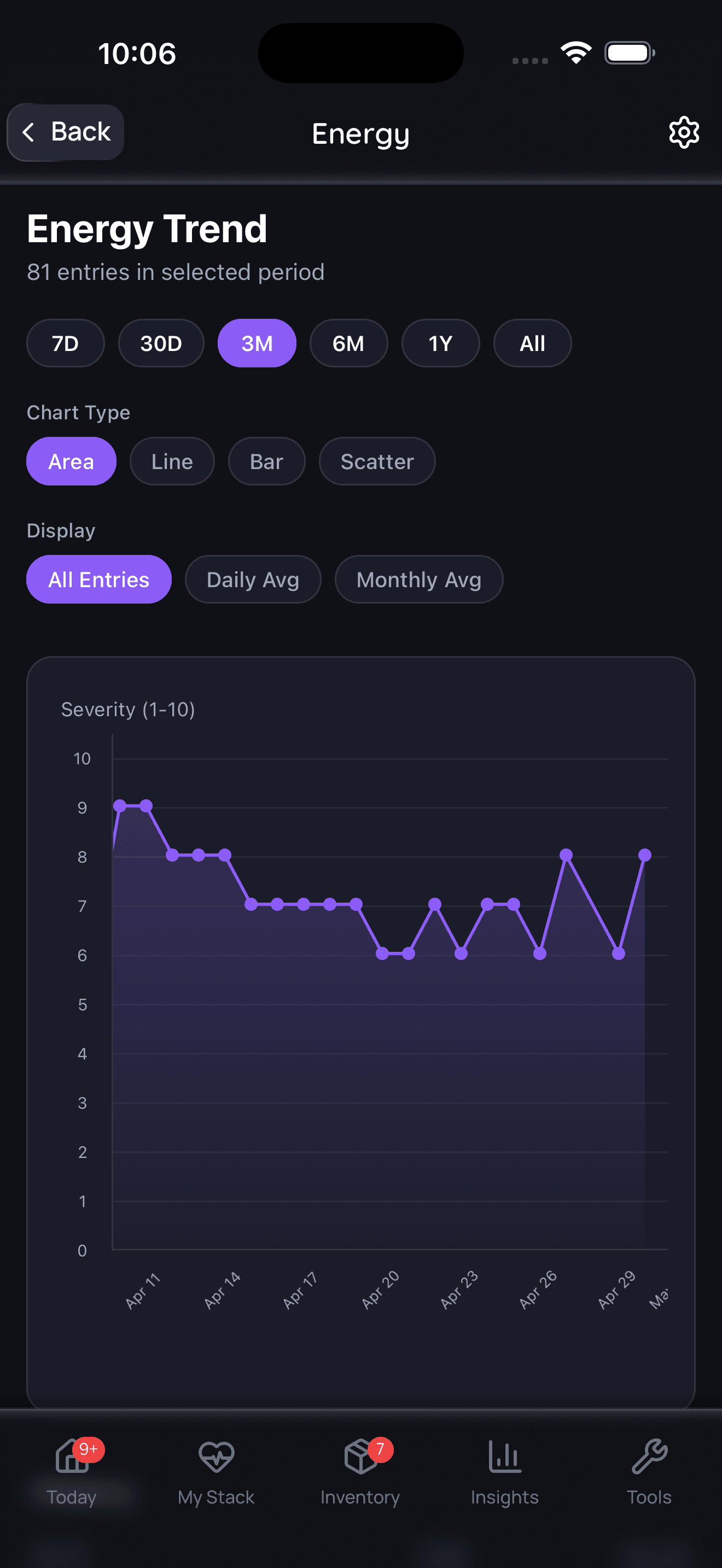
Symptom tracking is informational and should be interpreted with a qualified clinician.
Stopping TRT / Post-Cycle Considerations
The considerations for stopping TRT are consistent regardless of country. HPG axis recovery after exogenous testosterone discontinuation is variable (6-24+ months) and not guaranteed, particularly for men with primary hypogonadism. PCT protocols (HCG taper, clomiphene, enclomiphene) are community-derived practices with limited formal clinical study.
For Canadian patients, the relevant consideration is that clomiphene is available by prescription (off-label for male hypogonadism) and may be covered by some private insurance plans. Enclomiphene availability in Canada may be limited compared to the US market.
For detailed information on stopping TRT and HPG axis recovery, see: Stopping TRT & Post-Cycle Recovery.
Special Populations & Situations
Special population considerations for TRT are covered in the medication-specific and condition guides. For the Canadian context, key population-specific access considerations include:
Men Under 35
Community reports and clinical experience suggest that younger Canadian men may face additional barriers to TRT access, with some physicians reluctant to prescribe for younger patients regardless of lab results. The CUA guideline does not specify age restrictions for treatment, but fertility preservation counseling is especially critical for this population [3].
Obese Men
The CUA guideline identifies obesity as a condition associated with testosterone deficiency and recommends screening obese men for TD. Weight loss may normalize testosterone levels in some cases, and lifestyle intervention should be considered before or alongside TRT initiation [3].
Indigenous and Remote Communities
Access to endocrinologists and urologists may be significantly limited in Northern and remote Canadian communities. Telehealth TRT services have particular value for these populations, though reliable internet access and pharmacy delivery logistics may present barriers.
Transgender Men
Testosterone therapy for gender-affirming care follows different dosing goals and monitoring protocols. Canadian provinces vary in their coverage of gender-affirming hormone therapy, with some provinces (e.g., Ontario, BC) providing public coverage and others requiring private payment.
Regulatory, Insurance & International
This is the primary content section for this guide. It covers the regulatory framework, insurance landscape, provincial variations, and practical access information specific to Canada.
Federal Regulatory Framework
Controlled Drugs and Substances Act (CDSA)
Testosterone and its derivatives are classified as Schedule IV controlled substances under the CDSA [1]. This classification places testosterone alongside other anabolic steroids and requires:
- A valid prescription from a licensed practitioner for lawful possession
- Compliance with Food and Drug Regulations Part G (FDR-G) for all activities involving controlled drugs
- DEA-equivalent registration is not required in Canada; practitioners prescribe under their provincial medical license
Penalties for unauthorized activities:
- Possession without prescription (indictable): Up to 3 years imprisonment
- Possession without prescription (summary conviction, first offence): Fine up to $1,000 or up to 6 months imprisonment, or both
- Trafficking (indictable): Up to 3 years imprisonment for Schedule IV substances
The Canadian classification is generally considered less restrictive than the US Schedule III classification. Notably, the penalties for personal possession are lower in Canada than in either the US or for trafficking offences, reflecting a regulatory approach that emphasizes medical oversight rather than criminal enforcement for personal use.
Health Canada Drug Approvals
Health Canada approves testosterone products for the Canadian market and assigns Drug Identification Numbers (DINs). The approved indication across all products is testosterone replacement in adult males with conditions associated with deficiency or absence of endogenous testosterone [2].
Current market status of key products (as of March 2026):
- Depo-Testosterone (Pfizer Canada): DIN 00030783, status: Cancelled Post Market (July 2025). Generic testosterone cypionate remains available.
- Testosterone Enanthate Injection USP (Hikma Canada): DIN 02536315, status: Marketed.
- AndroGel (BGP Pharma ULC): DINs 02245345/02245346/02249499, status: Marketed.
- Testim 1% (Knight Therapeutics): DIN 02280248, status: Marketed.
- PMS-Testosterone (Pharmascience): DIN 02322498, testosterone undecanoate 40mg oral capsule, status: Dormant.
- Kyzatrex (Marius Pharmaceuticals): Testosterone undecanoate oral capsule, approved November 2025 [4].
Health Canada Safety Actions
In 2014, Health Canada issued a Summary Safety Review evaluating cardiovascular risk associated with testosterone replacement products. Based on 35 Canadian adverse reaction reports and a review of scientific literature, Health Canada concluded that cardiovascular problems beyond the already-known risks of high blood pressure and fluid retention may occur with testosterone use. Health Canada worked with manufacturers to update product labels and continues to collaborate with the FDA and EMA on safety monitoring [2].
Provincial Drug Coverage
Canada's publicly funded healthcare system covers physician visits and laboratory work universally through provincial health insurance plans. However, prescription drug coverage is not guaranteed by the federal Canada Health Act and varies significantly by province, creating meaningful access disparities across the country.
Provincial Drug Plan Overview
Province/Territory
Ontario
- Drug Plan
- Ontario Drug Benefit (ODB)
- TRT Coverage Notes
- Covers certain formulations for eligible populations: seniors (65+), social assistance recipients, long-term care residents. OHIP+ covers those under 25. Working-age adults with no private plan must pay out-of-pocket.
Province/Territory
British Columbia
- Drug Plan
- Fair PharmaCare
- TRT Coverage Notes
- Income-based coverage with annual deductible. Some injectable formulations may be covered after deductible is met.
Province/Territory
Alberta
- Drug Plan
- Non-Group Coverage Plan
- TRT Coverage Notes
- Available for purchase by individuals without employer plans. Limited testosterone-specific coverage.
Province/Territory
Quebec
- Drug Plan
- RAMQ
- TRT Coverage Notes
- Public prescription drug insurance mandatory for residents without private coverage. May cover testosterone under the general formulary.
Province/Territory
Saskatchewan
- Drug Plan
- Saskatchewan Drug Plan
- TRT Coverage Notes
- Variable coverage; some formulations listed on provincial formulary.
Province/Territory
Manitoba
- Drug Plan
- Pharmacare
- TRT Coverage Notes
- Income-based coverage available.
Province/Territory
Atlantic Provinces
- Drug Plan
- Various provincial plans
- TRT Coverage Notes
- Coverage varies; generally less comprehensive than larger provinces.
Province/Territory
Territories
- Drug Plan
- NIHB and territorial plans
- TRT Coverage Notes
- Coverage through Non-Insured Health Benefits (NIHB) for eligible Indigenous populations; territorial plans for others.
Private Insurance Coverage
Most Canadian employer-sponsored benefit plans include prescription drug coverage that can significantly reduce TRT costs:
- Coverage typically ranges from 50% to 100% of medication costs, depending on the plan
- Prior authorization or documentation of diagnosed hypogonadism may be required
- Brand-name formulations may require step therapy (generic or alternative tried first)
- Compounded testosterone may not be covered by all insurance plans
- Health Spending Accounts (HSAs) and Flexible Spending Accounts may be used for TRT-related expenses
Cost Landscape
Medication costs (monthly, without insurance):
- Injectable testosterone (enanthate or cypionate): $60-$100/month
- Testosterone gels (AndroGel, Testim): $200-$600/month
- Testosterone pellets: $400-$1,000 per insertion (available at select private clinics)
- Oral testosterone undecanoate (Andriol/generics): Variable
Medication costs (with private insurance):
- Injectable testosterone: As low as $12-$20/month with 80%+ coverage
- Gels: $40-$120/month with typical coverage
Telehealth bundled packages:
- Beyoung Health: $66/month (quarterly billing) for consultations, blood work requisitions, and prescription renewals; medication costs separate
- Get Gambit: Initial consultation often offered at promotional rates; specialist-managed care with home delivery
- Science & Humans: ~$200/quarter for bloodwork, consultation, and prescriptions
- Intramed: $99 eligibility blood test, monthly program fee for ongoing care
Consultation and monitoring costs:
- Family doctor visits: Covered by provincial health insurance
- Specialist consultations: Covered by provincial health insurance
- Laboratory work: Covered by provincial health insurance when ordered by a physician
- Private telehealth consultations: $50-$200 per visit
Canadian Telehealth TRT Landscape
The telehealth TRT sector in Canada has grown significantly, driven by long wait times for specialist referrals and increasing patient demand for convenient access. Key providers include:
Get Gambit (getgambit.ca)
- Internal medicine specialist oversight
- Comprehensive blood work (50+ biomarkers)
- In-house accredited pharmacy with 48-hour shipping
- Health Canada-approved medications
Beyoung Health (beyoung.health)
- Free initial blood work (20+ panels)
- $66/month for ongoing care (billed quarterly)
- HSA-eligible consultations
- Prescription sent to patient's preferred pharmacy
Science & Humans / Onmen
- $200/quarter for bloodwork, consultations, prescriptions
- Maximum dosing cap reported at 150mg/week
- Mixed community reviews; longest-operating Canadian telehealth TRT provider
Intramed (intramed.ca)
- Calgary-based with Western Canada focus
- TRT pellets available in addition to traditional formulations
- Virtual consultations with doctor oversight
Important considerations for telehealth TRT:
- Ensure the provider uses Health Canada-approved medications
- Verify that prescribers are licensed in your province
- Confirm that blood work includes comprehensive baseline and follow-up panels
- Be cautious of providers that prescribe without adequate diagnostic workup
- Telehealth prescribing regulations vary by province and may be subject to change
Compounded Testosterone in Canada
Compounded testosterone formulations are available from many compounding and online pharmacies across Canada. The CUA guideline notes that "published data has demonstrated significant variability of testosterone concentrations within such products, leading to concerns regarding efficacy and safety" [3].
Key regulatory points:
- Compounding pharmacies must comply with NAPRA (National Association of Pharmacy Regulatory Authorities) standards
- Each province's college of pharmacists regulates compounding activities
- Compounded products are not subject to the same Health Canada approval process as manufactured products
- Good Compounding Practices (GCP) for sterile and non-sterile preparations apply
- Some patients and providers prefer compounded formulations for custom dosing or formulations not available commercially (e.g., compounded testosterone creams for transdermal application)
International Travel
Canadian TRT patients travelling internationally should:
- Carry a copy of their prescription and a letter from their prescribing physician
- Keep medication in its original pharmacy-labeled container
- Be aware that testosterone is a controlled substance in most countries, and regulations vary
- The CDSA Section 56 Class Exemption allows travellers to import/export prescription controlled drugs for personal use with appropriate documentation
- Quantities should be consistent with personal use for the duration of travel
- Some countries may require advance notification or import permits for controlled substances
Comparison with Other Jurisdictions
Aspect
Classification
- Canada
- CDSA Schedule IV
- United States
- CSA Schedule III
- United Kingdom
- Class C / Schedule 4 Part II
- Australia
- Schedule 4 (Prescription Only)
Aspect
Consultations
- Canada
- Covered (provincial)
- United States
- Variable (insurance)
- United Kingdom
- Covered (NHS) / Private
- Australia
- Covered (Medicare)
Aspect
Lab Work
- Canada
- Covered (provincial)
- United States
- Variable (insurance)
- United Kingdom
- Covered (NHS) / Private
- Australia
- Covered (Medicare)
Aspect
Medication
- Canada
- Variable (provincial + private)
- United States
- Variable (insurance)
- United Kingdom
- Minimal cost (NHS)
- Australia
- PBS-subsidized if eligible
Aspect
Telehealth TRT
- Canada
- Growing sector
- United States
- Established sector
- United Kingdom
- Growing (private)
- Australia
- Growing sector
Aspect
Specialist Wait Time
- Canada
- Weeks to months
- United States
- Days to weeks
- United Kingdom
- 30-50+ weeks (NHS)
- Australia
- Variable
Aspect
Personal Possession Penalty
- Canada
- Up to 3 years (indictable)
- United States
- Up to 1 year
- United Kingdom
- Not criminal for personal use
- Australia
- Fine or imprisonment
Frequently Asked Questions
Is testosterone therapy legal in Canada?
Yes. Testosterone replacement therapy is legal in Canada when prescribed by a licensed healthcare provider for a documented medical condition (testosterone deficiency/hypogonadism). Testosterone is a Schedule IV controlled substance under the CDSA, meaning a valid prescription is required for lawful possession and use.
How do I get started with TRT in Canada?
The most common pathway starts with your family doctor, who can order blood tests to check your testosterone levels. If levels are confirmed as low on two separate morning measurements and you have symptoms consistent with testosterone deficiency, your doctor may prescribe TRT directly or refer you to a specialist (endocrinologist or urologist). Telehealth providers offer an alternative pathway with faster timelines.
Does provincial health insurance cover TRT?
Provincial health insurance covers physician consultations and laboratory work, but prescription drug coverage varies by province. Most provinces do not include testosterone in their standard formularies for working-age adults. Private employer insurance plans often cover testosterone prescriptions, sometimes with prior authorization requirements.
How much does TRT cost in Canada without insurance?
Injectable testosterone (enanthate or cypionate) typically costs $60-$100 per month out-of-pocket at a Canadian pharmacy. Testosterone gels cost $200-$600 per month. Telehealth bundled packages (including consultations and prescriptions) range from $66 to $200 per month.
Can I get TRT through telehealth in Canada?
Yes. Several telehealth providers operate across Canada, offering online assessments, virtual consultations with licensed physicians, and home delivery of medications. These services can significantly reduce the time from initial assessment to treatment initiation compared to the traditional referral pathway.
What is the difference between CDSA Schedule IV and US Schedule III?
Both classifications require a valid prescription and restrict unauthorized possession and distribution. The Canadian Schedule IV classification carries lower maximum penalties for personal possession (up to 3 years vs up to 1 year in the US) but is enforced primarily through the medical regulatory framework rather than criminal prosecution for personal use.
Can my family doctor prescribe TRT, or do I need a specialist?
In Canada, family doctors can prescribe TRT. However, some GPs are uncomfortable managing testosterone therapy. The CUA guideline was designed in part to address this knowledge gap. If your family doctor is unwilling to prescribe, a specialist referral or telehealth provider are alternative pathways.
Is Natesto (trans-nasal testosterone) available in Canada?
Natesto has been approved by Health Canada but is currently unavailable due to a manufacturing modification, according to the CUA guideline. Check with your provider for the most current availability status.
Can I travel internationally with testosterone?
Yes, with proper documentation. Carry your prescription, a letter from your prescribing physician, and keep the medication in its original pharmacy-labeled container. The CDSA provides a class exemption for travellers carrying prescription controlled drugs for personal use. Be aware that regulations vary by destination country.
What blood work do I need before starting TRT?
The CUA guideline recommends at minimum: two fasting morning total testosterone measurements, plus additional tests as clinically indicated (LH, FSH, prolactin, CBC, PSA, metabolic panel). All of these are covered by provincial health insurance when ordered by your physician.
Will TRT affect my fertility?
Yes. Exogenous testosterone suppresses spermatogenesis and can cause azoospermia. If you may want biological children in the future, discuss fertility preservation options (sperm banking, HCG co-administration, SERMs) with your provider before starting treatment. See Section Section 13 for details.
Are compounded testosterone products safe in Canada?
The CUA guideline notes that published data has shown significant variability in testosterone concentrations in compounded products, raising concerns about efficacy and safety. Compounded products are available from NAPRA-regulated pharmacies but are not subject to the same Health Canada approval process as manufactured products.
Myth vs. Fact
Myth: TRT is illegal in Canada.
Fact: TRT is legal in Canada with a valid prescription from a licensed healthcare provider. Testosterone is a Schedule IV controlled substance under the CDSA, which means it requires a prescription, not that it is banned. Unauthorized possession without a prescription is illegal, but prescribed TRT is a legitimate medical treatment [1].
Myth: You need a specialist referral to get TRT in Canada.
Fact: Canadian family doctors can prescribe TRT. While some GPs prefer to refer to an endocrinologist or urologist, there is no regulatory requirement for specialist involvement in most provinces. The CUA guideline was designed to support GP management of testosterone deficiency [3].
Myth: Provincial health insurance covers all TRT costs.
Fact: Provincial health insurance covers physician consultations and laboratory monitoring, but prescription drug coverage for testosterone varies by province, age, and insurance status. Many working-age Canadians must rely on private employer insurance or pay out-of-pocket for their medication [3].
Myth: TRT causes heart attacks.
Fact: The TRAVERSE trial (n=5,246), the largest RCT designed to assess cardiovascular outcomes of TRT, found no significant increase in major adverse cardiovascular events with testosterone vs placebo (HR 0.96, 95% CI: 0.78-1.17, absolute event rates 7.0% vs 7.3%) over 33 months of follow-up in men with cardiovascular risk factors [5]. Health Canada's 2014 safety review identified signals from observational data that predated TRAVERSE [2].
Myth: Canadian telehealth TRT clinics are unregulated.
Fact: Telehealth TRT providers in Canada must use prescribers licensed in the patient's province of residence and dispense Health Canada-approved medications through licensed pharmacies. However, the quality and comprehensiveness of care varies among providers, and patients should verify credentials and ensure adequate diagnostic workup before starting treatment.
Myth: Once you start TRT, you can never stop.
Fact: Whether TRT is lifelong depends on the underlying cause. Men with primary hypogonadism (testicular failure) may need long-term treatment, but men with secondary hypogonadism may recover endogenous production after discontinuation, especially if reversible causes (obesity, sleep apnea, opioid use) are addressed. Recovery is possible but not guaranteed and may take 6-24+ months [3].
Myth: All testosterone products in Canada are the same price.
Fact: Costs vary dramatically by formulation. Injectable testosterone is the most affordable option ($60-$100/month without insurance), while gels cost $200-$600/month. Insurance coverage further affects out-of-pocket costs, with some insured patients paying as little as $12-$20/month for injectable formulations.
Myth: TRT will permanently make you infertile.
Fact: TRT suppresses spermatogenesis, and approximately 40-60% of men achieve azoospermia by 6 months of treatment. However, this is usually reversible upon discontinuation, though recovery takes 6-24+ months and is not guaranteed. Sperm banking before treatment and HCG co-administration during treatment are preservation options available in Canada [3].
Sources & References
Clinical Guidelines
[1] Government of Canada. Controlled Drugs and Substances Act (S.C. 1996, c. 19). https://laws-lois.justice.gc.ca/eng/acts/c-38.8/
[2] Health Canada. Summary Safety Review - Testosterone Replacement Products - Cardiovascular Risk. Issued 2014-07-15. https://dhpp.hpfb-dgpsa.ca/review-documents/resource/SSR00058
[3] Grober ED, Krakowsky Y, Khera M, et al. Canadian Urological Association guideline on testosterone deficiency in men: Evidence-based Q&A. Can Urol Assoc J. 2021;15(5):E234-E243. doi:10.5489/cuaj.7252. https://pmc.ncbi.nlm.nih.gov/articles/PMC8095276/
[4] Marius Pharmaceuticals. Health Canada approves testosterone undecanoate (Kyzatrex) CIII capsules. Press release, November 12, 2025. https://www.urologytimes.com/view/health-canada-approves-testosterone-undecanoate-for-hypogonadism
Landmark Trials
[5] Lincoff AM, Bhasin S, Flevaris P, et al. Cardiovascular Safety of Testosterone-Replacement Therapy. N Engl J Med. 2023;389(2):107-117. doi:10.1056/NEJMoa2215025 (TRAVERSE Trial)
Government/Institutional Sources
[6] Moe SS, Potter J. Testosterone supplementation for men. Can Fam Physician. 2025;71(5):321. https://www.cfp.ca/content/71/5/321
[7] Bhasin S, Brito JP, Cunningham GR, et al. Testosterone Therapy in Men with Hypogonadism: An Endocrine Society Clinical Practice Guideline. J Clin Endocrinol Metab. 2018;103(5):1715-1744. doi:10.1210/jc.2018-00229
[8] Canada Gazette Part I. Controlled Substances Regulations. Published June 1, 2024. https://gazette.gc.ca/rp-pr/p1/2024/2024-06-01/html/reg2-eng.html
Related Guides & Cross-Links
Same Category (Country Access Guides)
- TRT Access in the United States
- TRT Access in the United Kingdom
- TRT Access in Australia
- TRT Access in the European Union
Related Treatment Options
- Testosterone Cypionate (Depo-Testosterone)
- Testosterone Enanthate (Delatestryl)
- Testosterone Gel (AndroGel)
- Oral Testosterone Guide
- Testosterone Injections Guide
- Testosterone Gels & Topicals Guide
Complementary Approaches
- TRT for Beginners
- TRT Blood Work Guide
- Fertility Preservation on TRT
- Estrogen Management on TRT
- Stopping TRT & Post-Cycle Recovery
- Natural Testosterone Optimization
Conditions & Education
- Primary Hypogonadism
- Secondary Hypogonadism
- Late-Onset Hypogonadism (Age-Related)
- The TRAVERSE Trial Explained
- Low Testosterone Master Guide